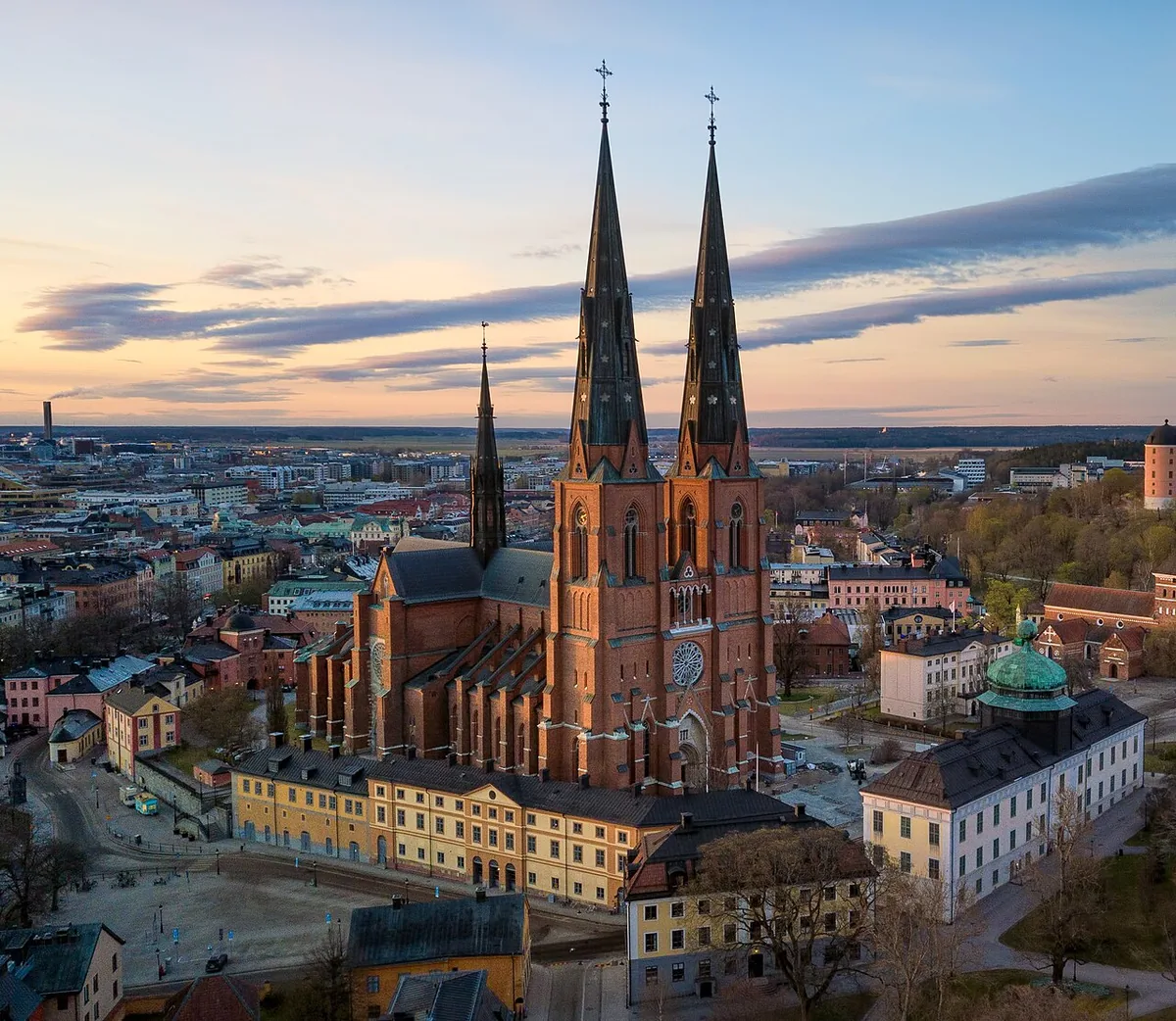
Built over more than 160 years and reshaped by fire, reform and restoration, Uppsala Cathedral remains Sweden’s national church landmark and the seat of its archbishop. Inside, medieval relics, royal tombs and a 19th-century Gothic revival meet in a living place of worship.
Quick facts
Construction began around 1270, and the cathedral was consecrated in 1435.
Saint Erik’s relics were transferred from Gamla Uppsala in 1273 and are kept in a shrine in Finsta Chapel.
After the 1702 fire, the cathedral’s present tall spires and neo-Gothic murals were created during Helgo Zettervall’s 1885–1893 restoration.
Planning your visit
Uppsala Cathedral's tall pointed spires can suggest a single medieval design, but the building carries several periods. Construction began around 1270 and it was consecrated in 1435; the present spires, murals and stained glass owe much to the restoration of 1885–1893. Look at the brickwork and the limestone columns to appreciate the different materials within this long building project.
St Erik's reliquary connects the present cathedral with Gamla Uppsala: it was moved from the older cathedral in 1273. The Treasury museum is a separate part of the visit in the north tower, known for its medieval church textiles. Check its arrangements independently if it is important to your plans.
The cathedral stands at Domkyrkoplan and remains a place of worship. Entry to the church is free, but services and concerts may restrict access to some areas. Consult the church calendar before a detailed sightseeing visit and keep space for people attending worship; visitor toilets are in the neighbouring Cathedral Café.
Sources and verification
- Uppsala Cathedral: the building and its restorations
- Uppsala Cathedral: English information and Treasury
- Uppsala Cathedral: visitor arrangements
Sources checked by Finding Locations using AI-assisted research. This is a source check, not a field inspection. Check the official venue information before visiting.
Get directions to Uppsala Cathedral. Confirm the visitor entrance and current access with the venue before travelling.
Audio guide
Listen to this place’s guide.
Guide
Uppsala Cathedral rises above the Fyris River, but its story begins several kilometres north, in Gamla Uppsala. Look for the contrast between the medieval brick body and the soaring pointed spires: the building you see is the result of centuries of ambition, interruption and reinvention.
Continue exploring
Discover the full story
Keep reading with a travel pass and explore every full guide and tour.
UpgradeMore places in Uppsala
Gustavianum
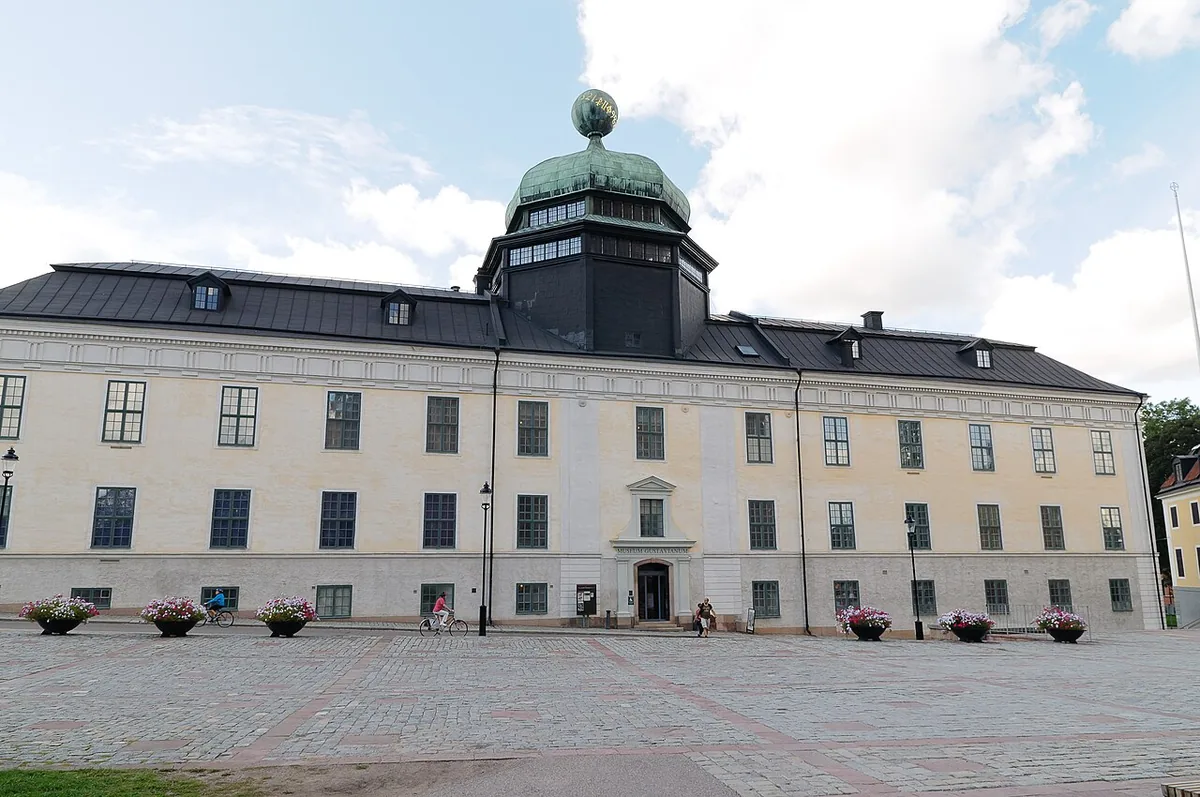
Uppsala University’s oldest surviving building began as lecture halls, student rooms and a library. Today its museum collections share space with Olof Rudbeck’s reconstructed 17th-century anatomical theatre beneath the famous rooftop cupola.
Upplandsmuseet
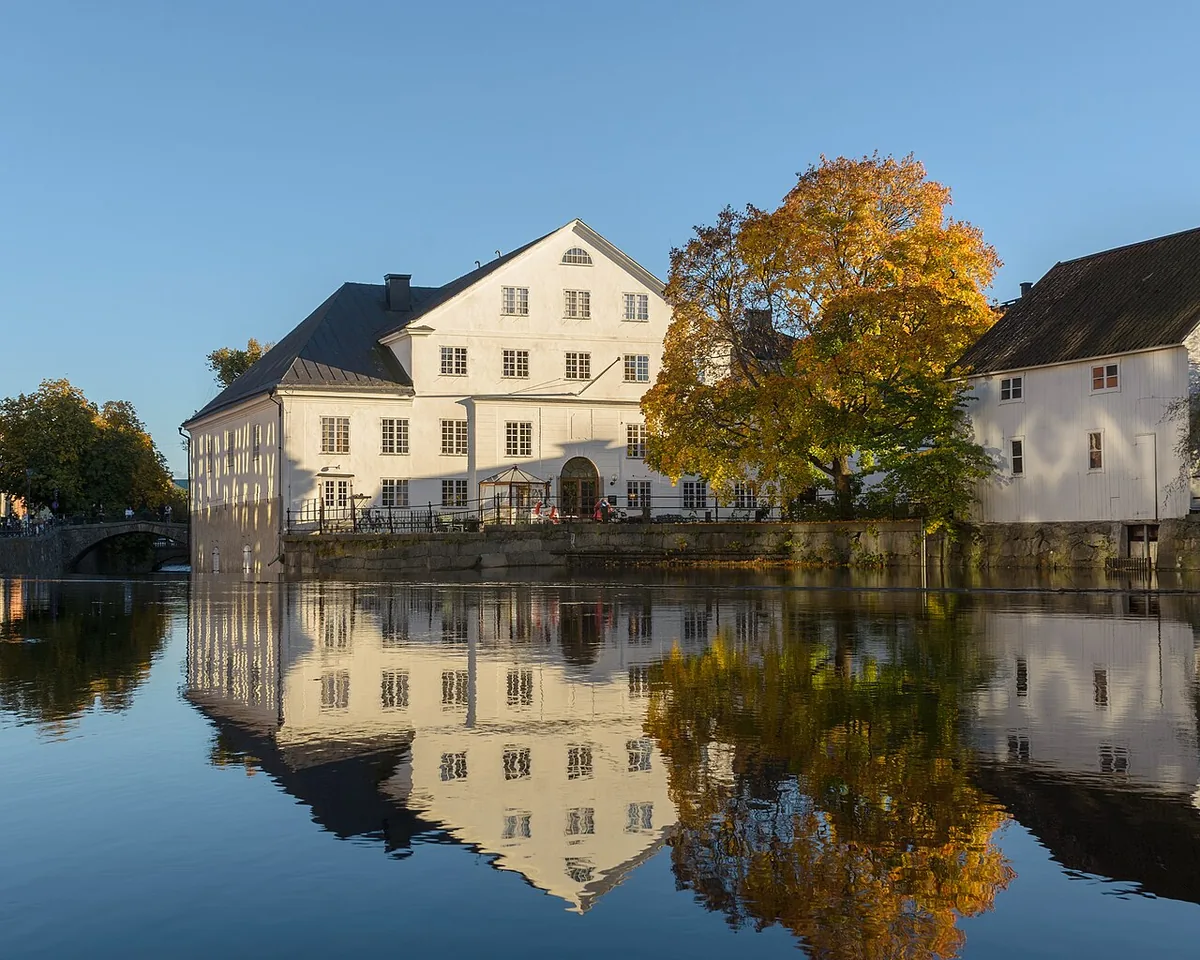
Upplandsmuseet tells the story of Uppsala and Uppland from its home in Akademikvarnen, a former watermill on the Fyris River. The mill’s own history—from medieval grain production and university monopoly to a 1959 museum opening—makes the building part of the collection.
Kulturkvarteret Walmstedtska
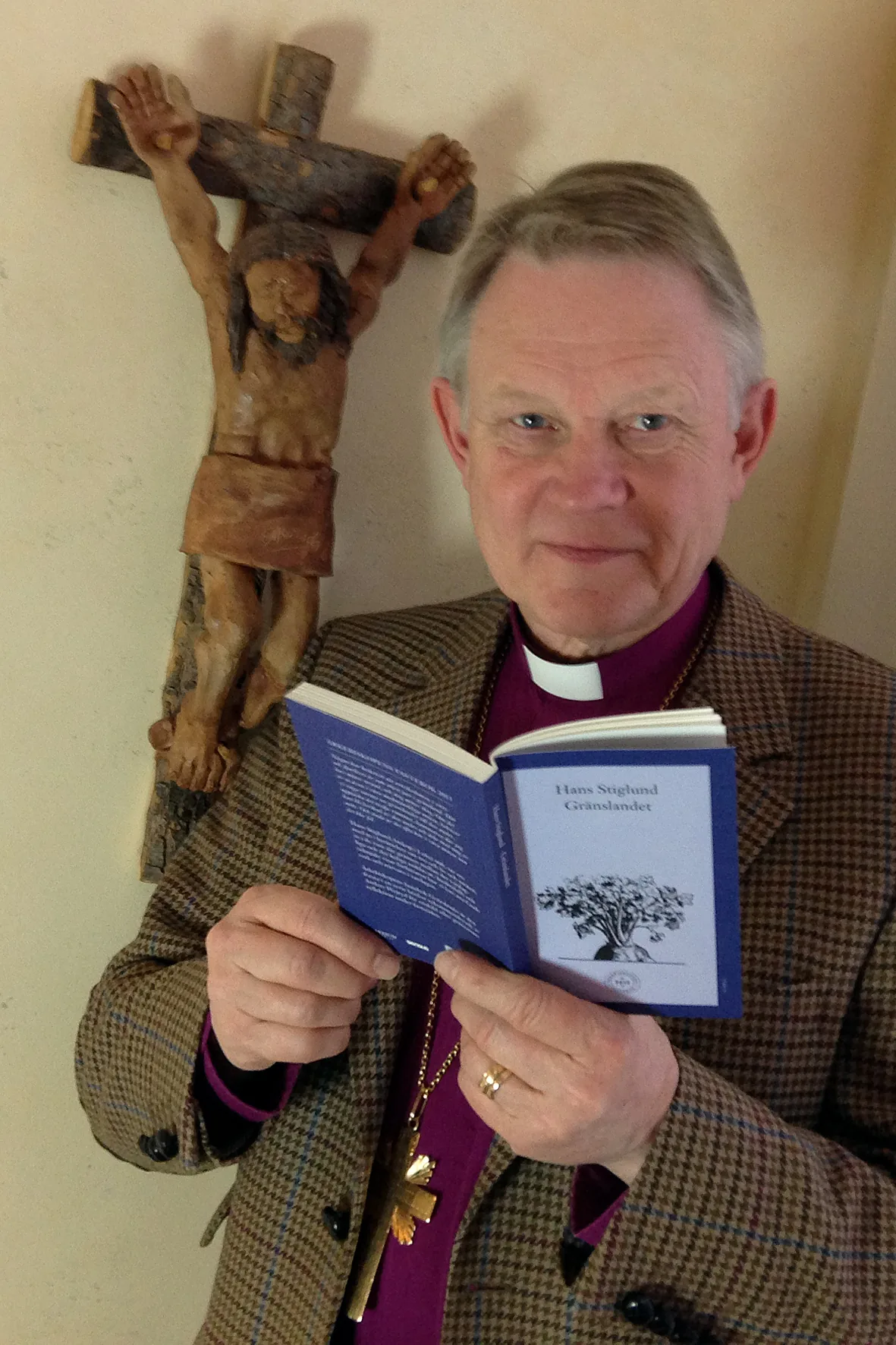
Three historic houses in central Uppsala bring a reconstructed nineteenth-century professor’s home together with contemporary art galleries and literary organizations. Walmstedtska’s story moves from a family-built academic residence to a municipally preserved cultural quarter, where the old domesti
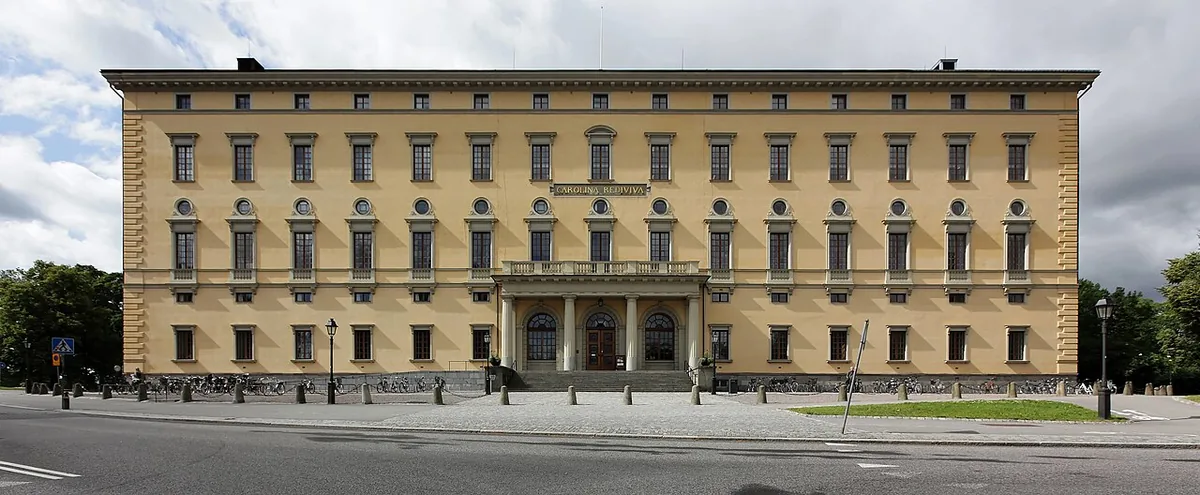
Carolina Rediviva
Carolina Rediviva is Uppsala University Library’s landmark main building, opened in 1841. A name meaning ‘the revived Carolina’ joins a demolished medieval university house to a royal-era library project; its former ceremonial hall, later reading rooms and modern extensions chart changing ideas abou
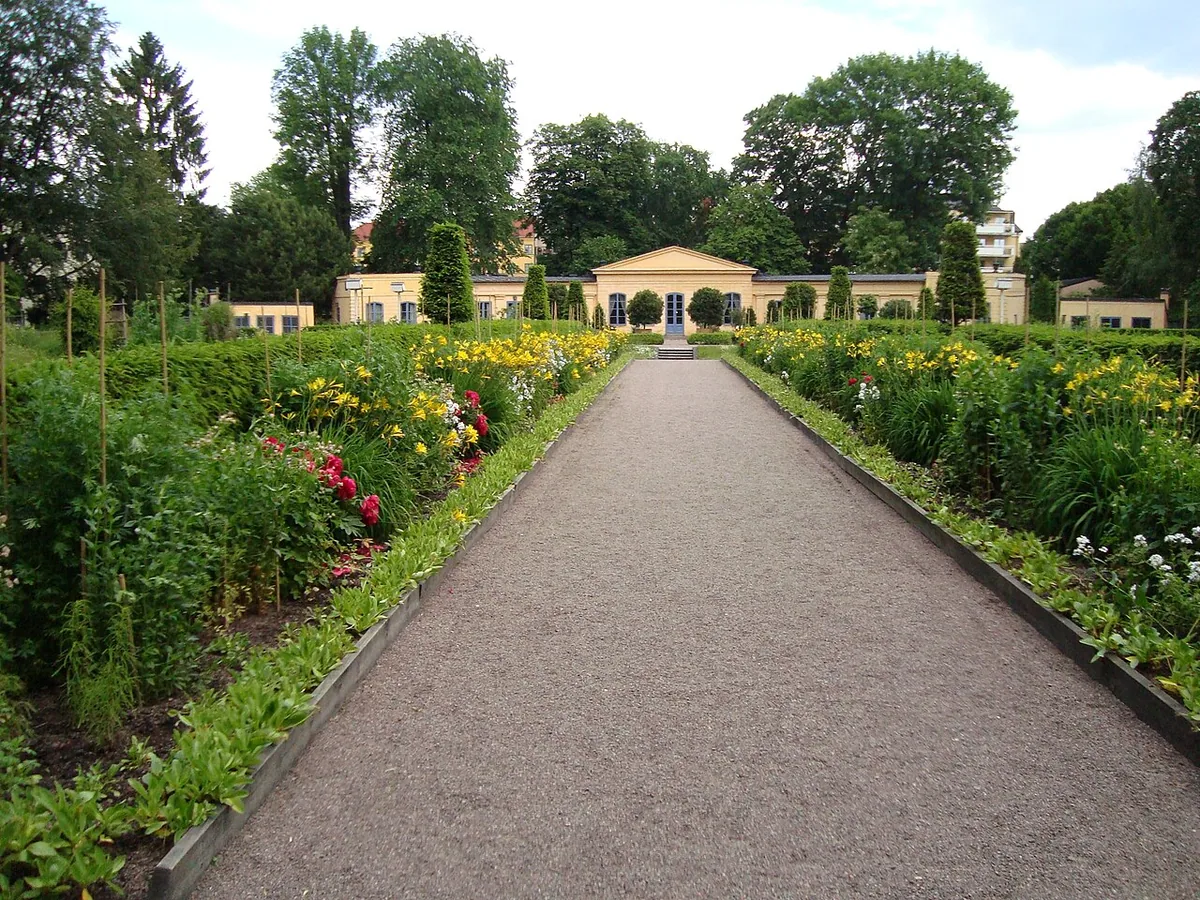
Linnaeus Garden (Linnéträdgården)
Founded by Olof Rudbeck in 1655 and reshaped by Carl Linnaeus, Sweden’s oldest botanical garden is a reconstructed eighteenth-century teaching garden. Its formal beds, Orangery, and adjacent Linnaeus Museum reveal how plants were collected, classified, and kept through Uppsala’s winters.
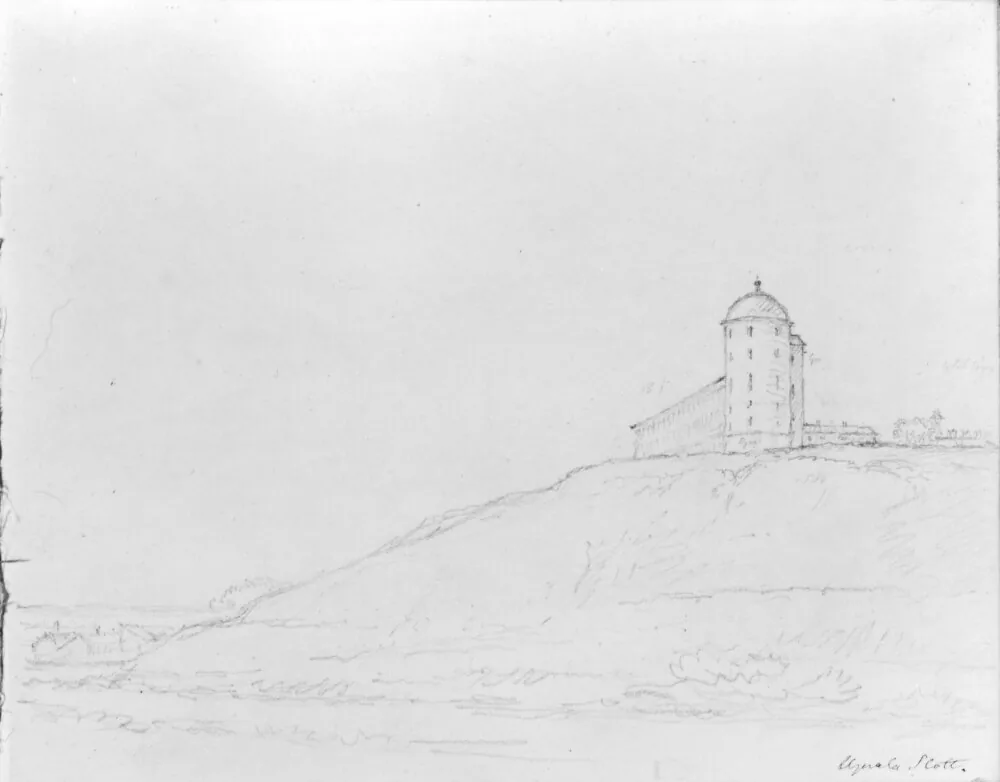
Uppsala Castle
Uppsala Castle began as Gustav Vasa’s 1549 fortress and became a Renaissance palace, royal stage, governor’s residence and civic landmark. Its bastions, Gunilla’s Bell and rebuilt State Hall preserve traces of military power, Queen Christina’s abdication, the 1702 fire and later public protest.