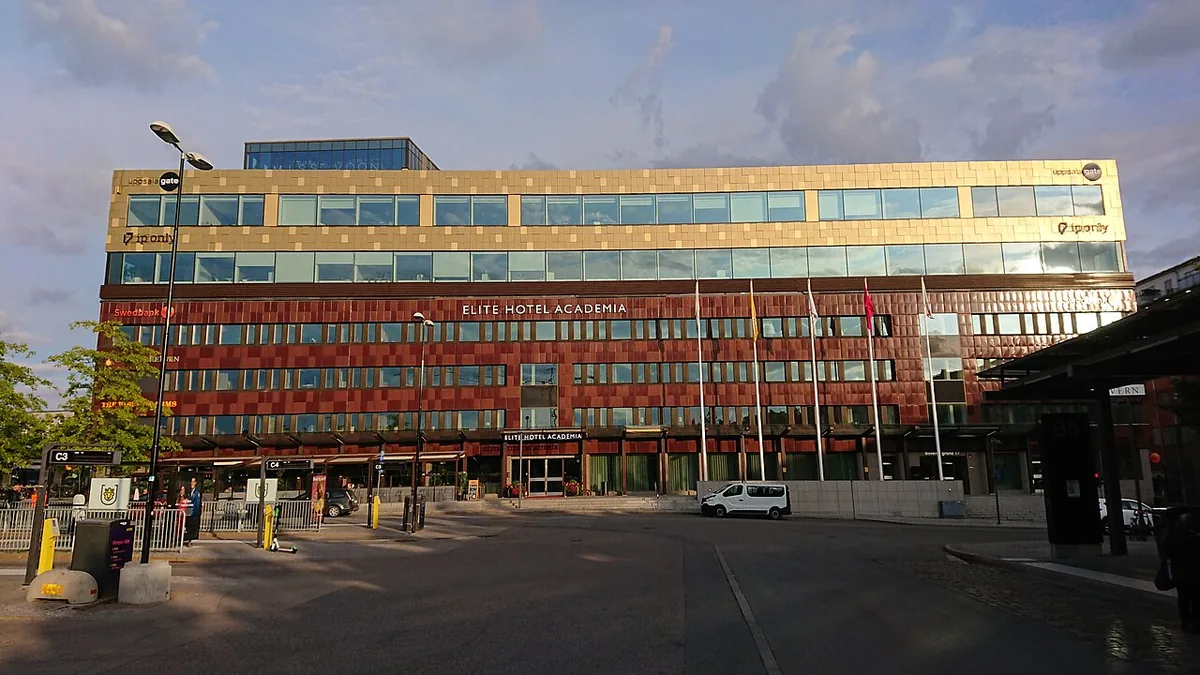
A digital art museum inside Juvelen near Uppsala Central Station. In a seven-metre-high black cube, interactive light installations invite visitors to influence changing artworks with movement and touch.
Quick facts
Cube of Art opened at Juvelen, Stationsgatan 29, on 26 December 2024, according to local launch coverage.
The museum occupies a seven-metre-high black cube with interactive, illuminated walls and floor inside Juvelen.
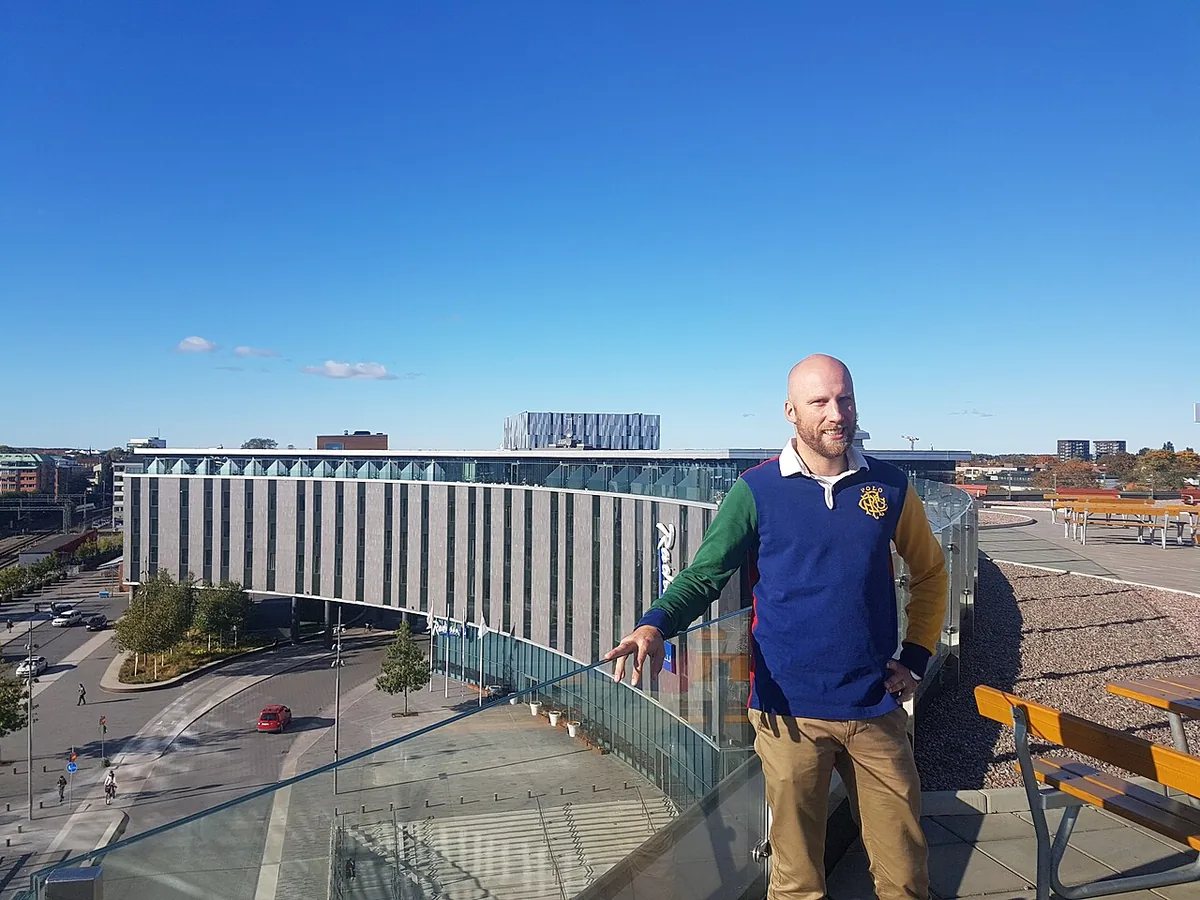
Juvelen was completed in 2019 after Skanska and Utopia won a municipal land allocation competition; the building’s triangular site shaped its faceted design.
Get directions to Cube of Art. Confirm the visitor entrance and current access with the venue before travelling.
Audio guide
Listen to this place’s guide.
Guide
Cube of Art is not a collection of screens set behind a barrier. It is a seven-metre-high black cube inside Juvelen, the golden, angular office building beside Uppsala Central Station. Light moves across its walls and floor, and visitor interaction can alter what appears there. The work is made to change: the visitor becomes one of the inputs to an artwork, rather than standing outside it.
Continue exploring
Discover the full story
Keep reading with a travel pass and explore every full guide and tour.
UpgradeMore places in Uppsala
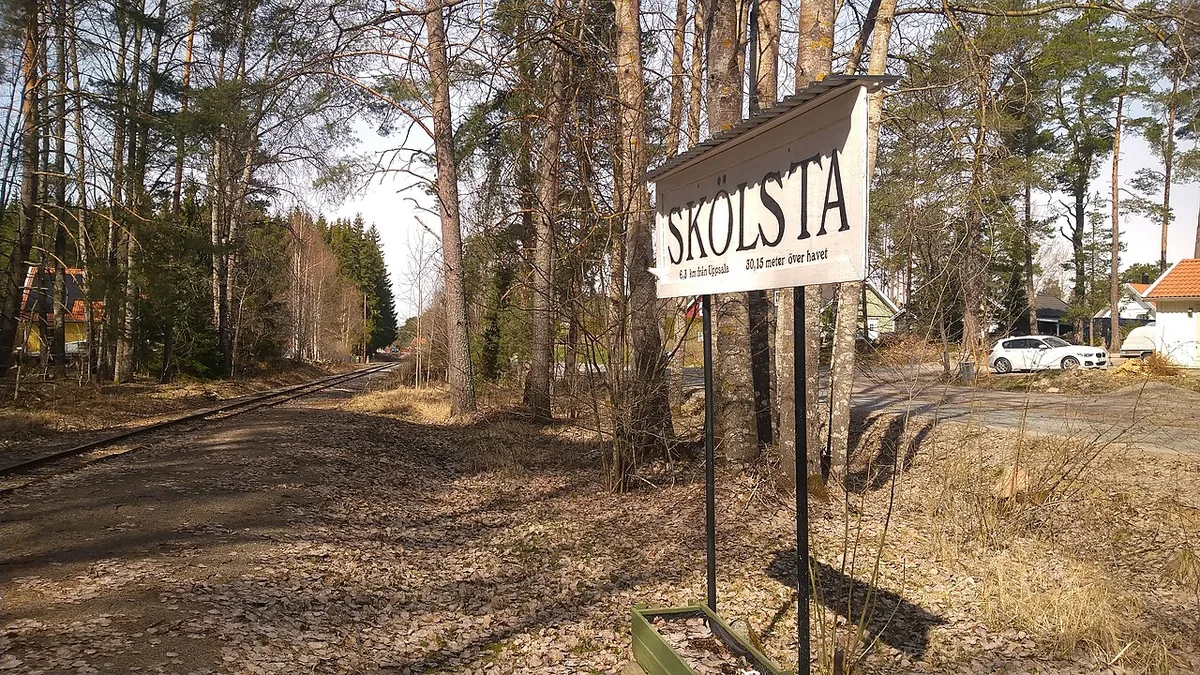
Lennakatten Heritage Railway
Lennakatten is a 33-kilometre narrow-gauge heritage railway running from Uppsala Östra to Faringe through Uppland. Opened in 1876 to serve Länna’s ironworks, the line now carries historic trains and preserves a working landscape of stations, track and railway craft.
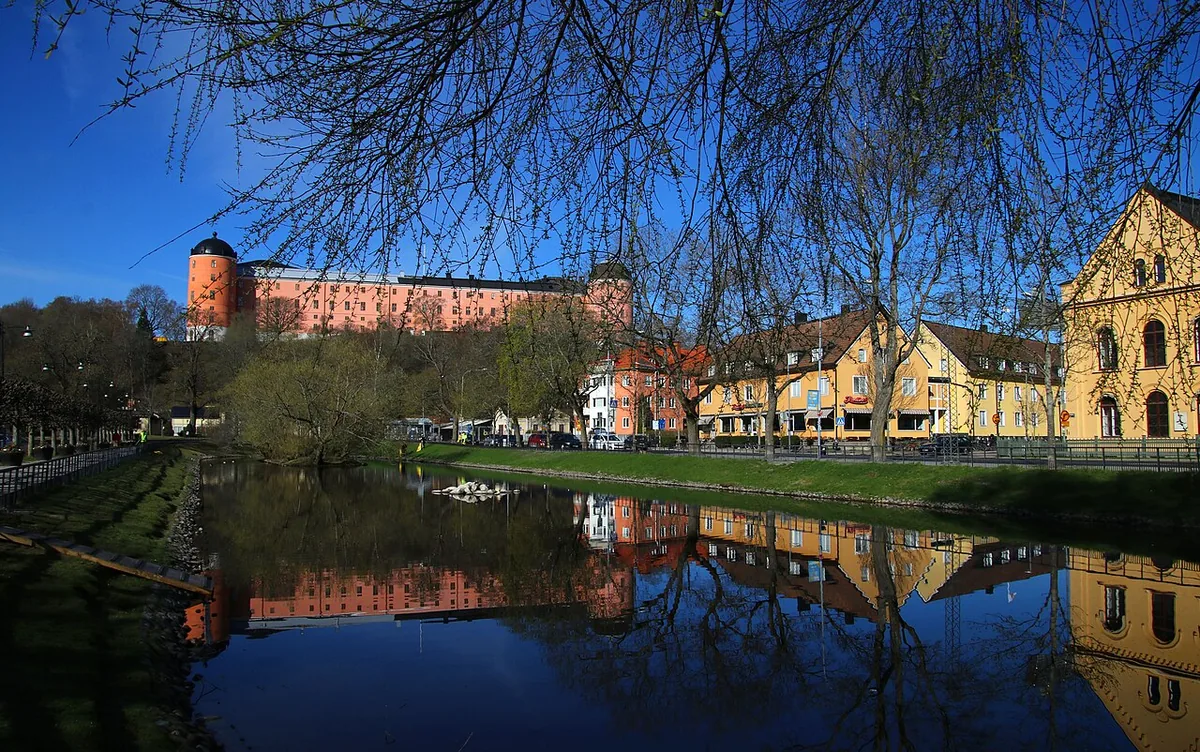
Pumphuset (The Pump House)
Uppsala’s first waterworks operated here from 1875 to 1968. The former pump house preserves turbines, pumps and controls that reveal how groundwater was lifted into the city network; today it is a municipal technology museum and learning space beside Islandsfallet.
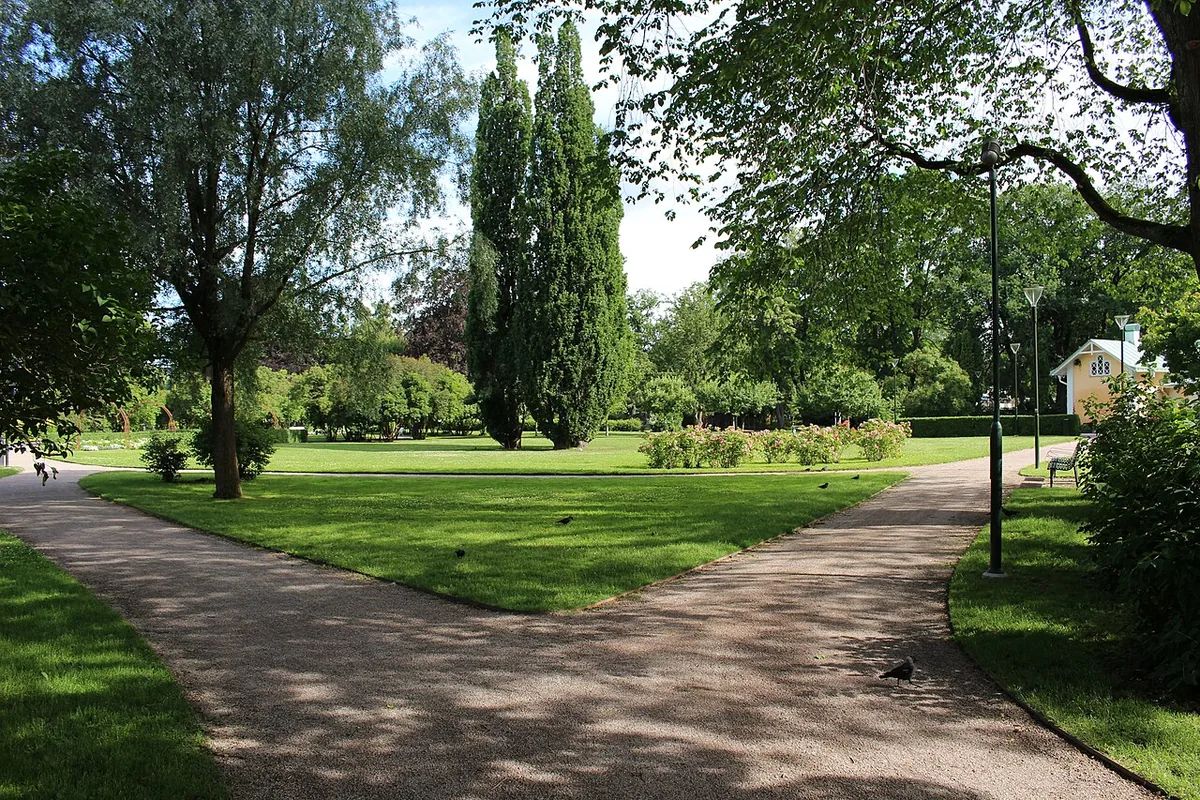
Uppsala City Garden (Stadsträdgården)
Uppsala’s central city park grew from a nineteenth-century riverside promenade and garden plots on former crown land. Today its flower beds, old river walk, public art, dance pavilion and open-air stage make Stadsträdgården a place for both quiet visits and city-wide gatherings.
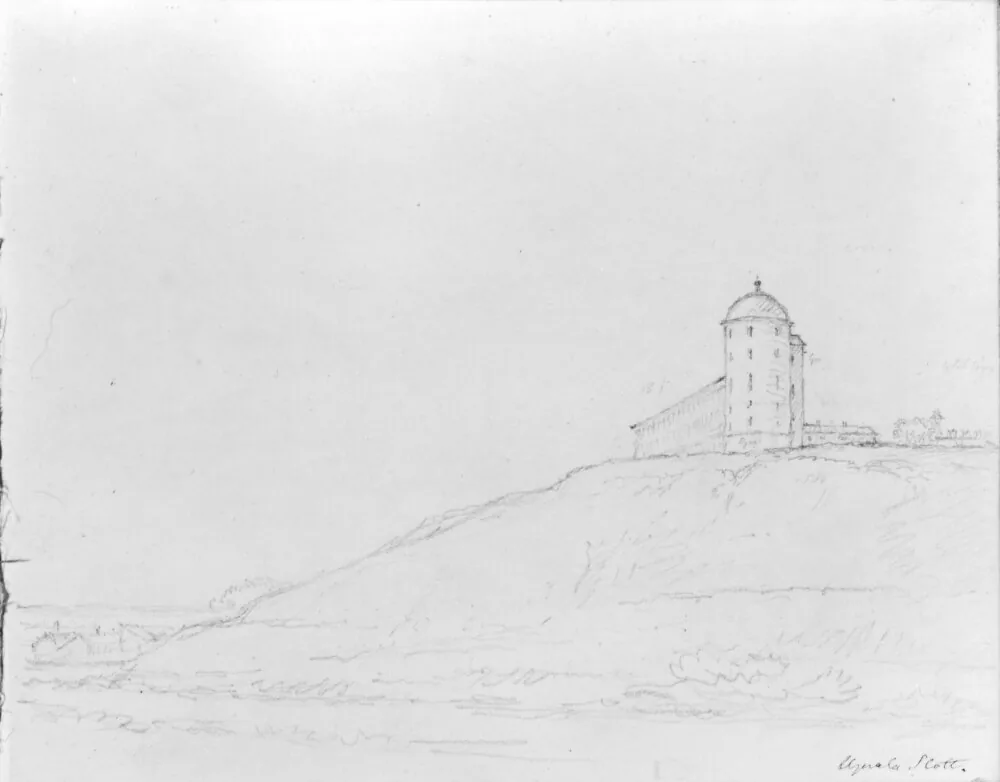
Uppsala Castle
Uppsala Castle began as Gustav Vasa’s 1549 fortress and became a Renaissance palace, royal stage, governor’s residence and civic landmark. Its bastions, Gunilla’s Bell and rebuilt State Hall preserve traces of military power, Queen Christina’s abdication, the 1702 fire and later public protest.
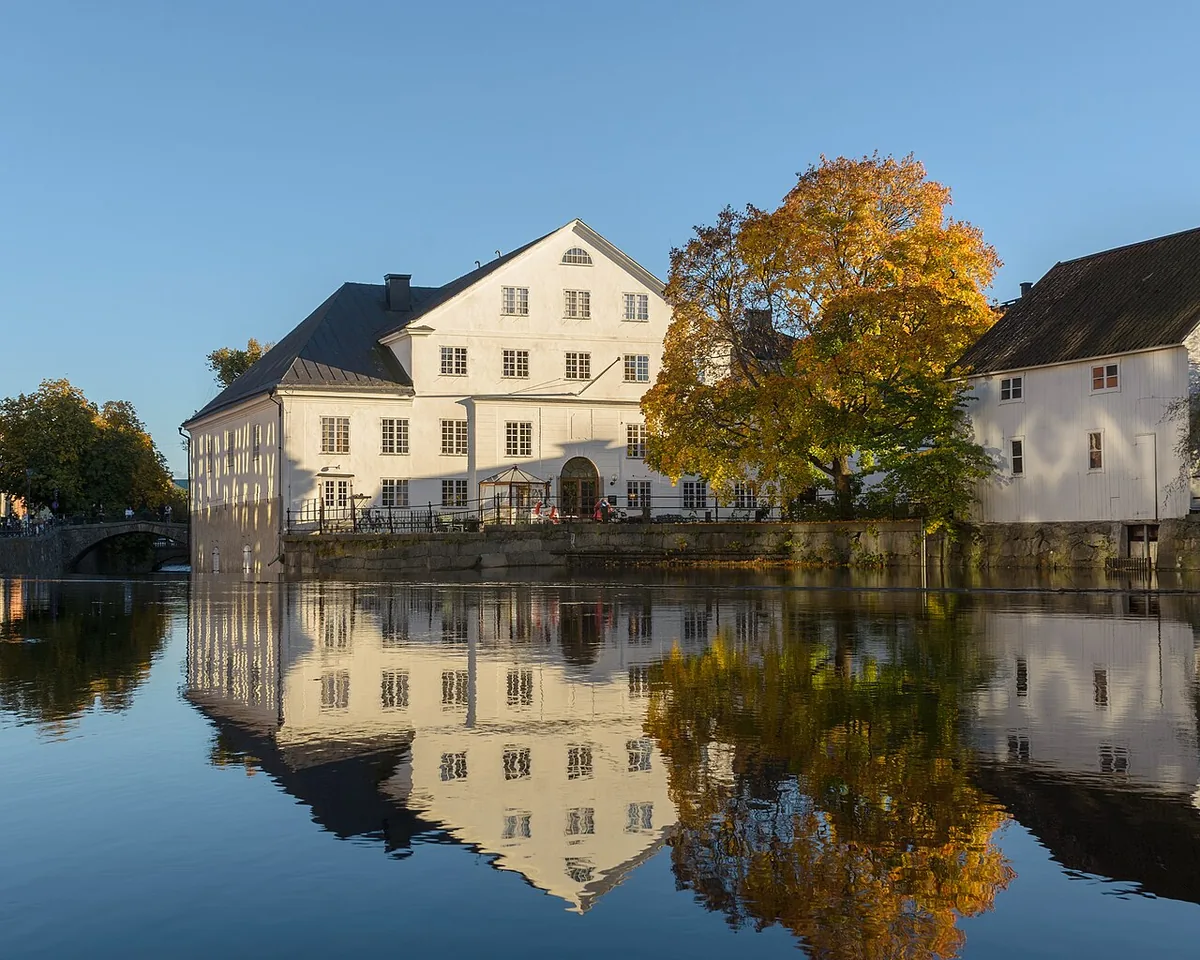
Upplandsmuseet
Upplandsmuseet tells the story of Uppsala and Uppland from its home in Akademikvarnen, a former watermill on the Fyris River. The mill’s own history—from medieval grain production and university monopoly to a 1959 museum opening—makes the building part of the collection.
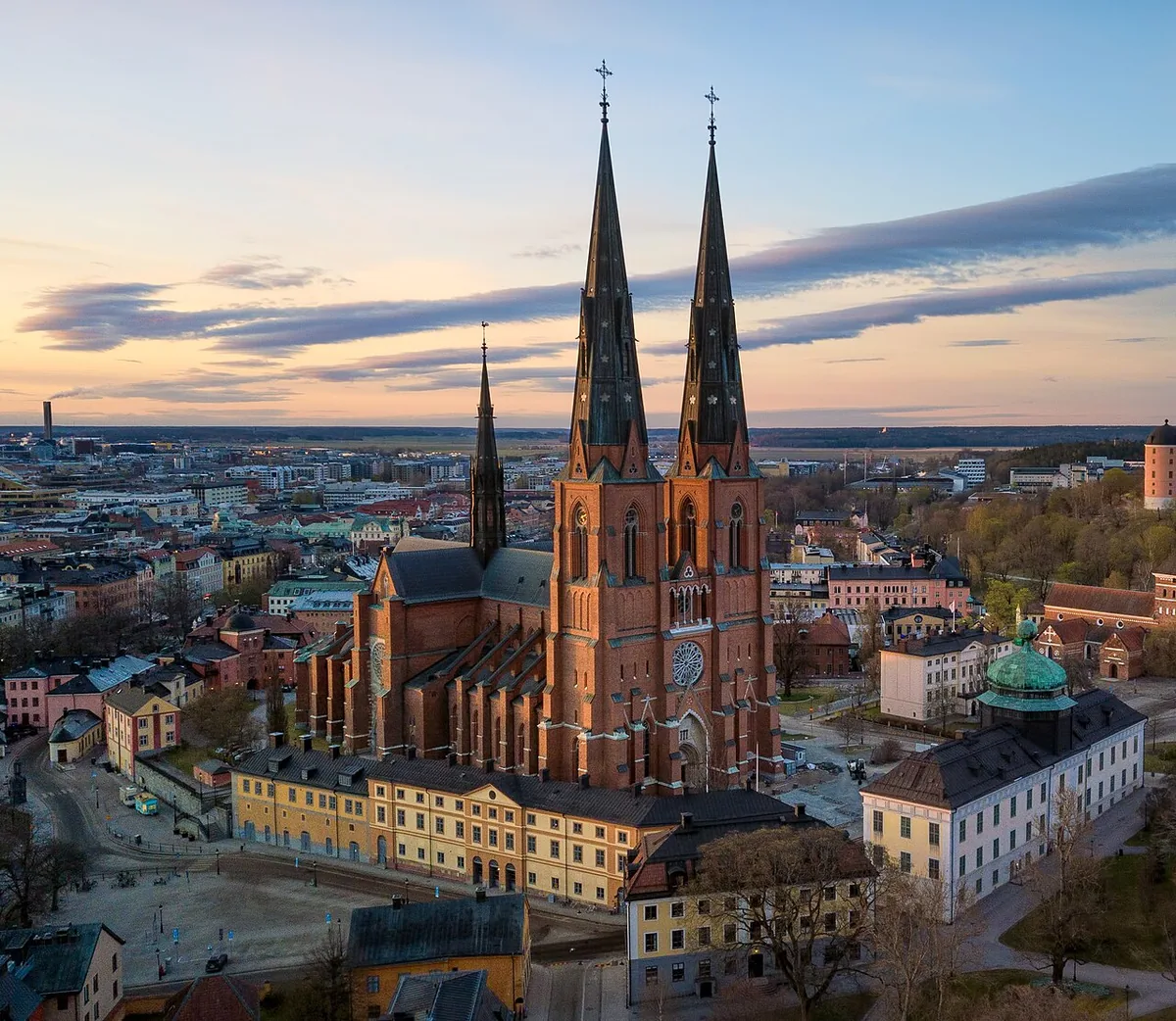
Uppsala Cathedral
Built over more than 160 years and reshaped by fire, reform and restoration, Uppsala Cathedral remains Sweden’s national church landmark and the seat of its archbishop. Inside, medieval relics, royal tombs and a 19th-century Gothic revival meet in a living place of worship.