Hammarskogs herrgård is the historic heart of a former Uppland estate and the visitor centre of Hammarskog Nature Reserve, about 15 kilometres south-west of Uppsala. Its 1655 sandstone portal survived a later fire and rebuilding; today the manor connects local farm history with woodland, wetlands and public nature learning.
Quick facts
The sandstone portal is dated 1655 and bears the initials and coats of arms of Knut Göransson Posse and his wife Ingeborg.
Uppsala Municipality’s heritage survey records fifteen families living on the estate in 1916; Uppsala city acquired Hammarskog in 1963.
The manor grounds are designated as the visitor centre of Hammarskog Nature Reserve, whose landscape includes wetlands, oak groves, meadows and agricultural land.
Get directions to Hammarskogs herrgård. Confirm the visitor entrance and current access with the venue before travelling.
Audio guide
Listen to this place’s guide.
Guide
At Hammarskogs herrgård, a carved sandstone doorway carries the initials of Knut Göransson Posse and his wife Ingeborg, with the year 1655 between them. It is a surviving fragment of an older, grander house: a reminder that this quiet manor by Dalbyviken once stood at the centre of a large working estate. The site is in Dalby parish, within Uppsala Municipality, roughly fifteen kilometres south-west of Uppsala city.
Continue exploring
Discover the full story
Keep reading with a travel pass and explore every full guide and tour.
UpgradeMore places in Uppsala
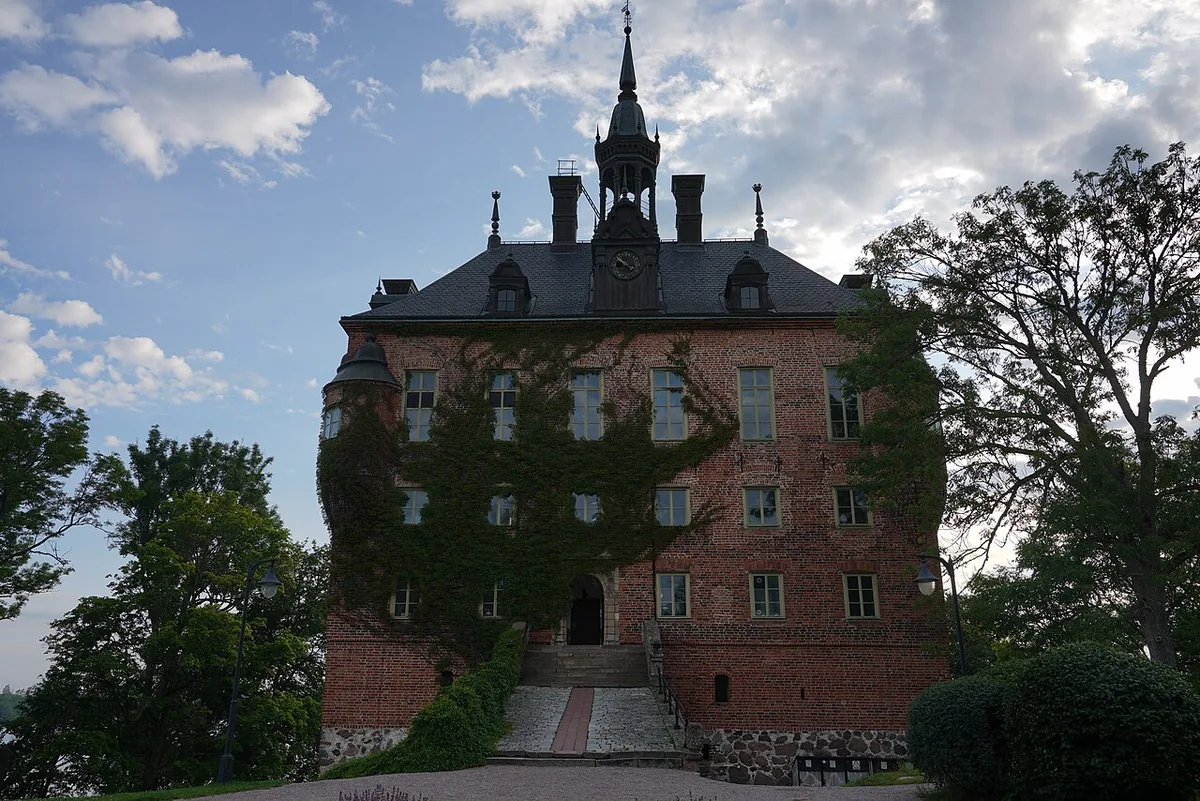
Wiks slott
On the shore of Lårstaviken, Wiks slott is a late-medieval fortified manor reshaped by seventeenth-century rebuilding and a nineteenth-century romantic restoration. Its stone-and-brick tower, parkland and long life as a school and regional public institution make it a layered heritage site southwest
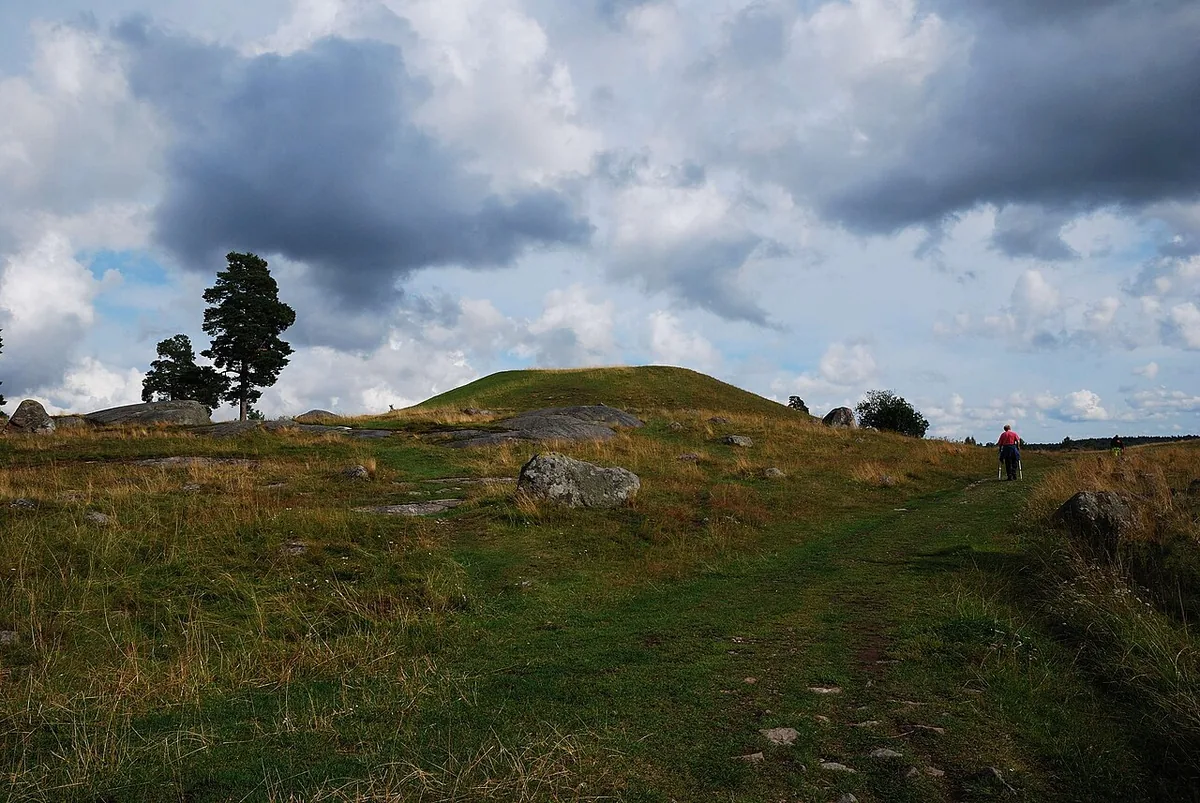
Hågahögen / Håga mound
Hågahögen is a monumental Bronze Age burial mound in Håga, west of Uppsala. Excavated in 1902–03, it proved far older than its later name Kung Björns hög suggests. Its gold and bronze grave goods connect an exceptional burial to a lived-in landscape with settlements from many periods.
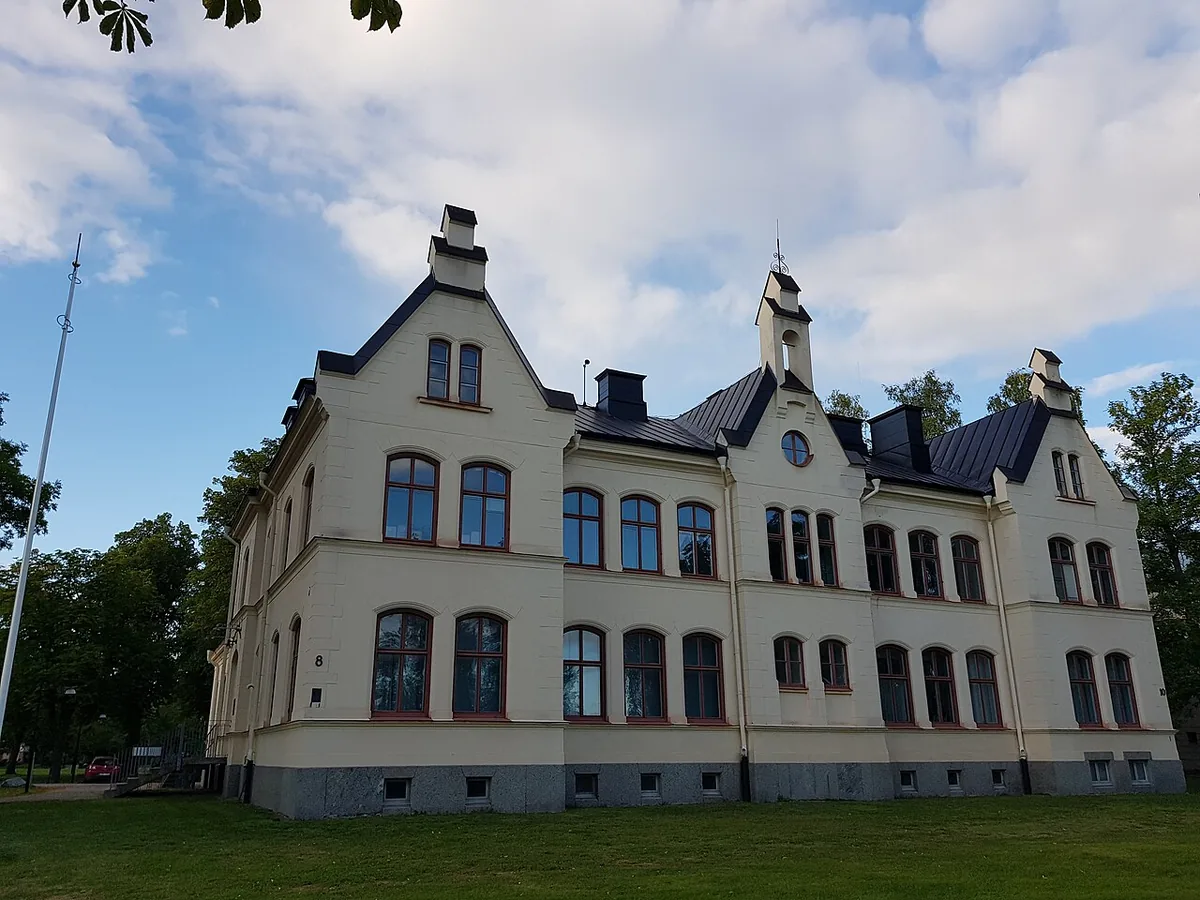
Museum of Medical History
Uppsala’s Museum of Medical History occupies a 1900 administration building at Ulleråker, once one of Sweden’s largest psychiatric hospital sites. Its collections connect medical instruments, pharmacy, folk remedies and the lives of patients and staff at Ulleråker with more than three centuries of l
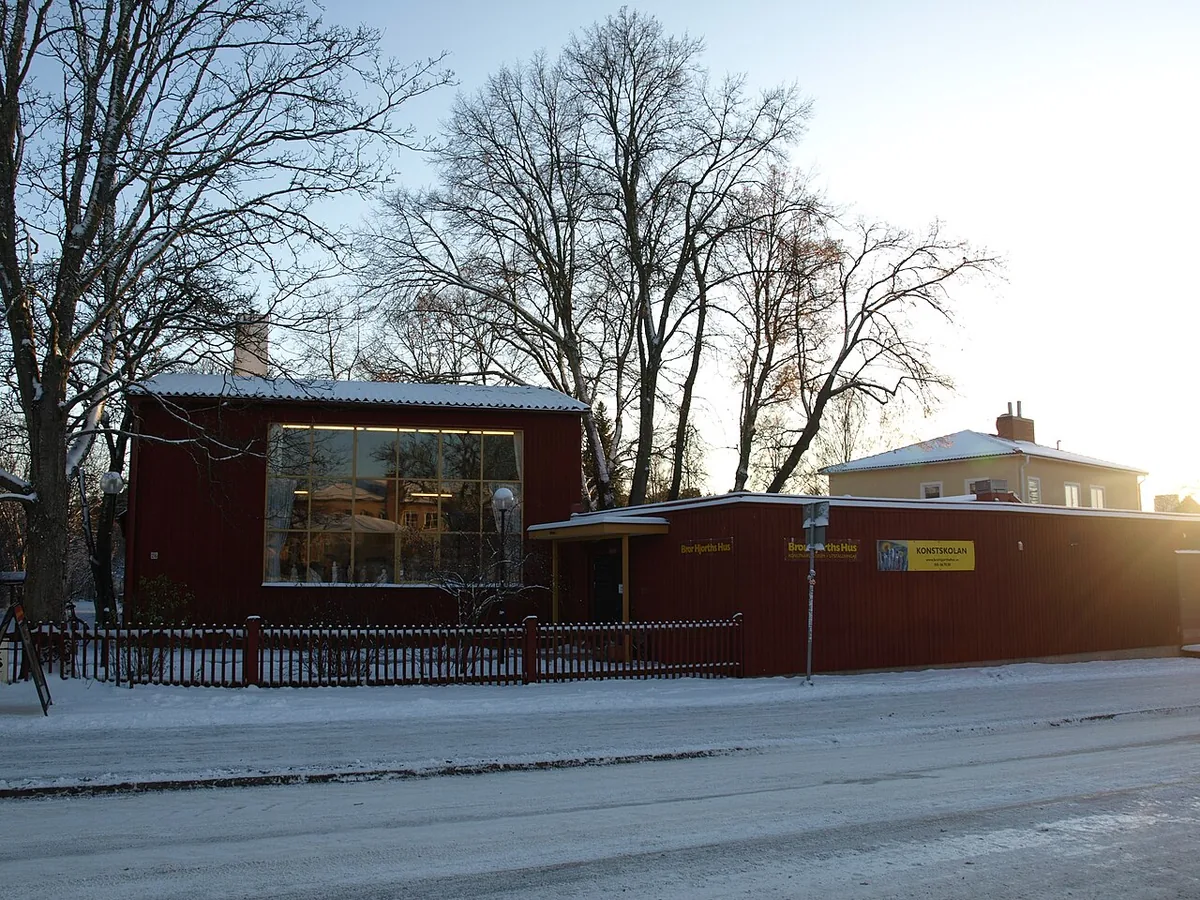
Bror Hjorths Hus
Bror Hjorths Hus preserves the red wooden home and studio where modernist artist Bror Hjorth lived and worked from 1943 to 1968. Its rooms hold his art among his books and furniture, tracing a lively exchange between Uppland folk tradition, music, and modernism.
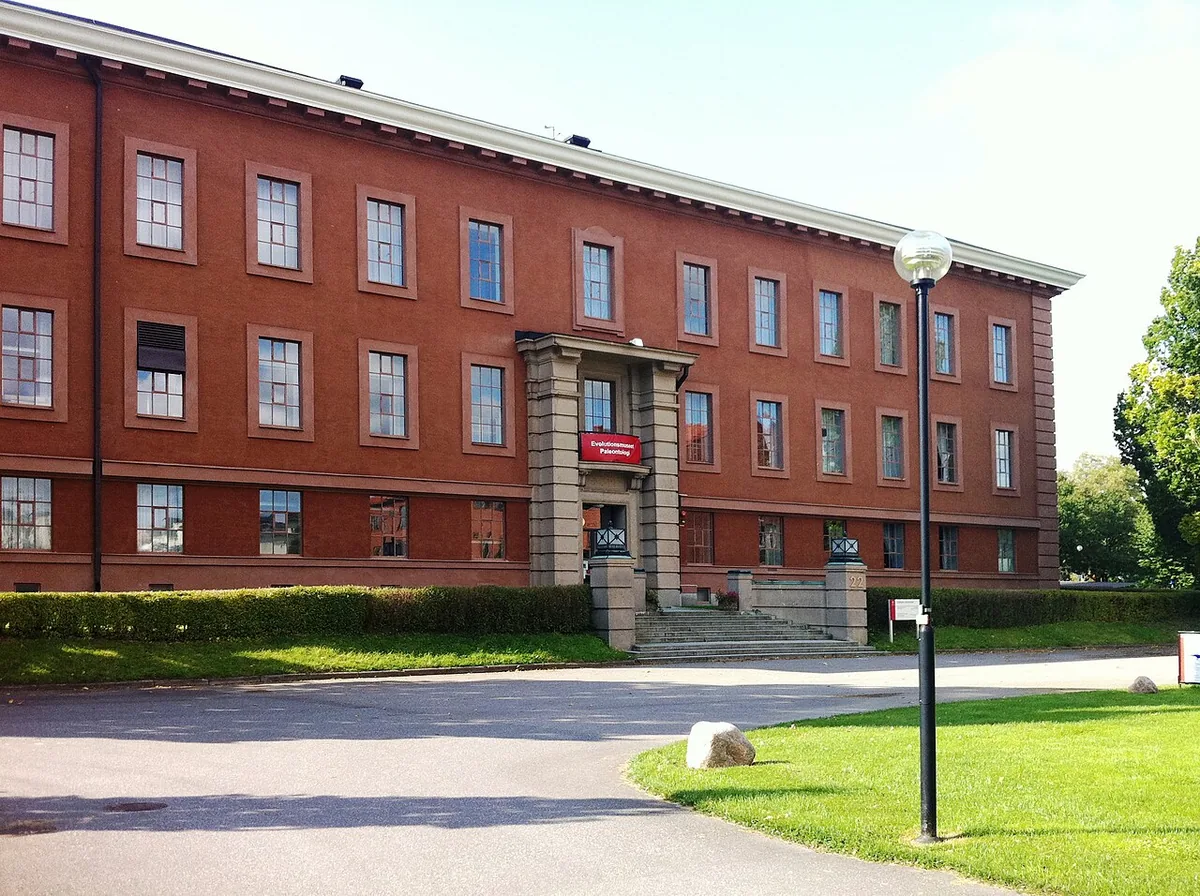
Evolutionsmuseet
Uppsala University’s natural history museum spans two neighboring exhibition buildings: Zoology’s animals from around the world and Palaeontology’s fossils and minerals. Its collections grew from early university cabinets into a five-million-object research archive, with roots in Thunberg’s 1785 zoo
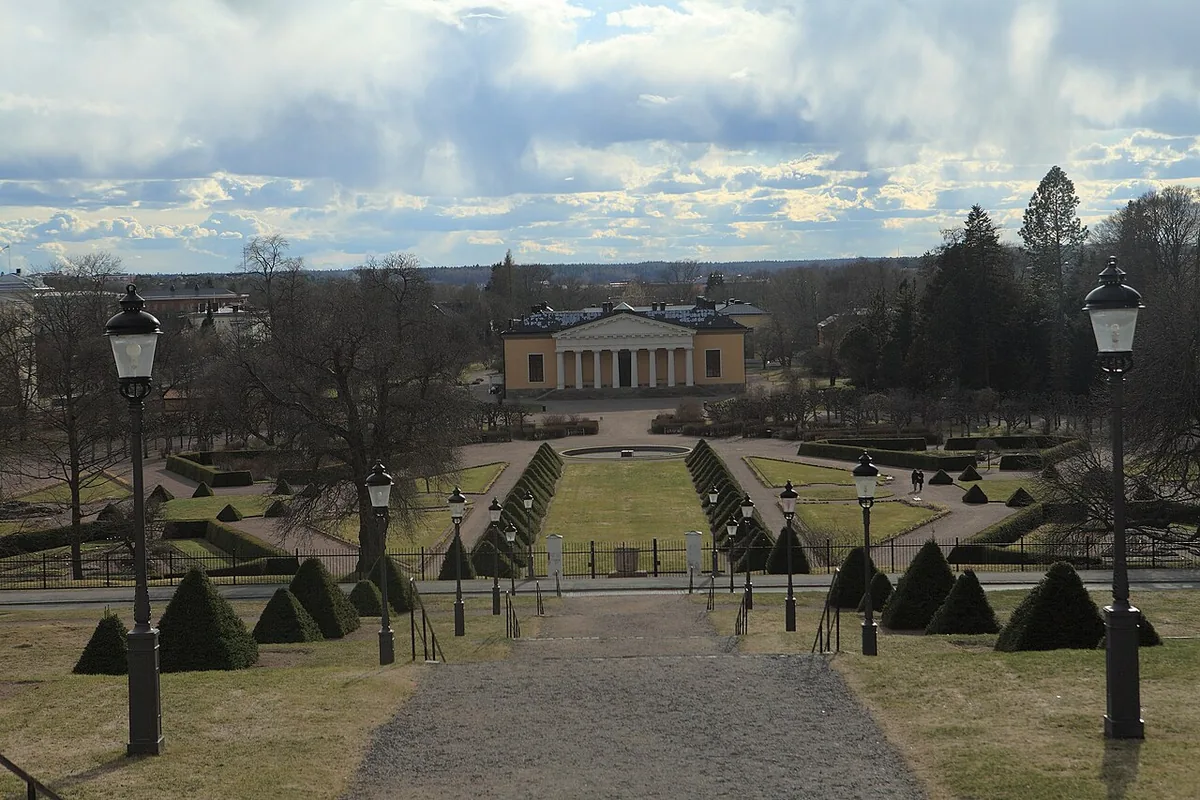
Tropical Greenhouse
Uppsala University’s Tropical Greenhouse brings rainforest, water-lily, orchid and succulent habitats under glass. Built in the 1930s and renewed after a closure threat in 2004, its climate rooms make the care of a living global plant collection visible.