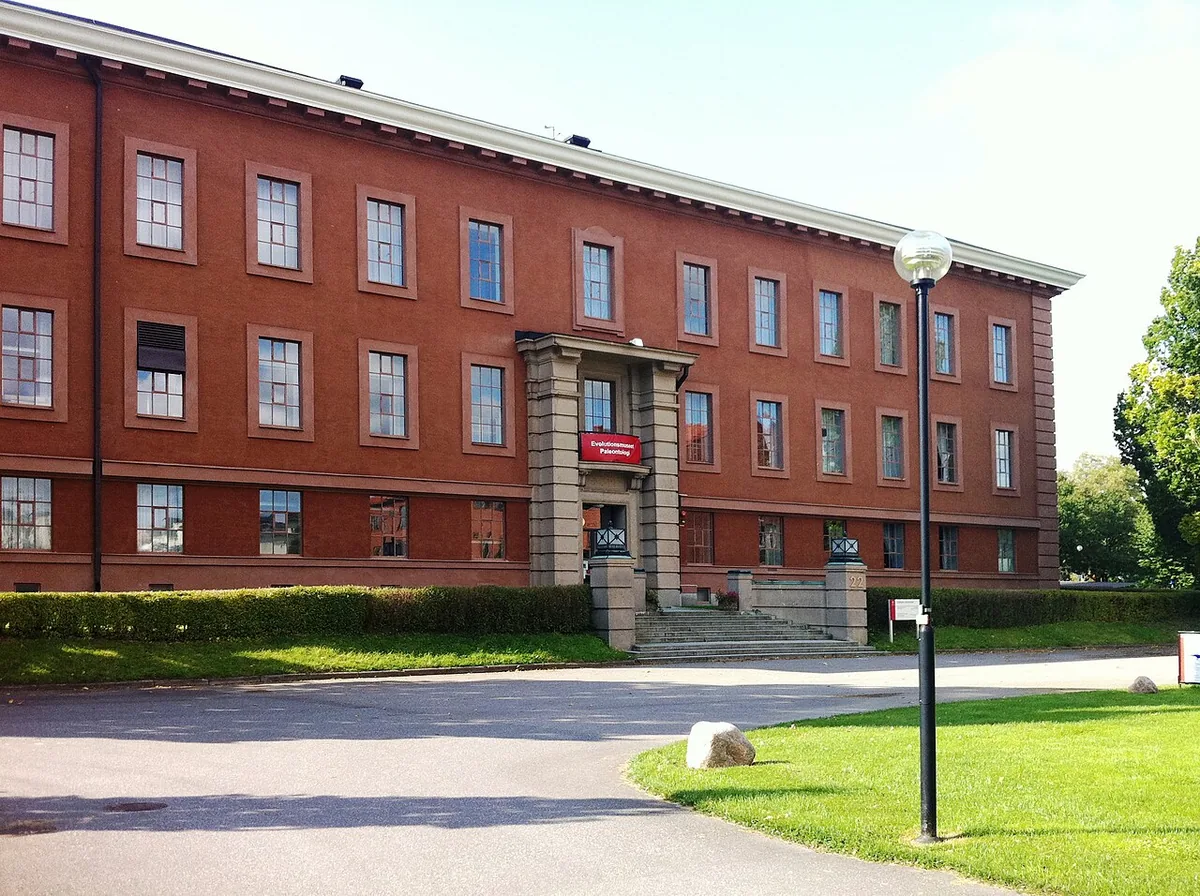
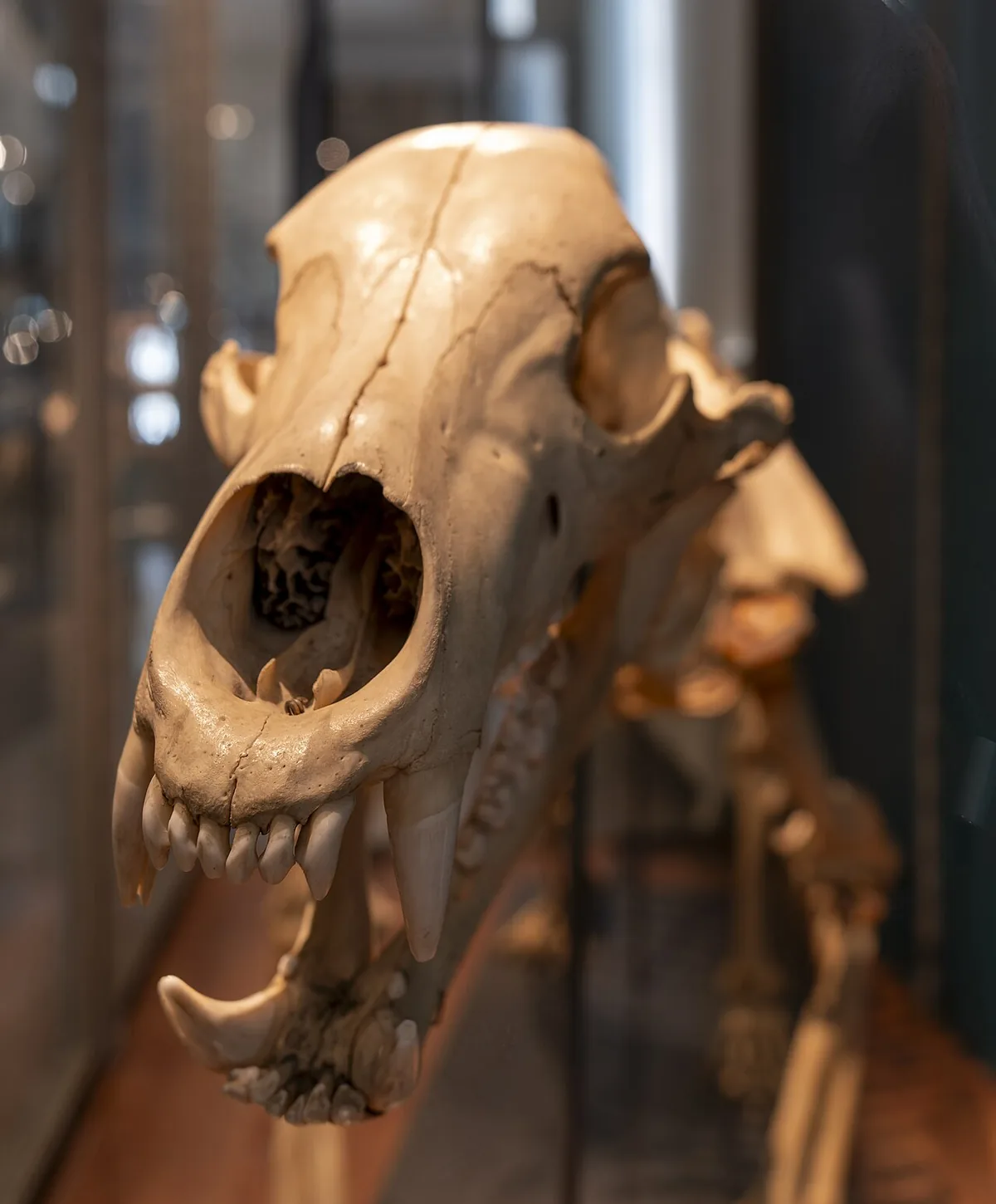
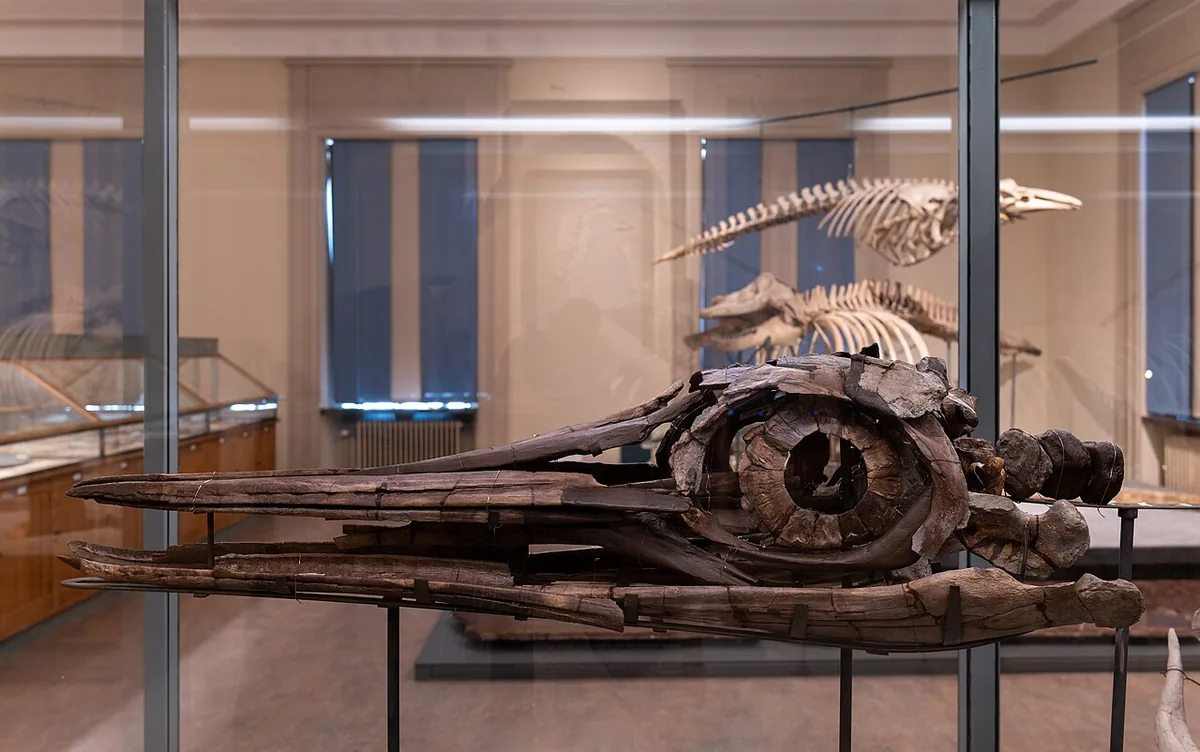
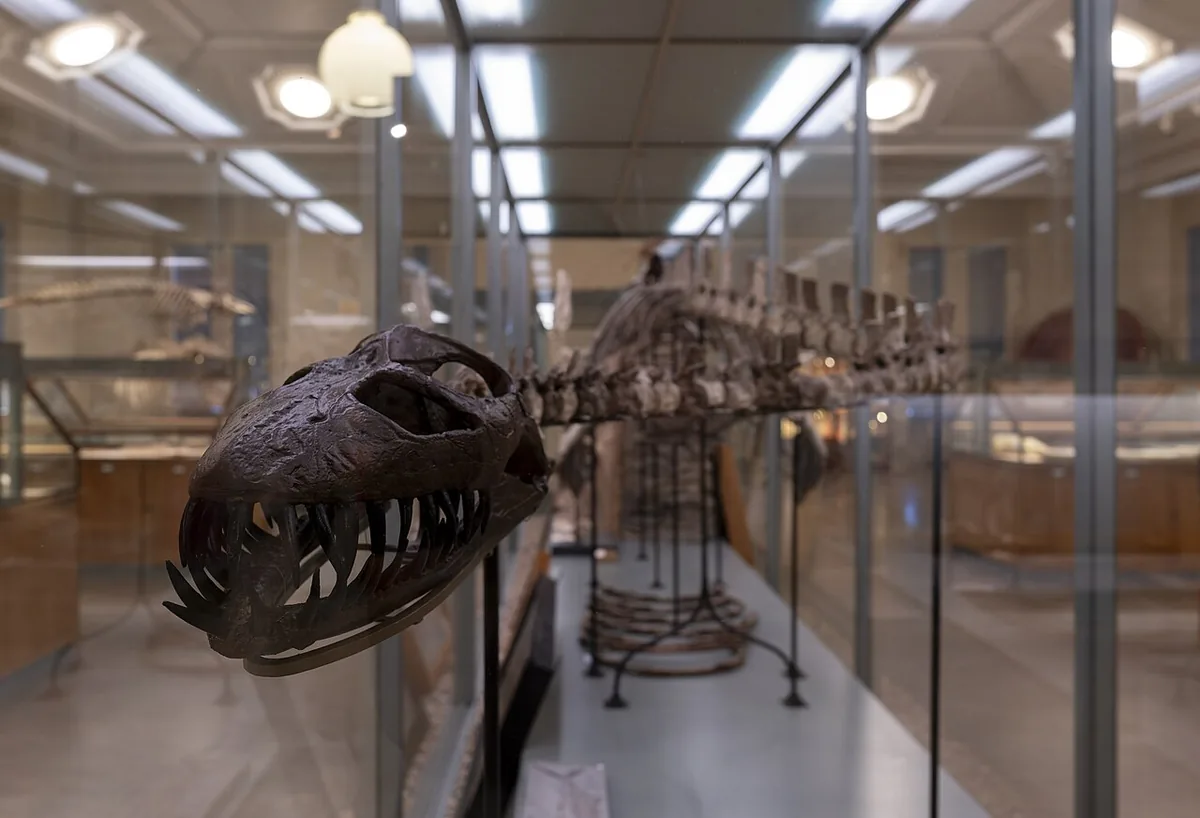
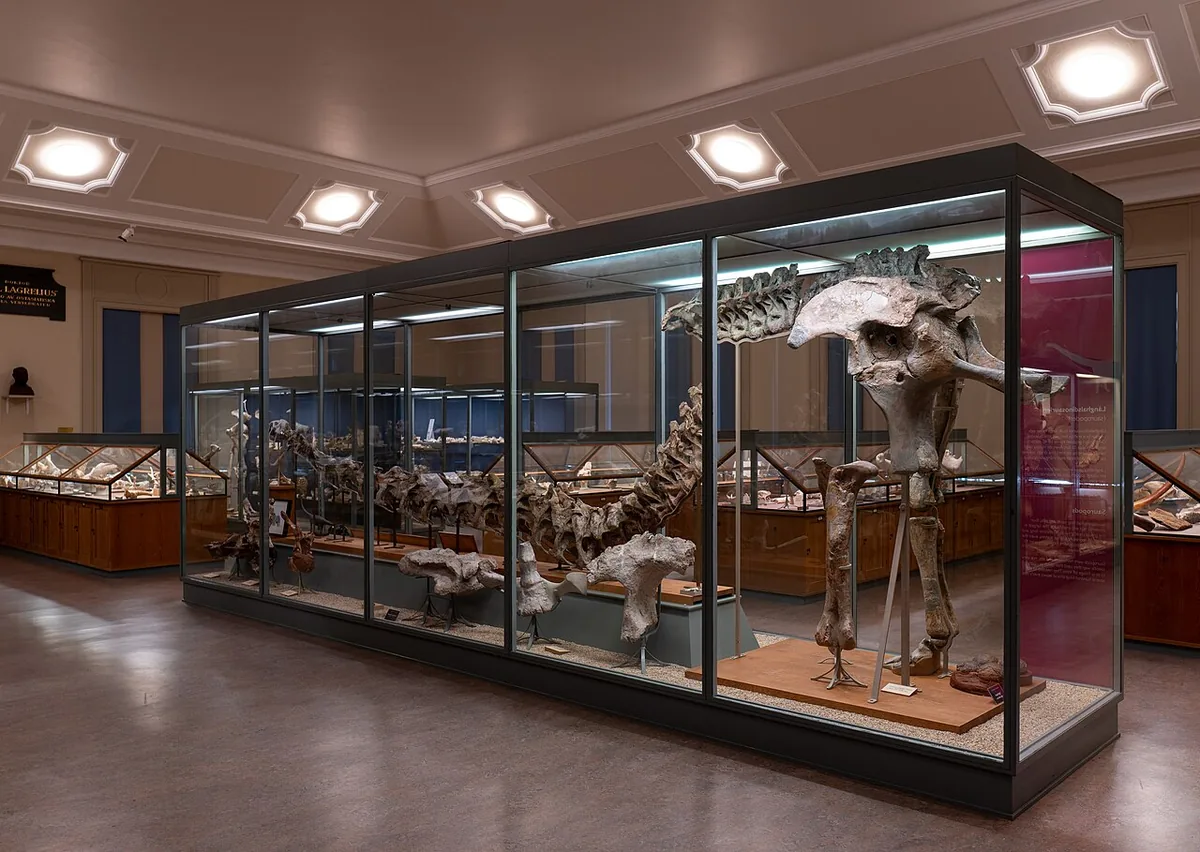
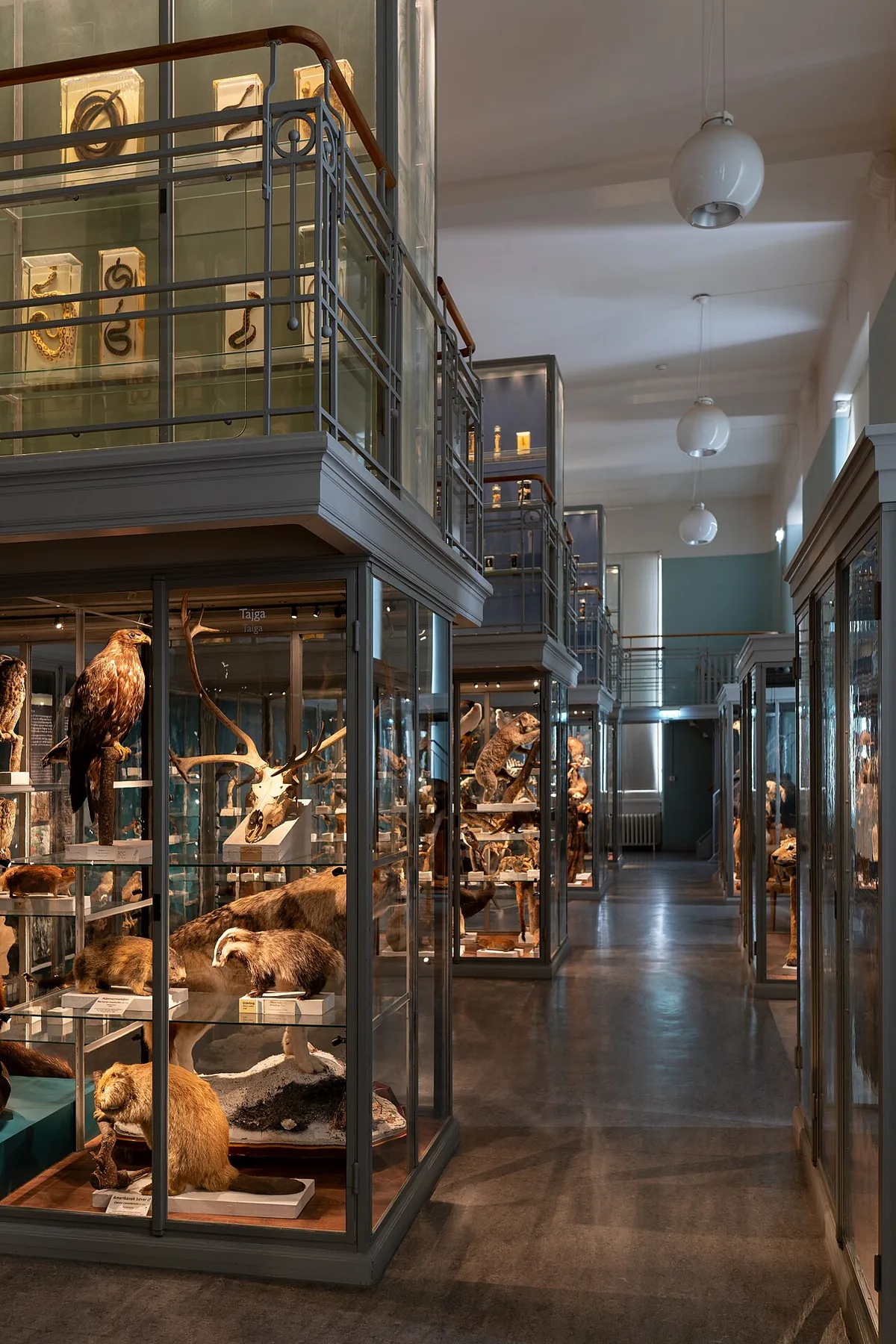
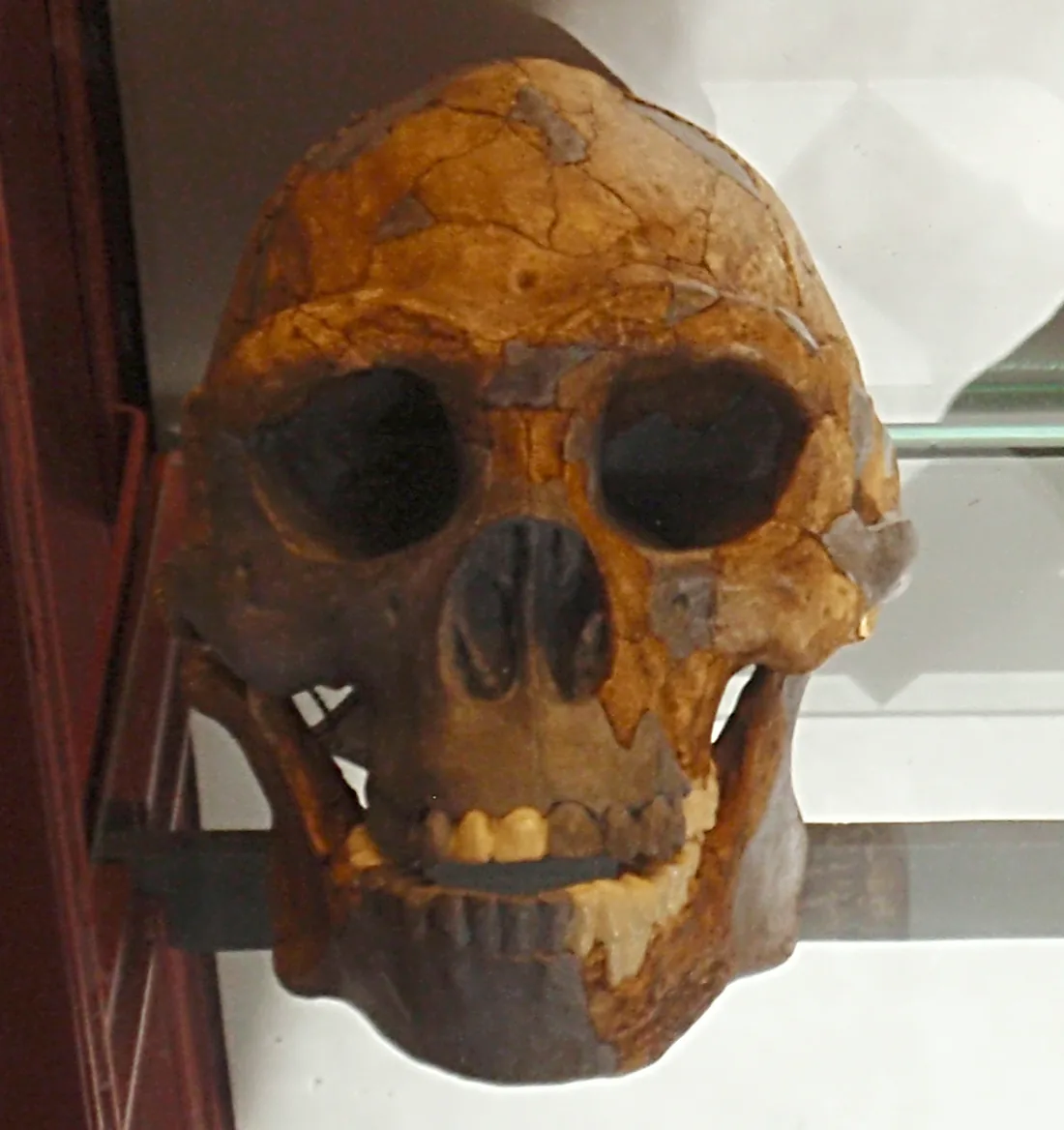
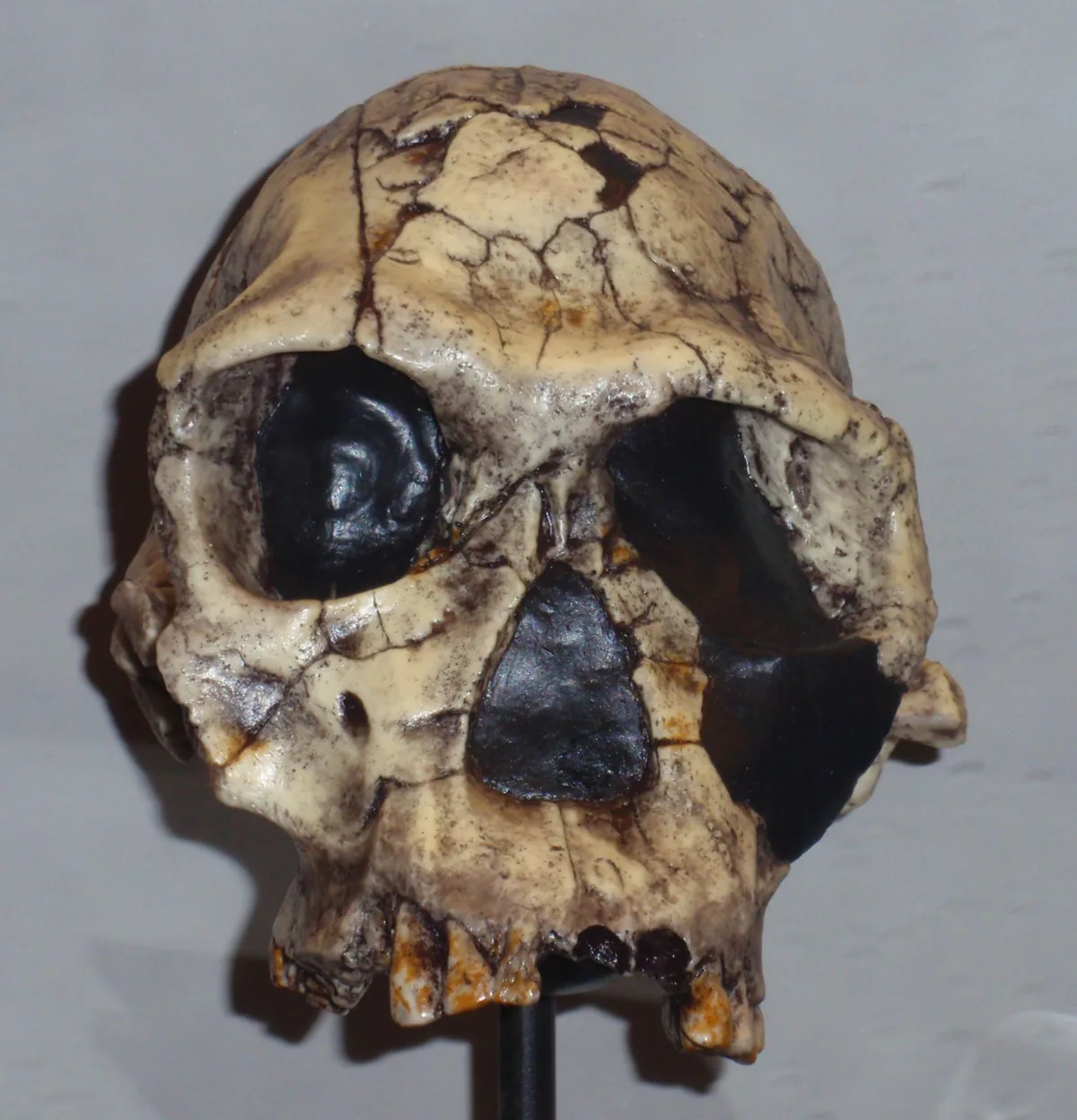
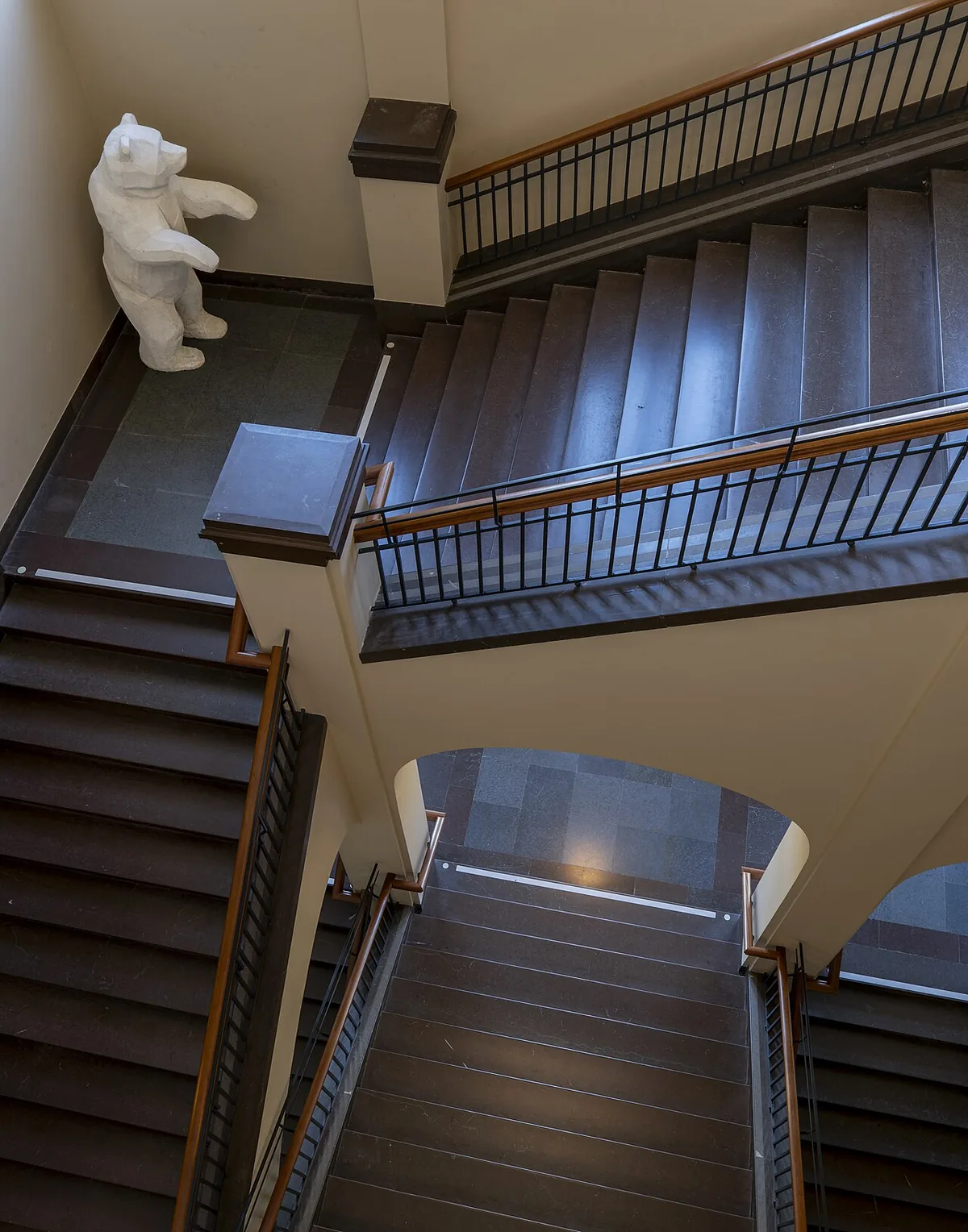
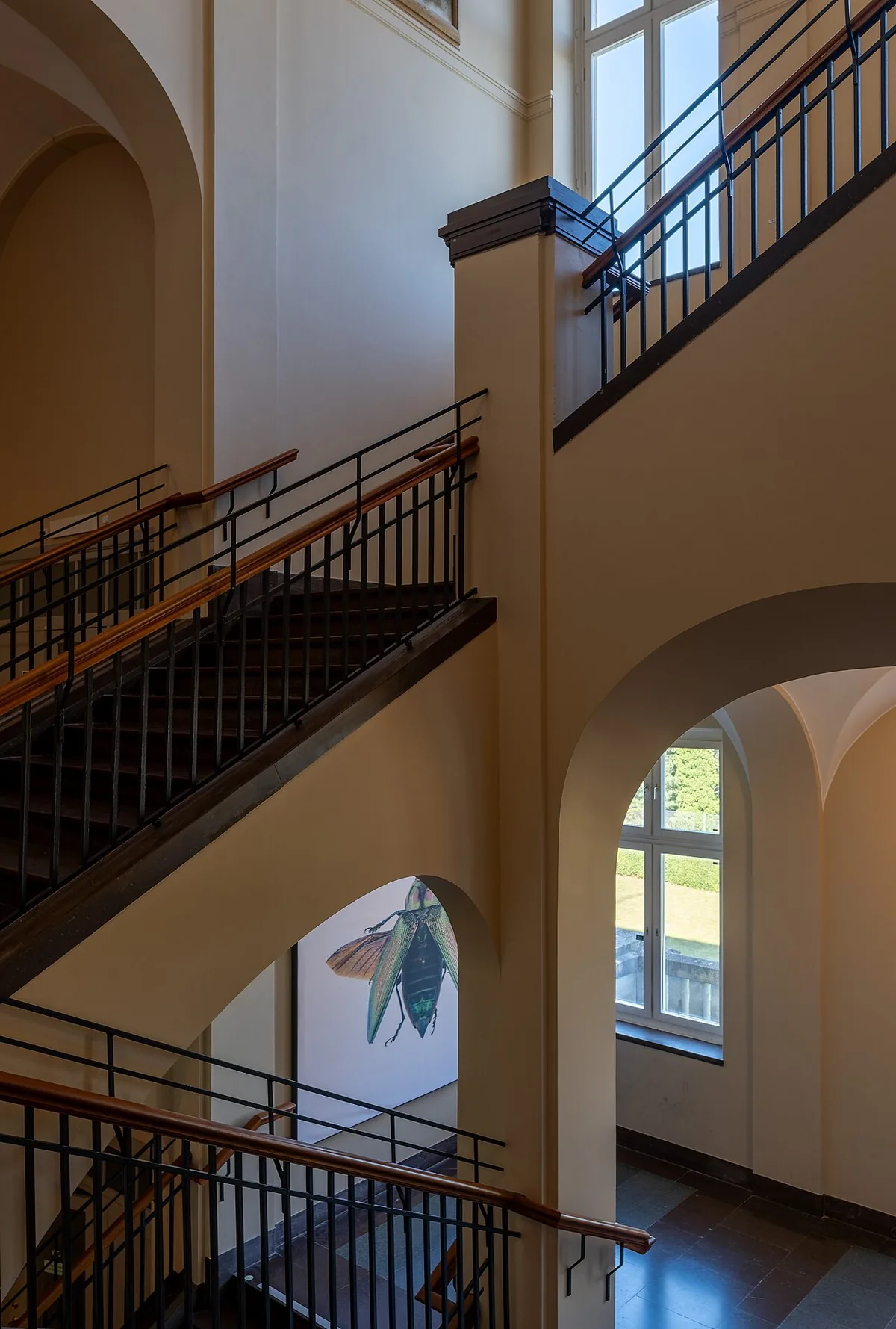
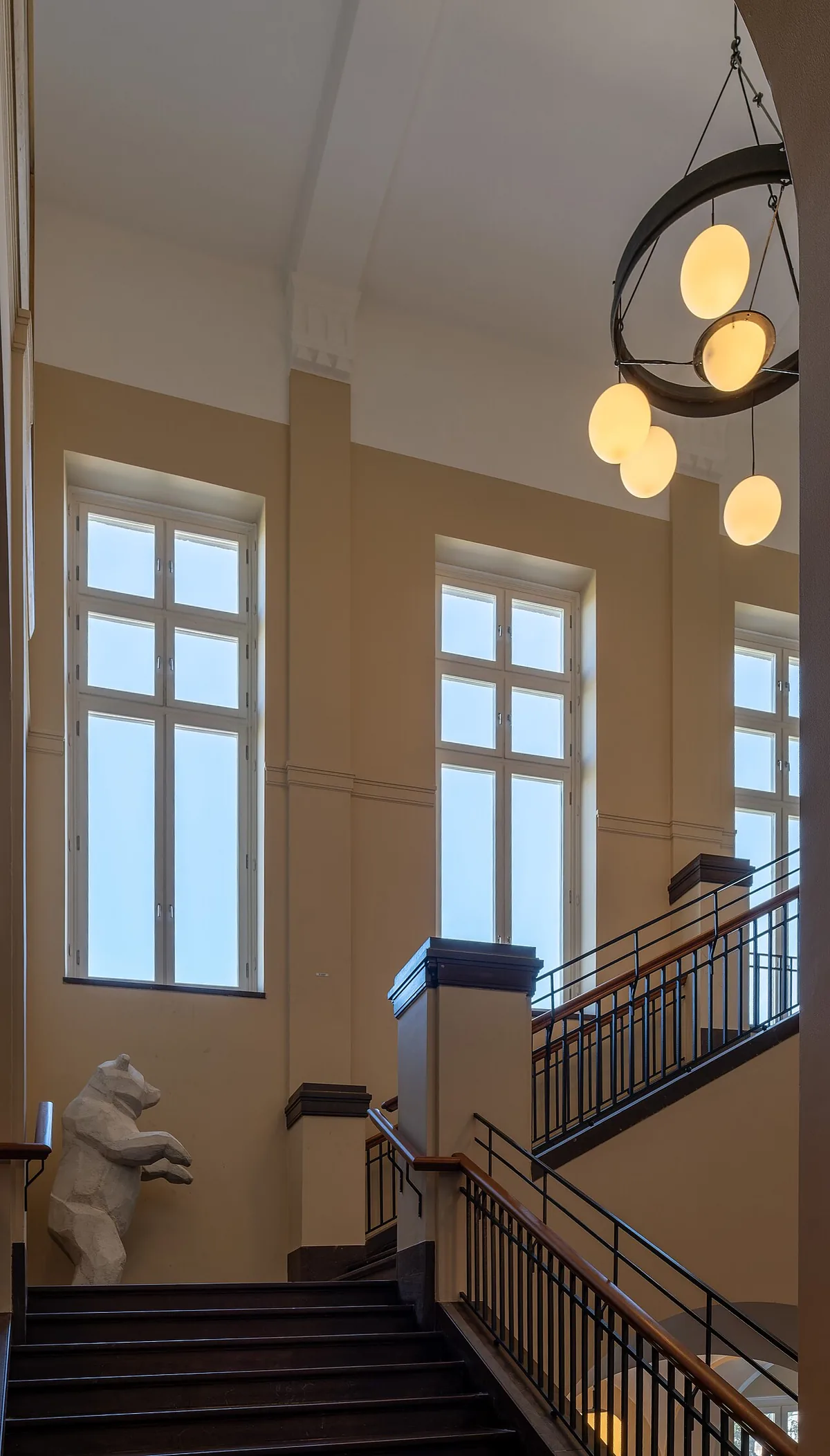
Uppsala University’s natural history museum spans two neighboring exhibition buildings: Zoology’s animals from around the world and Palaeontology’s fossils and minerals. Its collections grew from early university cabinets into a five-million-object research archive, with roots in Thunberg’s 1785 zoological donation and Wiman’s fossil work.
Quick facts
Carl Peter Thunberg’s 1785 zoological donation and catalogue helped establish the university’s modern museum activity.
The Zoology building opened in 1917; the Palaeontology building opened in 1933.
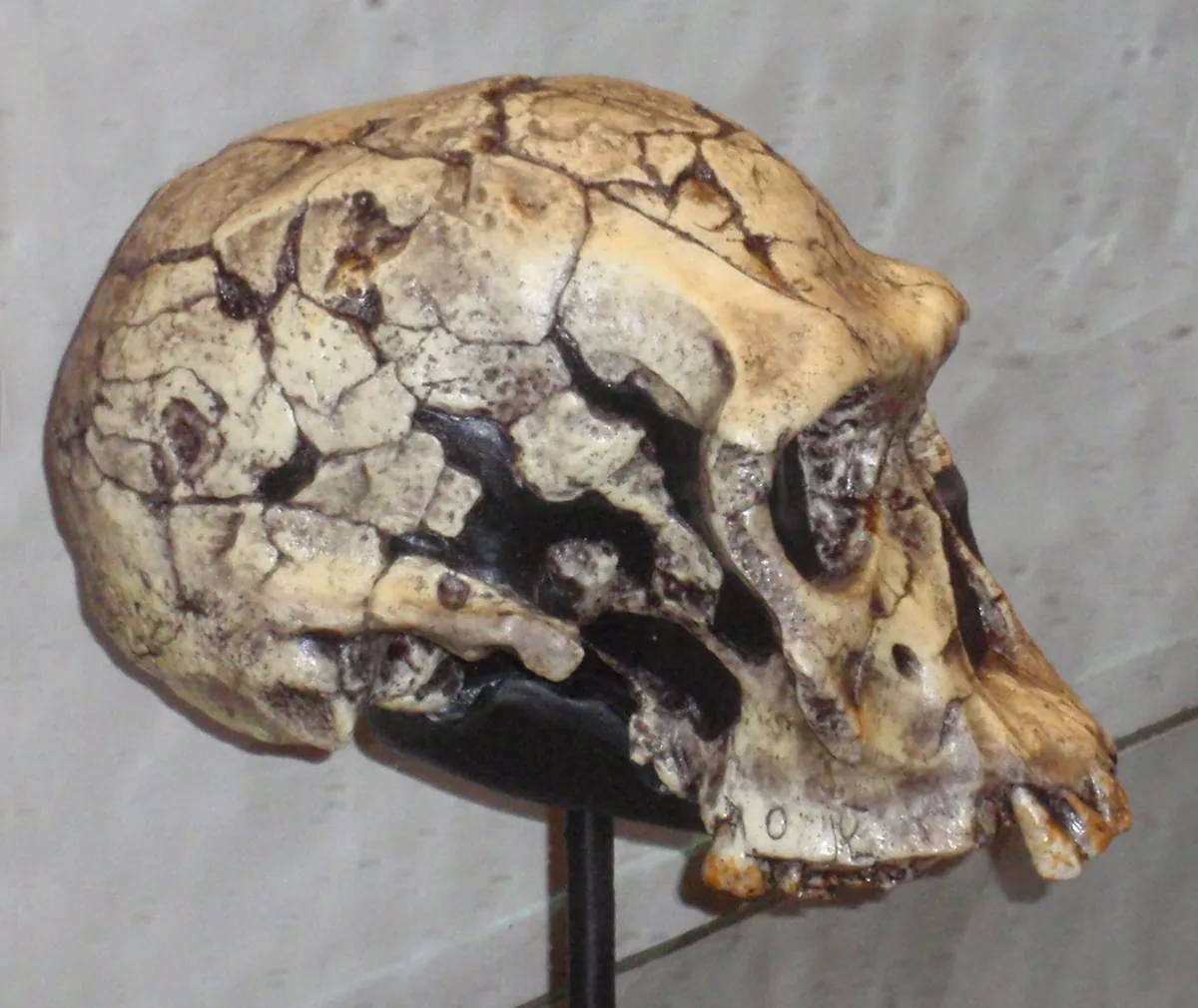
The museum’s fossil vertebrate collection is the largest in Sweden and includes fossils gathered in China through collaboration begun in 1919.
Get directions to Evolutionsmuseet. Confirm the visitor entrance and current access with the venue before travelling.
Audio guide
Listen to this place’s guide.
Guide
Evolutionsmuseet is best understood as two neighboring museums and one living research collection. Cross the open lawn between the Zoology and Palaeontology buildings, and the story shifts from animals alive today to fossils, minerals and deep time. Both belong to Uppsala University; together they make visible a tradition of collecting and comparing natural specimens that reaches back centuries.
Continue exploring
Discover the full story
Keep reading with a travel pass and explore every full guide and tour.
UpgradeMore places in Uppsala
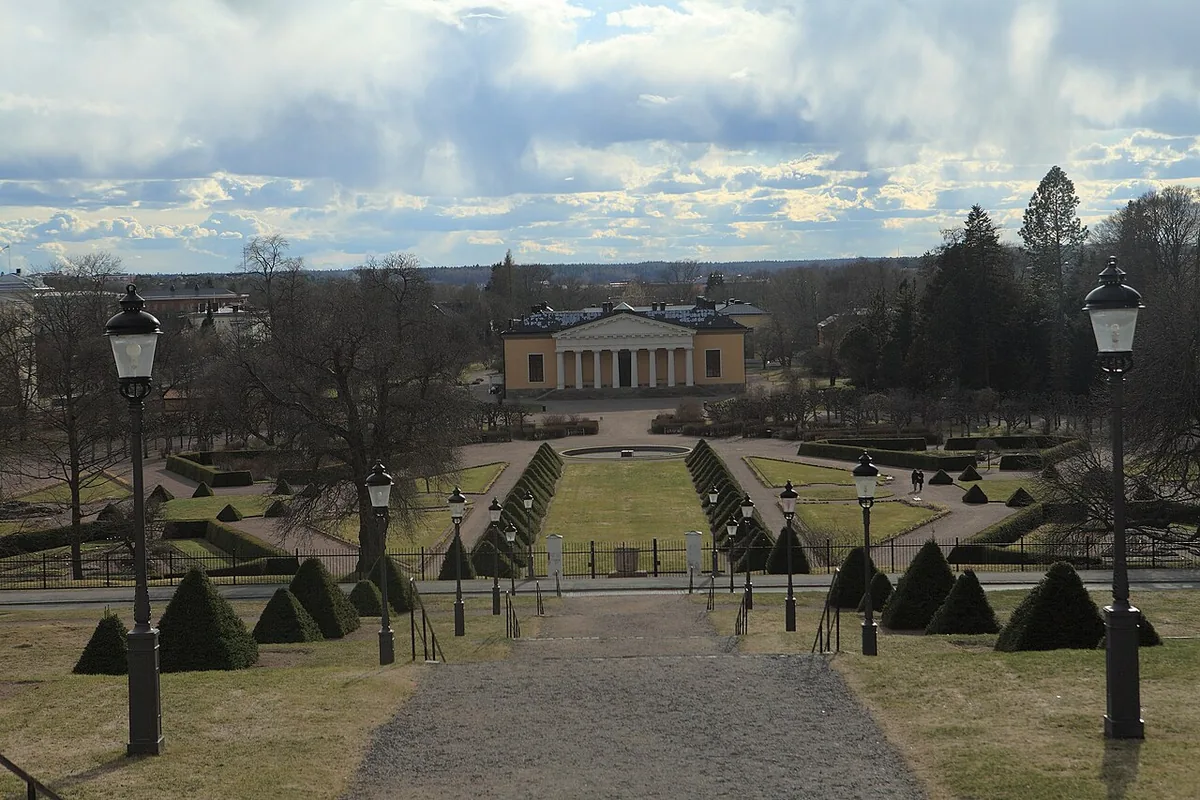
Tropical Greenhouse
Uppsala University’s Tropical Greenhouse brings rainforest, water-lily, orchid and succulent habitats under glass. Built in the 1930s and renewed after a closure threat in 2004, its climate rooms make the care of a living global plant collection visible.
Uppsala University Botanical Garden
Uppsala University’s Botanical Garden occupies the former grounds of Uppsala Castle, where a formal Baroque garden now frames living plant collections, research and teaching. Its paths connect royal landscape design, the 1807 transfer of Sweden’s oldest university garden, and the glasshouses that ke
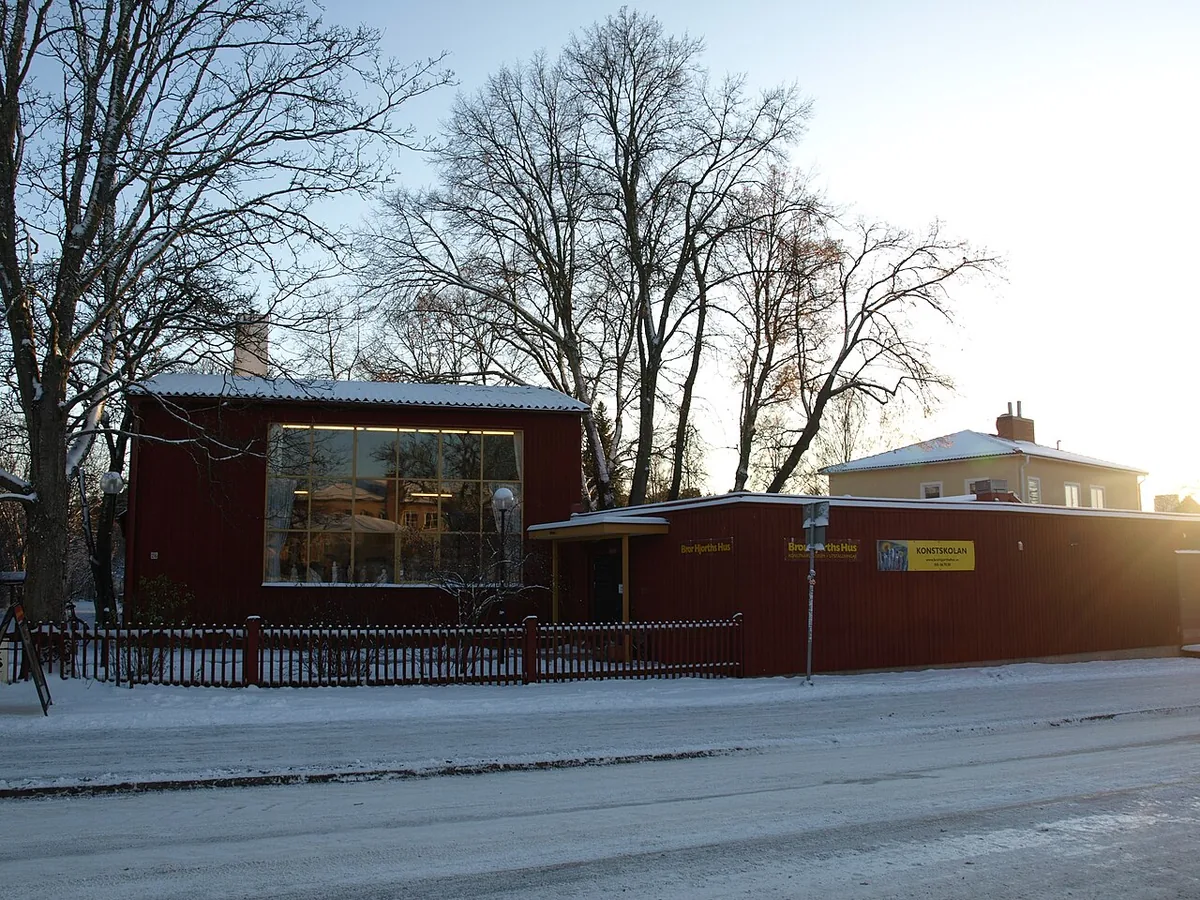
Bror Hjorths Hus
Bror Hjorths Hus preserves the red wooden home and studio where modernist artist Bror Hjorth lived and worked from 1943 to 1968. Its rooms hold his art among his books and furniture, tracing a lively exchange between Uppland folk tradition, music, and modernism.
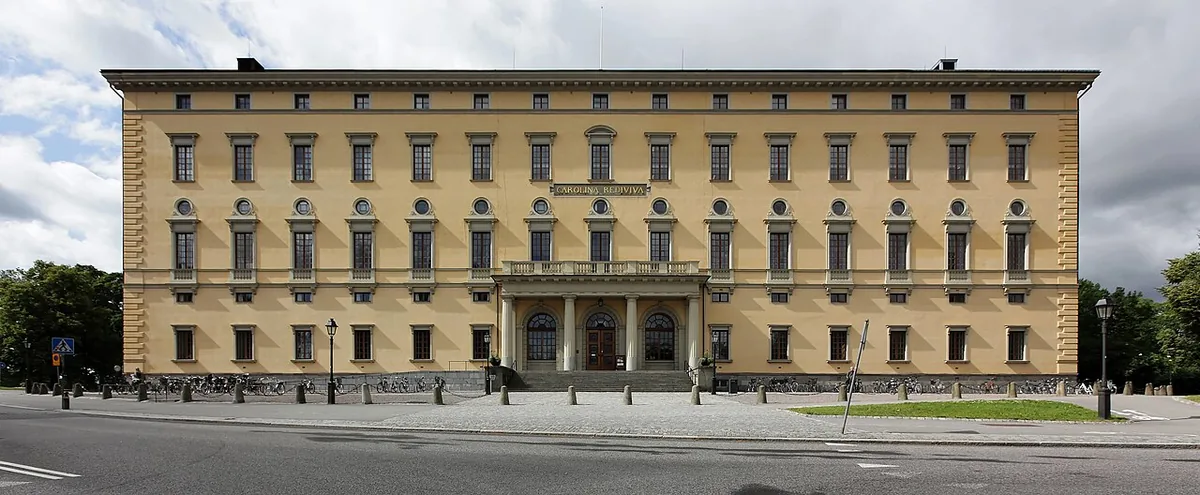
Carolina Rediviva
Carolina Rediviva is Uppsala University Library’s landmark main building, opened in 1841. A name meaning ‘the revived Carolina’ joins a demolished medieval university house to a royal-era library project; its former ceremonial hall, later reading rooms and modern extensions chart changing ideas abou
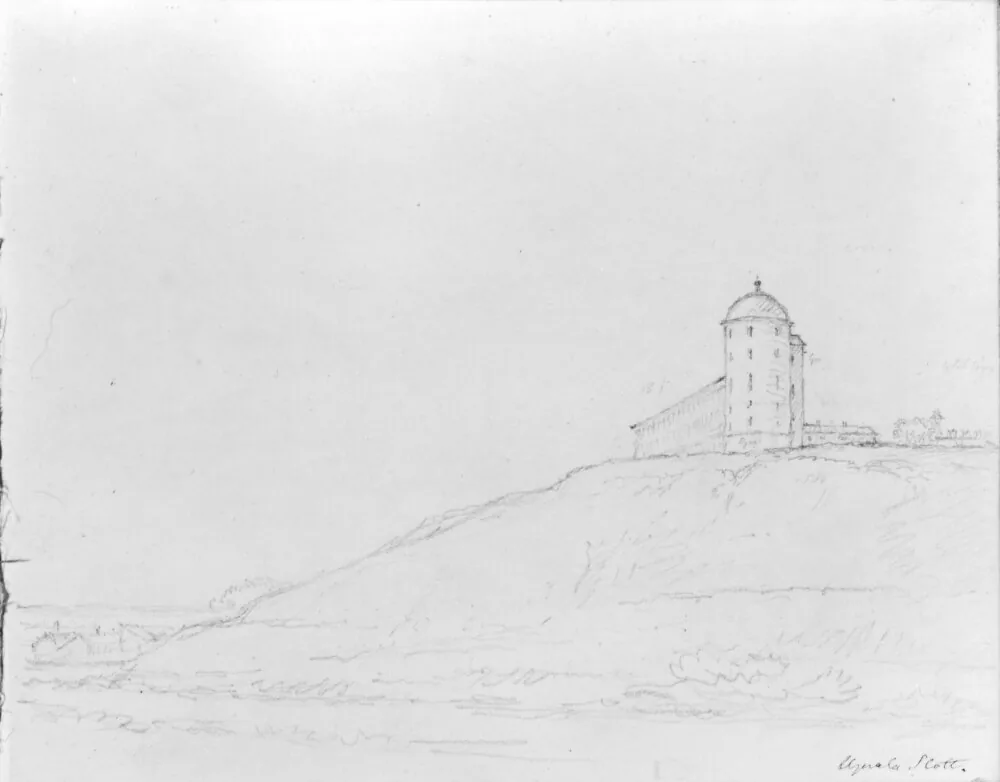
Uppsala Castle
Uppsala Castle began as Gustav Vasa’s 1549 fortress and became a Renaissance palace, royal stage, governor’s residence and civic landmark. Its bastions, Gunilla’s Bell and rebuilt State Hall preserve traces of military power, Queen Christina’s abdication, the 1702 fire and later public protest.
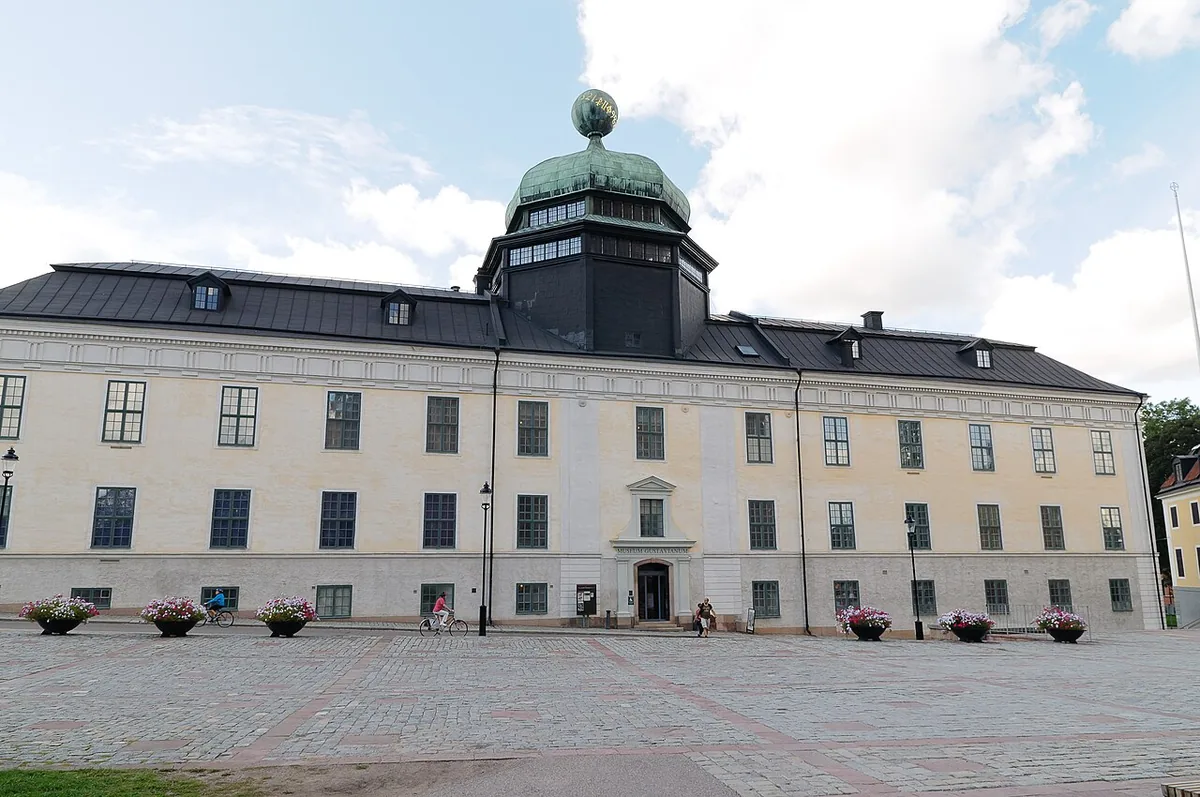
Gustavianum
Uppsala University’s oldest surviving building began as lecture halls, student rooms and a library. Today its museum collections share space with Olof Rudbeck’s reconstructed 17th-century anatomical theatre beneath the famous rooftop cupola.