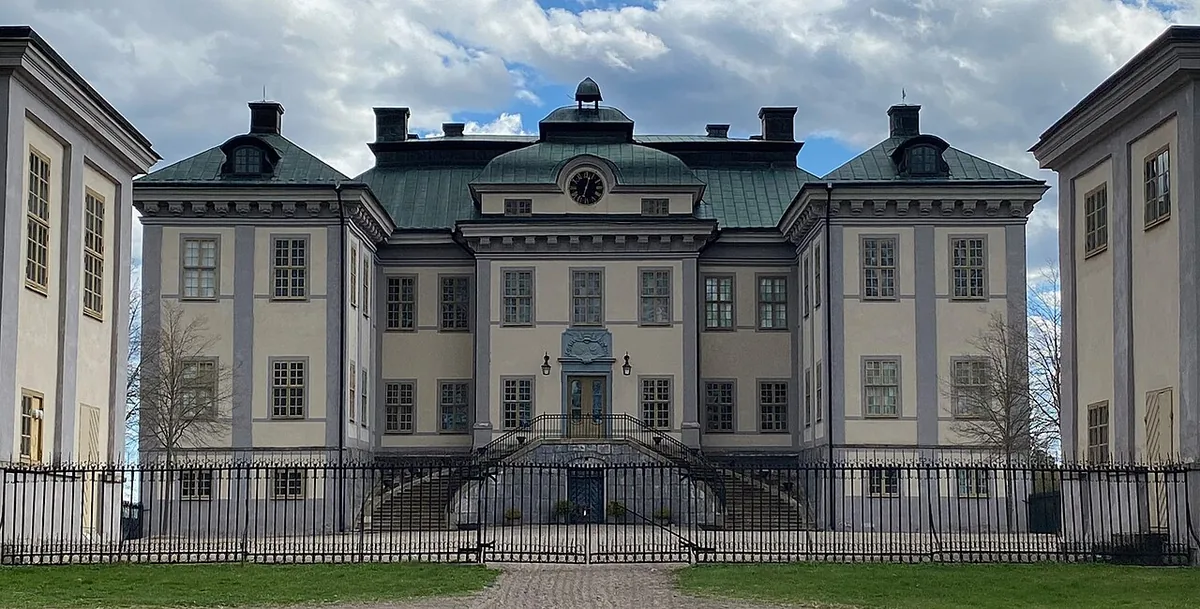
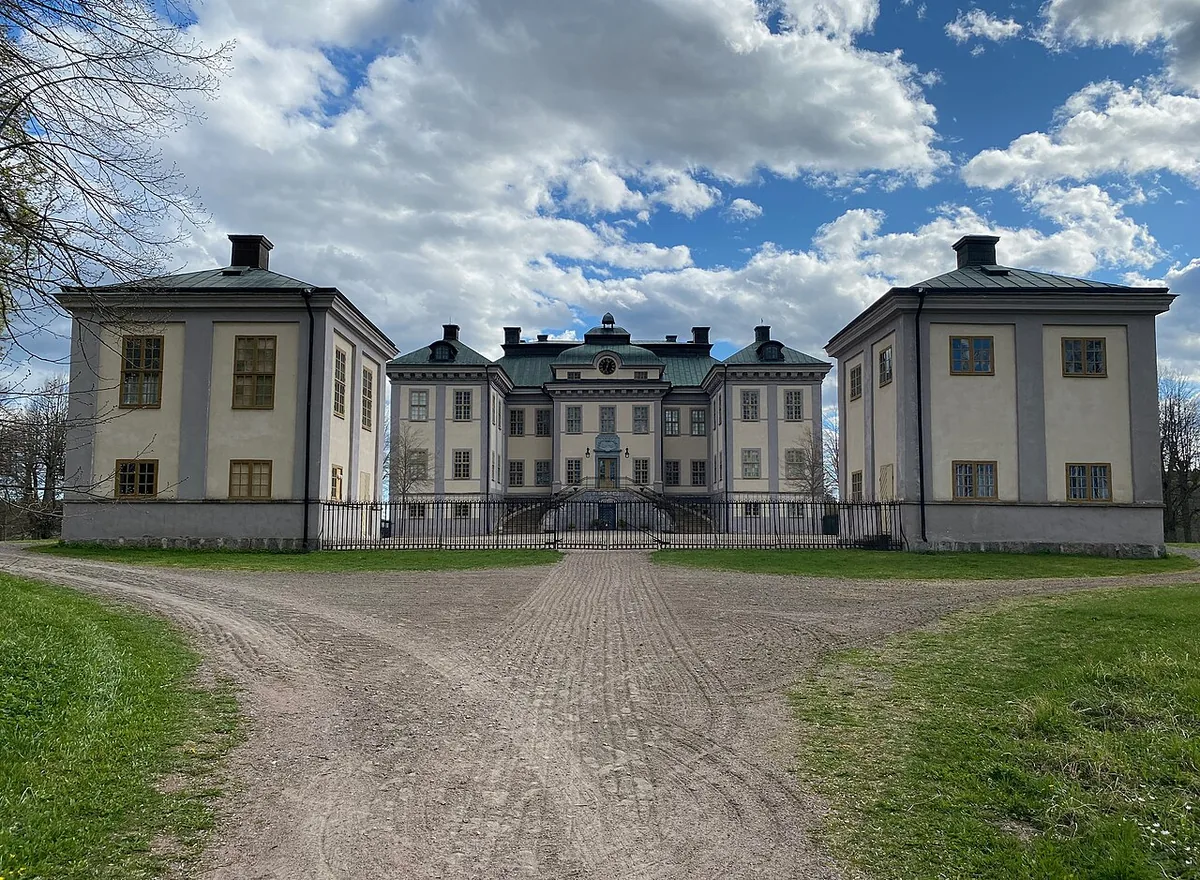
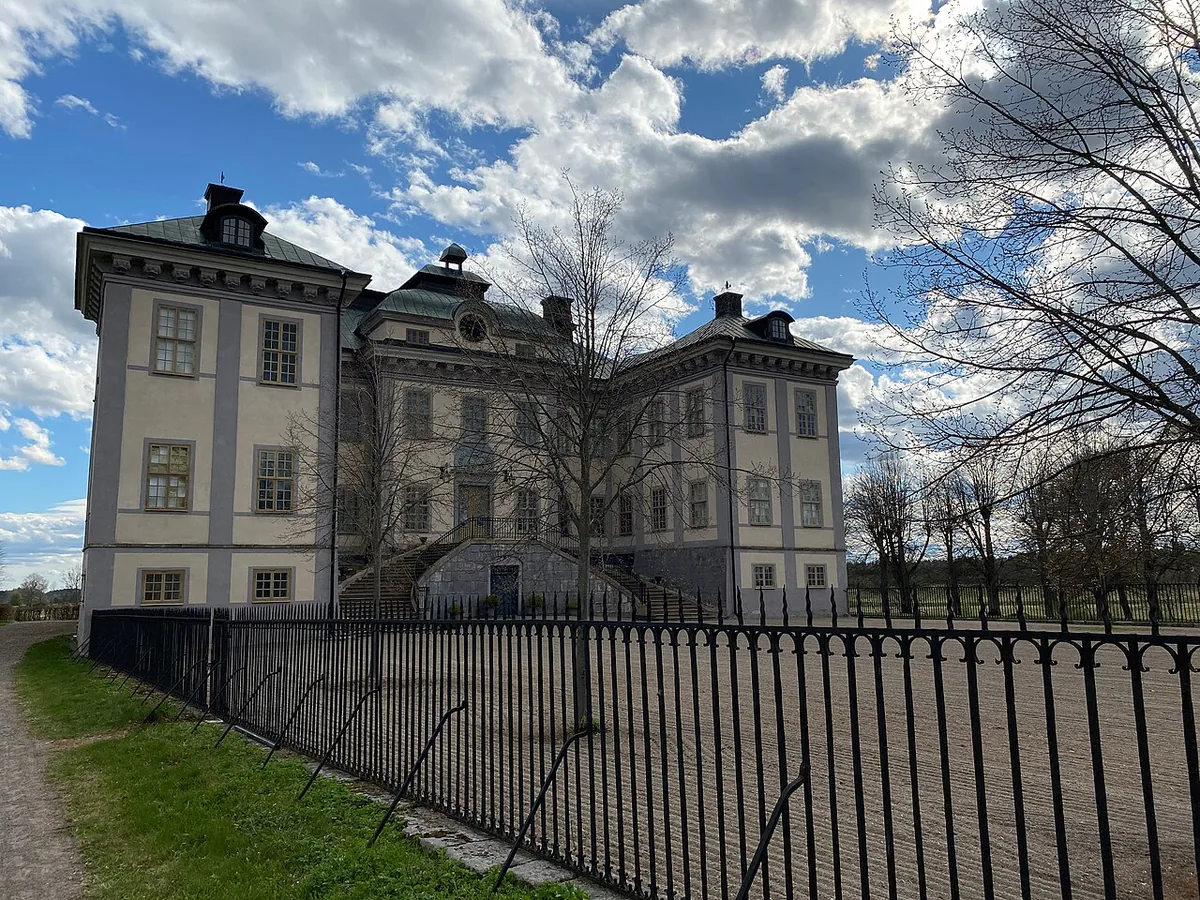
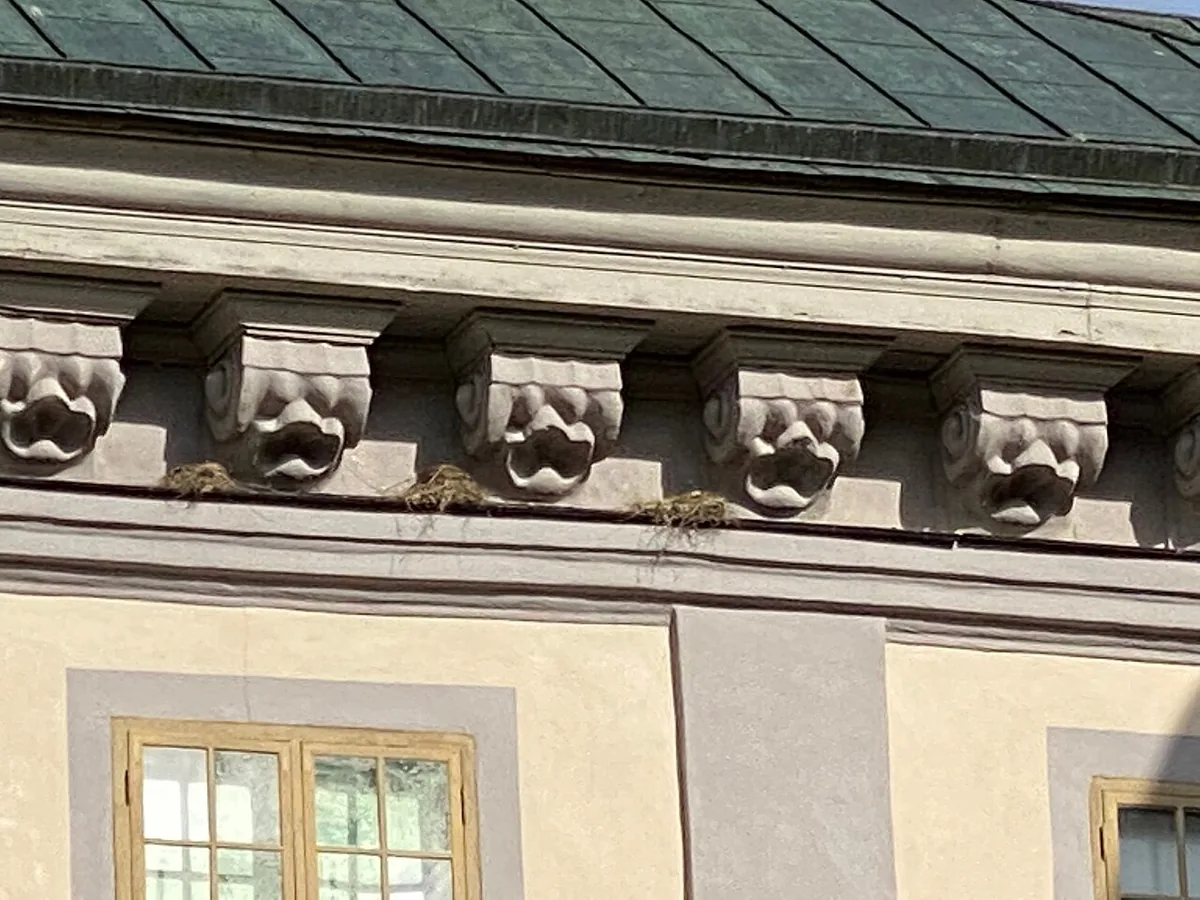
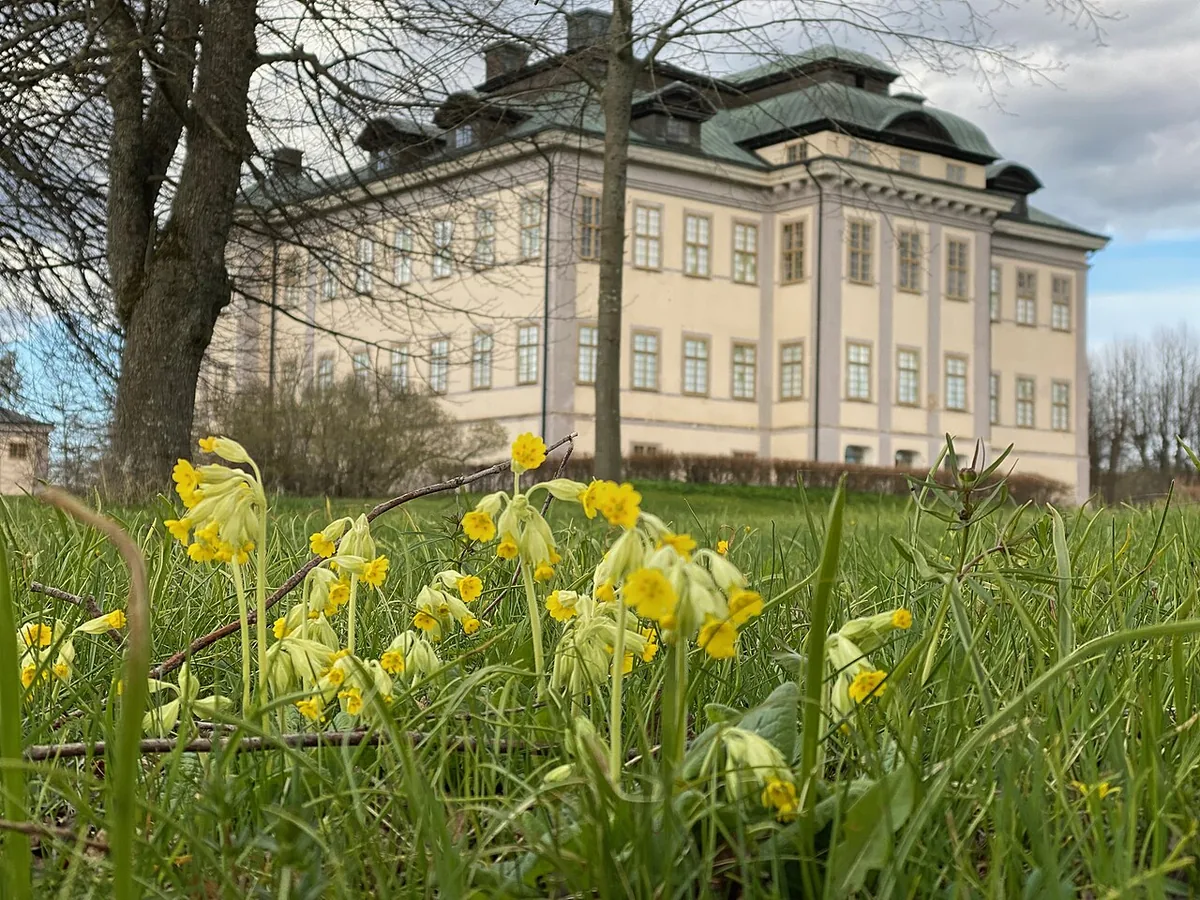
About 25 kilometres north of Uppsala, Salsta Castle is a Swedish state heritage site whose surviving rooms preserve layers from the 1600s through the 1900s. Its baroque form, older medieval foundations, estate park and archival traces reveal how a powerful Uppland household lived and worked.
Quick facts
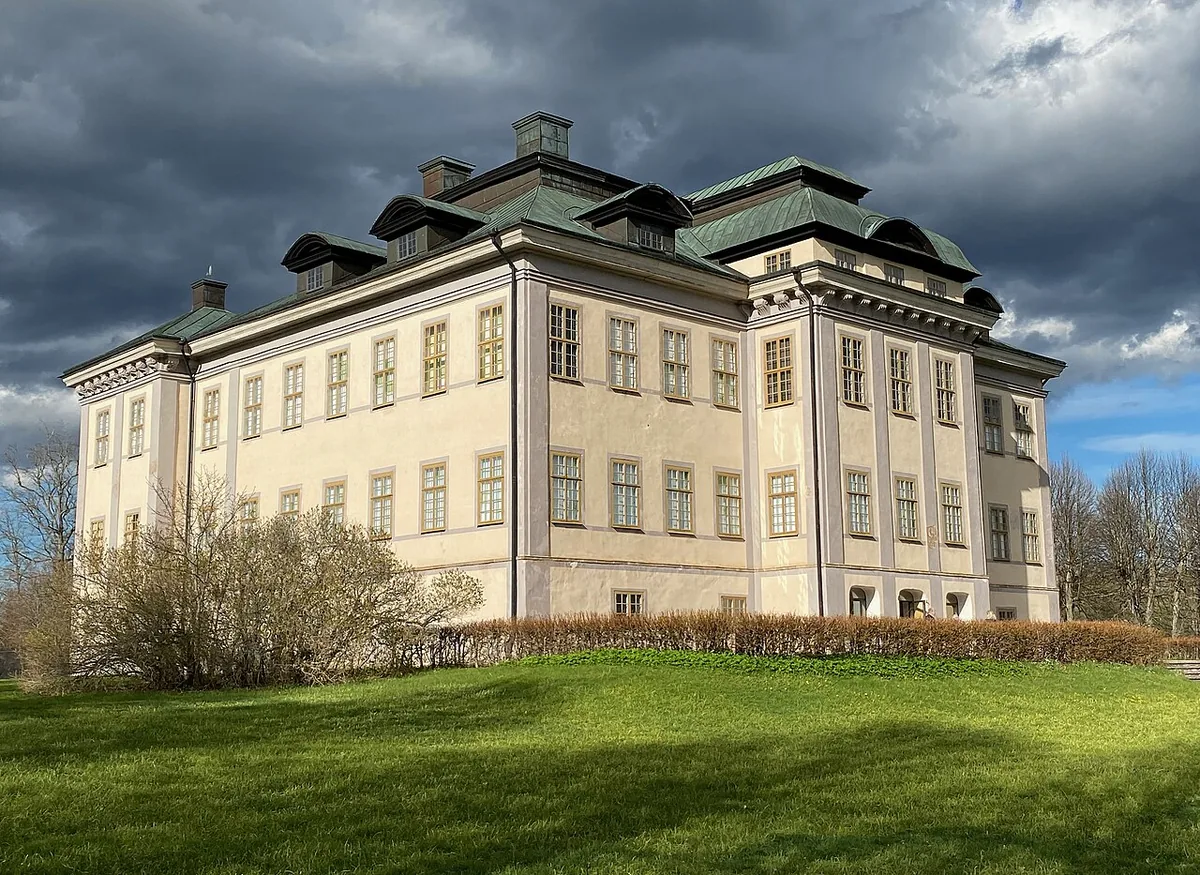
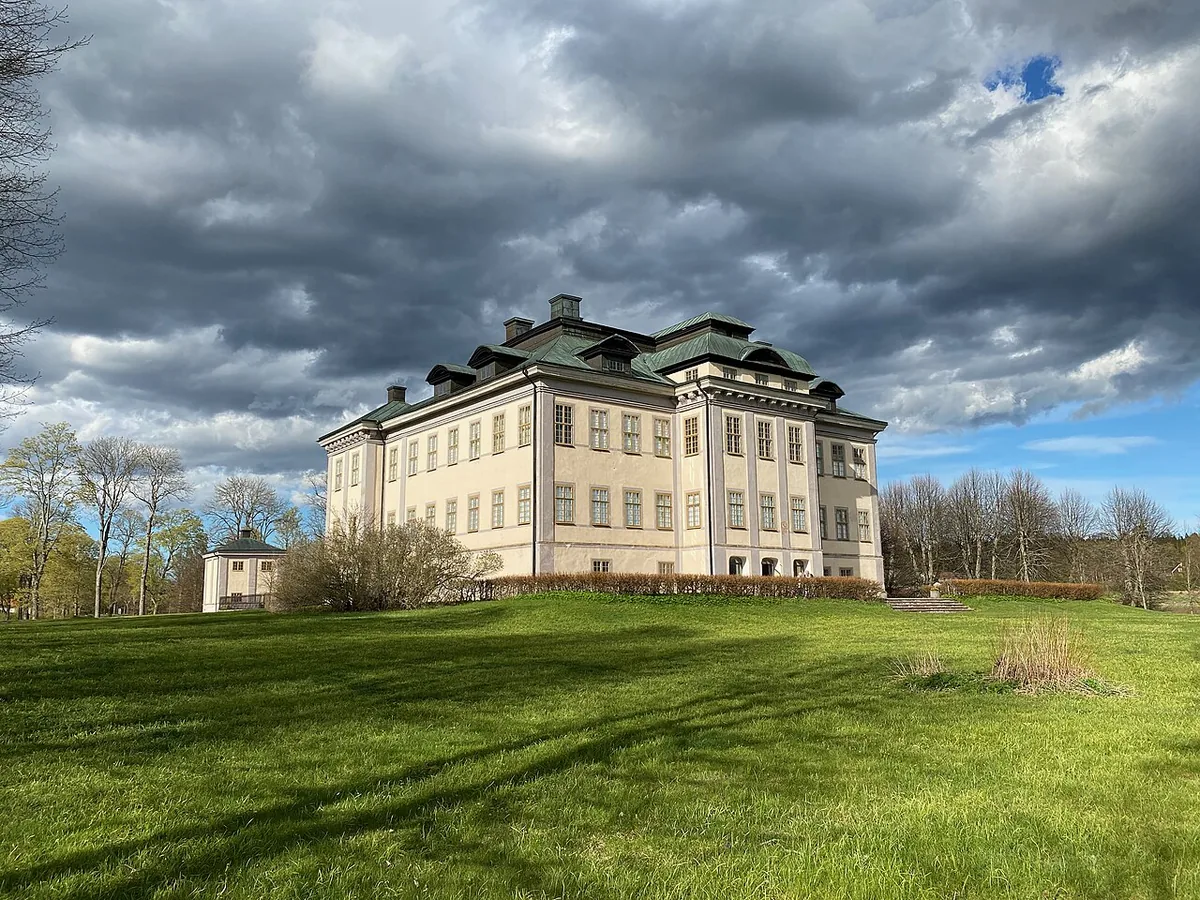
Salsta’s present baroque castle was built in 1672–78 for Nils Bielke the Younger.
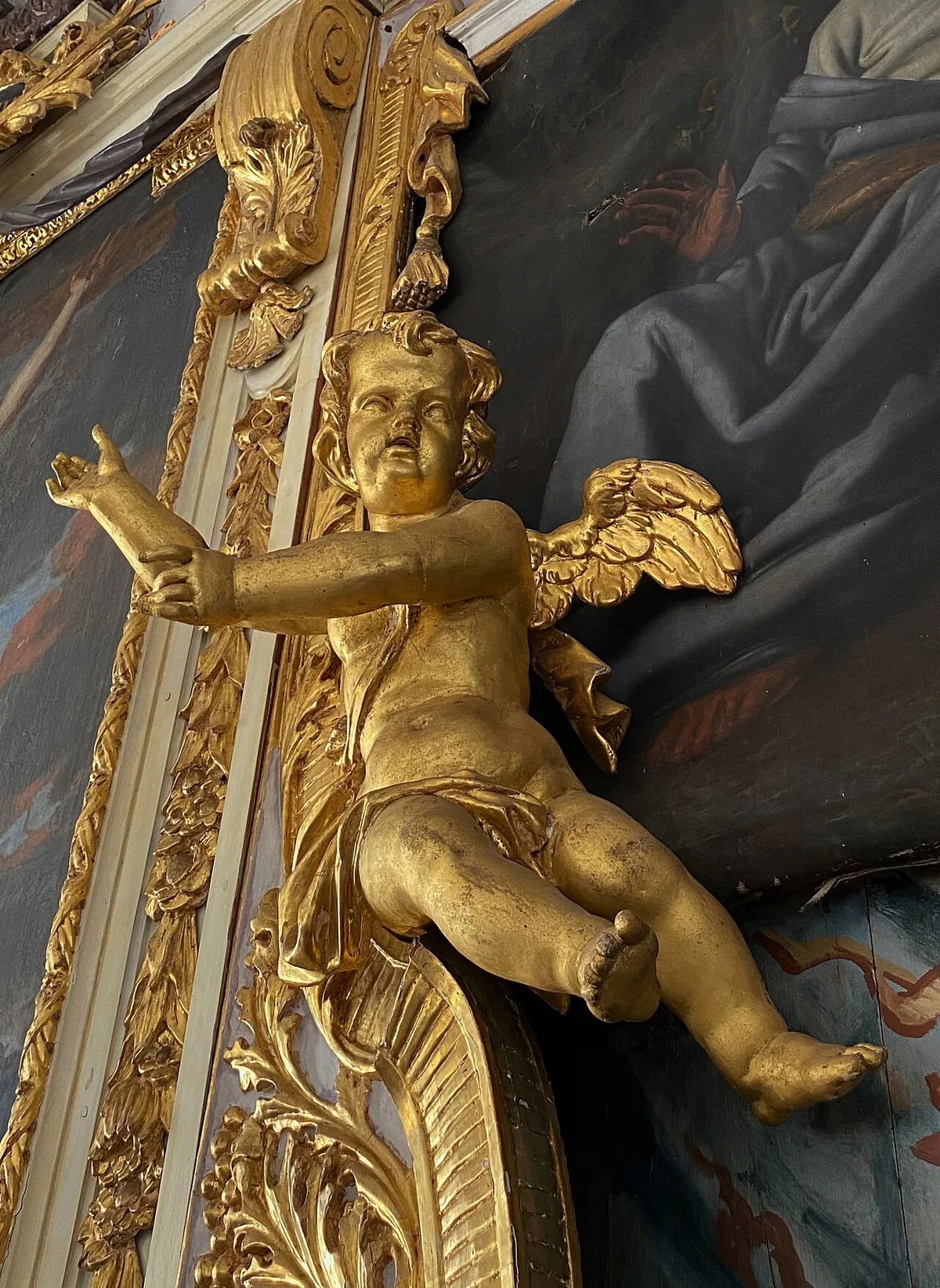
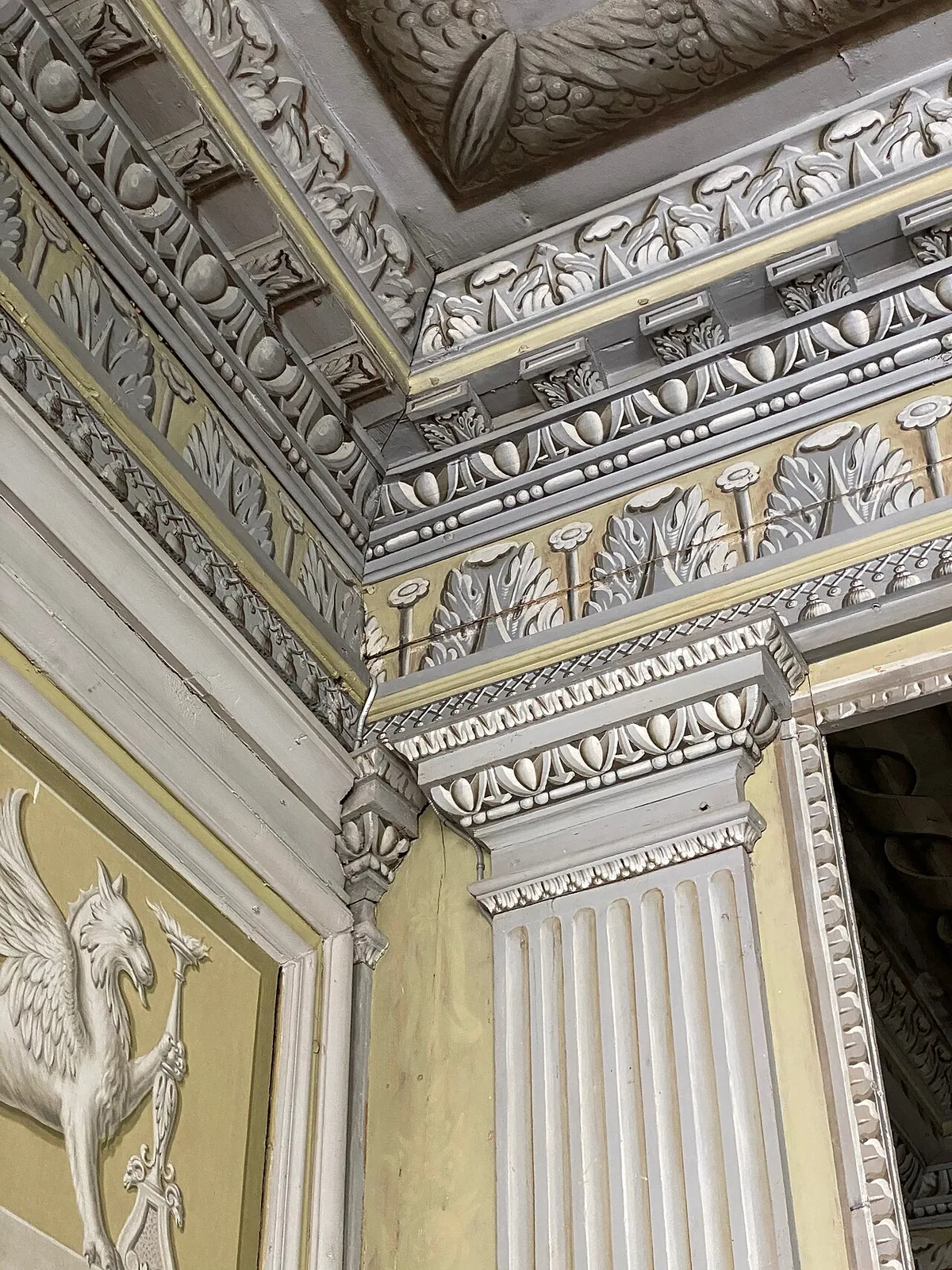
The castle’s Riddarsalen preserves seventeenth-century interiors, including embossed leather wall covering and stucco work.
Salsta became a state-listed historic building in 1993 and is managed by Sweden’s National Property Board.
Get directions to Salsta Castle. Confirm the visitor entrance and current access with the venue before travelling.
Audio guide
Listen to this place’s guide.
Guide
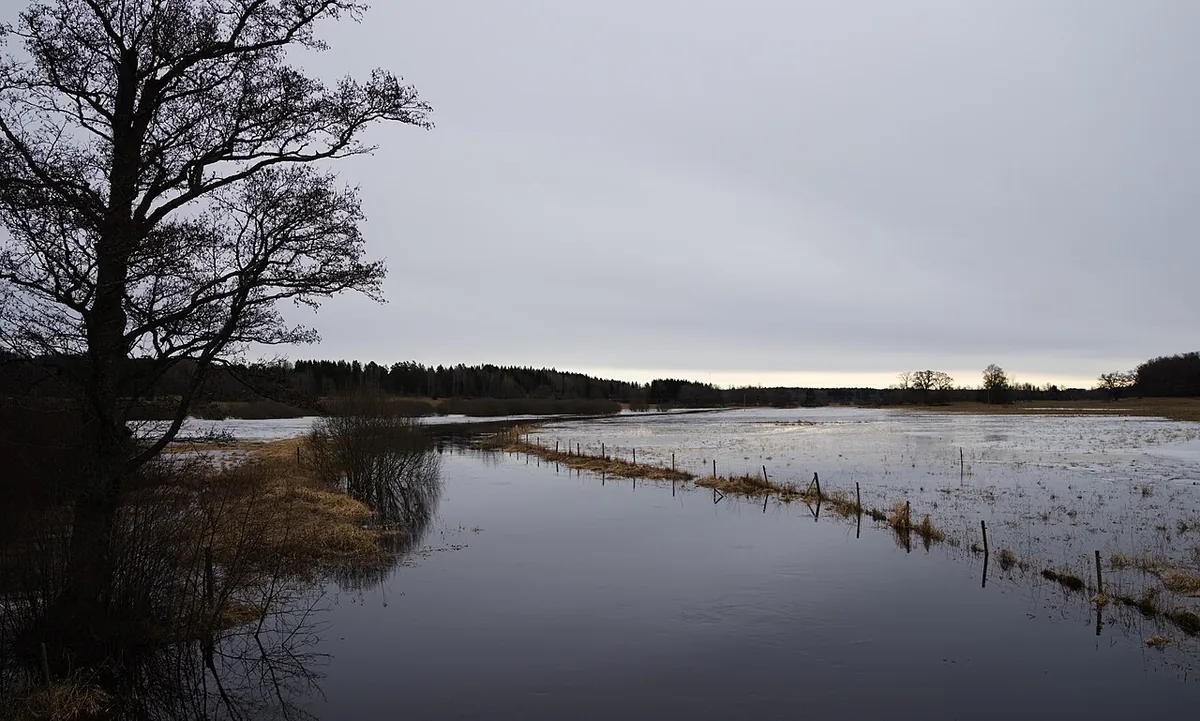
Salsta Castle is less a frozen baroque showpiece than a house with visible layers. In the great halls, seventeenth-century decoration stands alongside rooms altered in later centuries; outside, the avenues and open ground recall a landscape that once held a lake. The estate lies near Vattholma in Uppsala Municipality, about 25 kilometres north of Uppsala. Its long history is written in both architecture and the practical work that sustained an aristocratic household.
Continue exploring
Discover the full story
Keep reading with a travel pass and explore every full guide and tour.
UpgradeMore places in Uppsala
Valsgärde Burial Field
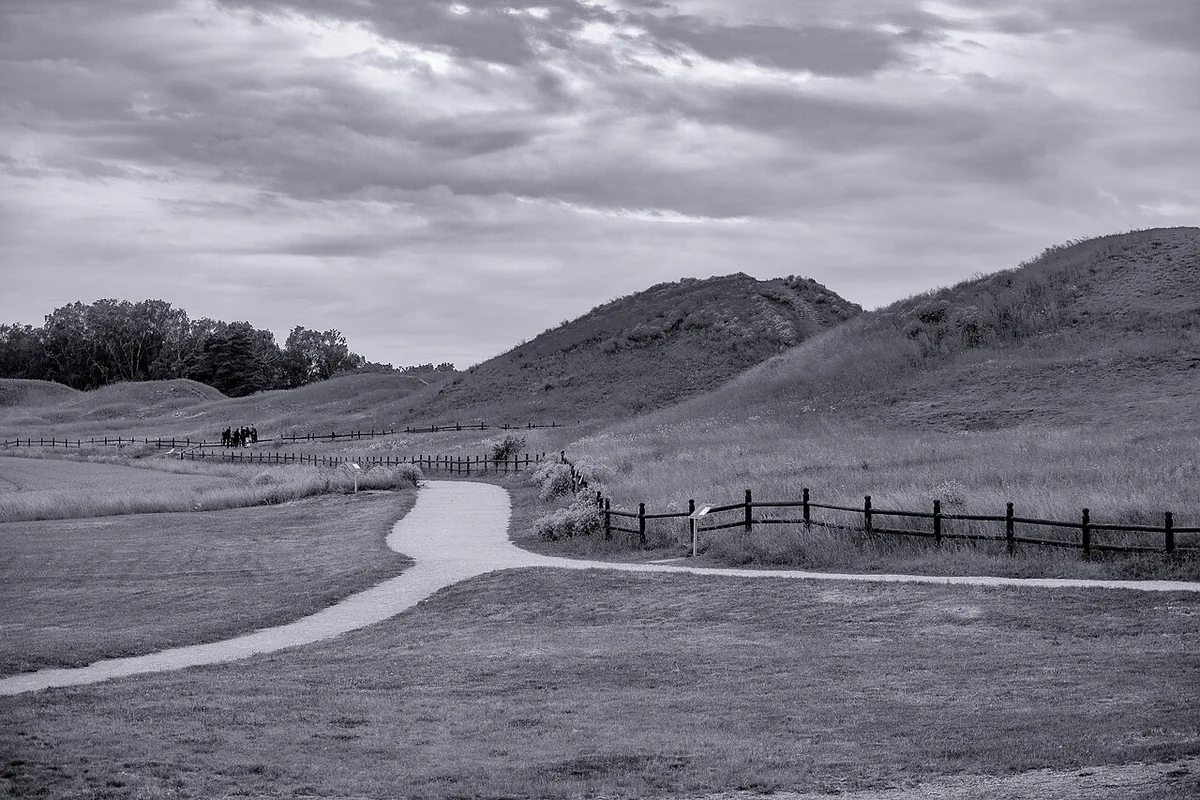
On a low rise north of Gamla Uppsala, Valsgärde preserves the traces of a long-used Iron Age cemetery: boat graves, cremations, chambers and coffins. The field is distinct from the nearby Royal Mounds; many celebrated finds are now held at Uppsala University Museum Gustavianum.
Disagården Open-Air Museum
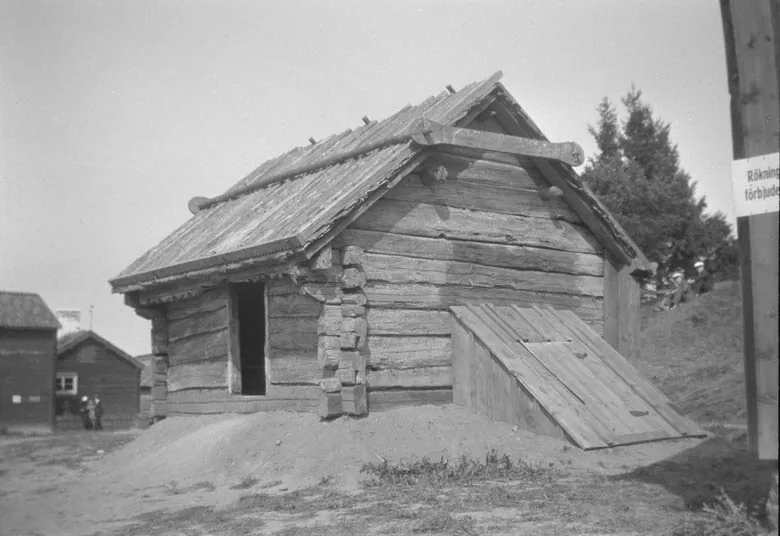
Along a winding village lane, more than twenty timber buildings brought from across Uppland form a museum landscape imagined as a rural village before the great land reforms. Disagården opened in 1931; its farms, work buildings, gardens and soldier’s croft reveal both nineteenth-century rural life a
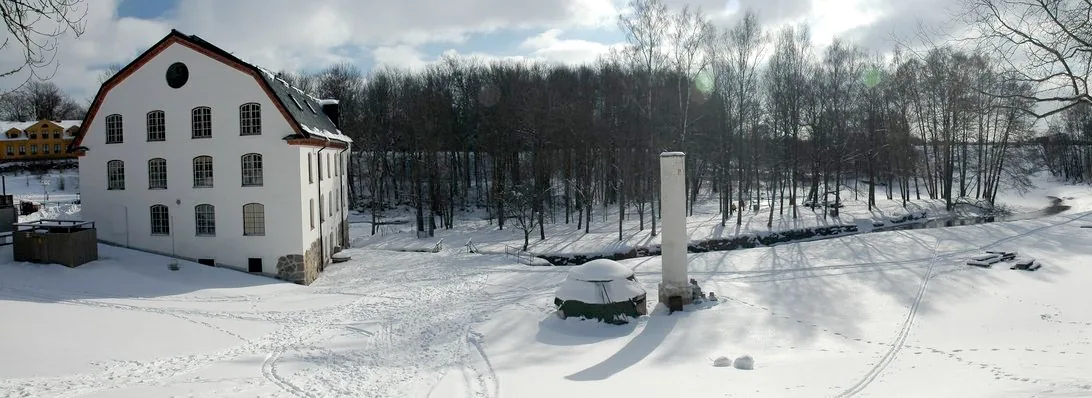
Ulva Kvarn
At a former crossing of the Fyris River, Ulva Kvarn grew from a medieval mill into a complex of water-powered industries. Its 1750s mill, millrace and falls now anchor a riverside recreation area and craft village north of Uppsala.
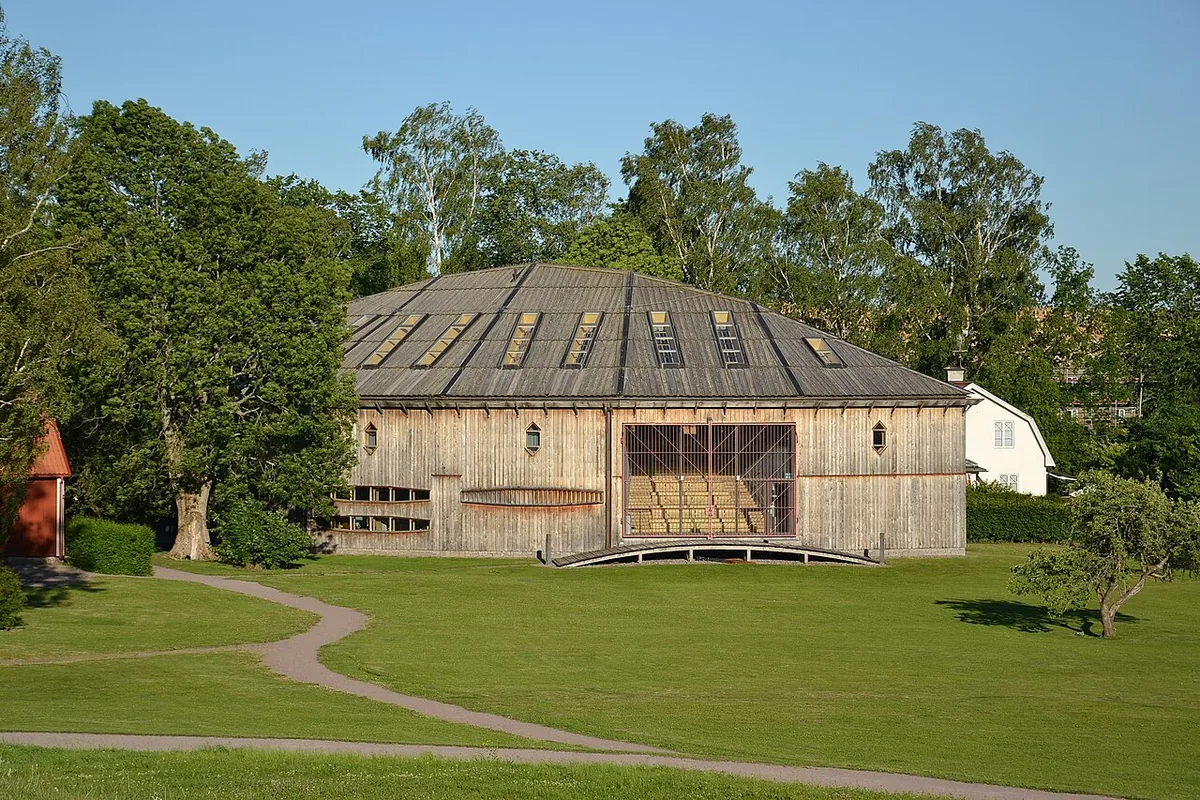
Gamla Uppsala Museum
At the edge of the Royal Mounds, Gamla Uppsala Museum makes an archaeological landscape legible through original finds, a large site model and new research. Its exhibitions connect elite burials and timber monuments with a place that became Sweden’s first archbishopric in 1164.
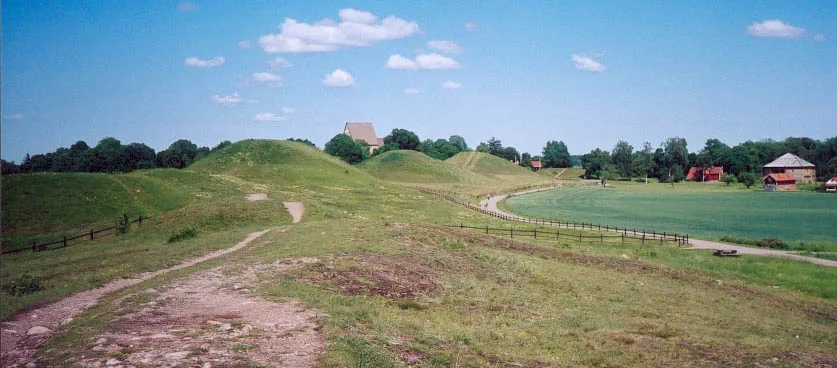
Gamla Uppsala Royal Mounds
Three monumental burial mounds rise above the plain at Gamla Uppsala, an ancient center of power and ceremony. Their cremated burials date to the sixth century; nearby terraces, graves and church traces reveal a landscape that changed from an elite Iron Age center to Sweden’s first archbishopric.
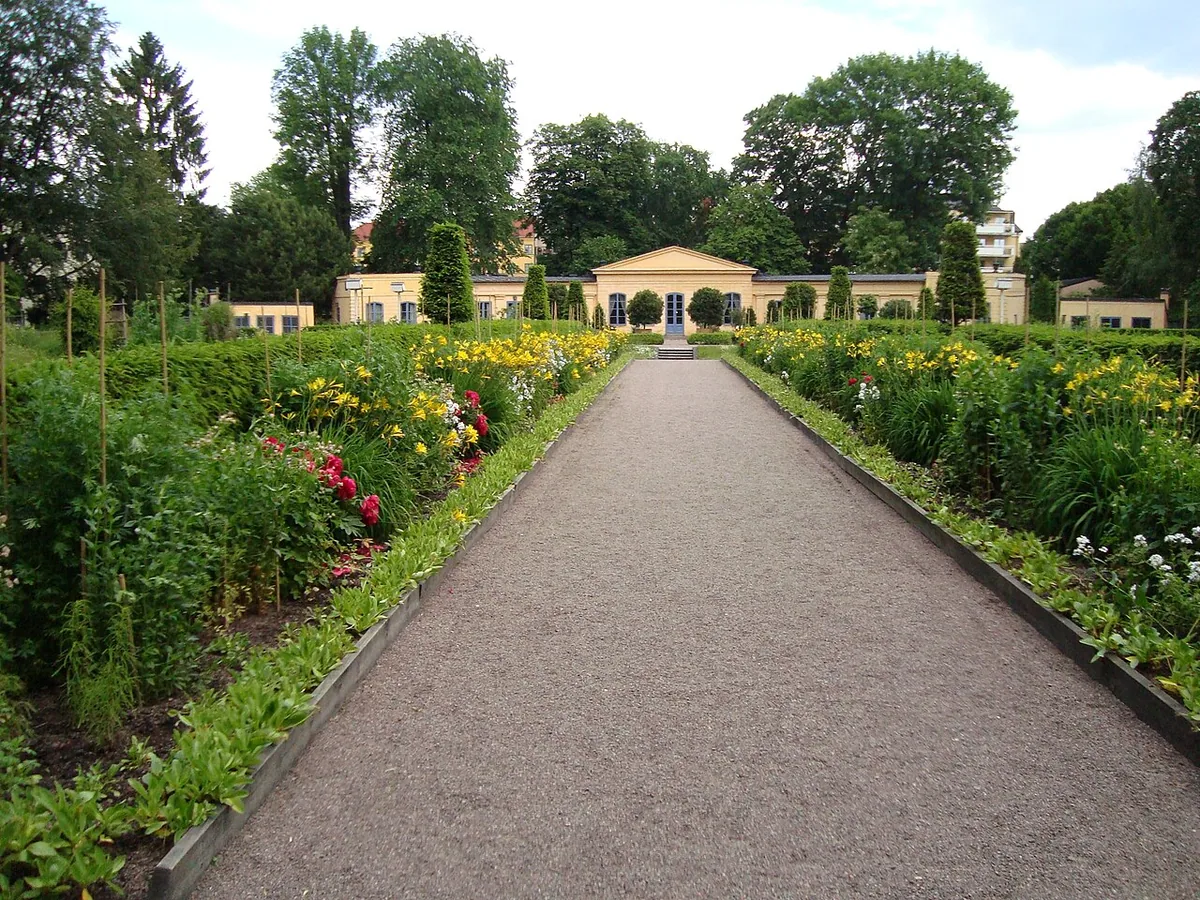
Linnaeus Garden (Linnéträdgården)
Founded by Olof Rudbeck in 1655 and reshaped by Carl Linnaeus, Sweden’s oldest botanical garden is a reconstructed eighteenth-century teaching garden. Its formal beds, Orangery, and adjacent Linnaeus Museum reveal how plants were collected, classified, and kept through Uppsala’s winters.