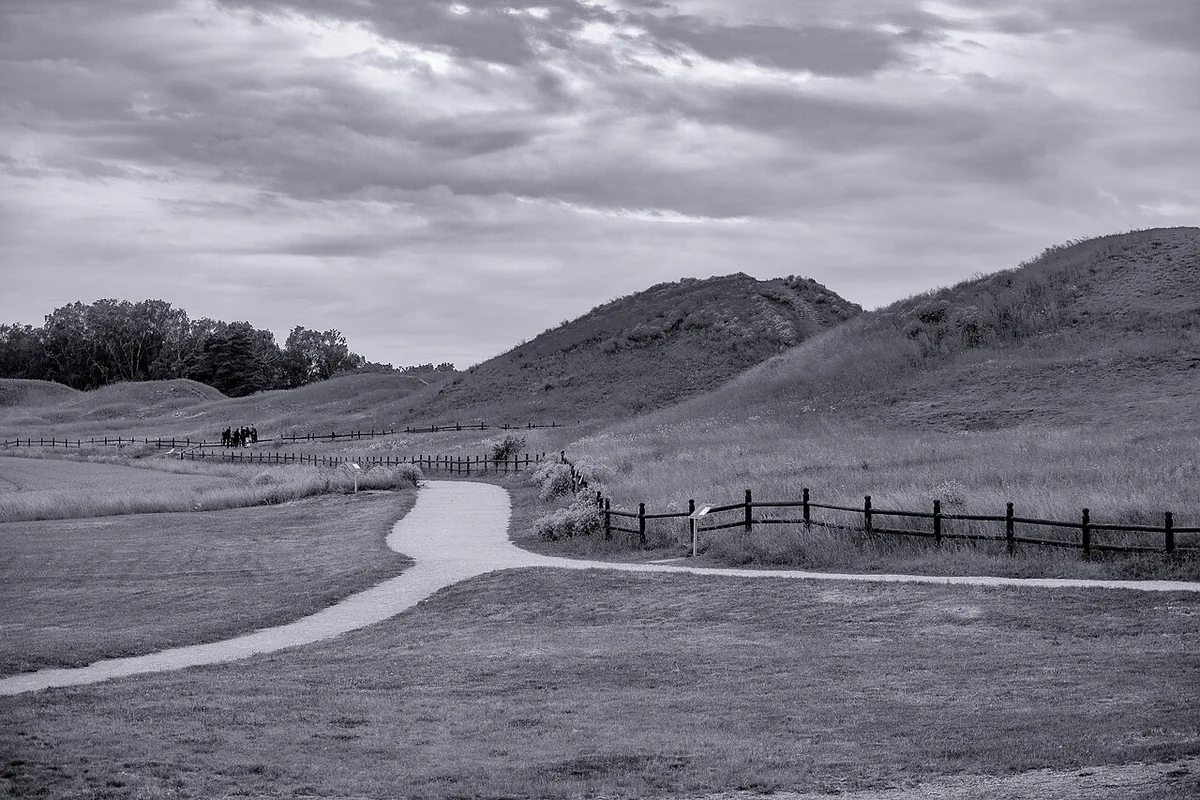
On a low rise north of Gamla Uppsala, Valsgärde preserves the traces of a long-used Iron Age cemetery: boat graves, cremations, chambers and coffins. The field is distinct from the nearby Royal Mounds; many celebrated finds are now held at Uppsala University Museum Gustavianum.
Quick facts
Excavations documented 15 boat graves, 15 other inhumations and 62 cremation graves at Valsgärde.
The first systematic excavations began in 1928; fieldwork resumed after the war and ended in 1952.
Many finds from Valsgärde are held by Uppsala University Museum Gustavianum; they are separate from the outdoor burial field.
Get directions to Valsgärde Burial Field. Confirm the visitor entrance and current access with the venue before travelling.
Audio guide
Listen to this place’s guide.
Guide
Valsgärde does not announce itself with towering royal mounds. Its evidence lies in a low rise above the Fyris River: long depressions on the slope, the traces of boats laid into the ground, and a landscape whose quiet surface once held more than ninety graves. Here, generations made burial into a public statement—sometimes by placing a person, weapons, food and animals in a clinker-built boat, sometimes through cremation, a chamber, or a coffin.
Continue exploring
Discover the full story
Keep reading with a travel pass and explore every full guide and tour.
UpgradeMore places in Uppsala
Disagården Open-Air Museum
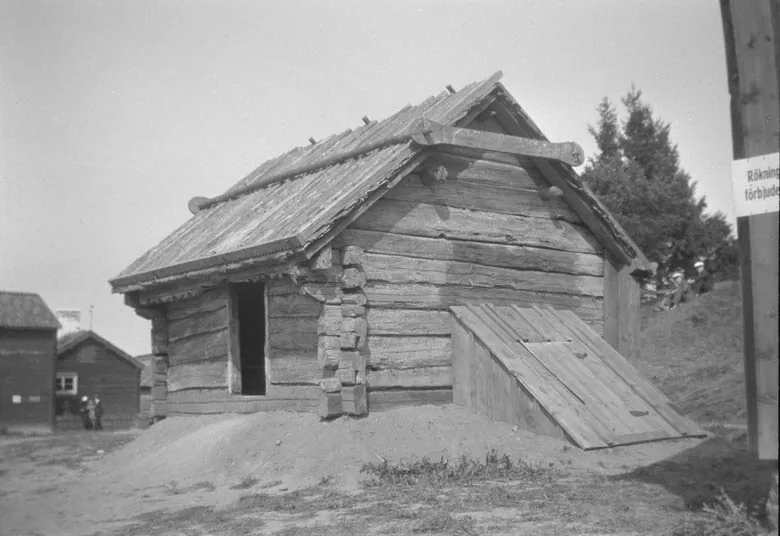
Along a winding village lane, more than twenty timber buildings brought from across Uppland form a museum landscape imagined as a rural village before the great land reforms. Disagården opened in 1931; its farms, work buildings, gardens and soldier’s croft reveal both nineteenth-century rural life a
Gamla Uppsala Royal Mounds
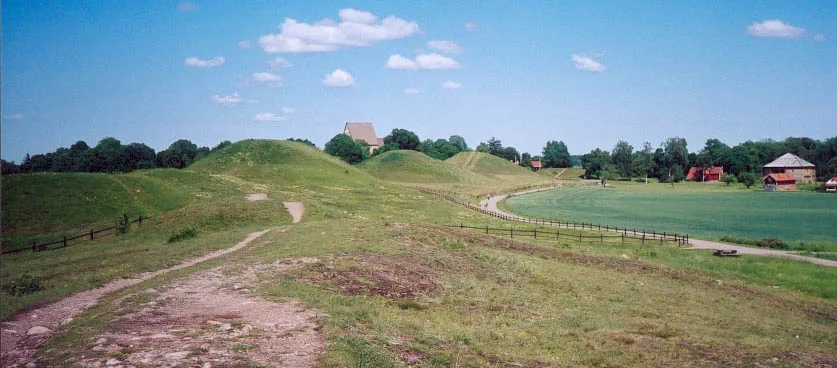
Three monumental burial mounds rise above the plain at Gamla Uppsala, an ancient center of power and ceremony. Their cremated burials date to the sixth century; nearby terraces, graves and church traces reveal a landscape that changed from an elite Iron Age center to Sweden’s first archbishopric.
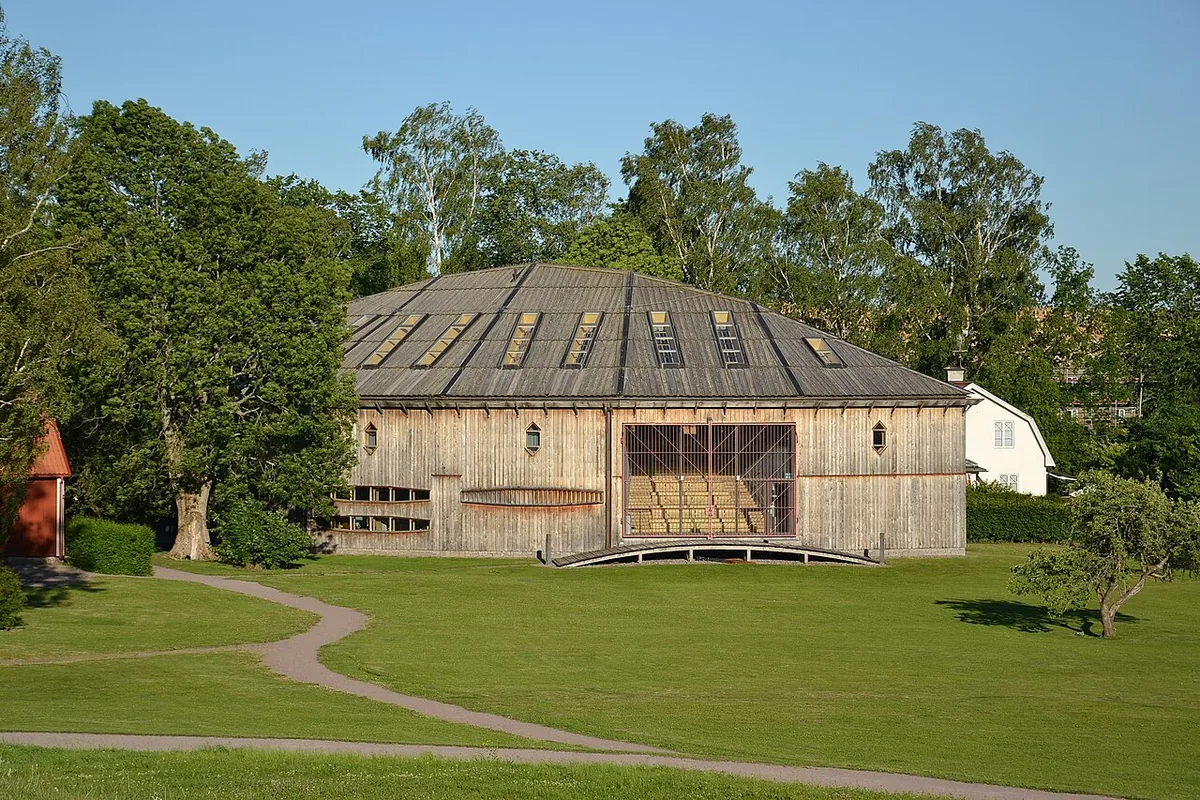
Gamla Uppsala Museum
At the edge of the Royal Mounds, Gamla Uppsala Museum makes an archaeological landscape legible through original finds, a large site model and new research. Its exhibitions connect elite burials and timber monuments with a place that became Sweden’s first archbishopric in 1164.
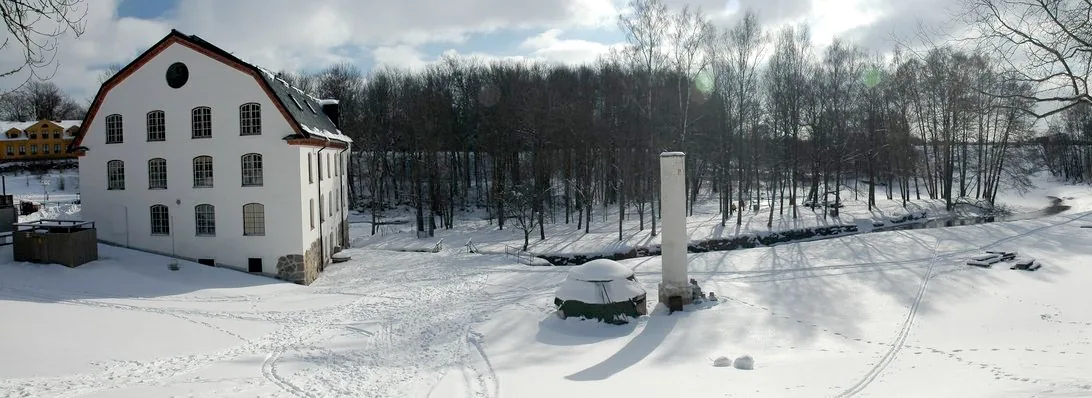
Ulva Kvarn
At a former crossing of the Fyris River, Ulva Kvarn grew from a medieval mill into a complex of water-powered industries. Its 1750s mill, millrace and falls now anchor a riverside recreation area and craft village north of Uppsala.
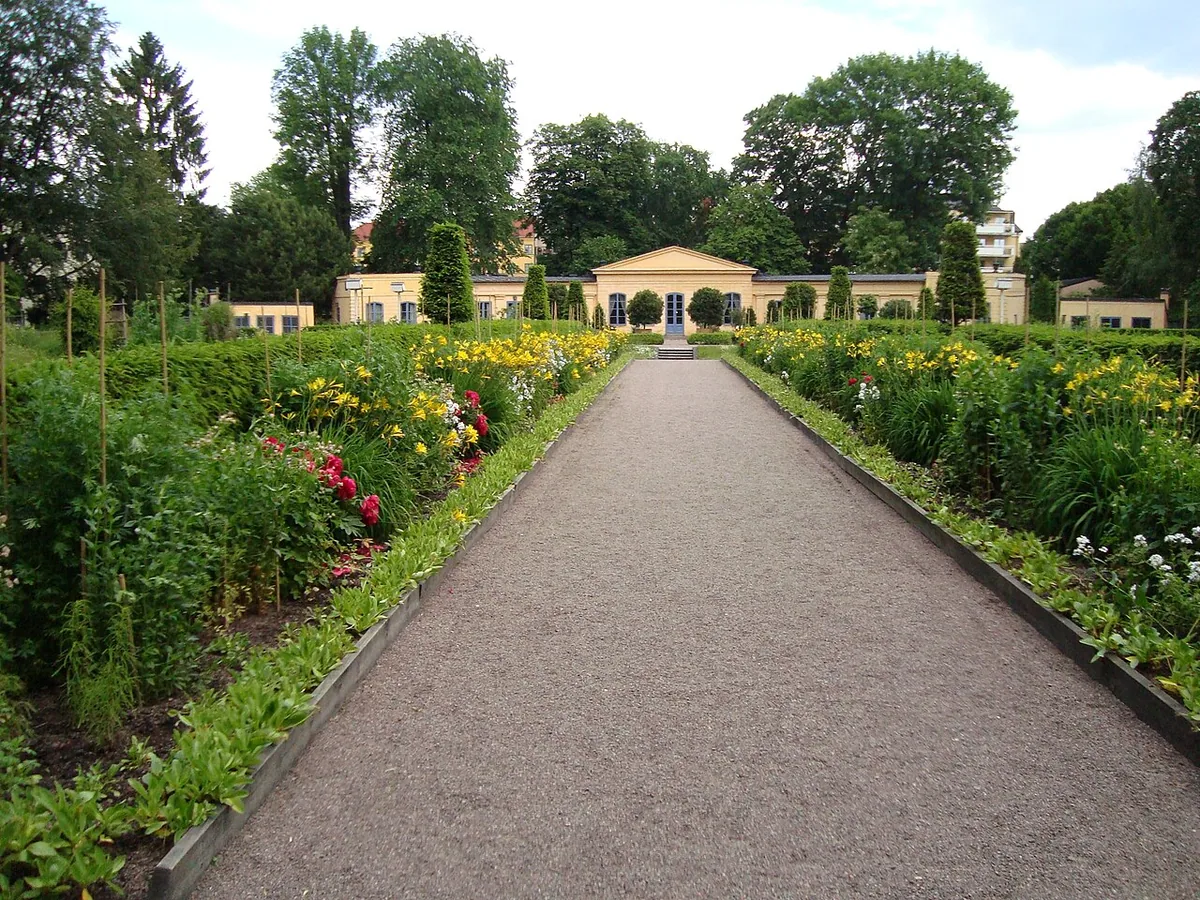
Linnaeus Garden (Linnéträdgården)
Founded by Olof Rudbeck in 1655 and reshaped by Carl Linnaeus, Sweden’s oldest botanical garden is a reconstructed eighteenth-century teaching garden. Its formal beds, Orangery, and adjacent Linnaeus Museum reveal how plants were collected, classified, and kept through Uppsala’s winters.
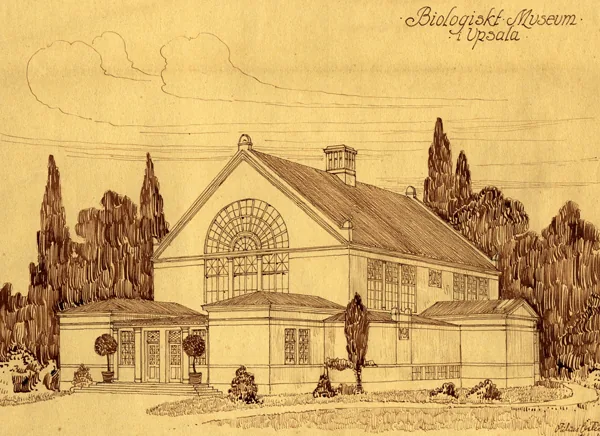
Biotopia
Biotopia brings Uppland’s wildlife and landscapes into focus through immersive early twentieth-century dioramas, geological displays and hands-on learning. Opened as Biologiska museet in 1910, it pairs preserved habitat scenes with a modern program rooted in Uppsala’s surrounding nature.