Explore locations
Browse places by name, city, country or category.
All locations
70 locations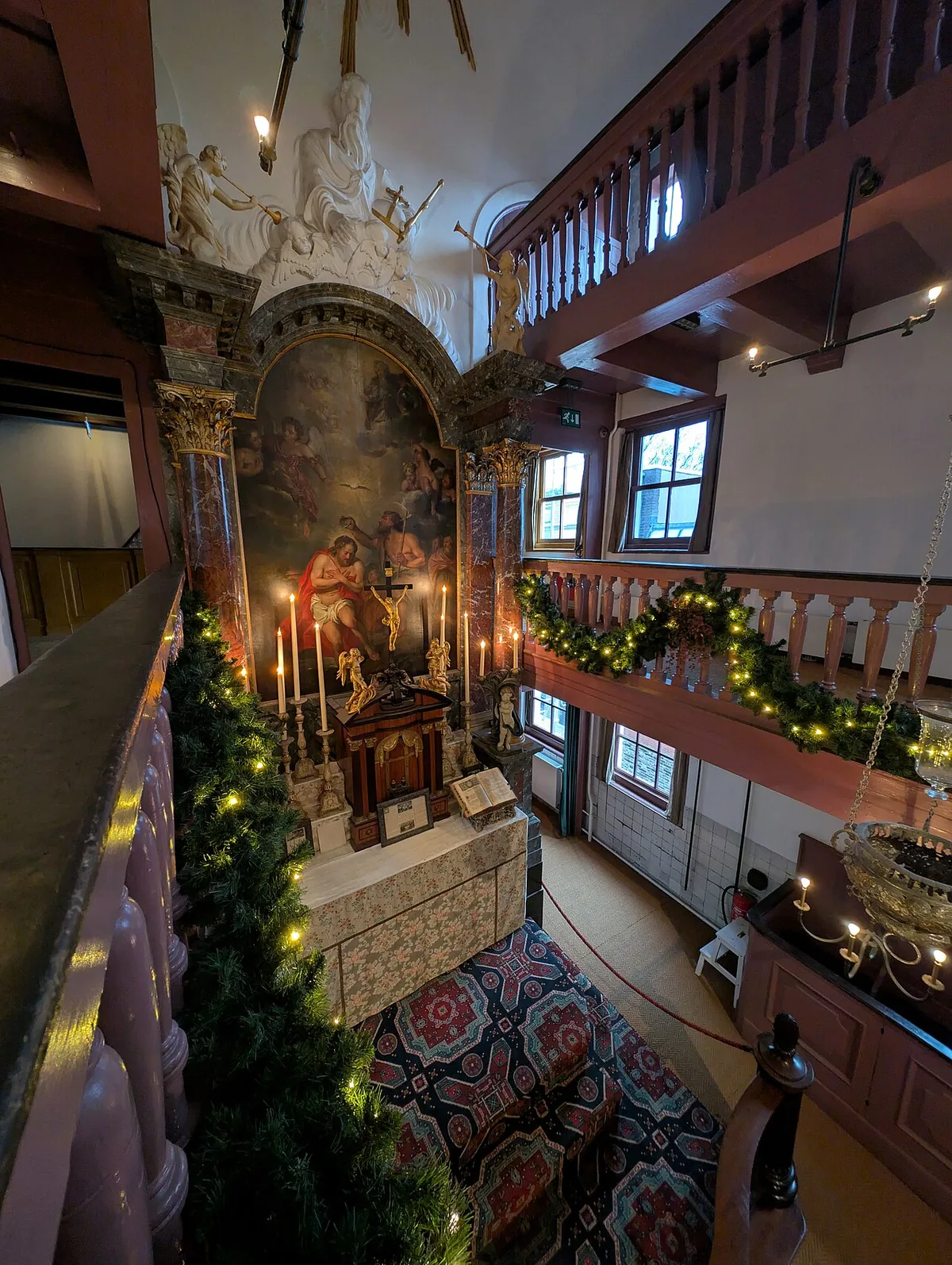
Our Lord in the Attic Museum
A seventeenth-century Catholic church fills the joined upper floors of a canal house and two rear houses. Built by merchant Jan Hartman, it preserves the history of Amsterdam’s tolerated house churches and the community that worshipped here.
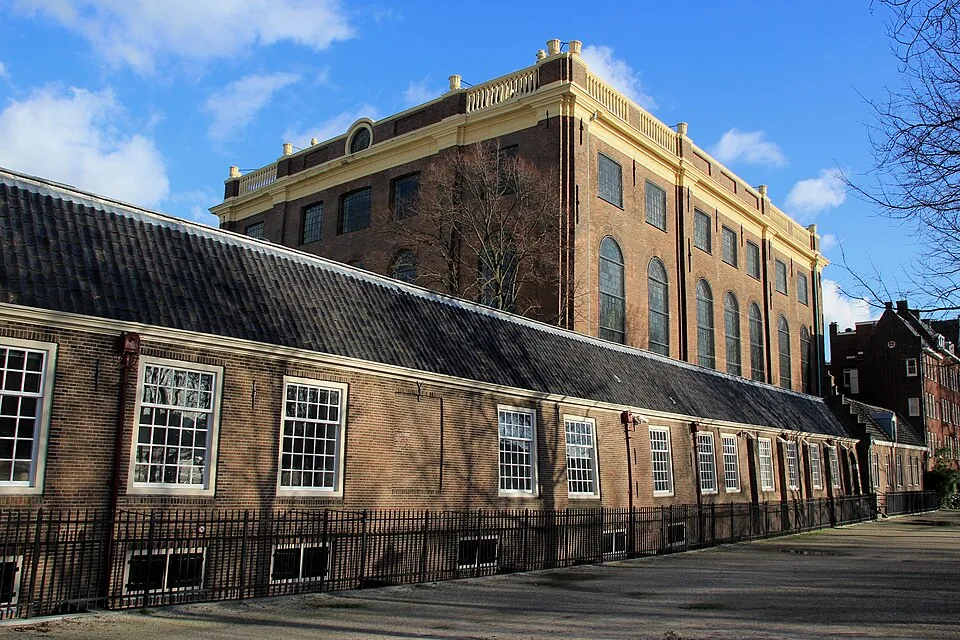
Portuguese Synagogue
Amsterdam’s Portuguese Synagogue, or Esnoga, is an active place of Sephardic worship, opened in 1675. Its historic interior centers on a tebah and Torah ark, with candle chandeliers and a sanded pine floor still linking the space to its religious use today.
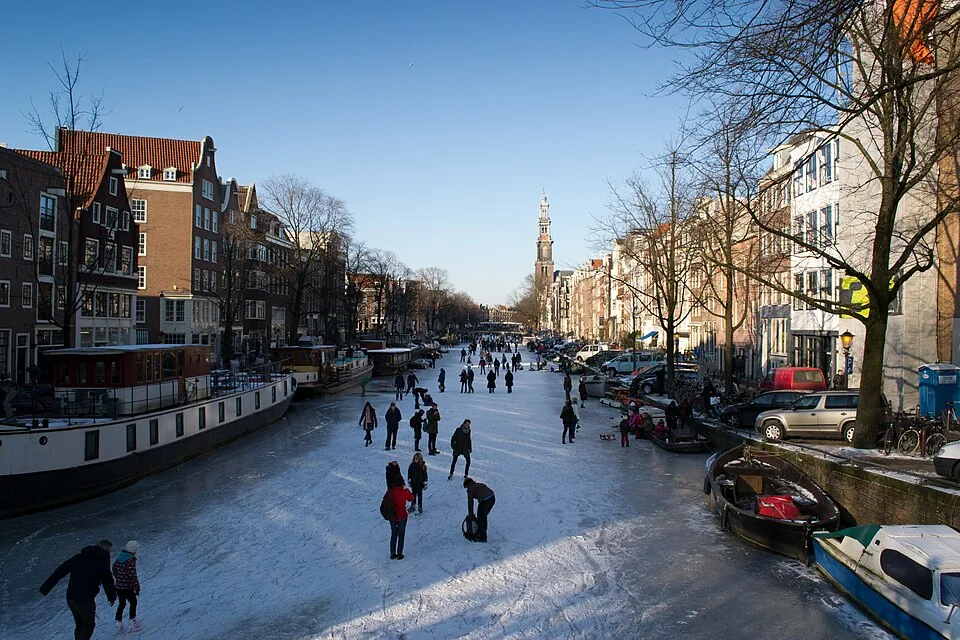
Prinsengracht
Prinsengracht, Amsterdam’s outermost principal canal on the west side of the Amstel, grew from a seventeenth-century city expansion into a working waterway lined with warehouses and homes. Its bridges and dense plots reveal how trade, transport, and everyday life shaped the canal belt.
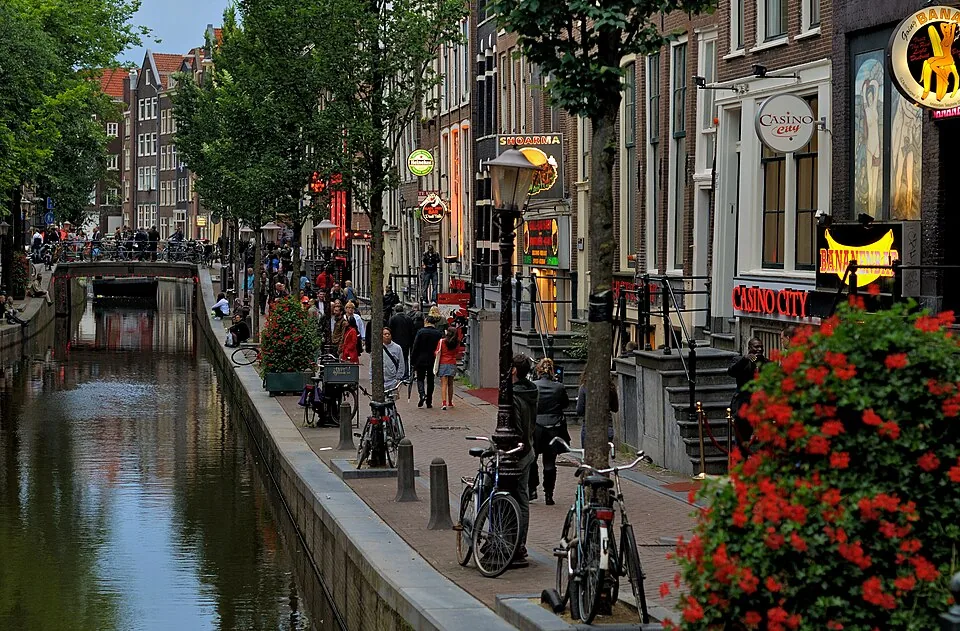
Red Light District
Amsterdam’s Red Light District is a working neighborhood as well as a historic port-area quarter. Its story includes centuries of regulation and change, but the people who live and work here deserve privacy; the most respectful visit begins by treating the streets as public space shared with residen
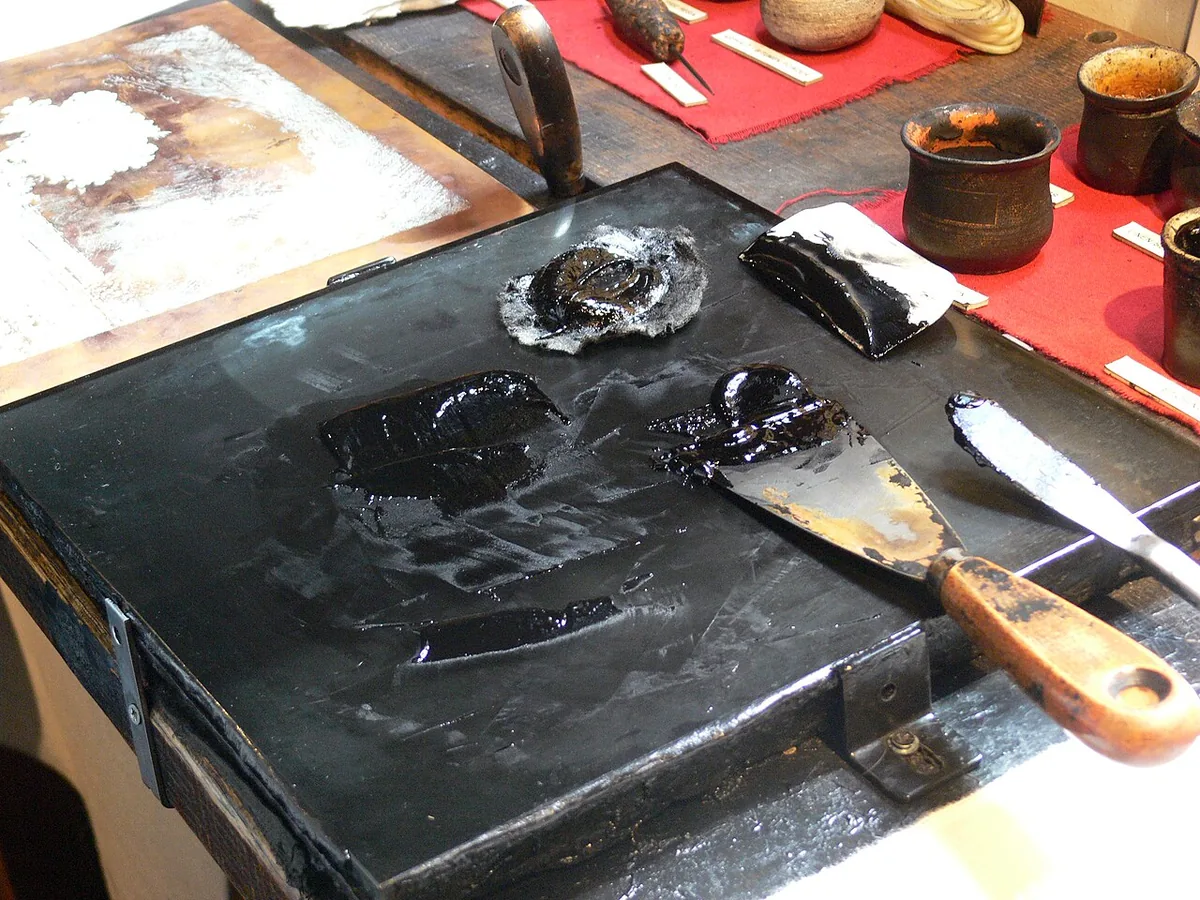
Rembrandt House Museum
On Amsterdam’s Jodenbreestraat, Rembrandt House Museum occupies the historic home and workplace he bought in 1639. Reconstructed rooms draw on a 1656 inventory, bringing a painter’s studio, household and collecting world into view while making the museum’s own history part of the story.
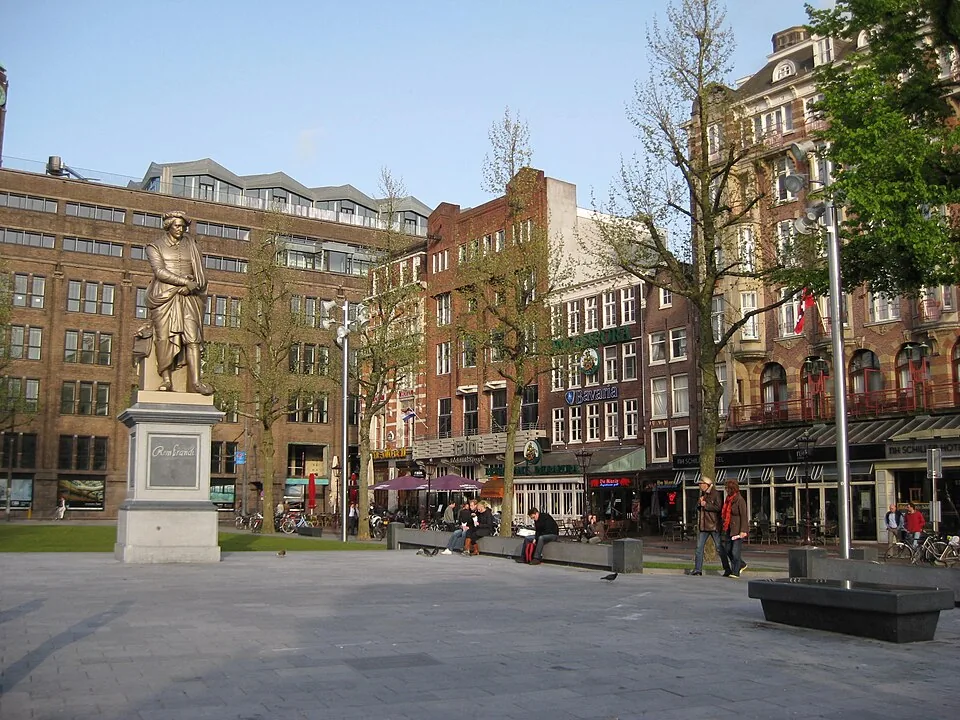
Rembrandtplein
Rembrandtplein grew from a wagon stopping place and Botermarkt into a monument square and Amsterdam entertainment district. Its lanes recall the carts and horses once served here; cafés, terraces and nearby Reguliersdwarsstraat carry later histories of cultural life and queer nightlife.
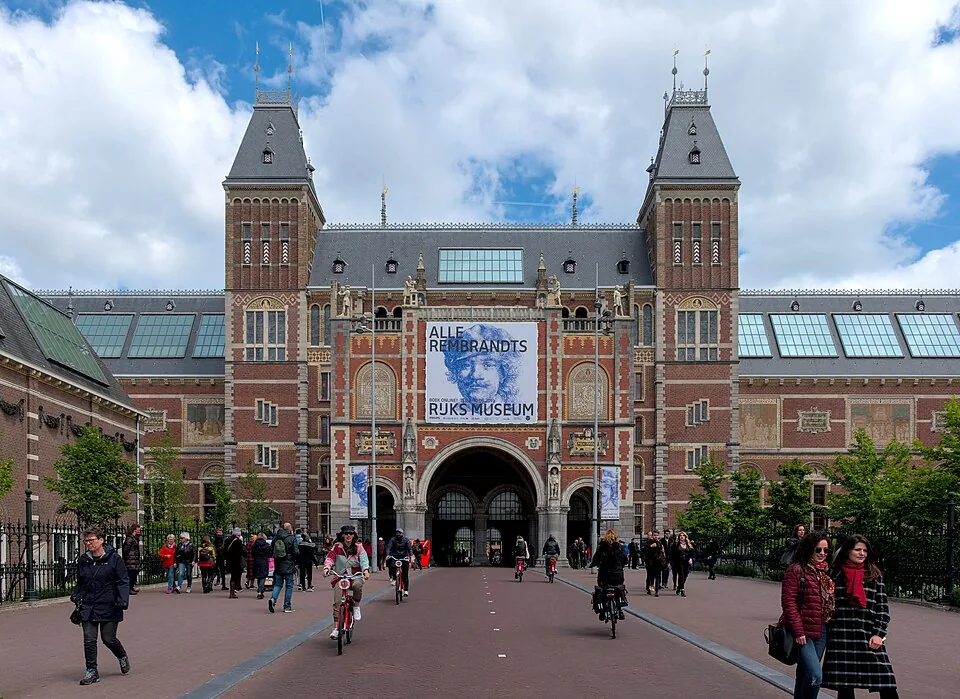
Rijksmuseum
Start with the Rijksmuseum’s red-brick gateway, where towers, arches, and carved details make the building itself part of the collection. Inside, the Gallery of Honour draws your eye toward Rembrandt’s immense Night Watch, while Vermeer and other Dutch masters reward a slower look.
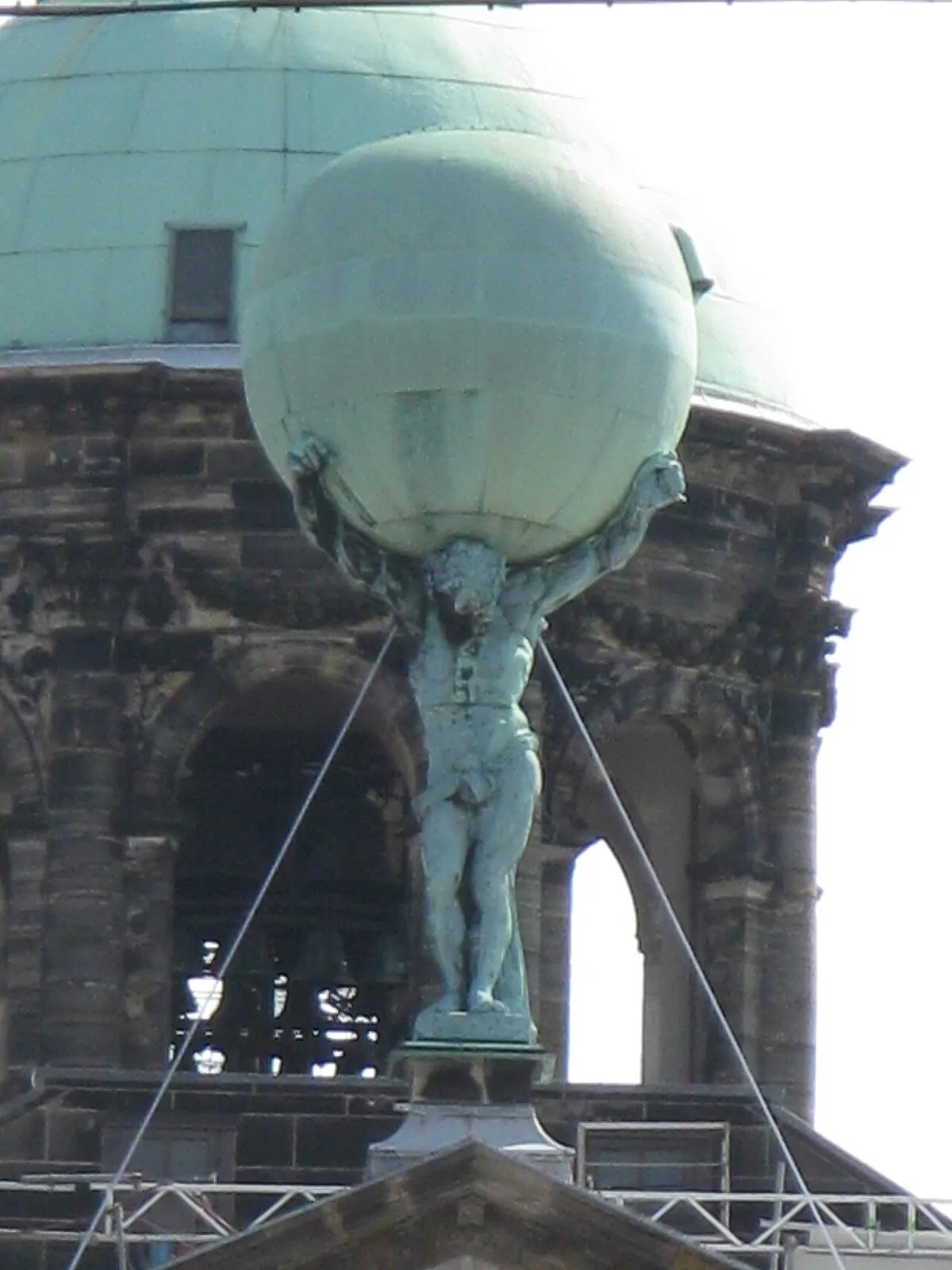
Royal Palace Amsterdam
Amsterdam’s Royal Palace began as the city’s monumental seventeenth-century town hall, built to project the authority of a wealthy mercantile city. Its Citizens’ Hall, marble maps, sculpture and galleries frame both that civic ambition and the global trade networks—and colonial exploitation—behind i
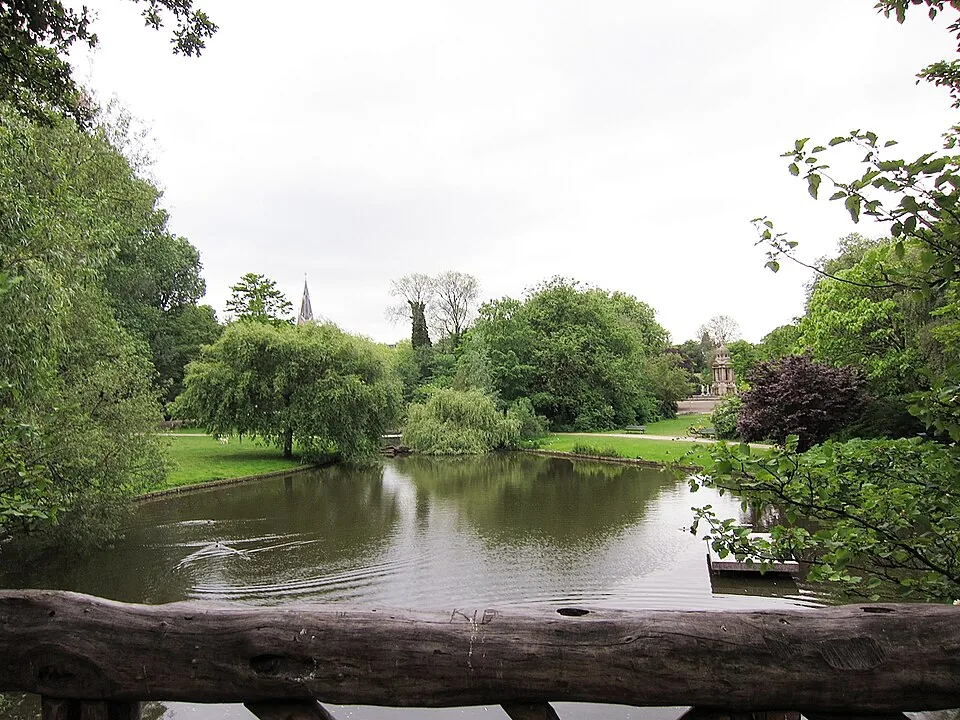
Sarphatipark
In De Pijp’s dense street grid, Sarphatipark offers a compact green pause. Its pond, low position, and monument to city reformer Samuel Sarphati make this small park a clear window into nineteenth-century urban change.
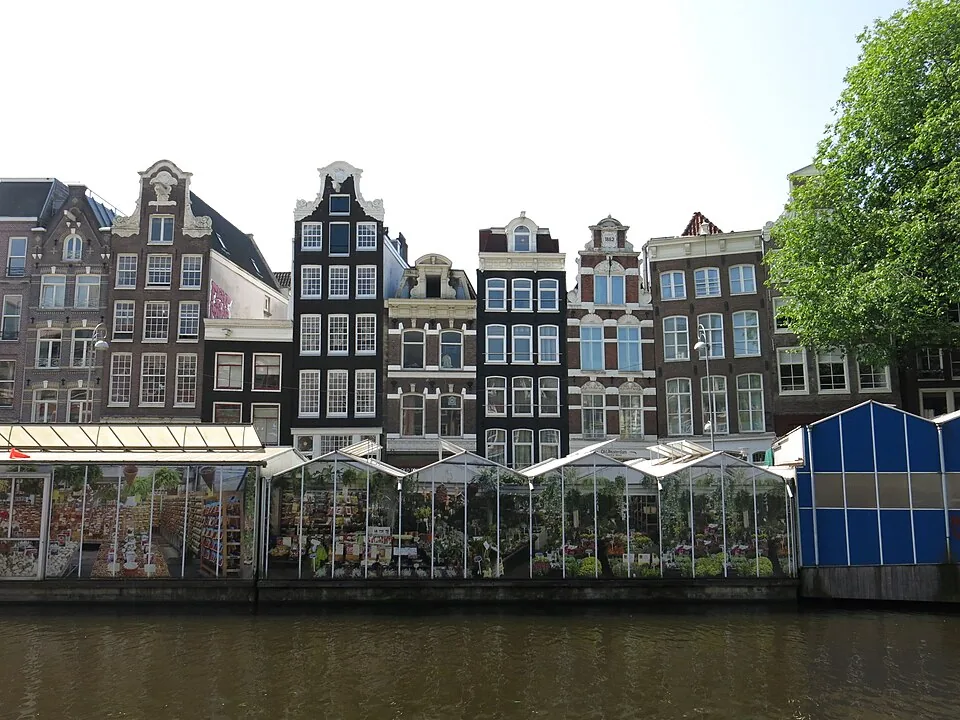
Singel
Amsterdam’s Singel began as the medieval city’s defensive edge and became an inner working canal as the city expanded. Traces at Torensluis and in the quay stones reveal the walls, trade and everyday life once tied to its water.
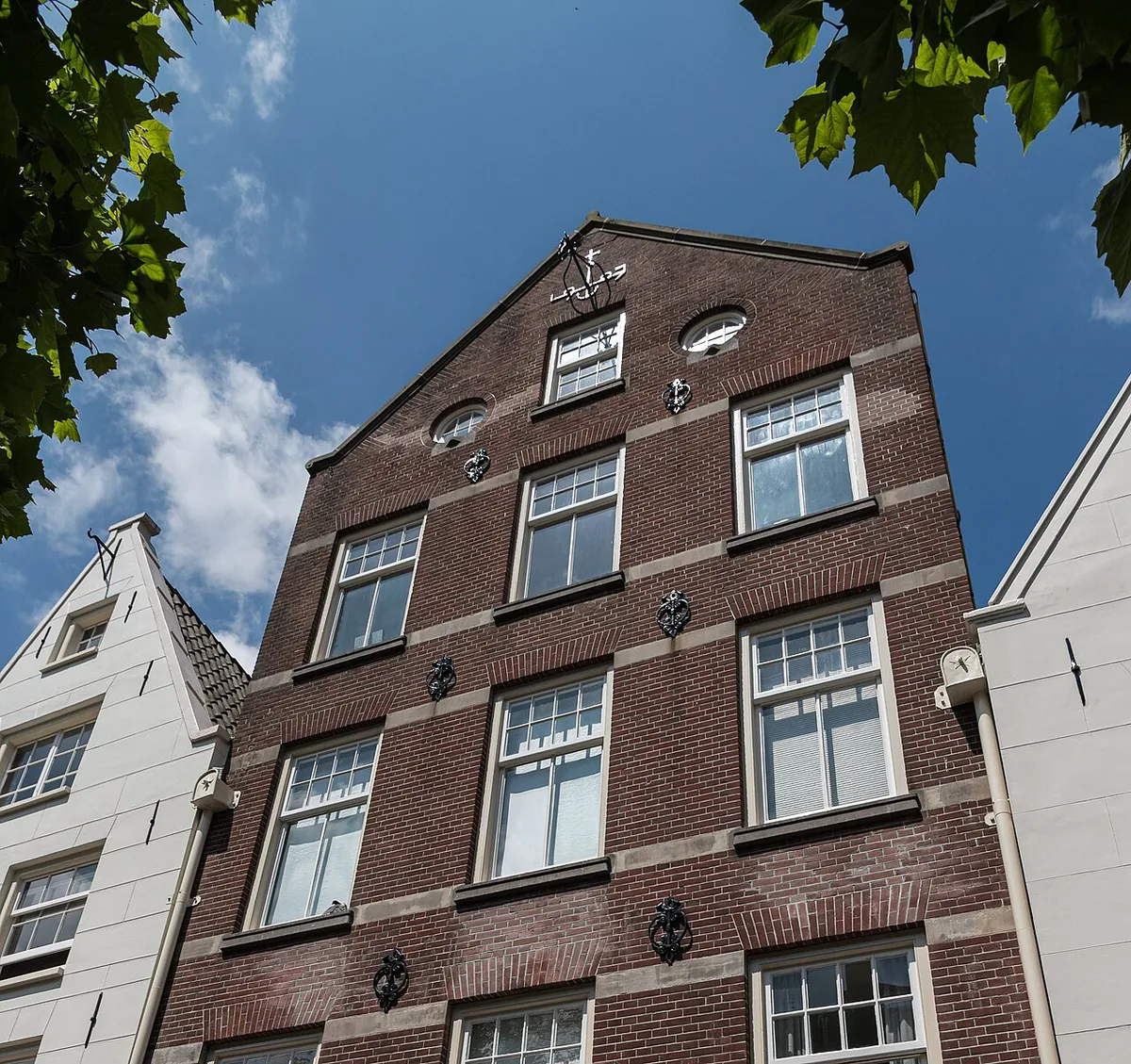
Spui
Spui occupies the line of an old sluice channel that marked Amsterdam’s southern edge around 1425. Filled between 1867 and 1882, the waterway became a tram junction and later a stage for Provo gatherings around Het Lieverdje.
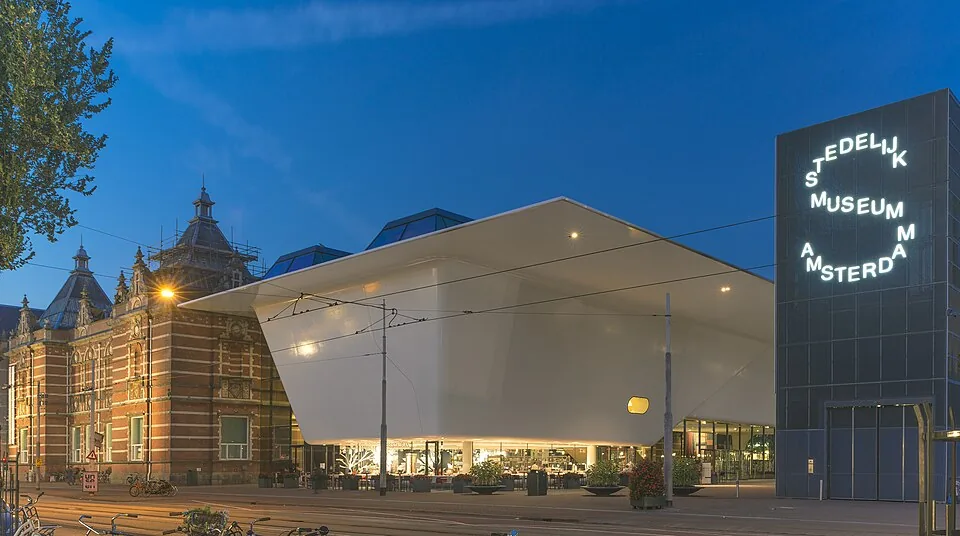
Stedelijk Museum
At Museumplein, a nineteenth-century red-brick museum meets a sweeping white extension opened in 2012. Inside, the Stedelijk brings modern and contemporary art into conversation with design and photography. Its changing displays invite close looking, while the building and its history reveal how Ams
STRAAT Museum
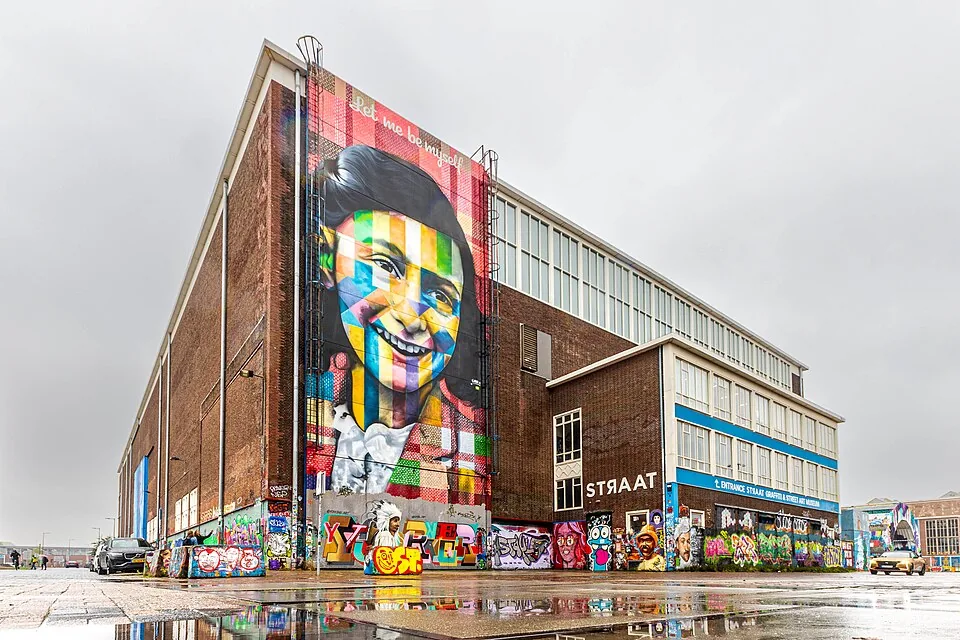
STRAAT Museum brings street art and graffiti into a former NDSM warehouse in Amsterdam-Noord. Its monumental, often on-site works keep the scale of outdoor walls, while museum interpretation gives visitors time to explore artists, styles, and stories.
The Cat Cabinet
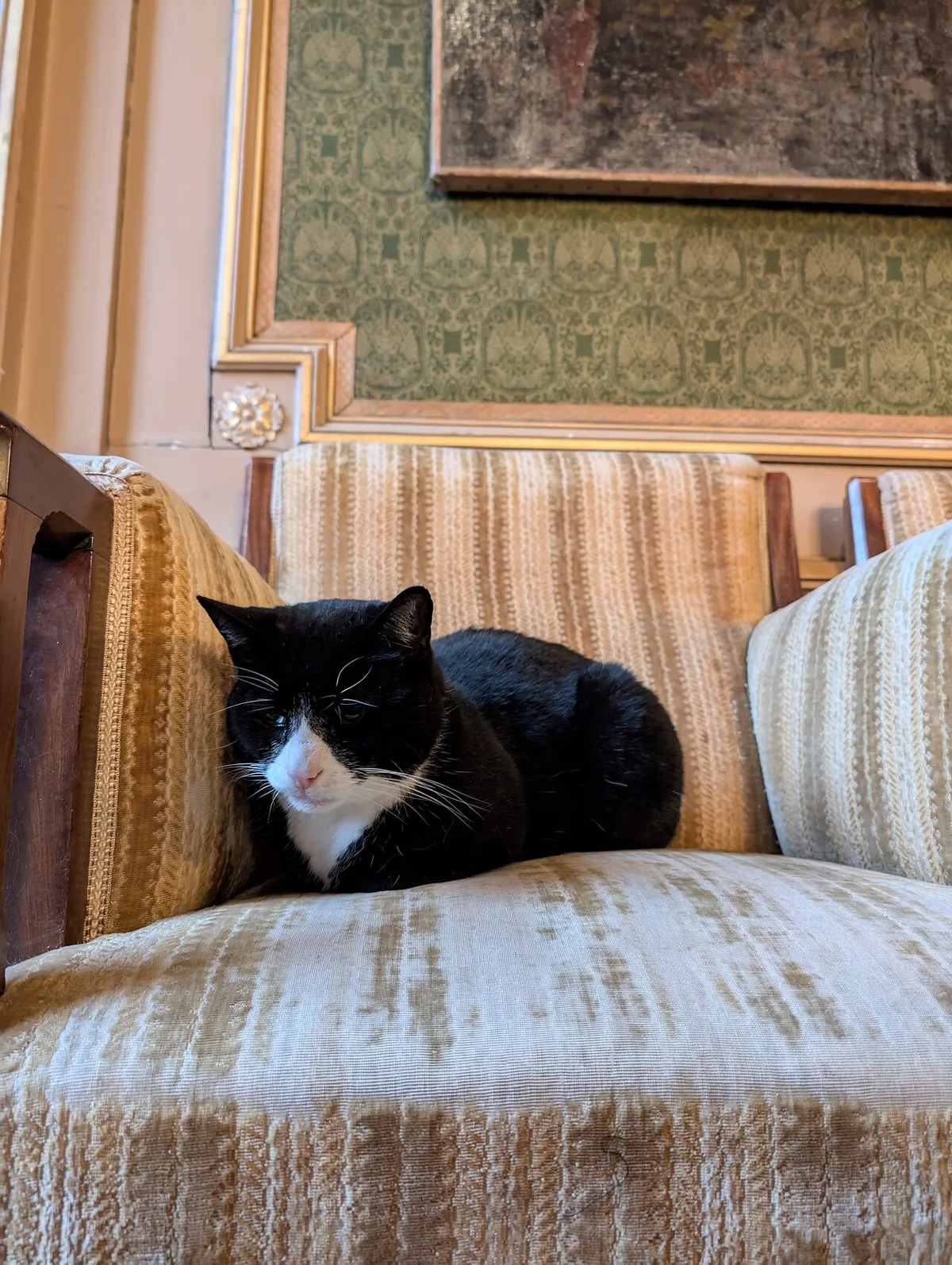
A red cat named John Pierpont Morgan inspired an Amsterdam canal-house museum devoted to cats in art. The house itself dates to the seventeenth century, so the visit links a private memorial to a playful collection spanning paintings, prints, and sculpture.
Tropenmuseum
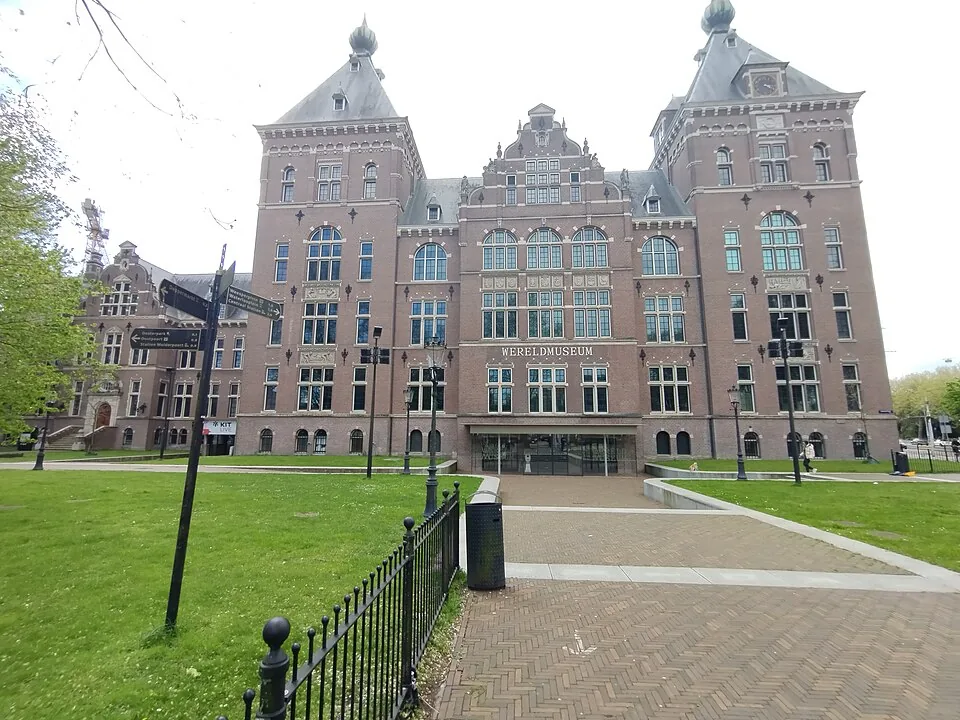
Wereldmuseum Amsterdam occupies the monumental former Colonial Institute, opened in 1926. Its historic architecture and collections now frame exhibitions that examine the museum’s colonial origins, the histories of objects, and the continuing effects of colonialism.
Van Gogh Museum
At the Van Gogh Museum, follow the artist’s work alongside the family story that kept it together. Compare the dark, carefully staged Potato Eaters with later experiments in color, and notice how letters, drawings and works by contemporaries turn a celebrated name into a working artist in his time.
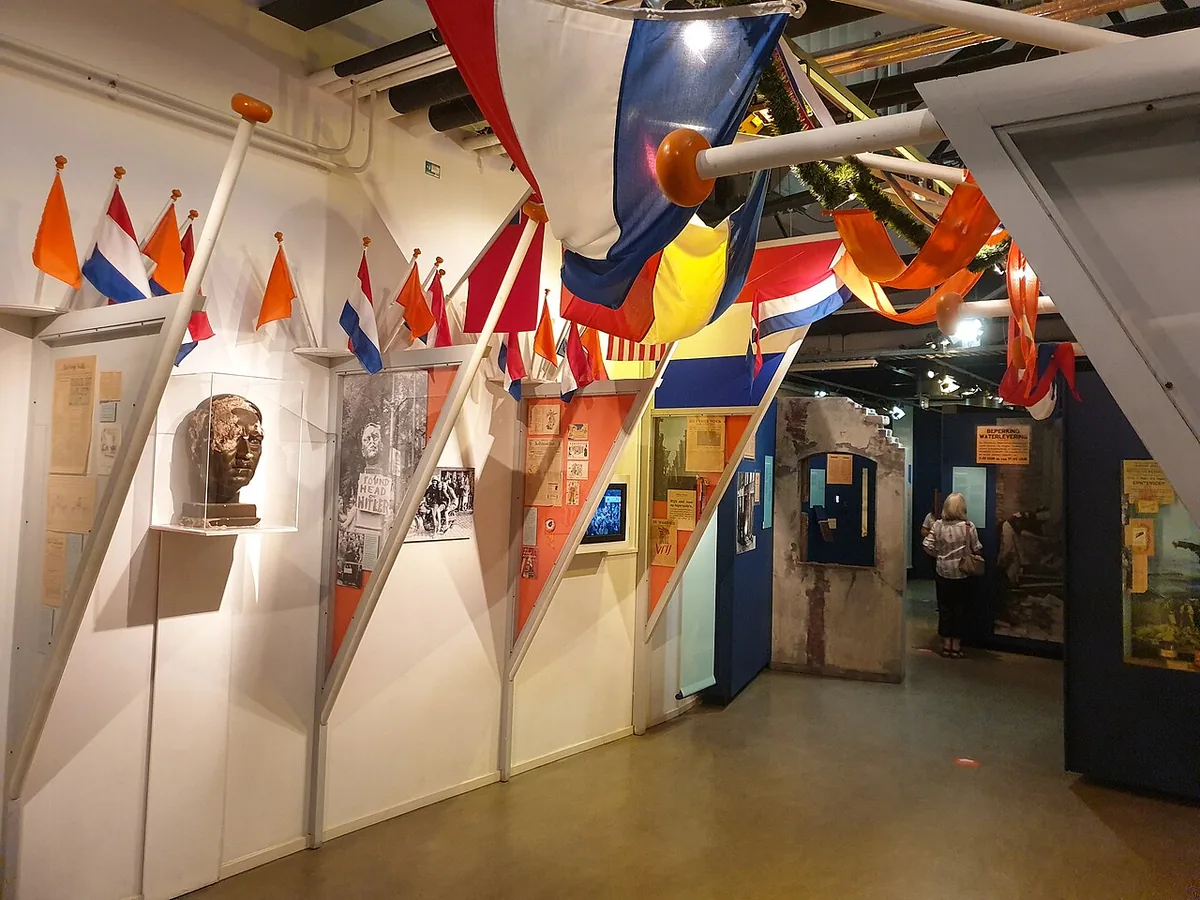
Verzetsmuseum Amsterdam
In the Plantage district, the Verzetsmuseum explores personal choices under Nazi occupation and the war’s colonial histories. Its home, the 1876 Plancius Building, began as a Jewish choral hall; across the street, resistance fighters attacked Amsterdam’s population registry in 1943.
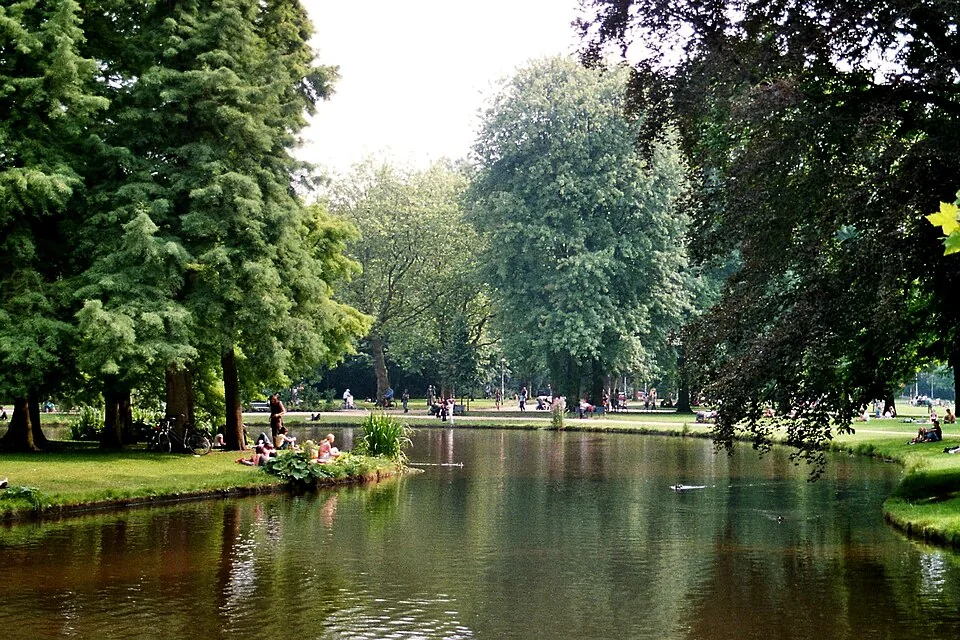
Vondelpark
Follow the Vondelpark’s curving paths past ponds, bridges, and open lawns, and look for how the landscape hides and reveals the city. Opened in 1865, this deliberately natural-looking park began as a private civic project.
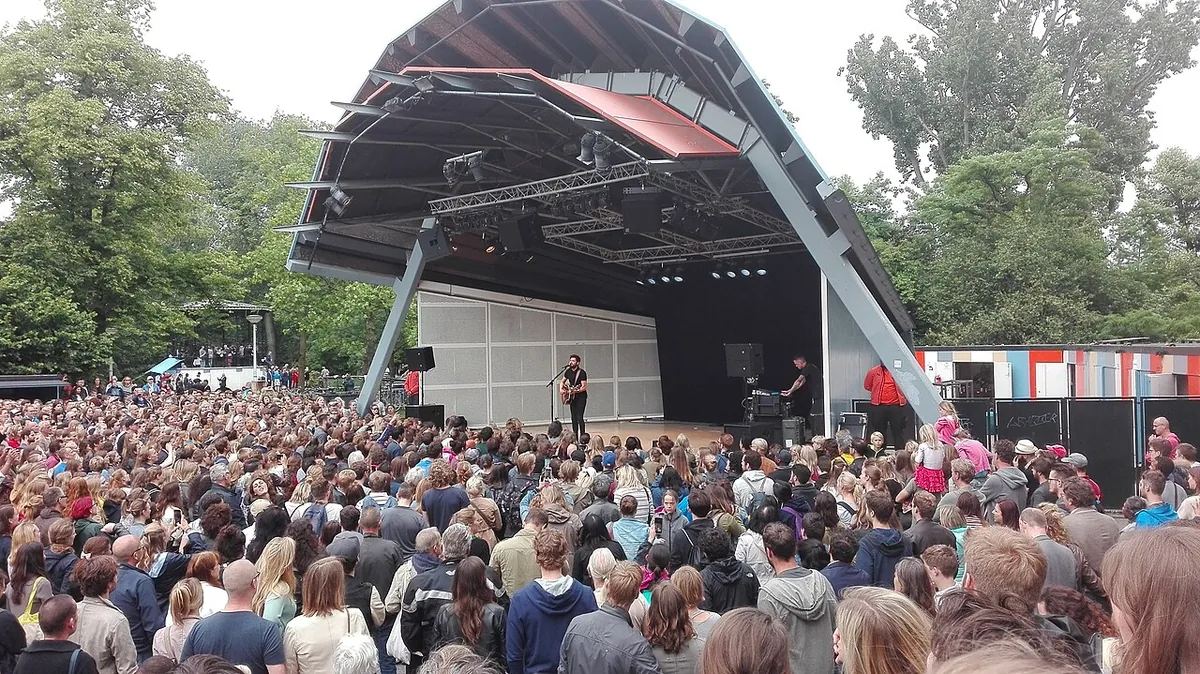
Vondelpark Open Air Theatre
Since the 1950s, music and performance have drawn audiences to Vondelpark. The open-air theatre opened in 1965, and a regular free programme was established in 1974, turning the park’s informal culture of gathering into an enduring public stage.
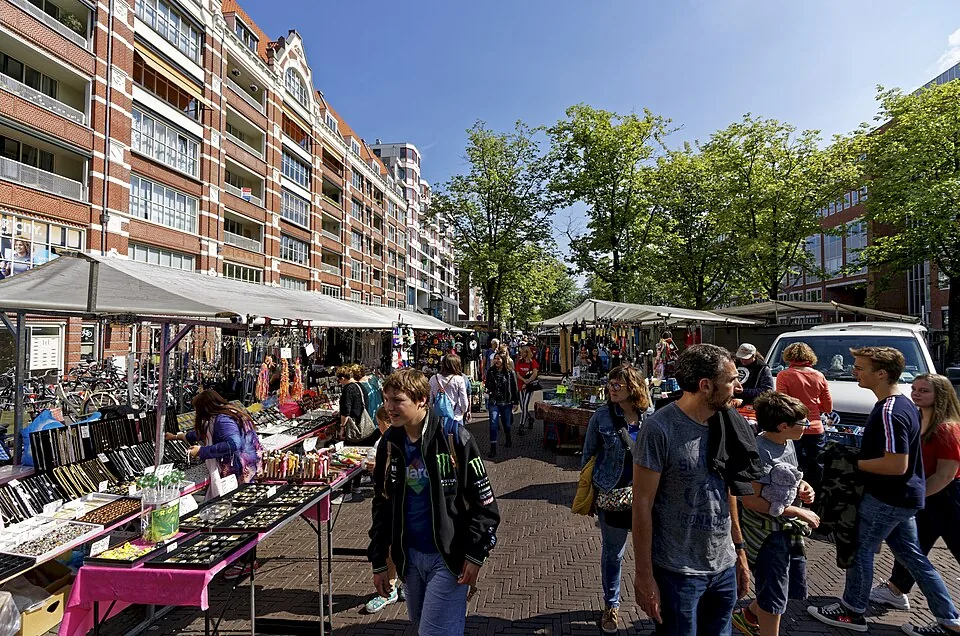
Waterlooplein
Waterlooplein is a market square formed over two filled canals in Amsterdam’s historic Jewish quarter. Its story connects Jewish street trade and wartime persecution with metro construction, neighborhood protest, and the Stopera redevelopment.
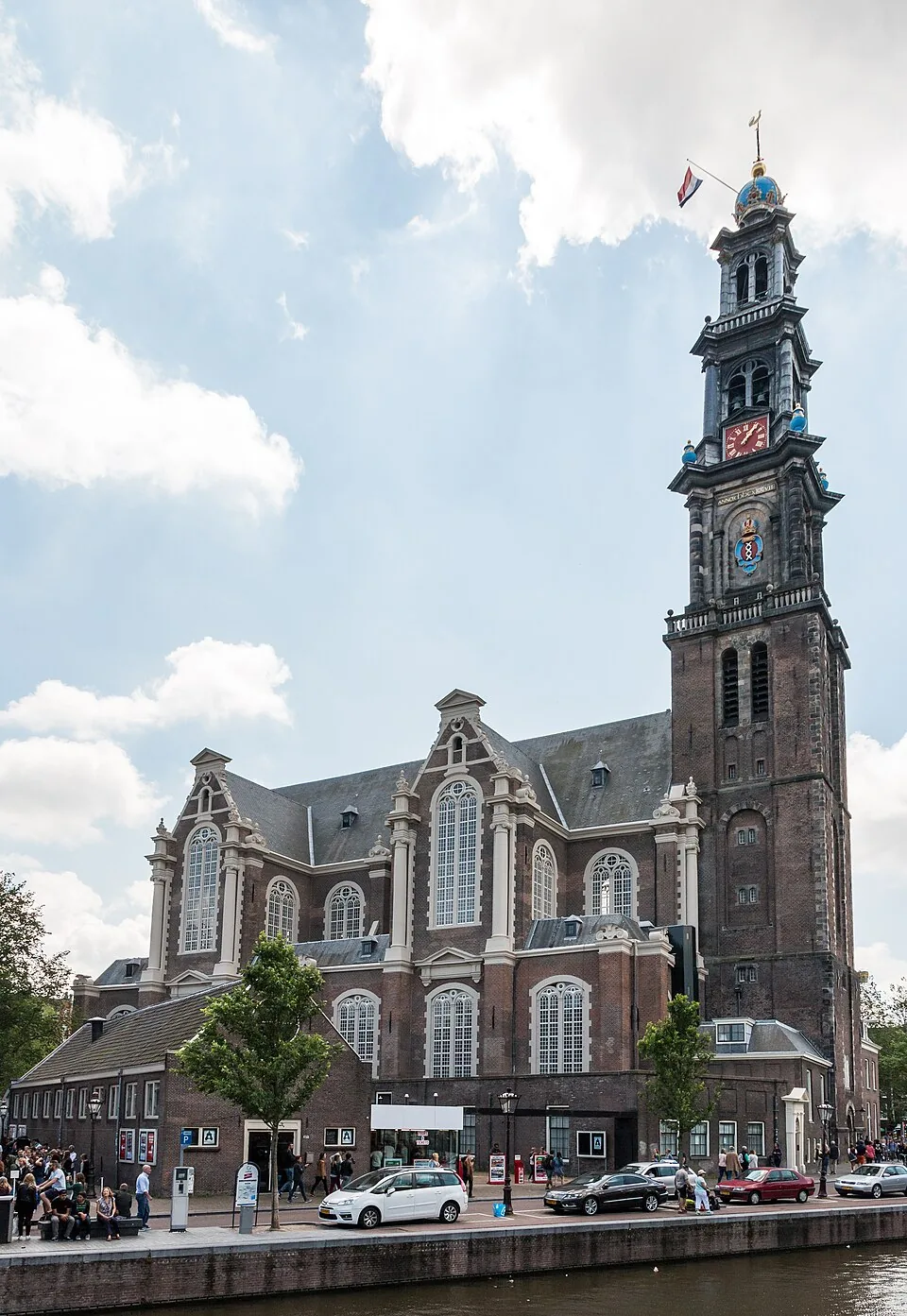
Westerkerk
Hendrick de Keyser’s Westerkerk was commissioned for Amsterdam’s seventeenth-century expansion. Its central pulpit, prominent magistrates’ pews and painted organ shutters reveal how worship and civic life shared one room. Nearby, the Westertoren links the Jordaan skyline to Rembrandt’s burial and An
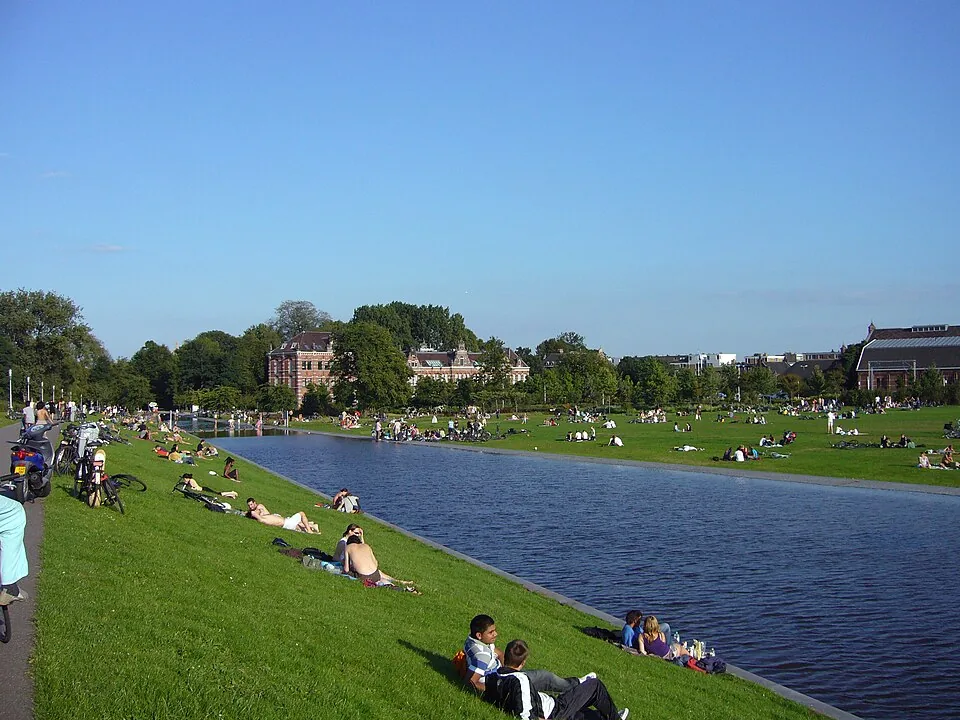
Westerpark
Westerpark joins Amsterdam’s nineteenth-century public green space with the former Westergasfabriek, whose coal-gas works shaped the district and left a legacy of contaminated soil. Today the covered industrial site is a cultural park beside lawns, water and recreation.