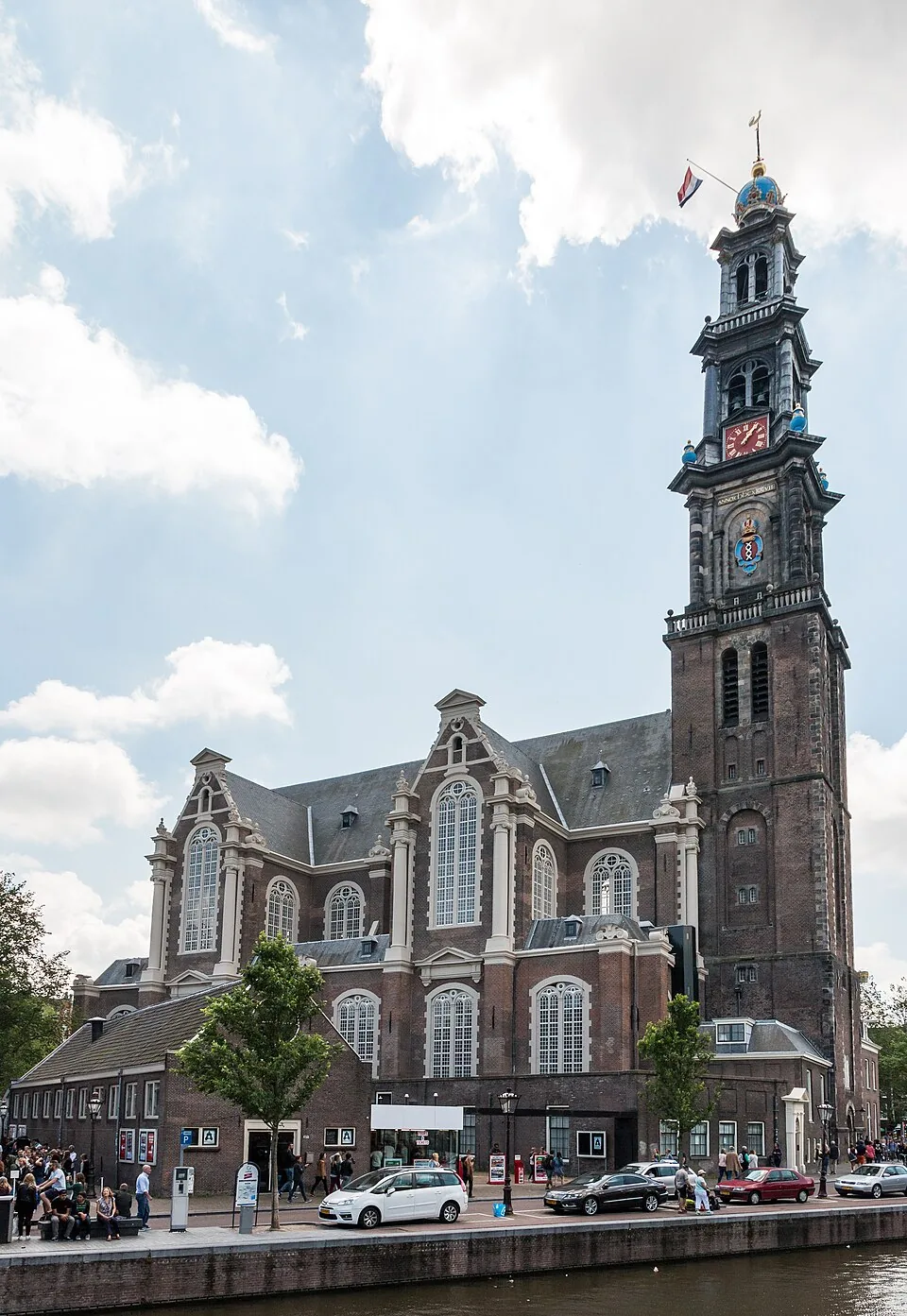
Hendrick de Keyser’s Westerkerk was commissioned for Amsterdam’s seventeenth-century expansion. Its central pulpit, prominent magistrates’ pews and painted organ shutters reveal how worship and civic life shared one room. Nearby, the Westertoren links the Jordaan skyline to Rembrandt’s burial and Anne Frank’s diary.
Quick facts
The church was designed by Hendrick de Keyser and opened for worship in 1631; the Westertoren was completed in 1638.
Rembrandt’s 8 October 1669 burial is documented in the Westerkerk register, but its exact location inside the church is unknown.
Anne Frank wrote about the tower’s clock; archival research indicates the great bell was removed in late 1942 and returned in 1943.
Get directions to Westerkerk. Confirm the visitor entrance and current access with the venue before travelling.
Audio guide
Listen to this place’s guide.
Guide
The Westerkerk does two jobs at once: it is a working Protestant church and a deliberately prominent piece of Amsterdam’s seventeenth-century cityscape. Stand back far enough to take in the Westertoren, then look at how the church sits between the Keizersgracht and Prinsengracht. The Amsterdam City Archives places its construction in the city’s newest expansion, where a broad square opened around the building.
Continue exploring
Discover the full story
Keep reading with a travel pass and explore every full guide and tour.
UpgradeMore places in Amsterdam
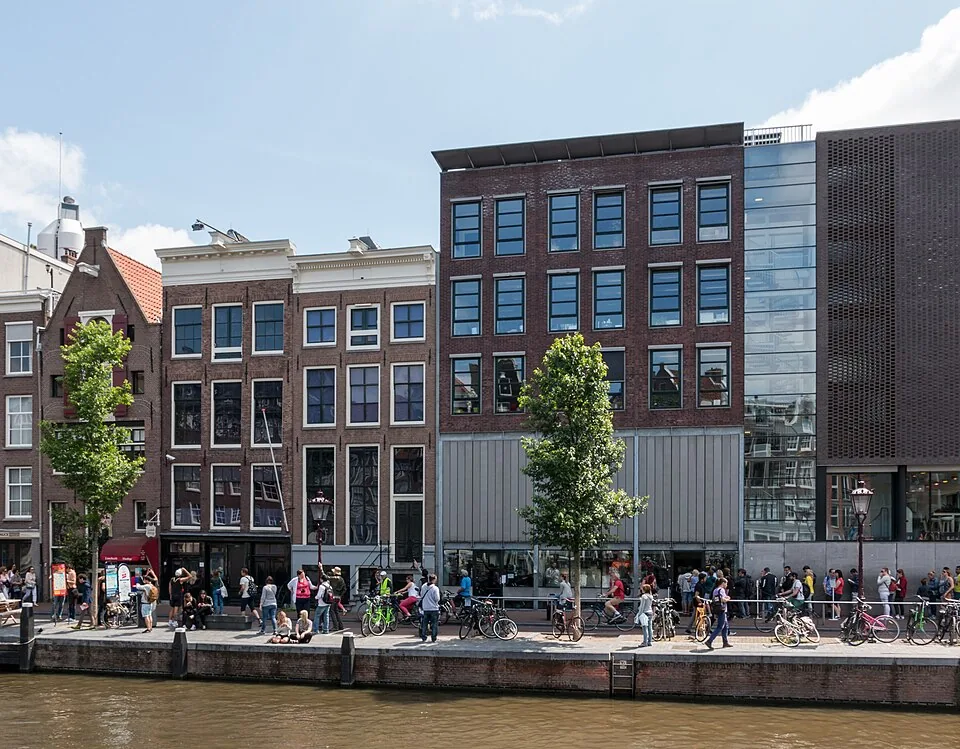
Anne Frank House
At Prinsengracht 263, a canal-side business address held the concealed annex where eight Jewish people hid from Nazi persecution. The Anne Frank House museum preserves this wartime site and the traces of its inhabitants, including the original bookcase and Anne Frank’s writings.
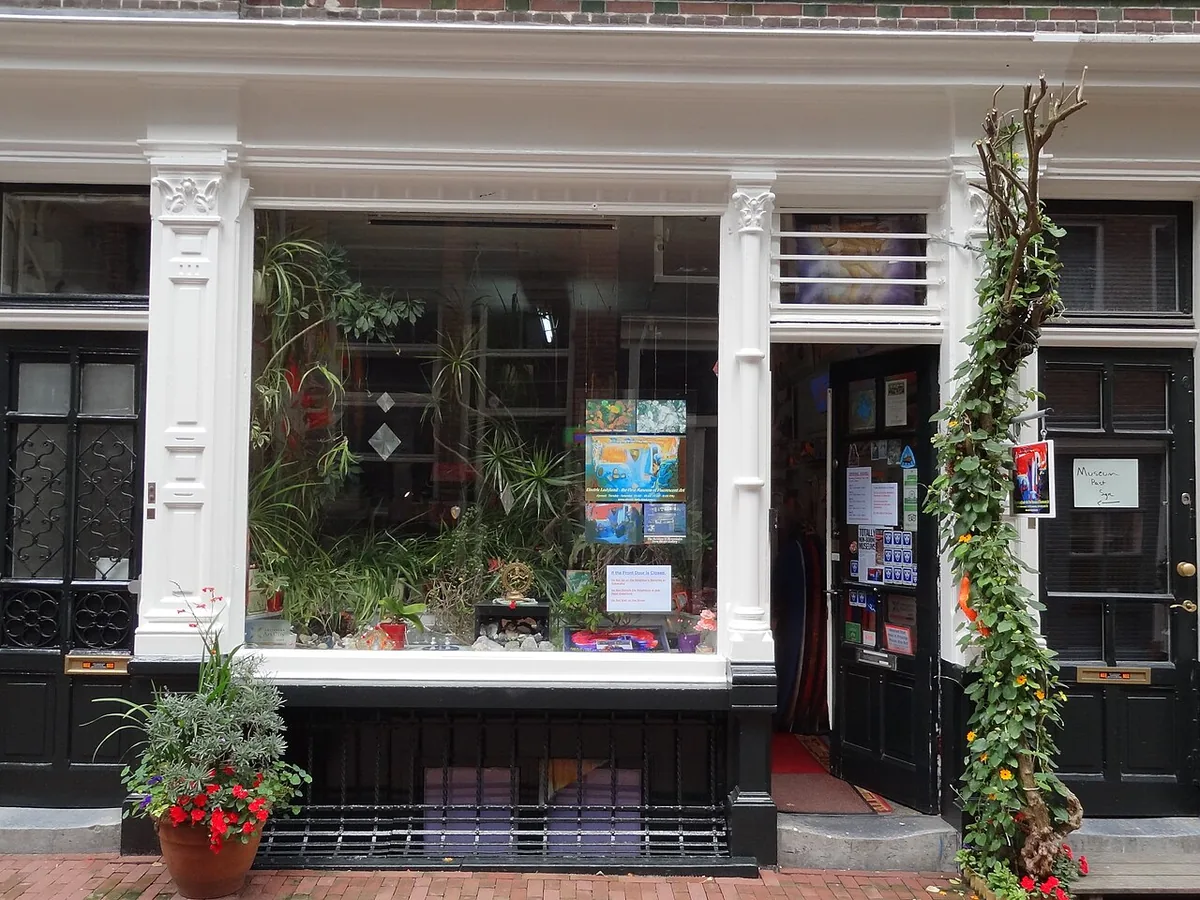
Electric Ladyland Museum
Electric Ladyland Museum in Amsterdam’s Jordaan makes fluorescence both its subject and its medium. Visitors enter a room-sized artwork, then compare minerals and everyday materials under different ultraviolet lights to see how illumination can transform what appears ordinary.
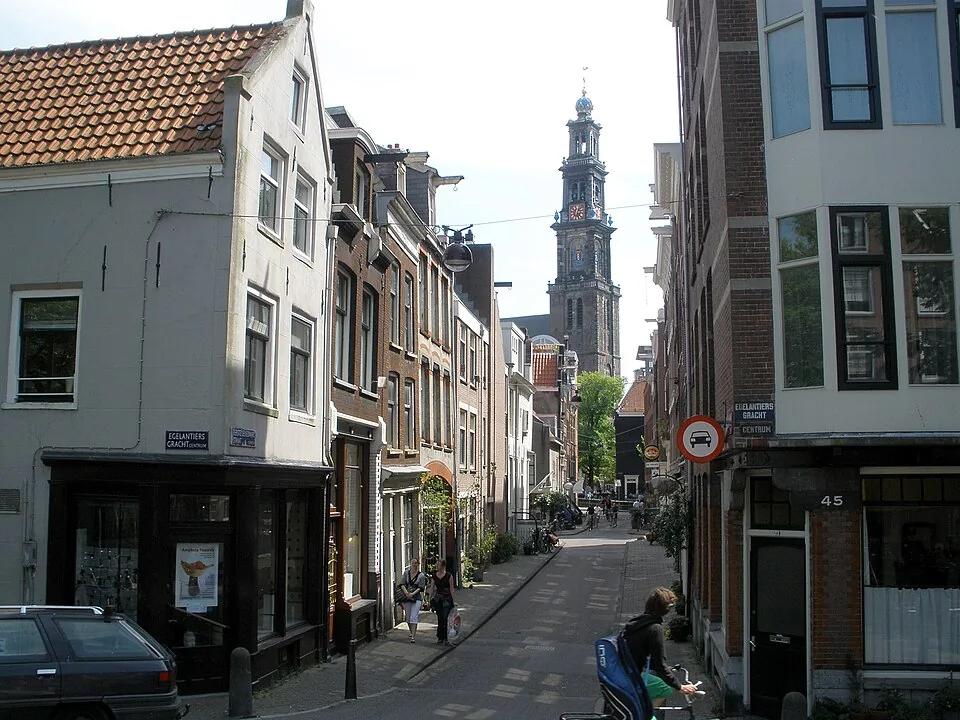
Jordaan
The Jordaan grew from Amsterdam’s 1613 western expansion, where older polder lines shaped a dense artisan neighborhood beside the grand canal ring. Its angled streets, courtyards and renewed homes reflect centuries of work, crowding, protest and repair.
Houseboat Museum
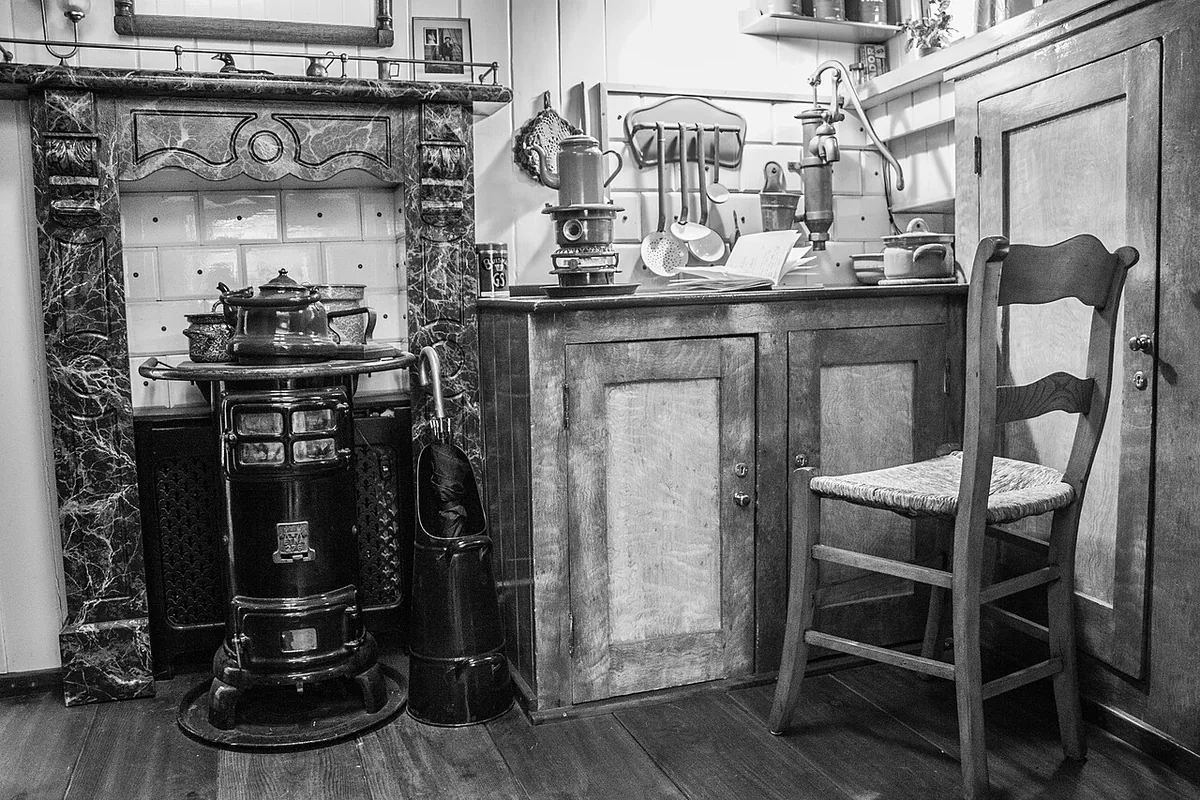
A visit to the Houseboat Museum takes you aboard the Hendrika Maria, a 1914 cargo vessel moored on Amsterdam’s Prinsengracht. Its converted hold makes floating domestic life tangible, while the boat’s story opens onto a wider history of housing pressure, changing freight, and residents claiming spac
De Negen Straatjes
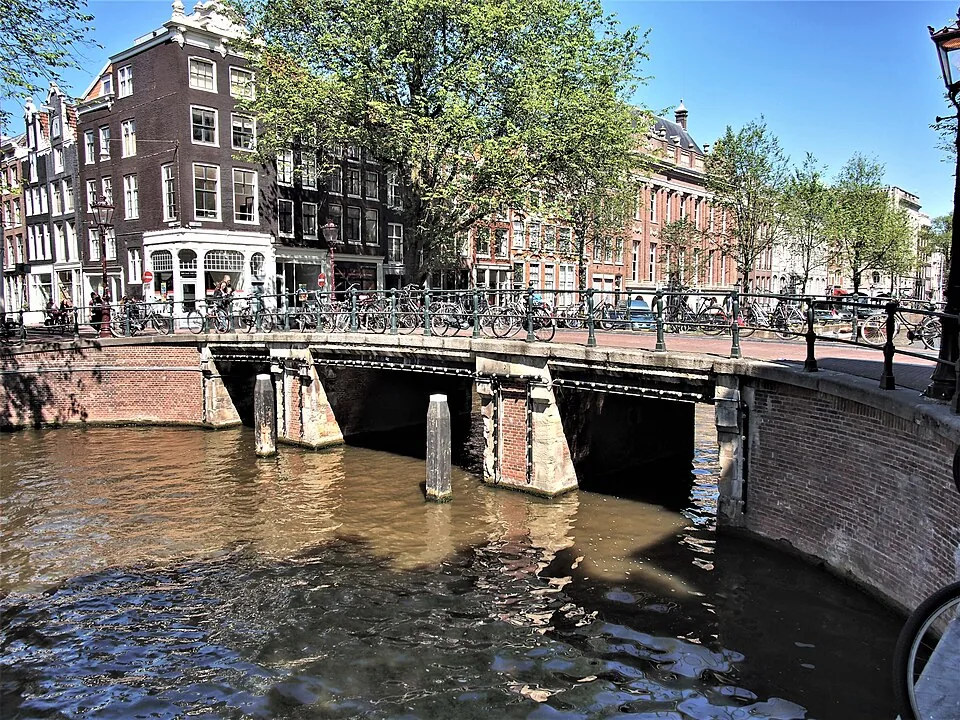
De Negen Straatjes is a named group of nine cross streets in Amsterdam’s canal belt, between the Singel, Herengracht, Keizersgracht and Prinsengracht. Their small plots once housed trades serving canal residents; today the historic street pattern frames a changing mix of shops, cafés and homes.
Prinsengracht
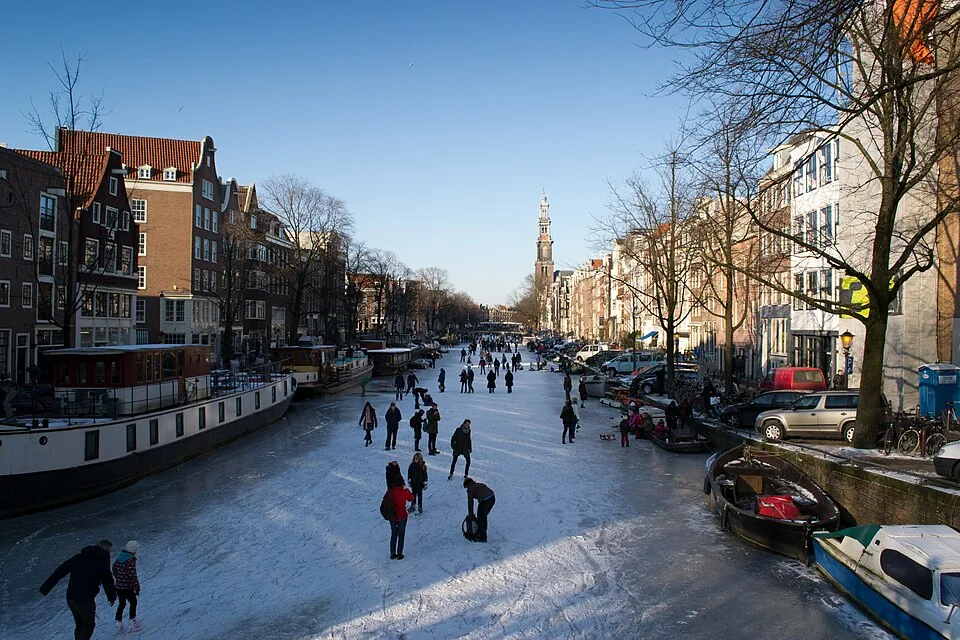
Prinsengracht, Amsterdam’s outermost principal canal on the west side of the Amstel, grew from a seventeenth-century city expansion into a working waterway lined with warehouses and homes. Its bridges and dense plots reveal how trade, transport, and everyday life shaped the canal belt.