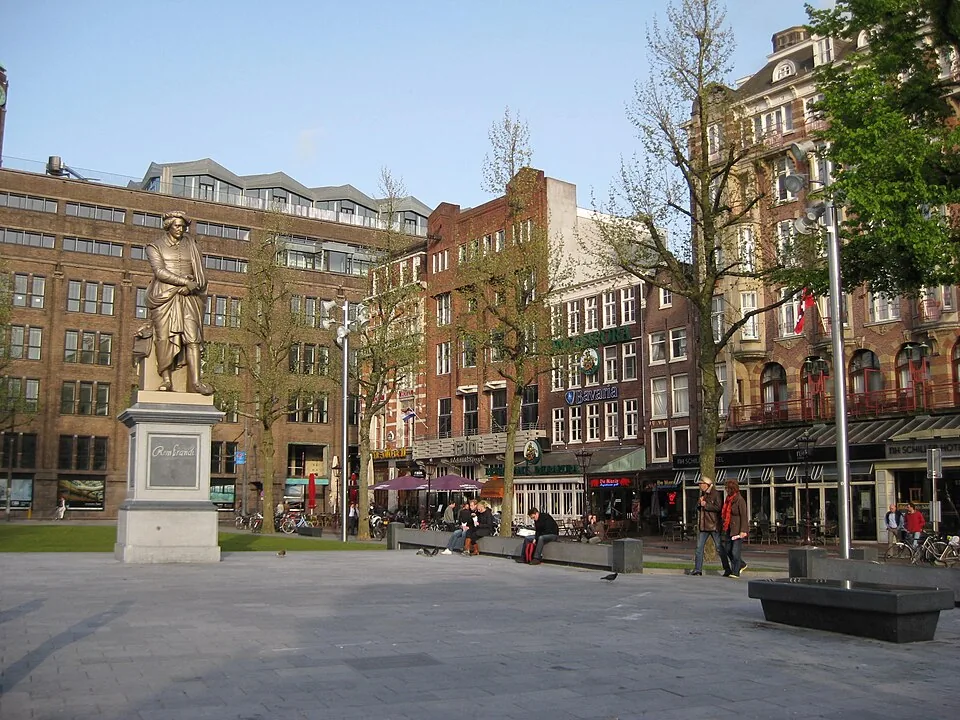
Rembrandtplein grew from a wagon stopping place and Botermarkt into a monument square and Amsterdam entertainment district. Its lanes recall the carts and horses once served here; cafés, terraces and nearby Reguliersdwarsstraat carry later histories of cultural life and queer nightlife.
Quick facts
The square began as a wagon stopping place by the Regulierspoort; nearby Wagenstraat and Paardenstraat preserve that association.
The former Botermarkt sold dairy products and poultry and hosted Amsterdam’s annual September fair.
Louis de Royer made the cast-iron Rembrandt monument; Amsterdam’s municipal history records the square’s official renaming as Rembrandtplein in 1876.
Get directions to Rembrandtplein. Confirm the visitor entrance and current access with the venue before travelling.
Audio guide
Listen to this place’s guide.
Guide
Rembrandtplein is a public square in central Amsterdam whose name arrived long after its first working life. Before cafés and terraces made it a place to linger, the open ground served people and animals trying to get through the city. The lanes opening onto the square still tell part of that story: Wagenstraat and Paardenstraat refer to wagons and horses, while the old name Botermarkt recalls the market that succeeded the wagon yard.
Continue exploring
Discover the full story
Keep reading with a travel pass and explore every full guide and tour.
UpgradeMore places in Amsterdam
Munttoren
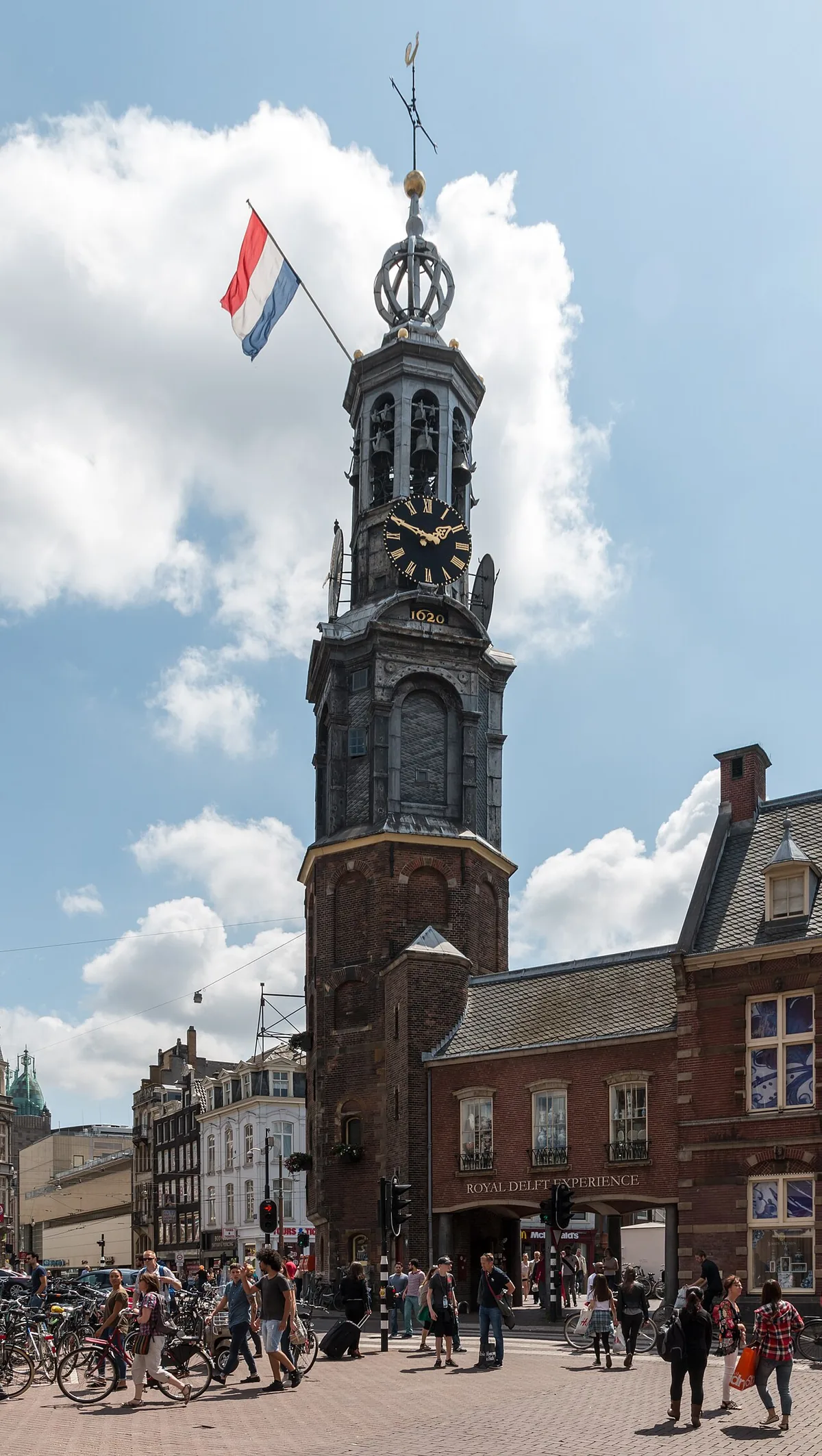
The Munttoren is the surviving western tower of Amsterdam’s Regulierspoort, rebuilt after the 1618 fire into a clock tower. A nearby guardhouse briefly housed a mint during wartime in 1672–73, giving the tower and Muntplein their enduring name.
FOAM Photography Museum
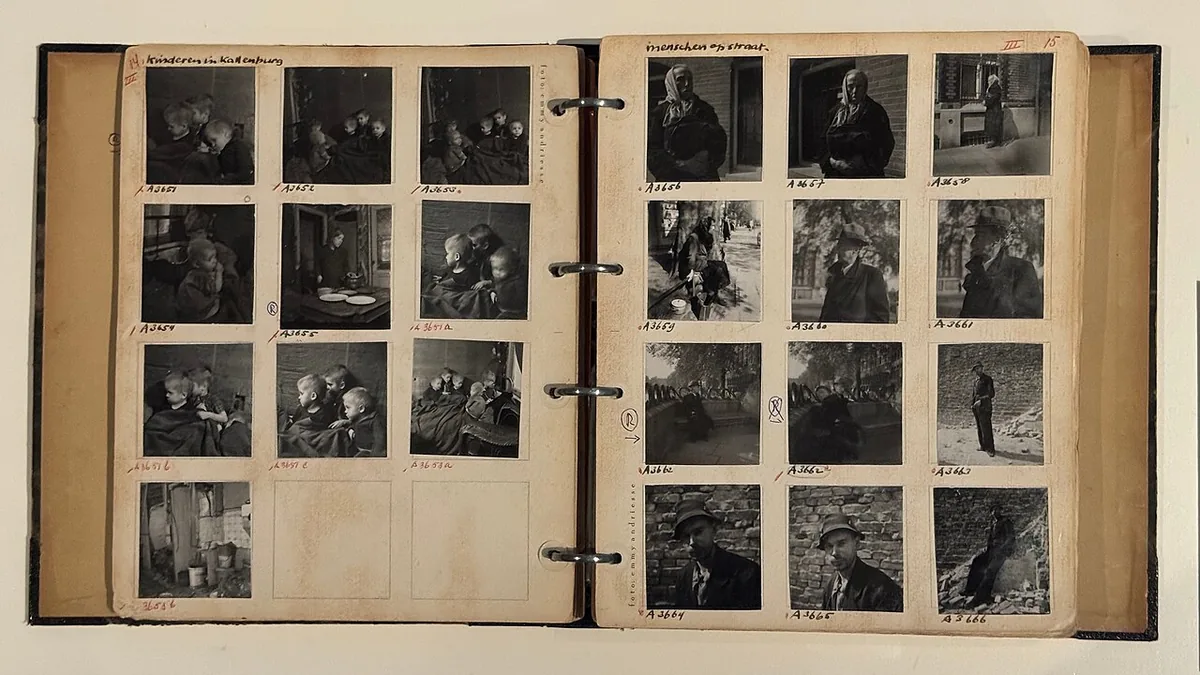
At Keizersgracht 609, a carved palette and brushes recall the building’s first museum life as Museum Fodor. Today Foam presents changing exhibitions across photography’s many genres, bringing historic images and new voices into conversation.
The Cat Cabinet
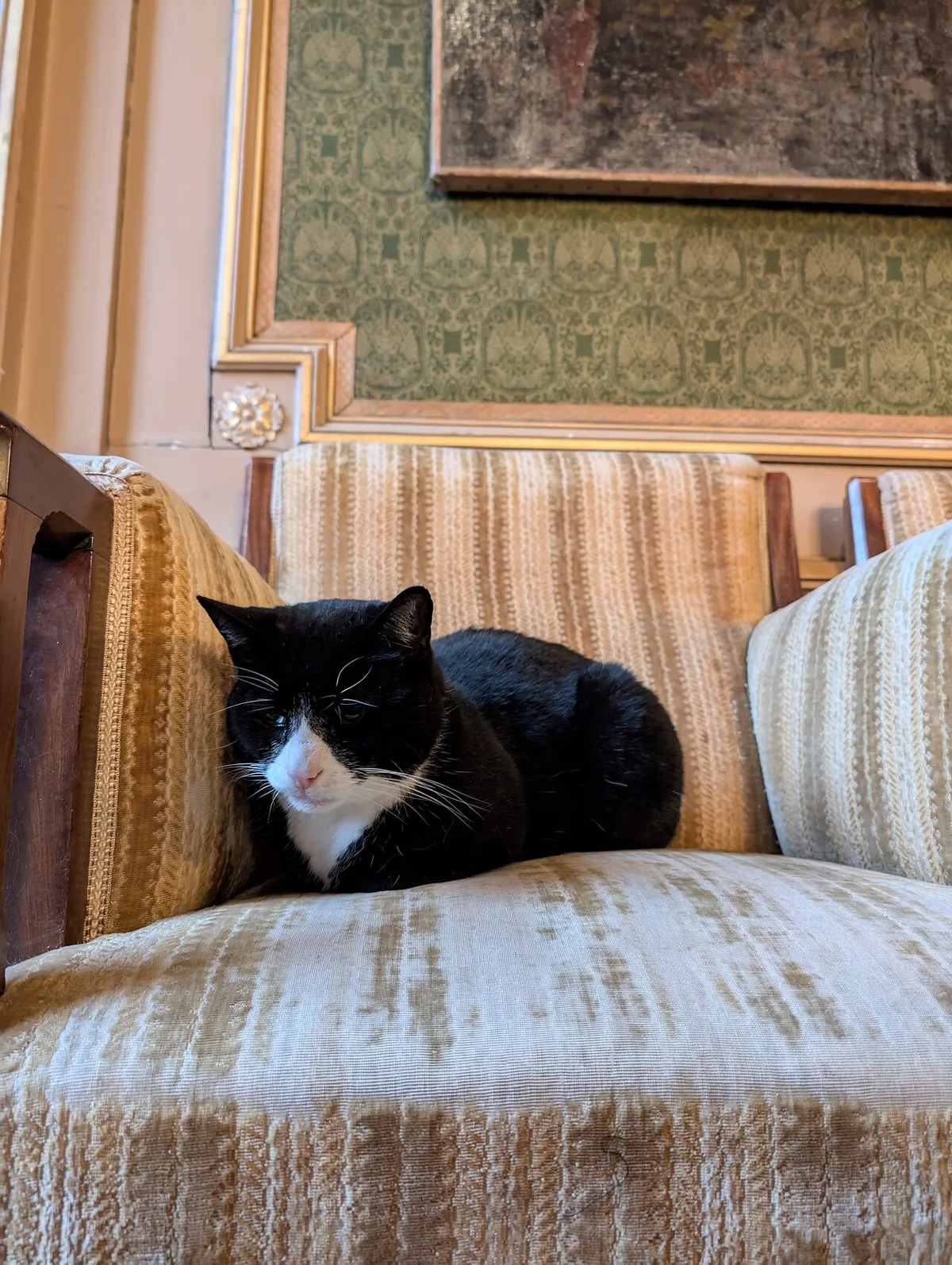
A red cat named John Pierpont Morgan inspired an Amsterdam canal-house museum devoted to cats in art. The house itself dates to the seventeenth century, so the visit links a private memorial to a playful collection spanning paintings, prints, and sculpture.
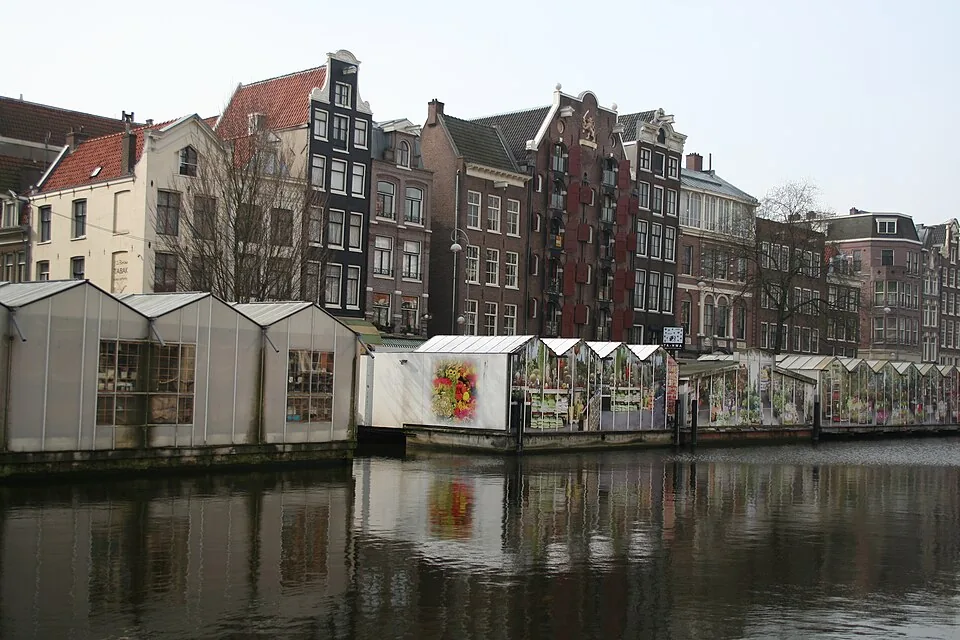
Bloemenmarkt
Amsterdam's Bloemenmarkt occupies floating stalls on the Singel between the Muntplein and Koningsplein. Moved here in 1862, it grew from a canal-borne trade in trees, plants and flowers. Its moorings still make the waterway part of the market's story.
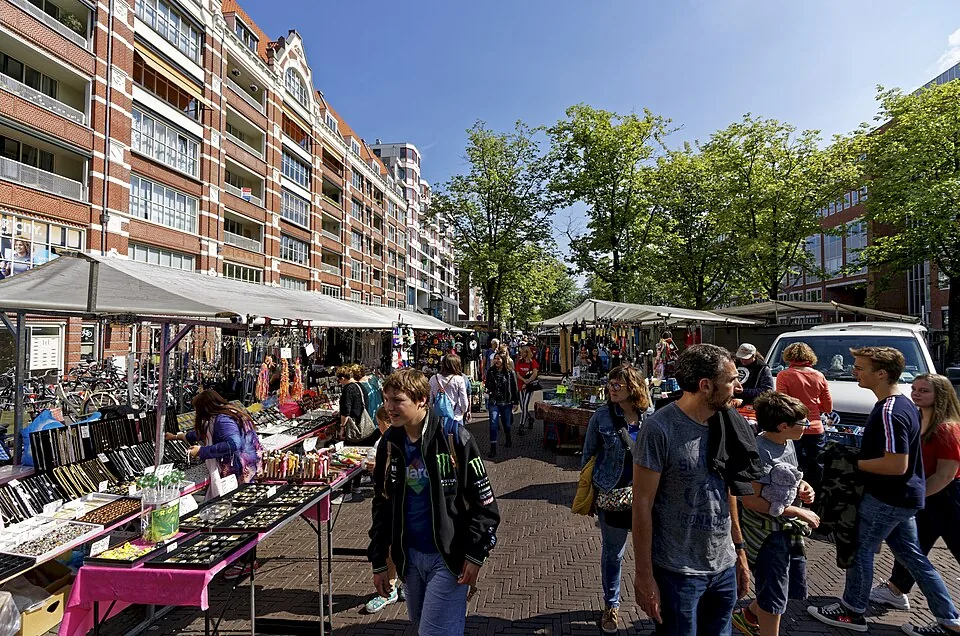
Waterlooplein
Waterlooplein is a market square formed over two filled canals in Amsterdam’s historic Jewish quarter. Its story connects Jewish street trade and wartime persecution with metro construction, neighborhood protest, and the Stopera redevelopment.
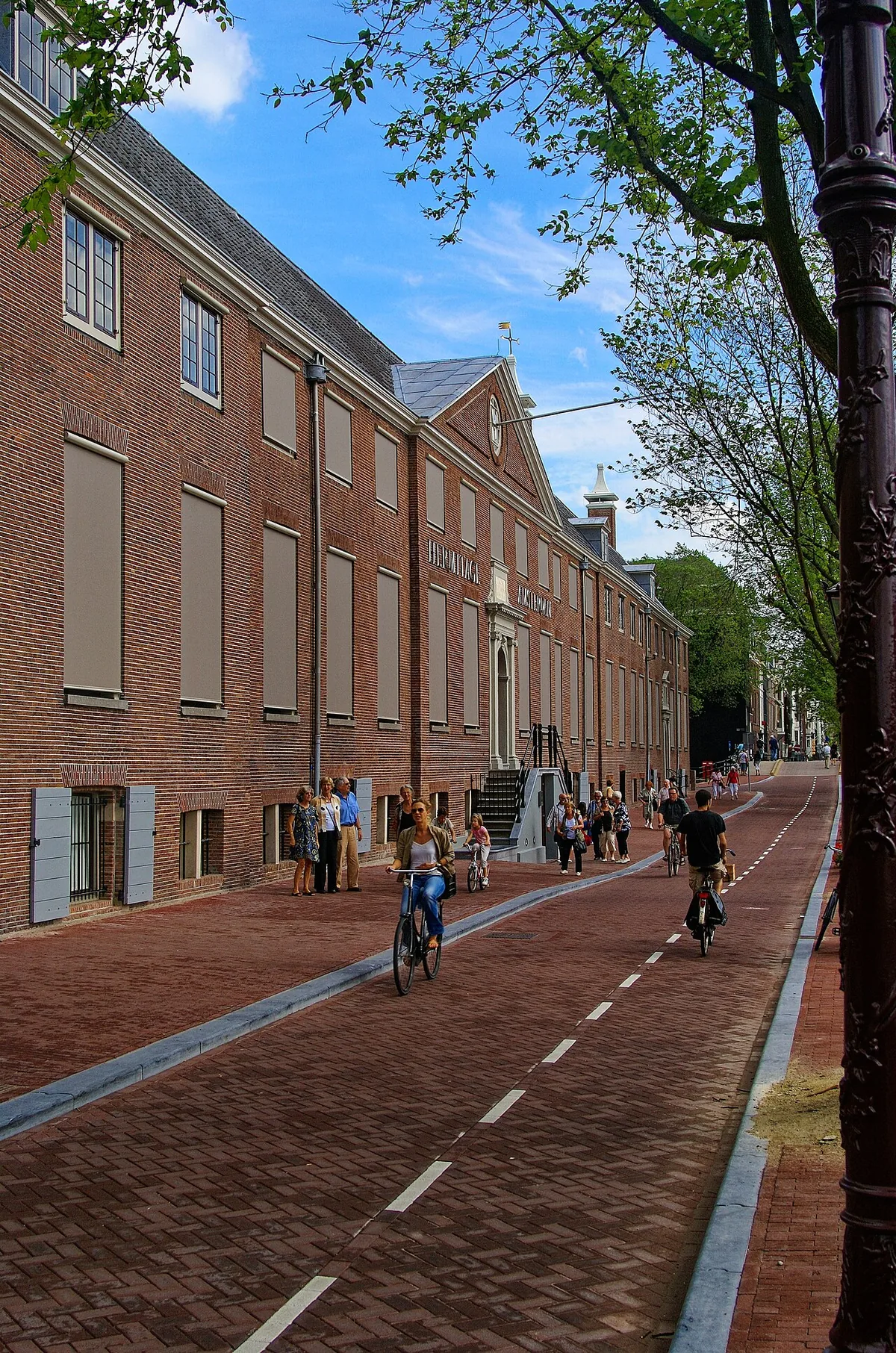
H’ART Museum
H’ART Museum occupies the Amstelhof, a riverside care home built for older women in the 1680s. Its long façade and courtyard reflect church-run care, while later museum chapters—from Hermitage Amsterdam to international partnerships—show how the building continues to serve a changing city.