Explore locations
Browse places by name, city, country or category.
All locations
1624 locations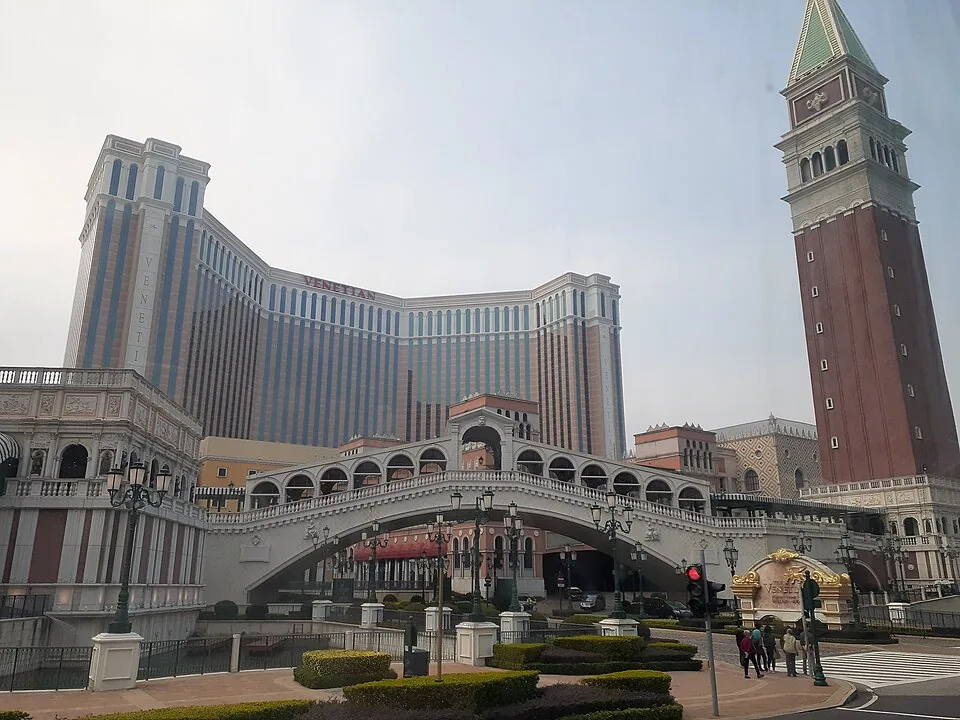
The Venetian Macao
The Venetian Macao recreates Venetian canals and architectural motifs inside a large integrated resort on Cotai. Its carefully staged waterways offer a useful contrast with Macao’s real maritime setting, showing how imported imagery can become a designed visitor environment.
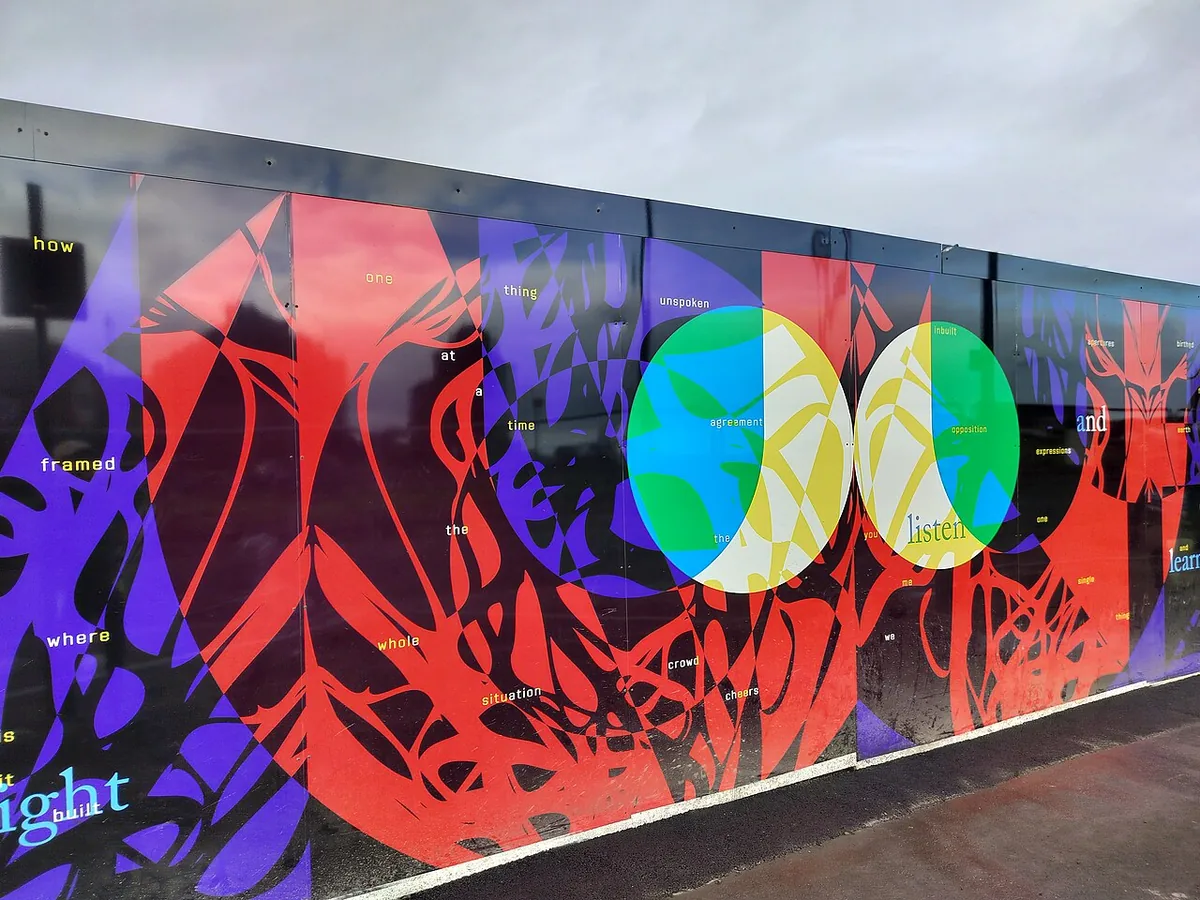
The Vessel
The Vessel rises from Hudson Yards’ public square as a climbable lattice of stairs and landings. Its copper-coloured surfaces catch shifting reflections, while the repeated flights turn the act of looking at a landmark into a route through it.
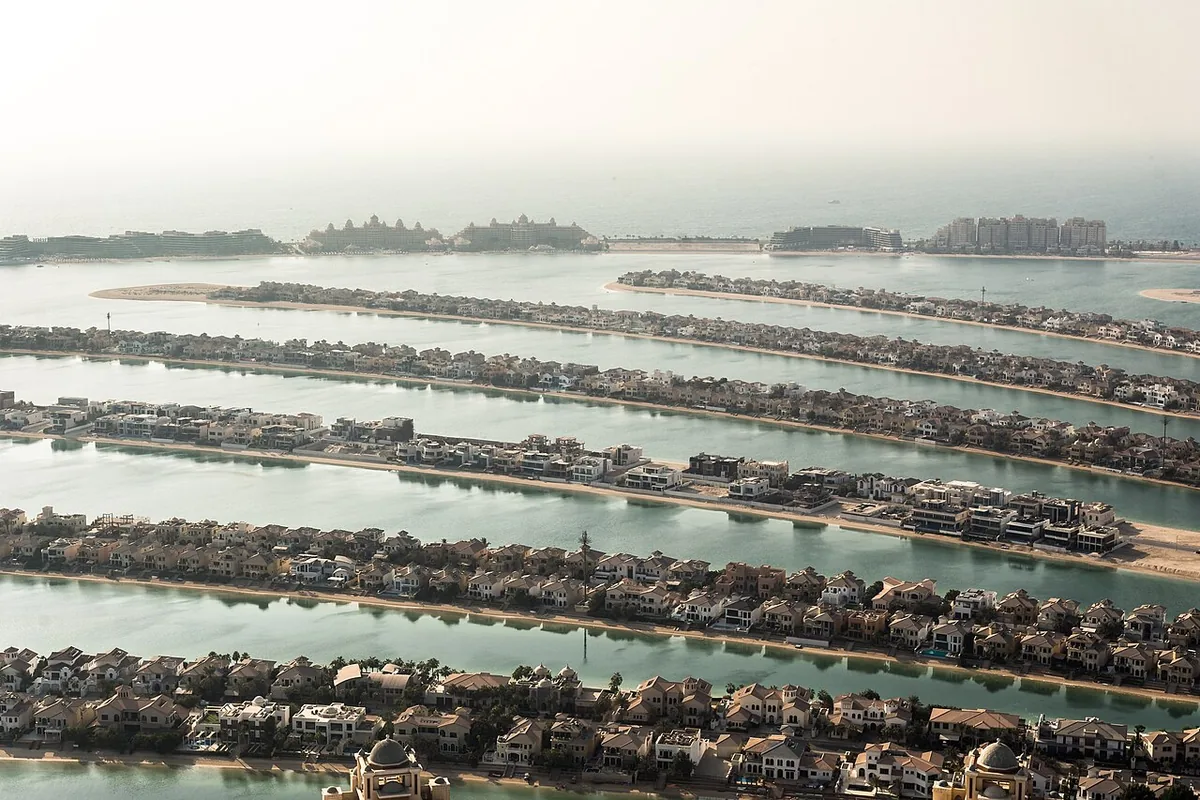
The View at The Palm
The View at The Palm sits 240 metres above Palm Jumeirah, where the island’s trunk, fronds, and crescent become visible as a single plan. The observation deck turns the artificial island’s engineering into a legible landscape from above.
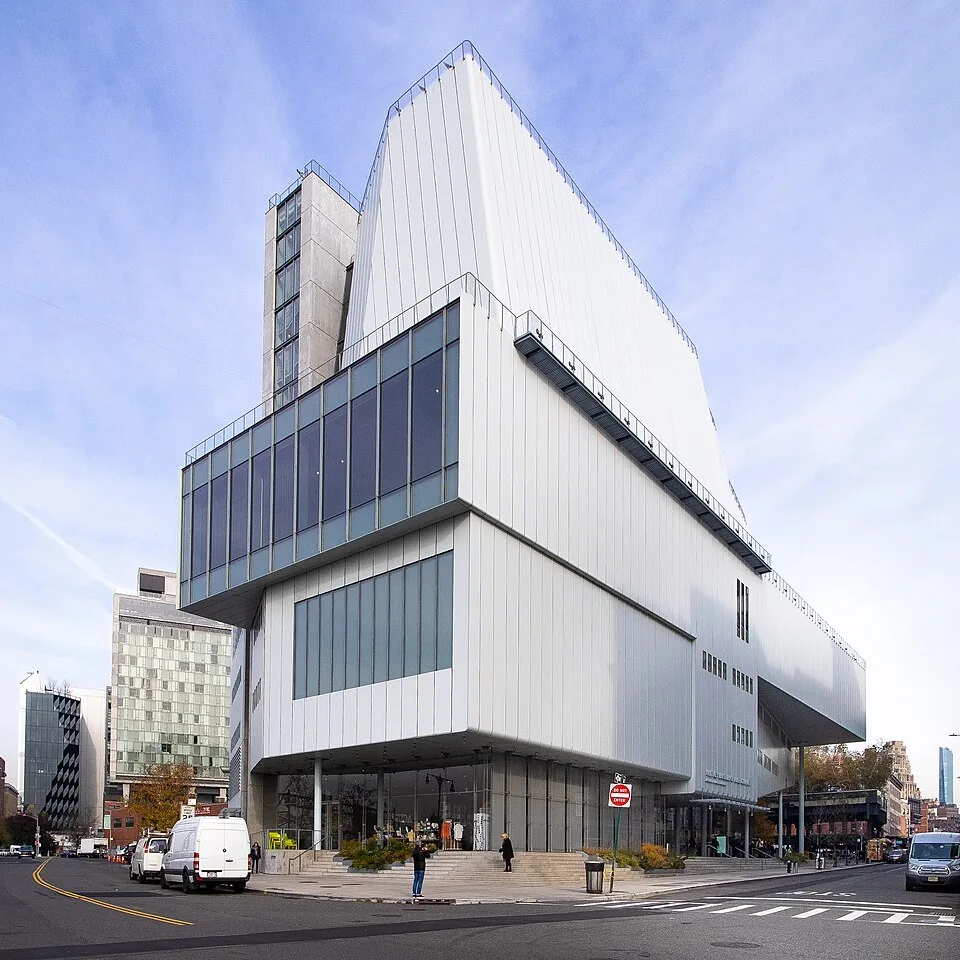
The Whitney Museum of American Art
The Whitney’s asymmetrical building rises beside the High Line at the edge of the Hudson River. Designed for American art and artists, its terraces and cantilevered entrance respond to an industrial neighborhood and connect museum galleries with the city outside.
The World of Hat Museum
The World of Hat Museum in Riga presents headwear from different parts of the world, assembled by collector Kirill Babaev and displayed in a Vīlandes Street apartment.
Thian Hock Keng
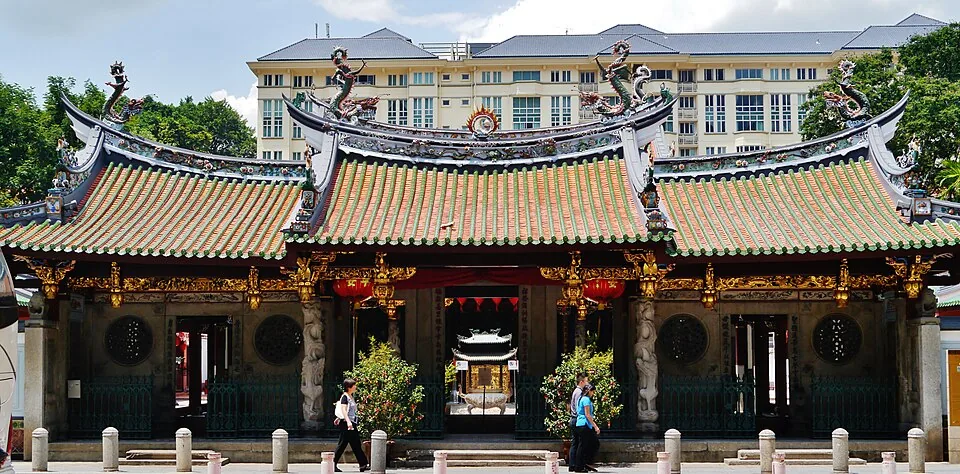
Thian Hock Keng stands on what was once the edge of Telok Ayer Basin, where seafarers came to give thanks for safe passage. Its richly worked southern Chinese temple architecture preserves the memory of a shoreline now reclaimed into the city.
Thornton Park
Thornton Park is a walkable neighbourhood near downtown Orlando, with early residential architecture and a lively commercial corridor. It forms part of the Lake Lawsona Historic District, where bungalows and revival-style homes preserve the city’s growth in the early twentieth century.
Three Brothers
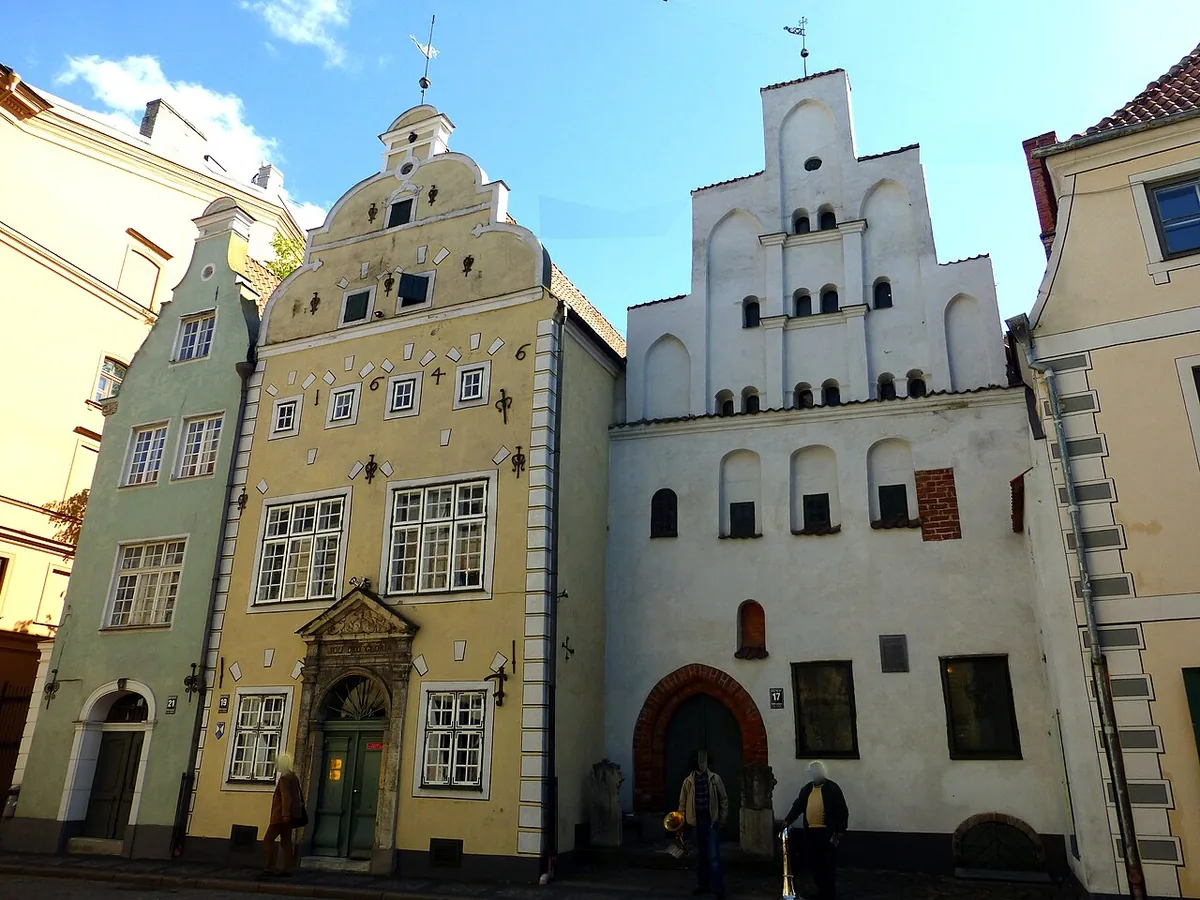
The Three Brothers are three historic houses on Riga’s Mazā Pils iela. Their narrow plots, contrasting façades and restored courtyard show changes in domestic architecture and the twentieth-century choices that shaped the ensemble seen today.
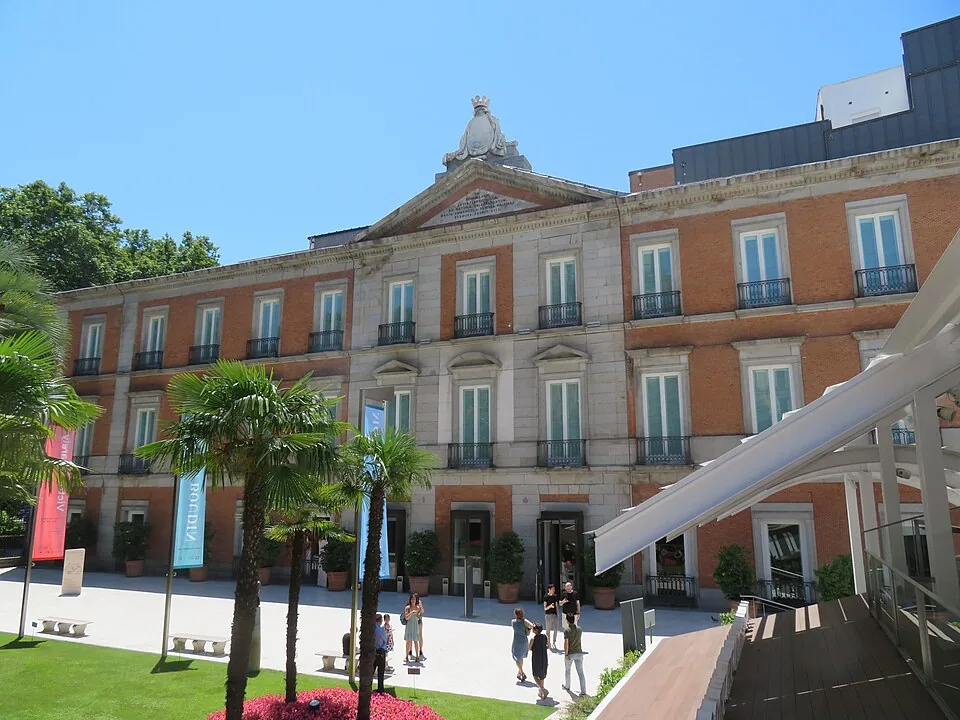
Thyssen-Bornemisza Museum
The Thyssen-Bornemisza Museum grew from two generations of private collecting into a public collection that spans European and American painting across seven centuries. Its range lets visitors compare styles often separated into different museums, making the history of collecting part of the experie
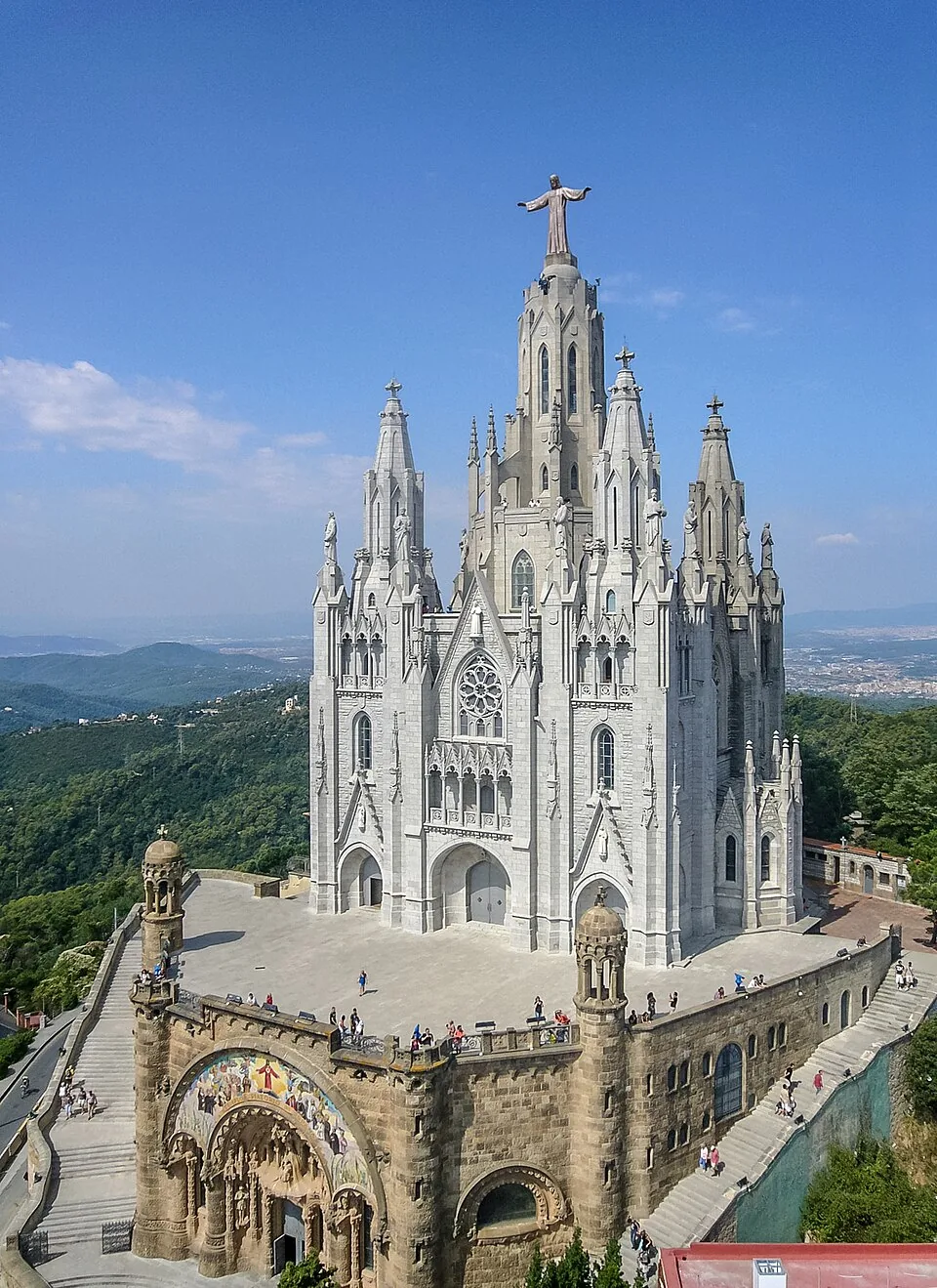
Tibidabo
Tibidabo mountain is the highest point in the Collserola range and a green edge to Barcelona. Its name, meaning “I will give you,” reflects a biblical phrase, while its forests and overlooks offer a different scale from the dense city below.
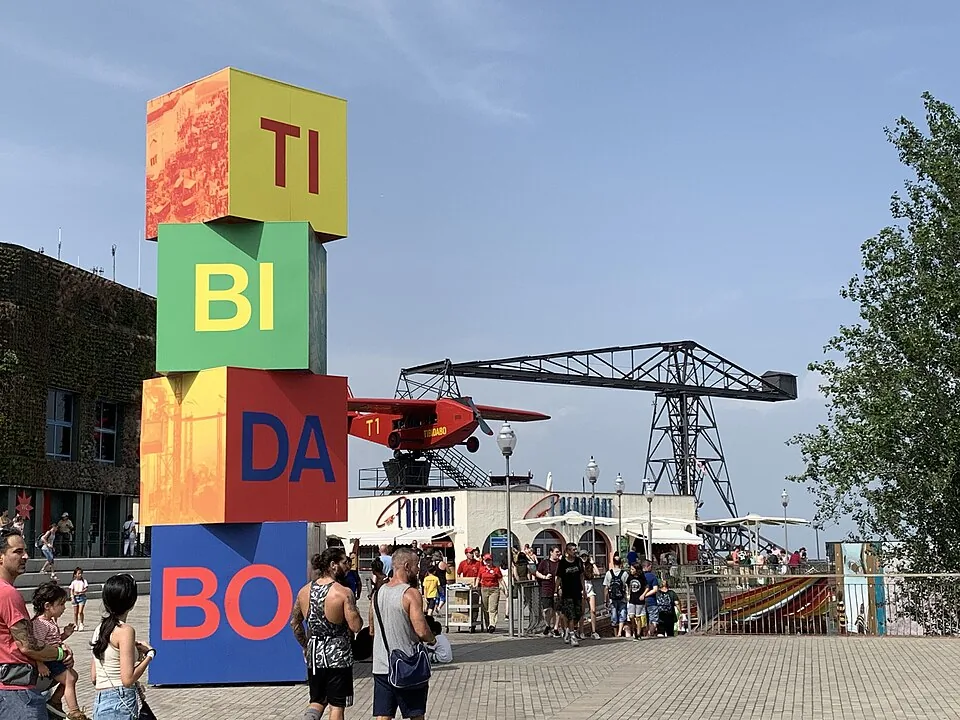
Tibidabo Amusement Park
Tibidabo Amusement Park began as part of a project to make Barcelona’s highest mountain easier to reach. Its funicular, opened in 1901, was itself an attraction, helping turn a remote summit into a shared place for recreation.
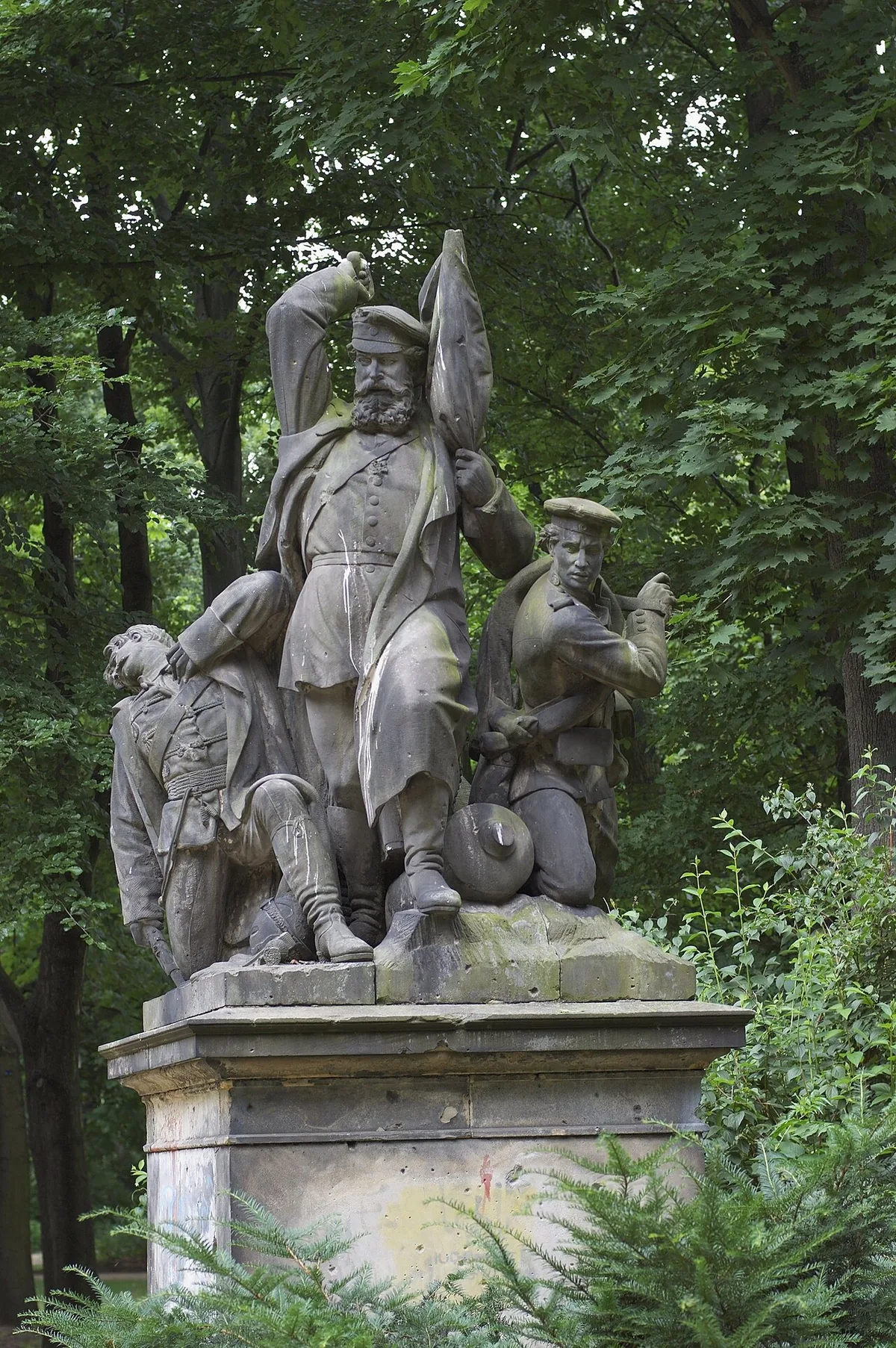
Tiergarten
Tiergarten is a broad central park between Berlin’s government district and the Zoological Garden. Once royal hunting grounds, it became a public garden and was transformed by landscape architect Peter Joseph Lenné into an English-style people’s park.
Times Square
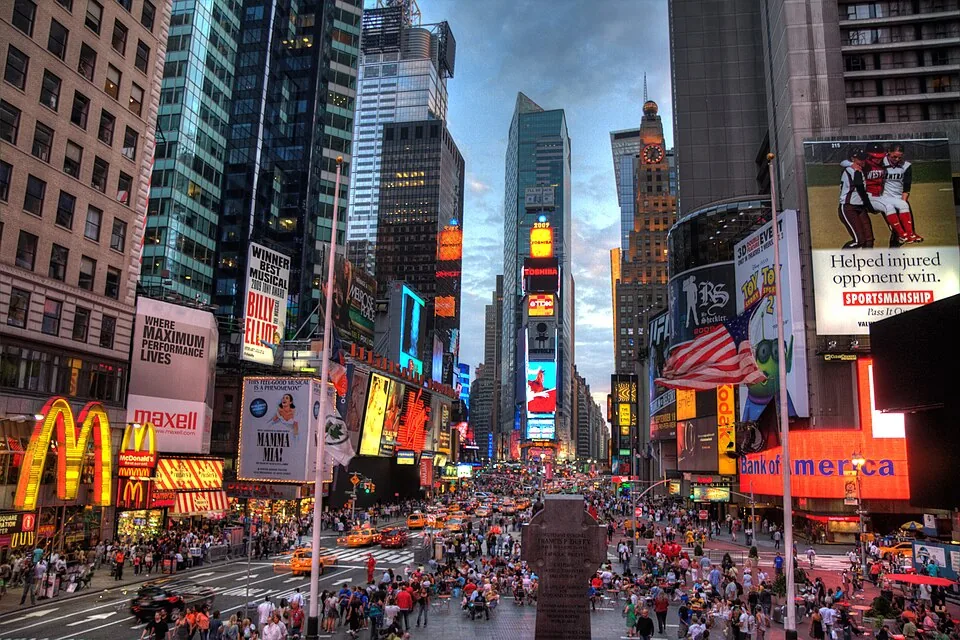
Times Square is a cluster of pedestrian plazas at the crossing of Broadway and Seventh Avenue, where theater marquees meet the movement of commuters and visitors. Its current street-level gathering space grew from a major reworking of traffic lanes.
Toei Kyoto Studio Park
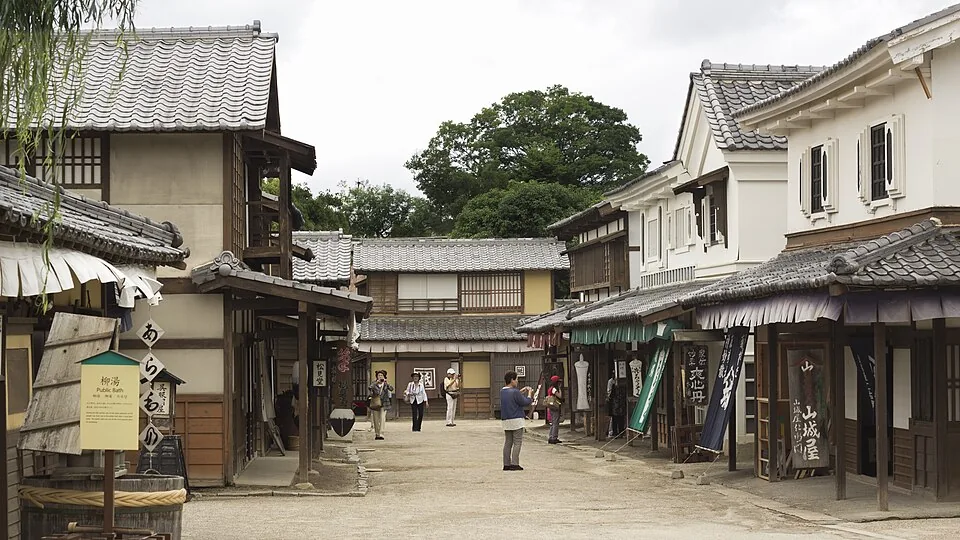
Toei Kyoto Studio Park brings film production into view through an Edo-period street set used for historical dramas. Opened in 1975, it began as a way to share the studio backlot and sustain public interest in jidaigeki filmmaking.
Tofuku-ji
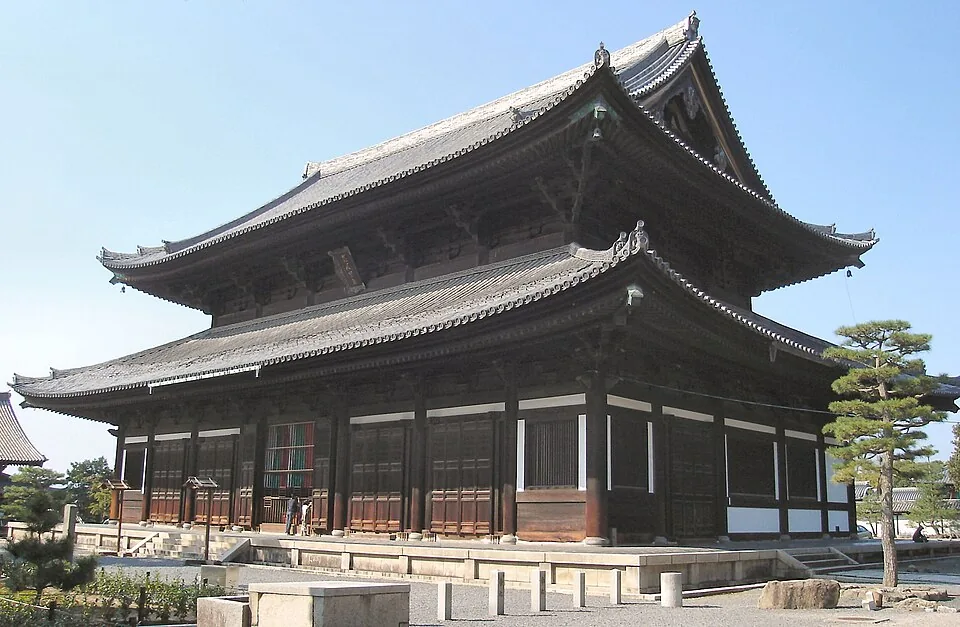
Tofuku-ji’s broad Zen temple complex is linked by bridges across a wooded ravine. The famous view from Tsutenkyo Bridge makes seasonal foliage part of the site’s experience, while the larger grounds preserve a medieval monastic layout.
Togetsukyo Bridge
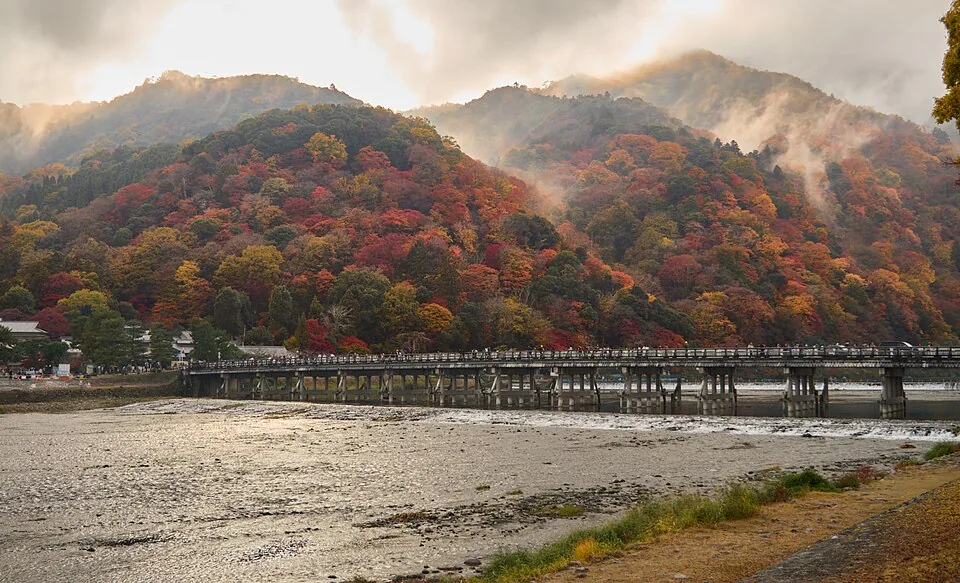
Togetsukyo Bridge spans the Katsura River against the wooded backdrop of Arashiyama. Its apparently wooden form is part of a long history of crossings, while its name preserves a story about moonlight and the river.
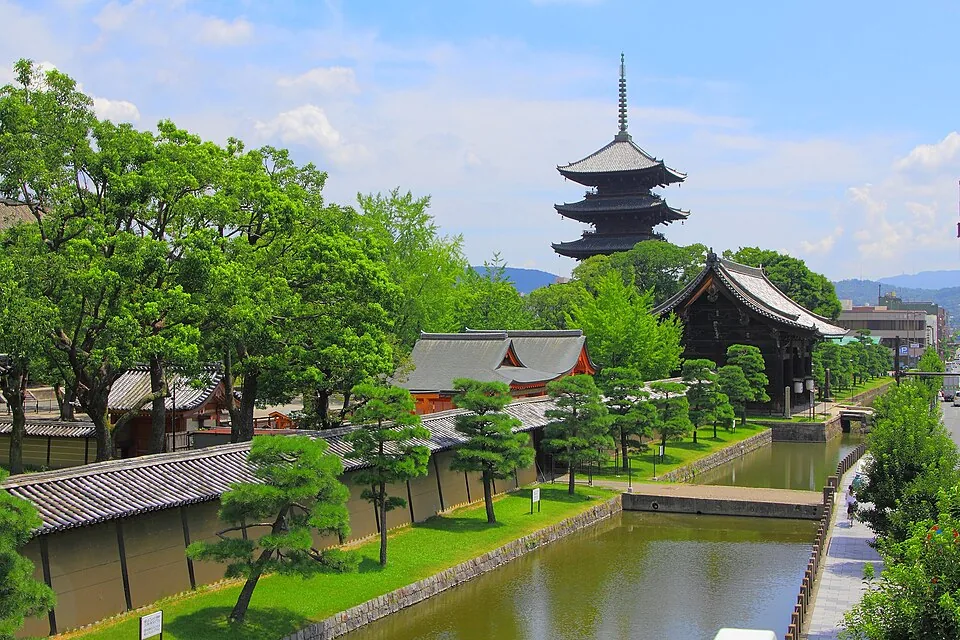
To-ji
To-ji’s five-story pagoda marks the eastern edge of ancient Kyoto’s original city plan. Founded as a state temple and later entrusted to the monk Kukai, it remains a landmark of Shingon Buddhism and the capital’s early urban design.
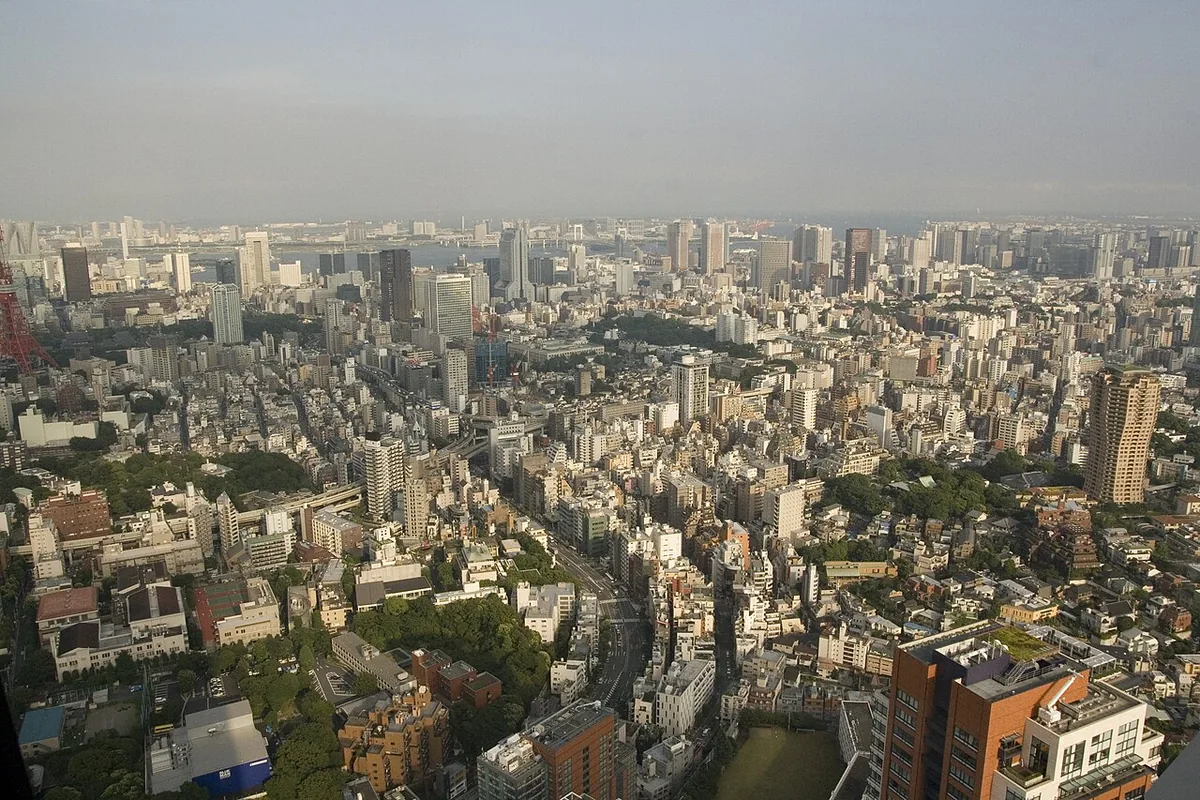
Tokyo City View
Tokyo City View occupies the 52nd floor of Mori Tower, where broad glass walls turn the skyline into a changing exhibition. At 250 metres above sea level, the deck looks toward Tokyo landmarks and, on clear days, Mount Fuji, while its gallery space pairs views with art and cultural events.
Tokyo DisneySea
Tokyo DisneySea arranges its world as eight themed ports, each with its own imagined geography, architecture, and mood. The park’s central idea is maritime exploration, turning the act of moving between lands into part of the story.
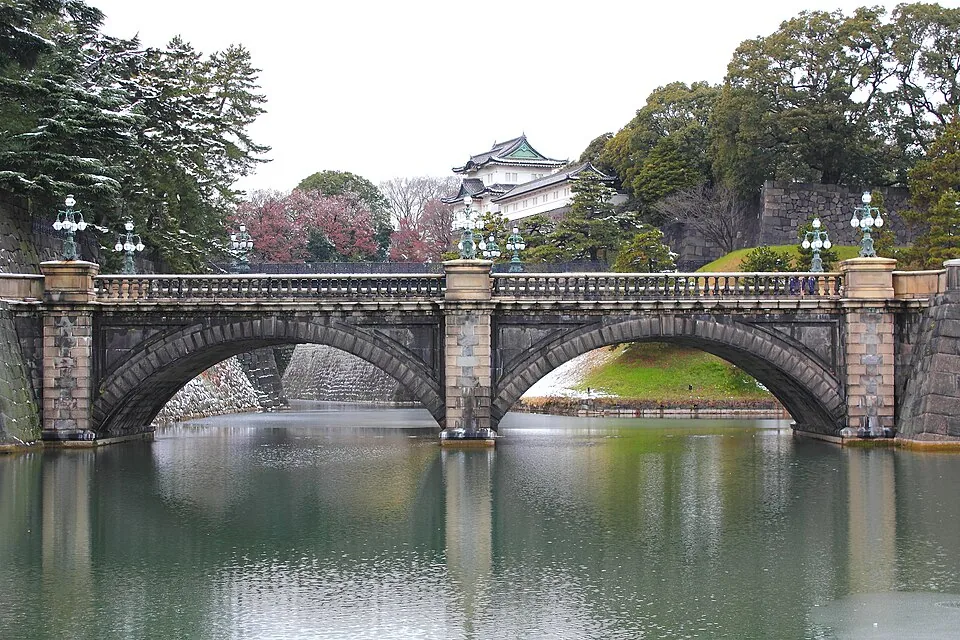
Tokyo Imperial Palace
The Tokyo Imperial Palace occupies the former grounds of Edo Castle, once the political center of the Tokugawa shogunate. Moats, stone walls, and gates preserve traces of that earlier city, while the palace serves as the emperor’s official residence and workplace.
Tokyo Metropolitan Government Building
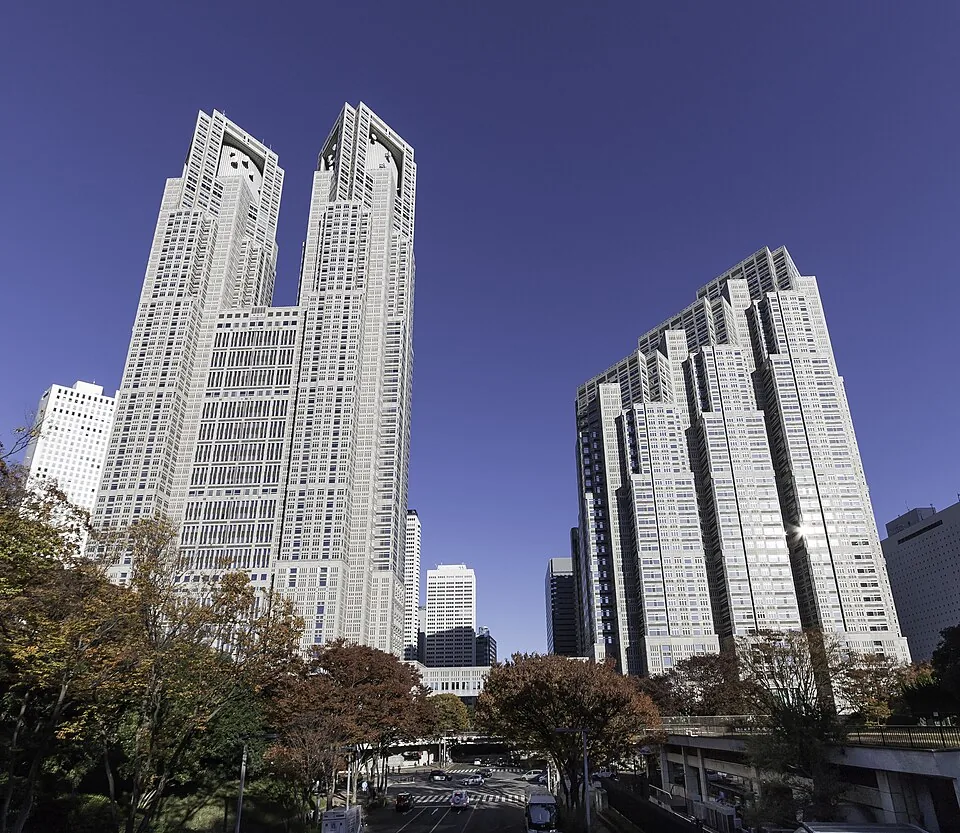
The twin towers of Tokyo Metropolitan Government Building No. 1 make civic administration part of Shinjuku’s skyline. Designed by Kenzo Tange, the 243-metre complex was completed in 1991, with public observatories at 202 metres.
Tokyo Metropolitan Gymnasium
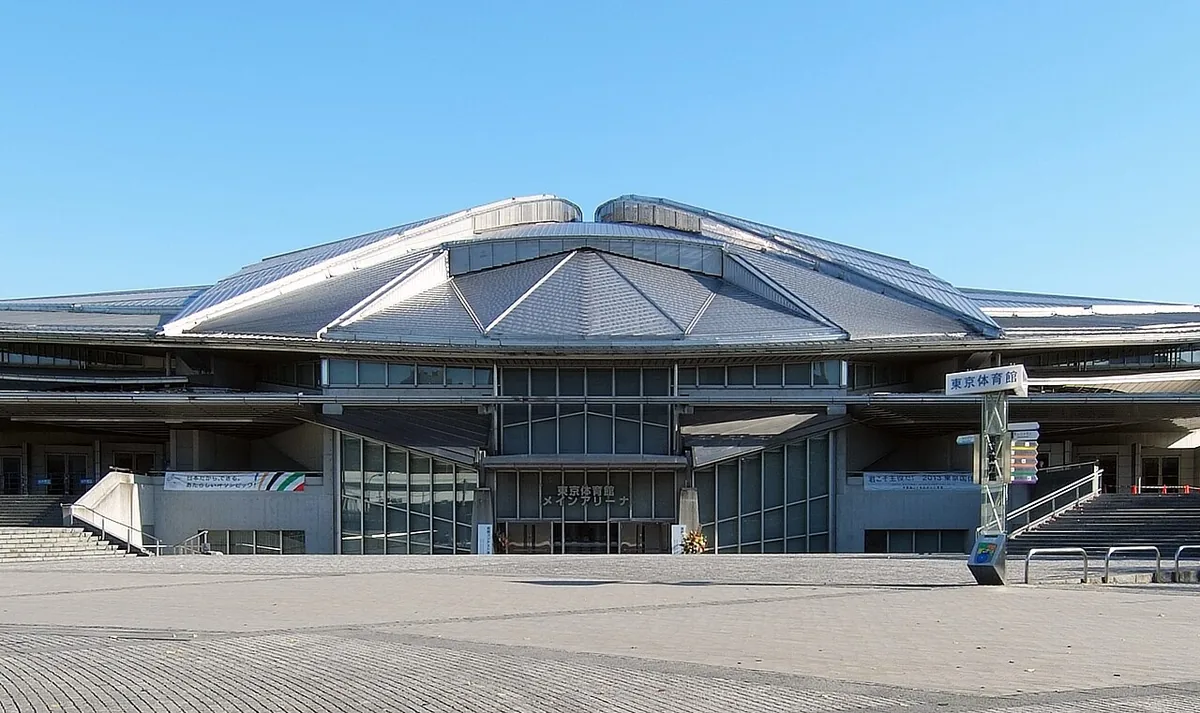
Tokyo Metropolitan Gymnasium’s rooflines and connected volumes make a large sports complex feel like a sequence of smaller buildings. Fumihiko Maki’s 1990 design organizes an arena, sub-arena, and pool around exterior public spaces.
Tokyo National Museum
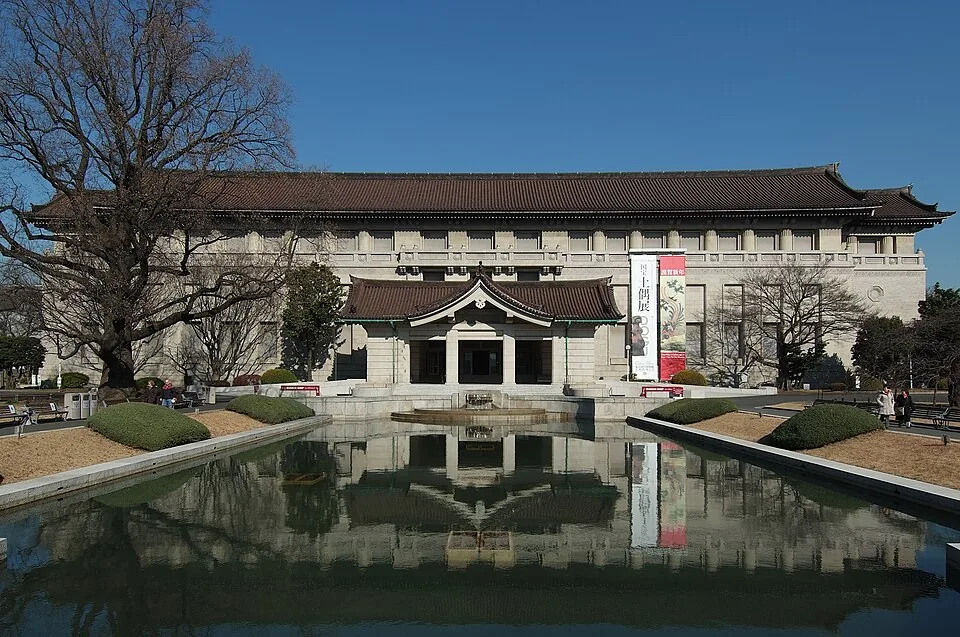
Tokyo National Museum occupies a campus of galleries in Ueno Park, with the Japanese Gallery known for its tiled roof and balanced façade. Its present Honkan opened in 1938 after an earlier museum building was damaged in the Great Kanto Earthquake.
Tokyo Skytree
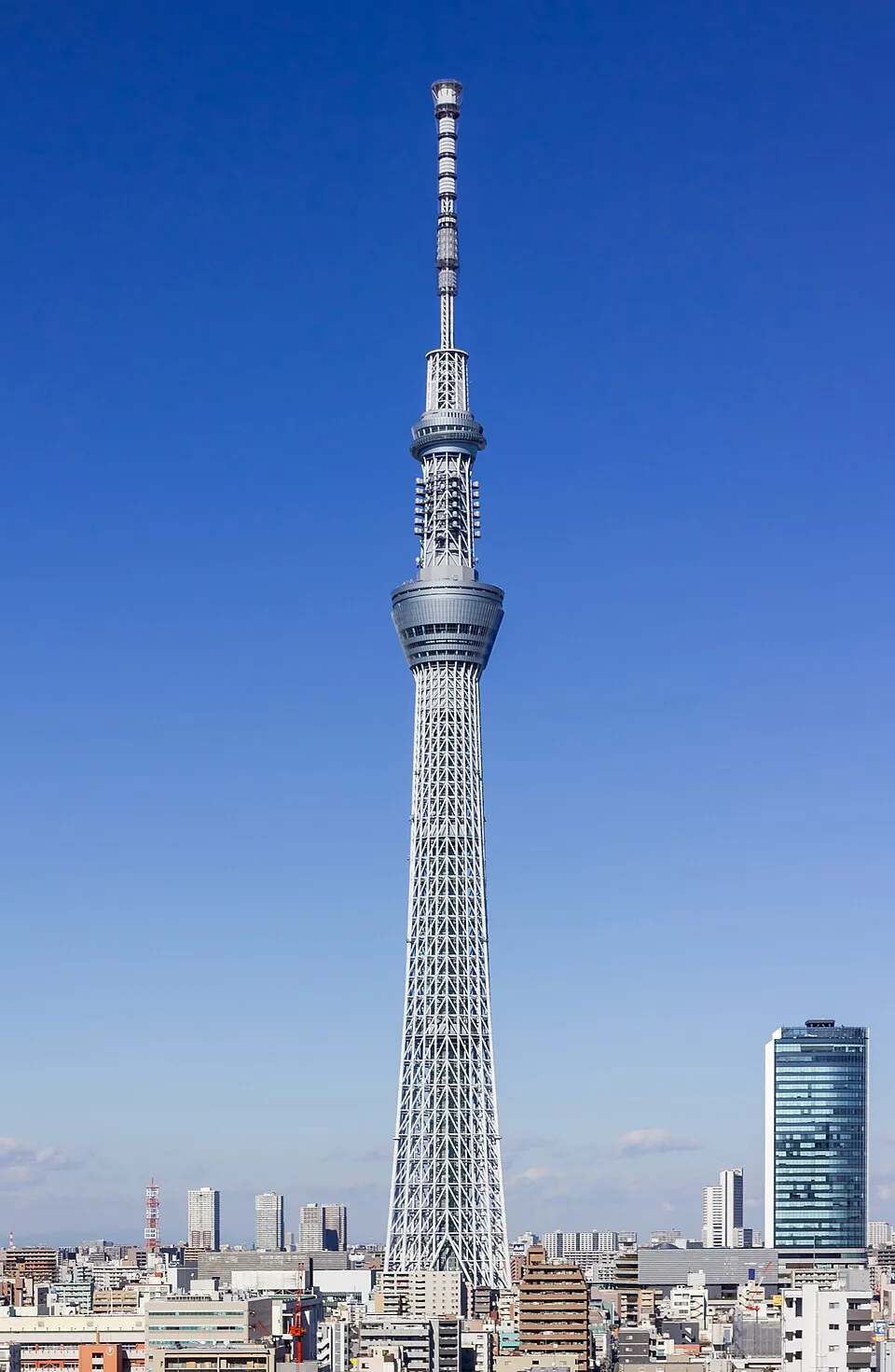
Tokyo Skytree rises 634 metres above Sumida, carrying broadcasting equipment and public observation decks. Its triangular base gradually rounds as it climbs, joining engineering for a dense city with design references to older Japanese structures.