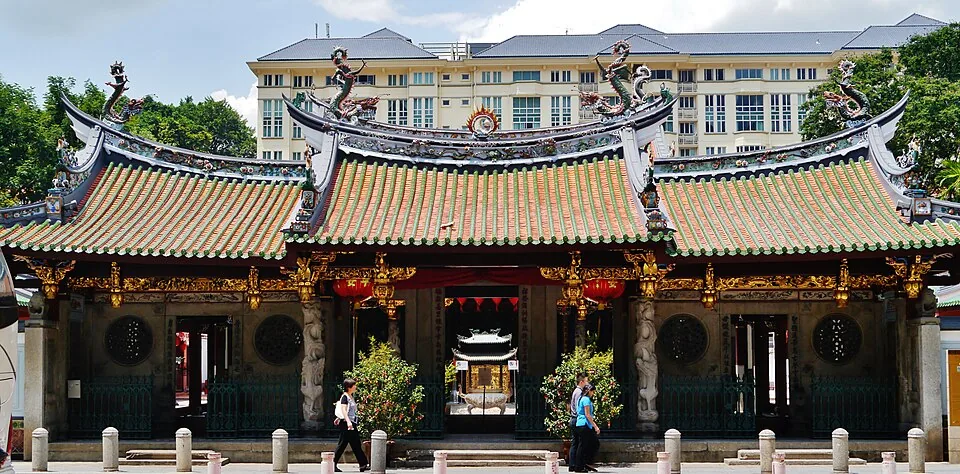
Thian Hock Keng stands on what was once the edge of Telok Ayer Basin, where seafarers came to give thanks for safe passage. Its richly worked southern Chinese temple architecture preserves the memory of a shoreline now reclaimed into the city.
Guide preview
The temple stands on dry land today, but its position makes more sense if you imagine the former shoreline close by. Thian Hock Keng began as a place where Chinese migrants arriving by sea could give thanks to Mazu, associated with protection for seafarers.
Continue exploring
Discover the full story
Keep reading with a travel pass and explore every full guide and tour.
UpgradeQuick facts
- Construction of the present temple began in 1839 and finished in 1842.
- The temple is dedicated to Mazu.
- It was gazetted as a National Monument in 1973.
More places in Singapore
ArtScience Museum
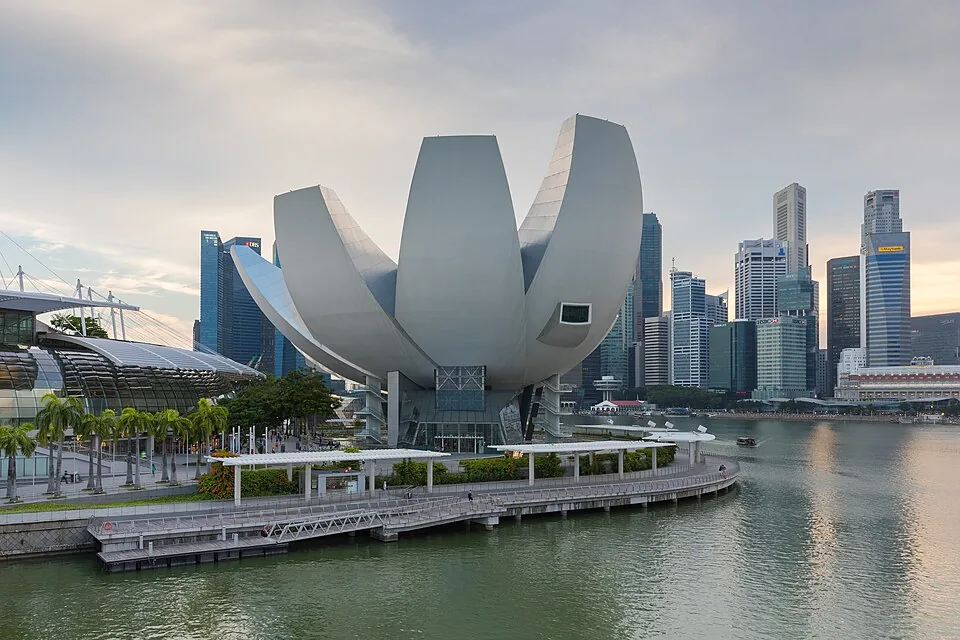
ArtScience Museum’s lotus-inspired silhouette connects its galleries to the waterfront skyline. Architect Moshe Safdie designed the building’s petal-like forms as gallery spaces, while a roof-and-atrium system collects and channels rainwater through the structure.
Asian Civilisations Museum
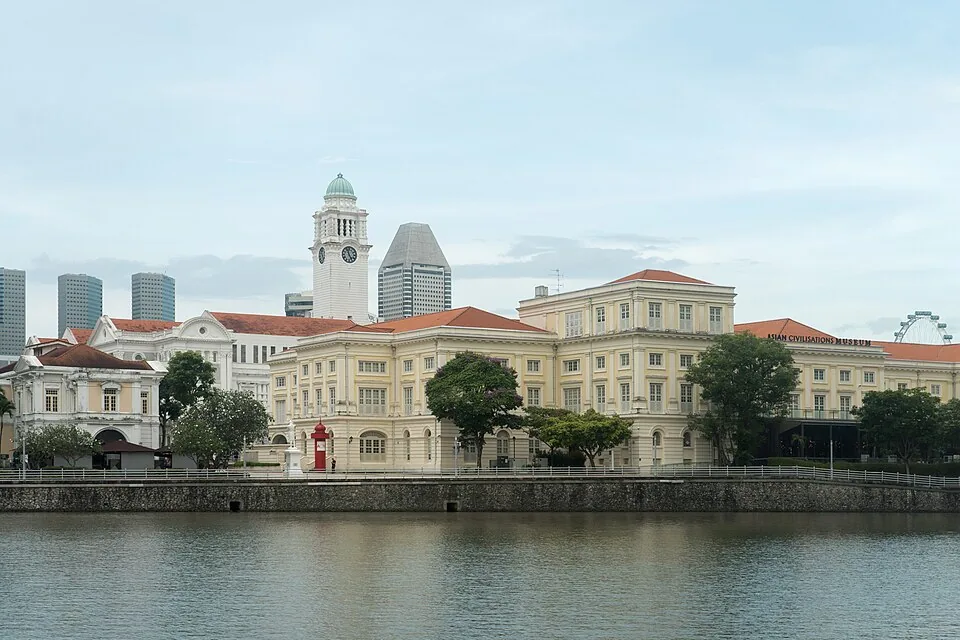
The Asian Civilisations Museum occupies the former Empress Place Building beside the Singapore River. Its collections trace connections across Asia and beyond, using objects to show how port-city exchange moved ideas, faiths and artistic traditions.
Boat Quay
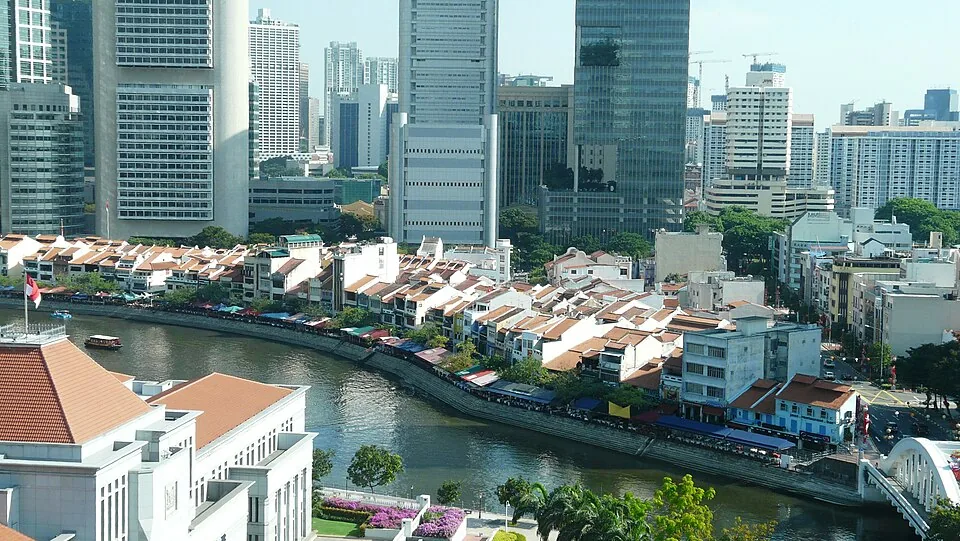
Boat Quay follows a bend in the Singapore River where conserved shophouses once served the port’s trading economy. The narrow historic district now mixes commercial life with a waterfront promenade, keeping the old relationship between buildings and river visible.
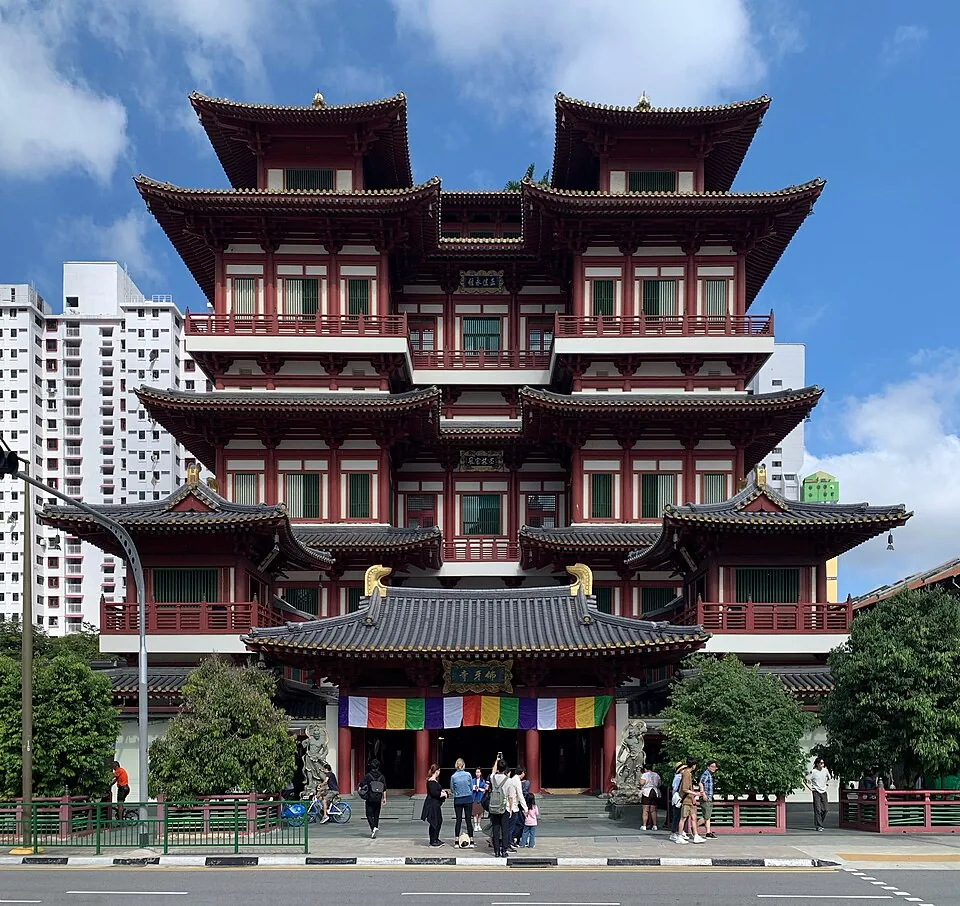
Buddha Tooth Relic Temple
The Buddha Tooth Relic Temple rises above Chinatown in a richly ornamented Tang-inspired style. Its design draws on Buddhist mandala symbolism, while the temple remains an active place of worship and cultural education.
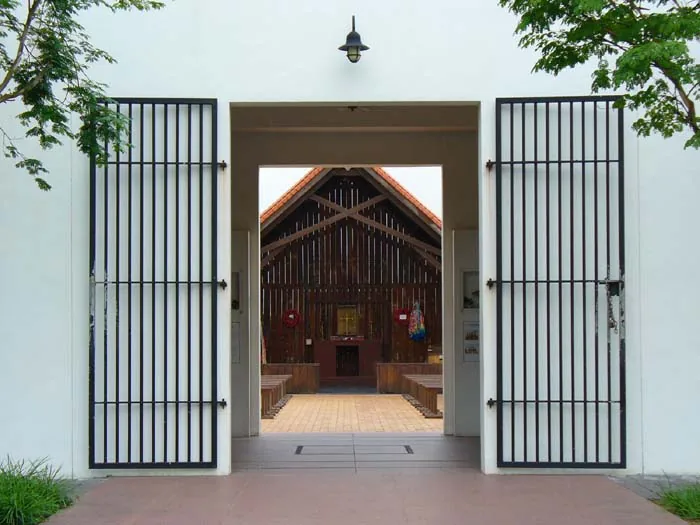
Changi Chapel and Museum
Changi Chapel and Museum preserves personal accounts of people interned during the Japanese Occupation. A chapel recreated from wartime examples anchors a museum that asks visitors to hold hardship, ingenuity and remembrance together.
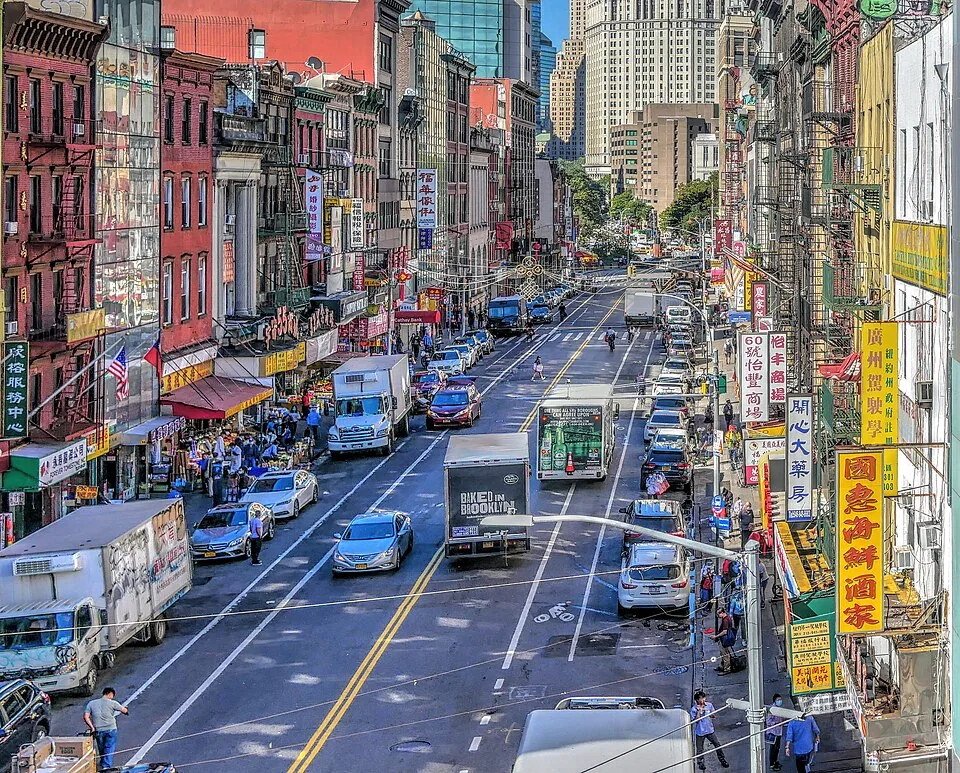
Chinatown
Singapore’s Chinatown is an original Chinese settlement and a conserved historic district, but its streets also hold temples, mosques, shrines, shops, and homes. Its layered fabric reflects migration and the everyday negotiation of religious and commercial life in a port city.