Explore locations
Browse places by name, city, country or category.
All locations
1624 locations
Palau de la Música Catalana
The Palau de la Música Catalana turns a concert hall into a complete work of art, joining stained glass, sculpture, ceramics, and music under one roof. Built for the Orfeó Català through public subscription, its luminous interior expresses a civic ambition as much as an architectural one.
Palau Güell
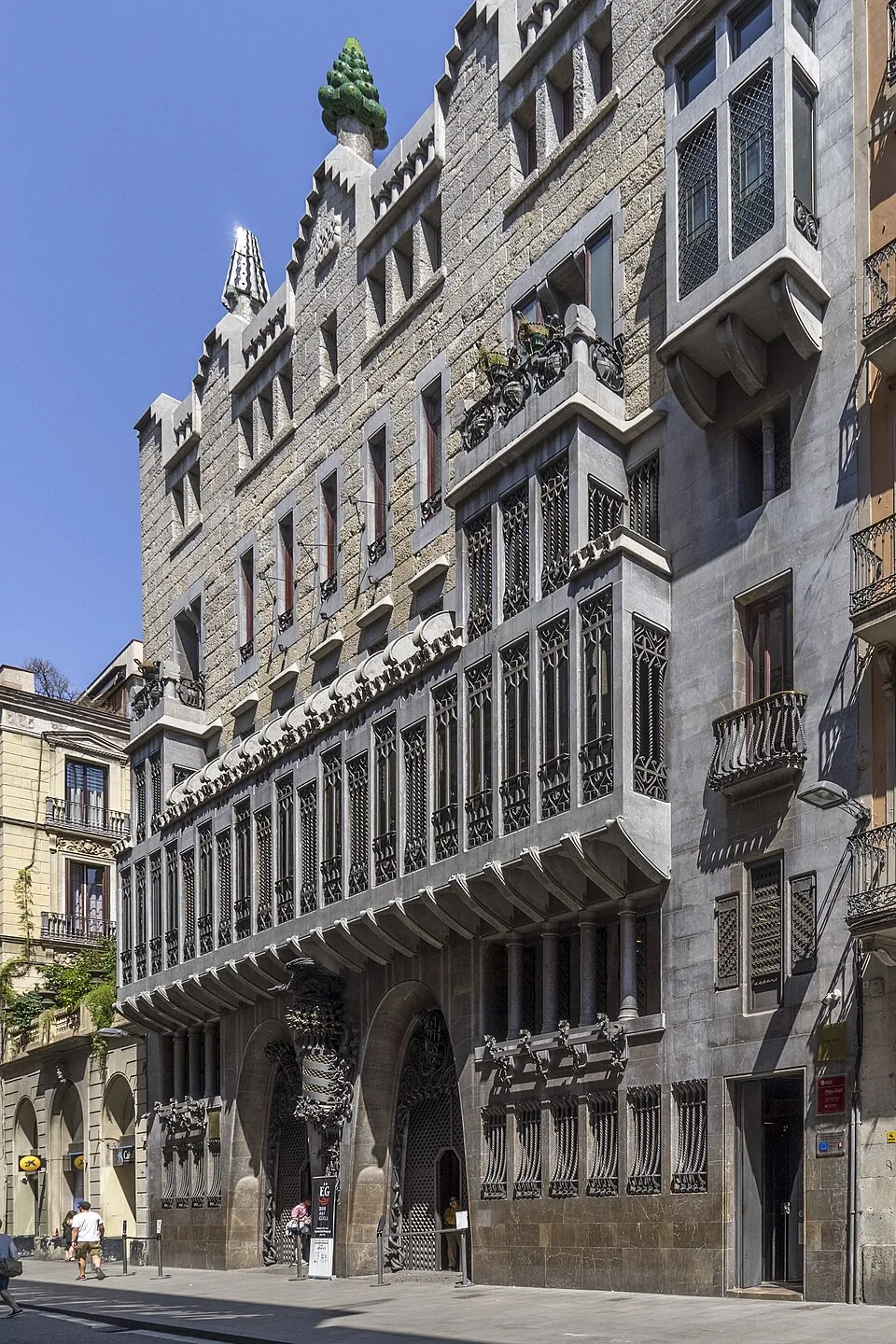
Palau Güell compresses a family residence, reception rooms, and inventive structure into a narrow urban site near La Rambla. Gaudí designed it for industrialist Eusebi Güell, using light, rich materials, and a central hall to connect public display with domestic life.
Palawan Beach
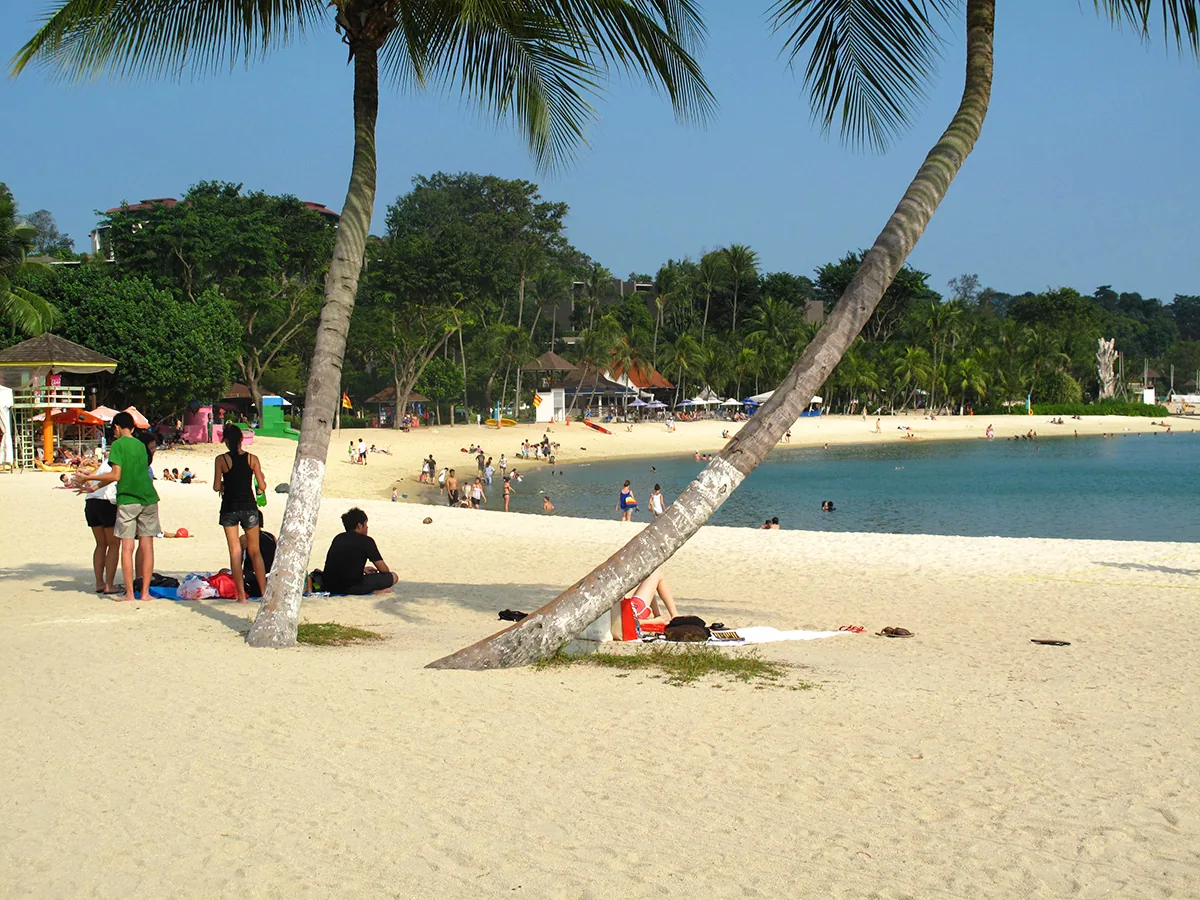
Palawan Beach faces a small offshore islet connected to the shore, giving this stretch of Sentosa a distinct visual landmark. The bridge and coastal view draw attention to how the island’s beaches are shaped for recreation and public access.
Palazzo Altemps
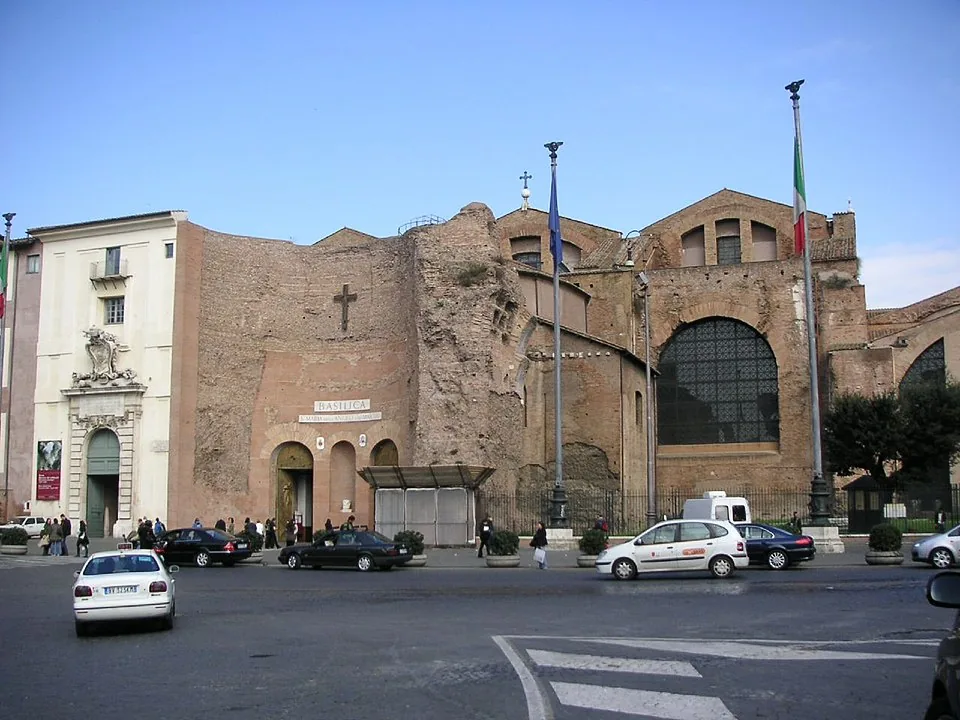
Palazzo Altemps places ancient sculpture inside a Renaissance palace, where the architecture and collection share the same intimate scale. Many works were gathered by the Altemps family to decorate their residence, and only a portion remain here today.
Palazzo Barberini
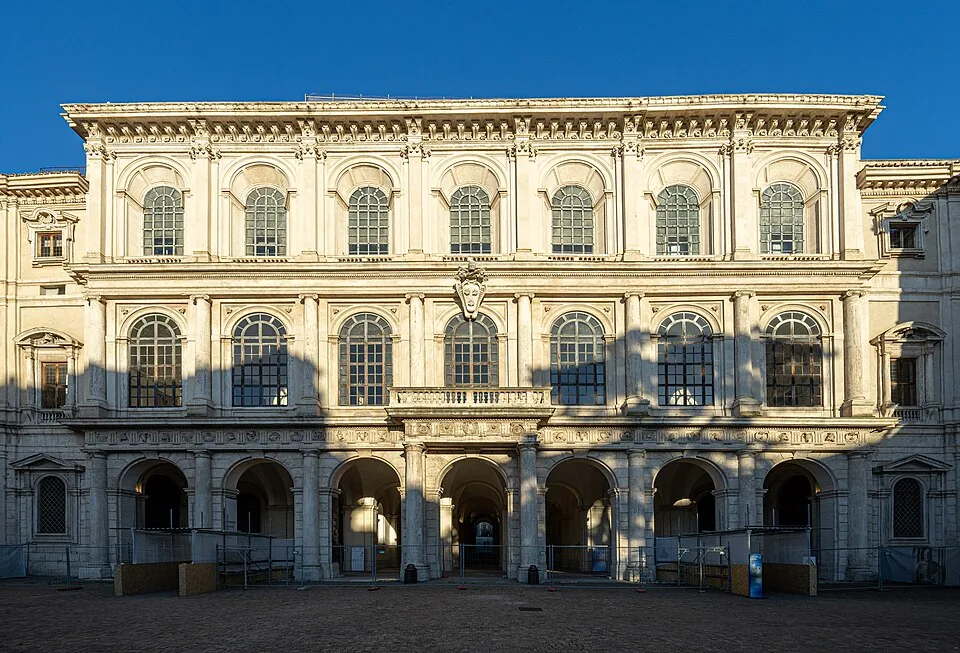
Palazzo Barberini brings together the work of three major Baroque architects in a palace built for the Barberini family. Today it houses the National Gallery of Ancient Art, where the building’s grand interiors frame a major collection.
Palazzo Lombardia
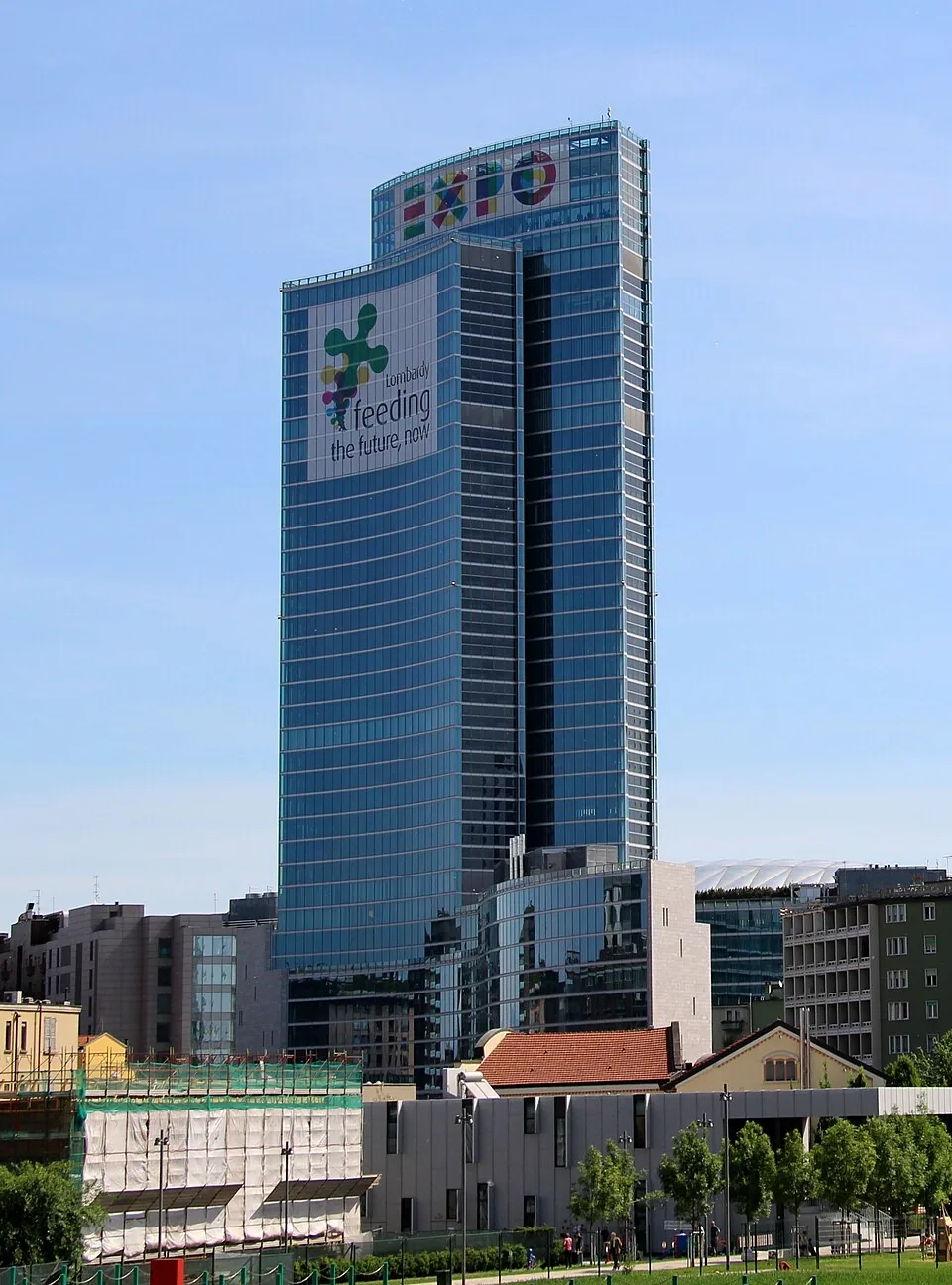
Palazzo Lombardia is the regional government complex in Milan’s Porta Nuova district, organized around a tall central tower and sweeping, curved lower buildings. Its glass surfaces and open piazza create a contemporary civic setting, while the complex’s design draws on the varied landscapes of Lomba
Palazzo Marino
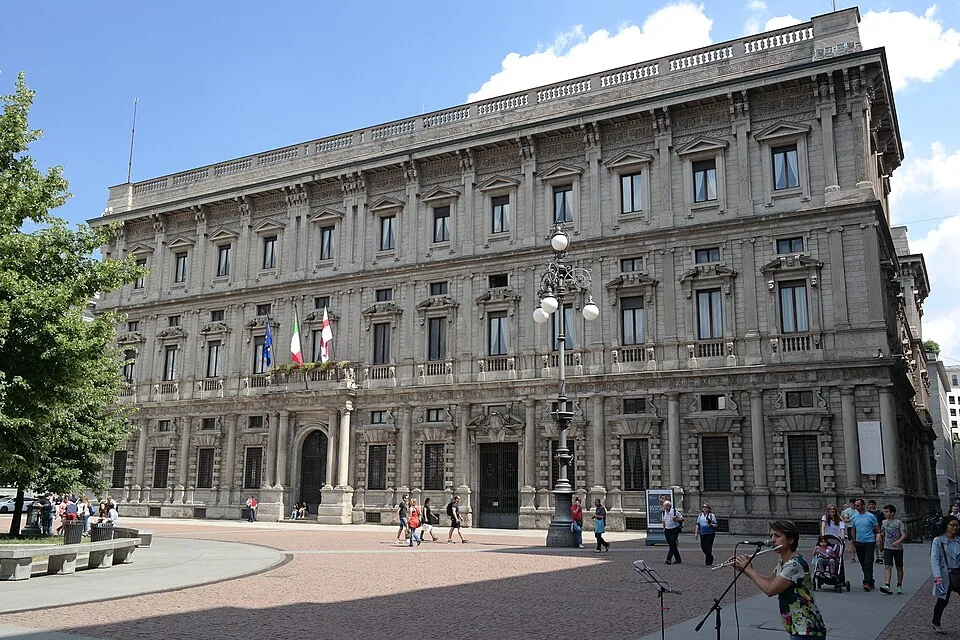
Palazzo Marino has served as Milan’s town hall since 1861, though it began as a sixteenth-century palace built for merchant Tommaso Marino. Its unfinished construction and later completion leave a layered civic building beside La Scala, where private ambition became public administration.
Palazzo Morando
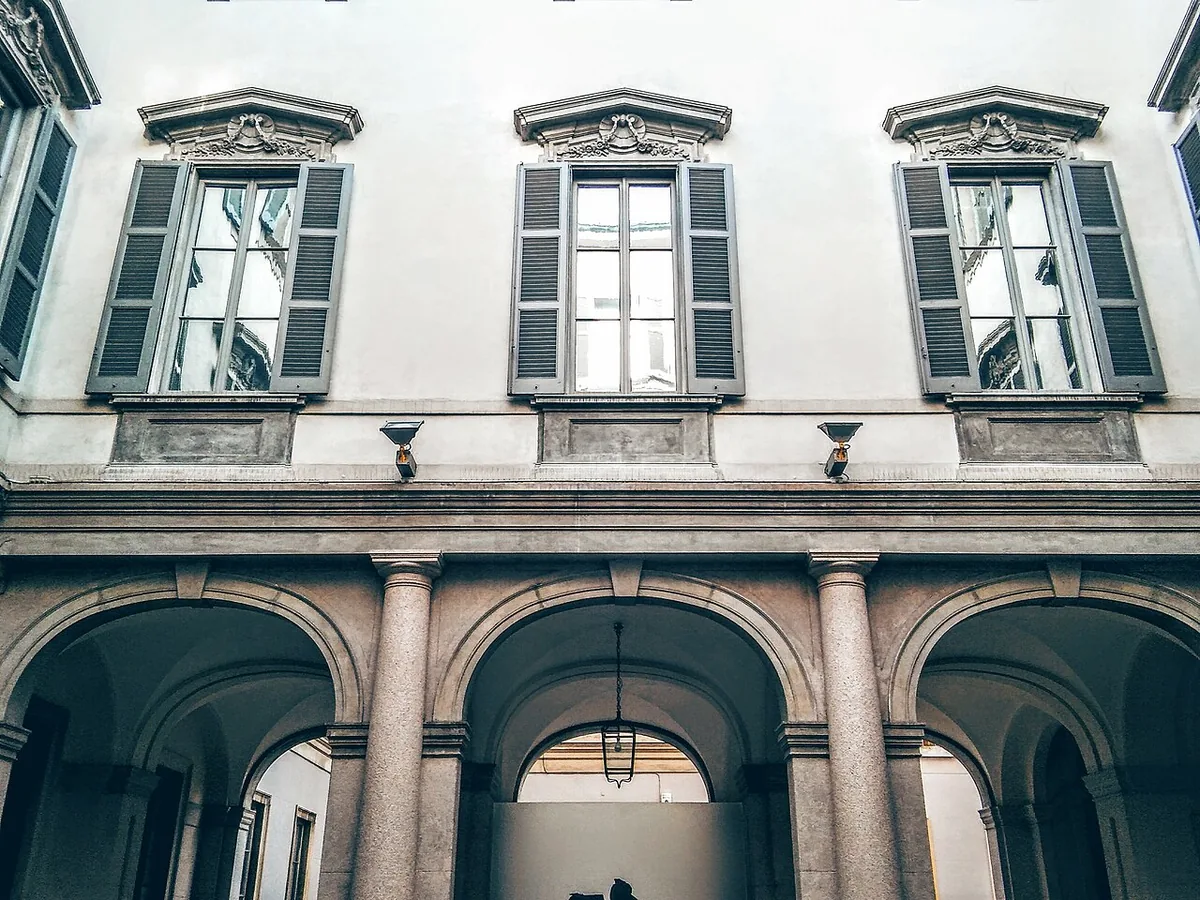
Palazzo Morando combines decorated eighteenth-century rooms with collections documenting Milan’s urban history and fashion. Donated to the city in 1945, the residence links domestic interiors to changing streets, social life, clothing, and civic memory.
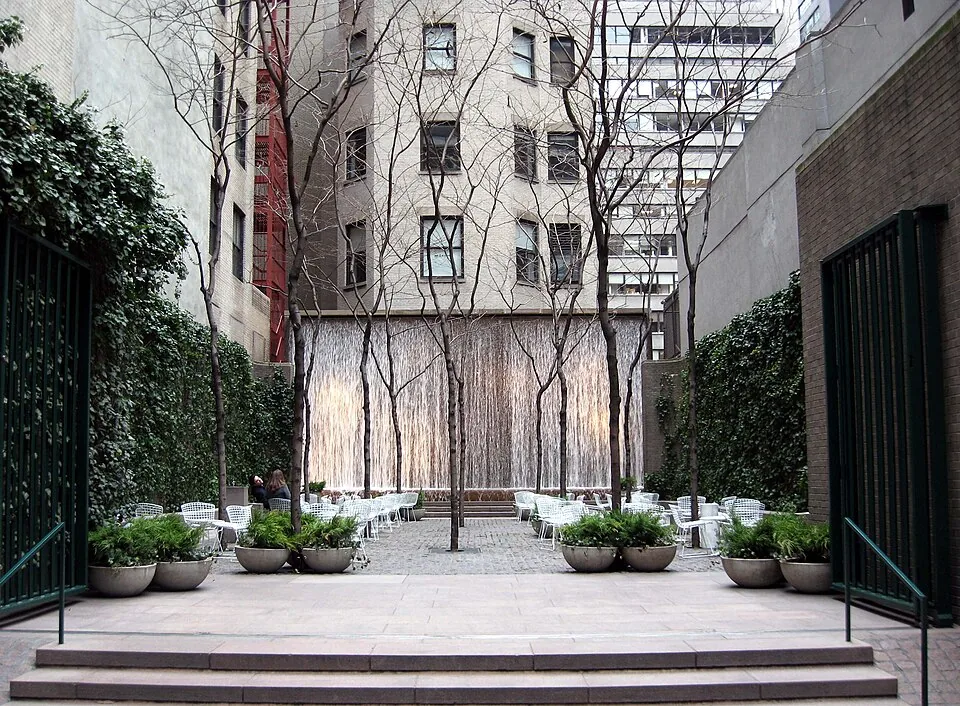
Paley Park
Paley Park is a small, privately owned public space on East 53rd Street. Its water wall, trees, movable chairs, and raised entrance create a compact retreat from Midtown’s traffic, demonstrating how a tiny urban site can be designed for both quiet and sociability.
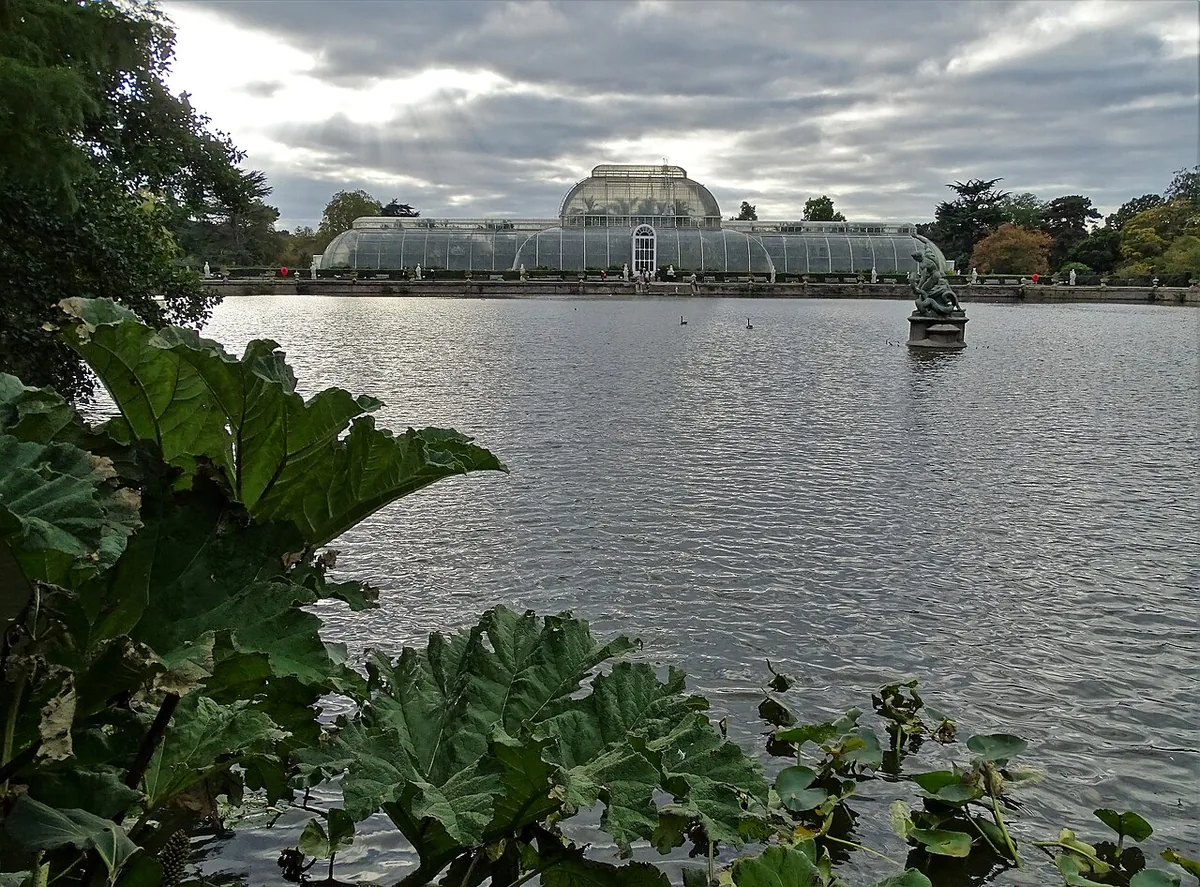
Palm House at Kew
Kew’s Palm House is a Victorian glasshouse built at an unprecedented scale to protect tropical plants in London. Its curving iron frame and glazed roof borrow techniques from shipbuilding, giving the structure a hull-like profile while creating a warm, humid environment for botanical collections.
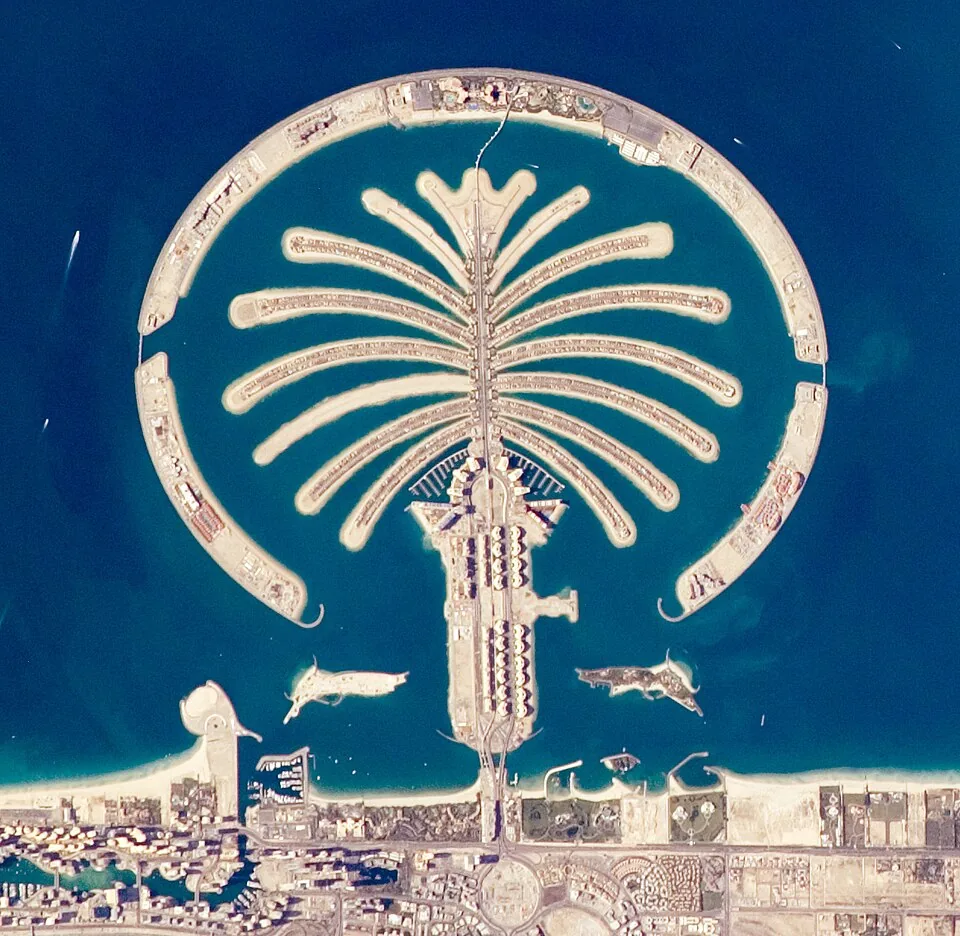
Palm Jumeirah
Palm Jumeirah is a large artificial island shaped as a palm tree, organized into trunk, fronds, and crescent. Its reclaimed land and protective breakwater transformed Dubai’s coastline into a major residential and resort district.
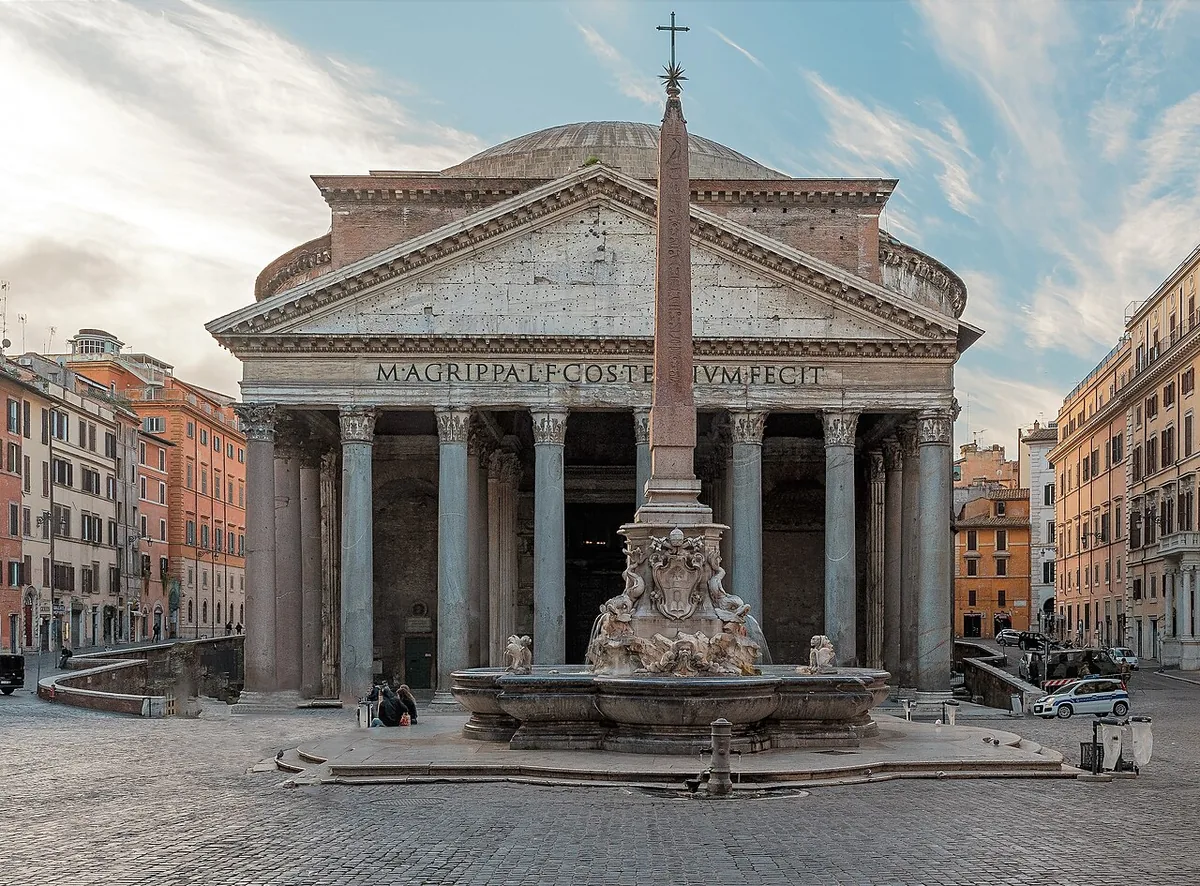
Pantheon
The Pantheon’s deep portico gives way to a vast domed interior whose geometry has shaped architecture for centuries. The building preserves the name of Agrippa’s earlier temple, while its present form dates to Hadrian’s rebuilding in the second century.
Panthéon
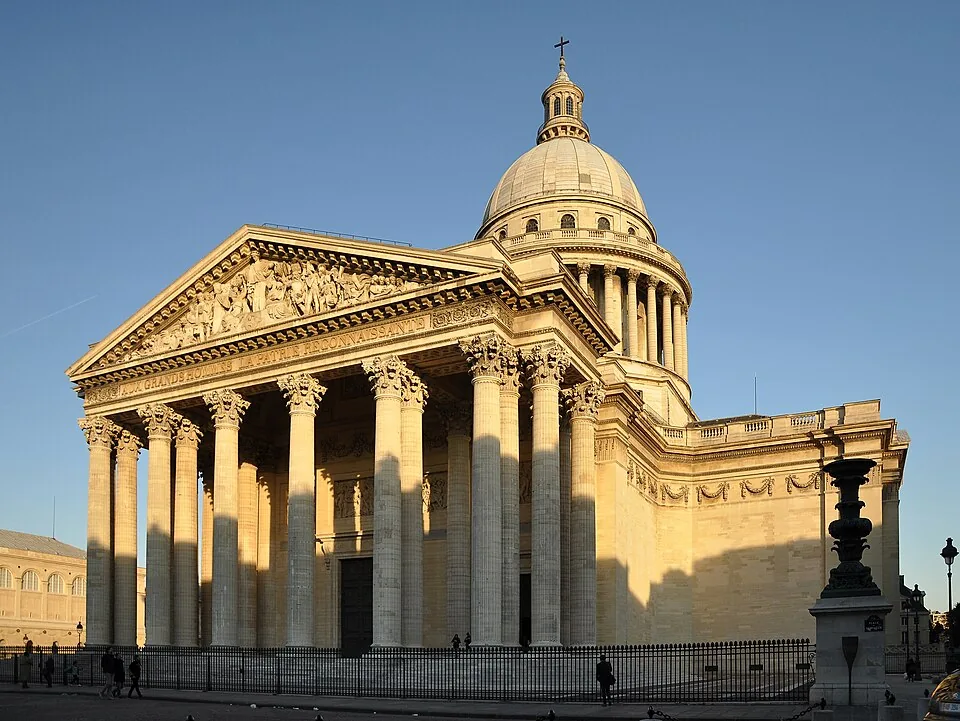
The Panthéon began as a church dedicated to Saint Geneviève and became a national mausoleum during the Revolution. Its neoclassical dome and portico now frame an evolving memorial to people whom France chooses to honor.
Parc des Buttes-Chaumont
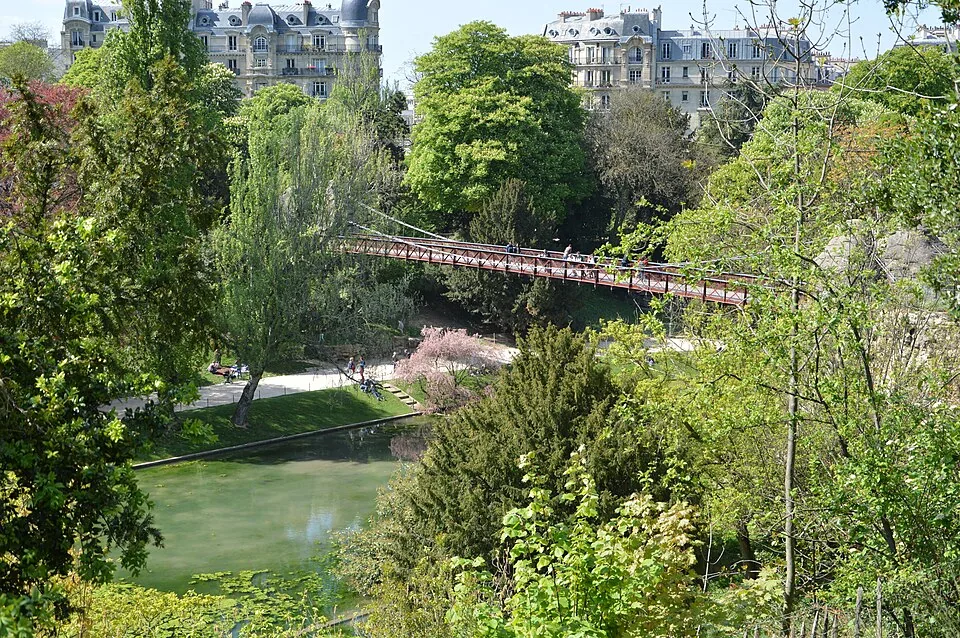
Steep paths, a lake, and a temple perched on a rocky island give Buttes-Chaumont the feel of a countryside landscape inside Paris. That scenery was engineered on the site of a gypsum quarry, making the park’s natural-looking forms a feat of urban design.
Parc Monceau
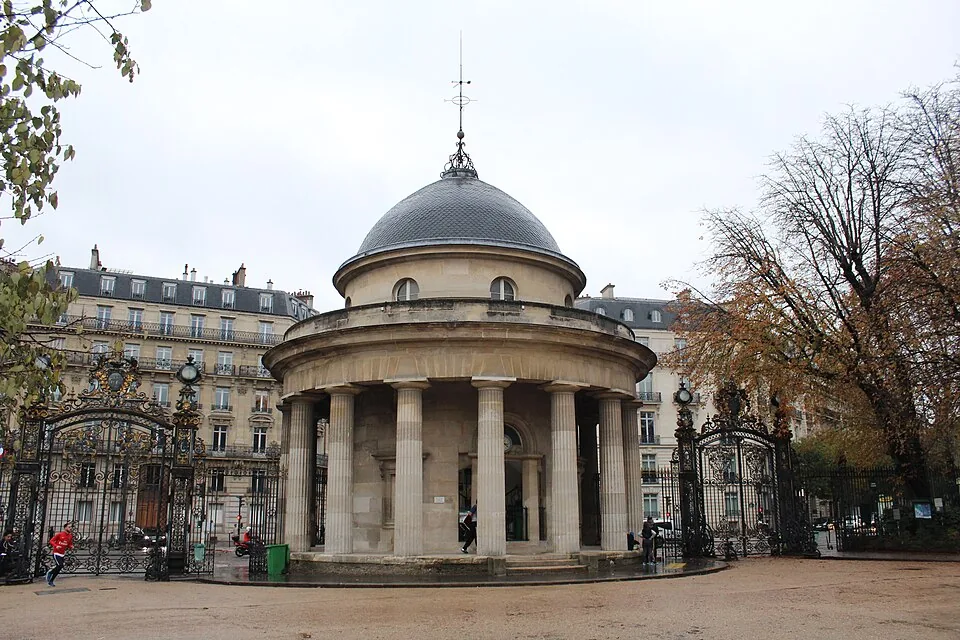
Parc Monceau mixes winding paths, old trees, and small architectural follies within a landscape that has changed hands and styles several times. Its picturesque variety began as a private aristocratic garden and became a public park under the Second Empire.
Parco Sempione
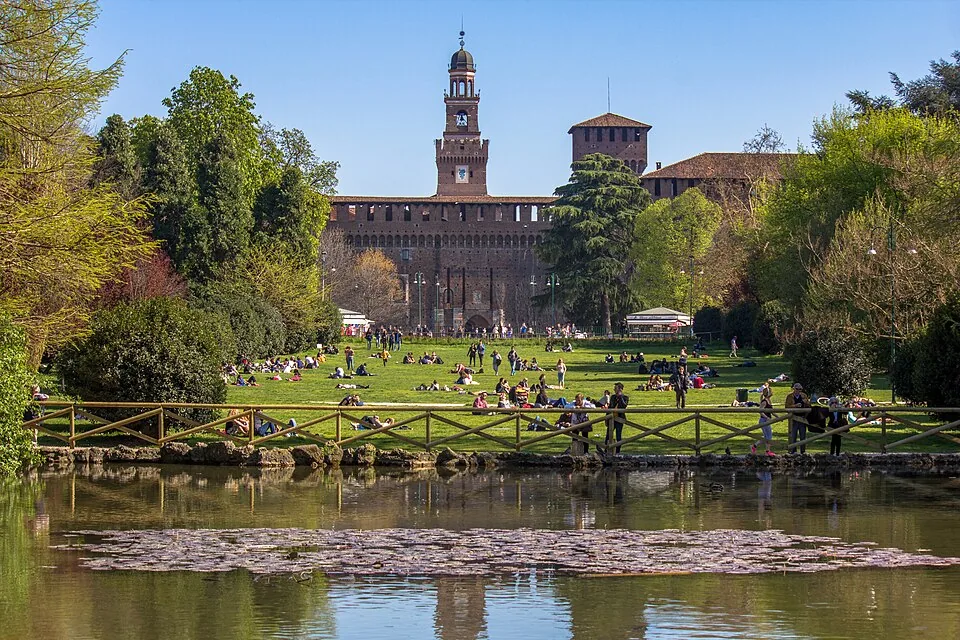
Parco Sempione’s lawns and winding paths occupy the former parade ground and ducal park behind Sforza Castle. Its English garden design links the castle to the Arco della Pace, turning a historic axis into a public landscape.
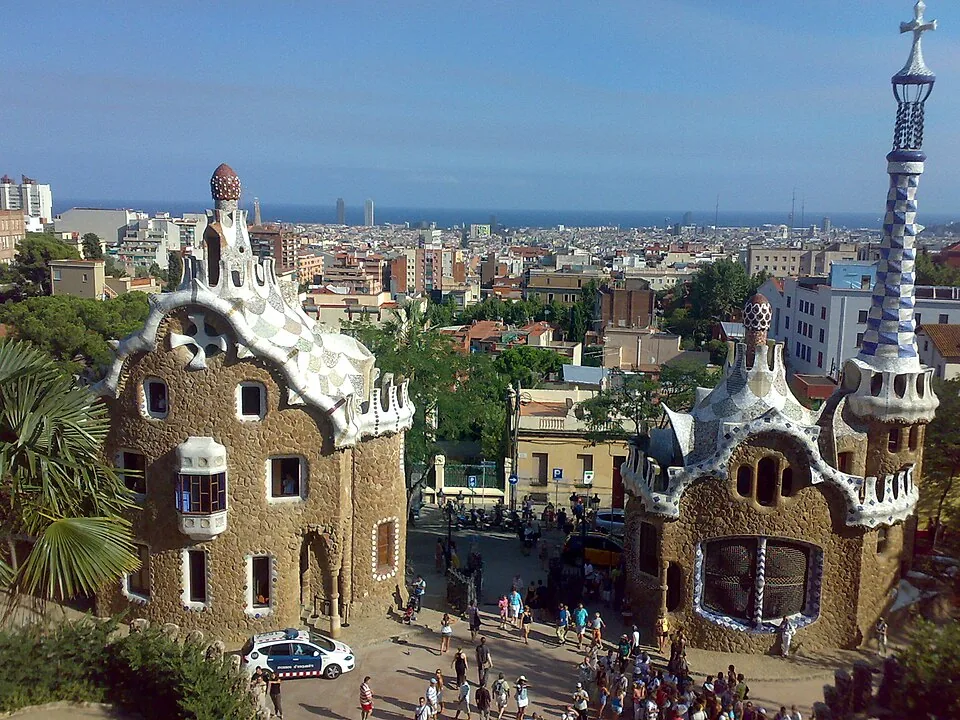
Park Güell
Park Güell began as a planned residential estate, with paths and viaducts shaped around a steep hillside. When the development failed to attract buyers, its designed landscape became a private garden and then a public park, leaving an ambitious housing plan visible in the terrain.
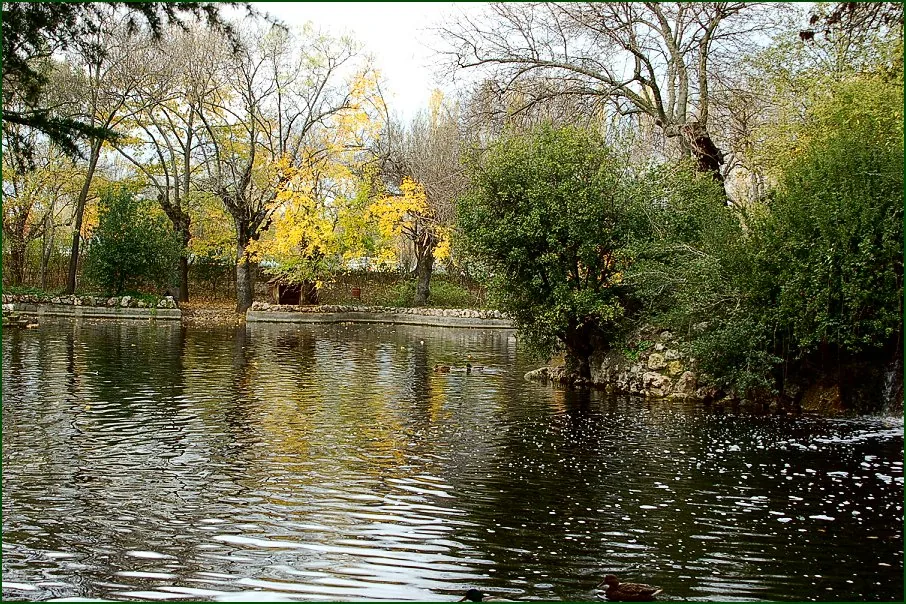
Parque del Capricho
El Capricho was shaped by María Josefa Alonso Pimentel, Duchess of Osuna, as a private landscape with several garden styles. French formality, English scenery, and Italianate features make this park feel like a sequence of deliberately different worlds.
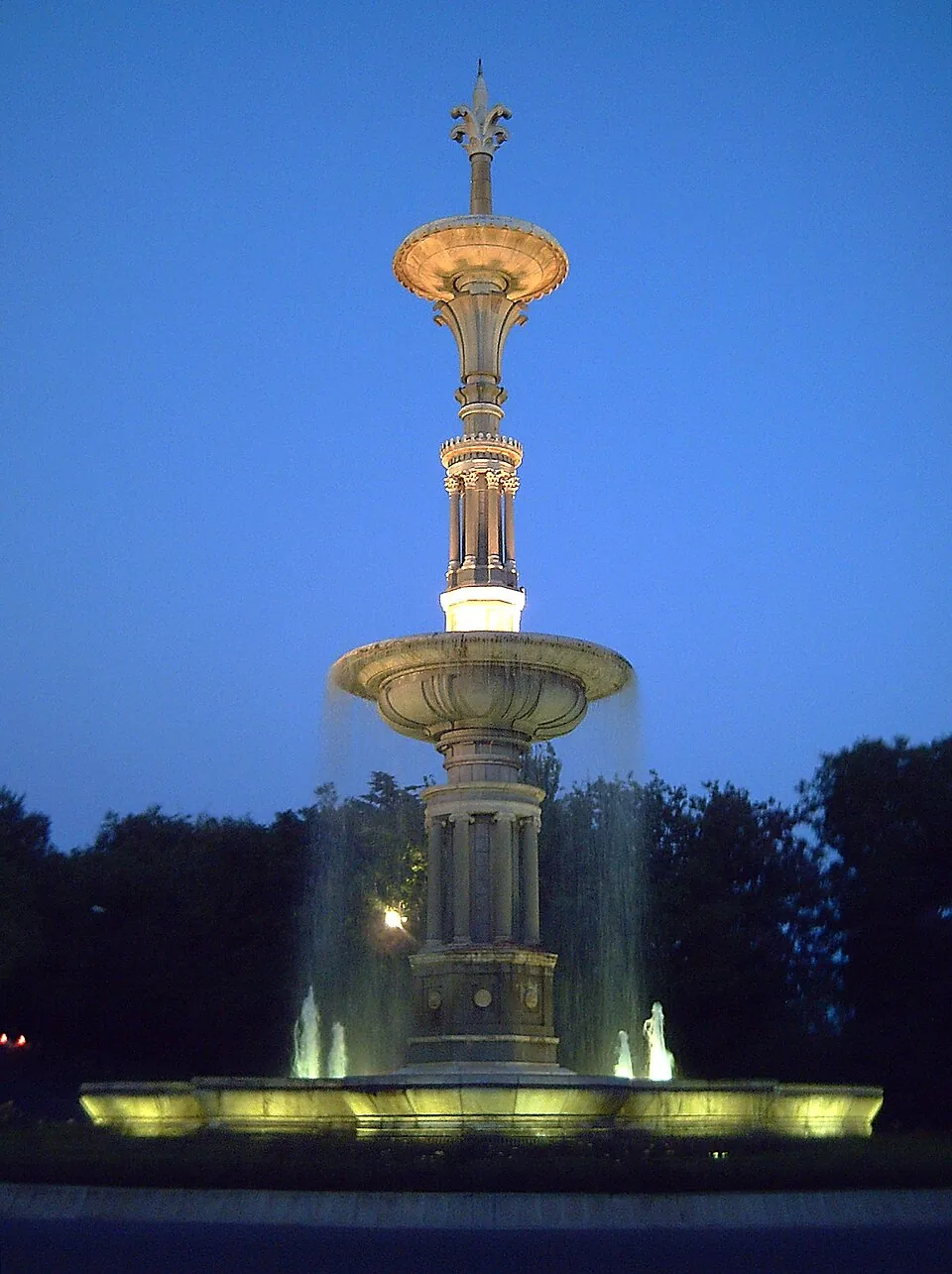
Parque del Oeste
Parque del Oeste unfolds across Madrid’s western slope, with open lawns, wooded paths, and gardens that shift from quiet shade to broad city views. Its rose garden and the nearby Temple of Debod show how a modern urban park can hold very different histories.
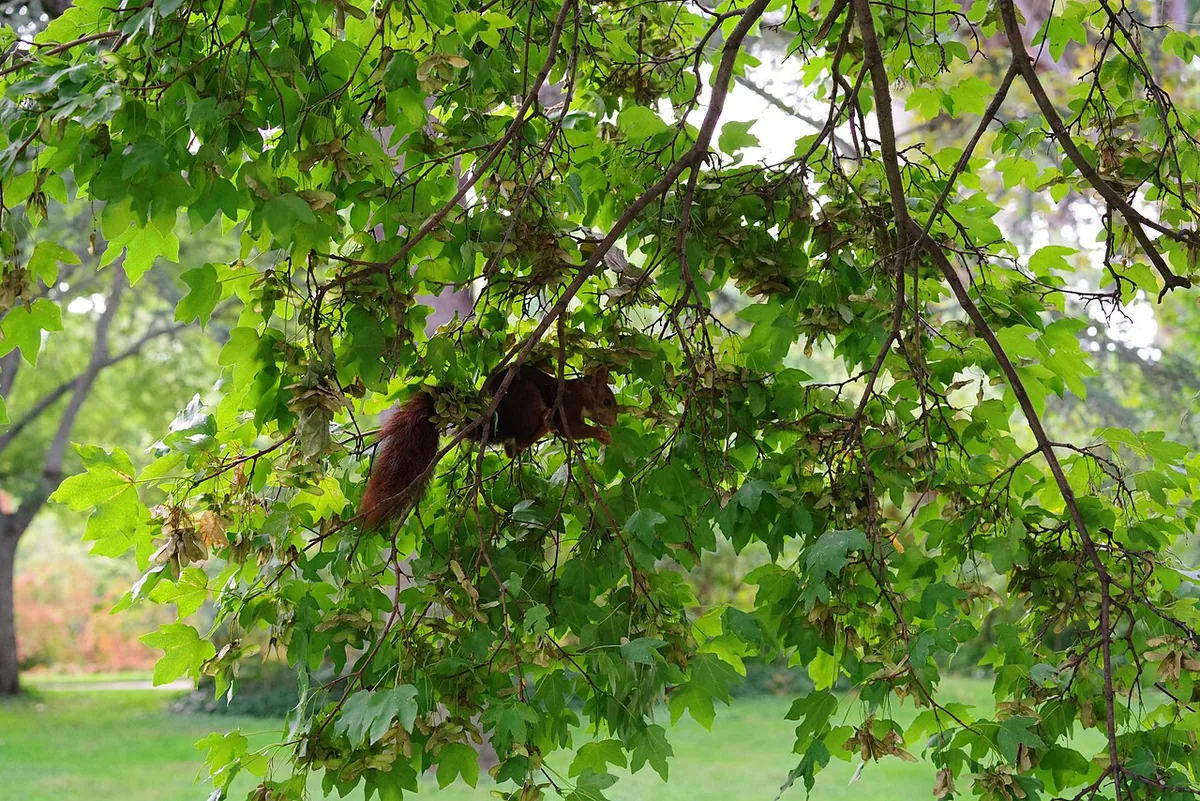
Parque El Capricho Bunker
Beneath El Capricho’s landscaped paths lies a Civil War command bunker built for the Republican Army of the Central Region. The contrast between the garden above and the protected rooms below reveals how the estate’s location and tree cover were repurposed for wartime concealment.
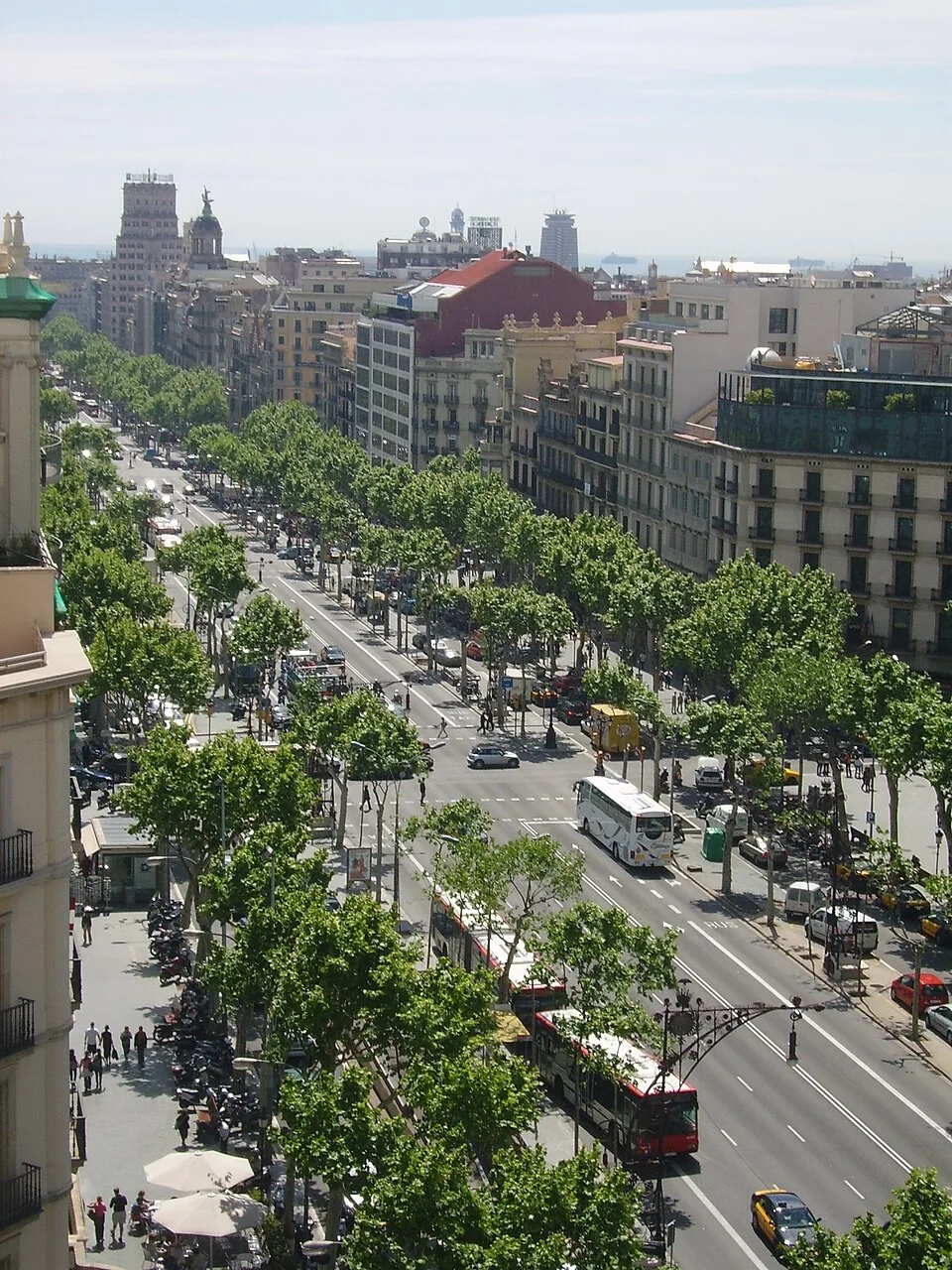
Passeig de Gràcia
Passeig de Gràcia shifted from a road between Barcelona and the village of Gràcia into a showcase boulevard for the expanding Eixample. Its pavement, lamps, and landmark façades make the street a record of changing transport, bourgeois life, and competition among Catalan Modernisme’s leading archite
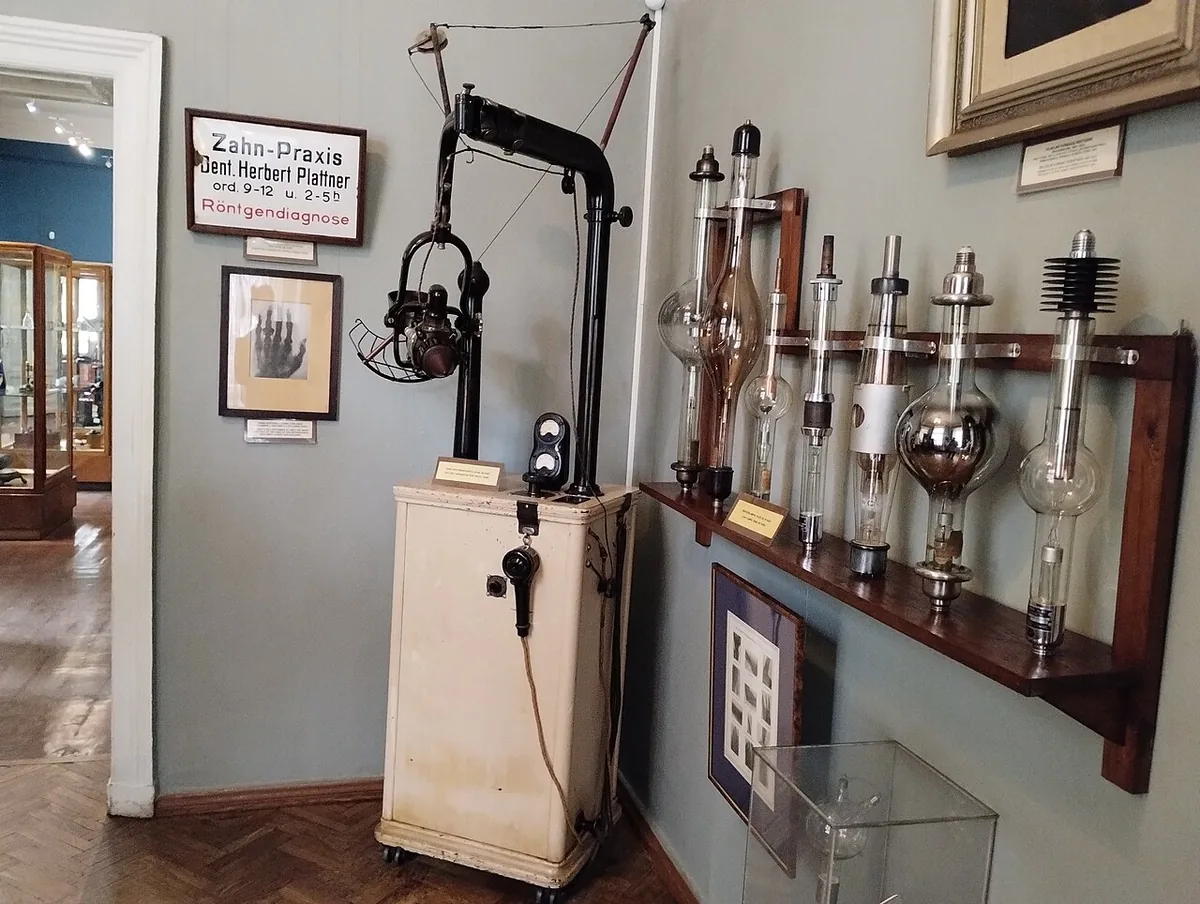
Pauls Stradiņš Museum of Medical History
Founded around surgeon Pauls Stradiņš’s collection, this Riga museum explores medicine through instruments, books, models and other evidence. Its exhibitions also reveal how medical knowledge and the telling of its history have changed.
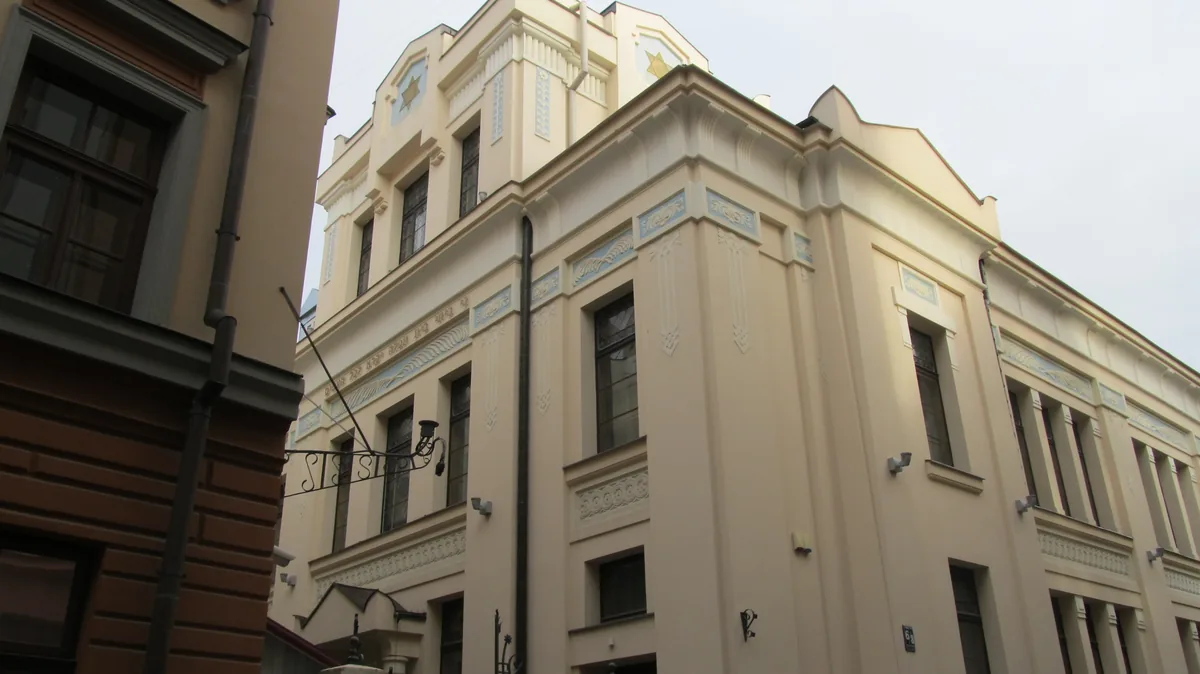
Peitav Synagogue
Peitav Synagogue is an active Jewish house of worship in Riga’s Old Town. Consecrated in 1905, its Art Nouveau building survived the destruction of Riga’s synagogues during the Holocaust and was restored by the community and its supporters.

Pera Museum
Pera Museum occupies the former Bristol Hotel, a late nineteenth-century building in a district once known for international travelers and urban commerce. Its transformation from hotel to museum carries Pera’s social history into a collection focused on artistic exchange and material culture.