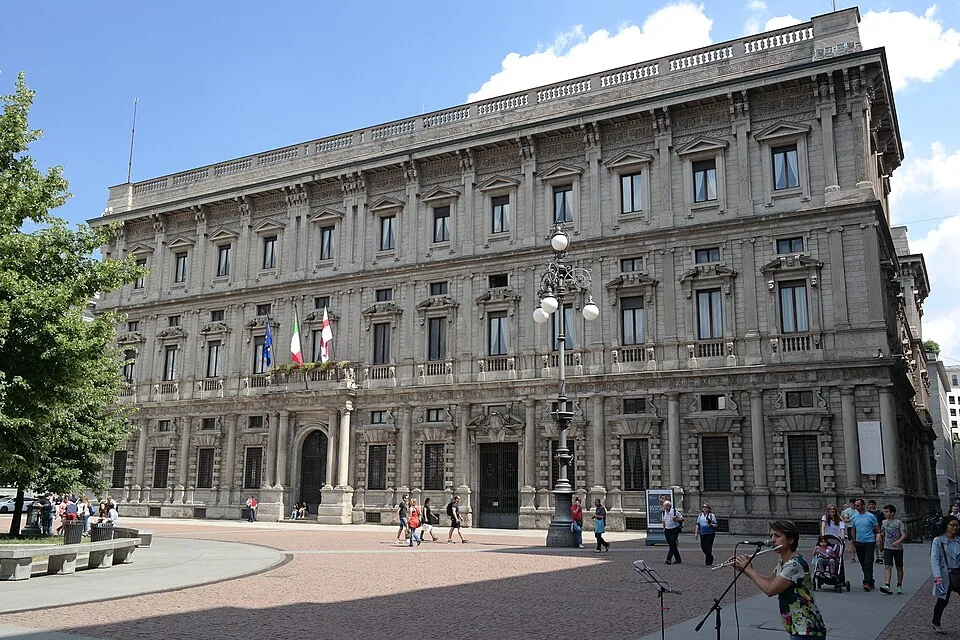
Palazzo Marino has served as Milan’s town hall since 1861, though it began as a sixteenth-century palace built for merchant Tommaso Marino. Its unfinished construction and later completion leave a layered civic building beside La Scala, where private ambition became public administration.
Guide preview
Palazzo Marino began as one man’s statement of wealth. Genoese merchant Tommaso Marino commissioned the palace in 1558 as a prestigious residence, designed by architect Galeazzo Alessi. Work stalled when Alessi left in 1570, and the building was completed only at the end of the nineteenth century.
Continue exploring
Discover the full story
Keep reading with a travel pass and explore every full guide and tour.
UpgradeQuick facts
- The palace was founded in 1558 to a design by Galeazzo Alessi.
- It was commissioned by merchant Tommaso Marino as a prestigious residence.
- Palazzo Marino has housed Milan’s municipal administration since 1861.
More places in Milan
ADI Design Museum – Compasso d’Oro
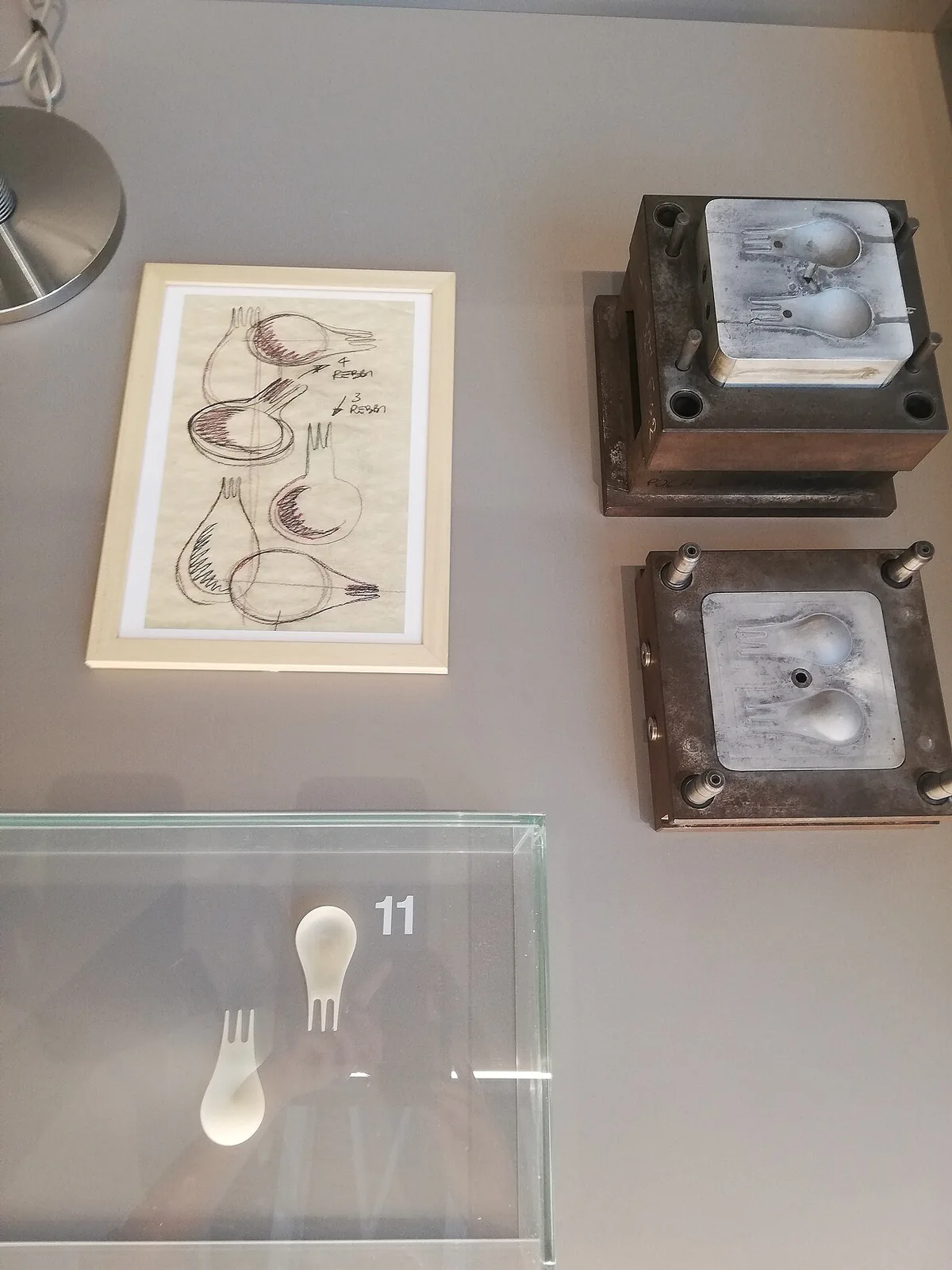
ADI Design Museum presents the Compasso d’Oro design award collection in a converted industrial complex near Milan’s Monumental Cemetery. The museum links celebrated everyday objects with the spaces and processes that brought them into being, making design history a story of use as well as appearanc
Arco della Pace
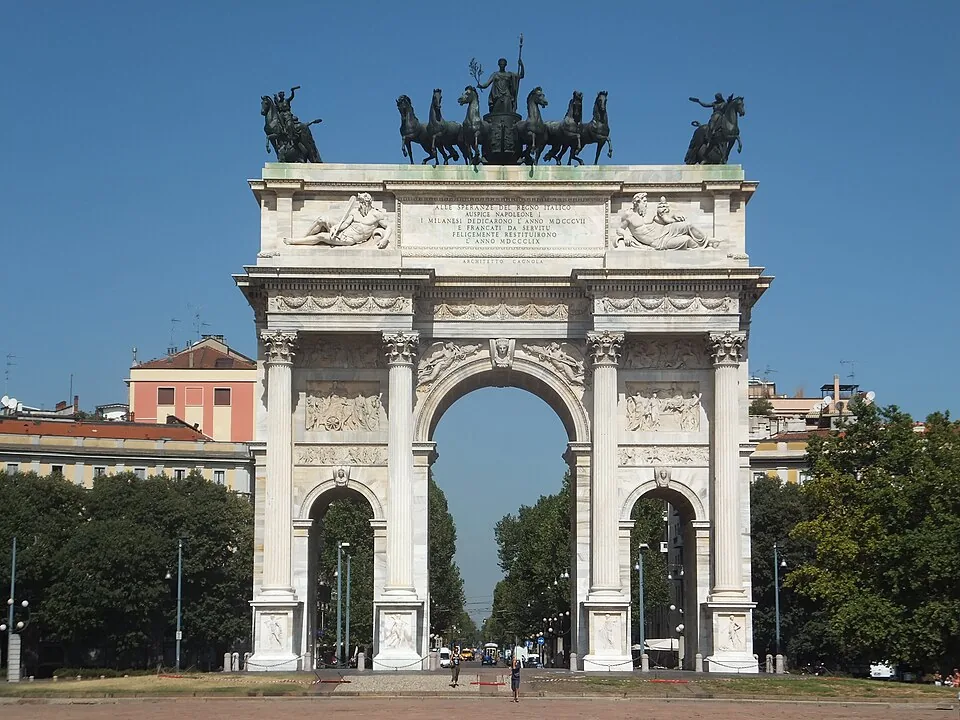
Arco della Pace began as a Napoleonic victory arch, then acquired a new dedication after political power changed hands. Its marble reliefs and bronze chariot preserve that transition from imperial triumph to a monument named for peace.
Armani/Silos
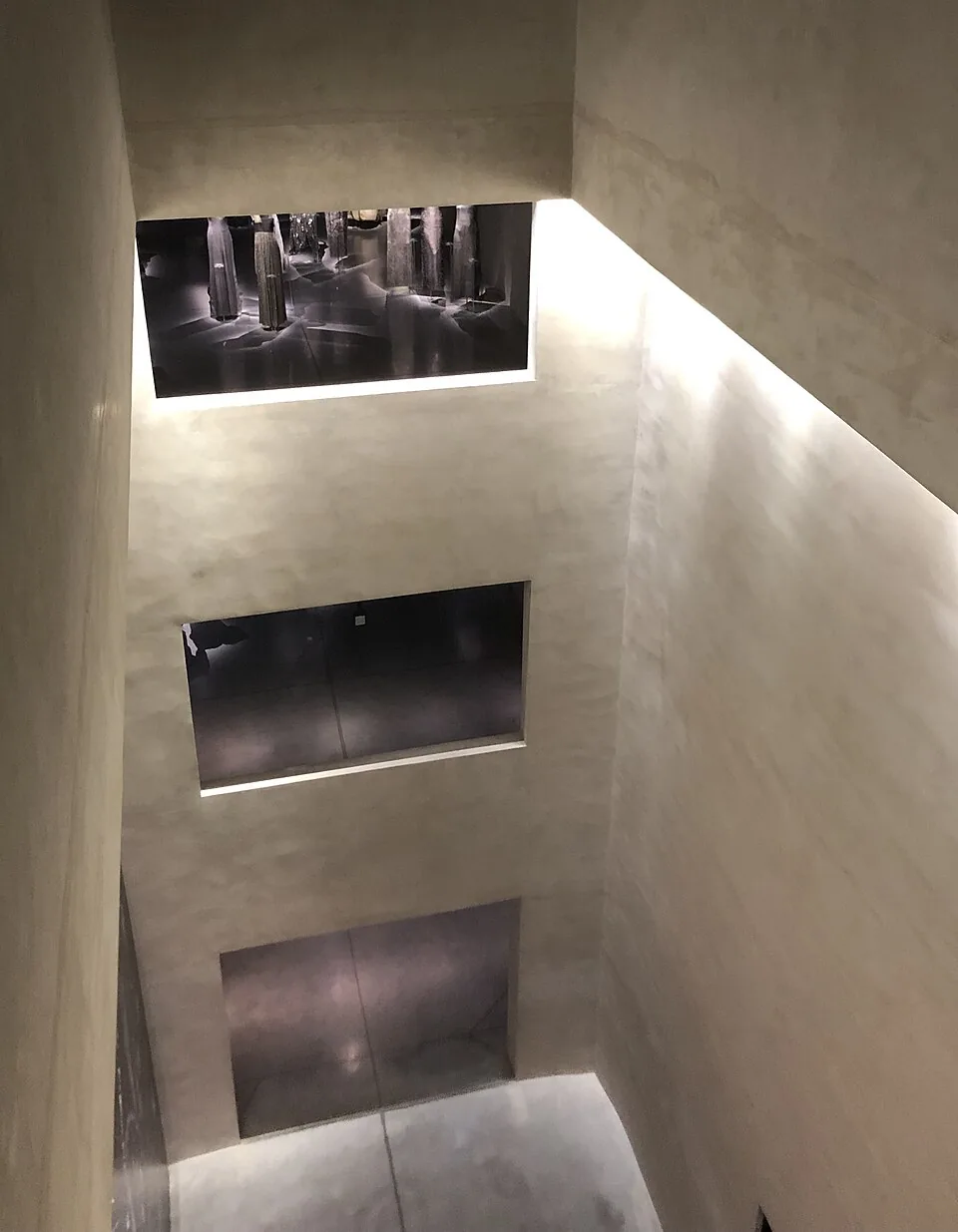
Armani/Silos repurposes a 1950s granary as an exhibition space devoted to Giorgio Armani’s work. Its plain, geometric exterior preserves the logic of industrial storage, giving visitors a building whose form reflects the designer’s preference for order and simplicity.
Backdoor 43
Backdoor 43 compresses a cocktail bar into four square metres, creating an unusually close exchange between bartender and guest. Its tiny footprint is the design story: a conventional bar experience becomes a deliberate exercise in intimacy, scale, and concentrated service.
Bagatti Valsecchi Museum
The Bagatti Valsecchi Museum preserves a late nineteenth-century Milanese home arranged in a Renaissance style. Its rooms combine historical art and furnishings with modern comforts that were advanced for the period, revealing how its owners staged domestic life.

BAM Biblioteca degli Alberi
BAM Biblioteca degli Alberi organizes greenery into planted “rooms” and winding paths among Milan’s Porta Nuova towers. Designed as contemporary public landscape, the ten-hectare park joins botanical variety, open space, and a changing city skyline.