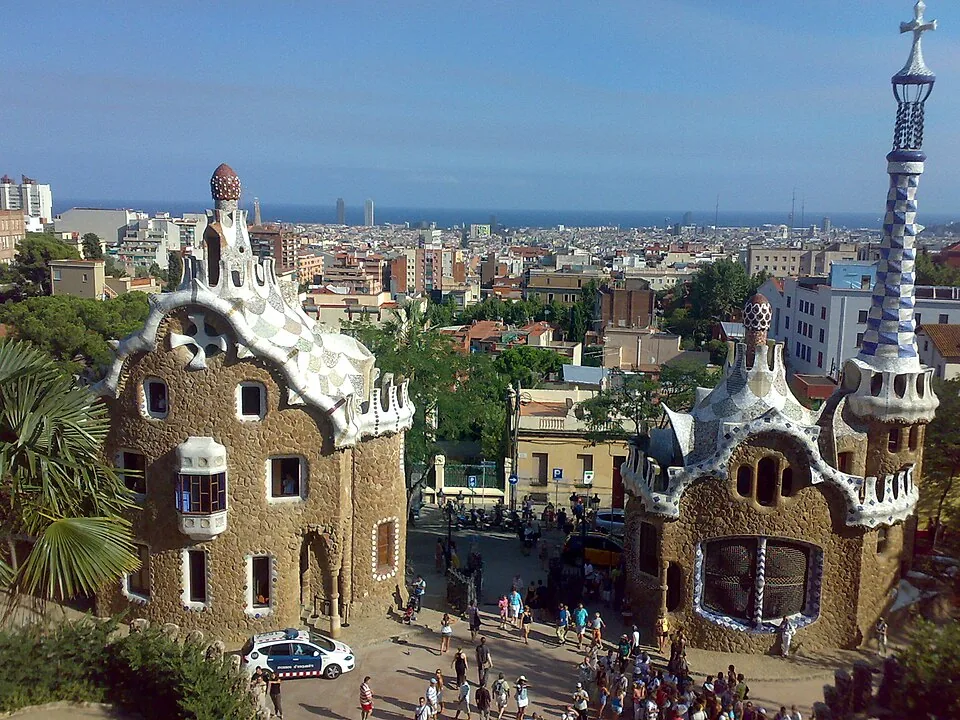
Park Güell began as a planned residential estate, with paths and viaducts shaped around a steep hillside. When the development failed to attract buyers, its designed landscape became a private garden and then a public park, leaving an ambitious housing plan visible in the terrain.
Guide preview
The paths curve with the hillside instead of forcing it into a level grid. That choice came from the park’s first purpose: Eusebi Güell commissioned Gaudí to plan an estate for well-off families on this sloping land.
Continue exploring
Discover the full story
Keep reading with a travel pass and explore every full guide and tour.
UpgradeQuick facts
- Eusebi Güell commissioned the estate plan from Gaudí.
- The original plan included about 60 plots; only two houses were built.
- Barcelona opened Park Güell as a municipal park in 1926.
More places in Barcelona
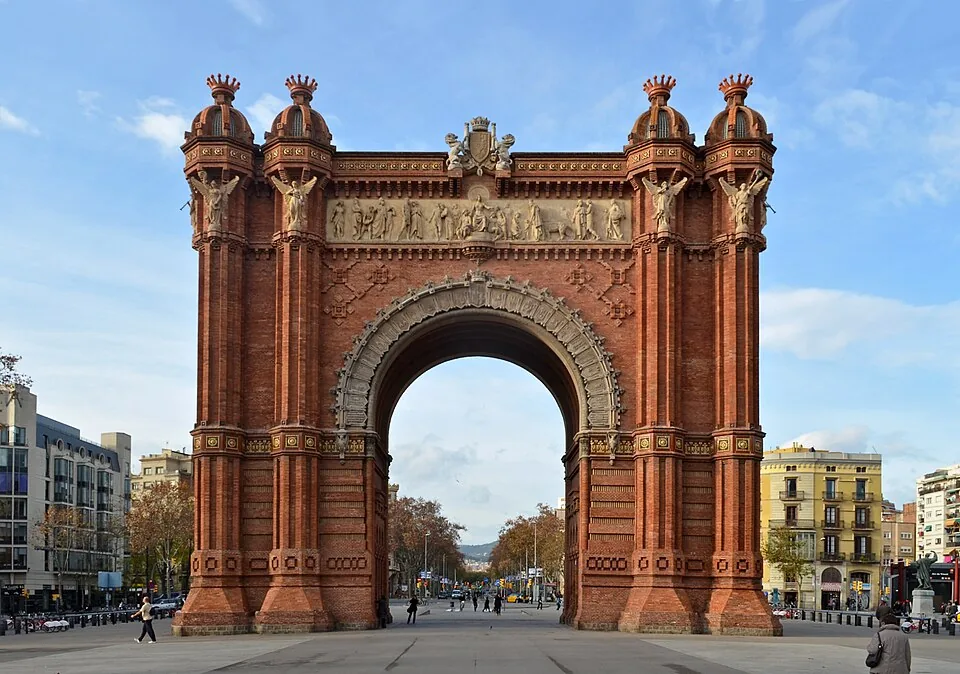
Arc de Triomf
Barcelona’s Arc de Triomf was built as the ceremonial entrance to the 1888 Universal Exhibition, not as a victory monument. Its red brick and sculpted friezes combine a classical arch shape with a distinctly local architectural style and a message of welcome.

Barcelona Aquarium
The Barcelona Aquarium’s Oceanarium puts visitors beneath a large Mediterranean tank, with an underwater tunnel running through it. The experience is built around a change in viewpoint: instead of looking down at marine life from above, you move through the water’s volume as fish pass overhead and a
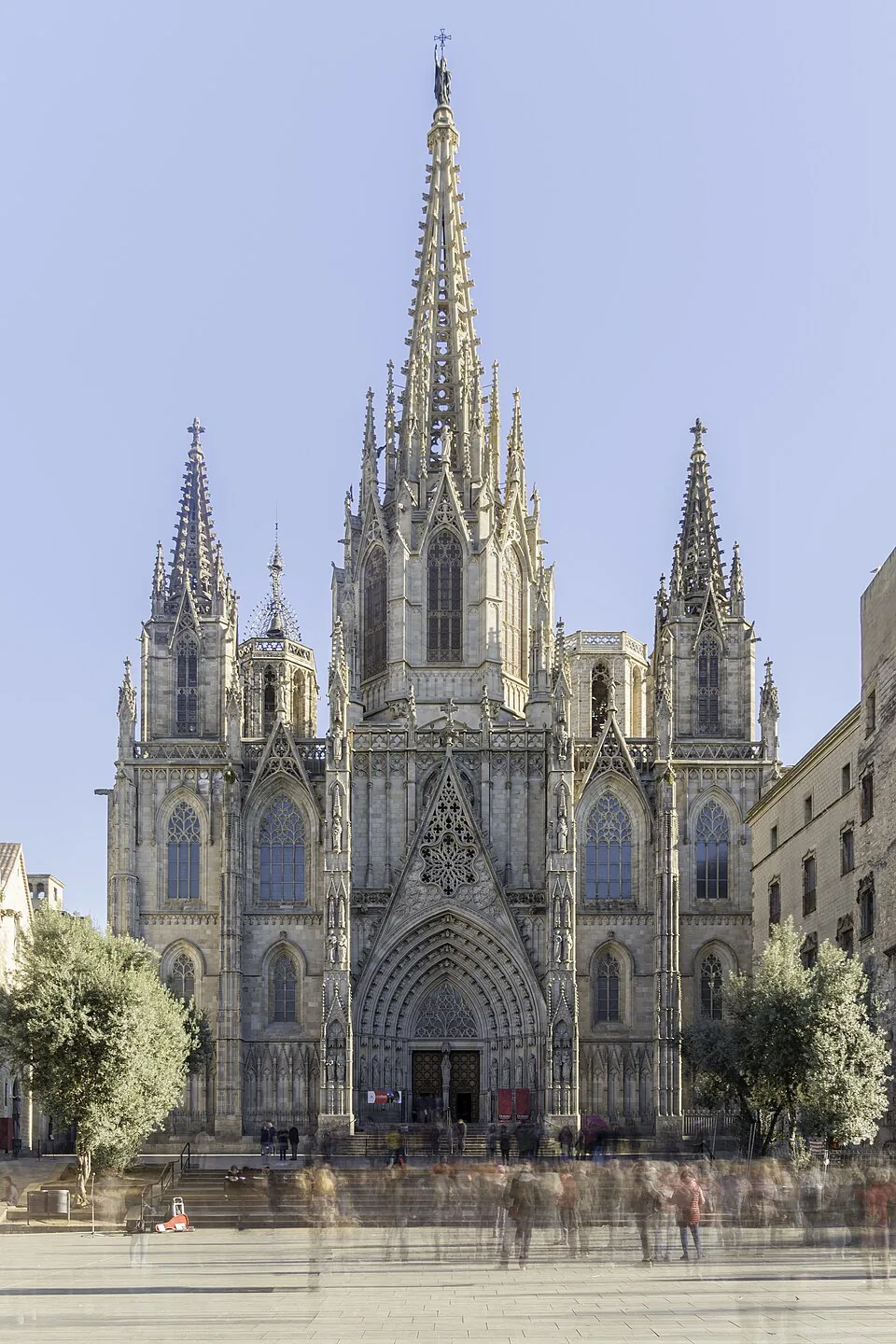
Barcelona Cathedral
Barcelona Cathedral’s Gothic structure was built over earlier Christian places of worship, and its present façade was completed centuries after the medieval church began. The result is a layered monument where the building’s age and the date of its most visible front do not match.
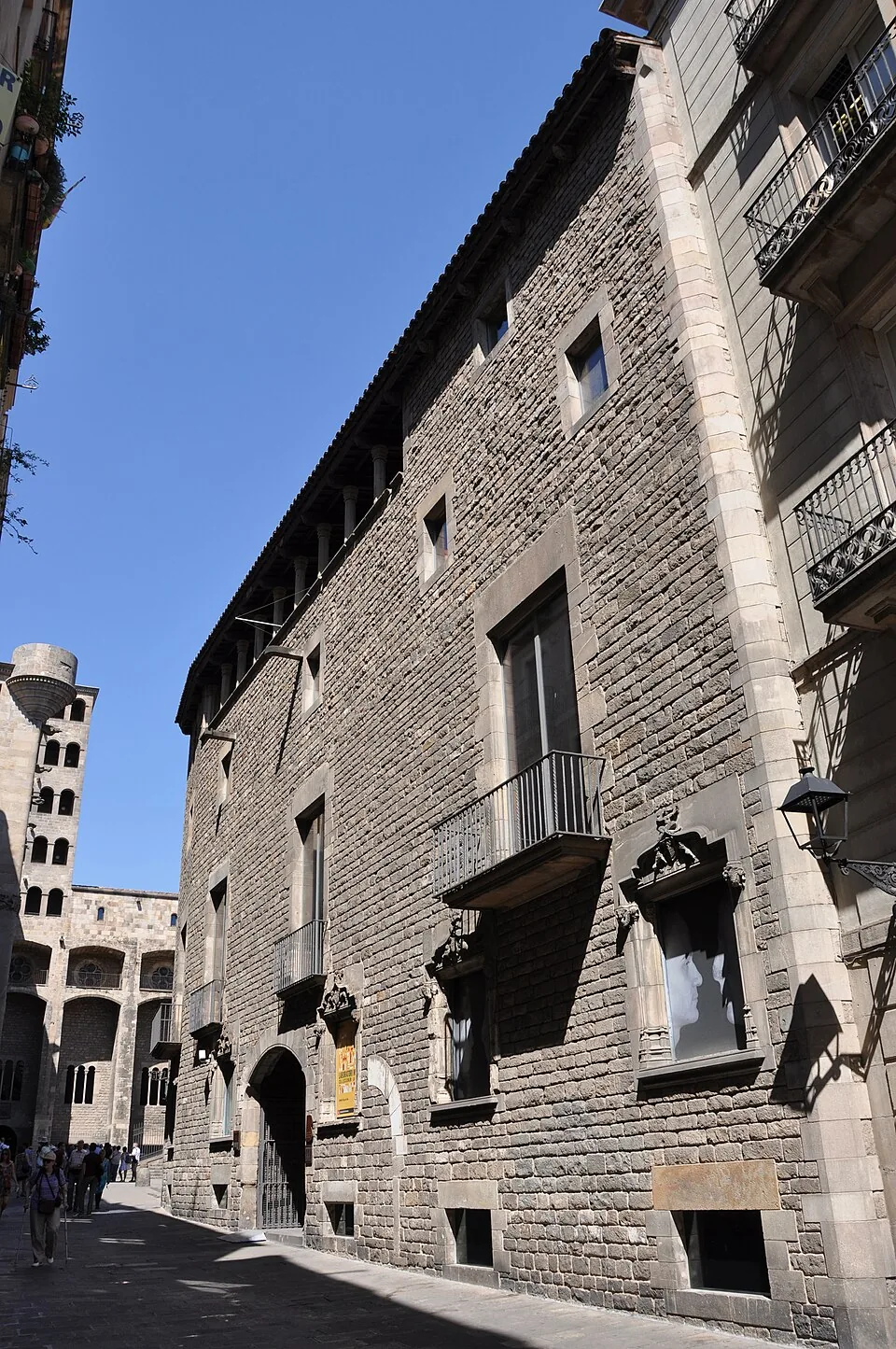
Barcelona History Museum
Barcelona History Museum at Plaça del Rei places visitors above the remains of Roman Barcino, where streets, workshops, and public buildings reveal the city’s early grid. The museum also occupies later medieval structures, making the site itself a layered exhibit of urban continuity and change.
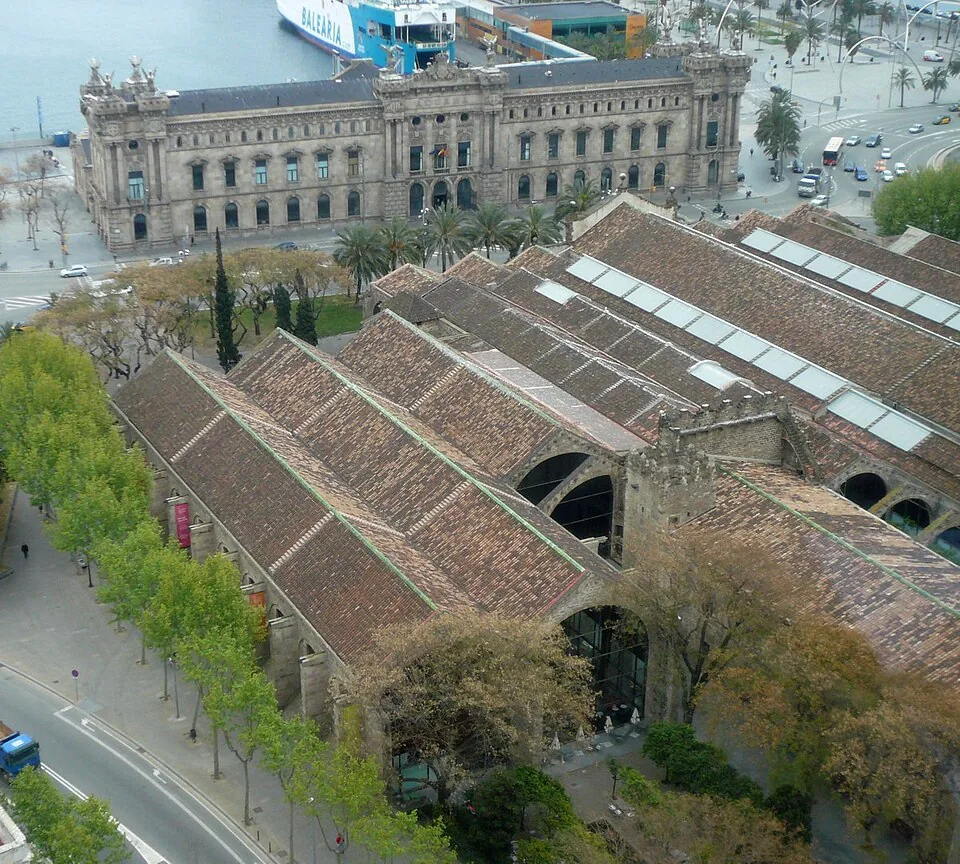
Barcelona Maritime Museum
Barcelona Maritime Museum occupies the Royal Shipyards, where galleys and other vessels were built and maintained for Mediterranean power. The broad Gothic halls are industrial spaces on a monumental scale, preserving the structure of a medieval naval arsenal while giving it a new museum role.
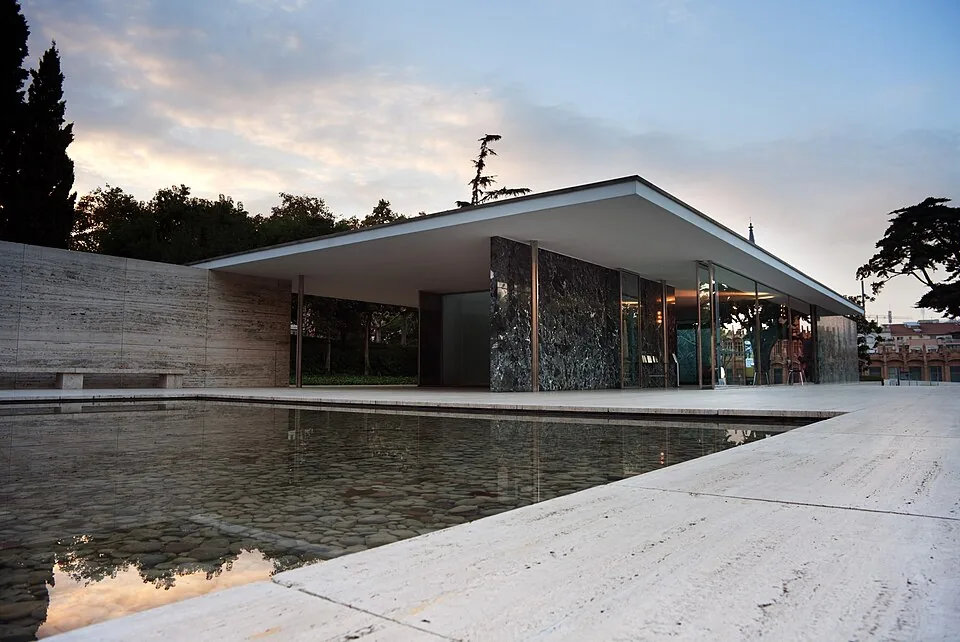
Barcelona Pavilion
The Barcelona Pavilion was built as Germany’s contribution to the 1929 International Exposition and dismantled soon afterward. Its 1986 reconstruction makes a temporary building permanently available for experiencing modern architecture’s use of material and space.