Explore locations
Browse places by name, city, country or category.
All locations
1624 locations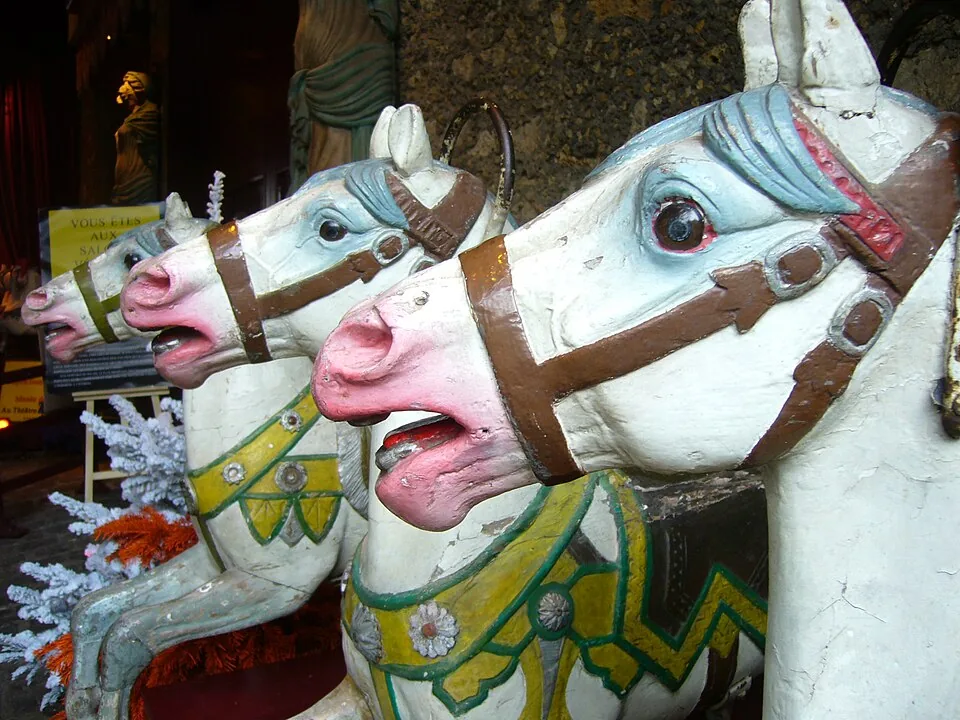
Musée des Arts Forains
Musée des Arts Forains occupies nineteenth-century wine warehouses in Paris’s Bercy district. Its collection of fairground objects and attractions preserves the material culture of popular entertainment in buildings once tied to the city’s wine trade.
Musée des Égouts de Paris
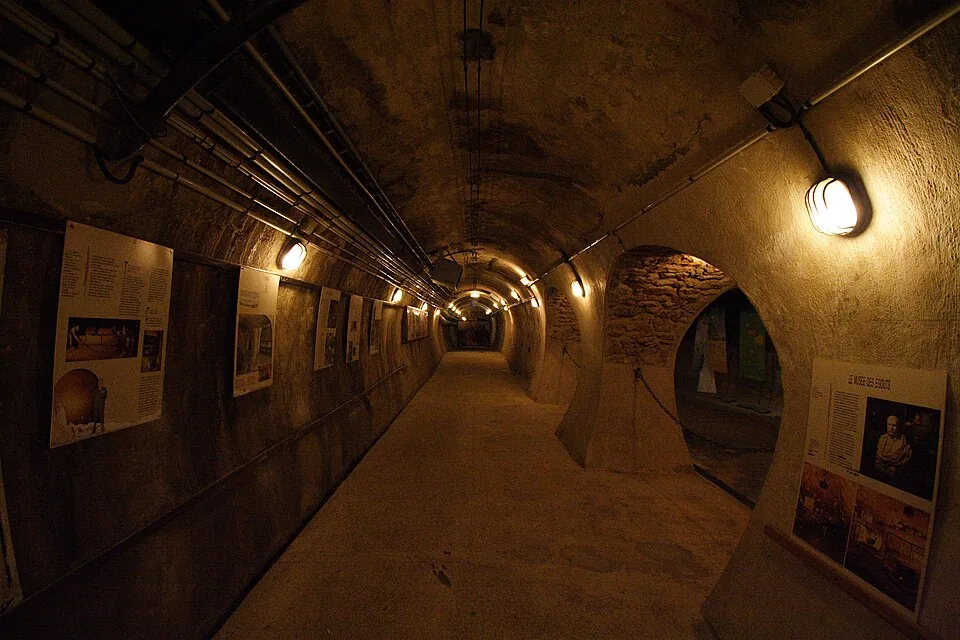
The Musée des Égouts explains the underground network that carries wastewater and stormwater beneath Paris. Its history follows engineering reforms associated with Eugène Belgrand and the transformation of sanitation into essential city infrastructure.
Musée d’Orsay
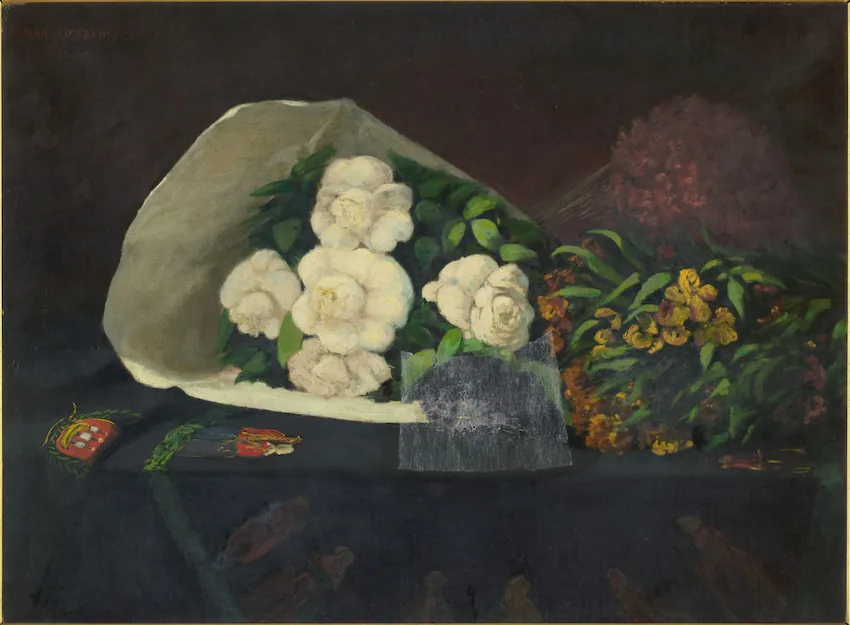
Musée d’Orsay occupies a former railway terminus built for the 1900 Exposition Universelle. Its glass-and-metal hall was adapted as a museum in 1986, making the station itself a central exhibit alongside art from 1848 to 1914.
Musée du quai Branly
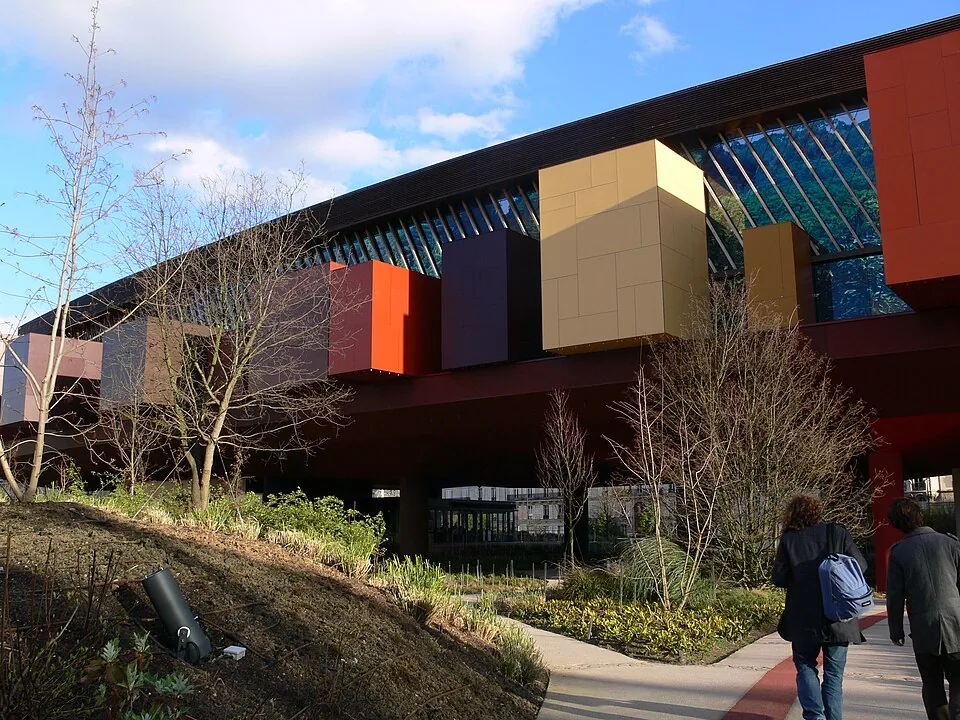
Musée du quai Branly’s elevated galleries and planted approach create a gradual transition from the Seine-side city into its collections. Jean Nouvel designed the building around objects from Africa, Asia, Oceania, and the Americas, challenging the conventions of a traditional museum façade.
Musée Marmottan Monet
The former townhouse of Paul Marmottan now holds one of the world’s most important collections of Claude Monet’s work. In this quiet sixteenth-arrondissement setting, Empire-era rooms and Impressionist canvases create an intimate encounter with the artist’s changing vision.
Musée Picasso
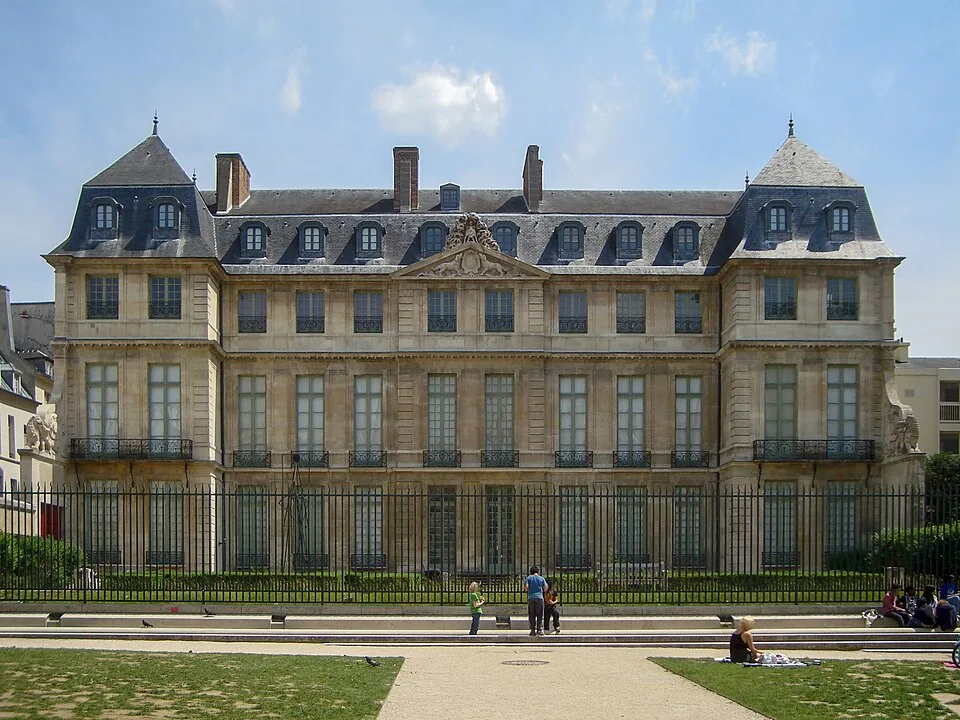
Musée Picasso occupies Hôtel Salé, a seventeenth-century mansion whose rooms now hold an unusually broad record of Picasso’s work and creative process. The museum’s collection came together through donations and state acquisitions after the artist’s death.
Musée Rodin
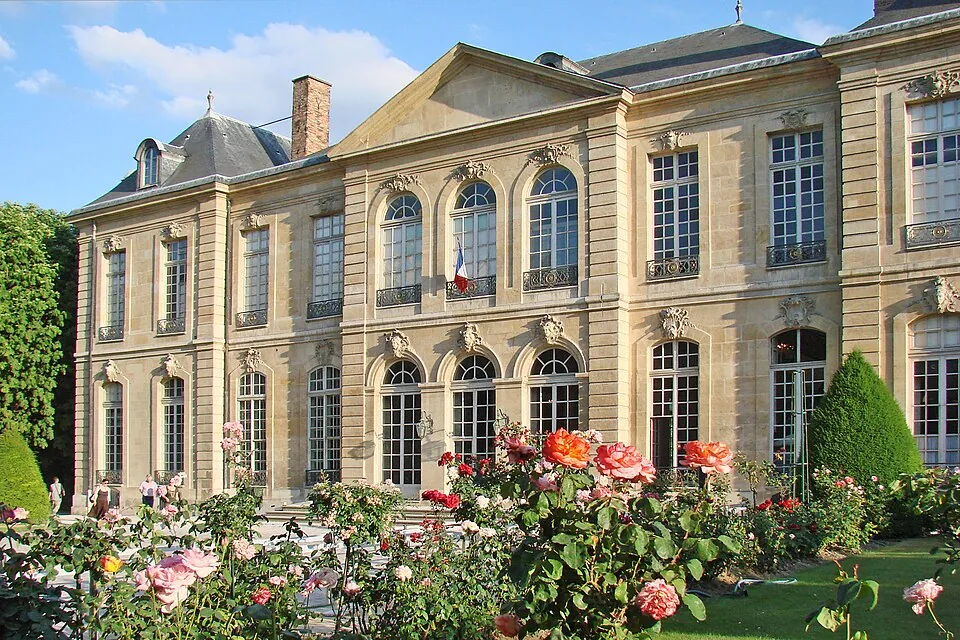
Musée Rodin brings sculpture into a former Paris mansion and its garden. The Hôtel Biron’s rooms and grounds became a museum through Rodin’s bequest to the French state, preserving the close relationship he wanted between his works and the place where they were displayed.
Museo del Novecento
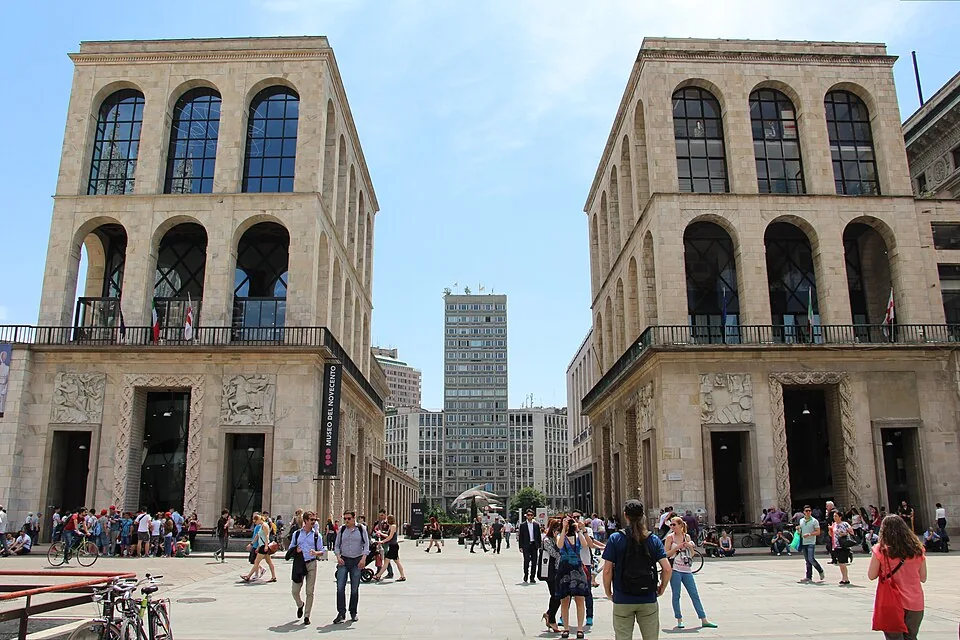
Museo del Novecento occupies the Arengario beside Milan Cathedral, placing modern Italian art in a building created during the twentieth century. Its collection was assembled through civic donations and acquisitions before finding a permanent home in the city center.
Museo del Romanticismo
Museo del Romanticismo presents nineteenth-century life through the rooms of an eighteenth-century Madrid mansion. Its collection and domestic setting connect the Romantic movement with the tastes, habits, and interiors of the bourgeoisie during Isabella II’s reign.
Museum für Naturkunde
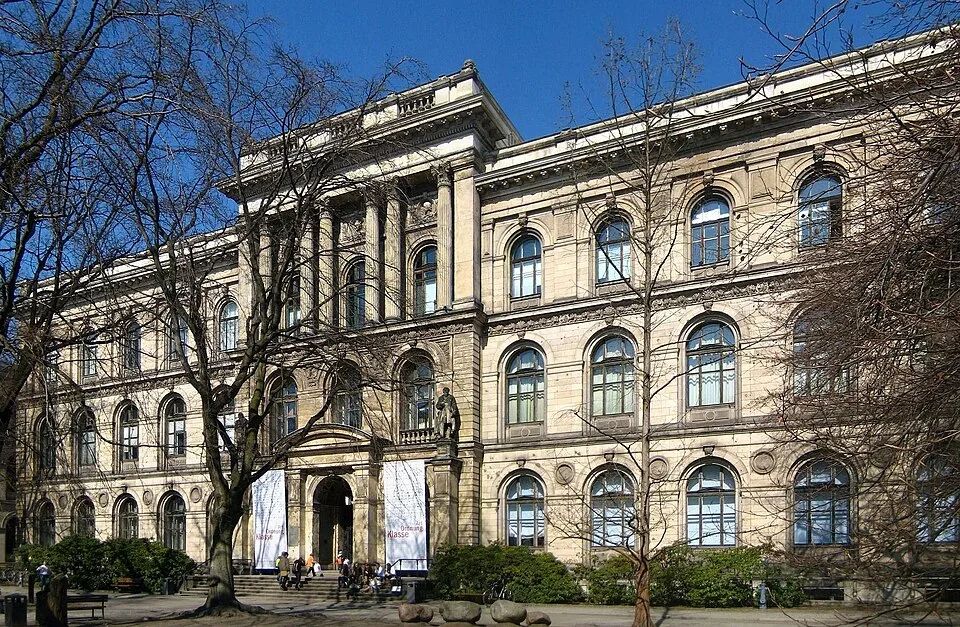
Museum für Naturkunde combines natural history collections with active scientific research. Its historic galleries include internationally known fossils, while the institution’s wider holdings preserve millions of specimens used to study biodiversity and the history of life.
Museum Het Schip
Museum Het Schip occupies an expressionist social-housing block designed by Michel de Klerk for the housing association Eigen Haard. Its sculpted brickwork and curved forms make workers’ housing a deliberate architectural statement rather than anonymous rows.
Museum Island
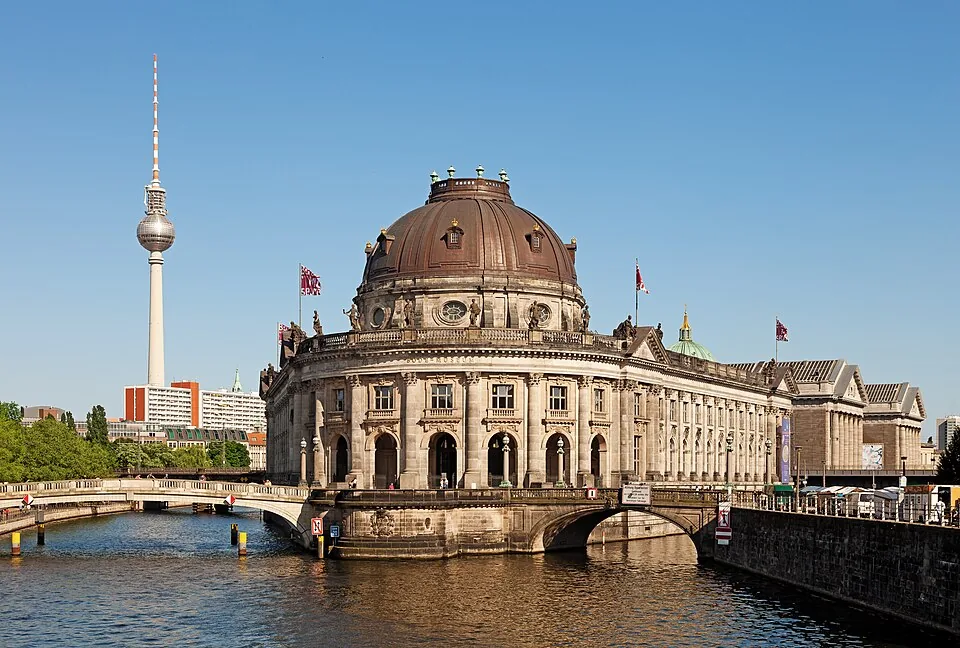
Museum Island gathers five major museums in a compact cultural landscape on the Spree. Built between 1824 and 1930, the ensemble shows changing ideas about public museums, architecture, and the presentation of civilizations across time.
Museum “Jews in Latvia”
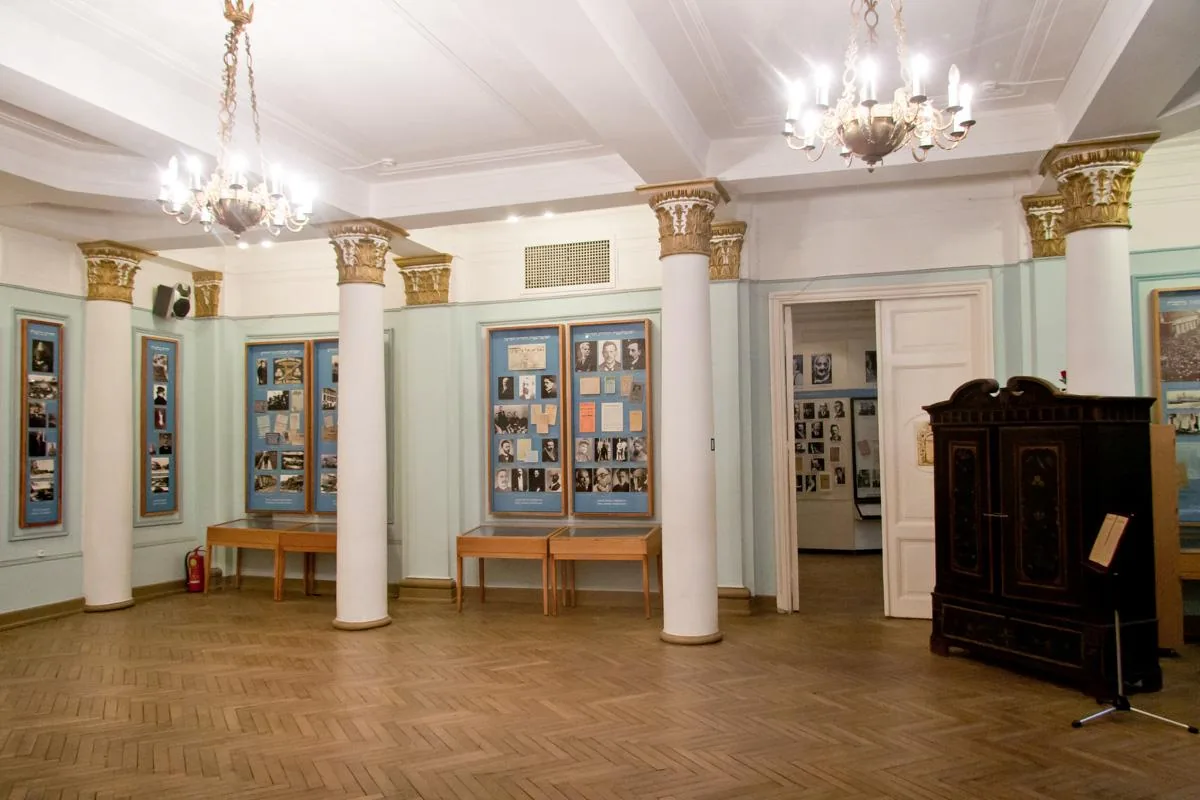
The Museum “Jews in Latvia” documents Jewish life, culture and the Holocaust in Latvia. Founded by survivors in 1989, it is housed in the Riga Jewish Community building on Skolas Street.
Museum Kimchikan
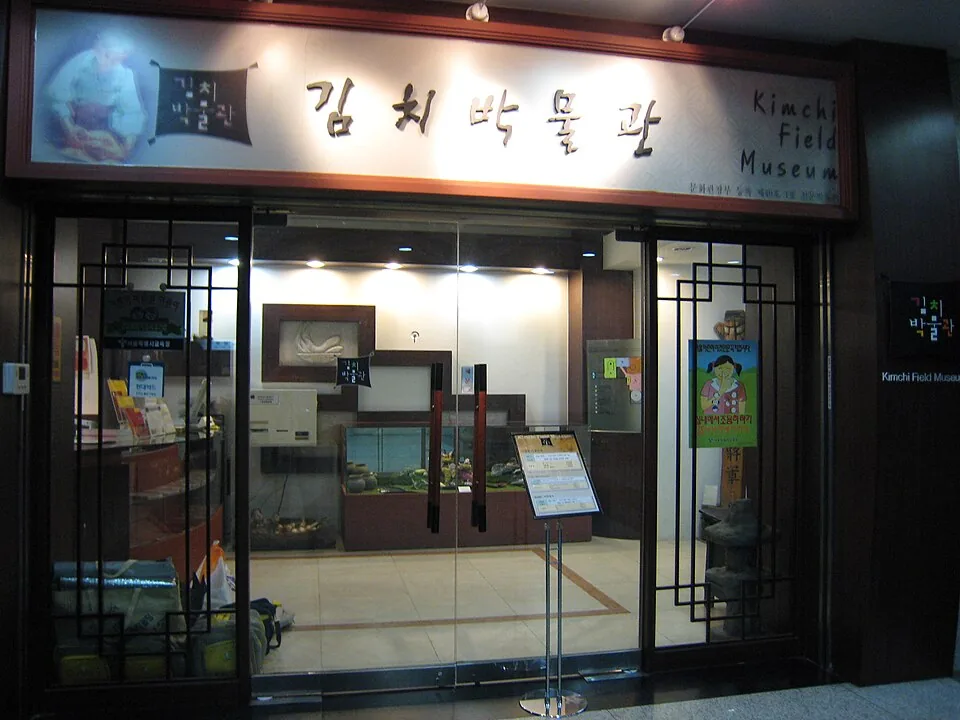
Museum Kimchikan explores kimchi through its history, fermentation, regional varieties, and place in Korean food culture. Its current home in Insadong continues a museum project first established in Seoul in 1986.

MuseumLV Gallery
MuseumLV is a contemporary art gallery at Andreja Pumpura iela 2 in Riga, where exhibitions and cultural events present work by Latvian artists in changing programmes.
Museum of Ancient Baltic Jewellery
Jewellers Inita and Vitauts Straupe’s small museum and gallery on Grēcinieku Street explore Baltic jewellery through historical forms, reproductions and contemporary designs, bringing research and craftsmanship together in Old Riga.
Museum of Decorative Arts and Design
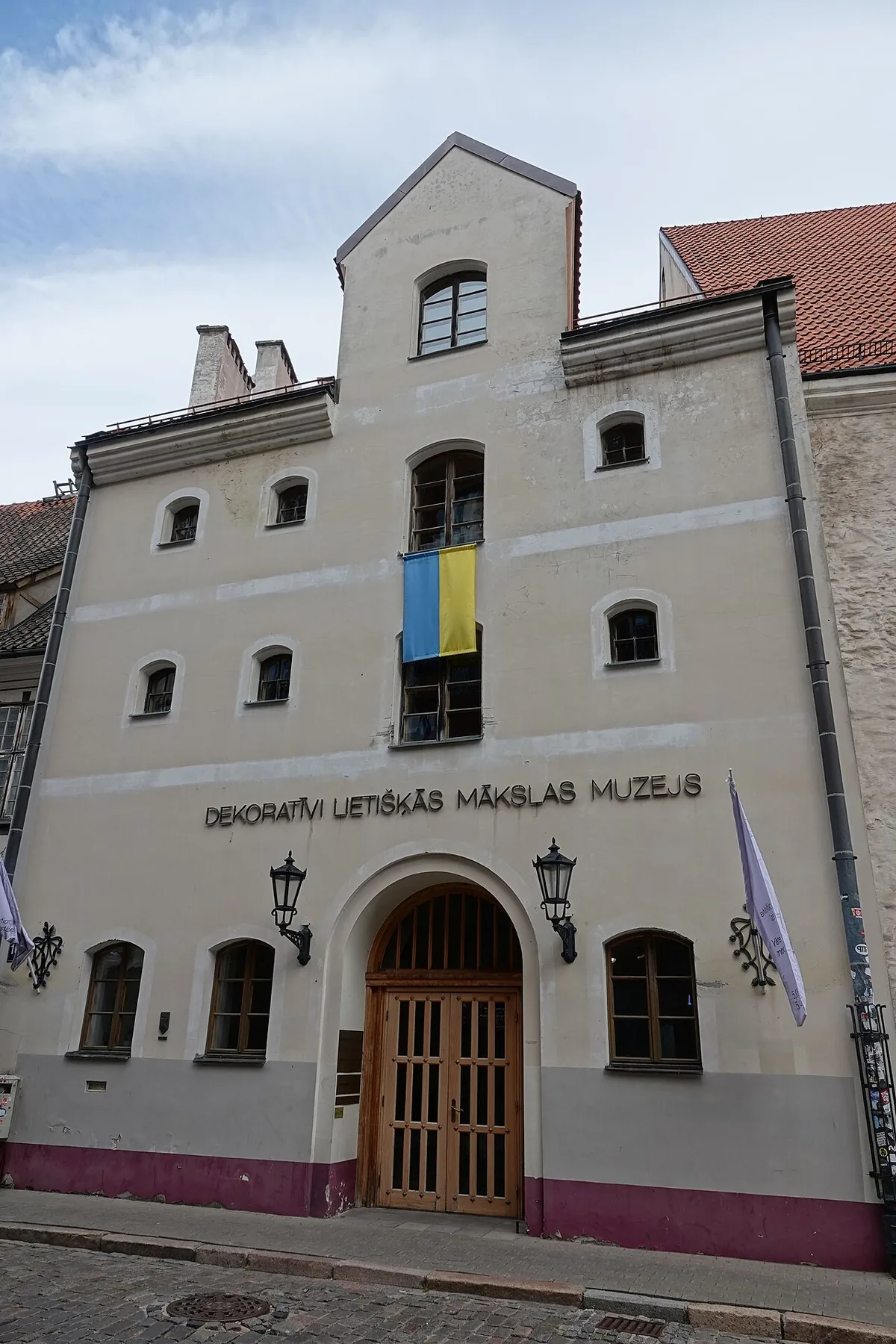
Riga’s Museum of Decorative Arts and Design occupies the former St George’s Church. Its medieval masonry and seventeenth-century warehouse timbers frame Latvian decorative arts and design from the late nineteenth century onward.
Museum of Illusions Dubai
In the Heritage Area beside Dubai Creek, this museum turns perception into something visitors can test with their own eyes. Interactive rooms, perspective tricks, and optical displays reveal how easily the brain builds a confident picture from incomplete visual cues.
Museum of Innocence
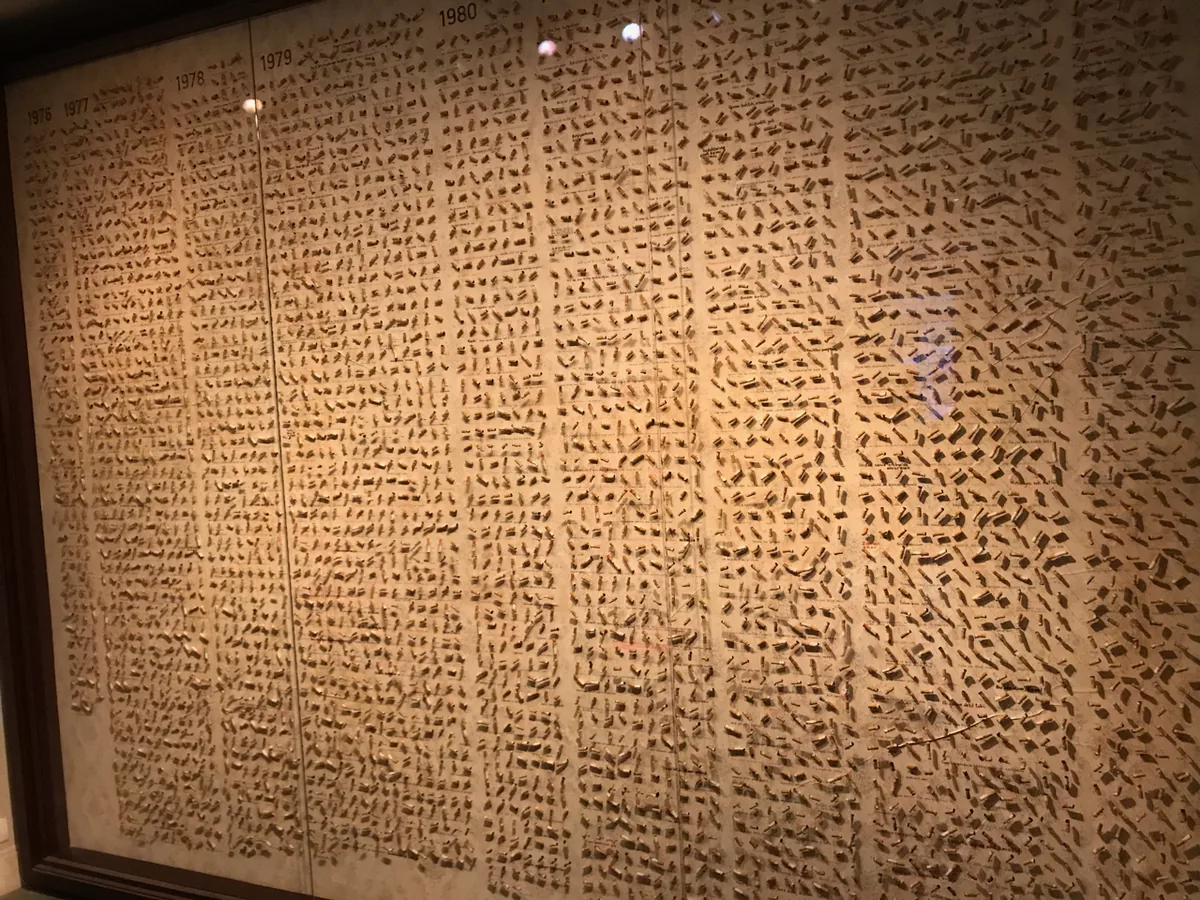
The Museum of Innocence turns a novel into a collection of everyday objects. Orhan Pamuk conceived the book and museum together, arranging objects associated with the characters so that fiction and Istanbul’s material culture illuminate each other.
Museum of Jurassic Technology
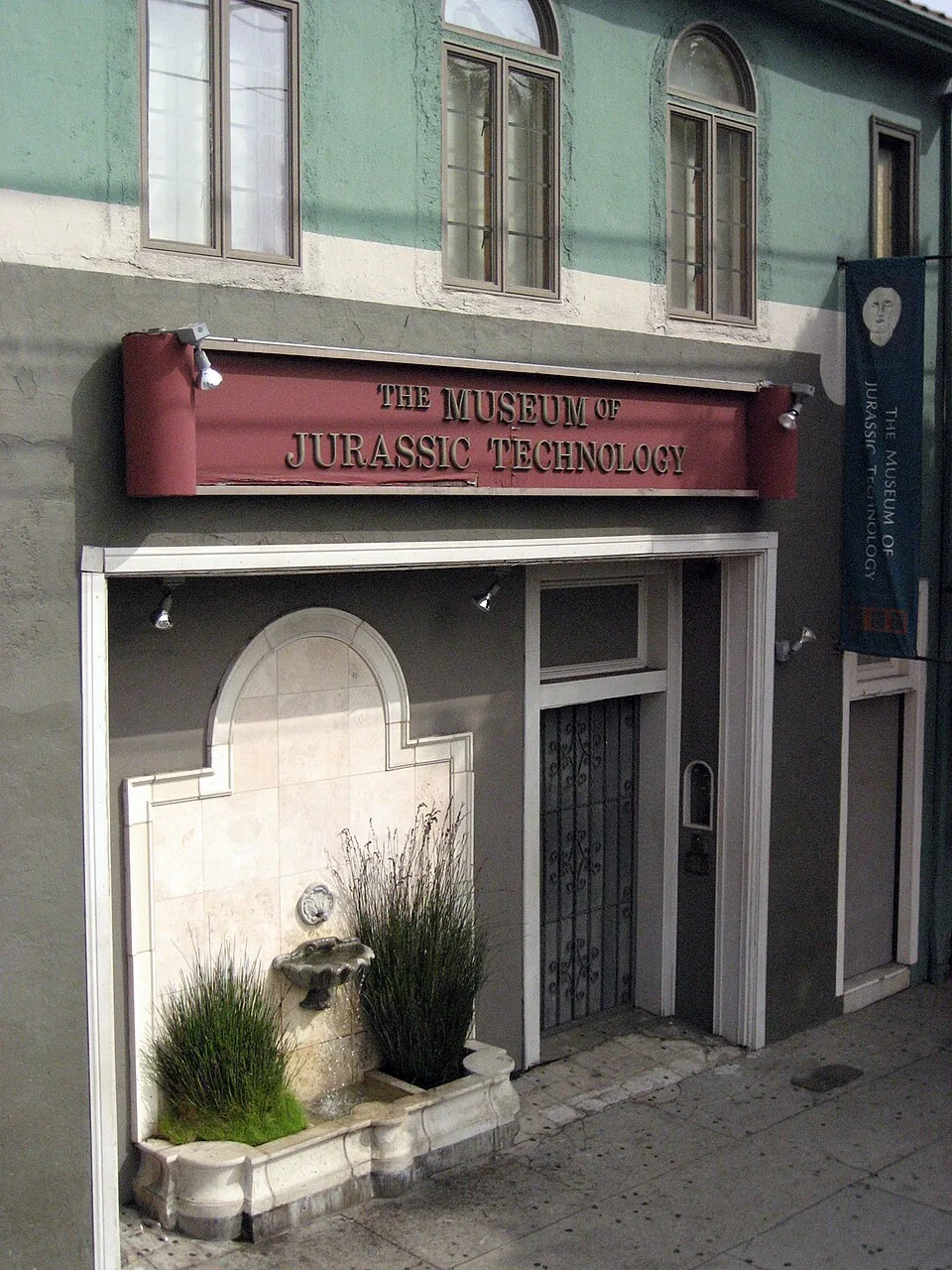
The Museum of Jurassic Technology presents objects and displays in a deliberately unusual natural and cultural history setting. Its galleries invite close looking and careful reading, while the institution’s own framing leaves visitors to consider how museums build authority, curiosity, and belief a
Museum of the Americas
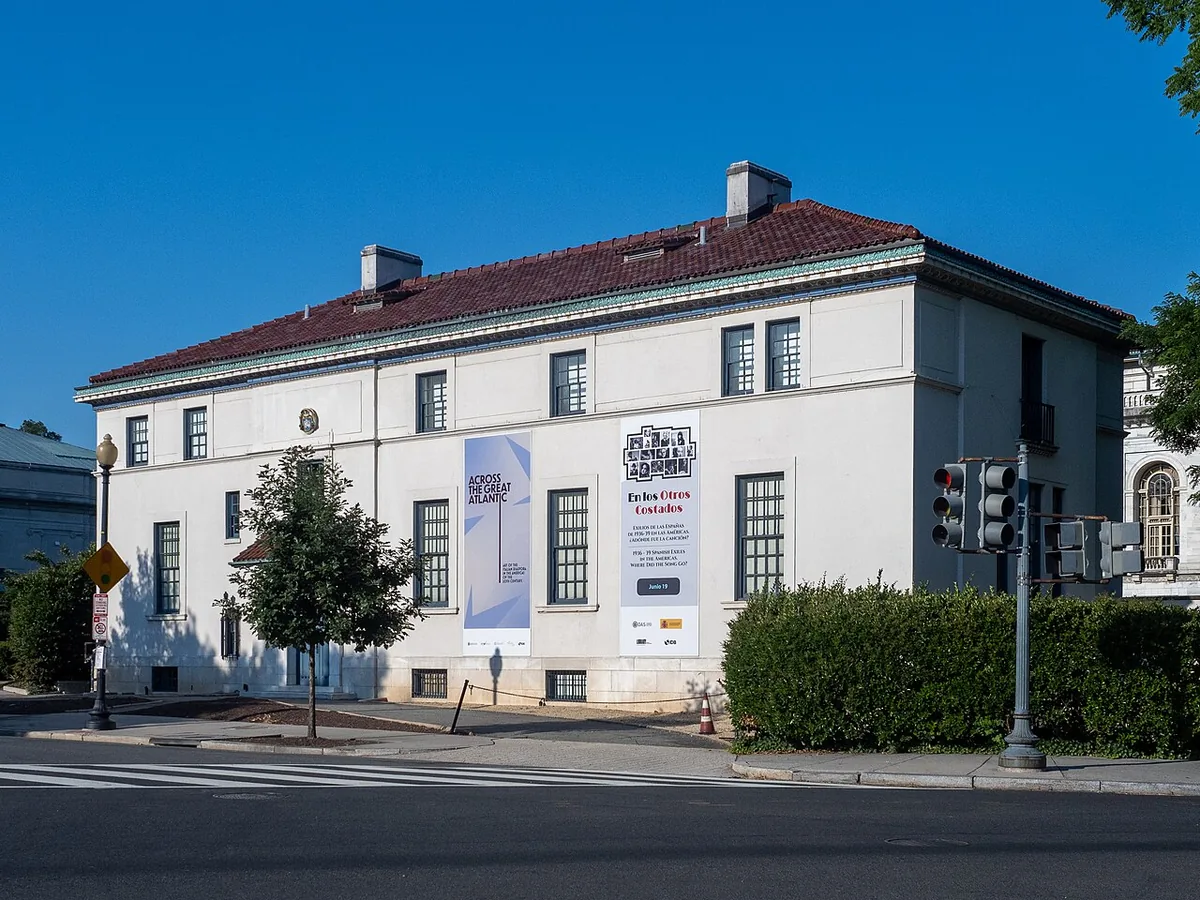
The Museum of the Americas grew from royal collecting traditions that began with Madrid’s eighteenth-century Cabinet of Natural History. Its collections span many times and communities, making the museum a place to consider how objects travel and how institutions frame the histories of the Americas.
Museum of the City of New York
The Museum of the City of New York occupies a Georgian Colonial Revival building at the top of Museum Mile. Its collections trace the city through objects, photographs, design and performance, turning a single institution into a portrait of urban life.
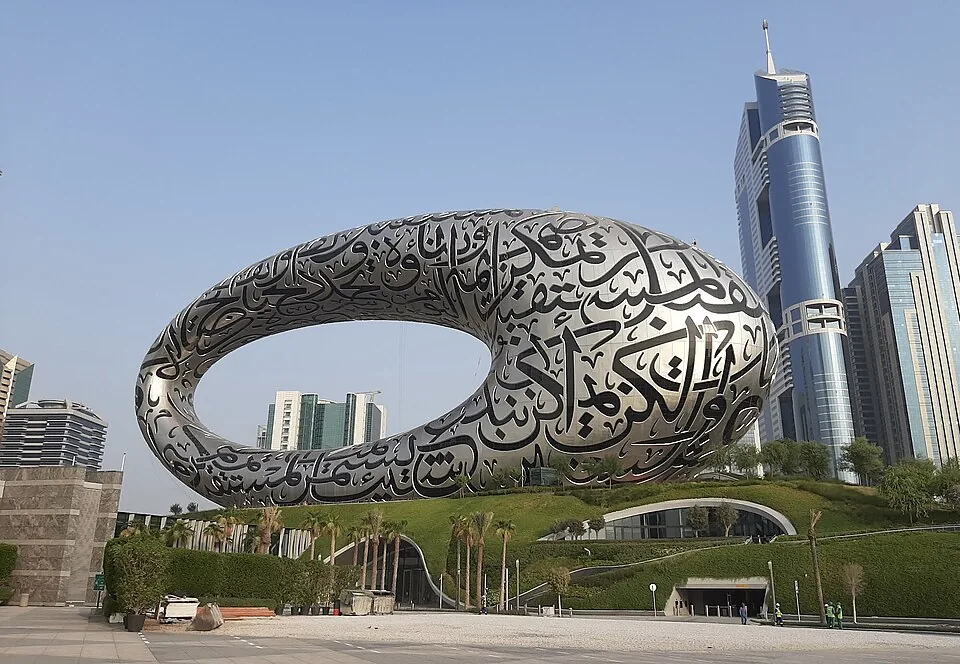
Museum of the Future
The Museum of the Future turns Arabic calligraphy into part of its stainless-steel façade. Its torus-like form, designed by Killa Design, is arranged around a void that the institution describes as representing the unknown future.
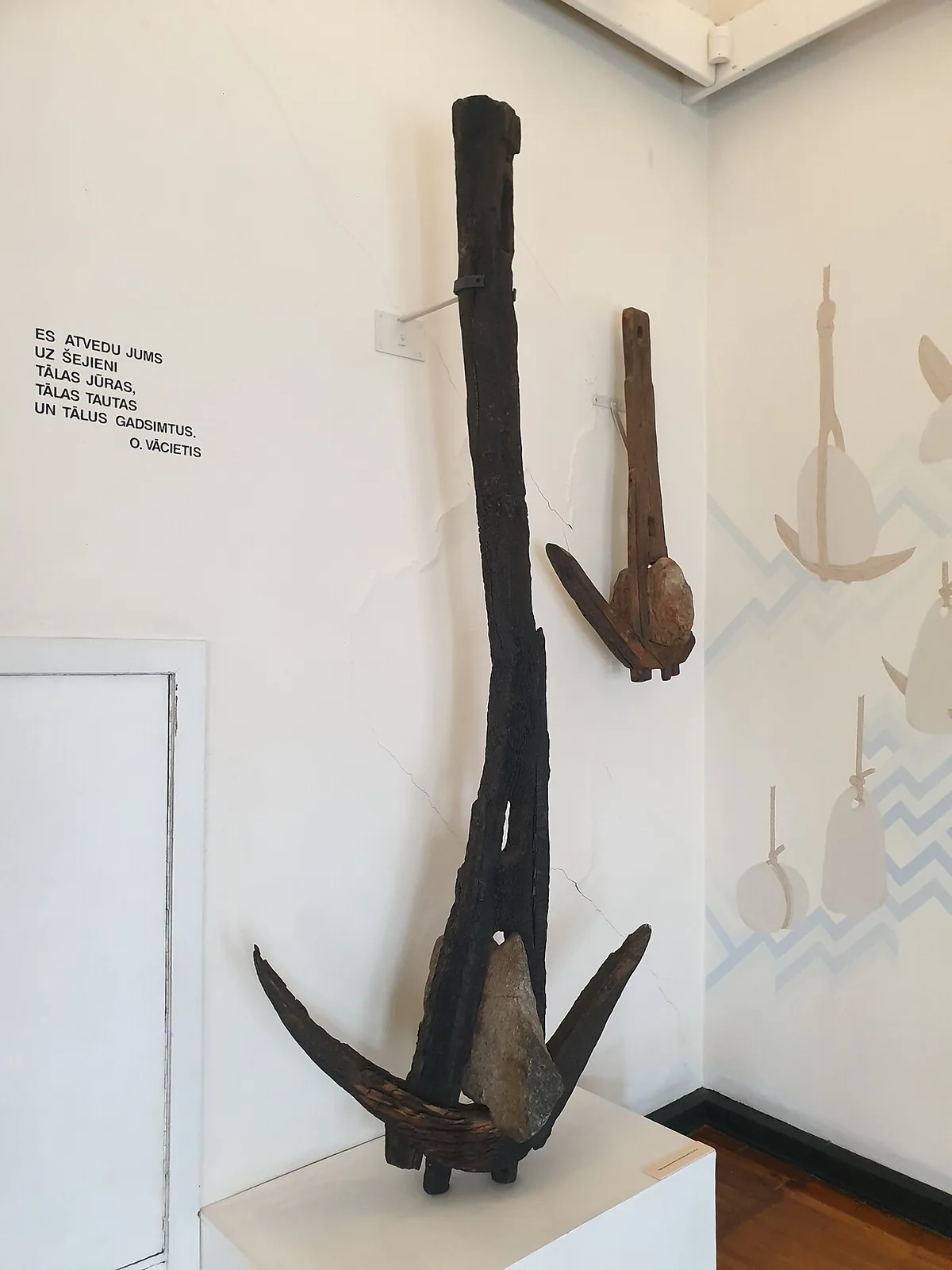
Museum of the History of Riga and Navigation
In Riga’s cathedral complex, the Museum of the History of Riga and Navigation traces the city and its maritime connections through artefacts, ship models and personal records. Its roots lie in a collection donated to the city in 1773.