Explore locations
Browse places by name, city, country or category.
All locations
1624 locations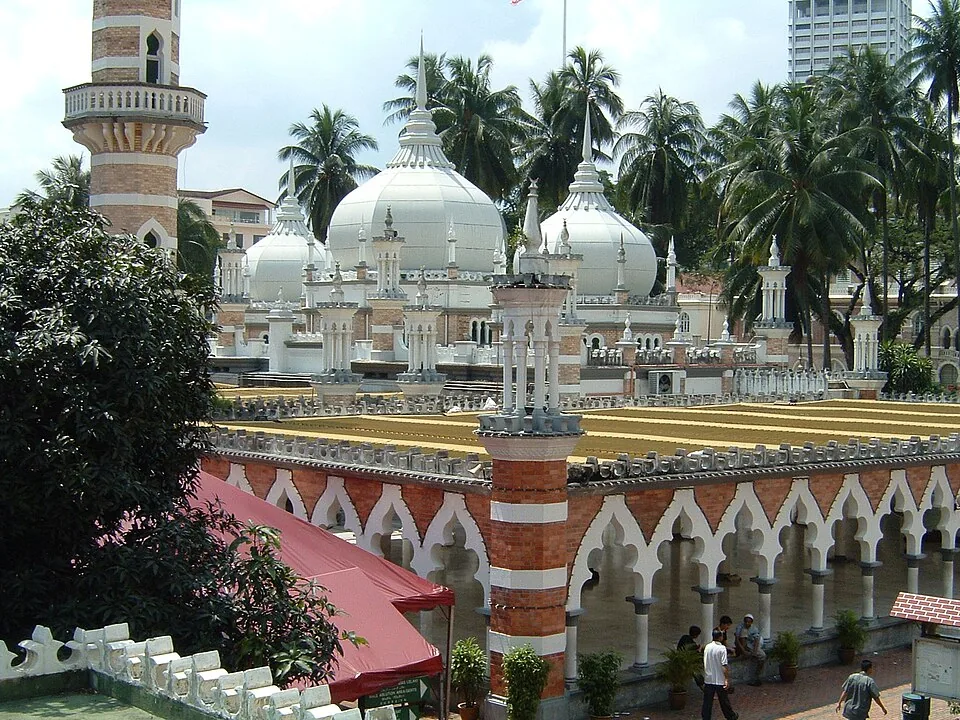
Masjid Jamek
Masjid Jamek stands where the Klang and Gombak rivers meet, in the landscape associated with Kuala Lumpur’s beginnings. Its domes, arcades, and banded minarets place an active mosque within the city’s oldest civic core.
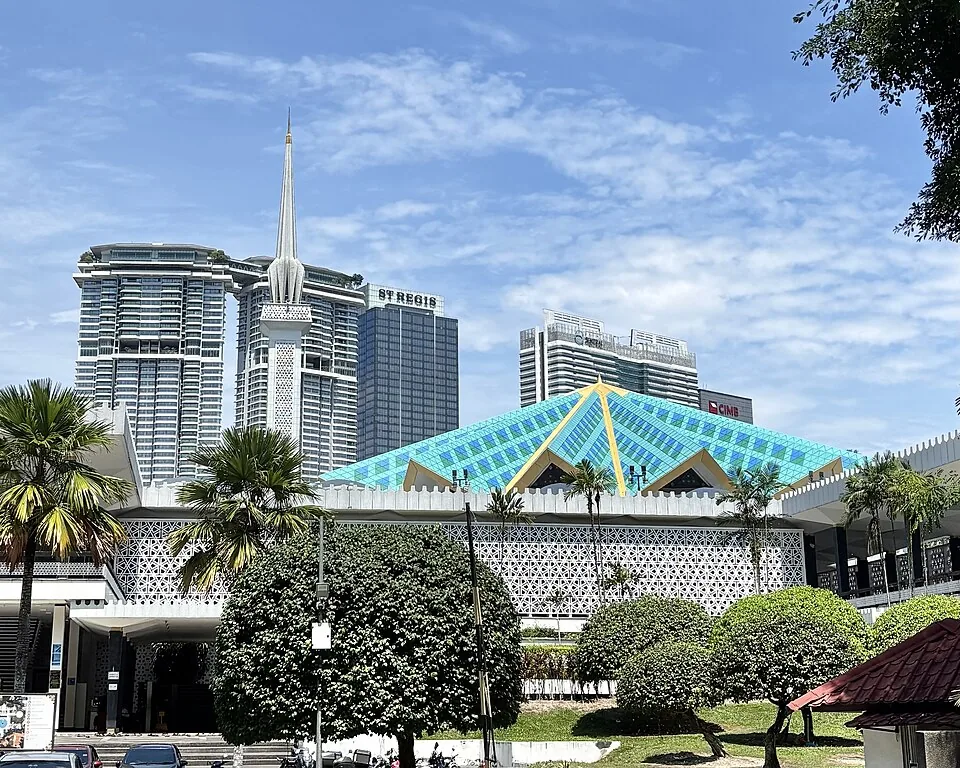
Masjid Negara
Masjid Negara’s broad, folded roof rises like an open umbrella above the city’s National Mosque. Completed in 1965 as a marker of independence, the modern form draws on local and Malay design references, offering a distinct alternative to older domed mosque architecture.
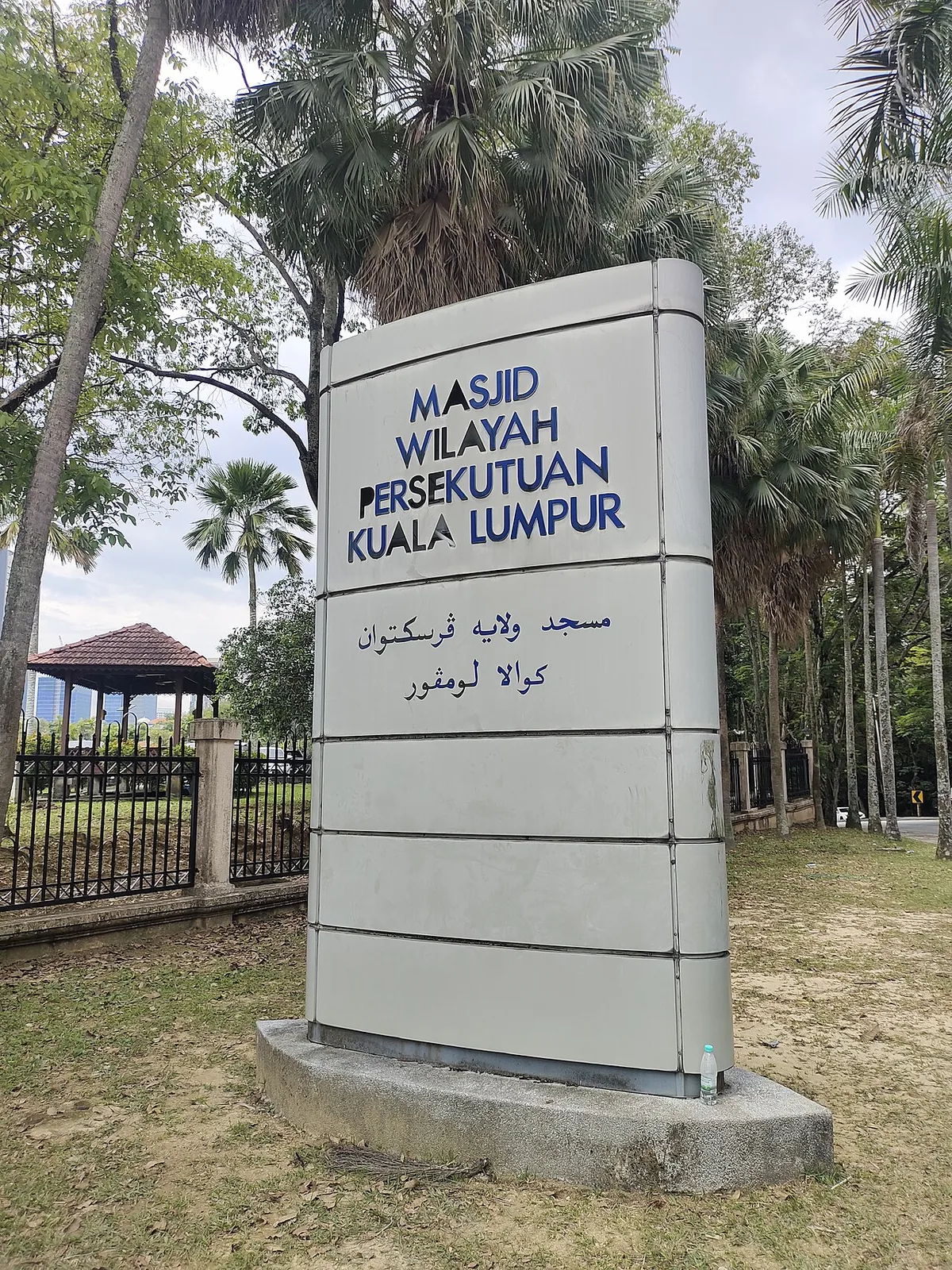
Masjid Wilayah Persekutuan
A broad roofline and layered domes rise above the green edge of Kuala Lumpur. The Federal Territory Mosque turns its garden setting into part of the architecture, while its mixture of Malay and West Asian forms reflects a modern Malaysian design language.
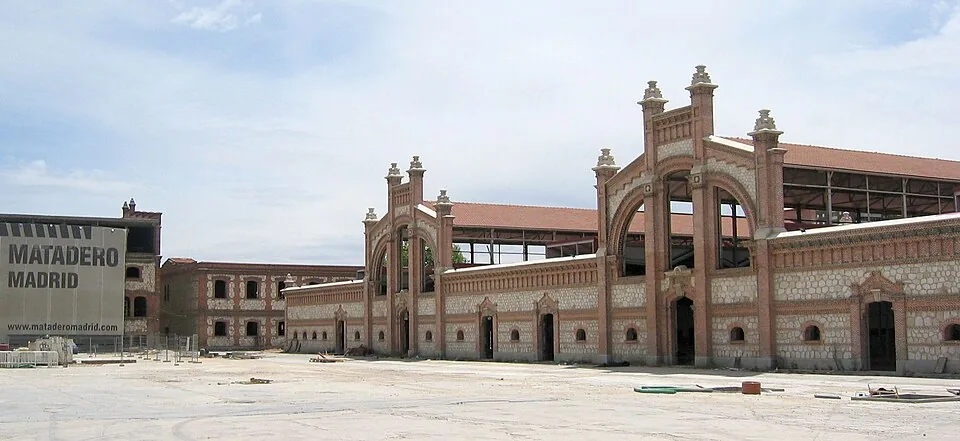
Matadero Madrid
Matadero Madrid’s brick halls began as part of the city’s municipal slaughterhouse and livestock market. Their industrial scale now serves contemporary culture, making the site’s reuse visible: working infrastructure has become a place for exhibitions, performances, and public exchange.
Matsuo-taisha
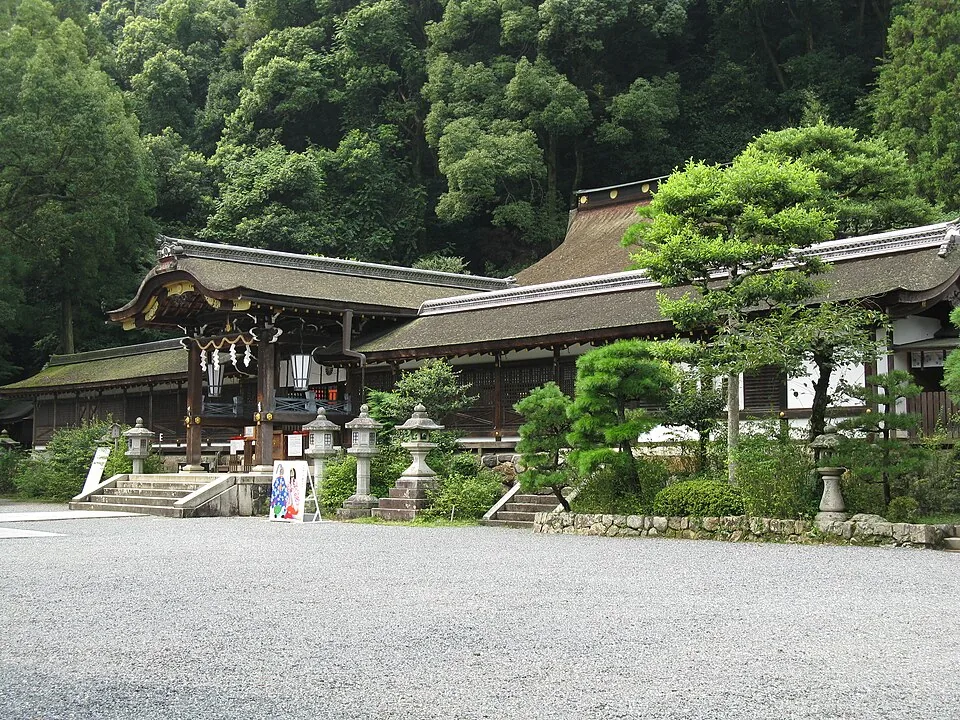
Matsuo-taisha Shrine’s historic buildings and gardens sit near the western edge of Kyoto, where mountain water and rice-growing traditions inform its worship. It is especially associated with sake producers, who pray for prosperity and good brewing.
Mauerpark
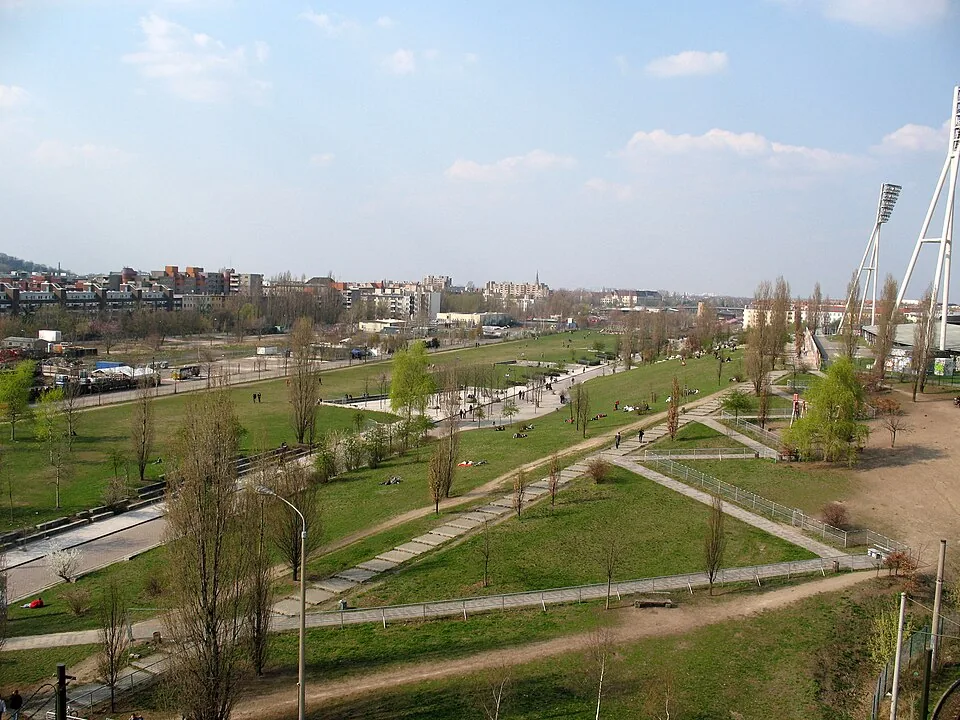
Mauerpark turns a former Berlin Wall border strip into a public green corridor. A surviving section of security wall and the park’s open layout show how a place once designed to prevent crossing became a shared link between Prenzlauer Berg and Wedding.
MAXXI
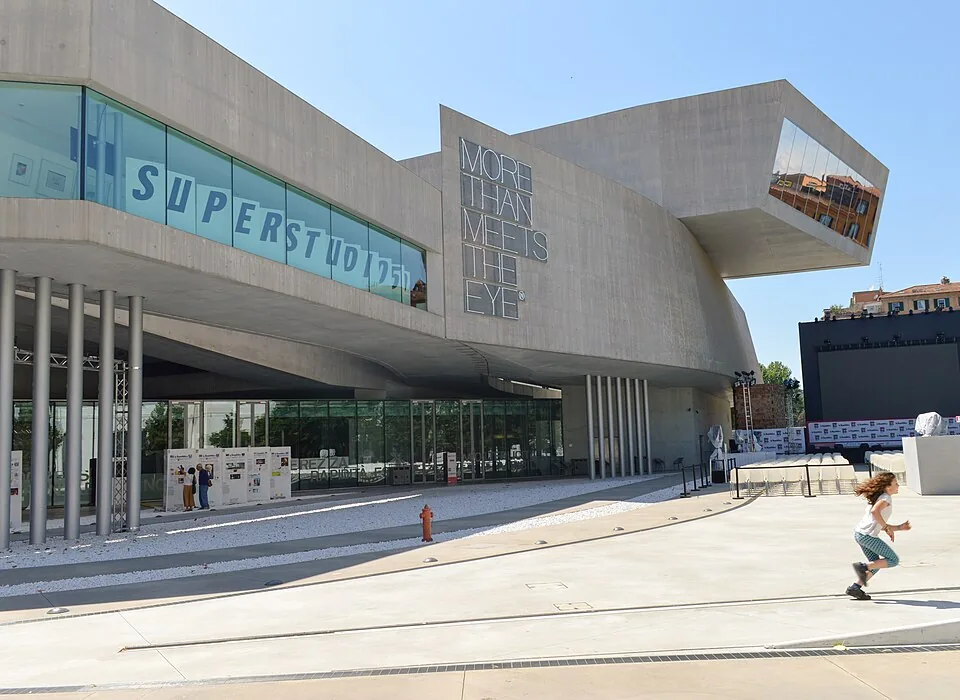
MAXXI’s looping walls and interwoven levels make the museum feel like a route through a landscape rather than a sequence of rooms. Zaha Hadid’s design integrates public spaces and galleries into an urban campus for contemporary art and architecture.
MAXXI Museum
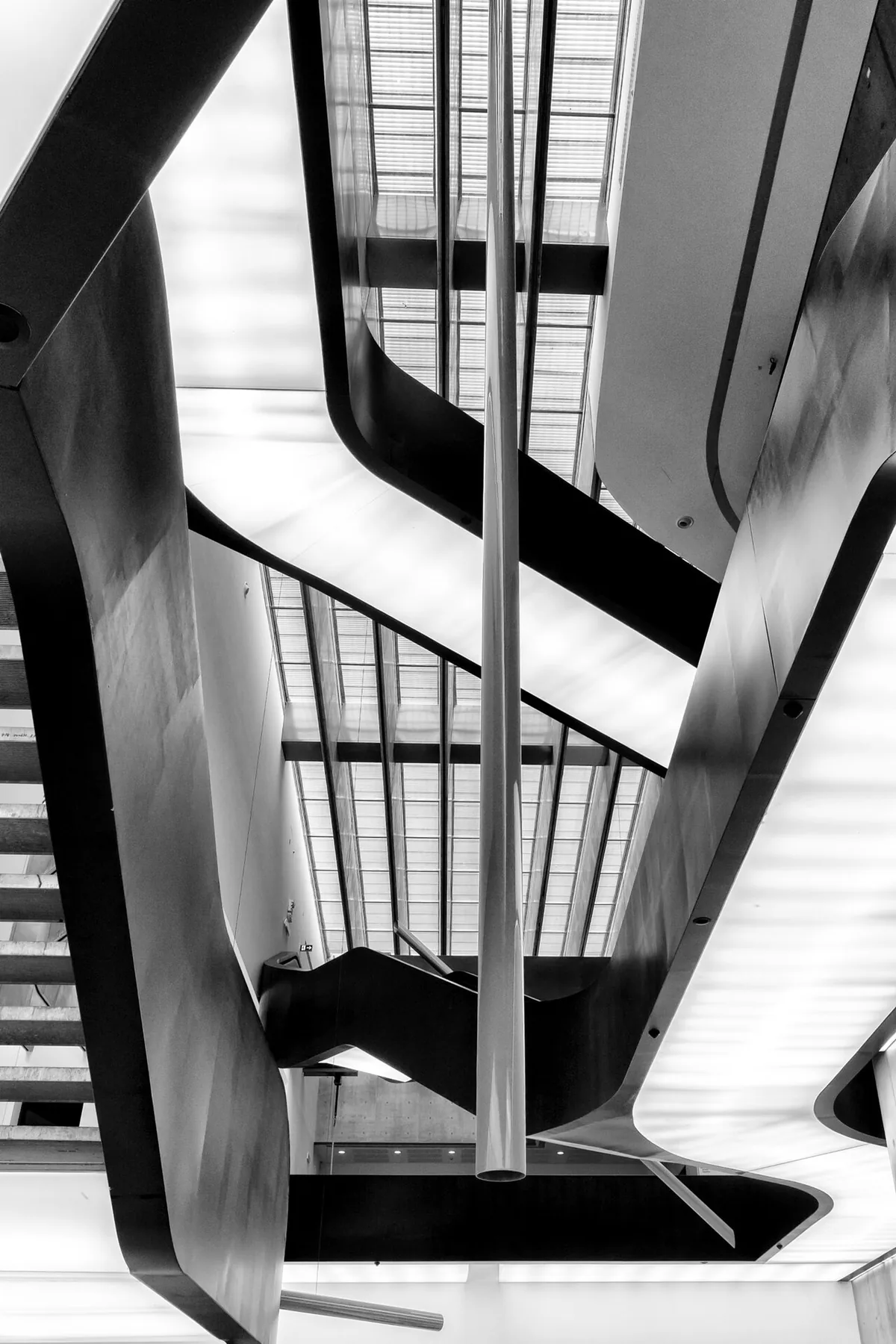
MAXXI’s curving galleries and intersecting levels make the museum feel like an urban route rather than a single monumental box. Zaha Hadid’s design responds to a former military site with a sequence of public spaces that invite visitors to move through contemporary art and architecture.
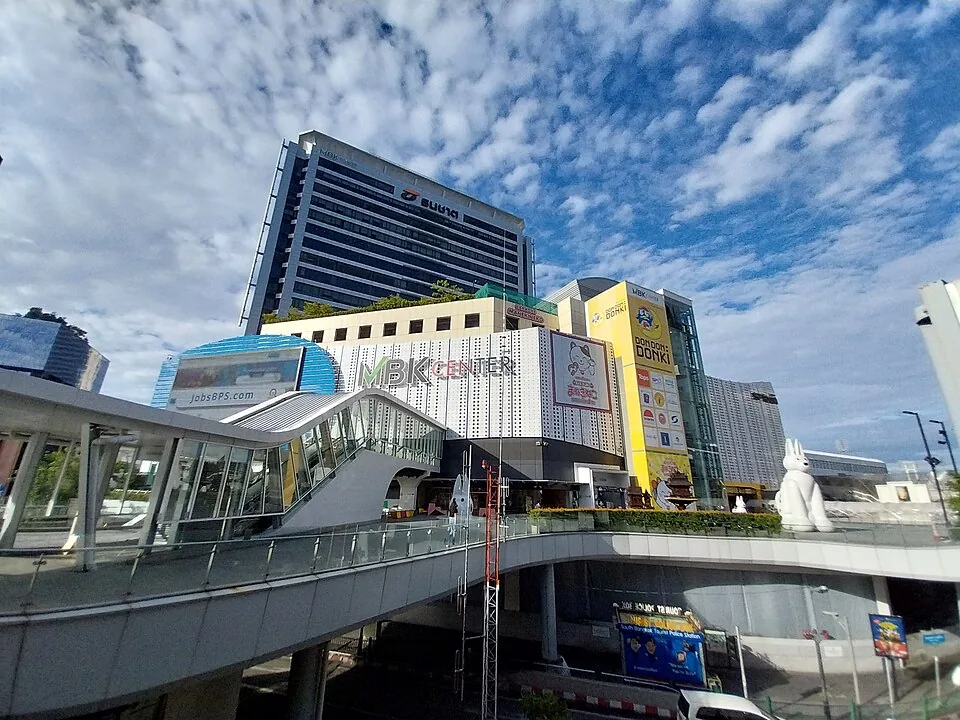
MBK Center
MBK Center is a large Bangkok shopping complex linked to the city’s transit and university district. Its mix of retail, services, and everyday errands shows how a mall can function as a public meeting point as well as a commercial destination.
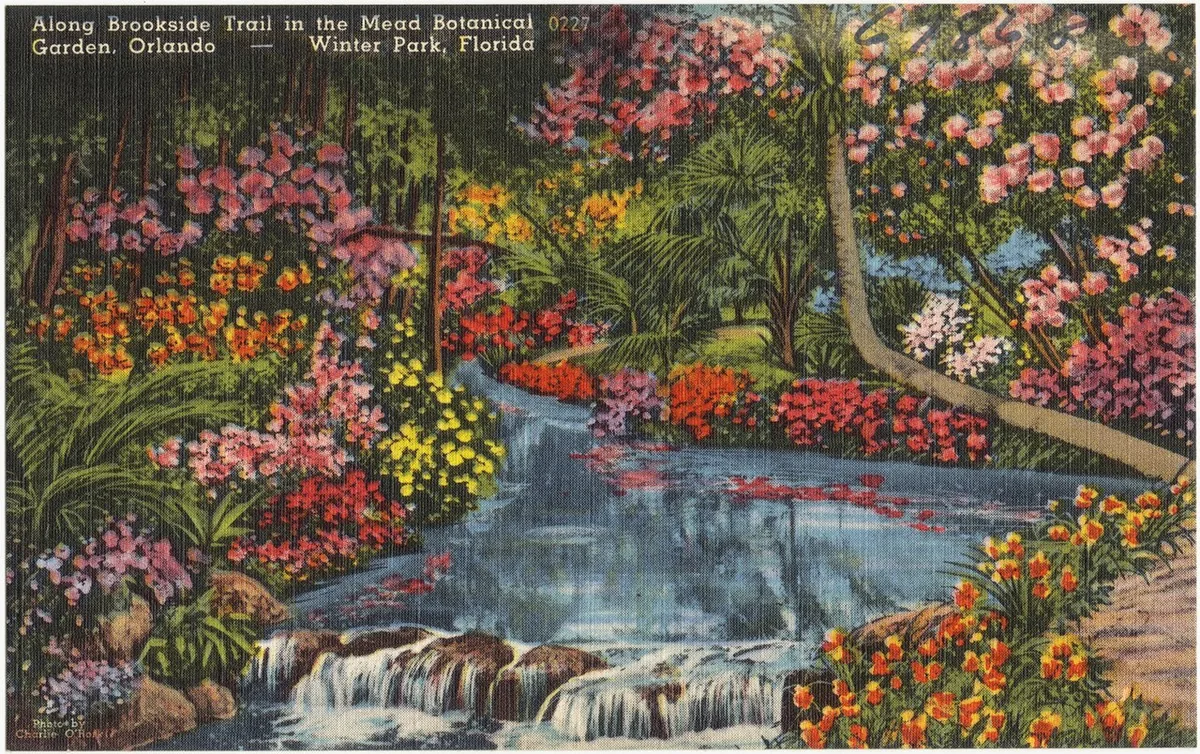
Mead Botanical Garden
Mead Botanical Garden occupies wetlands and upland hammocks in Winter Park, with streams, ponds, and native habitat among its paths. Dedicated in 1940, it was created to honor horticulturist Theodore L. Mead and house his orchid collection.
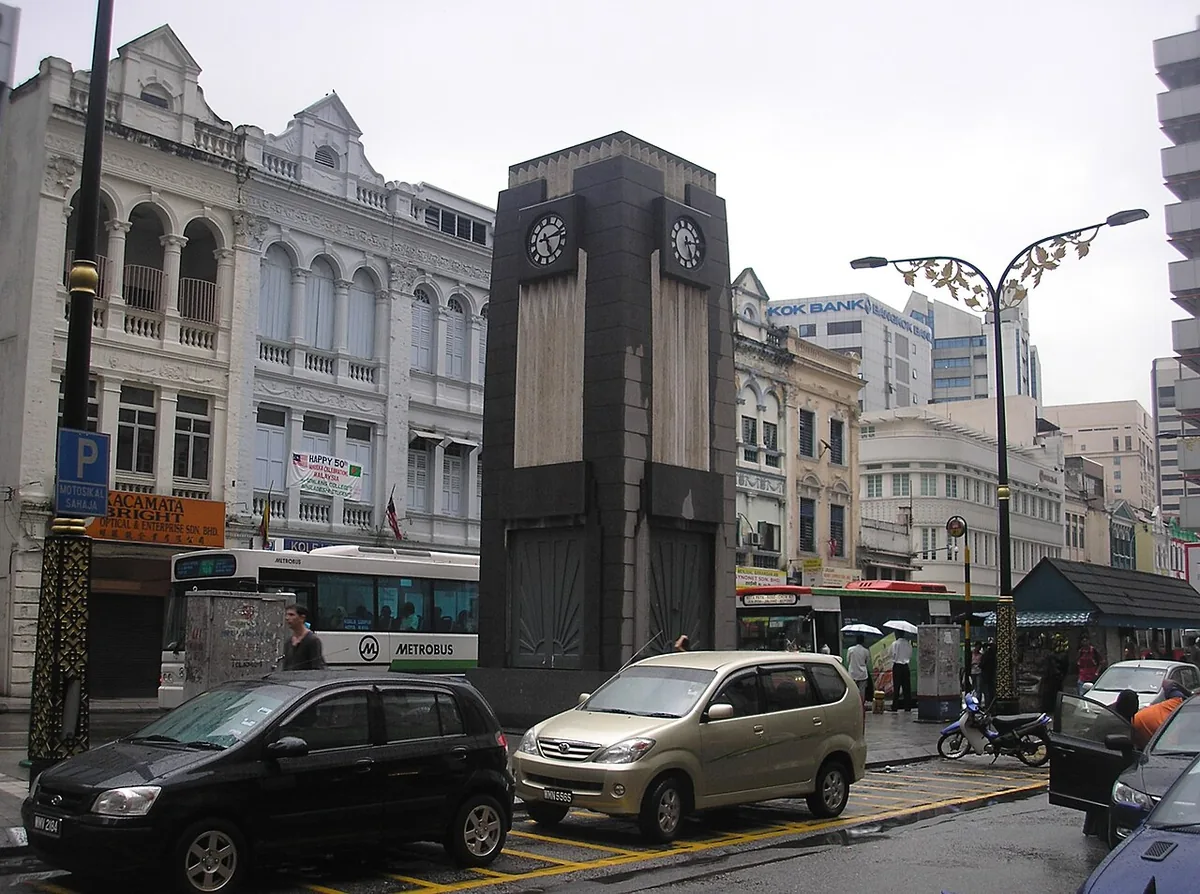
Medan Pasar
Medan Pasar, or Market Square, is one of Kuala Lumpur’s early commercial centers near the Klang River. Its clock tower and surrounding historic shophouses preserve the pattern of trade and civic life that helped the settlement become a city.
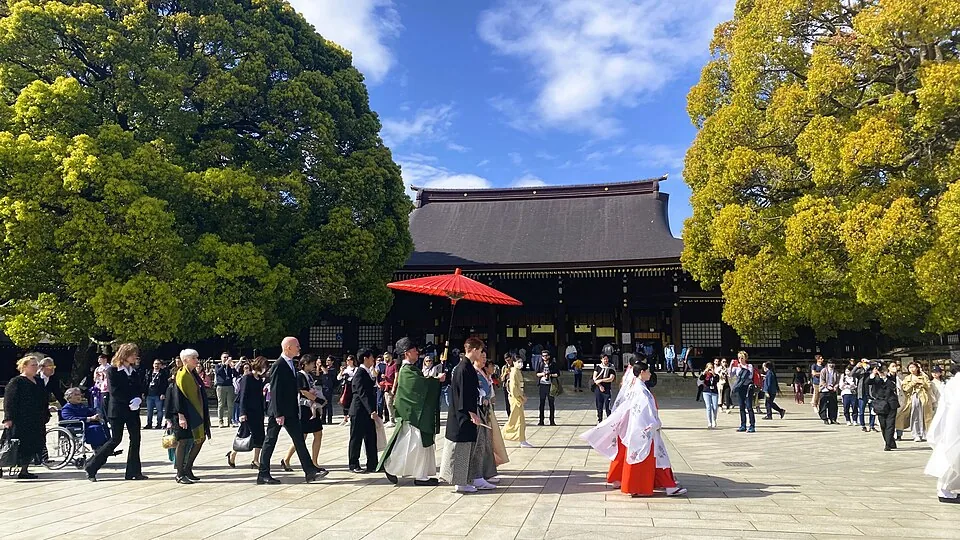
Meiji Jingu
Meiji Jingu is a Shinto shrine surrounded by a broad forest planted in the heart of Tokyo. Dedicated to Emperor Meiji and Empress Shoken, the precinct joins a deliberately designed landscape to a place of worship and remembrance.

Memorial to the Victims of the Soviet Occupation (History Tactile)
Beside the Museum of the Occupation of Latvia, a memorial wall uses a blanket pattern, a wagon and a copied handkerchief to remember people repressed under Soviet rule.
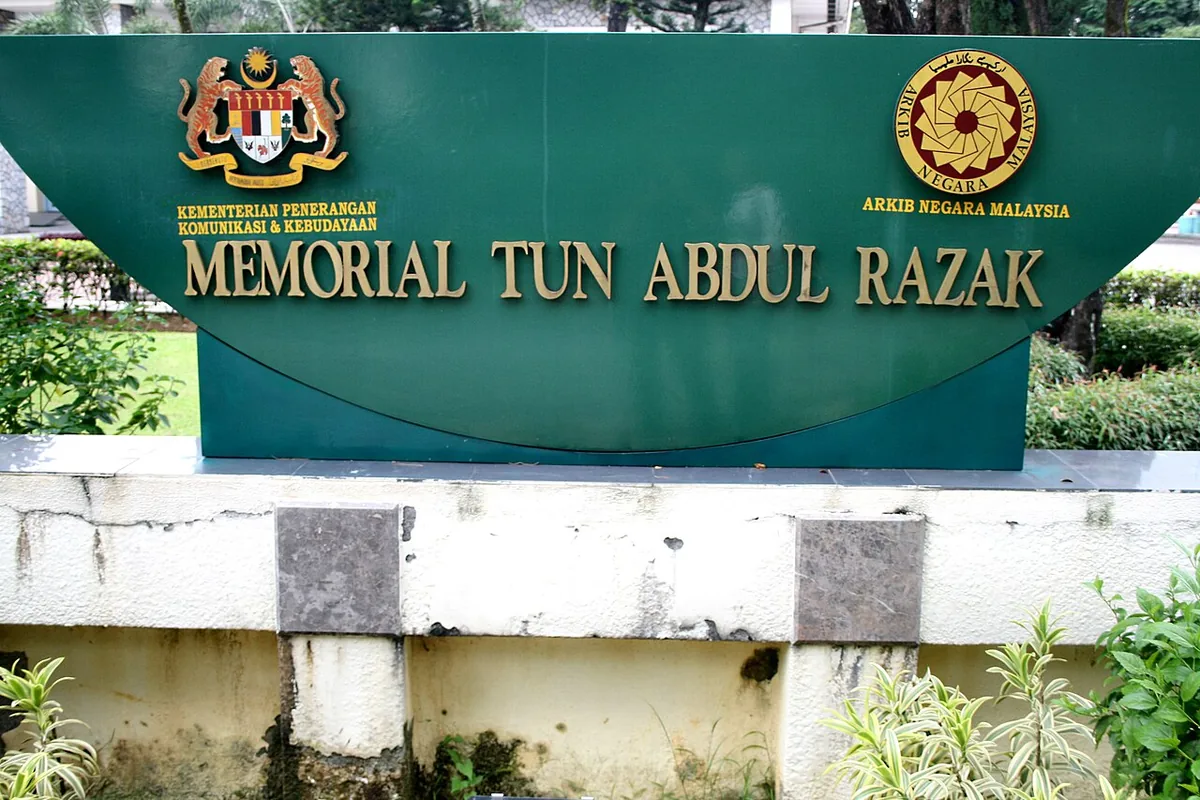
Memorial Tun Abdul Razak
Bangunan Sri Taman was once a prime minister’s home; today its preserved rooms and personal objects frame a public memorial. The domestic setting makes Tun Abdul Razak’s political legacy tangible through the spaces where private life and national work met.
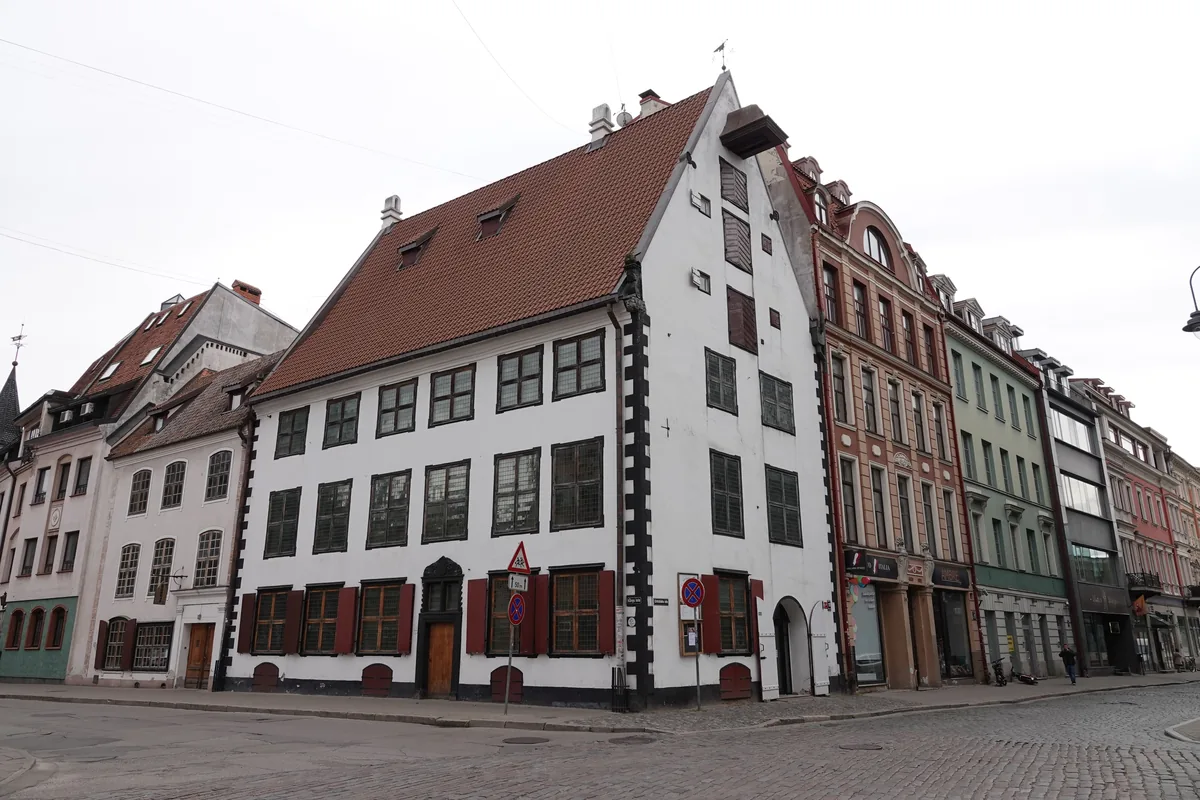
Mentzendorff House
Mentzendorff House is a historic Riga town house and museum at Grēcinieku iela 18. Its painted interiors, traces of a pharmacy and recovered glass fragments reveal successive lives of a carefully restored historic building.
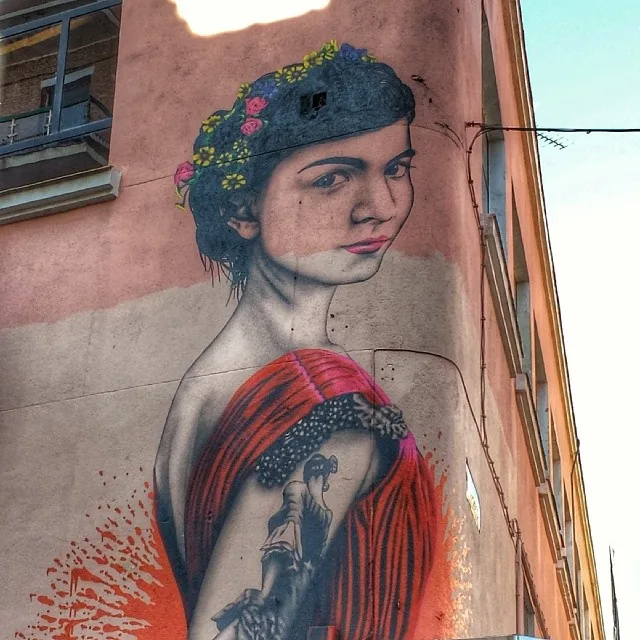
Mercado de Antón Martín
Mercado de Antón Martín links a long history of food trading with a present-day mix of market counters and eateries. Its place near Lavapiés and the city center makes it a working neighborhood market as well as a destination for Madrid’s varied food cultures.
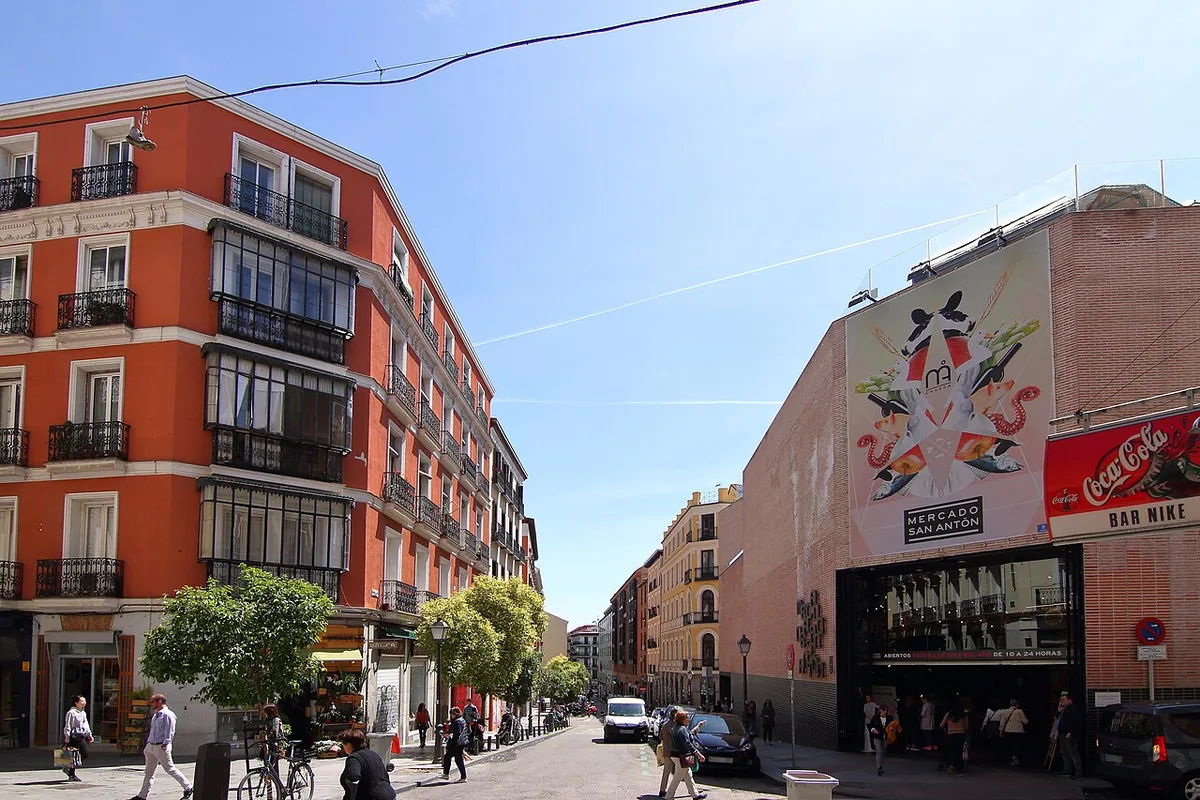
Mercado de San Antón
Mercado de San Antón has served Madrid’s Chueca district through repeated reinvention. The present market combines a fresh-food hall with places to eat, while its history reaches back to nineteenth-century wooden stalls and a purpose-built market opened in 1945.
Mercado de San Fernando
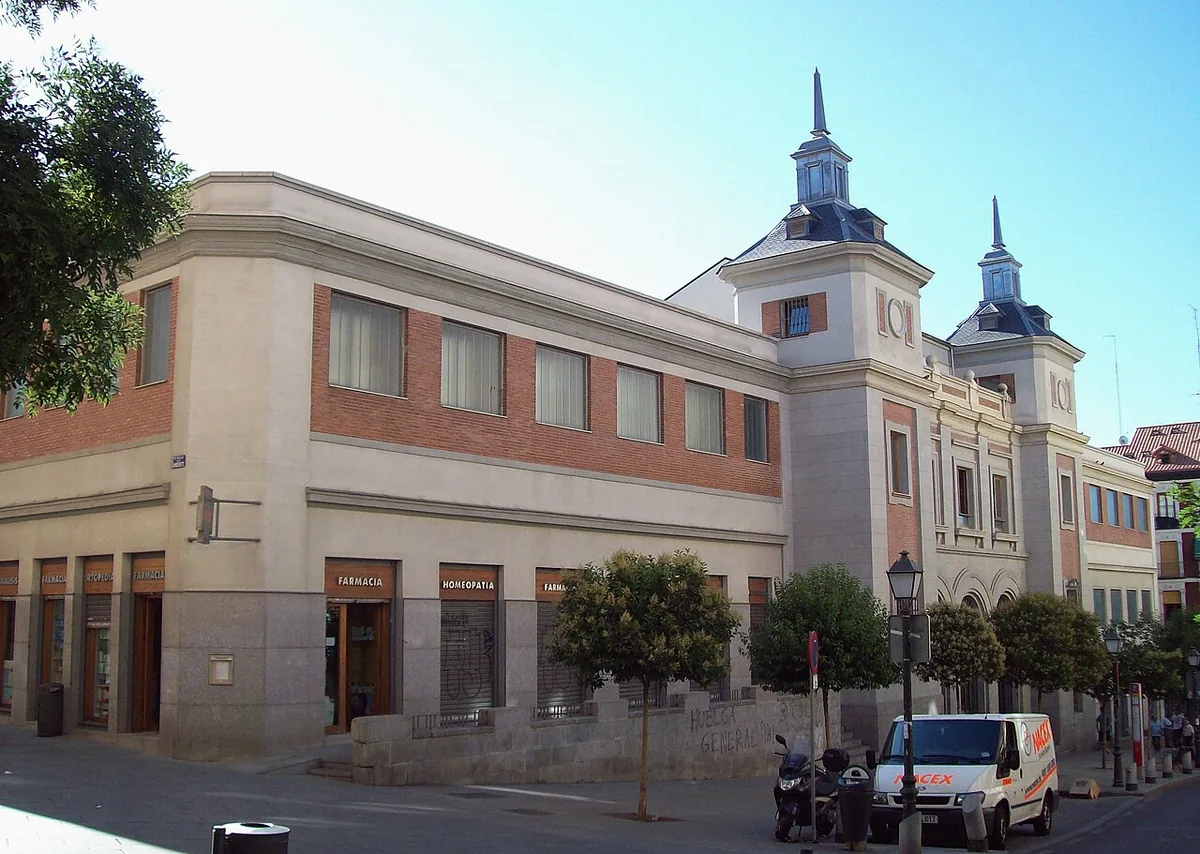
Mercado de San Fernando occupies a distinctive 1940s market building in Lavapiés. Its central space and street-like aisles support ordinary food shopping, while later community initiatives have broadened the mix of independent businesses and activities.

Mercado de San Ildefonso
Mercado de San Ildefonso is a multi-level food hall on Madrid’s Fuencarral Street. Its vertical arrangement and terraces make it feel different from a conventional produce market, continuing the street’s long association with food trade in a contemporary dining format.
Mercado de San Miguel
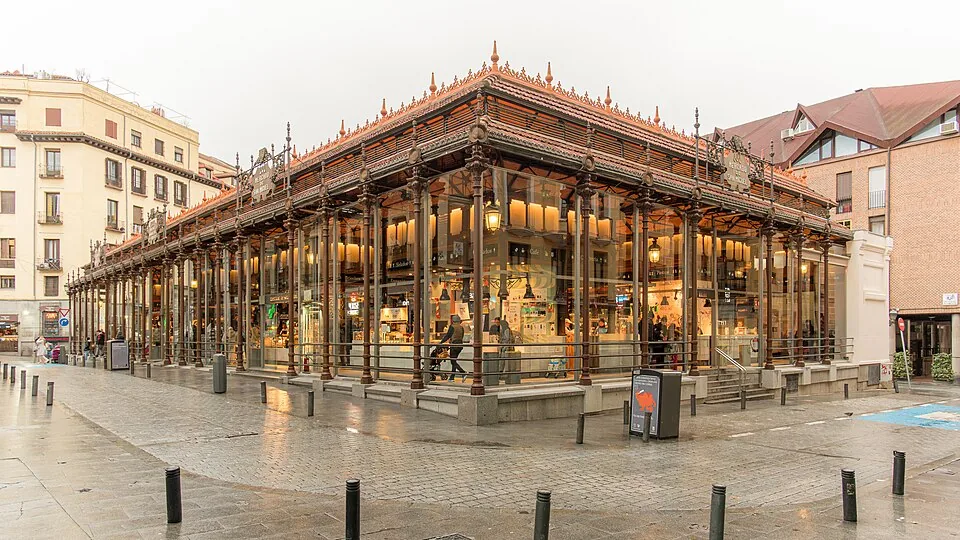
Mercado de San Miguel occupies an iron-and-glass market hall beside Plaza Mayor. Its structure reflects early twentieth-century efforts to bring fresh food trading under cover, while the building’s later survival and restoration turned a practical marketplace into a celebrated example of Madrid’s ma
Mercado de Vallehermoso
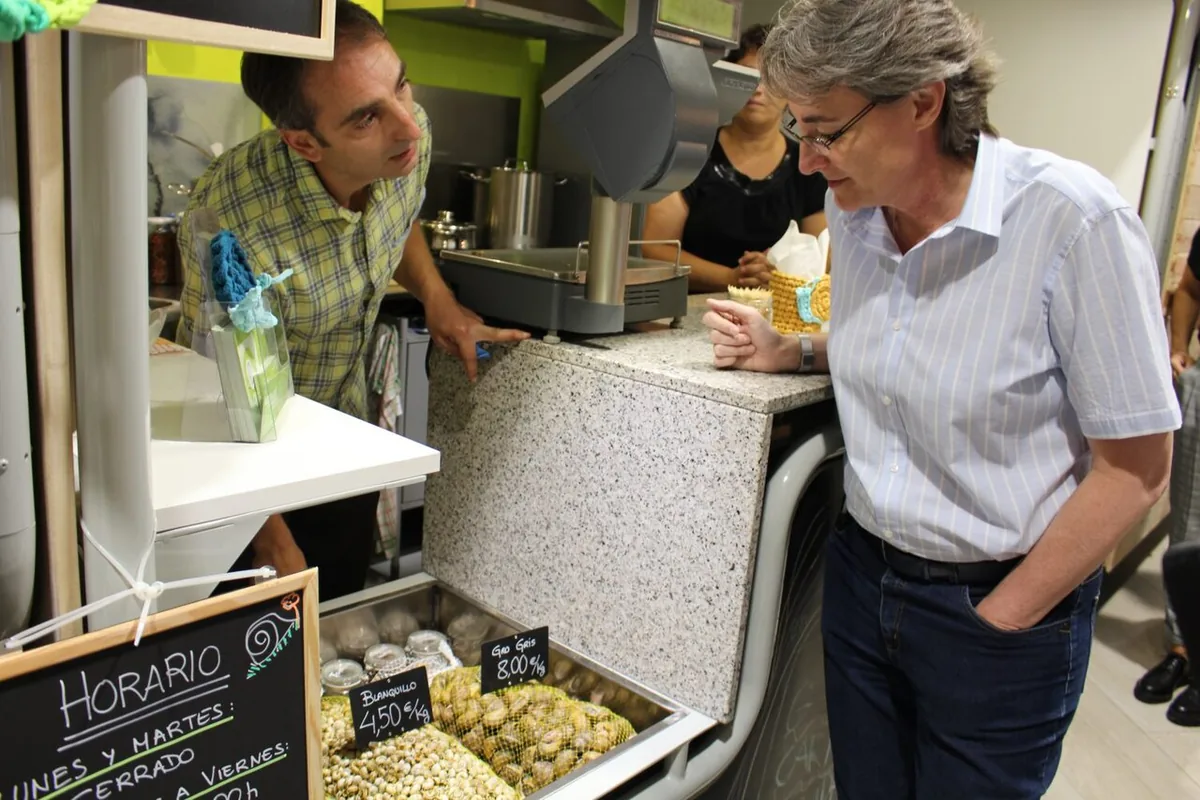
Mercado de Vallehermoso opened in 1933 and remains a neighborhood market in Chamberí. Its current mix of traditional food stalls and newer producer-led businesses makes the building a place to shop, eat, and encounter changing ideas about local food.
Merdeka Square
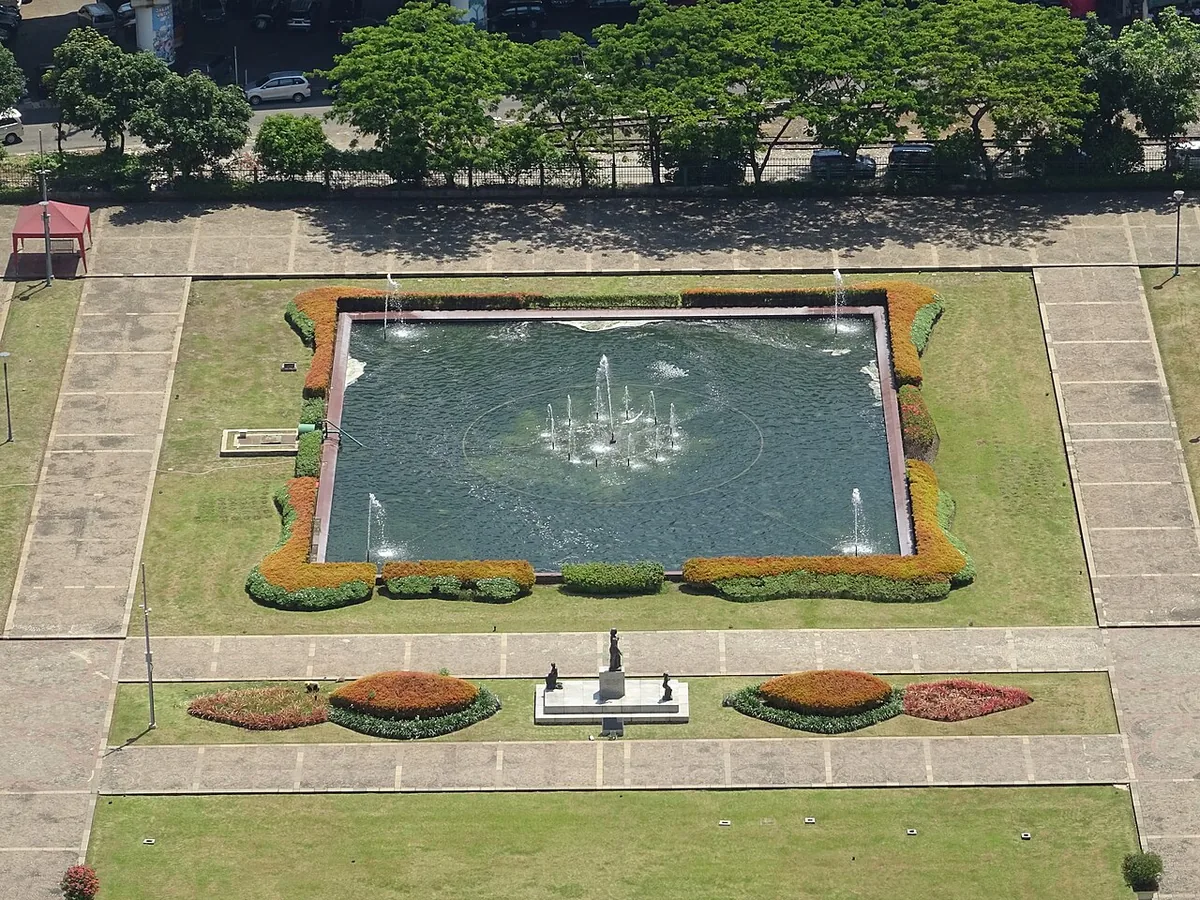
Merdeka Square’s broad field faces the Sultan Abdul Samad Building, creating a public stage for civic ceremony. The lowering of the Union Jack and raising of the Malayan flag here in 1957 transformed a former parade ground into a powerful symbol of independence.
Merlion Park
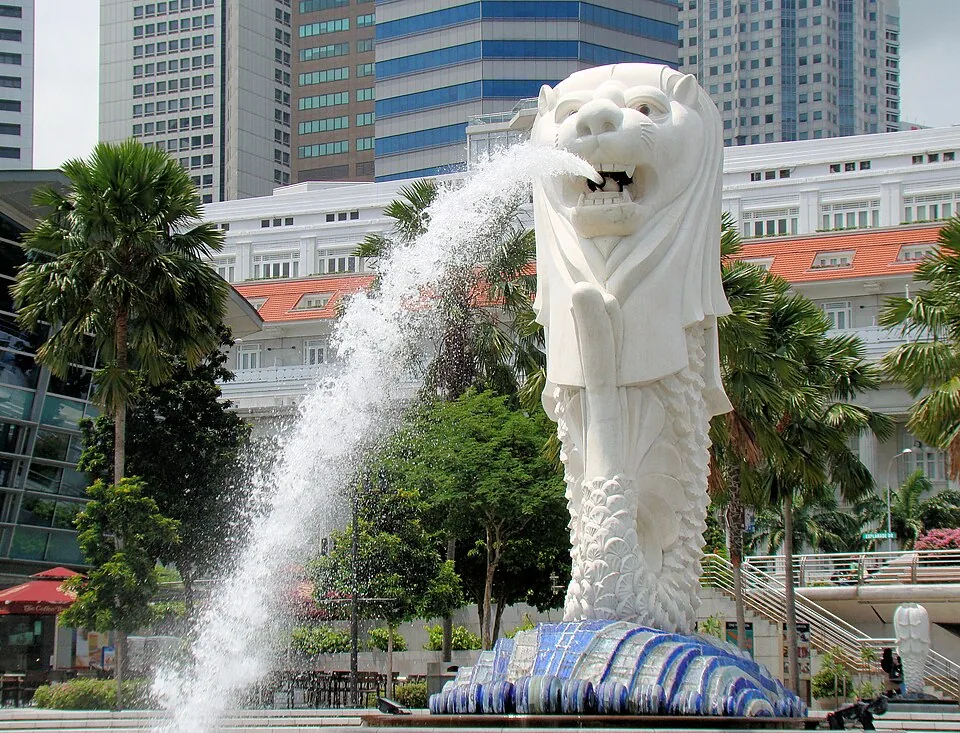
At Merlion Park, the lion-headed, fish-bodied figure joins two strands of Singapore’s identity: the “Lion City” name and the island’s maritime past. The statue moved to its present waterfront position in 2002 after the Esplanade Bridge changed the river mouth view.
Mevlevihane Museum
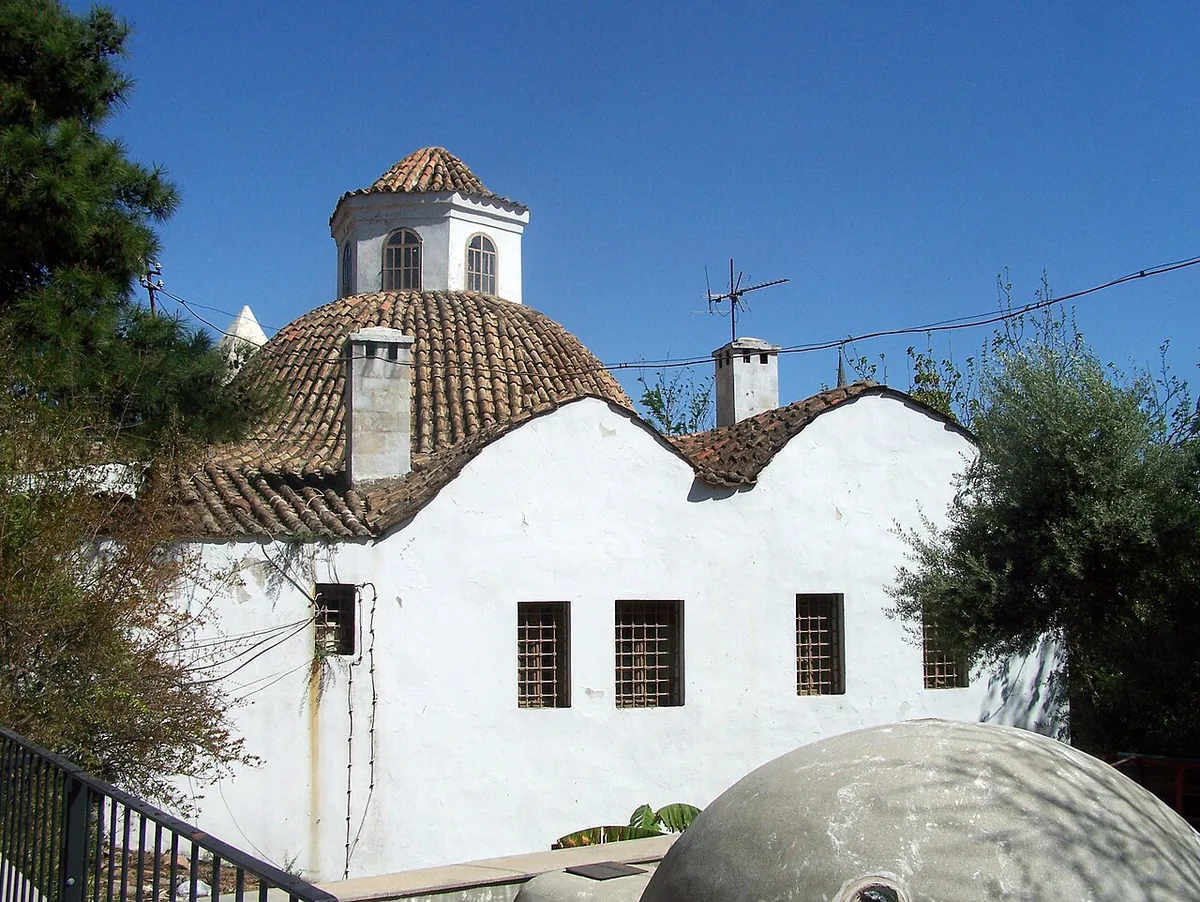
Antalya’s Mevlevihane Museum occupies a Seljuk-period complex in Kaleiçi, later used as a Mevlevi lodge. Its displays and associated tombs connect the city’s built heritage with the intellectual and devotional history of the Mevlevi tradition.