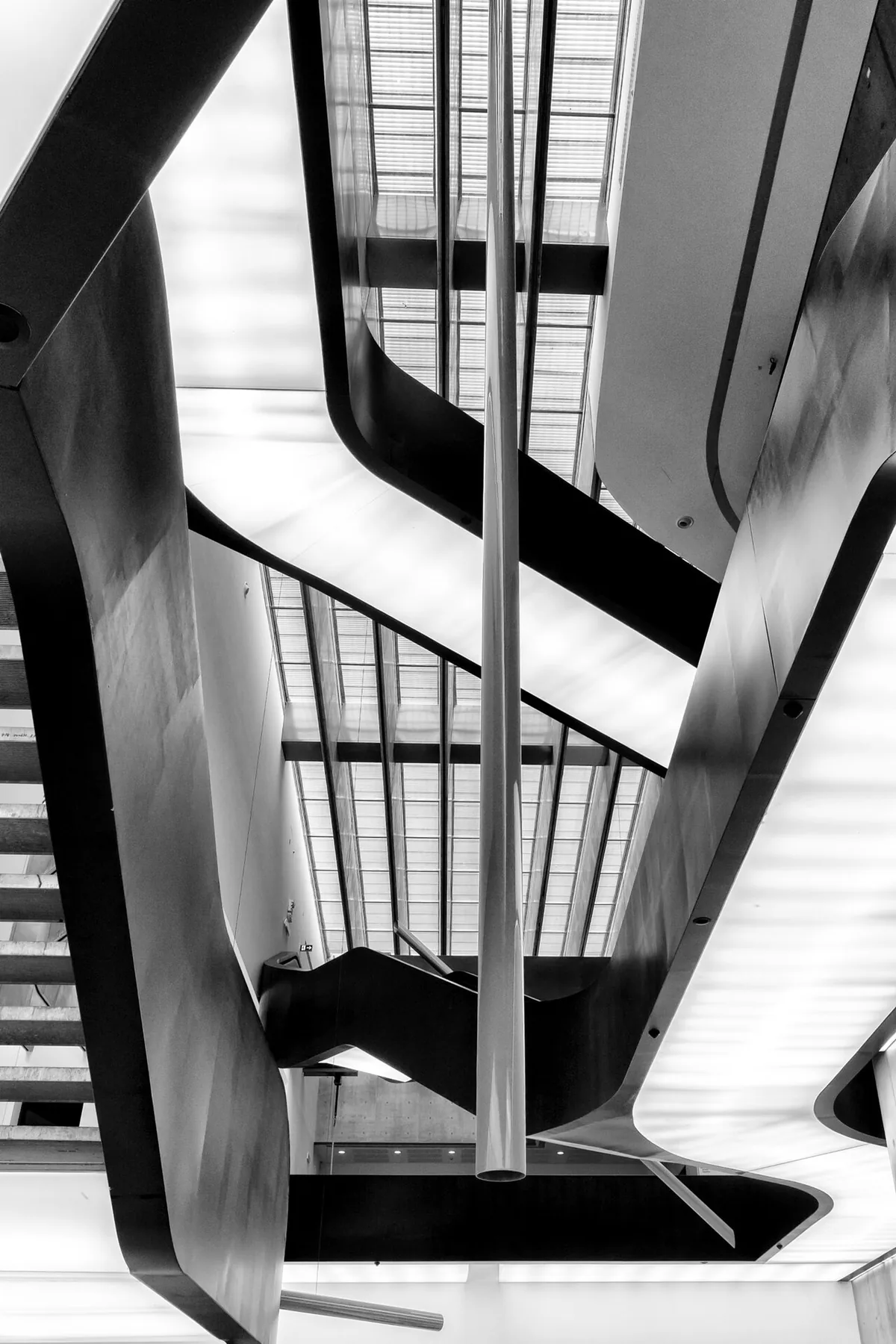
MAXXI’s curving galleries and intersecting levels make the museum feel like an urban route rather than a single monumental box. Zaha Hadid’s design responds to a former military site with a sequence of public spaces that invite visitors to move through contemporary art and architecture.
Guide preview
The building’s walls bend and cross rather than meeting in a simple grid, so the route through MAXXI keeps unfolding as you move. Zaha Hadid’s proposal won an international competition launched in 1998 by Italy’s Ministry for Cultural Heritage.
Continue exploring
Discover the full story
Keep reading with a travel pass and explore every full guide and tour.
UpgradeQuick facts
- Zaha Hadid’s design won a competition launched in 1998.
- The museum opened in 2010.
- MAXXI is Italy’s national museum devoted to 21st-century arts and architecture.
More places in Rome
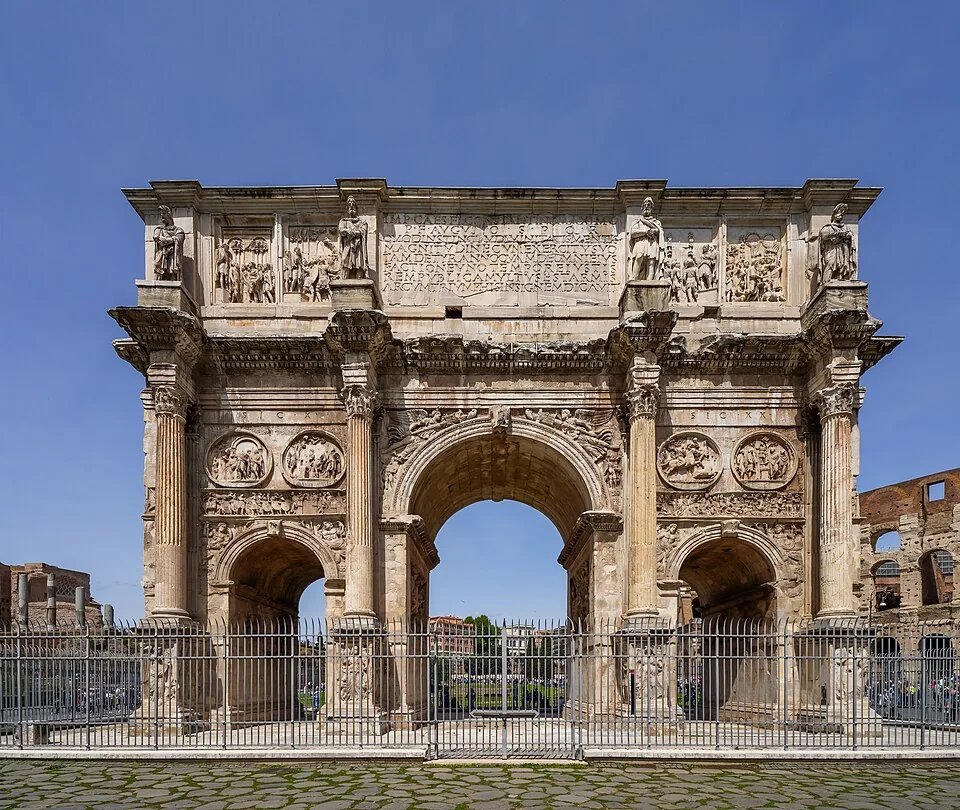
Arch of Constantine
The Arch of Constantine stands beside the Colosseum on the route of Roman triumphal processions. Its reliefs combine newly carved Constantinian scenes with reused panels from earlier emperors, turning the monument into a carefully assembled claim to imperial continuity.
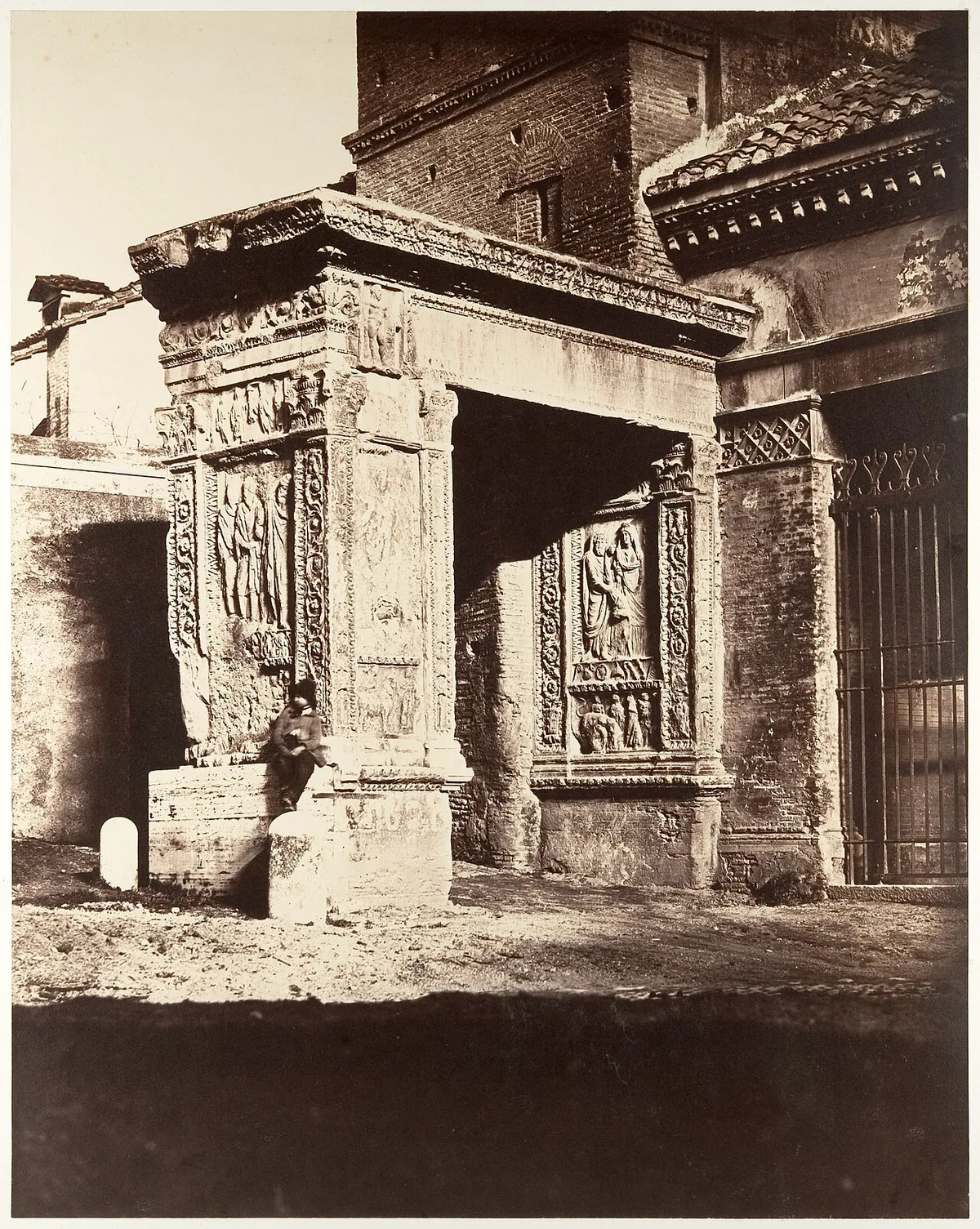
Arch of the Argentarii
Despite its name, the Arch of the Argentarii is a decorated passage beside San Giorgio al Velabro. Dedicated in 204 CE by money changers and cattle merchants, its marble reliefs record imperial power and the later erasure of disfavored figures.
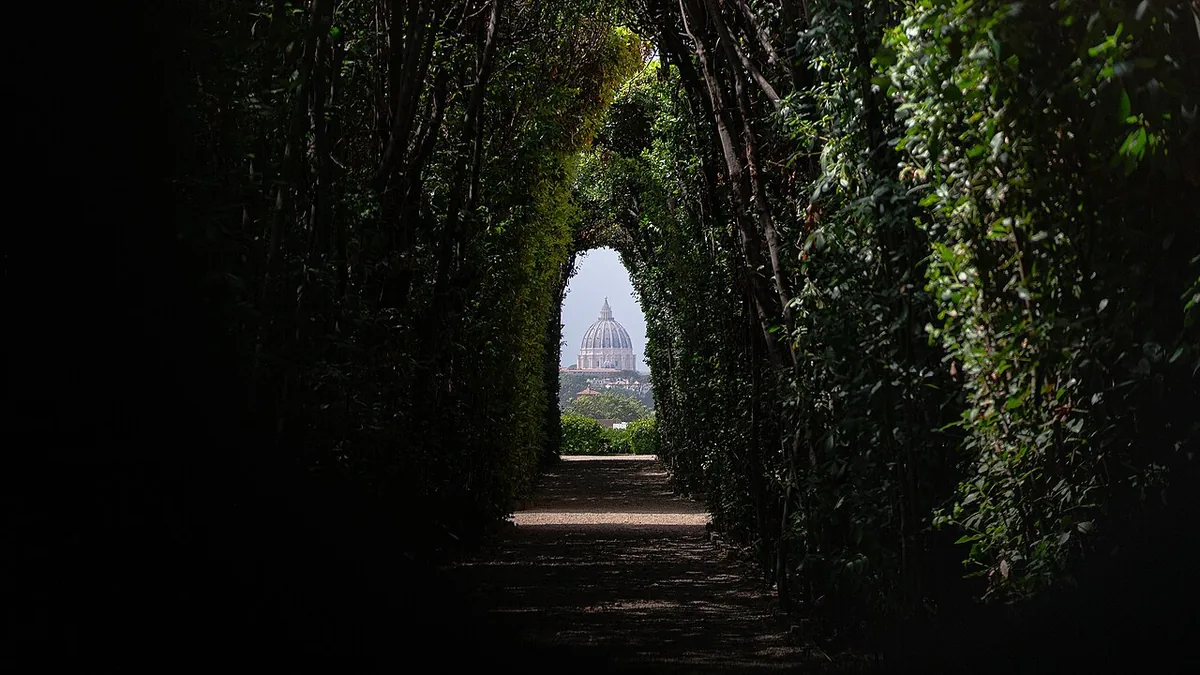
Aventine Keyhole
The Aventine Keyhole frames the dome of St Peter’s through the gate of the Order of Malta’s Magistral Villa. The view joins Rome, Vatican City, and the Order’s institutional territory in one carefully aligned sightline.
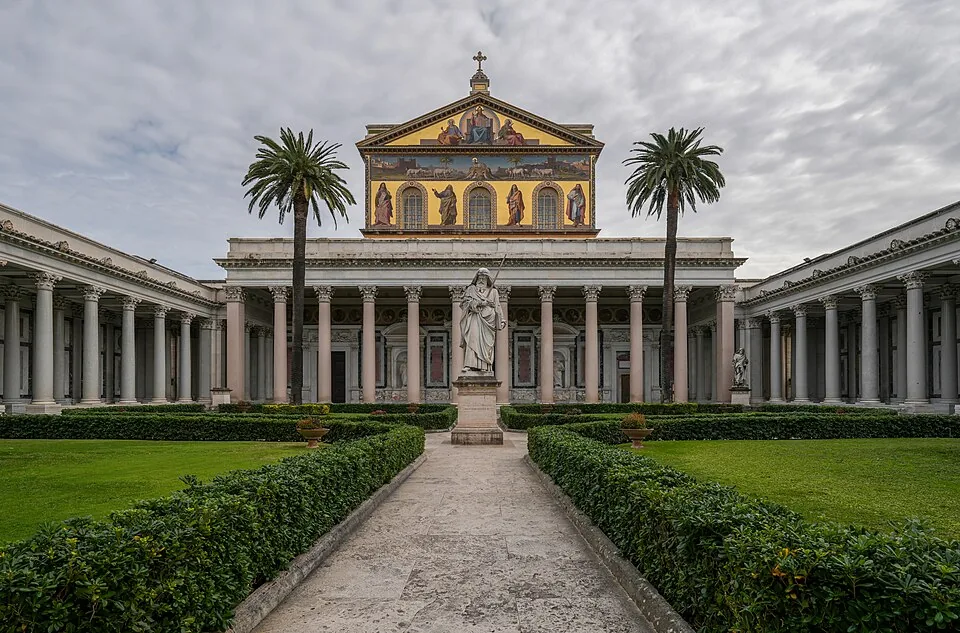
Basilica of Saint Paul Outside the Walls
Saint Paul Outside the Walls stands over the traditional burial place of the apostle beyond ancient Rome’s walls. The present basilica, rebuilt after a devastating nineteenth-century fire, follows the scale of its ancient predecessor and preserves a long tradition of pilgrimage.
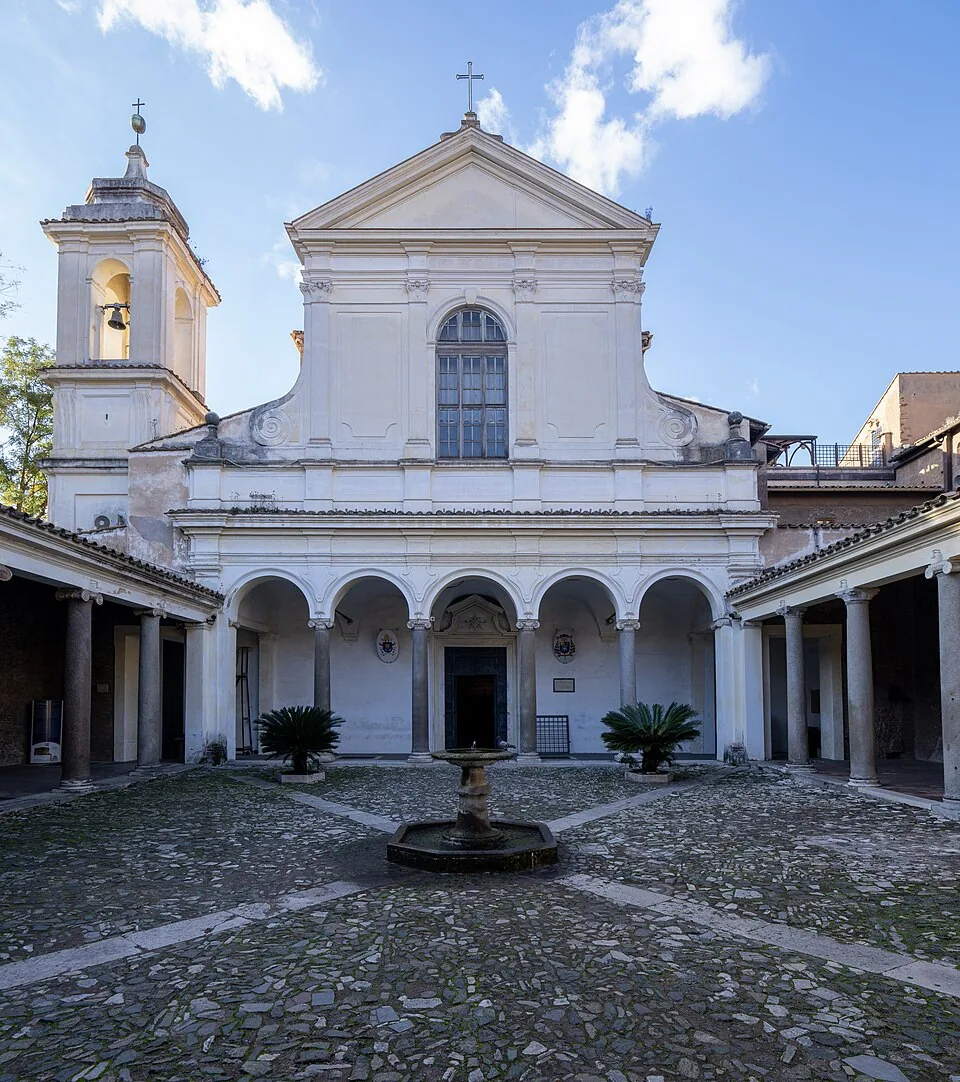
Basilica of San Clemente
San Clemente lets visitors descend through three distinct levels of Rome: a twelfth-century basilica, a fourth-century church, and earlier Roman structures that include a Mithraic temple. The stacked buildings reveal how later communities reused and buried the city beneath them.
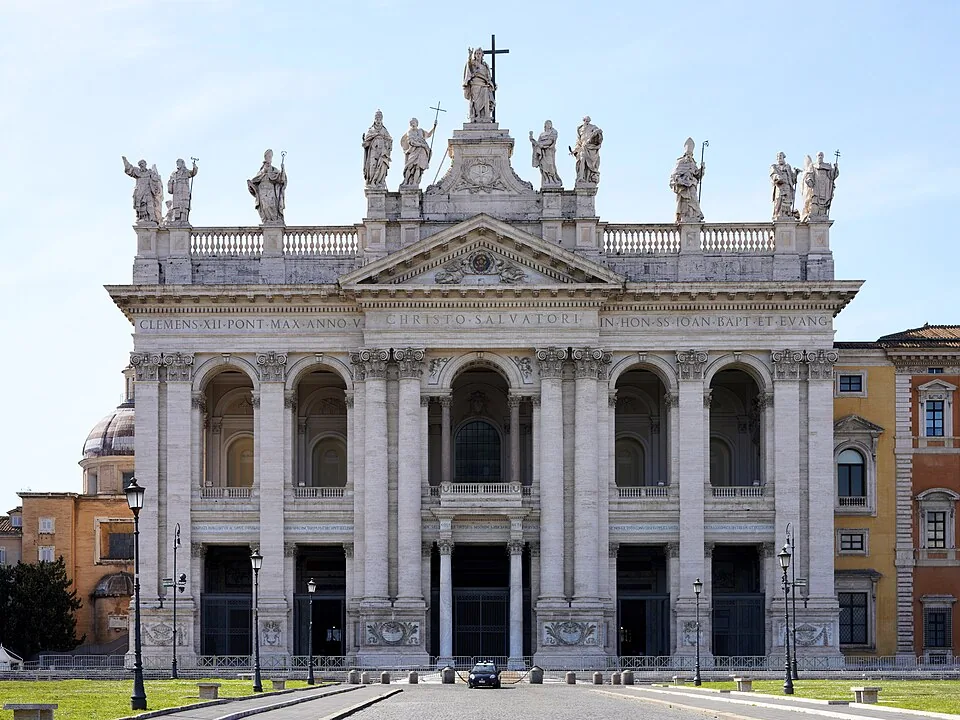
Basilica of San Giovanni in Laterano
San Giovanni in Laterano is Rome’s cathedral, with a baptismal font at the heart of its history. Its vast interior has been repeatedly rebuilt, yet the basilica’s role as the bishop of Rome’s church reaches back to the early Christian period.