Explore locations
Browse places by name, city, country or category.
All locations
1624 locations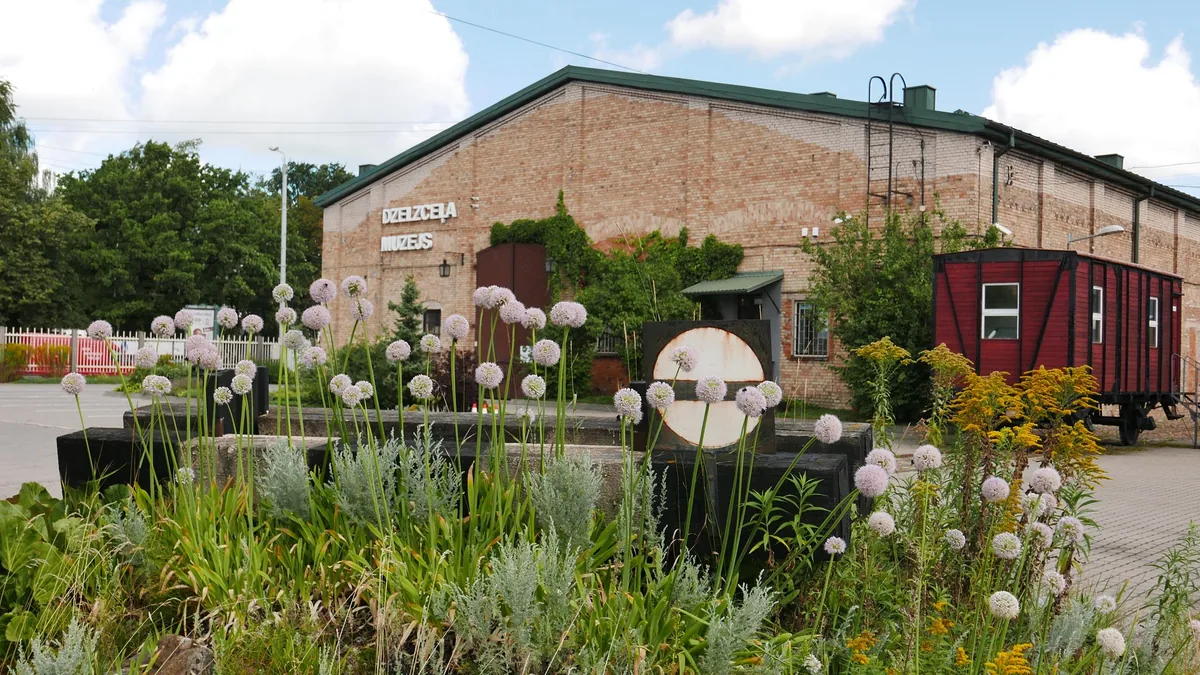
Latvian Railway History Museum
The Latvian Railway History Museum in Riga preserves locomotives, carriages and the tools and records of railway workers. Its collections connect the engineering of trains with the people, routes and decisions that made the railway operate.
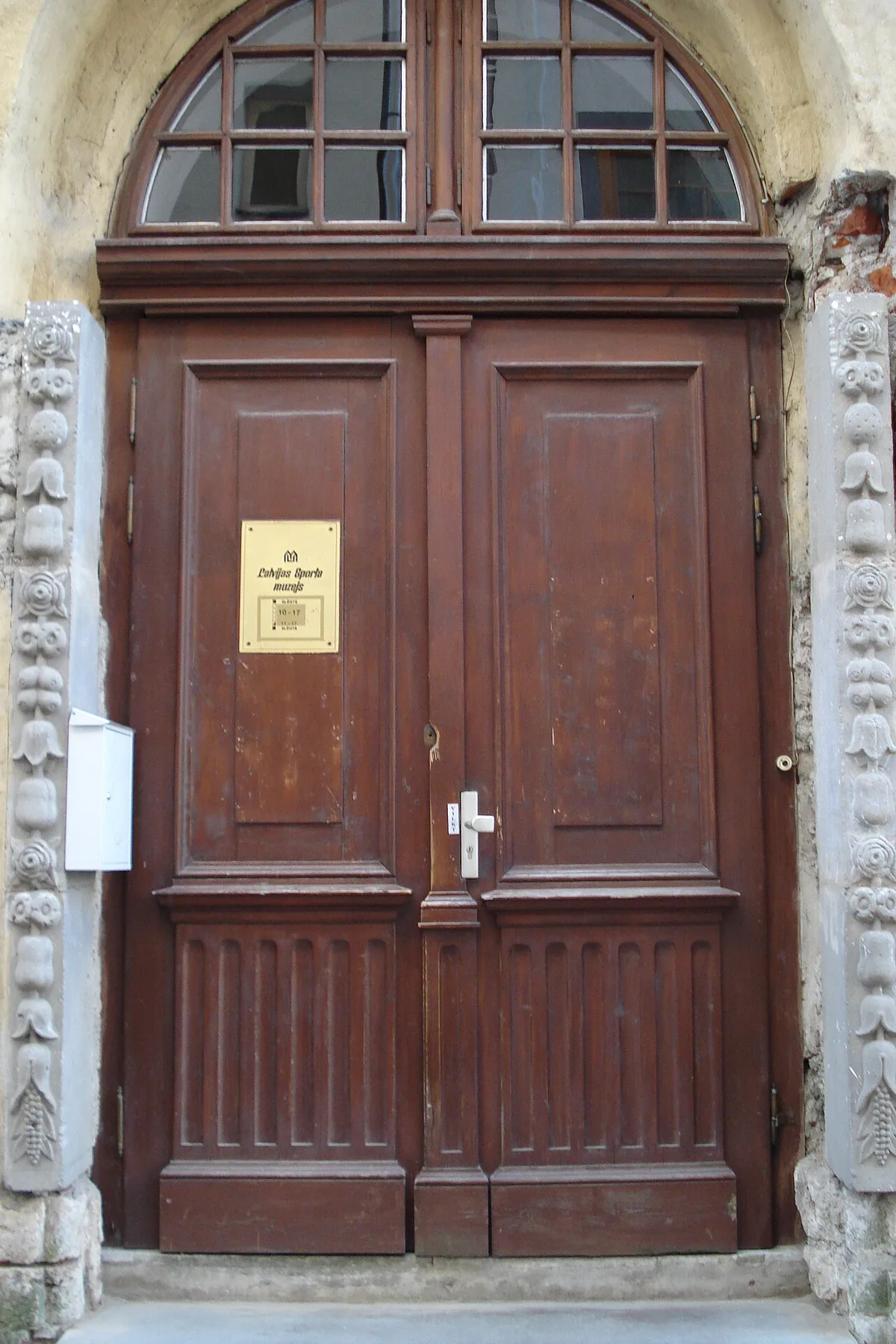
Latvian Sports Museum
The Latvian Sports Museum in Old Riga preserves equipment, photographs, medals and other evidence of sporting life. Its collection grew from the work of collector Voldemārs Šmidbergs and later donations.
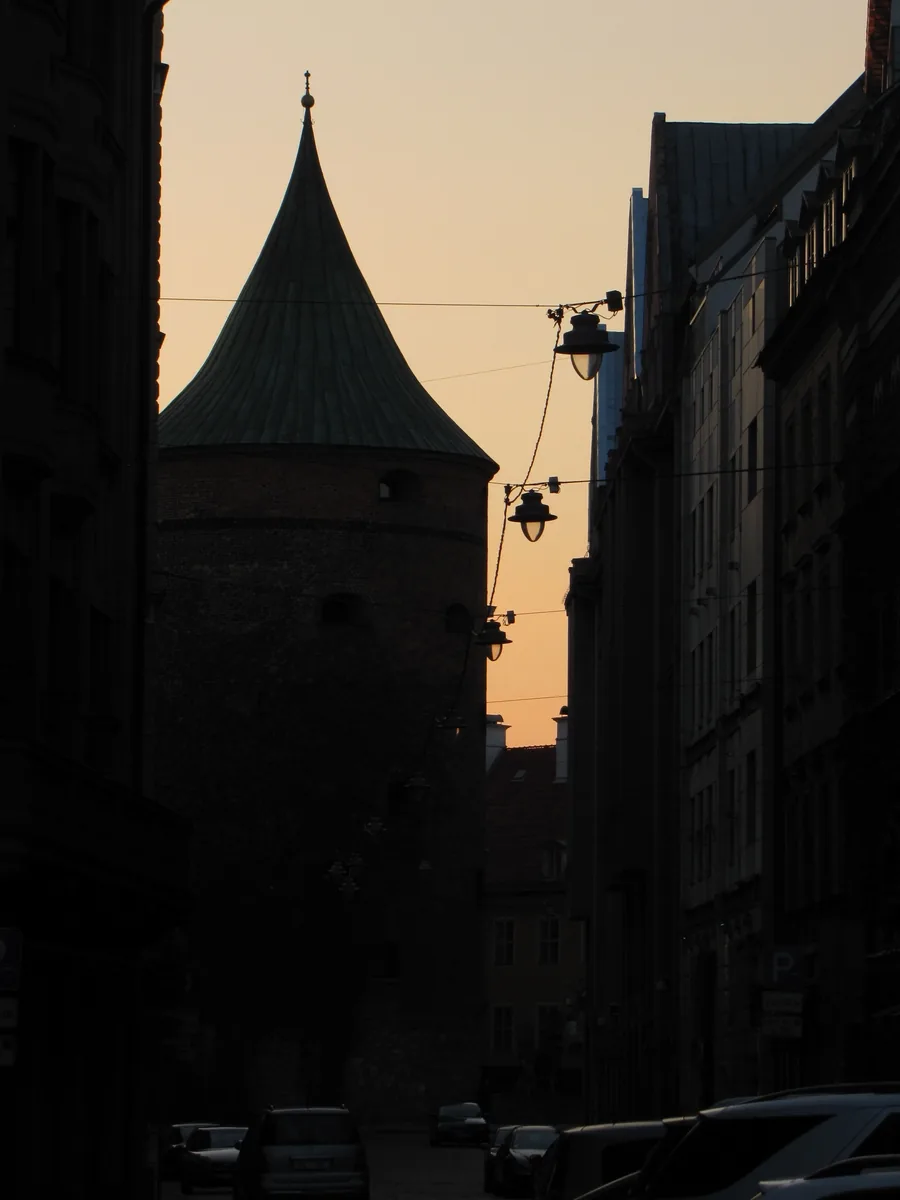
Latvian War Museum and Powder Tower
Riga’s Powder Tower, a former city fortification, is joined to the Latvian War Museum. The tower’s rebuilt walls and the museum’s collections connect centuries of defence with the human and political consequences of war.
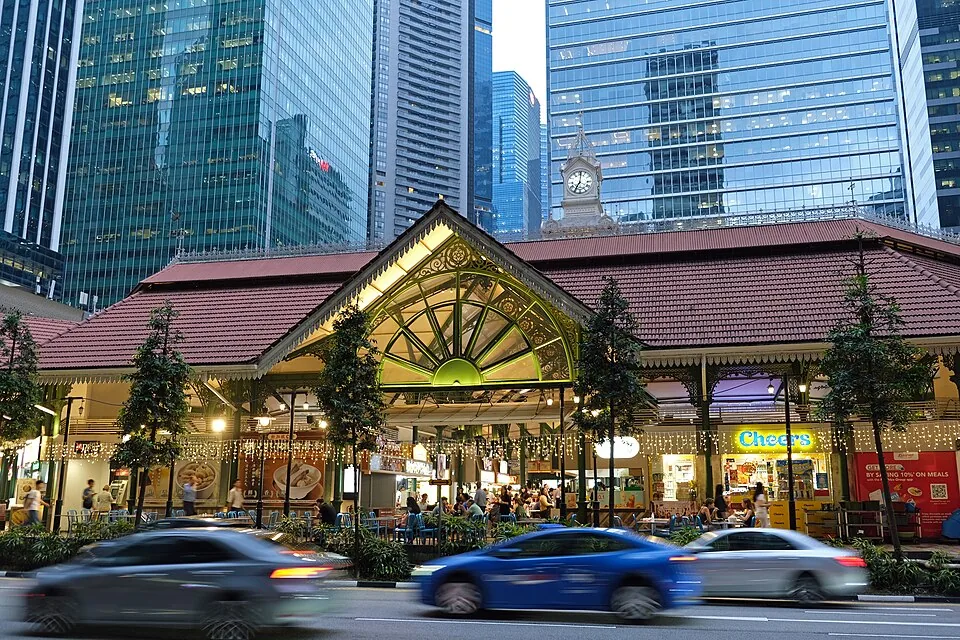
Lau Pa Sat
Lau Pa Sat’s cast-iron structure stands where the shoreline once met Singapore’s trading town. The market’s repeated arches and octagonal plan connect today’s downtown food hall to an earlier waterfront market serving fishermen and residents.
La Villette
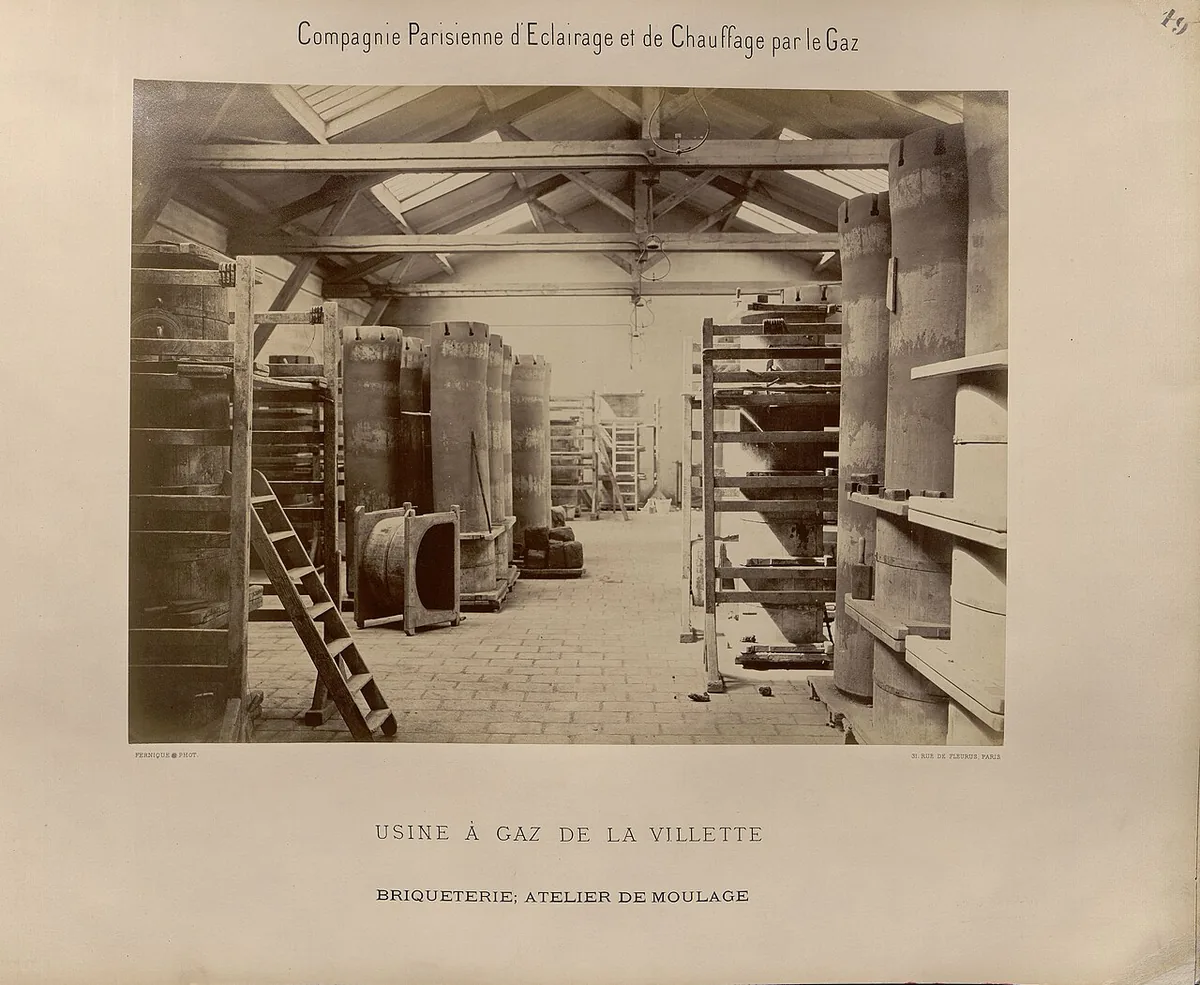
La Villette turns a former slaughterhouse and livestock-market district into a broad cultural landscape. The surviving Grande Halle and Bernard Tschumi’s red folies make the park’s transformation visible: industrial infrastructure became a framework for public gathering and discovery.
Lázaro Galdiano Museum
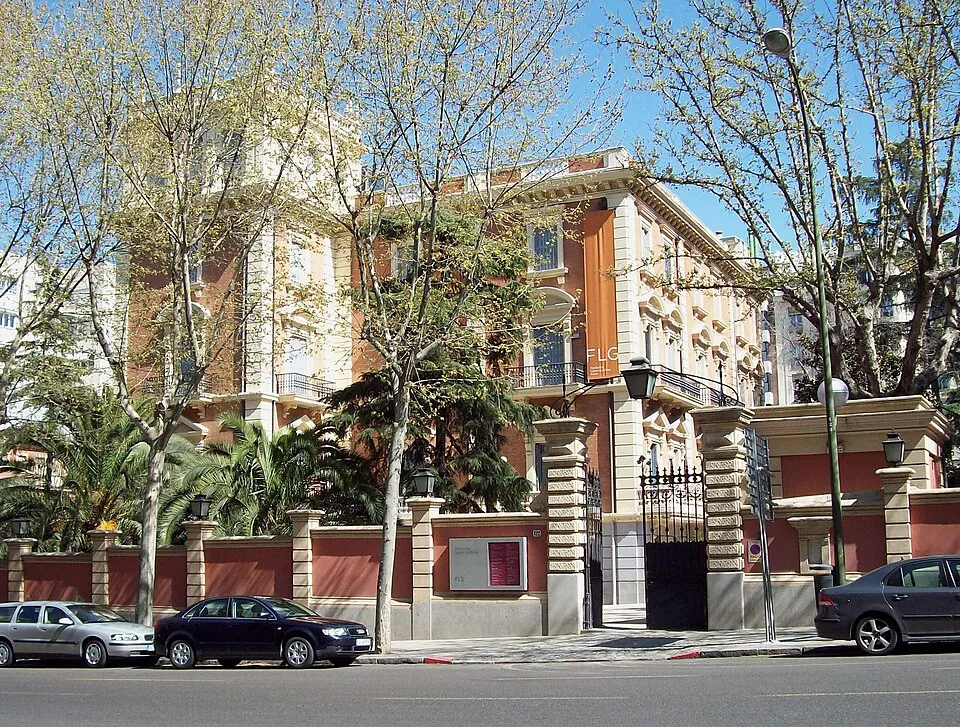
At Lázaro Galdiano Museum, the boundary between private home and public collection is part of the experience. José Lázaro Galdiano and Paula Florido built their Madrid residence, Parque Florido, to house a growing collection; today the former home makes that collecting history unusually tangible.
Lazarus Island
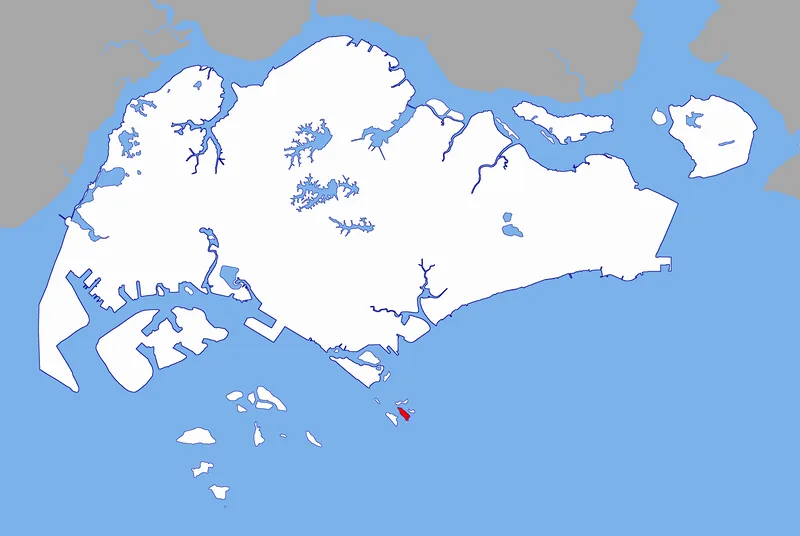
Lazarus Island is part of Singapore’s Southern Islands, a linked coastal landscape with a history that includes Orang Laut and Orang Pulau communities. Its present quiet shore sits within a wider island network shaped by settlement, sea travel, and changing use.
Leadenhall Market
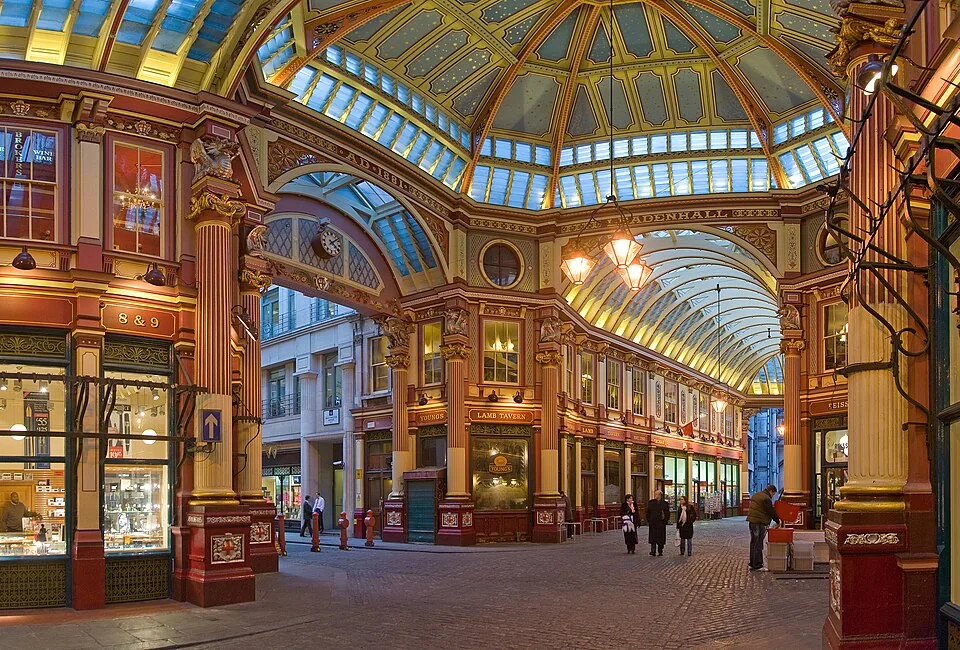
Leadenhall Market’s iron-and-glass roof turns a medieval trading site into a covered Victorian arcade. Beneath it, cobbled lanes preserve the market’s long commercial role in the City of London, from fourteenth-century traders to today’s shops and restaurants.
Leal Senado Building
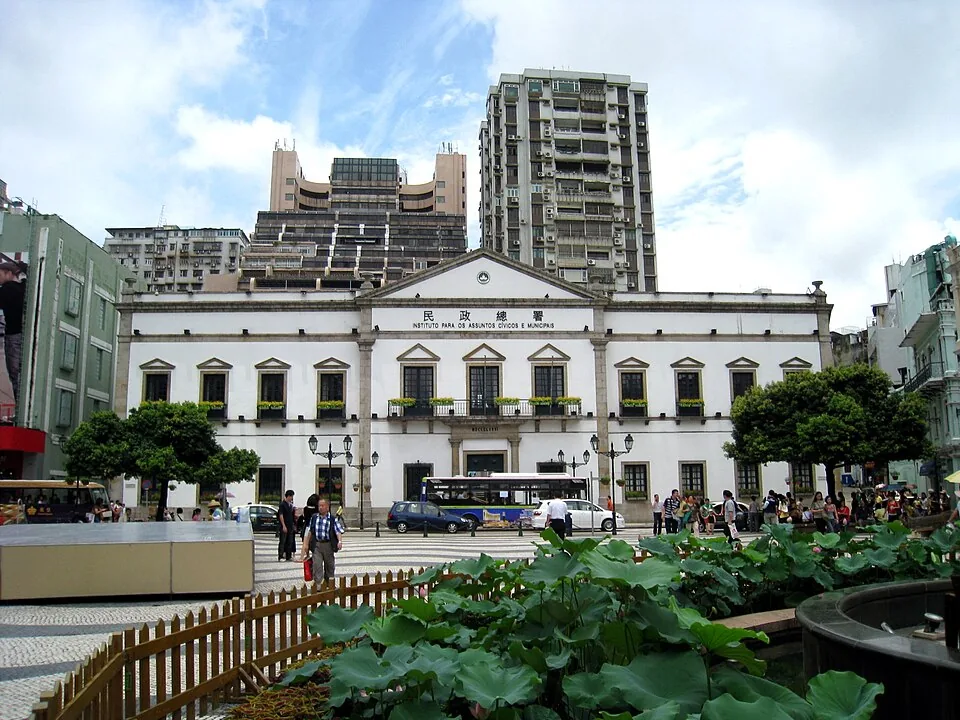
The former Leal Senado building faces Senado Square with a formal neoclassical façade and a long civic history. Built as a municipal headquarters in the eighteenth century, it reflects the city’s Portuguese-influenced institutions within Macao’s historic urban center.
Leaning Mailboxes
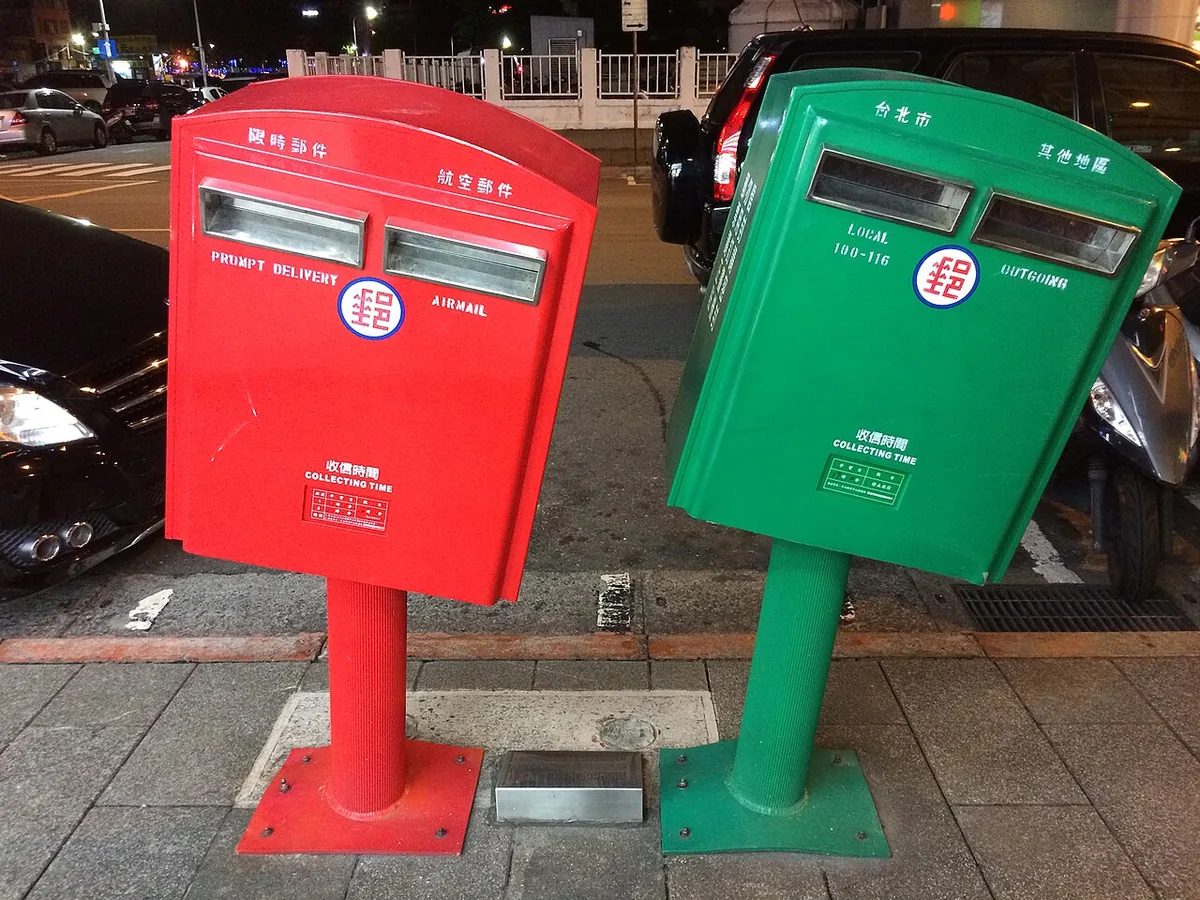
The leaning mailboxes became a public symbol after a typhoon dislodged a nearby sign in 2015. Their story joins a familiar postal object to storm damage, public attention, and debate over whether an accident should be repaired or remembered.
Leeum Museum of Art
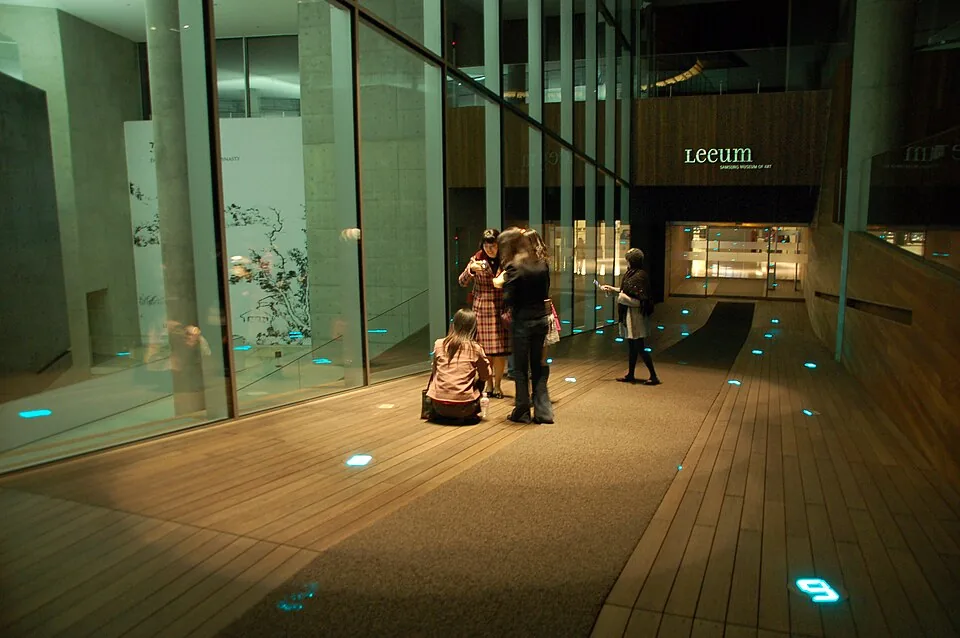
Leeum Museum of Art brings three distinct architectural visions together on a hillside in Hannam-dong. Its collection joins traditional Korean art with modern and contemporary works, reflecting the museum’s interest in connections across time and culture.
Legoland Dubai
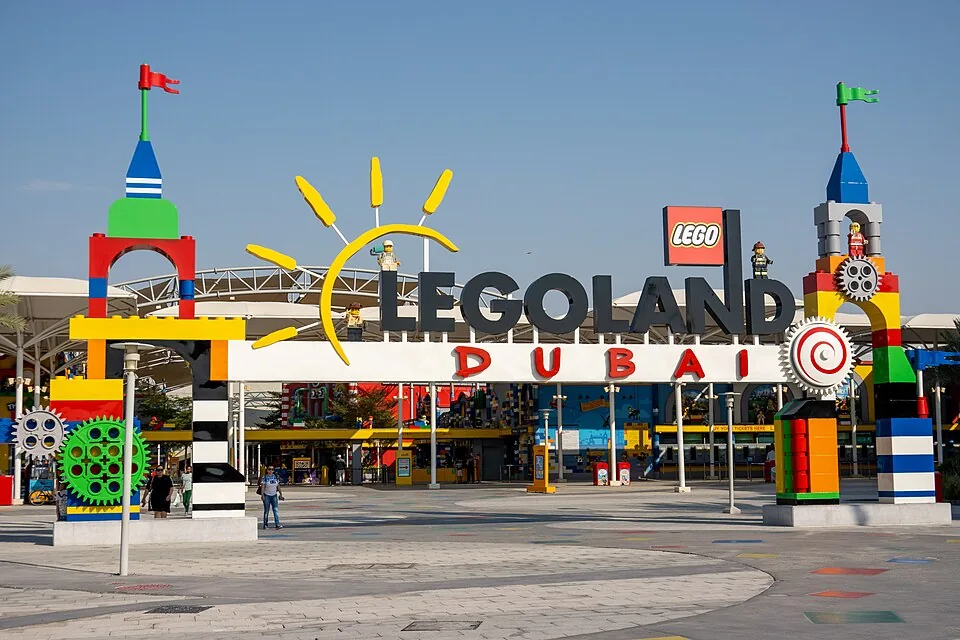
LEGO models turn famous places and everyday scenes into a landscape visitors can scan at miniature scale. LEGOLAND Dubai uses Miniland and themed areas to make building blocks the visual language of the park, connecting play with close observation.
Leicester Square
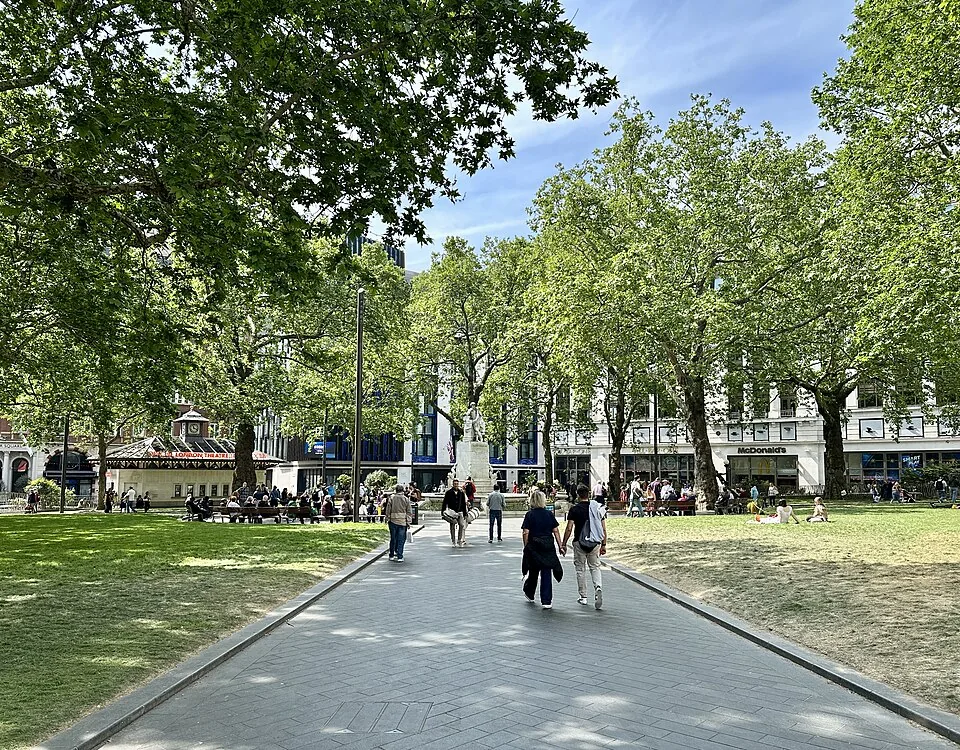
Leicester Square’s garden offers a leafy pause inside the West End’s entertainment district. Its Shakespeare fountain and corner busts recall the Victorian redesign, while cinemas and film premieres carry public spectacle into the present.
Leidseplein
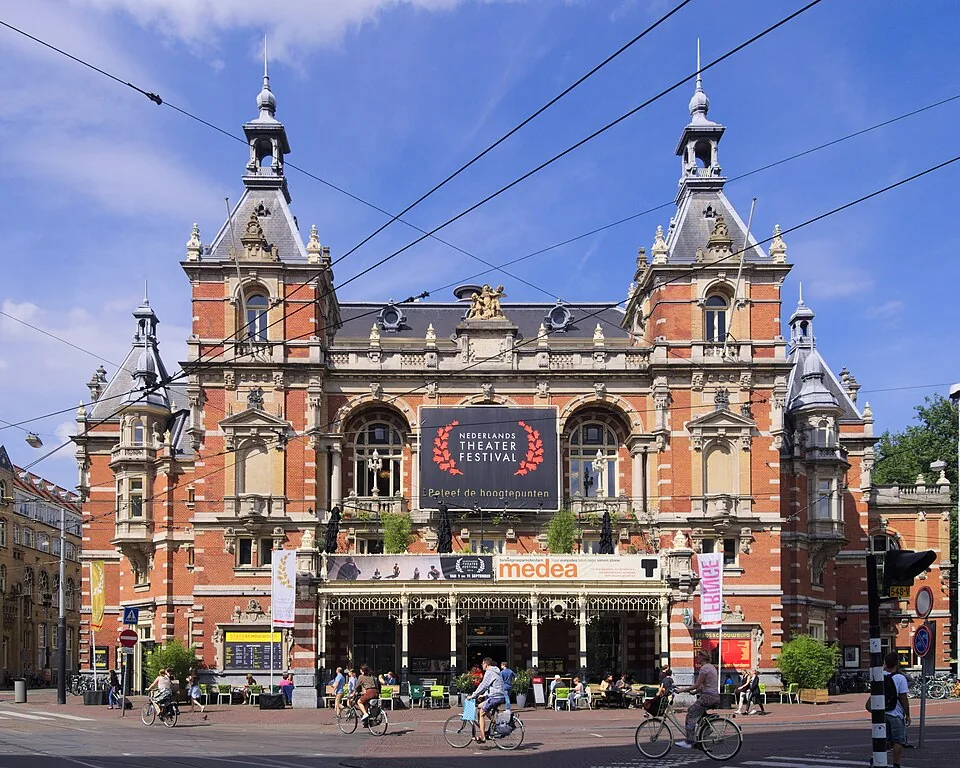
Leidseplein began as a gateway and cart square outside the old city, then grew into a cultural meeting point. The theater and surrounding streets preserve traces of that shift from transport hub to entertainment district.
Le Marais
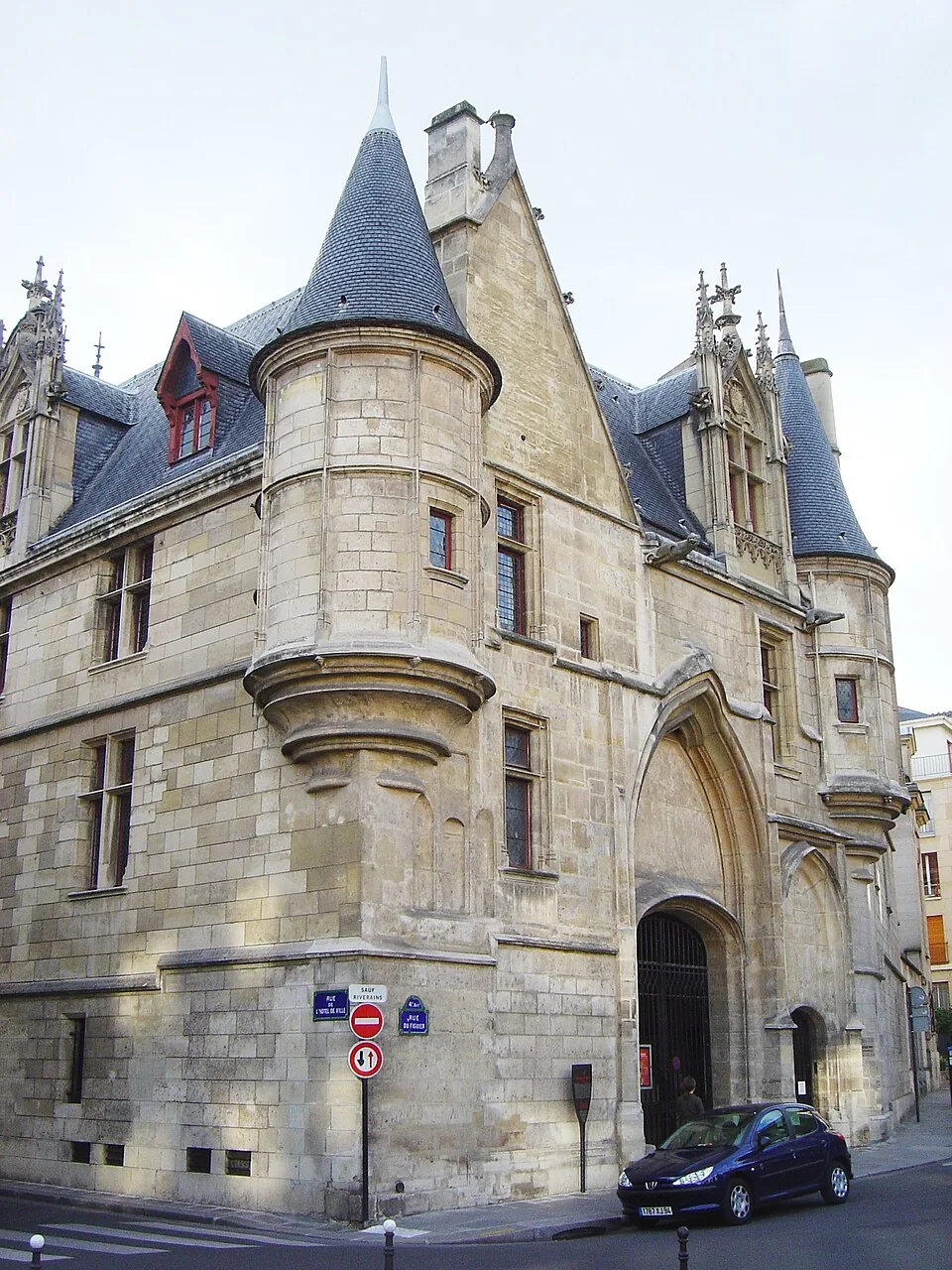
Le Marais is a historic district where medieval street patterns meet aristocratic hôtels particuliers and later cultural institutions. Its survival owes much to preservation policies that began in the 1960s after long periods of neglect.
Leonardo3 Museum
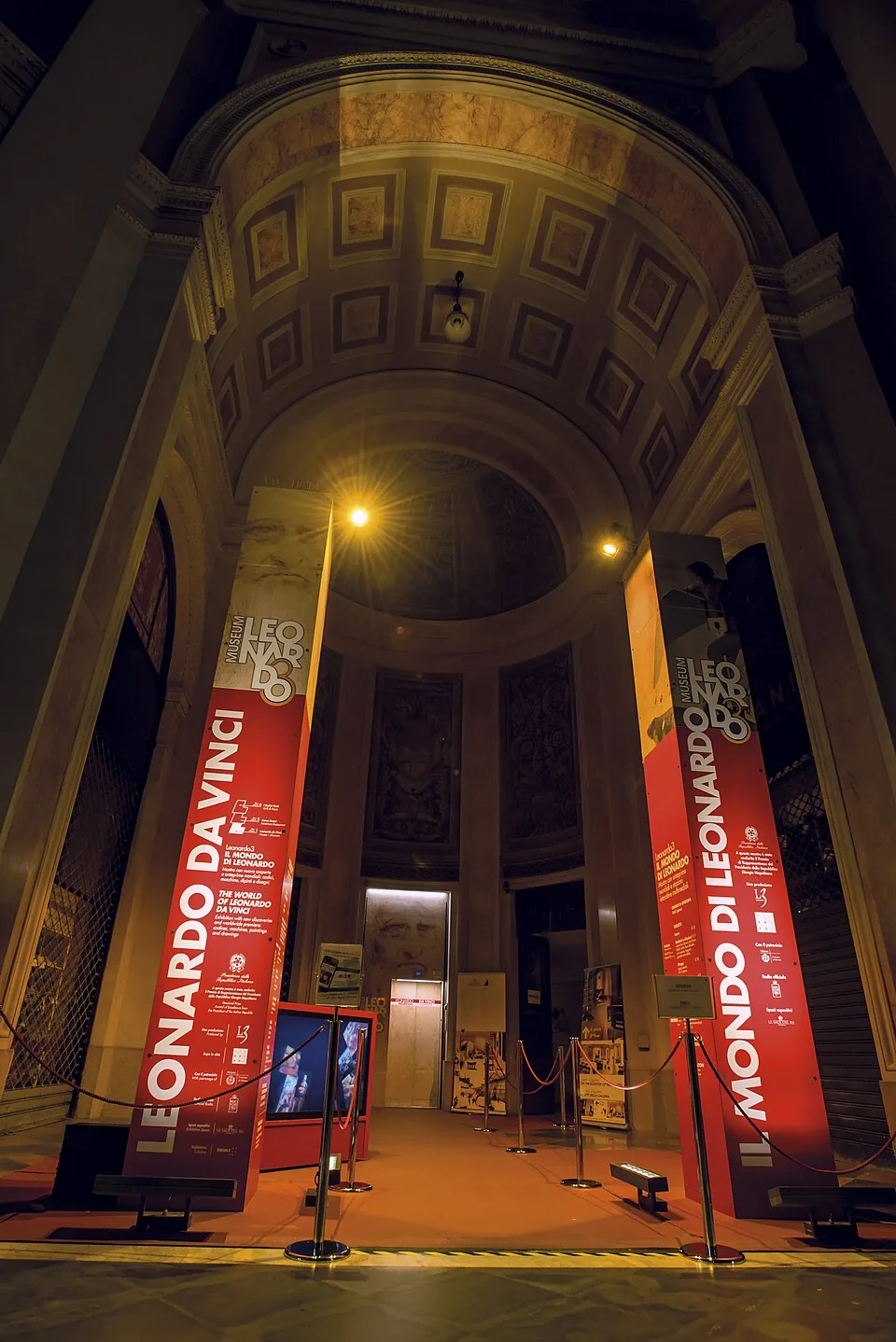
Leonardo3 Museum uses digital models and working reconstructions to explore Leonardo da Vinci as both artist and inventor. Its exhibits make drawings and designs easier to examine, while highlighting how interpretation helps bridge surviving evidence and imagined mechanisms.
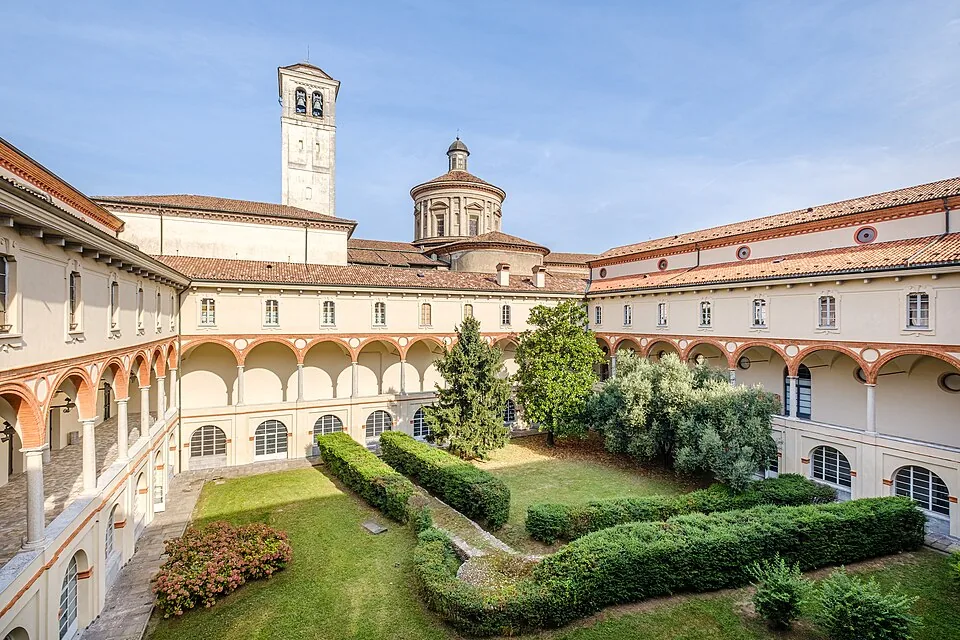
Leonardo da Vinci Museum of Science and Technology
The Leonardo da Vinci Museum of Science and Technology occupies a former Olivetan monastery, joining Renaissance-era architecture with modern exhibits on invention and industry. Its name honors Leonardo as a bridge between artistic imagination and technical inquiry.
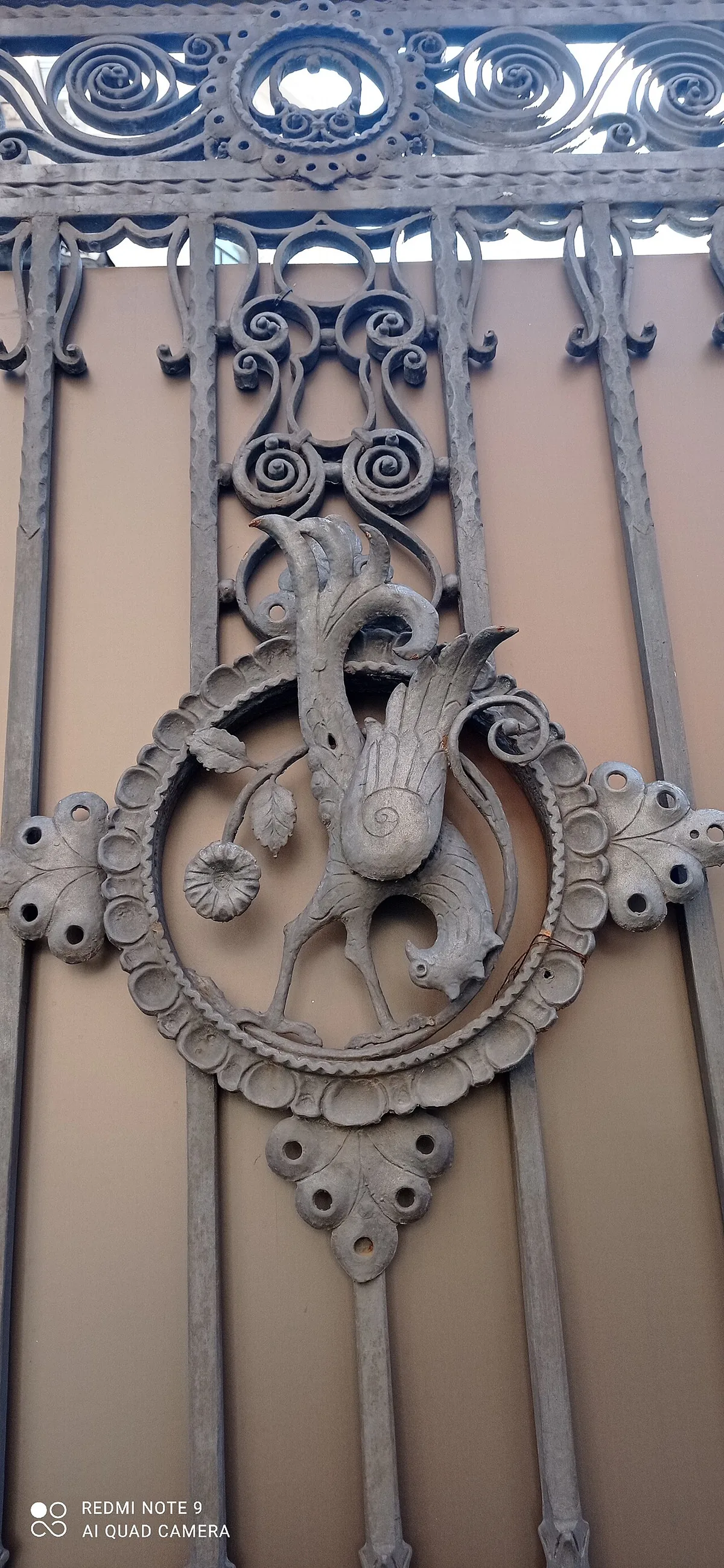
Leonardo’s Vineyard
Leonardo’s Vineyard survives in a garden across from Santa Maria delle Grazie, where the artist worked on The Last Supper. The small plot links a famous commission to the everyday life of its maker, revealing a personal gift preserved through rediscovery and restoration.
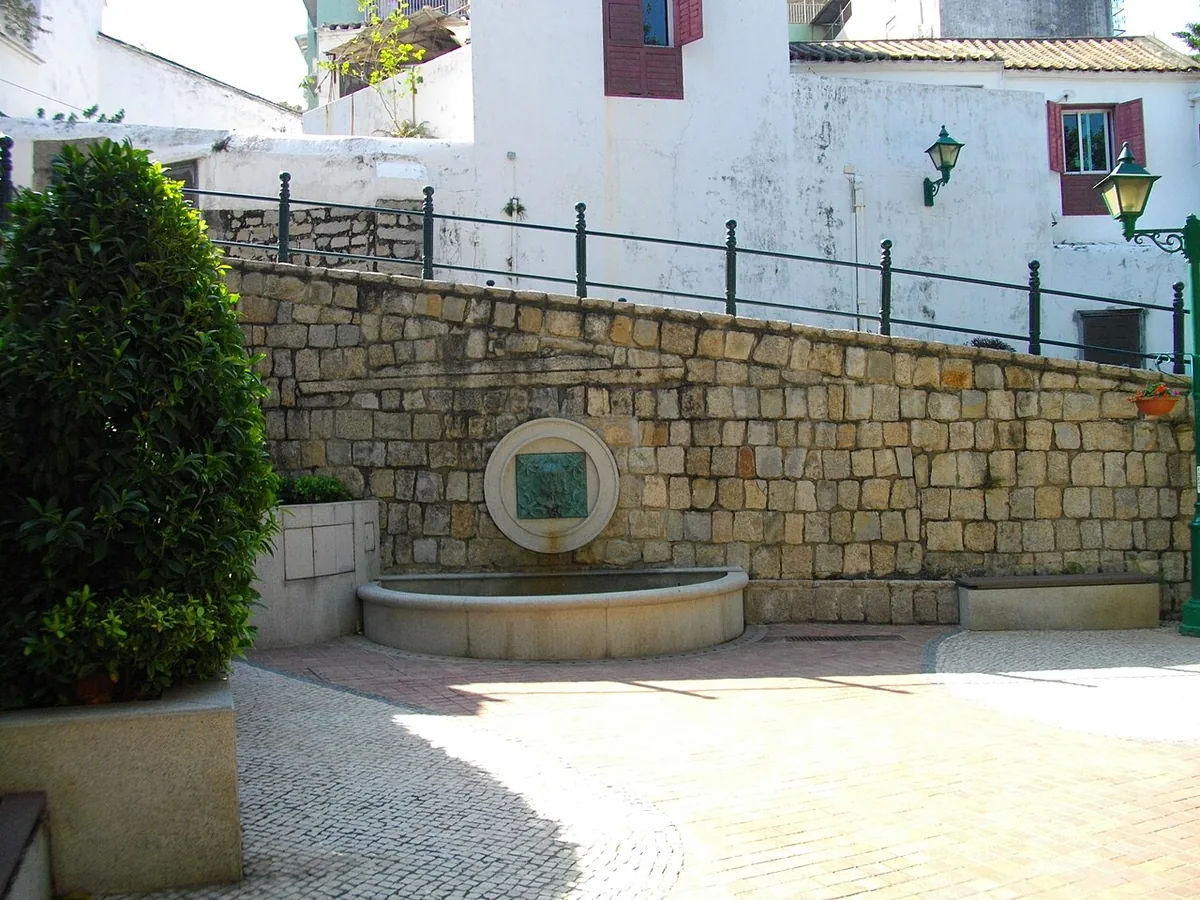
Lilau Square
Lilau Square centers on a natural spring that once supplied water to this early Portuguese residential quarter. Its modest scale invites a pause, but the square connects everyday necessity with Macao’s early urban development and the settlement patterns that formed around reliable fresh water.
Limyra Ancient City
At Limyra, tombs, a theatre, and other ruins spread across a green plain beneath rocky slopes. The site’s history as a Lycian capital becomes visible in its funerary monuments, especially the carved Heroon associated with Pericles of Limyra.
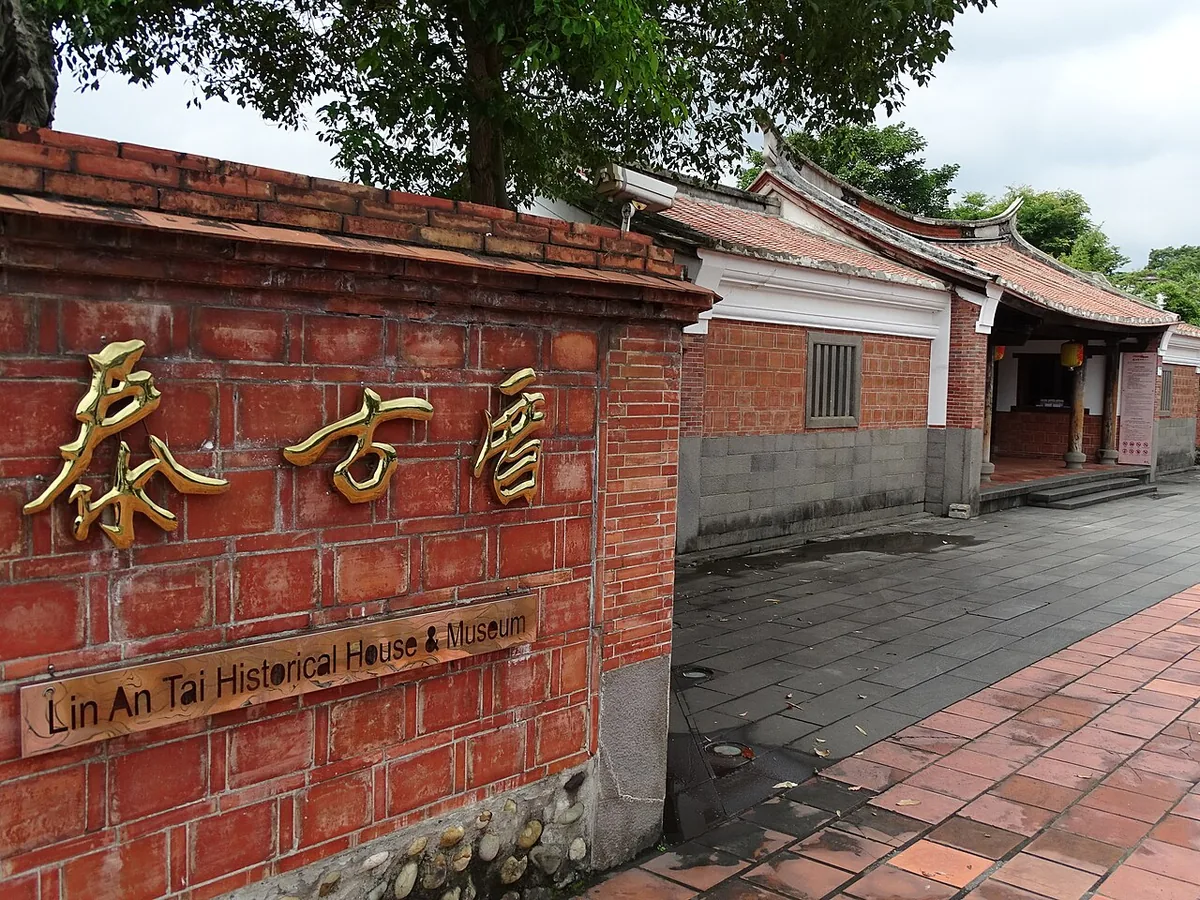
Lin An Tai Historical House
This courtyard house preserves the spatial logic of a southern Fujian residence while bearing traces of its relocation within Taipei. From ballast stones in the front yard to the pond and roof ridges, the details show how a family home became public heritage.
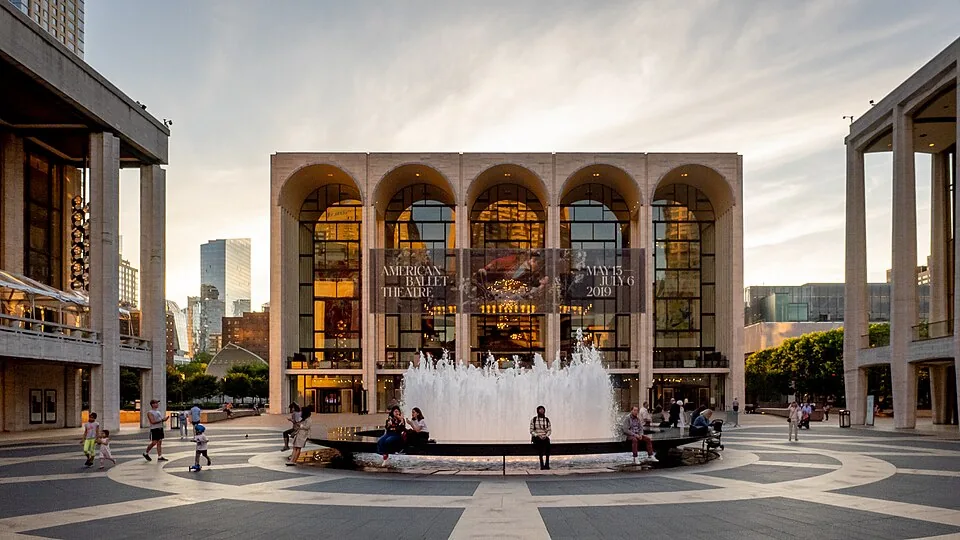
Lincoln Center
Lincoln Center brings together major performing arts organizations on a large Upper West Side campus. Its plazas, fountains and monumental buildings create a shared civic setting for opera, dance, music and public gathering in the heart of Manhattan.
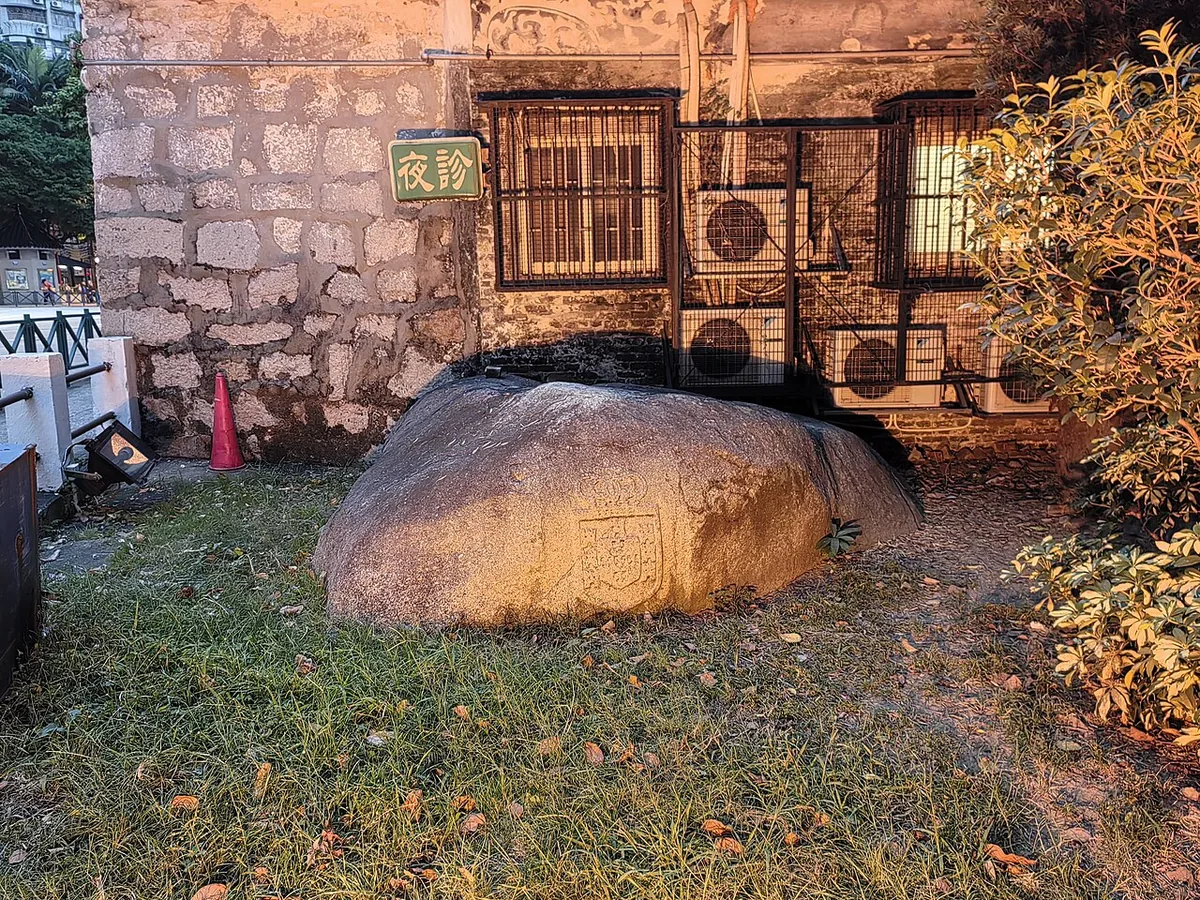
Lin Fong Temple
Lin Fong Temple’s ornamented roof and carved details mark a long-standing Chinese religious site near Macao’s northern edge. Its halls honor several deities, while its history connects local worship with charitable and diplomatic activity.
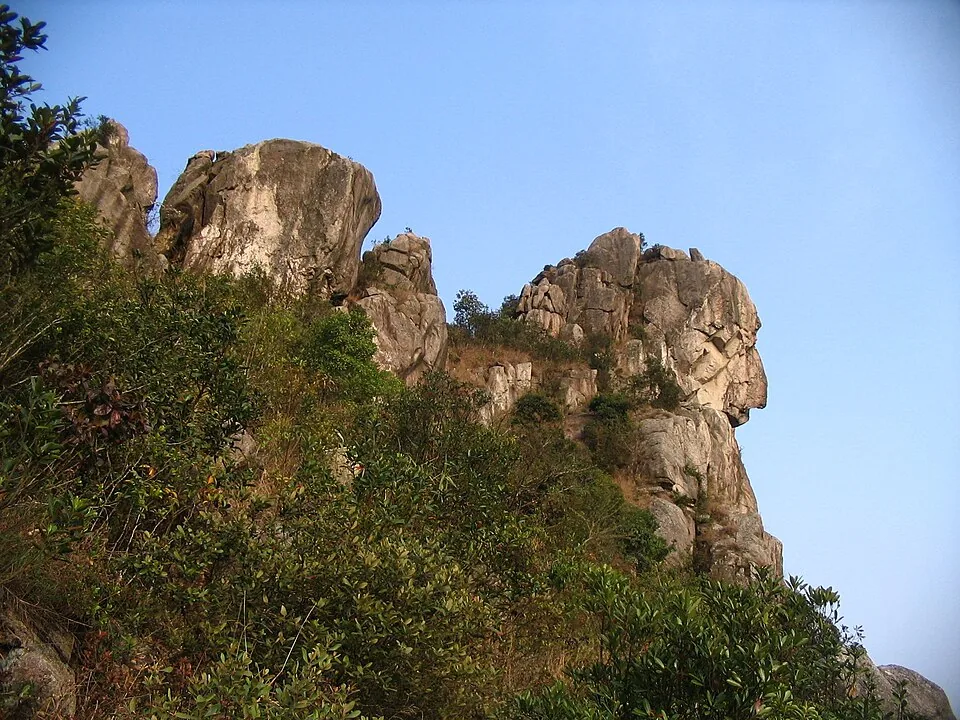
Lion Rock
Lion Rock’s profile is a familiar landmark above Kowloon and Sha Tin. Its rocky crest resembles a crouched lion, while the surrounding country park preserves a steep, wooded ridge beside some of Hong Kong’s most densely built neighborhoods.