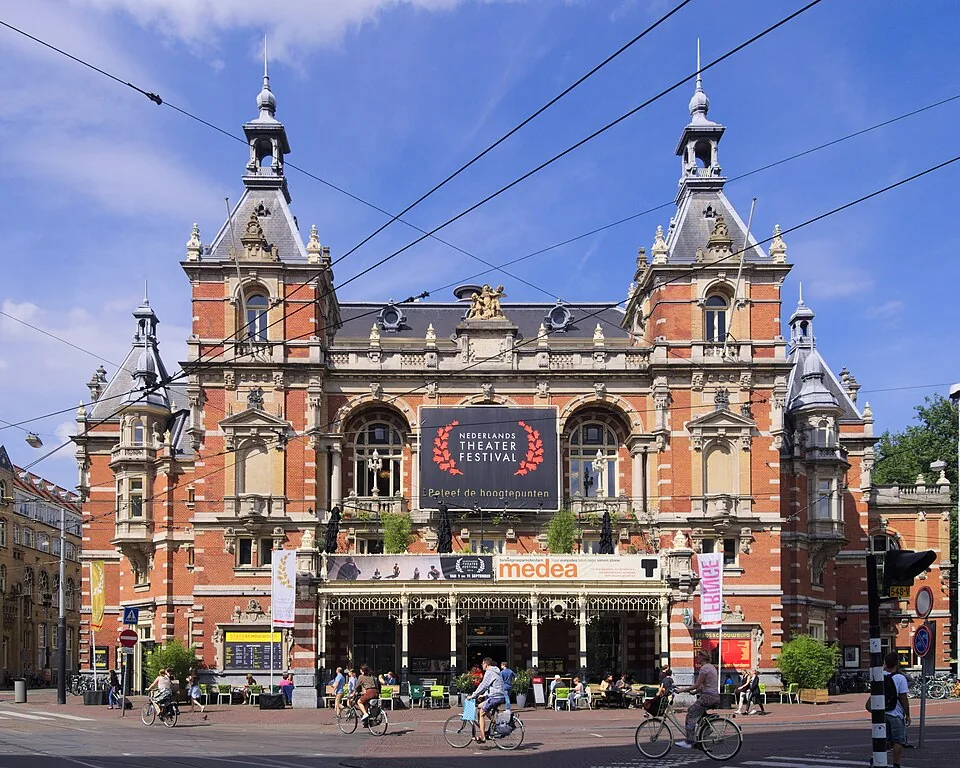
Leidseplein began as a gateway and cart square outside the old city, then grew into a cultural meeting point. The theater and surrounding streets preserve traces of that shift from transport hub to entertainment district.
Guide preview
Leidseplein once worked as a parking and transfer point just outside the city gate, where travelers arrived by horse and cart. Large wagons were left here because Amsterdam’s narrow streets could not easily take them, and travelers continued on foot or changed to smaller vehicles.
Continue exploring
Discover the full story
Keep reading with a travel pass and explore every full guide and tour.
UpgradeQuick facts
- Leidseplein served as a cart and carriage parking area outside the old city gate.
- A city theater opened on the square in 1774.
- The current Stadsschouwburg building opened in 1894 after a fire destroyed its predecessor.
More places in Amsterdam
A'DAM Lookout Tower
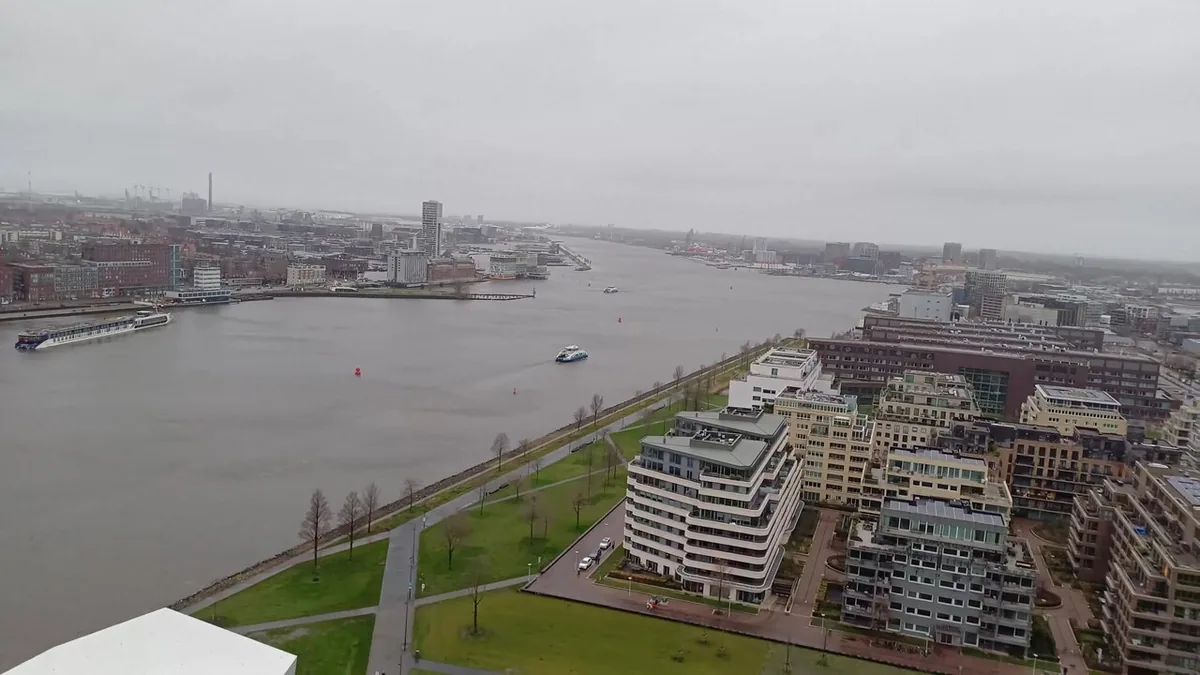
A’DAM Lookout crowns the former Shell tower across the IJ, giving Amsterdam Noord a vertical landmark and visitors a broad view back toward the historic center. From here, the city reads as water, rooftops, bridges, and new development in one panorama.
Albert Cuyp Market
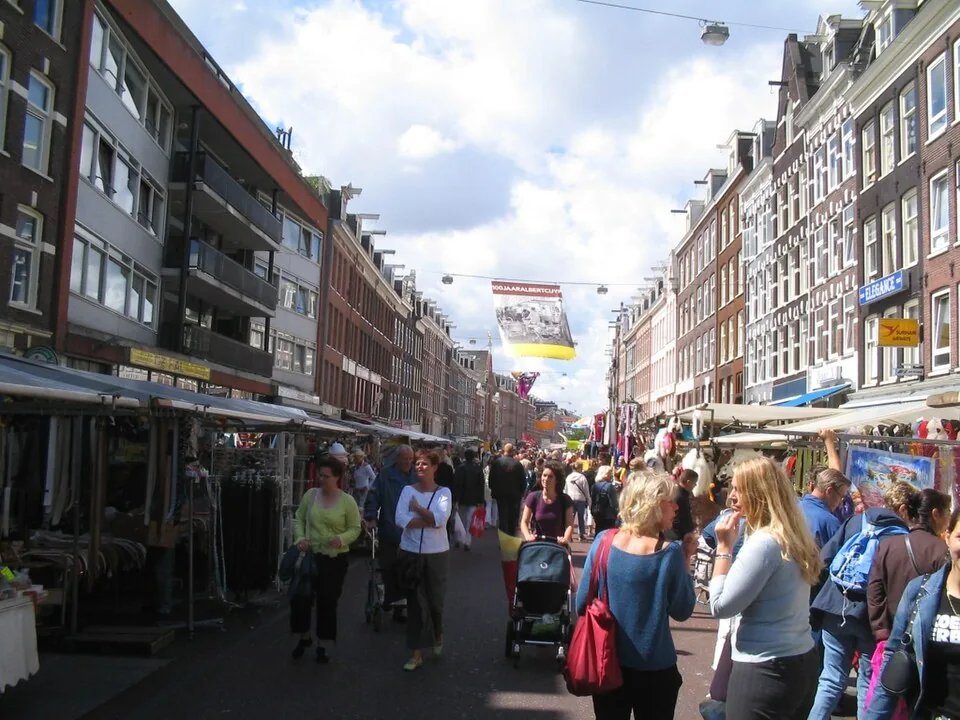
Albert Cuyp Market runs along the busy commercial spine of De Pijp, a neighborhood built during Amsterdam’s nineteenth-century expansion. Its stalls bring food, household goods, and local conversation into the street.
Amsterdam Centraal Station
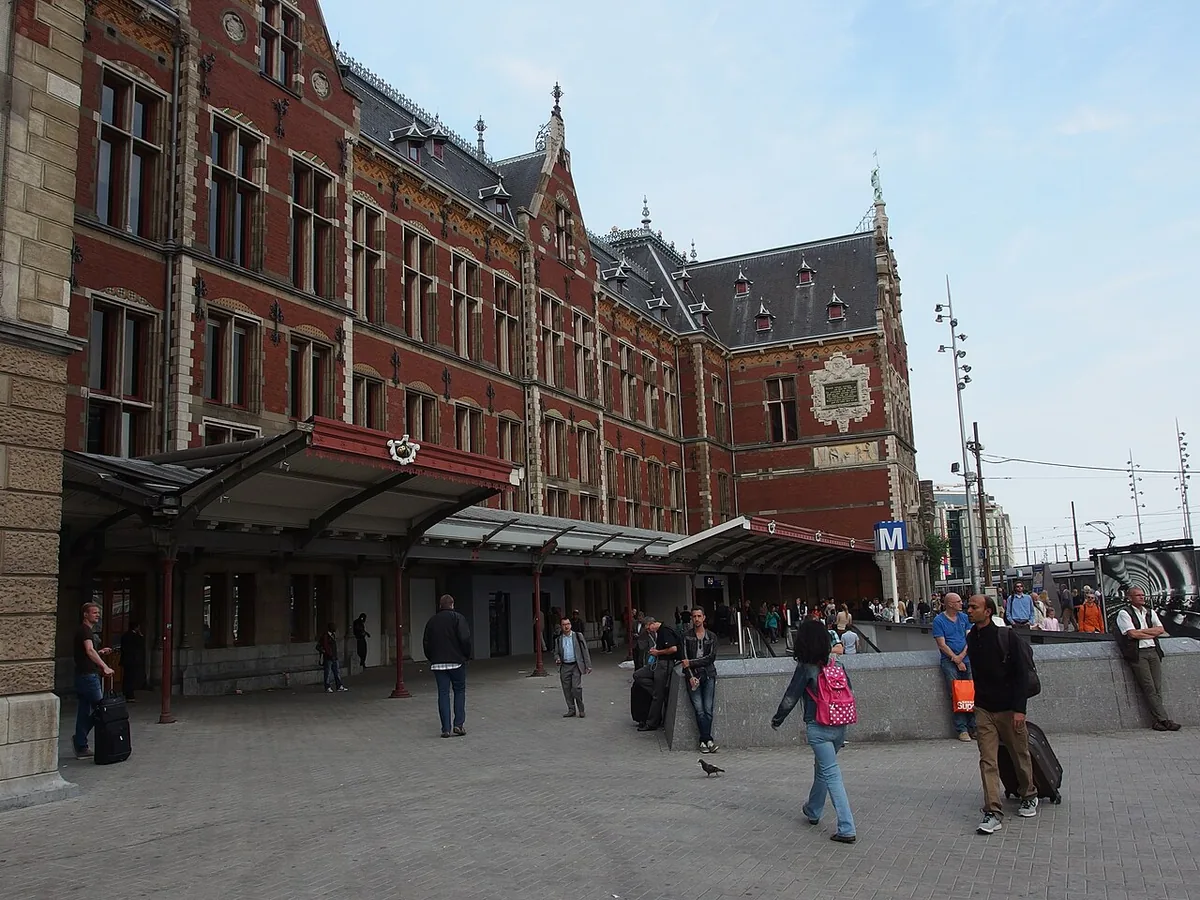
Amsterdam Centraal stands on an artificial island in the IJ, its ornate brick façade by Pierre Cuypers marking the city’s nineteenth-century connection to a national rail network. Watch ferries and trains meet here, where Amsterdam’s historic center faces the water.
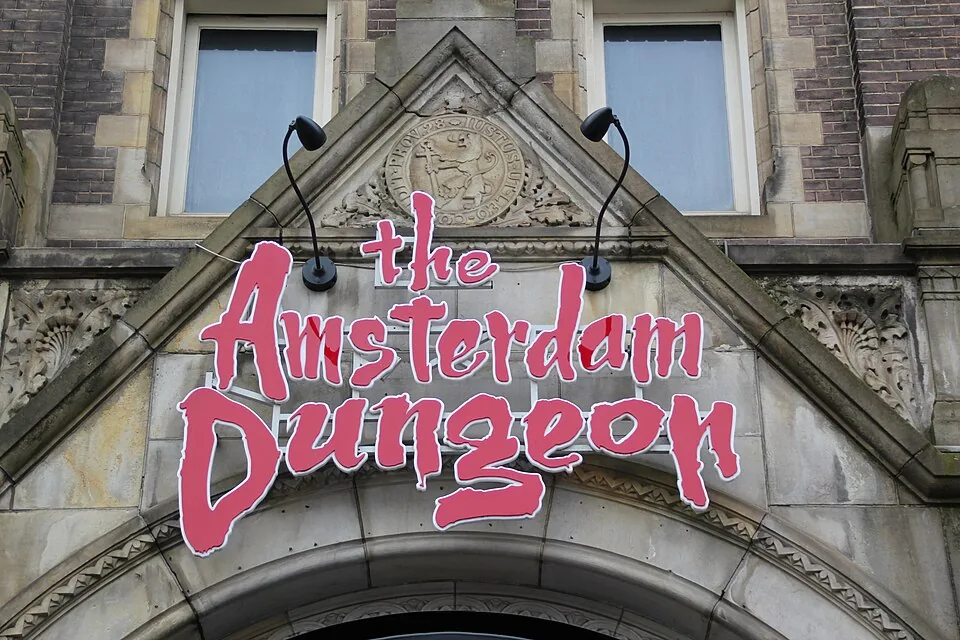
Amsterdam Dungeon
The Amsterdam Dungeon is a theatrical attraction that uses actors and staged scenes to interpret episodes from the city’s past. Its deliberate blend of performance and history makes this a useful place to notice how a story changes when visitors become part of the set.
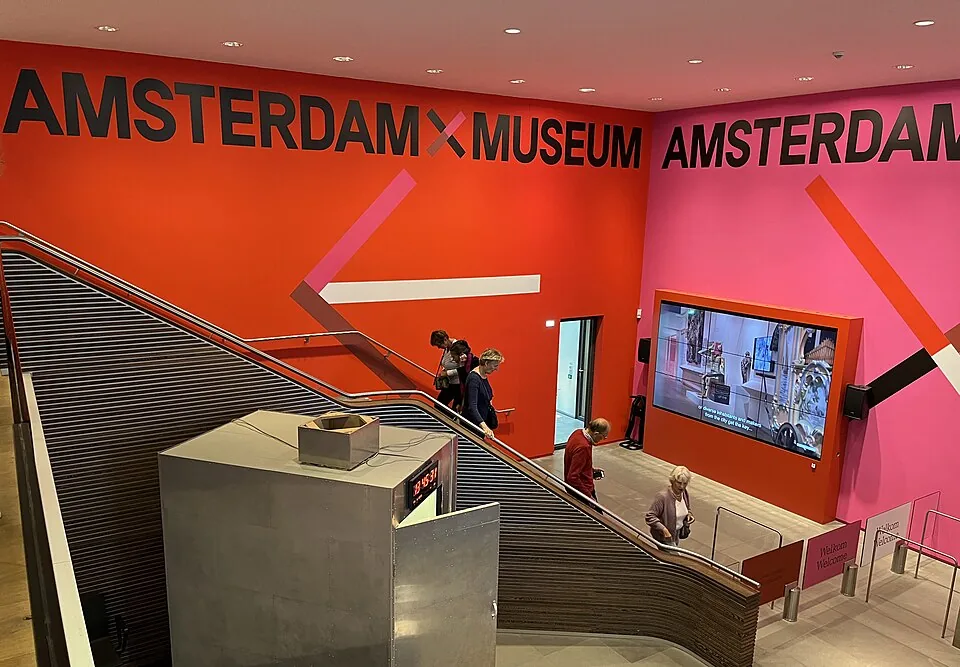
Amsterdam Museum
The Amsterdam Museum tells the city through objects and many voices, linking historic artifacts with stories from residents today. Its collection spans paintings, clothing, photographs, documents, and everyday things, a reminder that a city’s identity keeps changing.
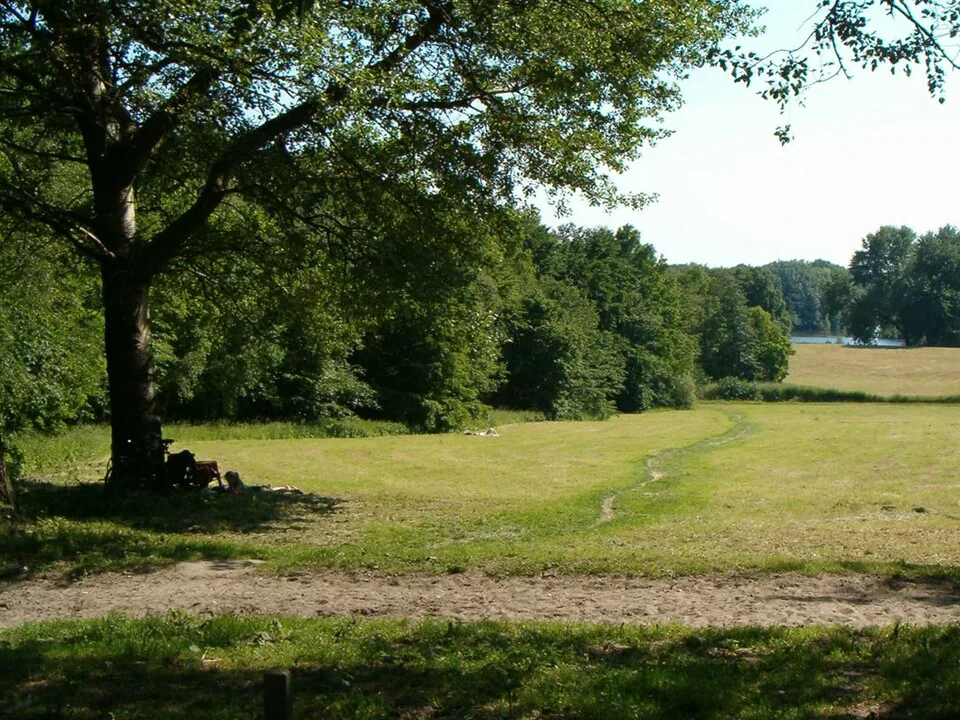
Amsterdamse Bos
Amsterdamse Bos is a hand-planted urban forest created during the economic crisis of the 1930s. Its broad scale, woods, water, and meadows make it feel unlike the compact parks inside Amsterdam’s ring.