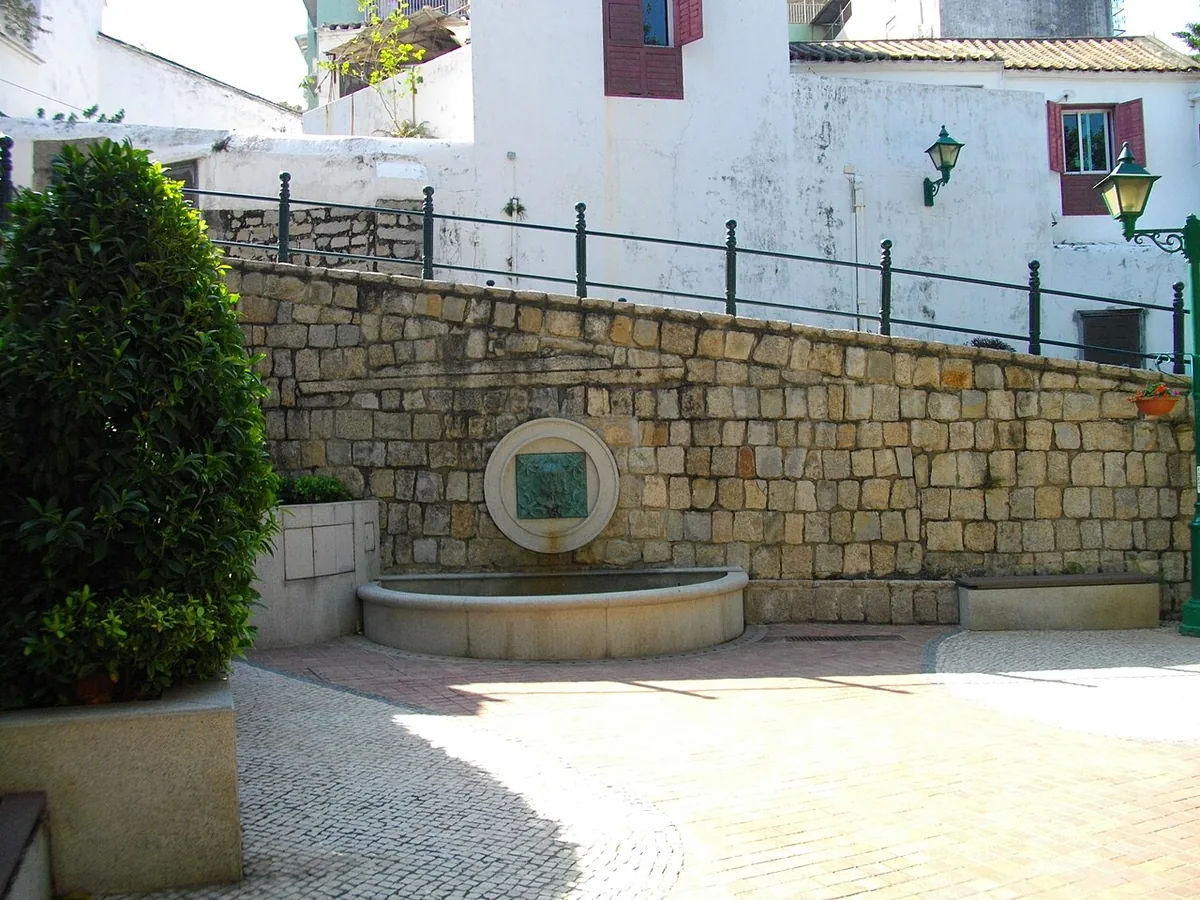
Lilau Square centers on a natural spring that once supplied water to this early Portuguese residential quarter. Its modest scale invites a pause, but the square connects everyday necessity with Macao’s early urban development and the settlement patterns that formed around reliable fresh water.
Guide preview
The square’s name points to its most practical feature: water. Lilau was associated with a natural spring that supplied fresh water, making this area an important early residential quarter for Portuguese settlers in Macao. Before pipes and modern services, a dependable spring shaped where people lived and gathered.
Continue exploring
Discover the full story
Keep reading with a travel pass and explore every full guide and tour.
UpgradeQuick facts
- Lilau refers to a natural spring and freshwater source.
- The square lies in one of Macao’s early Portuguese residential quarters.
- A local saying links drinking Lilau water with remembering Macao.
More places in Macao
A-Ma Cultural Village
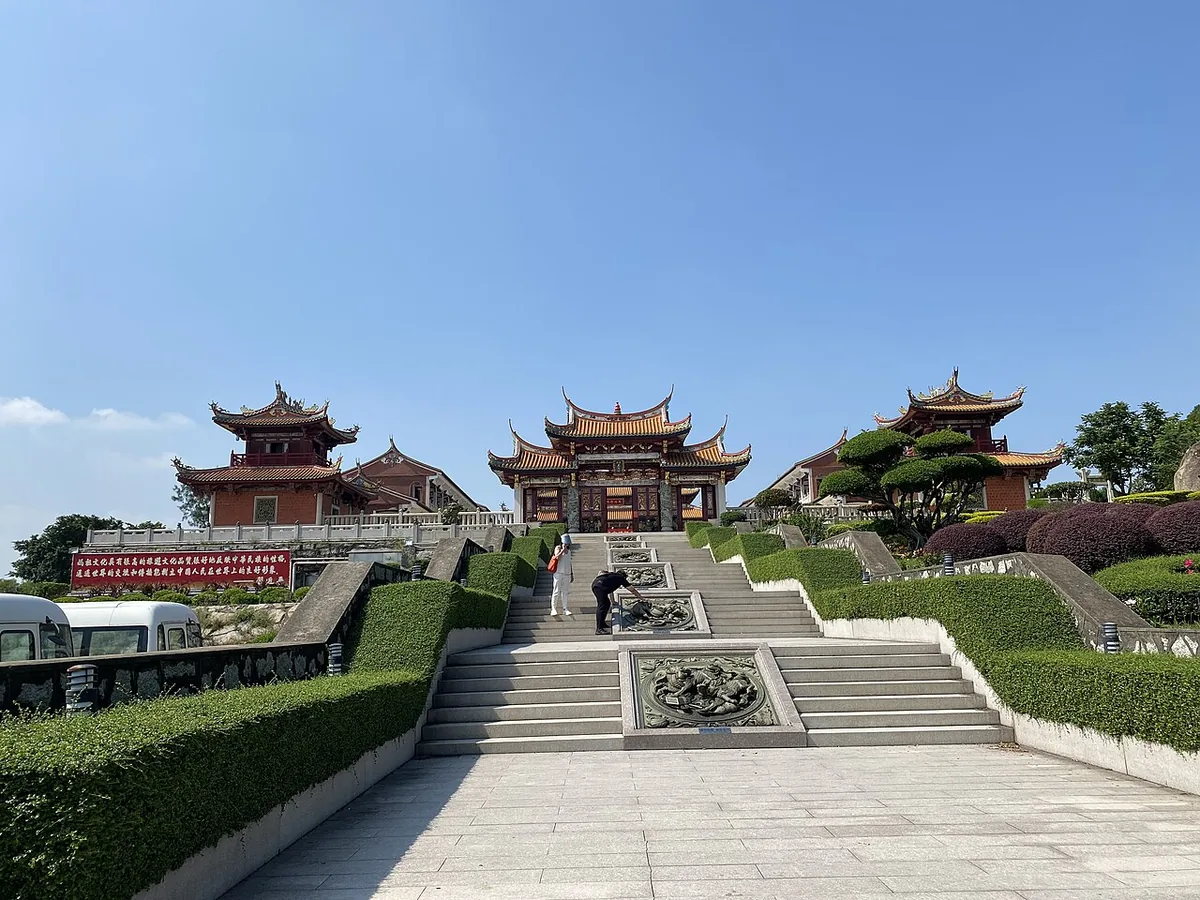
A-Ma Cultural Village is a hilltop complex on Coloane devoted to the sea goddess A-Ma, also known as Tin Hau. Its temple buildings, ceremonial structures, and nearby statue connect religious devotion with Macao’s maritime heritage.
A-Ma Temple
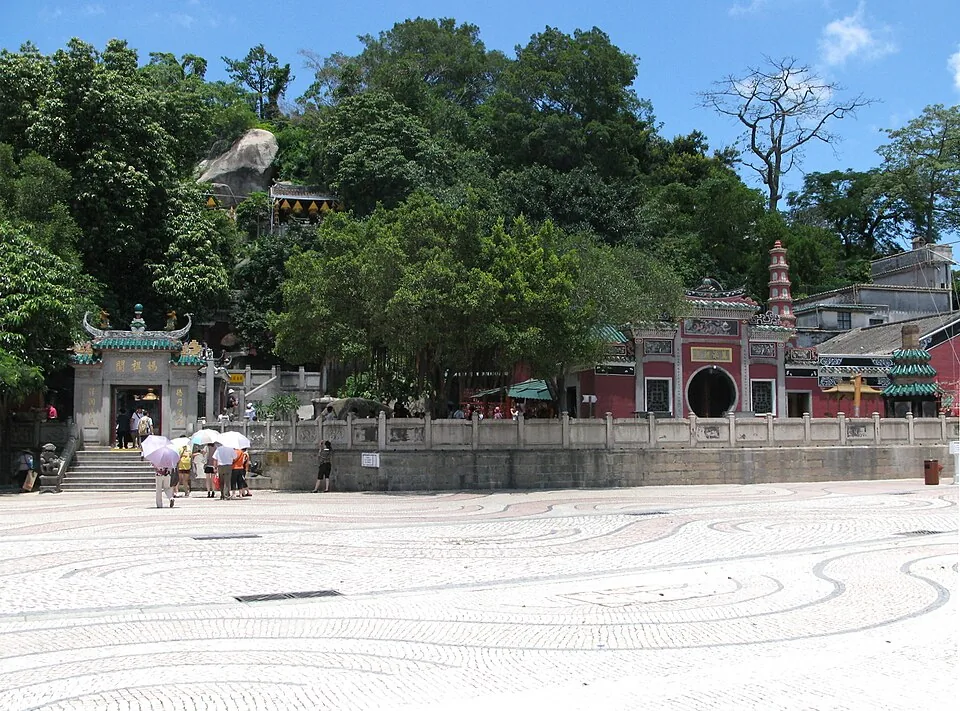
A-Ma Temple is a multi-pavilion religious complex on Macao’s Barra hillside, dedicated to Mazu and other deities. Its buildings, built over several centuries, reflect the coexistence of Chinese religious traditions in a living place of worship.
Barra Square
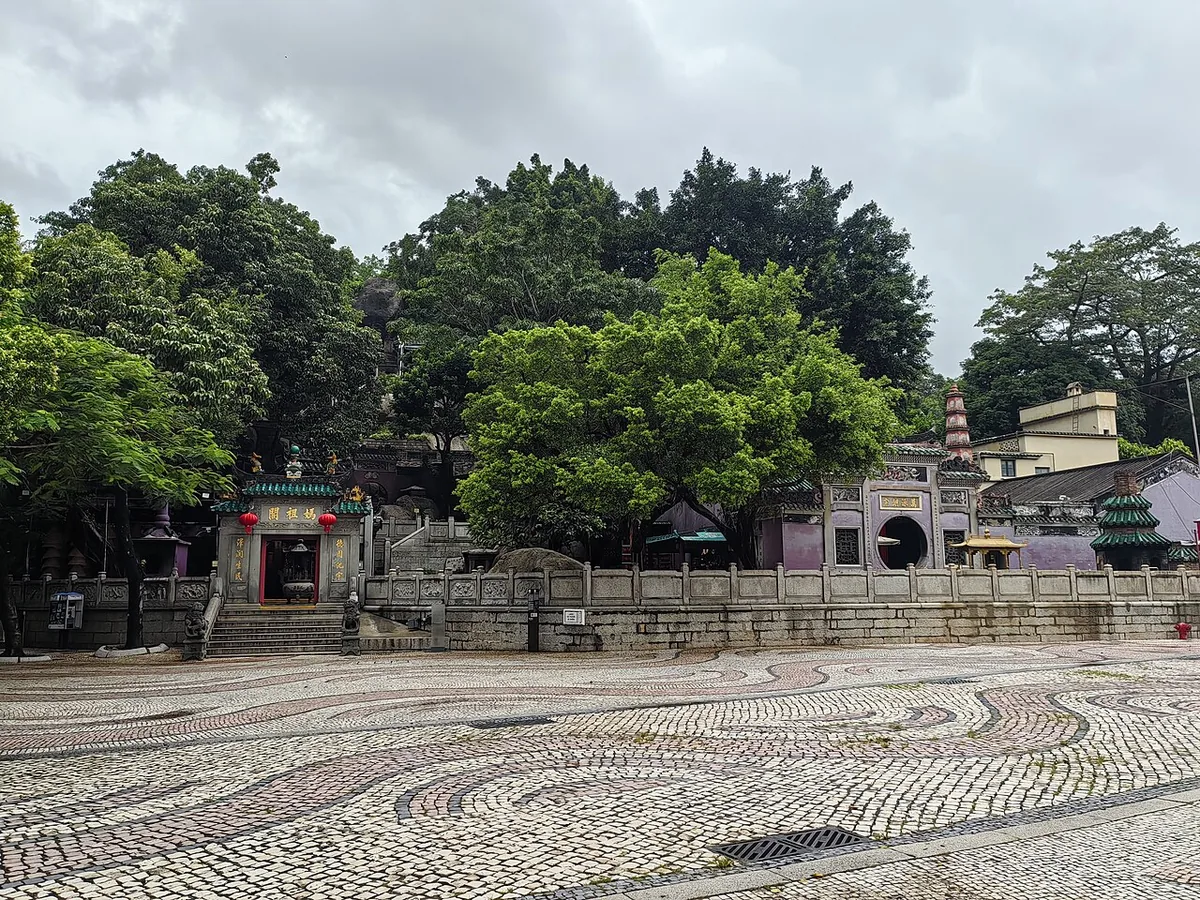
Barra Square opens toward Macao’s Inner Harbour in front of A-Ma Temple. Its Portuguese-style mosaic paving and waterfront position make it both a threshold to the temple and a reminder of the port setting that shaped the city.
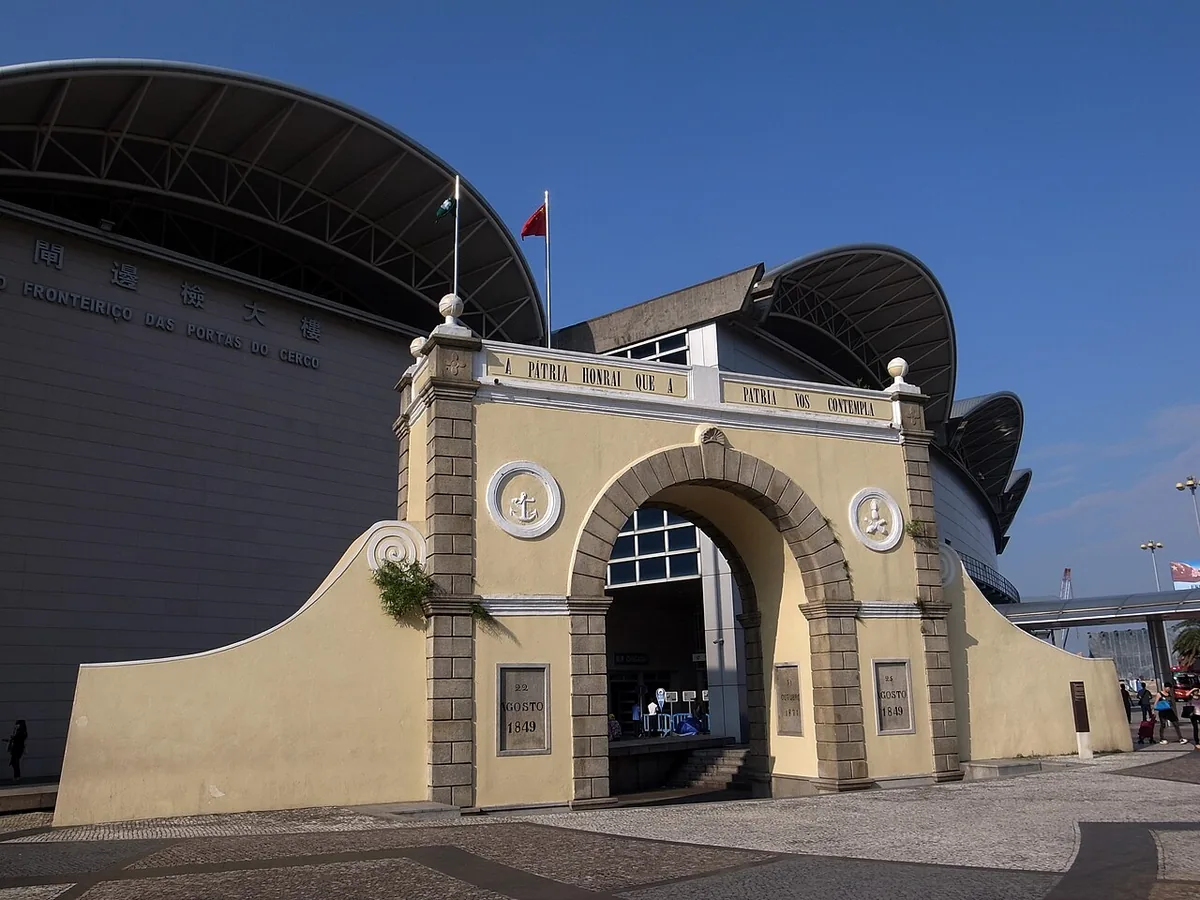
Border Gate (Portas do Cerco)
Border Gate, or Portas do Cerco, marks Macao’s northern land boundary with mainland China. The modern checkpoint and surrounding infrastructure frame a crossing that has long shaped movement, trade, and the relationship between Macao and its neighboring city.
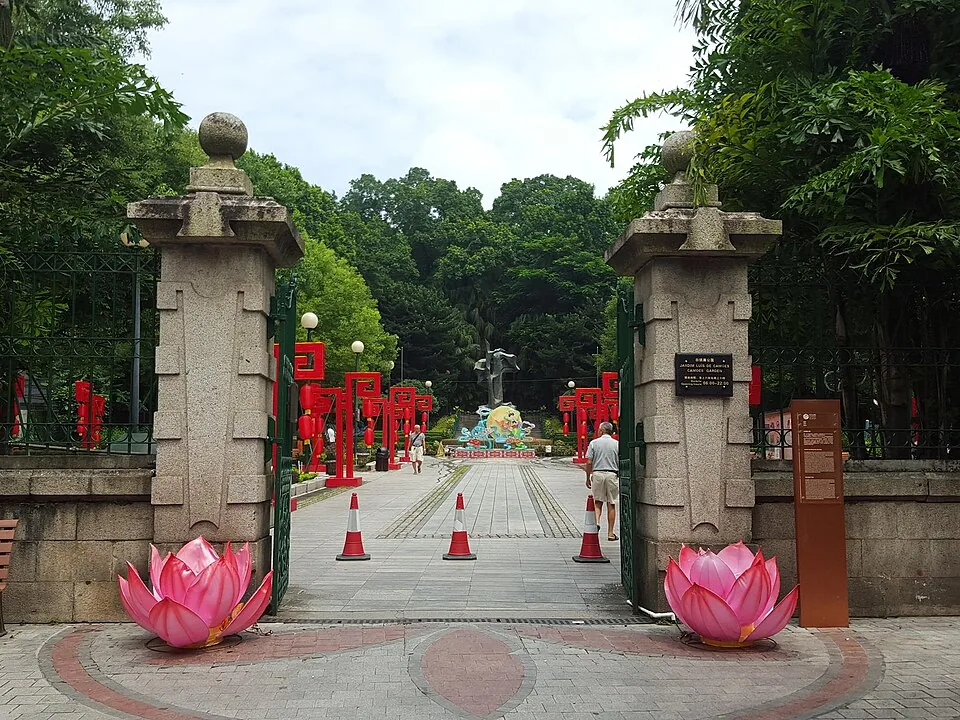
Camoes Garden
Camões Garden is a wooded hillside park with layered paths and the grotto associated by local tradition with poet Luís de Camões. Its mature trees and old estate setting preserve a distinctive green pocket within Macao’s dense peninsula.
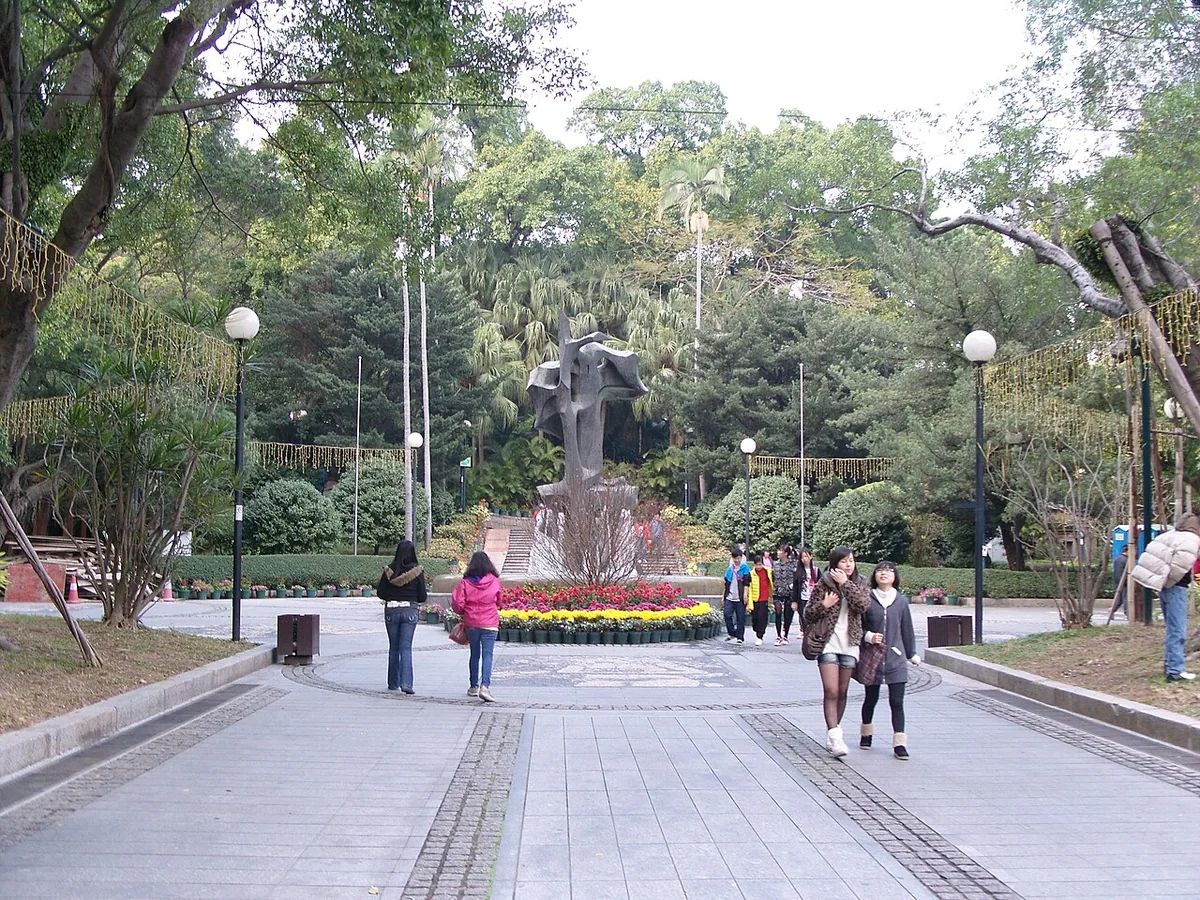
Camoes Square
Camões Square is a leafy public garden near Casa Garden, St. Anthony’s Church, and the Protestant Cemetery. Its shaded paths and benches offer a quieter view of Macao’s historic center, where cultural, religious, and residential sites meet.