Explore locations
Browse places by name, city, country or category.
All locations
1624 locations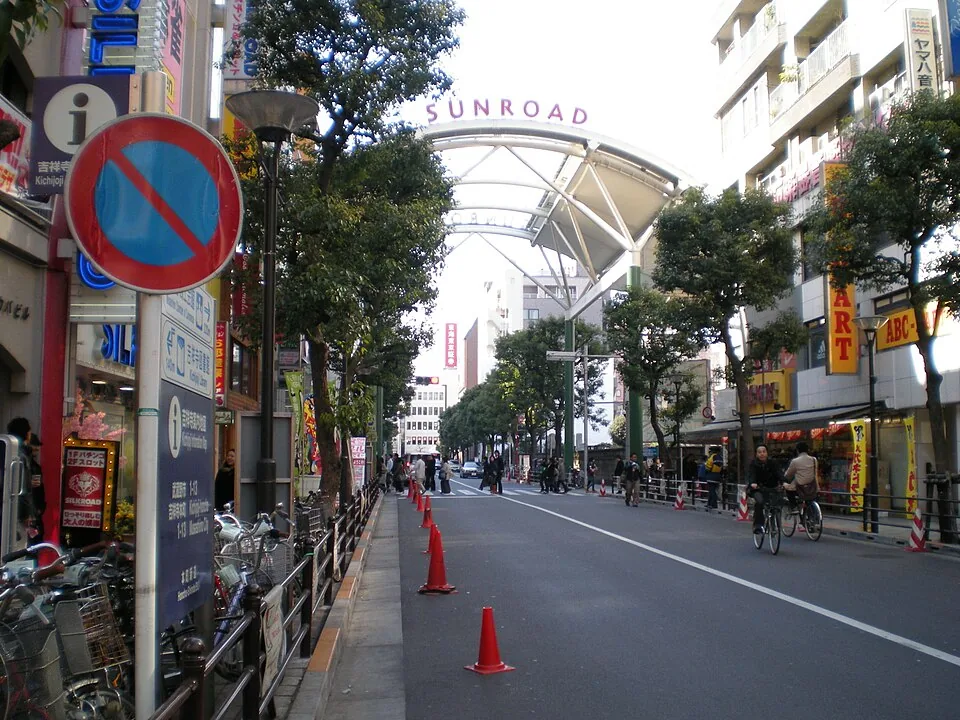
Kichijoji
Kichijoji’s character sits between a lively station district and the green basin of Inokashira Park. The neighborhood name recalls residents displaced from a temple town after the Great Meireki Fire, while the park’s pond links the area to Tokyo’s older water history.
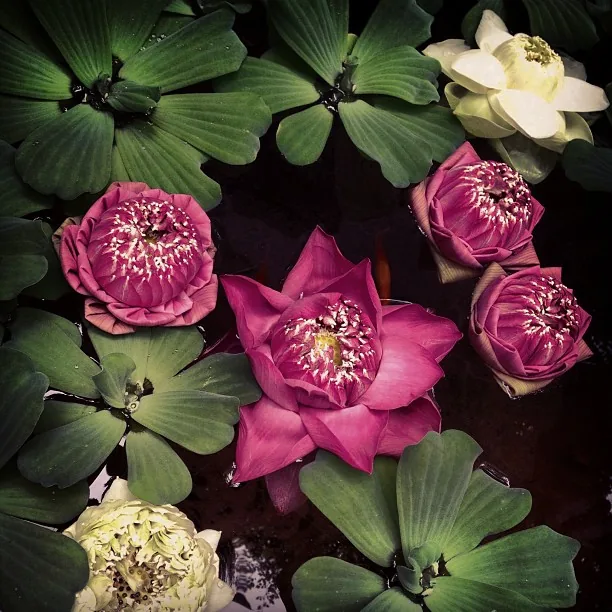
Kid Mai Death Awareness Cafe
Kid Mai turns the ordinary café visit into a staged encounter with birth, ageing, illness, and death. Its installations use physical simulation to prompt reflection on life’s limits, with the intended emphasis on valuing the time and relationships people have.
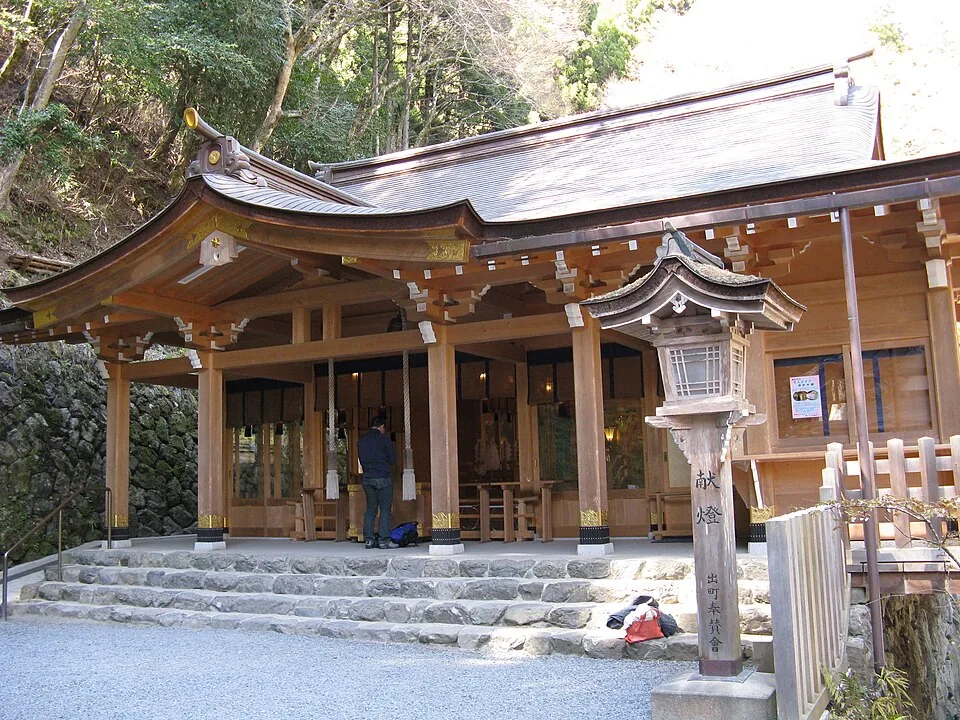
Kifune Shrine
Kifune Shrine’s stone stairway rises beneath red lanterns in a forested mountain valley. Dedicated to a water deity, the shrine’s setting near the source of streams makes its prayers and landscape closely connected.
Kim? Contemporary Art Centre
Kim? Contemporary Art Centre presents changing exhibitions and events at Sporta iela 2 in Riga, connecting artists and audiences through contemporary visual art and discussion.
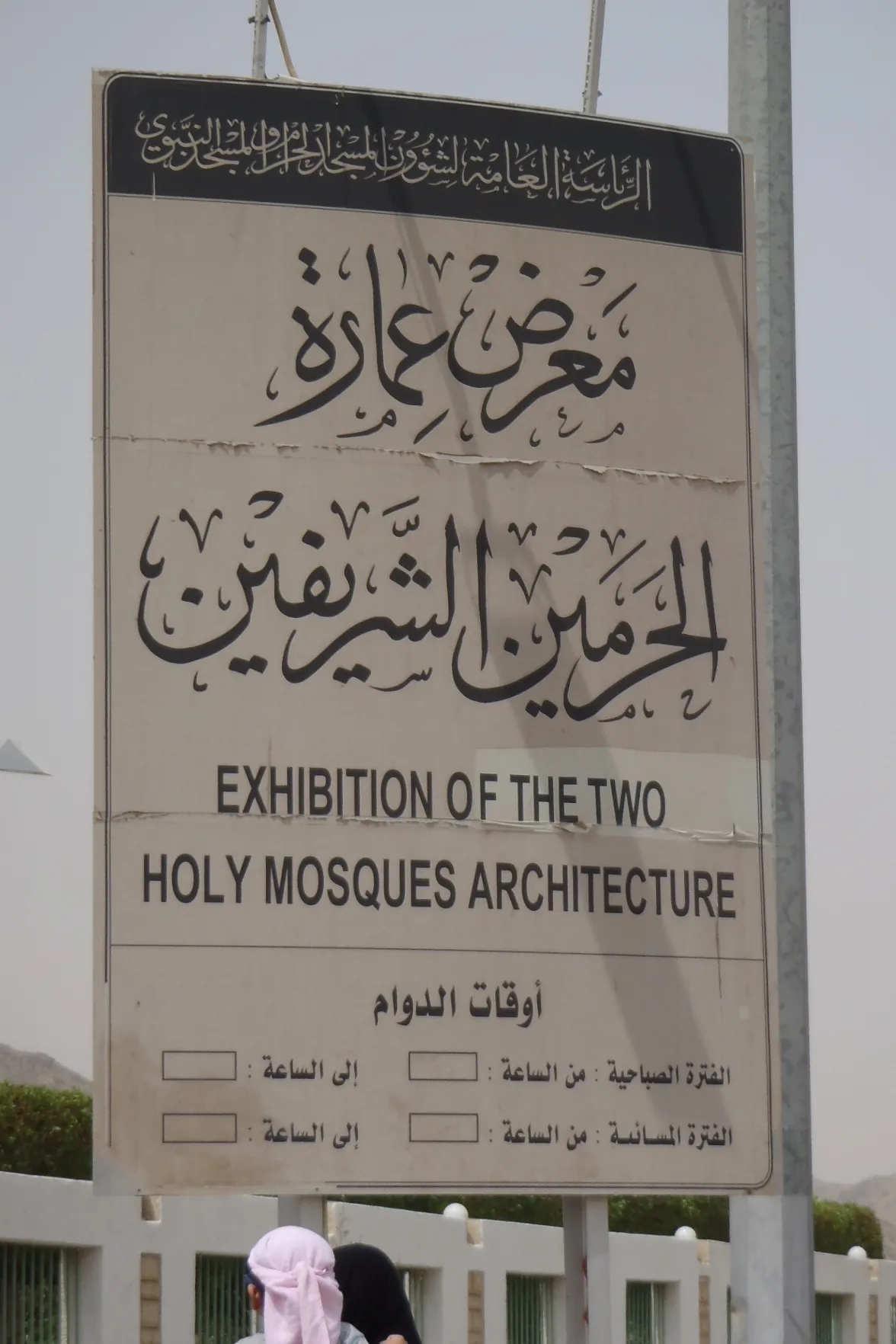
King Abdulaziz Complex for Holy Kaaba Kiswa
The King Abdulaziz Complex makes the Kaaba’s Kiswa through a sequence of dyeing, weaving, testing, printing, embroidery, and assembly. Its work joins specialized craft and modern machinery in producing a covering seen by Muslims worldwide.
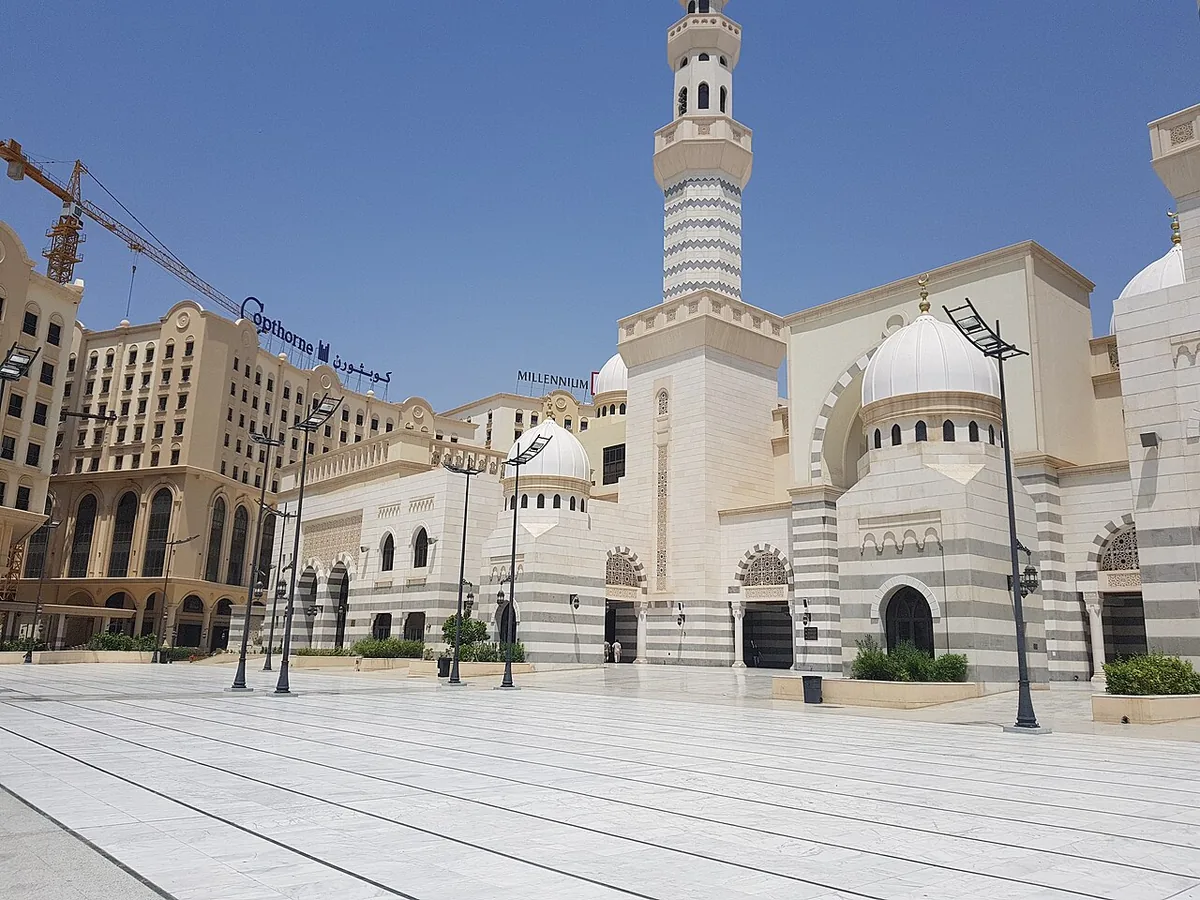
King Abdullah Park (Al Mashair)
King Abdullah Park in Makkah’s Al-Shara’i district combines lawns, water features, walking routes, and shaded family areas. It functions as a neighborhood gathering place, with public recreation spread across a large landscaped setting.
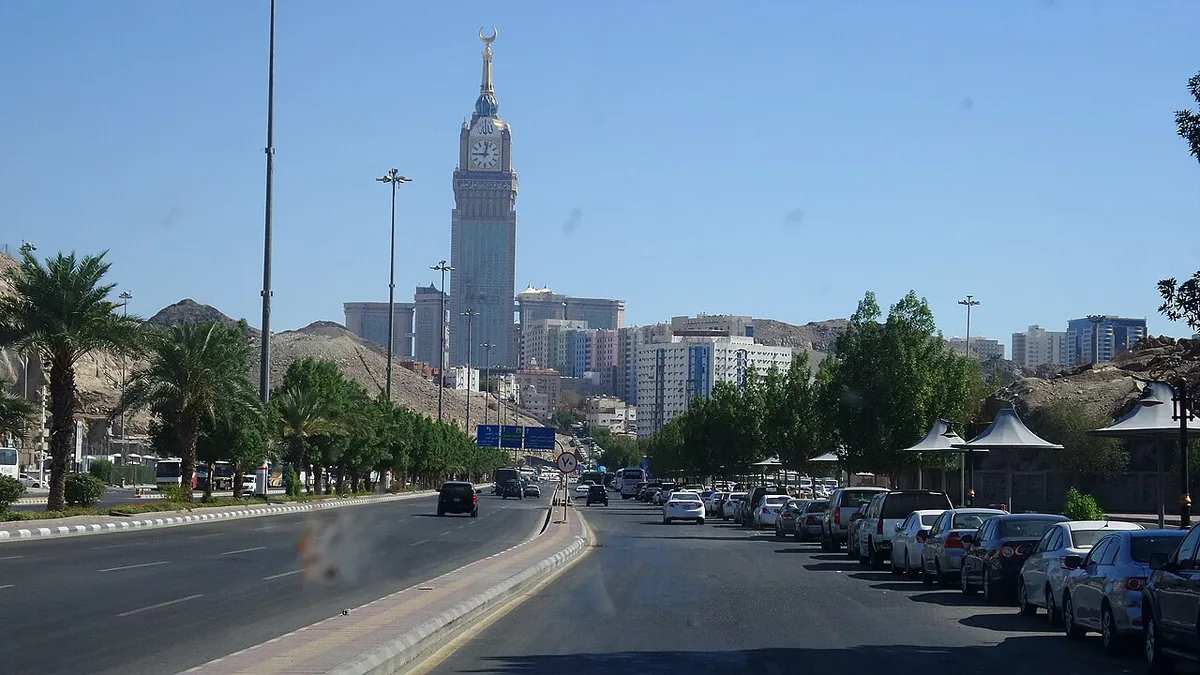
King Abdullah Zamzam Water Project
The King Abdullah Zamzam Water Project is a purification, storage, and distribution facility in Mecca’s Kudai area. It connects the well’s religious significance with the engineering and quality controls needed to supply water beyond the sanctuary.
King Power Mahanakhon
King Power Mahanakhon’s pixelated spiral appears to peel away from the tower as it rises above Silom. The shifting façade turns a very tall mixed-use building into a visible marker of Bangkok’s vertical growth, while its rooftop observatory offers a city-scale view of that change.
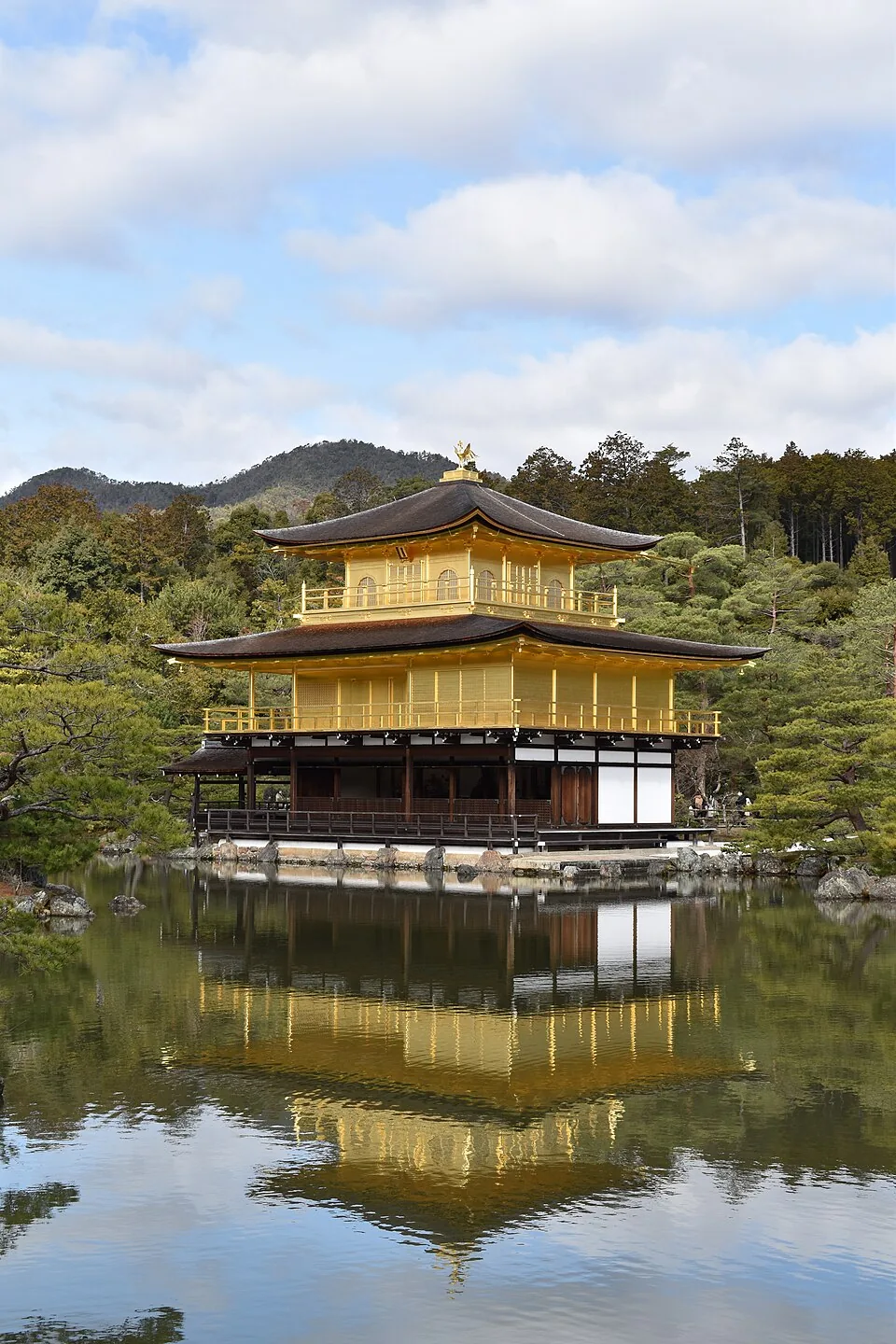
Kinkaku-ji
The Golden Pavilion reflects across a pond in a landscape designed to frame changing views. Known formally as Rokuon-ji, the temple began as shogun Ashikaga Yoshimitsu’s villa, and its pavilion links political power, Buddhist imagery, and garden design.
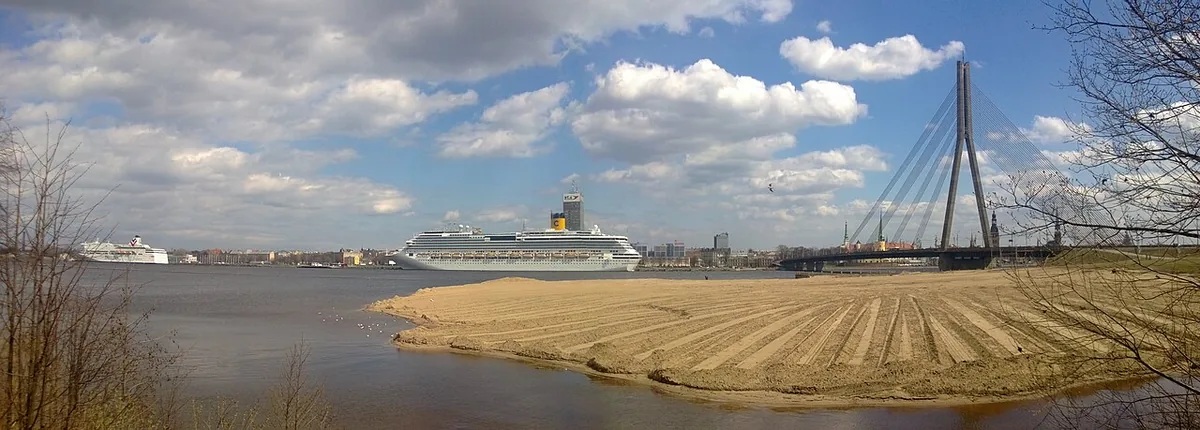
Ķīpsala Beach
Ķīpsala Beach is a sandy riverside recreation area on the Daugava in central Riga, with views towards the Old Town and a designated bathing area in season.
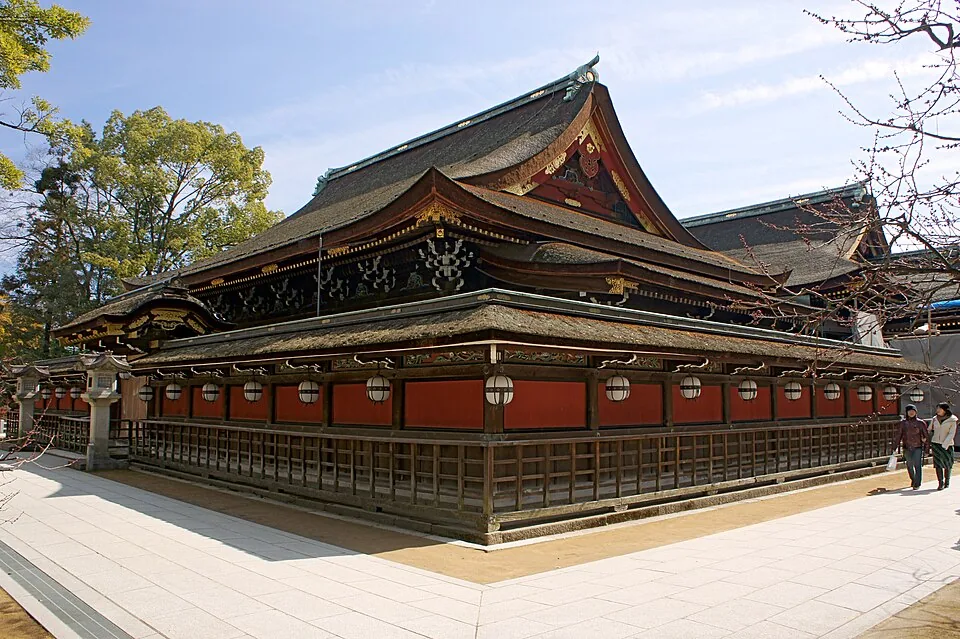
Kitano Tenmangu
Kitano Tenmangu Shrine honors Sugawara no Michizane, a scholar whose story connects learning, political exile, and later religious devotion. Plum trees and richly carved shrine buildings make this precinct both a place of worship and a record of cultural memory.
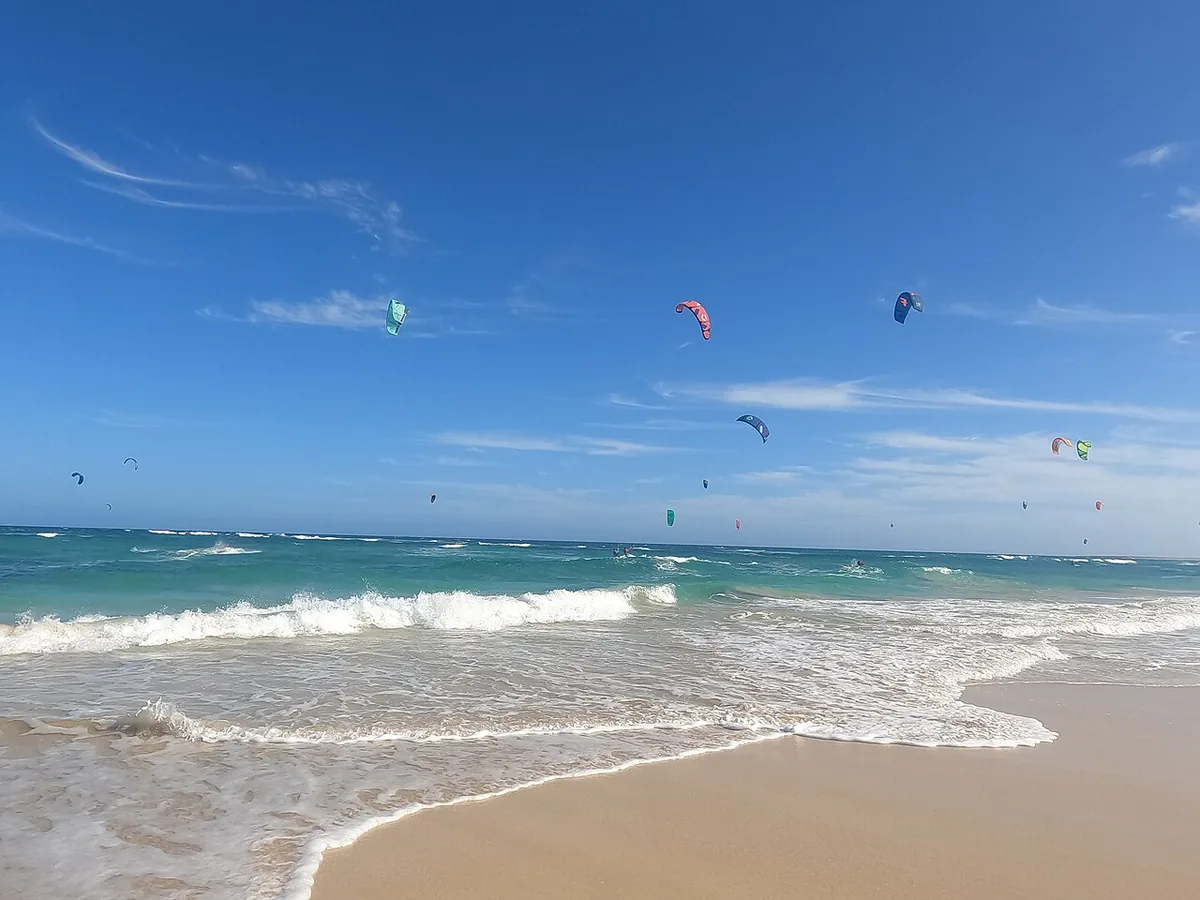
Kite Beach
Kite Beach is a public stretch of Dubai coastline known for open views, water sports and a broad sandy edge. The name points to an activity, but the defining feature is the way the shoreline leaves room for both movement and looking out to sea.
Kiyomizu-dera
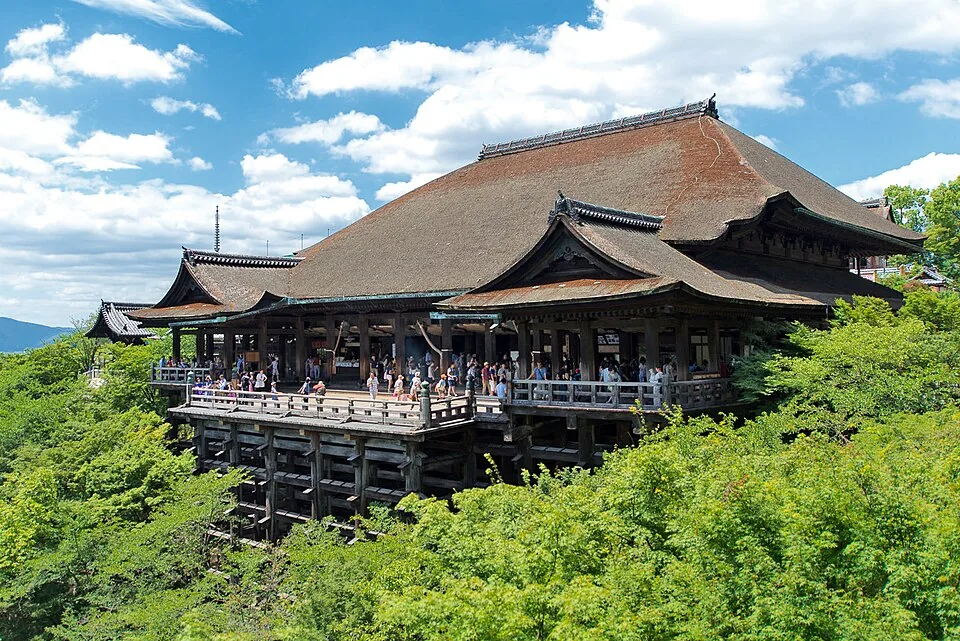
Kiyomizu-dera’s wooden veranda projects over a steep hillside, supported by a forest of tall columns. The structure makes the temple’s relationship to the Higashiyama landscape unmistakable, turning a religious hall into a viewing place above Kyoto.
KL Bird Park
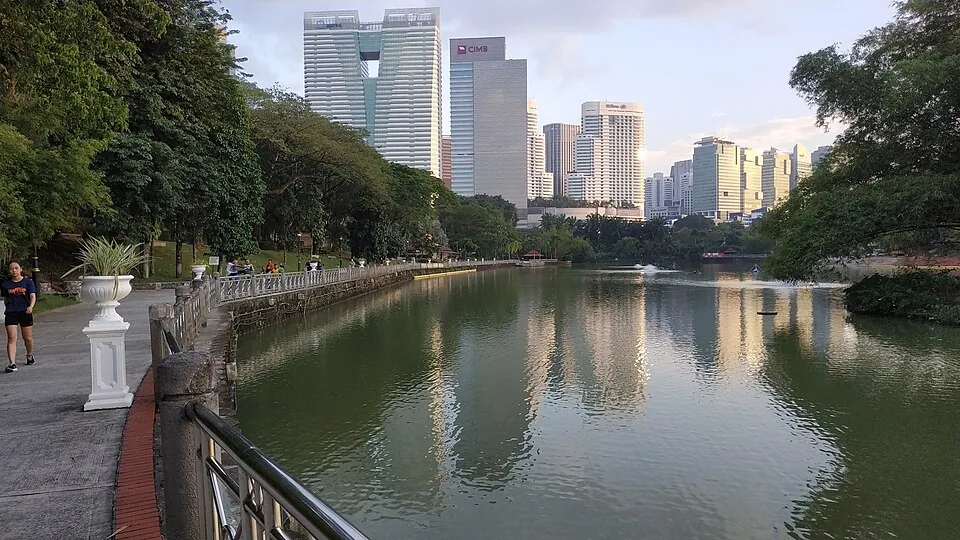
KL Bird Park places a walk-through aviary inside the historic Lake Gardens landscape. Landscaped zones allow visitors to watch birds at close range, including free-flight areas and a separate Hornbill Park, while raising questions about habitat and care.
KLCC Park
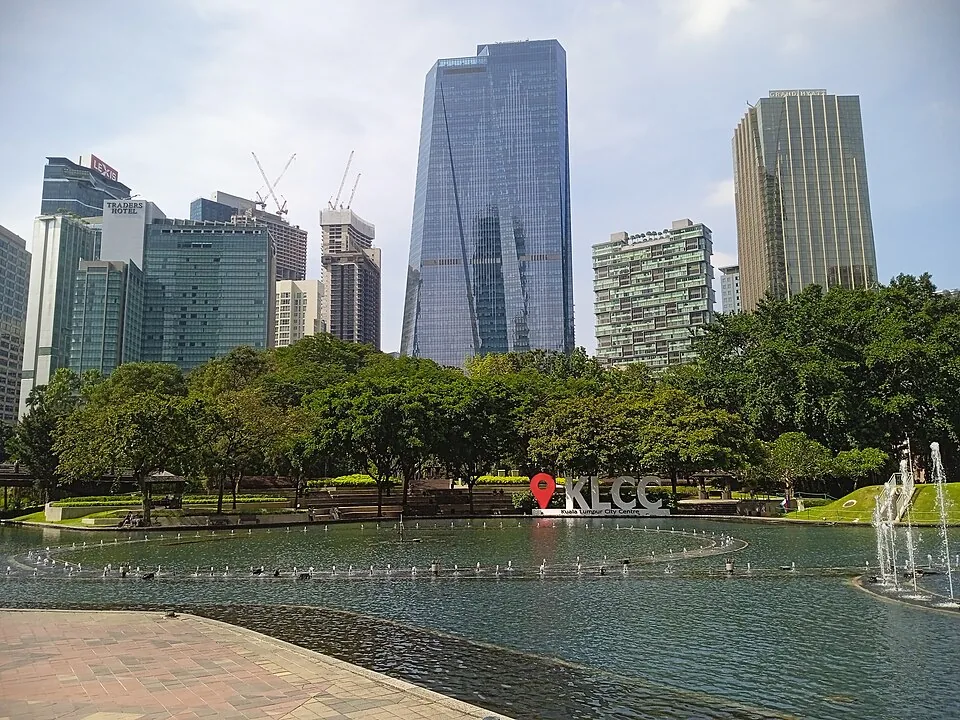
KLCC Park creates a large green interval among central Kuala Lumpur’s commercial towers. Designed by landscape architect Roberto Burle Marx, its lake, paths, mature trees, and play areas make public recreation part of the high-rise district’s original plan.
KL Forest Eco Park
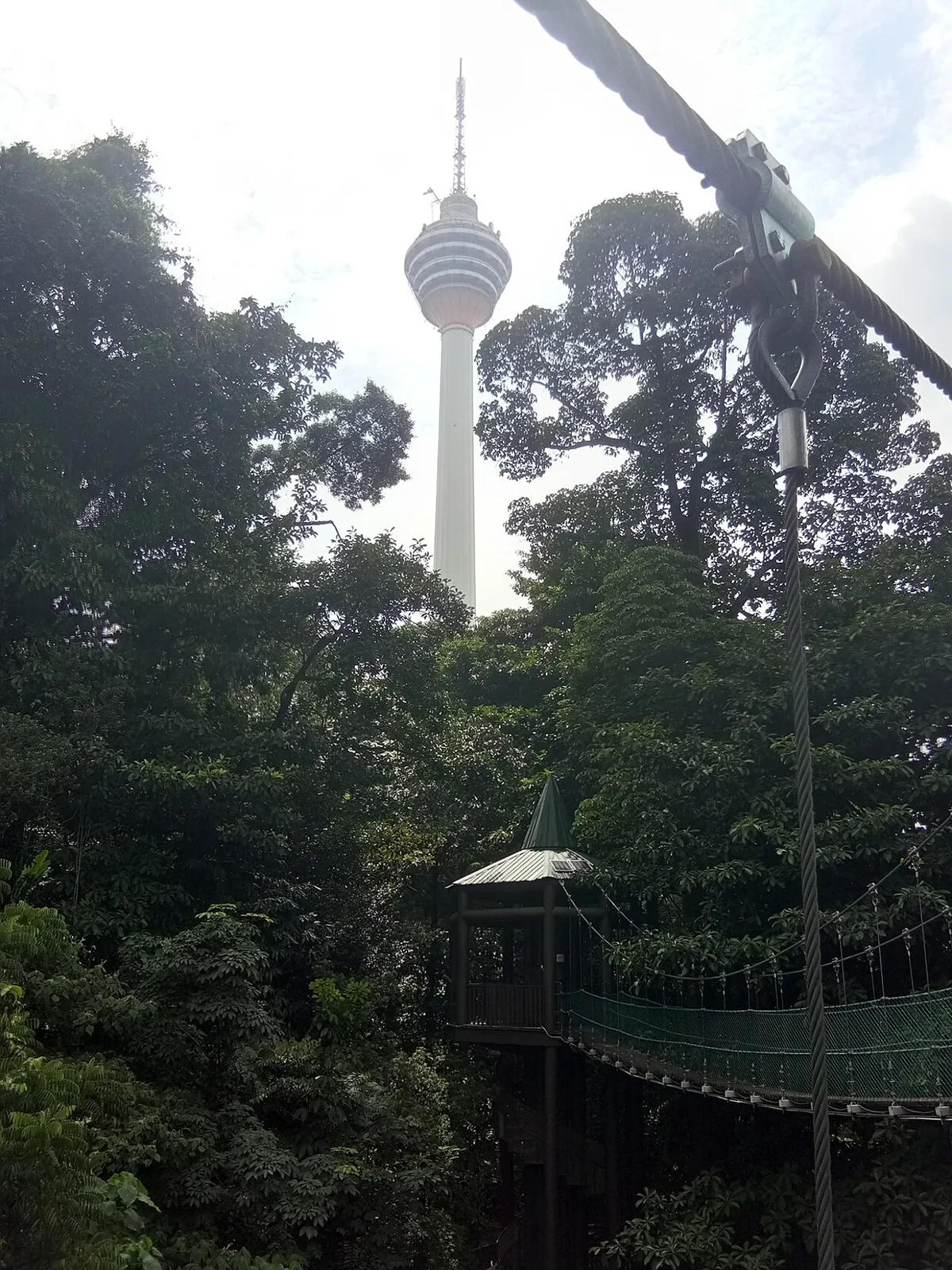
A forest reserve survives on Bukit Nanas, surrounded by central Kuala Lumpur’s streets and towers. In the canopy and on the slopes, the city’s dense skyline gives way to a hill dipterocarp forest preserved as an urban green refuge.
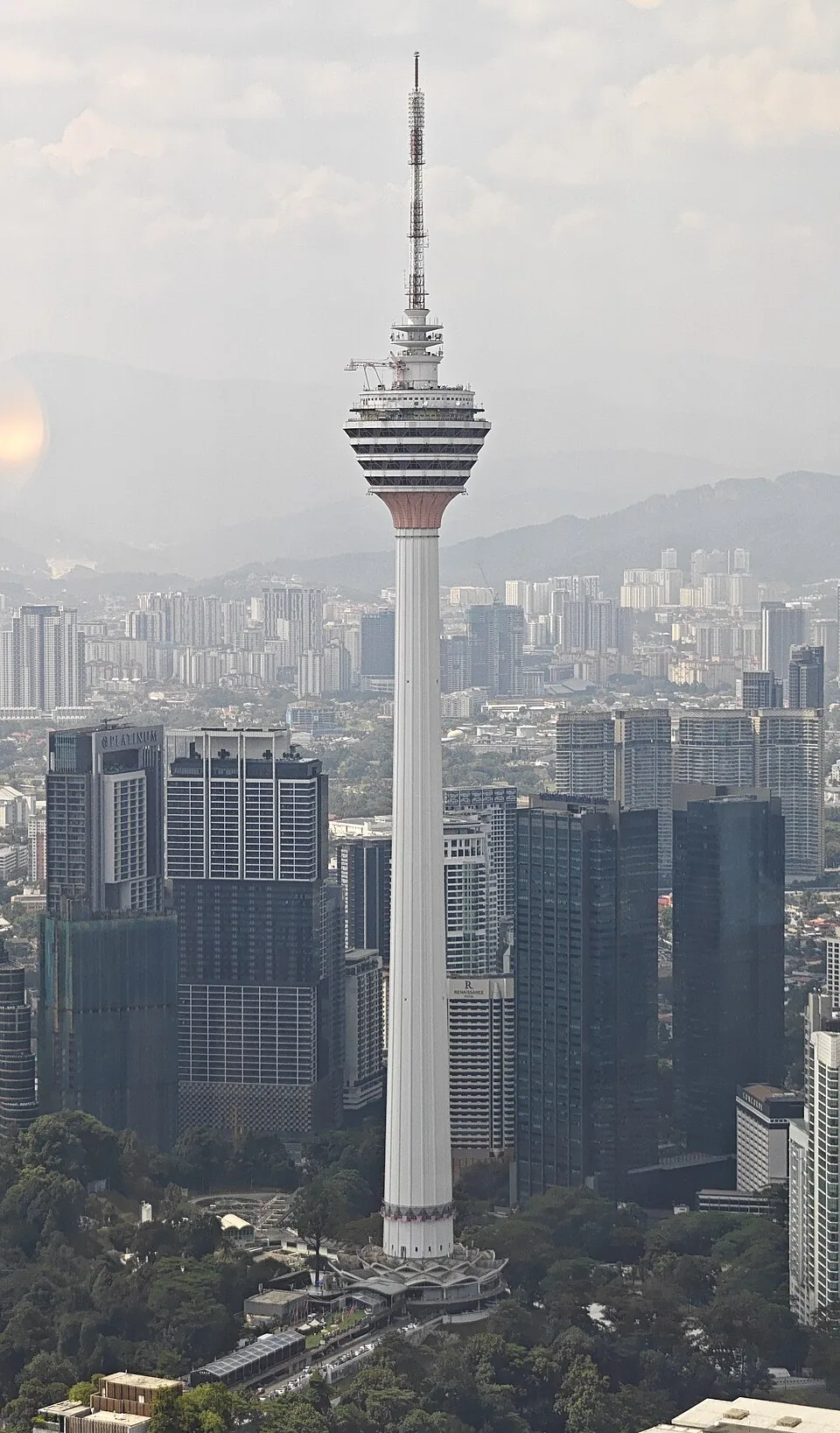
KL Tower
KL Tower rises from Bukit Nanas, placing a communications mast above one of central Kuala Lumpur’s green hilltops. Its design brings broadcasting infrastructure, public observation, and the surrounding forest reserve into a single vertical landmark.
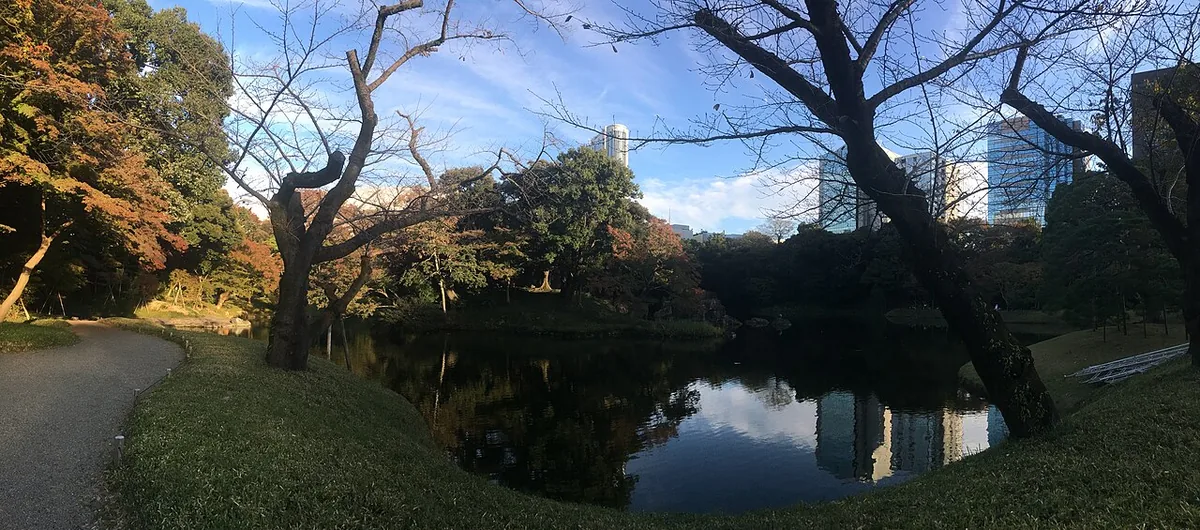
Koishikawa Korakuen Gardens
At Koishikawa Korakuen, the stone Full Moon Bridge turns a Chinese landscape idea into a precise visual effect. Its curved arch and reflection meet as a circle, linking a small garden view to a wider cultural exchange.
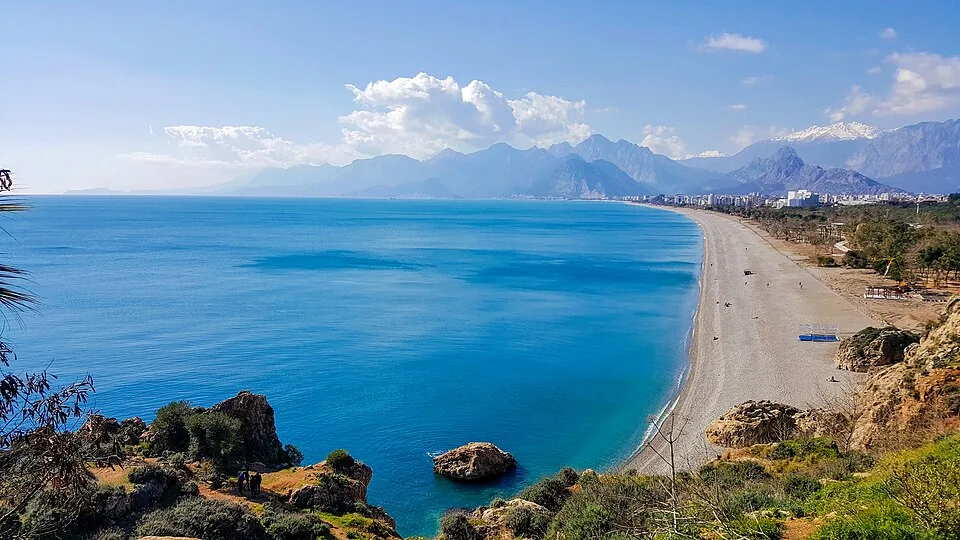
Konyaaltı Beach
The long pebble shore of Konyaaltı sits beneath Antalya’s western cliffs, with the Beydağları forming a distant backdrop. This meeting of mountain, city, and Mediterranean makes the beach as much a landscape viewpoint as a place to swim.
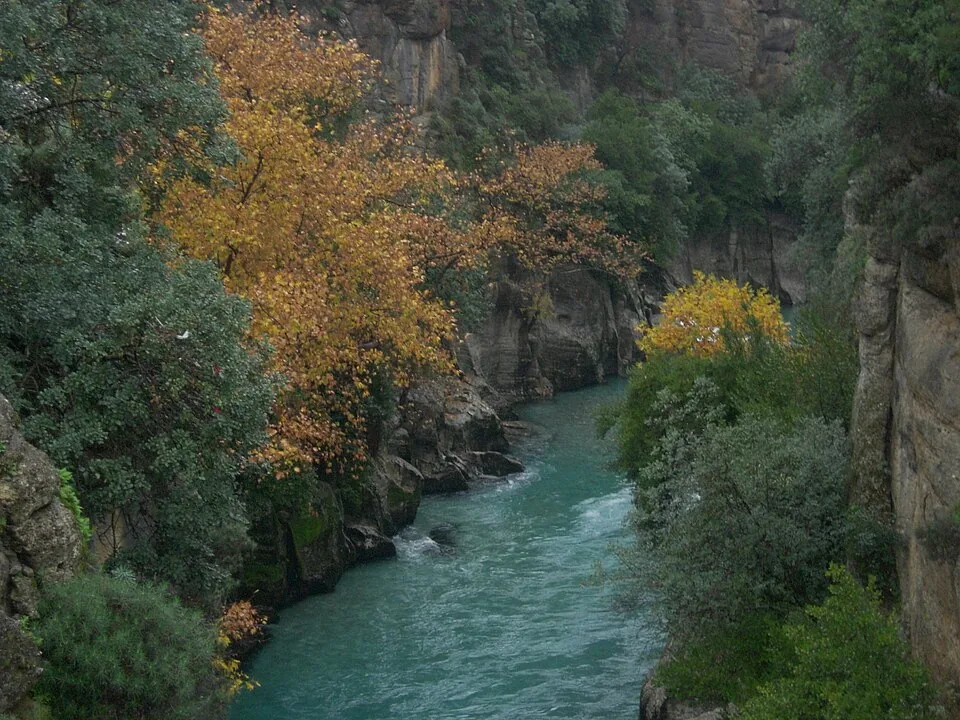
Köprülü Canyon
Köprülü Canyon follows the Köprüçay River through steep limestone walls and Mediterranean forests. The protected landscape also preserves Roman bridges and the nearby ancient city of Selge, bringing natural and built heritage into one valley.
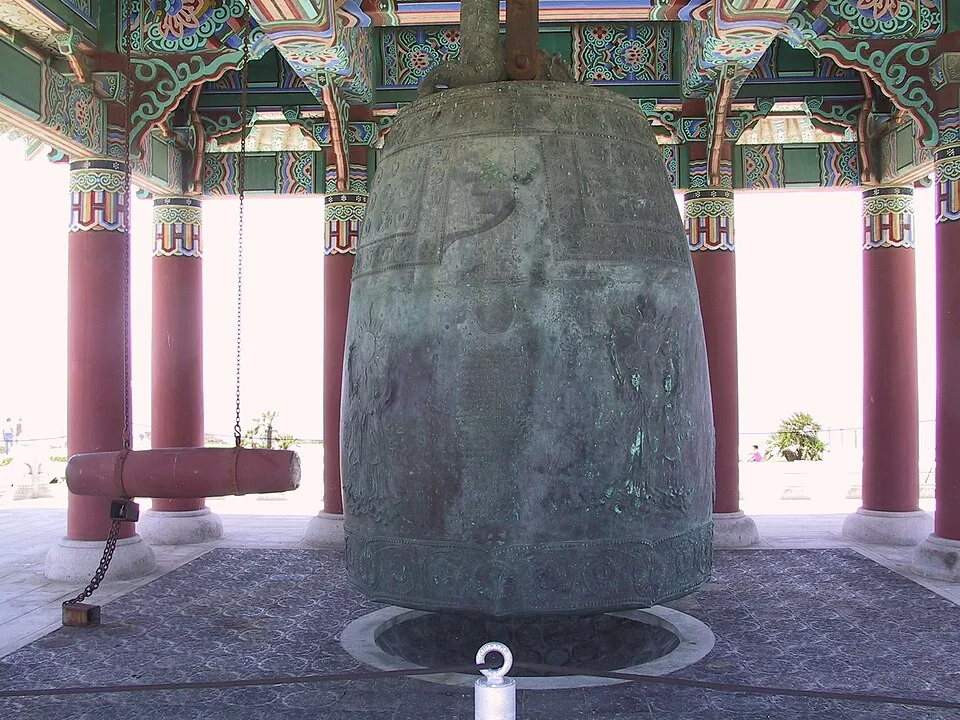
Korean Friendship Bell
The Korean Friendship Bell stands in a stone pavilion above the Pacific, its ceremonial scale linking a coastal park to the history of Korea–United States relations. Given in 1976, the bell honors Korean War veterans and expresses a hope for friendship.
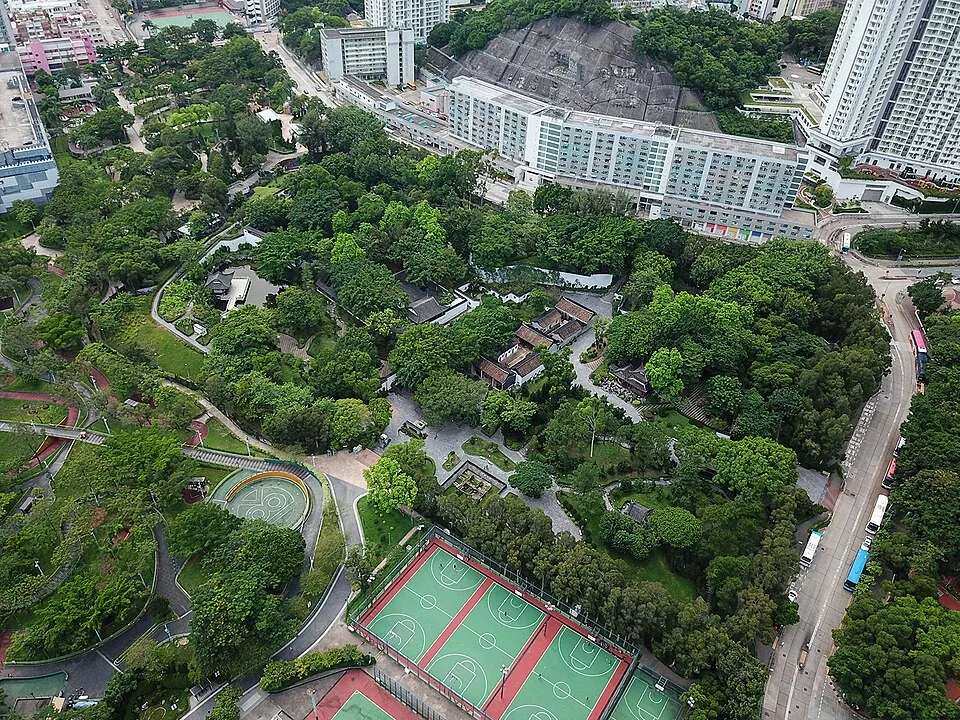
Kowloon Walled City Park
A Qing-style garden now occupies the footprint of the former Kowloon Walled City. The restored Yamen and preserved South Gate remains hold the site’s history in place, while ponds and pavilions create a quieter present-day landscape around them.
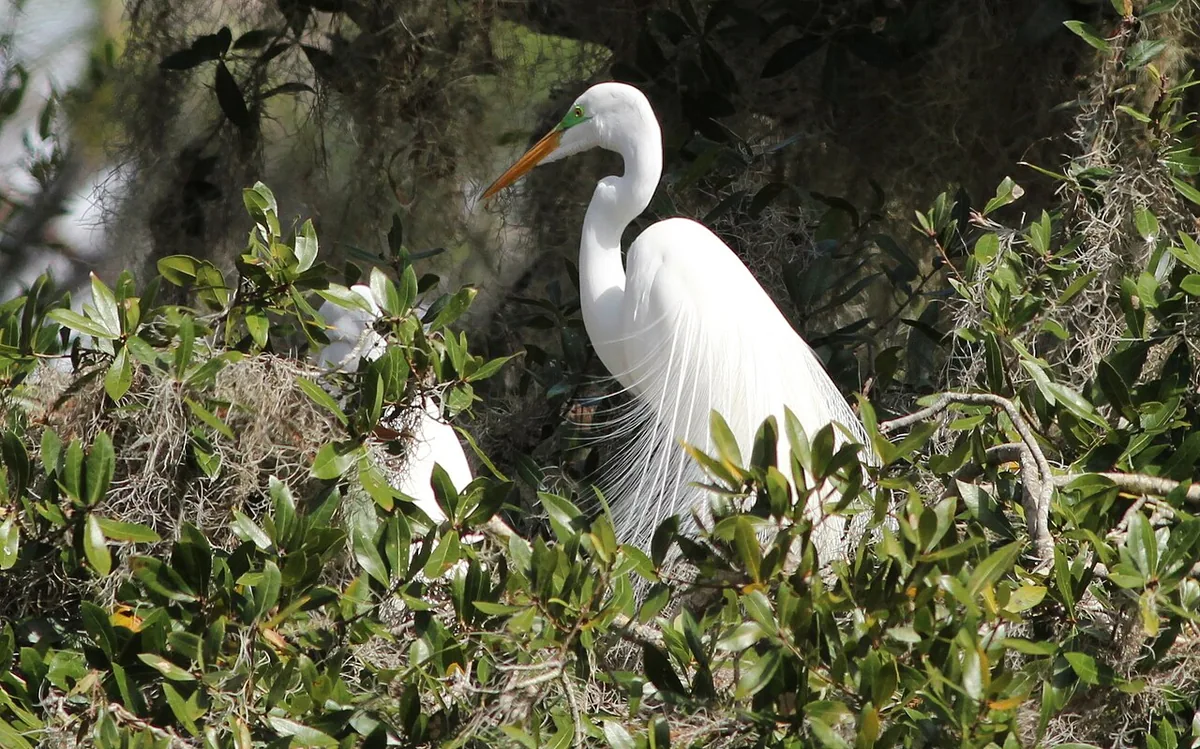
Kraft Azalea Garden
Kraft Azalea Garden sits on Lake Maitland beneath a canopy of old cypress trees. Its quiet, lake-facing setting and Exedra monument give the garden a distinct character within suburban Winter Park, where shade, water, and bird habitat shape the experience as much as formal planting.
Kronvalda Park
Kronvalda Park stretches along both sides of Riga’s city canal. Once a German riflemen’s garden, it became a public landscape shaped by successive designers and named for the Latvian educator Atis Kronvalds.