The King Abdulaziz Complex makes the Kaaba’s Kiswa through a sequence of dyeing, weaving, testing, printing, embroidery, and assembly. Its work joins specialized craft and modern machinery in producing a covering seen by Muslims worldwide.
Guide preview
A finished Kiswa looks seamless from a distance; its making is a chain of specialized work. At this complex, silk is prepared and dyed, woven, tested, printed with designs, embroidered, and assembled into the covering for the Kaaba.
Continue exploring
Discover the full story
Keep reading with a travel pass and explore every full guide and tour.
UpgradeQuick facts
- The Saudi-era Kiswa workshop began production in 1346 AH.
- The current Umm al-Joud complex opened in 1977.
- Production includes dyeing, weaving, laboratory testing, printing, embroidery, and assembly.
More places in Mecca
Abraj Al Bait Clock Tower
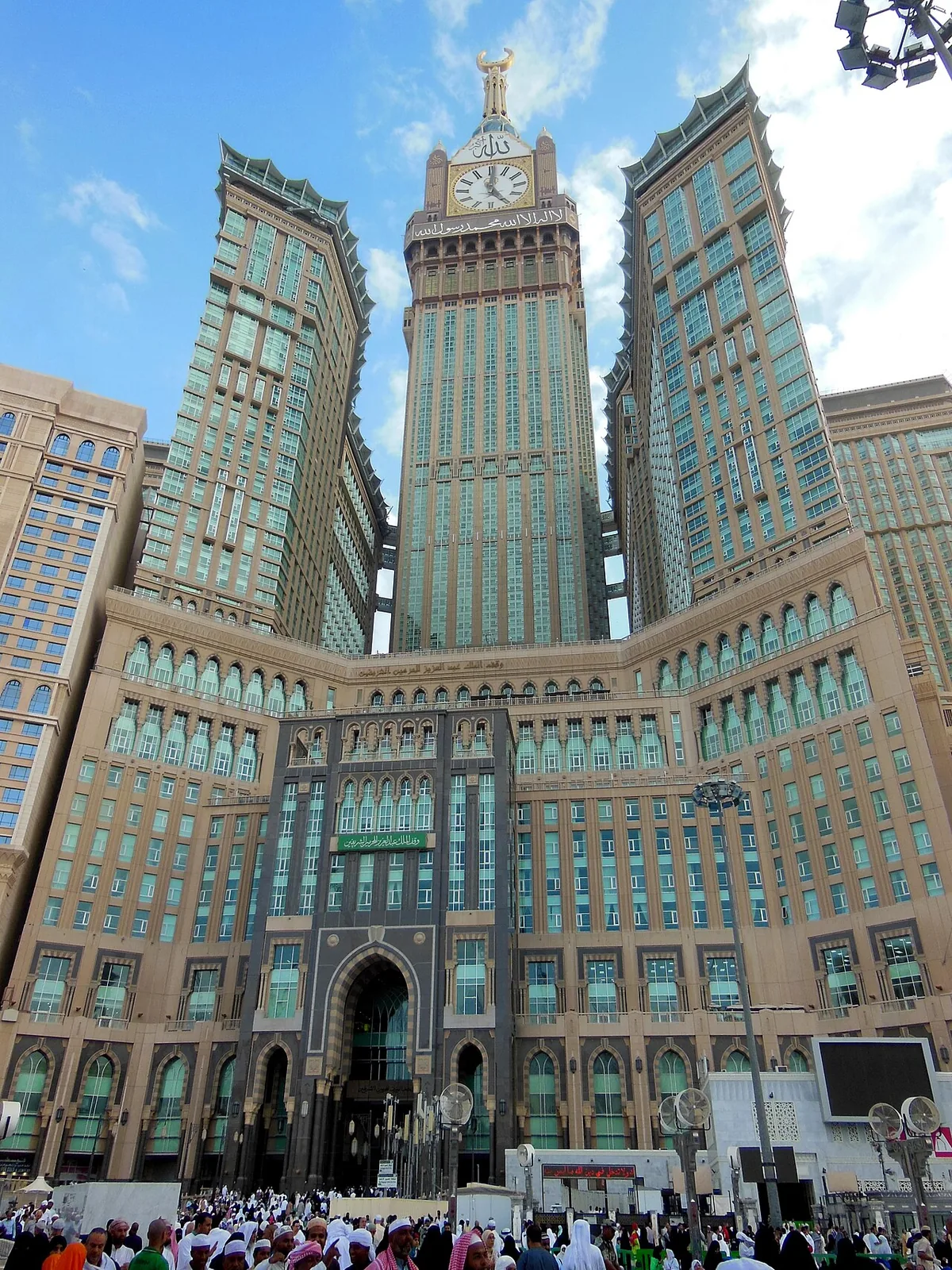
The Abraj Al Bait Clock Tower rises above Mecca beside Masjid al-Haram, its enormous clock faces visible across the city. The tower’s scale depends on specialized engineering and materials, including glass mosaic panels designed to withstand intense temperature changes.
Abu Bakr Al-Amoudi Museum
Abu Bakr Al-Amoudi Museum uses traditional Makkan architectural materials and rooms to present objects from regional history and daily life. Its broad collection brings together manuscripts, clothing, tools, coins, and records of the Holy Mosque.
Ain Zubaydah
Ain Zubaydah is a historic water system rather than a single springhead: its channels and paths once carried water toward Mecca and the Hajj route. The network represents a major act of public infrastructure in a dry landscape.
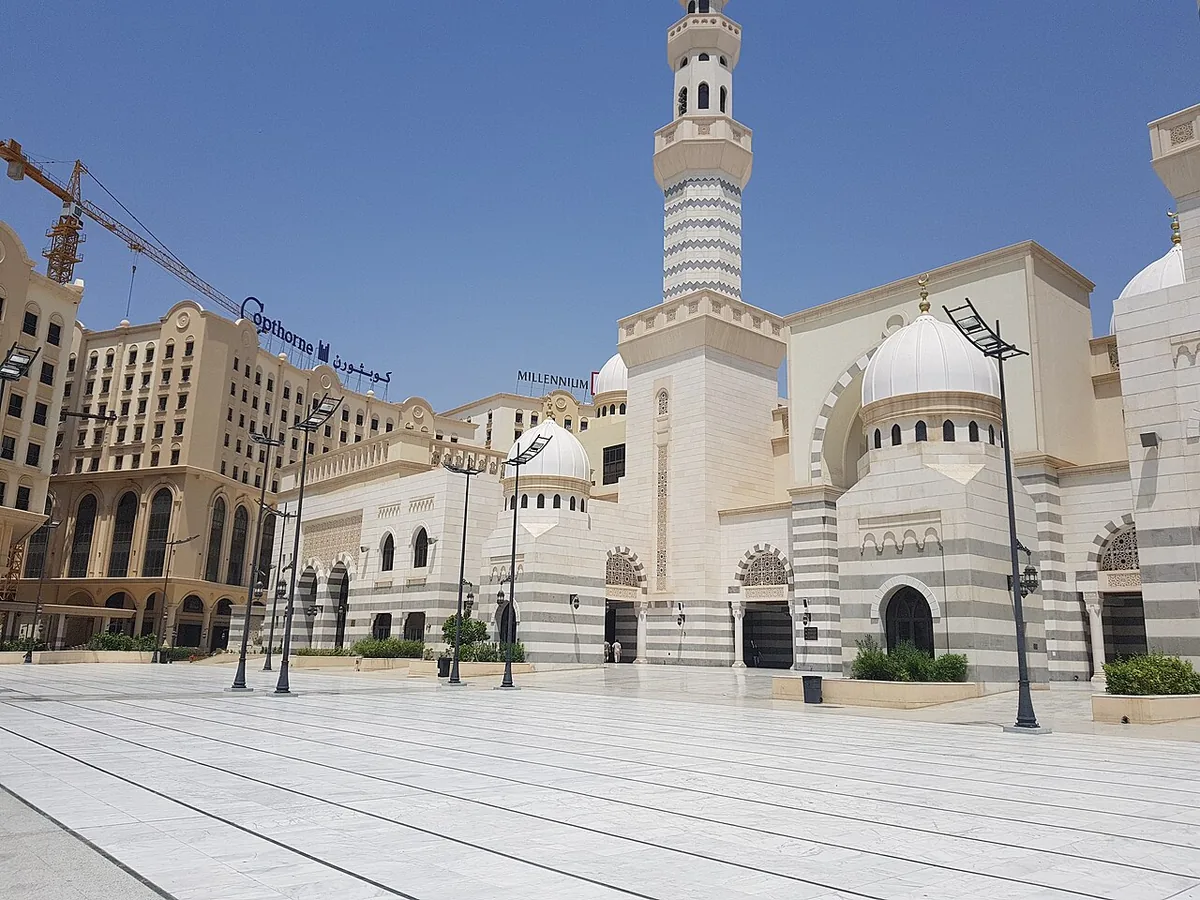
Al-Arak Park
Al-Arak Park is a neighborhood green space in Makkah, offering a local setting for rest and outdoor activity within a city defined by pilgrimage and urban growth. Its name also connects the site to the arak tree of the region.
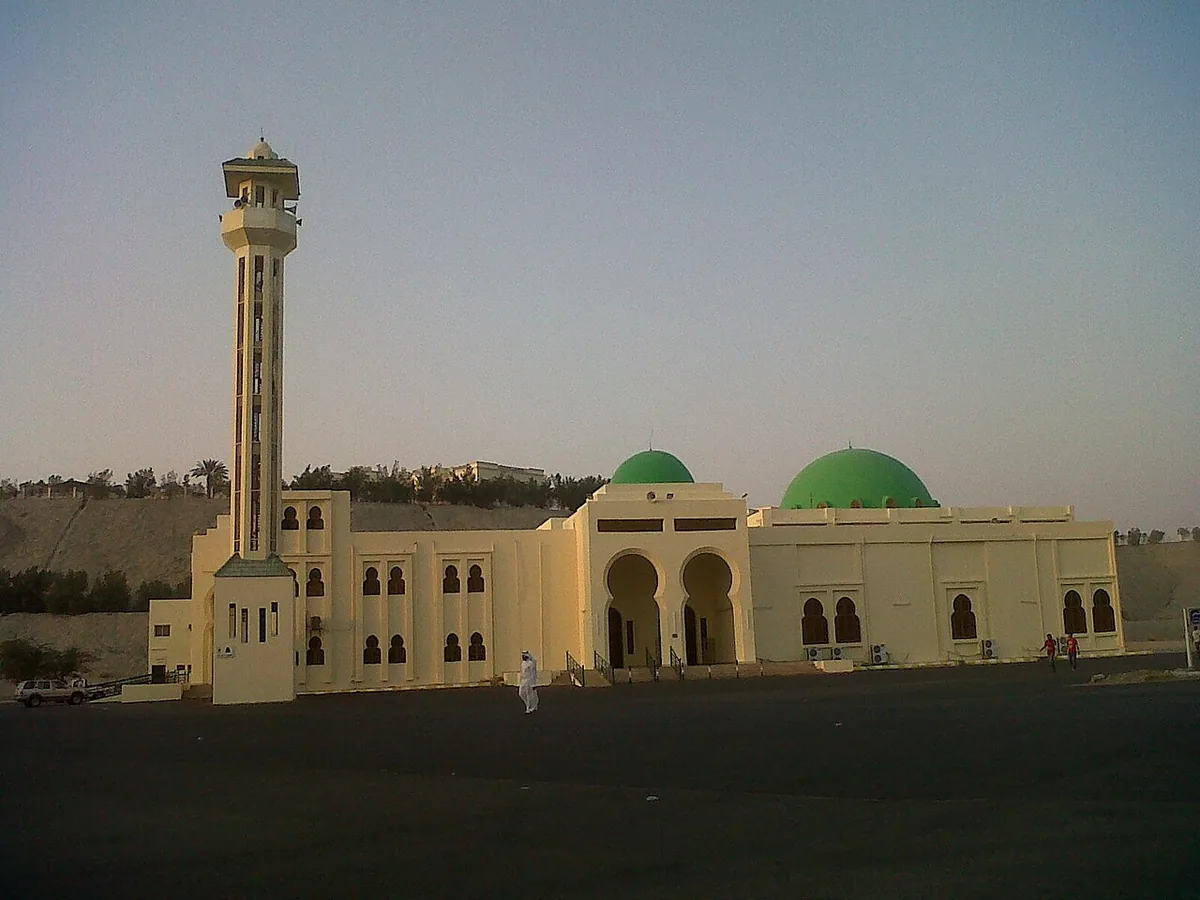
Al Aseel House Museum
Al Aseel House Museum recreates interiors of traditional Makkah homes and displays objects linked to household life, clothing, manuscripts, and local history. The private museum uses domestic settings to make heritage feel close to everyday experience.
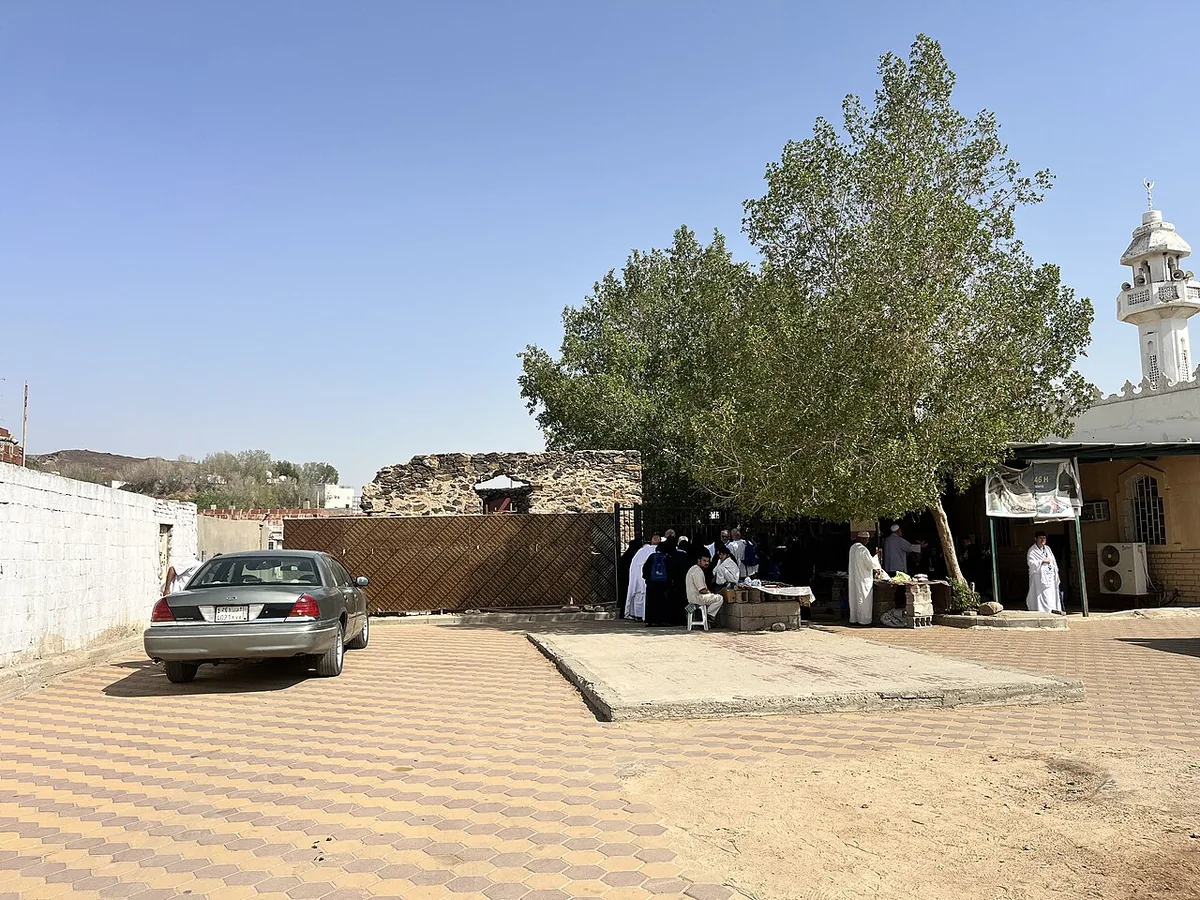
Al-Hudaybiyah
Al-Hudaybiyah marks the setting of a pivotal truce between the early Muslim community and Quraysh. The treaty’s immediate terms looked difficult, yet its pause in conflict created room for contact and a later return to Mecca.