Explore locations
Browse places by name, city, country or category.
All locations
1624 locations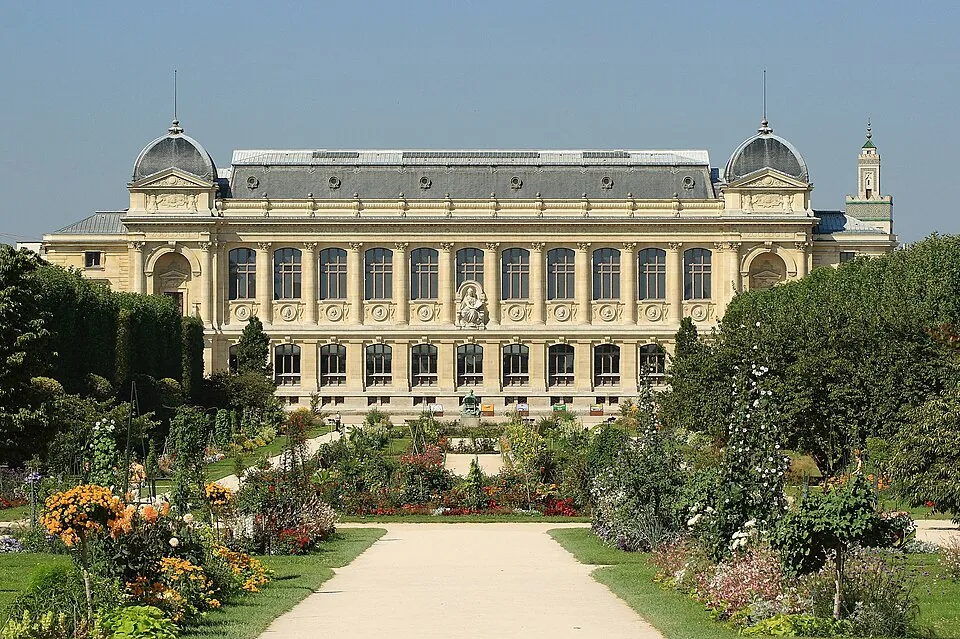
Jardin des Plantes
The Jardin des Plantes began as a royal medicinal garden and grew into the botanical heart of France’s natural-history museum. Its formal paths and plant collections still connect public education with research, conservation, and the careful naming of living species.
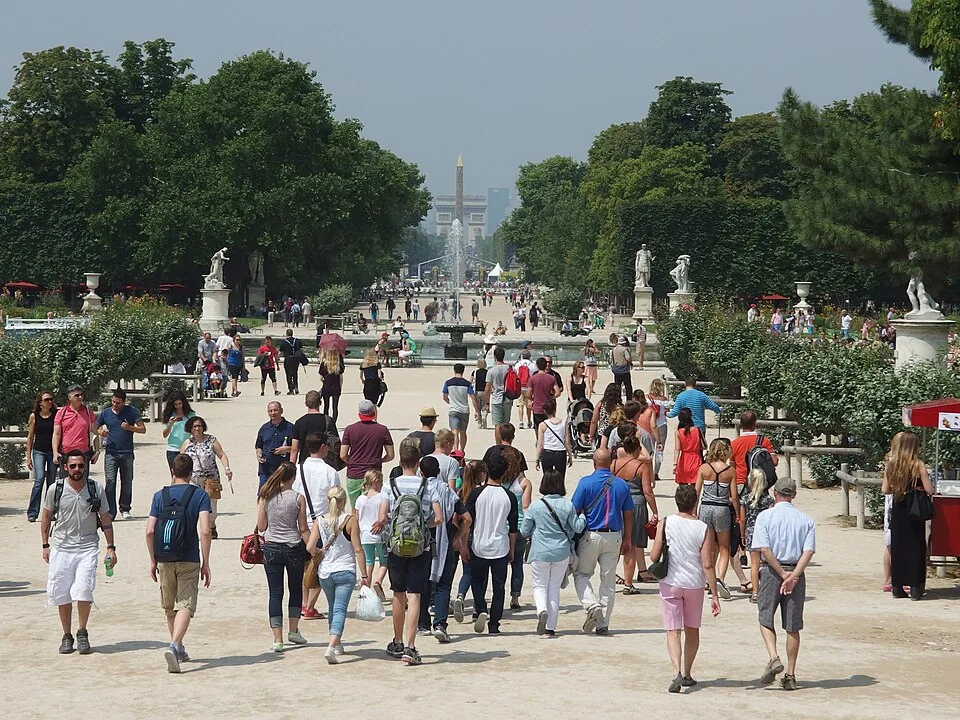
Jardin des Tuileries
The Tuileries Garden connects the Louvre to Place de la Concorde through long avenues, pools, sculpture, and carefully framed perspectives. Designed first for royal use, it gradually became a public promenade and a setting for political events.
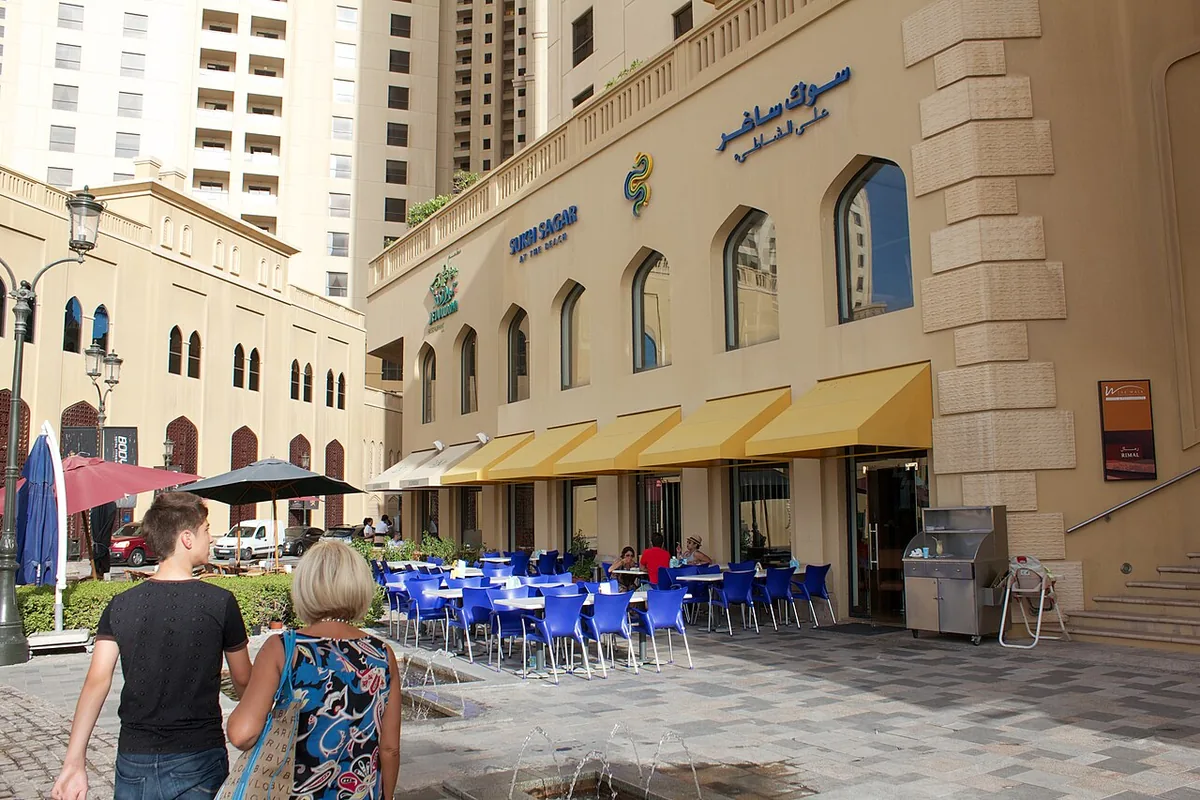
JBR The Walk
JBR’s long beachfront promenade brings shops, cafés and public life alongside the Gulf. Its scale is easy to miss among the towers: a linear street makes the sea a constant visual edge, while the changing crowd gives the route its everyday character.
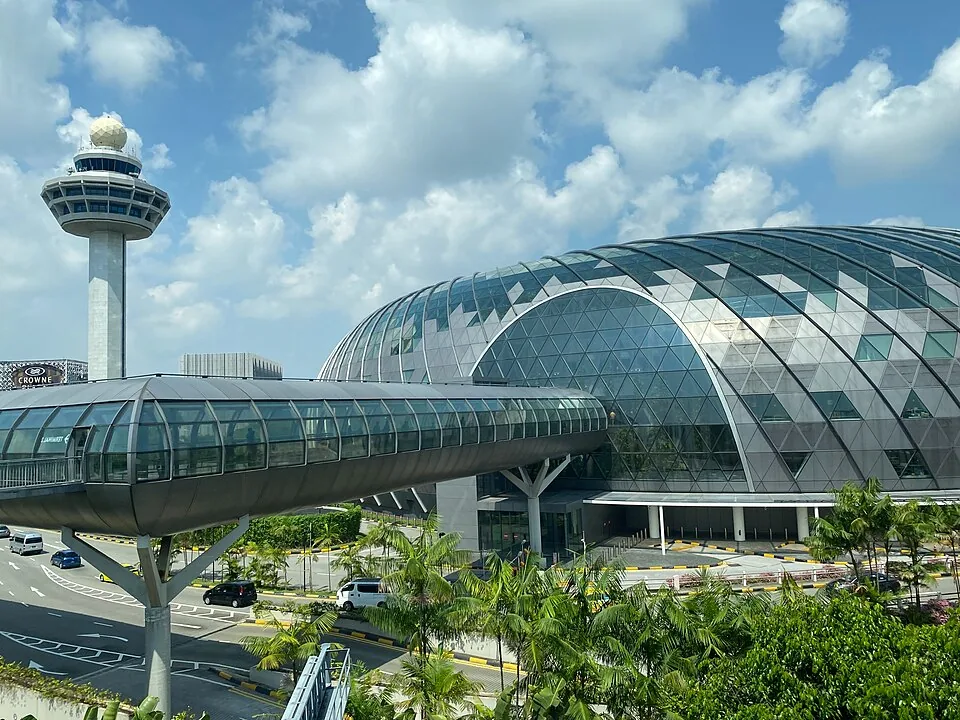
Jewel Changi Airport
Jewel Changi Airport places a forested valley and a seven-storey indoor waterfall beneath a glass roof. The Rain Vortex is the visual centre, while planted trails and a broad range of trees and shrubs make the airport complex a public garden as well as a transport hub.
Jewish Historical Museum
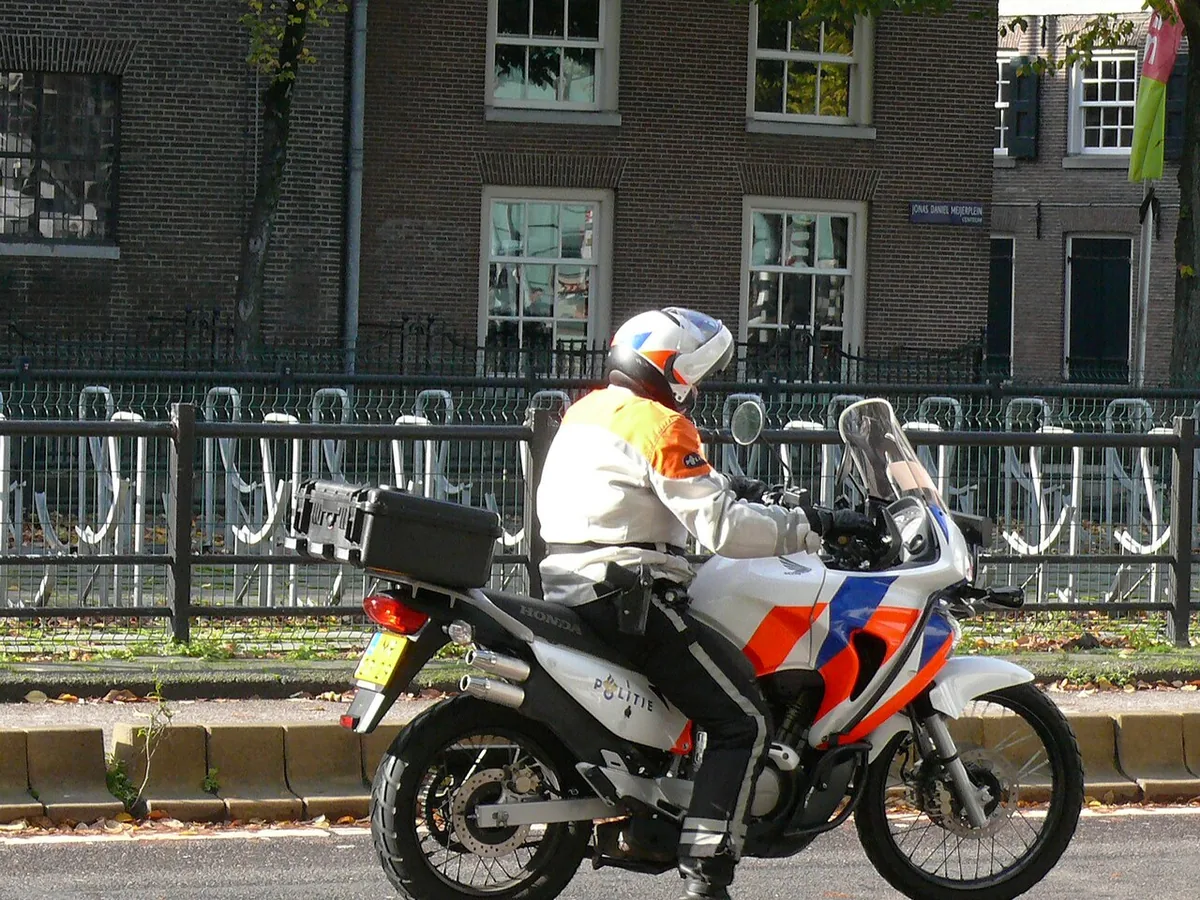
The Jewish Museum is housed in four interconnected former Ashkenazi synagogues at Jonas Daniël Meijerplein. Their changing scale and surviving architectural details make the building part of the story of Jewish life, culture, worship, and upheaval in Amsterdam.

Jewish Museum Berlin
The Jewish Museum Berlin’s zigzagging Libeskind building uses intersecting lines, angled windows, and empty concrete shafts to make absence physically perceptible. Its architecture does not replace historical evidence; it creates a spatial framework for encountering the rupture of German-Jewish life
Jim Thompson House
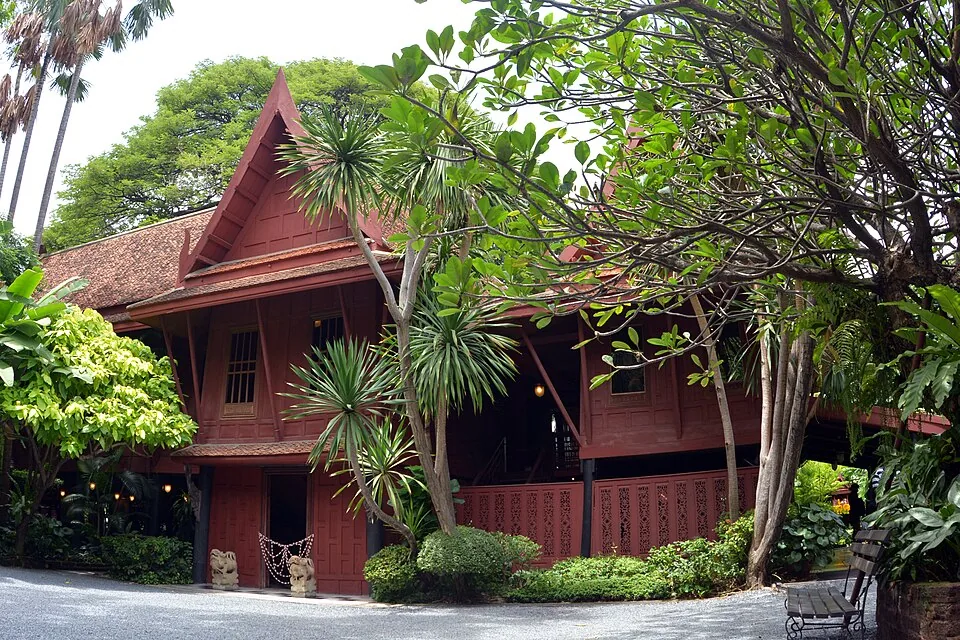
Jim Thompson House brings together traditional Thai houses, gardens, and a collection assembled by the American entrepreneur who helped promote Thai silk. The home’s riverside setting and preservation as a museum make it a study in collecting and cultural exchange.
Jiufen Old Street
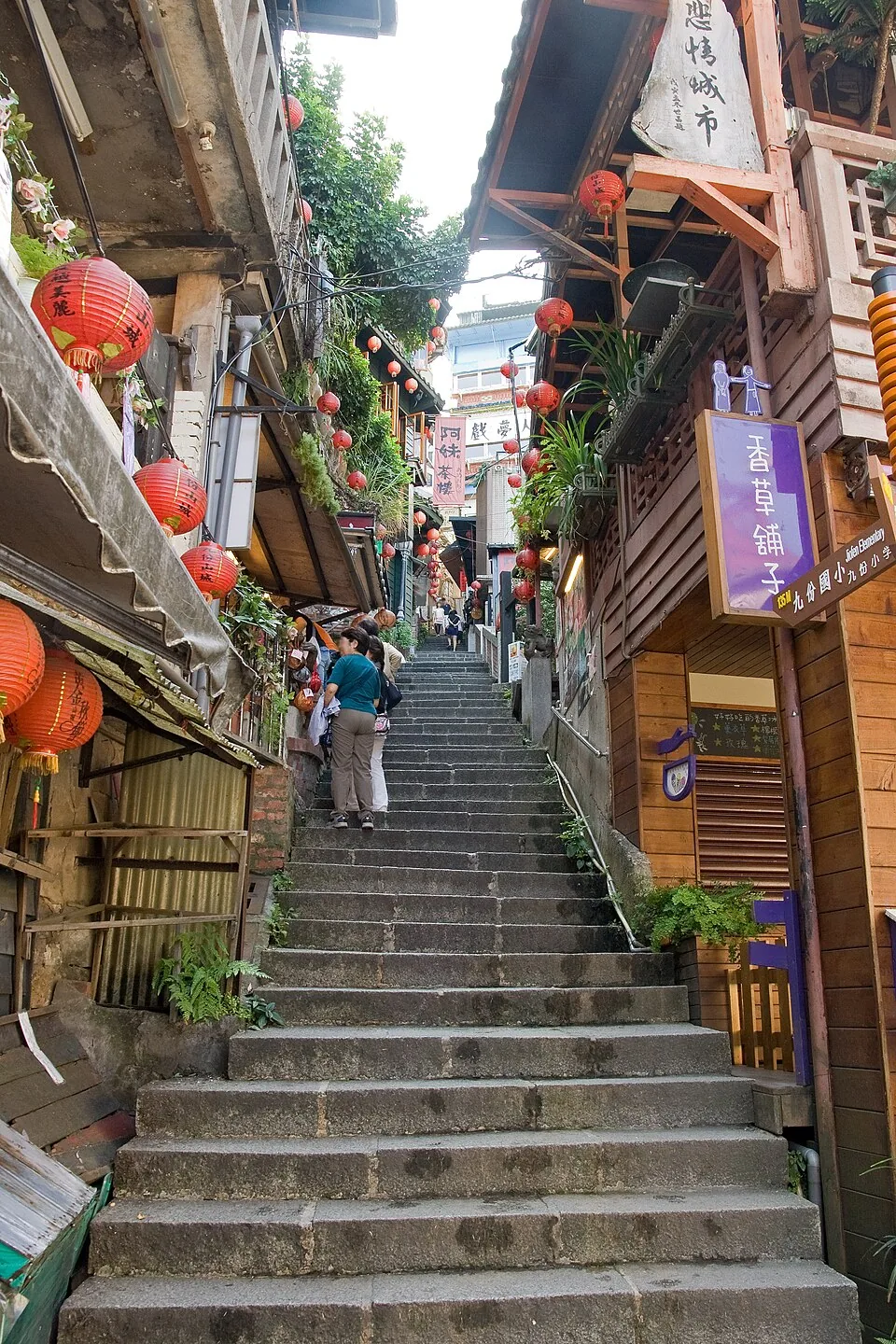
Jiufen’s narrow lanes fold between hillside buildings, with Jishan Street’s shaded passage giving the old settlement a close, intimate scale. Shops and steep routes reflect a town shaped by its mountain setting and changing commercial life.
Jiyugaoka
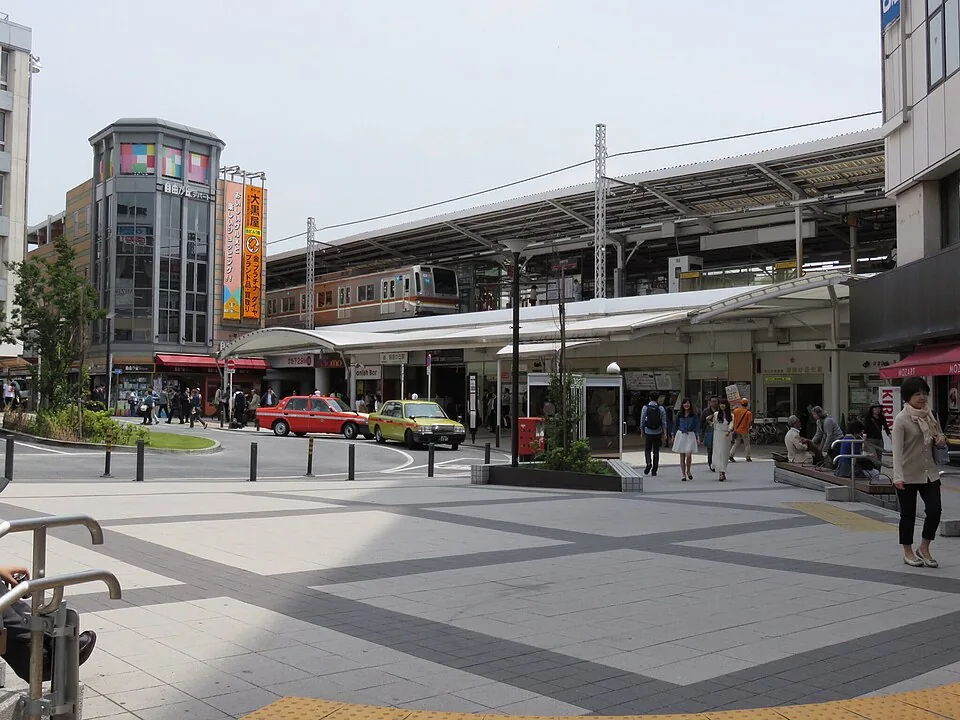
Jiyugaoka’s streets change scale around the station: tree-shaded promenades meet narrow lanes of cafes, bakeries, and small shops. The neighborhood’s character comes from this patchwork of everyday routes rather than one landmark.
Joan Miró Foundation
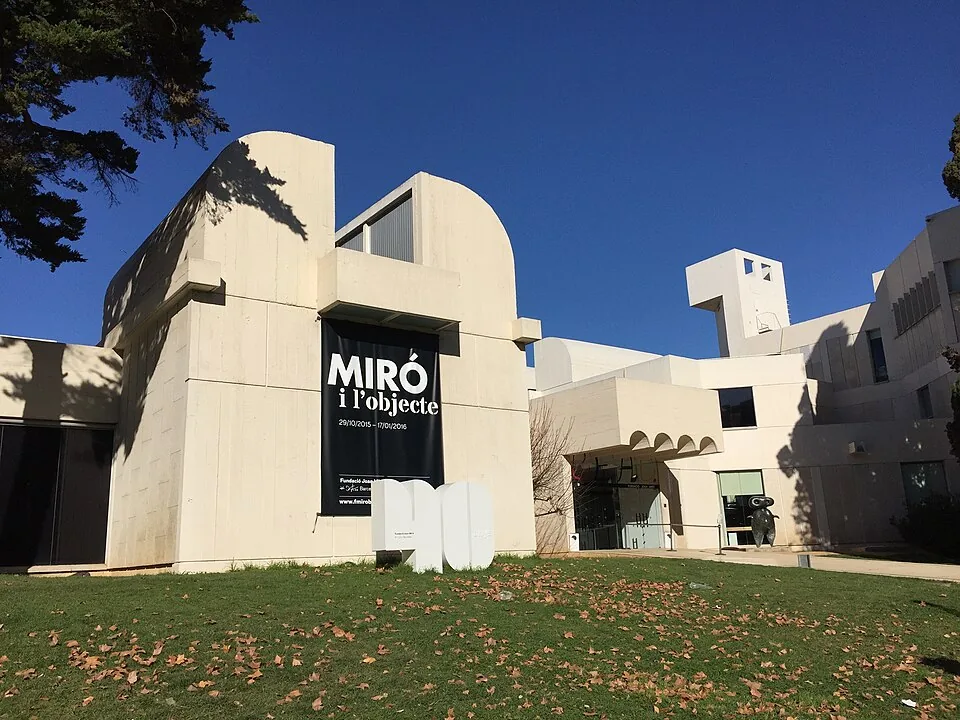
The Joan Miró Foundation’s galleries unfold around patios that bring daylight and landscape into the museum. Architect Josep Lluís Sert designed the building as a human-scaled home for Miró’s work and contemporary creation rather than a monumental container.
Jogyesa Temple
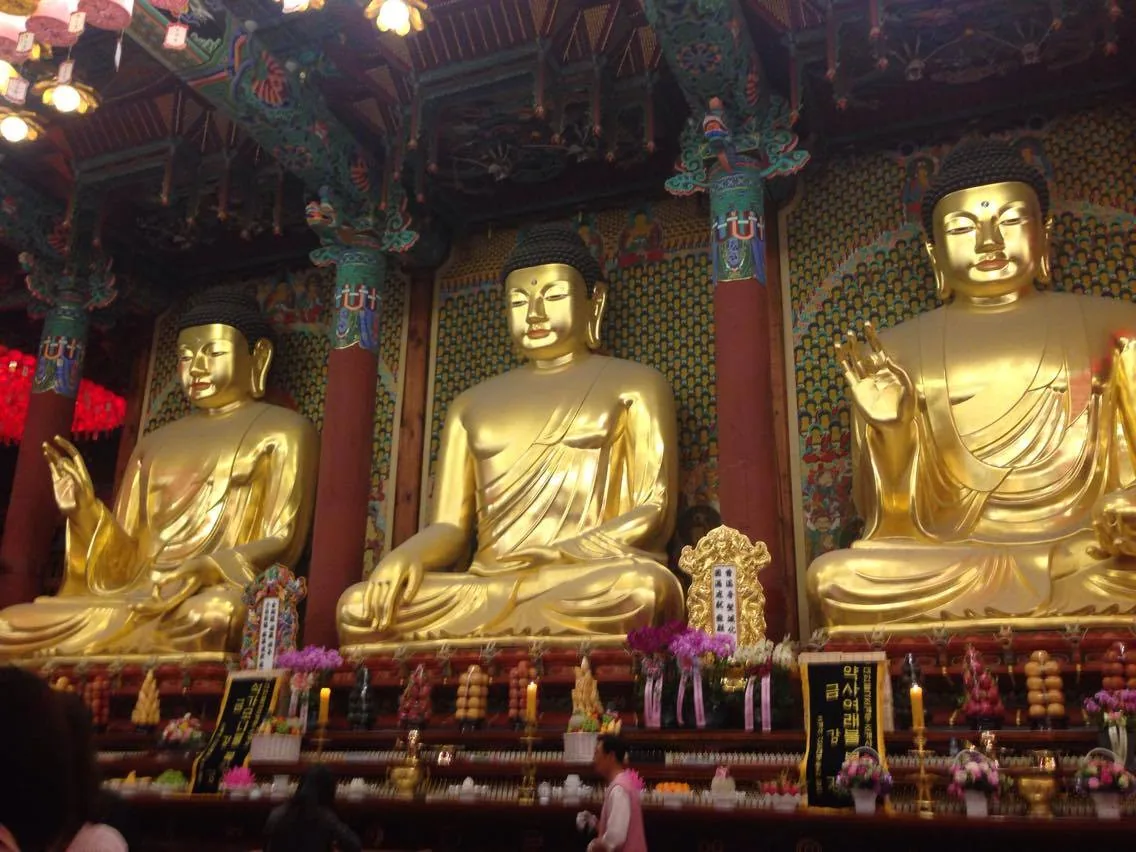
Jogyesa is the central temple of the Jogye Order in Seoul, established in 1910 during a movement for Korean Buddhist independence. Its ornate main hall and city-center setting bring a major religious institution into the everyday flow of Jongno.
Jongmyo Shrine
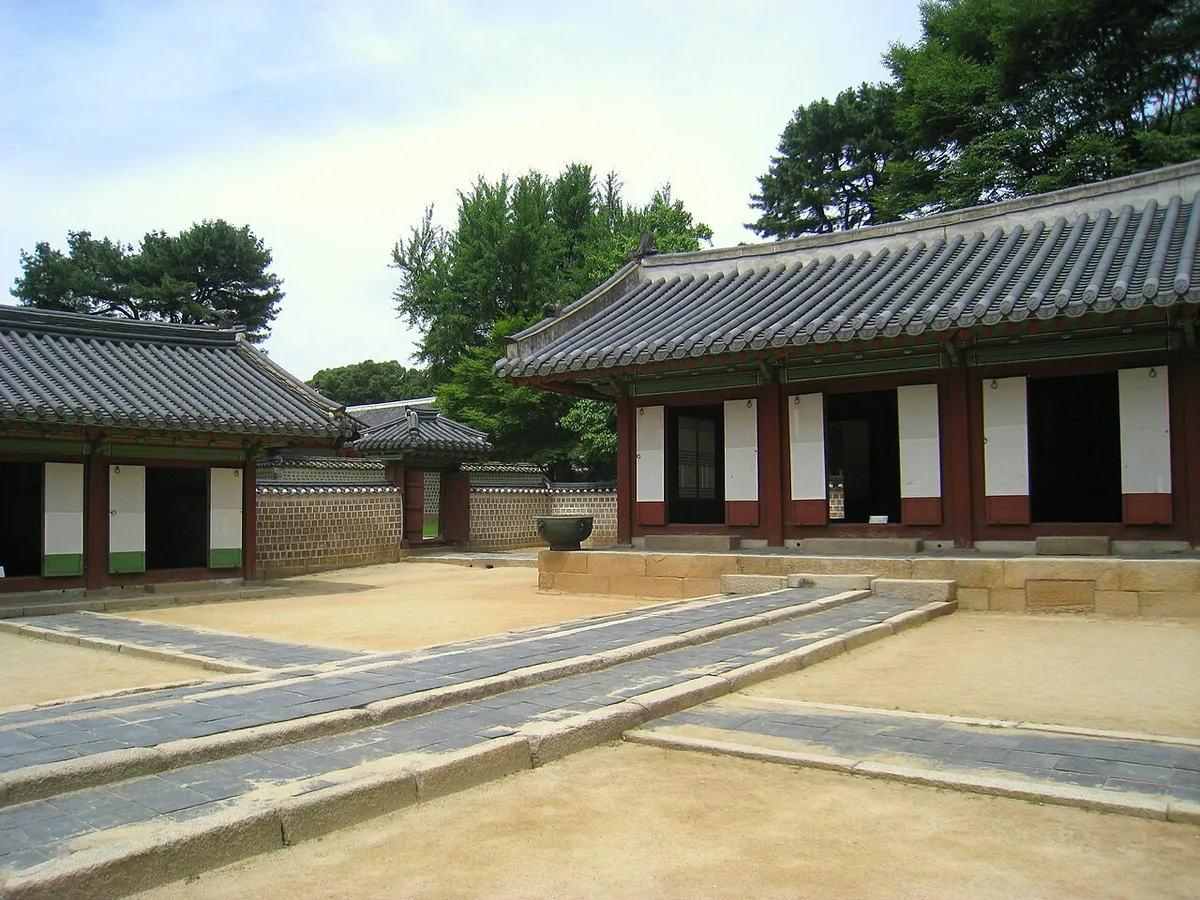
Jongmyo’s long, spare shrine halls preserve the ritual landscape of Joseon royal ancestor worship. Tablets of kings and queens are enshrined here, and ceremonies combining music, song, and dance continue a tradition that has endured through war and political change.
Jordaan
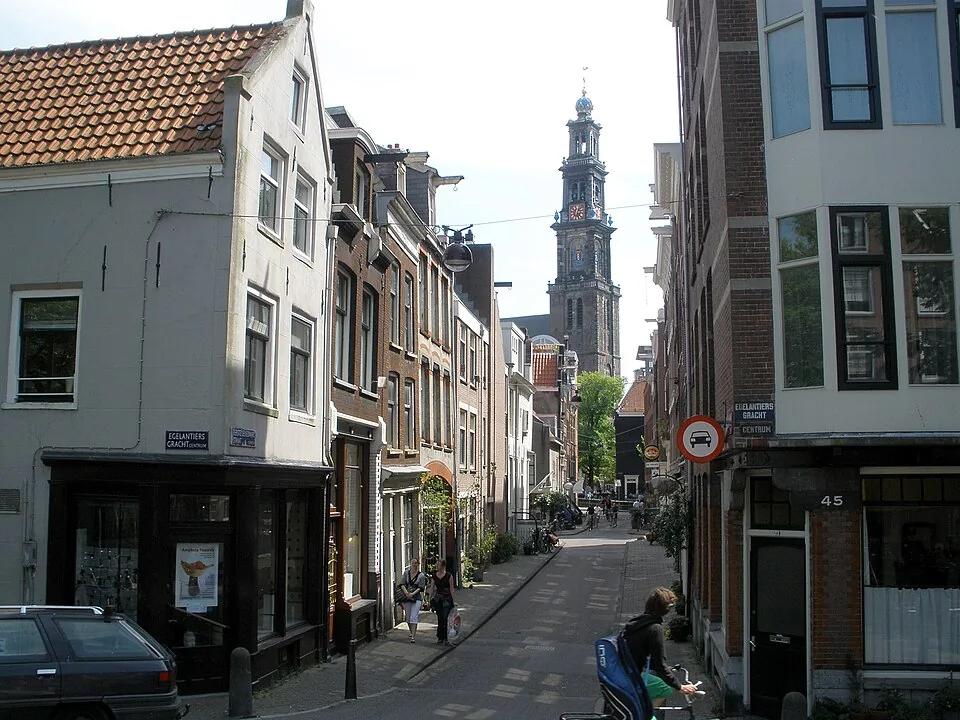
The Jordaan’s narrow streets and small blocks grew beside the grand canal ring as a neighborhood of workshops and modest homes. Its present cafés and shops sit within a district shaped by centuries of working life and renewal.
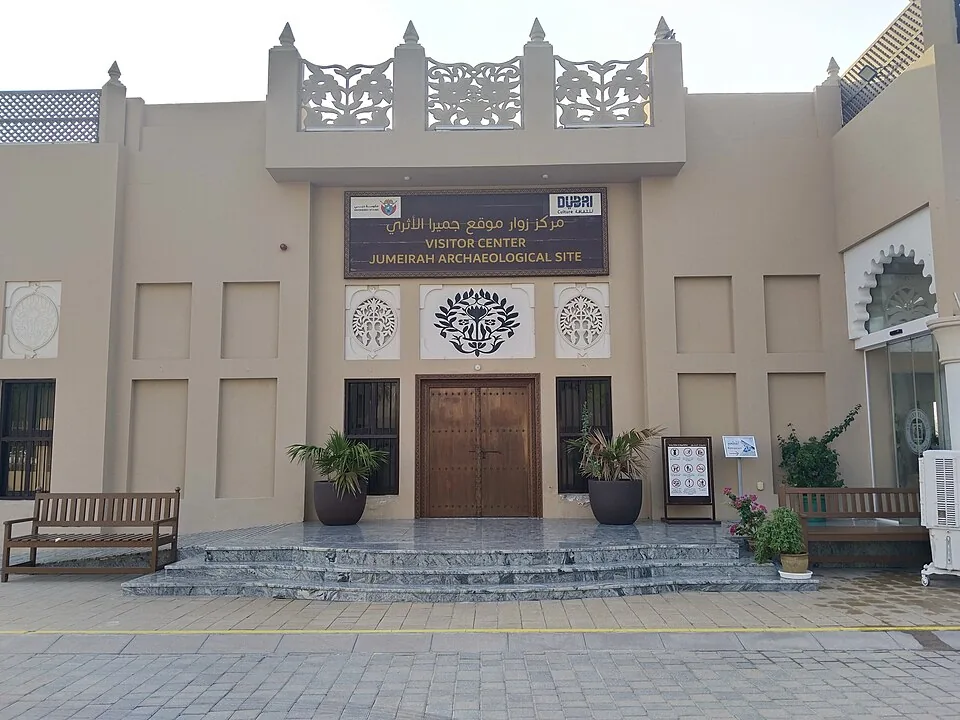
Jumeirah Archaeological Site
Jumeirah Archaeological Site preserves remains of an Islamic settlement that flourished as a center of regional trade. Excavated structures and artifacts reveal how residential life, commerce, and maritime connections shaped this coastal part of the UAE.
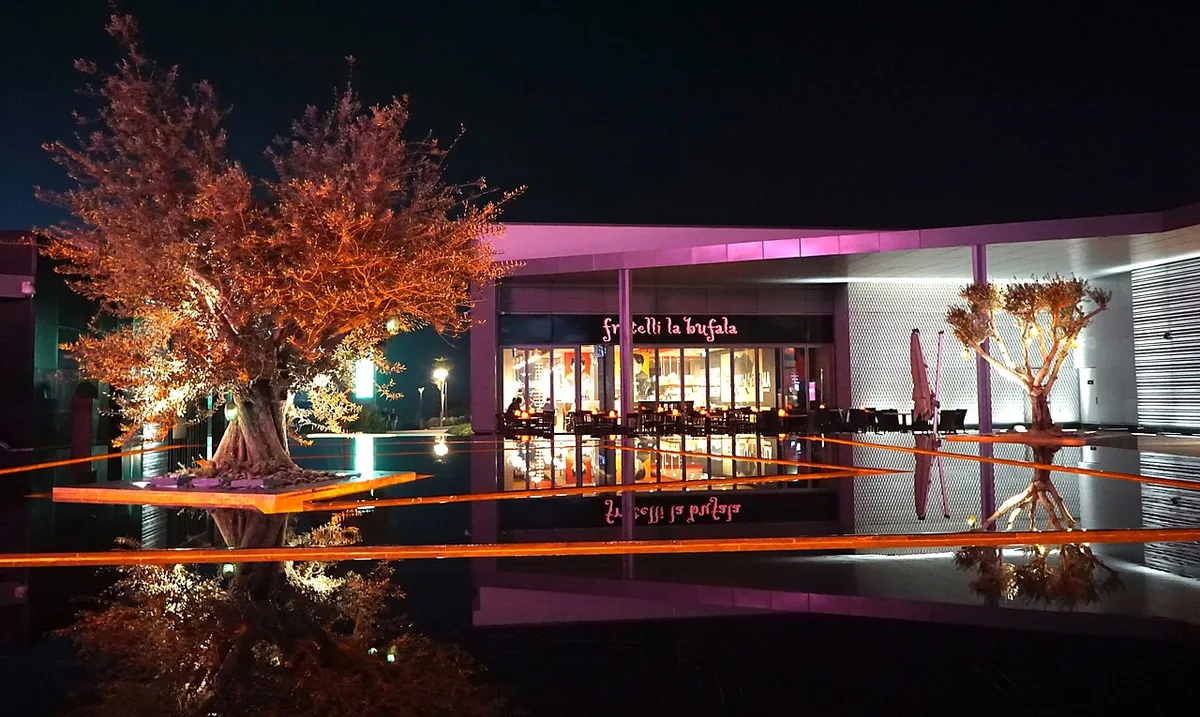
Jumeirah Beach Residence Beach
This stretch of Jumeirah Beach Residence pairs an open shoreline with the dense, walkable district behind it. The sea, sand, hotels, and public promenade make the beach a place to see how Dubai’s waterfront is shared between leisure, tourism, and city life.
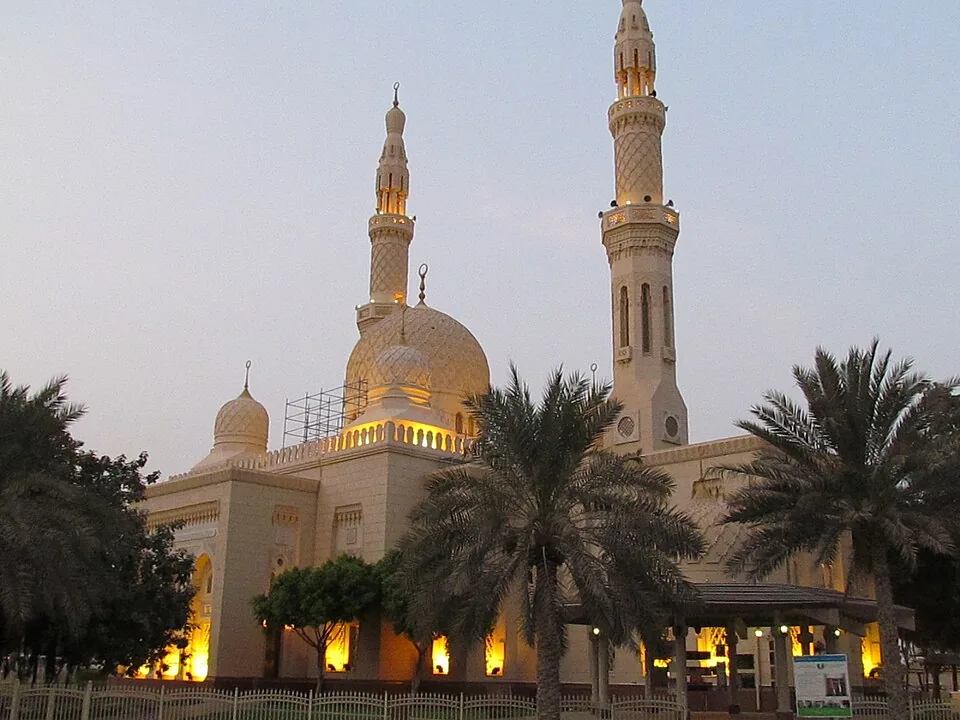
Jumeirah Mosque
Jumeirah Mosque opened in 1979 and was given to Dubai by ruler Sheikh Rashid bin Saeed Al Maktoum. Its architecture draws on Syrian and Egyptian styles, while its public cultural program creates opportunities for visitors to learn about Islamic traditions respectfully.
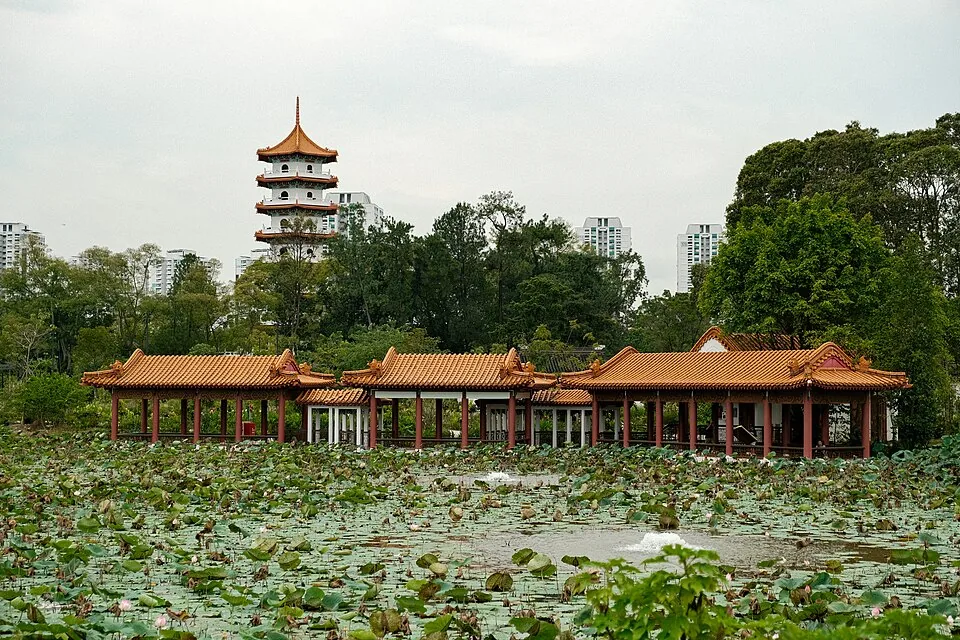
Jurong Lake Gardens
Jurong Lake Gardens reshapes a lakeside landscape around native planting, wetlands and public paths. Its gardens combine recreation with ecological restoration, showing how an urban park can make water and habitat central to its design.
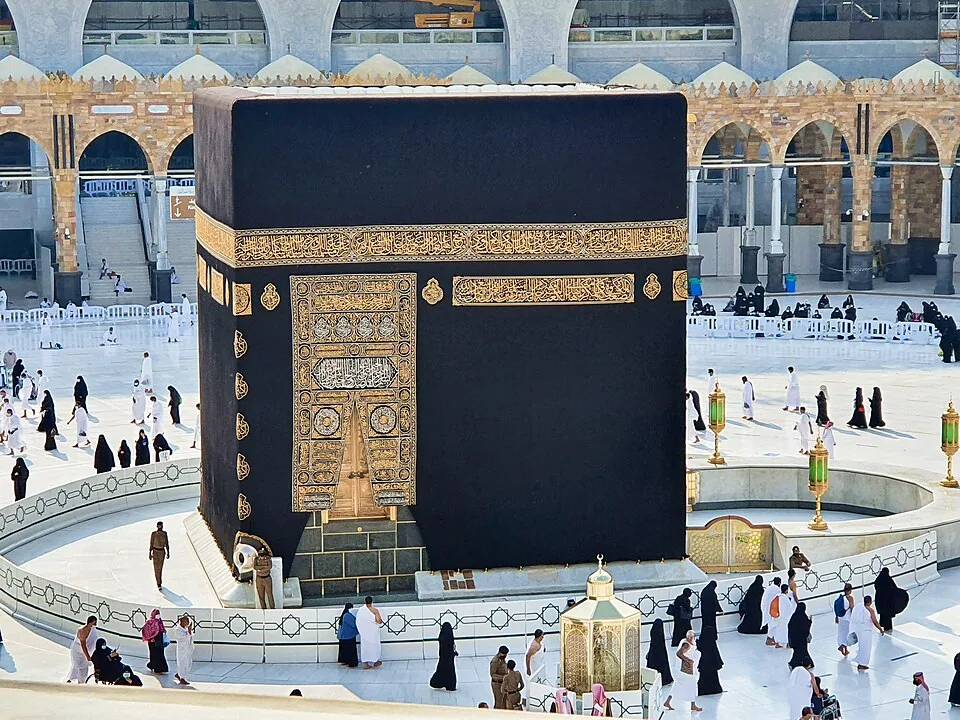
Kaaba
The Kaaba is the central sanctuary within Masjid al-Haram and the direction toward which Muslims pray. Its simple cuboid form is covered by the Kiswah, a richly embroidered textile whose renewal connects skilled craft with a living religious tradition.
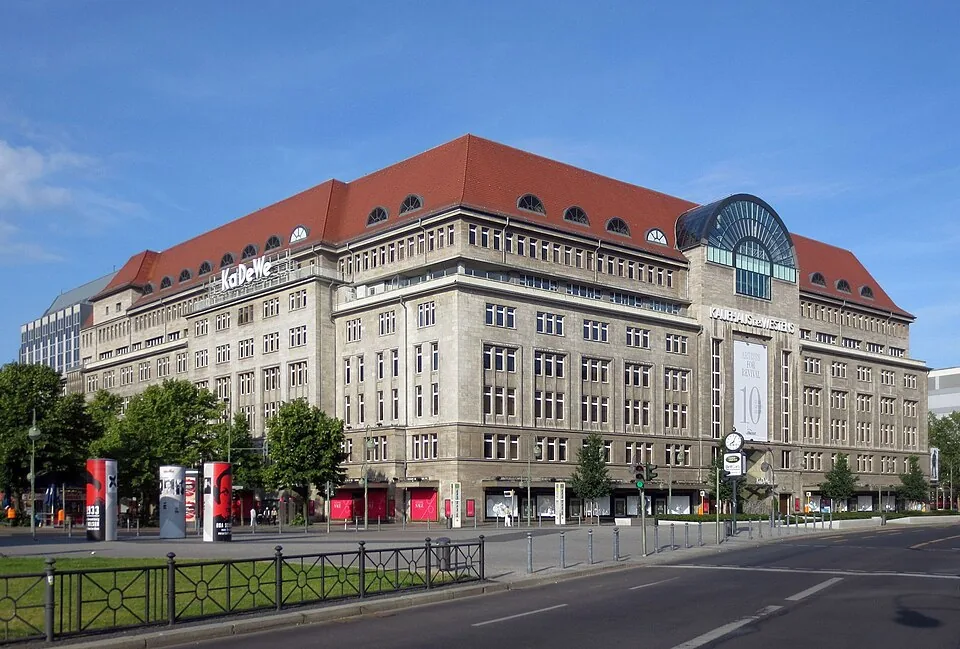
KaDeWe
KaDeWe opened at Wittenbergplatz in 1907 with goods and services that brought international shopping into a new Berlin department store. Its scale and changing interiors reflect the growth of City West, while its history also carries the rupture of Nazi expropriation and wartime destruction.
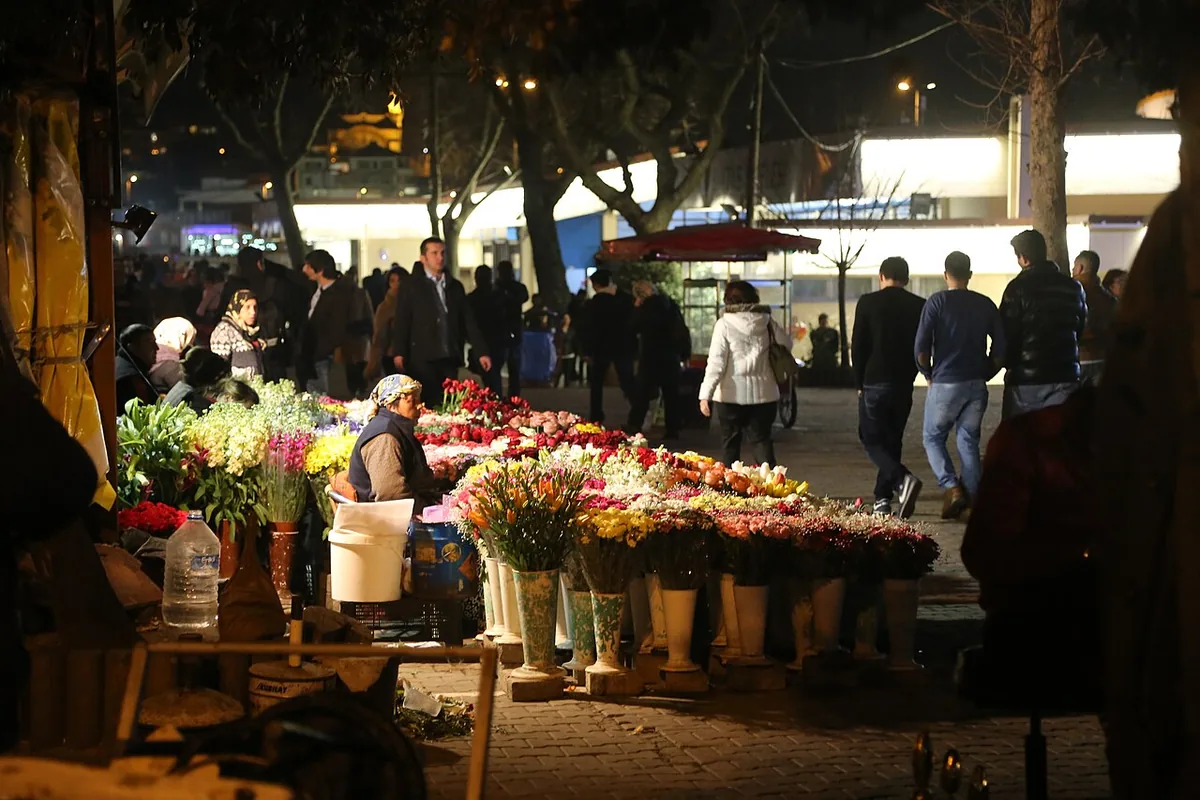
Kadıköy Market
Kadıköy Market occupies the historic commercial core of the Asian-side district. Its stalls and shops continue a neighborhood pattern that grew from a small settlement around today’s bazaar into a larger urban center connected to the rest of Istanbul by ferries and rail.
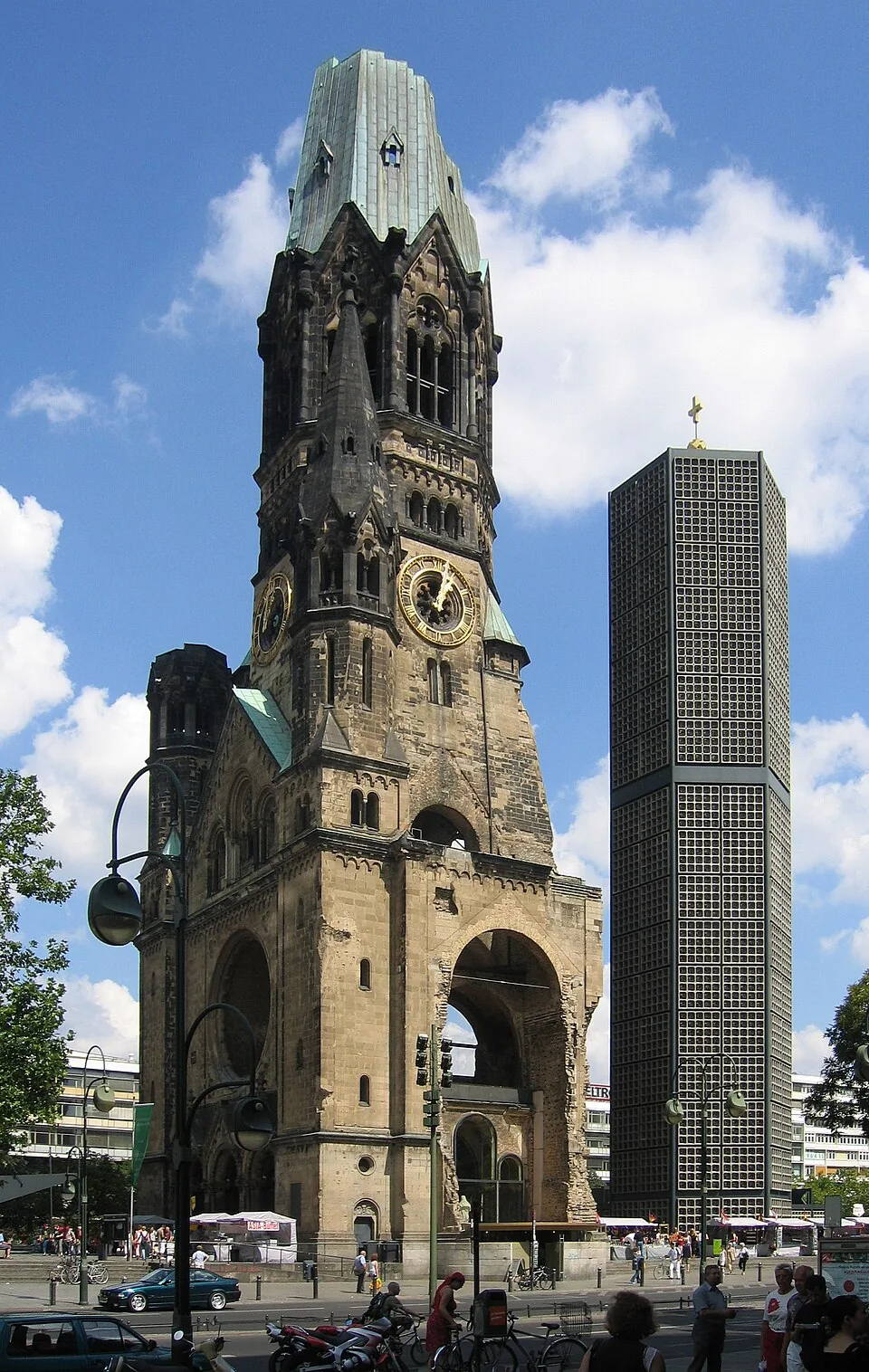
Kaiser Wilhelm Memorial Church
The Kaiser Wilhelm Memorial Church preserves a bomb-damaged tower beside a modern church designed by Egon Eiermann. Its contrasting forms make wartime destruction and postwar remembrance visible in the center of contemporary Berlin.
Kaleiçi Old Town
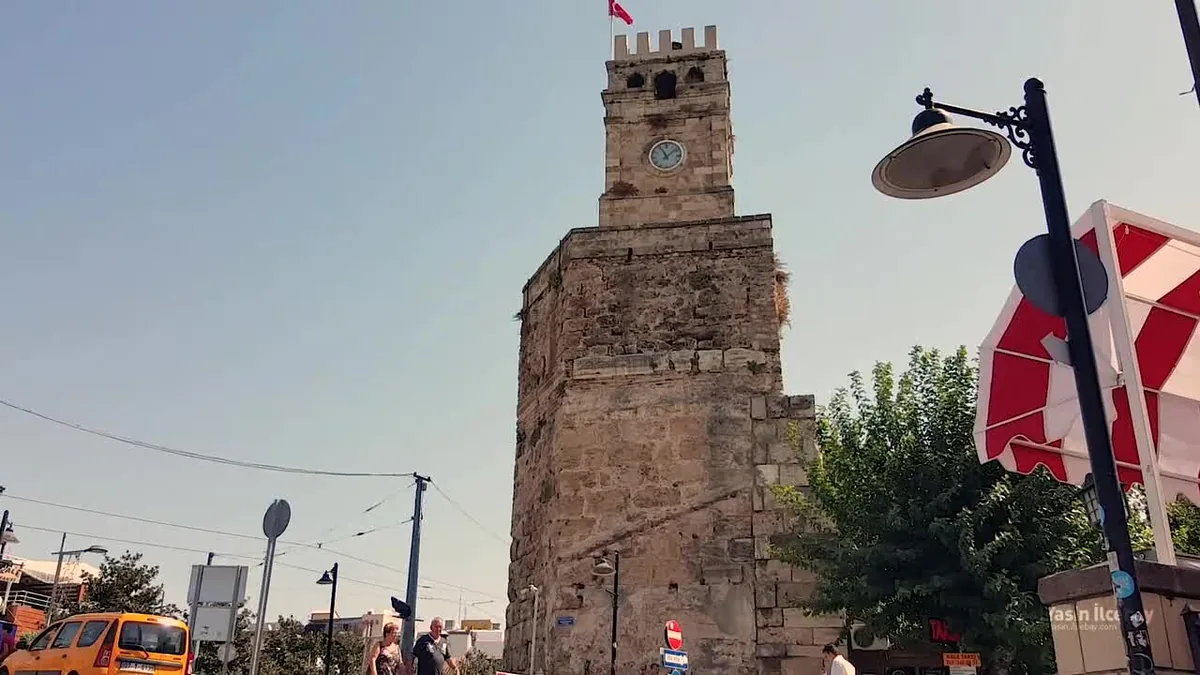
Kaleiçi’s narrow lanes descend toward a small harbor, folding Roman walls, Seljuk monuments, Ottoman houses, and present-day homes into one compact district. The old town’s character comes from this close layering of daily life and inherited urban fabric.
Kalnciema Quarter
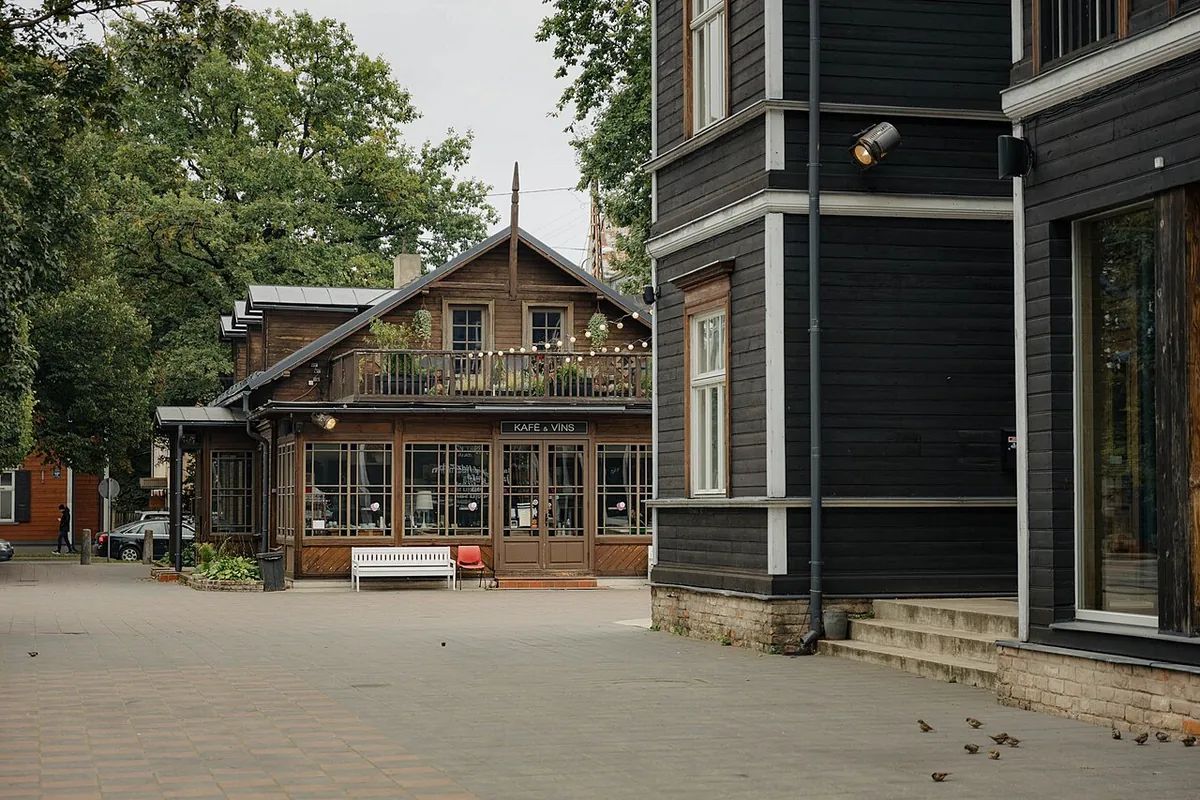
Kalnciema Quarter brings restored wooden houses and a courtyard market together in Āgenskalns, offering a view of Riga’s historic neighbourhood architecture and its contemporary cultural life.
Kamigamo Shrine
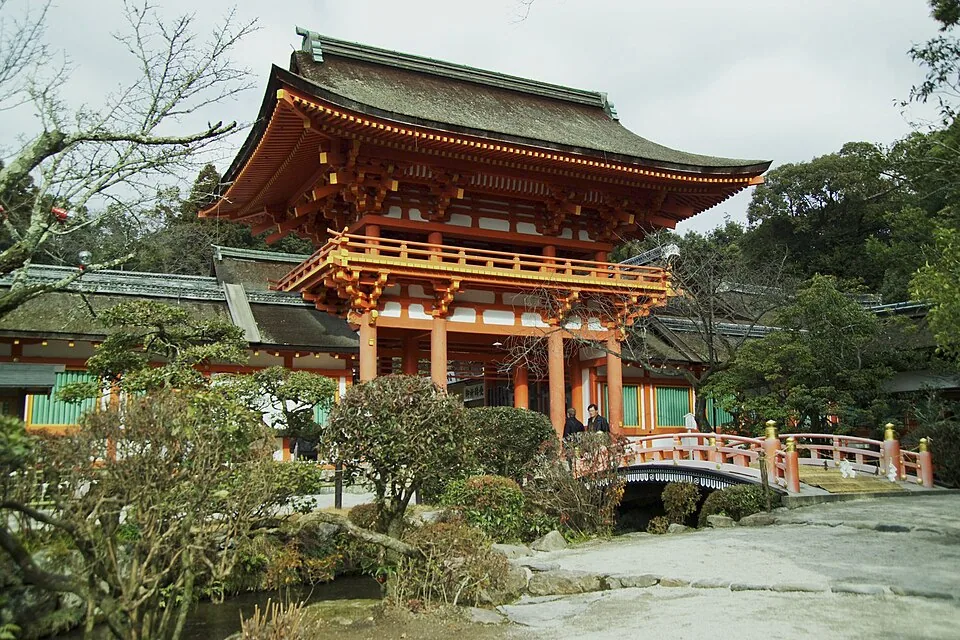
Kamigamo Shrine faces the forested form of sacred Mount Koyama, connecting its main precinct to a mountain landscape beyond the buildings. Its paired sand mounds and ritual architecture make the relationship between nature and worship visible.