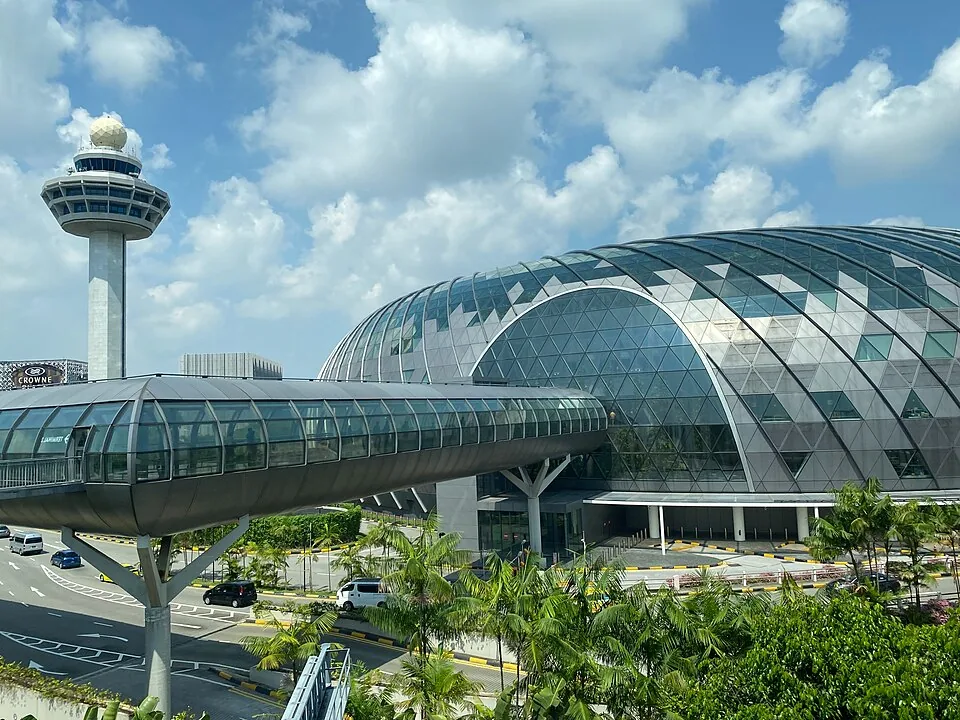
Jewel Changi Airport places a forested valley and a seven-storey indoor waterfall beneath a glass roof. The Rain Vortex is the visual centre, while planted trails and a broad range of trees and shrubs make the airport complex a public garden as well as a transport hub.
Guide preview
A column of falling water anchors Jewel Changi Airport’s glass-roofed interior. The Rain Vortex drops through seven storeys to the basement, turning the building’s centre into a moving landmark.
Continue exploring
Discover the full story
Keep reading with a travel pass and explore every full guide and tour.
UpgradeQuick facts
- The Rain Vortex falls seven storeys to Jewel’s basement.
- The Forest Valley spans levels around the central waterfall.
- Jewel lists more than 900 trees and palms and about 60,000 shrubs in the Forest Valley.
More places in Singapore
ArtScience Museum
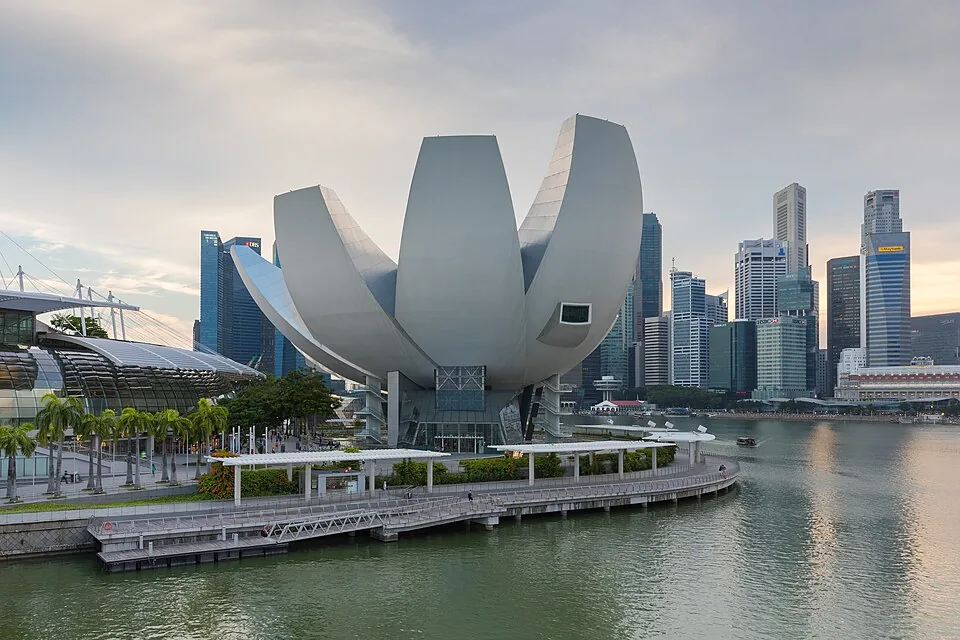
ArtScience Museum’s lotus-inspired silhouette connects its galleries to the waterfront skyline. Architect Moshe Safdie designed the building’s petal-like forms as gallery spaces, while a roof-and-atrium system collects and channels rainwater through the structure.
Asian Civilisations Museum
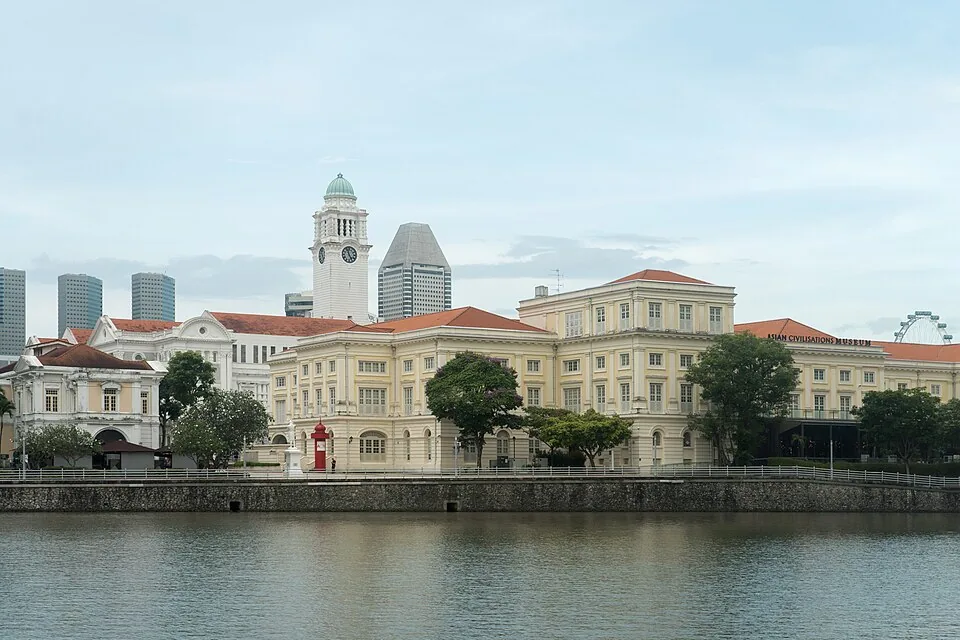
The Asian Civilisations Museum occupies the former Empress Place Building beside the Singapore River. Its collections trace connections across Asia and beyond, using objects to show how port-city exchange moved ideas, faiths and artistic traditions.
Boat Quay
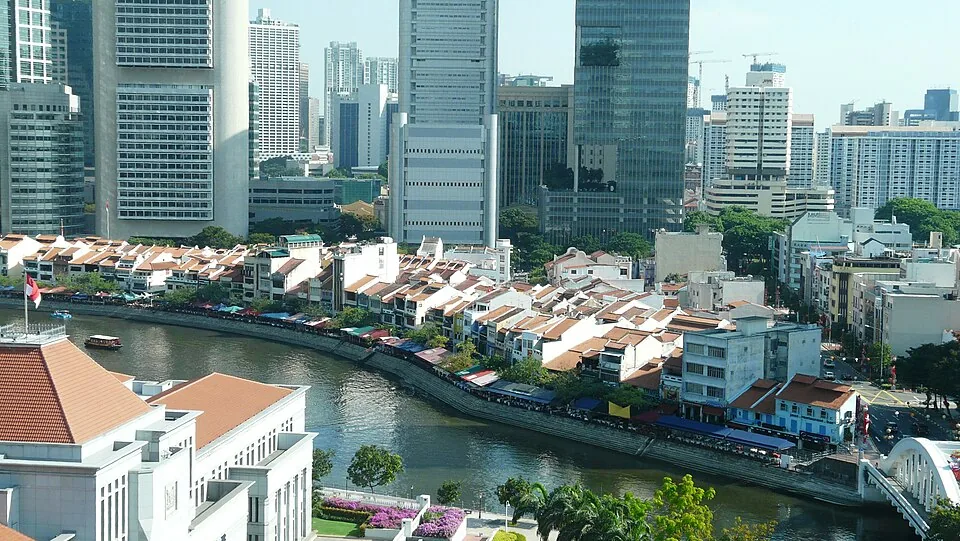
Boat Quay follows a bend in the Singapore River where conserved shophouses once served the port’s trading economy. The narrow historic district now mixes commercial life with a waterfront promenade, keeping the old relationship between buildings and river visible.
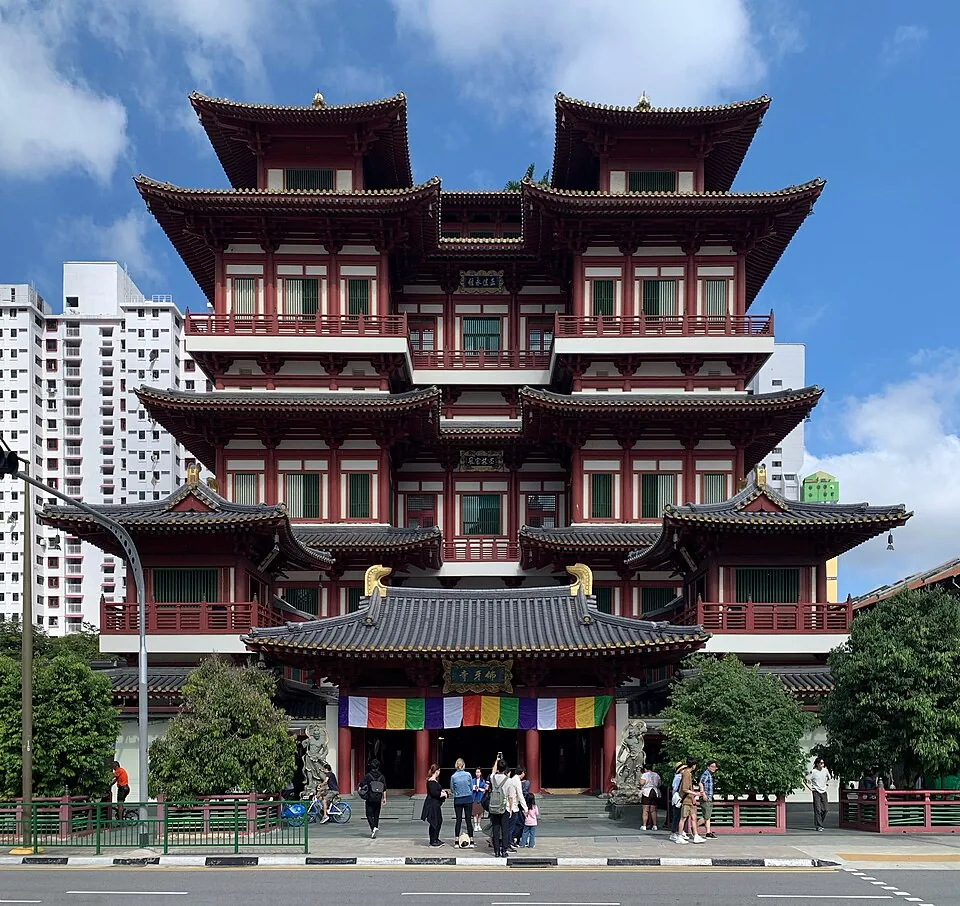
Buddha Tooth Relic Temple
The Buddha Tooth Relic Temple rises above Chinatown in a richly ornamented Tang-inspired style. Its design draws on Buddhist mandala symbolism, while the temple remains an active place of worship and cultural education.
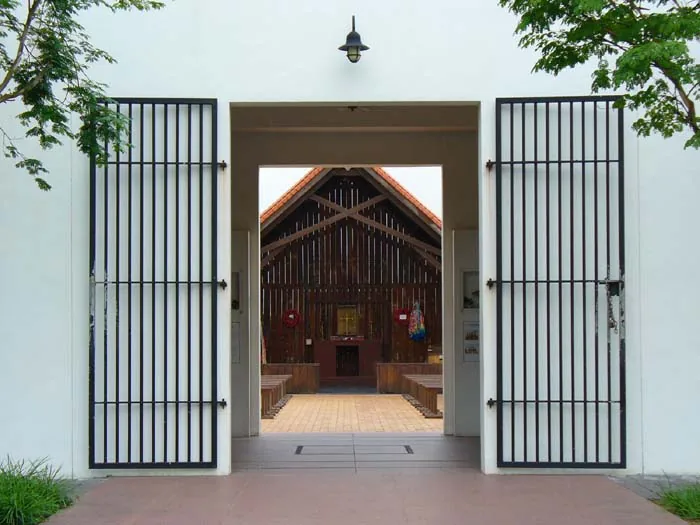
Changi Chapel and Museum
Changi Chapel and Museum preserves personal accounts of people interned during the Japanese Occupation. A chapel recreated from wartime examples anchors a museum that asks visitors to hold hardship, ingenuity and remembrance together.
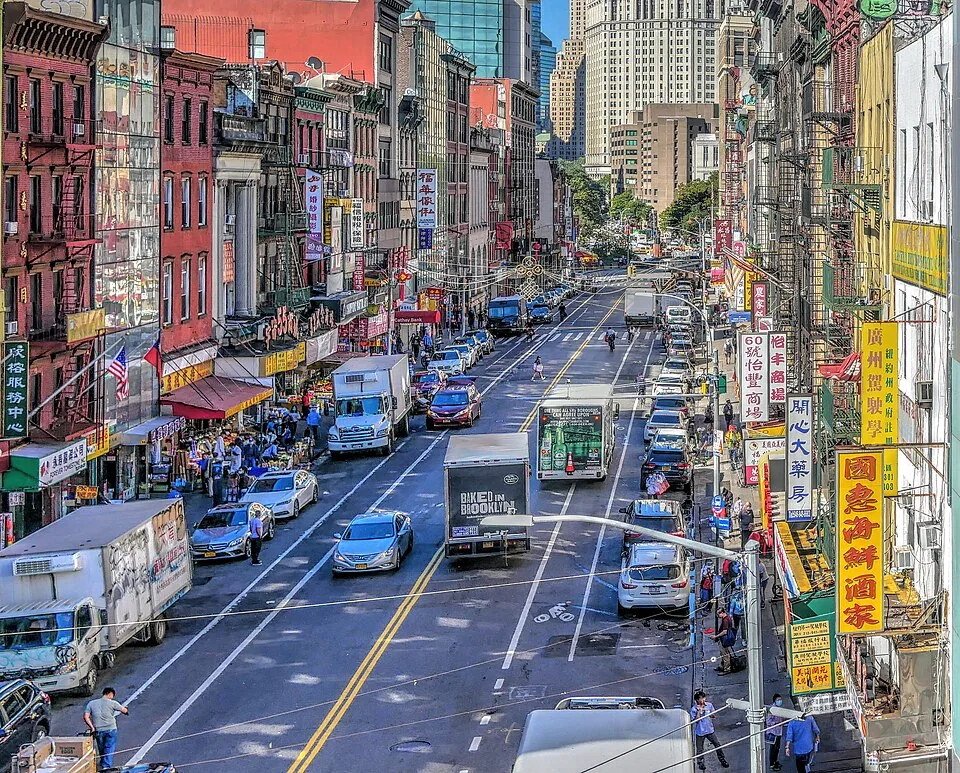
Chinatown
Singapore’s Chinatown is an original Chinese settlement and a conserved historic district, but its streets also hold temples, mosques, shrines, shops, and homes. Its layered fabric reflects migration and the everyday negotiation of religious and commercial life in a port city.