Explore locations
Browse places by name, city, country or category.
All locations
1624 locations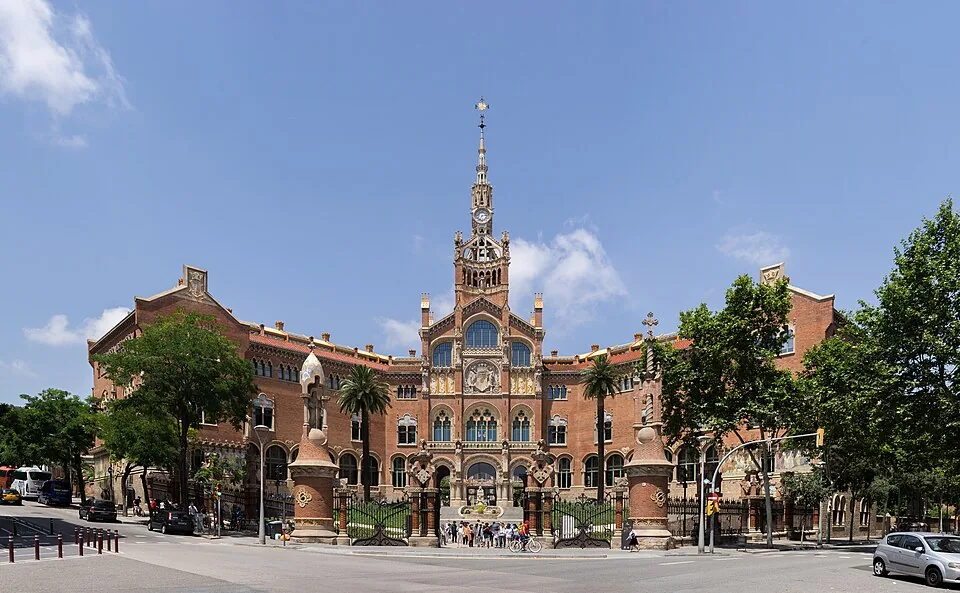
Hospital de Sant Pau
Hospital de Sant Pau is laid out as a garden city of separate pavilions, linked by underground corridors. Lluís Domènech i Montaner designed the complex around light, ventilation, and green space, making the hospital itself part of a new approach to patient care in early twentieth-century Barcelona.
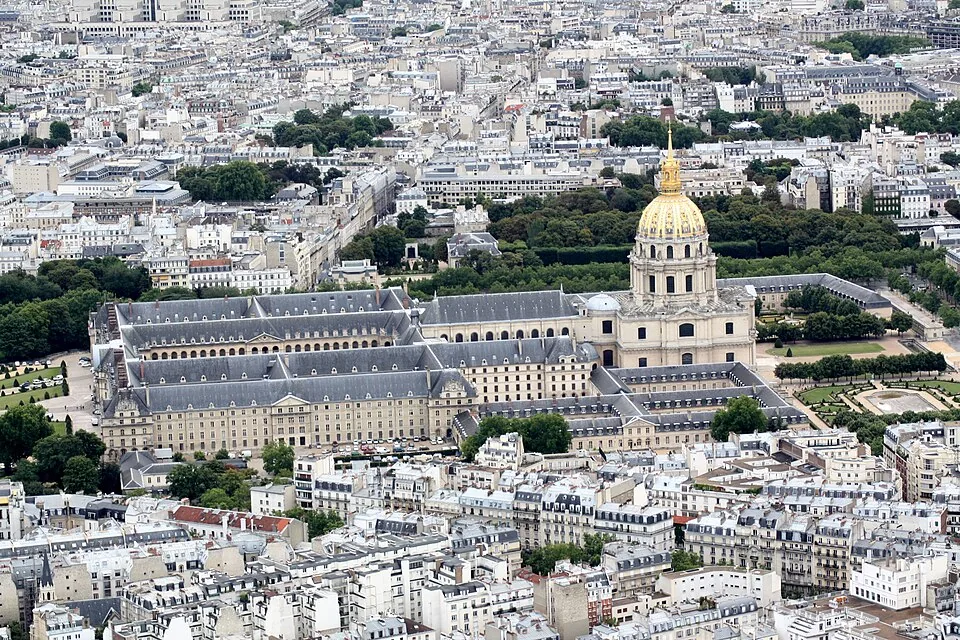
Hôtel des Invalides
The gilded dome of Hôtel des Invalides rises above a complex originally built as a home and hospital for soldiers. Its courtyards and churches preserve the site’s changing roles, from royal care for veterans to a national place of memory.
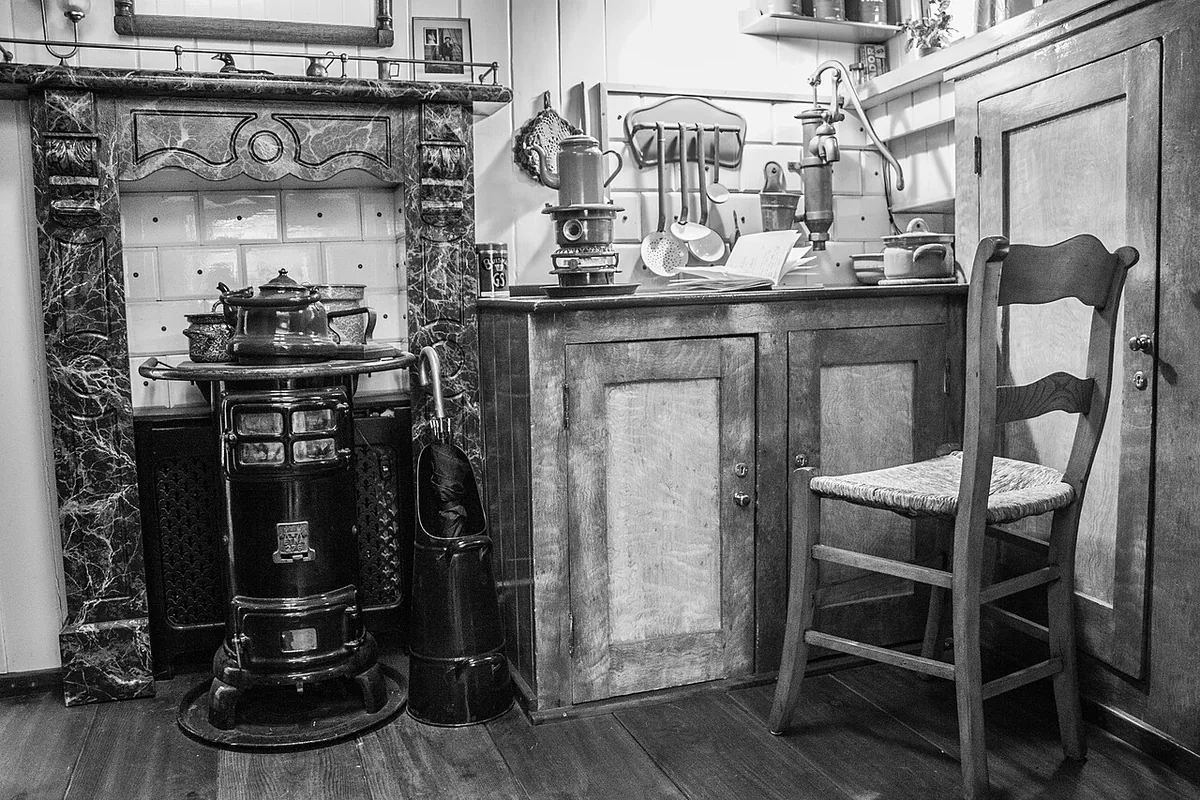
Houseboat Museum
A former cargo vessel is now a floating home museum on an Amsterdam canal. On board the Hendrika Maria, the change from freight hold to domestic rooms makes a citywide story tangible: boats once built to carry goods became places to live.
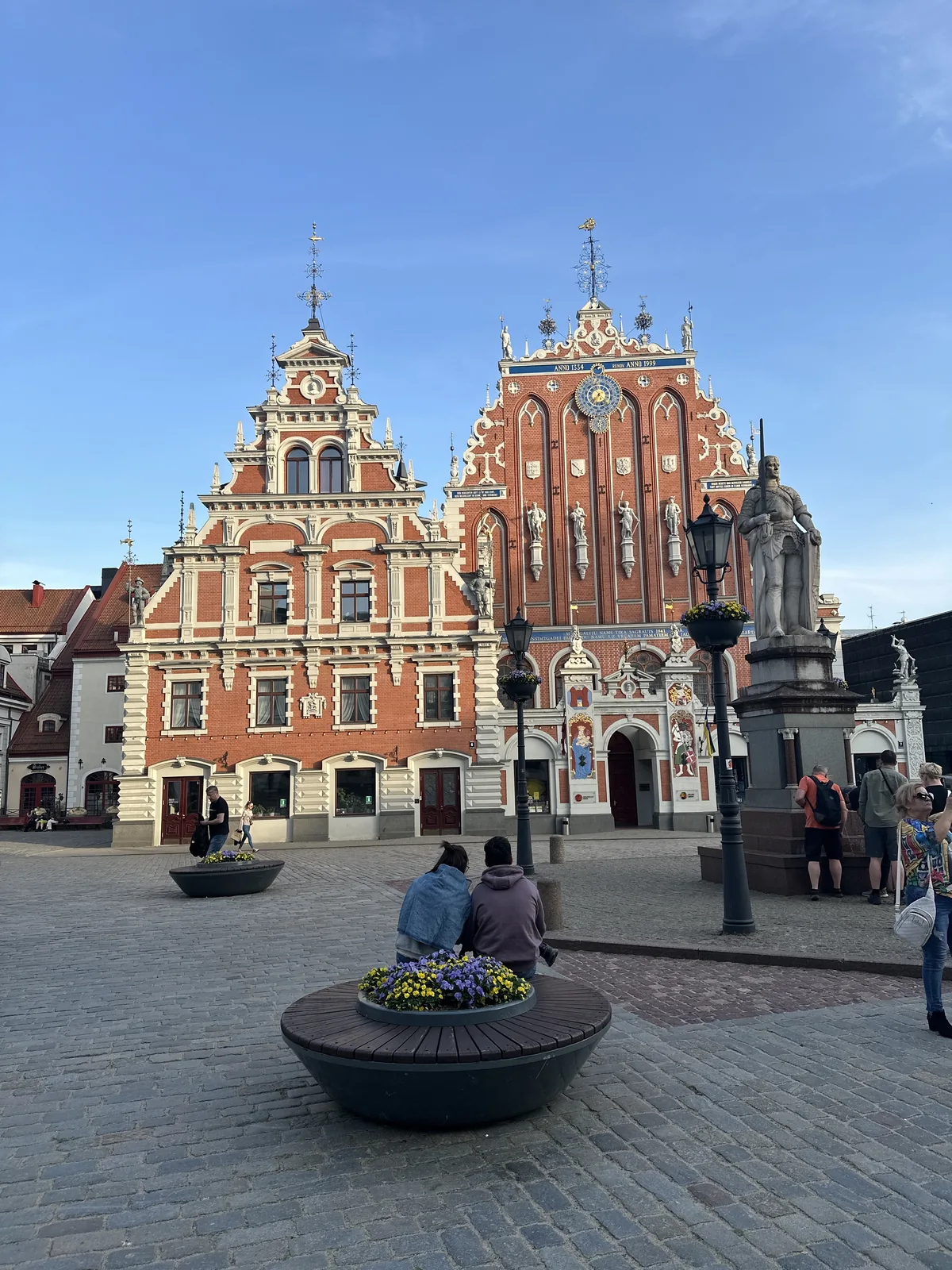
House of the Blackheads
Riga’s House of the Blackheads combines a reconstructed merchant house on Town Hall Square with surviving medieval cellars. Its ornate façade and historic spaces recall the brotherhood that gathered here and the city’s decision to rebuild after wartime destruction.
House of the Great Guild
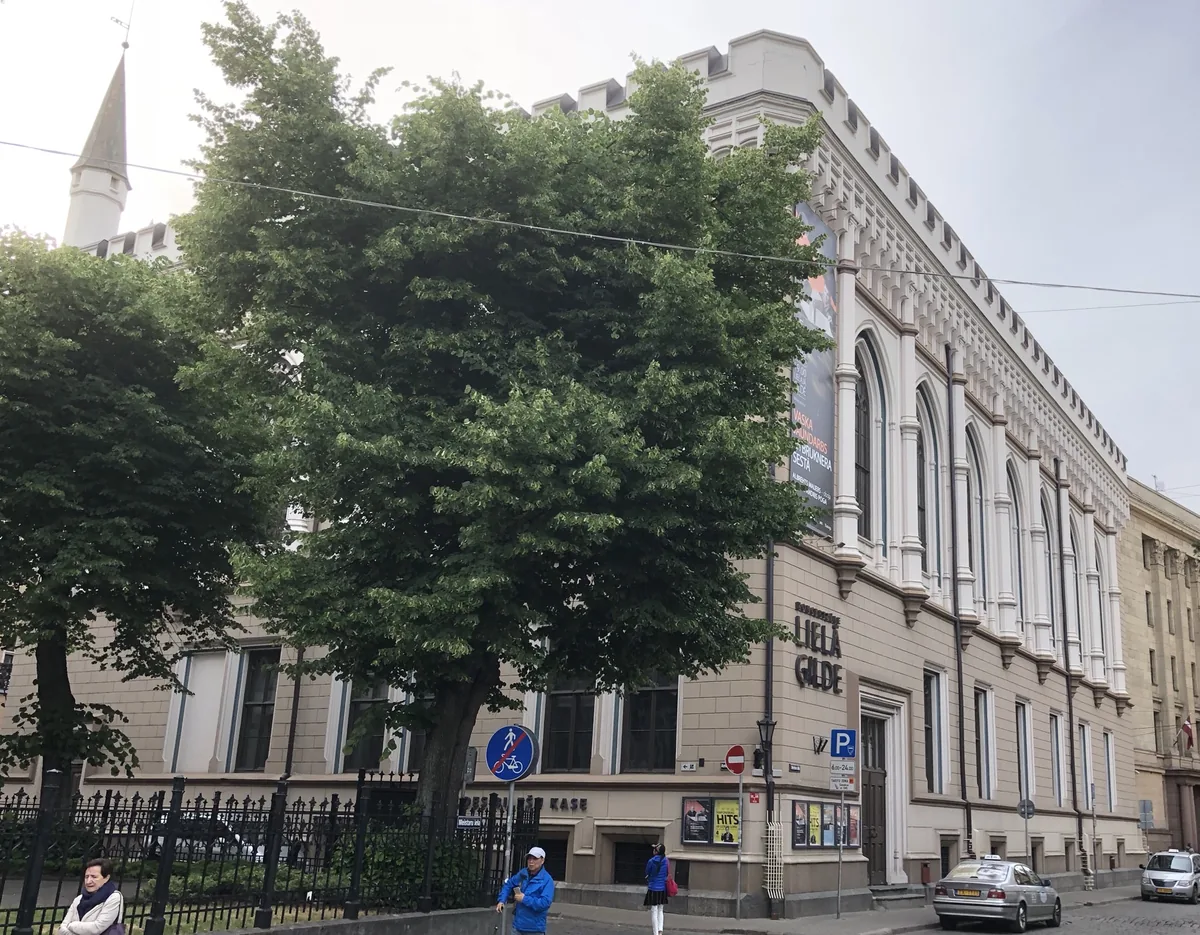
Riga’s Great Guild is a Gothic Revival guild house incorporating older meeting rooms. Once associated with merchants and later used for concerts, it has been repeatedly adapted after fire and changing civic needs.
House of the Wannsee Conference
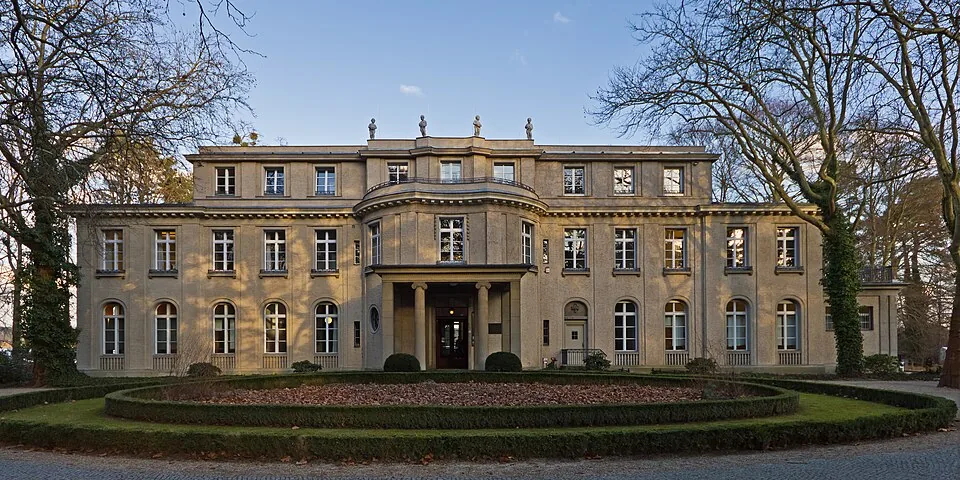
The House of the Wannsee Conference is a memorial and educational site in the villa where senior Nazi officials met in January 1942. Its exhibitions examine the bureaucracy of persecution and genocide, focusing on the decisions and institutions that organized mass murder.
Houses of Parliament
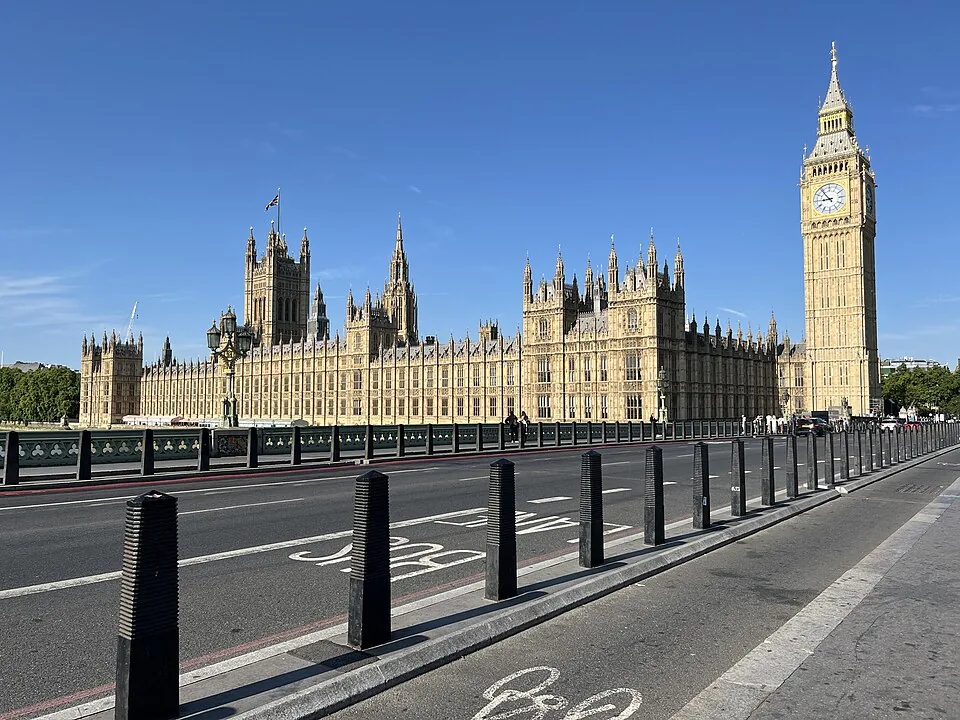
The Houses of Parliament occupy the Palace of Westminster, where medieval remnants and Victorian Gothic Revival architecture meet beside the Thames. Most of the palace was rebuilt after the fire of 1834, while Westminster Hall and a few other medieval spaces survived and were incorporated into the n
Hozenji Temple
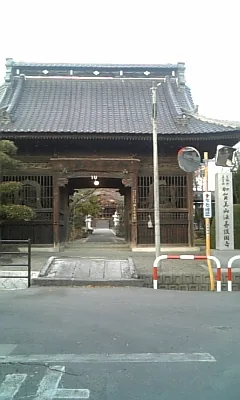
Hozenji Temple sits in a narrow pocket of Namba, where a moss-covered Fudo statue draws quiet attention beside busy streets. The temple remains an active place of worship, with its compact grounds opening onto Hozenji Yokocho.
Hozenji Yokocho
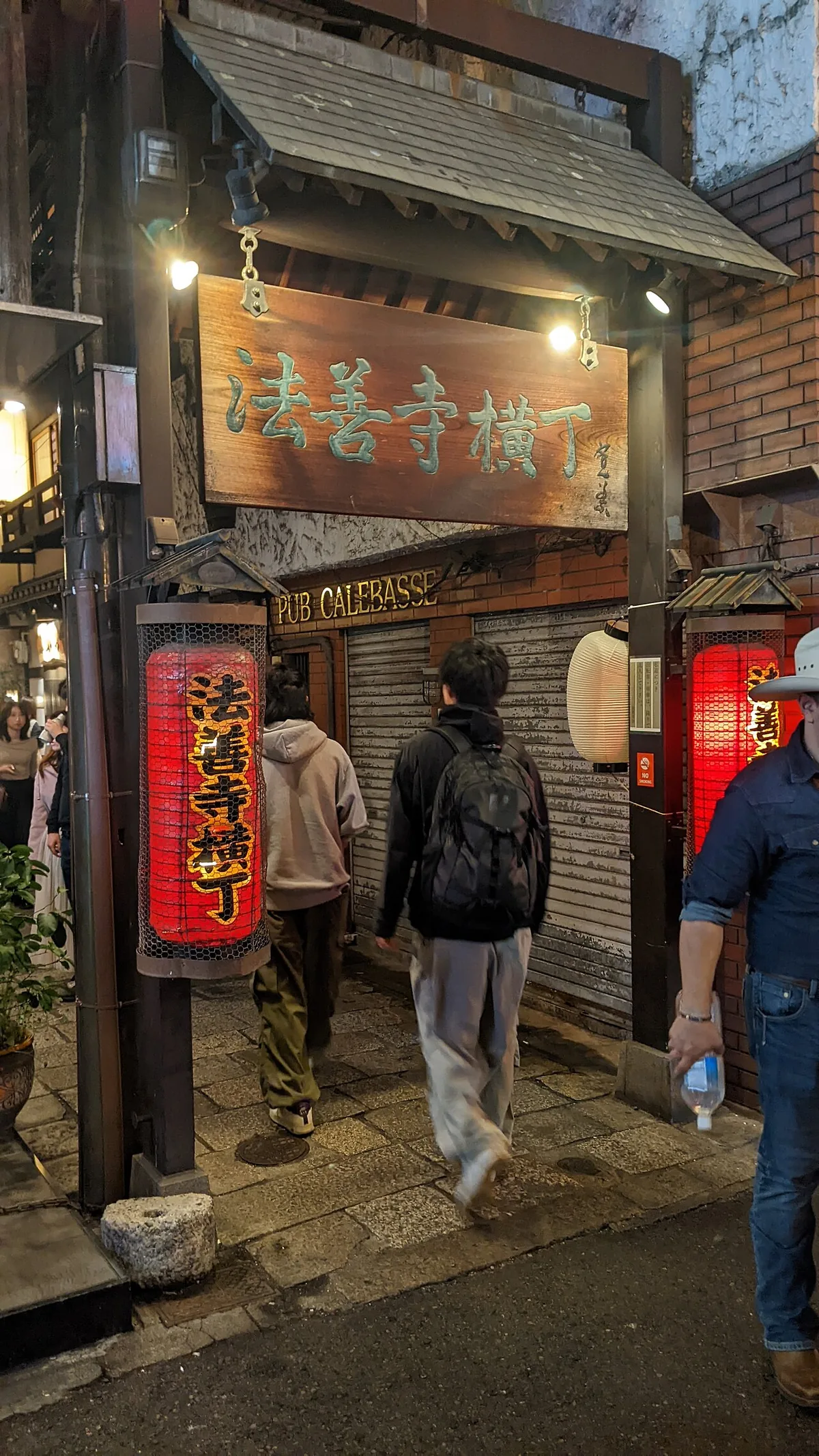
Hozenji Yokocho is a compact pair of lanes beside Hozenji Temple, known for traditional eateries and the moss-covered Mizukake Fudo. The alley’s intimate scale preserves a pocket of older Osaka within the busy Namba district.
HSBC TreeTop Walk
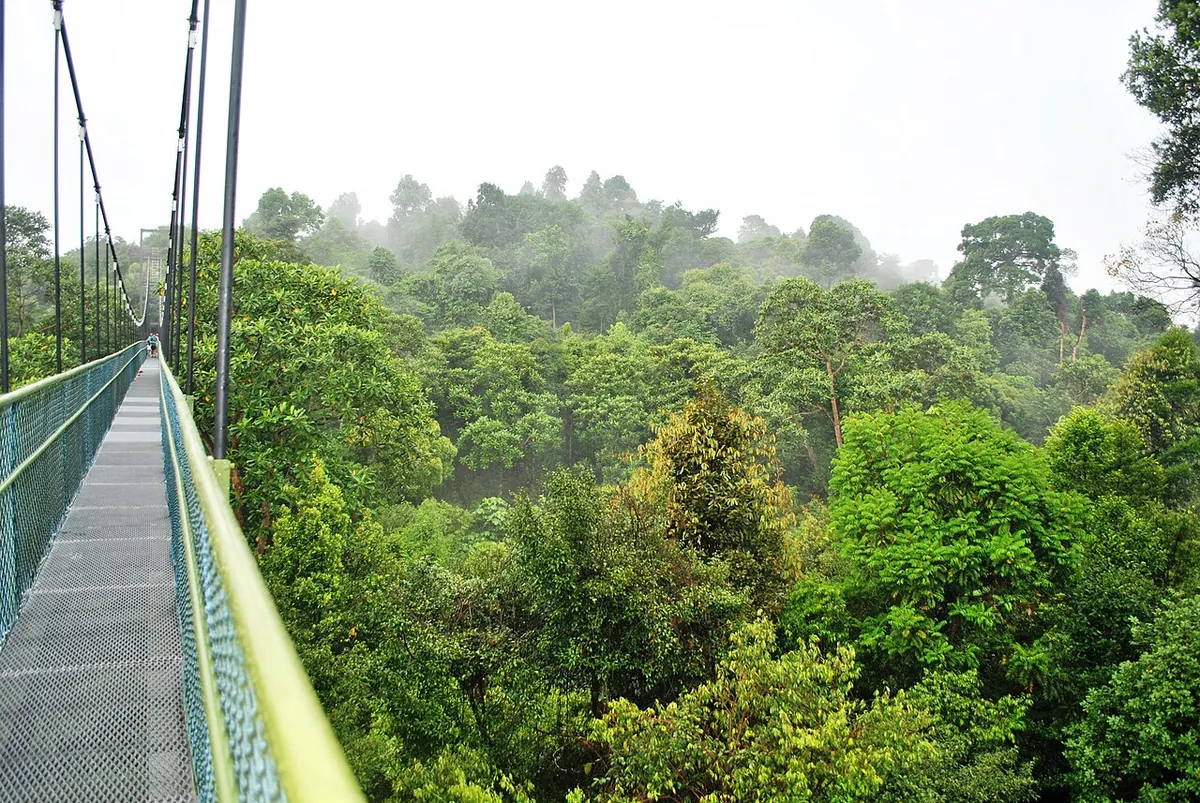
The TreeTop Walk lifts a forest trail onto a 250-metre suspension bridge between two high points in the Central Catchment Nature Reserve. From canopy level, the walk reveals how much of Singapore’s interior remains covered by protected forest.
Huashan 1914 Creative Park
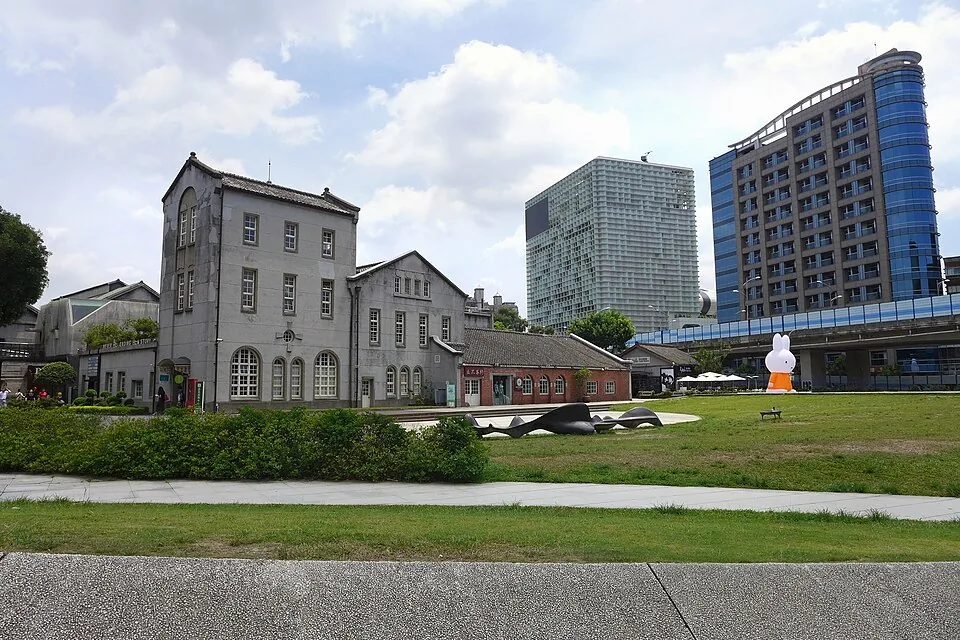
Huashan 1914 Creative Park keeps the brick structures of a former distillery in the middle of a contemporary arts district. The site’s changing uses—from sake production to cultural programming—make industrial reuse the central story of a visit.
Hudson Yards
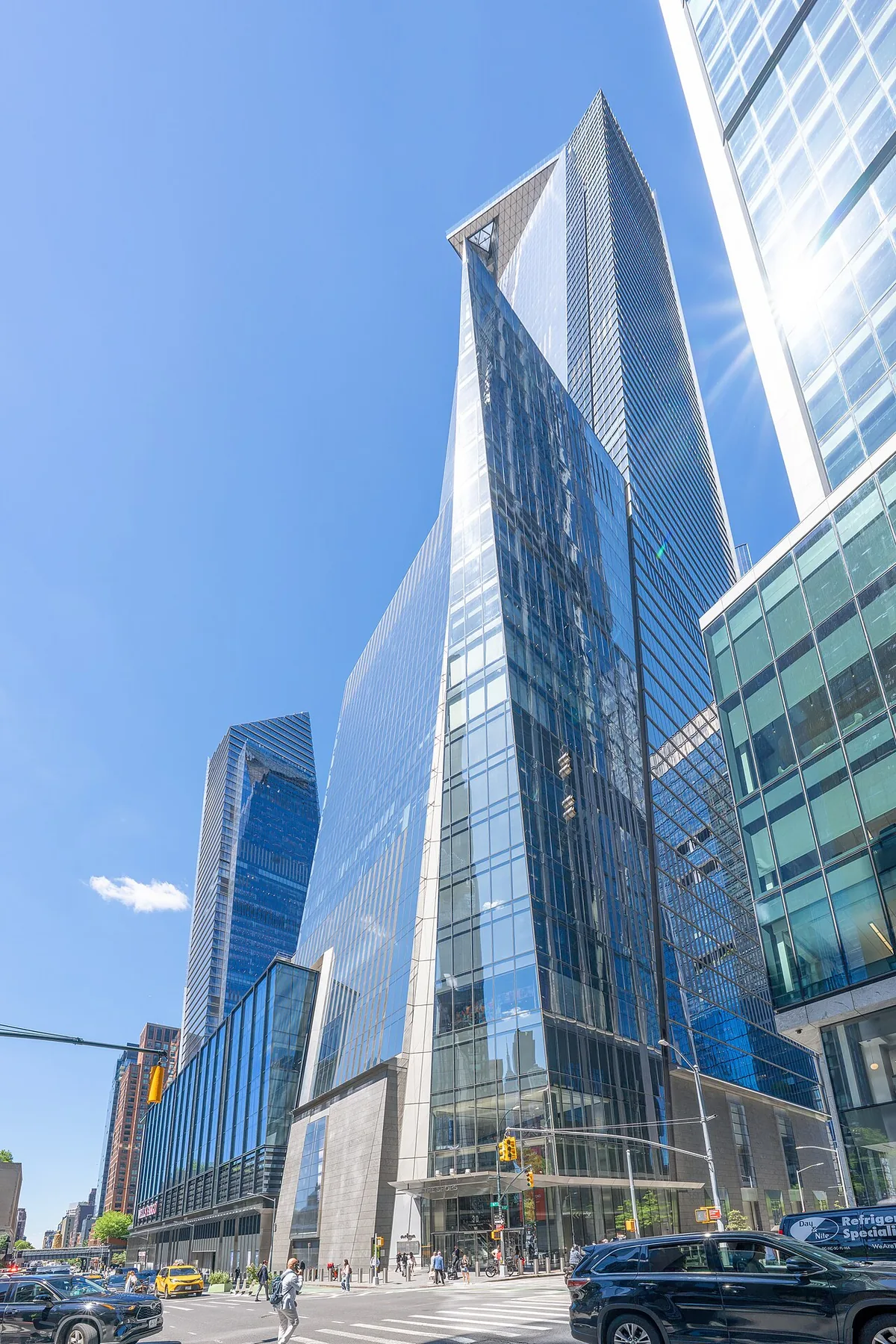
Hudson Yards is a new West Side district shaped around rail infrastructure, public plazas and high-rise development. Its open spaces and signature Vessel sit above a working rail yard, making the neighbourhood’s engineered foundation part of its urban story.
Hyde Park
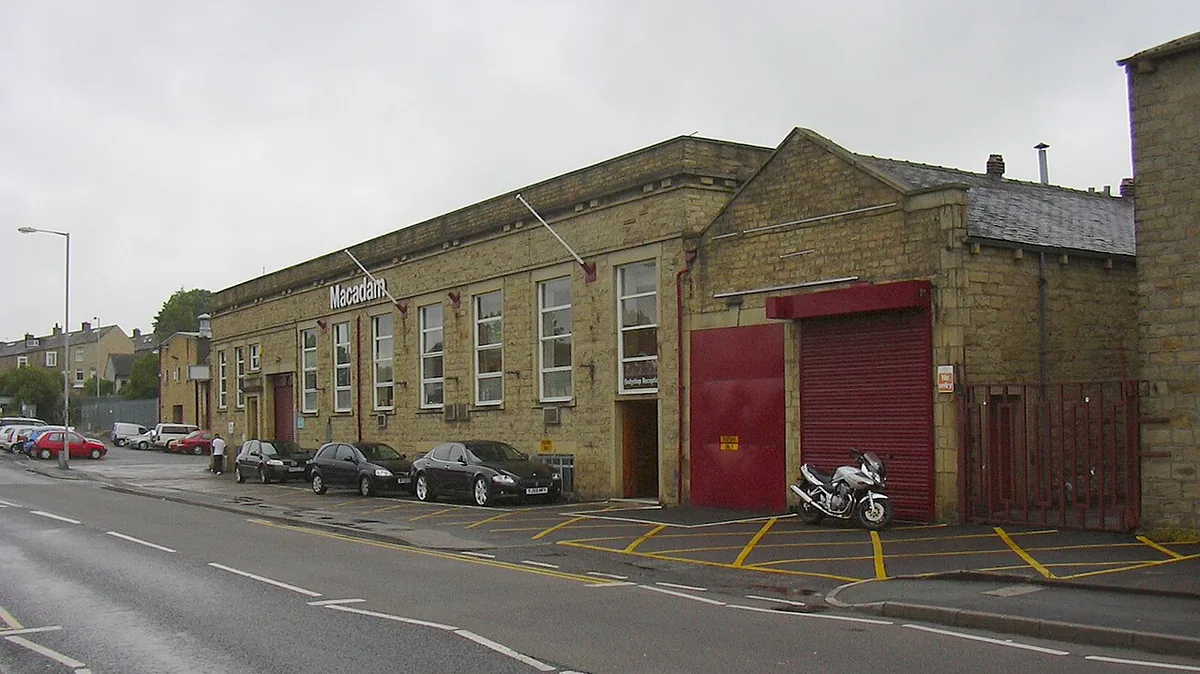
Hyde Park’s broad lawns and winding Serpentine carry traces of royal planning and public protest. Henry VIII acquired the land as a hunting ground; centuries later, it became a public park and a setting for mass gatherings, political speeches, and London’s Great Exhibition.
ICON Park
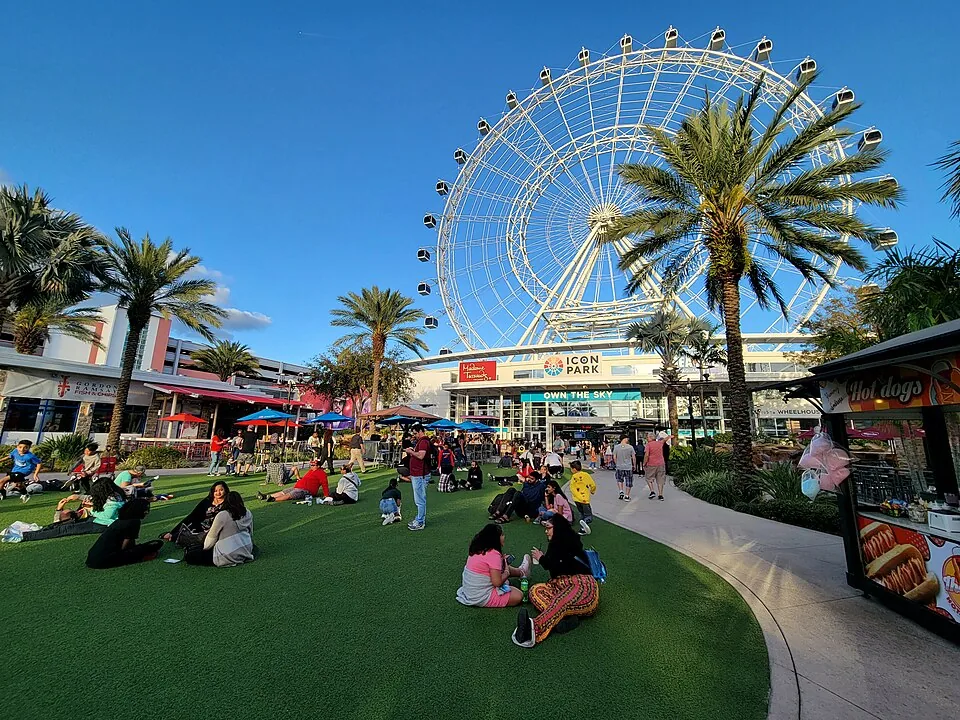
ICON Park is an open-air entertainment and dining destination along International Drive. Its central promenade gathers attractions such as the Orlando Eye, Madame Tussauds, and SEA LIFE, making the complex a compact cluster of distinct experiences.
ICONSIAM
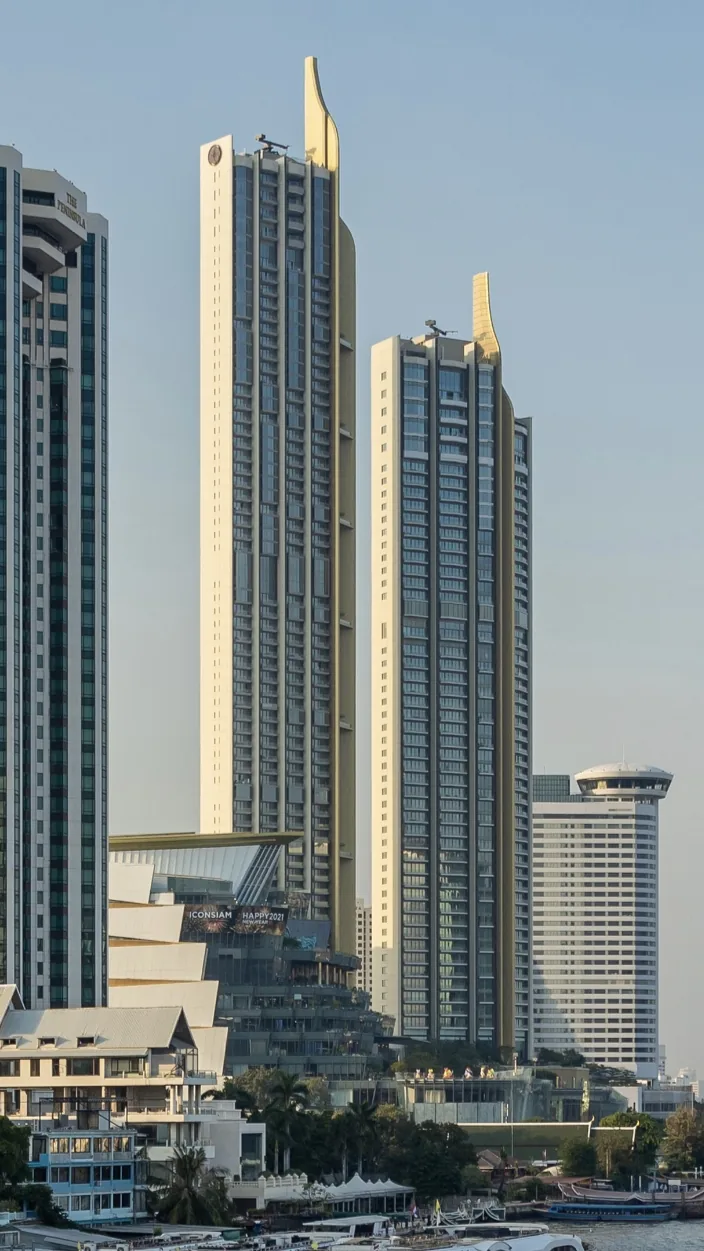
ICONSIAM is a large riverside development on Bangkok’s Thonburi bank, combining shops, residences, public spaces, and cultural programming. Its SookSiam ground-floor zone presents regional food and crafts within a contemporary retail setting.
IFS Cloud Cable Car
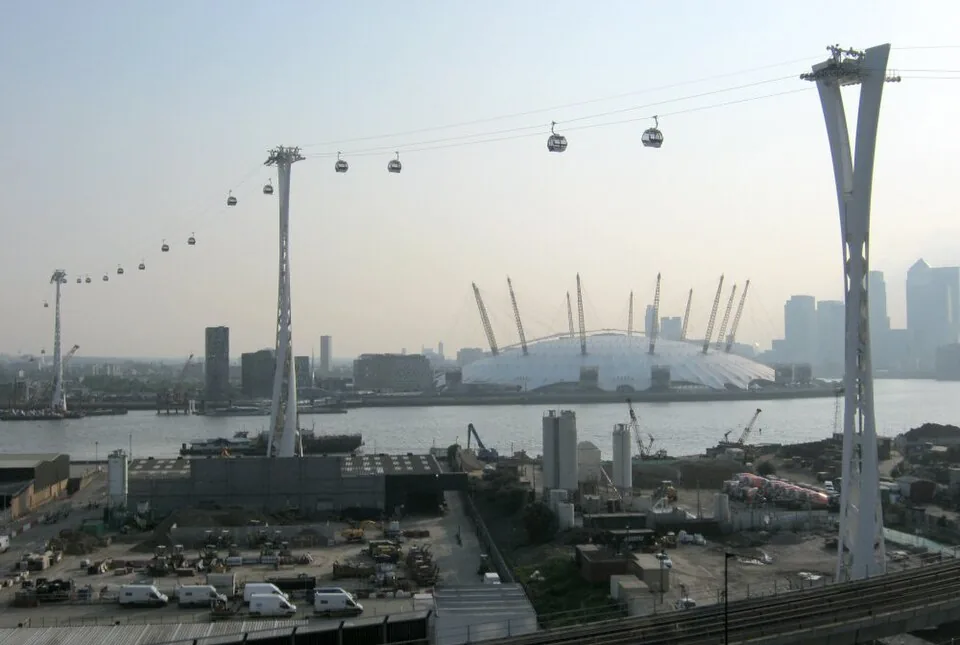
The IFS Cloud Cable Car crosses the Thames between Greenwich Peninsula and the Royal Docks. Its gondolas turn an east London river crossing into a slow aerial journey, offering a new perspective on the working waterfront and the changing scale of the city’s infrastructure.
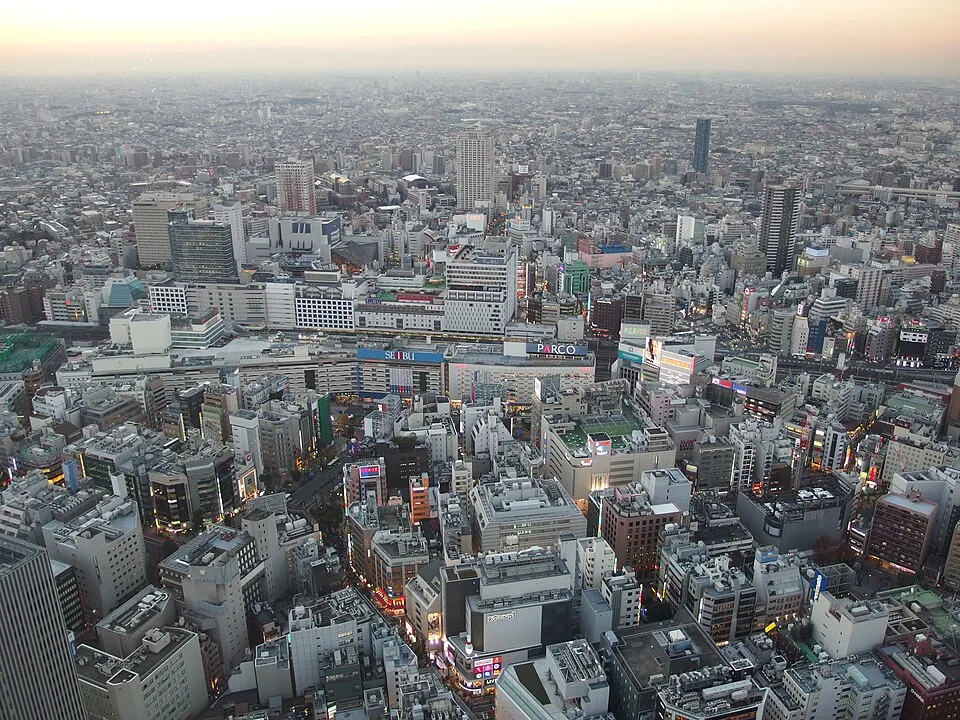
Ikebukuro
Ikebukuro is a major northern Tokyo hub where department stores, entertainment venues, and subculture shops gather around one of the city’s busiest stations. Its rise as a transport center helped turn a once-rural area into a dense urban district.
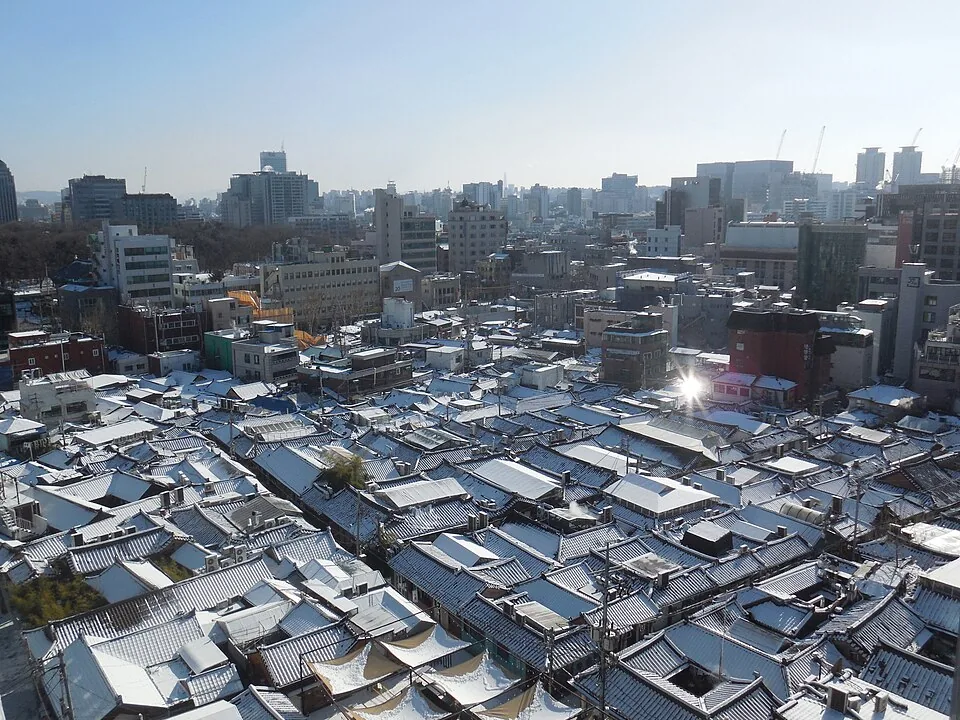
Ikseon-dong
Ikseon-dong’s narrow lanes thread between traditional hanok houses now used for cafés, restaurants and shops. The neighborhood’s character comes from this close-grained mix of older domestic architecture and newer, frequently changing businesses.
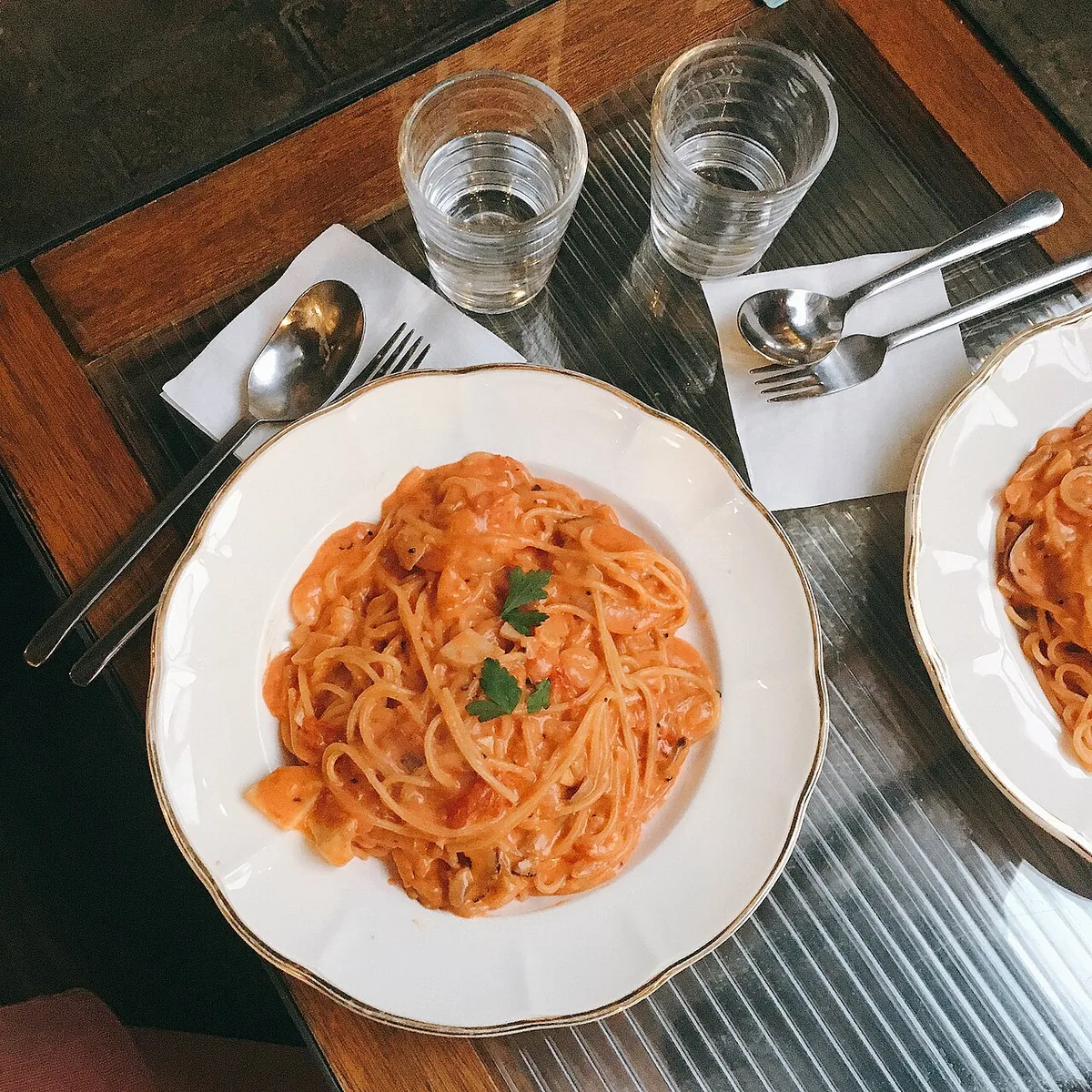
Ikseon-dong Hanok Street
Ikseon-dong’s compact hanok lanes were laid out as housing in the early twentieth century, not as a palace district. Today small houses hold cafés and shops, creating a visible conversation between a planned residential neighborhood and its newer commercial life.
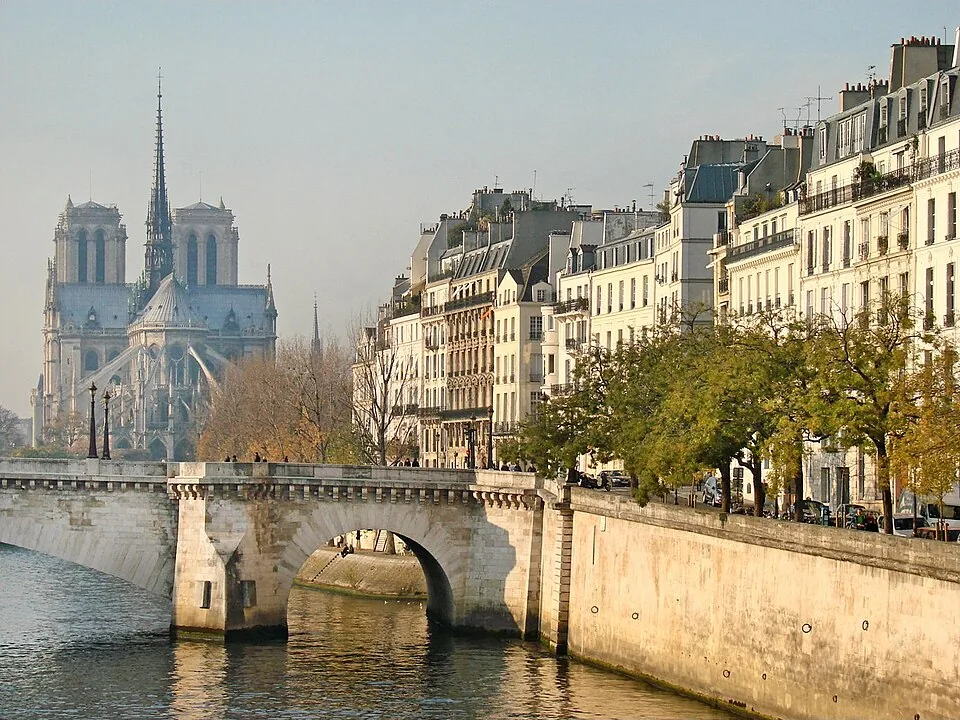
Île Saint-Louis
Île Saint-Louis is a compact island of seventeenth-century streets and residences in the Seine. Its present shape emerged when two smaller islands were joined, then developed through a planned urban project that gave it a distinctive architectural unity.
IMG Worlds of Adventure
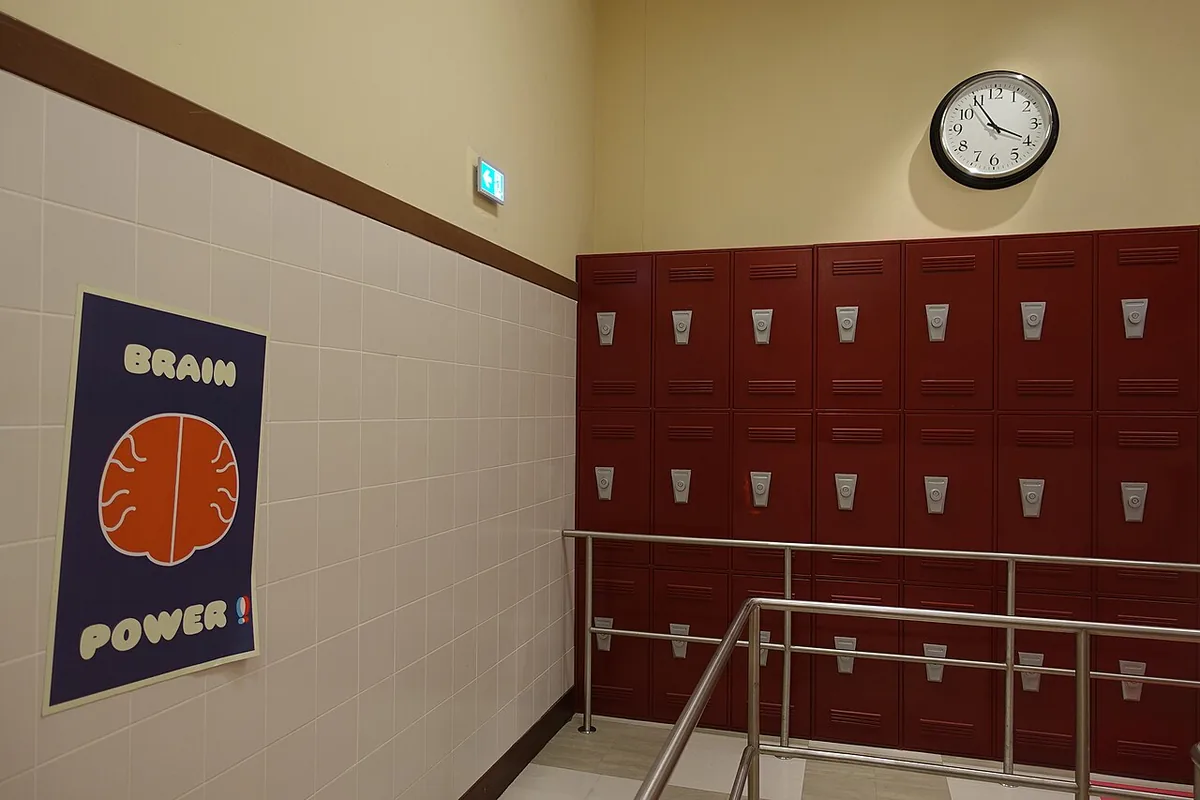
IMG Worlds of Adventure places several themed worlds beneath one roof in Dubai’s City of Arabia. Its indoor scale changes the usual theme-park relationship with heat and weather, while the themed zones arrange rides and stories as a sequence of distinct environments.

Imperial War Museum London
Imperial War Museums London presents the experience and consequences of modern conflict through objects, testimony, and personal stories. Its building was formerly Bethlem Royal Hospital, while the museum’s founding purpose was to record the First World War’s impact on people and society.
Indro Montanelli Gardens
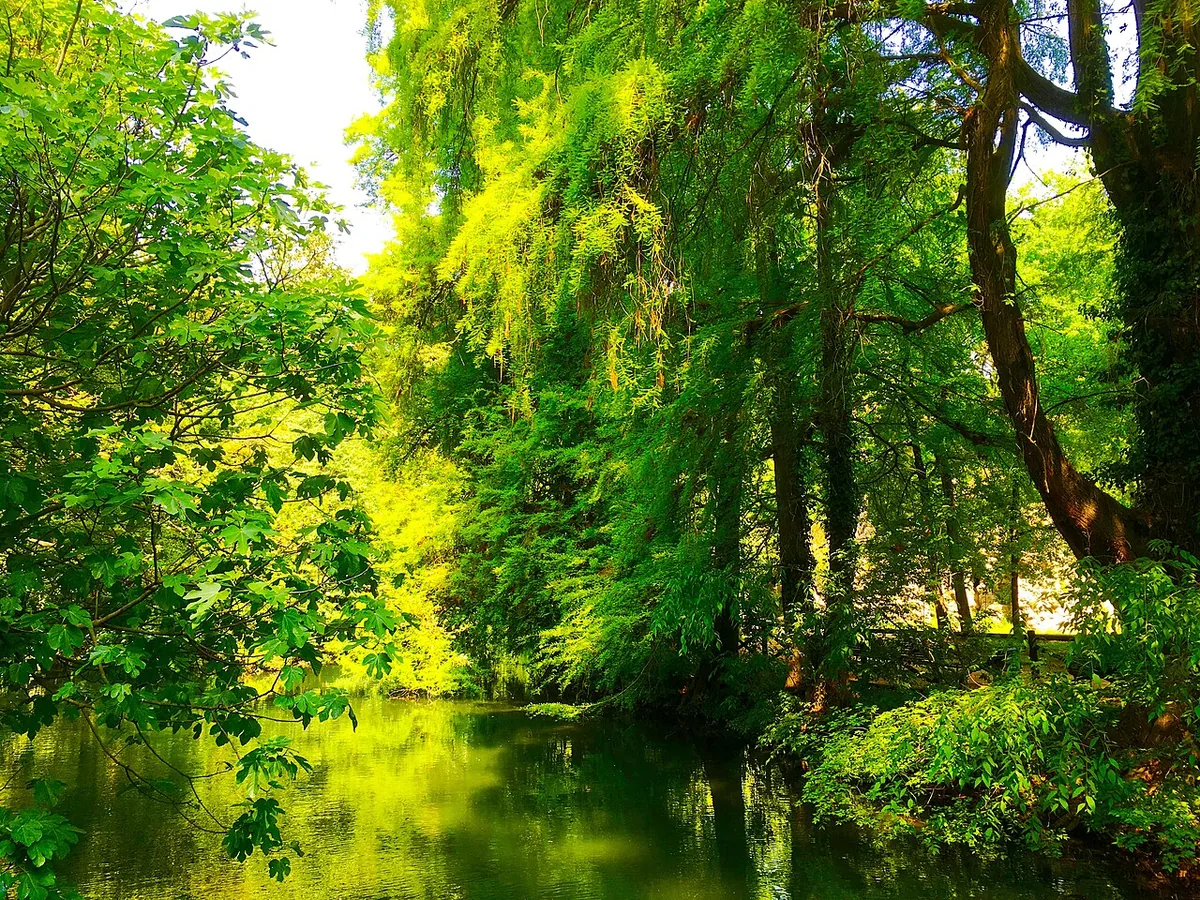
These gardens layer formal geometry, picturesque landscaping, and later civic institutions in central Milan. Begun under Piermarini in the 1780s on former monastic land, they were reshaped in the nineteenth century and renamed for journalist Indro Montanelli in 2002.
Insadong
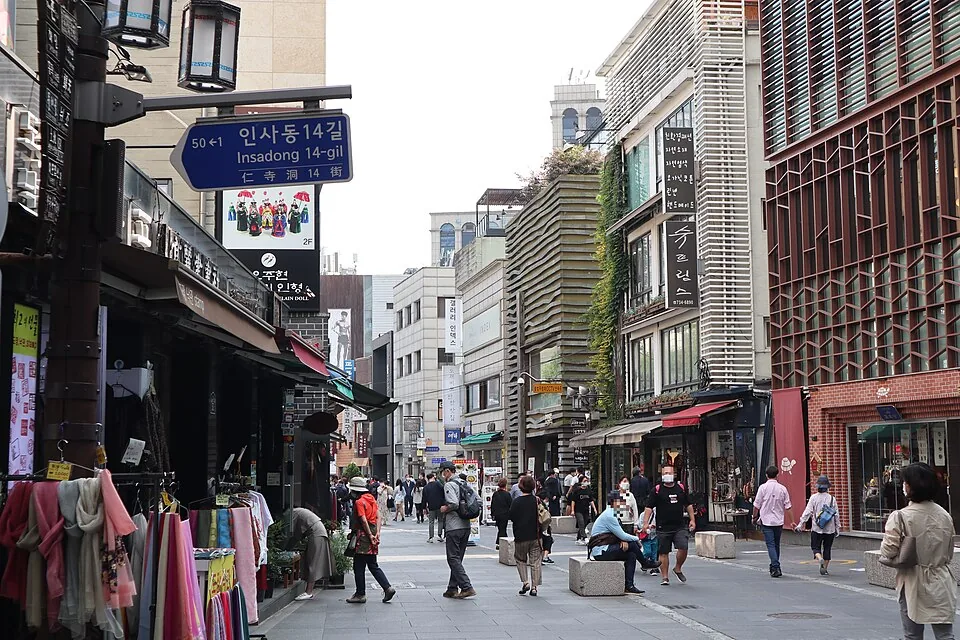
Insadong’s narrow streets gather antique dealers, craft shops, galleries, and tea houses in a district associated with traditional arts. Its appeal comes from the close scale of the street and the way handmade objects remain part of an active commercial neighborhood.