Ikseon-dong’s compact hanok lanes were laid out as housing in the early twentieth century, not as a palace district. Today small houses hold cafés and shops, creating a visible conversation between a planned residential neighborhood and its newer commercial life.
Guide preview
The lanes are narrow enough that the rooflines and doorways feel close to the street. Ikseon-dong’s hanok were built mainly in the 1920s and 1930s as a residential development, according to Seoul’s official travel guide. These were modest urban homes, not grand ancient estates, and their small scale is part of what you can still read in the neighborhood.
Continue exploring
Discover the full story
Keep reading with a travel pass and explore every full guide and tour.
UpgradeQuick facts
- Most hanok here date from the 1920s and 1930s.
- The neighborhood began as a residential development.
- The houses are modest urban hanok, rather than palace-scale homes.
More places in Seoul
108 Heaven Stairway
The 108 Steps in Seoul’s Huam-dong connect a steep residential hillside with Haebangchon. Built during Japanese colonial rule, the stairway now carries layered memories of occupation, postwar settlement, and a neighborhood adapting to difficult terrain.
Banpo Bridge Rainbow Fountain
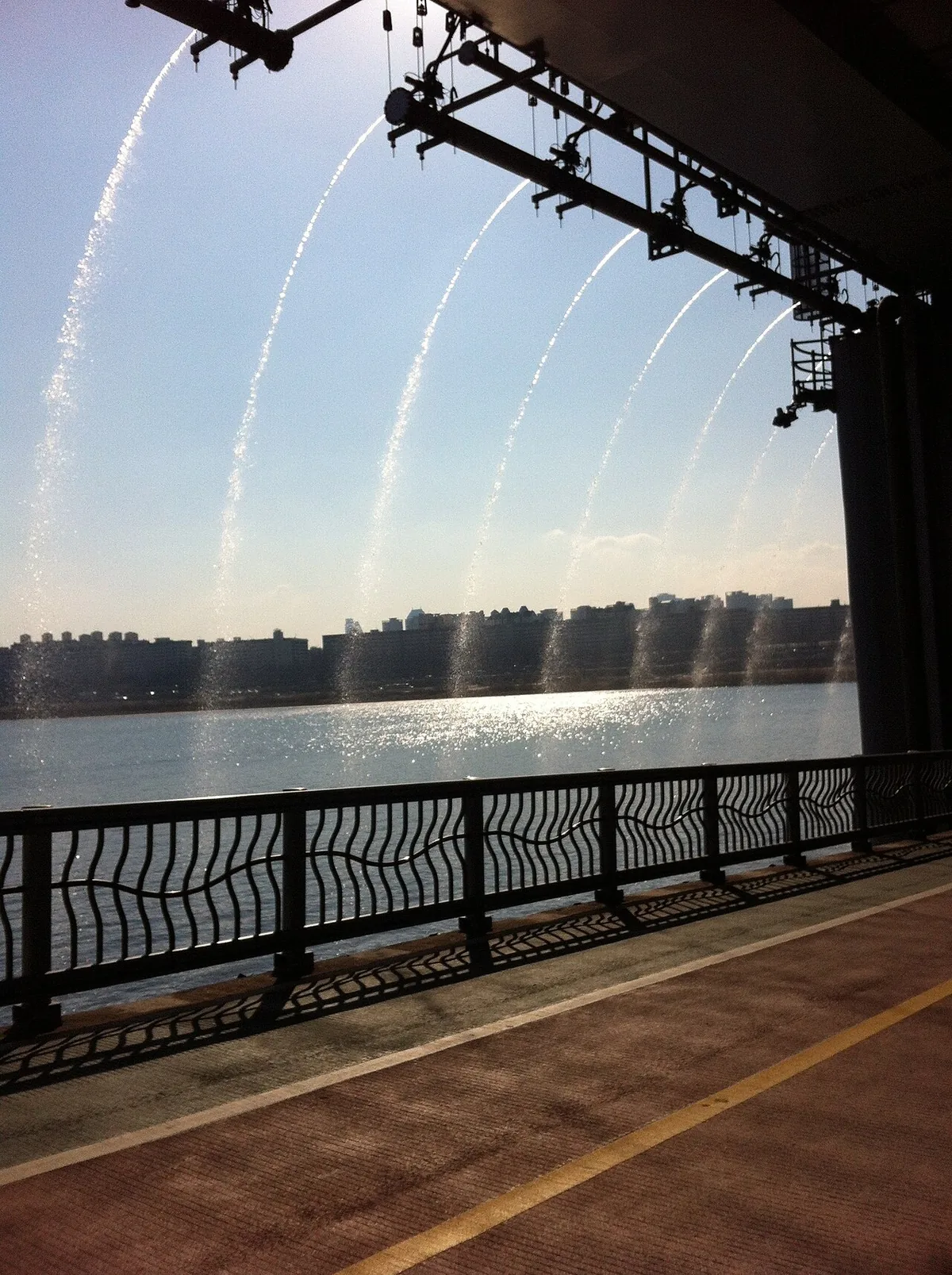
Banpo Bridge’s Moonlight Rainbow Fountain turns bridge infrastructure into a long line of water, light, and sound. The installation makes the river crossing visible as a public stage, while its length emphasizes how closely engineering and spectacle can share one structure.
Banpo Hangang Park
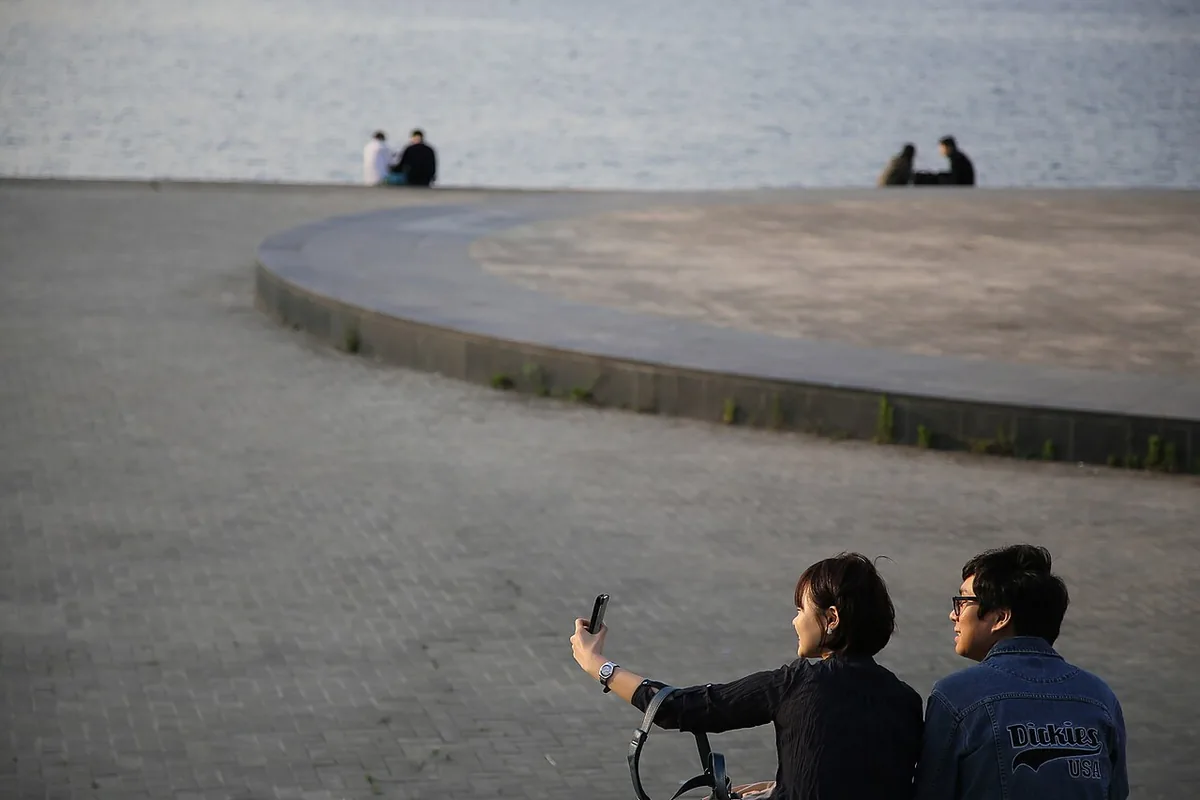
Banpo Hangang Park spreads along the river beneath Banpo and Jamsu bridges, joining walking paths and lawns with the lights of the city. The park’s famous bridge fountain is one attraction, but the wider experience is a public river edge designed for everyday movement and gathering.
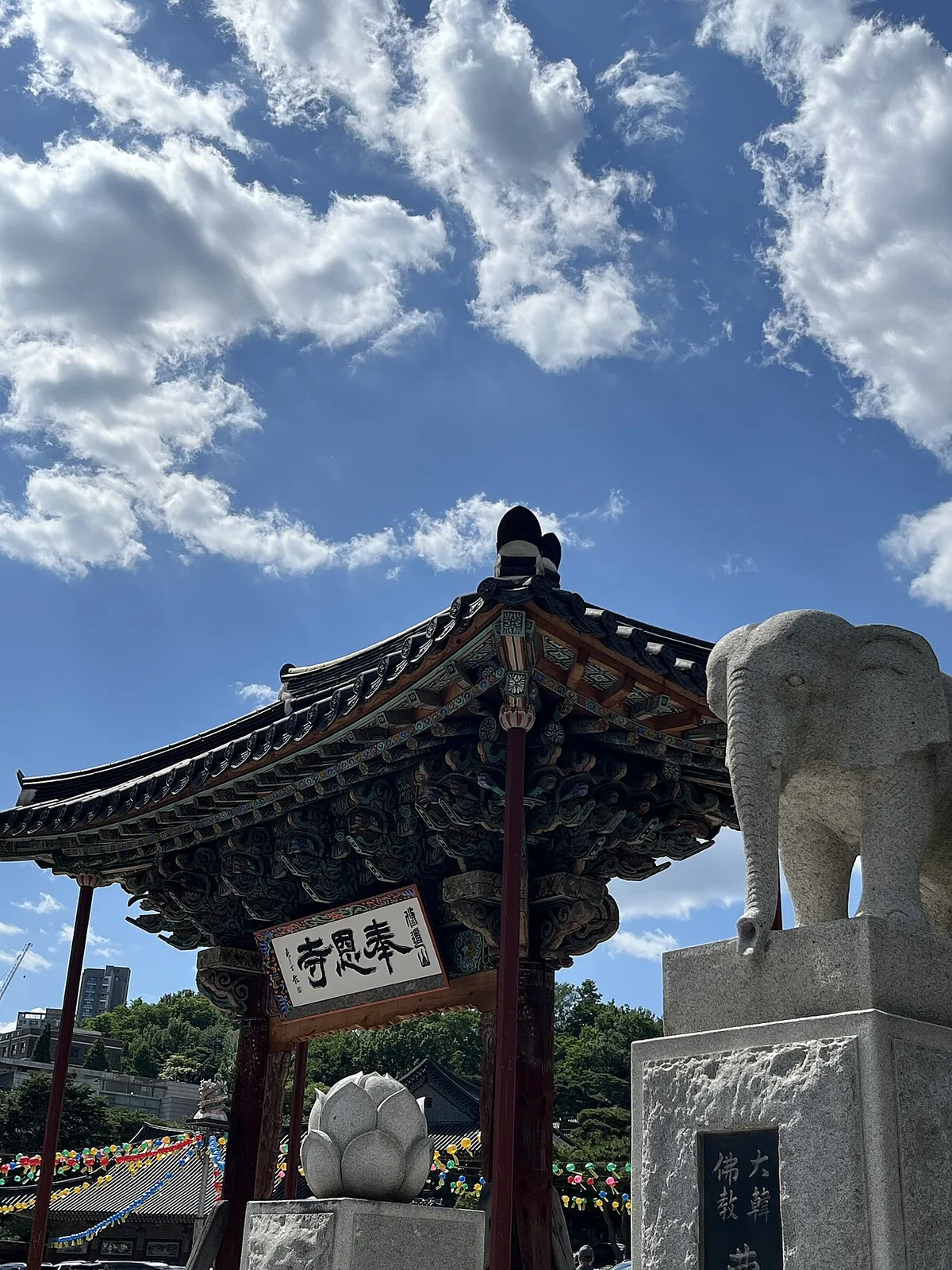
Bongeunsa Temple
Bongeunsa Temple holds an older Buddhist landscape beside Gangnam’s contemporary skyline. Its wooded grounds, halls, and large Buddha create a quiet change of scale, while the temple’s documented history reaches back to the Silla period.
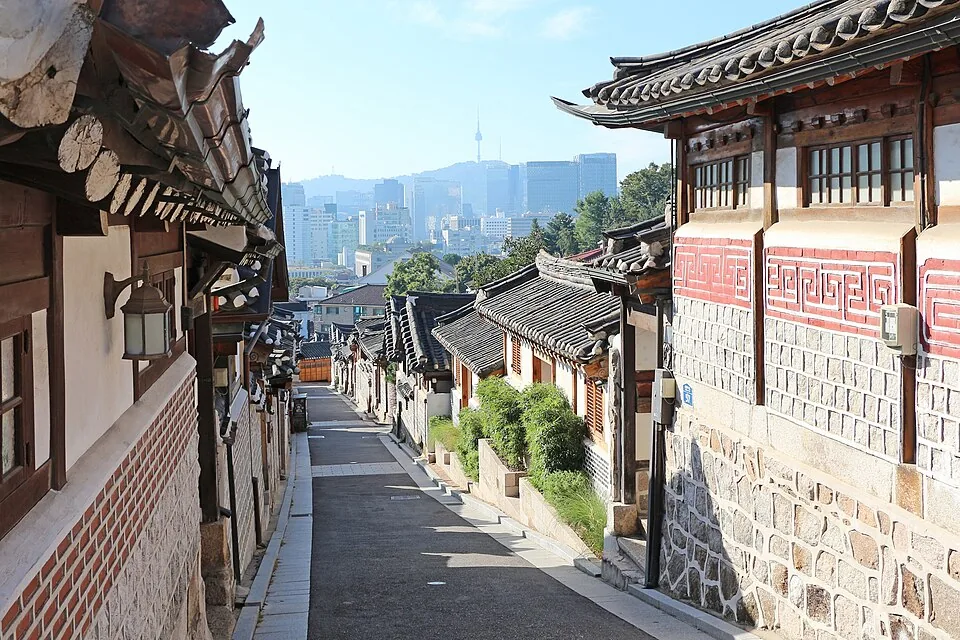
Bukchon Hanok Village
Bukchon Hanok Village is a lived-in Seoul neighborhood between Gyeongbokgung, Changdeokgung, and Jongmyo Shrine. Its traditional houses preserve distinctive rooflines and courtyards, but residents’ everyday lives remain central; visitors should keep voices low and respect private homes.
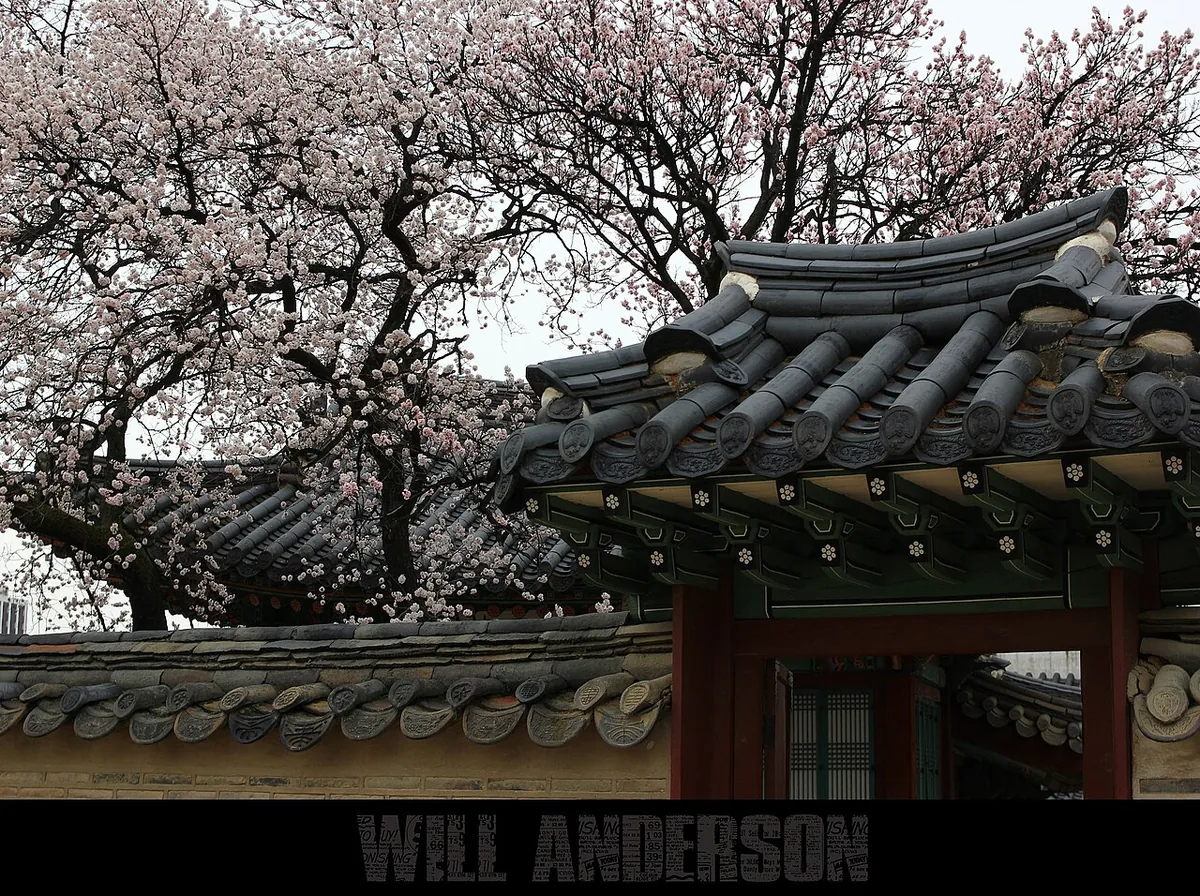
Changdeokgung Palace
Changdeokgung is arranged to follow the contours of its wooded setting, a contrast with more rigid palace plans. Built in 1405 as a secondary palace, it later served as the main royal residence for long periods, and its gardens preserve a balance of ceremony and retreat.