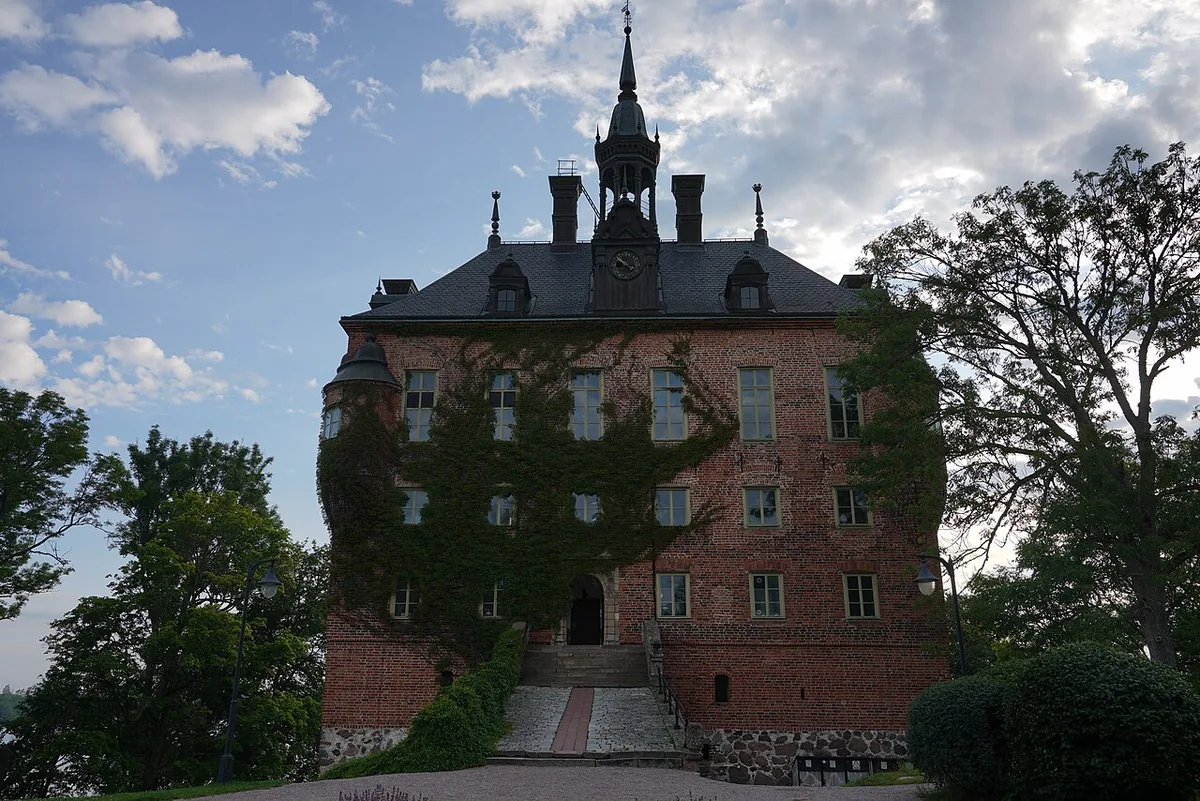
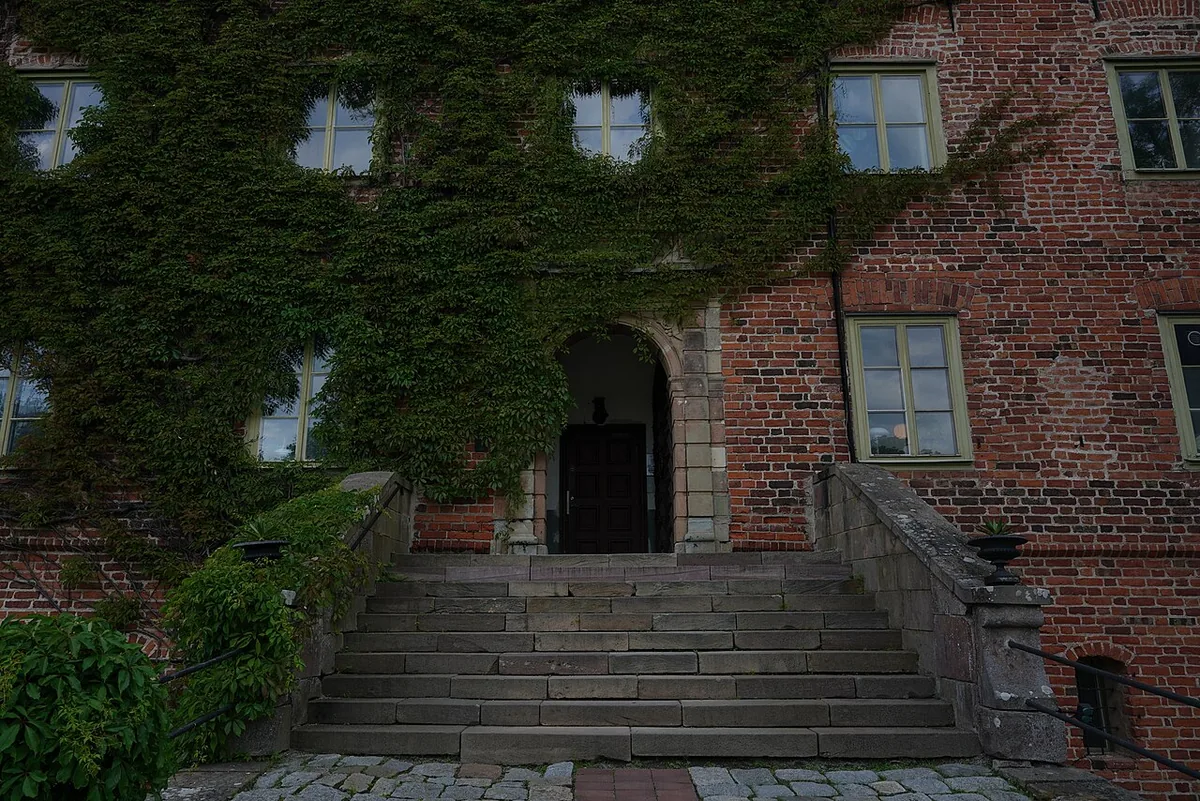
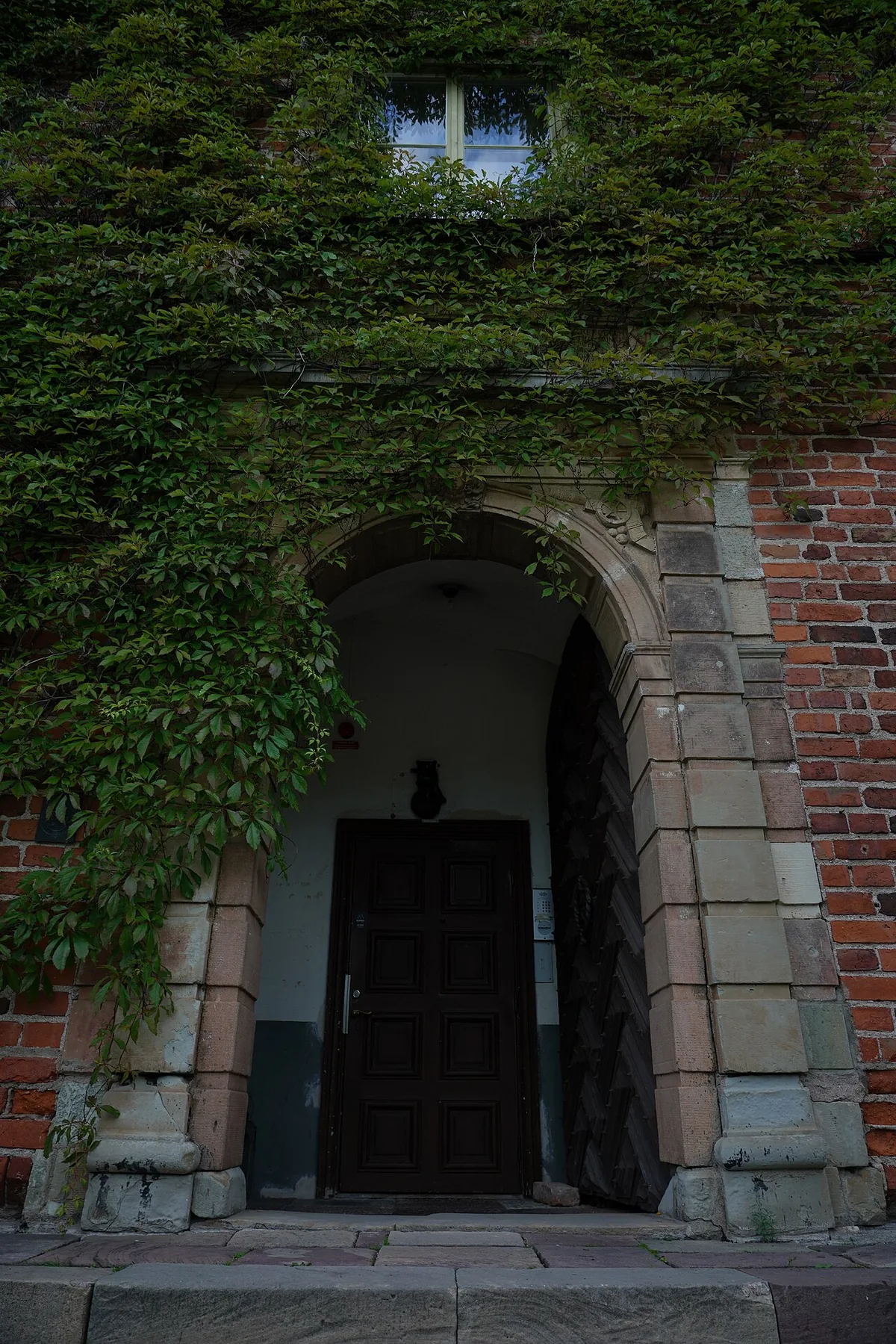
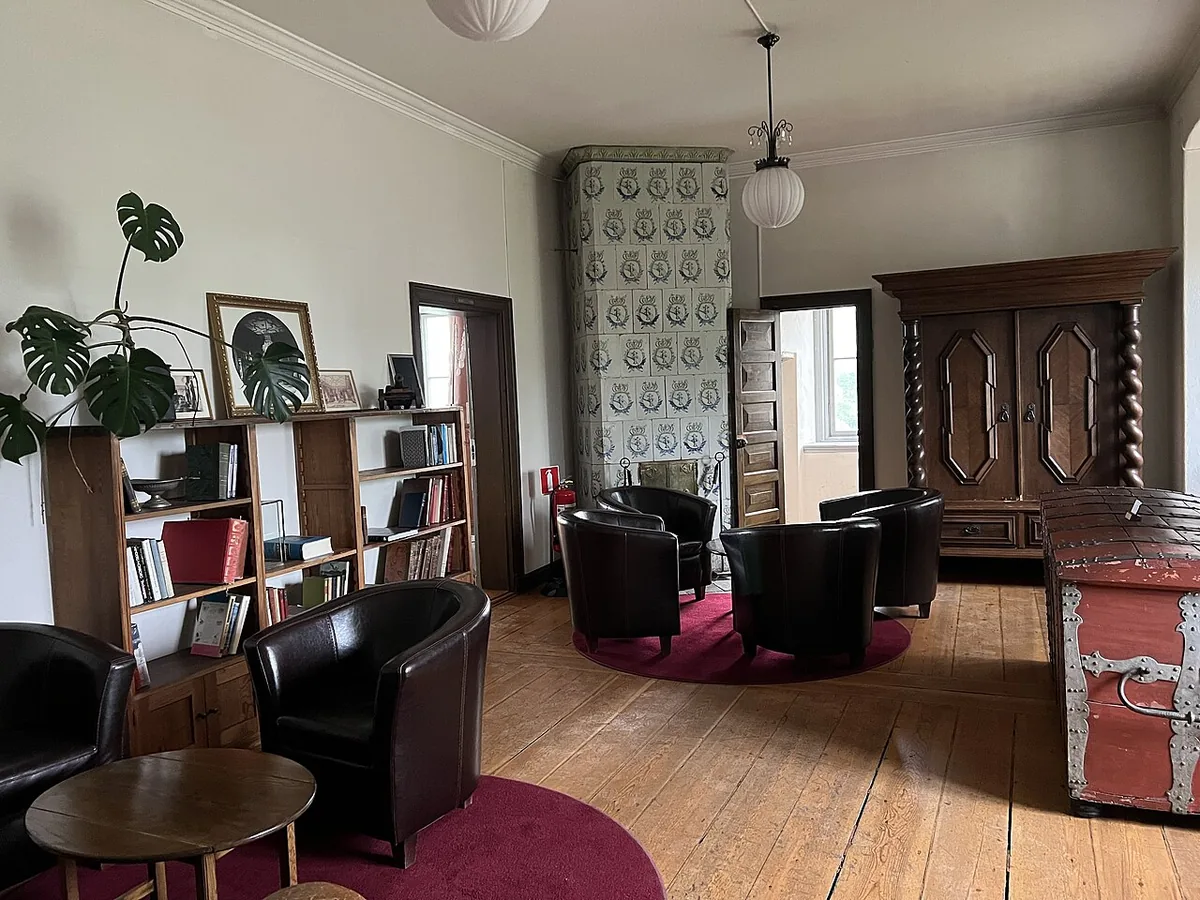
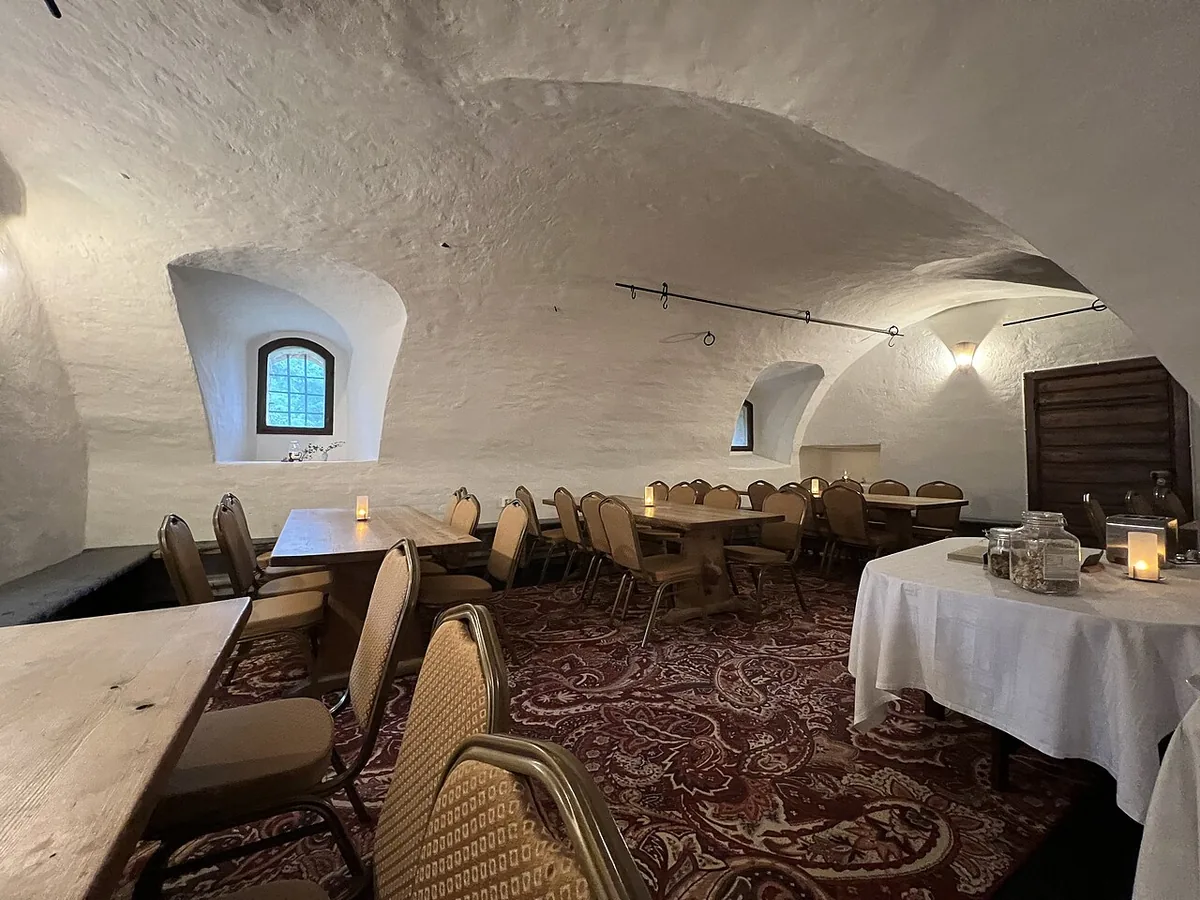
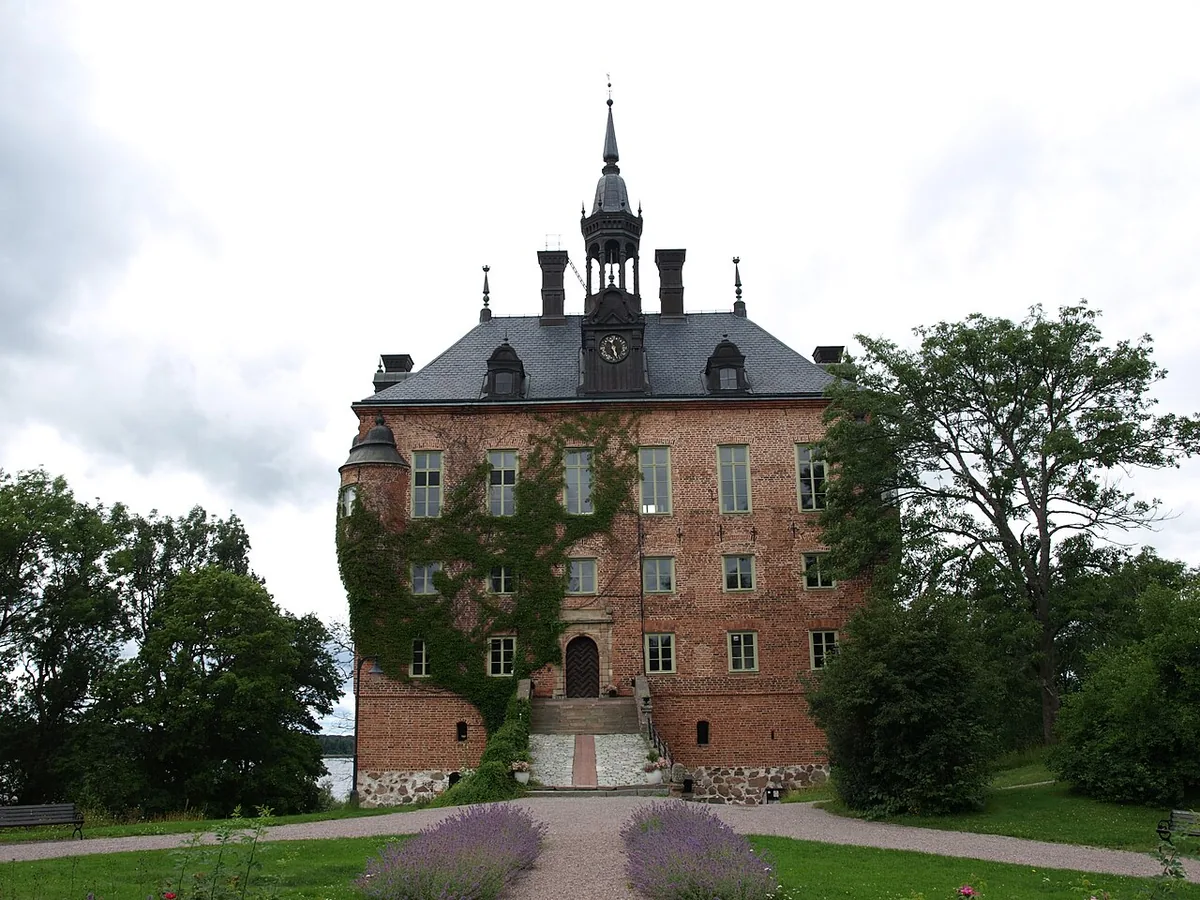
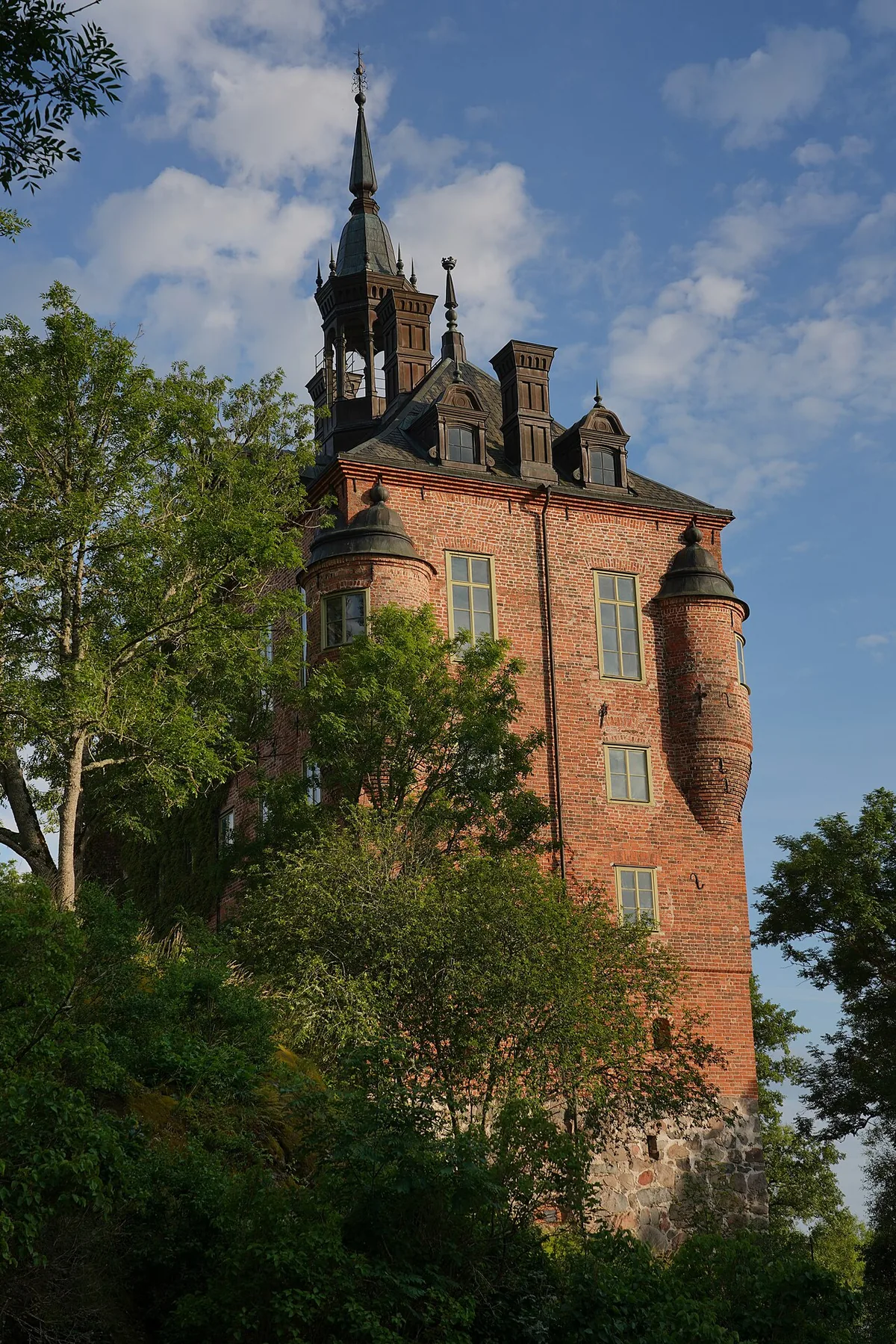
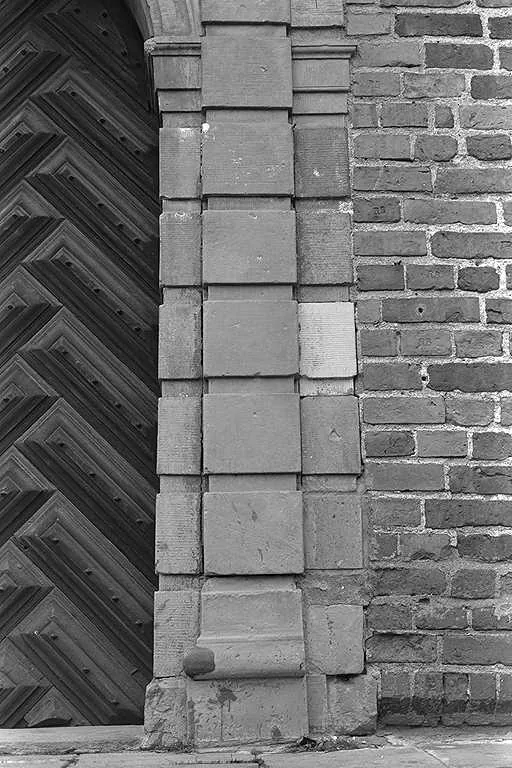
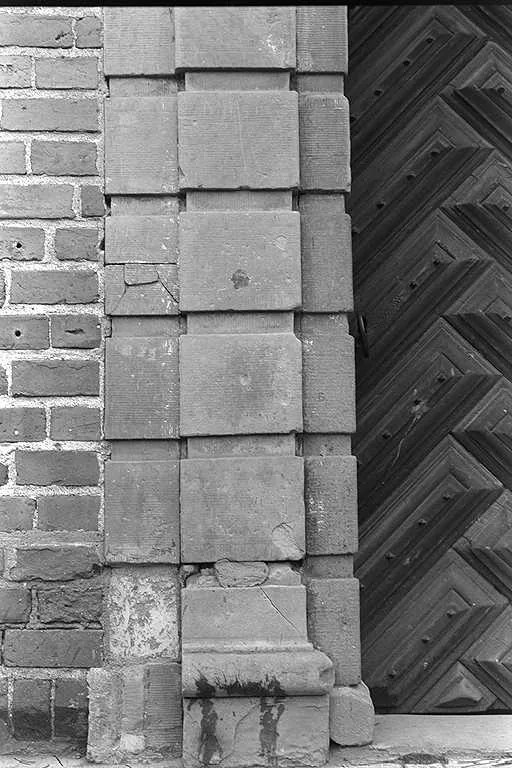
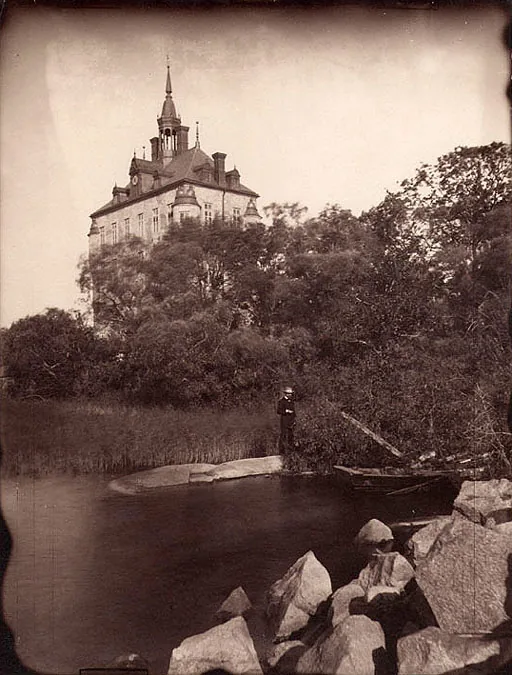
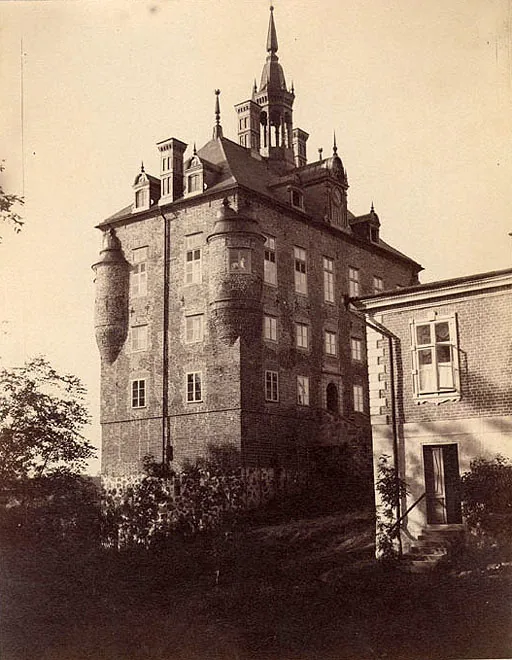
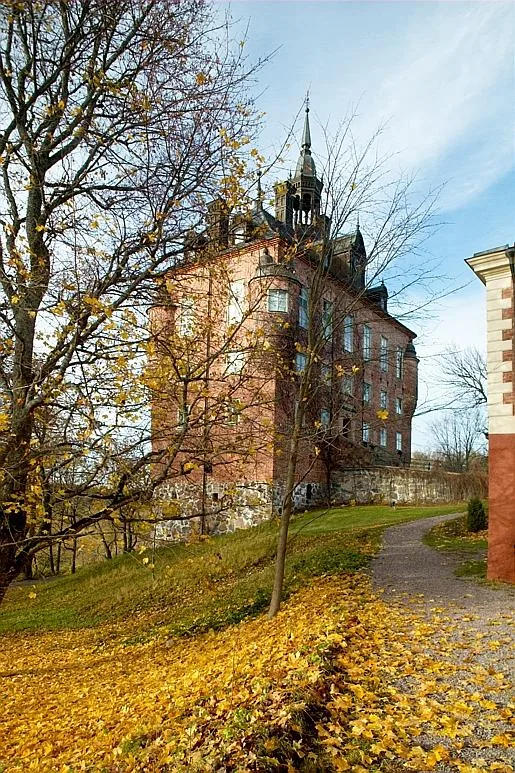
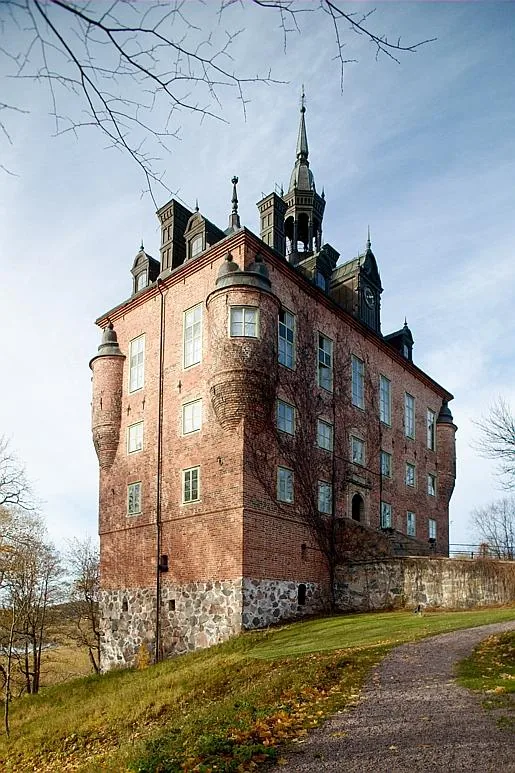
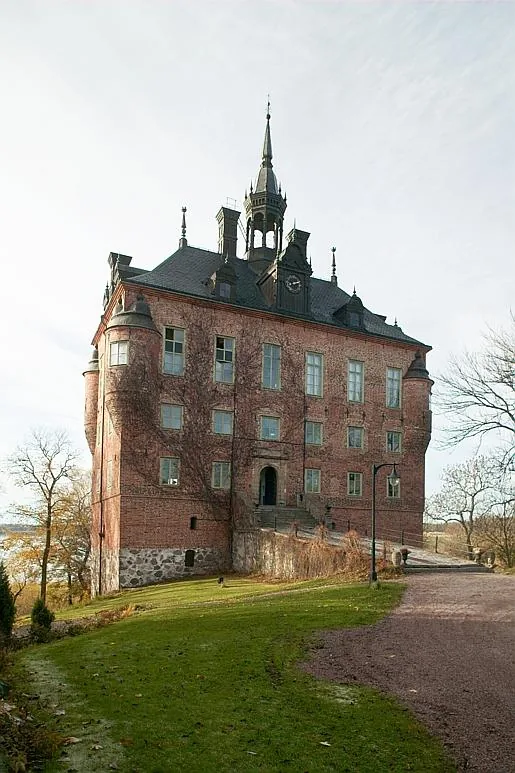
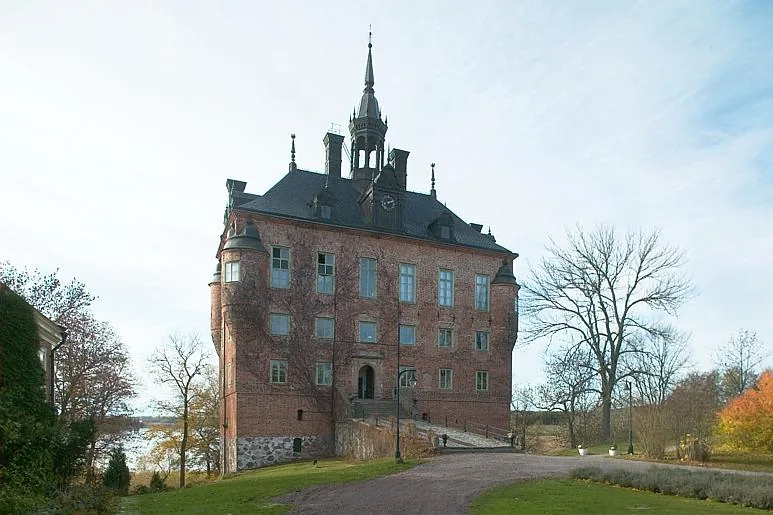
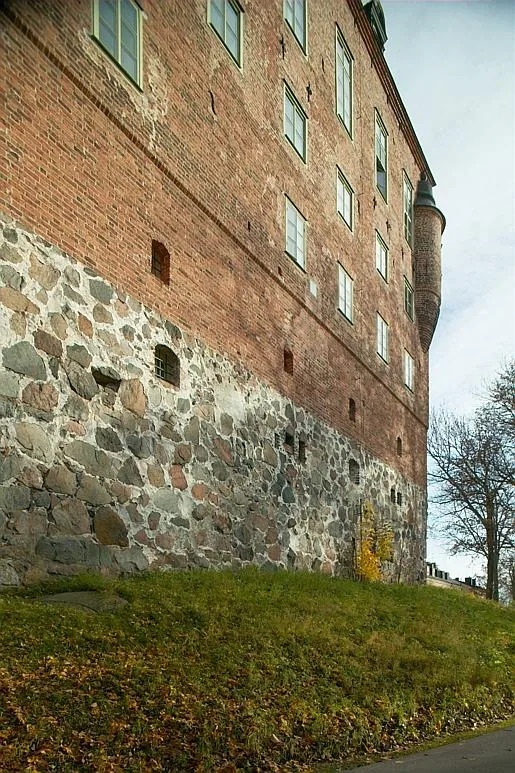
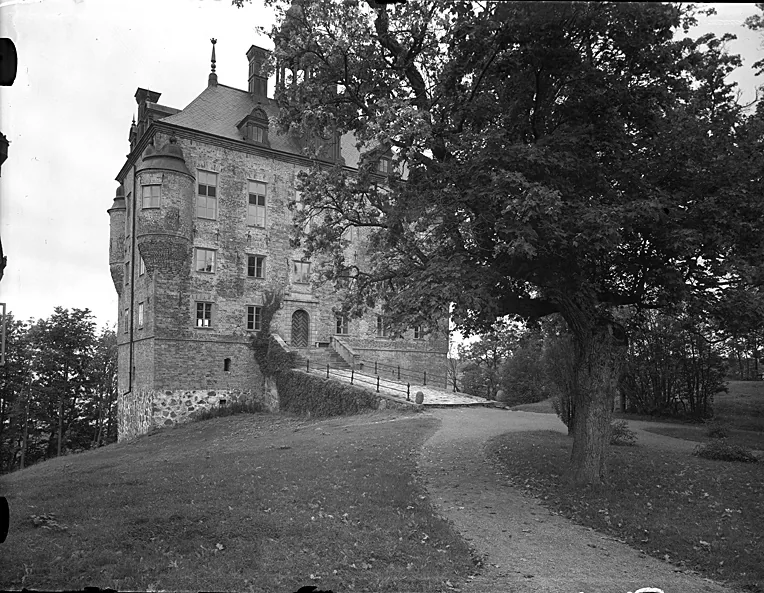
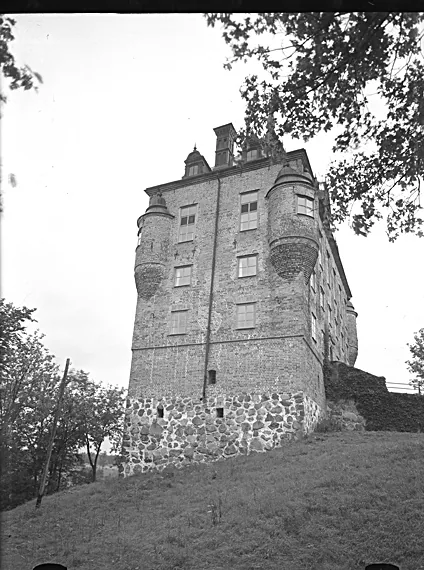
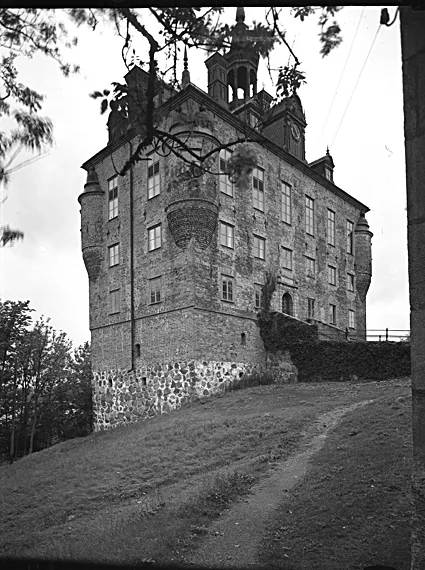
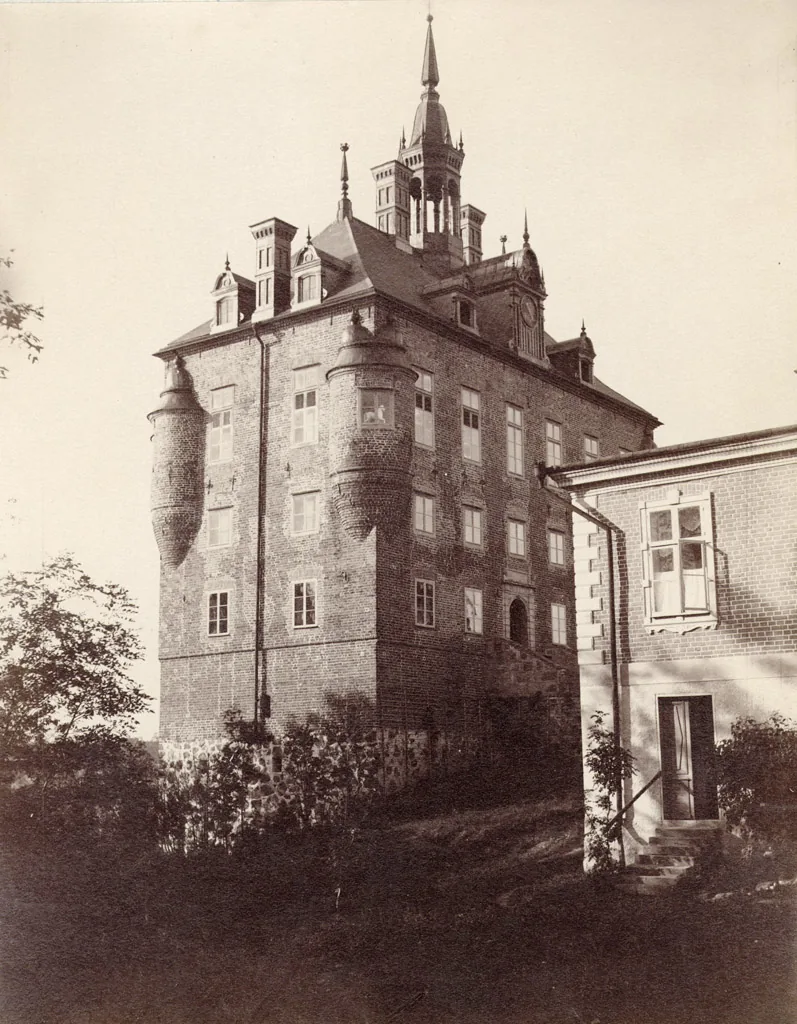
On the shore of Lårstaviken, Wiks slott is a late-medieval fortified manor reshaped by seventeenth-century rebuilding and a nineteenth-century romantic restoration. Its stone-and-brick tower, parkland and long life as a school and regional public institution make it a layered heritage site southwest of Uppsala.
Guide
## A fortress beside the water
Continue exploring
Discover the full story
Keep reading with a travel pass and explore every full guide and tour.
UpgradeQuick facts
- The estate is documented from the thirteenth century; the present castle was probably built in the fifteenth century, though its patron and exact date are uncertain.
- In 1521, Knut Nilsson Rönnow defended Wik against Gustav Vasa’s forces for nearly twelve months, according to Uppsala Municipality’s heritage account.
- Region Uppsala bought the castle in 1923; a folk high school moved to the site in 1926.
More places in Uppsala
Biotopia
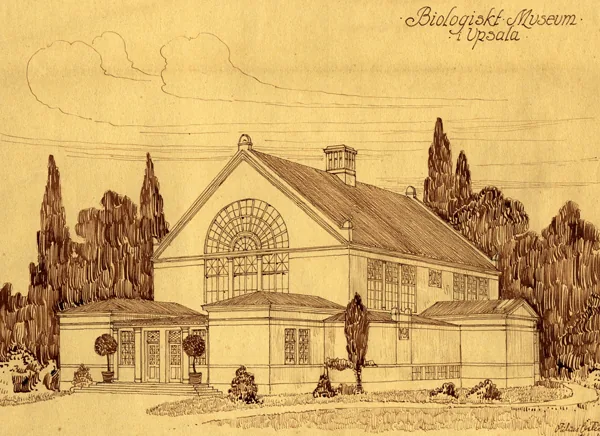
Biotopia brings Uppland’s wildlife and landscapes into focus through immersive early twentieth-century dioramas, geological displays and hands-on learning. Opened as Biologiska museet in 1910, it pairs preserved habitat scenes with a modern program rooted in Uppsala’s surrounding nature.
Bror Hjorths Hus
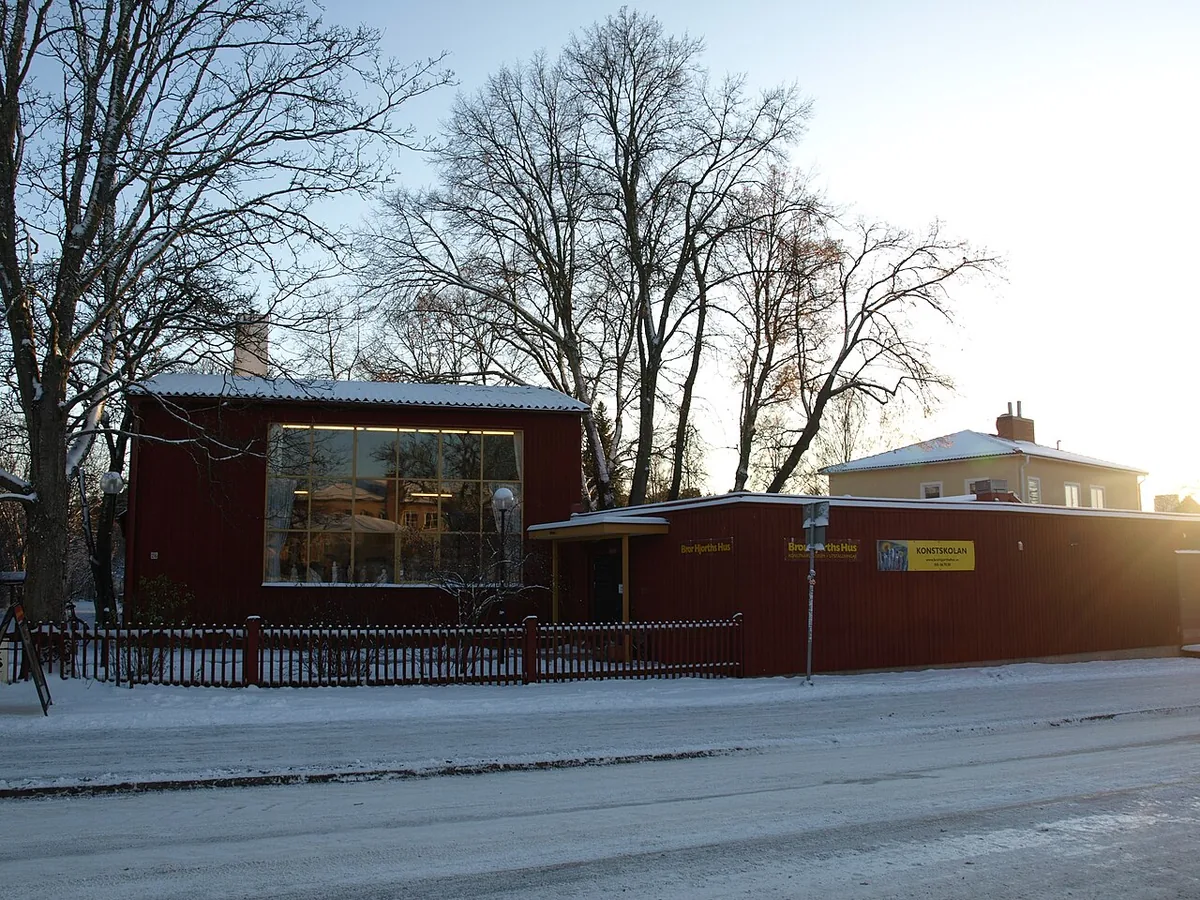
Bror Hjorths Hus preserves the red wooden home and studio where modernist artist Bror Hjorth lived and worked from 1943 to 1968. Its rooms hold his art among his books and furniture, tracing a lively exchange between Uppland folk tradition, music, and modernism.
Carolina Rediviva
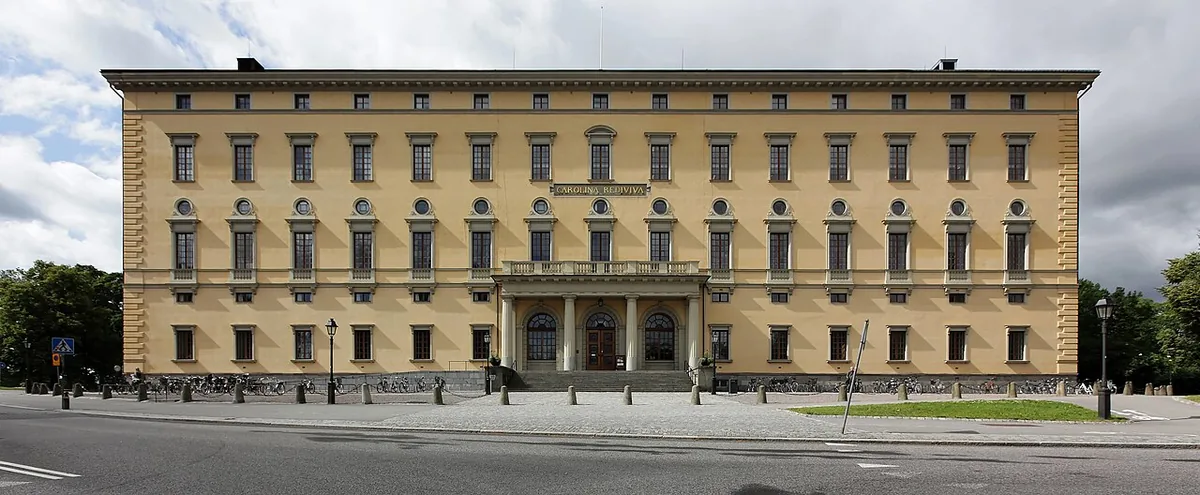
Carolina Rediviva is Uppsala University Library’s landmark main building, opened in 1841. A name meaning ‘the revived Carolina’ joins a demolished medieval university house to a royal-era library project; its former ceremonial hall, later reading rooms and modern extensions chart changing ideas abou
Cube of Art
A digital art museum inside Juvelen near Uppsala Central Station. In a seven-metre-high black cube, interactive light installations invite visitors to influence changing artworks with movement and touch.
Disagården Open-Air Museum
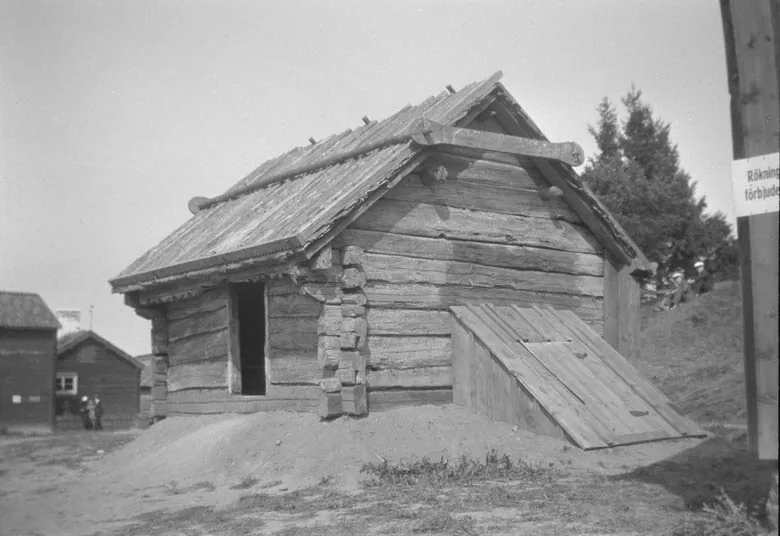
Along a winding village lane, more than twenty timber buildings brought from across Uppland form a museum landscape imagined as a rural village before the great land reforms. Disagården opened in 1931; its farms, work buildings, gardens and soldier’s croft reveal both nineteenth-century rural life a
Evolutionsmuseet
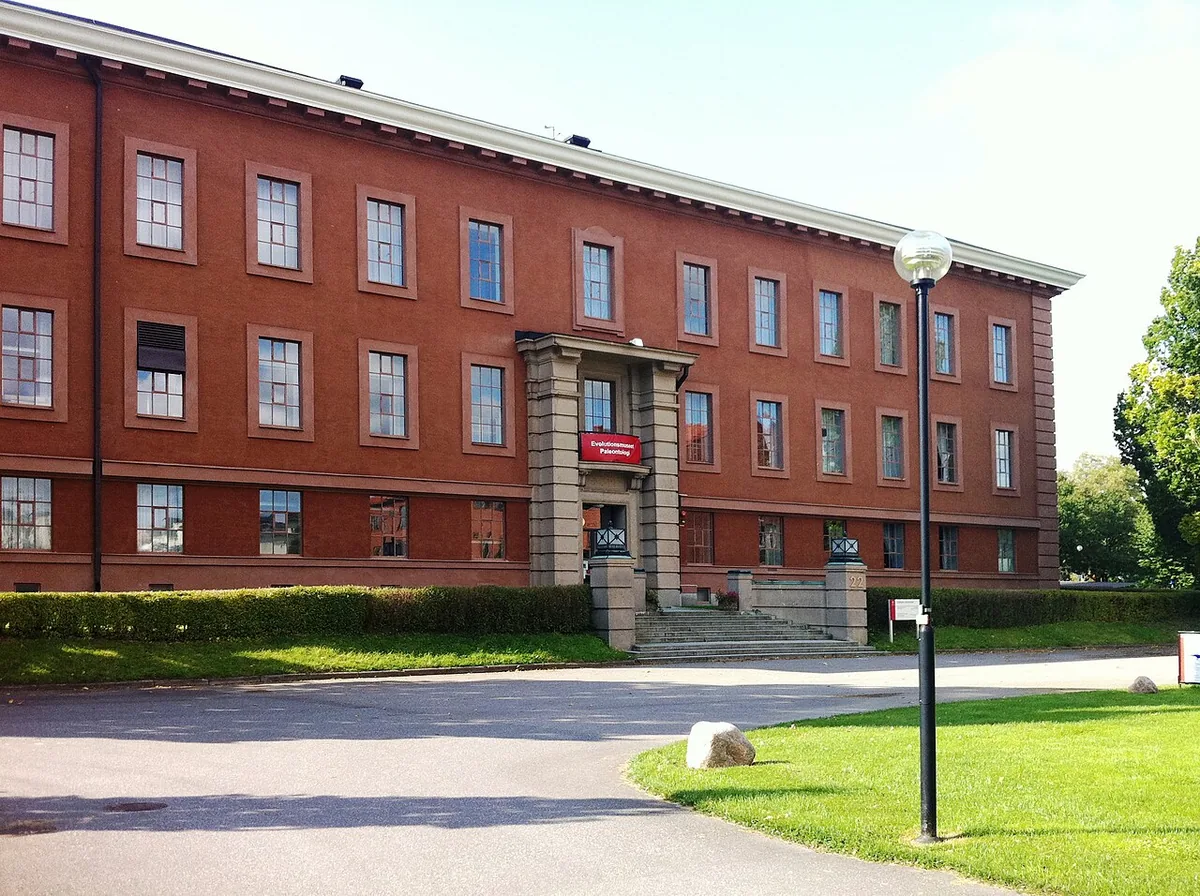
Uppsala University’s natural history museum spans two neighboring exhibition buildings: Zoology’s animals from around the world and Palaeontology’s fossils and minerals. Its collections grew from early university cabinets into a five-million-object research archive, with roots in Thunberg’s 1785 zoo