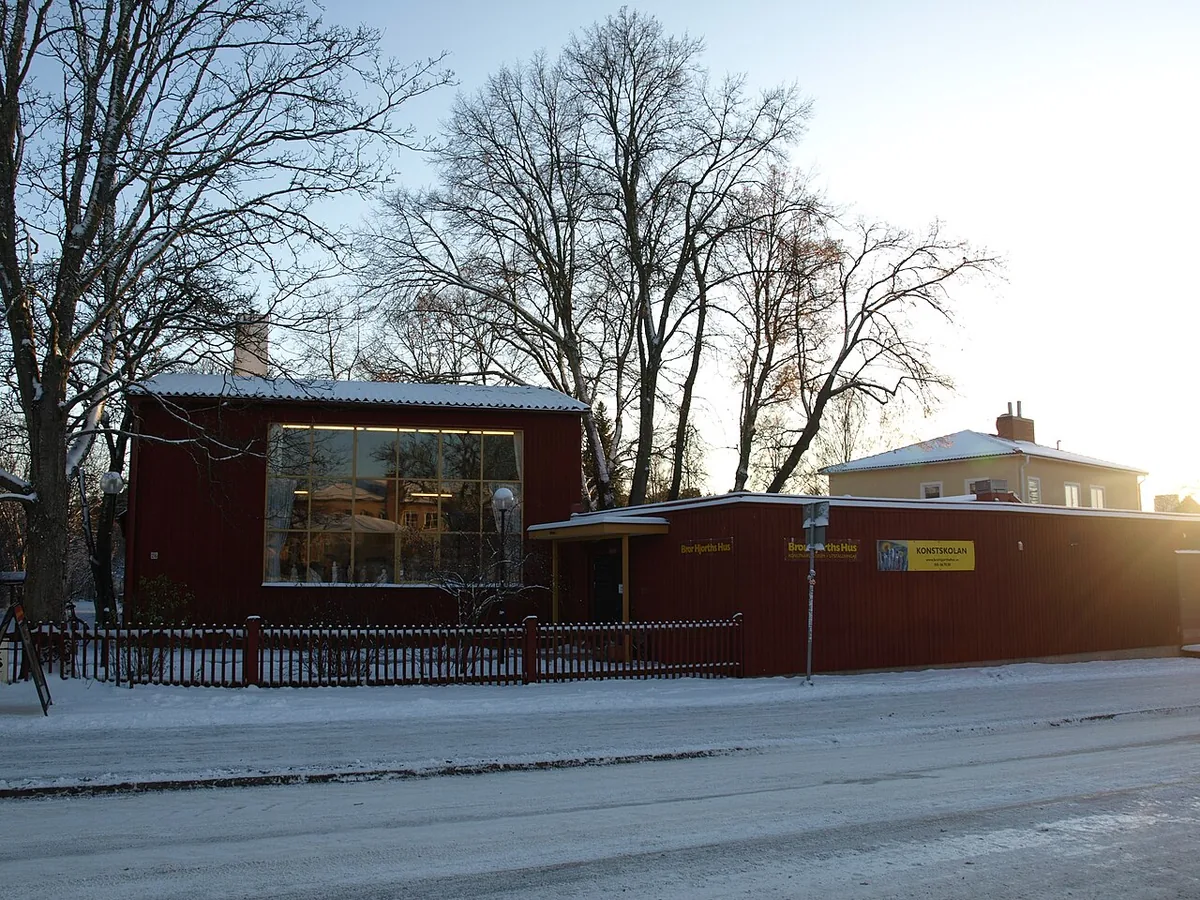
Bror Hjorths Hus preserves the red wooden home and studio where modernist artist Bror Hjorth lived and worked from 1943 to 1968. Its rooms hold his art among his books and furniture, tracing a lively exchange between Uppland folk tradition, music, and modernism.
Guide
# Bror Hjorths Hus: a home shaped around making art
Continue exploring
Discover the full story
Keep reading with a travel pass and explore every full guide and tour.
UpgradeQuick facts
- Bror Hjorth and his family moved into the home on Norbyvägen in December 1943; architect Sten Hummel-Gummælius designed it with input from Hjorth and his first wife, Tove Friis.
- Hjorth left four empty pedestals in his 1935 Stockholm exhibition after removing sculptures authorities considered indecent, turning the dispute into a public protest over censorship.
- The Bror Hjorth Foundation was established in 1986, and Bror Hjorths Hus received museum status in 1987 after a trial museum operation began in 1978.
More places in Uppsala
Biotopia
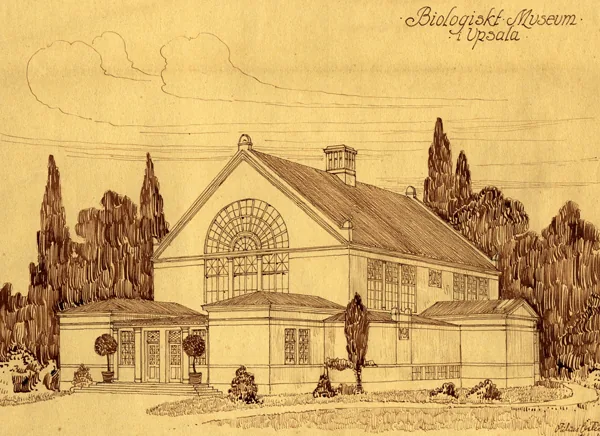
Biotopia brings Uppland’s wildlife and landscapes into focus through immersive early twentieth-century dioramas, geological displays and hands-on learning. Opened as Biologiska museet in 1910, it pairs preserved habitat scenes with a modern program rooted in Uppsala’s surrounding nature.
Carolina Rediviva
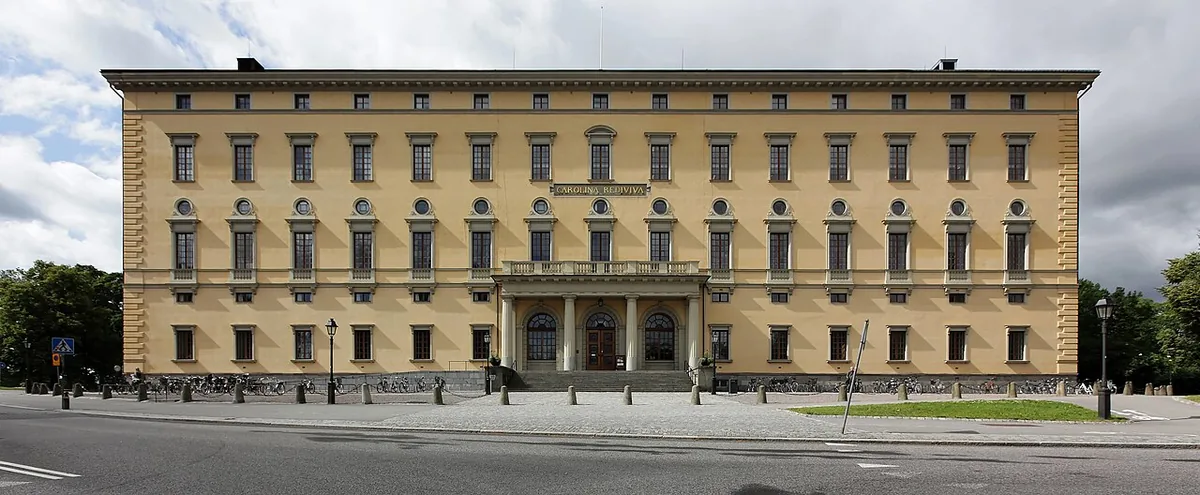
Carolina Rediviva is Uppsala University Library’s landmark main building, opened in 1841. A name meaning ‘the revived Carolina’ joins a demolished medieval university house to a royal-era library project; its former ceremonial hall, later reading rooms and modern extensions chart changing ideas abou
Cube of Art
A digital art museum inside Juvelen near Uppsala Central Station. In a seven-metre-high black cube, interactive light installations invite visitors to influence changing artworks with movement and touch.
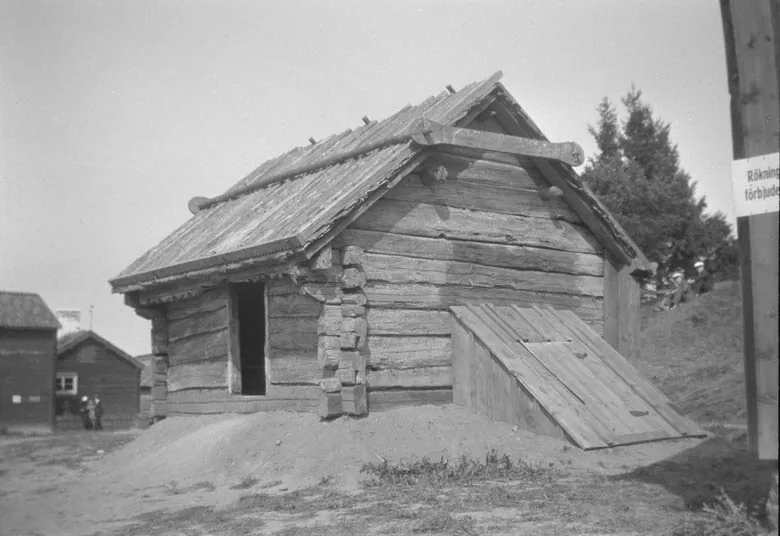
Disagården Open-Air Museum
Along a winding village lane, more than twenty timber buildings brought from across Uppland form a museum landscape imagined as a rural village before the great land reforms. Disagården opened in 1931; its farms, work buildings, gardens and soldier’s croft reveal both nineteenth-century rural life a
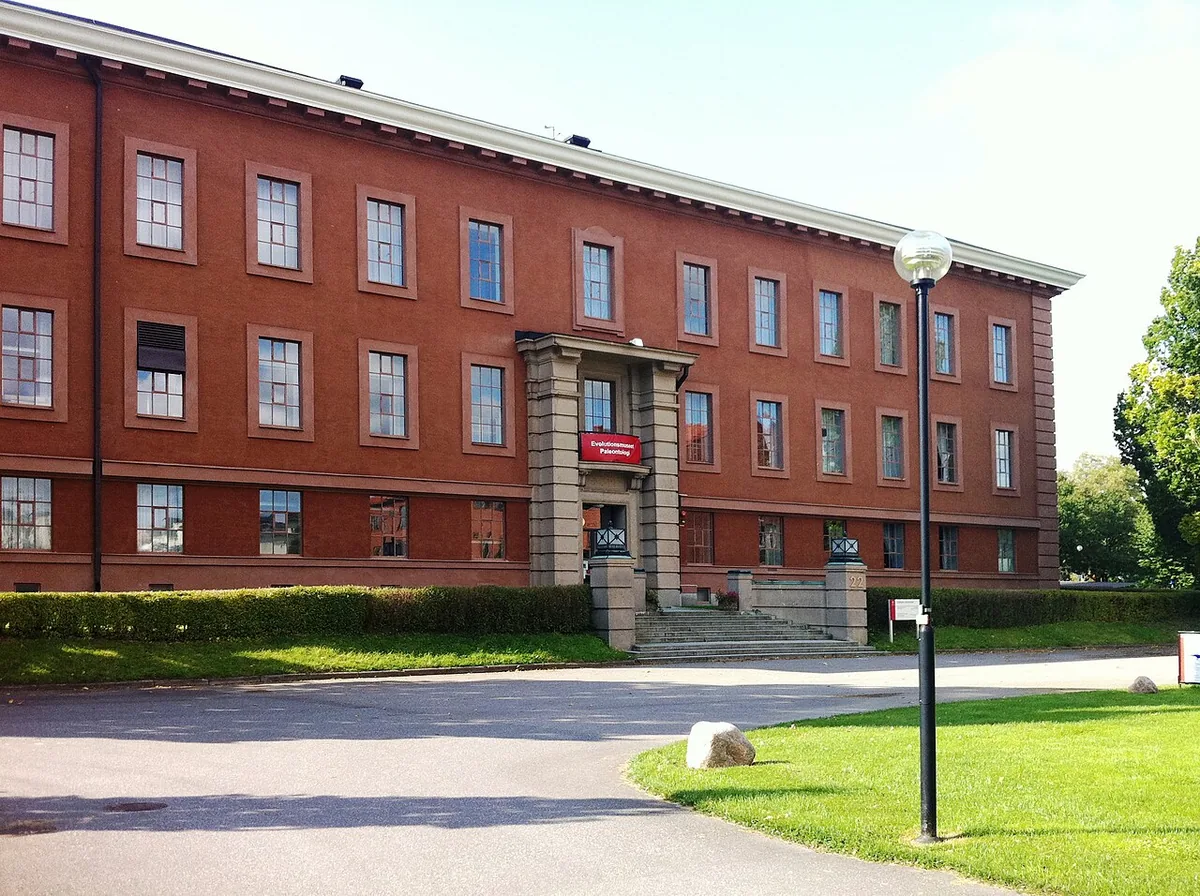
Evolutionsmuseet
Uppsala University’s natural history museum spans two neighboring exhibition buildings: Zoology’s animals from around the world and Palaeontology’s fossils and minerals. Its collections grew from early university cabinets into a five-million-object research archive, with roots in Thunberg’s 1785 zoo
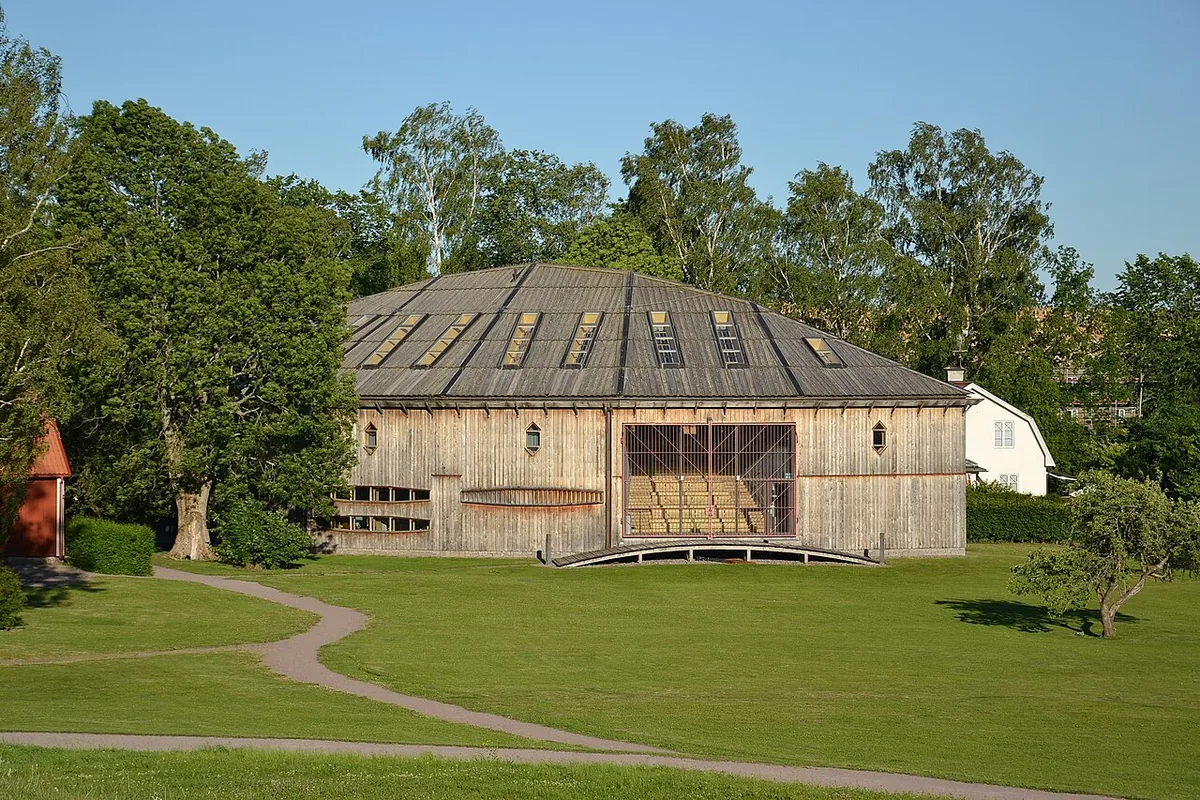
Gamla Uppsala Museum
At the edge of the Royal Mounds, Gamla Uppsala Museum makes an archaeological landscape legible through original finds, a large site model and new research. Its exhibitions connect elite burials and timber monuments with a place that became Sweden’s first archbishopric in 1164.