Explore locations
Browse places by name, city, country or category.
All locations
1680 locations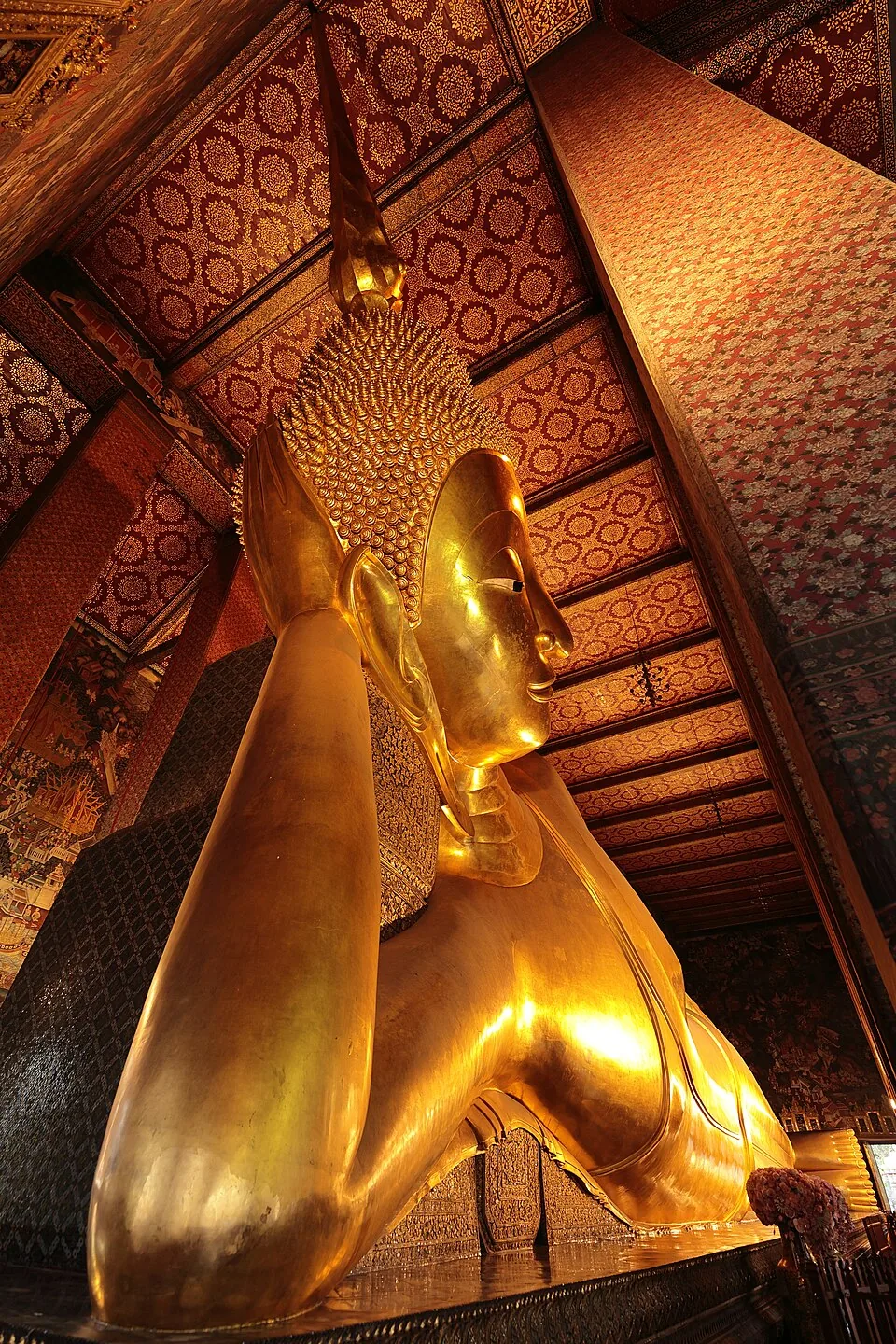
Wat Pho
Wat Pho pairs major Buddhist architecture with a public archive of knowledge. Its reclining Buddha, extensive inscriptions, and historic medical teaching tradition reflect successive royal restorations that treated the temple as a place of learning as well as worship.
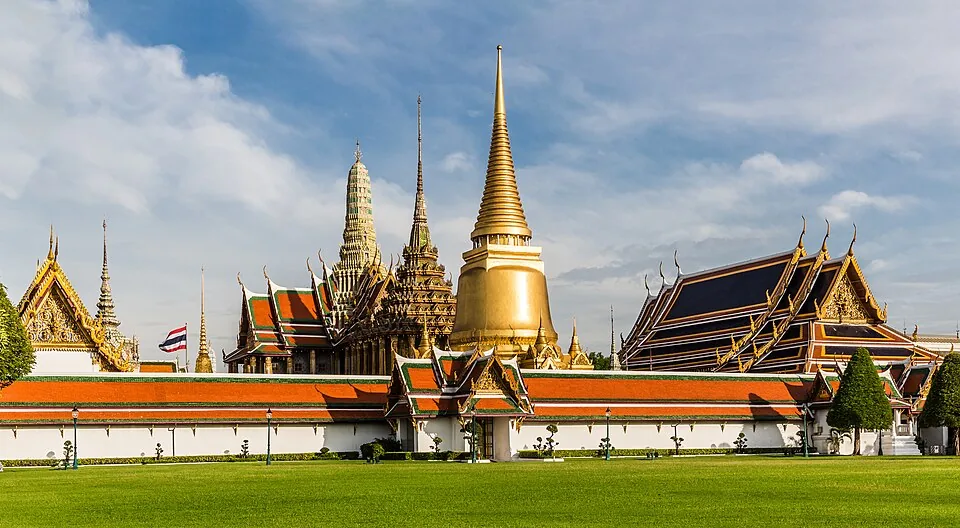
Wat Phra Kaew
Wat Phra Kaew, the Temple of the Emerald Buddha, occupies the royal temple precinct inside Bangkok’s Grand Palace. Its defining role is ceremonial: it houses the revered Buddha image and has no resident monastic quarters.
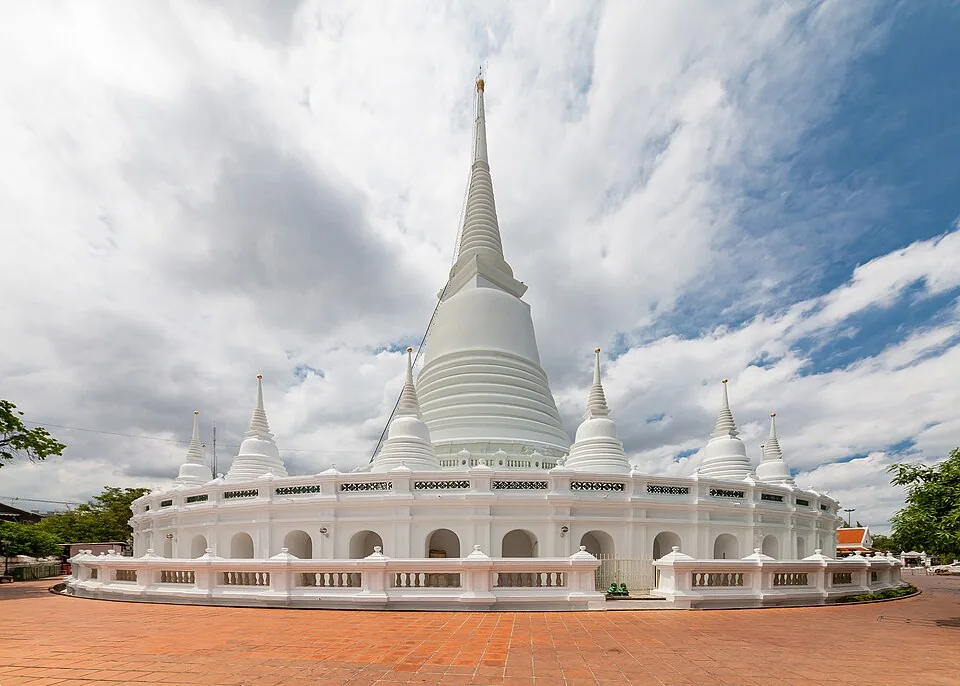
Wat Prayurawongsawat
Wat Prayurawongsawat is marked by a monumental white chedi and the garden landscape known as Khao Mo, or Turtle Mountain. The complex links nineteenth-century temple building with a carefully made miniature mountain world that later gained international heritage recognition.
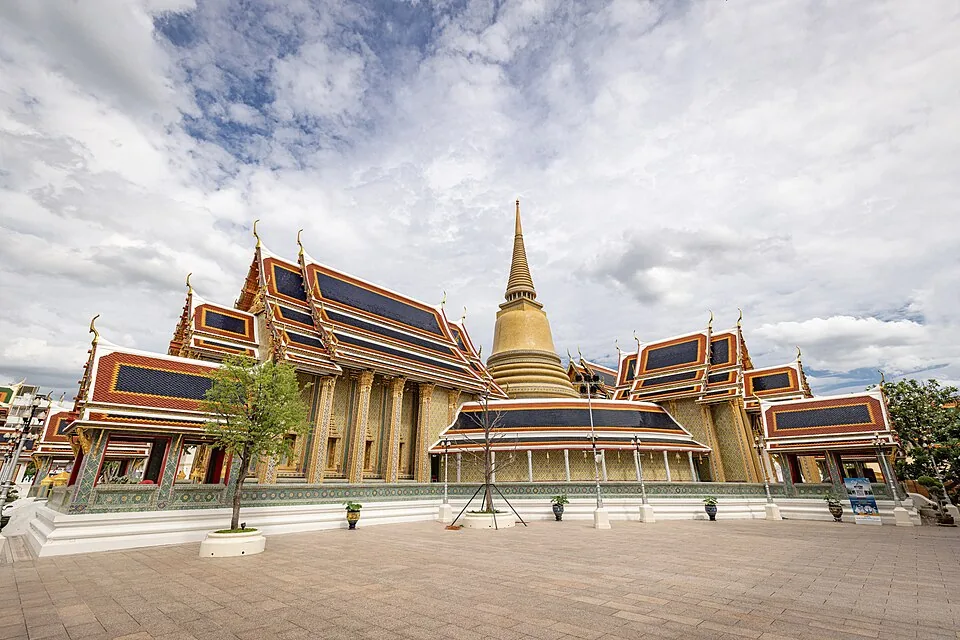
Wat Ratchabophit
Wat Ratchabophit pairs a Thai-style exterior with an interior influenced by European design. The circular courtyard and tiled chedi create an unusual composition for a Bangkok temple, reflecting Rama V’s era of experimentation and the way local and imported forms met in royal architecture.
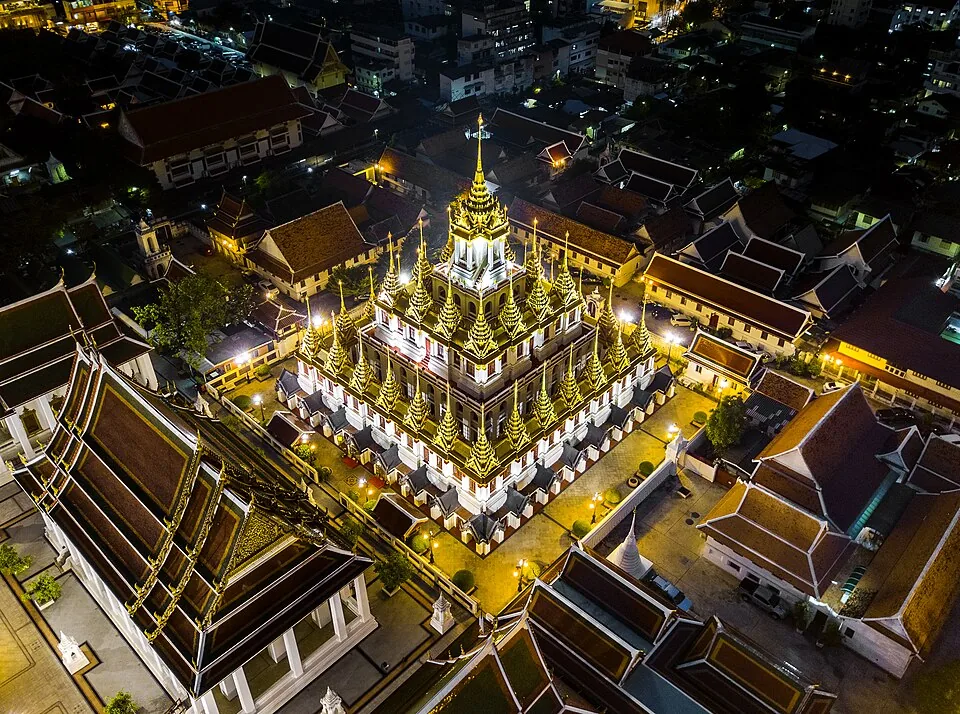
Wat Ratchanadda
Wat Ratchanadda is known for Loha Prasat, a metal-roofed structure whose repeated spires create a striking geometric silhouette. The temple’s formal architecture turns a Buddhist cosmological reference into a distinctive landmark in old Bangkok.
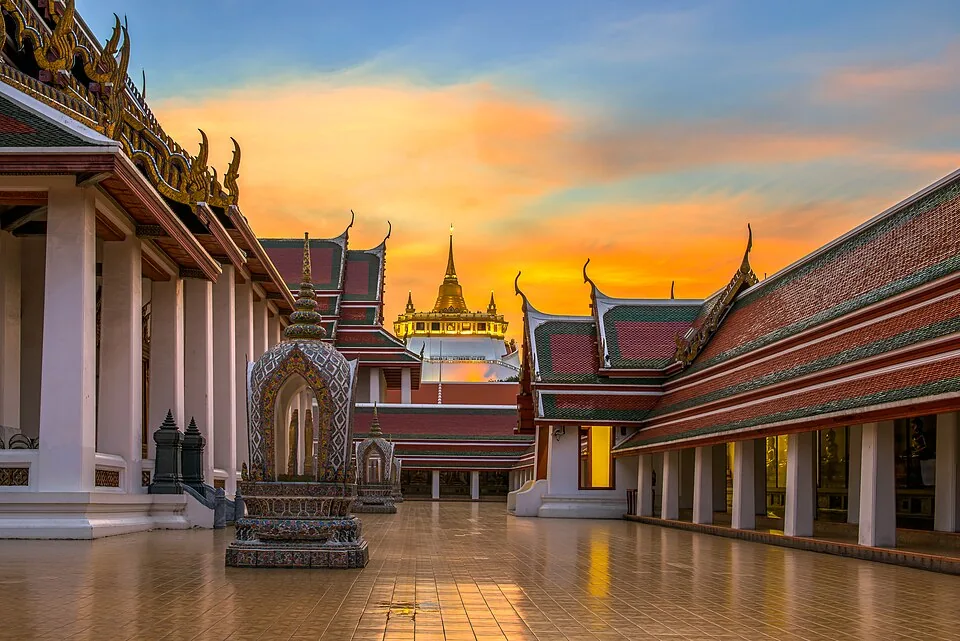
Wat Saket
Wat Saket’s Golden Mount rises above the old city on an artificial hill crowned by a chedi. Its winding stairway and summit shrine connect a landmark city view with a living Buddhist temple and a history of rebuilding.
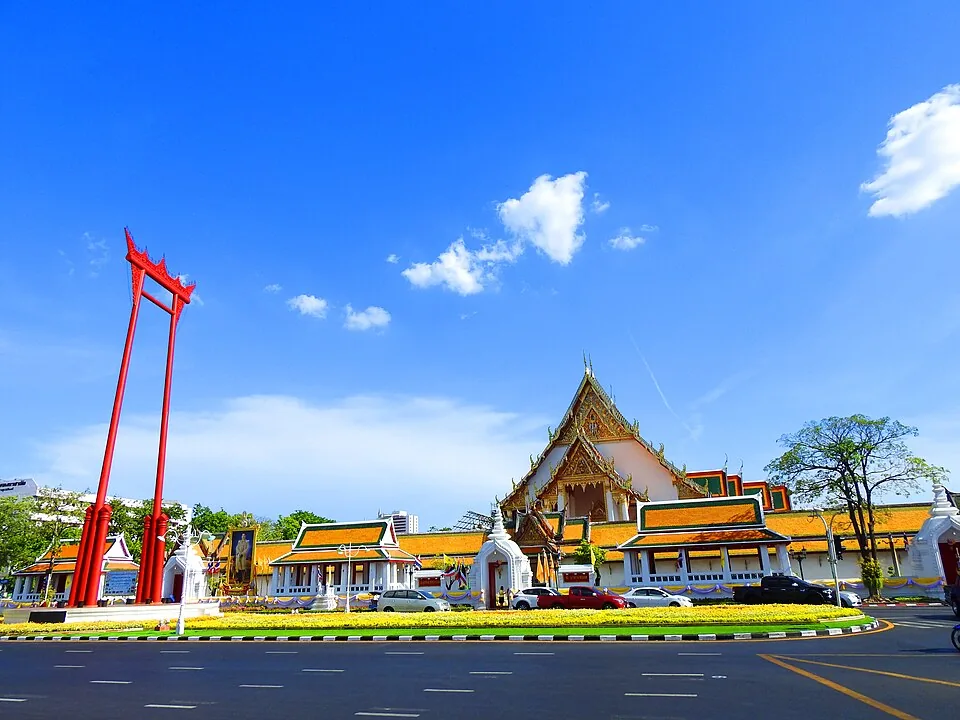
Wat Suthat
Wat Suthat’s long roofline faces the red Giant Swing across Bamrung Mueang Road. Inside the temple, large-scale murals and a monumental Buddha image draw attention to artistic work and royal patronage; outside, the swing marks a distinct history of Brahmanic ceremony in Bangkok.
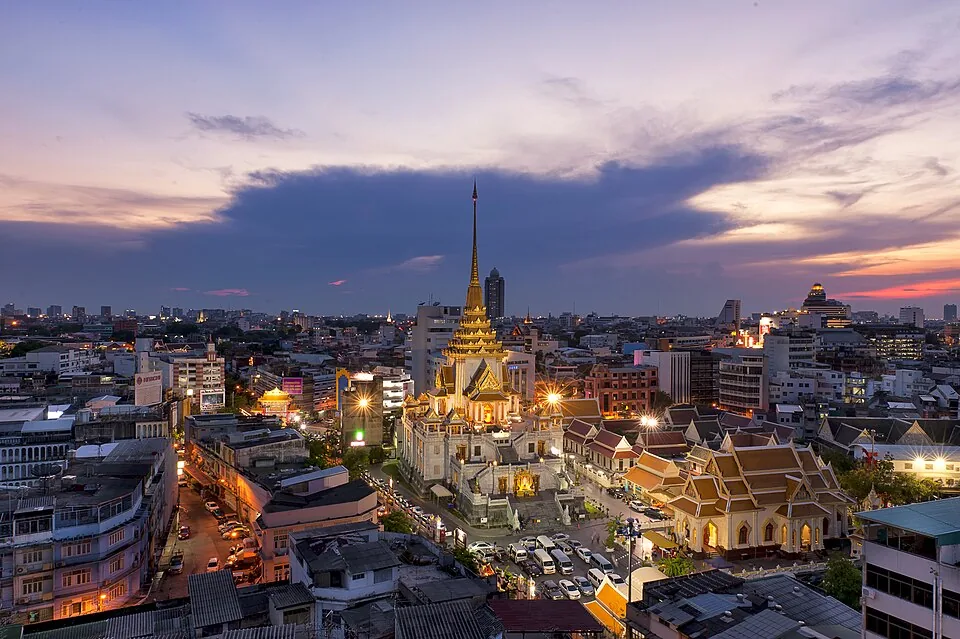
Wat Traimit
Wat Traimit is closely associated with a large solid-gold Buddha image in Bangkok’s Chinatown. The temple’s public story turns on the relationship between a revered image, its material, and the changing neighborhood around it.
Watts Towers
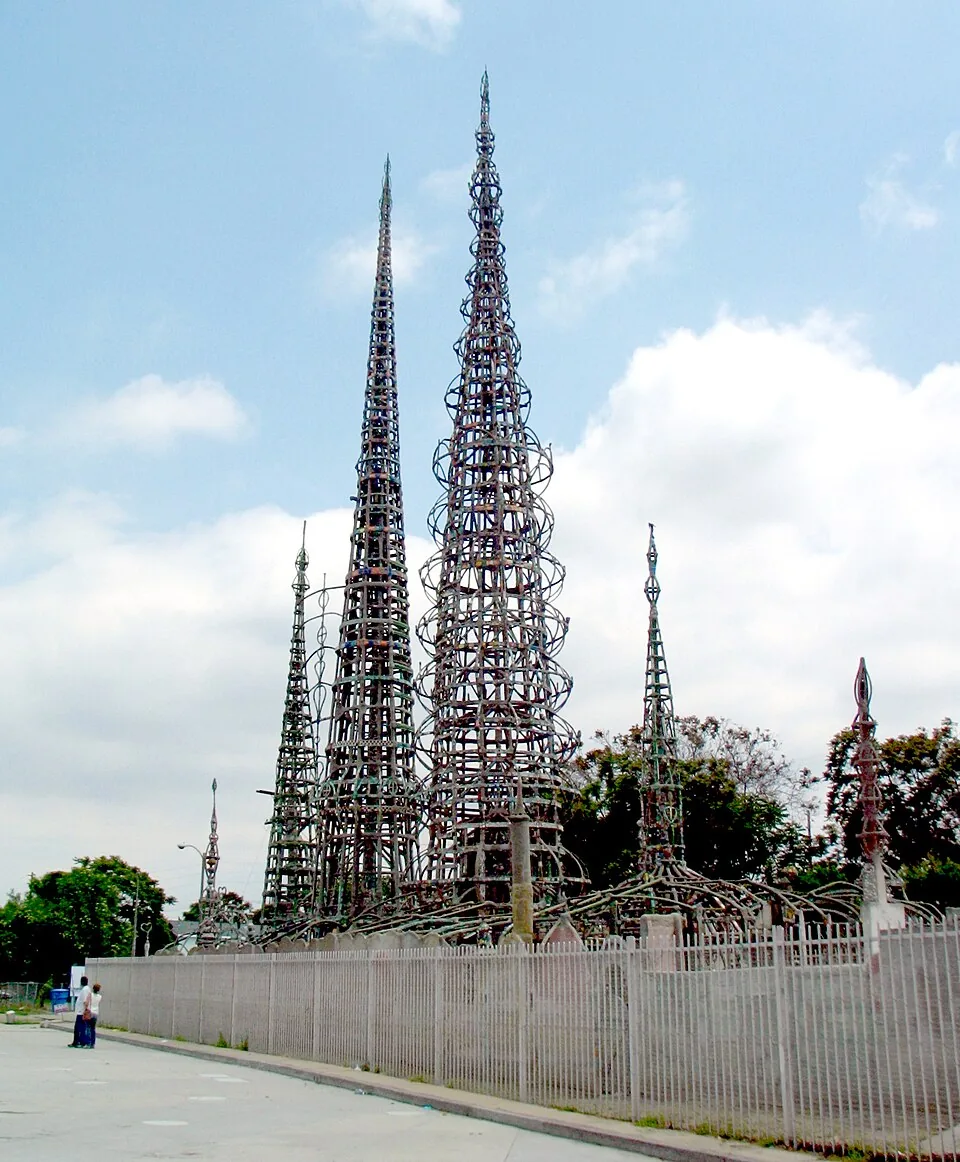
Simon Rodia’s Watts Towers rise from a residential Los Angeles block as a dense assembly of steel, mortar, glass, tile, shells, and found objects. Built over decades by one maker, they turn everyday materials into a monumental work of art.
Wax Museum
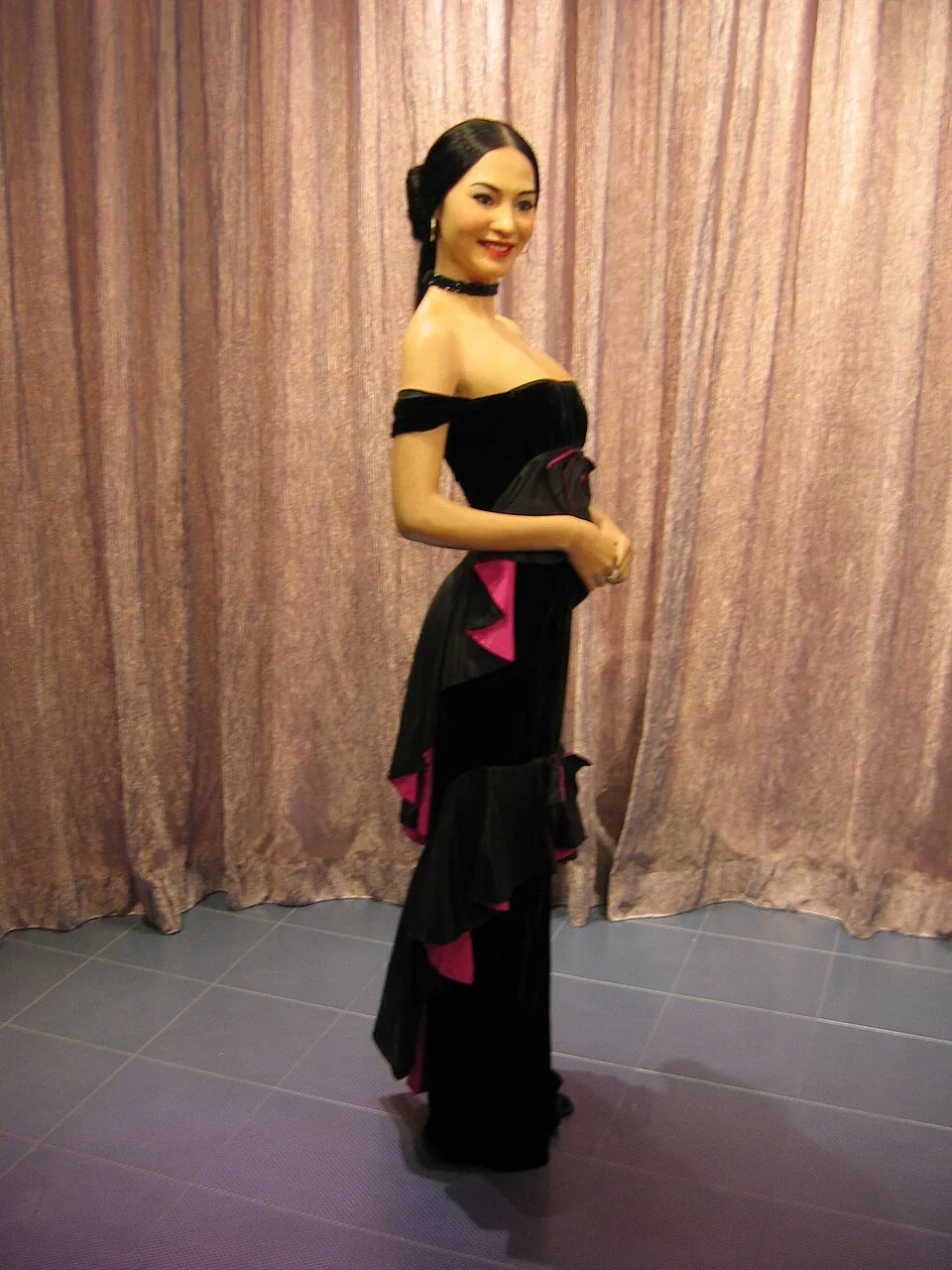
The Wax Museum in Madrid stages history through lifelike figures and recreated settings. Rather than displaying documents alone, it uses faces, costumes, sound, and scene-making to turn recognizable people into a form of visual storytelling.
Wekiwa Springs State Park
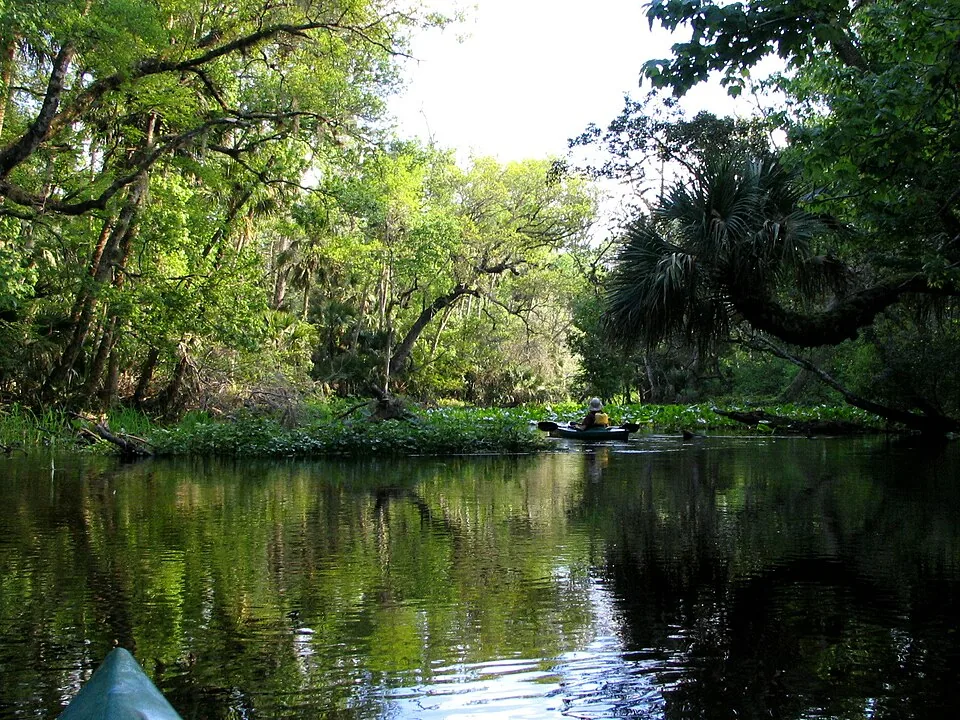
Wekiwa Springs State Park protects a clear spring, river and surrounding Florida habitats northwest of Orlando. The spring’s steady flow feeds the Wekiva River, while trails and hammocks offer a view of the region’s natural systems beyond its built attractions.

Wells’Built Museum
Wells’Built Museum occupies a former hotel in Orlando’s Parramore neighbourhood, preserving African American history and the story of travel under segregation. Dr. William Monroe Wells built the hotel to provide lodging for Black visitors excluded from other accommodations.
Westerkerk
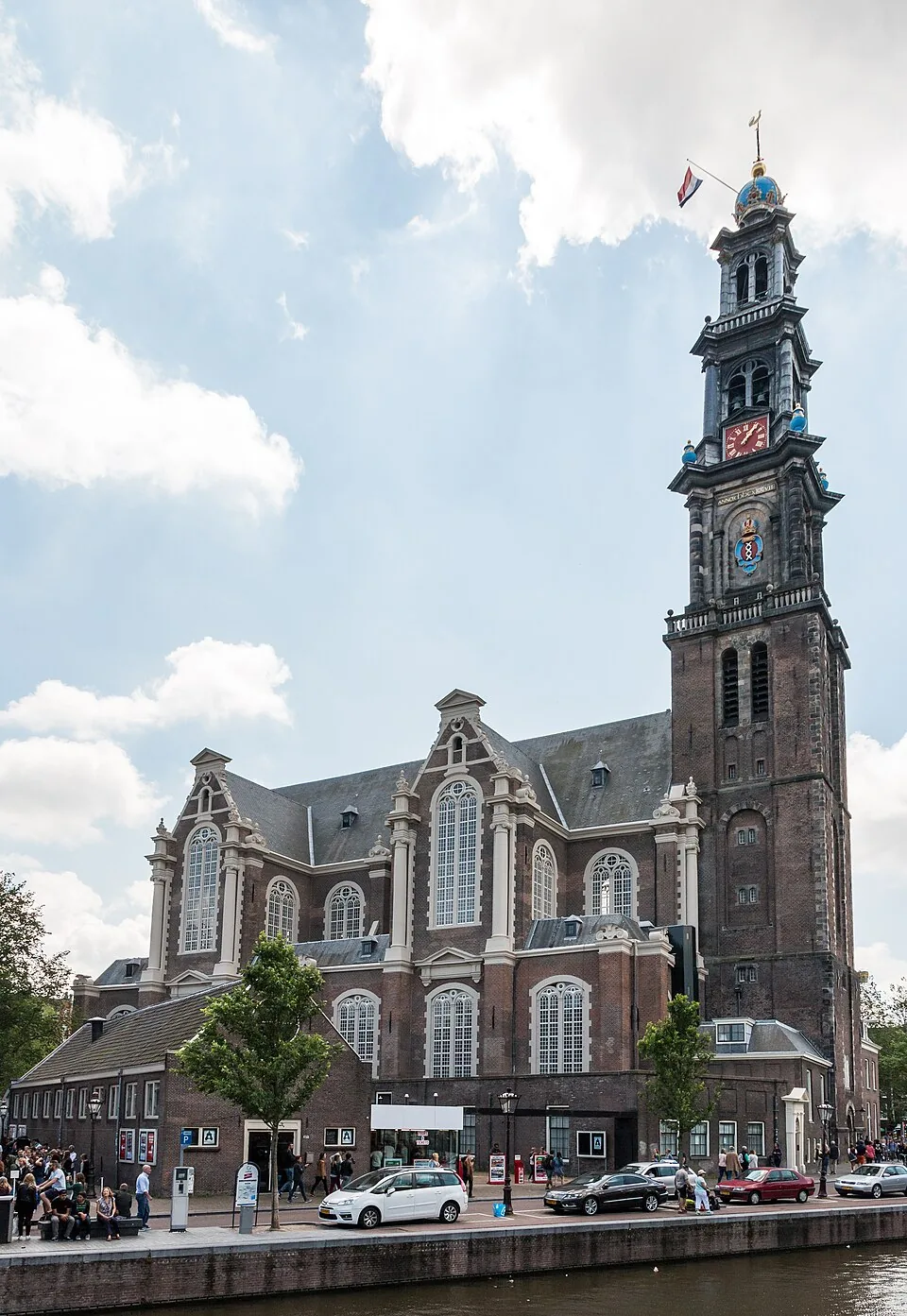
The Westerkerk’s tall Westertoren rises above the Jordaan, a landmark in both the skyline and Anne Frank’s diary. Designed by Hendrick de Keyser, the church’s broad Protestant interior centers on a pulpit where the building’s crossing forms meet.
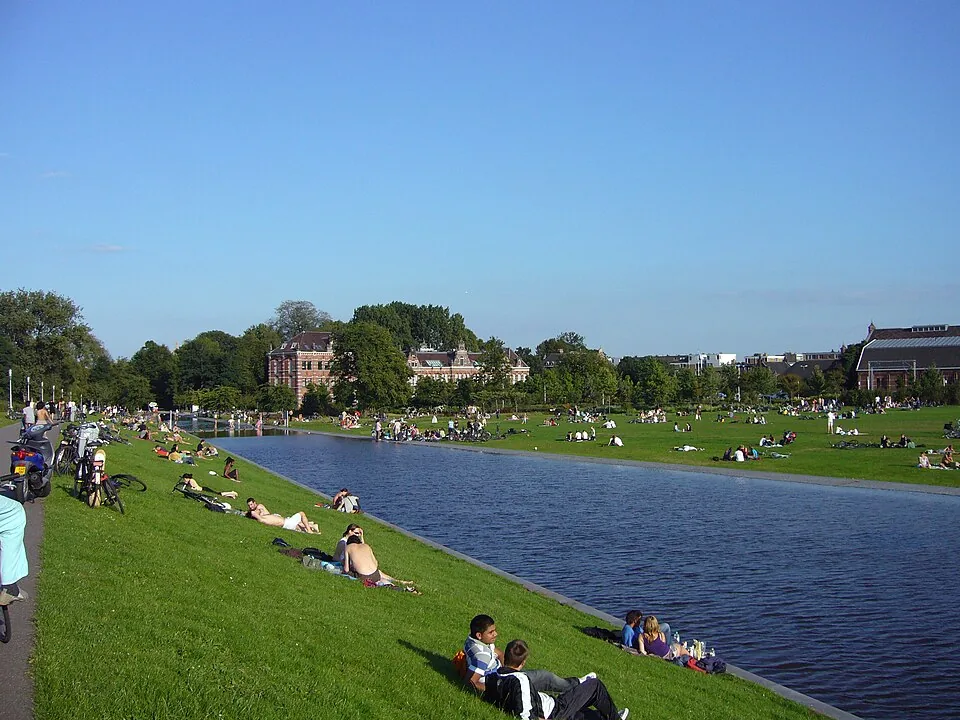
Westerpark
Westerpark places a broad green landscape beside the brick industrial buildings of the former Westergas works. Its story links the city’s nineteenth-century growth, gas production, environmental repair, and new public uses.
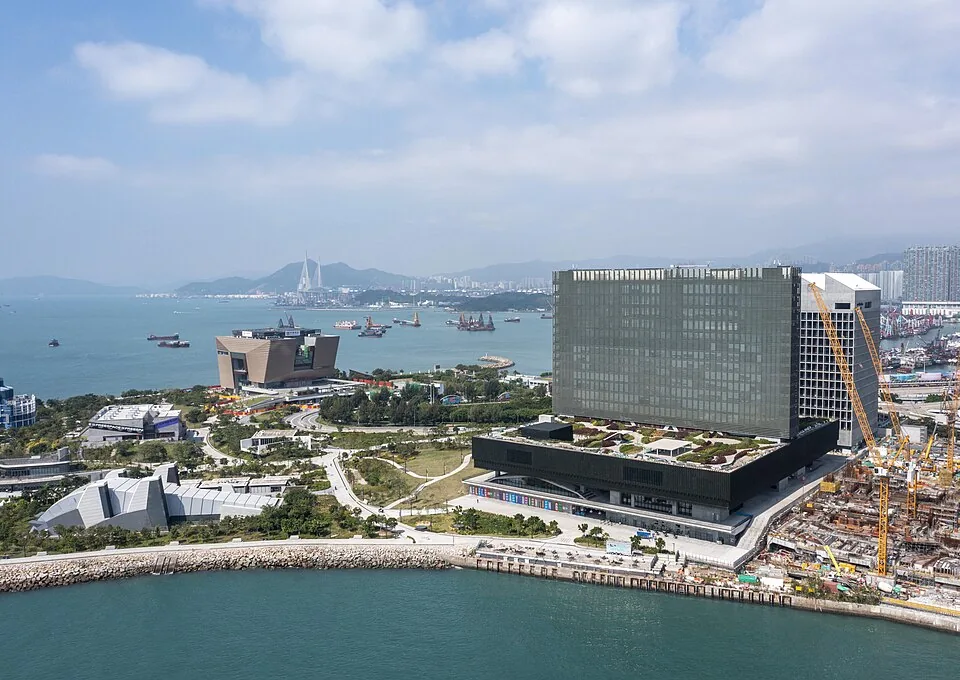
West Kowloon Cultural District
West Kowloon Cultural District is a large harbourfront cultural quarter on reclaimed land, combining public open space with museums, performance venues, and arts facilities. Its design treats the waterfront as part of the district’s civic life.
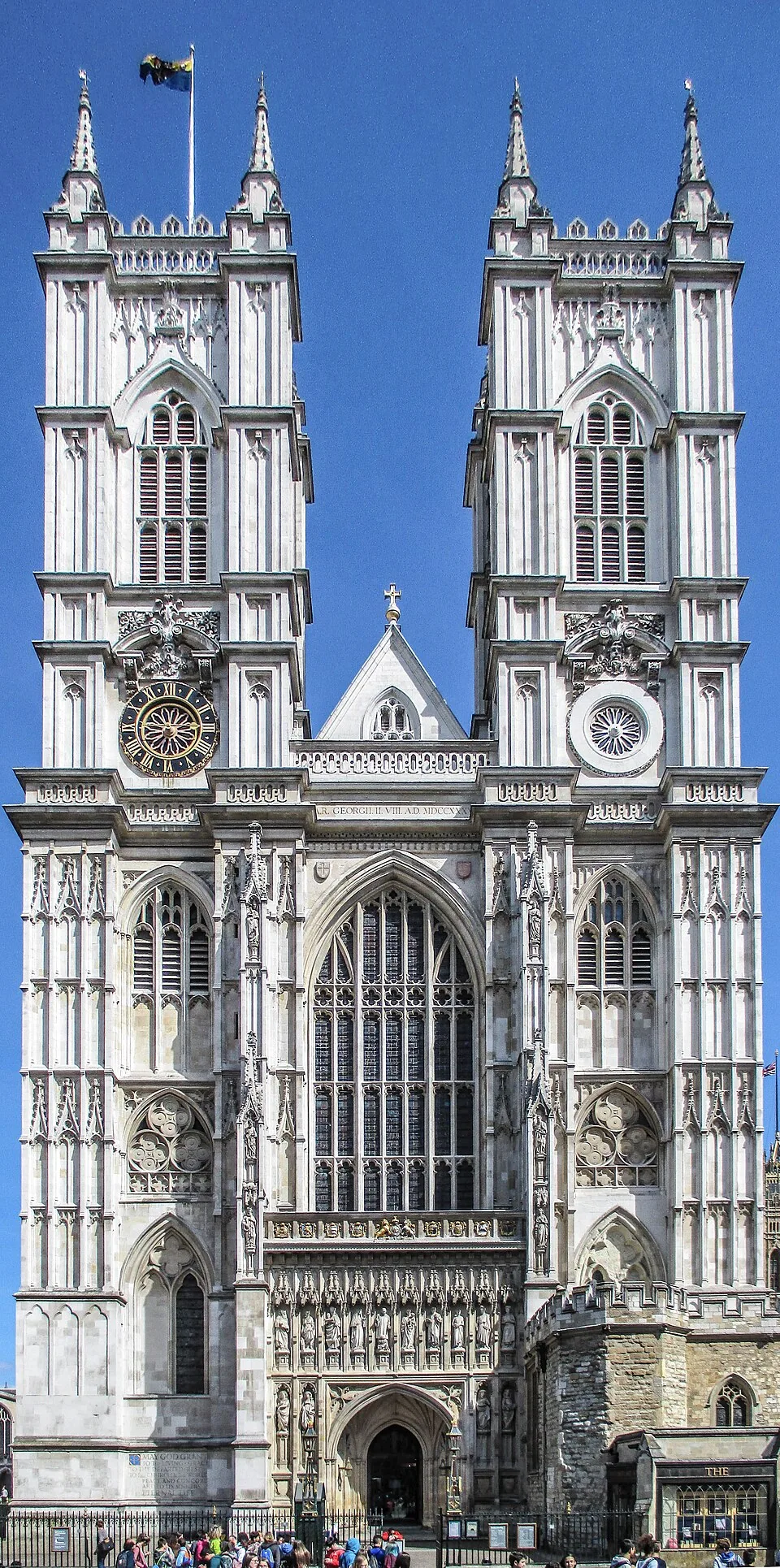
Westminster Abbey
Westminster Abbey has served as a coronation church since 1066 and remains a place of worship. Its Gothic fabric holds royal tombs, memorials, and the Coronation Chair, layering religious practice with public memory.
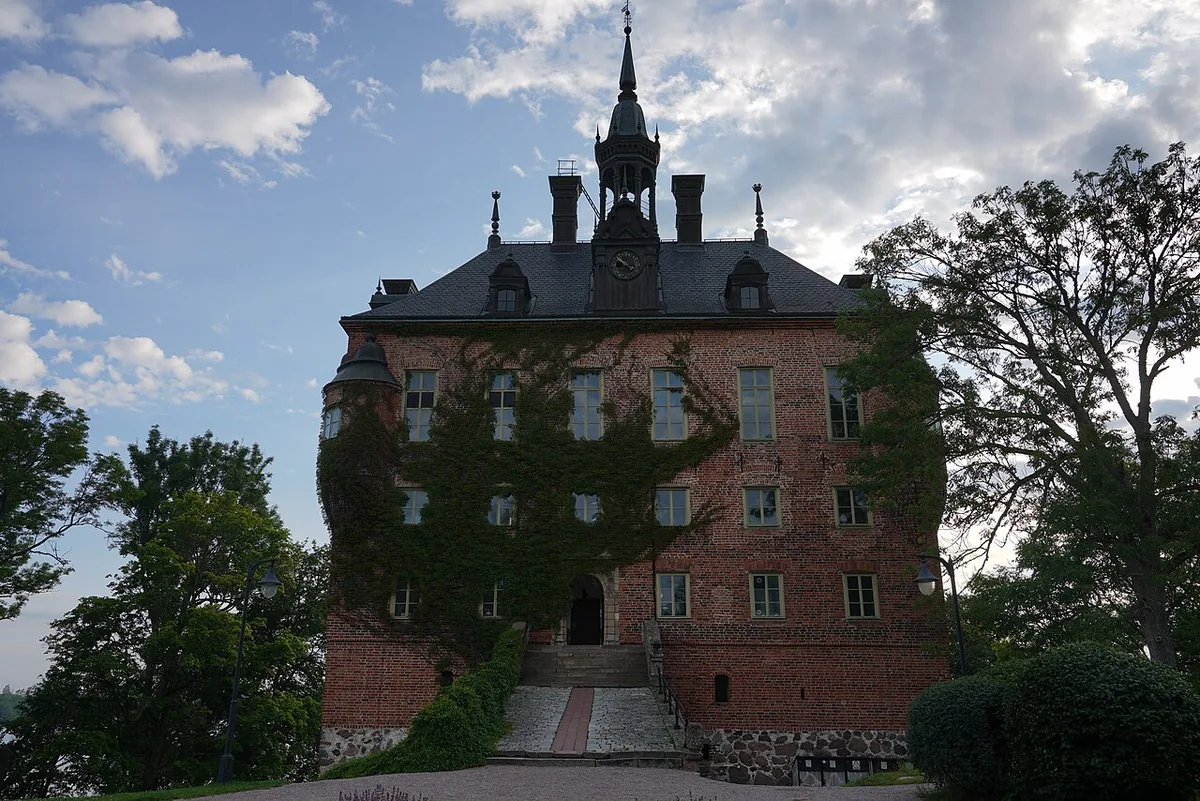
Wiks slott
On the shore of Lårstaviken, Wiks slott is a late-medieval fortified manor reshaped by seventeenth-century rebuilding and a nineteenth-century romantic restoration. Its stone-and-brick tower, parkland and long life as a school and regional public institution make it a layered heritage site southwest
Wild Wadi Waterpark
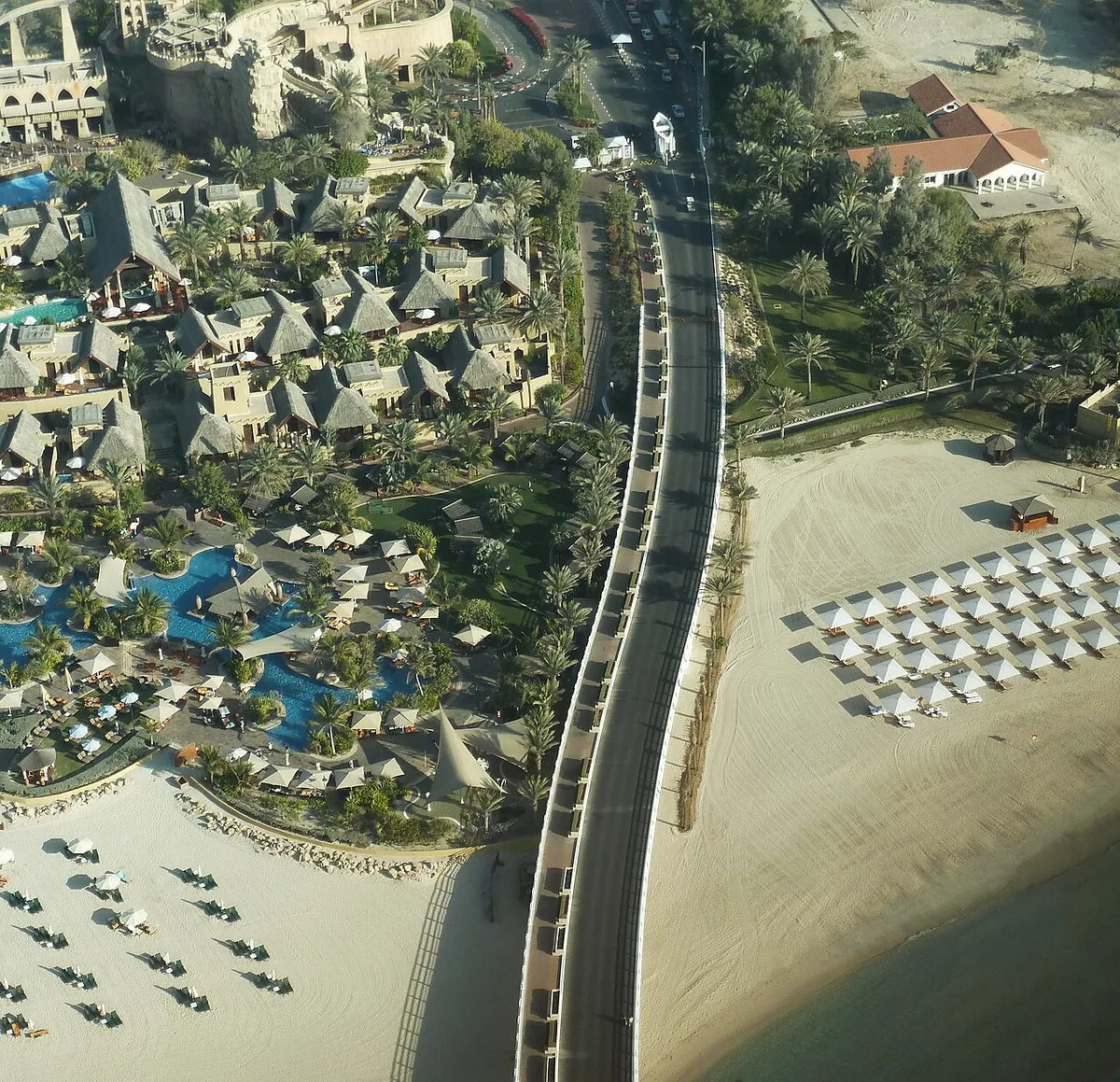
Wild Wadi Waterpark is set beside Jumeirah Beach Hotel and the sail-shaped Burj Al Arab, making its location part of the experience. Its Arabian-themed identity and rides turn water into a playful interpretation of regional storytelling in a major resort landscape.
Windsor Castle
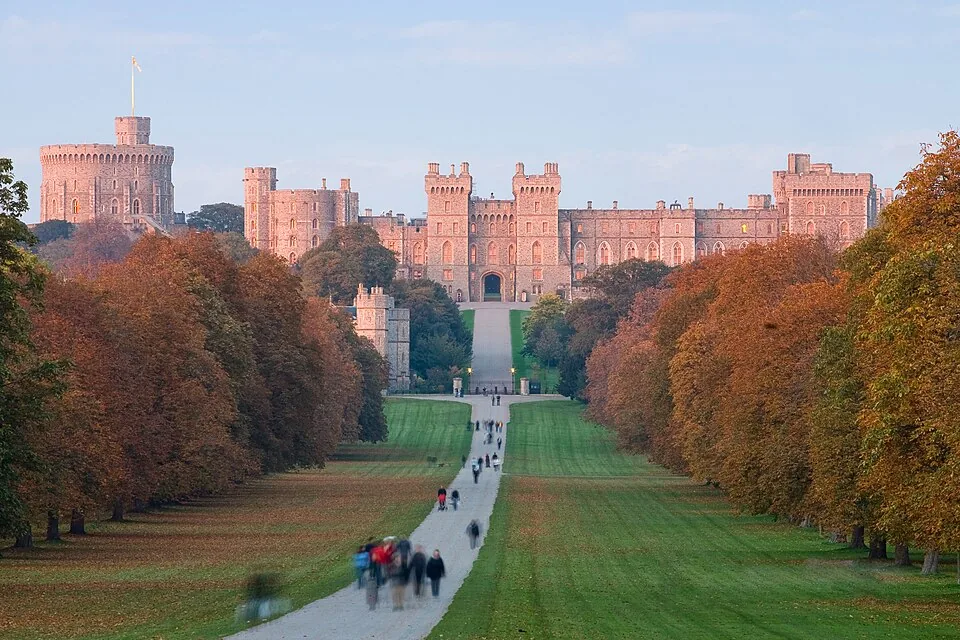
Windsor Castle’s high position above the Thames reveals its original defensive logic. William the Conqueror began building here around 1070 to guard the western approach to London; successive monarchs reshaped the fortress into a royal residence that still carries a thousand years of architectural c
Winter Garden Heritage Museum
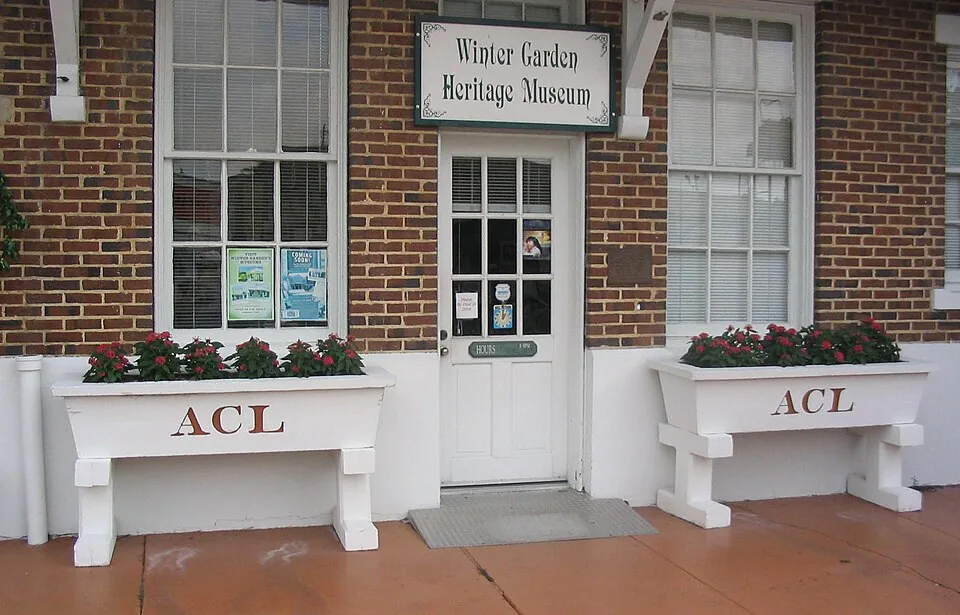
Winter Garden Heritage Museum is housed in a former Atlantic Coast Line depot in the city’s historic downtown. Its exhibits trace local life and the citrus and railroad industries that helped shape Winter Garden, turning a small station building into a community archive.
Winter Park Scenic Boat Tour
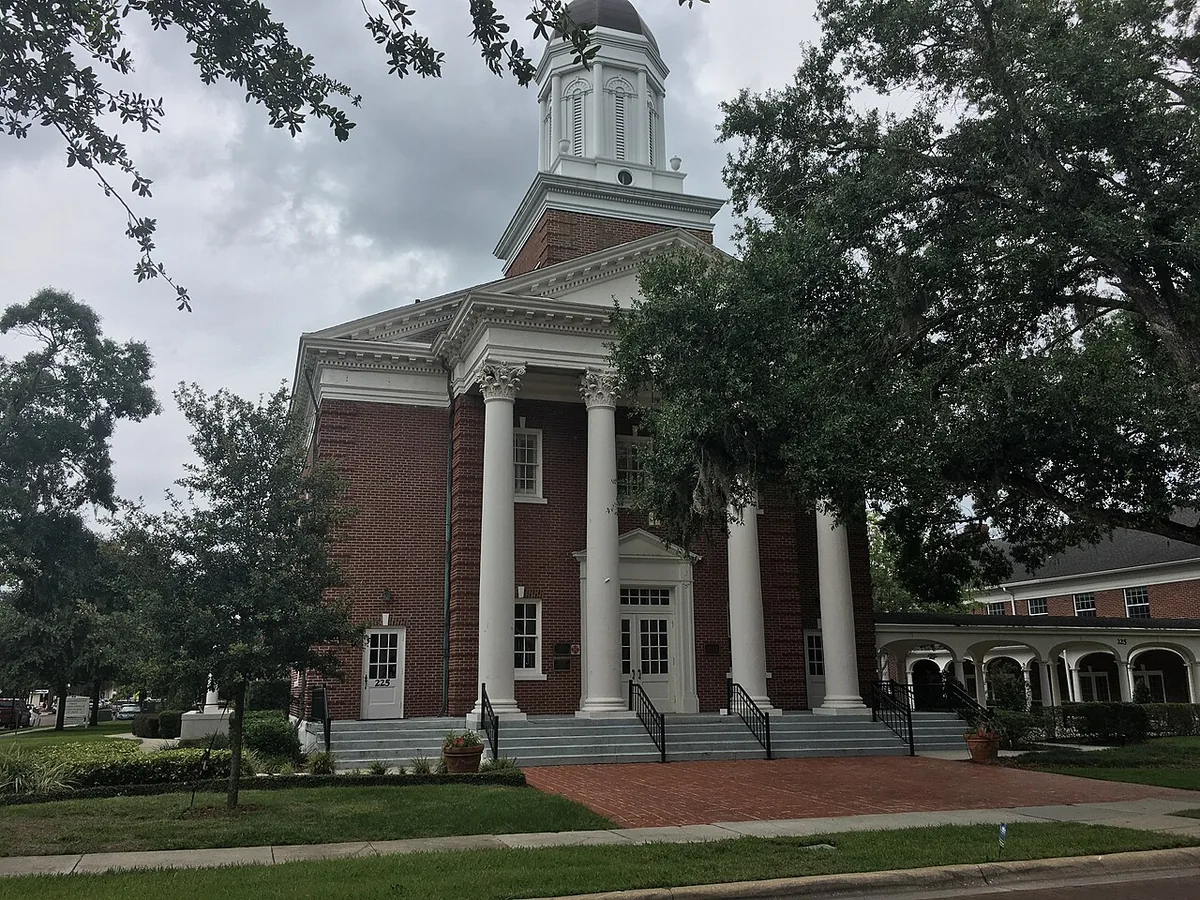
Winter Park Scenic Boat Tour follows lakes and narrow canals through a landscape of gardens, homes and campus buildings. Operating since 1938, the narrated route offers a water-level view of how Winter Park’s linked waterways shape the city’s scenery and movement.
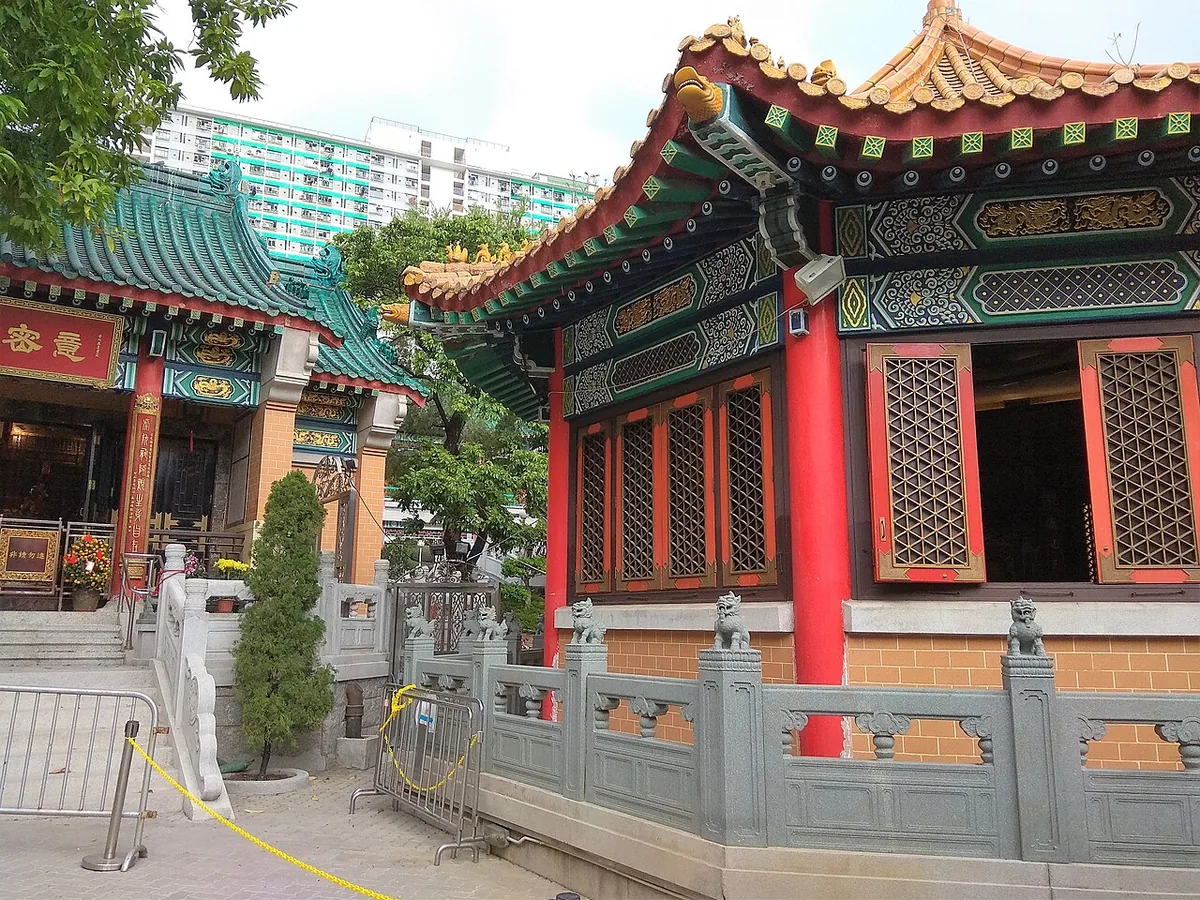
Wong Tai Sin Temple
Wong Tai Sin Temple is an active religious complex in Kowloon dedicated to Wong Tai Sin and associated with Taoist practice and charitable work. Its courtyards and halls welcome worshippers seeking guidance, healing, and good fortune.
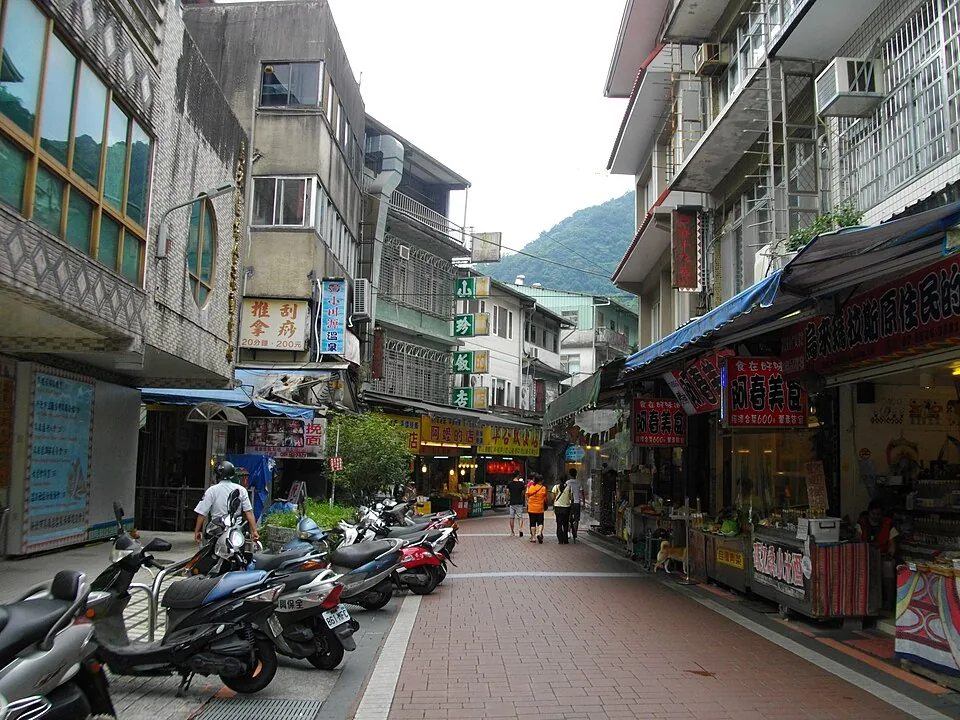
Wulai Old Street
Wulai Old Street is a compact mountain-town route known for stone-slate paving and shops presenting local foods and Indigenous cultural references. Its present visitor-facing character sits within a wider Atayal community and landscape, so the street is only one point of entry to Wulai.
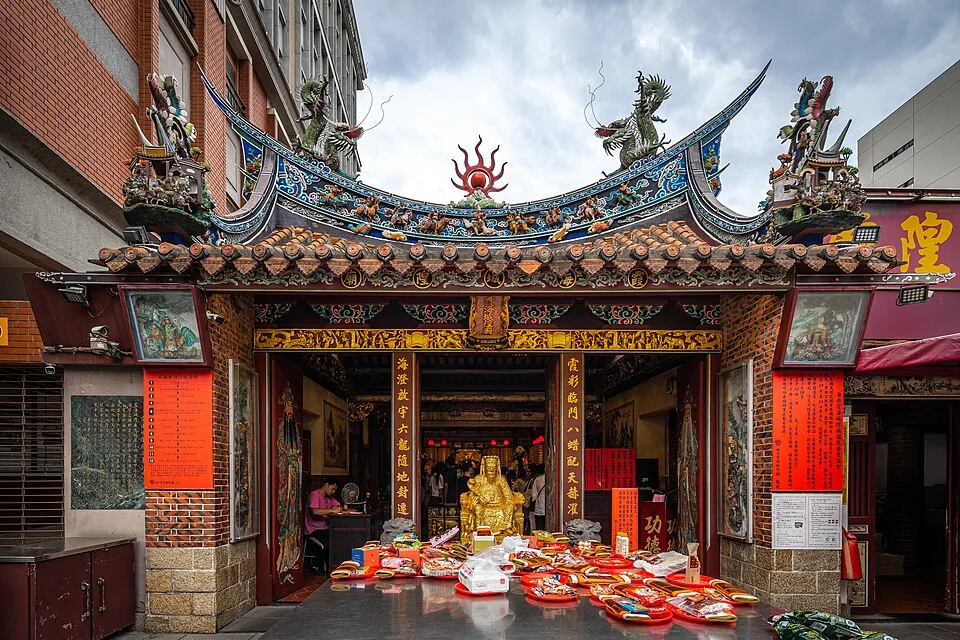
Xiahai City God Temple
Taipei Xia-Hai City God Temple is a compact neighborhood temple on Dihua Street in the historic Dadaocheng district. Worshippers come to honor the City God and other deities, while the temple’s festivals remain closely tied to local community life.