Explore locations
Browse places by name, city, country or category.
All locations
1625 locations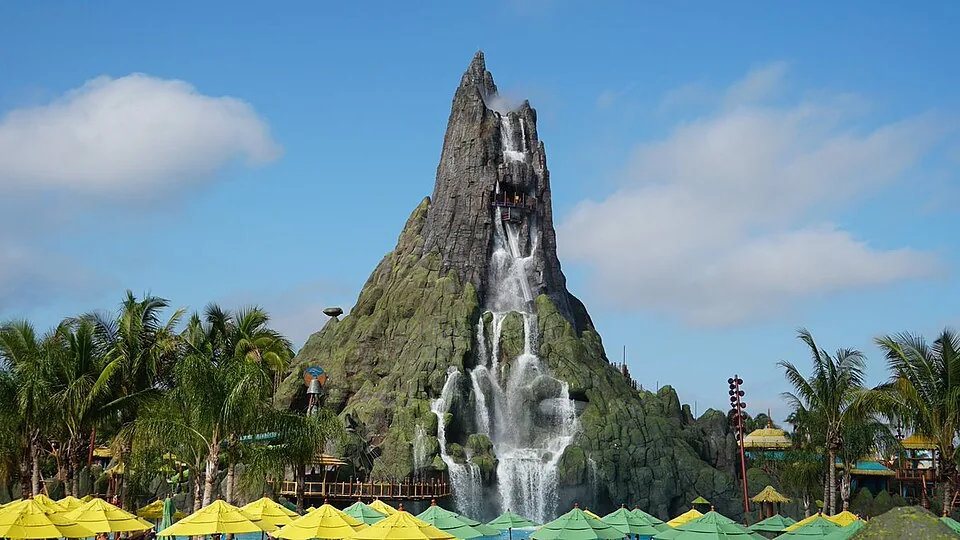
Volcano Bay
Volcano Bay centers on Krakatau, a towering volcano that shapes the water park’s visual identity. Themed villages, pools, and slides use this landmark to orient visitors while combining tropical scenery with water-based attractions.
Vondelpark
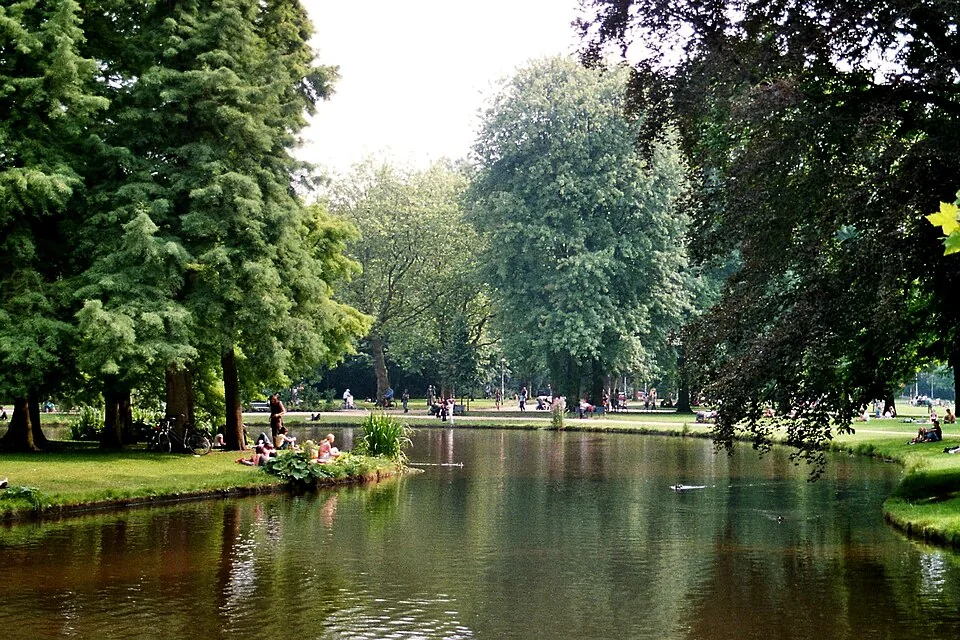
Follow the Vondelpark’s curving paths past ponds, bridges, and open lawns, and look for how the landscape hides and reveals the city. Opened in 1865, this deliberately natural-looking park began as a private civic project.
Vondelpark Open Air Theatre
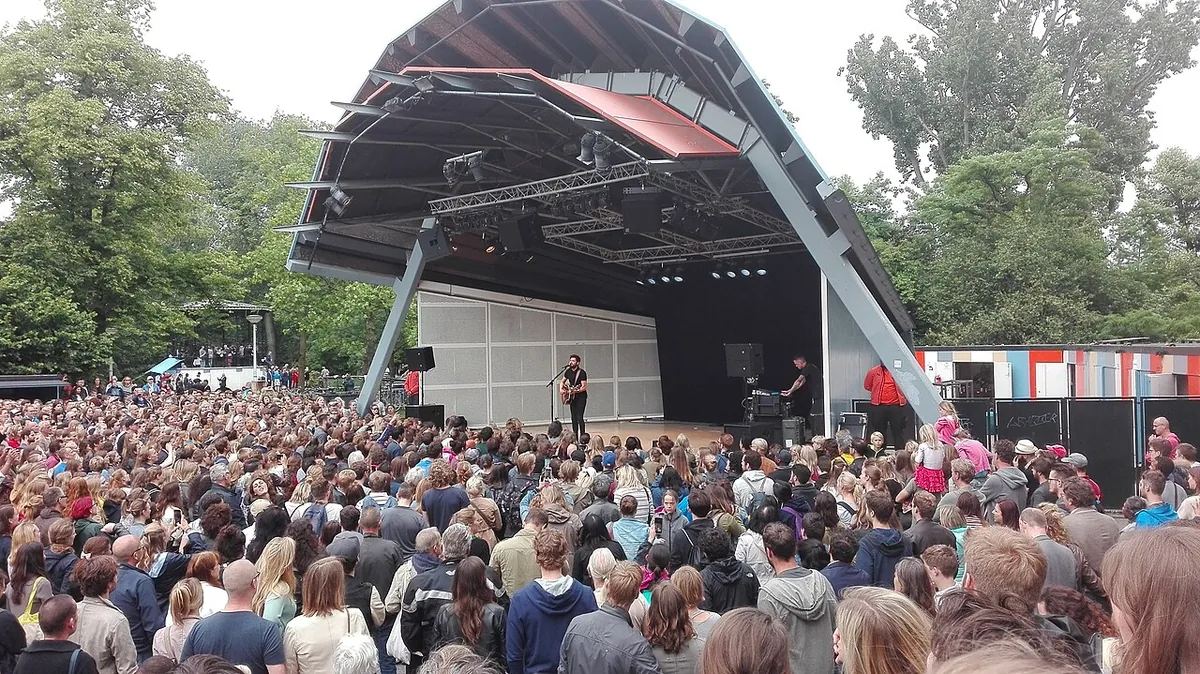
In Vondelpark, a dedicated open-air theatre grew from a broader culture of informal park performances. Since 1965, music and theatre have occupied this outdoor setting, where a formal programme still feels connected to the park’s earlier gatherings.
Wall of Dolls
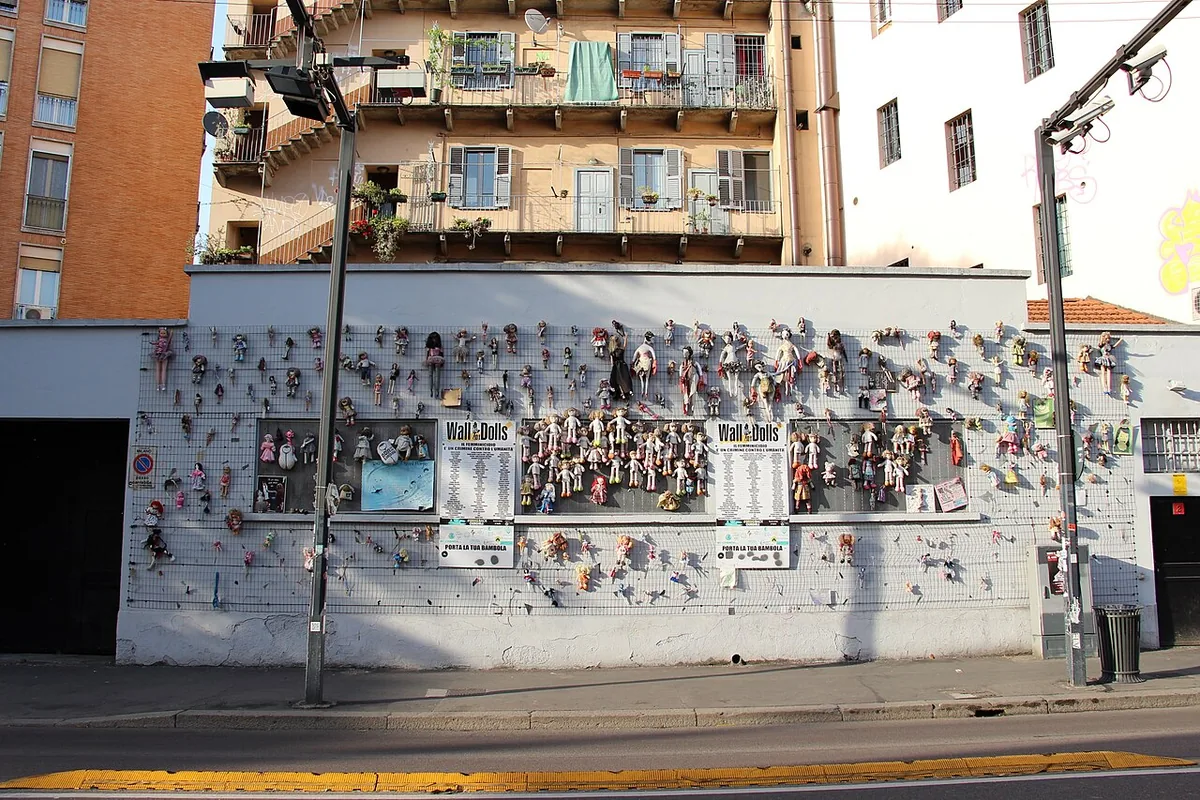
Wall of Dolls uses a changing arrangement of dolls to make violence against women visible in public space. Created in Milan in 2014, the installation turns personal testimony and collective action into a continuing civic statement that asks passersby to confront a subject often kept private.
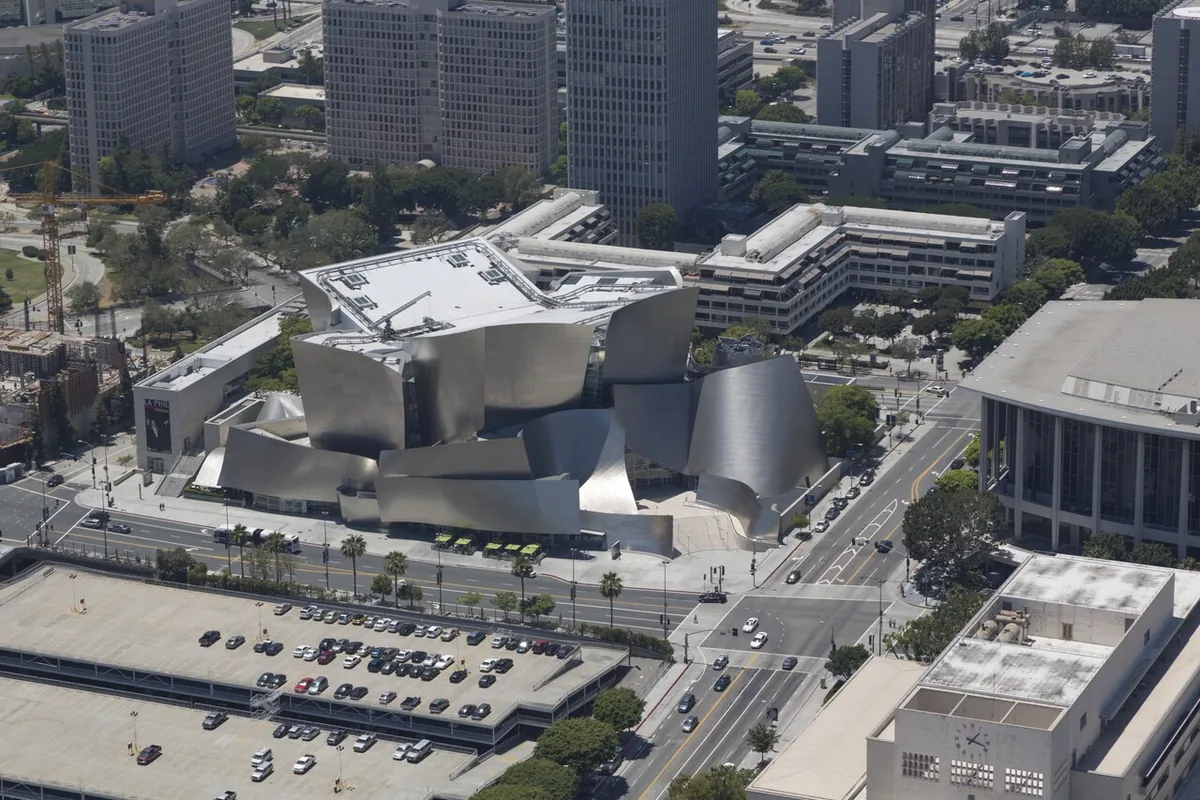
Walt Disney Concert Hall
Walt Disney Concert Hall’s curved stainless-steel forms turn a downtown concert venue into a striking urban landmark. Frank Gehry’s design wraps a richly acoustic performance space in expressive exterior shapes, linking the building’s public image to the sound heard inside.
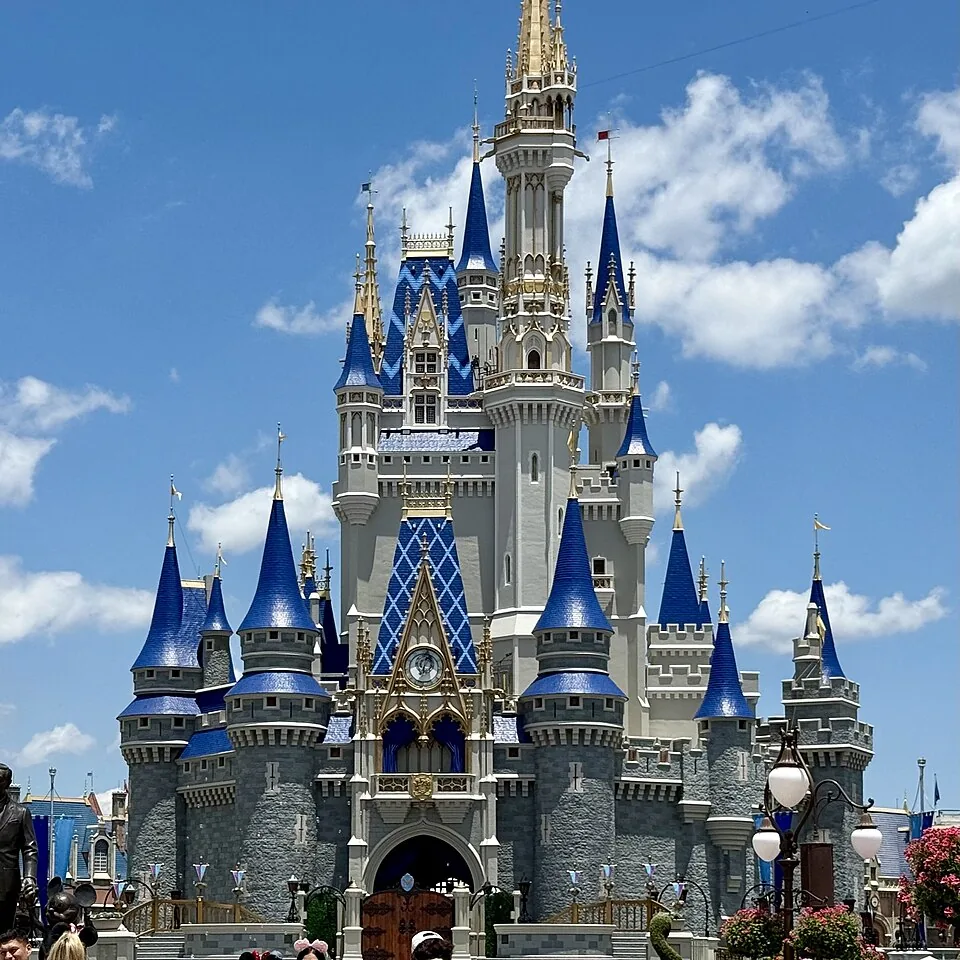
Walt Disney World Resort
Walt Disney World Resort is a vast destination organized around four theme parks, water parks, hotels, and shared visitor spaces. Its scale makes it useful to think of the resort as a designed region, with distinct places offering different ways to explore stories and environments.
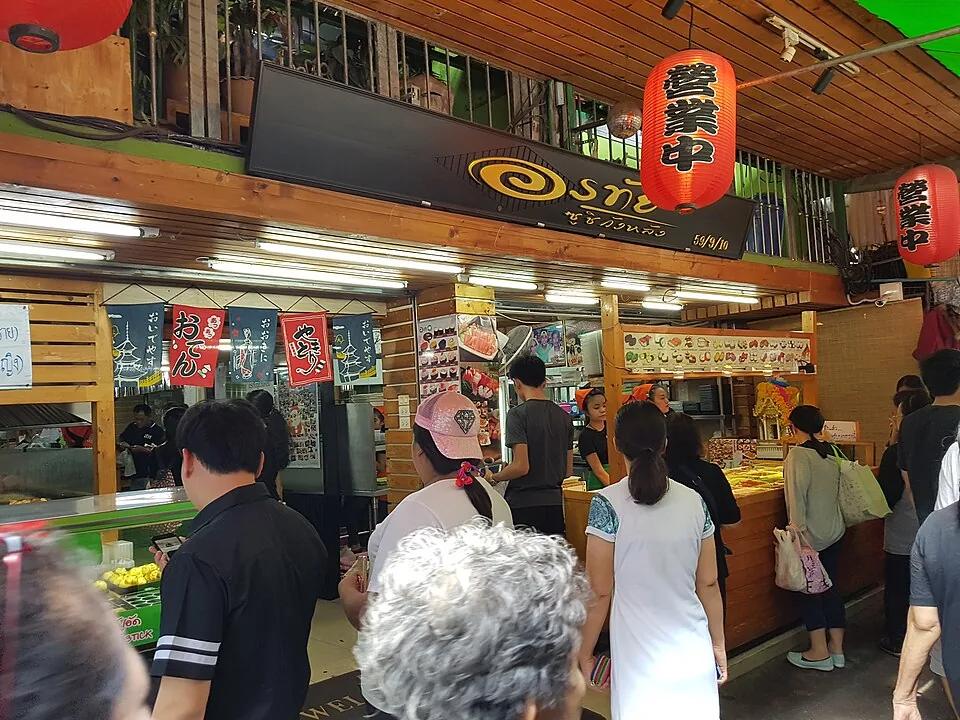
Wang Lang Market
Wang Lang Market gathers food stalls and small shops in the lanes near Siriraj Hospital and the river. Its everyday bustle is the attraction: a dense neighborhood market where quick meals, household goods, clothing, and secondhand finds share narrow walking routes.
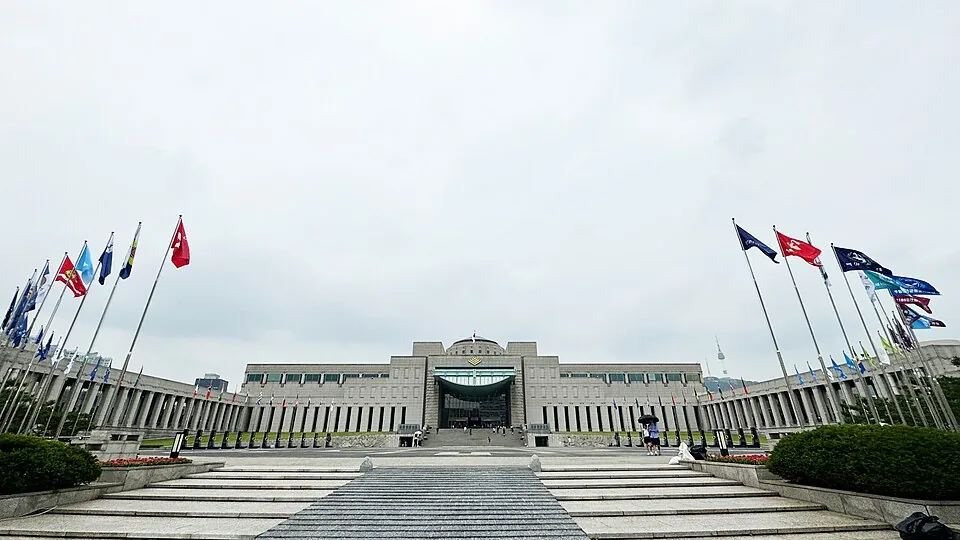
War Memorial of Korea
The War Memorial of Korea places military history in a broad civic setting, with indoor collections and outdoor memorial displays. Its scale encourages visitors to consider how a nation preserves evidence of conflict, remembers those affected, and presents difficult history to later generations.
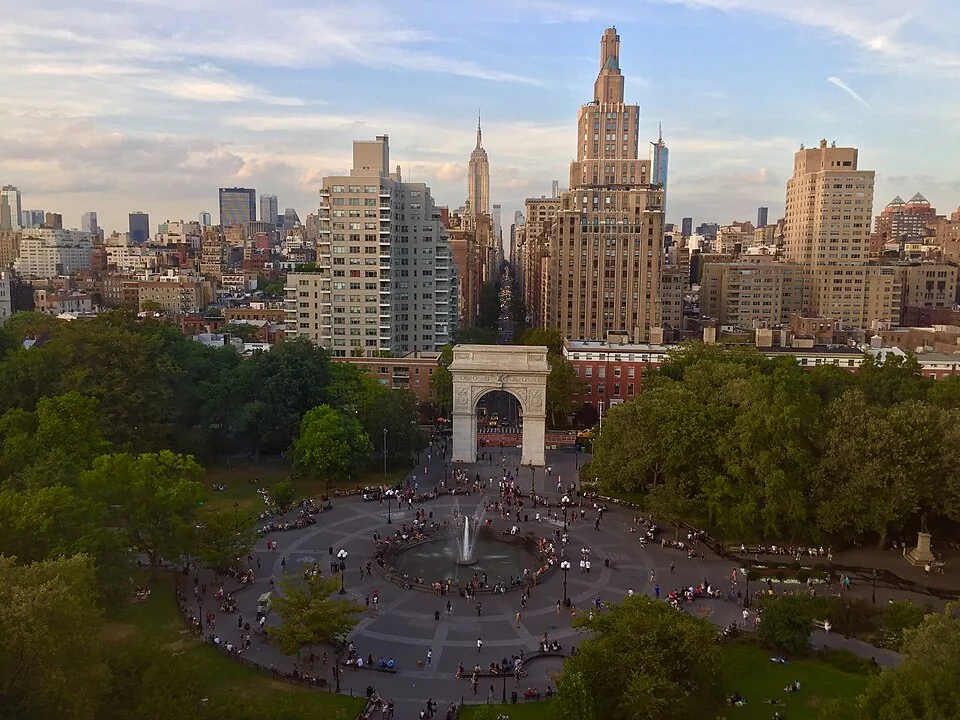
Washington Square Park
Washington Square Park’s arch stands at Fifth Avenue’s southern end, framing a meeting ground that has served as parade ground, park, and center of Village life. Its small footprint holds layers of protest, performance, and public gathering.
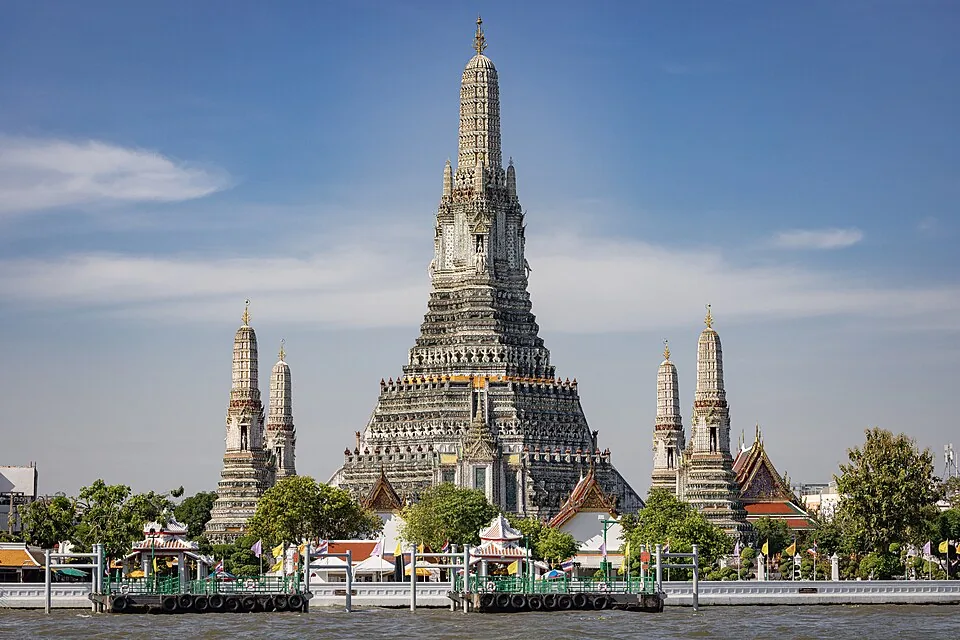
Wat Arun
Wat Arun’s central prang rises above the Chao Phraya River, its surface patterned with ceramic and shell decoration. The temple’s changing names and successive restorations make this skyline landmark a record of Bangkok’s earlier capital on the west bank.
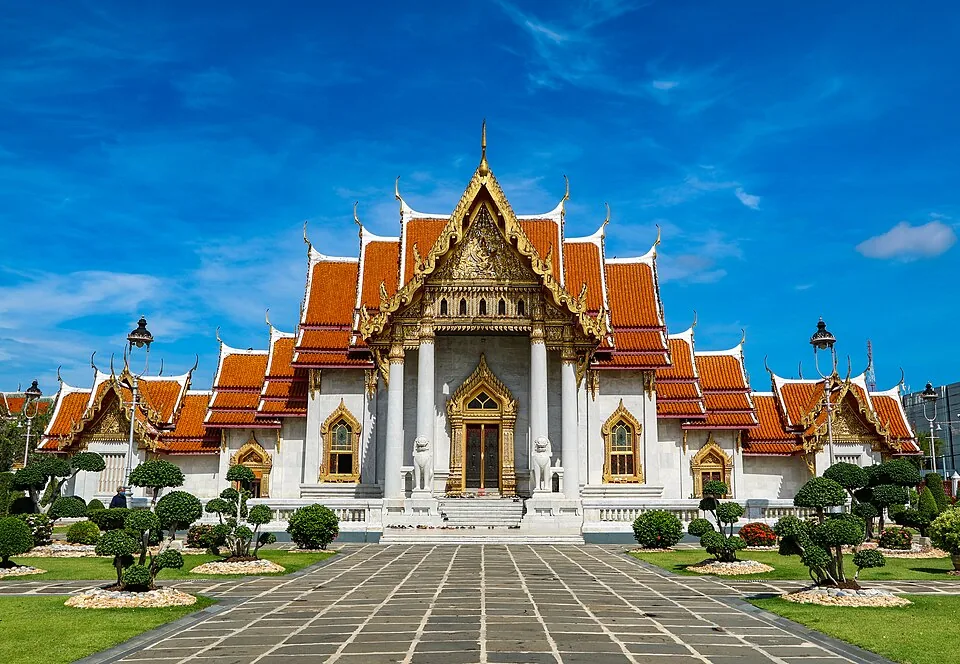
Wat Benchamabophit
Wat Benchamabophit is often called the Marble Temple for its Italian marble surfaces. Its orderly plan and gallery of Buddha images make it a late nineteenth-century royal temple where Thai design and imported material meet.
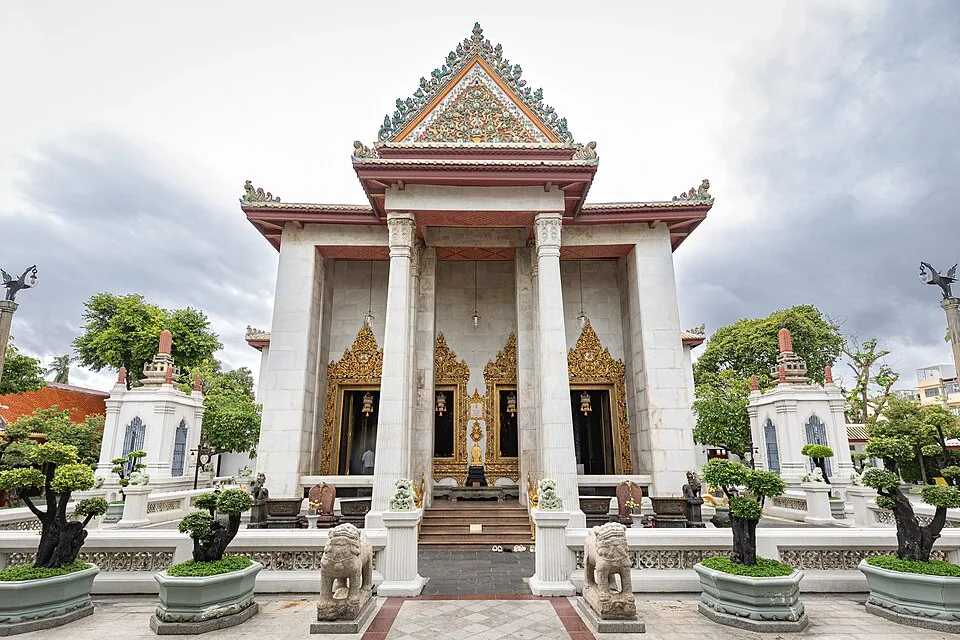
Wat Bowonniwet Vihara
Wat Bowonniwet’s green-and-gold roof tiles and broad ordination hall sit in the quieter Banglamphu district. This royal monastery is closely tied to the Dhammayut Buddhist tradition and to Prince Mongkut, whose long monastic life preceded his reign as Rama IV.
Waterlooplein
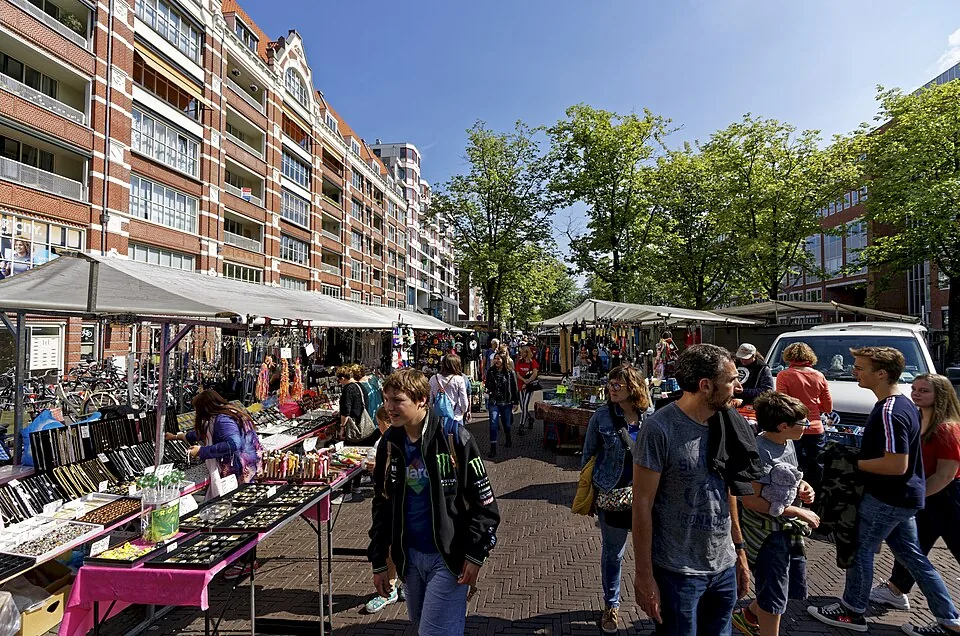
Waterlooplein’s market grew from Jewish neighborhood street trading after two canals were filled in 1882. Its history includes a vibrant prewar community, wartime destruction, and the market’s return after major redevelopment.
Wat Kanlayanamit
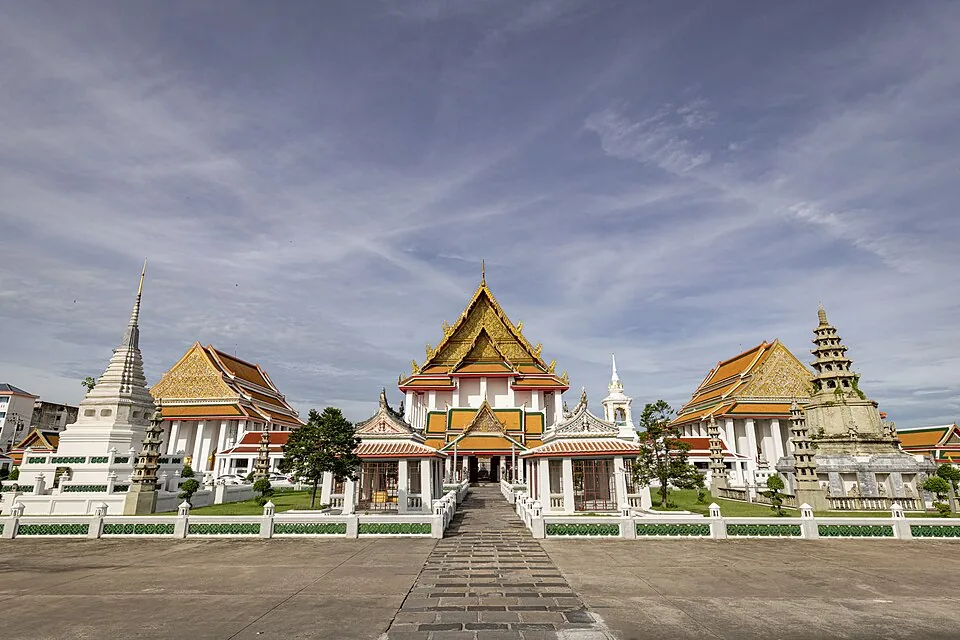
Wat Kanlayanamit faces the Chao Phraya with a broad riverside compound and a great seated Buddha inside its main viharn. The temple’s Thai and Chinese visual influences reflect its foundation by a Sino-Thai merchant and its later royal connection.
Wat Mahabut
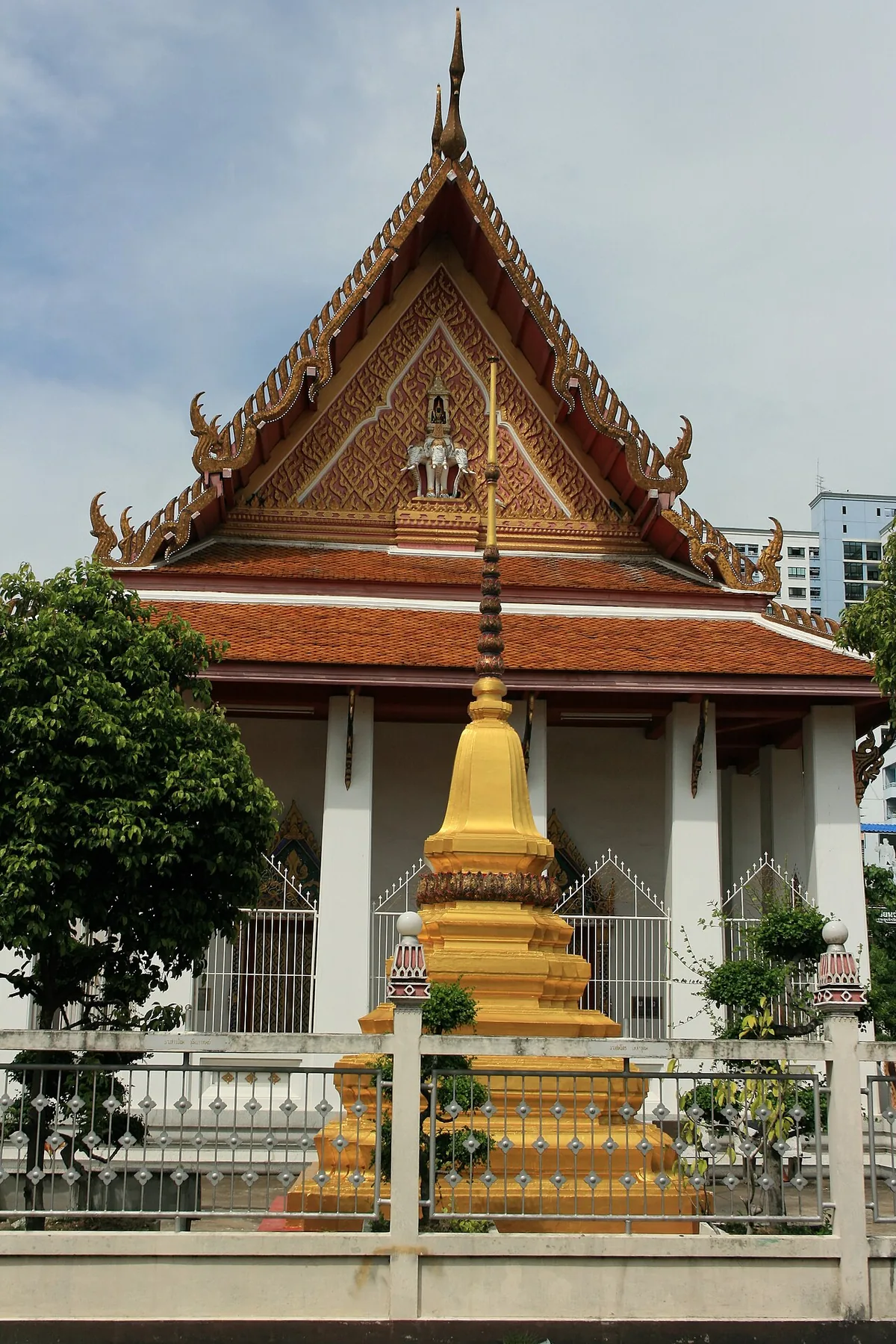
Wat Mahabut is an active neighborhood temple whose wider recognition is closely tied to the Mae Nak Phra Khanong story. Its sacred setting and local tradition overlap, so visitors should distinguish documented temple history from the community’s enduring legend.
Wat Paknam Bhasicharoen
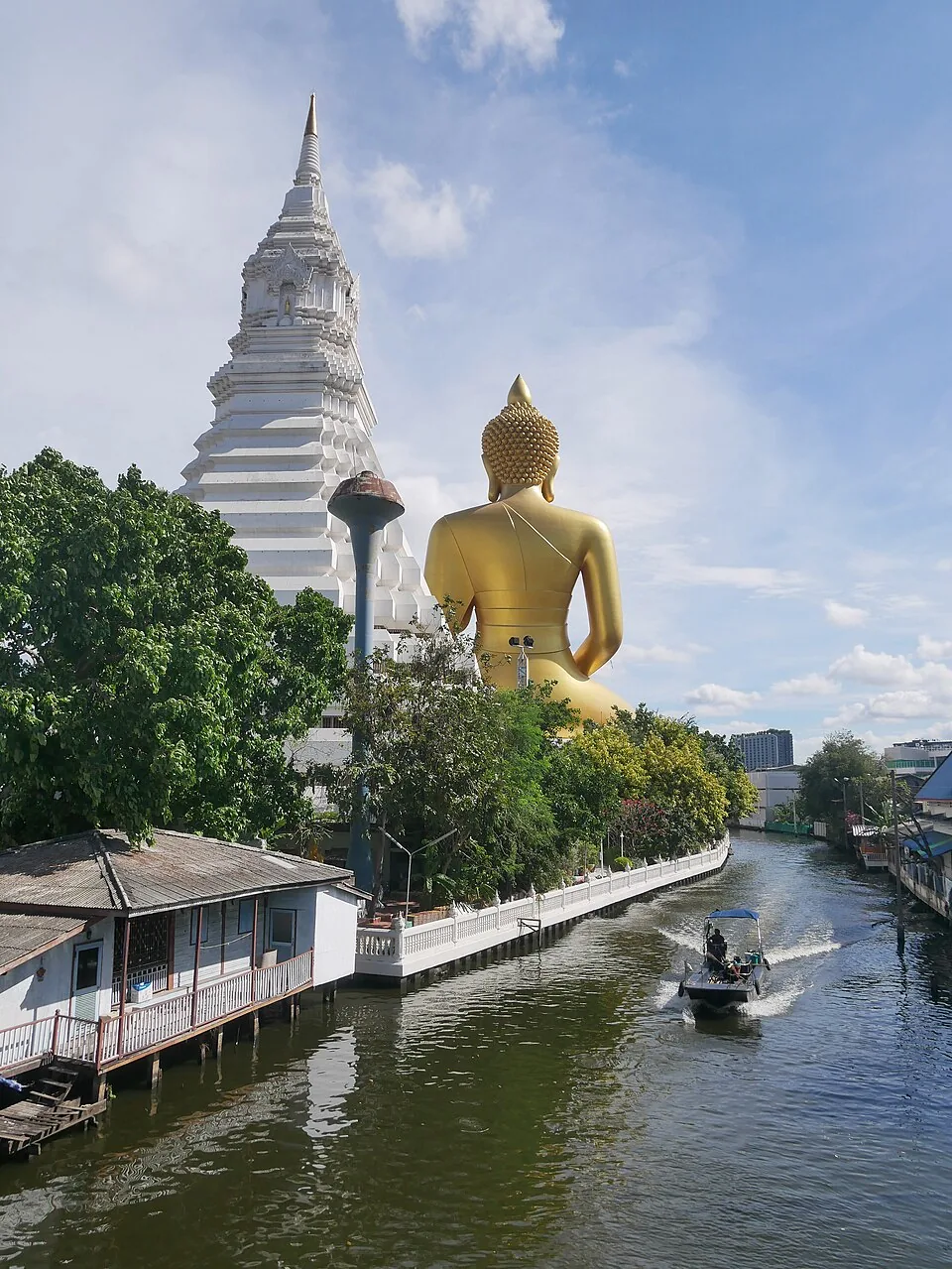
Wat Paknam Bhasicharoen is an active royal Buddhist temple in Bangkok’s Phasi Charoen district. The temple’s grounds and buildings belong first to a living religious community; visitors should approach its architecture and devotional spaces with quiet attention and respect for worshippers.
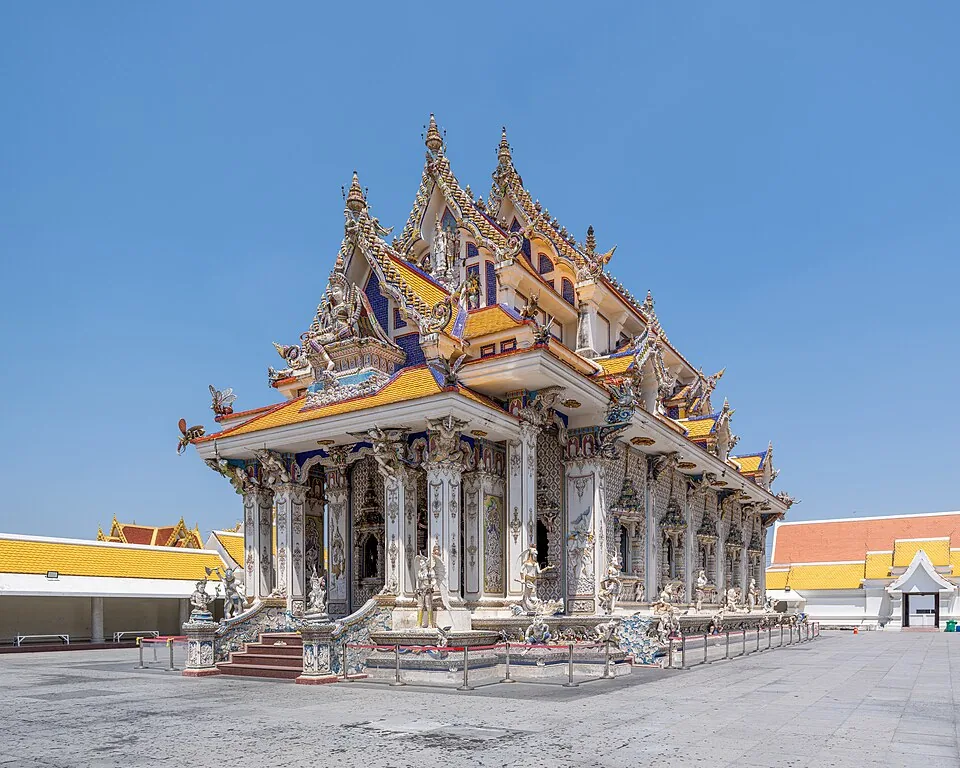
Wat Pariwat Ratchasongkram
Wat Pariwat’s richly decorated temple surfaces bring traditional religious imagery into conversation with more recent popular references. The layered exterior rewards close observation, but remains part of an active Buddhist temple whose sacred purpose comes before its novelty.
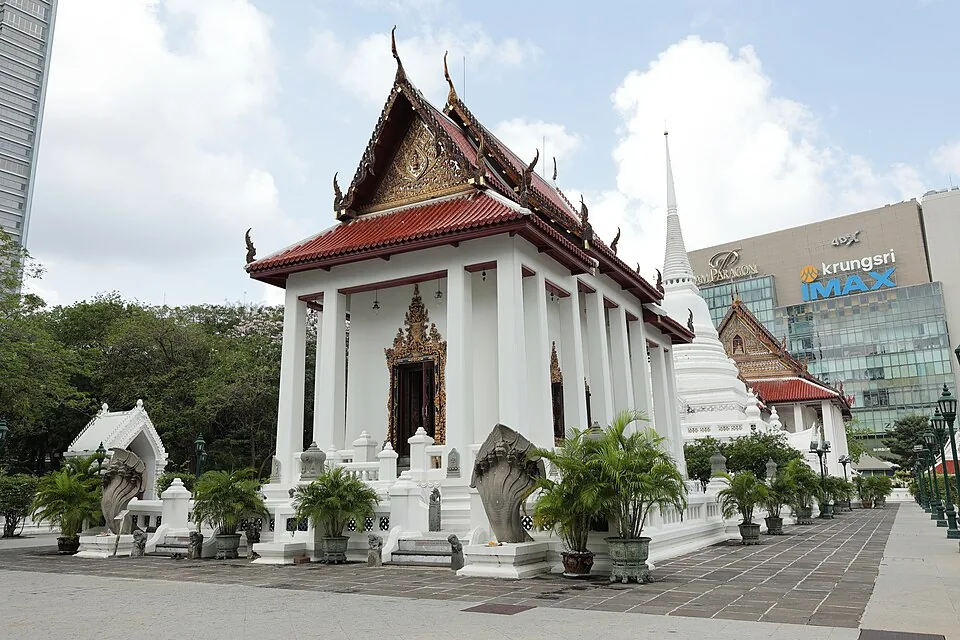
Wat Pathum Wanaram
Wat Pathum Wanaram’s quiet roofs and shaded grounds sit between the glassy commercial blocks of Siam. Founded in the nineteenth century beside the royal Sa Pathum grounds, the temple gives this district a visible earlier layer: a place of worship surrounded by a city that grew around it.
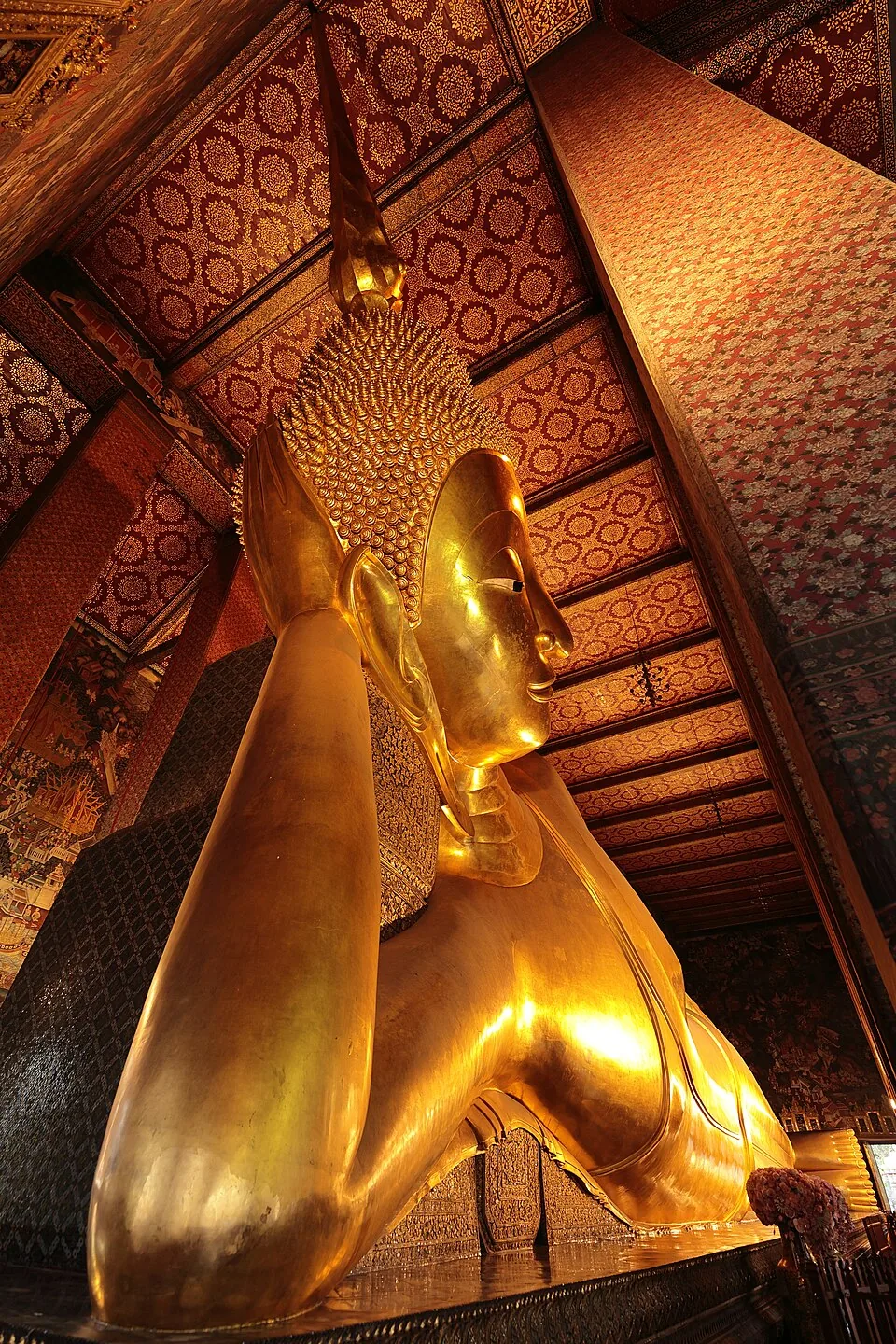
Wat Pho
Wat Pho pairs major Buddhist architecture with a public archive of knowledge. Its reclining Buddha, extensive inscriptions, and historic medical teaching tradition reflect successive royal restorations that treated the temple as a place of learning as well as worship.
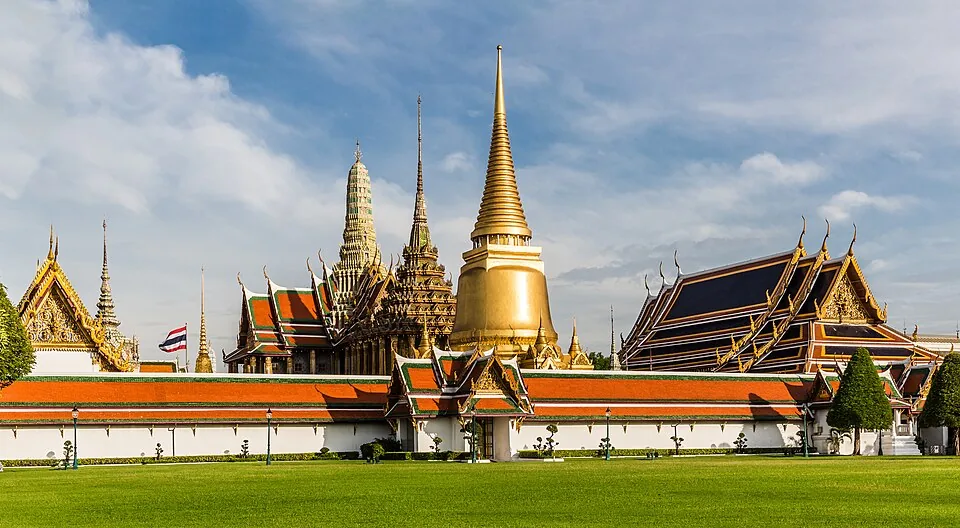
Wat Phra Kaew
Wat Phra Kaew, the Temple of the Emerald Buddha, occupies the royal temple precinct inside Bangkok’s Grand Palace. Its defining role is ceremonial: it houses the revered Buddha image and has no resident monastic quarters.
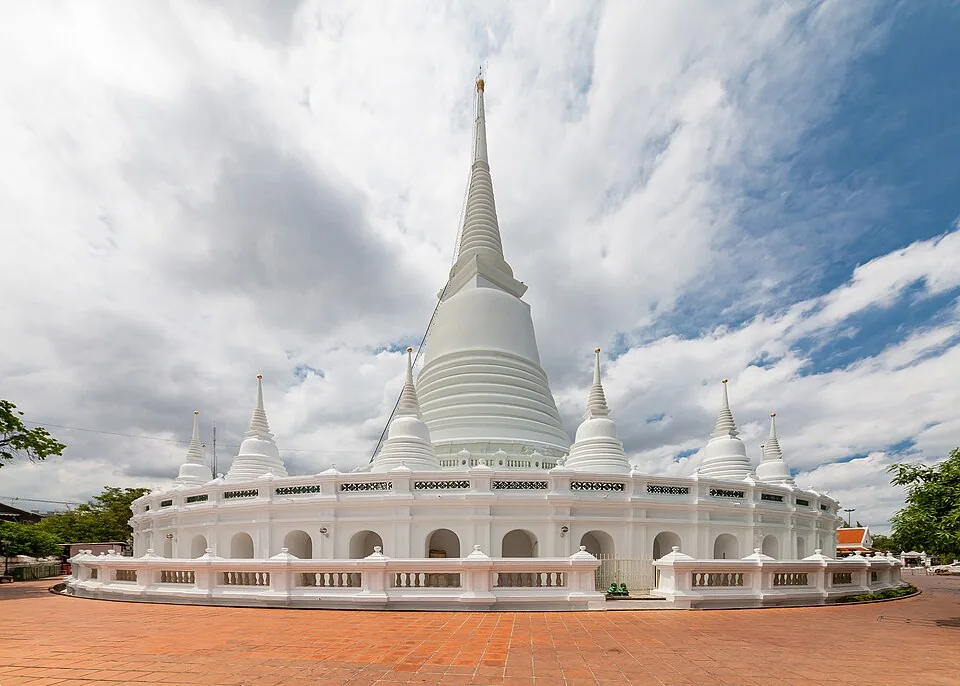
Wat Prayurawongsawat
Wat Prayurawongsawat is marked by a monumental white chedi and the garden landscape known as Khao Mo, or Turtle Mountain. The complex links nineteenth-century temple building with a carefully made miniature mountain world that later gained international heritage recognition.
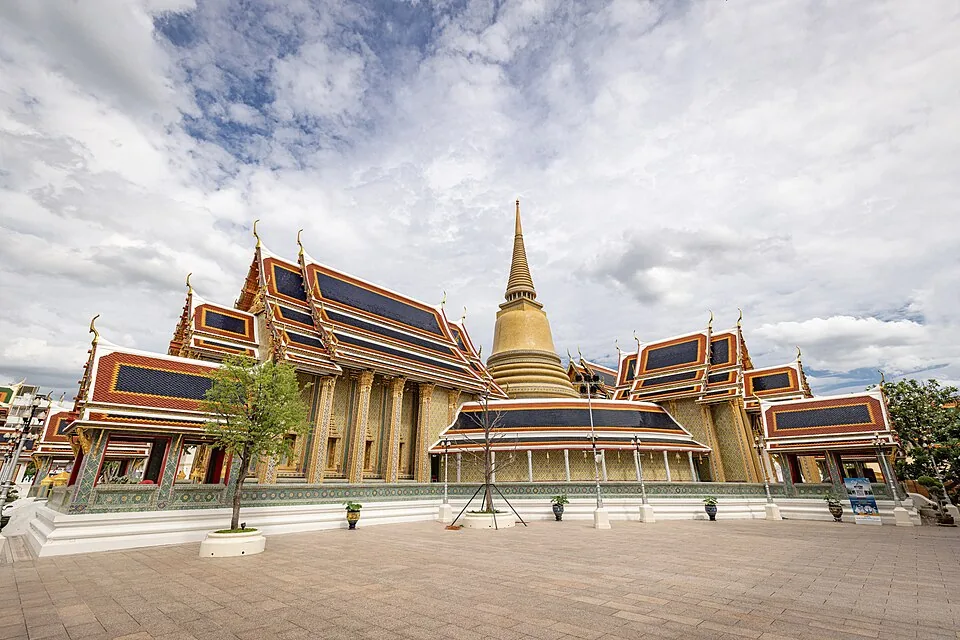
Wat Ratchabophit
Wat Ratchabophit pairs a Thai-style exterior with an interior influenced by European design. The circular courtyard and tiled chedi create an unusual composition for a Bangkok temple, reflecting Rama V’s era of experimentation and the way local and imported forms met in royal architecture.
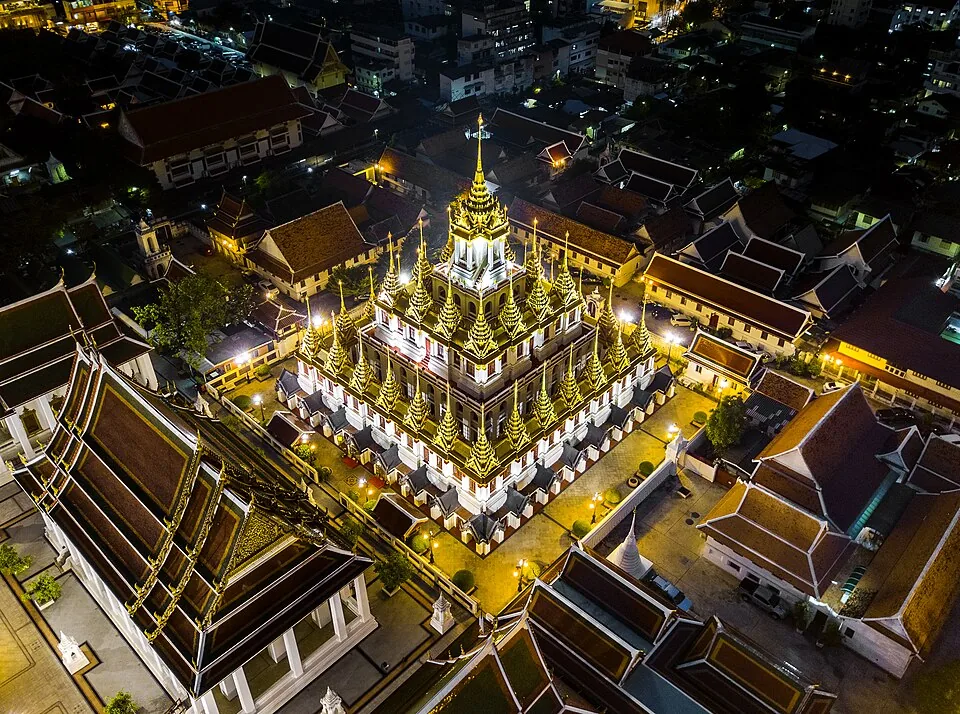
Wat Ratchanadda
Wat Ratchanadda is known for Loha Prasat, a metal-roofed structure whose repeated spires create a striking geometric silhouette. The temple’s formal architecture turns a Buddhist cosmological reference into a distinctive landmark in old Bangkok.
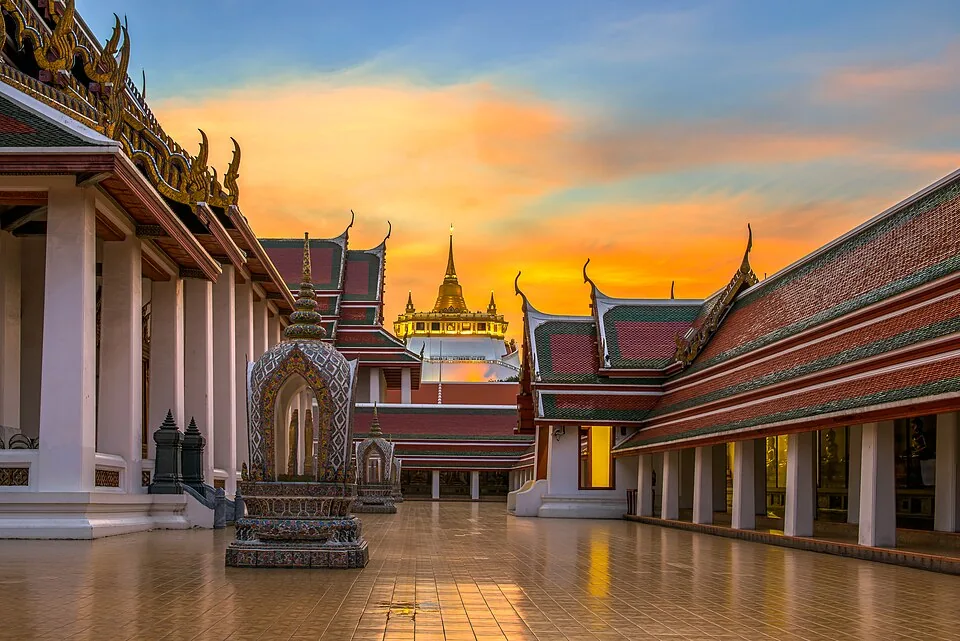
Wat Saket
Wat Saket’s Golden Mount rises above the old city on an artificial hill crowned by a chedi. Its winding stairway and summit shrine connect a landmark city view with a living Buddhist temple and a history of rebuilding.