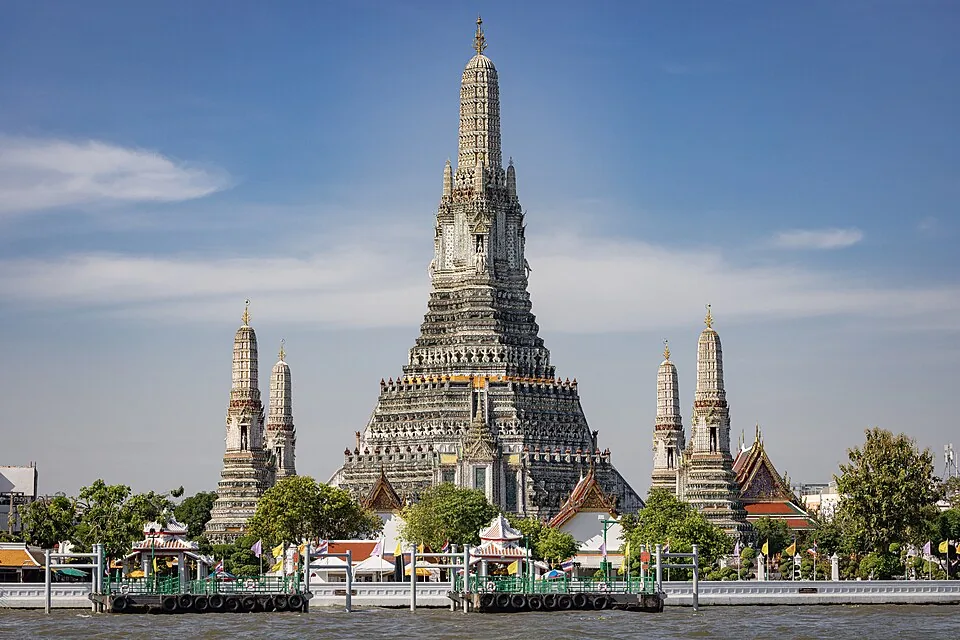
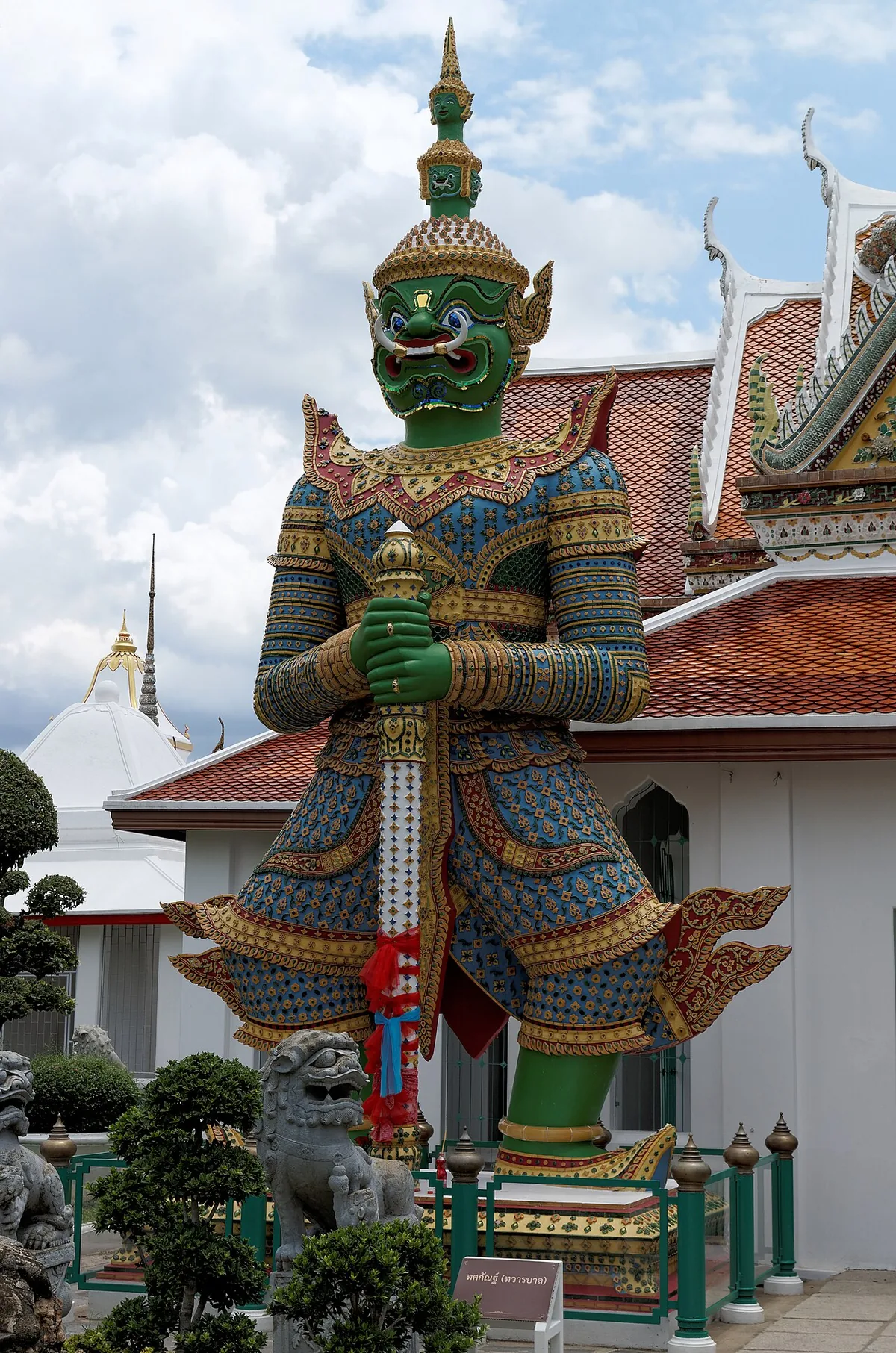
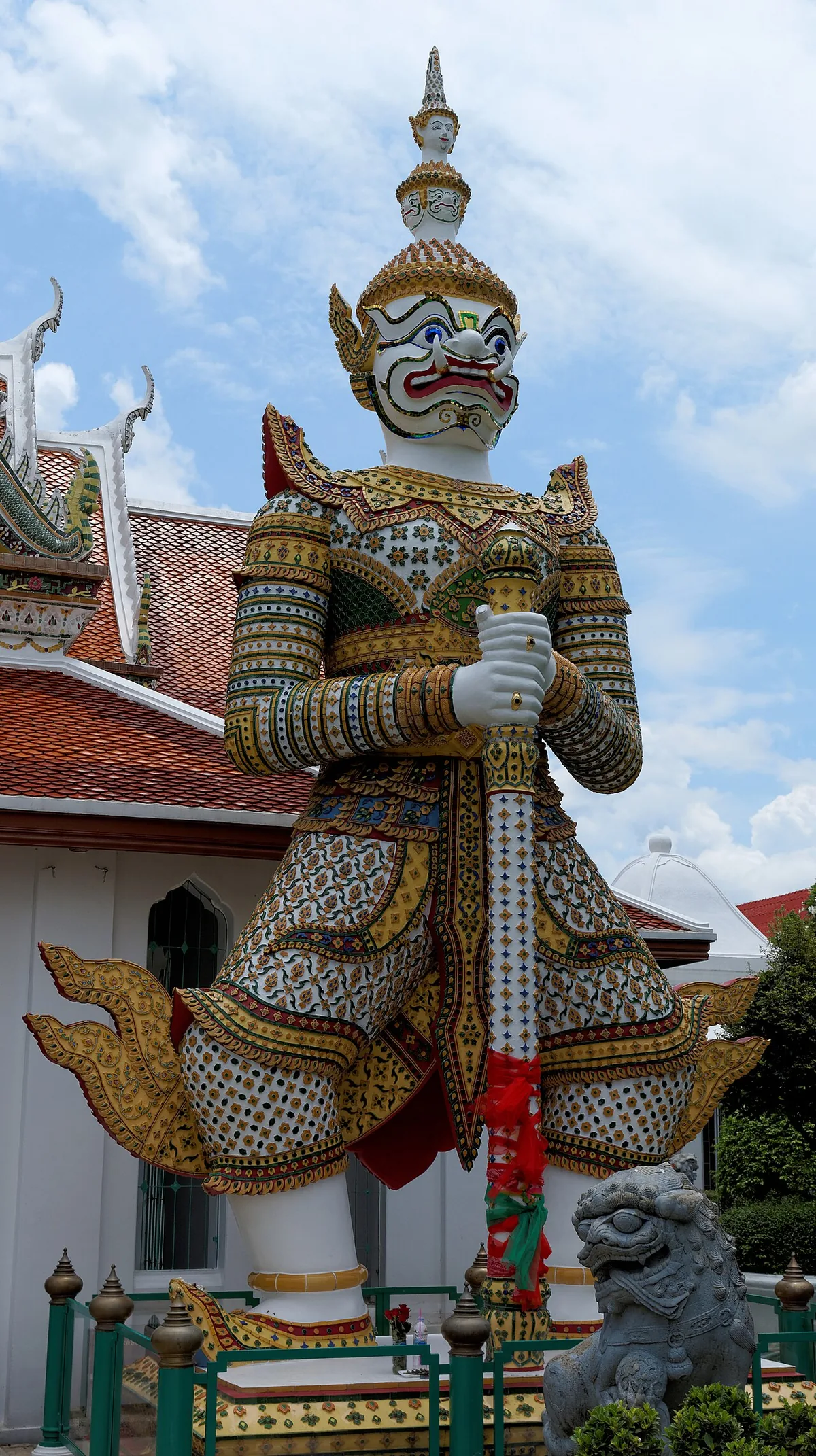
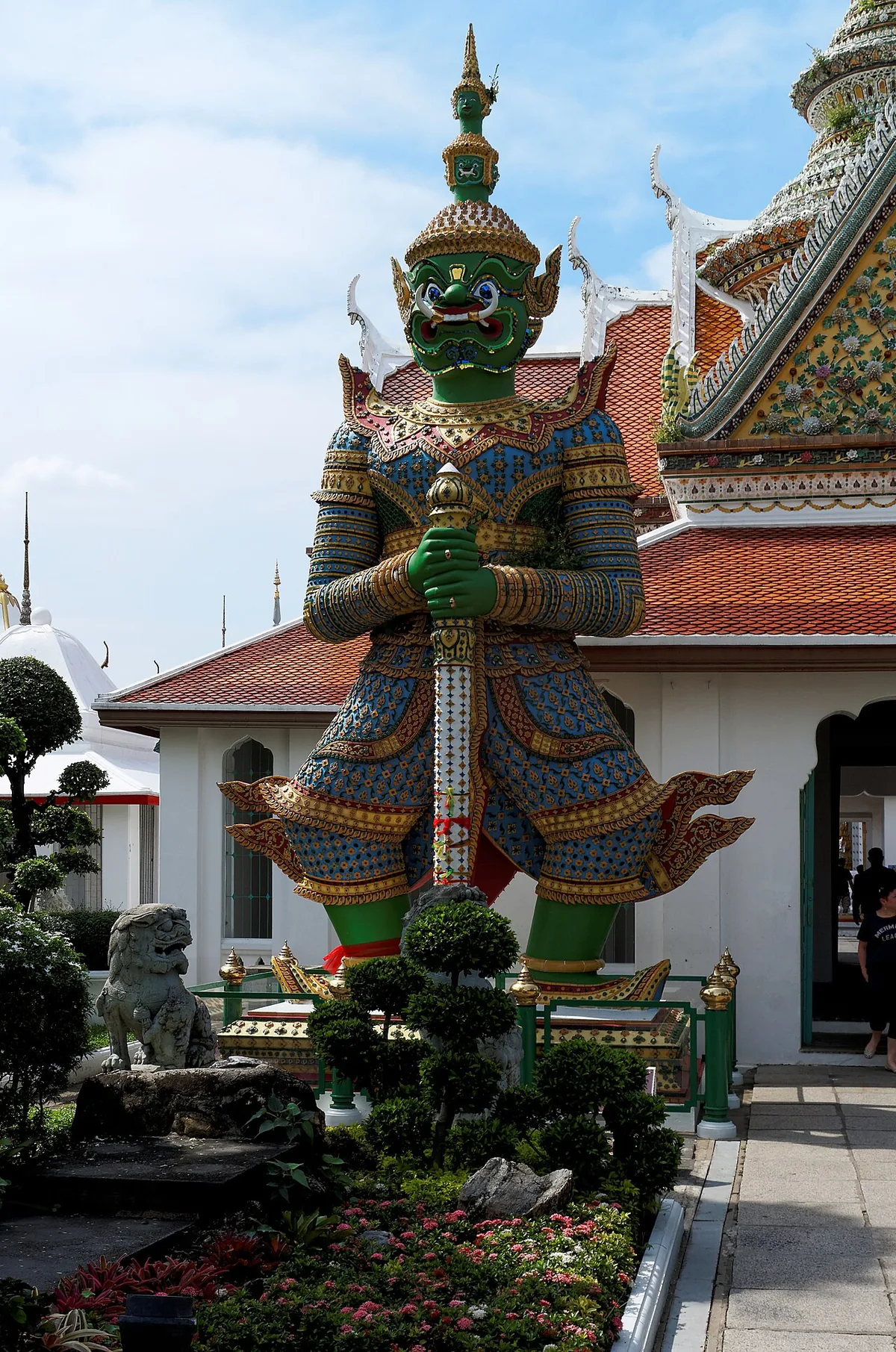
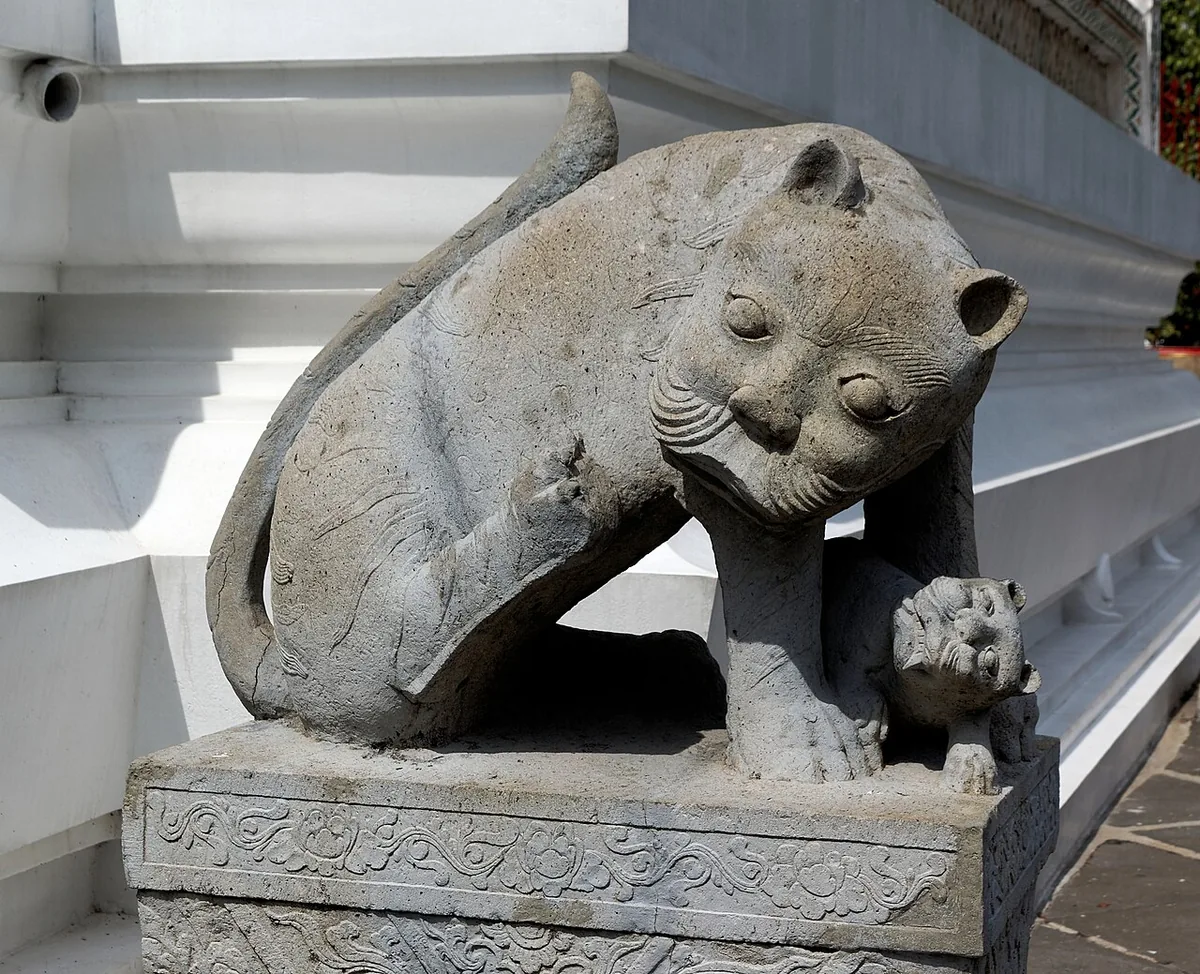
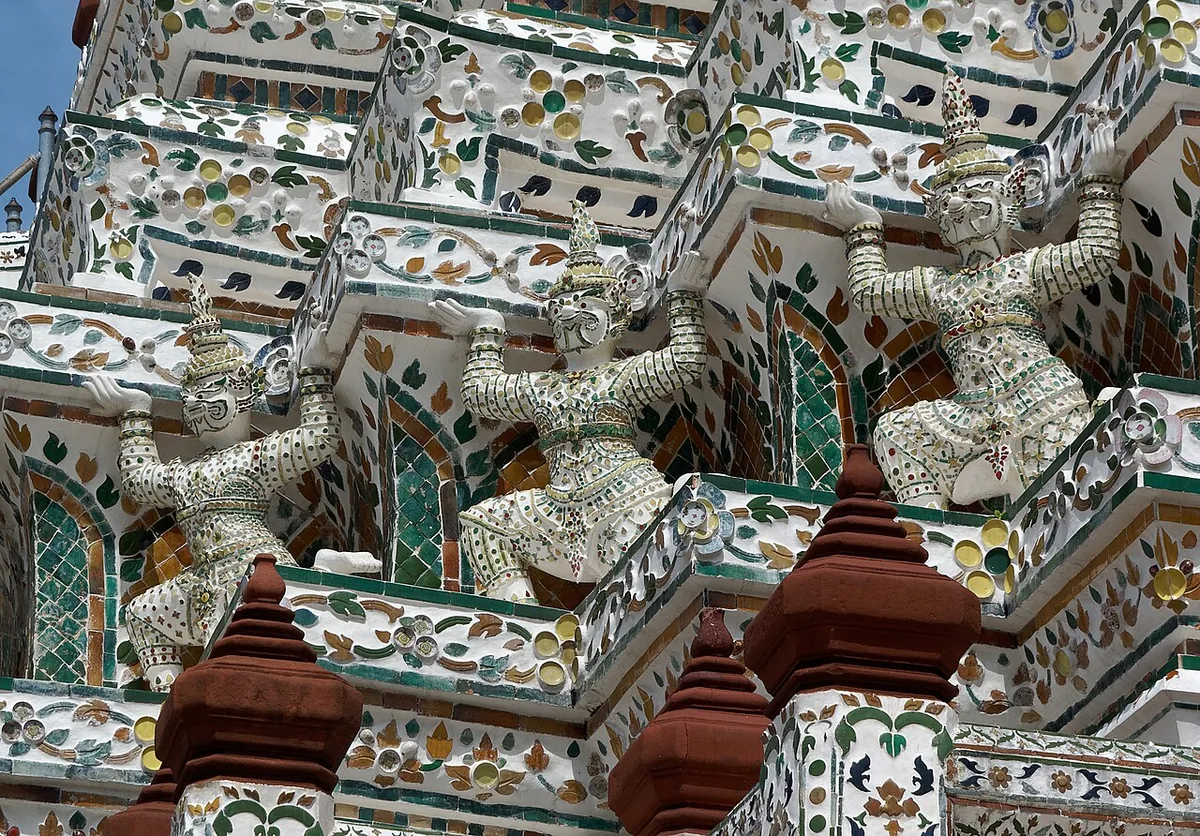
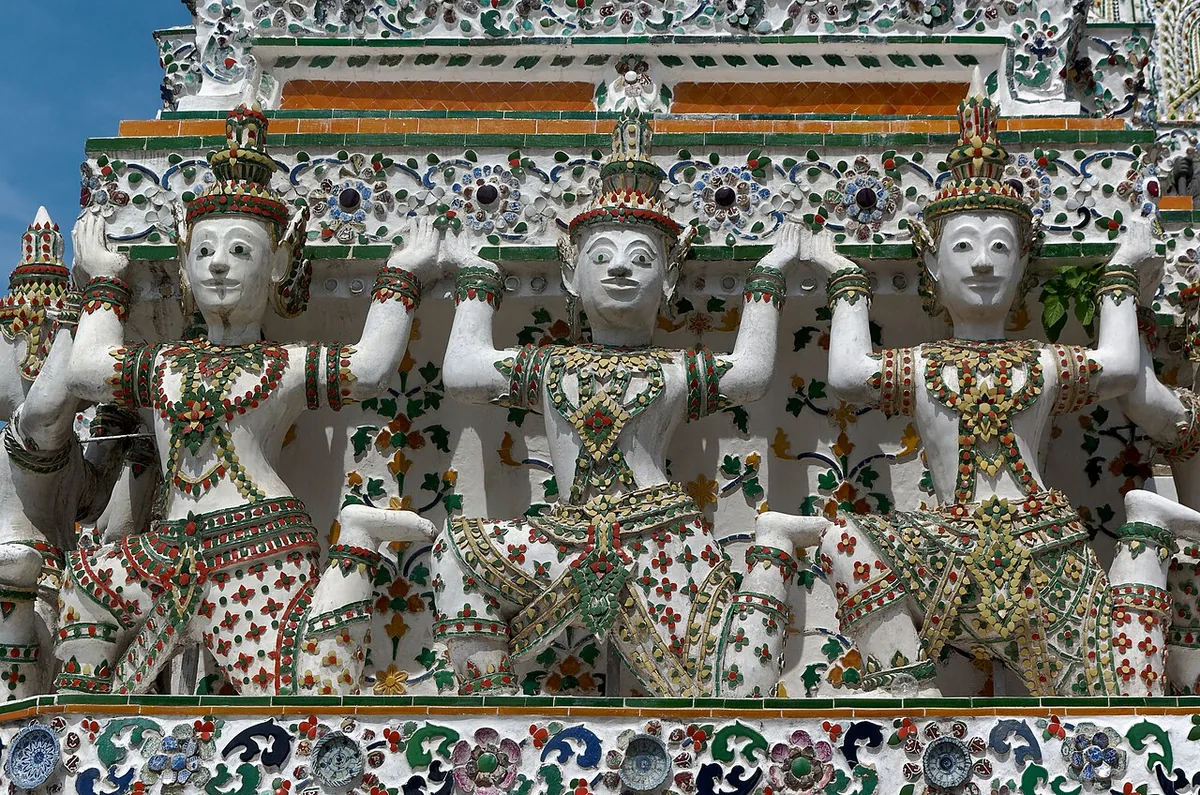
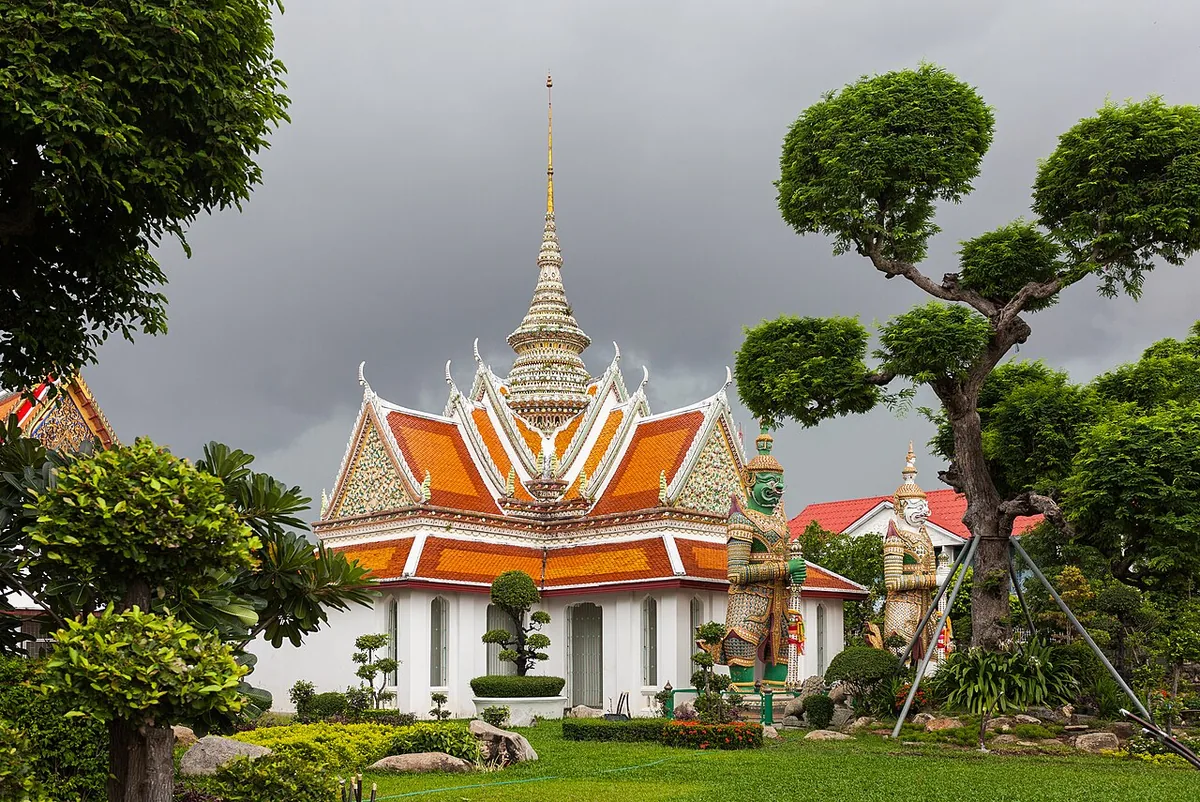
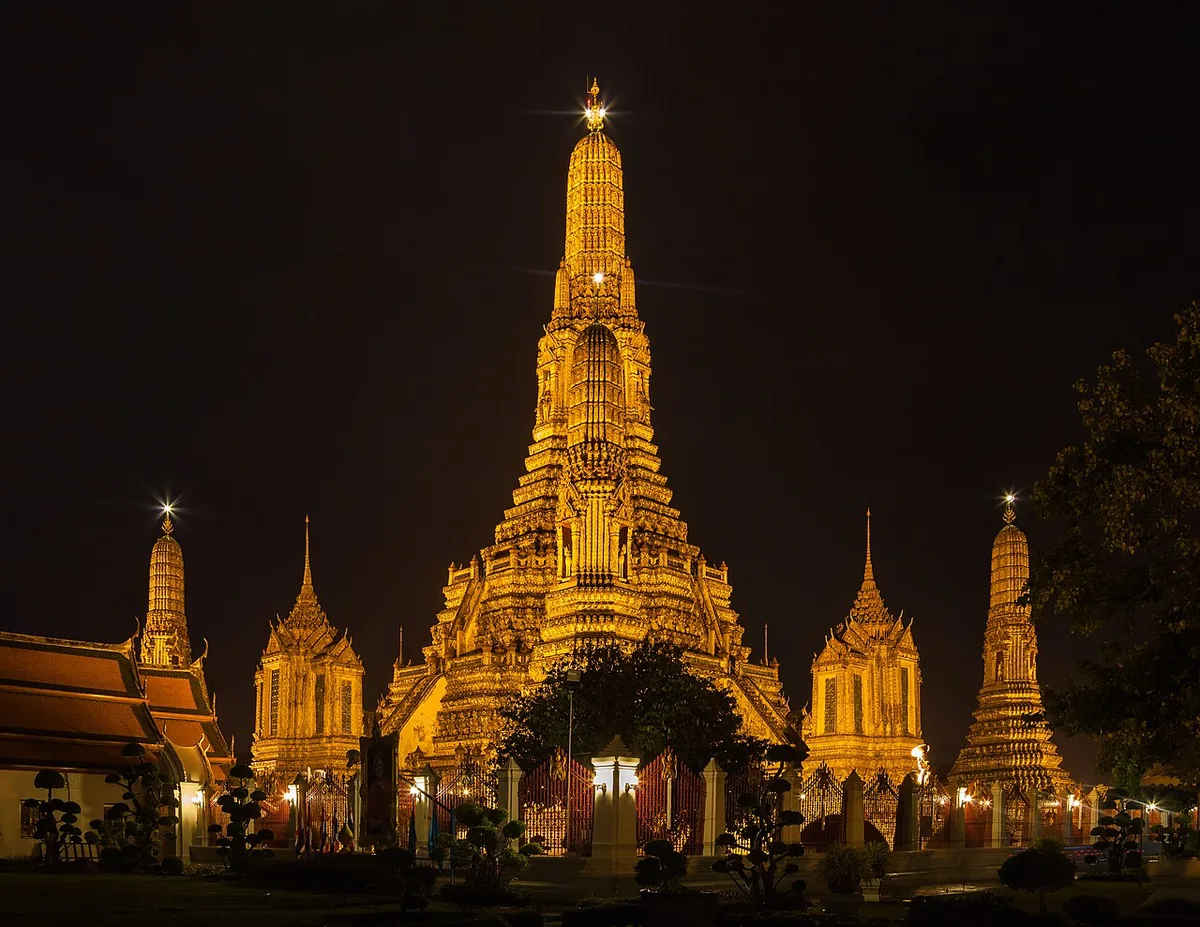
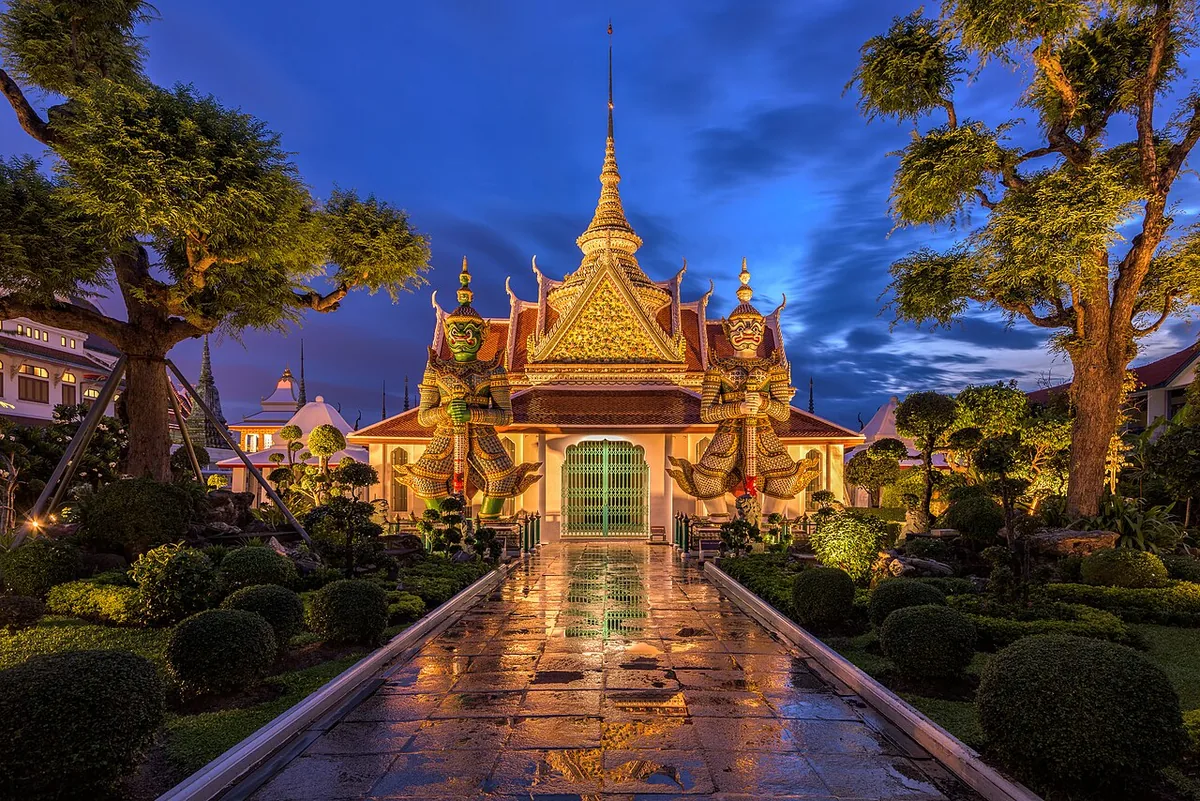
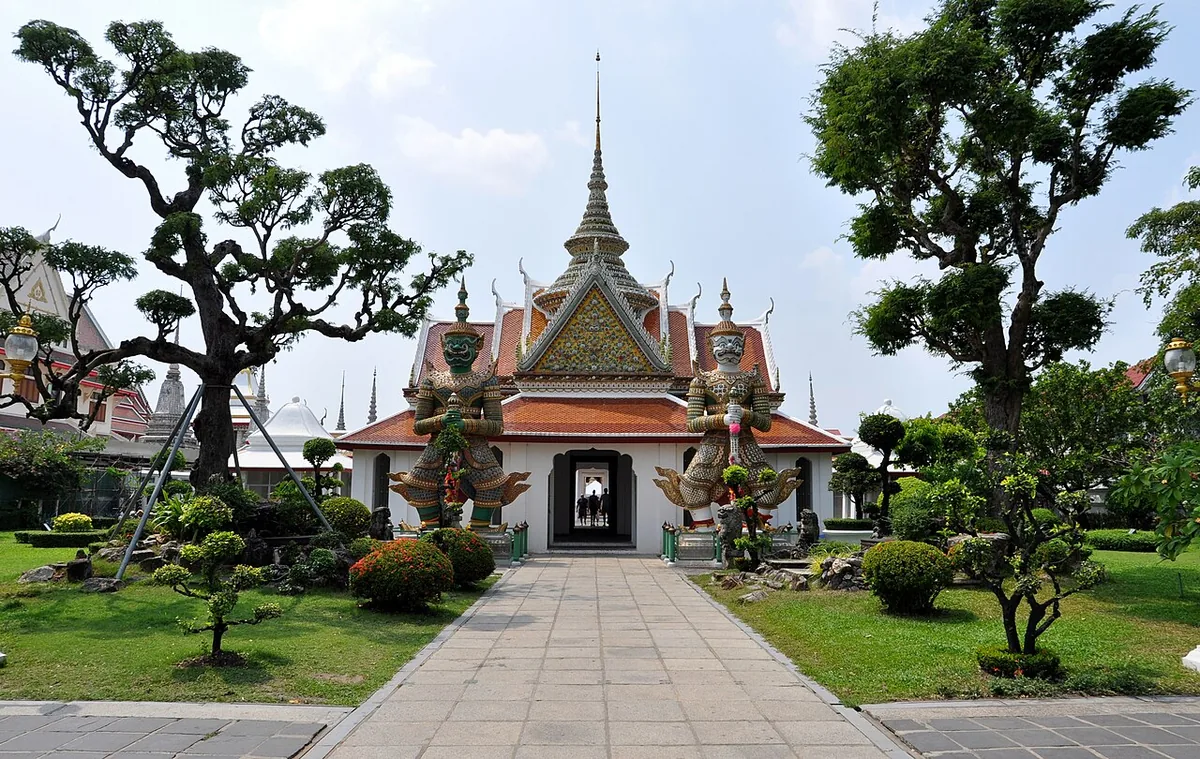
Wat Arun’s central prang rises above the Chao Phraya River, its surface patterned with ceramic and shell decoration. The temple’s changing names and successive restorations make this skyline landmark a record of Bangkok’s earlier capital on the west bank.
Guide
The central tower of Wat Arun catches light because its surface is assembled from pieces: porcelain fragments and shells set into decorative patterns. The detail reflects Bangkok’s river trade, where Chinese vessels carried ceramics that could be reused after serving as ballast. The temple itself is older than the city’s current royal center.
Continue exploring
Discover the full story
Keep reading with a travel pass and explore every full guide and tour.
UpgradeQuick facts
- The temple site dates to the Ayutthaya period.
- The temple was formerly called Wat Chaeng.
- The central prang’s design represents Rattanakosin-era architecture.
More places in Bangkok
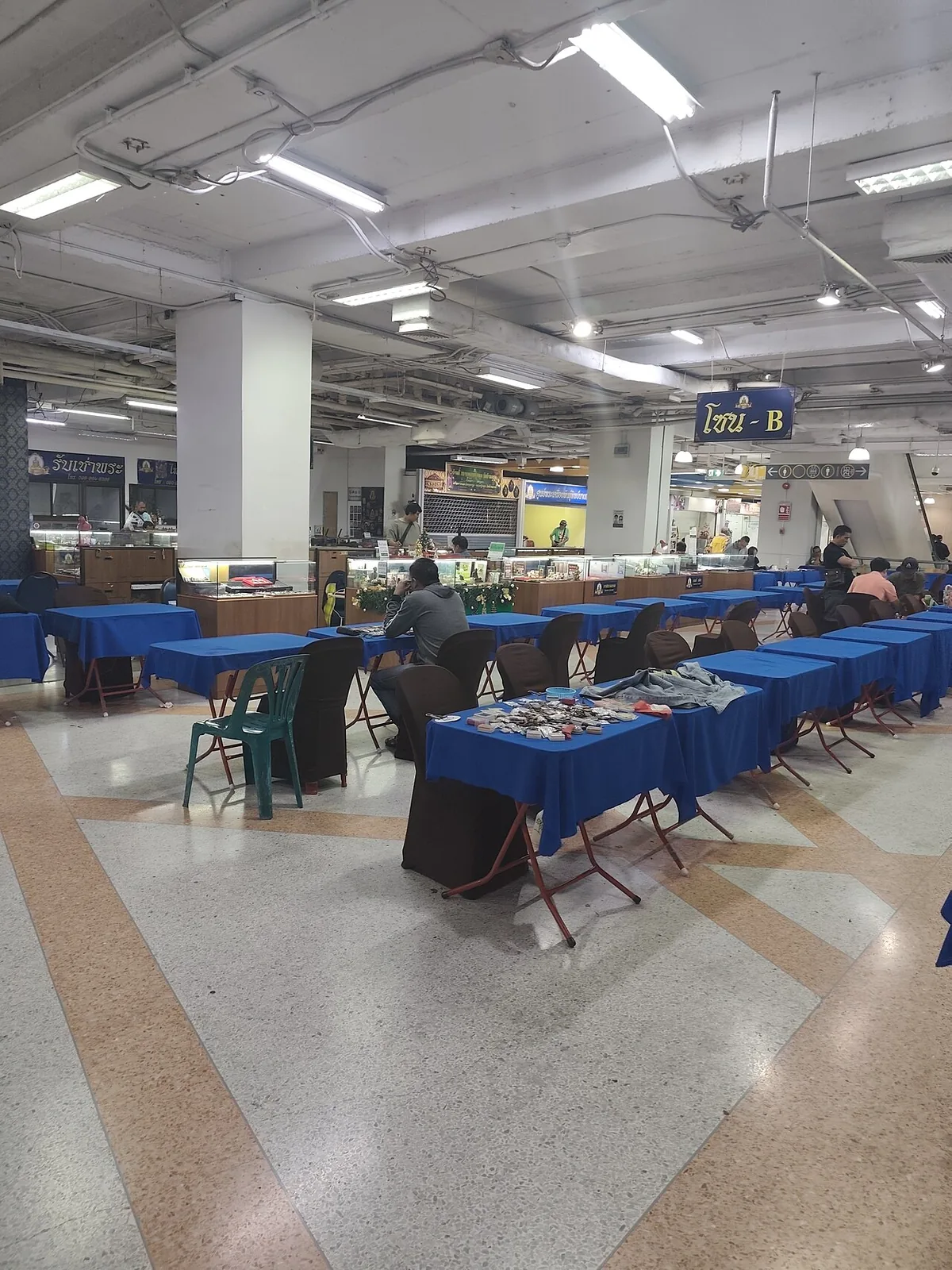
Amulet Market
Small amulets and devotional objects fill stalls in Tha Phra Chan, a riverside market district where close looking matters more than a single grand landmark. Its trade sits within a living religious culture of protection, merit, memory, and judgment about an object’s origin.
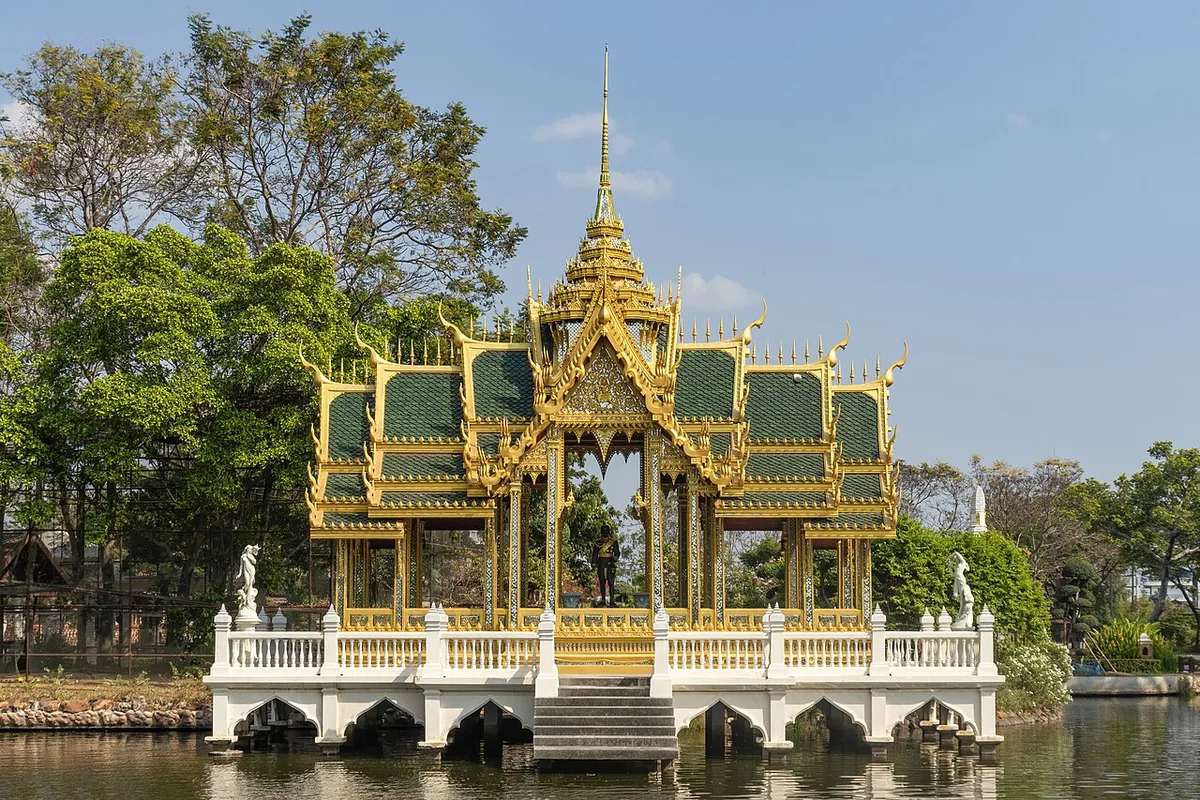
Ancient City (Muang Boran)
Ancient City spreads Thai architecture and heritage across an open-air landscape laid out in the shape of the country. Some structures reproduce existing monuments, while others reconstruct lost sites; the park is best read as a curated interpretation of history rather than a single archaeological p
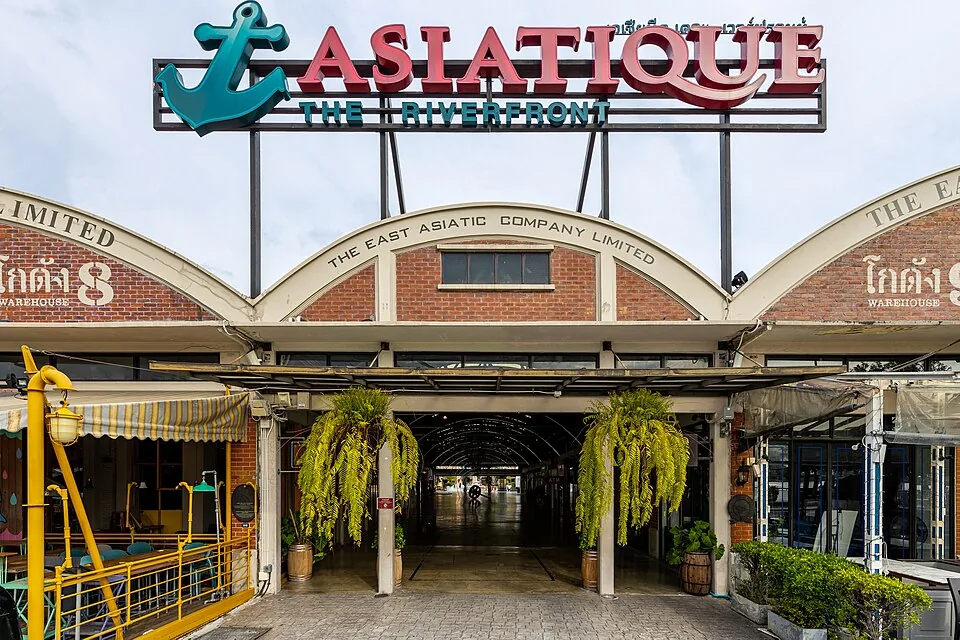
Asiatique The Riverfront
Asiatique The Riverfront reuses former East Asiatic Company port warehouses as a large riverfront shopping and entertainment district. Its historic industrial setting ties present-day leisure to Bangkok’s role in regional shipping and trade.
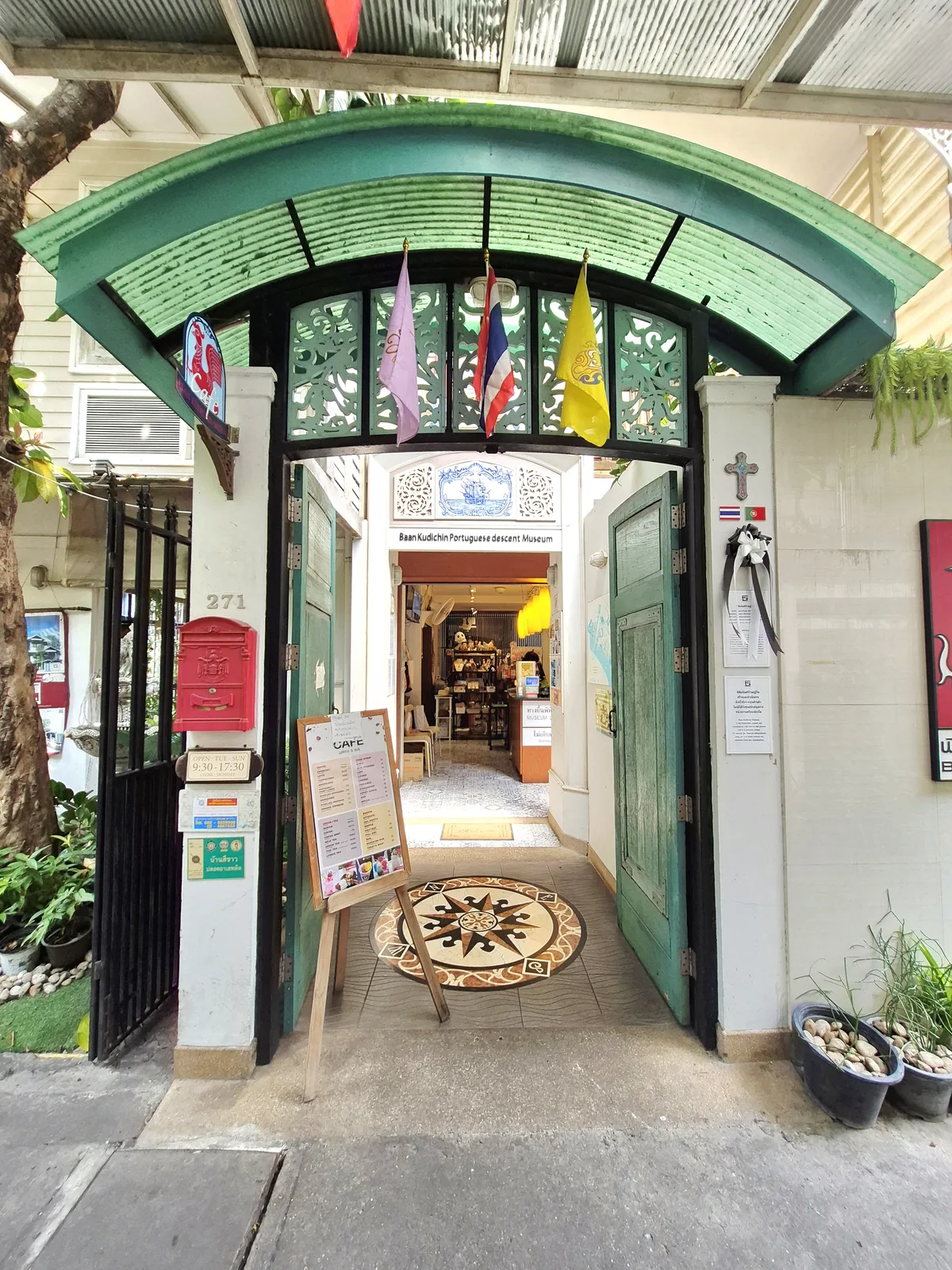
Baan Kudichin Museum
Baan Kudichin Museum traces the Portuguese-Siam community through family objects, domestic traditions, language, religion, and food. The museum’s intimate scale makes cultural history tangible: rather than a distant timeline, visitors encounter the belongings and practices carried through generation
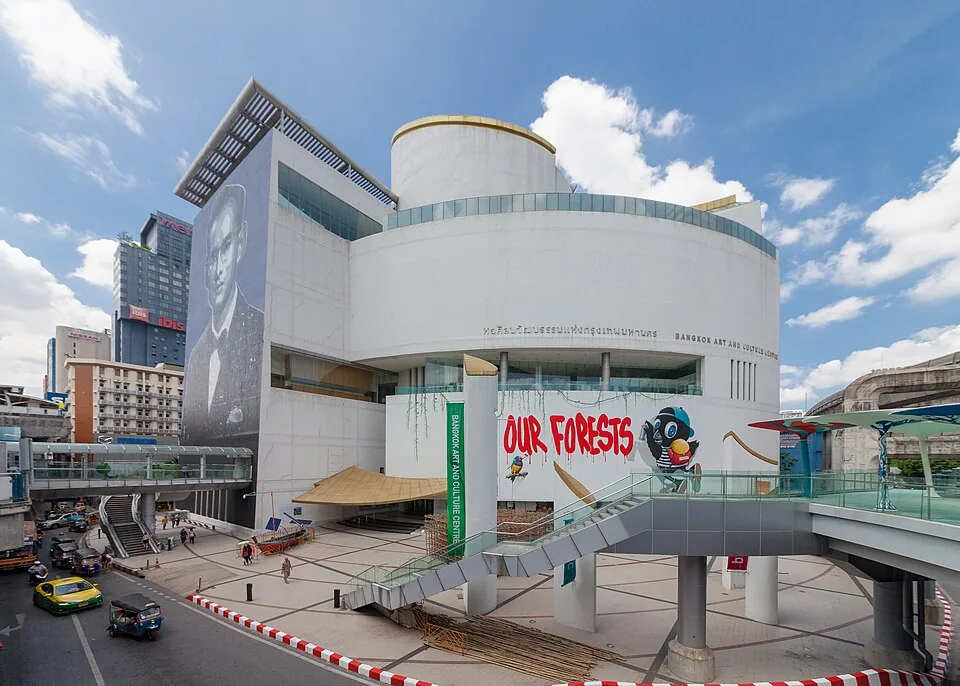
Bangkok Art and Culture Centre
The Bangkok Art and Culture Centre’s circular atrium and rising ramp turn the building into a public route as well as a gallery. From its central space, you can glimpse activity on other floors, linking exhibitions, shops, learning, and conversations in one continuous interior.
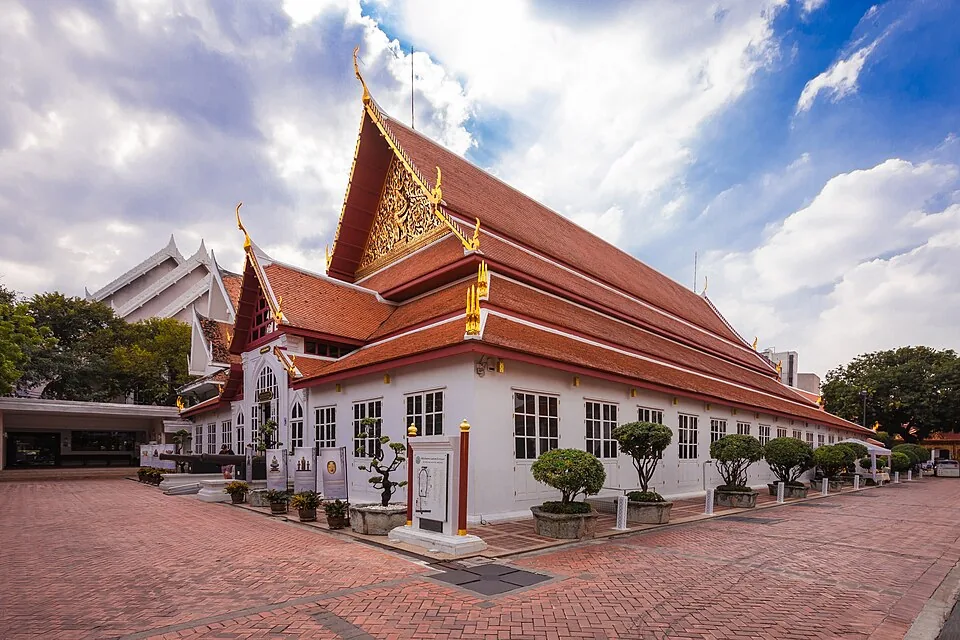
Bangkok National Museum
The Bangkok National Museum occupies former Front Palace grounds near the Grand Palace, where pavilions and galleries hold objects from across Thai history. Look beyond display cases to the buildings themselves: the museum’s setting preserves a connection between royal residence, state collections,