Explore locations
Browse places by name, city, country or category.
All locations
1624 locations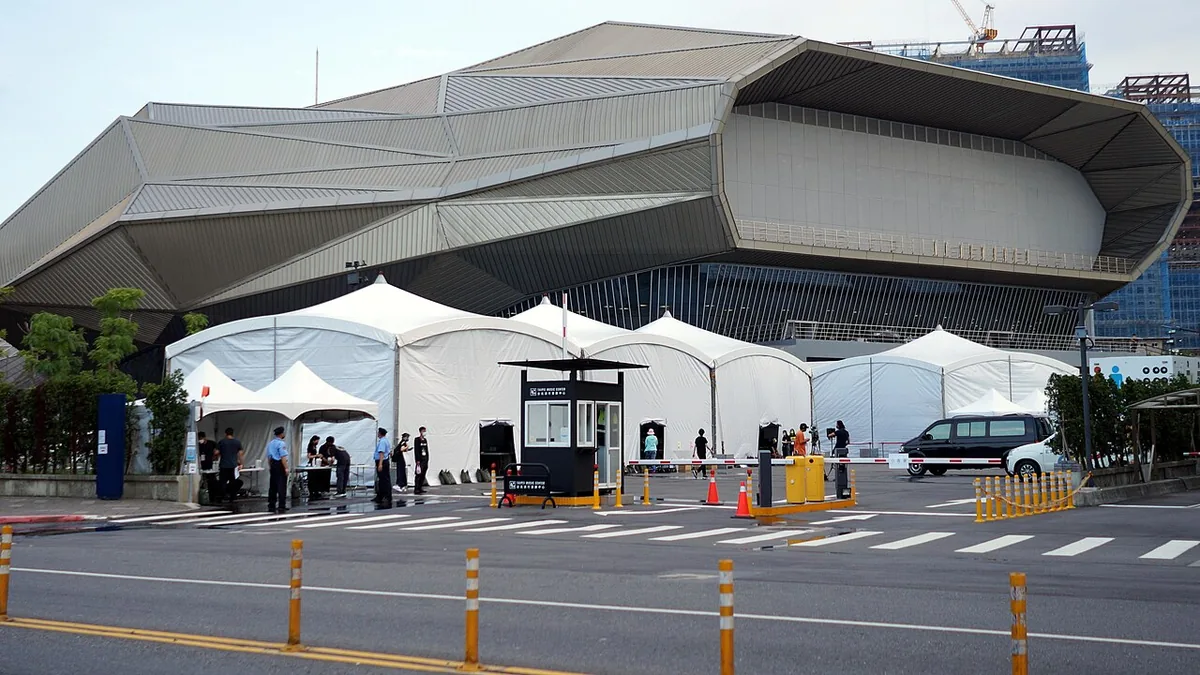
Taipei Music Center
Taipei Music Center is a three-building complex in Nangang that supports concerts, exhibitions, and the wider music industry. Its Concert Hall, Cultural Cube, and Creative Hub give popular music a dedicated civic and professional home.
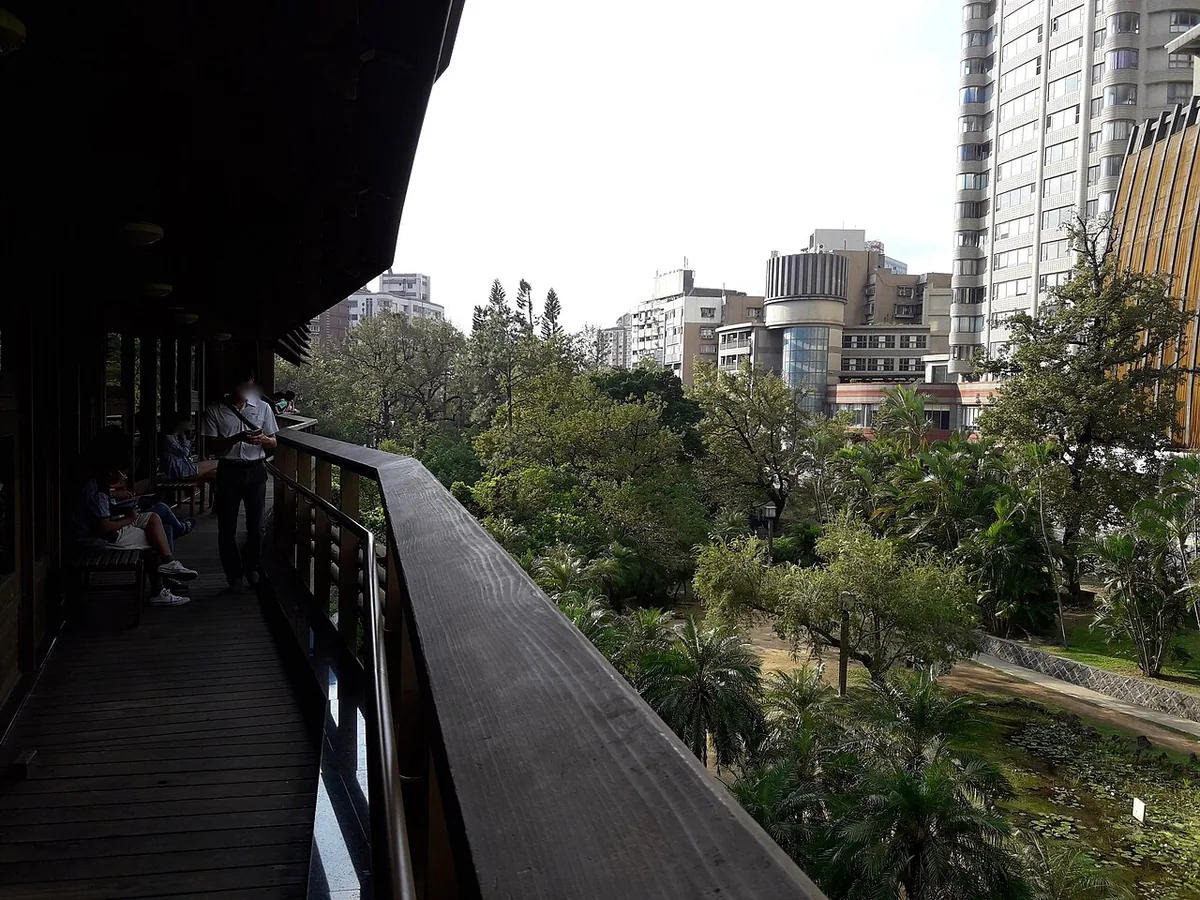
Taipei Public Library Beitou Branch
Slatted timber, broad glazing, and a planted roof make this library feel connected to Beitou’s green slopes. Its design turns sustainability into visible architecture, showing how a public building can invite reading while managing sun, rain, and energy.
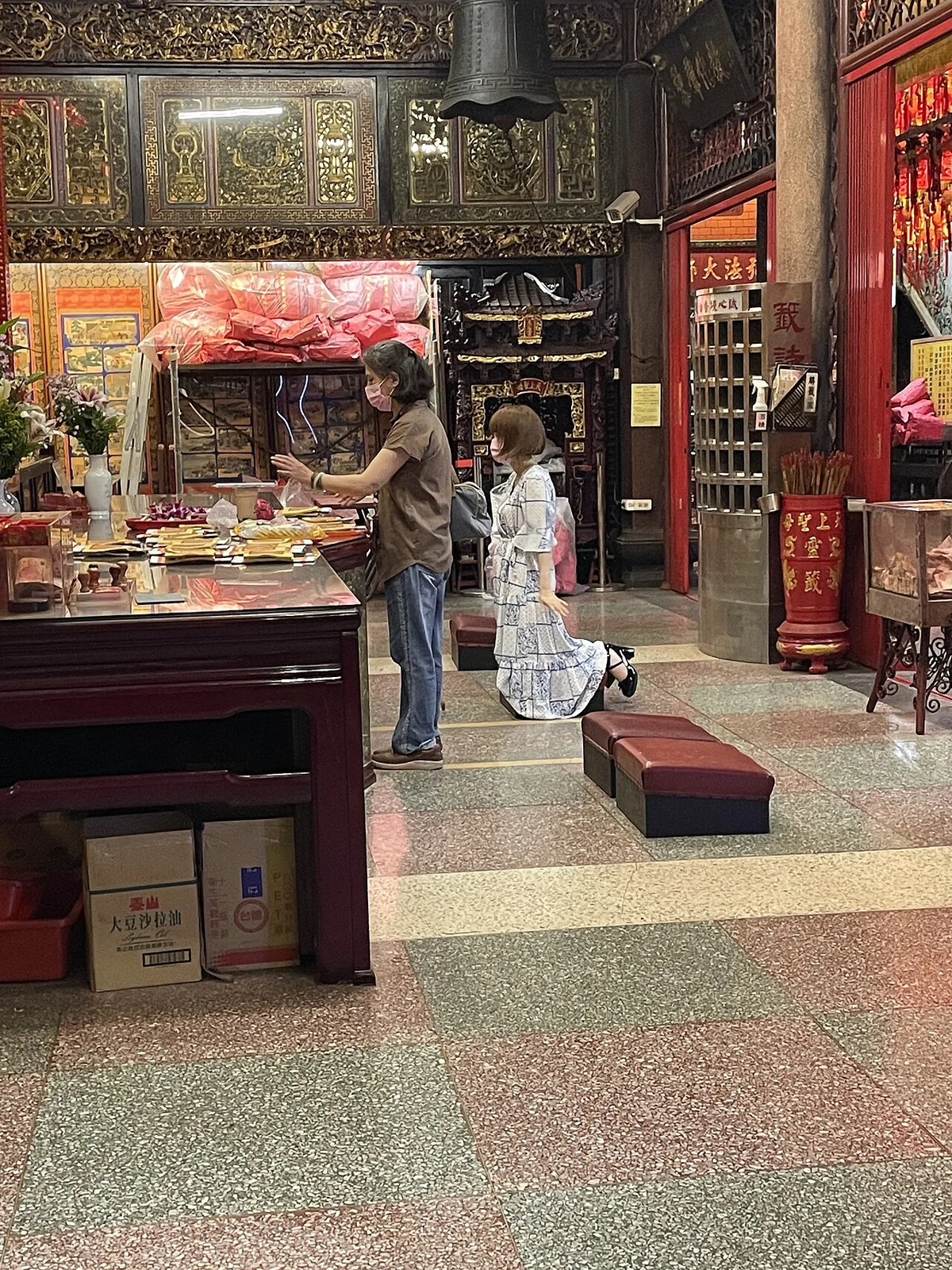
Taipei Tian Hou Temple
Taipei Tianhou Temple is a Mazu temple on Chengdu Road in Ximending, surrounded by the shops and movement of the modern district. Its long history and continuing ceremonies make it a living sacred place woven into the neighborhood’s changing streetscape.
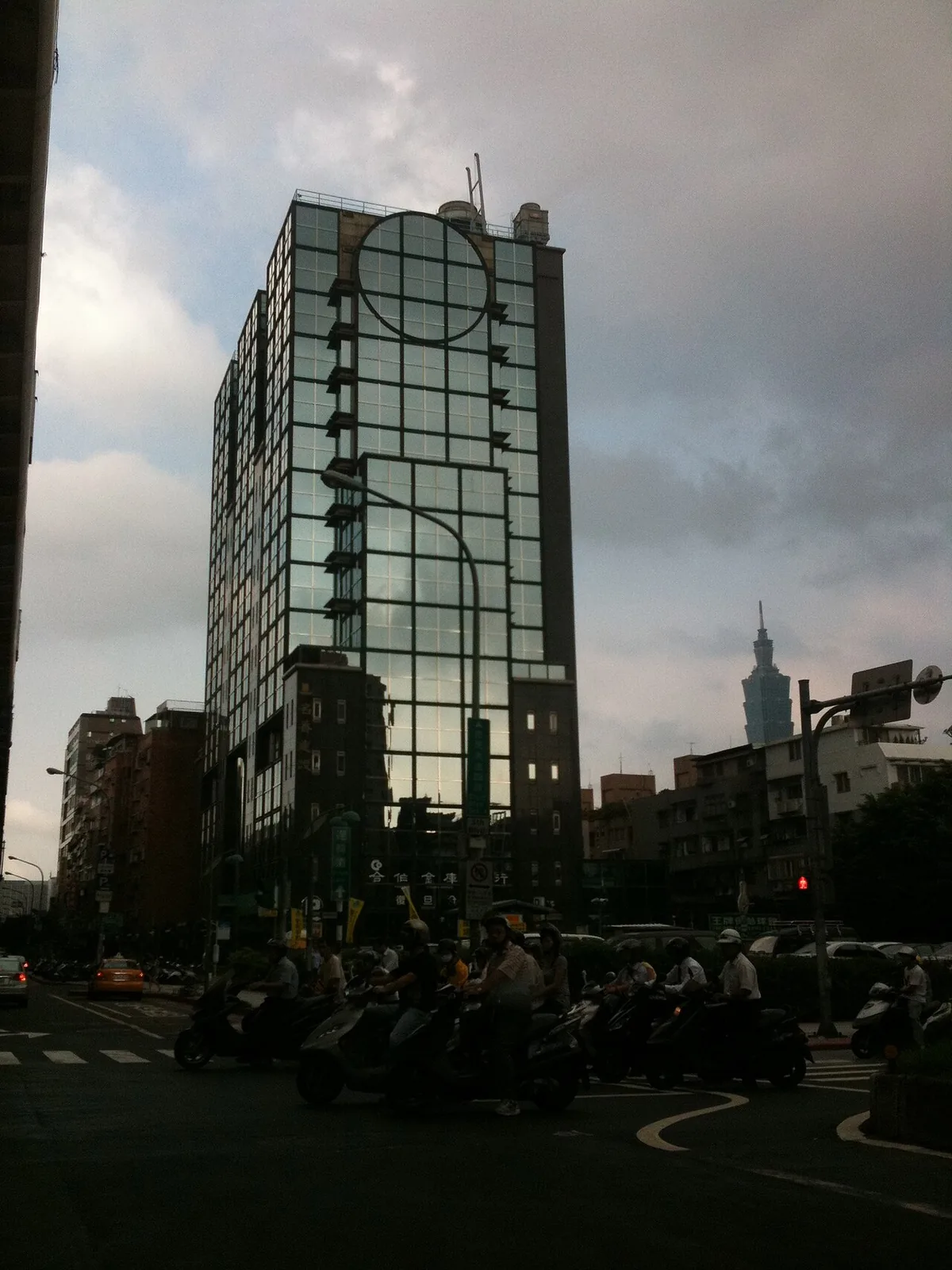
Taipei Zebra
Taipei Zebra, also titled Time Crosswalk, is a public artwork integrated into a city intersection. A zebra figure intersects the pedestrian signal, turning the familiar painted “zebra line” into a visual pun about how art enters everyday traffic space.
Taipei Zoo
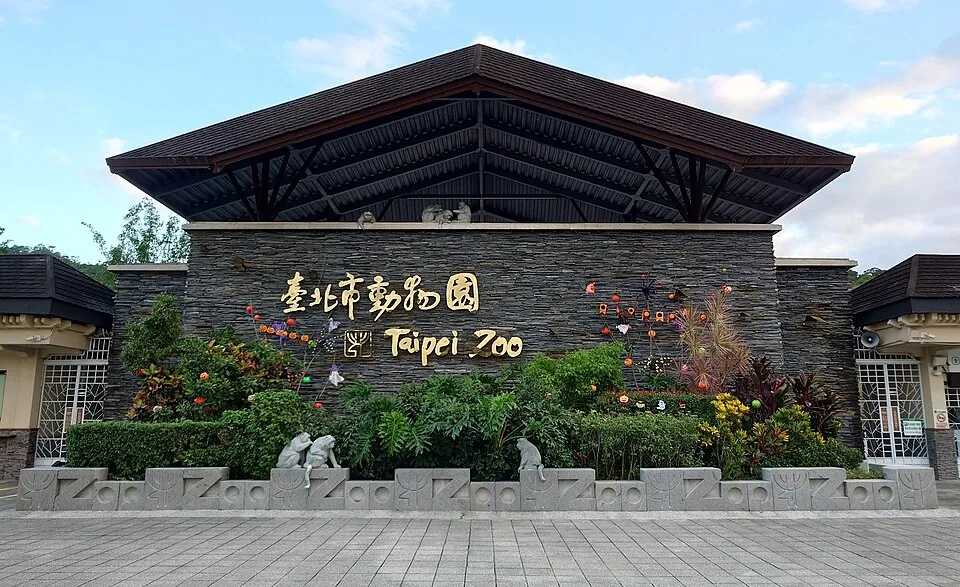
Taipei Zoo’s present hillside site reflects a major move in its history: the institution began at Yuanshan and reopened in Muzha in 1987. Its story tracks changing ideas about animal care, conservation, education, and the role of a city zoo.
Taiyoshi Hyakuban
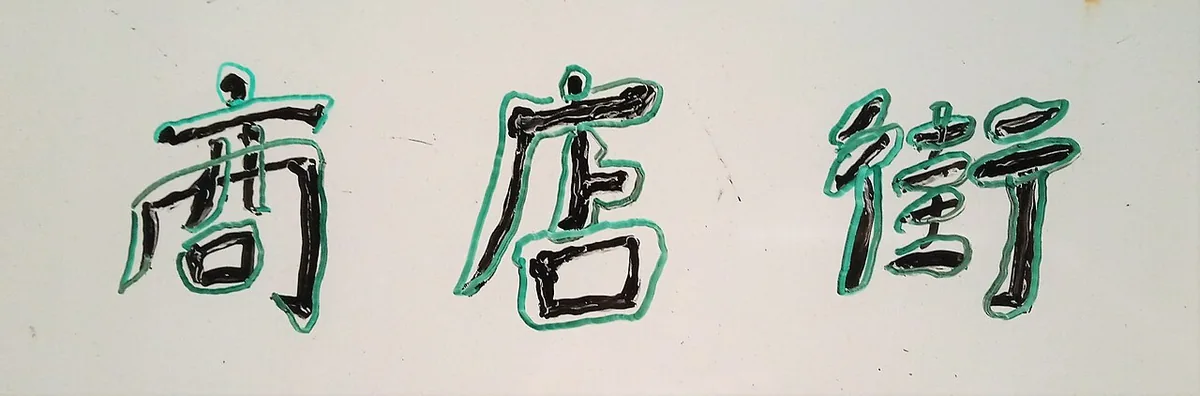
Taiyoshi Hyakuban is a Taisho-era timber building in Osaka’s former Tobita district, now operating as a restaurant and registered cultural property. Its richly decorated rooms preserve the layered architectural tastes of an earlier entertainment quarter.
Tajikistan Tearoom
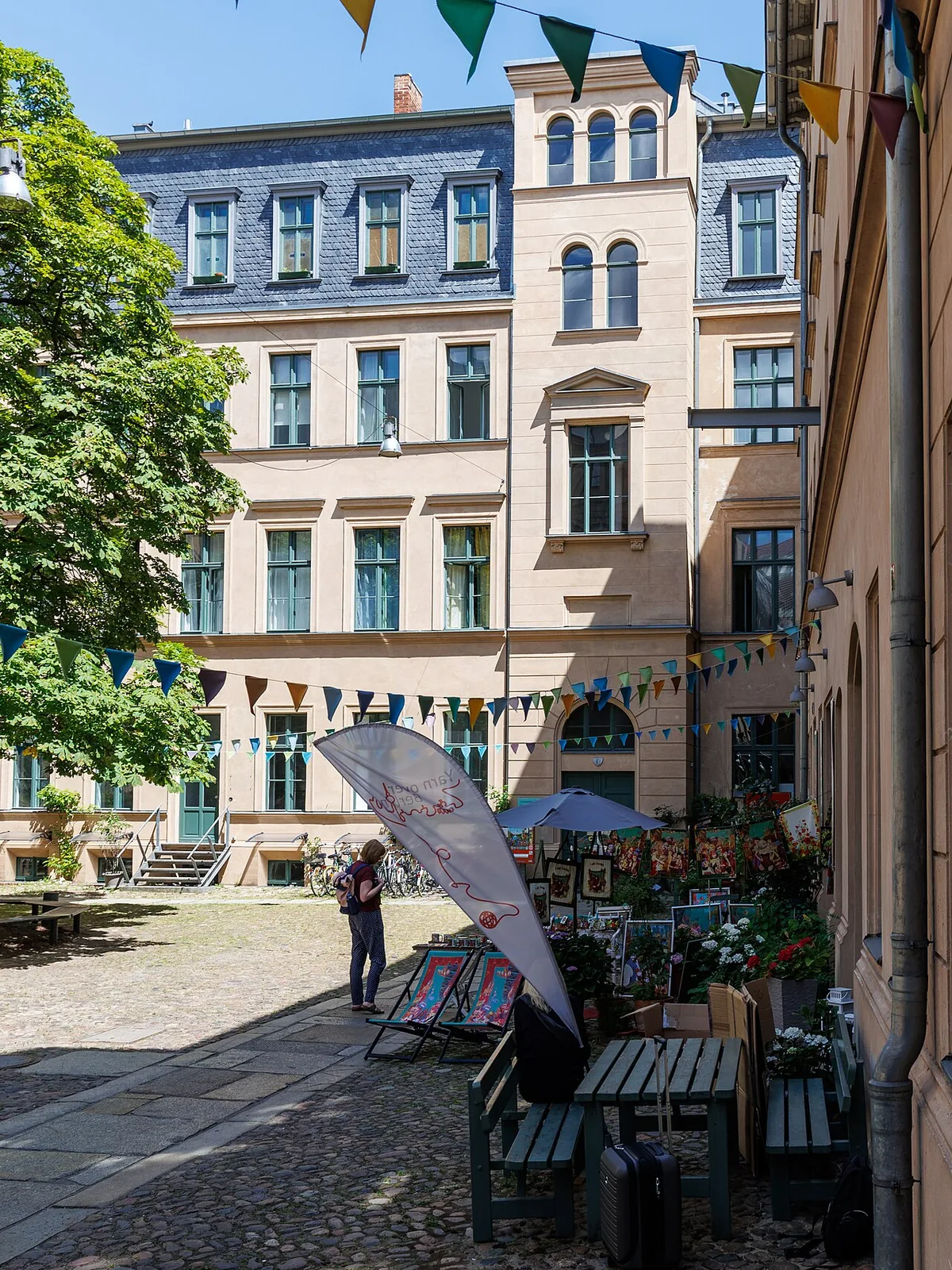
The Tajikistan Tearoom’s carved columns, carpets, and low tables preserve an interior first shown at the 1974 Leipzig Trade Fair. Relocated from its former Berlin home to the KunstHof, it carries an unusual piece of East German cultural exchange into a working café.
Takeshita Street
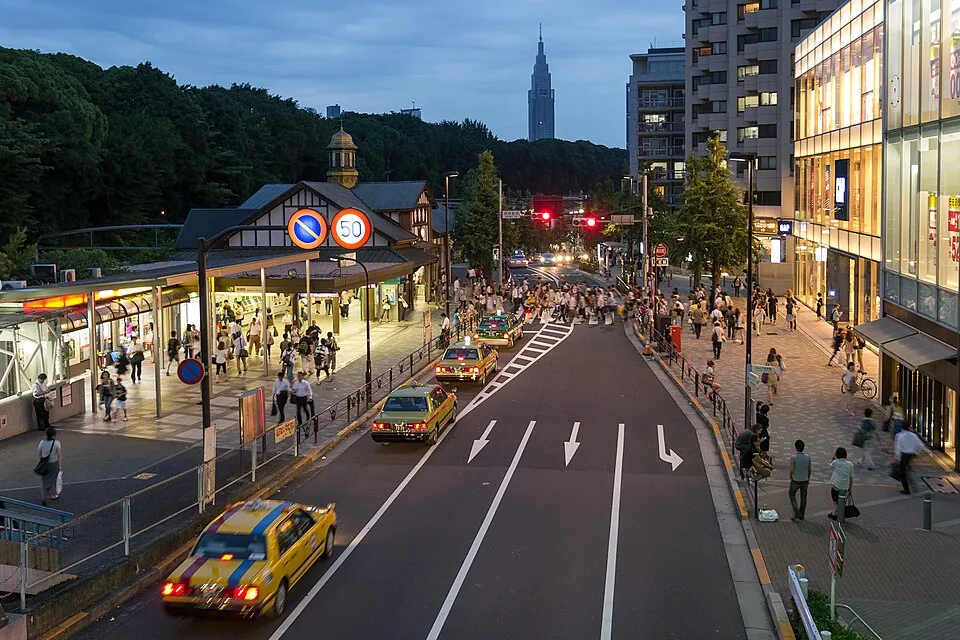
Takeshita Street condenses Harajuku’s youth fashion and pop culture into a narrow pedestrian route lined with small shops and snack counters. Its crowd, bright storefronts, and side-street branches make the district feel like a public showcase where trends are tried, adapted, and moved on.
Taksim Square
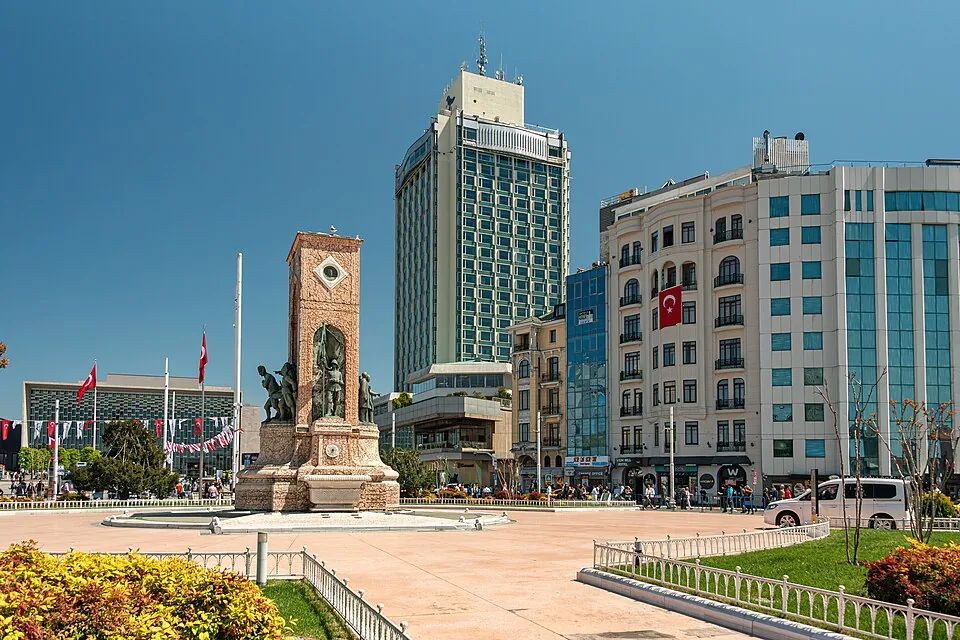
At Taksim, traffic, transit, demonstrations, and everyday meetings converge around the Republic Monument. The square’s significance comes from its role as a civic stage: the surrounding streets carry public life into one of Istanbul’s busiest open spaces.
Talad Noi Museum
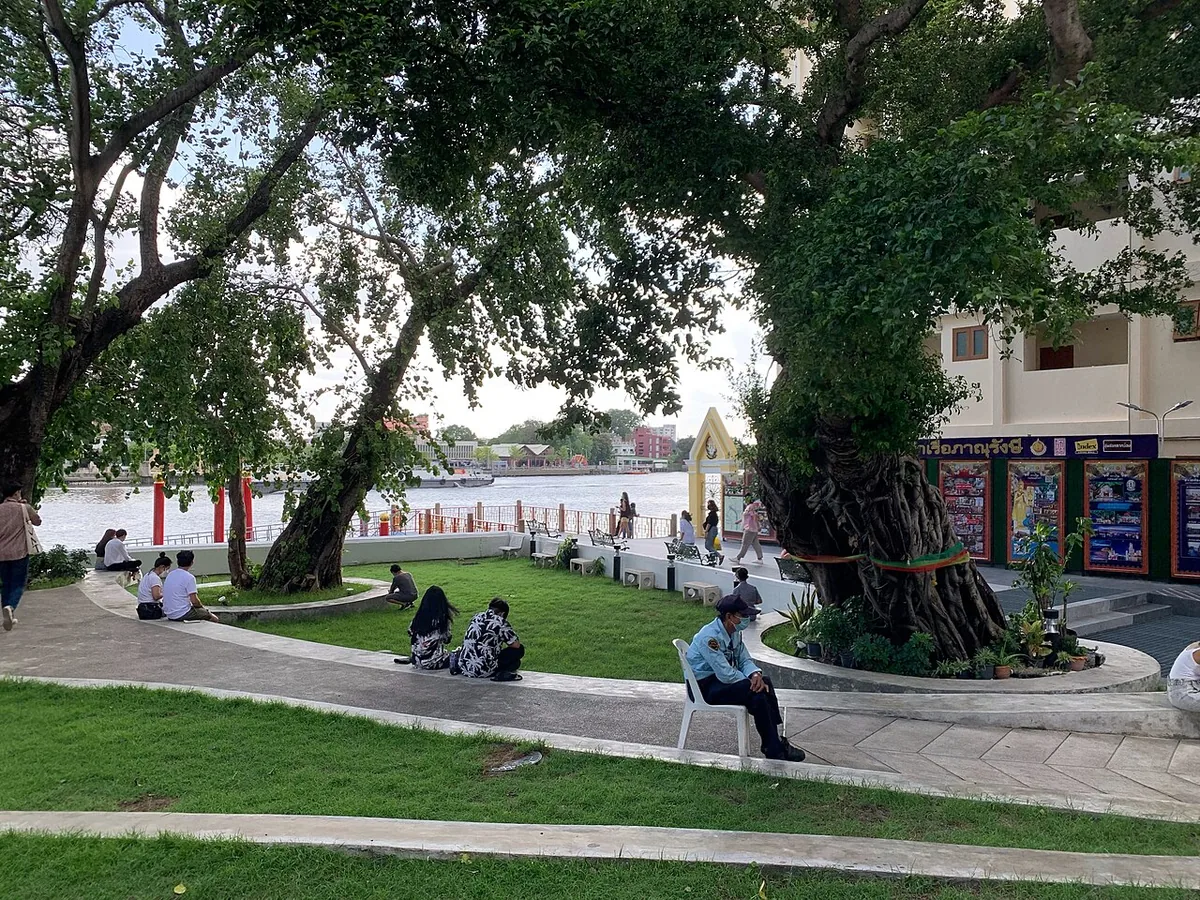
Talad Noi Museum makes the neighborhood’s repair economy visible through the story of a former machine shop. Its exhibits connect local identity to the parts and skills that kept boats, mills, and machinery working, giving visitors a practical lens on this riverside district.
Talat Noi
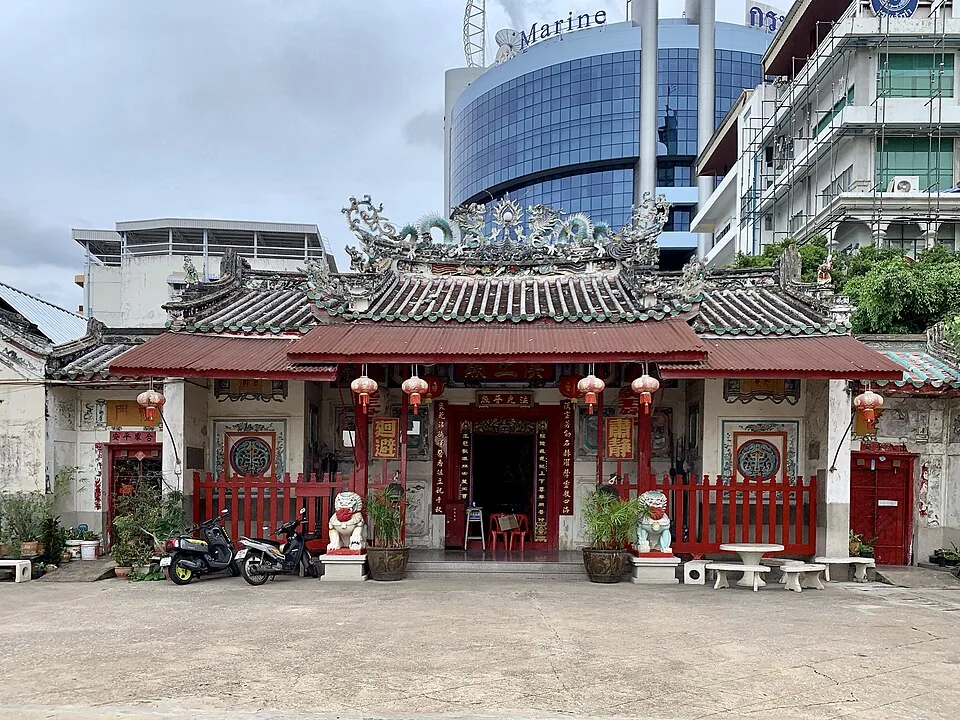
Talat Noi is best understood at walking speed: narrow lanes, old shopfronts, and workshops reveal a neighborhood shaped by work as much as by heritage. Its small-scale streetscape holds traces of an active commercial quarter while giving newer uses room to appear beside them.
Taman Tugu
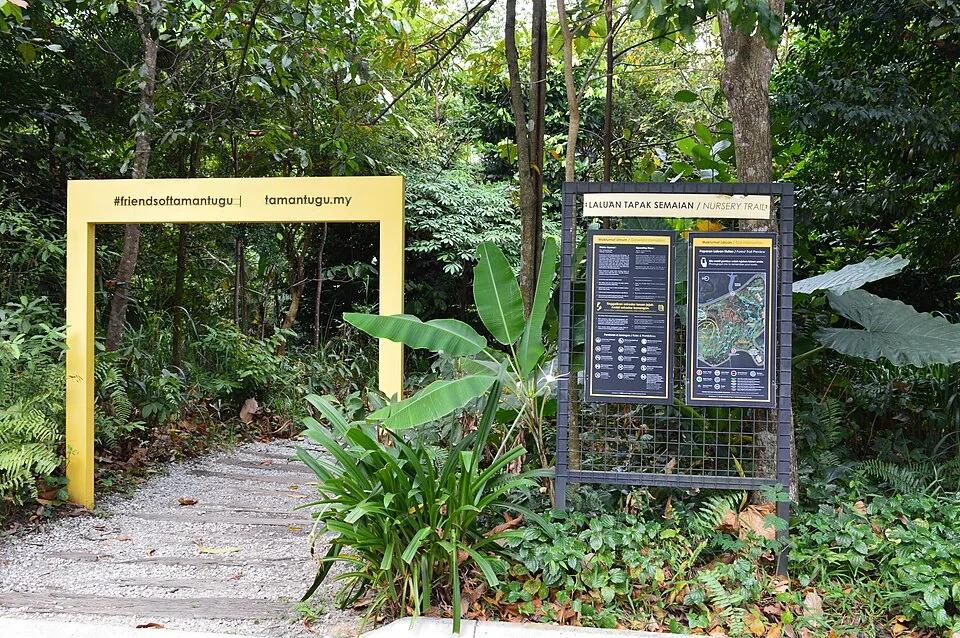
Taman Tugu is a public forest park that conserves a patch of secondary forest near central Kuala Lumpur. Its trails pass among mature trees and newer plantings, showing how urban conservation can preserve habitat while making green space accessible.
Tamar Park
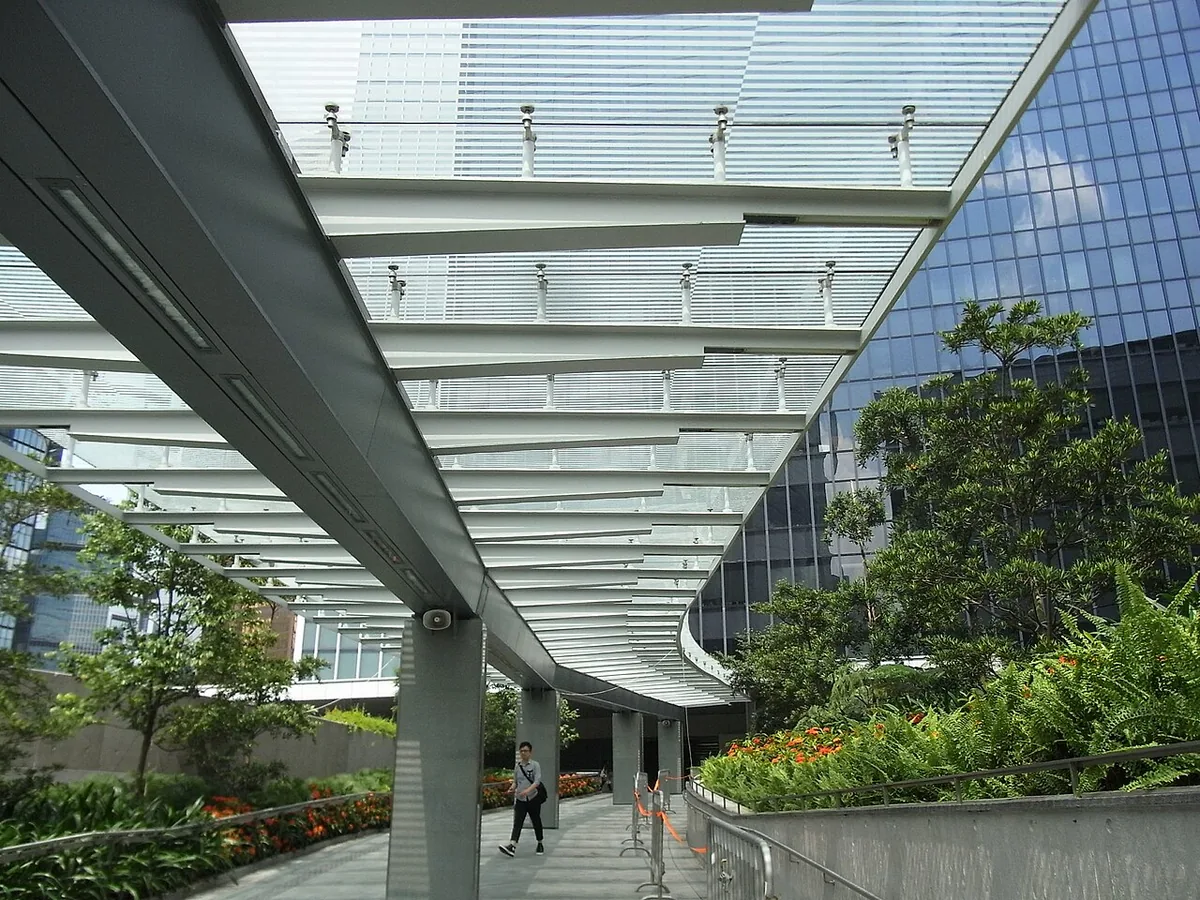
Tamar Park opens a broad, low foreground between the harbour and Hong Kong’s government district. Its lawns, floating platform and amphitheatre make the waterfront feel civic and accessible, while the skyline keeps the scale of Central in view.
Tamsui Old Street
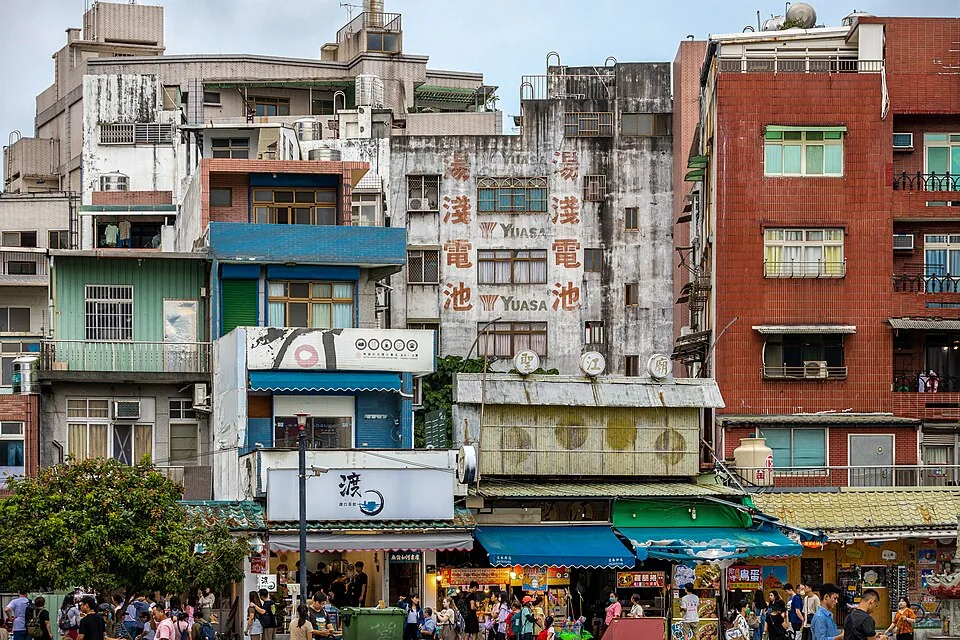
Tamsui Old Street runs beside the river, where waterfront movement connects historic streets, ferry routes, and a longer history of trade and settlement. Its appeal comes from the meeting of everyday commerce and a broad estuary view.

Tanjong Beach
Tanjong Beach occupies a quieter curve on Sentosa’s southern shore, with a broad view across the water. Its more relaxed atmosphere distinguishes it from the island’s busier beach scenes while keeping it within the same shared coastline.
Tate Britain
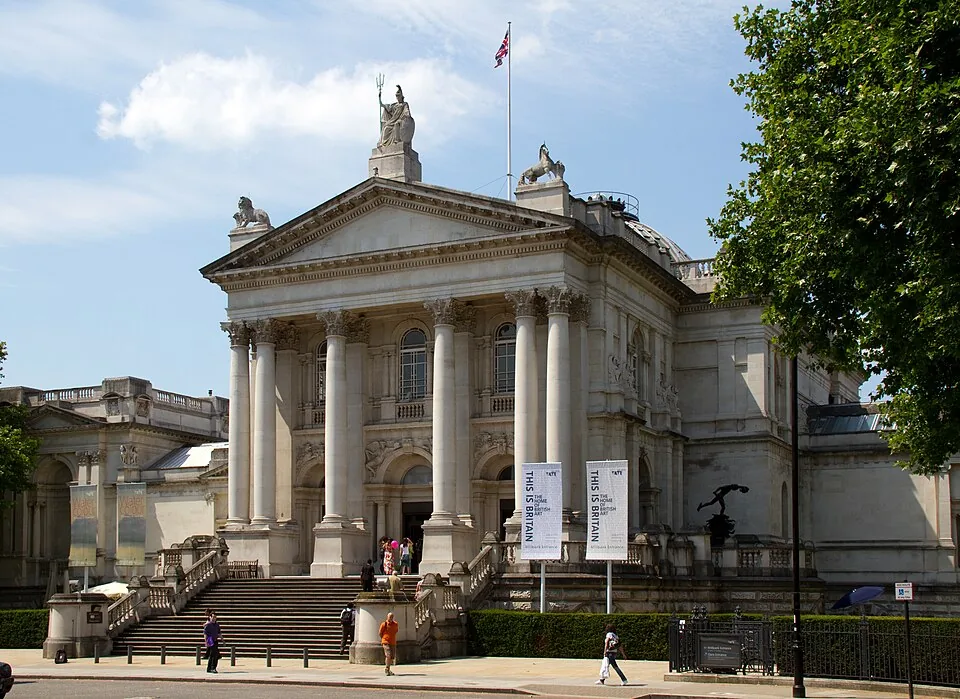
Tate Britain occupies Millbank beside the Thames, where the national collection of British art found a dedicated home in 1897. Its galleries frame art across centuries, beside the riverfront and civic institutions.
Tate Modern
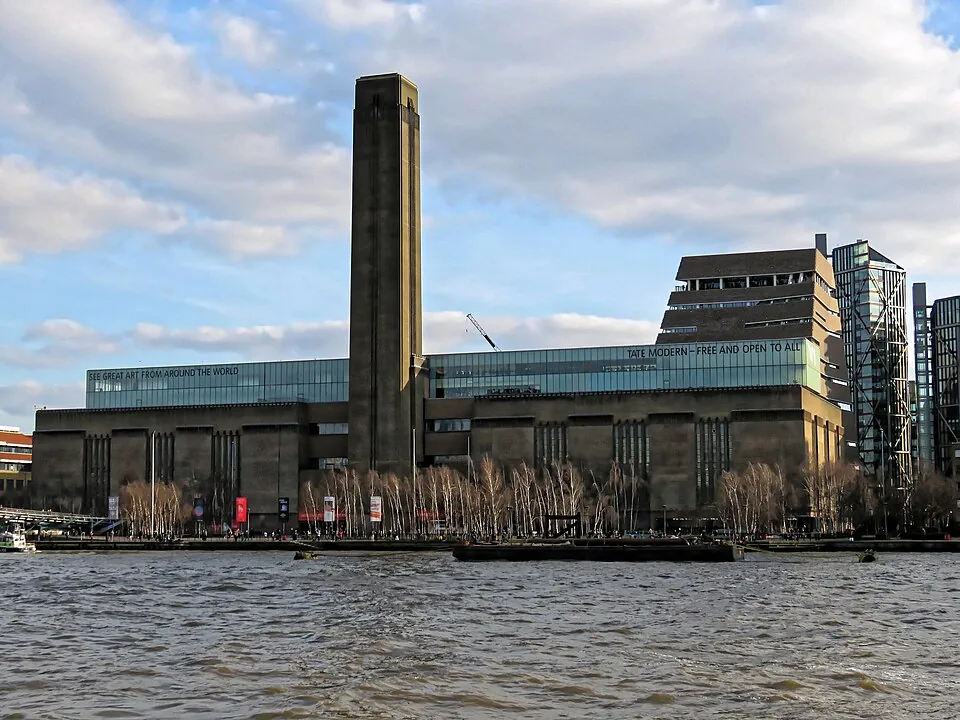
Tate Modern occupies the former Bankside Power Station, where a vast industrial turbine hall now anchors a museum of modern and contemporary art. The conversion preserved the building’s scale and structure, letting the power station’s civic and industrial past remain visible within its new cultural
TCL Chinese Theatre
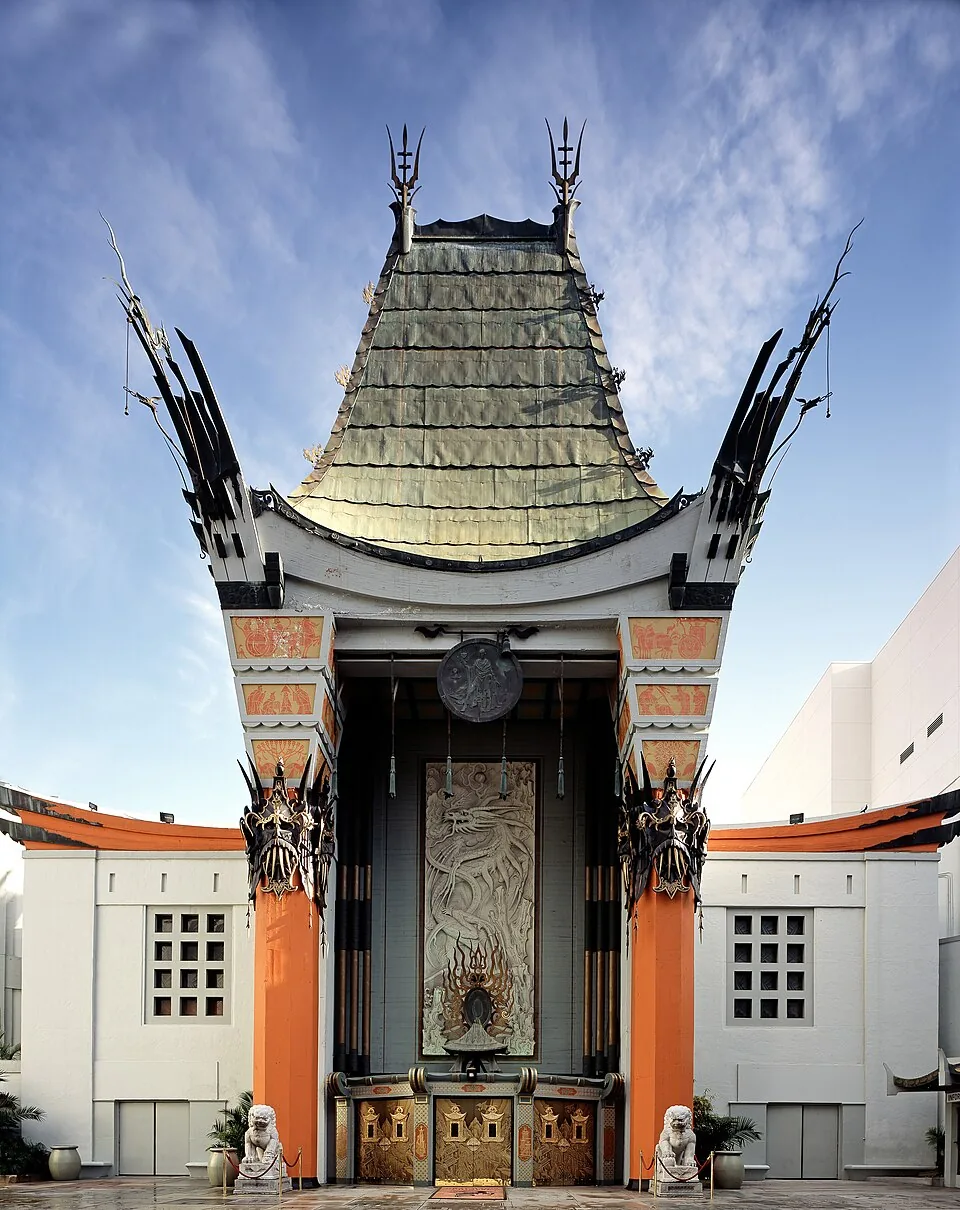
TCL Chinese Theatre is a Hollywood movie palace known for its ornate exterior and forecourt of handprints and footprints. Since opening in 1927, it has paired film screenings with theatrical spectacle, making the cinema itself part of the premiere experience.
teamLab Borderless
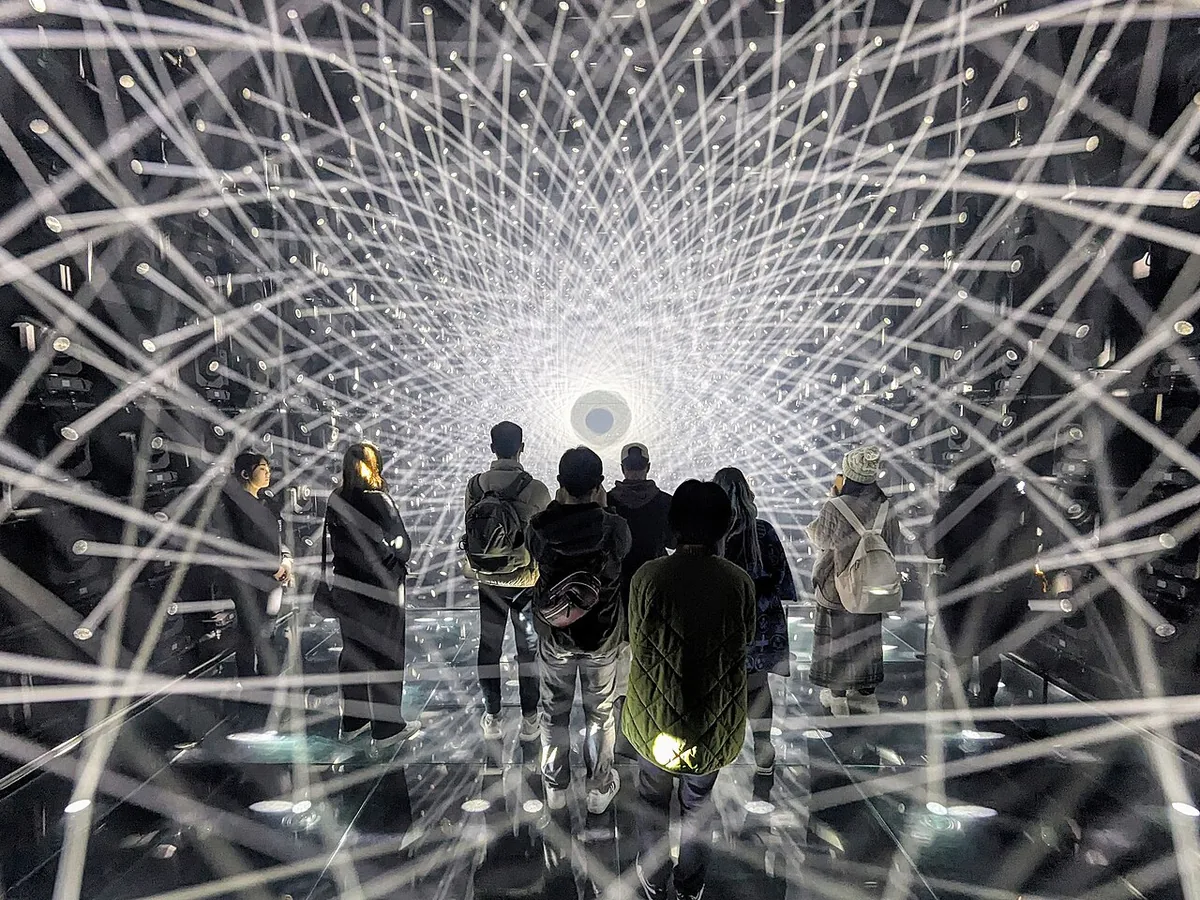
teamLab Borderless is arranged around movement: digital artworks shift across rooms and encounters rather than staying inside fixed frames. The museum describes itself as mapless, making exploration part of how the work is experienced.
teamLab Botanical Garden Osaka
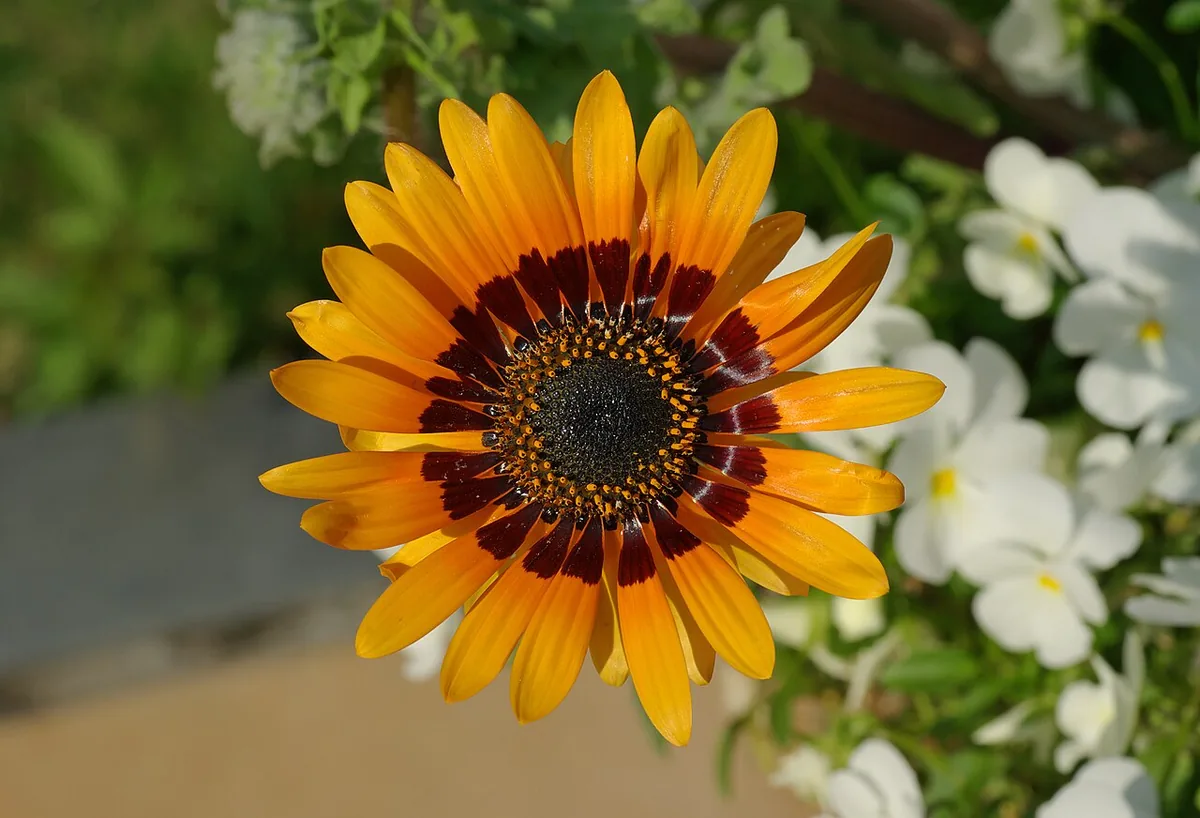
At Nagai Botanical Garden, teamLab’s nighttime artworks use living plants, water, and seasonal change as part of the experience. The garden remains an ecological landscape as well as an open-air art setting, so weather and nature shape what visitors encounter.
teamLab Planets
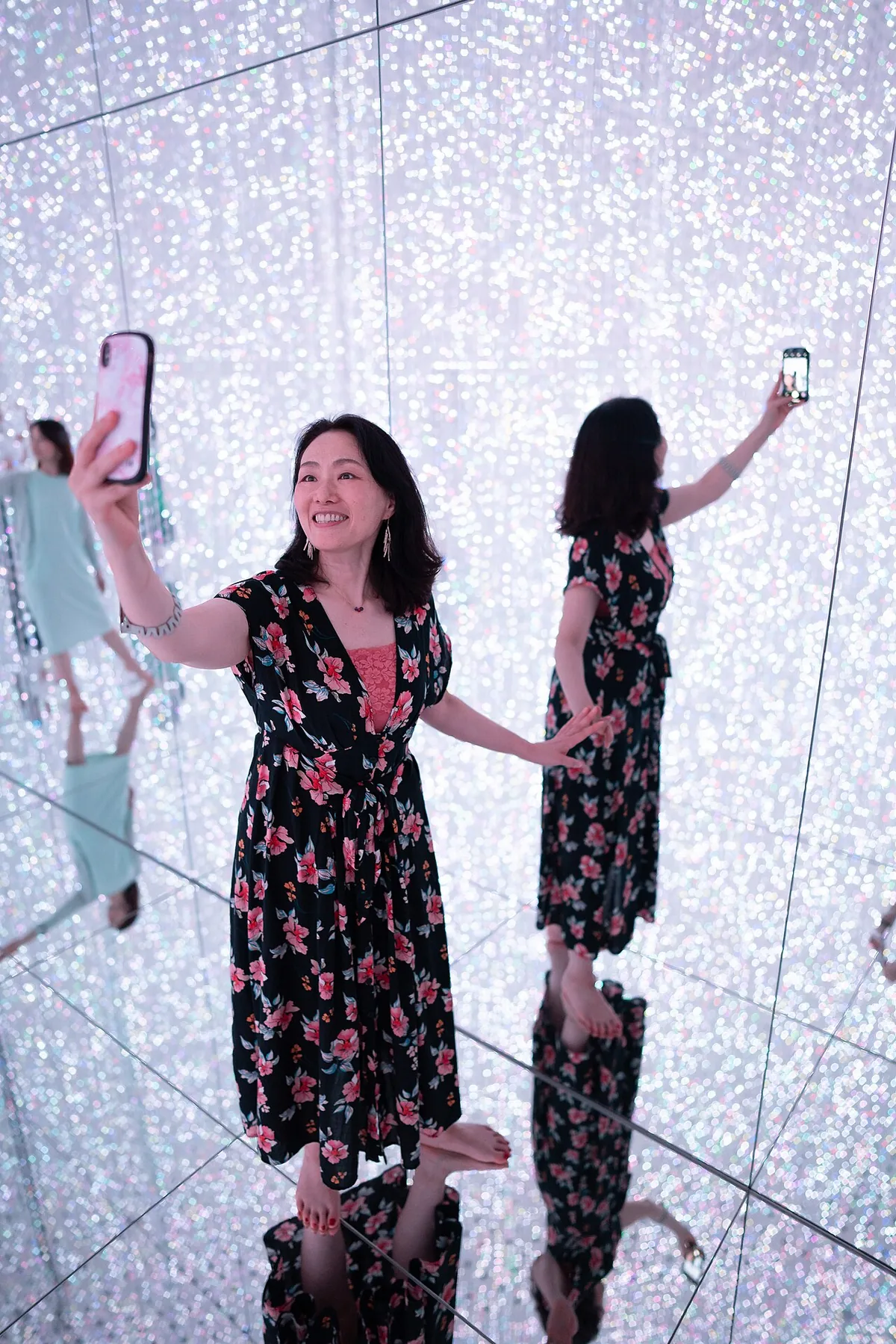
teamLab Planets is an immersive art museum in Toyosu where visitors move through water and large-scale digital installations. Its works respond to human presence, making the body and the movement of other visitors part of the artwork’s changing form.
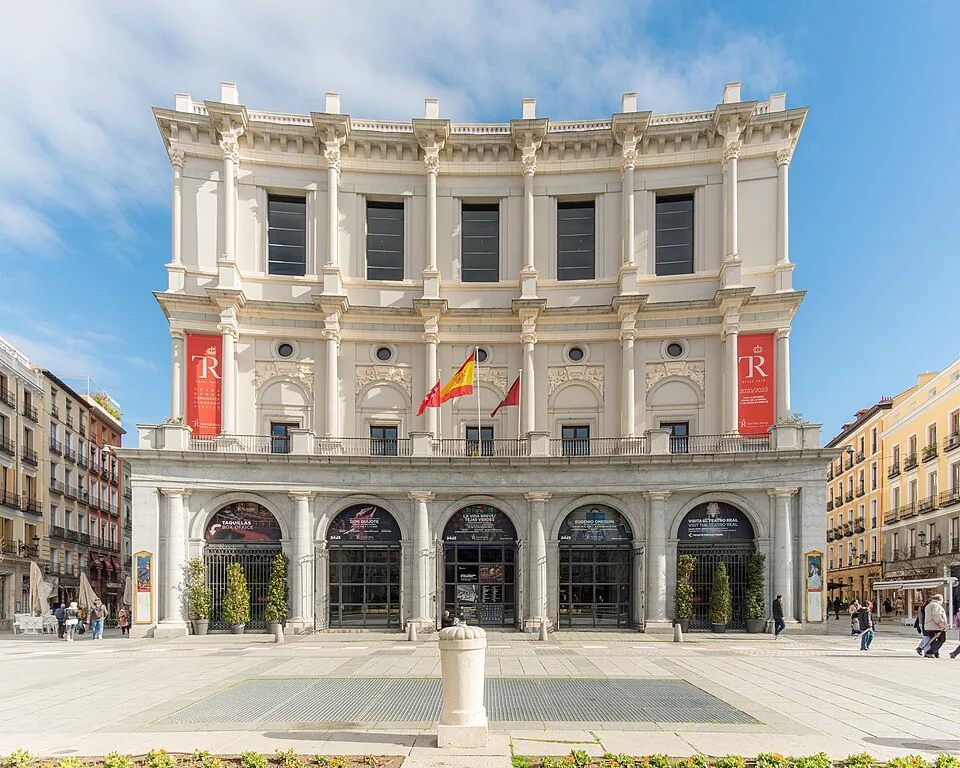
Teatro Real
Teatro Real stands beside Madrid’s Royal Palace, but its history is one of interruption as much as performance. Its nineteenth-century auditorium and modern stage technology reveal how an opera house must balance inherited form with demanding contemporary productions.
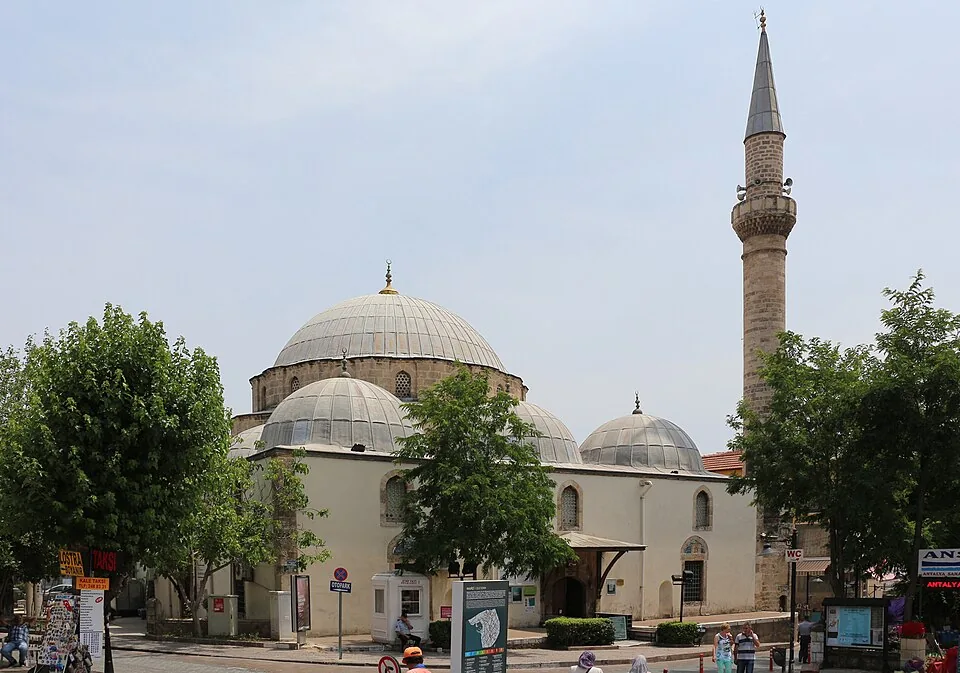
Tekeli Mehmet Paşa Mosque
Tekeli Mehmet Paşa Mosque uses a central dome and smaller surrounding domes to create a compact, carefully balanced silhouette within Kaleiçi. Built in the early seventeenth century, it reflects Ottoman religious architecture adapted to Antalya’s old-town setting.
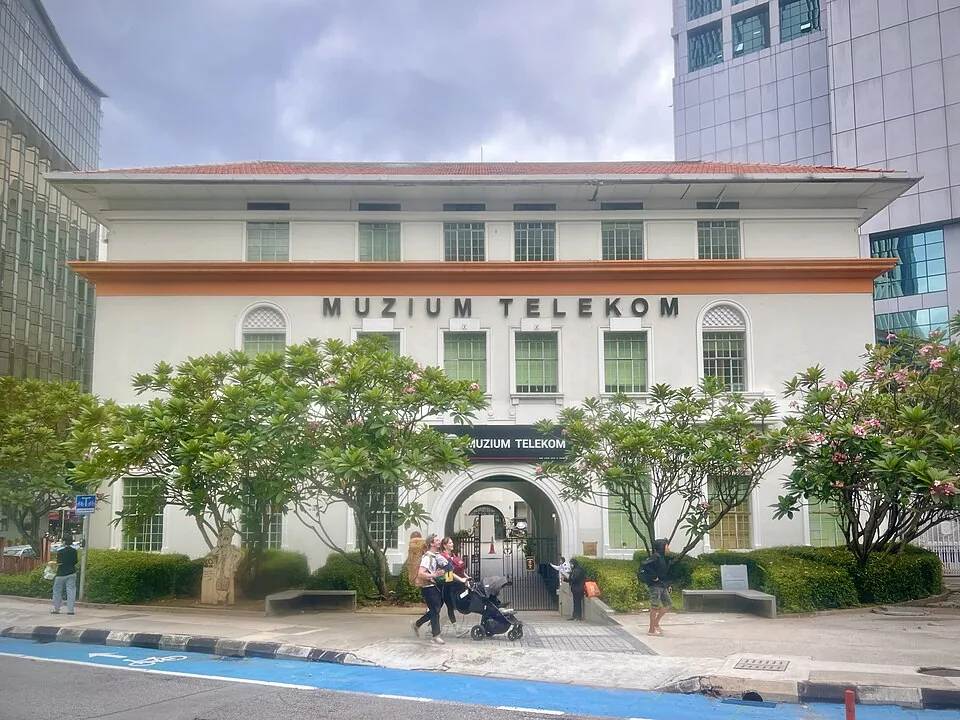
Telekom Museum
The Telekom Museum occupies a former telephone exchange, so its neoclassical columns frame a practical history: the infrastructure that once linked Kuala Lumpur by wire and later carried communication into the digital age.