Explore locations
Browse places by name, city, country or category.
All locations
1624 locations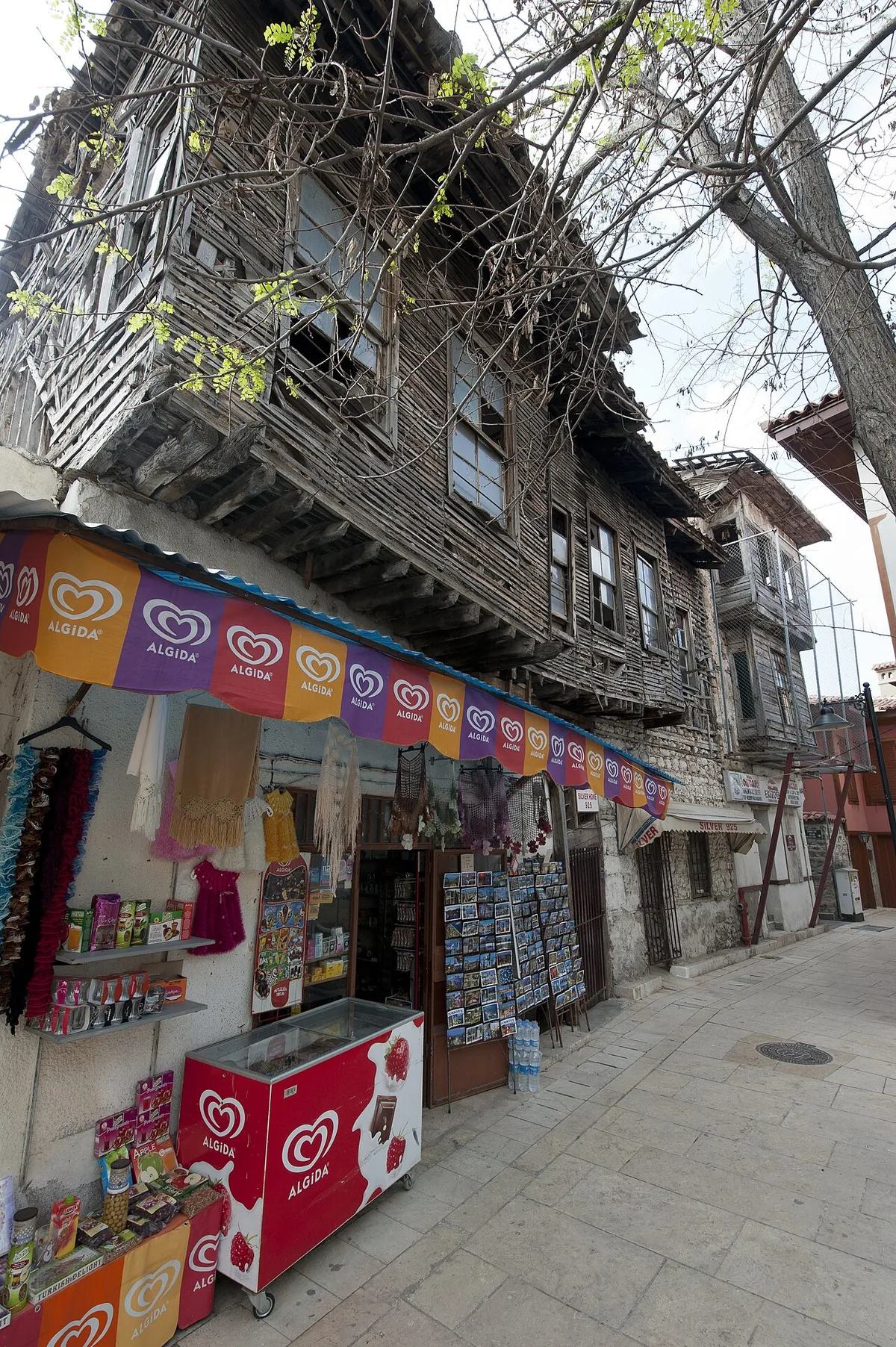
Suna & İnan Kıraç Kaleiçi Museum
The Suna & İnan Kıraç Kaleiçi Museum combines two historic buildings: a traditional Ottoman house and an Orthodox church. Their conversion into museum spaces preserves both domestic life and the layered religious history of Antalya’s old quarter.
Sungnyemun Gate
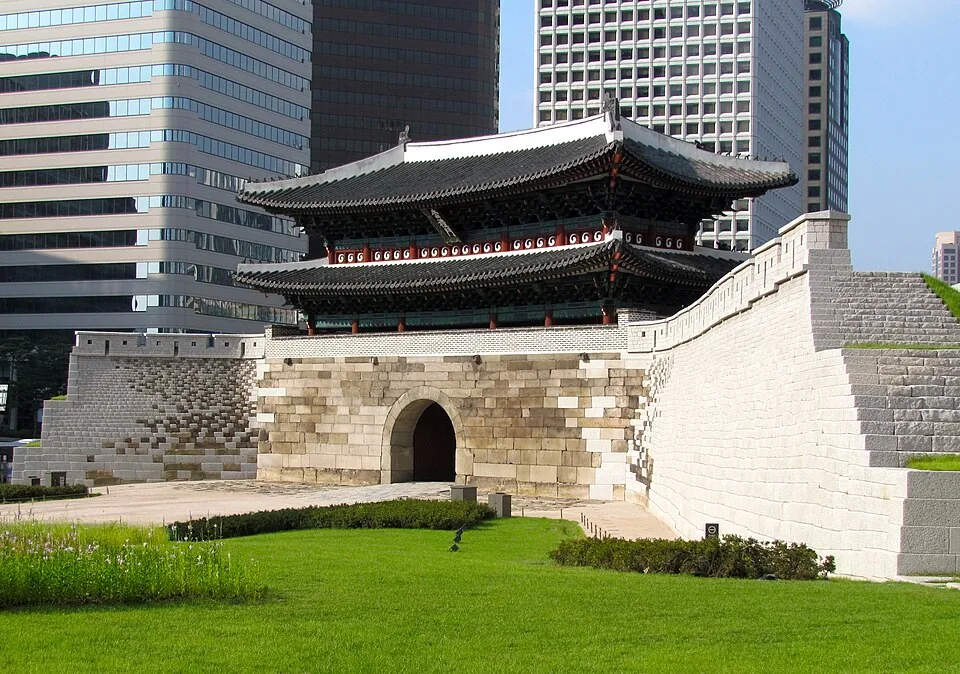
Sungnyemun, popularly called Namdaemun, was the southern gate of Seoul’s Joseon-era city wall. Its stone arch and two-story wooden pavilion survived centuries of urban change, including a devastating 2008 arson attack, before restoration returned the gate to public view in 2013.
Sun Yat-sen Memorial Hall
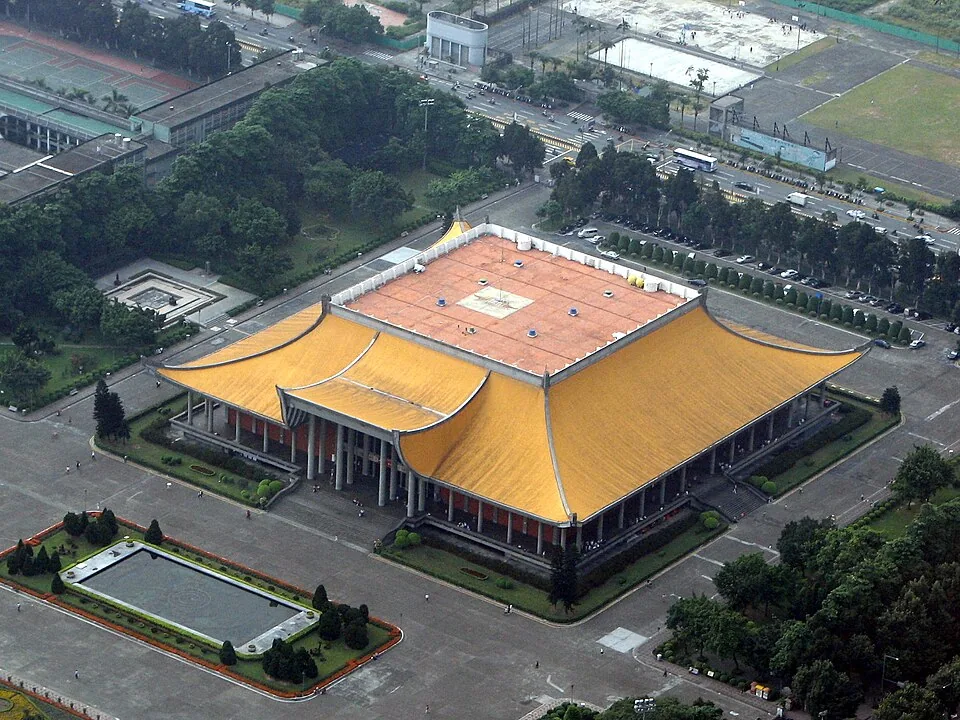
The low, broad profile of Sun Yat-sen Memorial Hall differs from Taipei’s nearby towers, and its surrounding park gives the monumental building a public scale. Designed by Wang Da-hung, the hall joins commemoration with civic and cultural use.
Supertree Grove
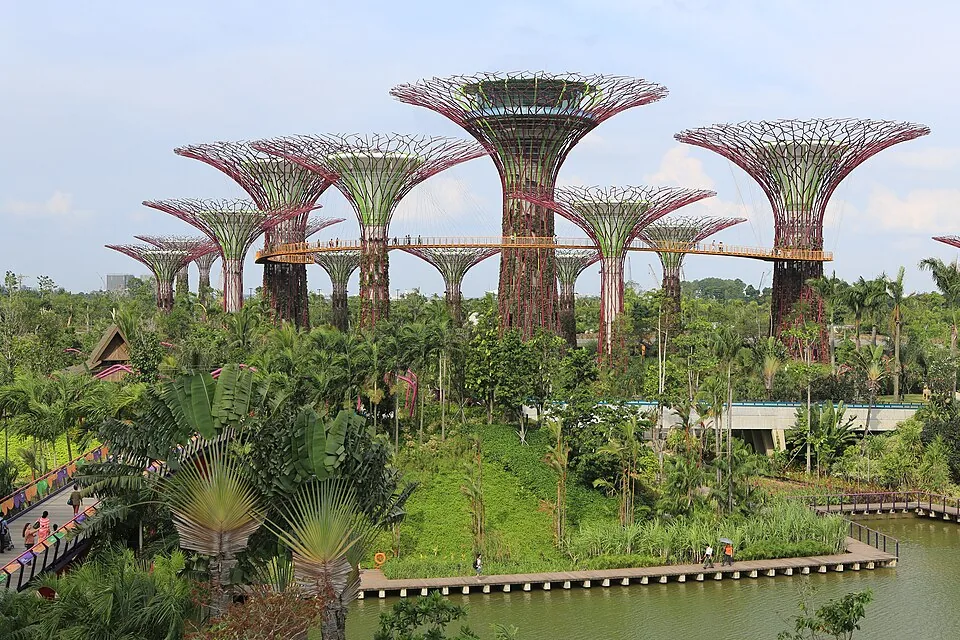
The Supertrees rise as plant-covered vertical gardens in the middle of Gardens by the Bay. Their height makes them skyline landmarks, but their structure also supports living plants and incorporates functions such as solar energy collection.
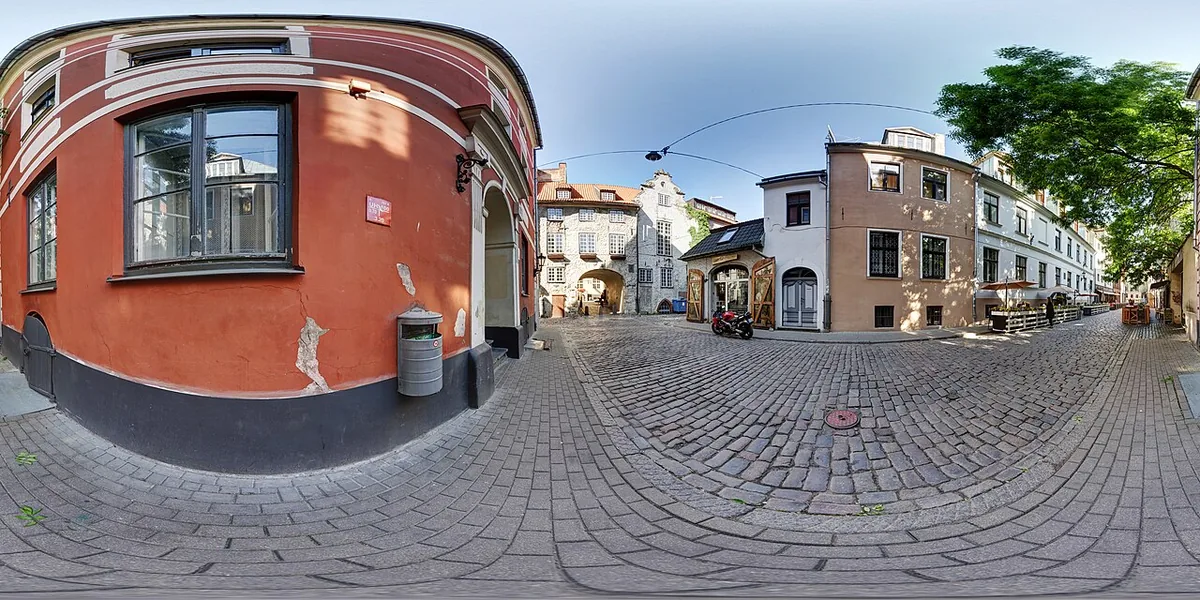
Swedish Gate
The Swedish Gate is a small arched passage through a building on Riga’s Torņa iela. Made in 1698, it recalls the city’s fortified boundary and later became part of the Latvian architects’ headquarters.
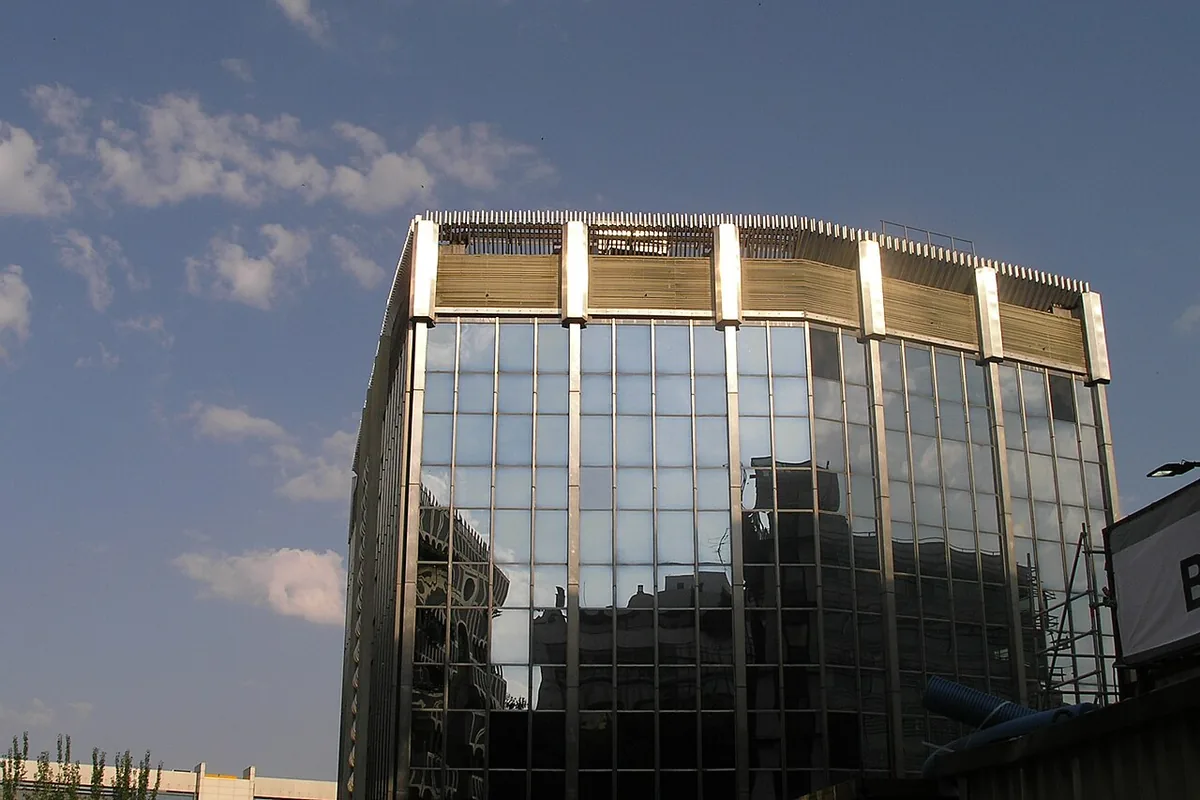
Sweet Space Museum
Sweet Space turns the gallery visit into a sensory route through playful installations, color, and taste. Its themed rooms are designed with artists and creatives, shifting attention from looking at objects to participating in an environment.

Tai Kwun
Tai Kwun brings former police, court, and prison buildings together on a compact hillside site in Central. Walk between the barrack blocks, magistracy, and prison to see how Hong Kong’s systems of law and confinement changed over time—and how conservation now makes that history public.
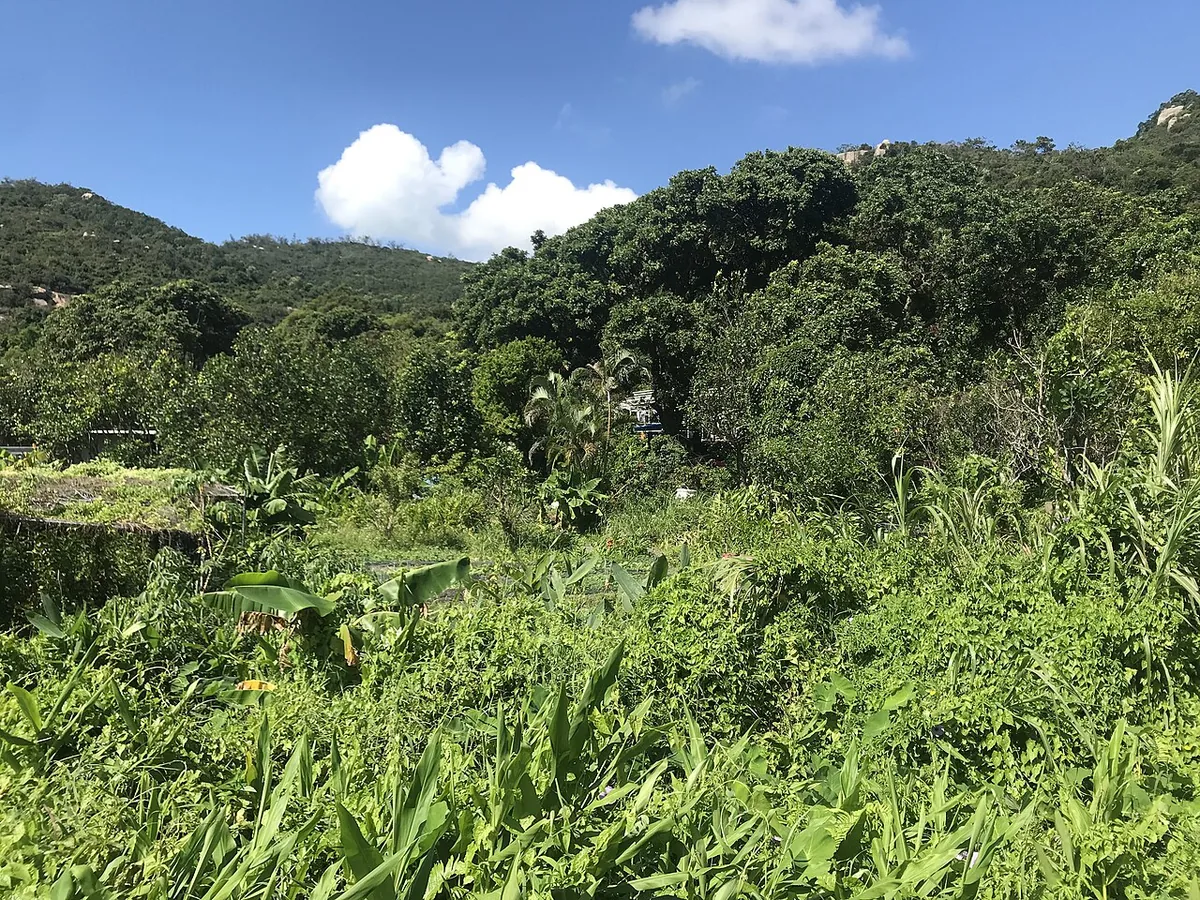
Tai Long Wan
Tai Long Wan is a chain of four broad bays along the Sai Kung coast, with beaches set beneath rugged hills. Fishing settlements remain part of this landscape, where coastal communities and dramatic volcanic terrain belong to the same story.
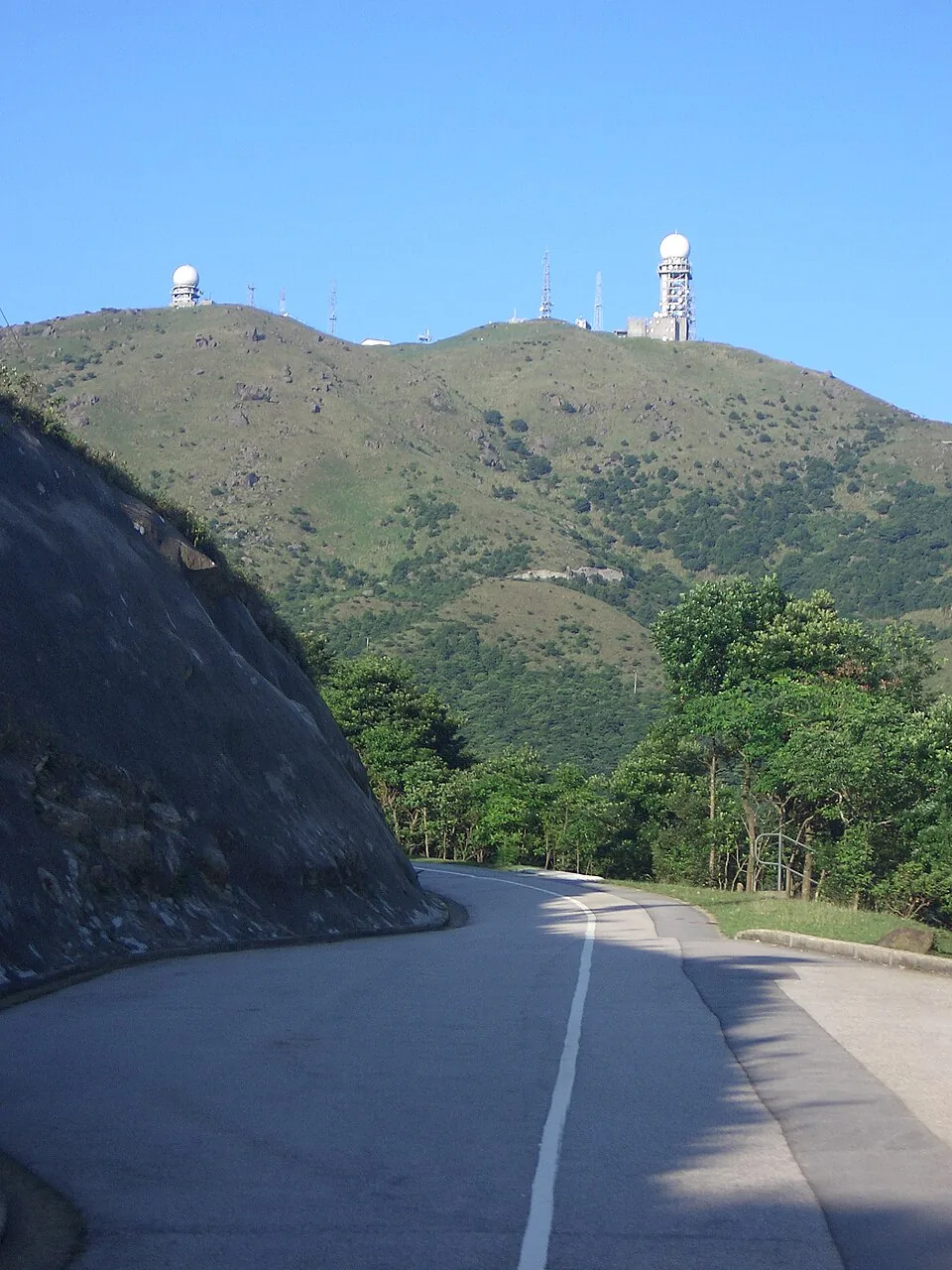
Tai Mo Shan
Tai Mo Shan rises above the New Territories, its open summit slopes contrasting with the forest lower down. The mountain’s height, volcanic geology and traces of old tea cultivation make it a landscape shaped by both climate and human use.
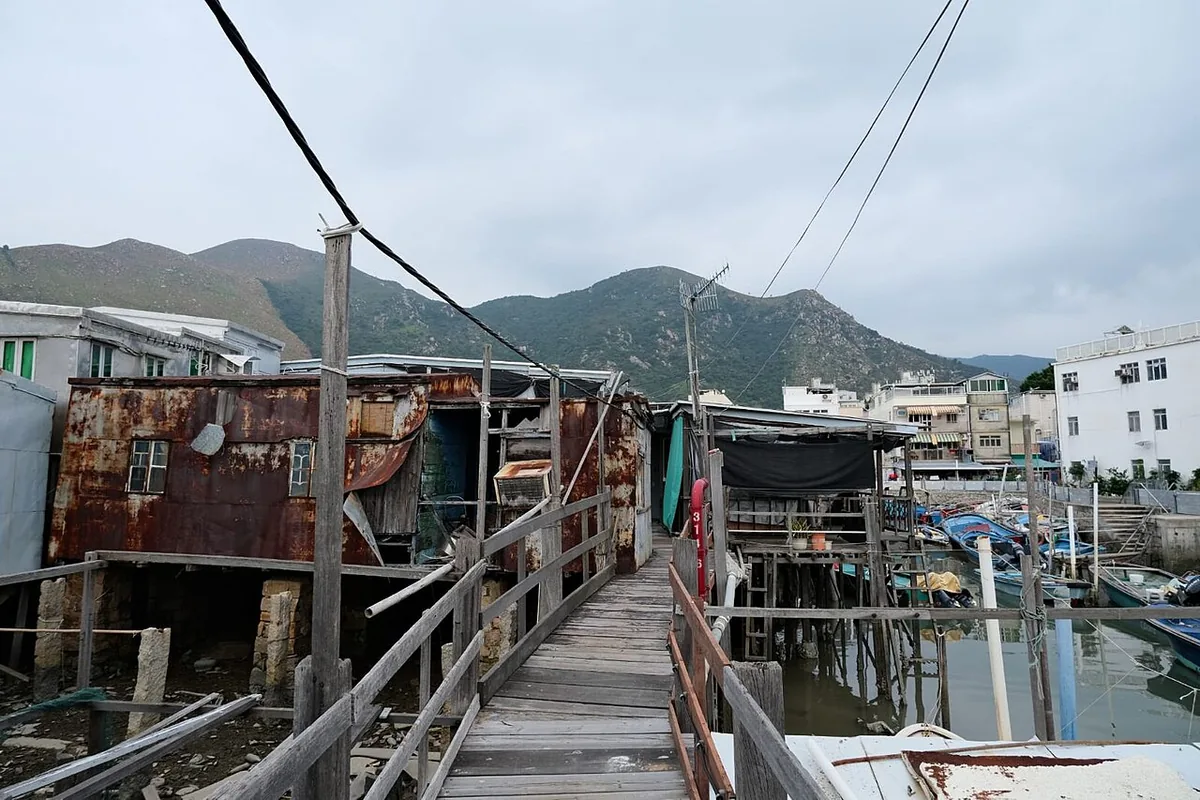
Tai O Fishing Village
Tai O is a fishing village on Lantau Island where stilt houses line tidal waterways and are connected by wooden walkways. Its architecture reflects a close relationship between homes, fishing, and the rhythms of the water.
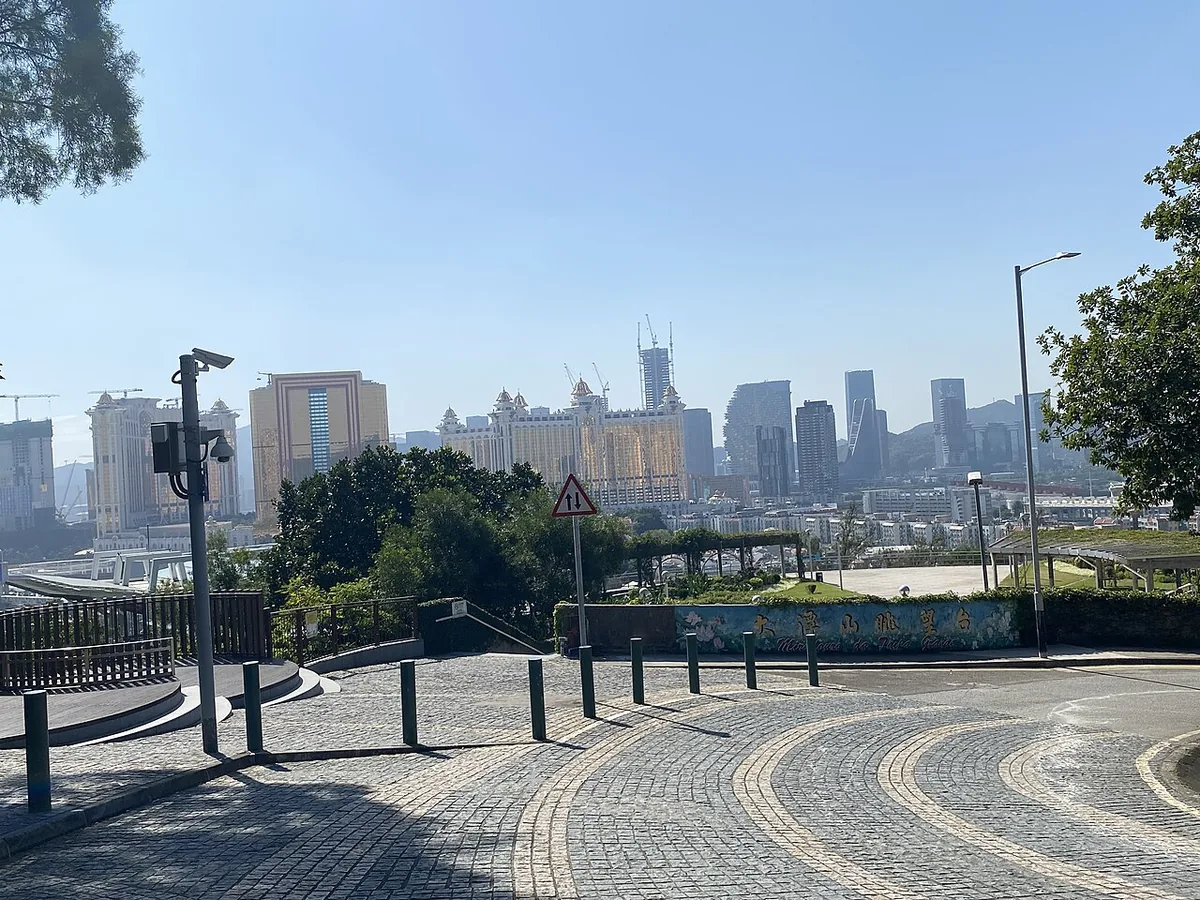
Taipa Grande Viewing Platform
Taipa Grande Viewing Platform looks across Taipa Village and the Cotai Strip from a hillside above the city. An inclined lift provides a route up the slope, turning the changing skyline into the main subject of the visit.
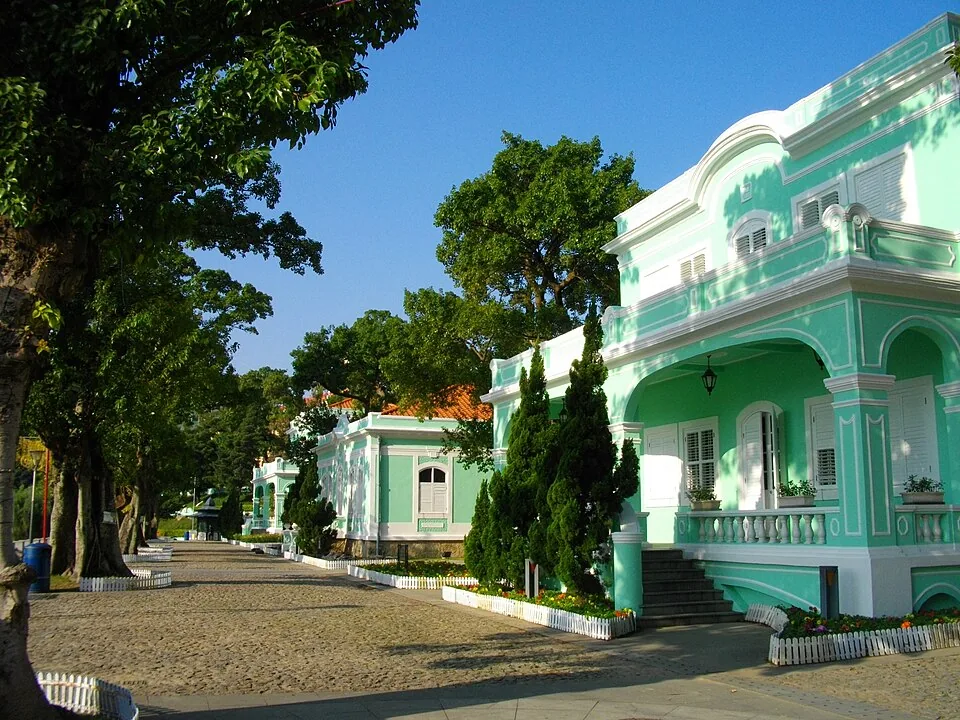
Taipa Houses Museum
Five pastel-green houses beside Taipa’s waterfront preserve a distinct chapter of Macao’s Portuguese-influenced domestic architecture. The Taipa Houses site now combines historic interiors, exhibitions, and cultural programming across buildings once used as homes.
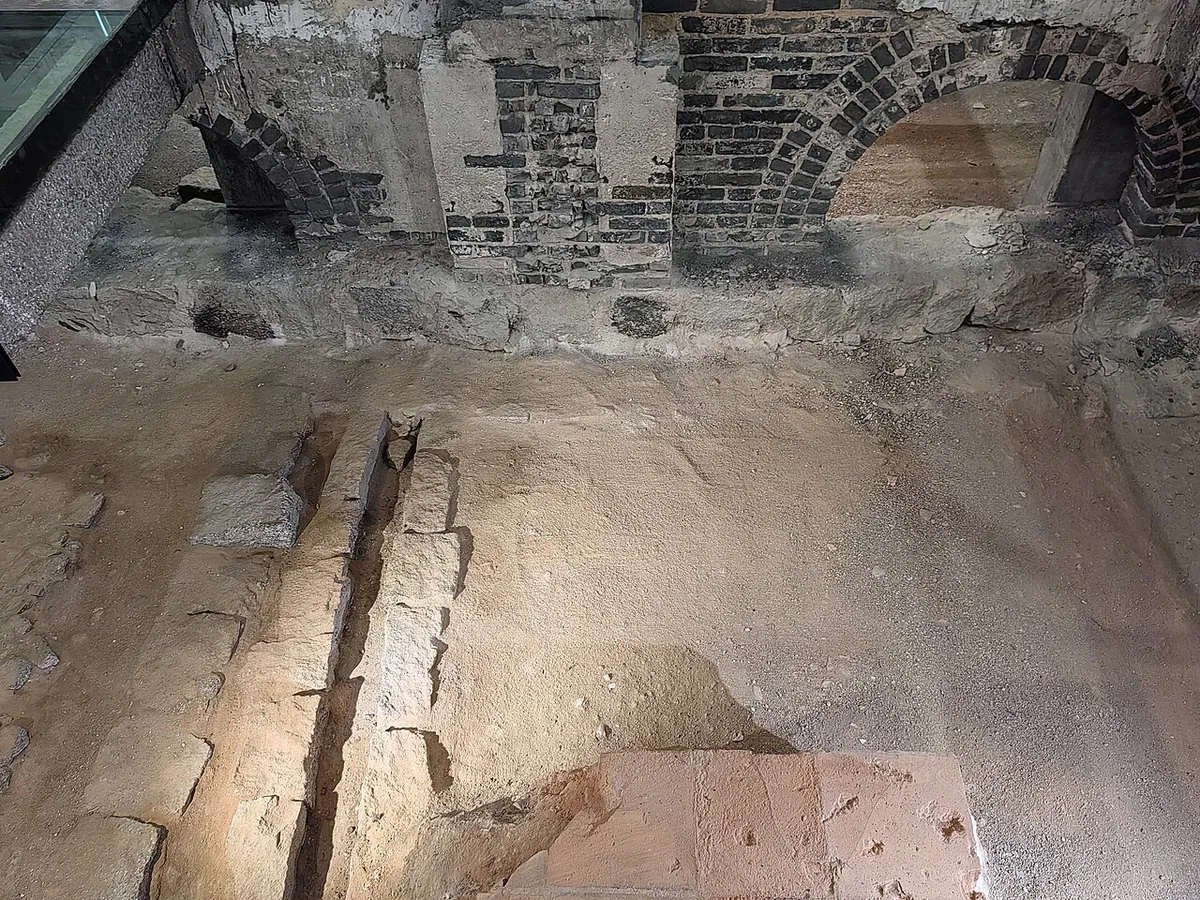
Taipa Village
Taipa Village’s lanes connect food shops, community spaces, and older buildings, with Rua do Cunha acting as a compact pedestrian spine. Its changing role—from local street to Macao’s first pedestrian zone—helps explain the blend of resident life and visitor commerce.

Taipei 101
Taipei 101’s stacked silhouette echoes a pagoda, but one of its most revealing features is hidden near the top: a massive gold sphere that helps limit the tower’s sway. The skyscraper links a symbolic skyline form to practical engineering.
Taipei 101 Observatory
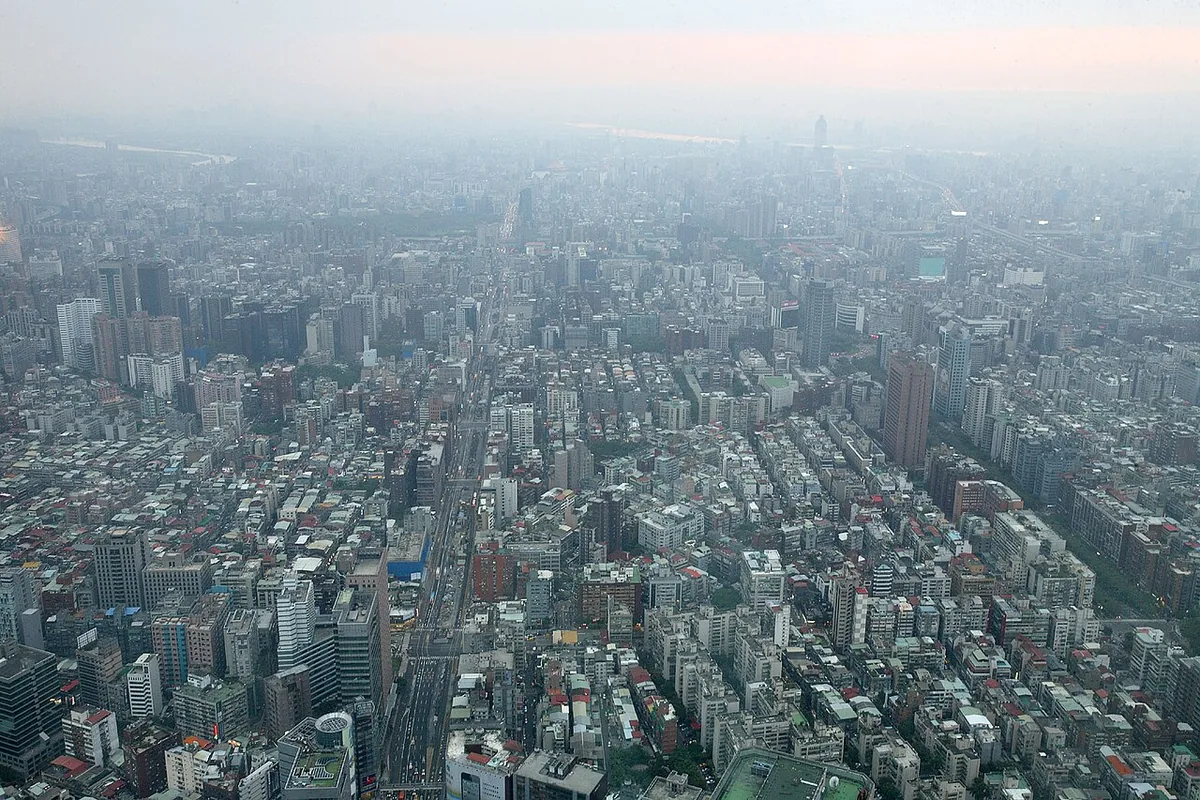
From the observatory, Taipei’s urban pattern spreads beneath you while a huge tuned mass damper offers a rare view of the engineering inside a supertall tower. The building’s stability becomes something visitors can see, not just trust.
Taipei 228 Memorial Museum
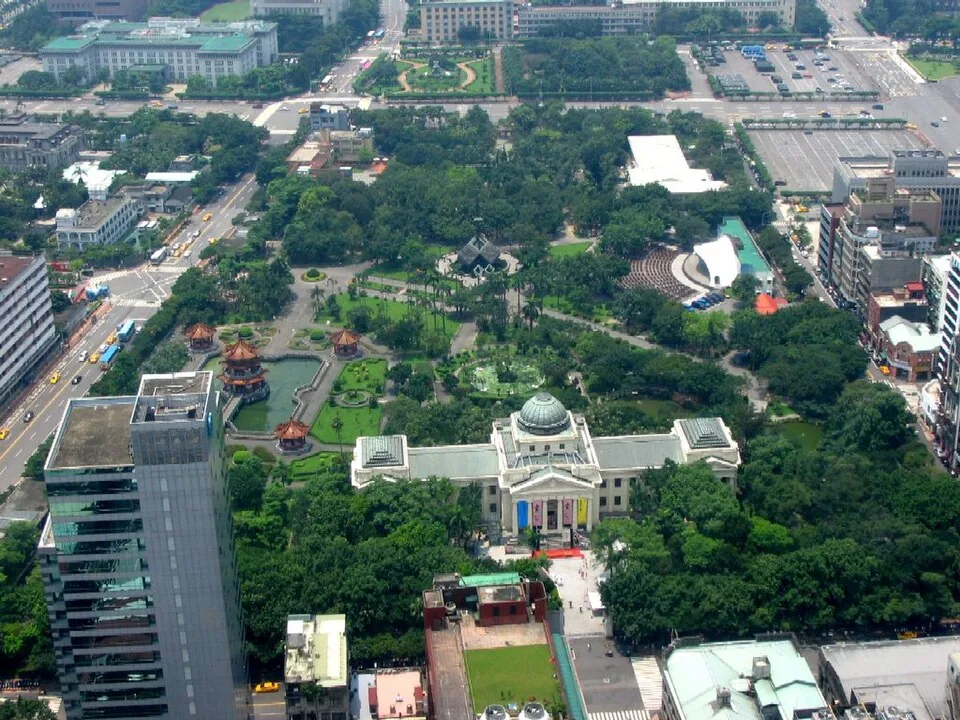
The former broadcasting station stands as a witness to how information moved during a crisis. The museum interprets the February 28 Incident and its aftermath in the building once used by Taipei’s radio service, connecting a civic institution’s voice with the history of public remembrance.
Taipei Astronomical Museum
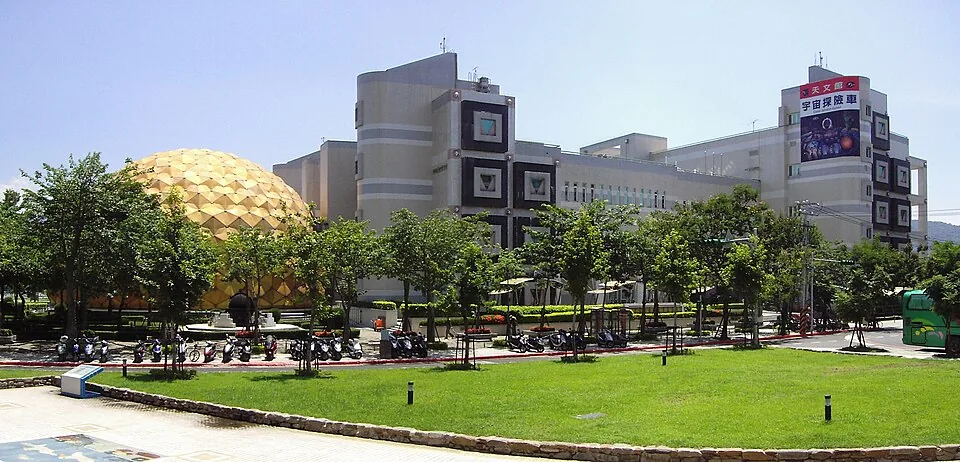
Taipei Astronomical Museum uses galleries, theaters, and observatory facilities to make astronomy accessible to visitors. Its planetarium dome projects a broad sky overhead, turning celestial patterns into a shared, immersive experience.
Taipei Botanical Garden
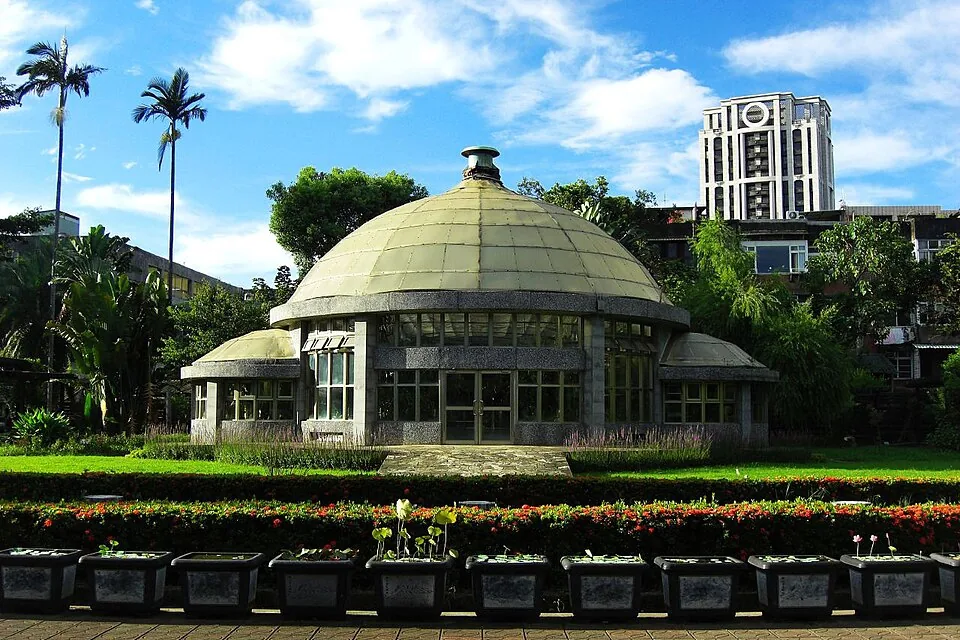
Taipei Botanical Garden began as a nursery and became a place for research, education, and public enjoyment. Its ponds, specimen collections, and historic structures show how a working scientific landscape can also become part of a city’s everyday green space.
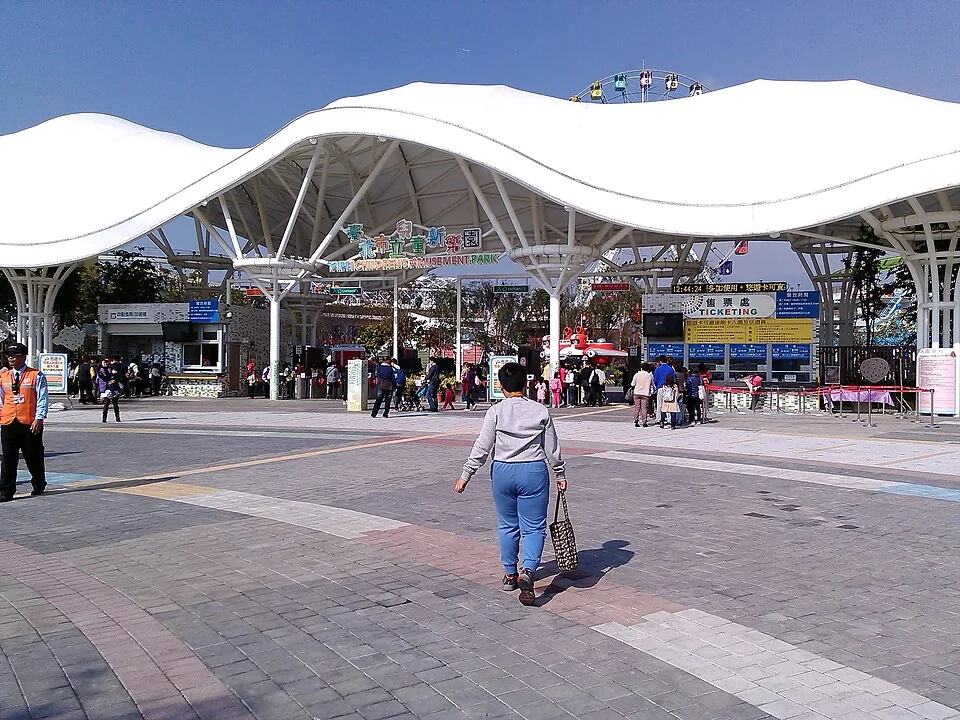
Taipei Children's Amusement Park
A purpose-built family recreation area that brings rides, play space, and performance facilities together beside Taipei’s museum district. Its design makes a city-scale leisure destination accessible in one compact site, with activities suited to different ages and energy levels.
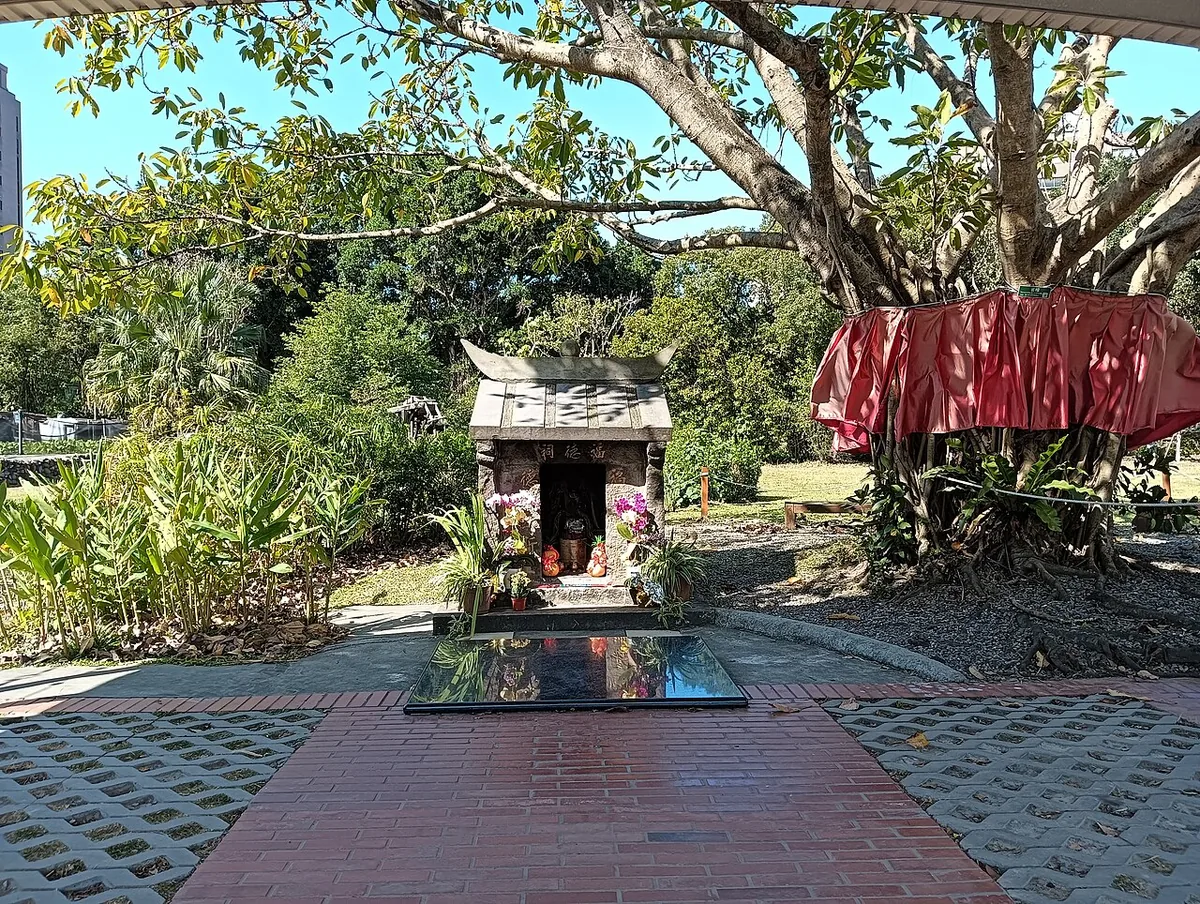
Taipei City Hakka Cultural Park
A riverside cultural park gives Hakka culture a public setting for gathering, learning, and community activity. Its paths and open spaces connect cultural programming with the surrounding city, making the park a place of ongoing exchange rather than a static display.
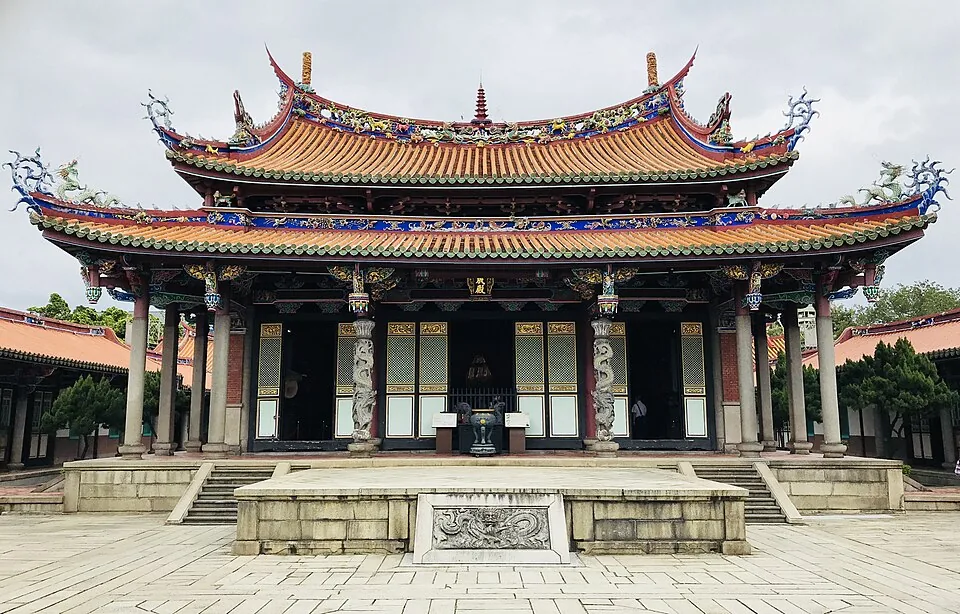
Taipei Confucius Temple
Taipei Confucius Temple’s restrained forms distinguish it from the more ornate temples nearby. Completed in the late nineteenth century and rebuilt in the twentieth, it centers learning and ritual, making simplicity itself part of its message.
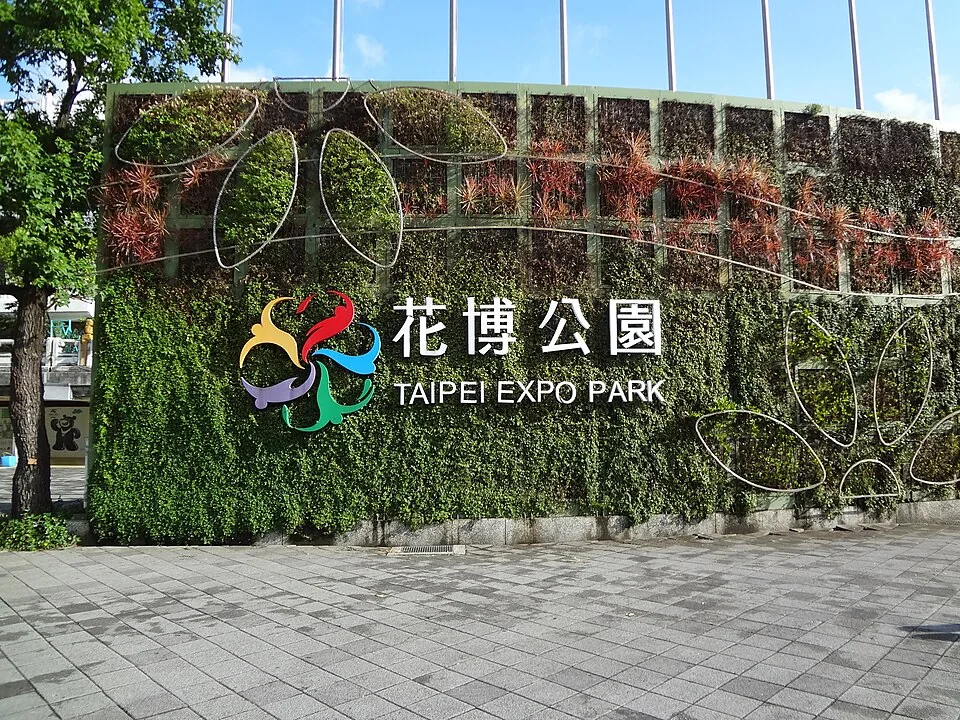
Taipei Expo Park
A city park assembled from the grounds of Taipei’s 2010 International Flora Expo. Its paths connect former exhibition zones, public gardens, and cultural venues, leaving an everyday landscape with traces of a temporary international event still built into its layout.
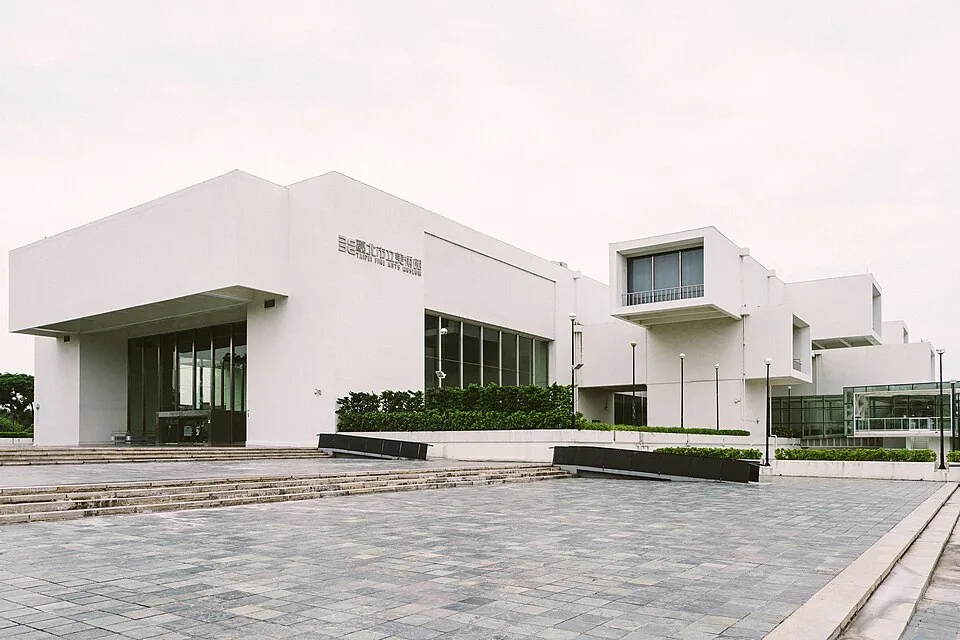
Taipei Fine Arts Museum
Taipei Fine Arts Museum opened in 1983 as Taiwan’s first museum devoted to modern and contemporary art. Its exhibitions and collection place Taiwanese art in conversation with international movements and the changing cultural life of the capital.
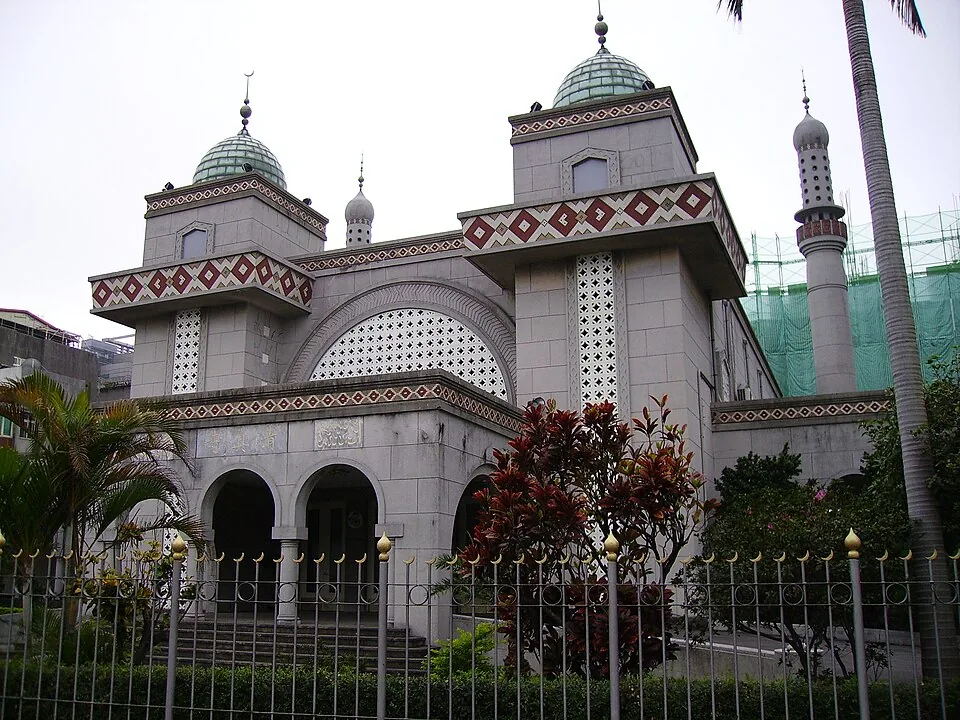
Taipei Grand Mosque
Taipei Grand Mosque’s high dome and paired minarets establish a calm architectural presence within the city. Built in 1960, it reflects Muslim community life in Taiwan and a design by architect C. C. Yang, supported by donations from Taiwan and Saudi Arabia.