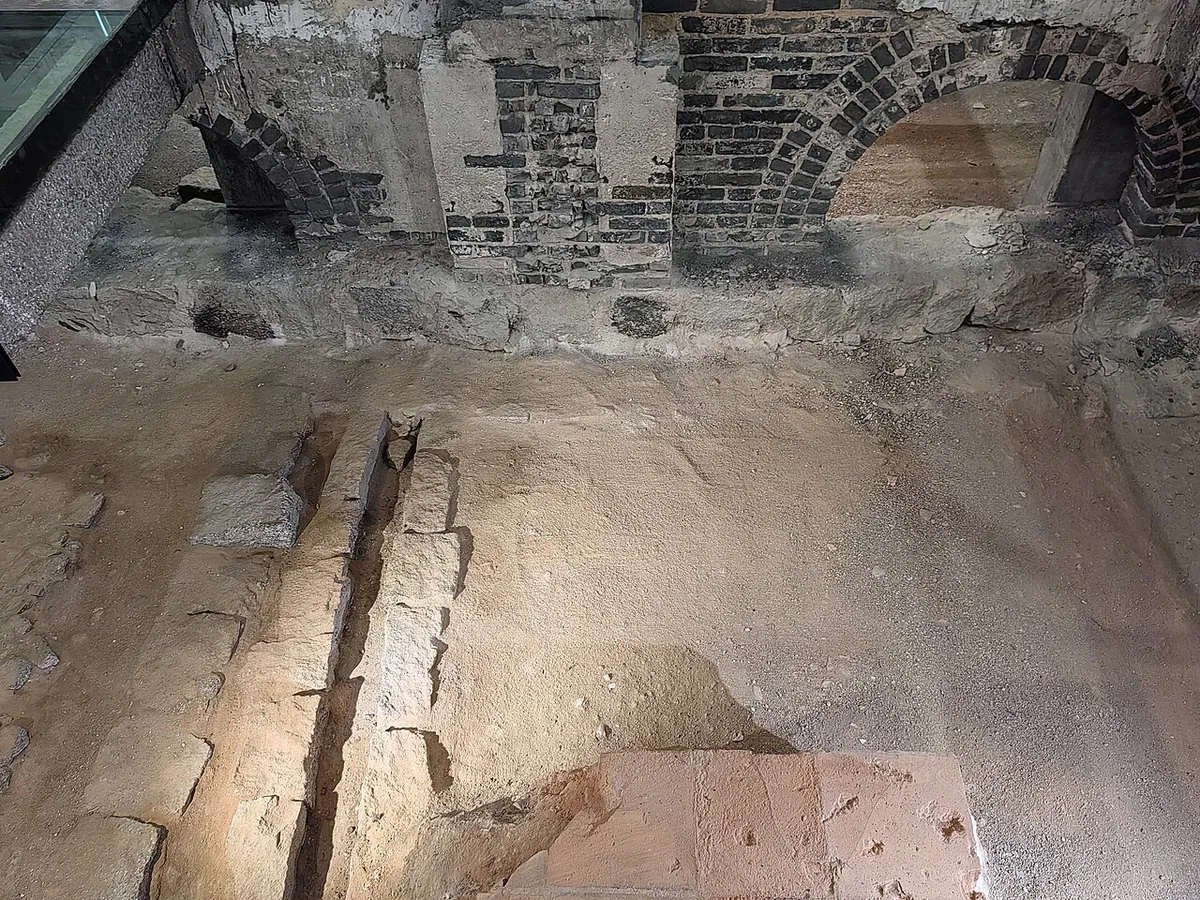
Taipa Village’s lanes connect food shops, community spaces, and older buildings, with Rua do Cunha acting as a compact pedestrian spine. Its changing role—from local street to Macao’s first pedestrian zone—helps explain the blend of resident life and visitor commerce.
Guide preview
Rua do Cunha is narrow enough that the village’s food shops and older lanes feel close at hand. It became Macao’s first pedestrian zone in 1983, a change that helped turn an everyday Taipa street into a popular place to stroll, eat, and shop.
Continue exploring
Discover the full story
Keep reading with a travel pass and explore every full guide and tour.
UpgradeQuick facts
- Rua do Cunha became Macao’s first pedestrian zone in 1983.
- The Old Market in Taipa was built in the early nineteenth century.
- The former market is now used as a local cultural hub.
More places in Macao
A-Ma Cultural Village
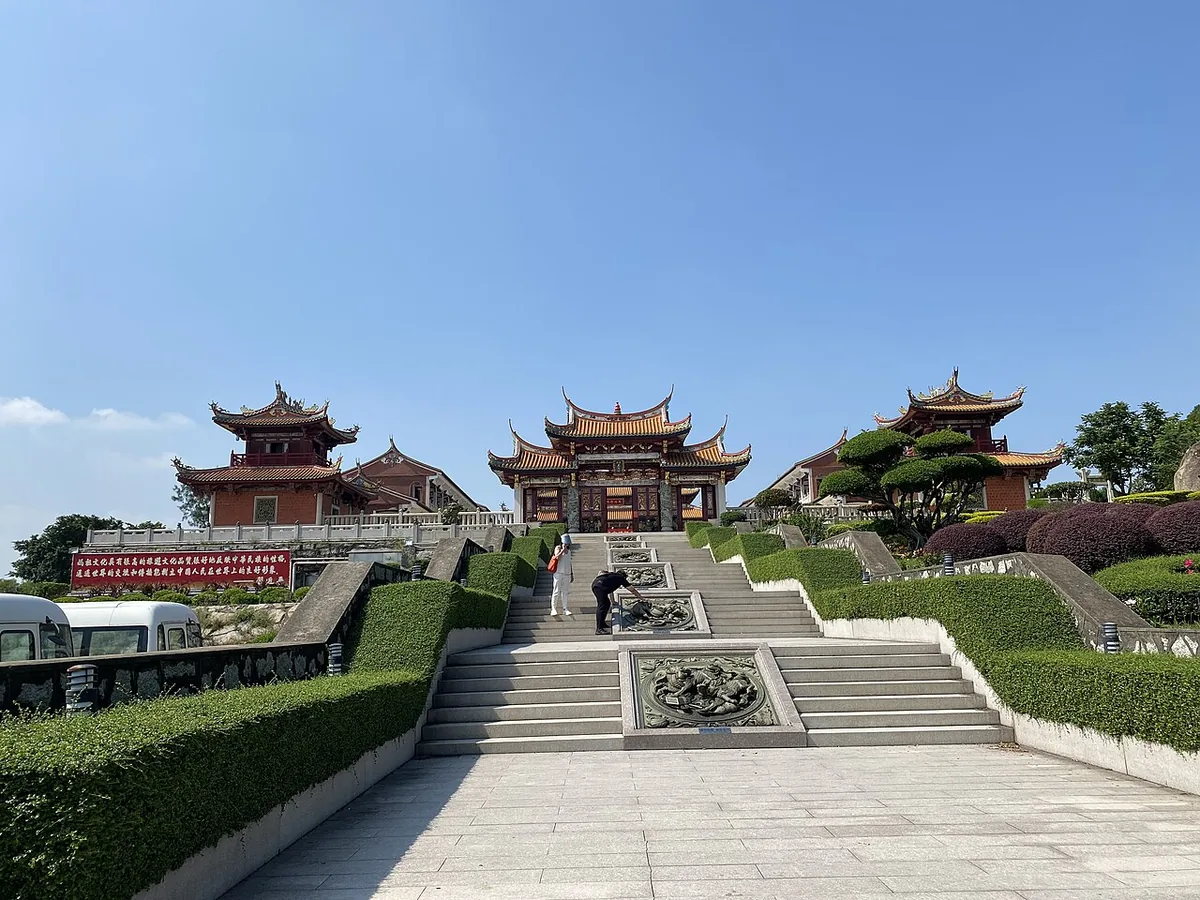
A-Ma Cultural Village is a hilltop complex on Coloane devoted to the sea goddess A-Ma, also known as Tin Hau. Its temple buildings, ceremonial structures, and nearby statue connect religious devotion with Macao’s maritime heritage.
A-Ma Temple
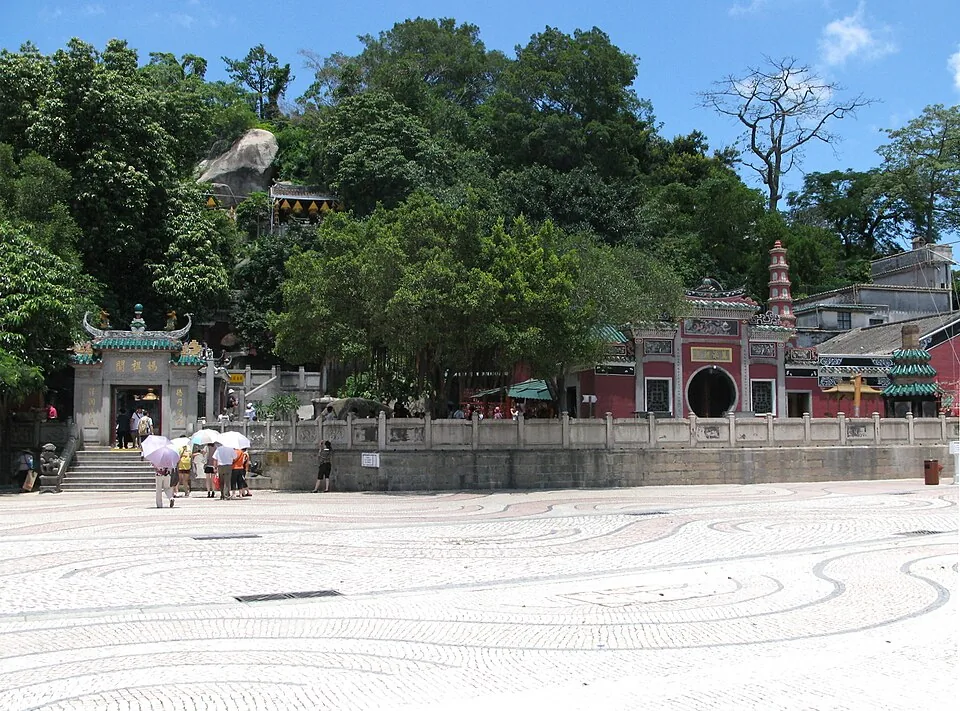
A-Ma Temple is a multi-pavilion religious complex on Macao’s Barra hillside, dedicated to Mazu and other deities. Its buildings, built over several centuries, reflect the coexistence of Chinese religious traditions in a living place of worship.
Barra Square
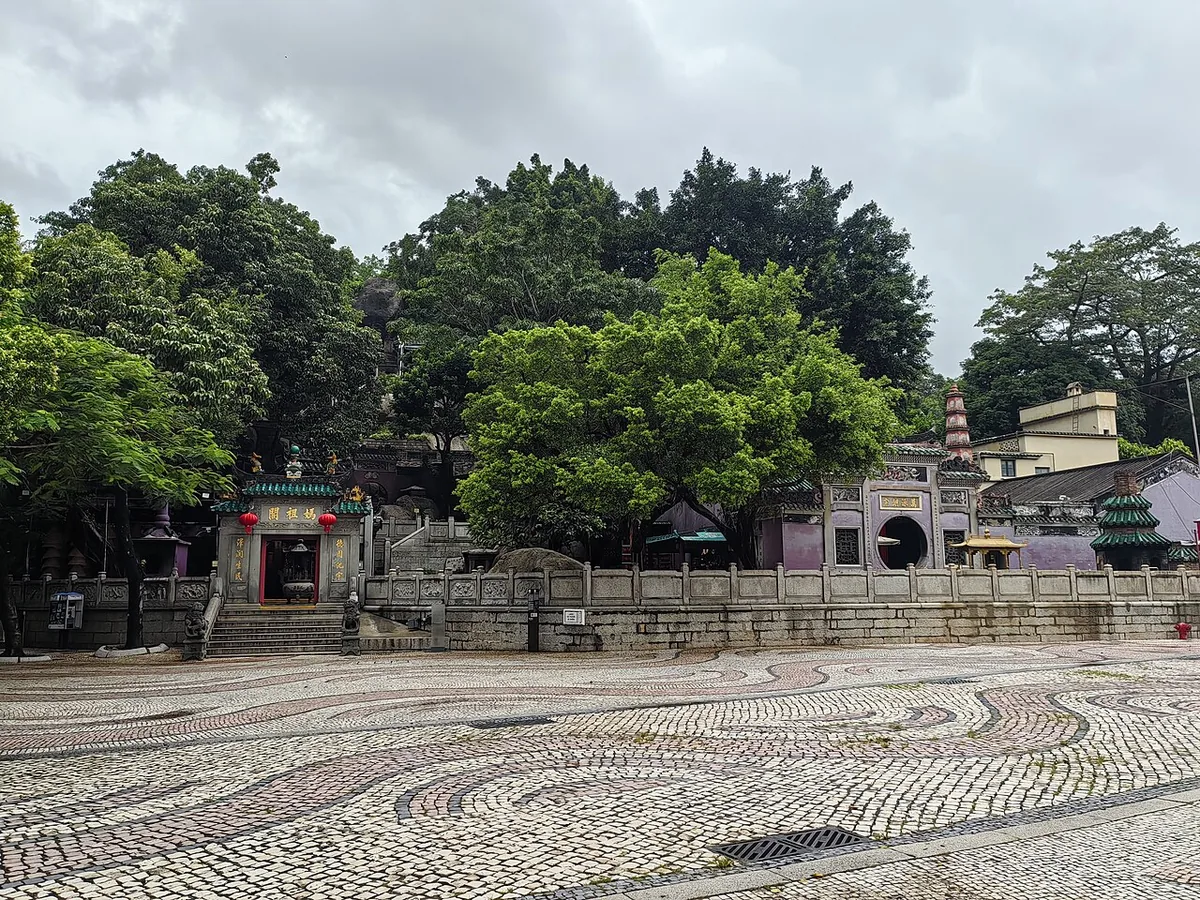
Barra Square opens toward Macao’s Inner Harbour in front of A-Ma Temple. Its Portuguese-style mosaic paving and waterfront position make it both a threshold to the temple and a reminder of the port setting that shaped the city.
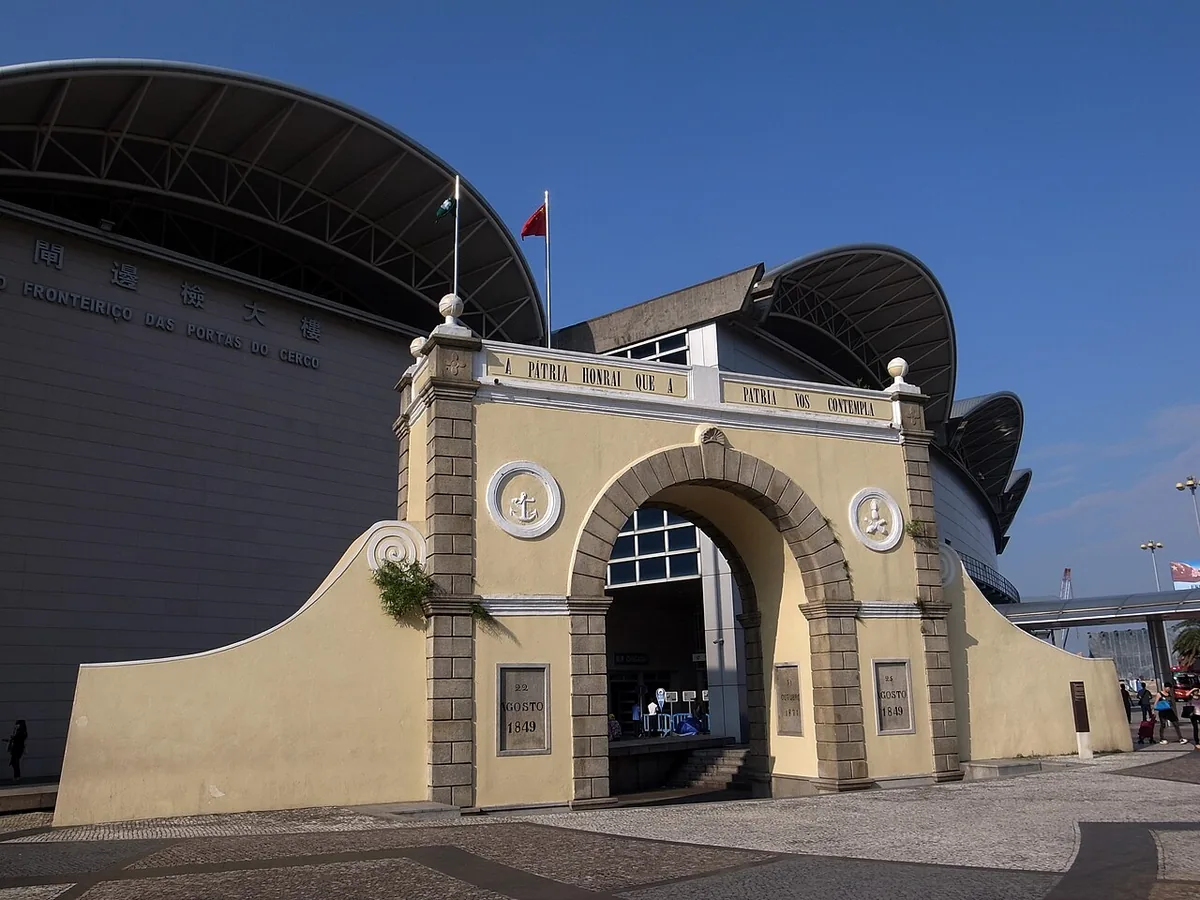
Border Gate (Portas do Cerco)
Border Gate, or Portas do Cerco, marks Macao’s northern land boundary with mainland China. The modern checkpoint and surrounding infrastructure frame a crossing that has long shaped movement, trade, and the relationship between Macao and its neighboring city.
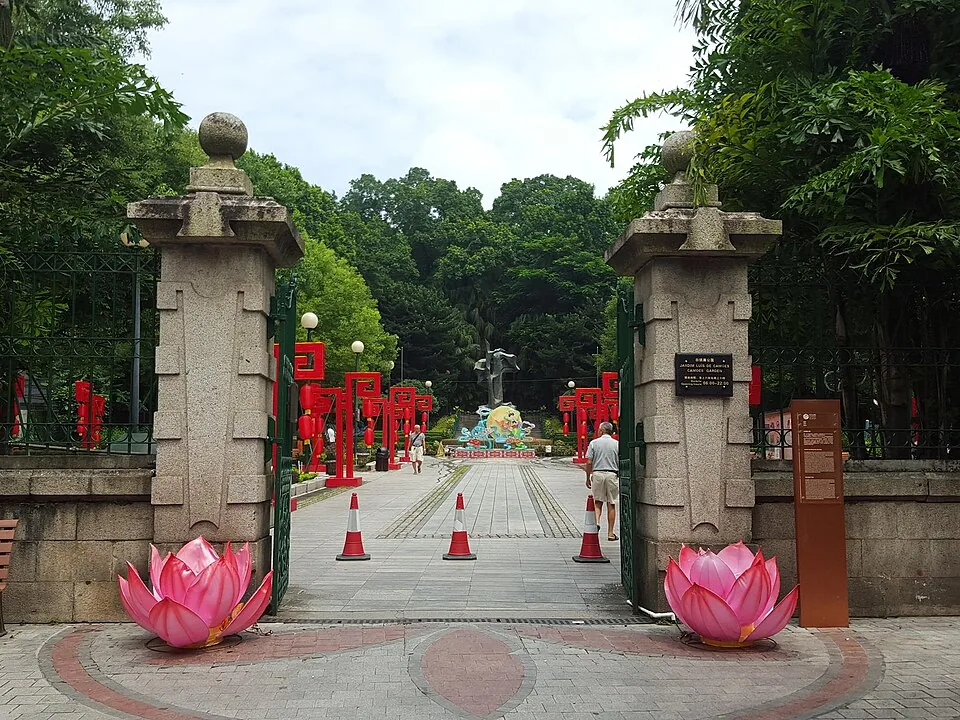
Camoes Garden
Camões Garden is a wooded hillside park with layered paths and the grotto associated by local tradition with poet Luís de Camões. Its mature trees and old estate setting preserve a distinctive green pocket within Macao’s dense peninsula.
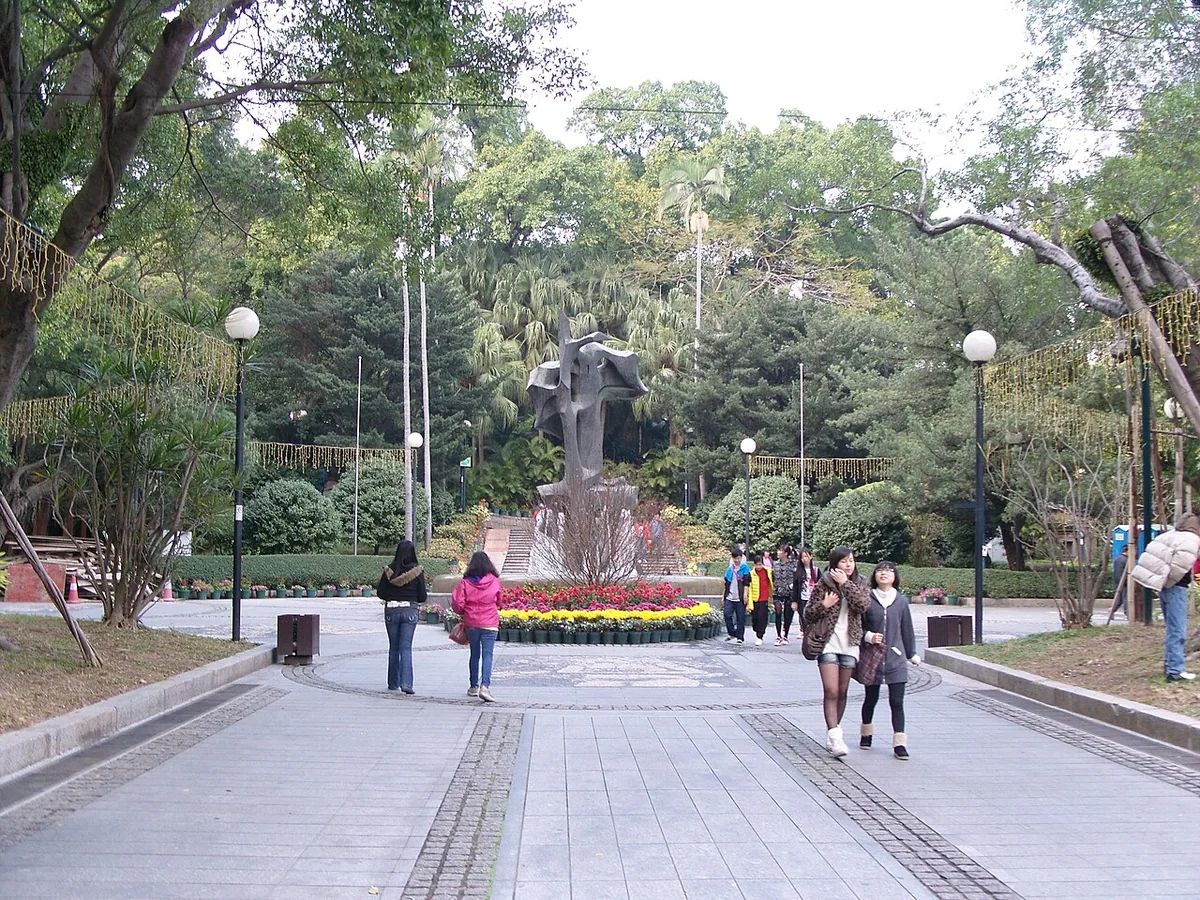
Camoes Square
Camões Square is a leafy public garden near Casa Garden, St. Anthony’s Church, and the Protestant Cemetery. Its shaded paths and benches offer a quieter view of Macao’s historic center, where cultural, religious, and residential sites meet.