Explore locations
Browse places by name, city, country or category.
All locations
1624 locations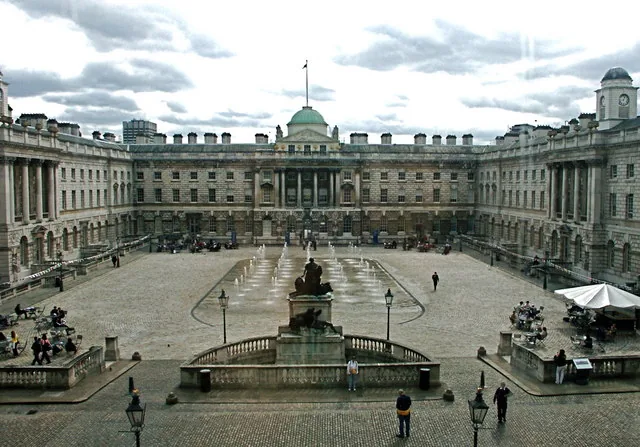
Somerset House
Somerset House’s neoclassical façade hides a site that has served Tudor royalty, government departments, learned societies, and the arts. The present building began in 1775 under architect William Chambers, turning a former royal palace site into a major home for public administration.
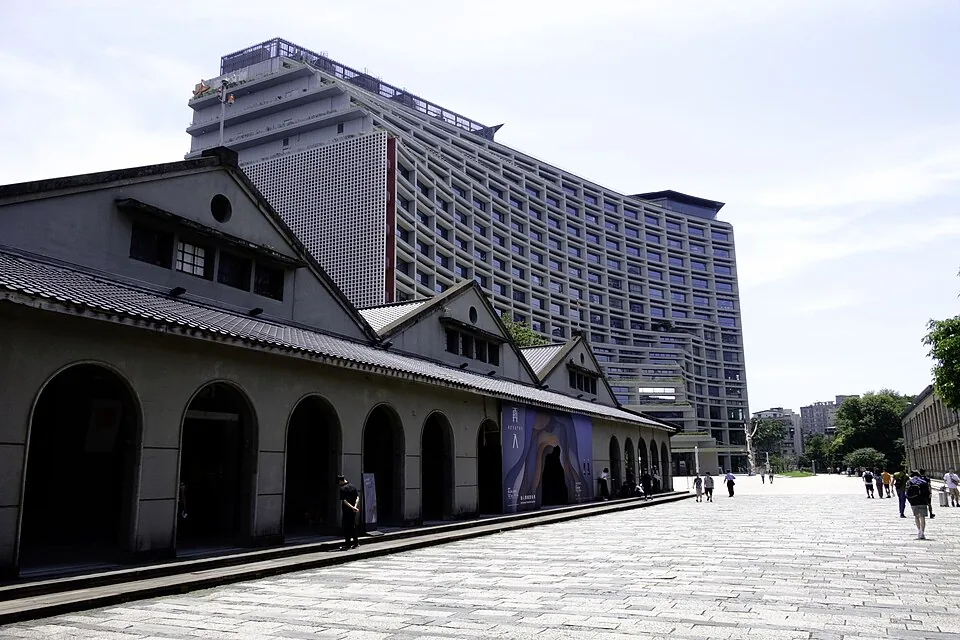
Songshan Cultural and Creative Park
The red-brick and modernist buildings of Songshan Cultural and Creative Park once formed a tobacco factory completed in 1937. Their conversion into studios, exhibitions, and public spaces keeps an industrial site in use while revealing how work shaped its architecture.
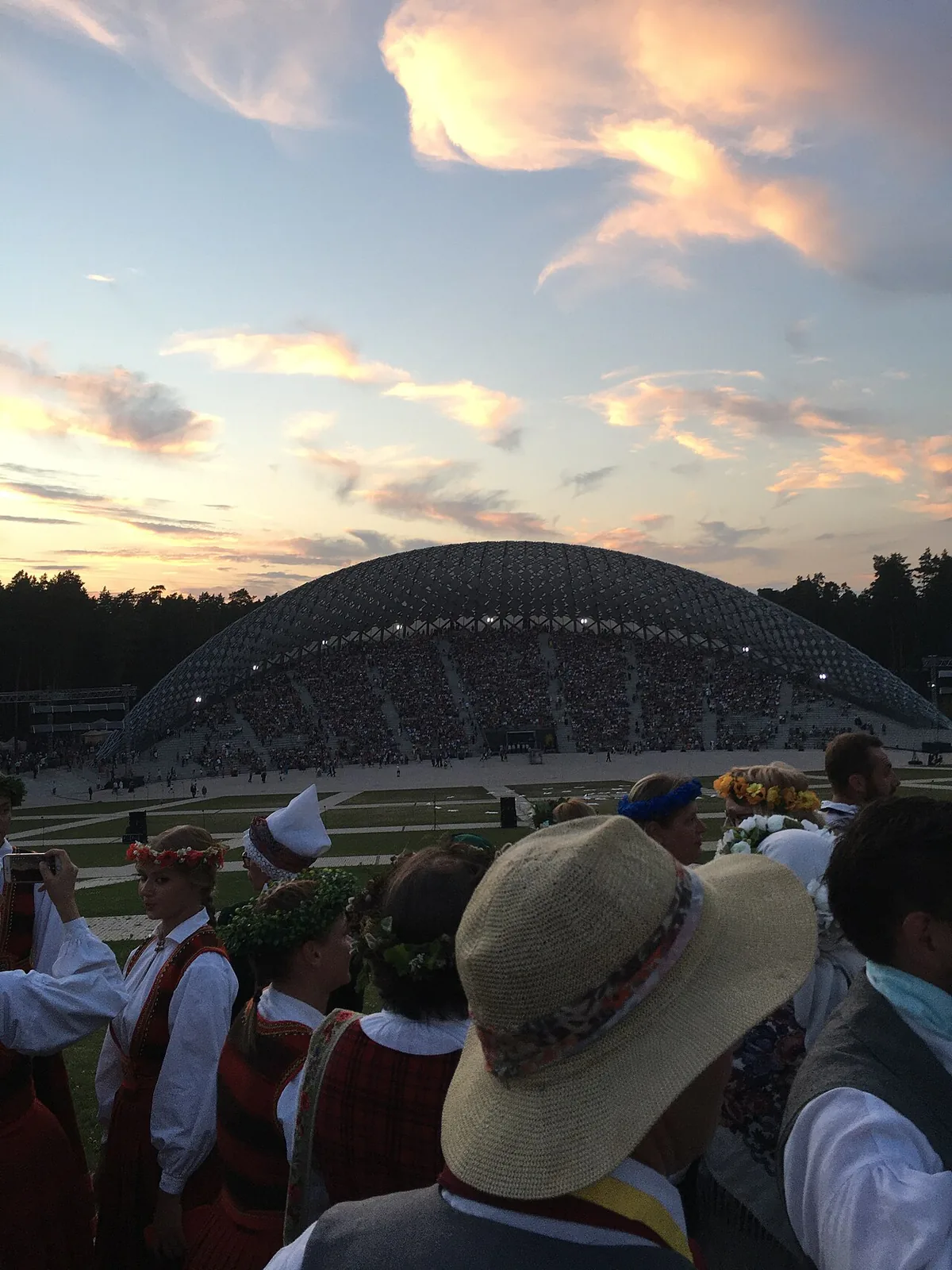
SongSpace Song and Dance Celebration Exhibition
SongSpace is an exhibition on Latvia’s song and dance celebration tradition at the Mežaparks Great Bandstand. It combines a replica festival flag, personal memories, recordings and multimedia installations.
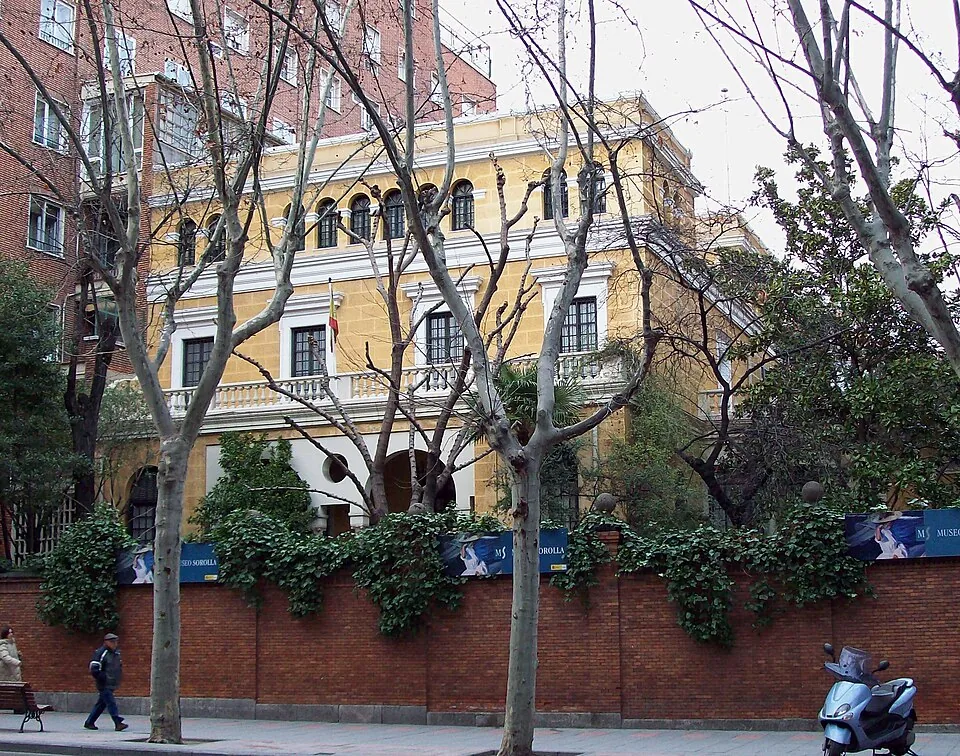
Sorolla Museum
Joaquín Sorolla’s former home and studio joins domestic life, artistic work, and a garden he helped design. The museum preserves the connection he wanted between those spaces, offering a way to understand how light and daily surroundings entered his practice.
Southbank Centre
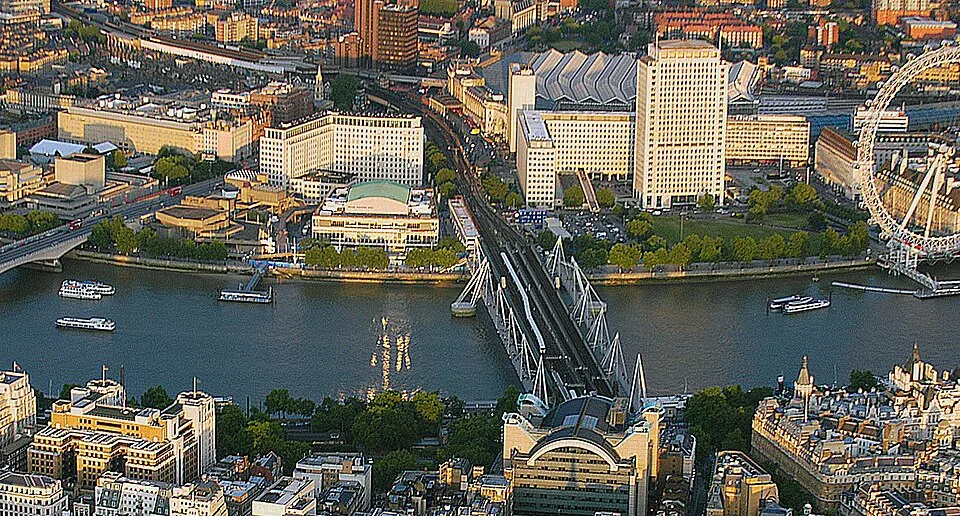
Southbank Centre is a riverside arts complex whose buildings preserve distinct moments in postwar British architecture. The Royal Festival Hall began as the permanent heart of the 1951 Festival of Britain; later concrete venues, galleries, and open spaces expanded the site into a public cultural lan
Southern Ridges
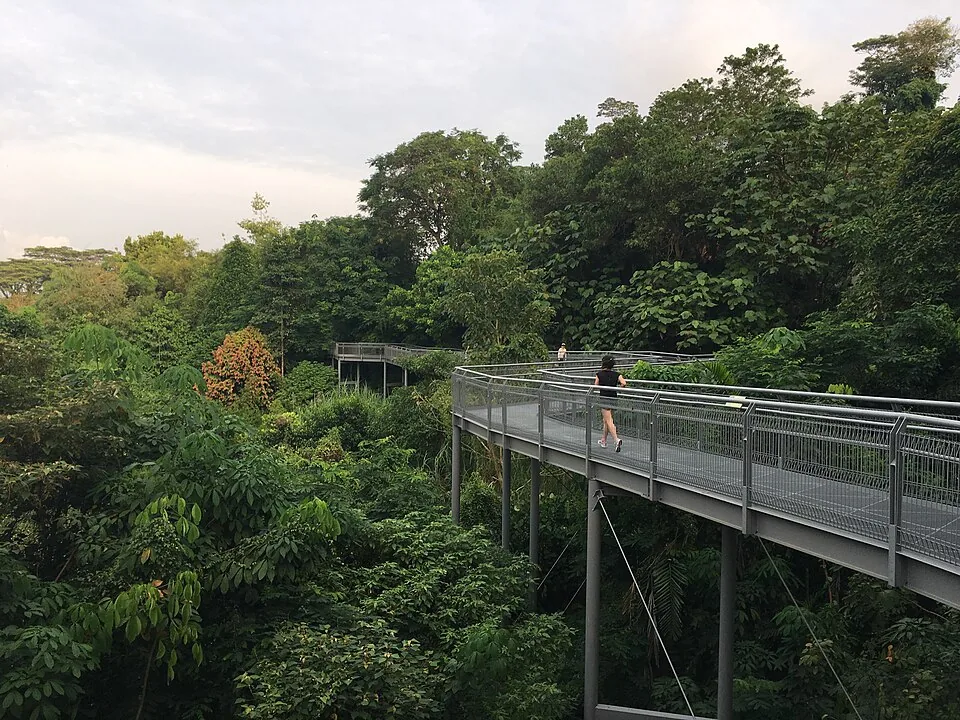
The Southern Ridges link several parks and green spaces along a forested spine in southern Singapore. Bridges, ridgelines and canopy views make this urban route a way to see how fragmented habitats can be connected across the city.
Soviet War Memorial
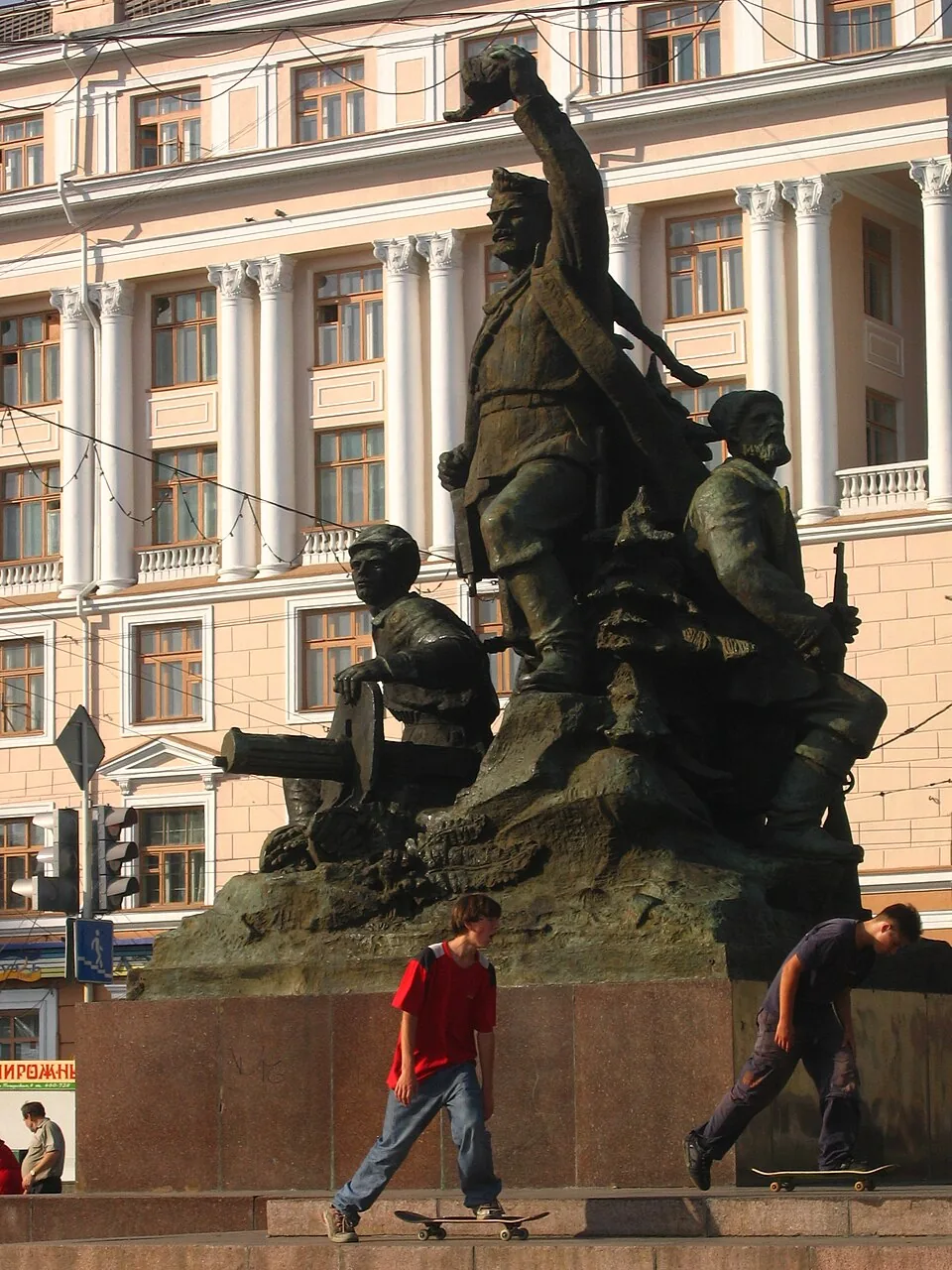
The Soviet War Memorial in Treptower Park is both a cemetery and a vast sculptural ensemble commemorating Red Army soldiers killed in the Battle of Berlin. Its axial route moves from grief toward a monumental figure of a soldier, joining burial, political symbolism, and remembrance.
Spandau Citadel
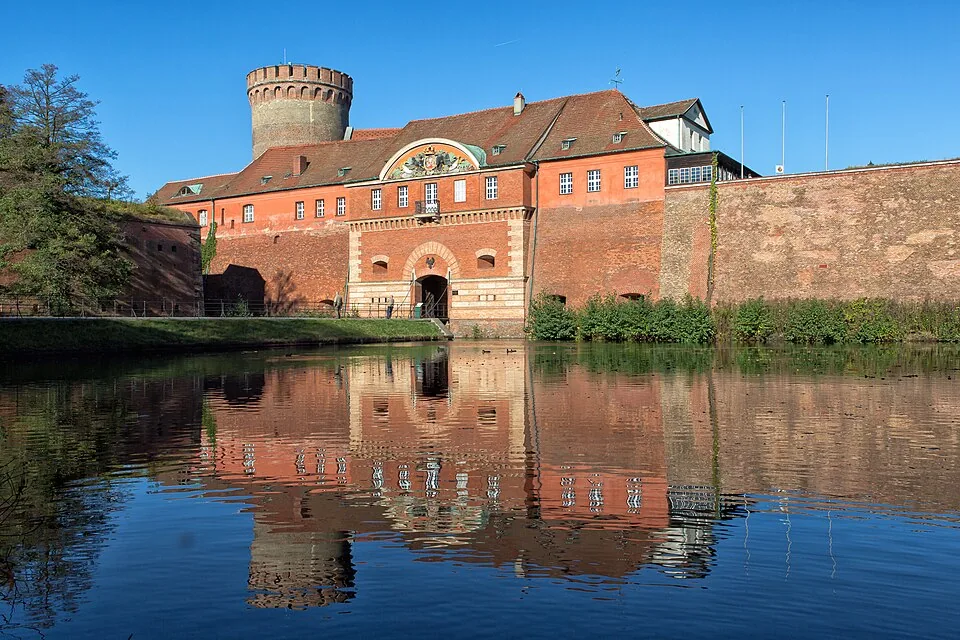
Spandau Citadel’s four bastions form a symmetrical Renaissance fortress surrounded by water. Built to protect Berlin-Cölln, it incorporates the older Julius Tower, whose medieval stonework shows how a new military system absorbed an earlier seat of power.
Spanish Steps
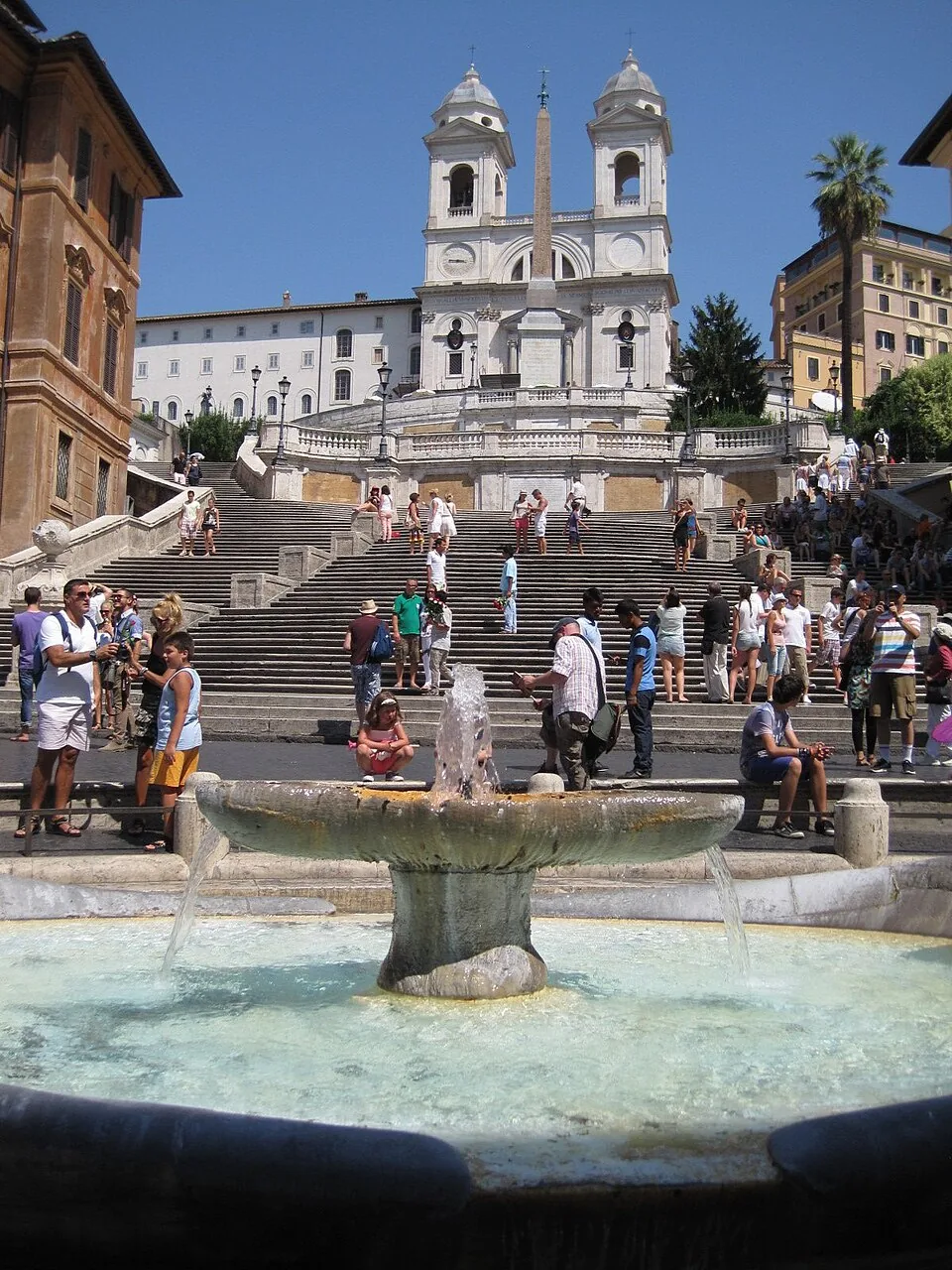
The Spanish Steps climb from Piazza di Spagna toward Trinità dei Monti through a sequence of changing ramps and resting landings. Built to connect two different parts of the city, the staircase works as both a route and a public room.
Spice Bazaar
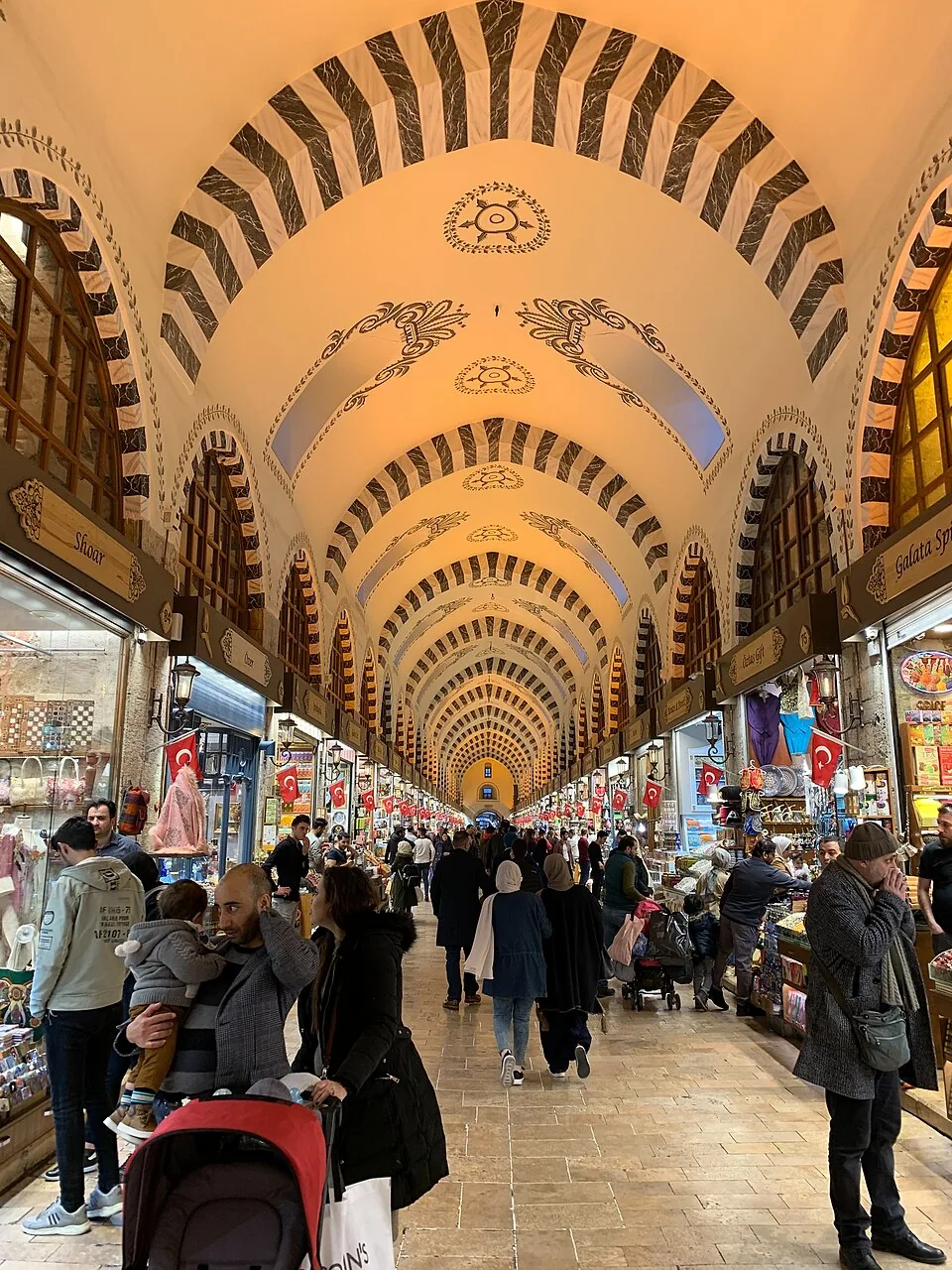
The Spice Bazaar’s L-shaped vaulted passages connect Eminönü’s waterfront trade with a dense array of food and household shops. Built as part of the New Mosque complex, the market’s name recalls the trade routes and revenues that sustained it.
Splendid Palace
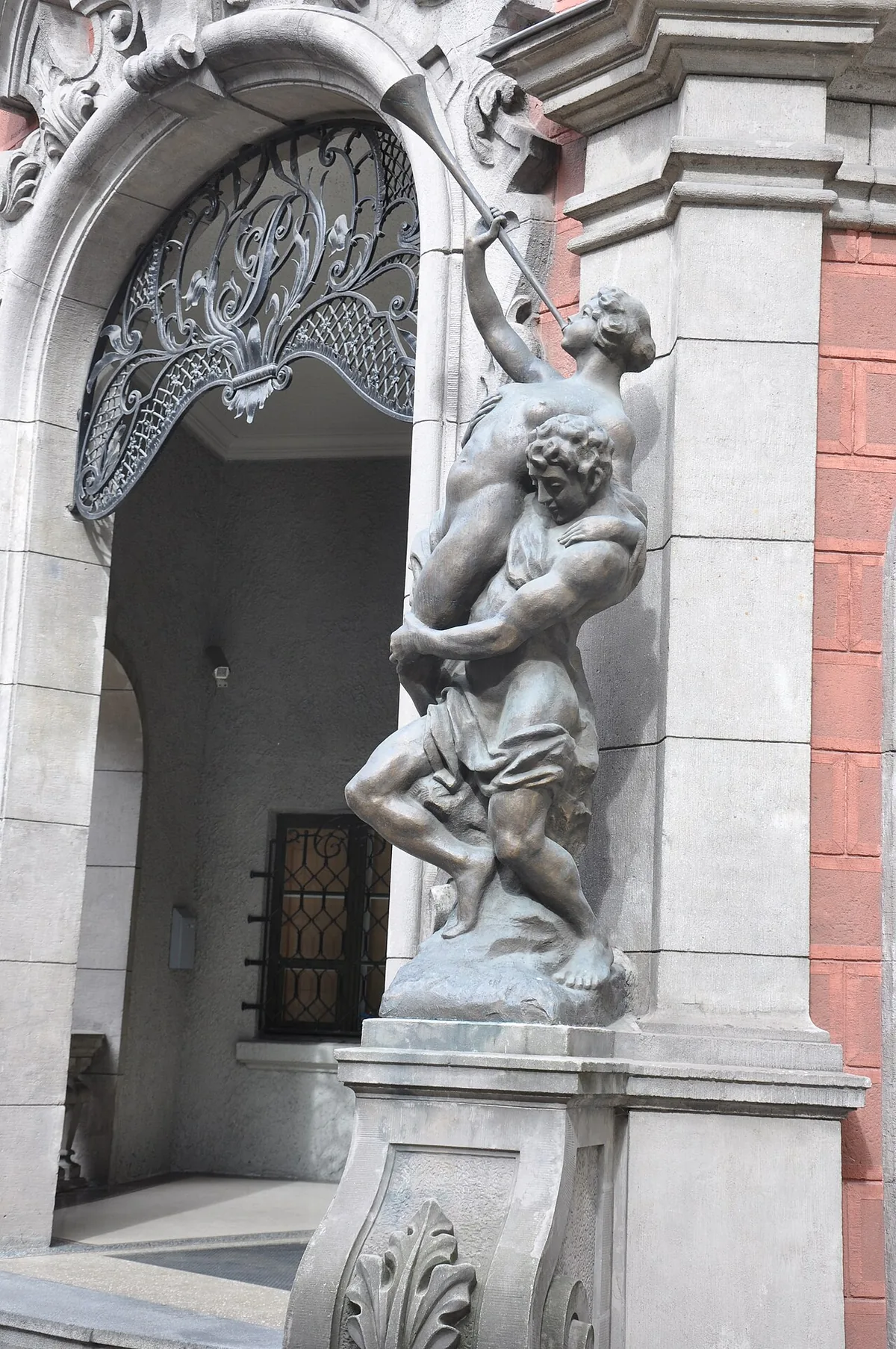
Splendid Palace is a historic cinema on Elizabetes iela, opened in 1923. Its ornate halls were designed for film exhibition and continue to host screenings, connecting Riga’s silent-film era with contemporary cinema.
Spui
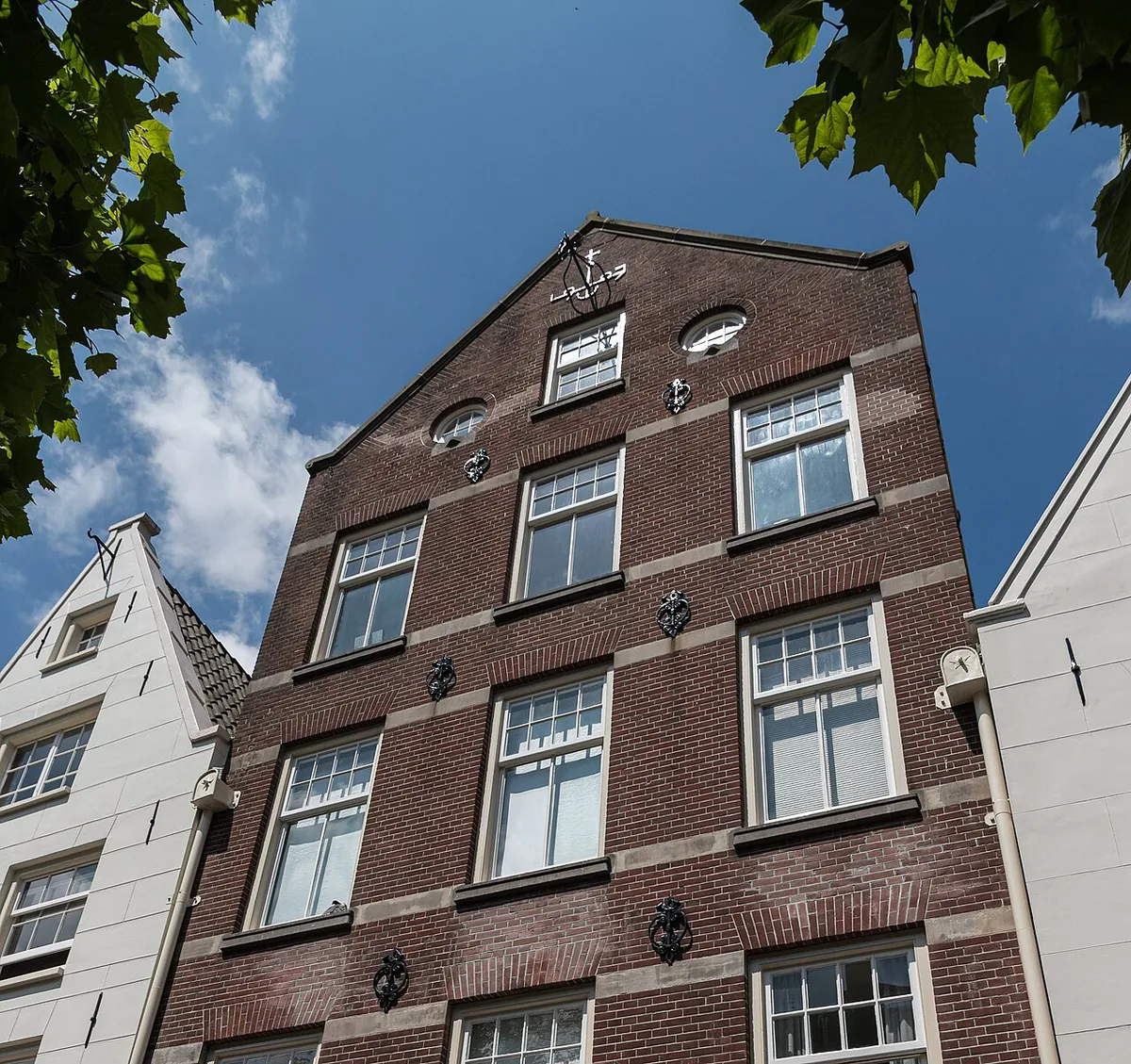
Spui occupies the line of an old water outlet at Amsterdam’s southern edge. Although the channel was filled in during the nineteenth century, its name and position preserve the memory of water control and the city’s former boundary.
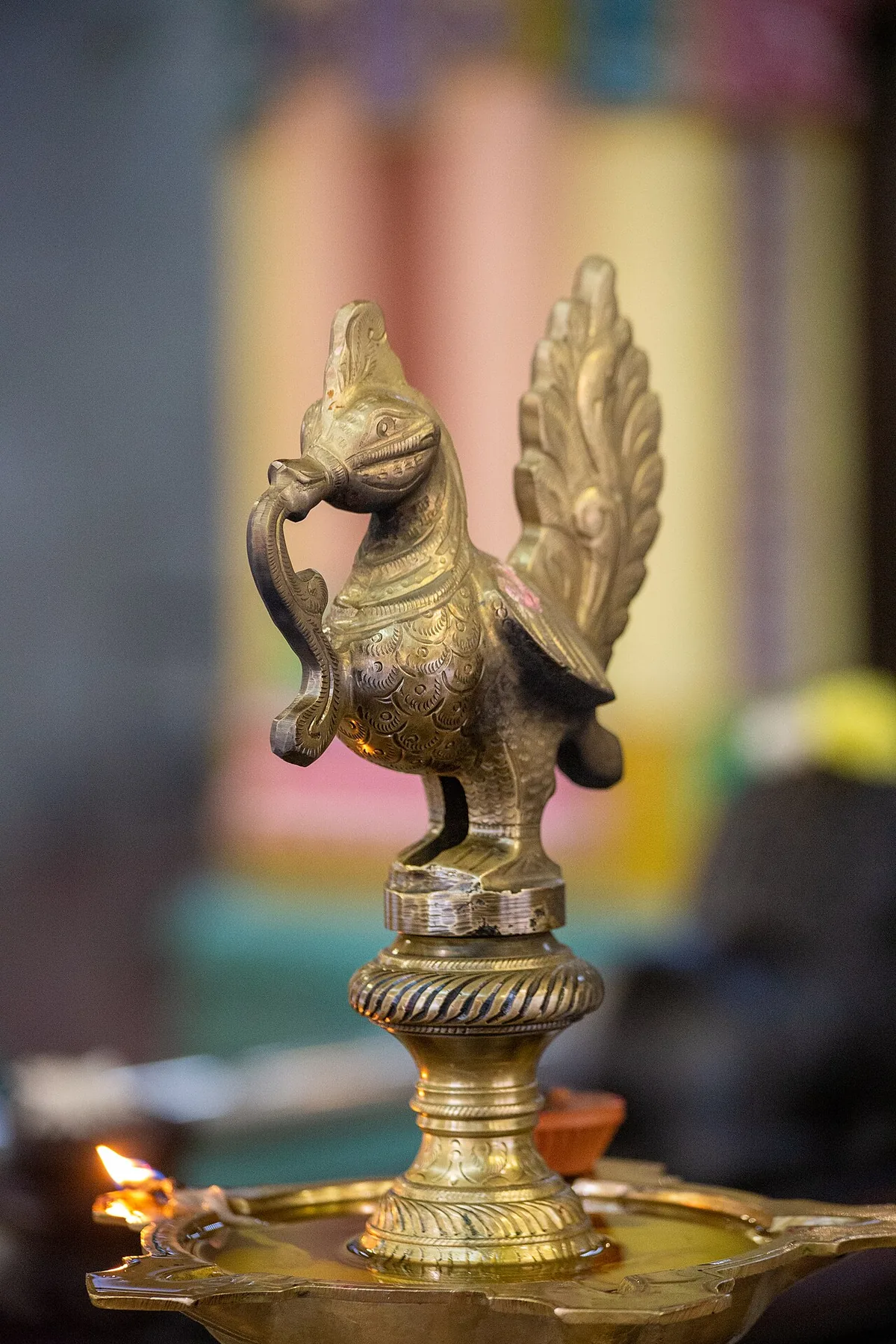
Sri Mahamariamman Temple
Sri Mahamariamman Temple’s sculpted gopuram marks the entrance to a long-standing Hindu place of worship in Kuala Lumpur’s Chinatown. Its vivid figures and layered ornament make the gateway a visual introduction to a living Tamil devotional tradition.
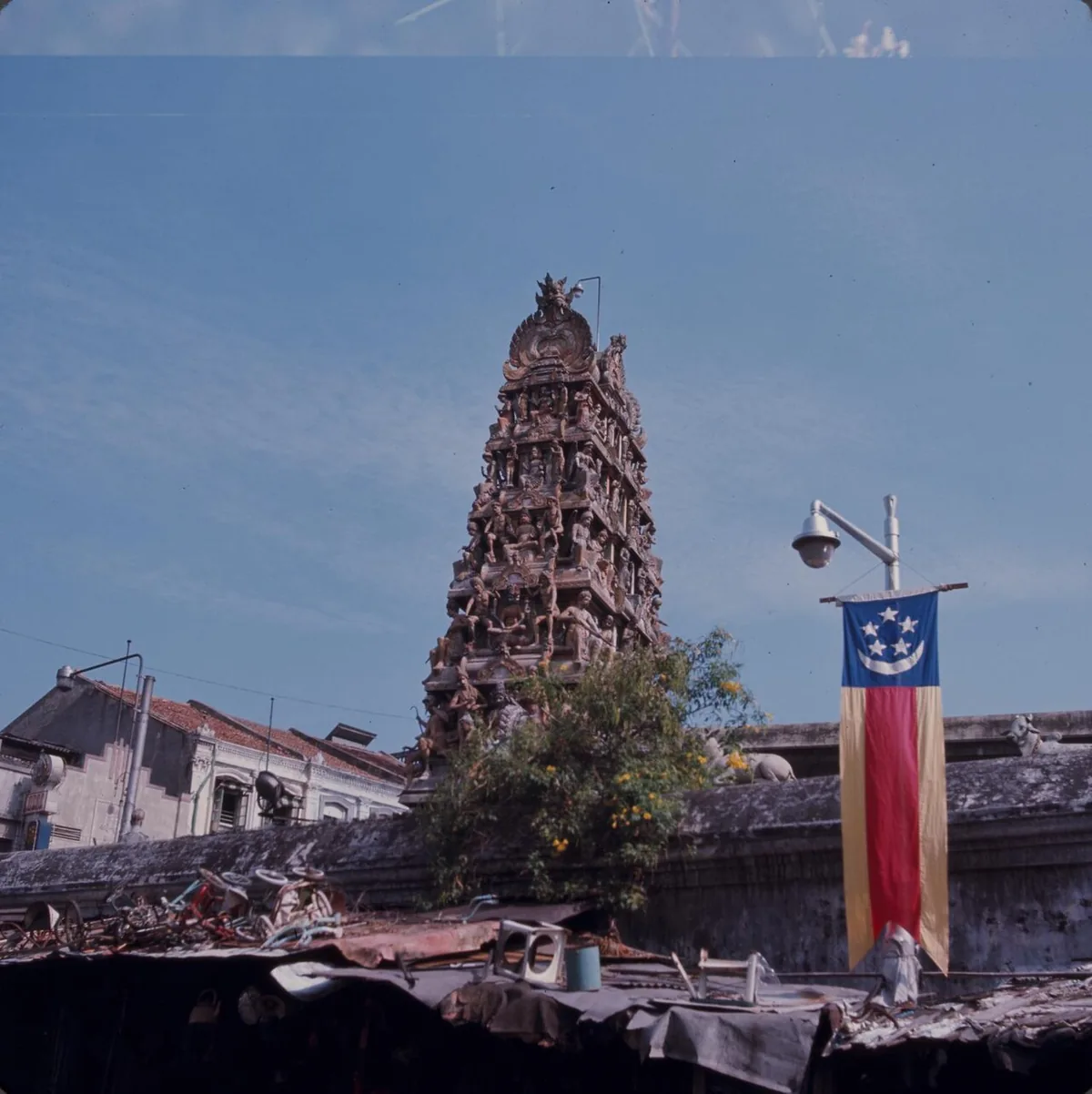
Sri Mariamman Temple
A sculpted, many-tiered gopuram rises above South Bridge Road, marking Singapore’s oldest Hindu temple. Sri Mariamman Temple’s entrance tower has changed over time, while the shrine itself continues to serve a living Hindu community.
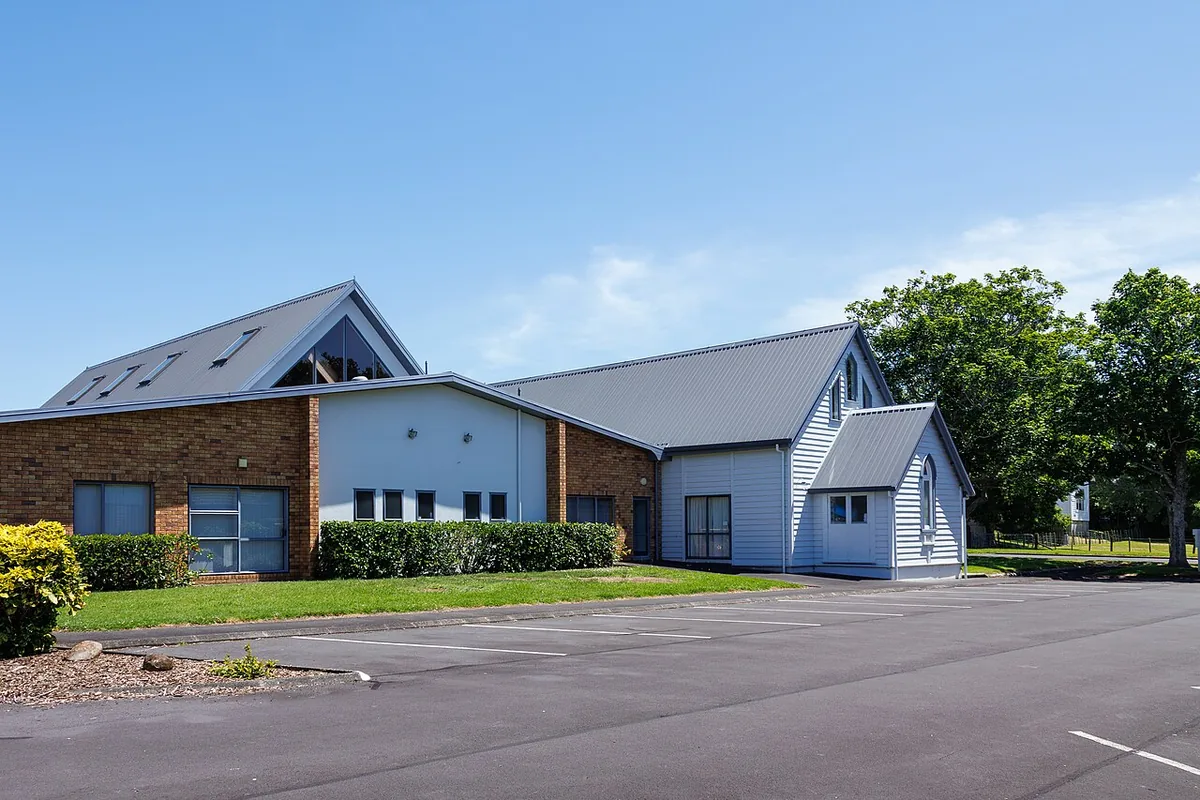
St Anthony's Church
St Anthony’s Church is a modest landmark with a layered history of rebuilding. First established in the sixteenth century, it became known locally as the Church of Flowers, a name linked to Portuguese wedding traditions.
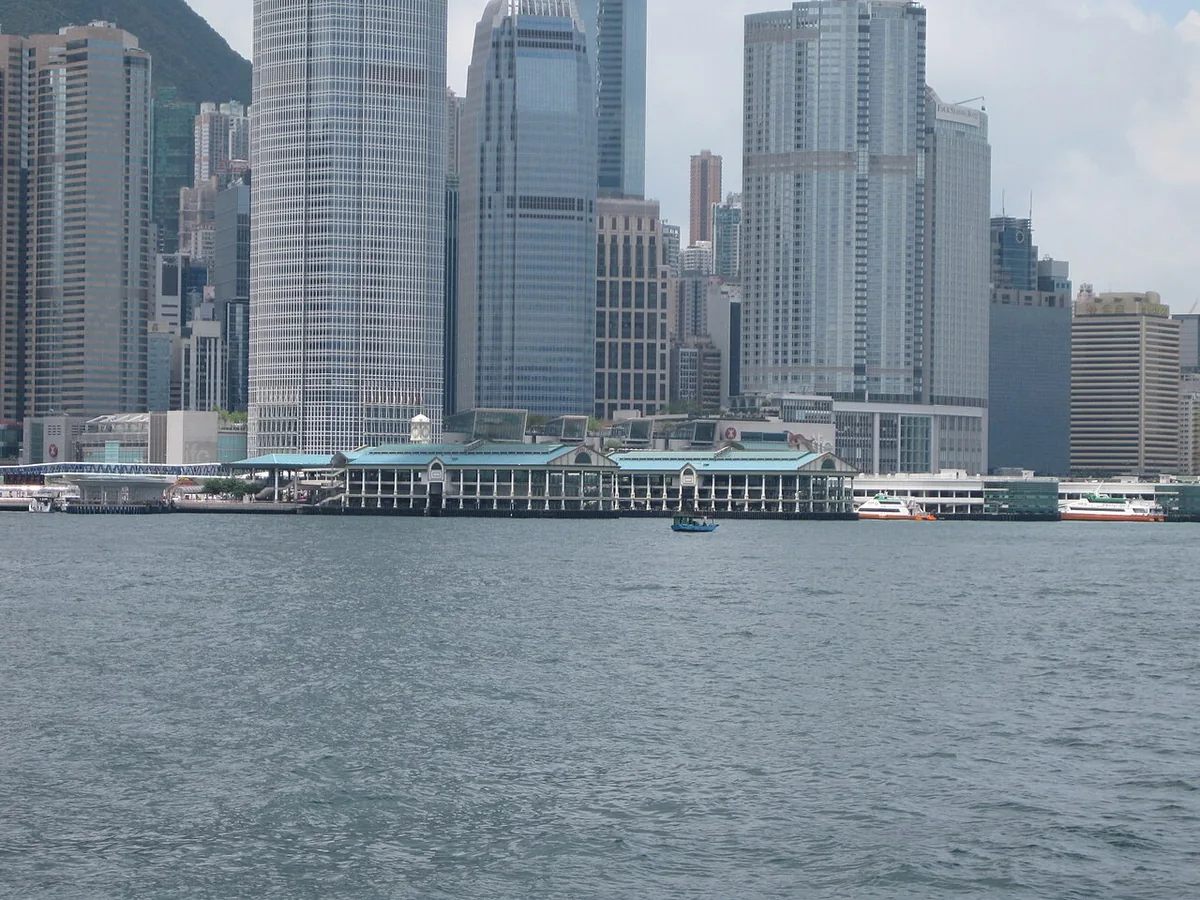
Star Ferry Pier
The Star Ferry Pier serves a cross-harbour route that has linked Kowloon and Hong Kong Island since the nineteenth century. The short crossing remains part of the city’s commuter network as well as an enduring public view of Victoria Harbour.
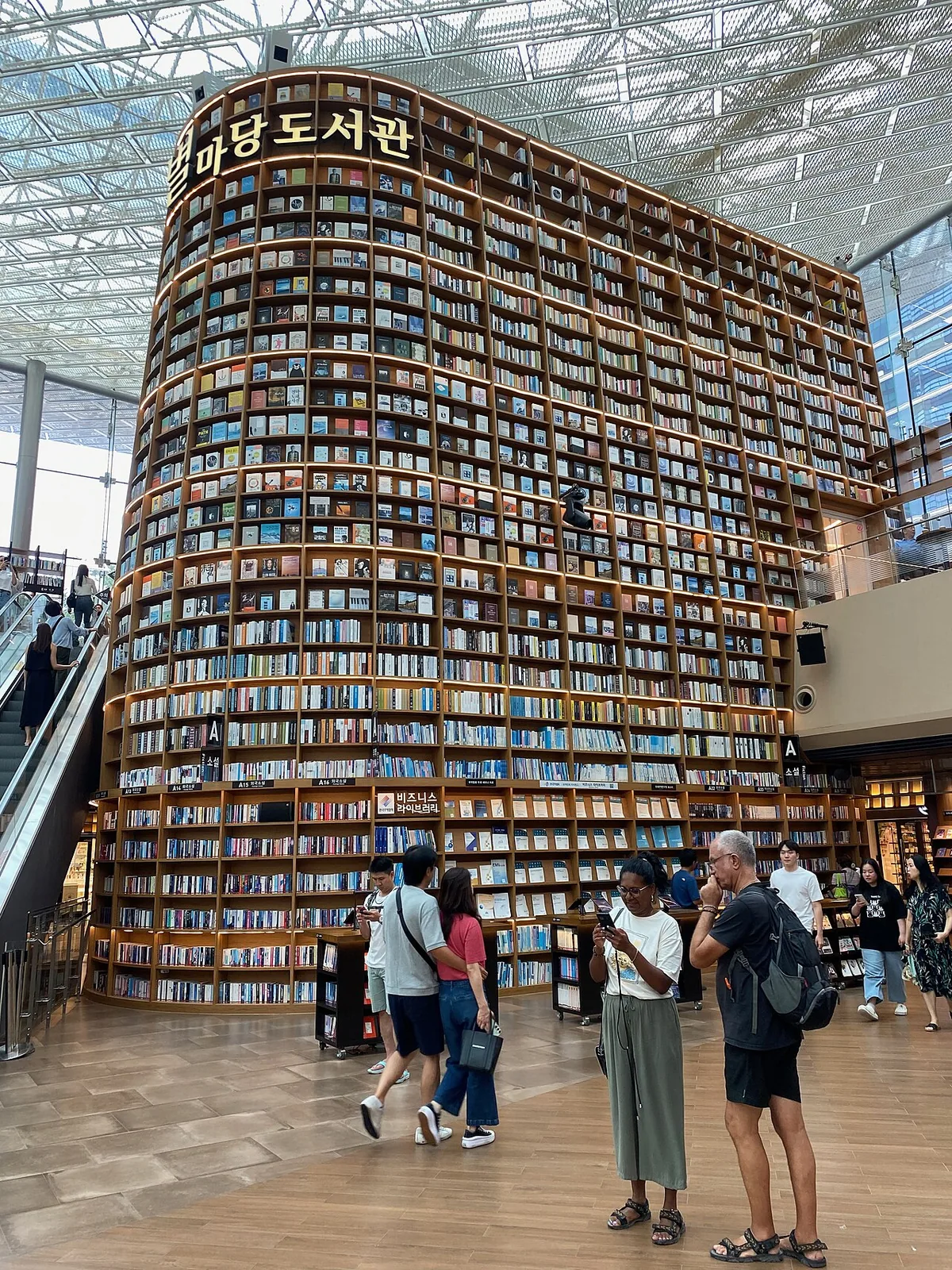
Starfield Library
Starfield Library turns a shopping-centre atrium into a shared reading room, with monumental open shelves visible across multiple floors. Its scale makes books part of the public interior, while the seating and open access invite visitors to pause amid the movement of COEX Mall.
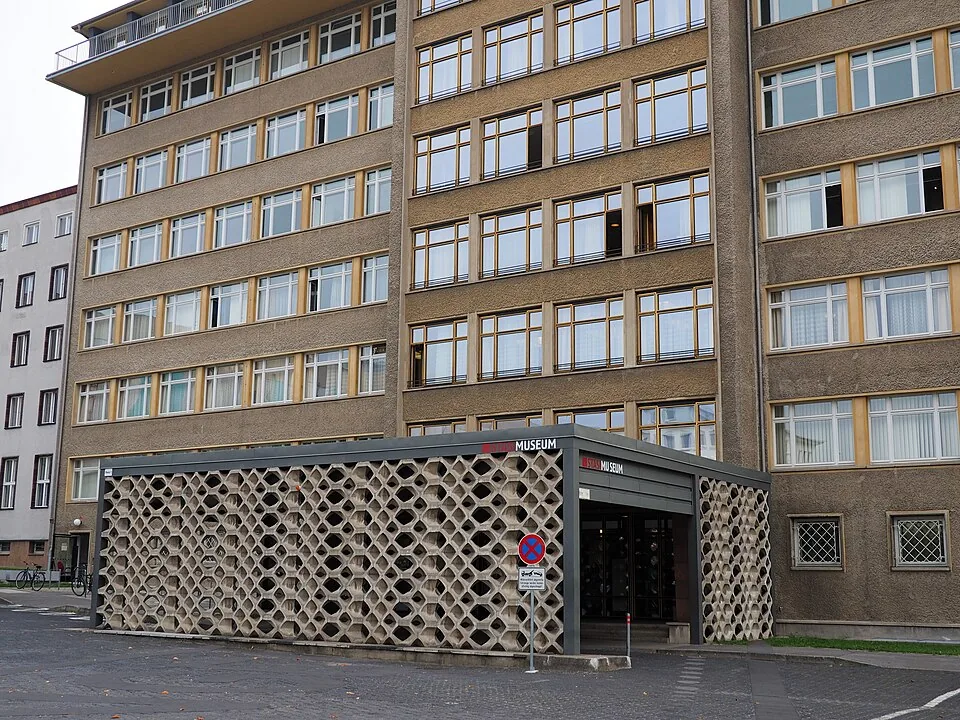
Stasi Museum
The Stasi Museum occupies House 1 of the former East German Ministry for State Security headquarters. Preserved offices, including Erich Mielke’s rooms, connect the abstract reach of surveillance to the spaces where senior officials worked and exercised state power.
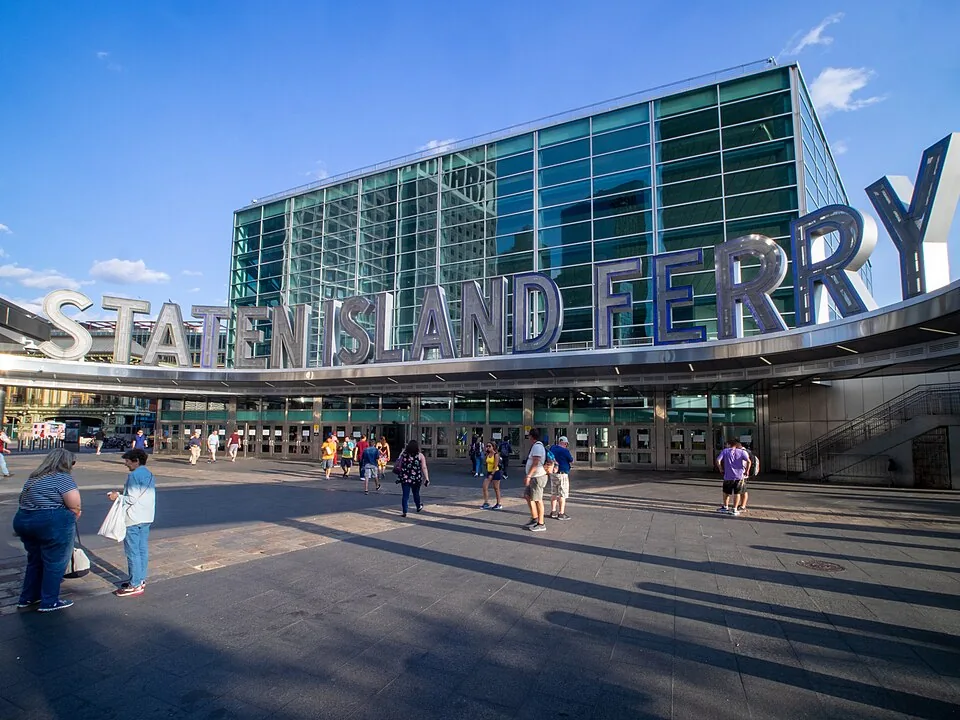
Staten Island Ferry Whitehall Terminal
Whitehall Terminal is Manhattan’s departure point for the Staten Island Ferry, a working harbour crossing with broad views of Lower Manhattan and New York Bay. The free route links daily transportation with a memorable, low-cost way to experience the waterfront.
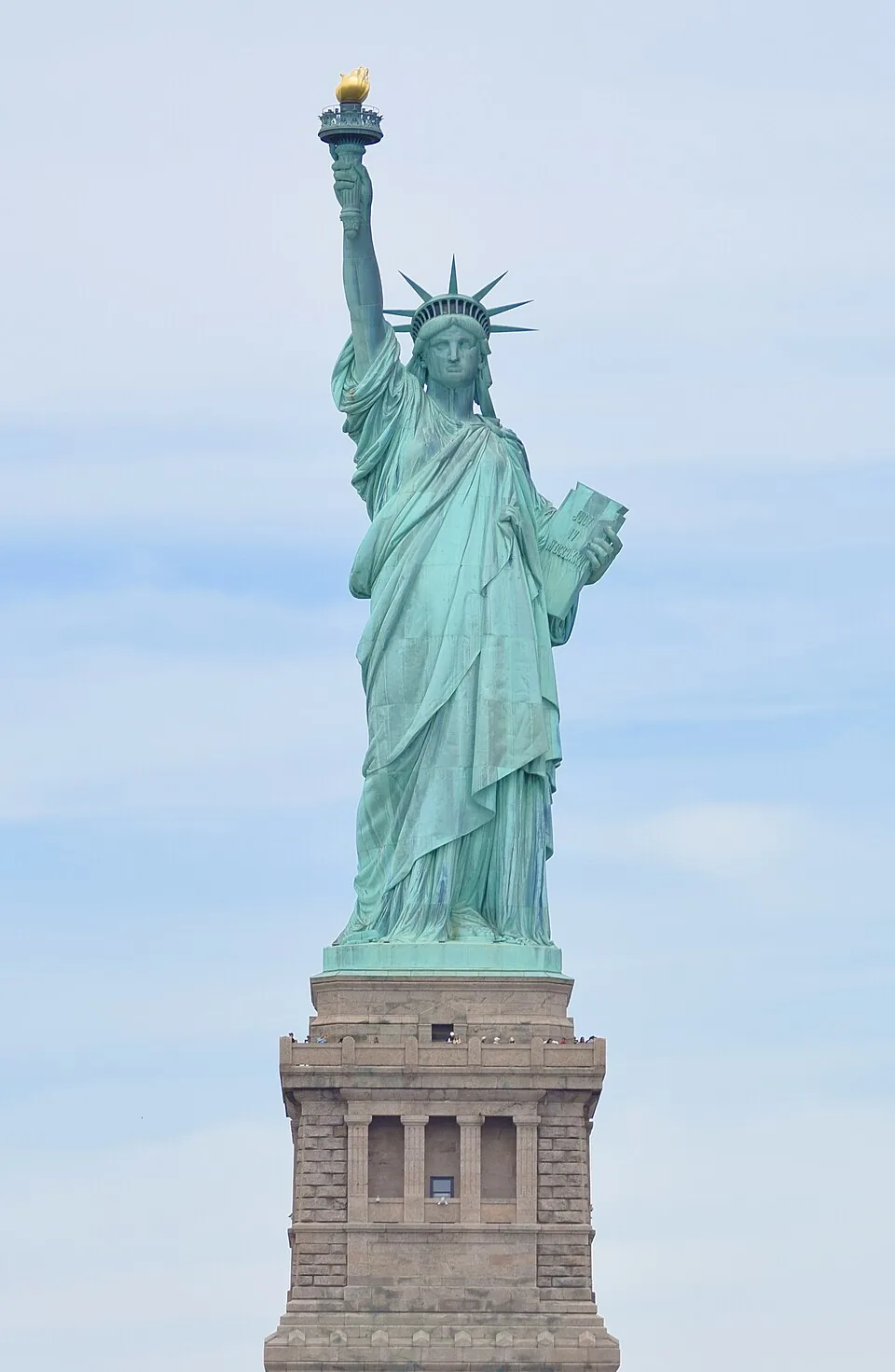
Statue of Liberty
The Statue of Liberty rises from Liberty Island with torch and tablet held high, but a small detail near her feet changes the reading: broken shackles. The monument’s form joins national independence, abolition, and the idea of liberty moving forward.
St Augustine's Church
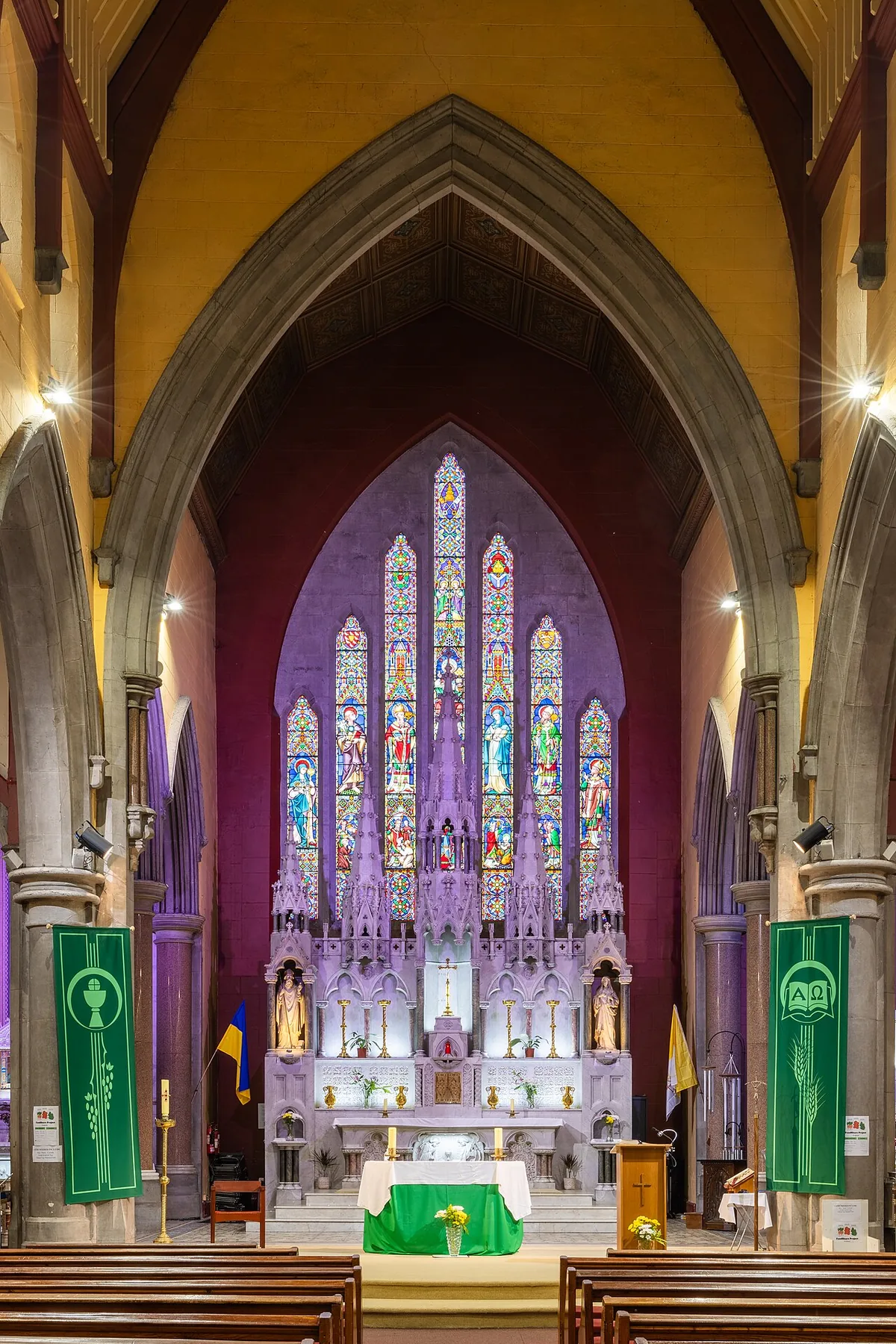
St Augustine’s Church pairs a restrained exterior with an elaborately ornamented interior. Founded by Spanish Augustinians in 1591, it remains part of Macao’s historic religious landscape and is associated with a longstanding Easter procession.
St Augustine's Square
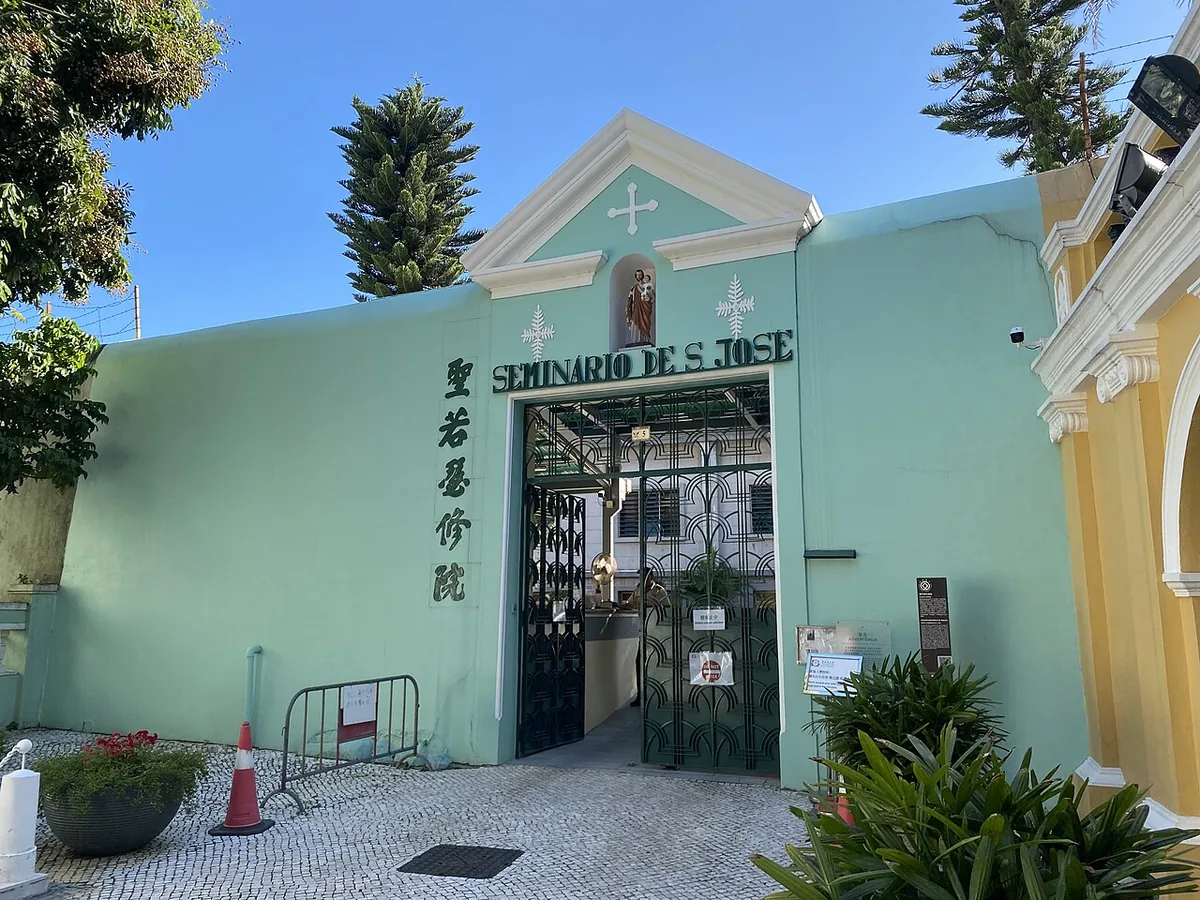
St Augustine’s Square brings a church, theatre, seminary, and library into one small paved space. The cobbled ground links these distinct buildings into a walkable historic ensemble, showing how Macao’s civic and religious institutions developed close together.
St Dominic's Church
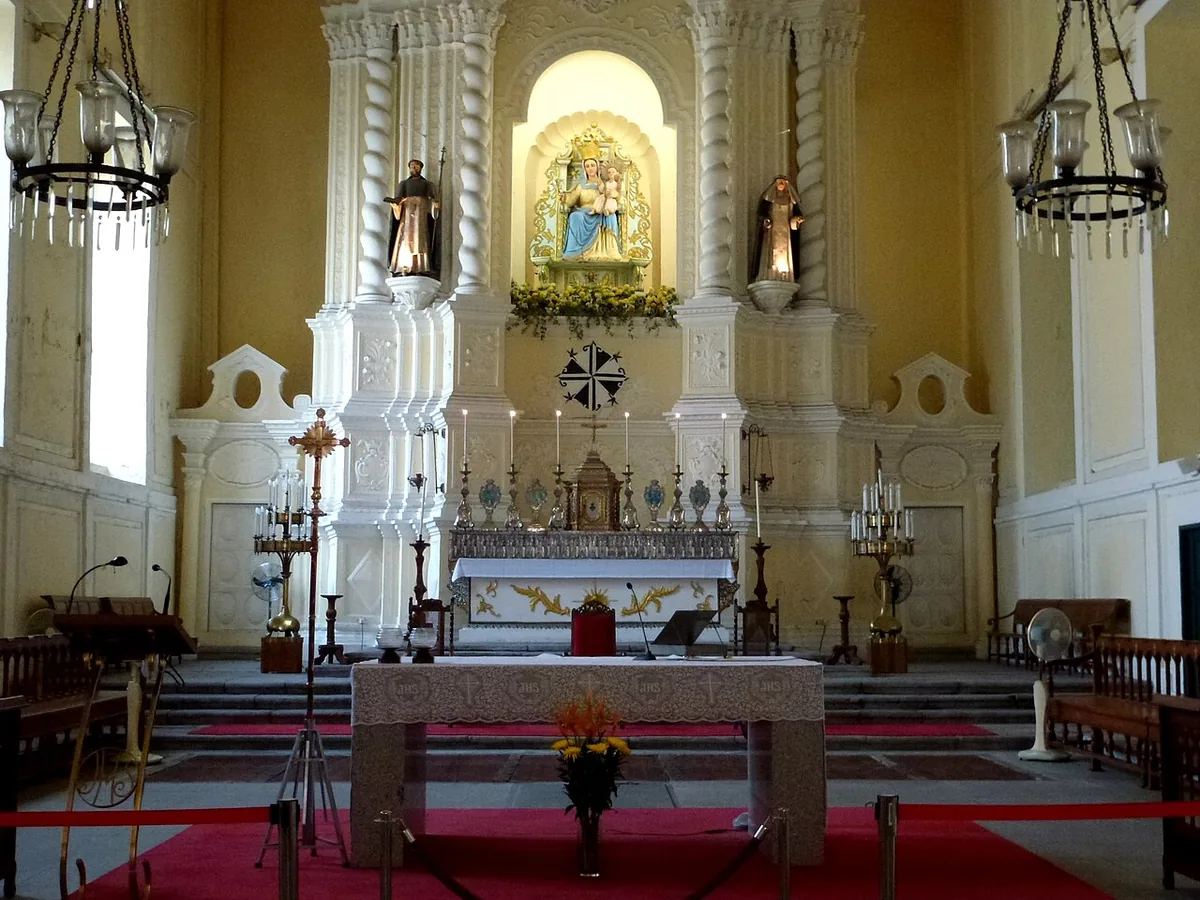
St Dominic’s Church stands at the head of a lively square, its pale façade and deep doorway marking a long-established Catholic presence in Macao. Founded by Dominican priests in 1587, the building also connects religious life with print and cultural history.
St. Dominic's Square
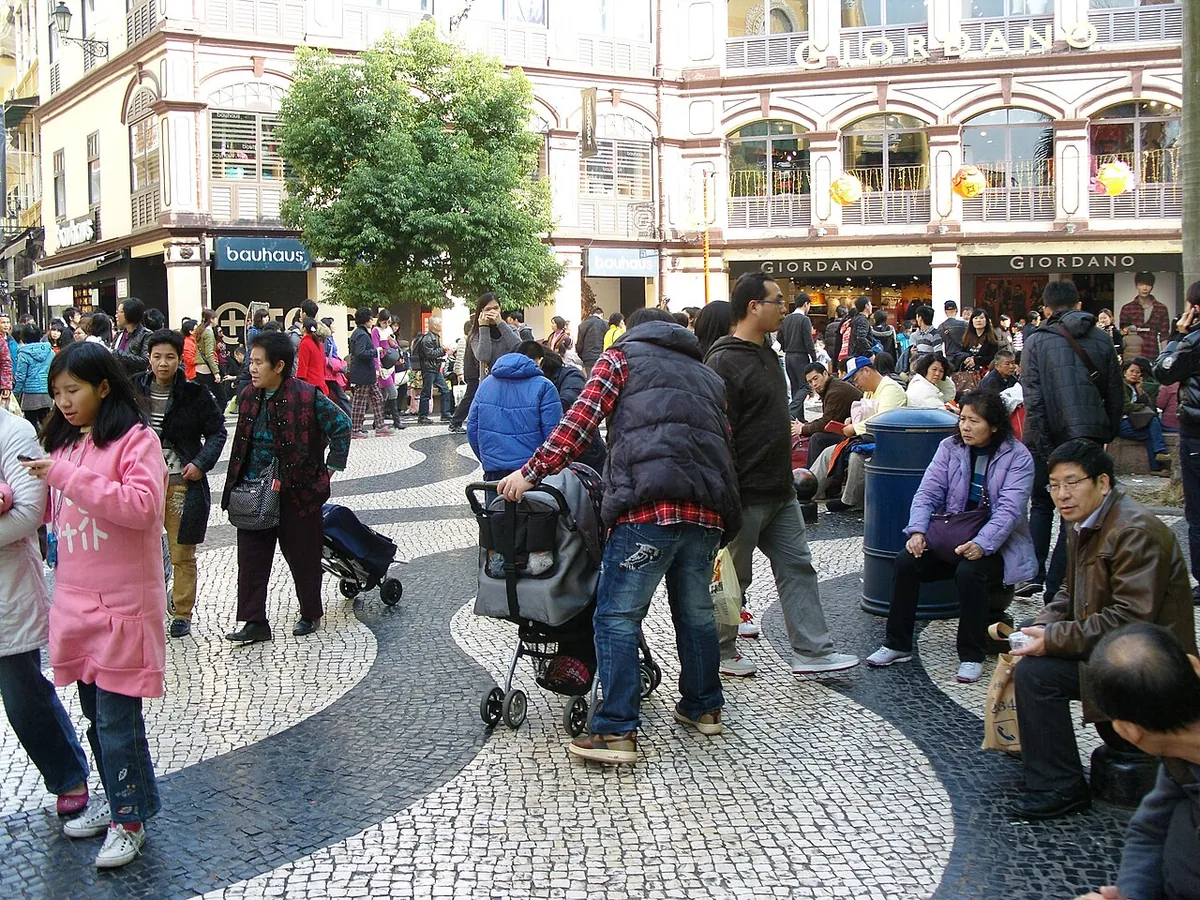
St. Dominic’s Square lies before the historic church of the same name in central Macao. Its patterned paving, shaded resting places, and nearby stalls make the plaza both a heritage forecourt and part of the neighborhood’s everyday street life.