Explore locations
Browse places by name, city, country or category.
All locations
1624 locations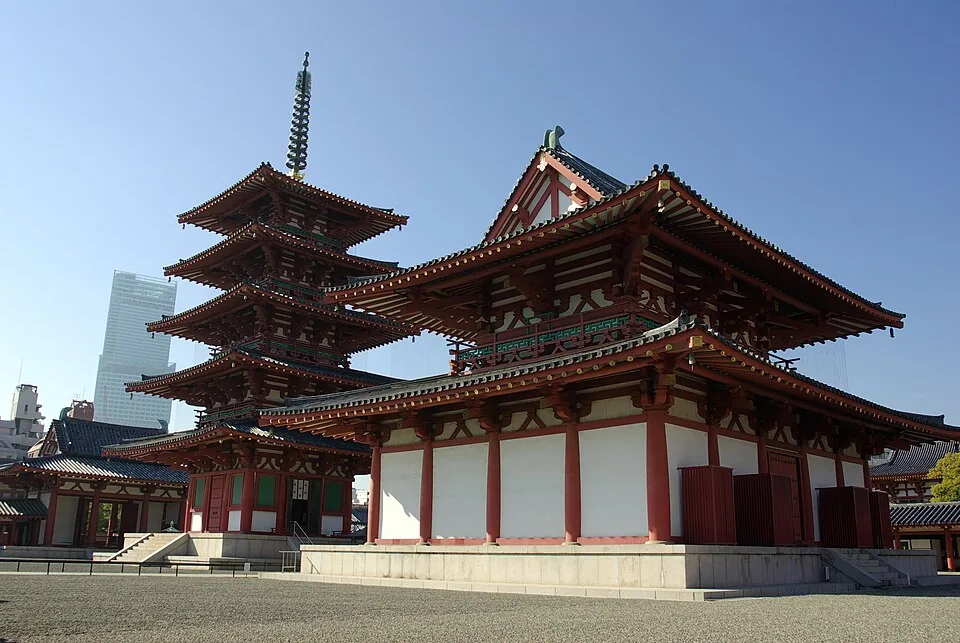
Shitennoji Temple
Shitennoji’s central axis gives the temple precinct a clear sequence of gates, pagoda, main hall, and lecture hall. The arrangement carries an early Buddhist architectural plan into modern Osaka, even though repeated disasters mean the present buildings are reconstructions.
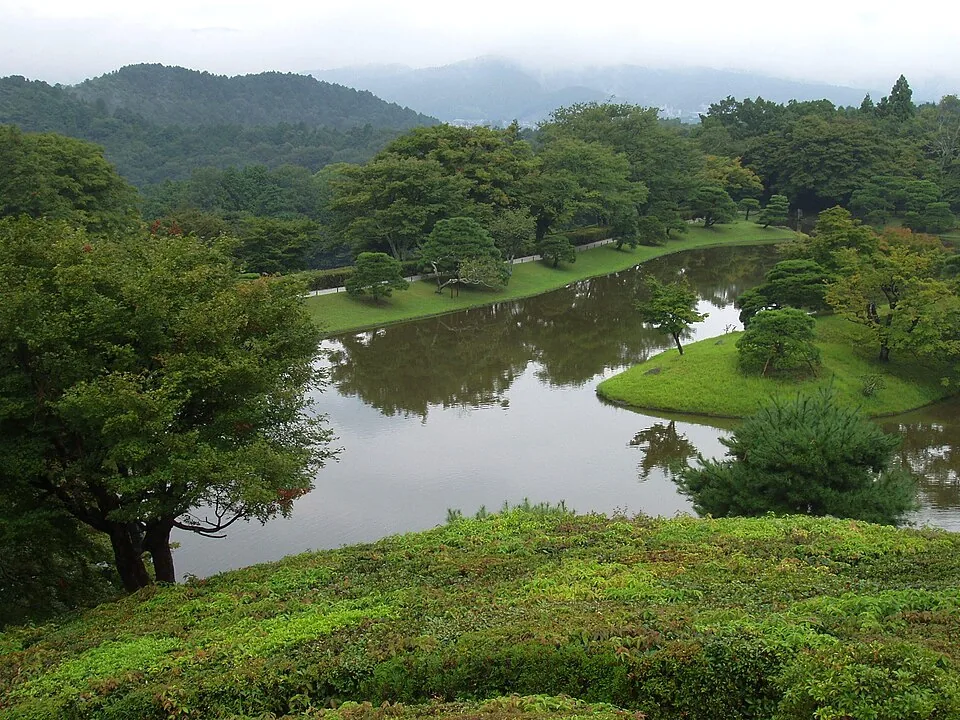
Shugakuin Imperial Villa
Shugakuin Imperial Villa spreads across three terraces at the foot of Mount Hiei, linking ponds, paths, and tea houses with distant mountain views. Built for retired Emperor Gomizuno-o, the landscape uses borrowed scenery on an expansive scale.
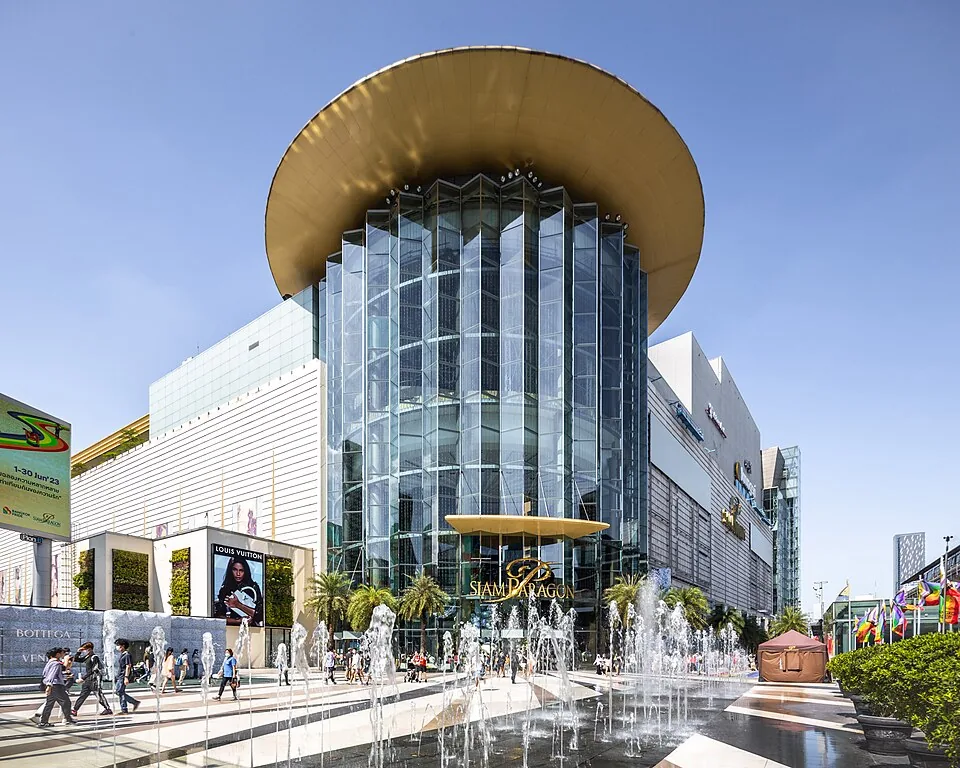
Siam Paragon
Siam Paragon is a major retail and entertainment complex in Bangkok’s Siam district. Its broad public concourses connect shops, dining, and attractions to a central transit hub, reflecting the area’s role as a modern commercial center.
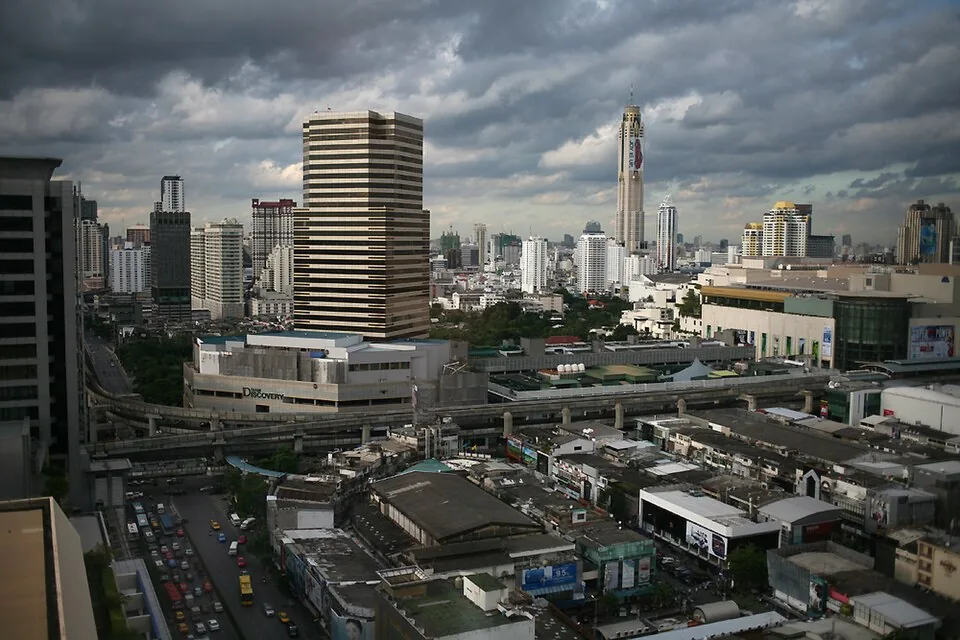
Siam Square
Siam Square’s lanes and open pockets form a commercial and social district closely associated with Chulalongkorn University. Student activity, small businesses, and public events give the area a youthful rhythm, while its central location makes it a meeting ground for a much wider Bangkok.
Side Ancient City
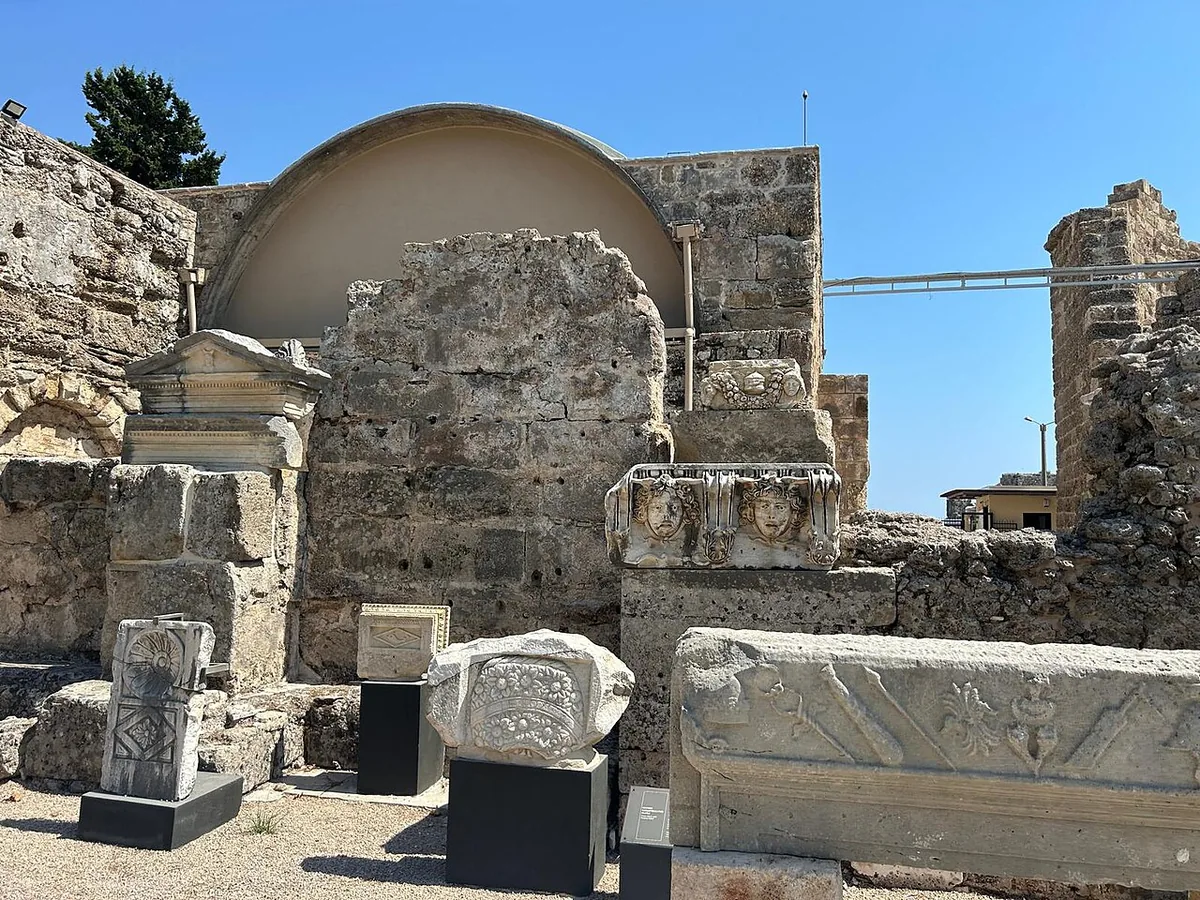
The peninsula gathers a Roman theatre, colonnaded streets, and harbor-side ruins within a modern resort town. Side’s compact geography makes its ancient urban plan legible: civic life, performance, and maritime trade occupied the same narrow strip of land.
Sillyon Ancient City
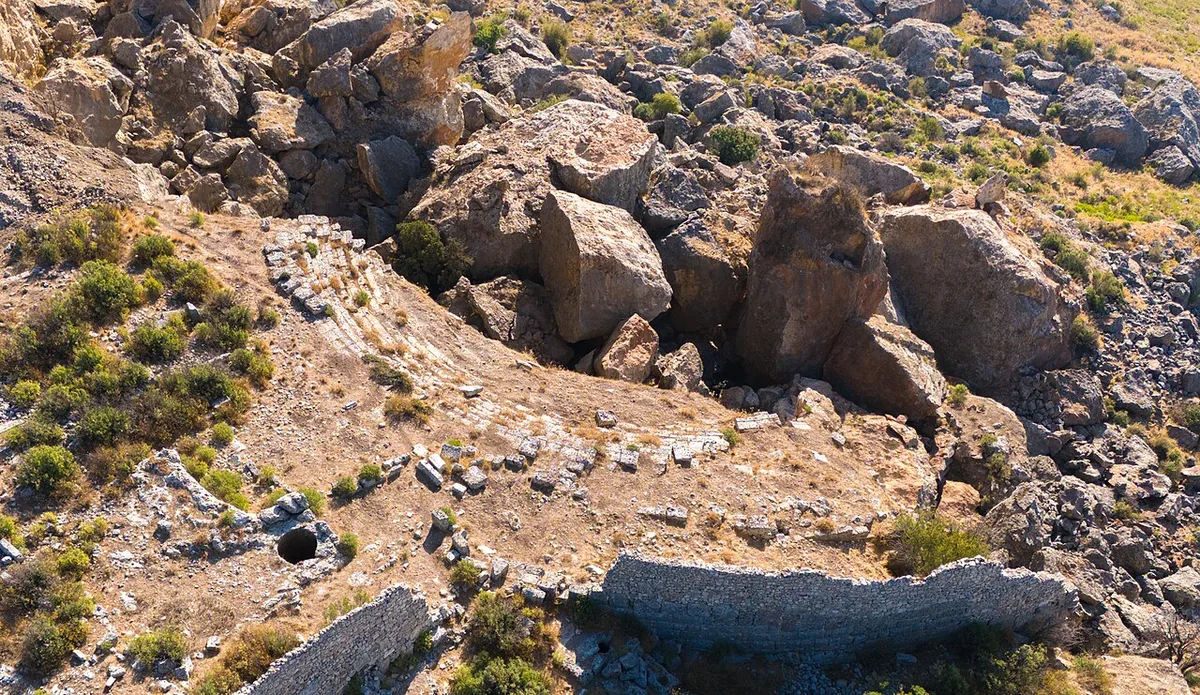
Sillyon rises on a rocky hill in Pamphylia, where fortifications, a stadium, public buildings, and later Islamic structures preserve successive eras of settlement. Its elevated position shaped both its defenses and its commanding relationship to the surrounding plain.
Siloso Beach
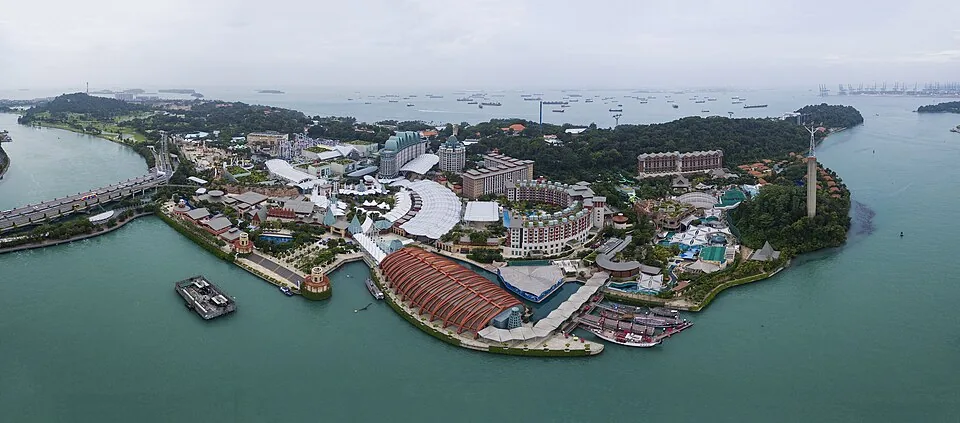
Siloso Beach is the most visibly active stretch among Sentosa’s beaches, with a wide shore and facilities associated with sport and leisure. Its present-day identity contrasts with the wartime history preserved elsewhere on the island.
Simena Ancient City
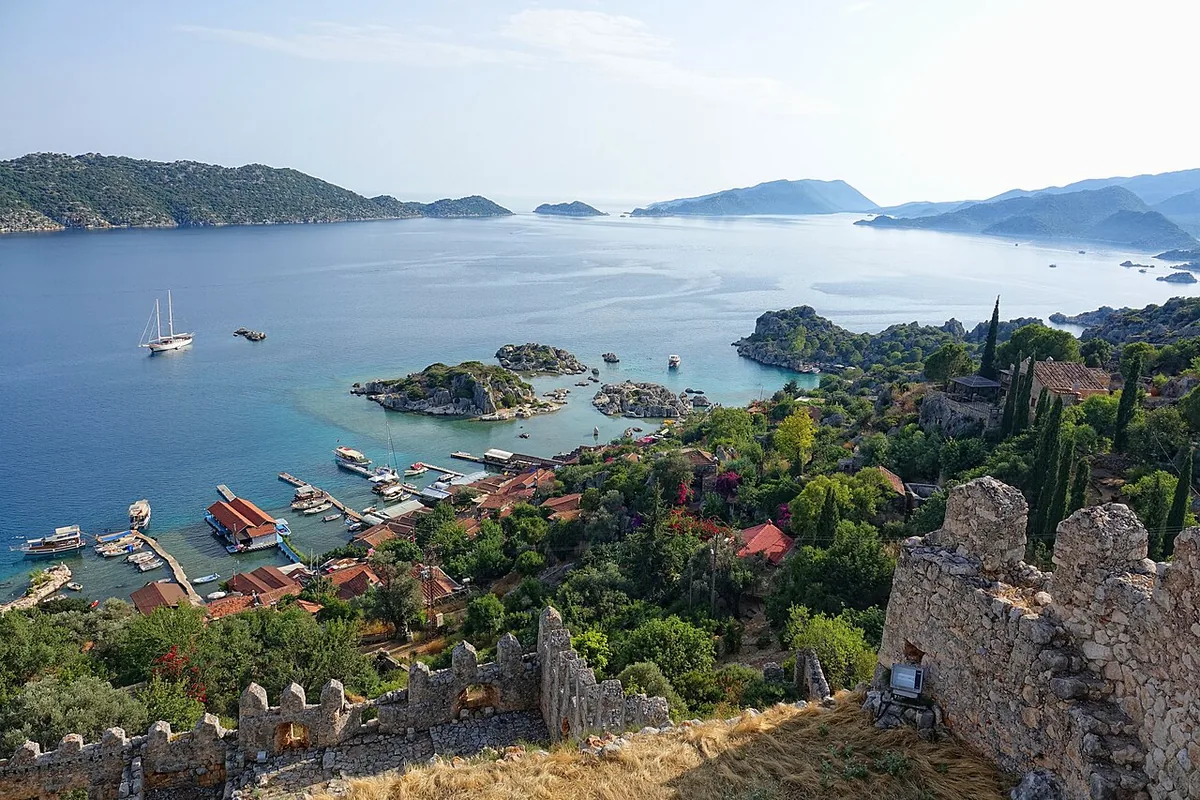
Stone houses, tombs, and a small theatre share the steep shoreline at Simena. The ancient settlement remains intertwined with a living coastal village, so its archaeology is encountered within a continuing community rather than an abandoned, isolated site.
Singapore Botanic Gardens
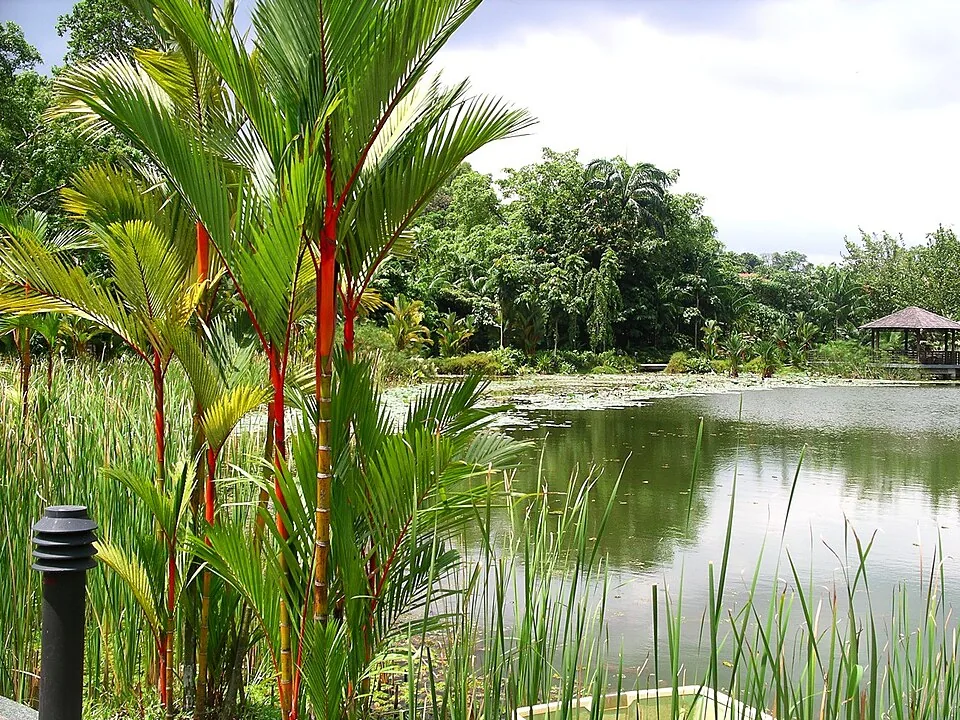
The Singapore Botanic Gardens began at their present Tanglin site in 1859 as an ornamental garden and later developed a scientific and agricultural role. Today, heritage landscapes, plant collections, research facilities, and public paths preserve that changing mission across a large urban garden.
Singapore Flyer
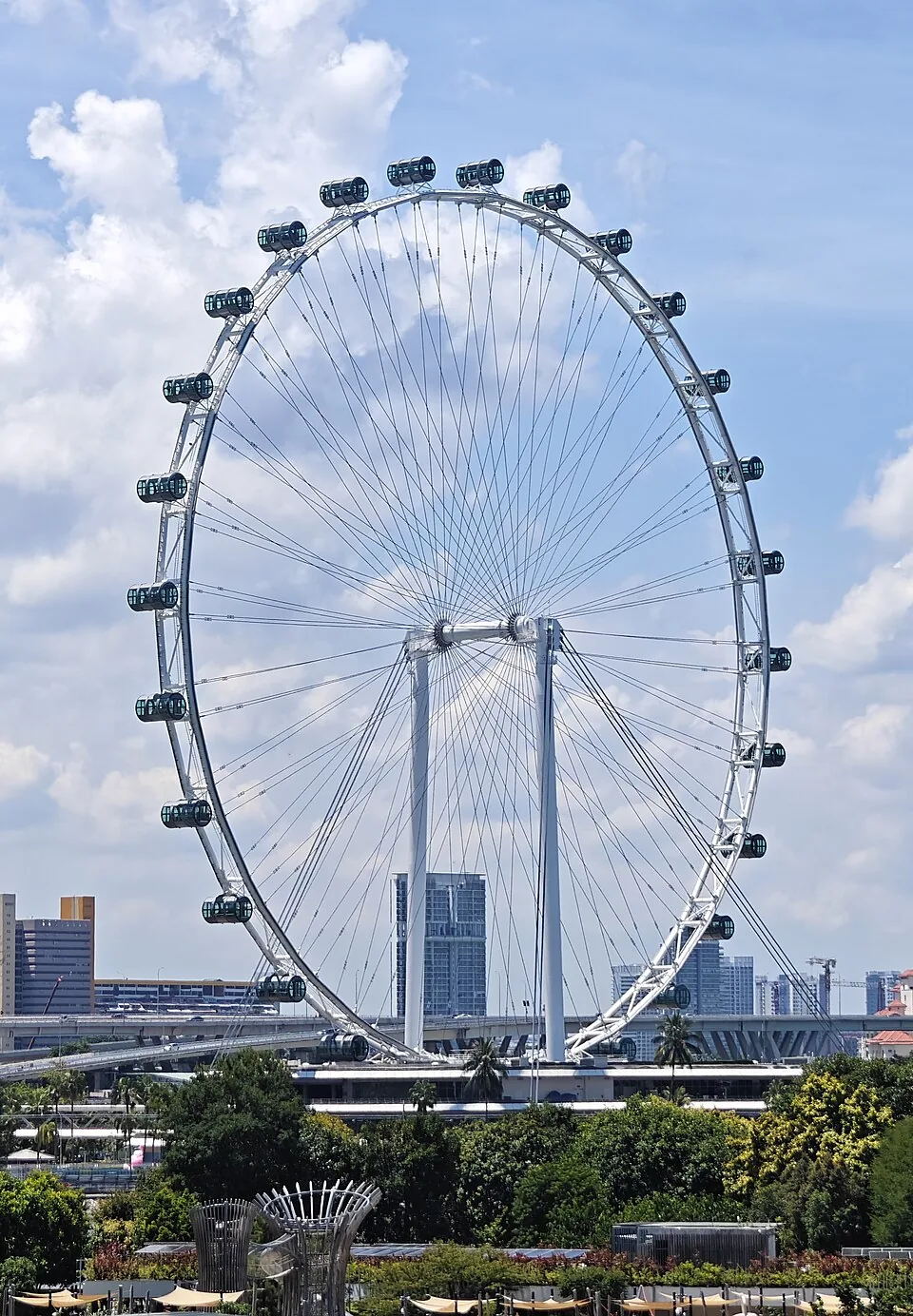
The Singapore Flyer’s large circular frame rises above Marina Bay, turning the skyline into a slow panorama. Its scale is clearest from the ground, where the wheel’s diameter and steady movement reveal the engineering behind the view.
Singapore Oceanarium
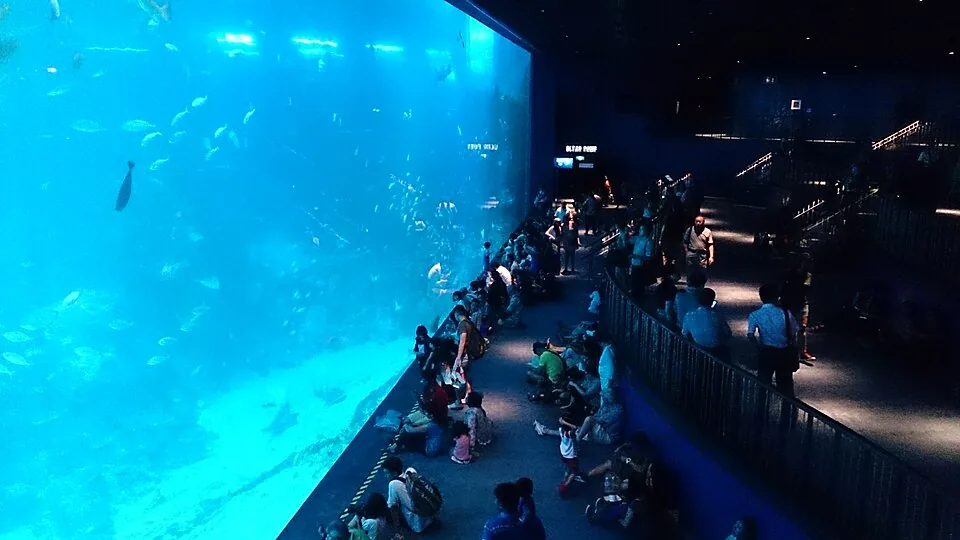
Singapore Oceanarium connects large marine habitats with research and education about the ocean. Its expanded spaces invite visitors to notice how life changes from coastal waters to the deep sea and to consider the human choices that affect those environments.
Singapore Zoo
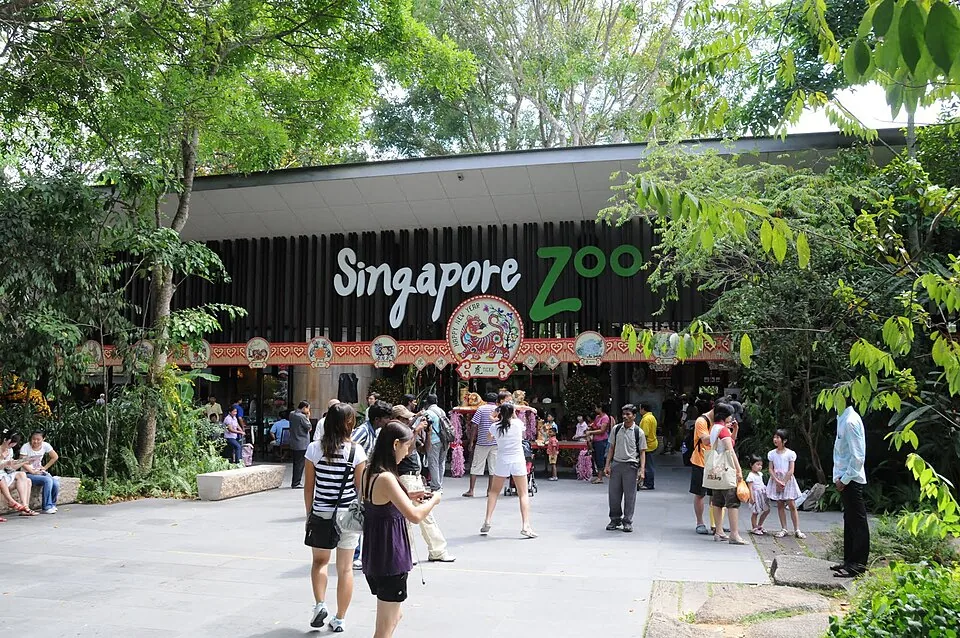
Singapore Zoo’s open-concept design sought to create naturalistic habitats in a tropical setting. Since opening in 1973, it has developed exhibits that let visitors observe animal behavior through planted landscapes, carefully designed boundaries, and varied viewing angles.
Singel
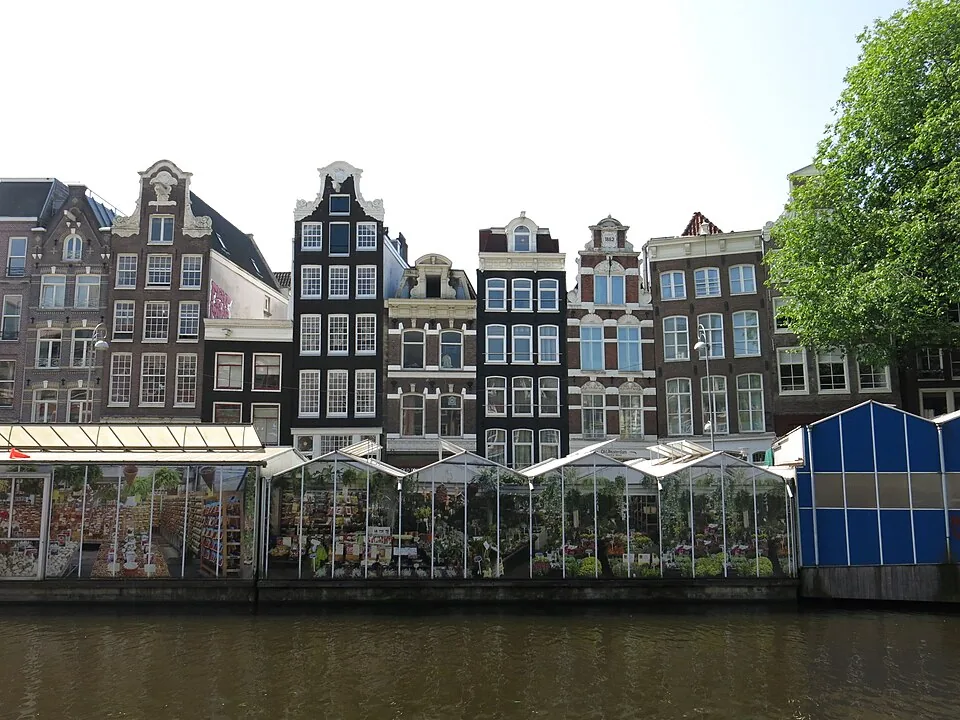
Singel traces the edge of Amsterdam’s older center, where a former defensive waterway became part of the expanding city. Look for the shift from the narrow inner canal to the larger concentric ring beyond it.
Siriraj Medical Museum
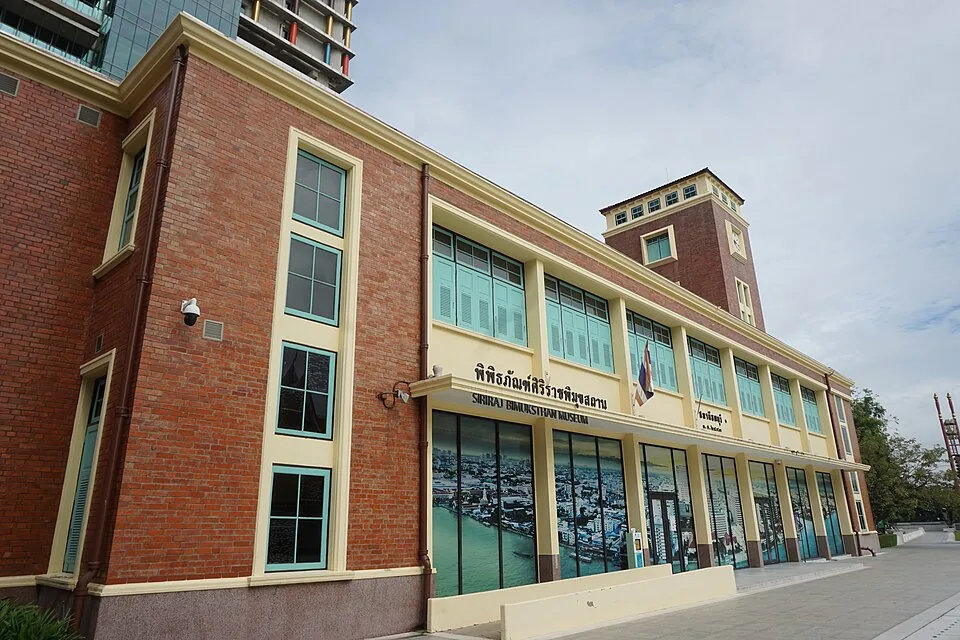
Inside Siriraj Medical Museum, specimens, models, and teaching collections place medicine in a public, educational setting. The museum’s multiple specialist collections connect anatomy, pathology, parasites, and forensic medicine to the work of a major teaching hospital.
Sir Robert Ho Tung Library
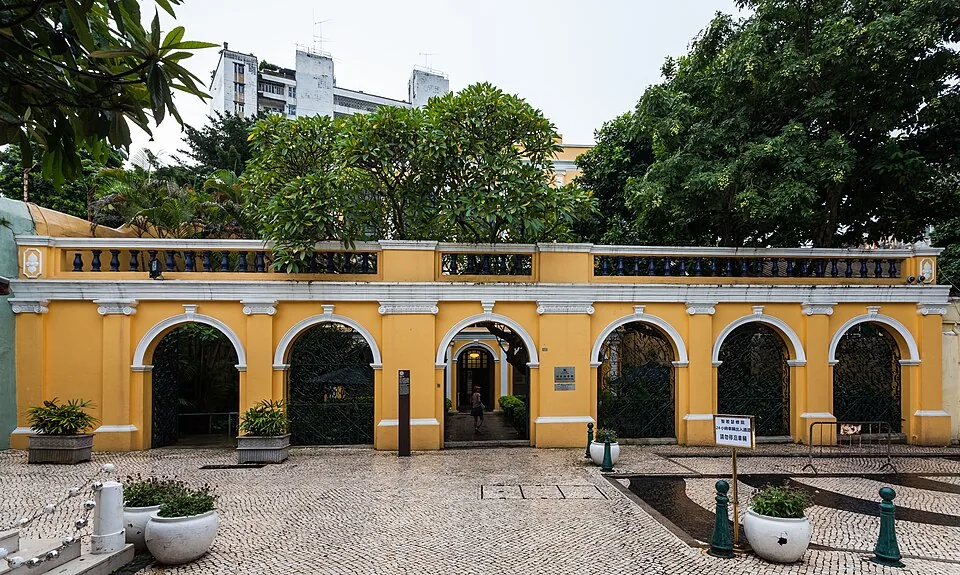
Sir Robert Ho Tung Library pairs a historic residence with a modern public library extension. Its story links a private home, a bequest to Macao, and a civic institution, making the building itself a lesson in how domestic architecture can acquire a lasting public purpose.
Sistine Chapel
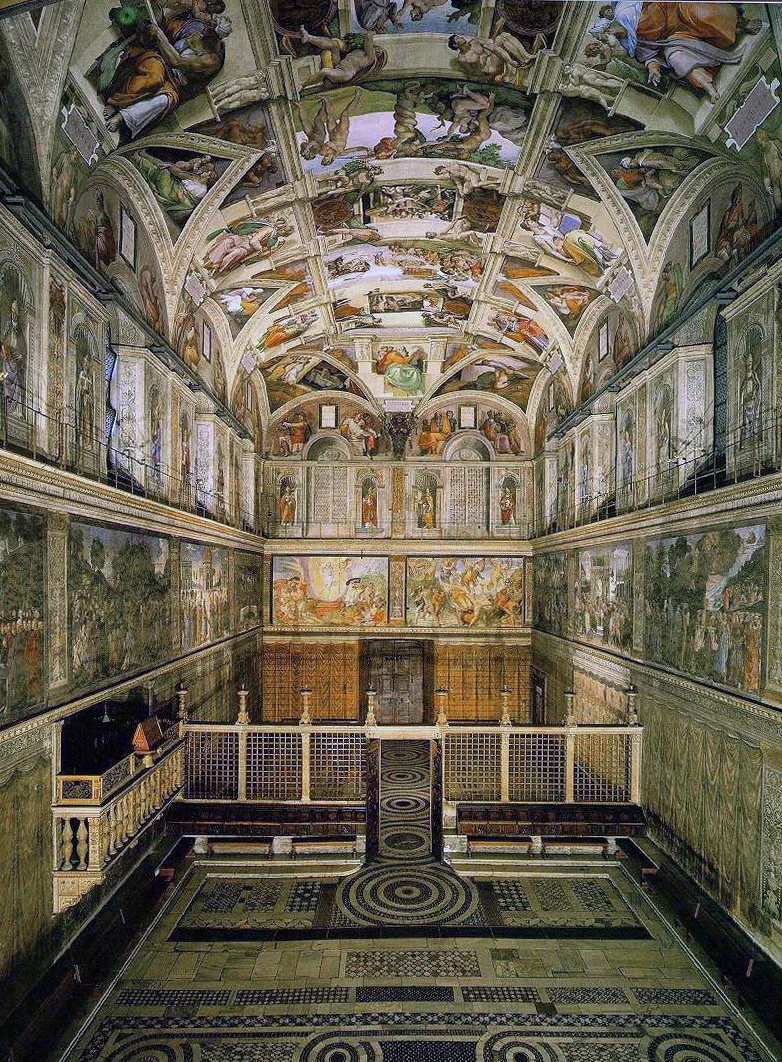
The Sistine Chapel’s famous ceiling is part of a room that continues to serve an active religious and ceremonial role. Its frescoes were created in distinct campaigns by several Renaissance artists, with Michelangelo’s ceiling and Last Judgment transforming the space.
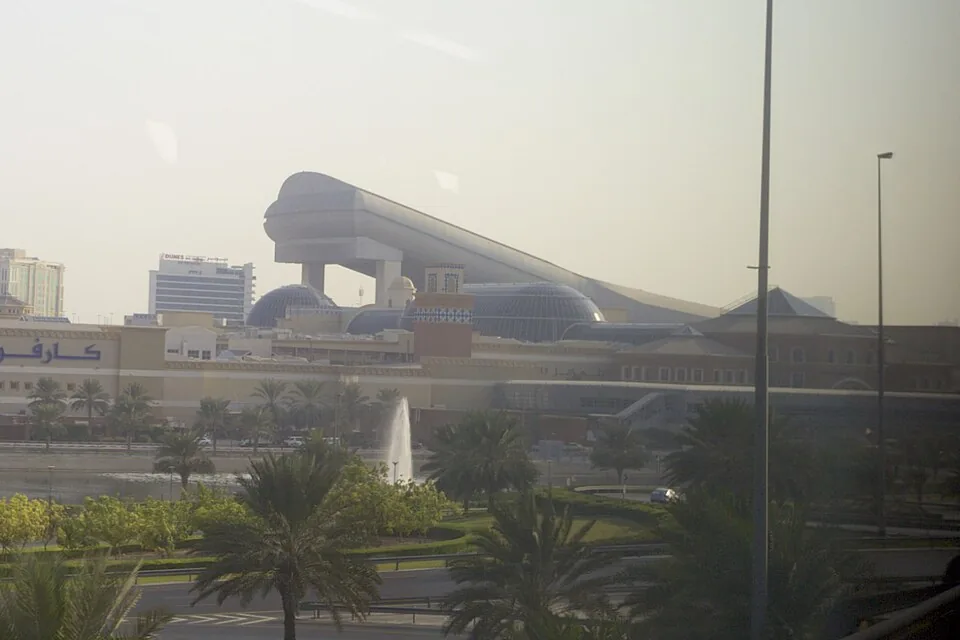
Ski Dubai
Ski Dubai encloses snow and ski runs inside Mall of the Emirates, making an alpine landscape part of a desert-city leisure complex. Its striking contrast invites a closer look at the engineering required to create a controlled winter environment indoors.
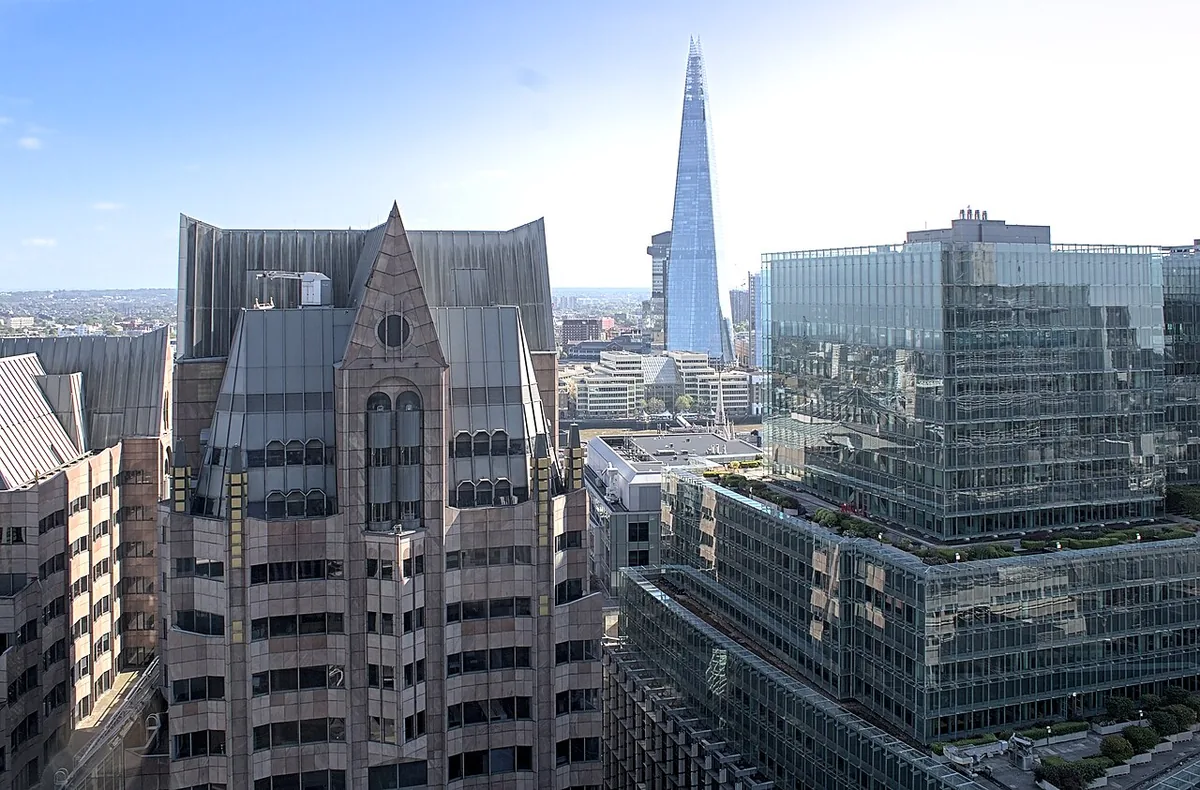
Sky Garden
Sky Garden occupies the upper floors of 20 Fenchurch Street, a glass tower whose widening profile gives it the nickname “Walkie Talkie.” The elevated garden creates a planted public interior above the City, pairing an engineered skyline landmark with greenery and long views across London.
Sky Views Dubai
Glass, height, and a direct view toward the Burj Khalifa make Sky Views a carefully designed encounter with Dubai’s skyline. Its elevated observatory turns the city into a panorama, while transparent surfaces make the visitor conscious of being above it.
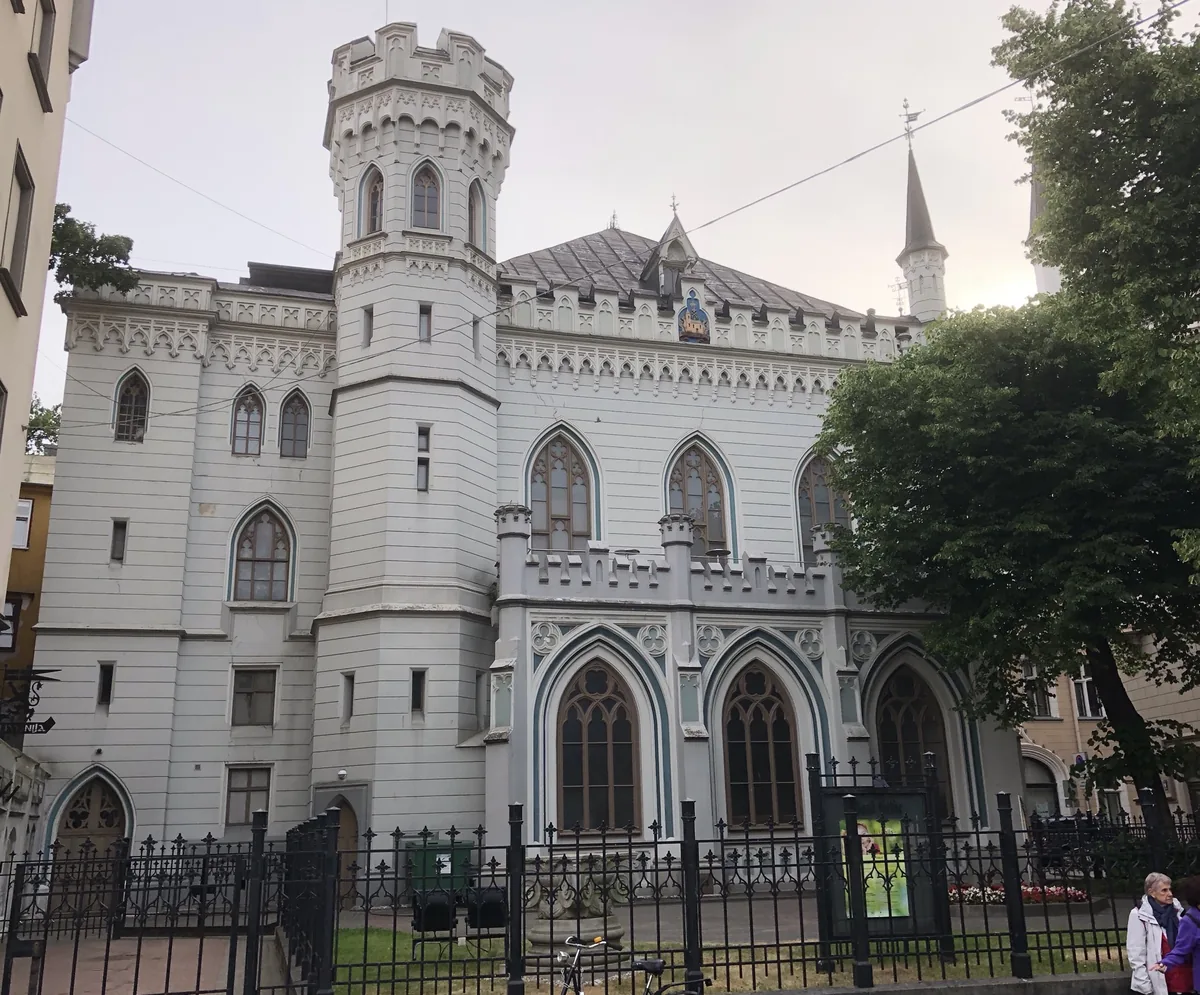
Small Guild
Riga’s Small Guild is a Gothic Revival hall built for the city’s master craftspeople in the 1860s. Its stained glass, mosaics and gathering rooms connect the guild’s older traditions with its present use as a cultural venue.
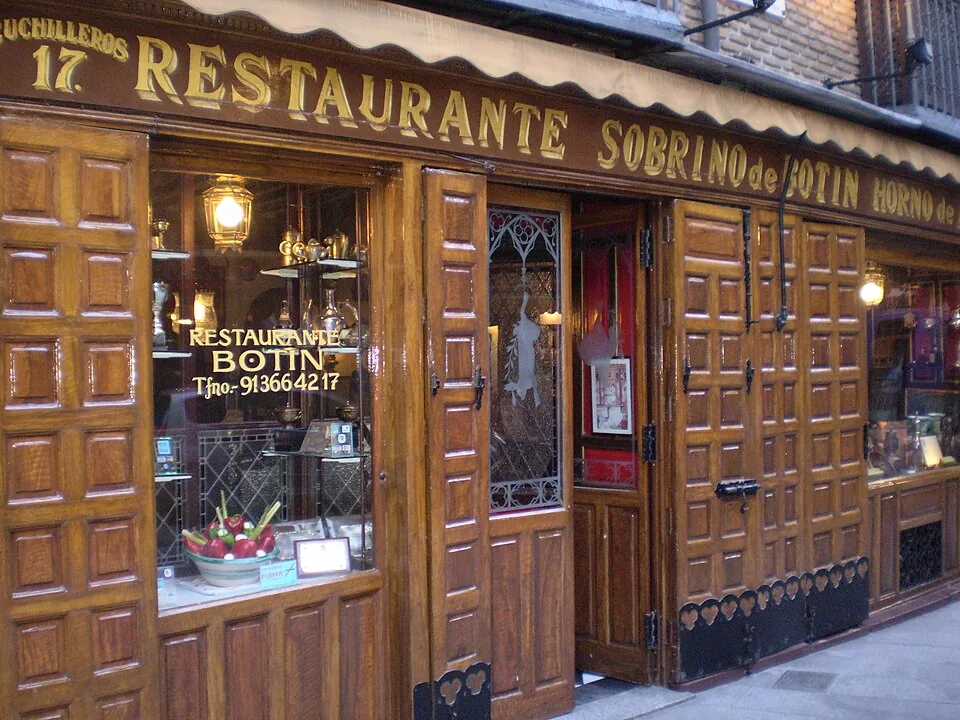
Sobrino de Botín
Sobrino de Botín links a narrow Madrid street to centuries of hospitality and Castilian cooking. Founded in 1725, it still uses a wood-burning oven said by the restaurant and city tourism authority to date from its opening, making the kitchen part of the site’s history.
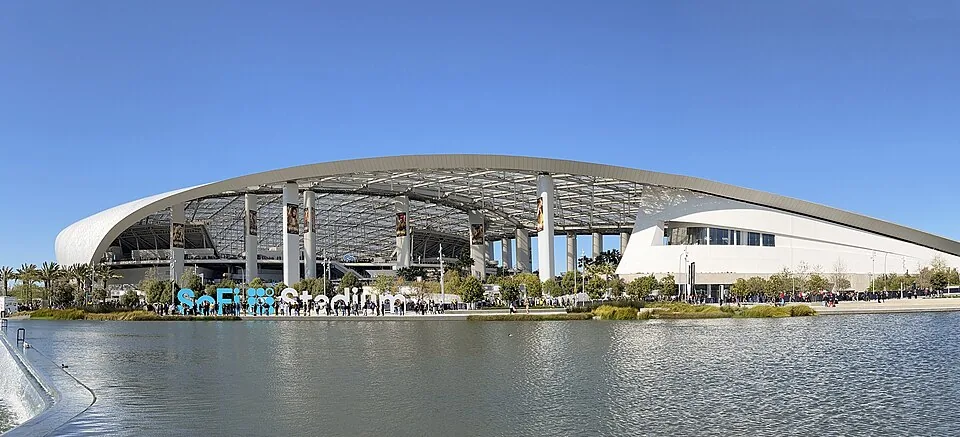
SoFi Stadium
SoFi Stadium’s translucent canopy and open sides create an indoor-outdoor arena beneath a continuous roof. Opened in 2020, it occupies the former Hollywood Park racetrack site and was designed as a large-scale gathering place for sport and entertainment.
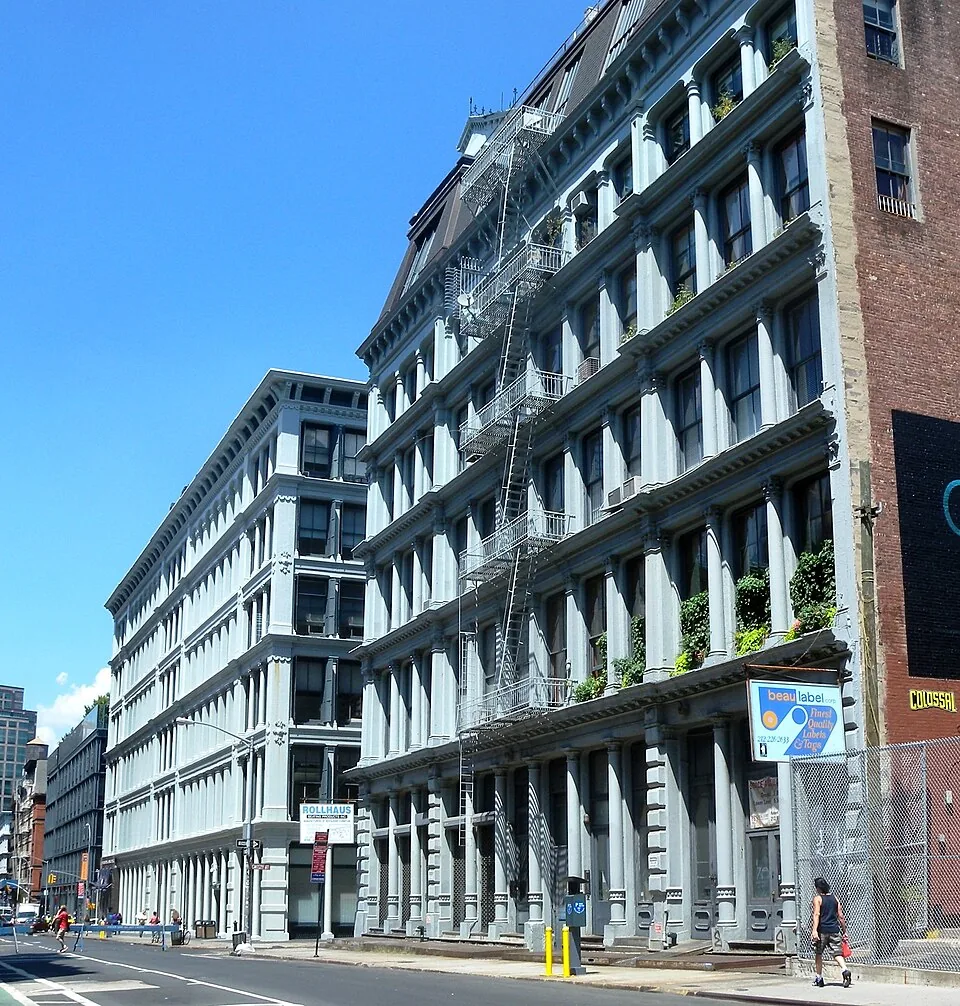
SoHo
SoHo’s cast-iron façades reveal a neighbourhood built for commerce and industry before its lofts became coveted places to live and work. Repeated columns, broad windows and ornate metalwork turn functional nineteenth-century buildings into a distinctive streetscape.
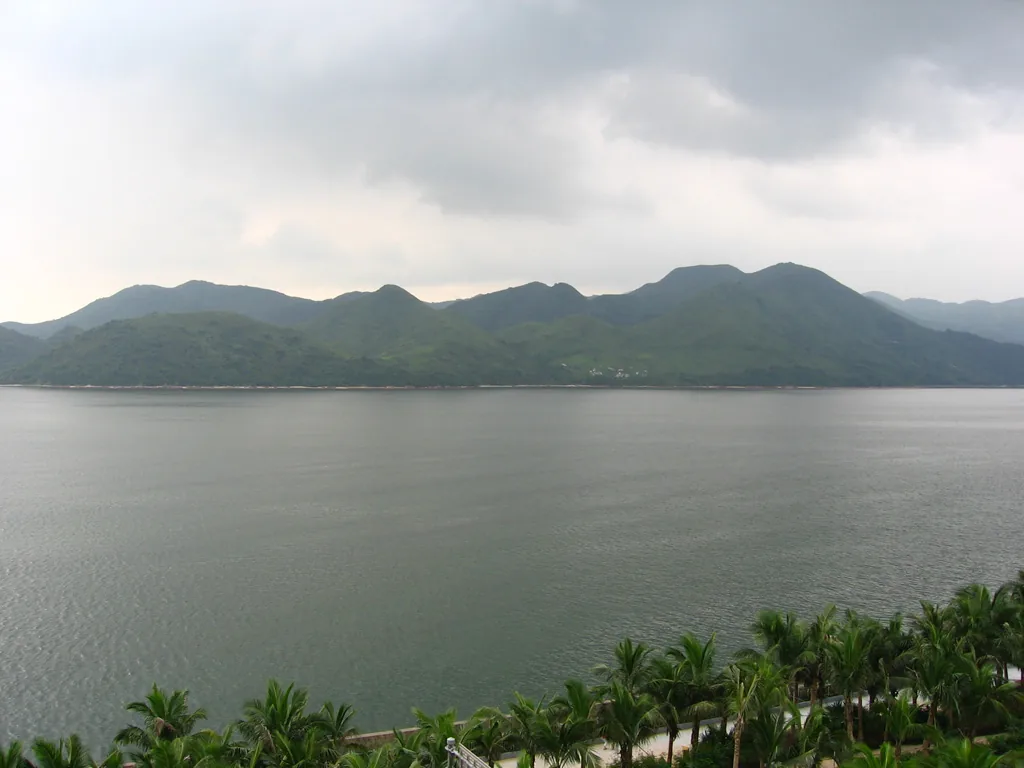
So Lo Pun
So Lo Pun is a Hakka village in a narrow valley near Hong Kong’s northeastern coast. Terraced fields, former shoreline farms, and traces of village life reveal how families made a living in a landscape with difficult transport links.