Explore locations
Browse places by name, city, country or category.
All locations
1624 locations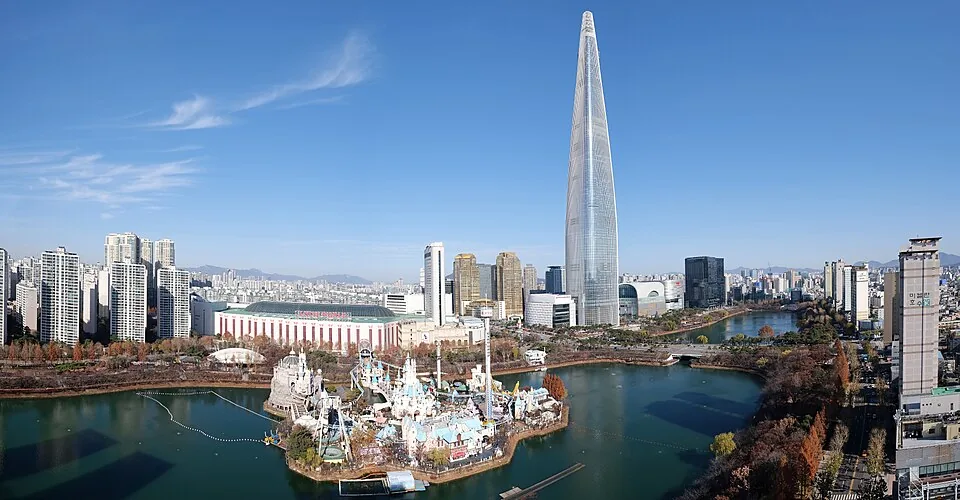
Seokchon Lake
Seokchon Lake is a two-part urban park divided by a major road, with water, paths, and city landmarks sharing the same view. Its west lake faces Lotte World’s Magic Island, while the east lake serves neighborhood recreation, revealing how an old river route became public space amid rapid development
Seongsu-dong
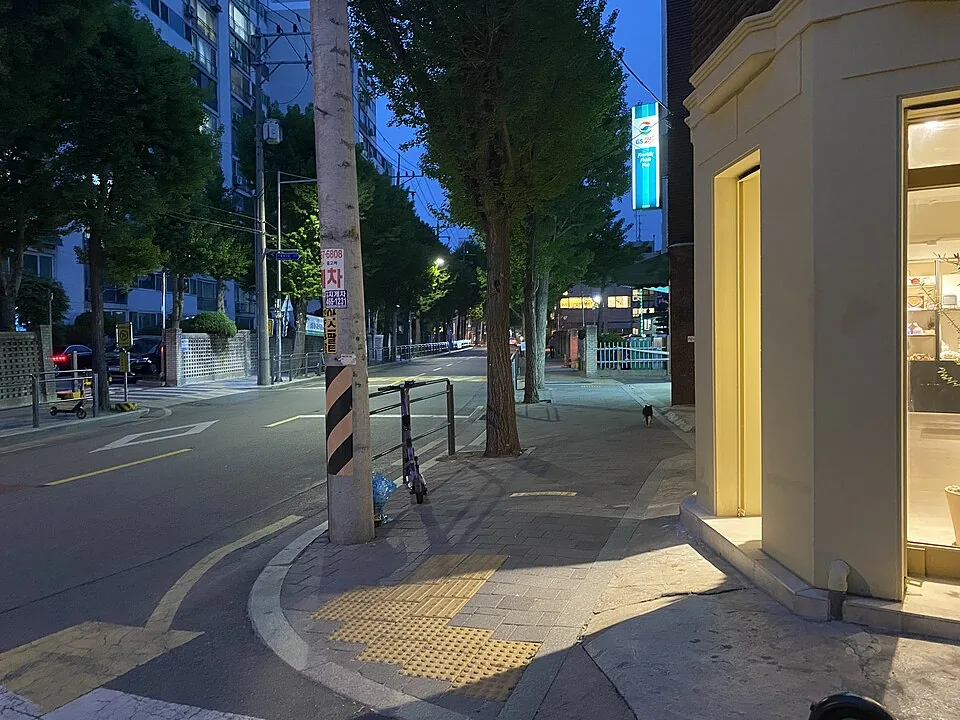
Seongsu-dong’s former workshops and warehouses now sit beside studios, cafés and changing retail spaces. The district’s creative identity builds on an industrial and handmade-shoe history that remains visible in its low-rise buildings and workshop streets.
Seoul Children's Grand Park
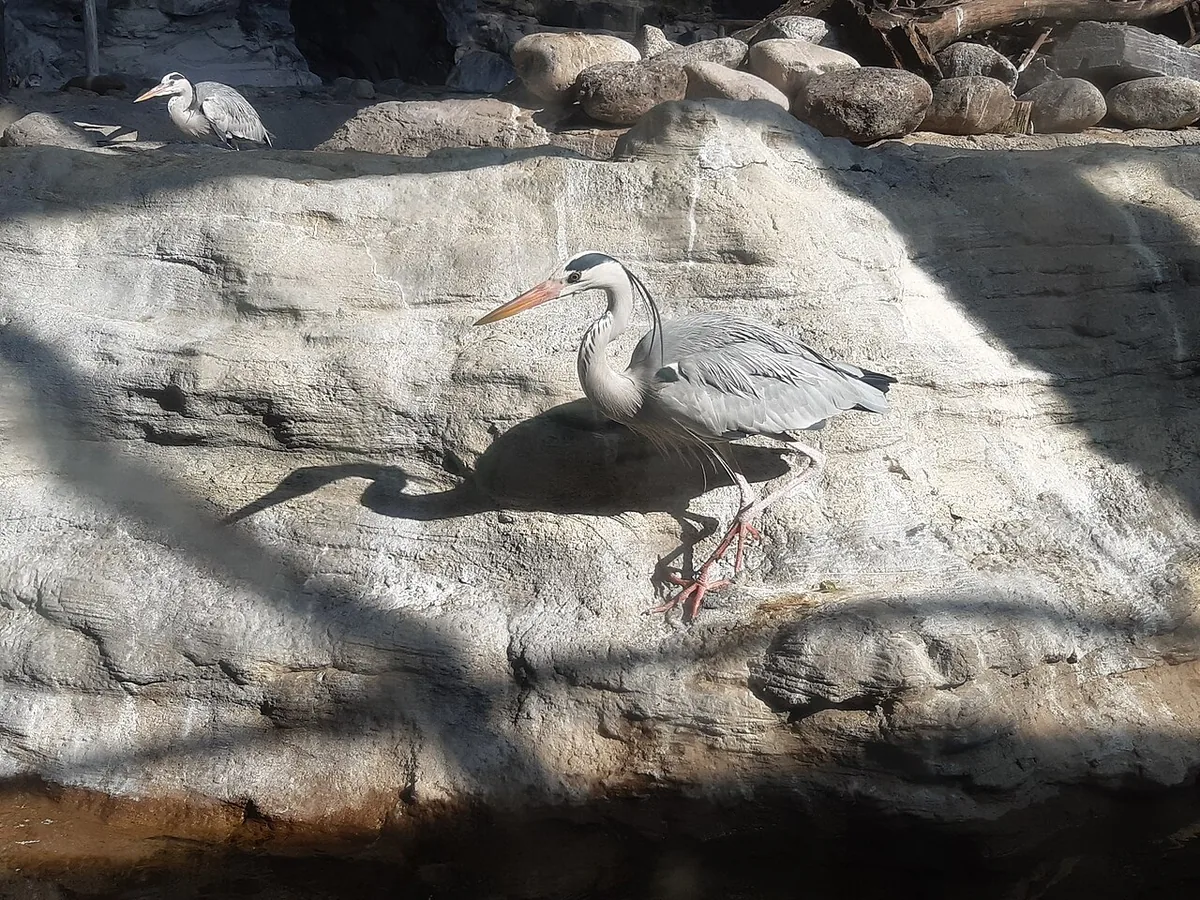
Seoul Children’s Grand Park combines gardens, play areas and animal exhibits in a large public park. Opened on Children’s Day in 1973, it was created as a place where families could share recreation and cultural activities.
Seoul City Wall
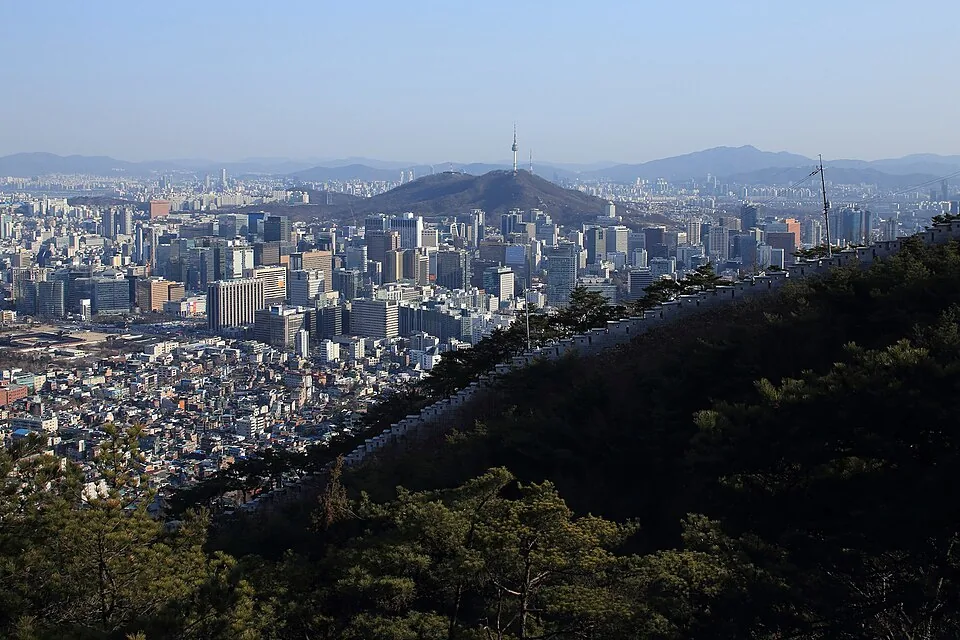
Seoul City Wall traces the ridges and valleys that once marked the boundary of the Joseon capital. Its surviving stones show how successive generations built and repaired a defensive perimeter around a growing city.
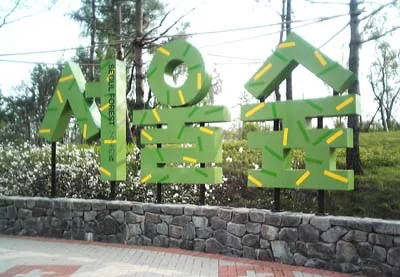
Seoul Forest
Seoul Forest turns a site once used for royal hunting, water supply and horse racing into a large urban park. Its planted spaces link the city’s past uses with a contemporary landscape shaped by public participation.
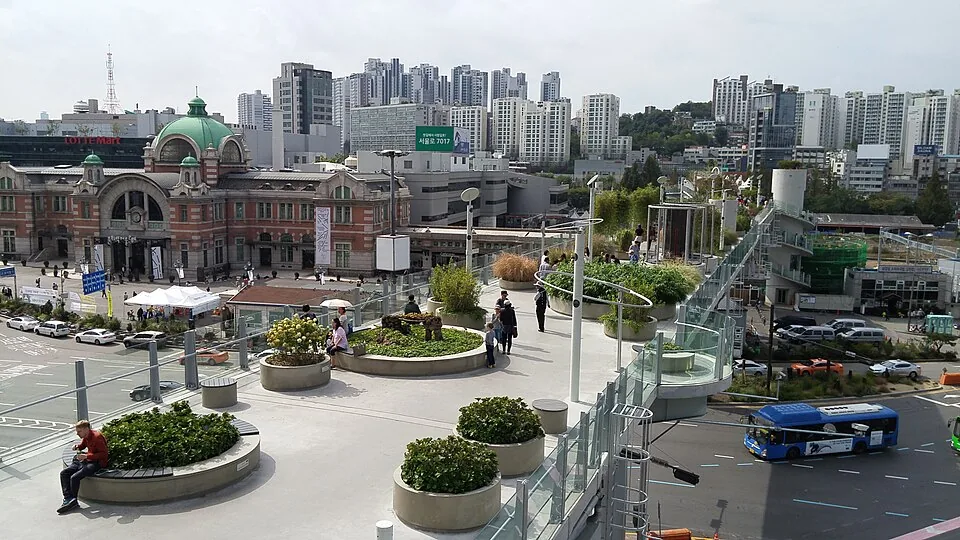
Seoullo 7017
Seoullo 7017 turns a former Seoul Station highway overpass into an elevated public garden. The name combines the year the road was built with the year it reopened for pedestrians, making reuse the project’s central idea.
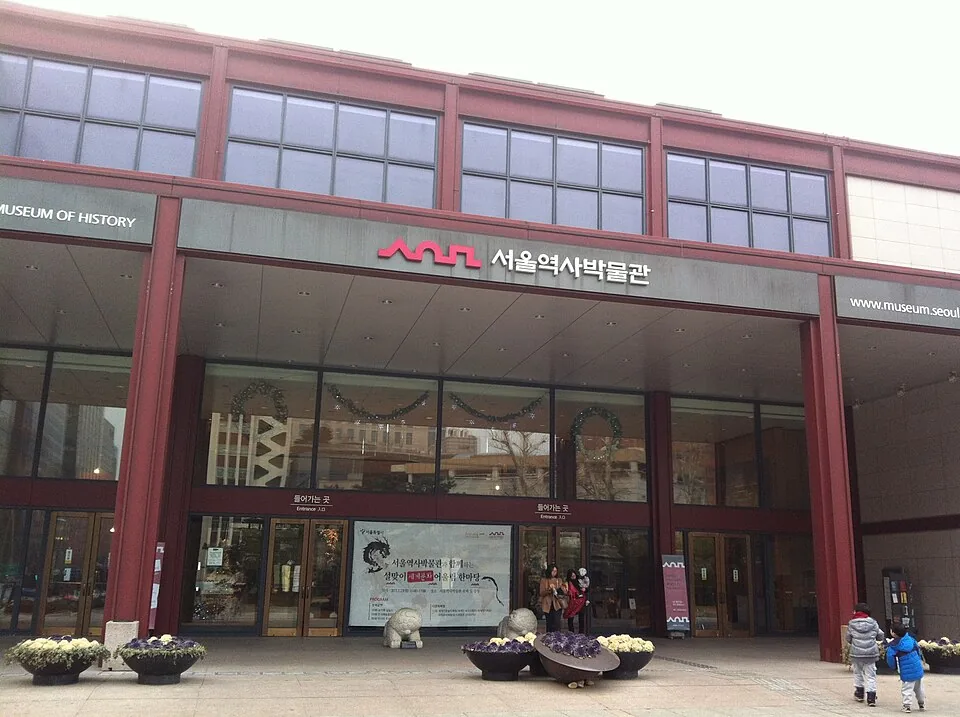
Seoul Museum of History
The Seoul Museum of History follows the city from its early settlement through its transformation into a modern metropolis. Its collections place everyday lives beside major political changes, making urban history visible through objects and memory.
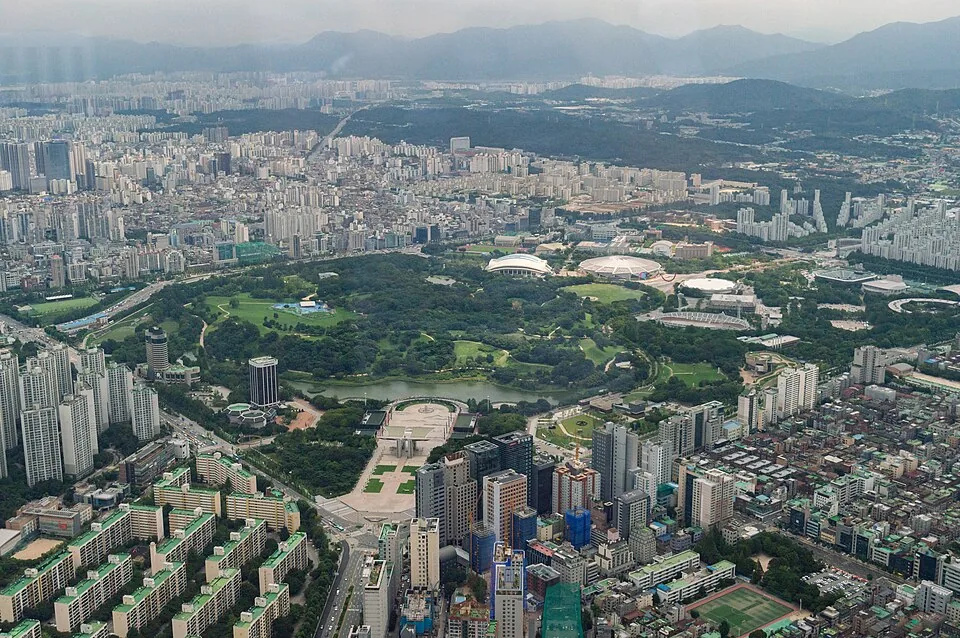
Seoul Olympic Park
Seoul Olympic Park combines sports venues, open lawns and a historic Baekje fortress site. The grounds preserve traces of the 1988 Games while making an ancient settlement and a large outdoor sculpture collection part of the same public landscape.
Seoul Plaza
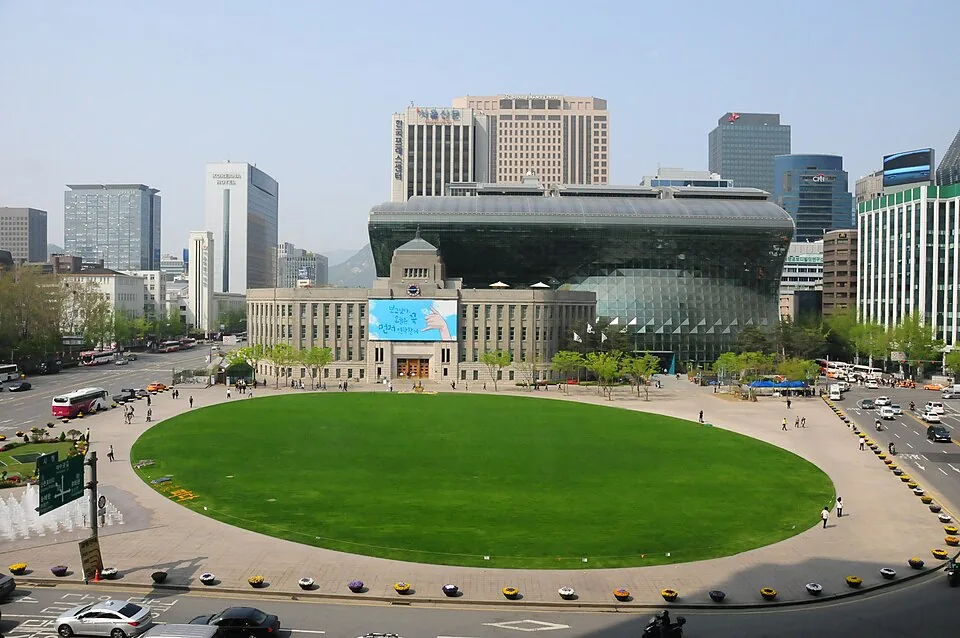
Seoul Plaza occupies the broad space in front of City Hall, where a former traffic junction became a civic lawn and gathering place. Since its opening in 2004, it has hosted demonstrations, celebrations, cultural events, and everyday pauses, linking the seat of city government to public life.
Seoul Sky
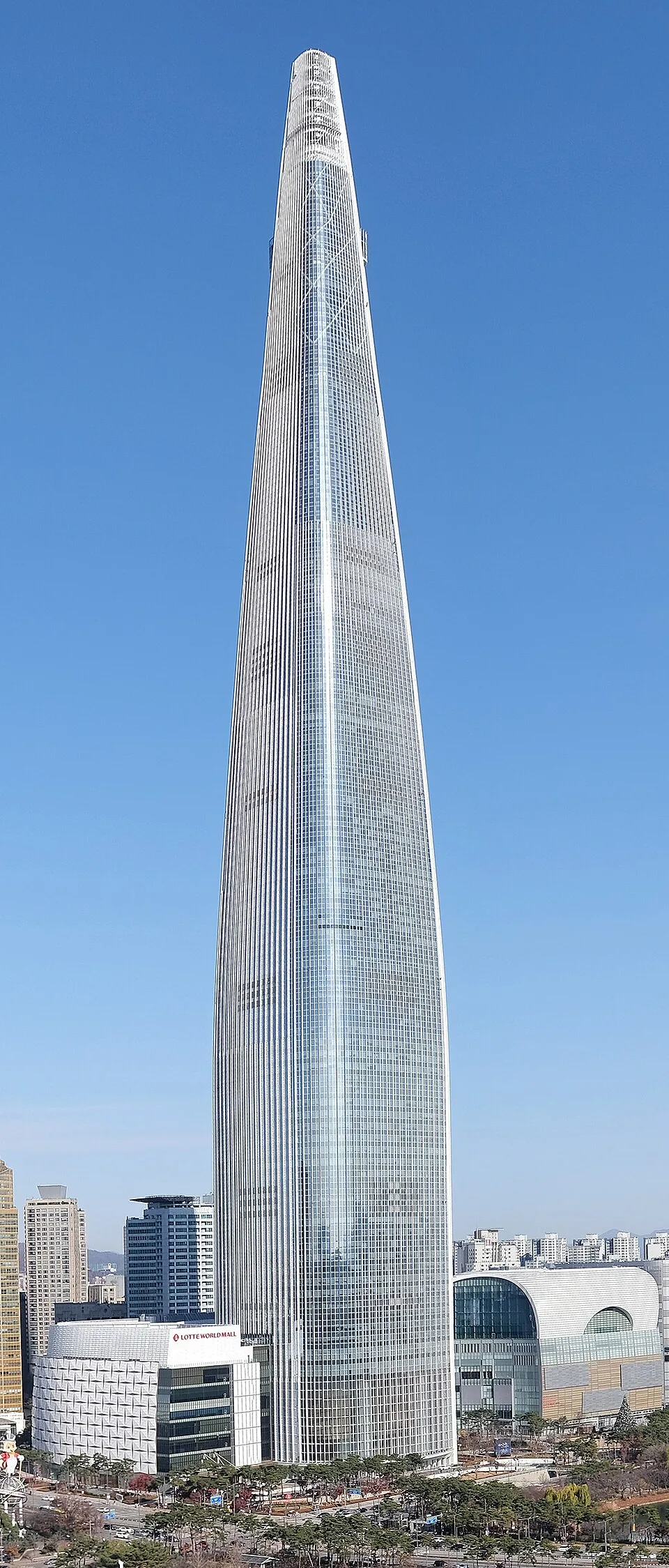
Seoul Sky occupies the upper floors of Lotte World Tower, lifting visitors high above the Han River basin and the city’s dense street grid. Its observatory makes Seoul’s scale and geography visible from one elevated viewpoint.
Sforza Castle
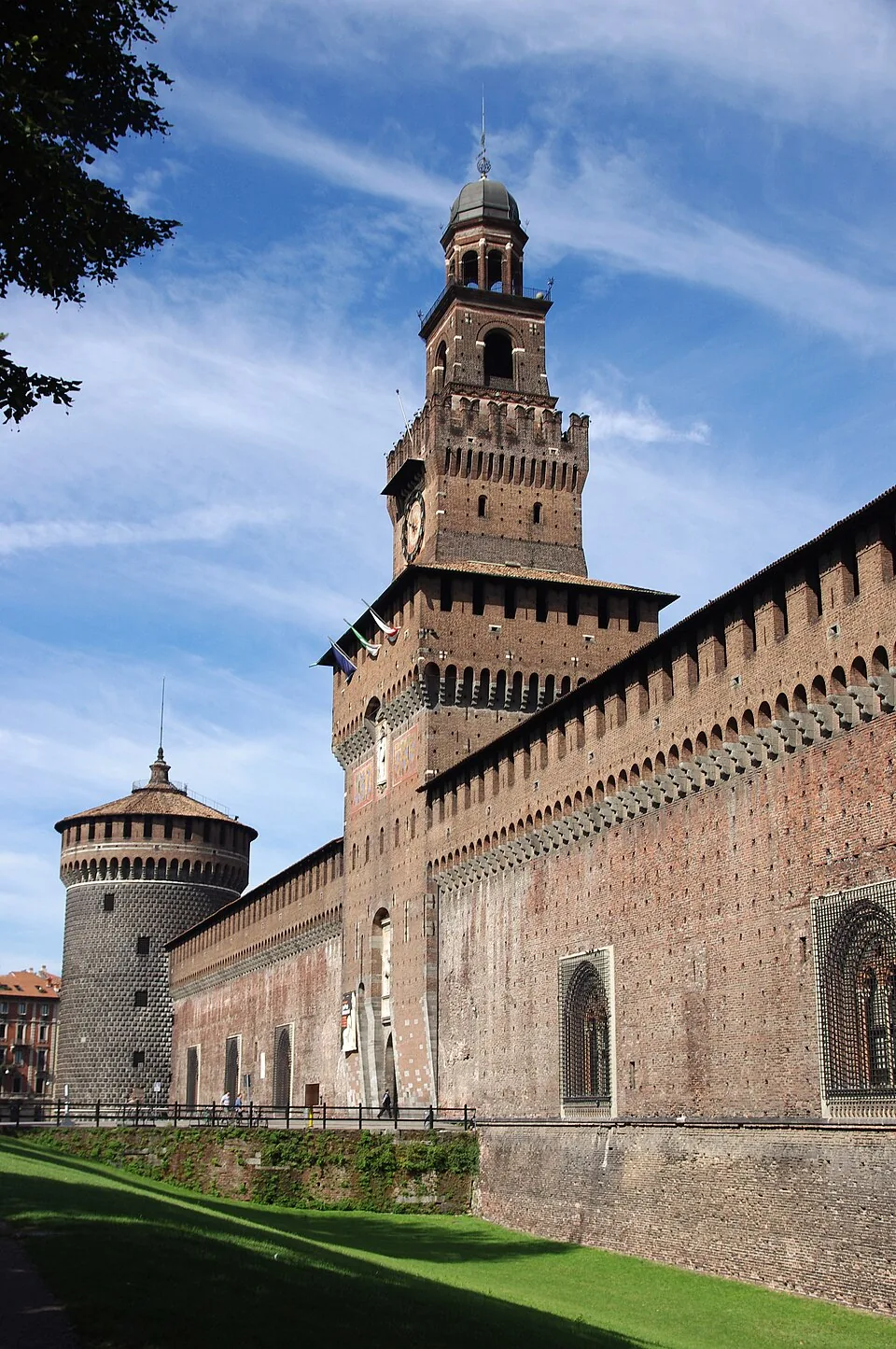
Sforza Castle has served Milan as fortress, ducal residence, foreign barracks, and museum. Its imposing red-brick walls reflect repeated political changes, while the restored complex now houses civic collections within a structure once used to defend the city.
Shakespeare’s Globe
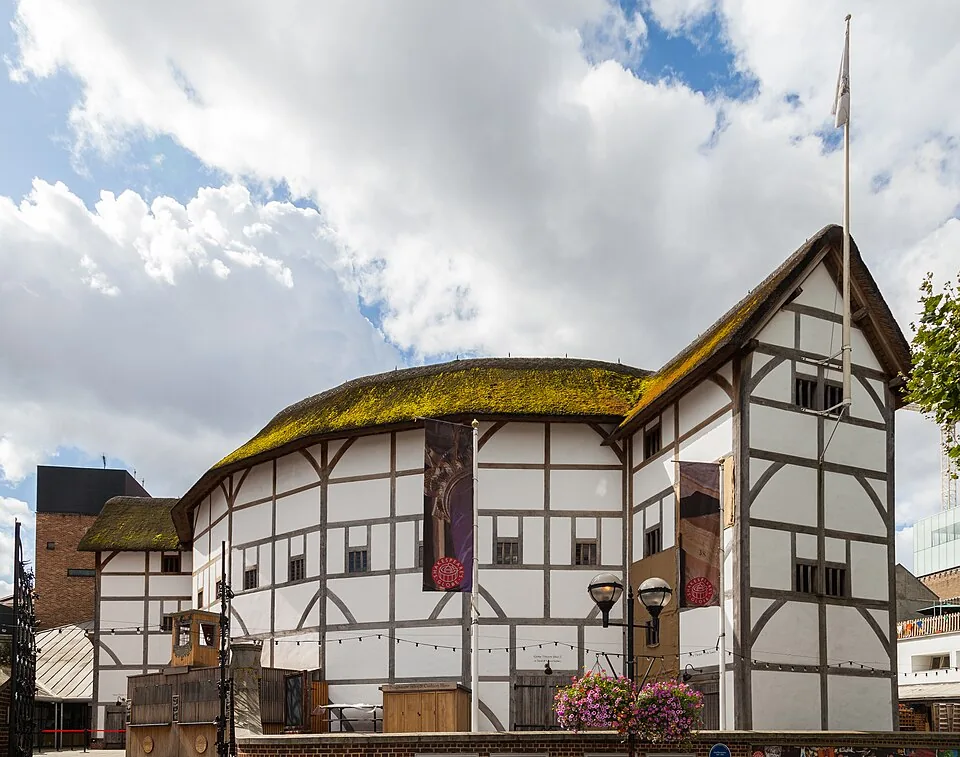
The Globe’s open-air circular form recalls an Elizabethan playhouse, but the building here is a modern reconstruction. Its shape brings audience and actors into close relation, while its history links the original Bankside theatre to the continuing effort to stage Shakespeare in a historically infor
Sharp Island
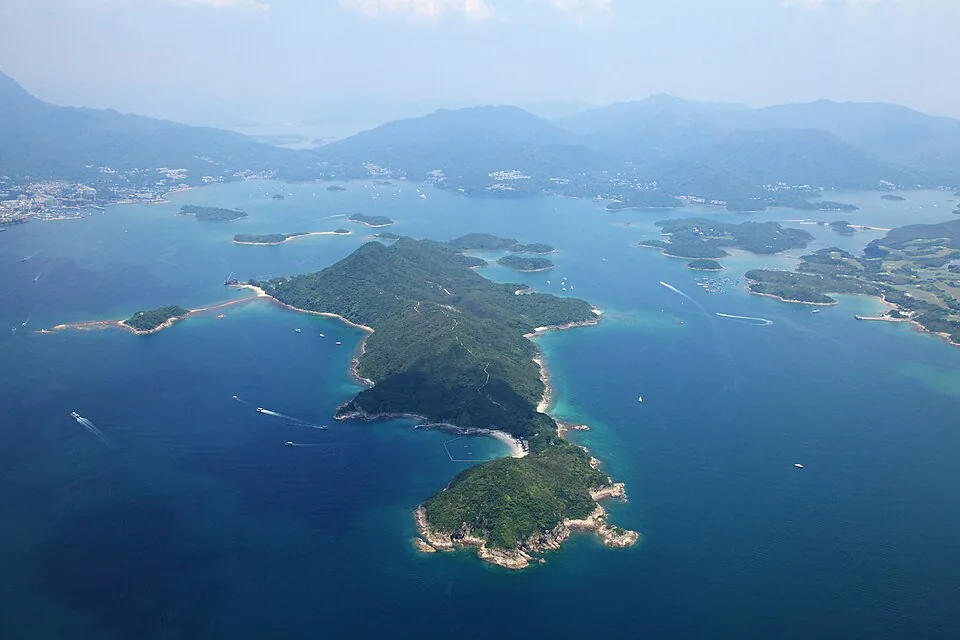
Sharp Island in Sai Kung is known for volcanic rock formations, beaches, and a natural tombolo that appears at low tide. Its shoreline reveals how geological forces and wave-carried sediment shape the distinctive landforms of Hong Kong’s geopark.
Sherlock Holmes Museum
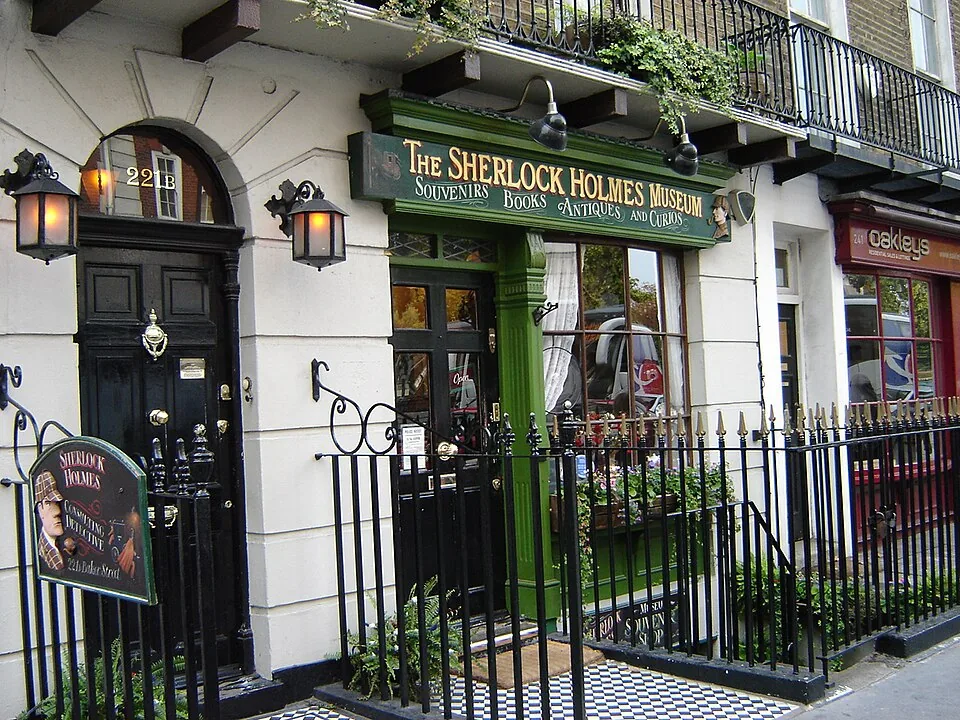
The Sherlock Holmes Museum occupies a Georgian townhouse at 221B Baker Street, an address made famous by Arthur Conan Doyle’s fiction. Its rooms recreate the detective’s imagined domestic world; the building itself is real, but Holmes and Watson belong to the stories that visitors bring with them.
Shibuya Crossing
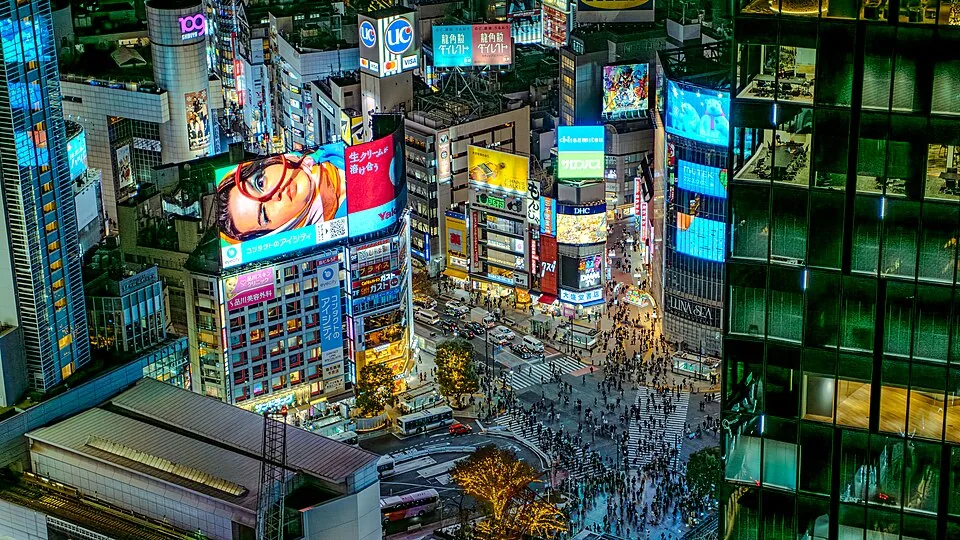
At Shibuya Crossing, pedestrian signals release people from several directions across a wide intersection. The “scramble” pattern turns an ordinary traffic system into a visible choreography of coordinated movement in one of Tokyo’s busiest station districts.
Shibuya Sky
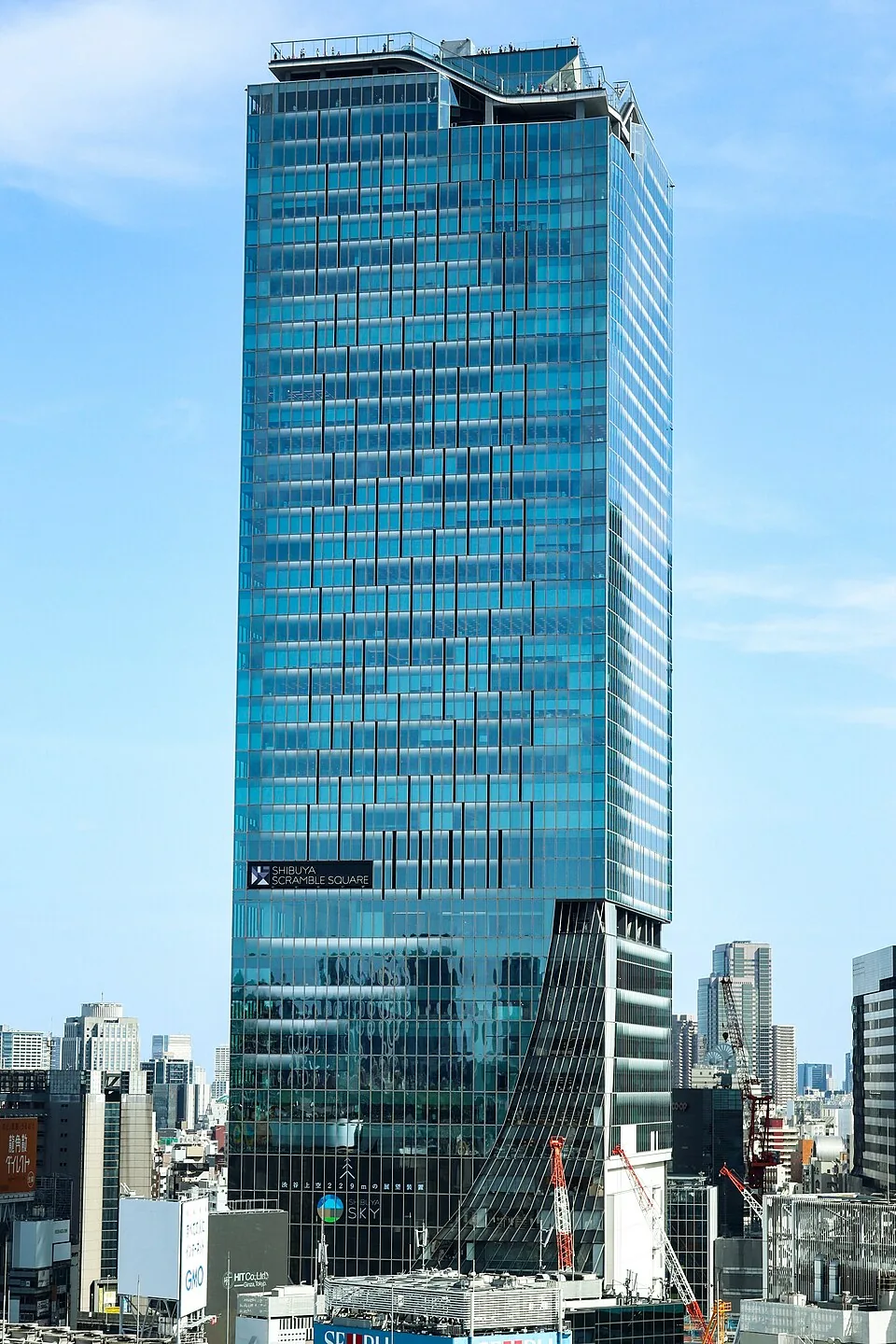
SHIBUYA SKY rises above Shibuya Station in three stages: a vertical passage from station-side entry, an indoor viewing corridor, then an open rooftop where the crossing becomes one small pattern in a much larger city.
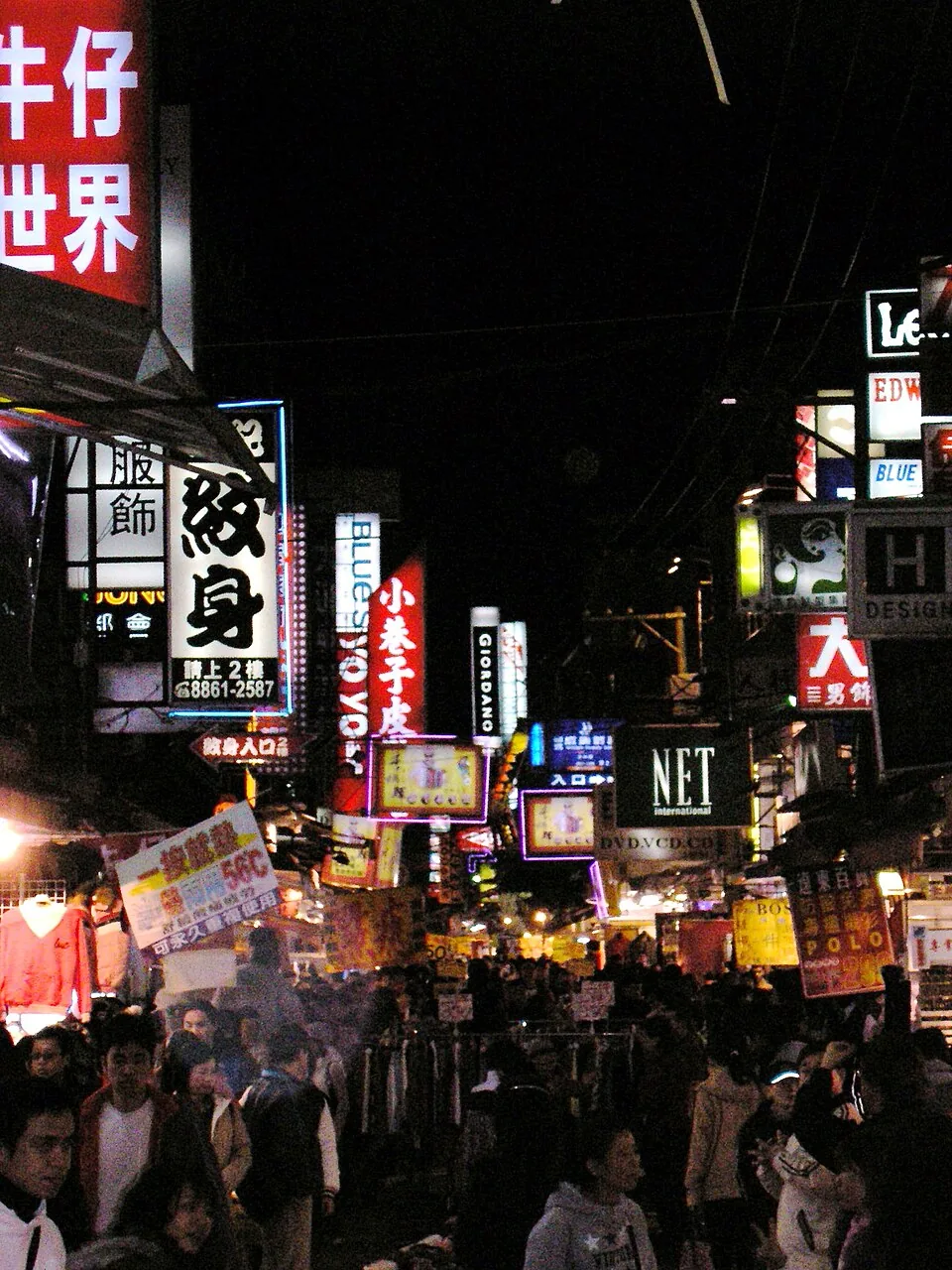
Shilin Night Market
Shilin Night Market spreads across several intersecting streets rather than a single enclosed hall. Food stands, shops, and the historic Yangming Theatre area make this district a good place to see how Taipei’s night markets connect eating with everyday urban commerce.
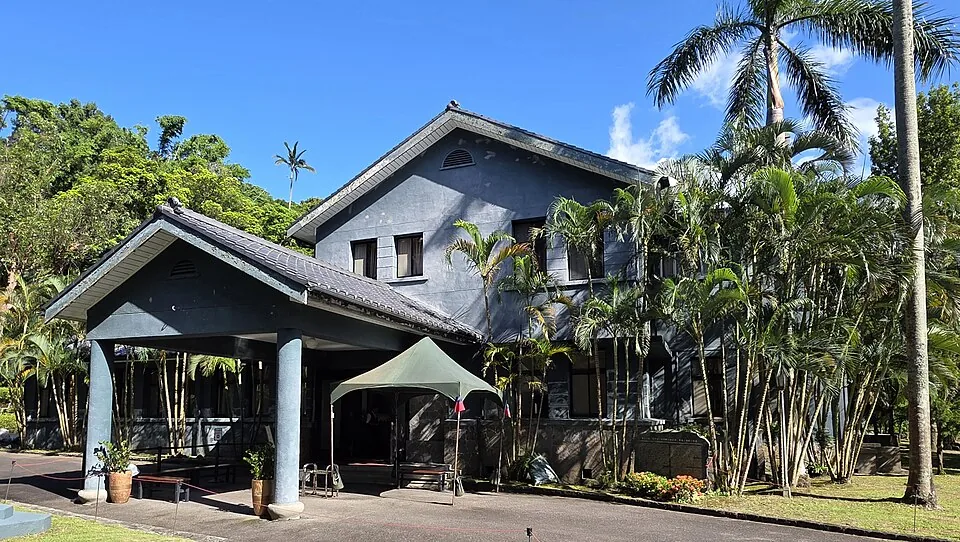
Shilin Official Residence
Shilin Official Residence combines a historic residence with gardens and grounds in northern Taipei. The site is associated with Chiang Kai-shek and Soong Mei-ling, while its earlier use as a botanical garden adds another layer to its landscape history.
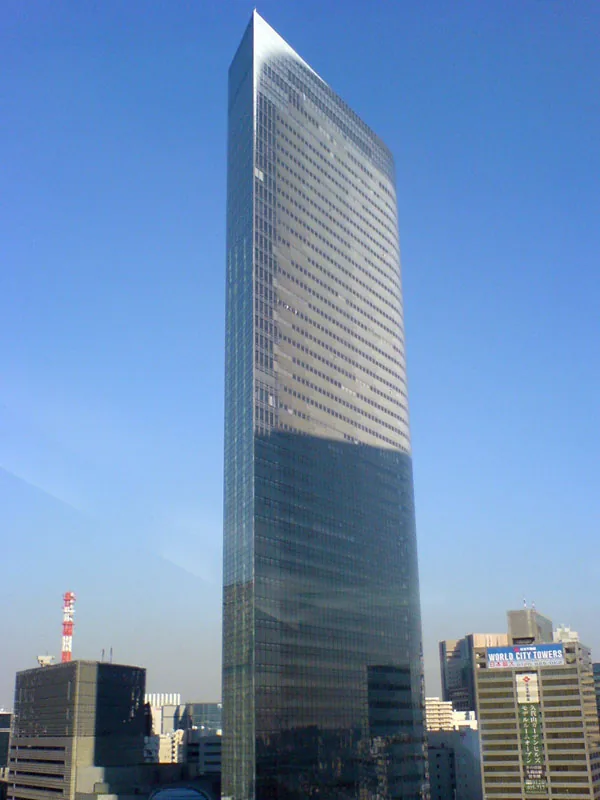
Shimbashi
Shimbashi’s railway story began in 1872, when Japan’s first passenger line linked the district with Yokohama. The station area still mixes commuter movement with eateries beneath railway tracks, joining national infrastructure to daily urban life.
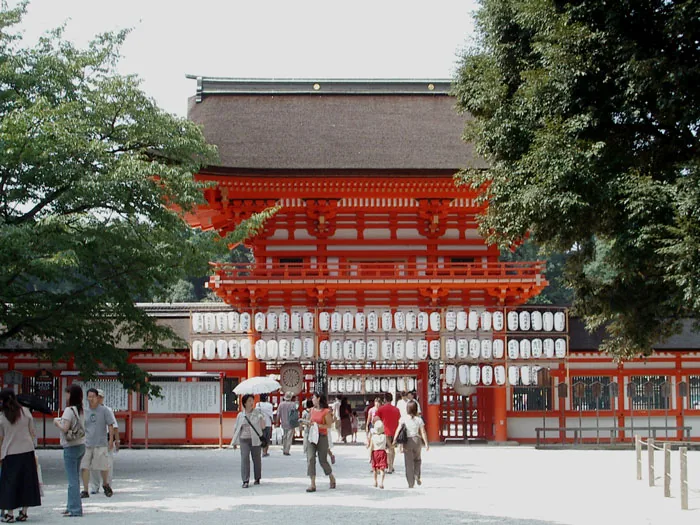
Shimogamo Shrine
Shimogamo Shrine sits where the Kamo and Takano rivers meet, approached through the wooded Tadasu no Mori. The forest path gives the shrine a distinct setting within the modern city, linking natural landscape with long-lived ritual practice.
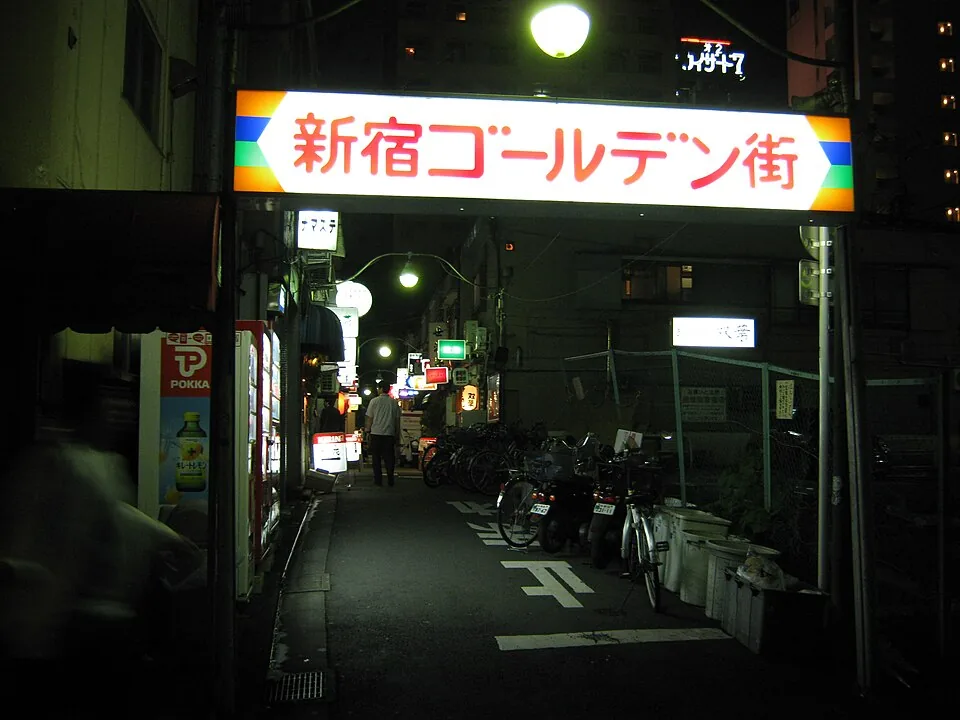
Shinjuku Golden Gai
Shinjuku Golden Gai is a tight cluster of narrow lanes and very small bars that survived amid repeated rebuilding around Shinjuku. Its compact scale preserves a distinctive postwar streetscape while remaining an active, privately operated nightlife district.
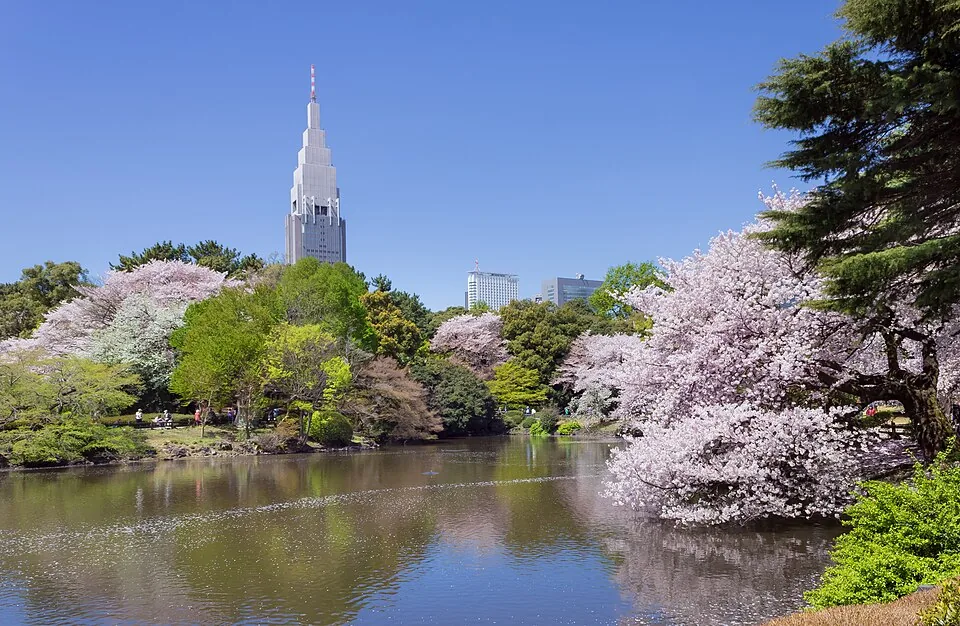
Shinjuku Gyoen National Garden
Shinjuku Gyoen’s broad lawn and clipped avenues reveal a garden shaped by international exchange. Its present layout blends French formal geometry, English landscape scenery, and Japanese garden traditions within a former estate.
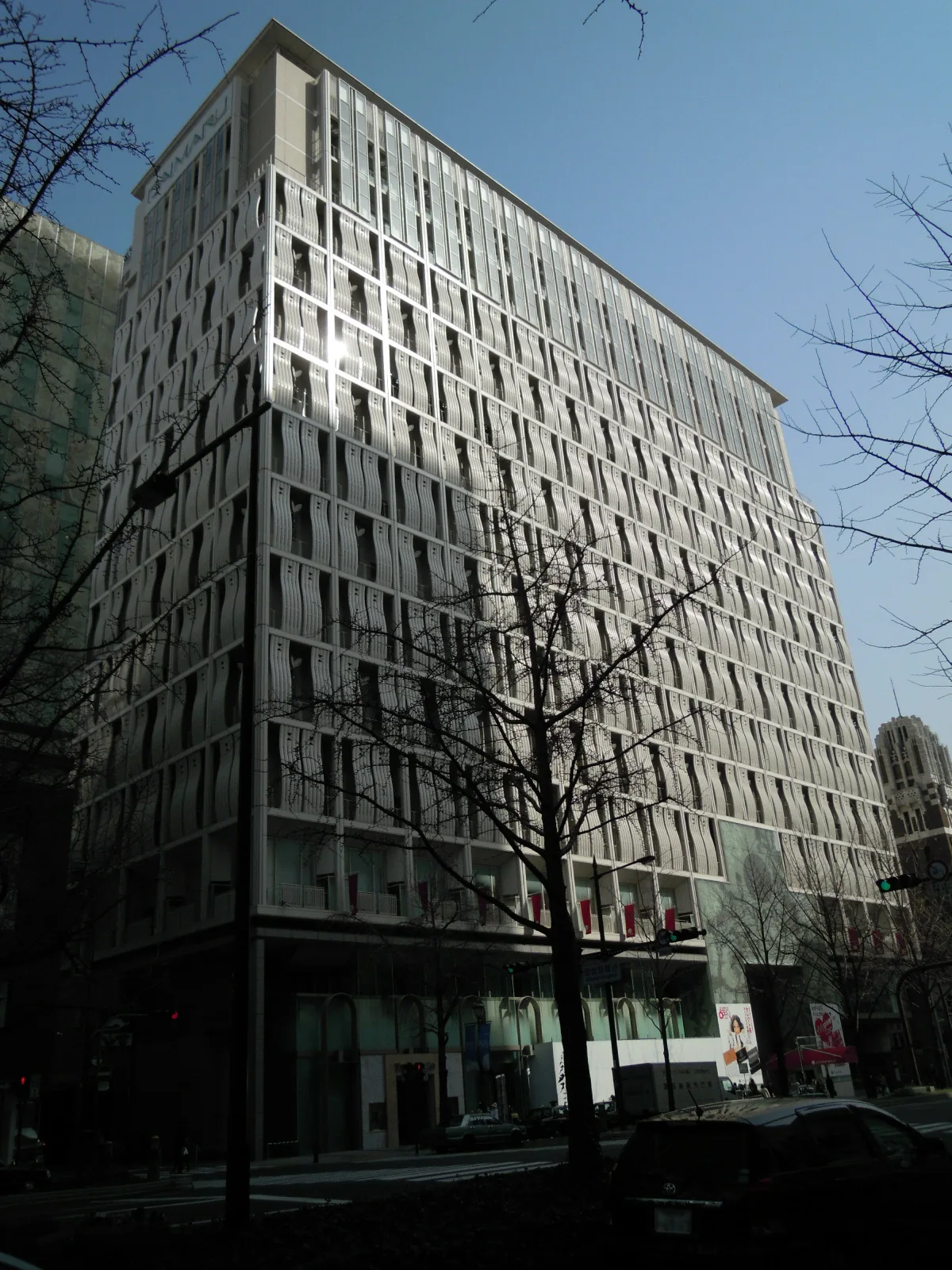
Shinsaibashi-suji
Shinsaibashi-suji’s long covered shopping street makes retail itself a public route through Osaka. The arcade’s history reaches back nearly four centuries, while its changing stores show how a traditional shopping strip absorbs new tastes without losing its role as a shared passage.
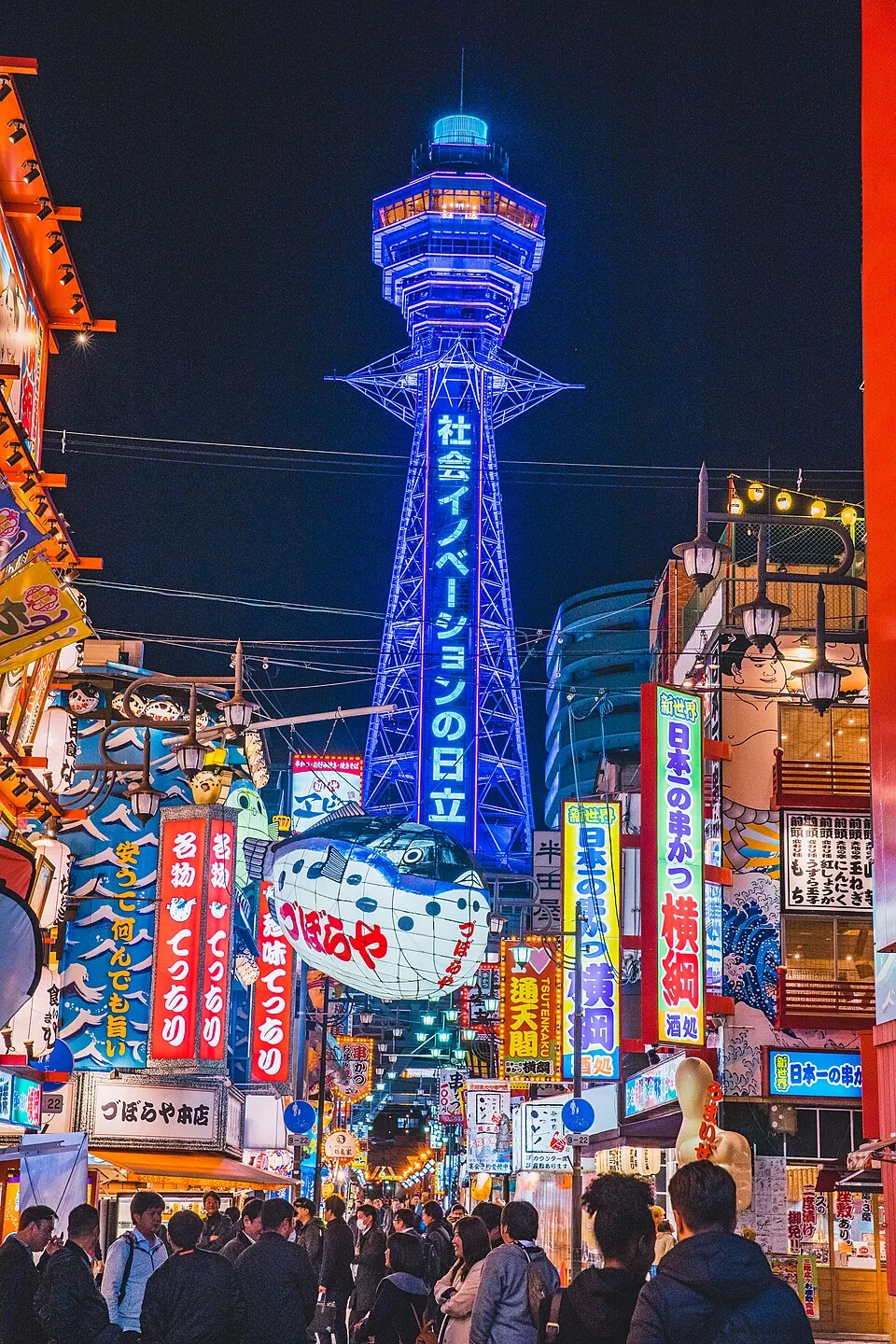
Shinsekai
Shinsekai is a lively downtown quarter shaped by early twentieth-century ambitions and postwar neighborhood life. Its landmark Tsutenkaku Tower rises above compact streets of restaurants and amusements, making the district feel both theatrical and distinctly local.