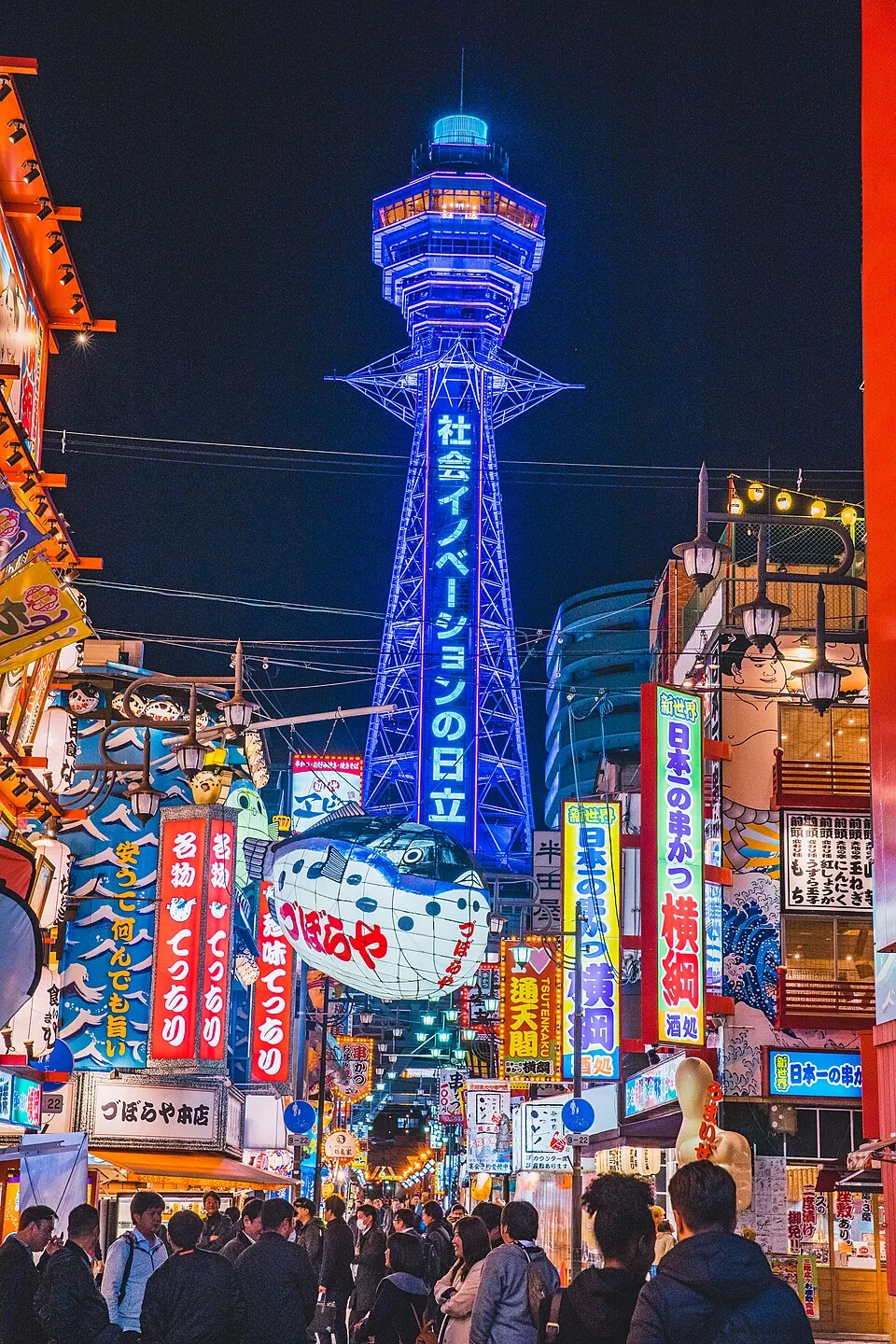
Shinsekai is a lively downtown quarter shaped by early twentieth-century ambitions and postwar neighborhood life. Its landmark Tsutenkaku Tower rises above compact streets of restaurants and amusements, making the district feel both theatrical and distinctly local.
Guide preview
Tsutenkaku’s silhouette gives Shinsekai an unmistakable center, but the district began as a much larger urban experiment. The area took shape around the 1903 National Industrial Exposition, whose grounds inspired new entertainment zones modeled partly on Paris and Coney Island.
Continue exploring
Discover the full story
Keep reading with a travel pass and explore every full guide and tour.
UpgradeQuick facts
- The district’s origins are associated with the 1903 National Industrial Exposition.
- The name Shinsekai means “New World.”
- The present Tsutenkaku replaced an earlier tower.
More places in Osaka
Abeno Harukas
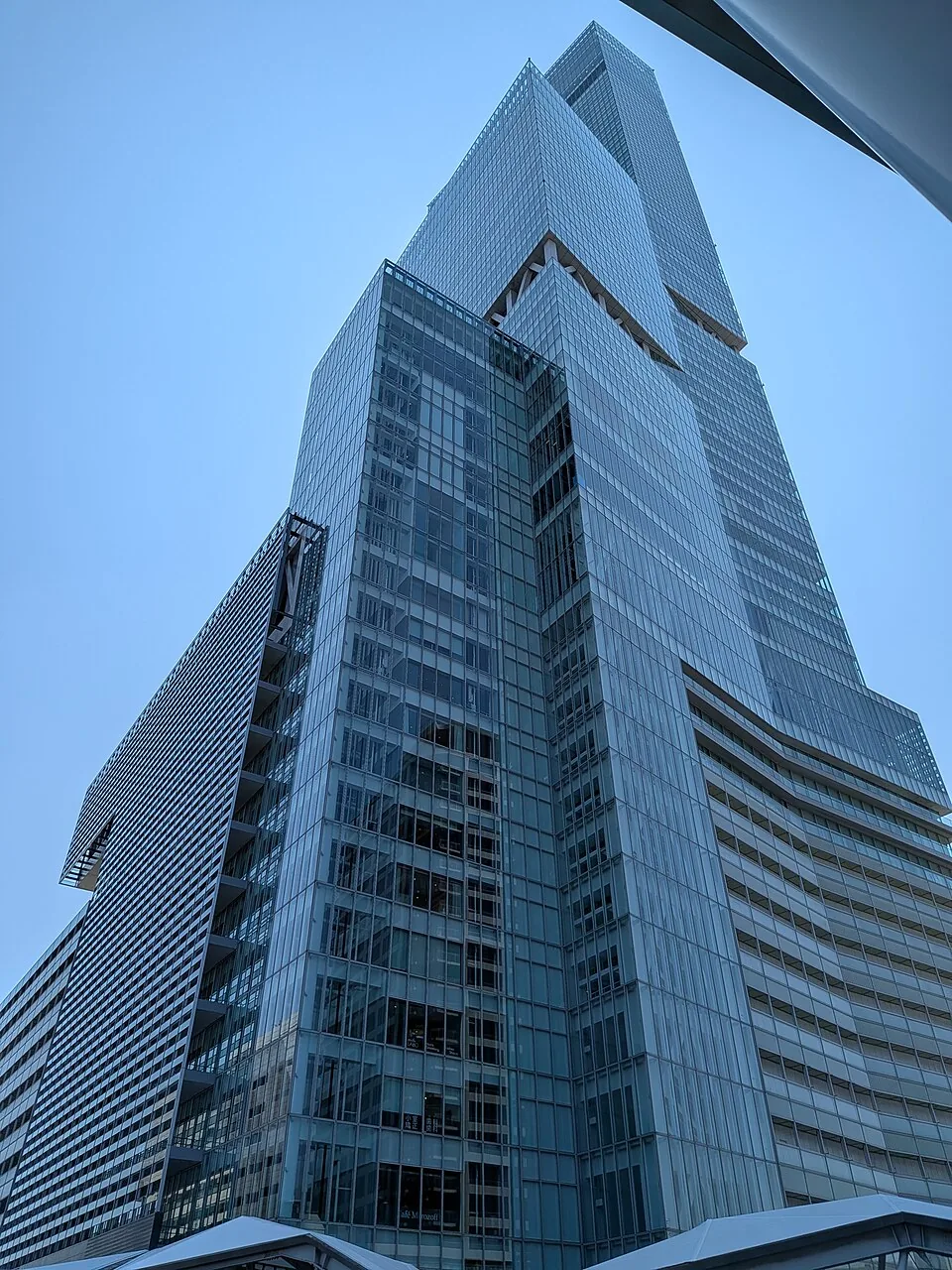
Abeno Harukas rises above Tennoji as a 300-meter mixed-use tower, with shops, offices, a hotel, an art museum, and an observatory. Its name carries a hopeful sense of clearing or brightening, fitting a building designed as a city landmark.
America-mura
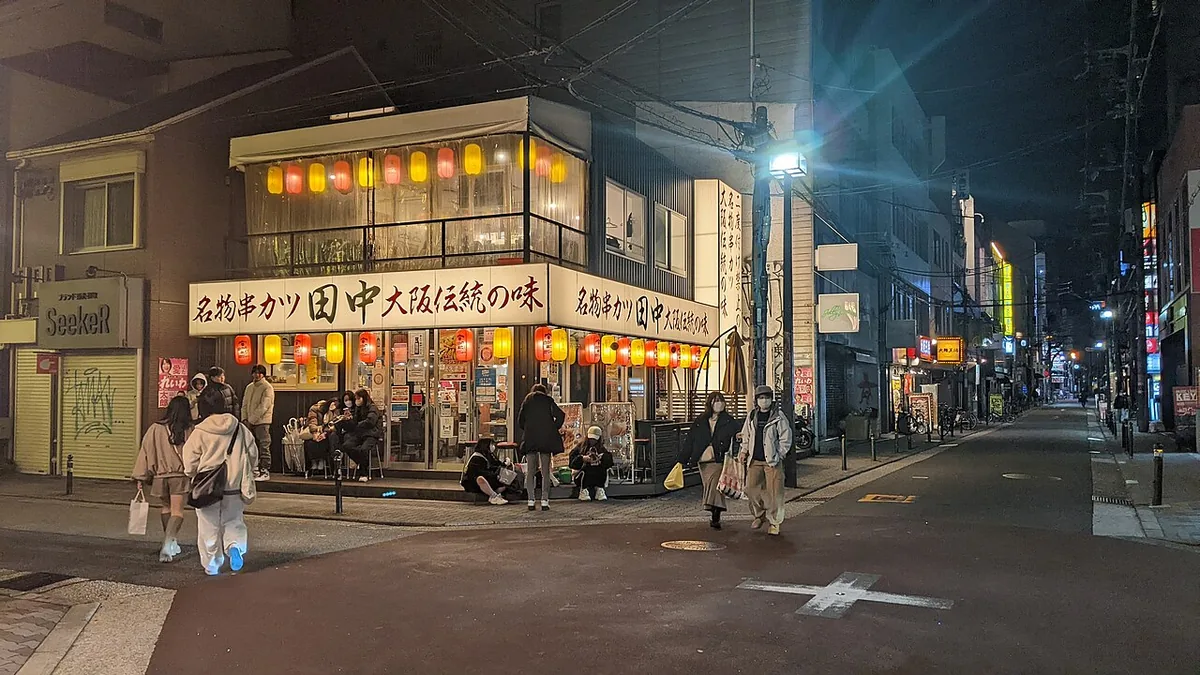
America-mura grew from shops selling imported Western clothing into one of Osaka’s best-known youth-culture districts. Triangle Park anchors streets of fashion, music and cafés, where global influences are continually reworked locally.
Cupnoodles Museum Osaka Ikeda
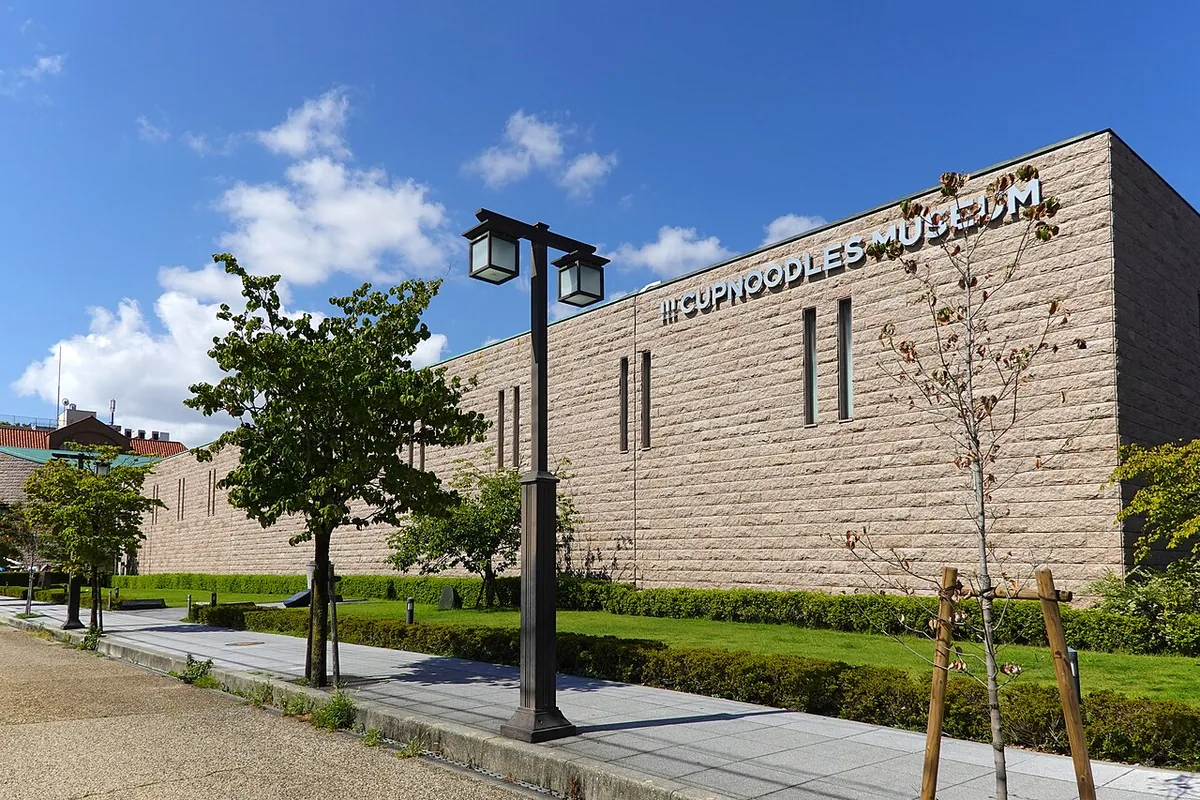
Ikeda is where Momofuku Ando developed Chicken Ramen in a backyard shed in 1958. The Cupnoodles Museum turns that small-scale experiment into a story about food design, showing how an everyday convenience product began with practical invention.
Daisen Kofun (Nintoku Tomb)
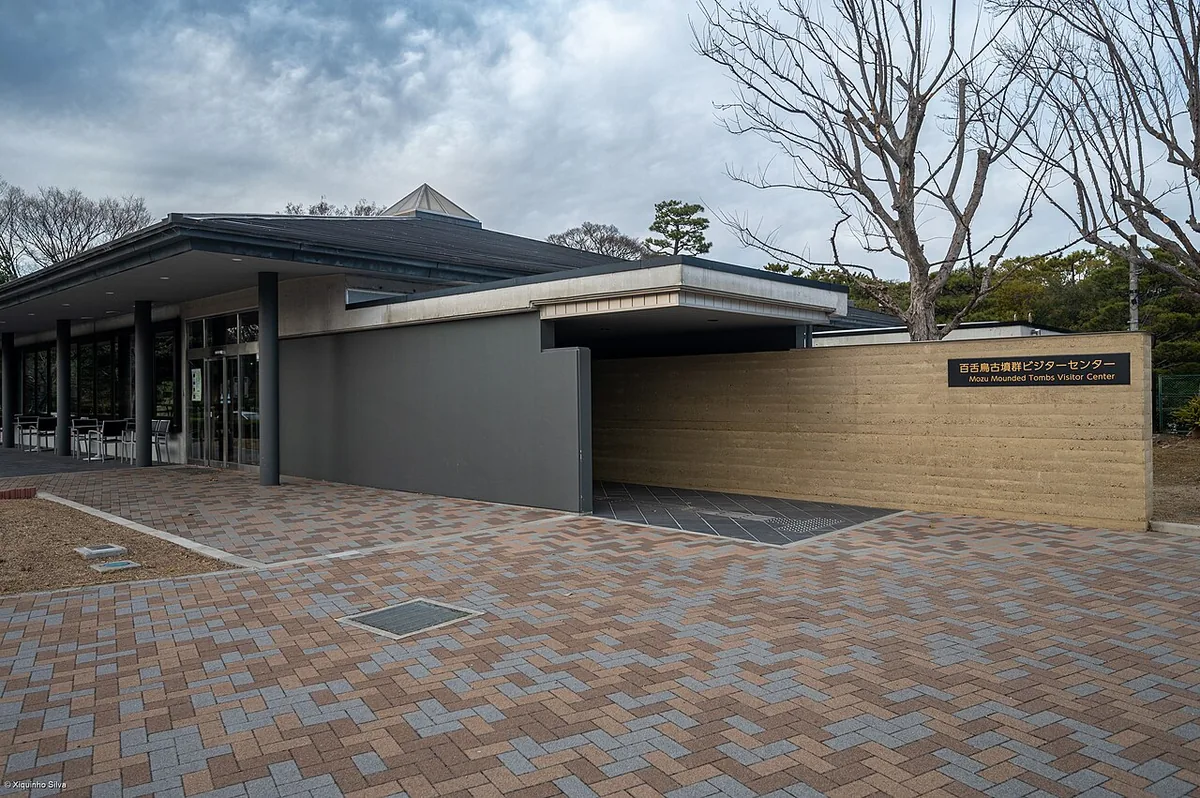
Daisen Kofun is an immense keyhole-shaped burial mound in Sakai, surrounded by a triple moat and dense greenery. The site is traditionally identified as Emperor Nintoku’s mausoleum, though the wooded mound itself is not open for entry.
Dotonbori
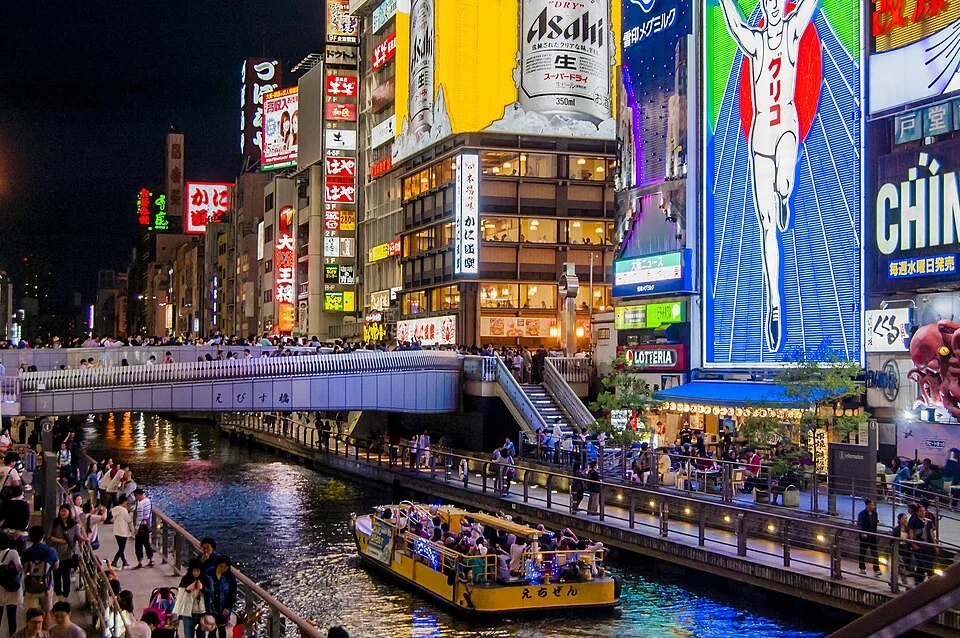
Dotonbori’s bright signs and busy canal edge grew from an older entertainment district. The neighborhood’s name recalls the man who financed the canal excavation, while theaters and teahouses helped establish the food-and-performance culture that still shapes its streets.
Expo '70 Commemorative Park
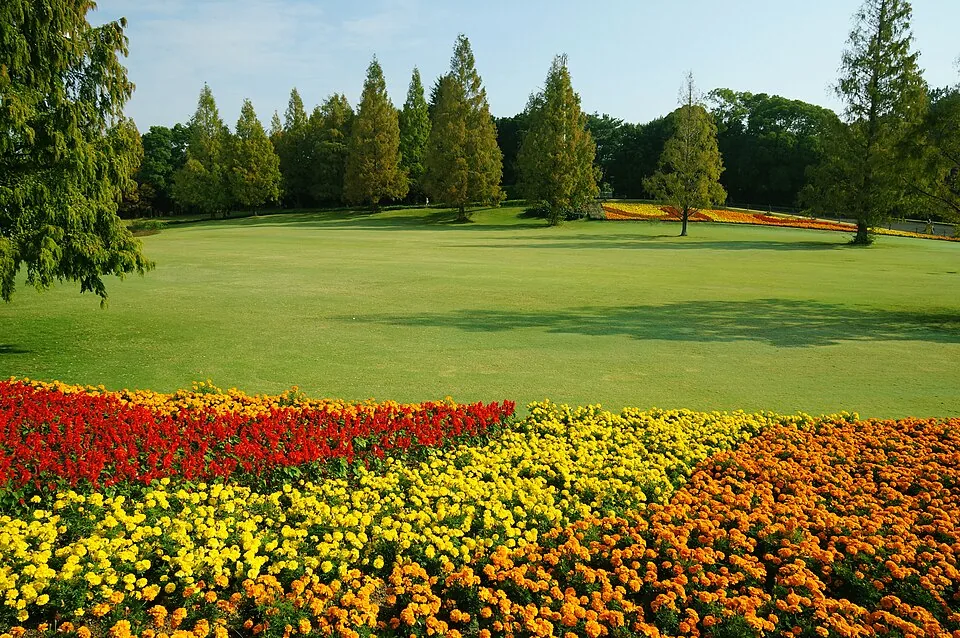
Expo ’70 Commemorative Park preserves the site of the 1970 World Exposition, a vast gathering organized around “Progress and Harmony for Mankind.” Today, lawns, gardens, museums, and the Tower of the Sun make the former fairground a public park.