Explore locations
Browse places by name, city, country or category.
All locations
1624 locations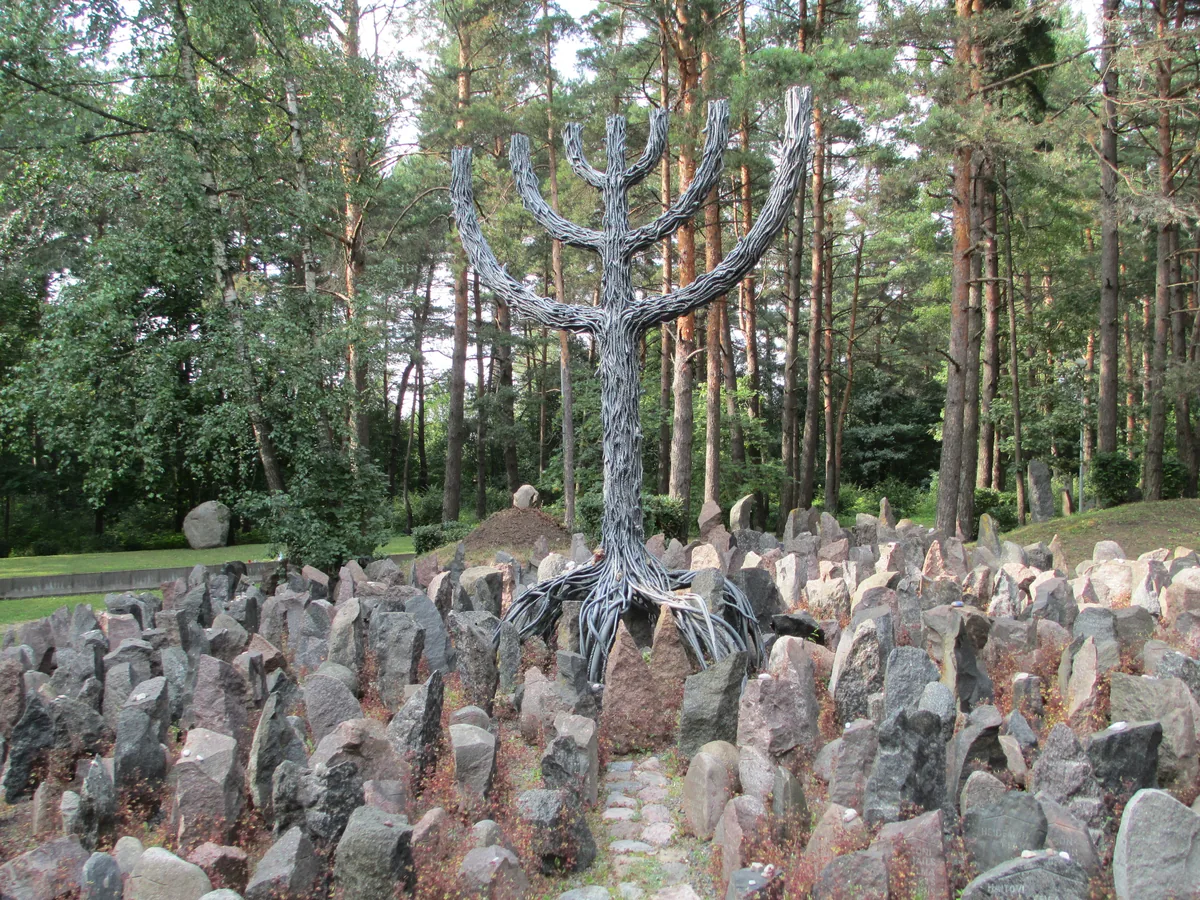
Rumbula Holocaust Memorial
In a forest on Riga’s southeastern edge, a memorial marks the mass graves of Jews murdered during the Holocaust and names streets of the former Riga ghetto.
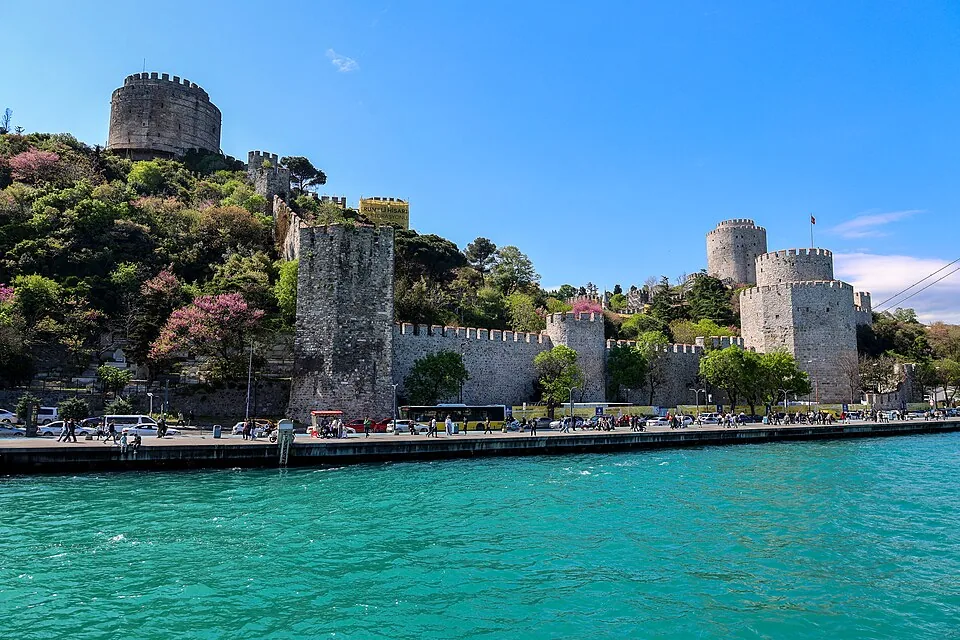
Rumeli Fortress
Across the Bosphorus from Anadolu Fortress, Rumeli Fortress occupies a steep shoreline with massive towers and walls. Built in the months before the Ottoman siege of Constantinople, it was positioned to control the narrow passage linking the Black Sea to the city.
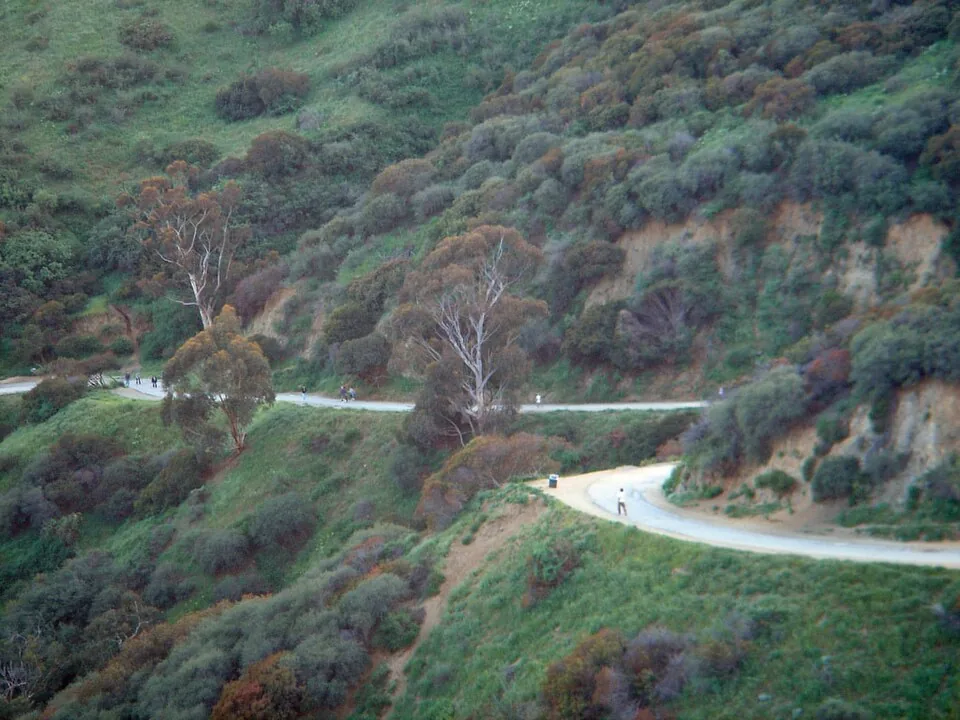
Runyon Canyon Park
Runyon Canyon’s trails climb through a 160-acre city park close to dense neighborhoods, opening views across the Los Angeles basin. Its public landscape exists because local preservation efforts secured the canyon as protected open space in the 1980s.
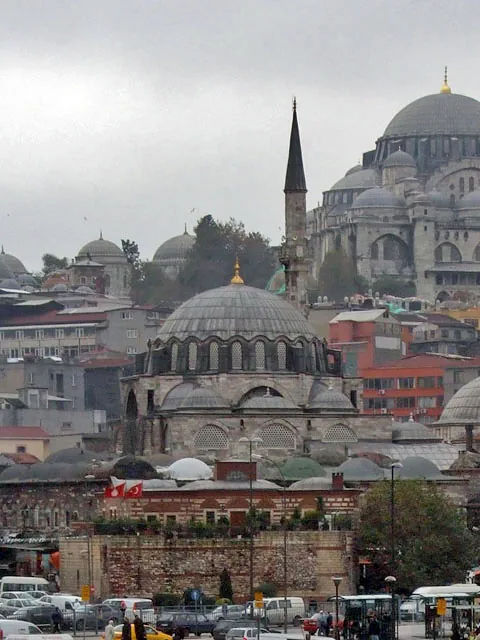
Rüstem Pasha Mosque
Rüstem Pasha Mosque is tucked above the market streets near Istanbul’s Spice Bazaar. Its interior is celebrated for Iznik tiles, whose repeating floral and geometric patterns turn a relatively compact mosque into an exceptionally rich surface of color and craft.
Ryoan-ji
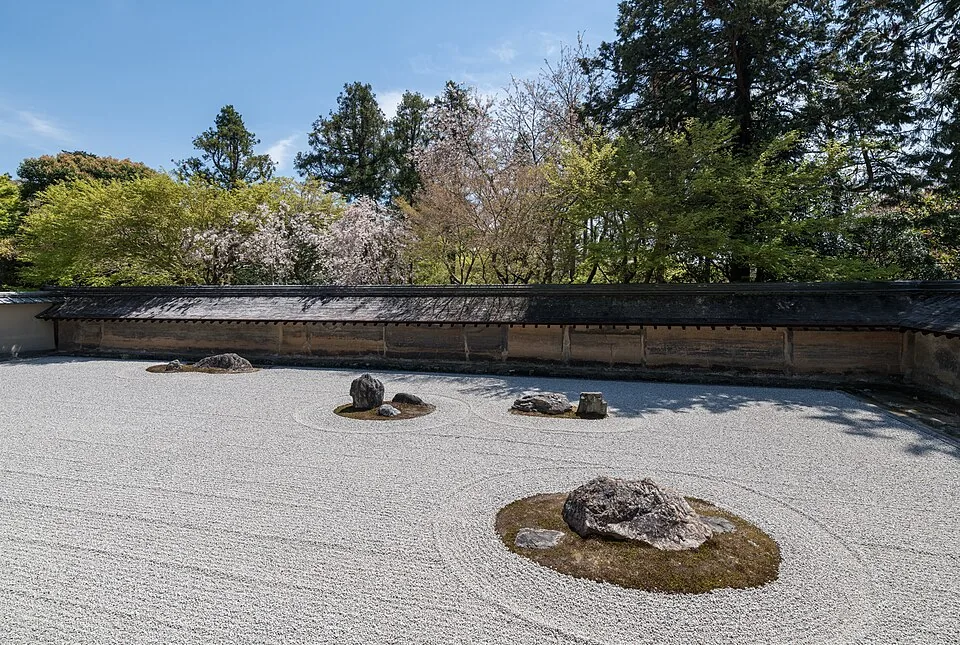
Ryoan-ji’s famous dry garden uses fifteen stones in a field of pale gravel, offering a composition whose meaning is not settled by a single explanation. The temple’s quiet viewing platform makes attention itself part of the encounter.
Ryogoku Kokugikan
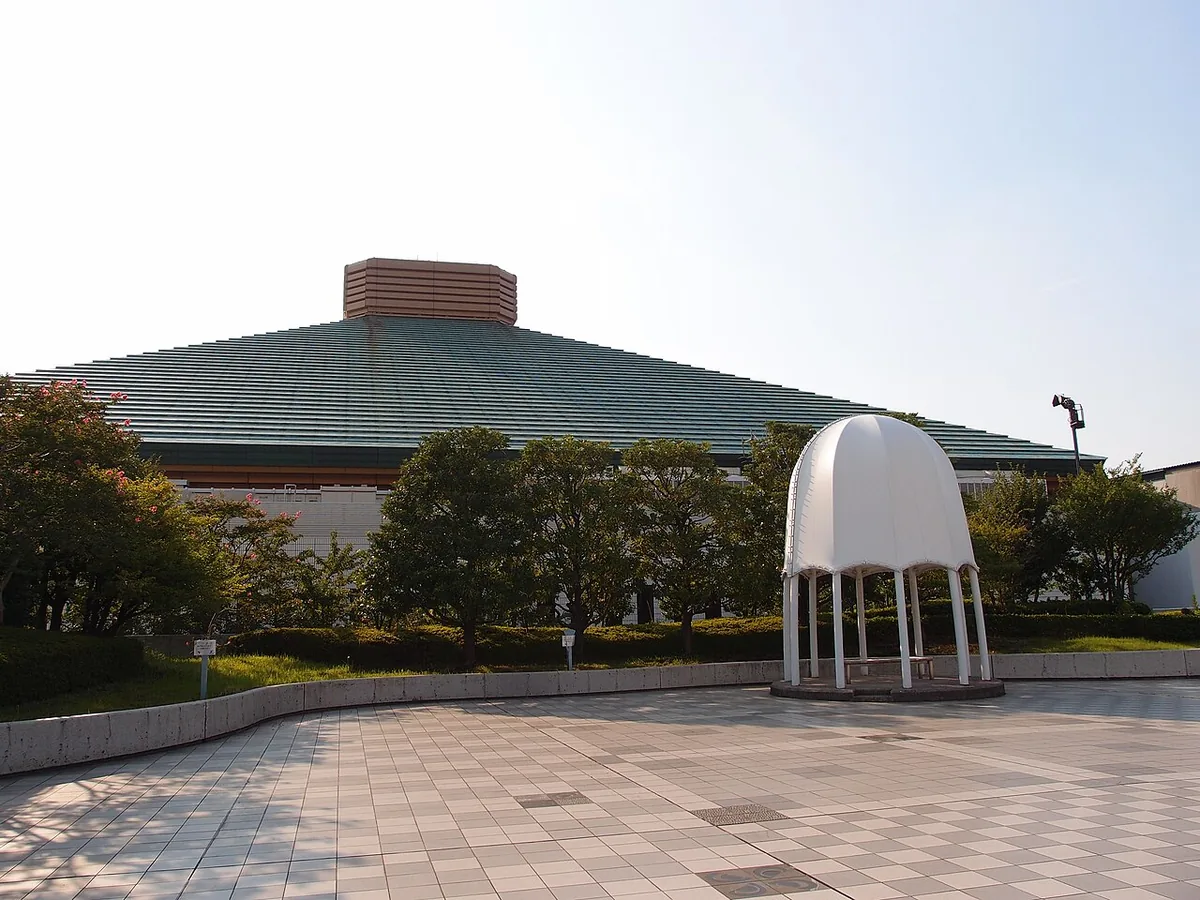
Ryogoku Kokugikan is built around a central sumo arena, the focal point for tournaments that bring the sport’s ring, rituals, and audience into one large civic room. The Sumo Museum preserves the sport’s visual history within the complex.
Sabatini Gardens
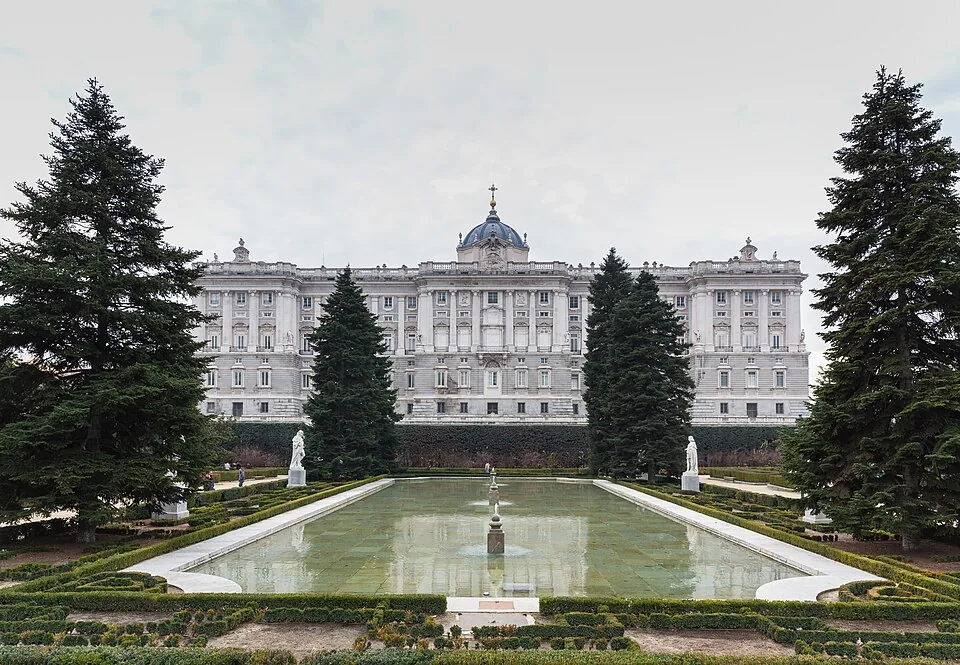
The Sabatini Gardens use clipped geometry to frame the north side of Madrid’s Royal Palace. Their name can mislead: the gardens were laid out in the twentieth century on the site of royal stables designed by Francesco Sabatini, not by Sabatini himself.
Sacré-Cœur Basilica
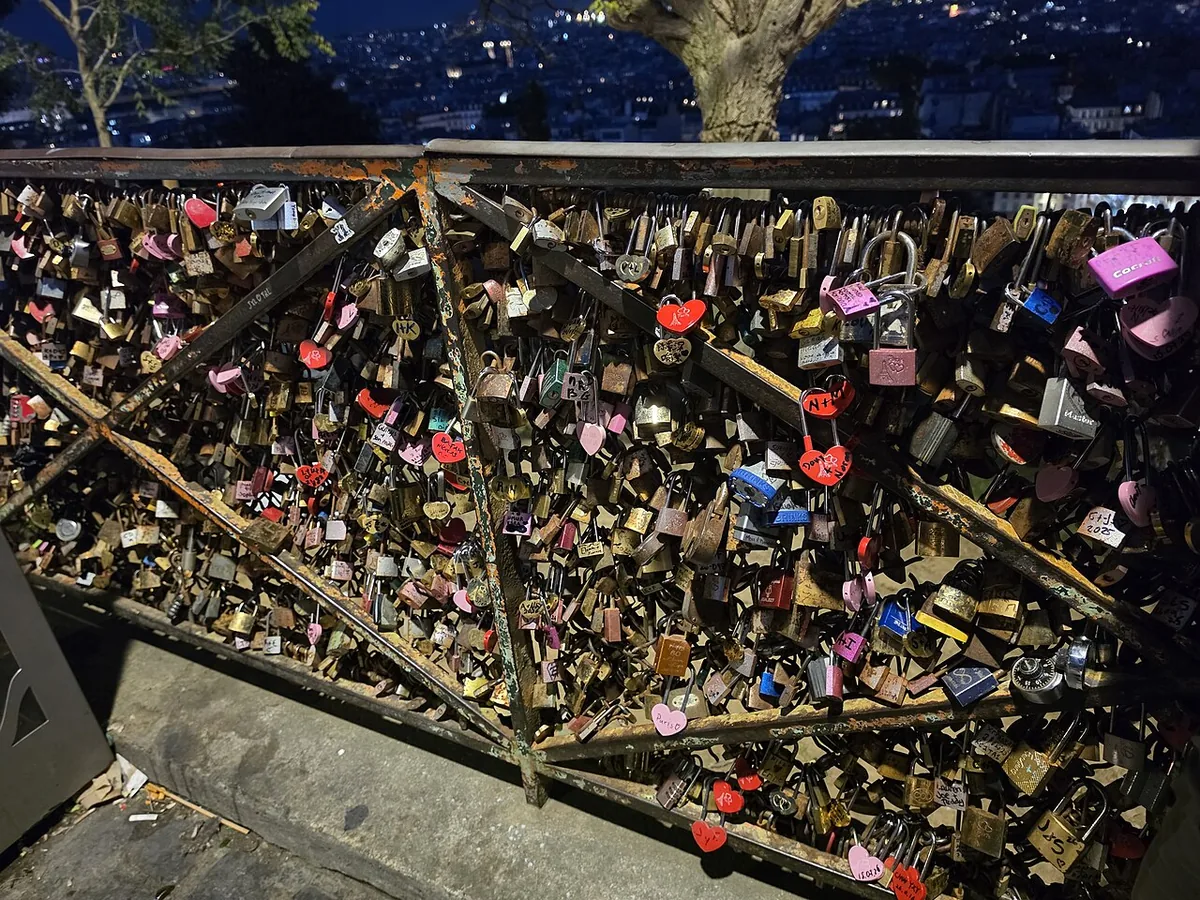
Sacré-Cœur crowns Montmartre with a Romano-Byzantine basilica built after the Franco-Prussian War. Its National Vow origins and decades of construction, funded by donations, make it a place of pilgrimage as well as a visible Paris landmark.
Safa Park
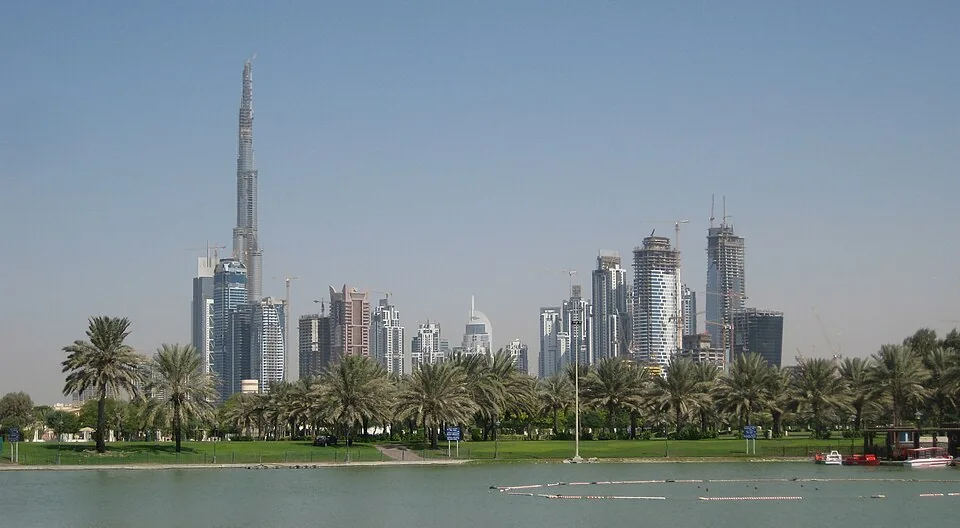
Safa Park is a broad green pause in a city defined by roads and towers. Its lawns, shaded paths, and long-established planting make the park a useful place to read Dubai’s growth in reverse: what once stood beyond the city is now surrounded by it.
Sagrada Família
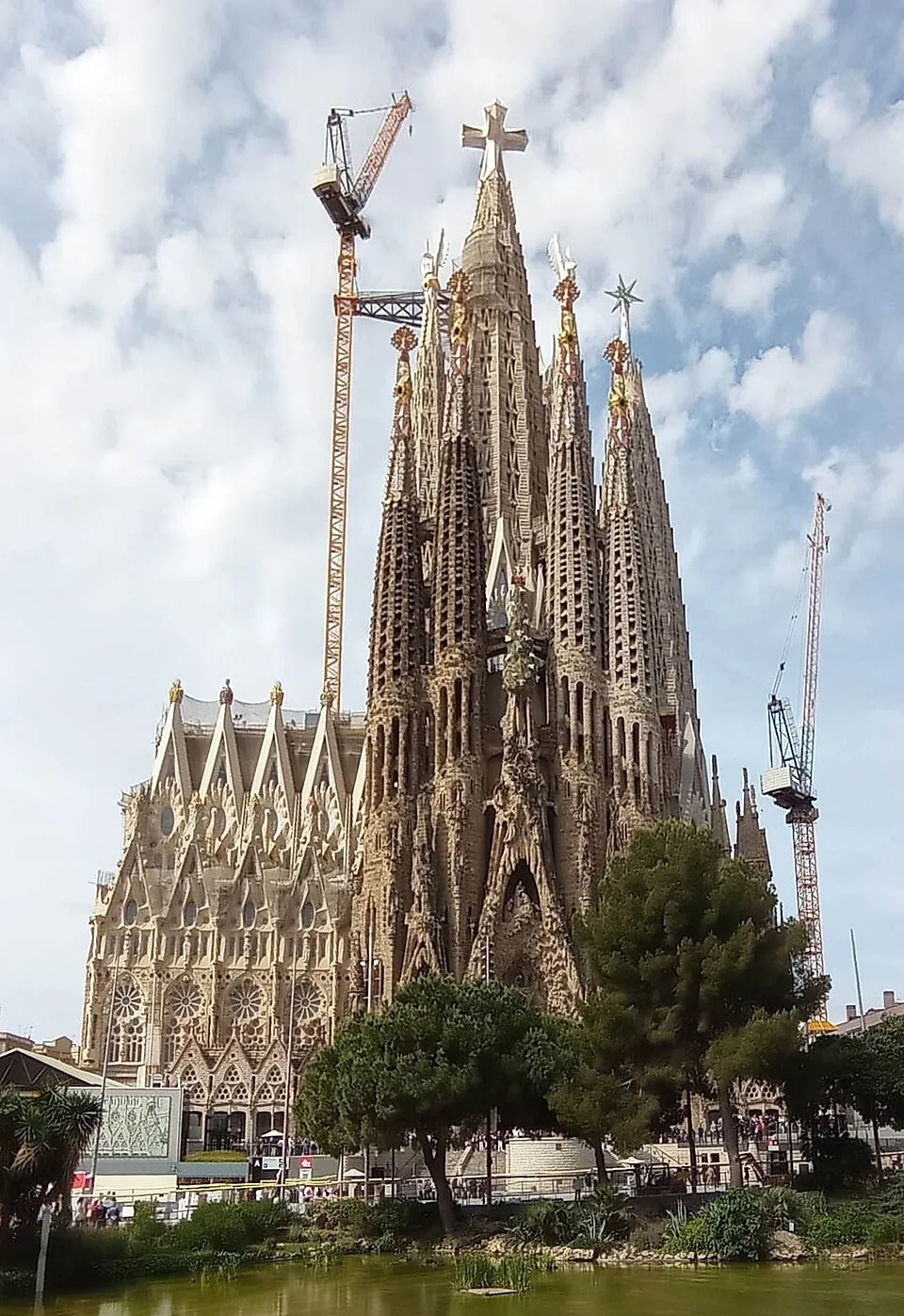
Sagrada Família’s Nativity façade is crowded with plants, birds, and sculpted scenes, turning the building’s exterior into an image of creation. Gaudí’s design uses natural forms to express the joy of birth, while the unfinished basilica records generations of changing craft.
Sagrat Cor
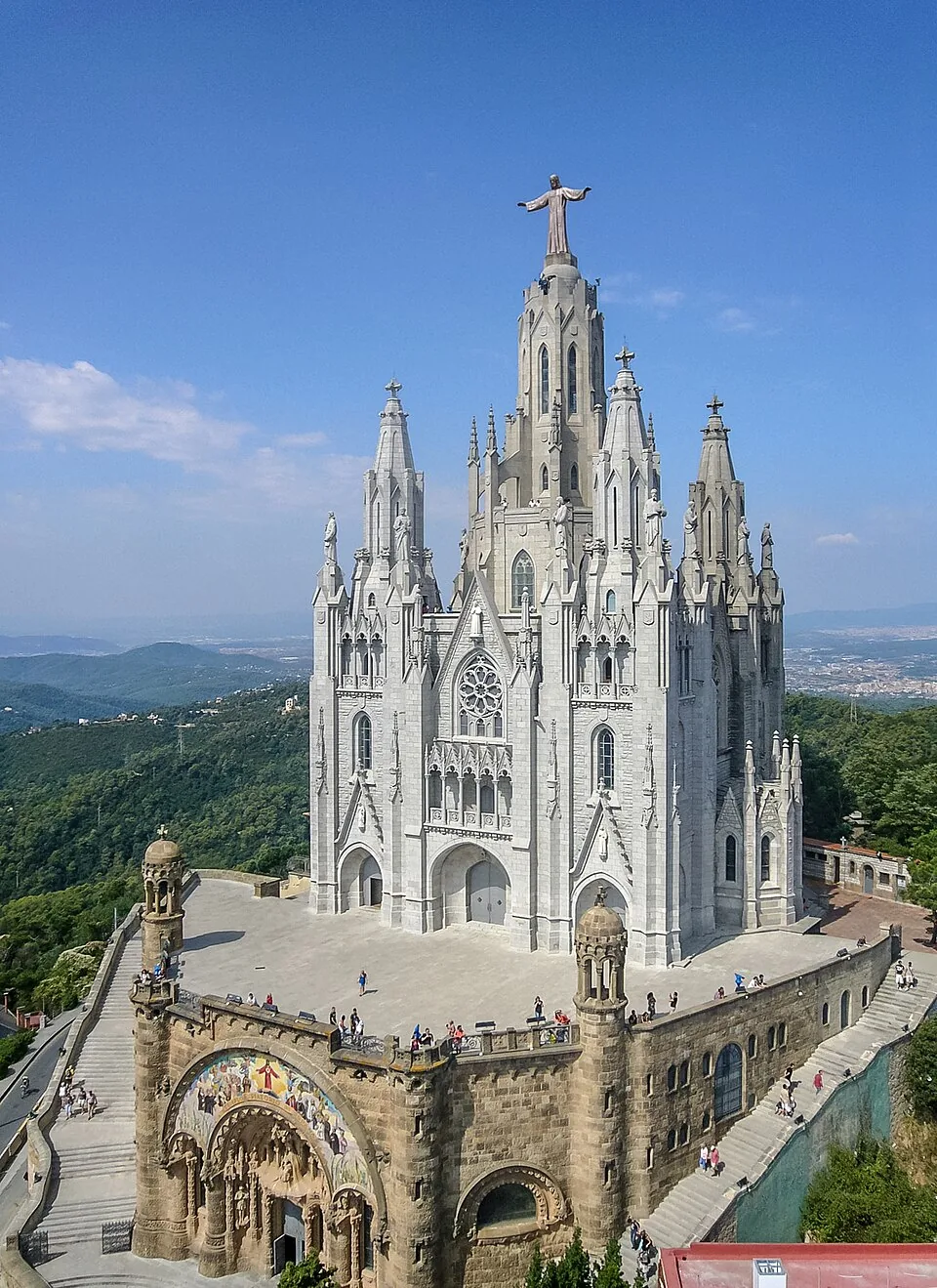
The Temple Expiatori del Sagrat Cor crowns Tibidabo with a silhouette visible across Barcelona. Its construction stretched from the early twentieth century to 1961, beginning with a small chapel and growing into a monumental church.
Saihō-ji (Kokedera)
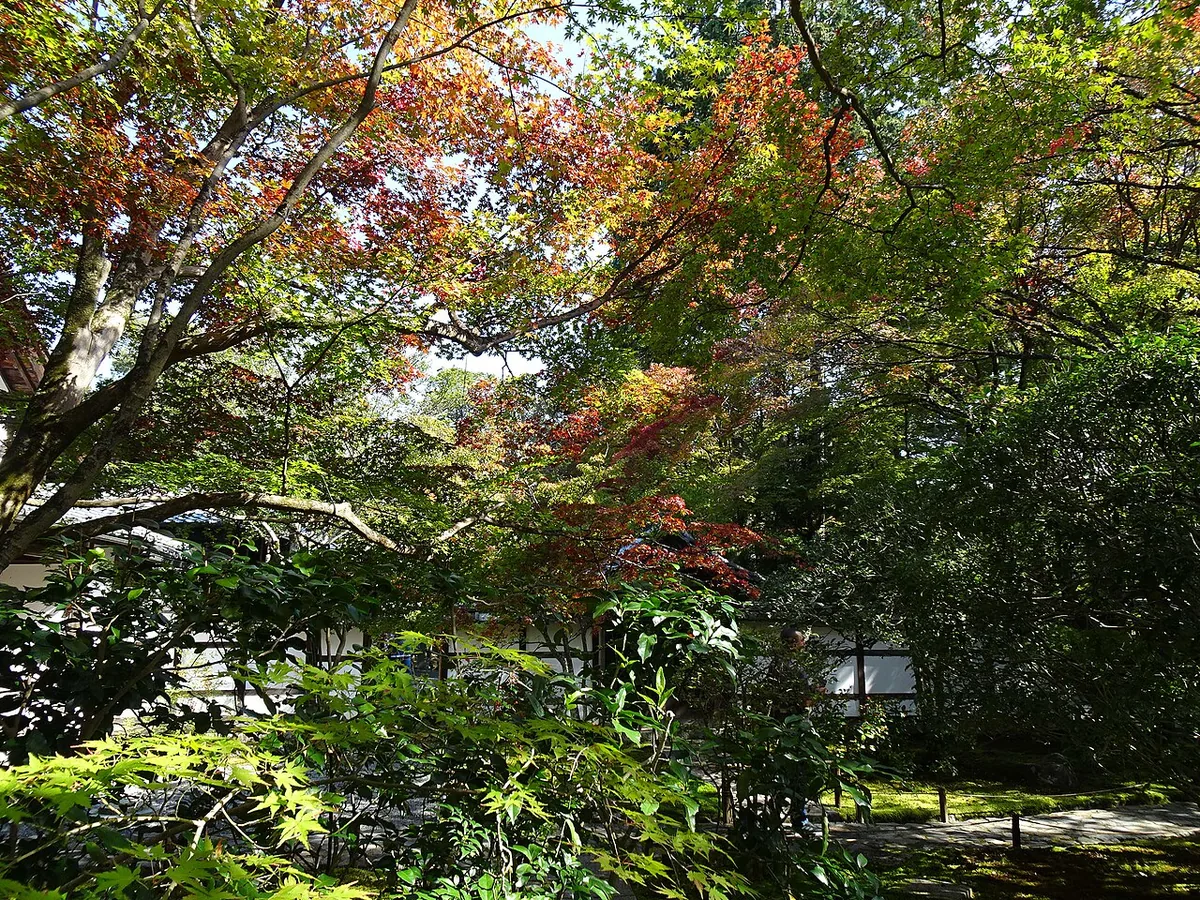
Saihō-ji, known as Kokedera or Moss Temple, is a Zen temple whose garden is shaped by shade, water, and more than a hundred moss varieties. Restricted visitation helps preserve its contemplative atmosphere and fragile groundcover.
Sai Kung
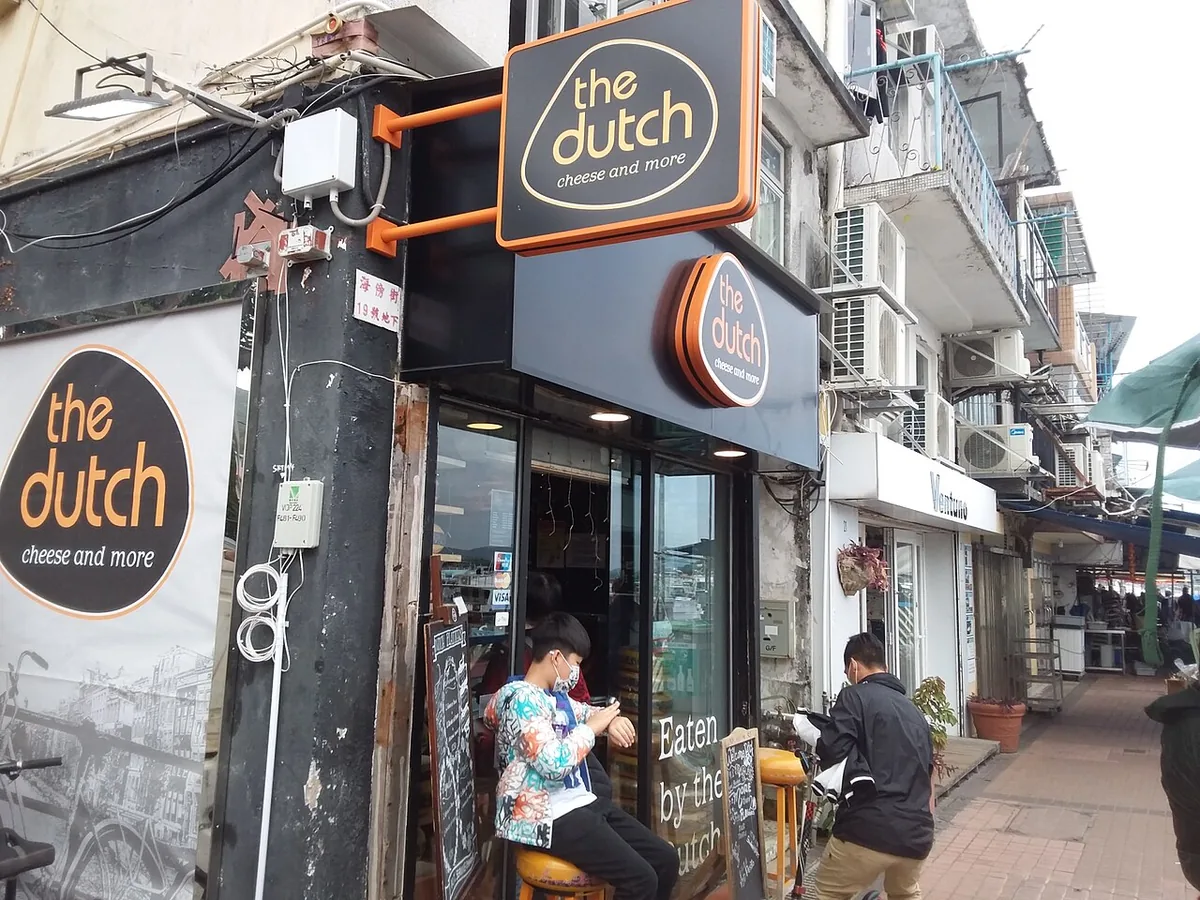
Sai Kung is both a town and a broad coastal region of peninsulas, islands and inlets. Its waterfront brings village-scale streets and working boats into view, while the surrounding geopark landscape records an ancient volcanic past.
Sainte-Chapelle
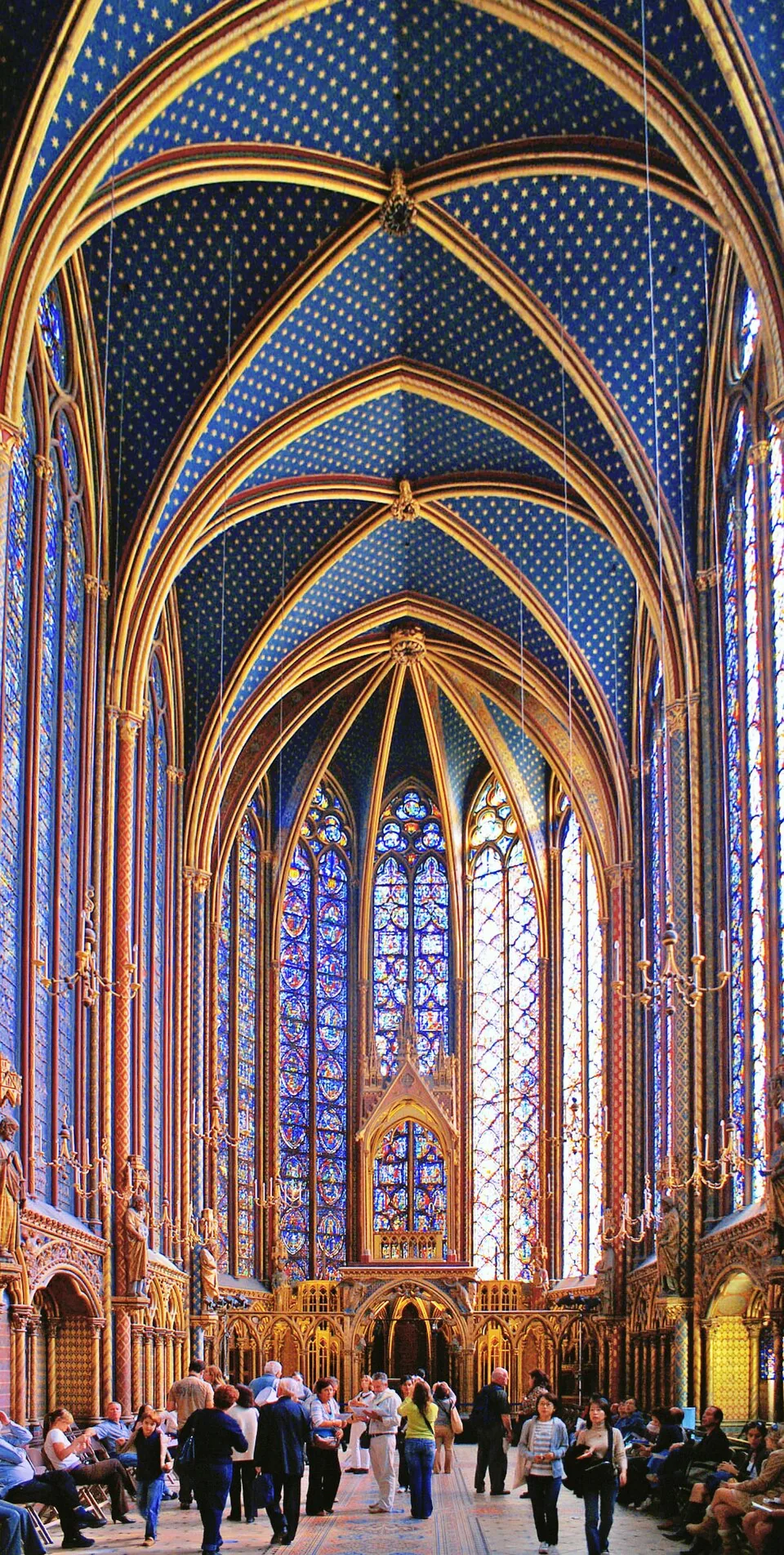
Sainte-Chapelle was built for Louis IX to house Passion relics, and its upper chapel turns walls into stained glass. Fifteen windows carry more than a thousand biblical scenes, making light part of its architectural and devotional meaning.
Saint-Germain-des-Prés
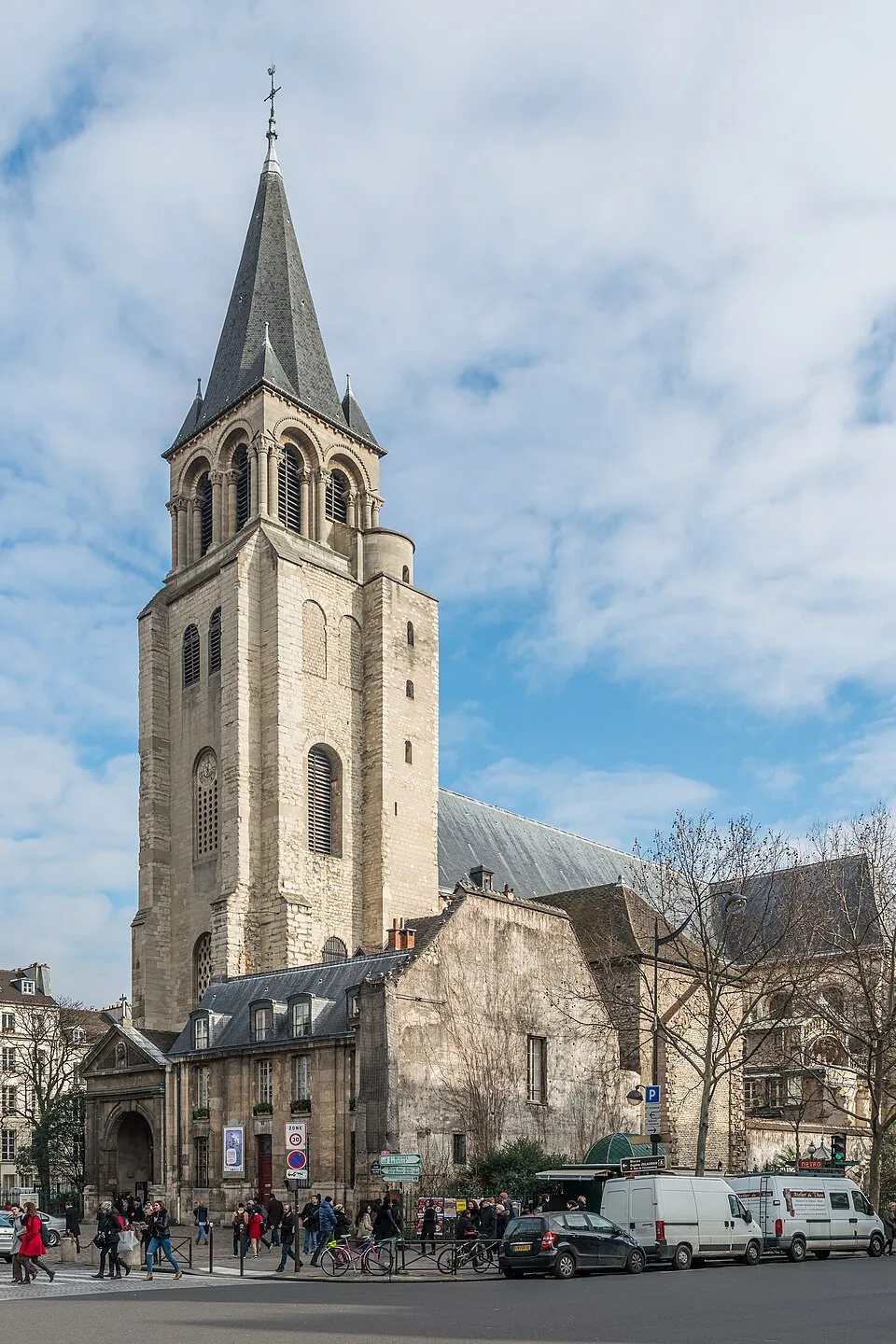
The church of Saint-Germain-des-Prés stands amid streets that grew around a powerful early medieval abbey. Its surviving Romanesque structure carries traces of the monastery’s long religious and intellectual life, as well as the neighborhood that formed outside its walls.
Saint-Sulpice Church
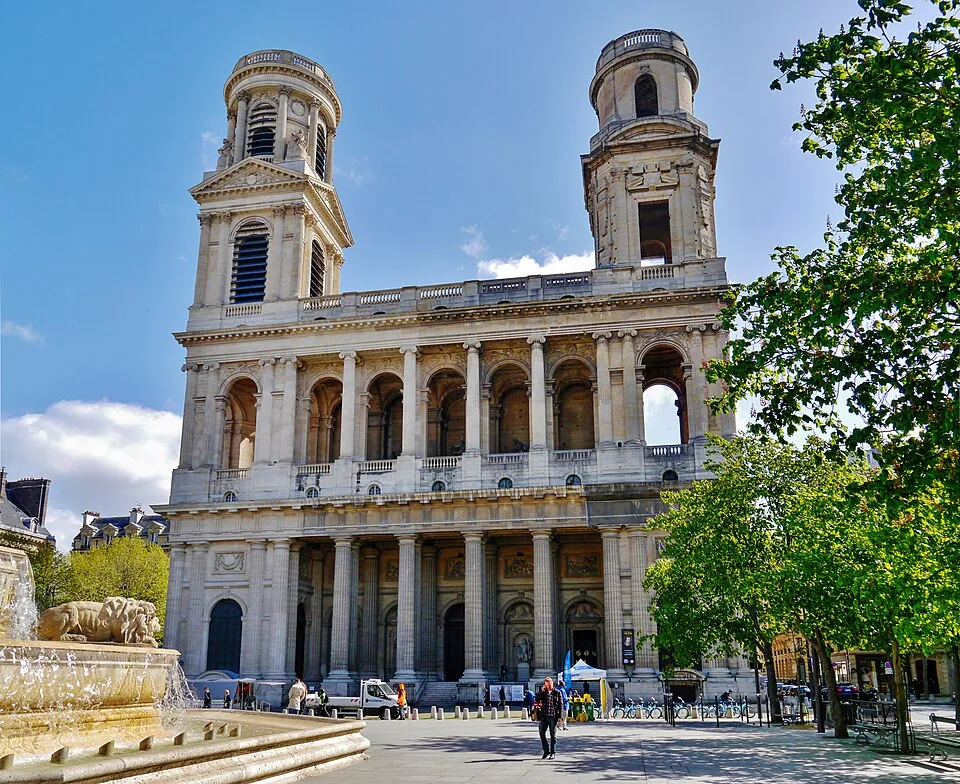
Saint-Sulpice’s broad façade and unfinished-looking towers frame one of Paris’s largest church interiors. Built over centuries, the church gathers architectural styles, Delacroix murals, a monumental organ, and a scientific gnomon beneath a single roof.
Saloma Link
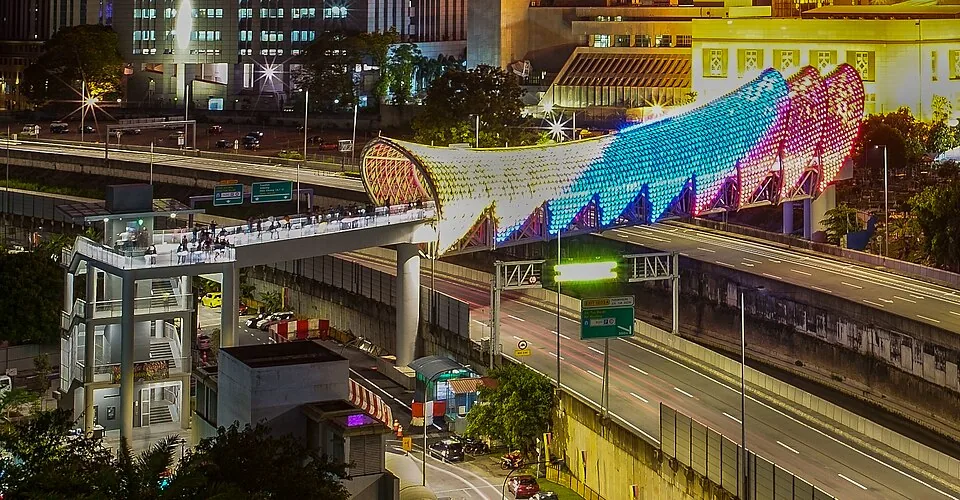
Saloma Link is a pedestrian bridge connecting Kampung Baru with Kuala Lumpur City Centre. Its faceted canopy draws on the Malay sirih junjung arrangement, making a functional crossing a visual gesture of connection between two distinct urban districts.
SALT Galata
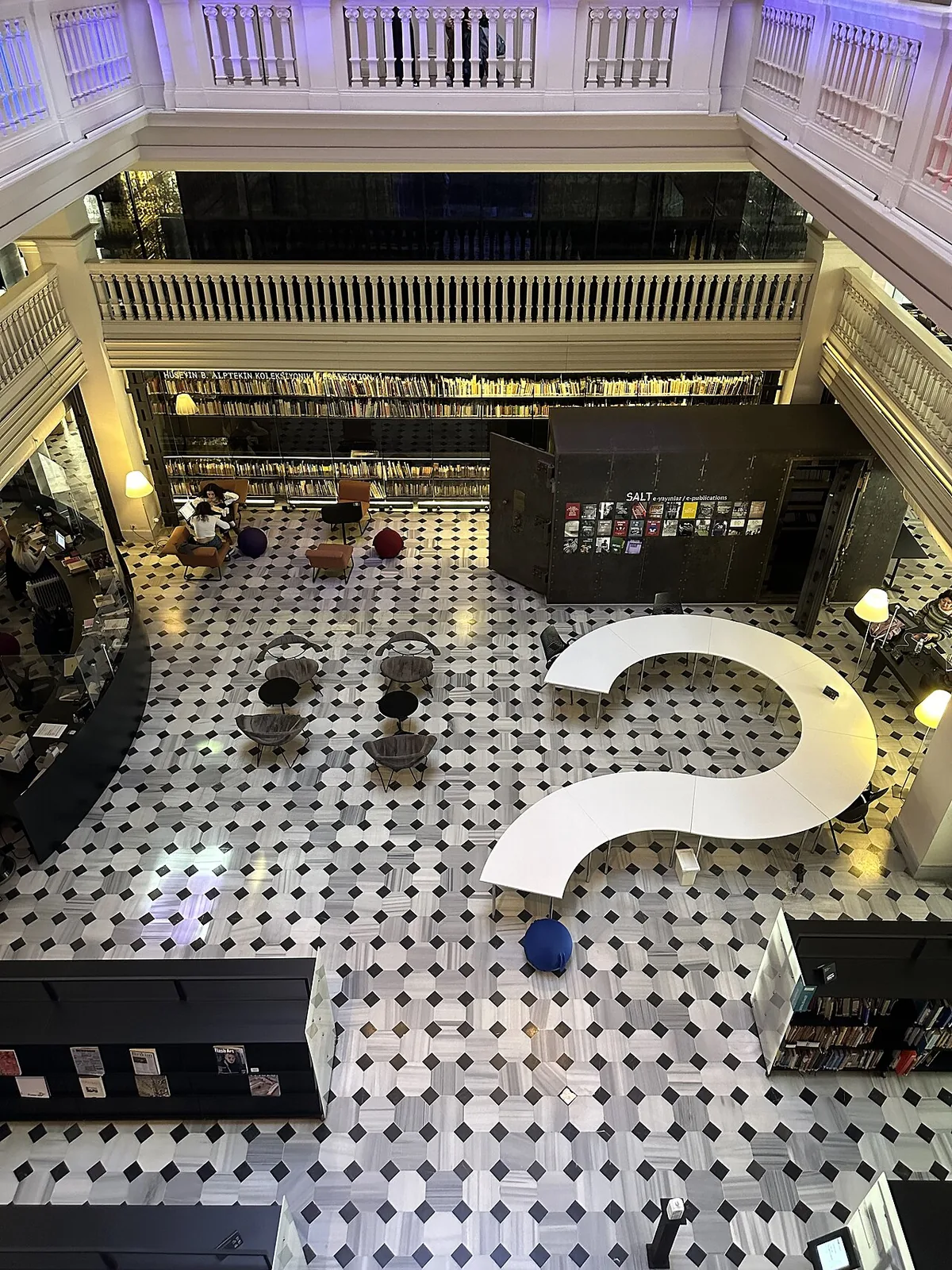
SALT Galata occupies the former headquarters of the Ottoman Bank on Bankalar Caddesi. Its research spaces and bank museum reuse the building’s vaults and offices, joining contemporary cultural work with the financial history embedded in the site.
Sam Kai Vui Kun (Kuan Tai Temple)
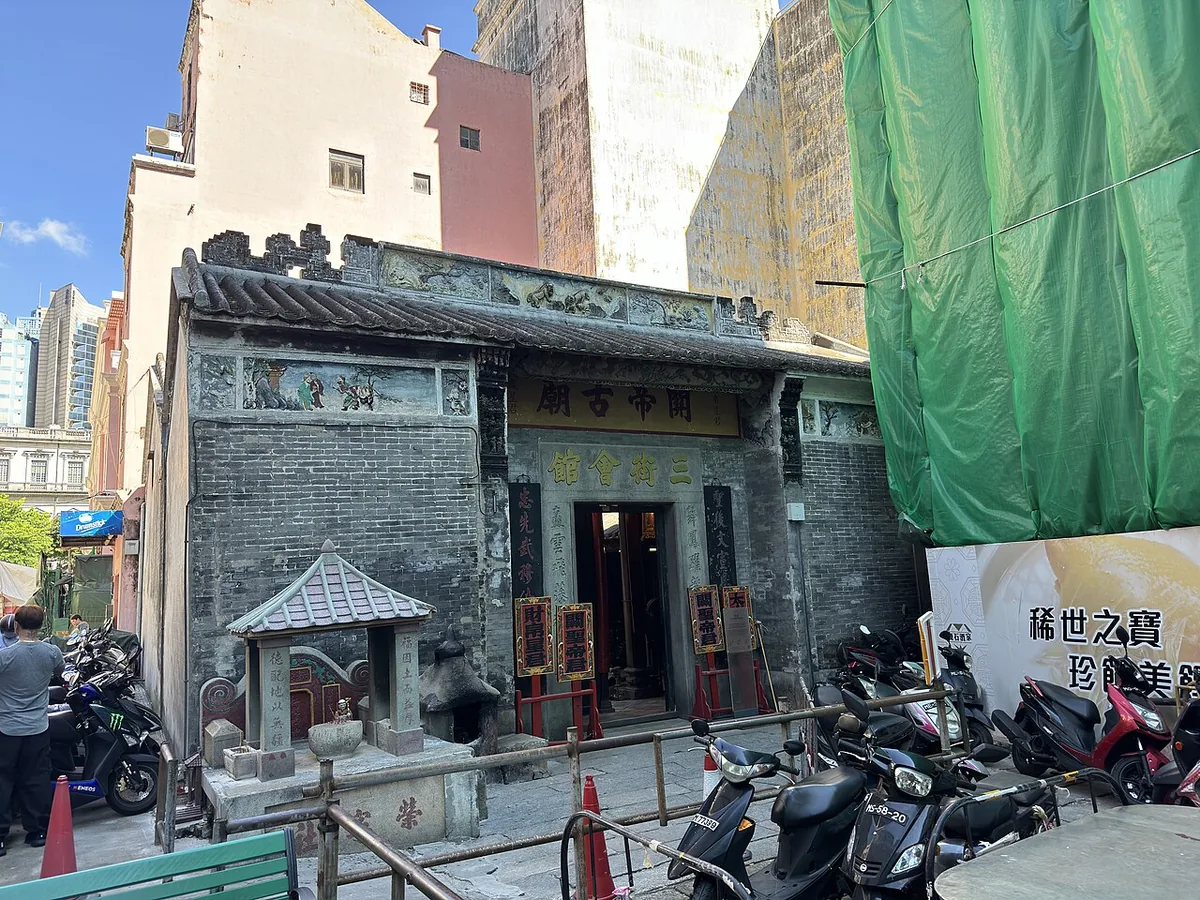
Sam Kai Vui Kun, also known as Kuan Tai Temple, stands near the historic Chinese bazaar and reflects the close ties between worship and commerce. Its vivid Chinese architectural details identify a community temple whose civic role extended into the organization of local merchants.
Sampeng Market
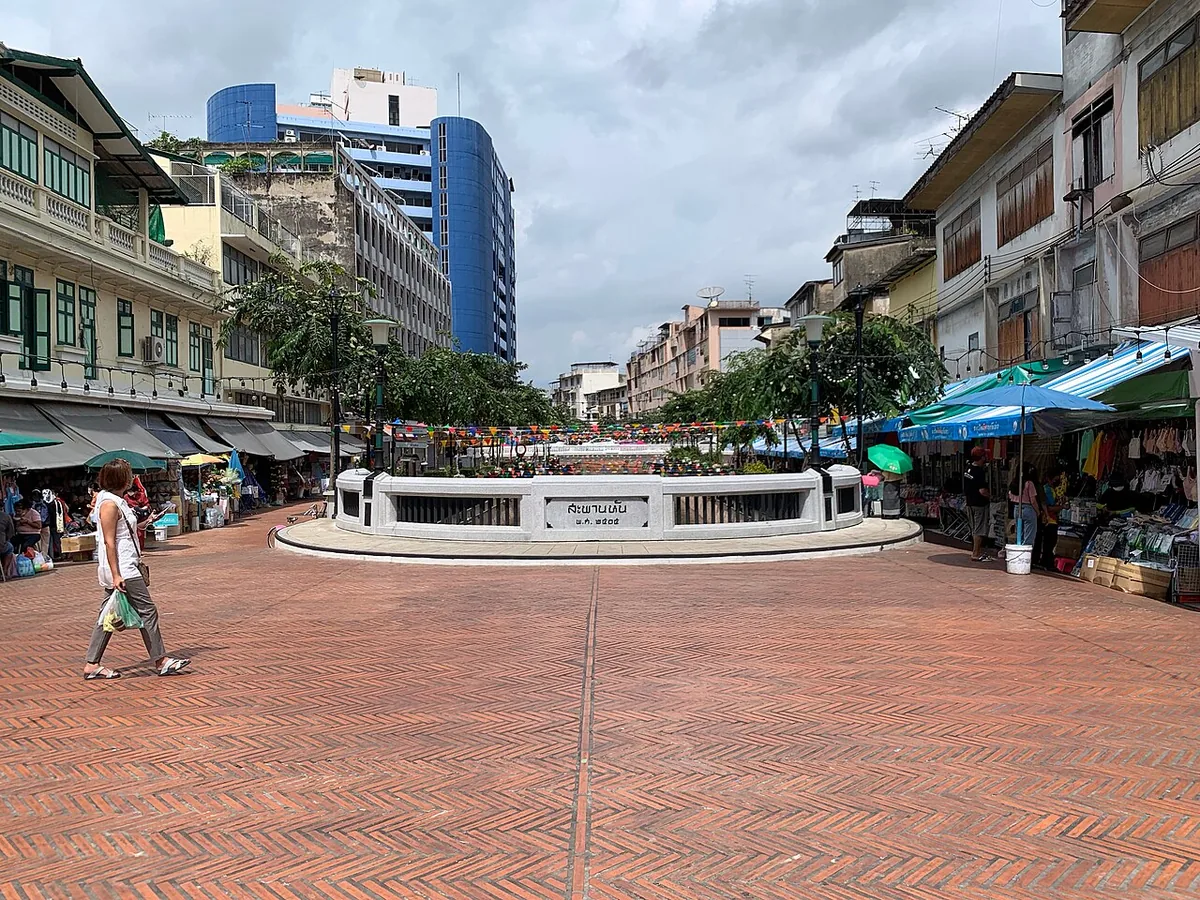
Sampeng Market occupies the narrow lanes of Bangkok’s Chinatown, where wholesale goods move through shopfronts and passageways. Its compact form reflects a long commercial tradition that predates Yaowarat’s later prominence as the district’s best-known road.
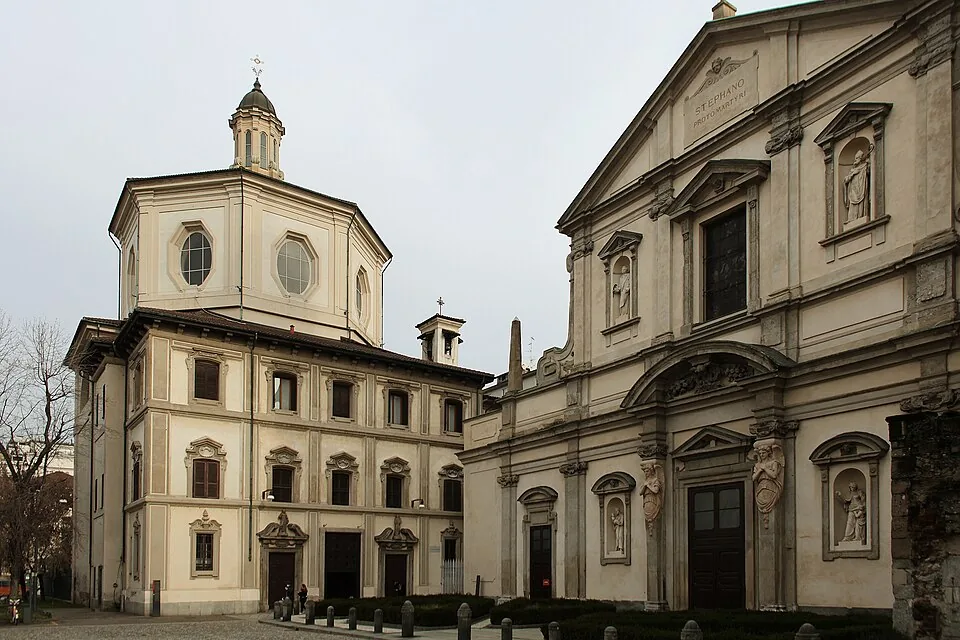
San Bernardino alle Ossa
San Bernardino alle Ossa turns a practical burial solution into a quiet, richly decorated chapel. Bones were gathered here after a nearby cemetery ran out of room, and the walls now make visible a history of care for the dead in crowded medieval Milan.
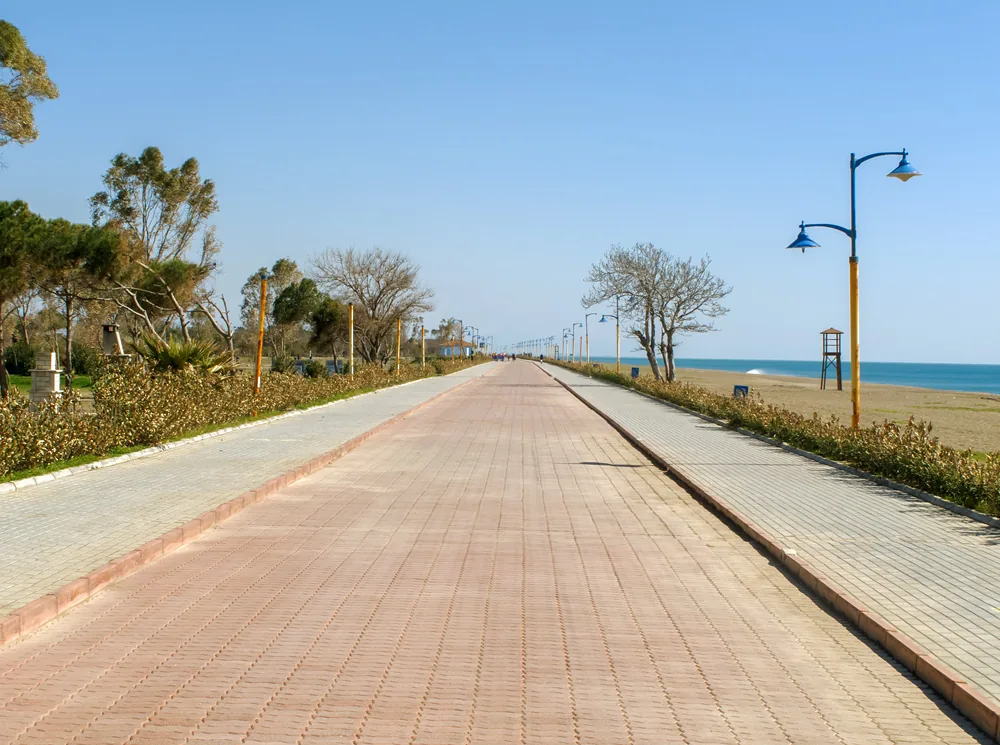
Sandland Antalya
Sandland turns a beach into a temporary outdoor gallery: monumental figures are shaped from sand and water, then eventually disappear. Its changing sculptures make impermanence part of the artwork, connecting Antalya’s coast to a global craft practiced by sculptors from many countries.
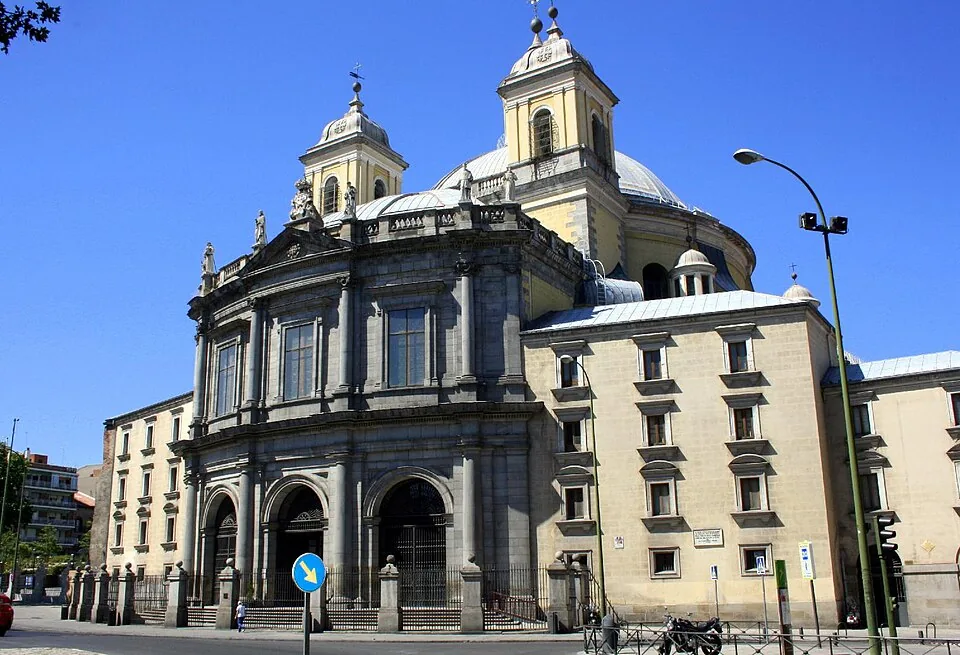
San Francisco el Grande Basilica
San Francisco el Grande’s enormous circular dome changes the way the church holds its visitors: instead of a long nave leading toward one end, the space gathers people beneath a single broad canopy. Its eighteenth-century reconstruction also brought together architecture and art on a grand scale.
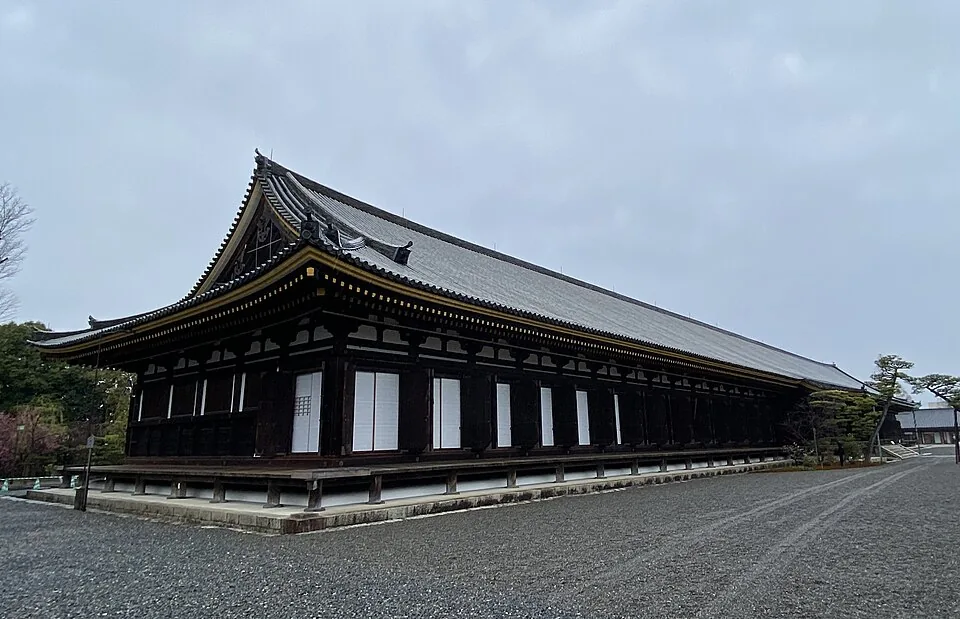
Sanjusangen-do
Sanjusangen-do’s long wooden hall contains an extraordinary assembly of Buddhist images, arranged around a central statue of Kannon. Its measured rhythm of pillars and figures turns the interior into a space of devotion and sustained looking.