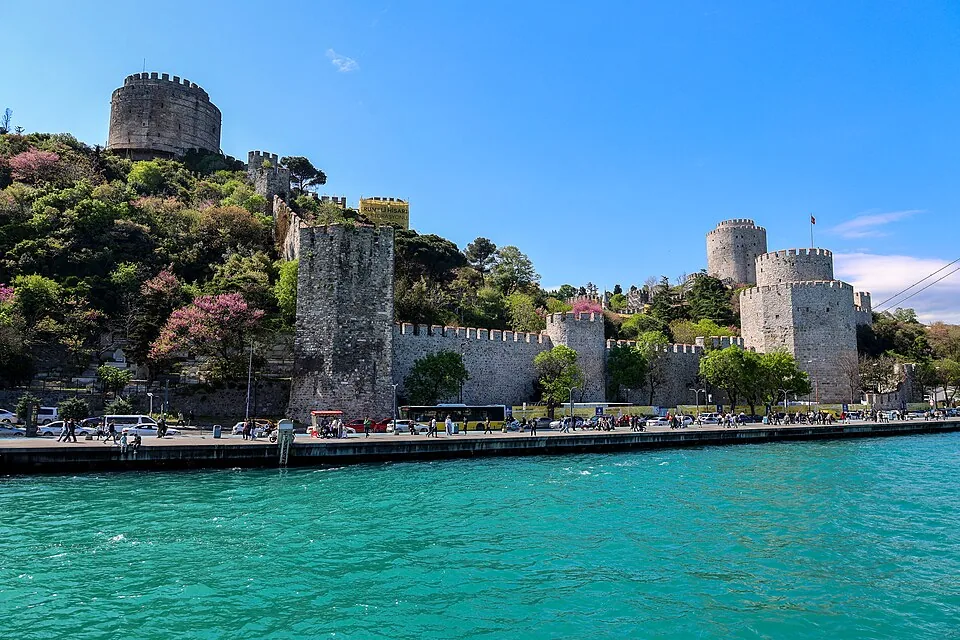
Across the Bosphorus from Anadolu Fortress, Rumeli Fortress occupies a steep shoreline with massive towers and walls. Built in the months before the Ottoman siege of Constantinople, it was positioned to control the narrow passage linking the Black Sea to the city.
Guide preview
The opposite shore is not just a view: Anadolu Fortress stands across the water, and together the two strongholds define this narrow passage. Mehmed II ordered Rumeli Fortress built in 1452, shortly before the Ottoman siege of Constantinople, to obstruct aid and ships arriving from the Black Sea.
Continue exploring
Discover the full story
Keep reading with a travel pass and explore every full guide and tour.
UpgradeQuick facts
- Mehmed II had the fortress built in 1452.
- It was built opposite Anadolu Fortress to control the Bosphorus passage.
- The work was completed in about four months and includes three large towers.
More places in Istanbul
Aşiyan Museum
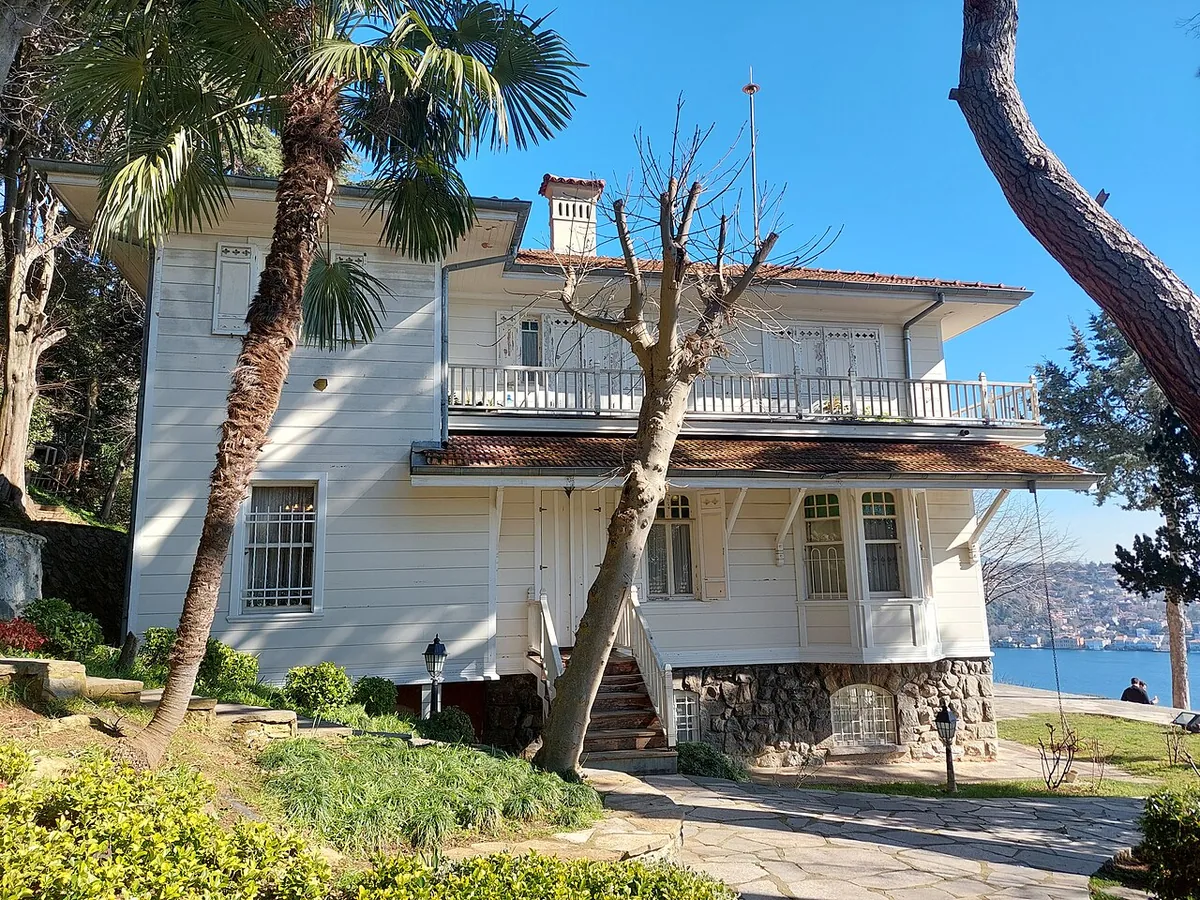
Aşiyan Museum preserves the house that poet Tevfik Fikret designed and lived in from 1906 to 1915. Its name means “nest,” and the rooms and garden connect the writer’s domestic life with a wider community of Turkish literary figures.
Atatürk Library
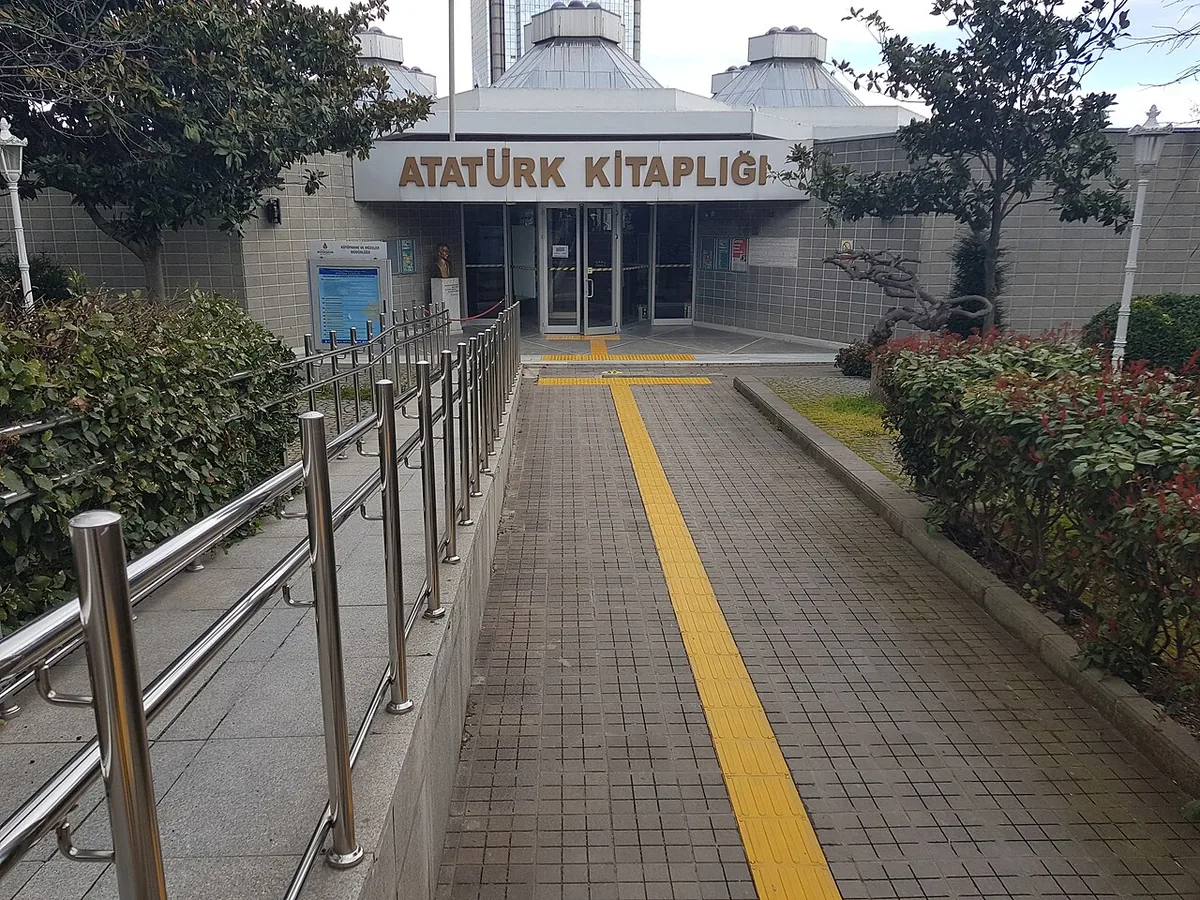
Atatürk Library’s hexagonal roof forms and lanterns shape how daylight enters the reading spaces. Designed by Sedad Hakkı Eldem and Hamdi Şensoy, the building reinterprets traditional central plans through modern materials and geometry.
Basilica Cistern
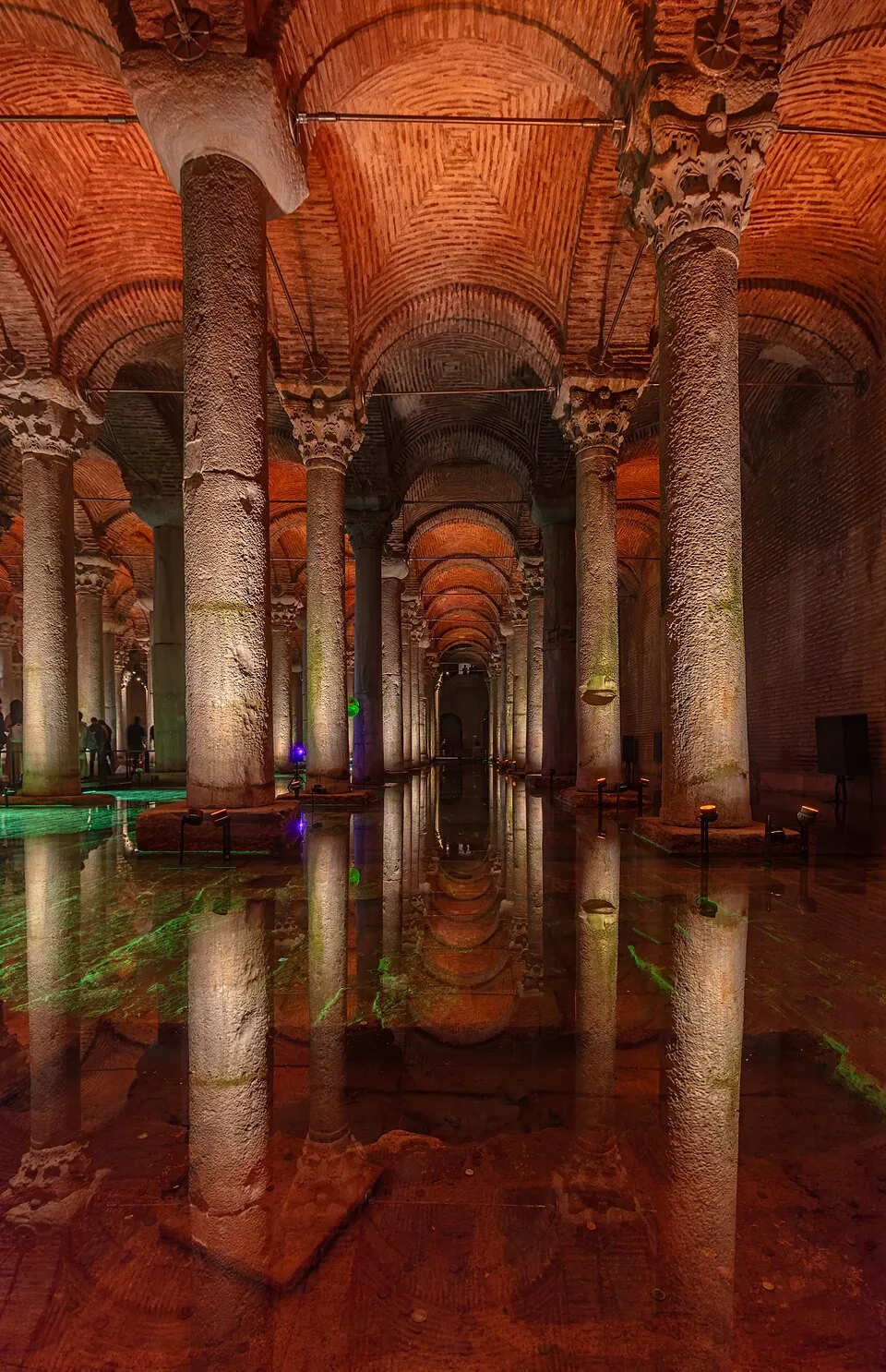
Beneath Sultanahmet’s crowded streets, the Basilica Cistern holds a forest of columns above a vast underground reservoir. Its dim water and repeated supports reveal the hidden infrastructure that helped sustain Constantinople’s palaces and public buildings.
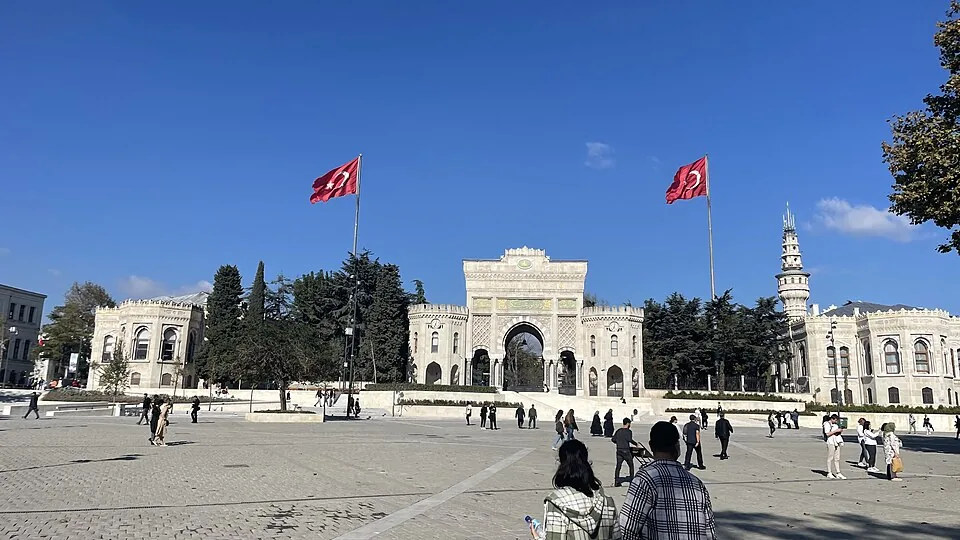
Beyazıt Square
Beyazıt Square occupies the footprint of an ancient imperial forum and now connects Istanbul University, Beyazıt Mosque, booksellers, and the Grand Bazaar. Its changing names and uses make it a meeting point between Roman, Ottoman, and modern civic life.
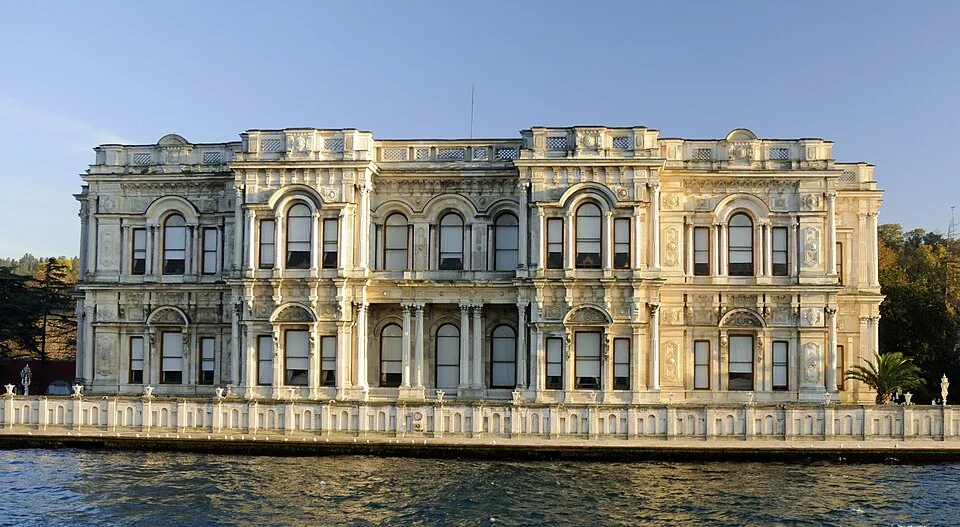
Beylerbeyi Palace
Beylerbeyi Palace faces the Bosphorus as both a summer residence and a state guesthouse. Built under Sultan Abdülaziz between 1863 and 1865, it combines European exterior influences with features of a traditional Ottoman house, reflecting its role as a royal retreat for visiting dignitaries.
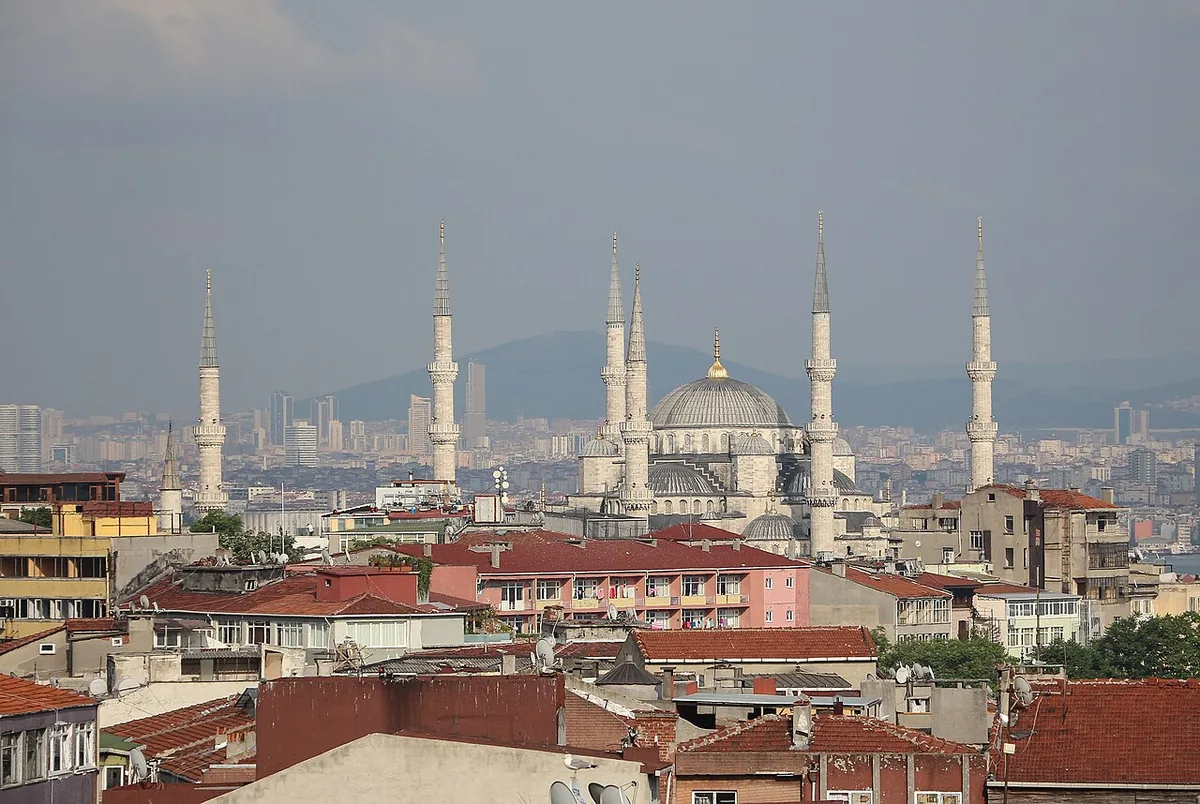
Blue Mosque
The Blue Mosque’s six minarets and cascading domes shape the Sultanahmet skyline, while its interior is known for İznik tilework. Built under Ahmed I, it faces Hagia Sophia across a square layered with Roman, Byzantine, and Ottoman history.