Explore locations
Browse places by name, city, country or category.
All locations
1624 locations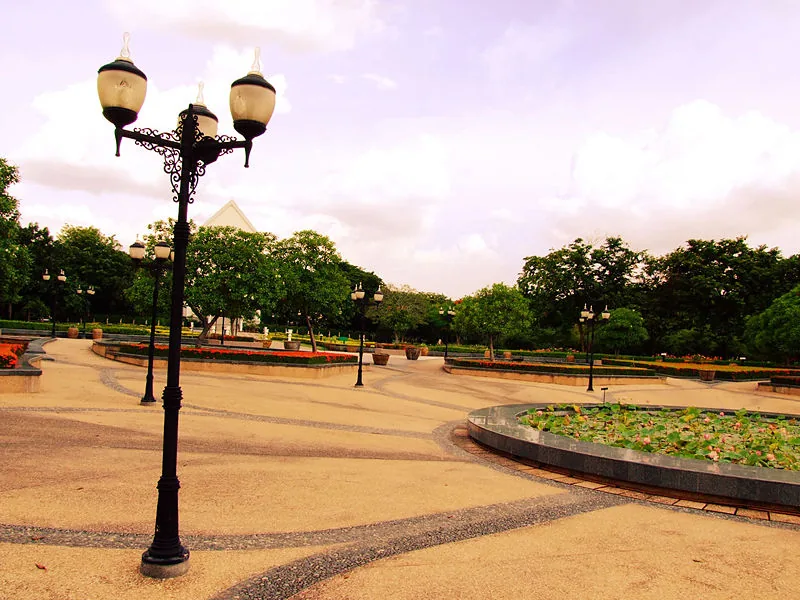
Queen Sirikit Park
Queen Sirikit Park is designed as a botanical garden and urban forest, with lotus ponds, themed plant collections, and shaded paths. Its planned landscape reflects a royal vision of a “small forest in a big city,” offering both respite and a place to learn about plants.
Queens Museum
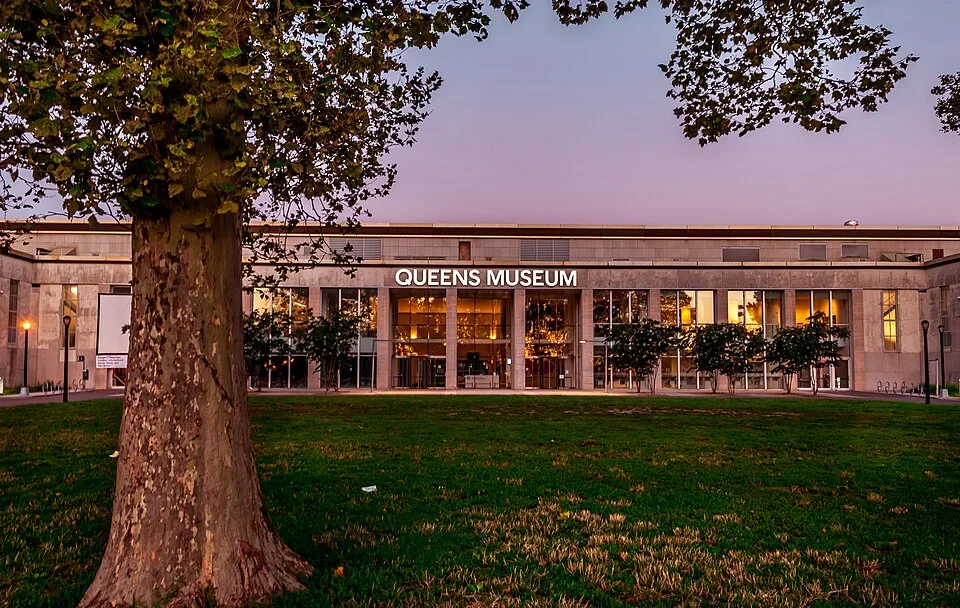
The Queens Museum occupies the former New York City Pavilion from the 1939 World’s Fair, later reused for the United Nations and another fair. Its Panorama model maps every borough, making the scale and structure of New York visible at once.
Quinta de los Molinos
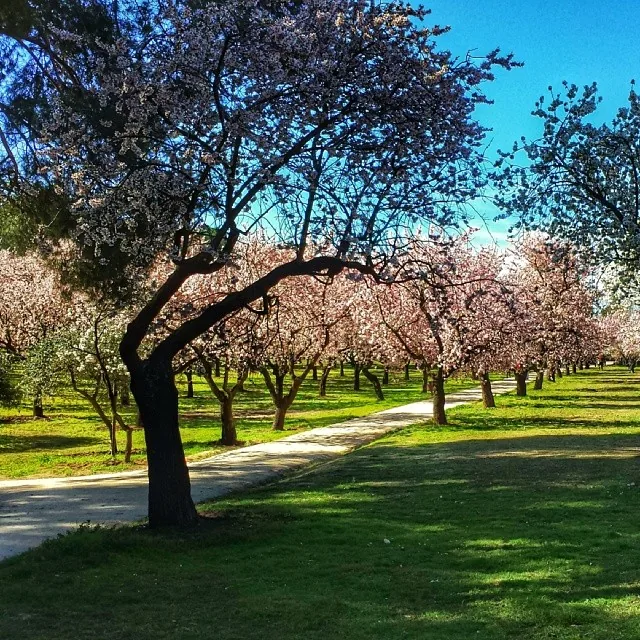
Quinta de los Molinos grew from a recreational estate with agricultural land into a public garden. Its northern landscape garden and southern agricultural zone preserve that split, while almond trees make the changing seasons especially visible.
Radio City Music Hall
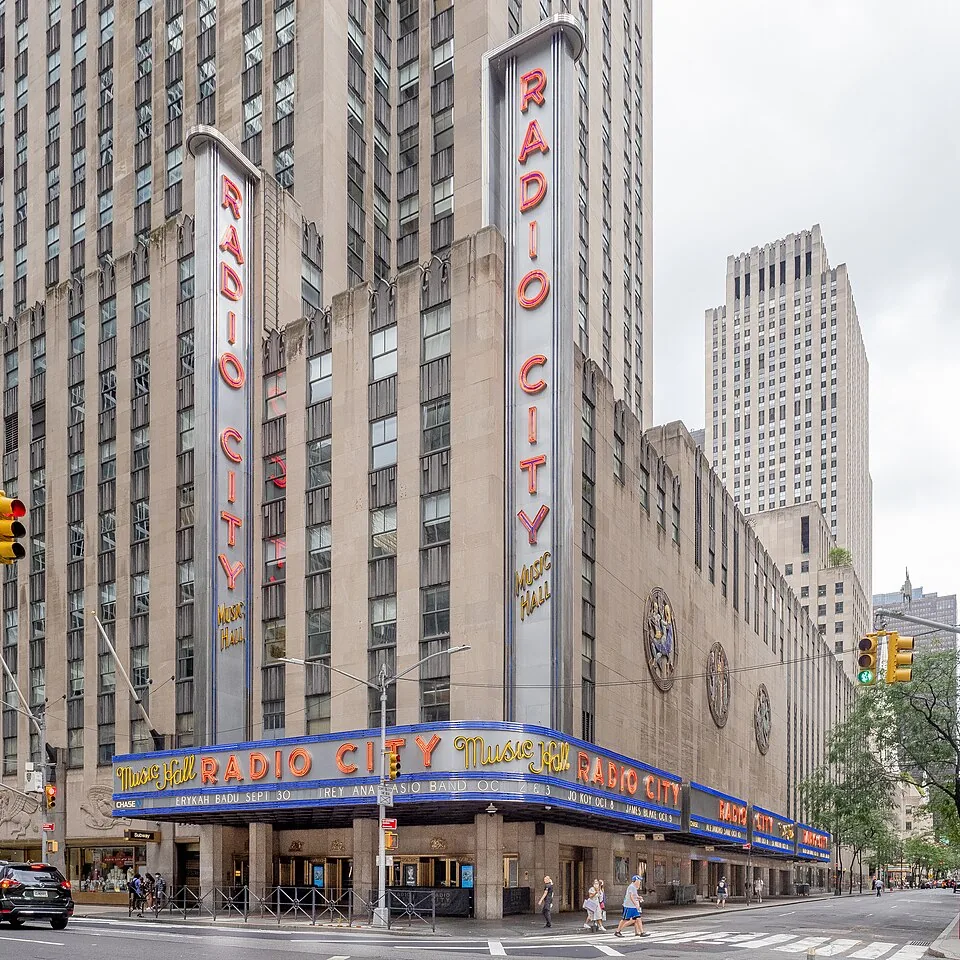
Radio City Music Hall opened in 1932 as a monumental theatre within Rockefeller Center. Its vast auditorium and elaborate Art Deco interiors were designed for spectacle, and the building’s evolving mix of film, stage and live events has kept it in public use.
Raffles Hotel
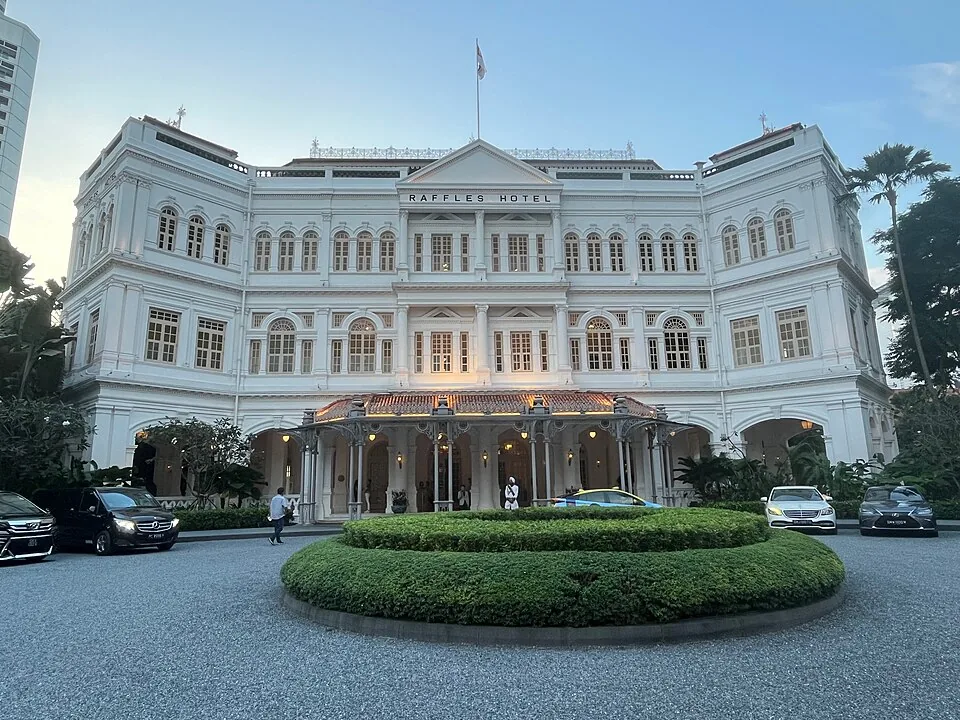
Raffles Hotel grew from a ten-room bungalow into one of Singapore’s most recognizable historic hotels. Its pale verandas and courtyard spaces preserve the outline of a Victorian-era retreat even as the city’s coastline and skyline shifted around it.
Rahmi M. Koç Museum
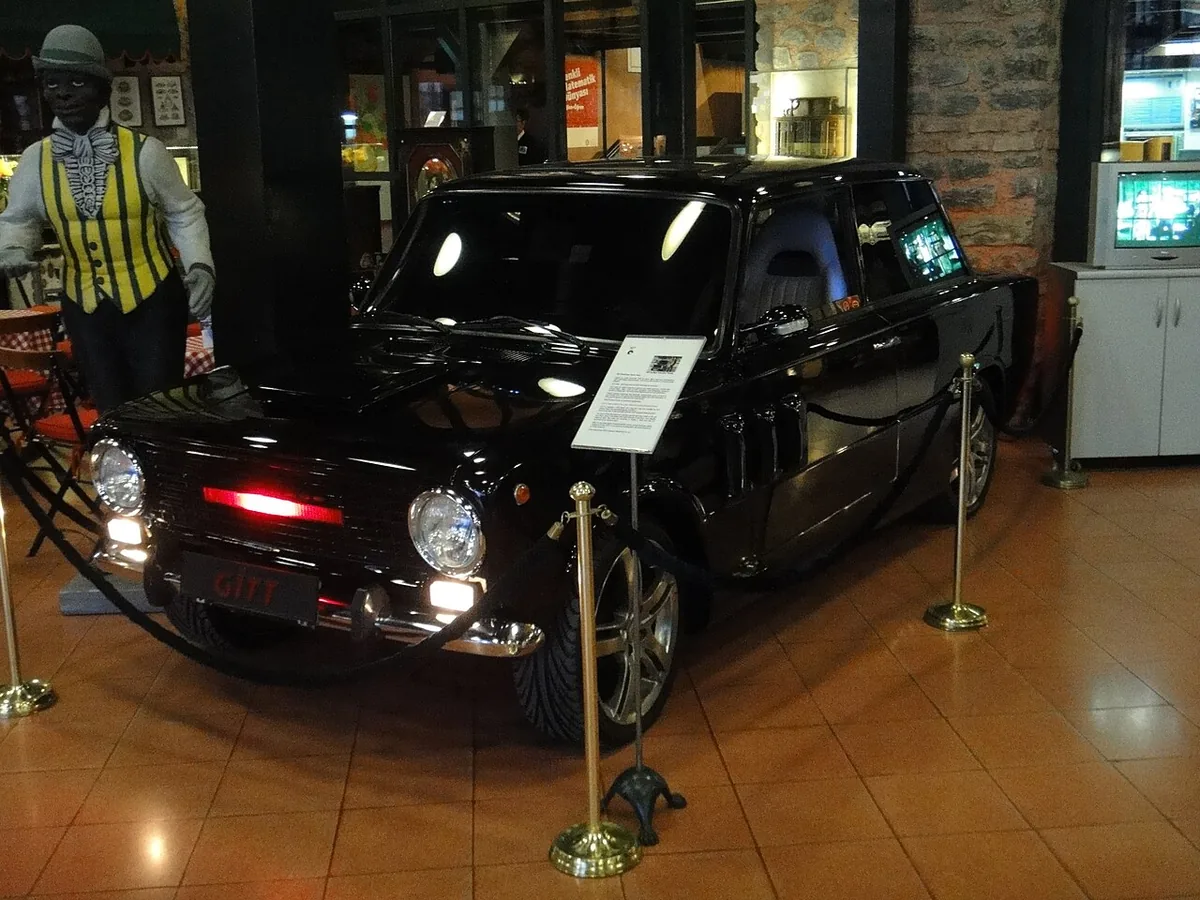
The Rahmi M. Koç Museum occupies two former industrial sites on the Golden Horn: an eighteenth-century lengerhane and the Hasköy Shipyard. Their conversion into galleries gives machines, vehicles, and tools a setting that preserves the working history of Istanbul’s waterfront.
Railway Museum
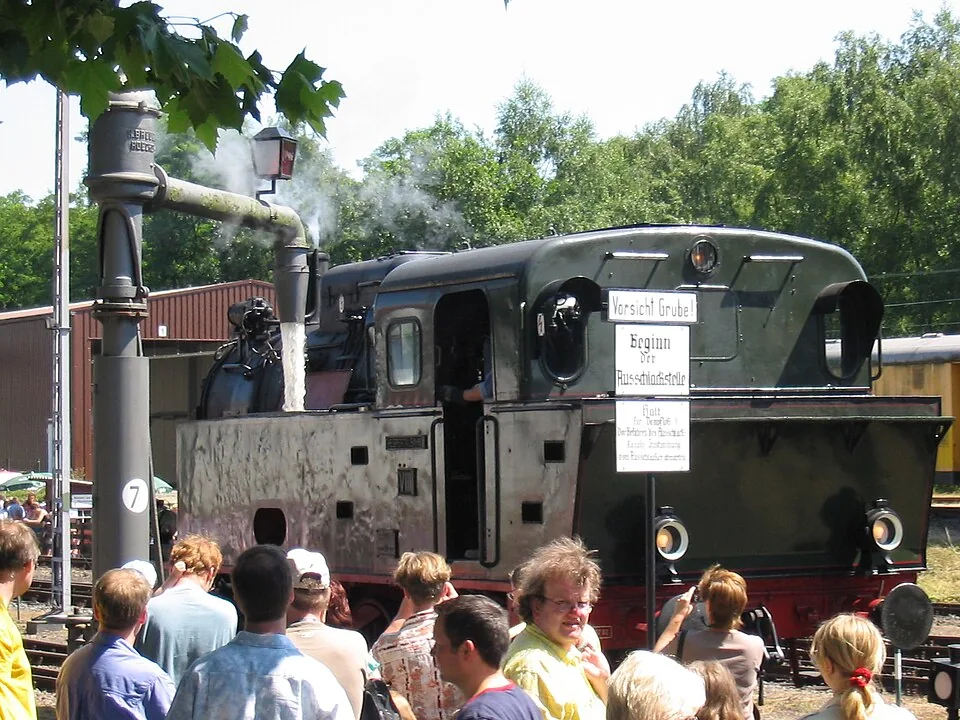
Madrid’s Railway Museum occupies the historic Delicias station, where iron structure and long platform sheds preserve the scale of an age when railways reshaped travel. Locomotives and equipment now sit inside the building they once served.
Raiņa Cemetery
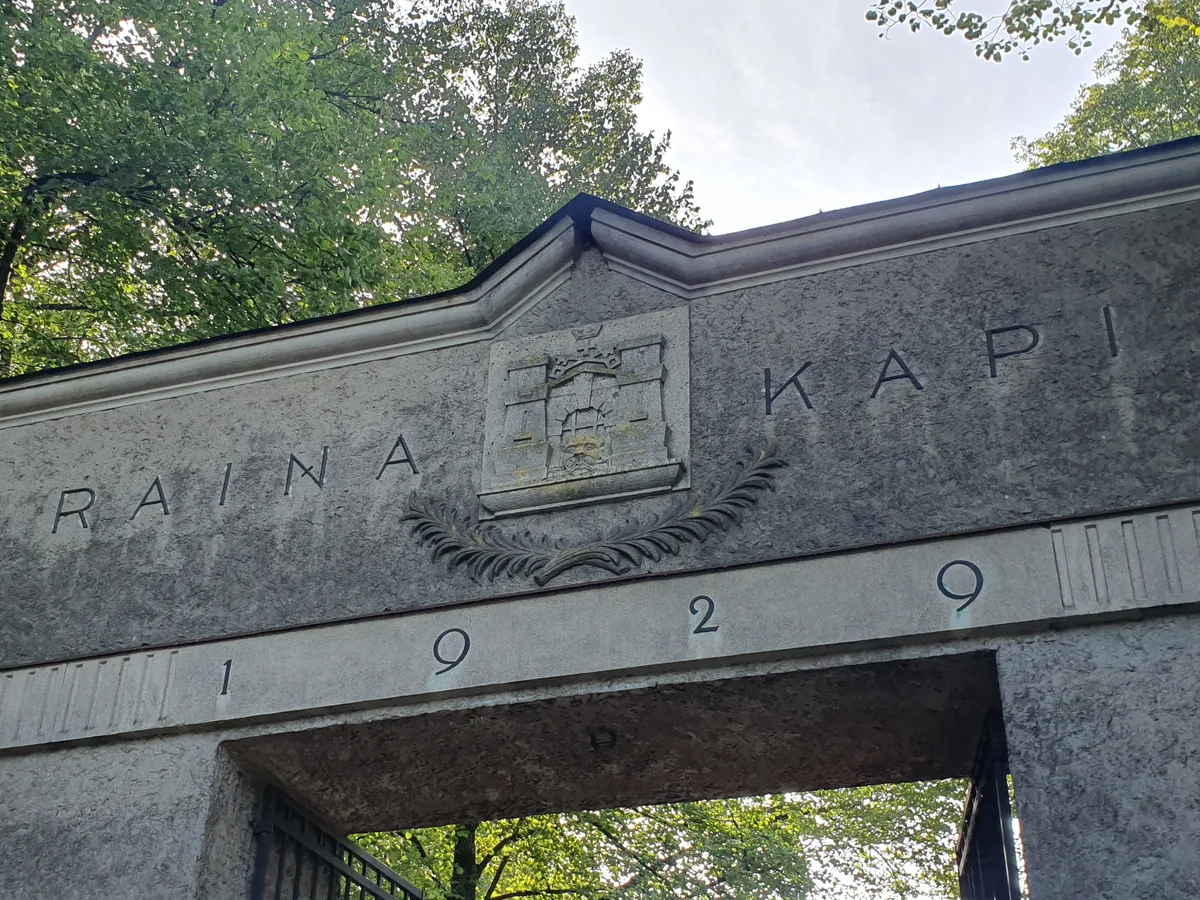
Raiņa Cemetery in northern Riga brings together the graves of poet Rainis and his wife Aspazija with those of generations of the city’s residents and cultural figures.
Rainbow Bridge
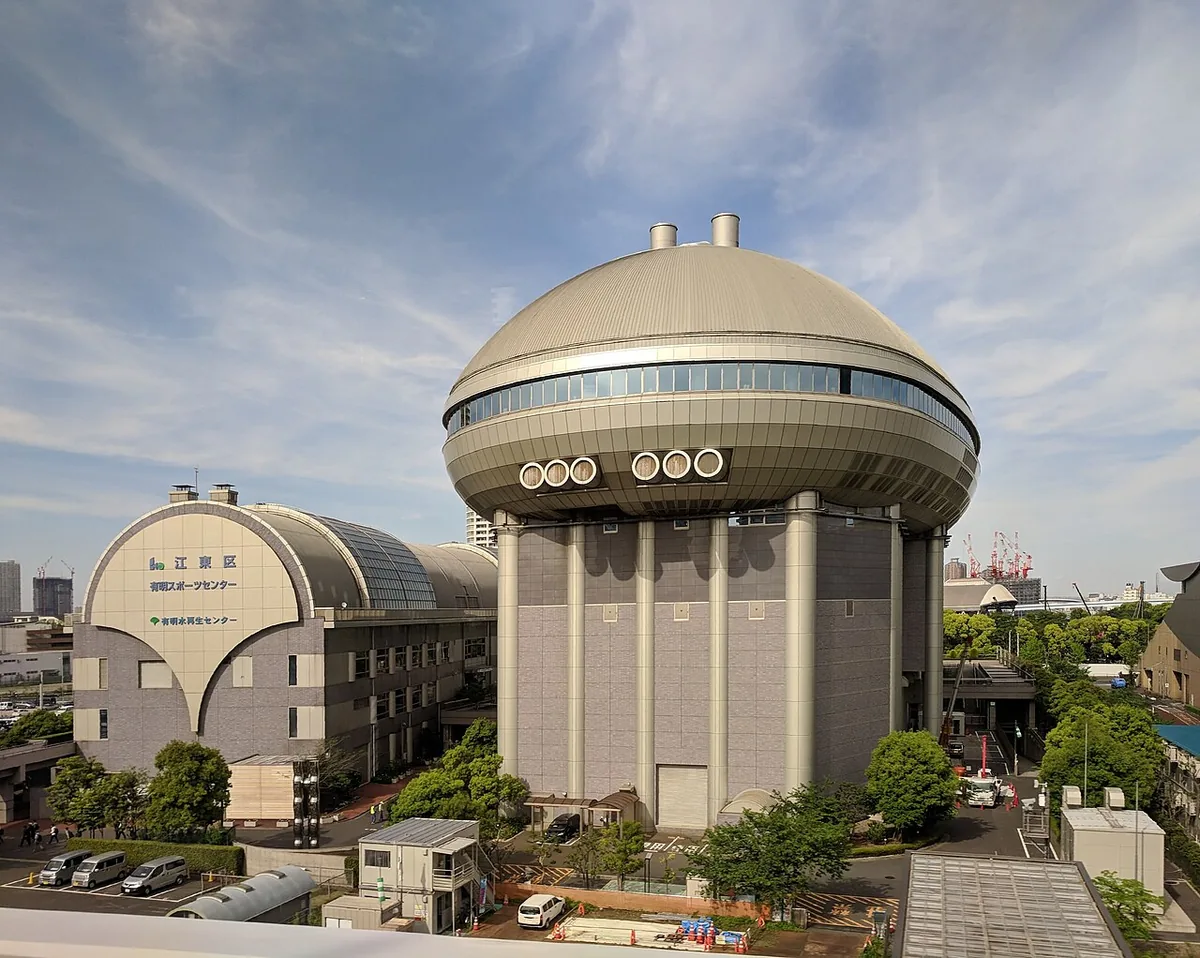
Rainbow Bridge is a two-level suspension bridge linking central Tokyo with the waterfront subcenter. Roadways, pedestrian paths, and the Yurikamome transit line share its structure, making the bridge both a city landmark and an essential piece of port infrastructure.
Rajadamnern Stadium
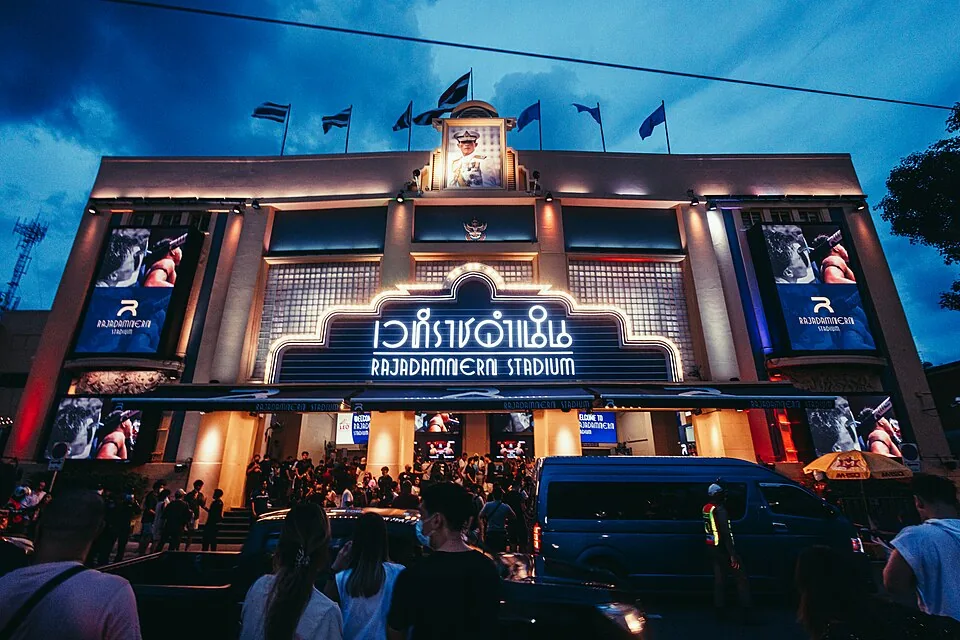
Rajadamnern Stadium’s circular form turns the ring into the visual center of a venue built for Muay Thai. Opened in 1945, it helped establish the sport as a professional spectacle, with the stadium’s history tied to rules, championships, and live competition.
Randall Knife Museum
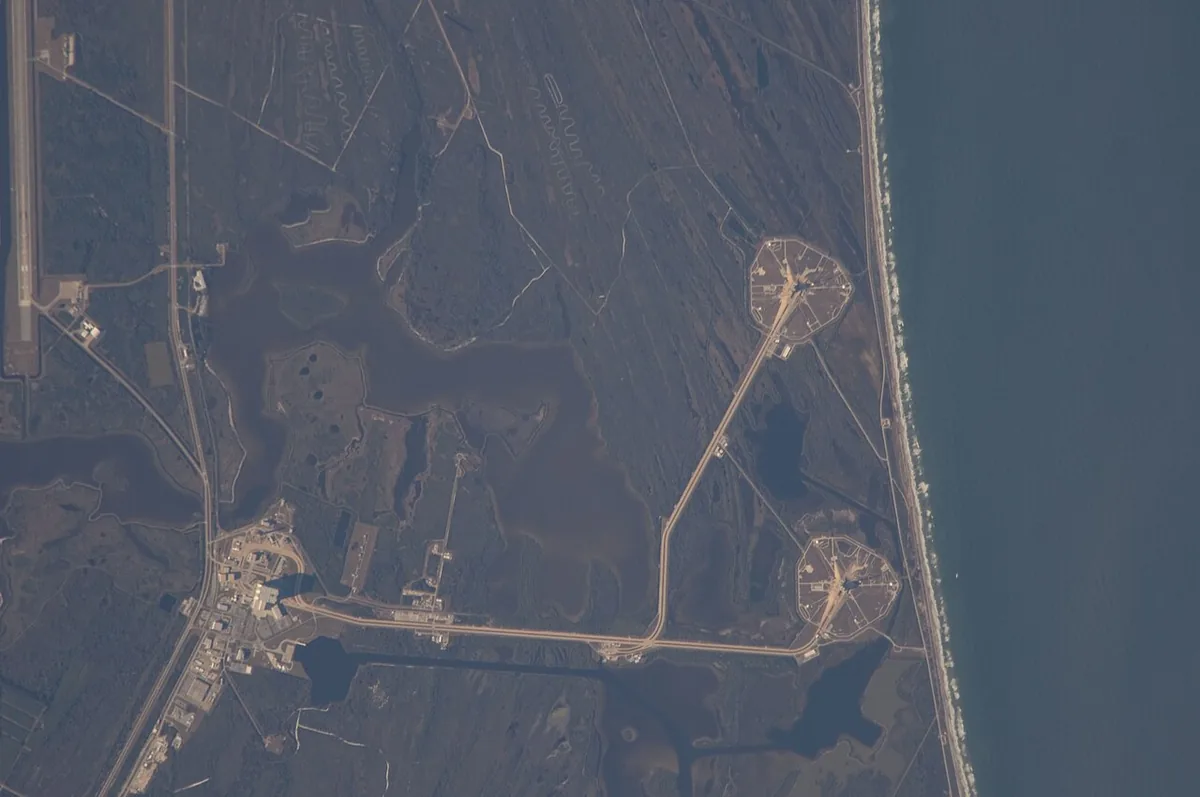
The Randall Knife Museum shares a site with the workshop and showroom of a long-running American knife maker. Its collection links finished blades with the tools, craft decisions, and personal histories behind handmade knives, making production—not just the polished object—part of the visit.
Raohe Street Night Market
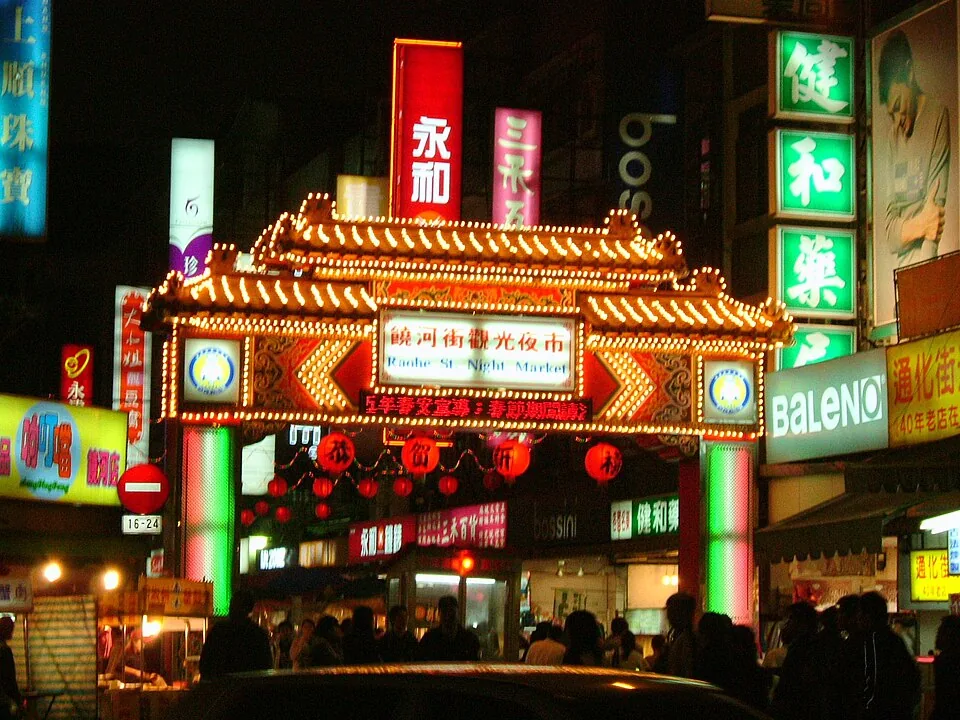
At Raohe Street Night Market, a narrow commercial street becomes a shared evening route for food stalls, small shops, and neighborhood foot traffic. Its appeal lies in the movement between browsing and eating, with familiar local specialties anchoring the experience.
Ras Al Khor Wildlife Sanctuary
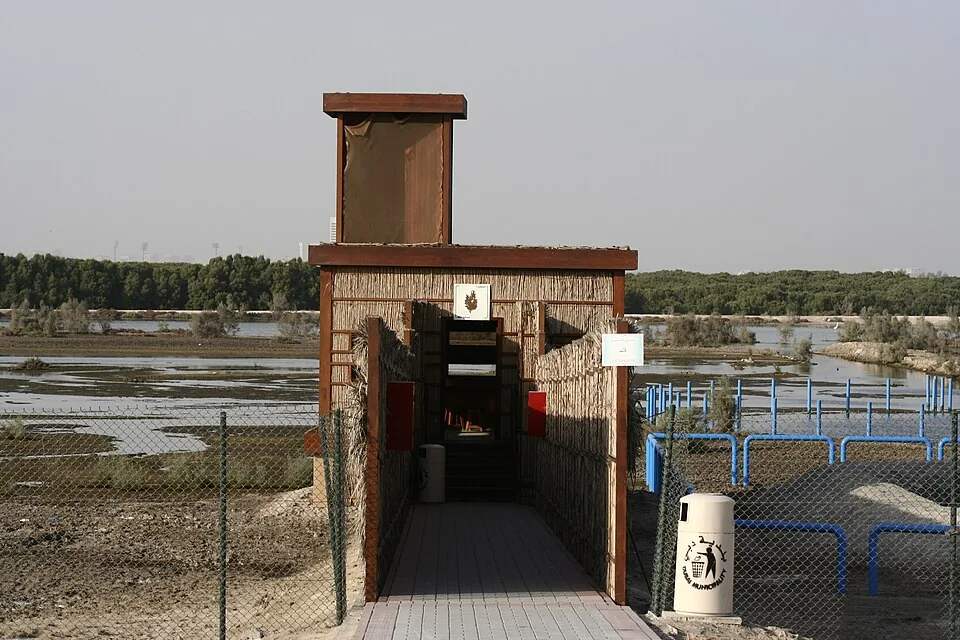
Ras Al Khor is a protected wetland set against Dubai’s urban skyline. Shallow water and mudflats support migratory and resident wildlife, especially flamingos, making the sanctuary a striking meeting point between an arid landscape and a dense modern city.
Real Madrid World
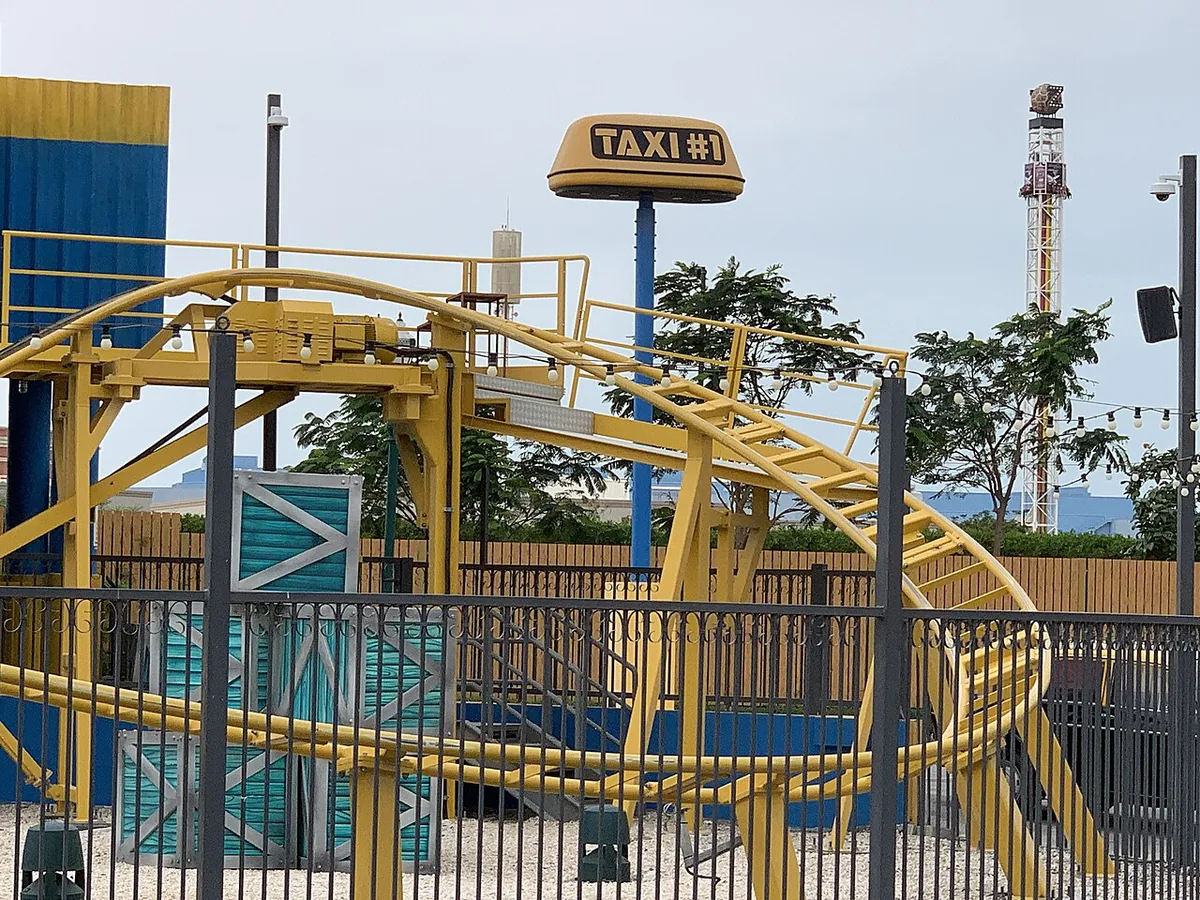
Real Madrid World turns a football club’s history into an amusement-park landscape. Rides, displays, and club imagery bring sporting achievements into a setting built for play, letting visitors move between the spectacle of competition and the stories that sustain fandom.
Red Light District
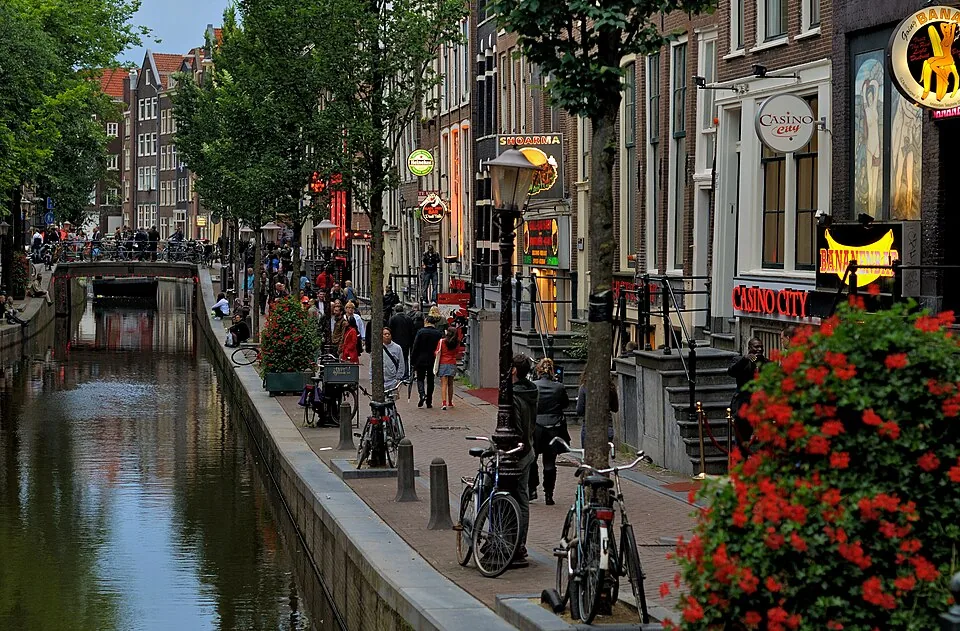
Amsterdam’s Red Light District is a working neighborhood as well as a historic port-area quarter. Its story includes centuries of regulation and change, but the people who live and work here deserve privacy; the most respectful visit begins by treating the streets as public space shared with residen
Regent’s Park
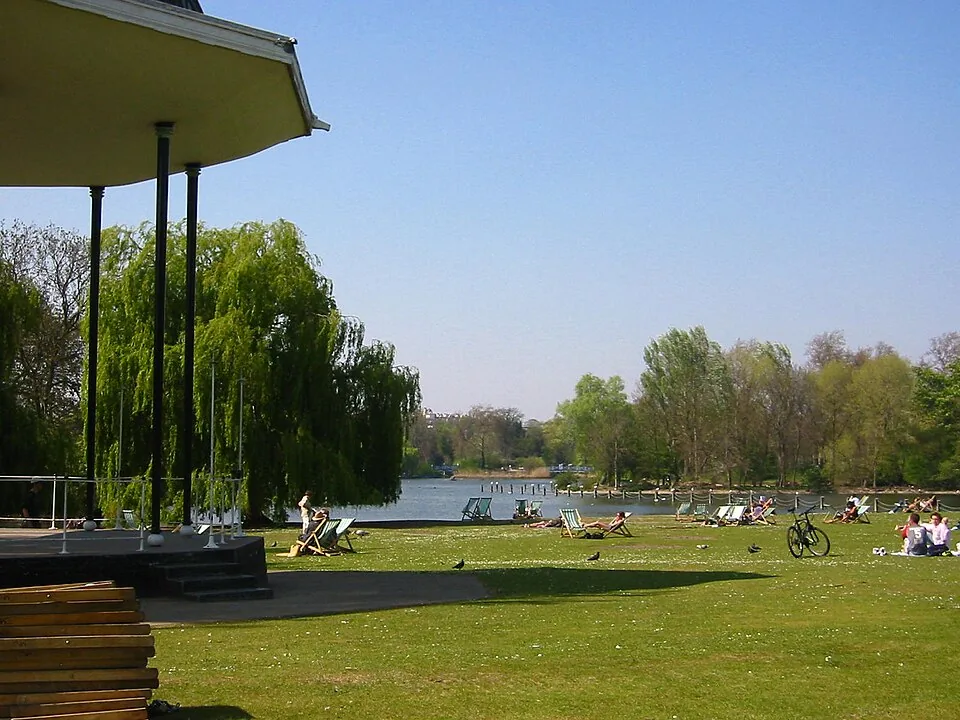
Regent’s Park pairs John Nash’s early nineteenth-century landscape plan with the ring of Regency terraces that frames it. The Prince Regent’s proposed summer palace was never built, but the processional route planned to connect it to St James’s survives in Regent Street.
Reichstag Building
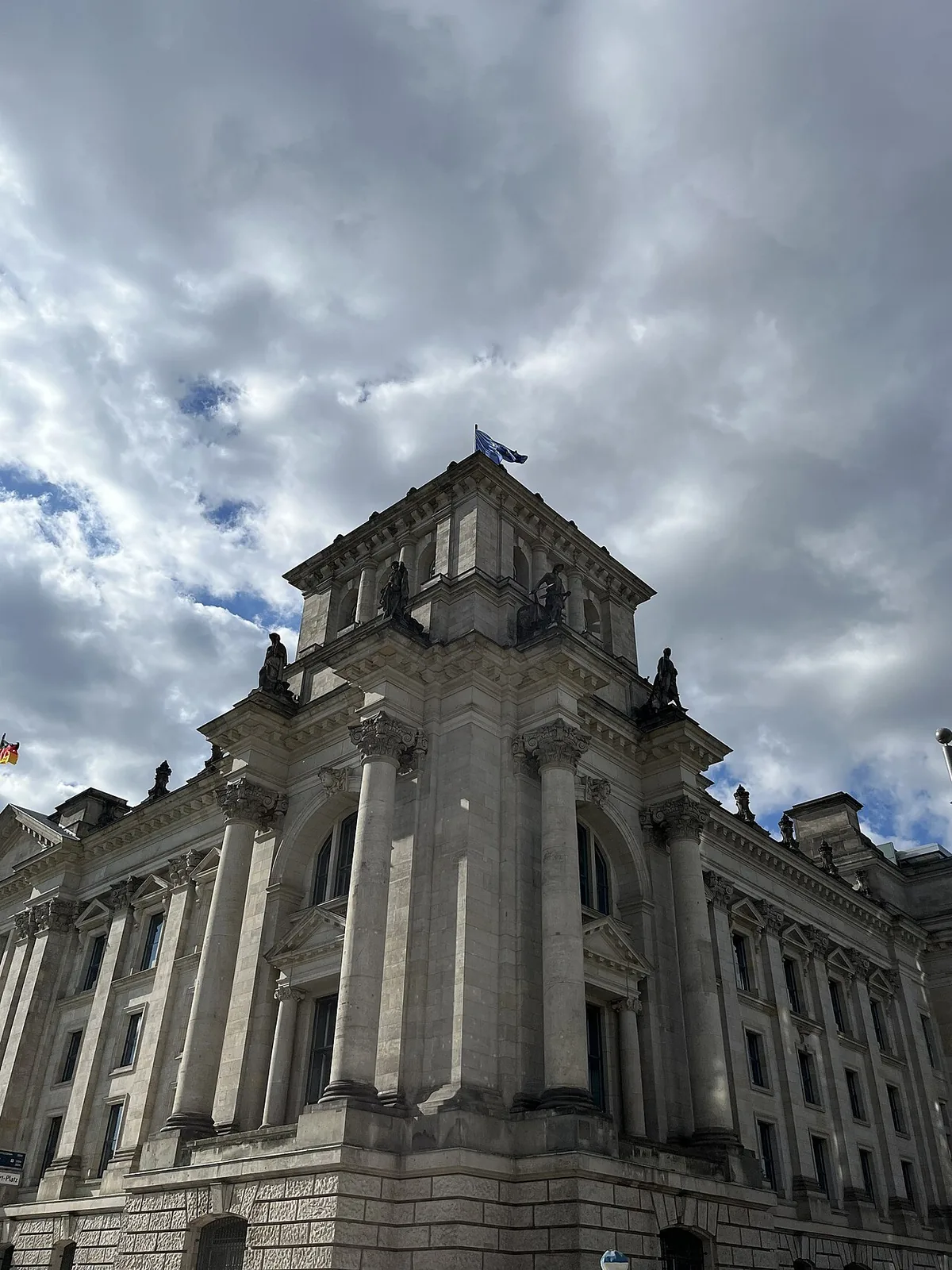
The Reichstag Building combines a nineteenth-century parliamentary shell with a modern democratic interior. Paul Wallot’s building was completed in 1894; its later reconstruction and glass dome make the institution’s work and the building’s past visible together.
Reichstagskuppel
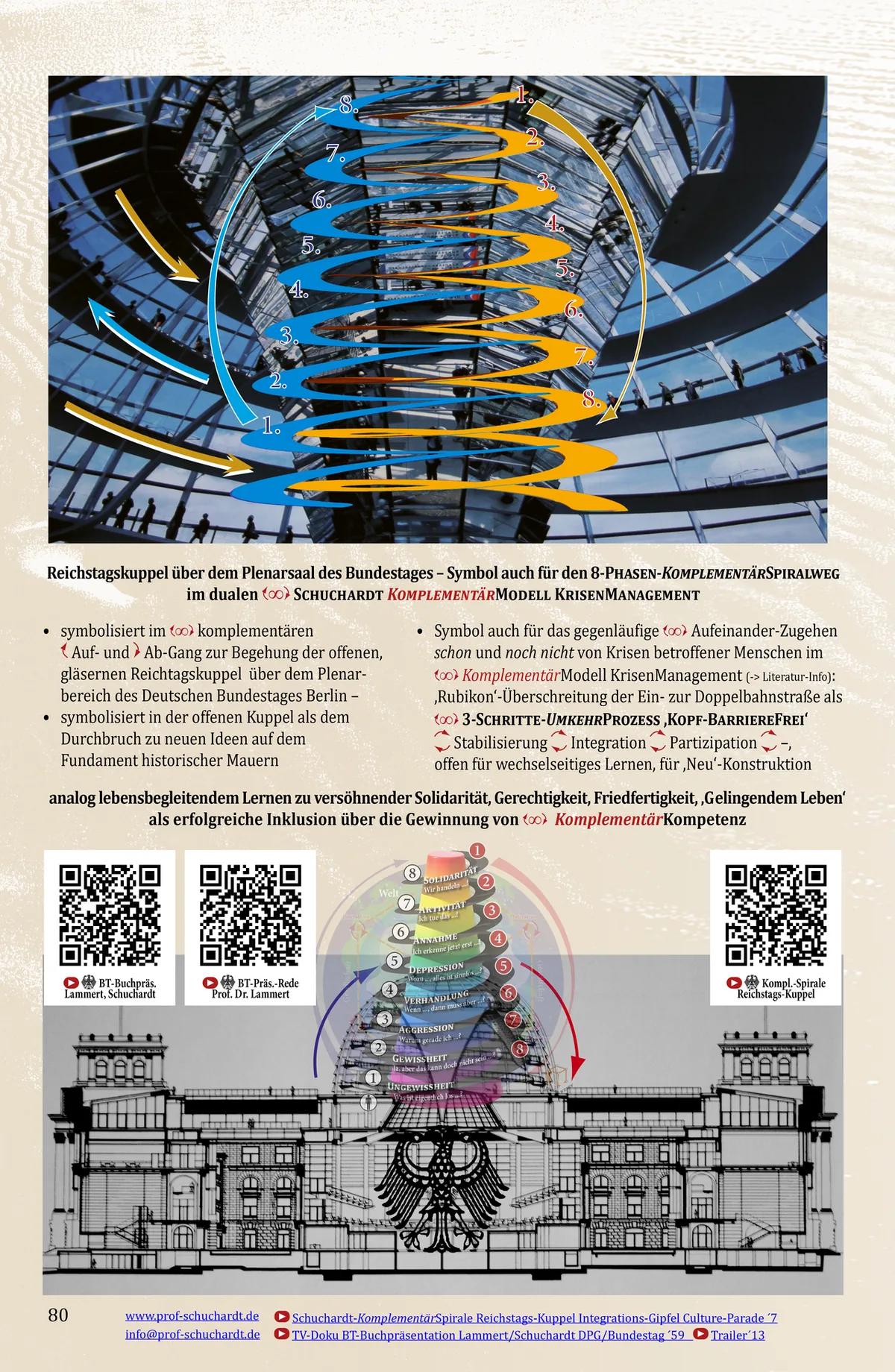
The Reichstag’s glass dome is a modern addition above the historic parliament building. Designed by Norman Foster as part of the Bundestag’s reconstruction, it brings daylight and public visitors above the chamber, making transparency a visible architectural idea.
Reina Sofía Museum
Reina Sofía occupies the former Hospital de San Carlos, whose long institutional life shaped its courtyards, corridors, and monumental scale. The museum’s modern and contemporary art collections now inhabit a building designed for healthcare, connecting Spain’s cultural history with the changing use
Rembrandt House Museum
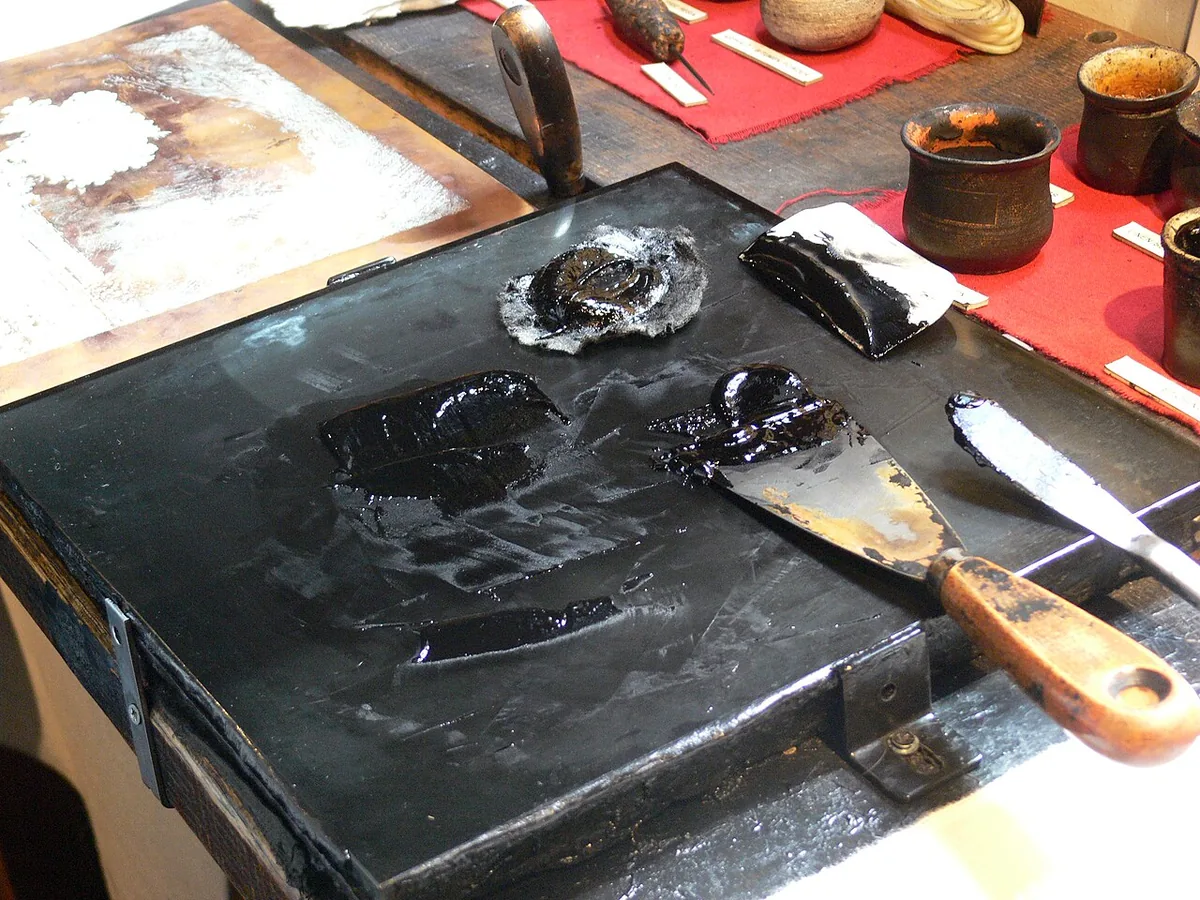
At Rembrandt’s house, narrow rooms lead to the north-lit studio where he painted and taught. The reconstructed interiors draw on a 1656 inventory, letting you see a working home, art cabinet, and printmaking practice in their everyday scale.
Rembrandtplein
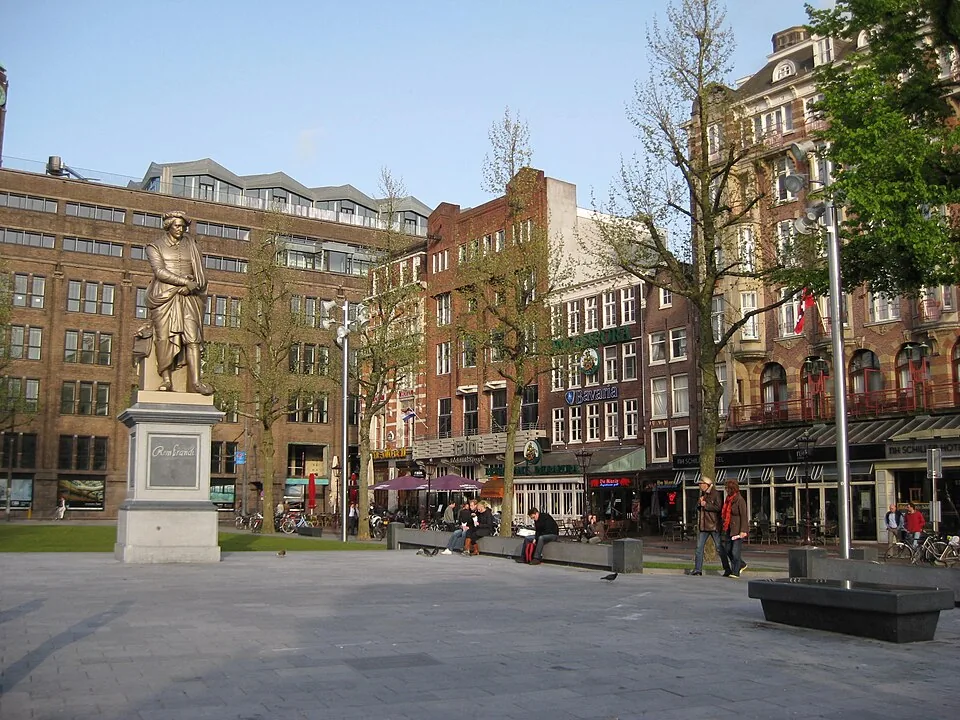
Rembrandtplein’s central statue stands where Amsterdam once held a butter market and wagon square. The surrounding cafés and terraces reflect its later role as an entertainment district, while the monument explains the name.
Repulse Bay
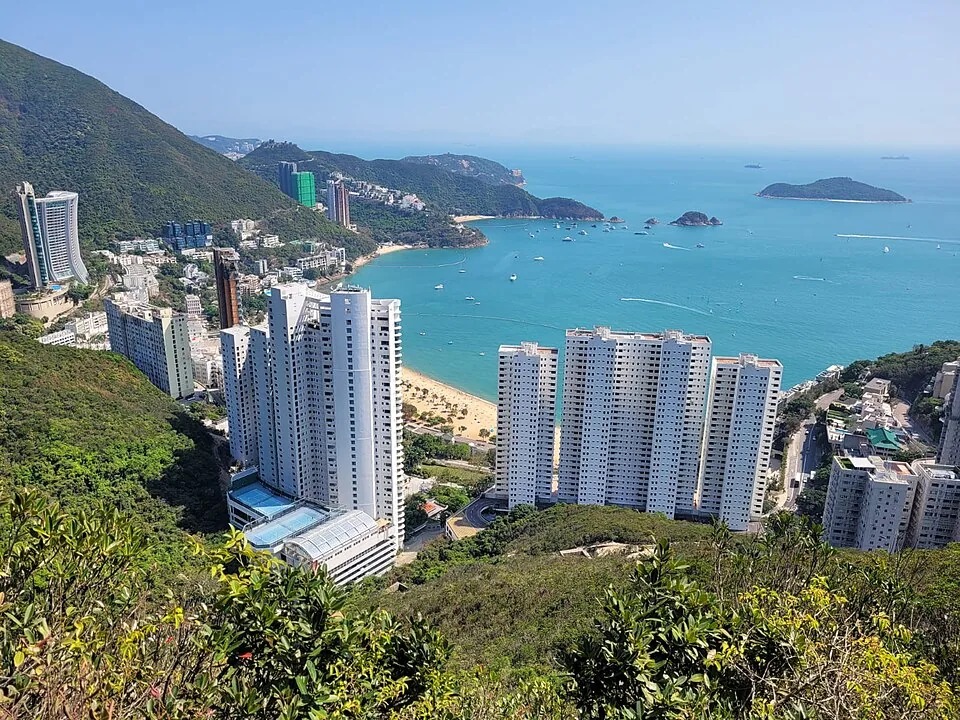
Repulse Bay’s long curve of sand meets a sheltered stretch of Hong Kong Island’s southern coast. From the shore, the bay’s shape and surrounding slopes explain its appeal as a place for swimming, recreation and a pause from the city’s density.
Retro Auto Museum
Riga’s Retro Auto Museum at Kantora iela 22a is a private collection of historic cars, motorcycles and bicycles. Its displays connect vehicle engineering and restoration with the history of transport in Latvia.
Revelation Exhibition
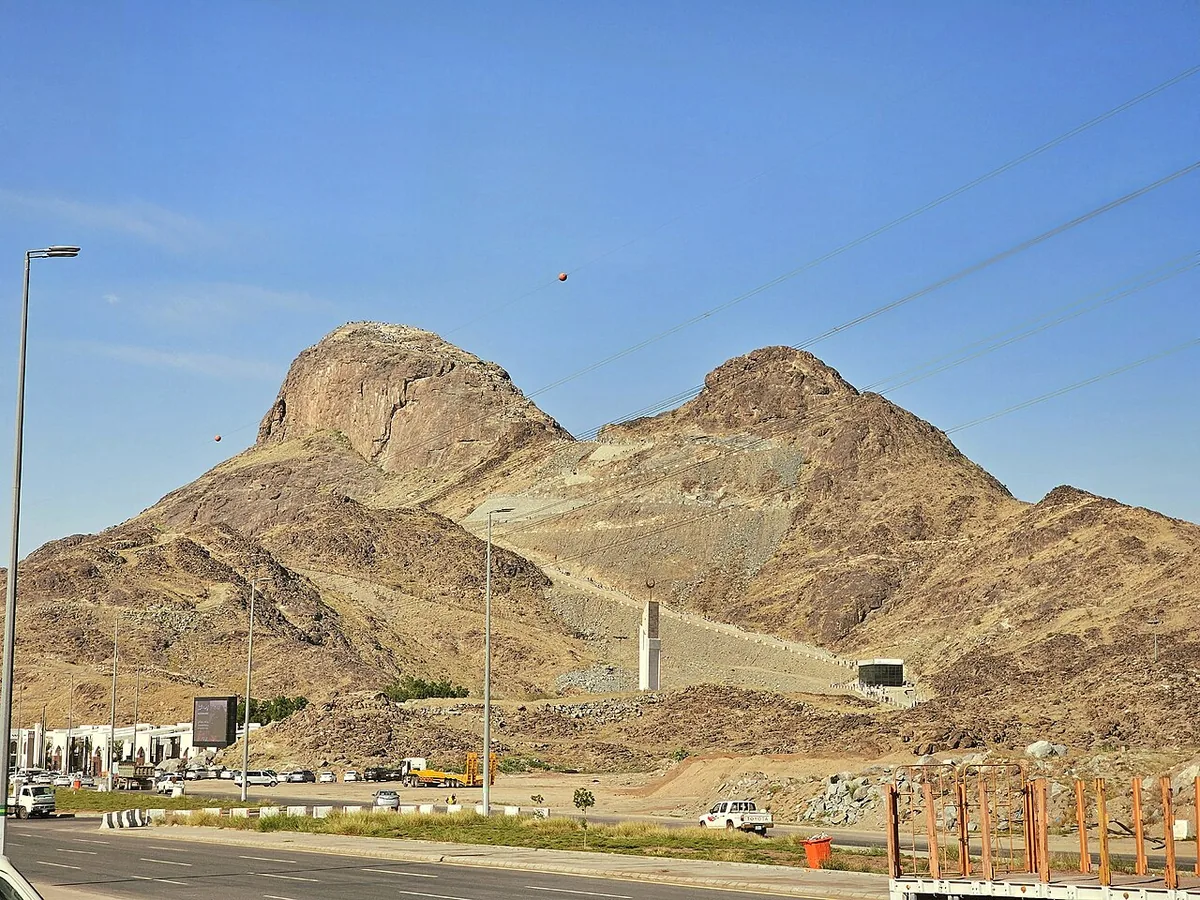
The Revelation Exhibition interprets the beginning of Qur’anic revelation through models, artifacts, and multimedia in Hira Cultural District. It is a curated exhibition near Jabal al-Nour, distinct from the natural Cave of Hira above.