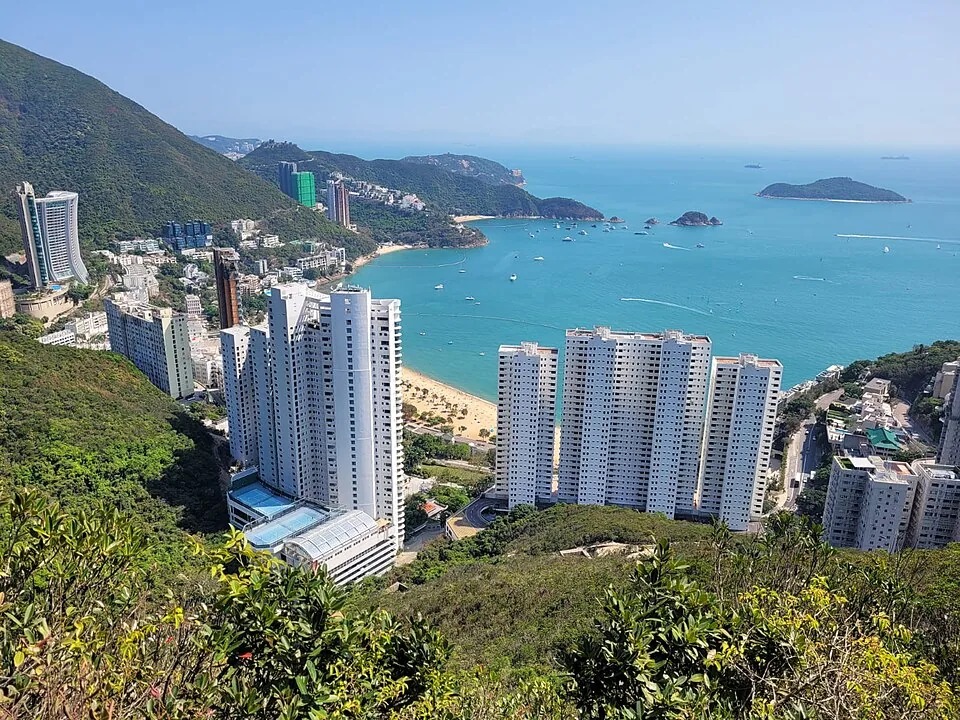
Repulse Bay’s long curve of sand meets a sheltered stretch of Hong Kong Island’s southern coast. From the shore, the bay’s shape and surrounding slopes explain its appeal as a place for swimming, recreation and a pause from the city’s density.
Guide preview
Repulse Bay’s shoreline curves around the sand, with green slopes rising behind the buildings. This is one of the most recognizable stretches of Hong Kong Island’s south coast, where the city meets the sea in a broad, sheltered setting.
Continue exploring
Discover the full story
Keep reading with a travel pass and explore every full guide and tour.
UpgradeQuick facts
- Repulse Bay lies on Hong Kong Island’s southern coast.
- It is one of the beaches listed by the Leisure and Cultural Services Department.
- The surrounding Southern District includes bays and outlying islands.
More places in Hong Kong
Aberdeen Harbour
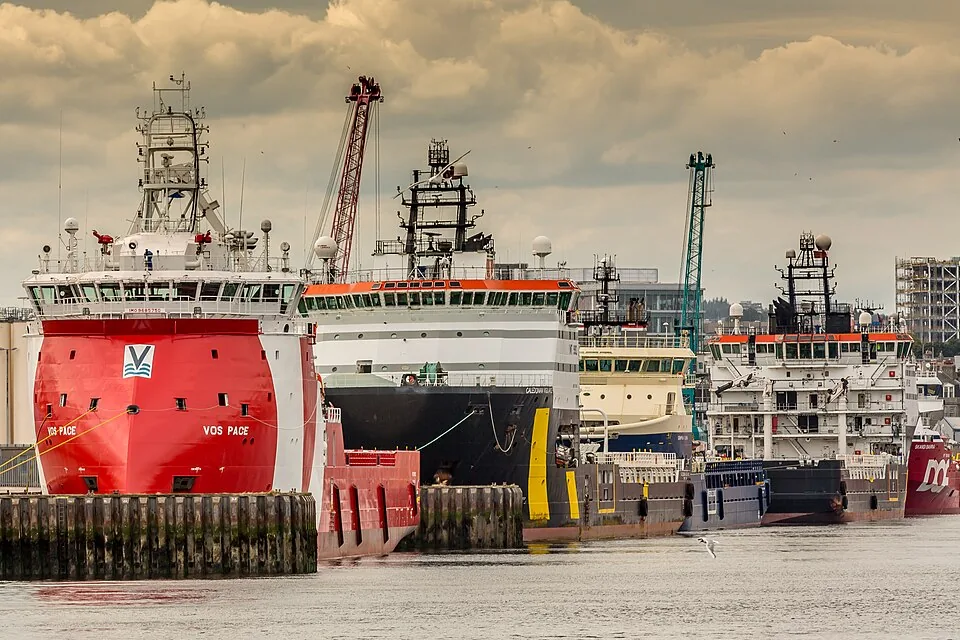
Aberdeen Harbour holds a close view of boats, piers and the urban shore. Once a centre of boat-dwelling fishing families, the harbour still carries traces of that maritime culture even as many residents and livelihoods have shifted ashore.
Avenue of Stars
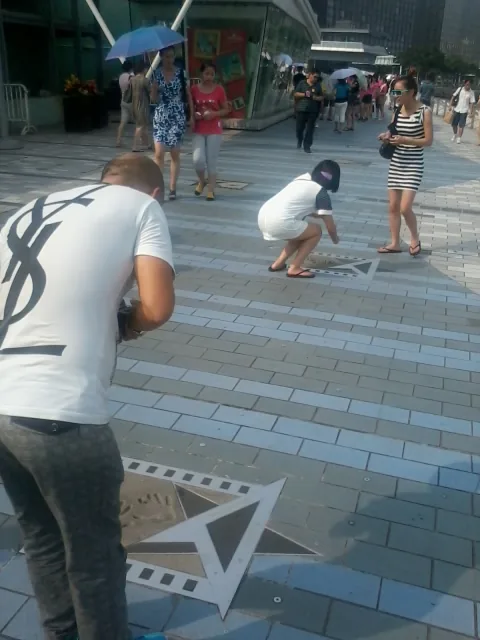
Avenue of Stars is a waterfront promenade honoring Hong Kong’s film industry, with celebrity handprints, sculptures, and harbour views. Its redesign places the tributes along the railings, bringing cinema history into the everyday walk along Tsim Sha Tsui.
Big Buddha
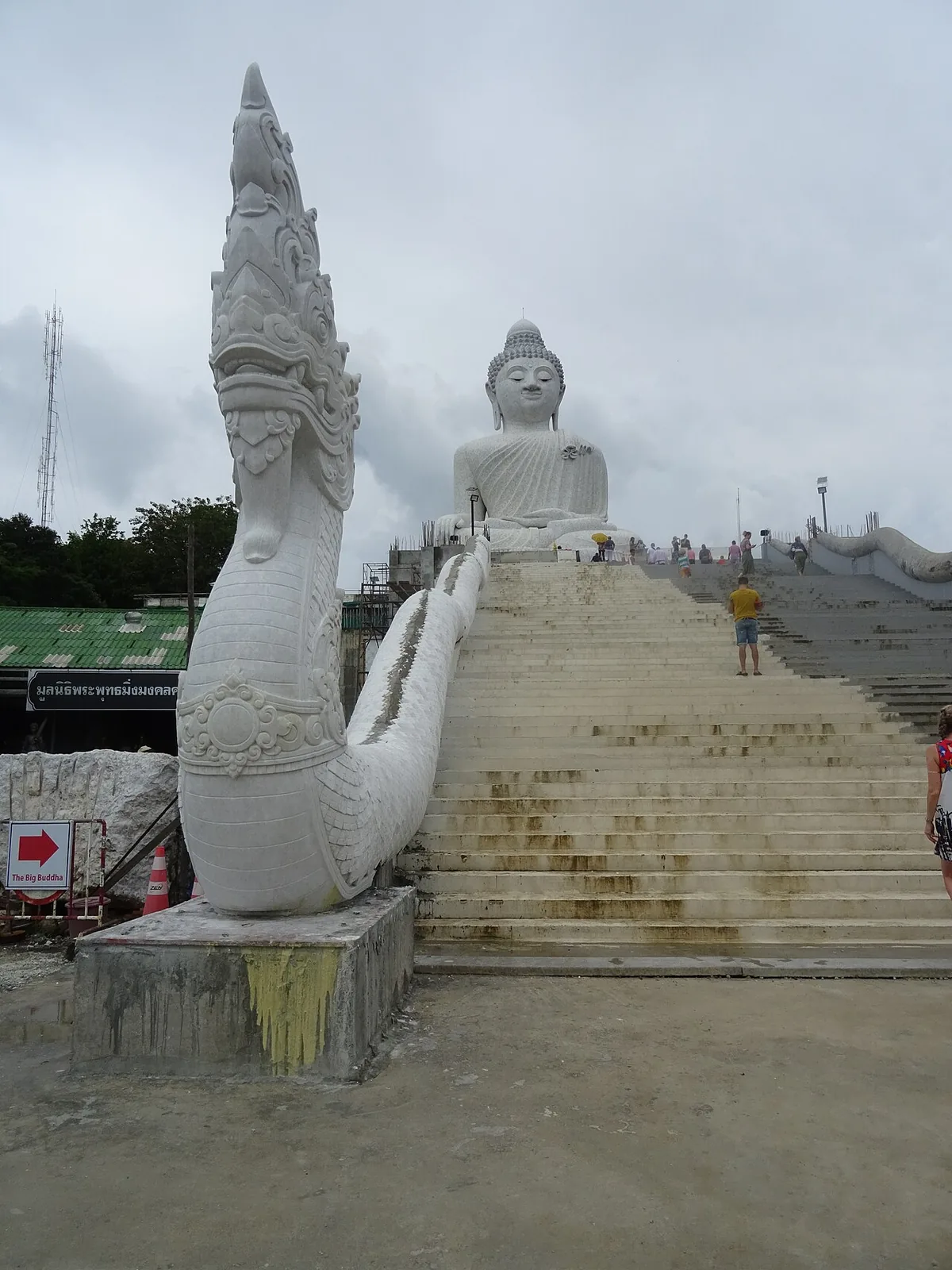
The Tian Tan Buddha sits above Ngong Ping on Lantau Island, facing Po Lin Monastery. The monumental bronze figure is both a pilgrimage destination and a landmark, reached through a landscape of mountain paths and religious institutions.
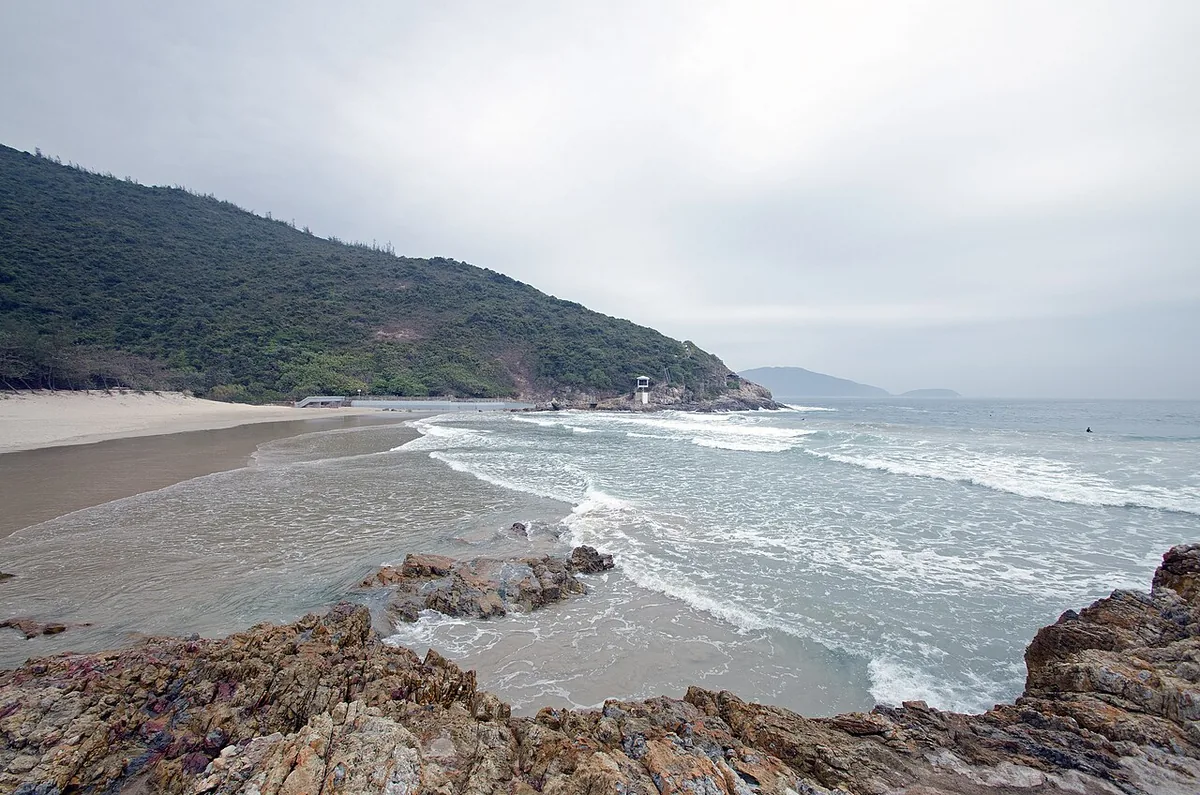
Big Wave Bay Beach (Hong Kong Island)
Big Wave Bay Beach on Hong Kong Island opens onto the Pacific-facing coast, where surf and changing weather shape the shoreline. The beach is part of a wider coastal landscape of rocky headlands, paths, and archaeological traces.
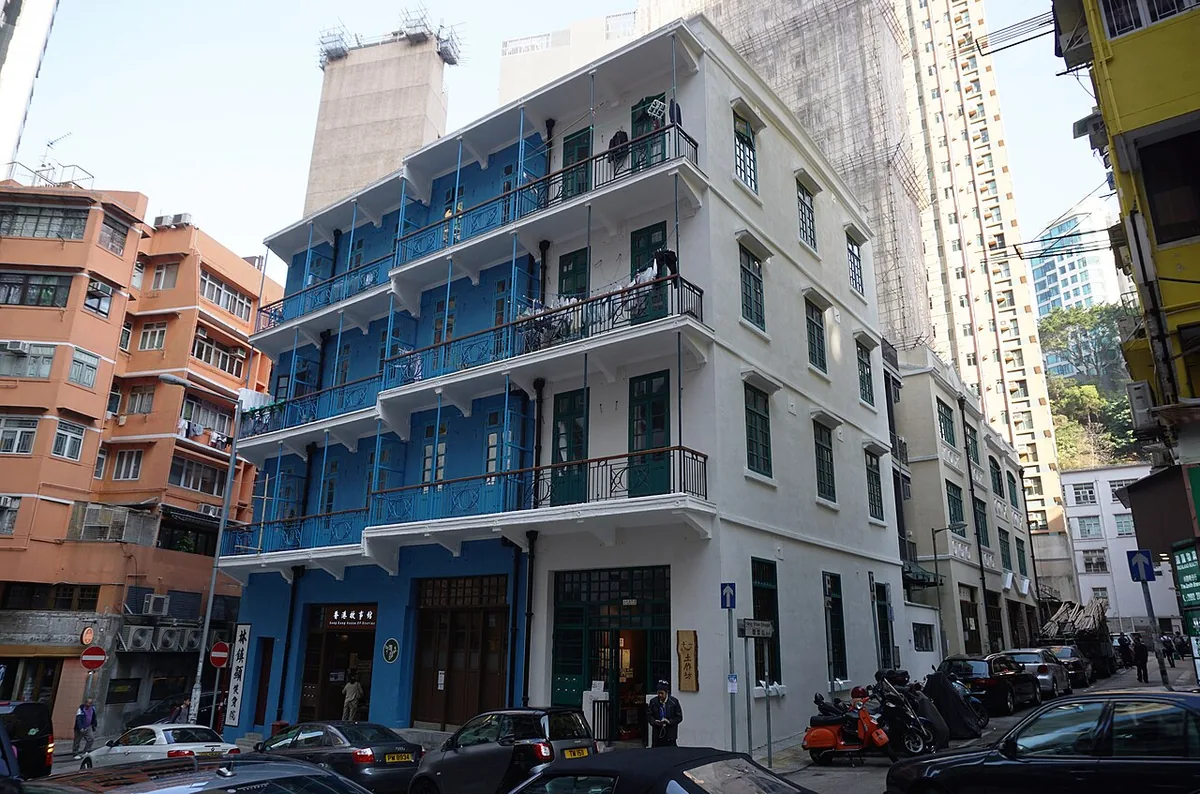
Blue House
The Blue House’s blue façade and deep balconies stand out along Stone Nullah Lane, but its significance is also in its continued residential life. The pre-war shophouse cluster shows how conservation can preserve tenants and community use alongside brickwork, stairways, and street-facing shops.
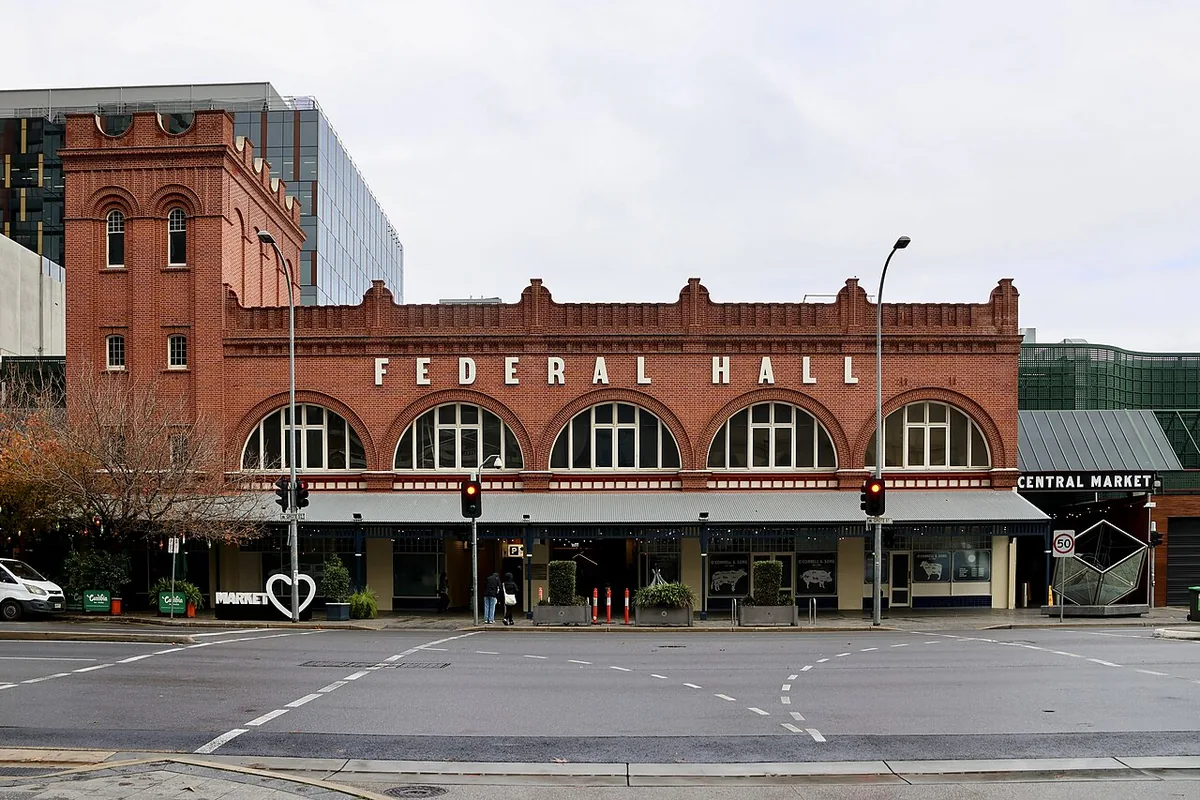
Central Market
Central Market’s rounded Streamline Moderne façade and open atrium recall its former life as a wet market. Inside, red lamps, brickwork, and the grand staircase preserve traces of that public function while new shops and cultural spaces give the building another role.