Explore locations
Browse places by name, city, country or category.
All locations
1624 locations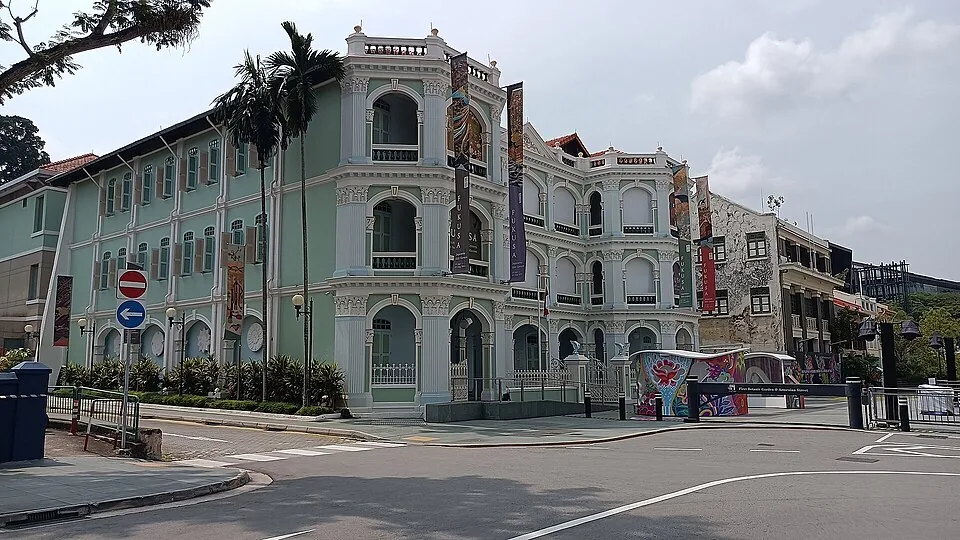
Peranakan Museum
The Peranakan Museum occupies a former school building whose classical columns and tropical balconies hint at its layered use. Its galleries explore the diversity of Peranakan communities through objects, family stories and contemporary cultural expression.
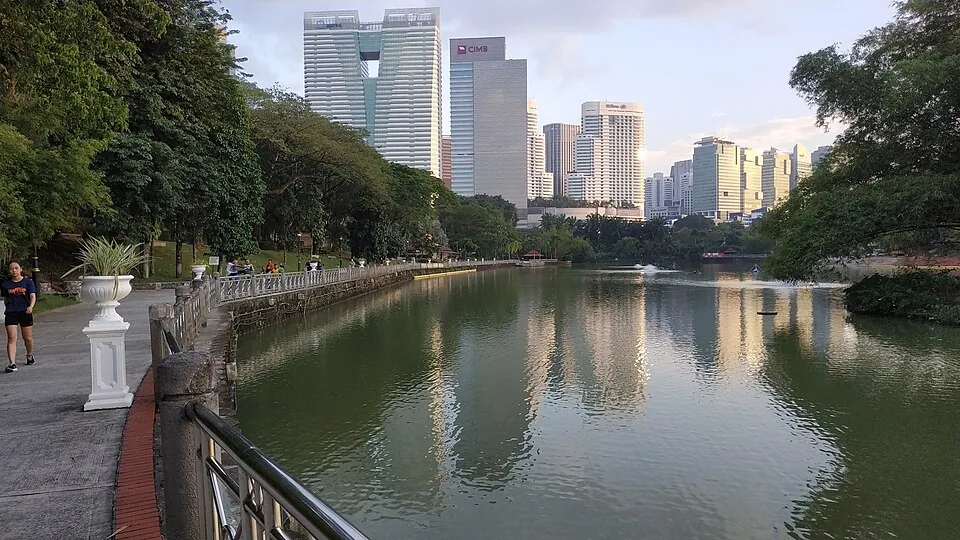
Perdana Botanical Gardens
Perdana Botanical Gardens is a central Kuala Lumpur landscape of lakes, themed gardens, lawns, and shaded paths. First developed as a recreational garden in the nineteenth century, it remains an urban retreat and a public setting for nature education.
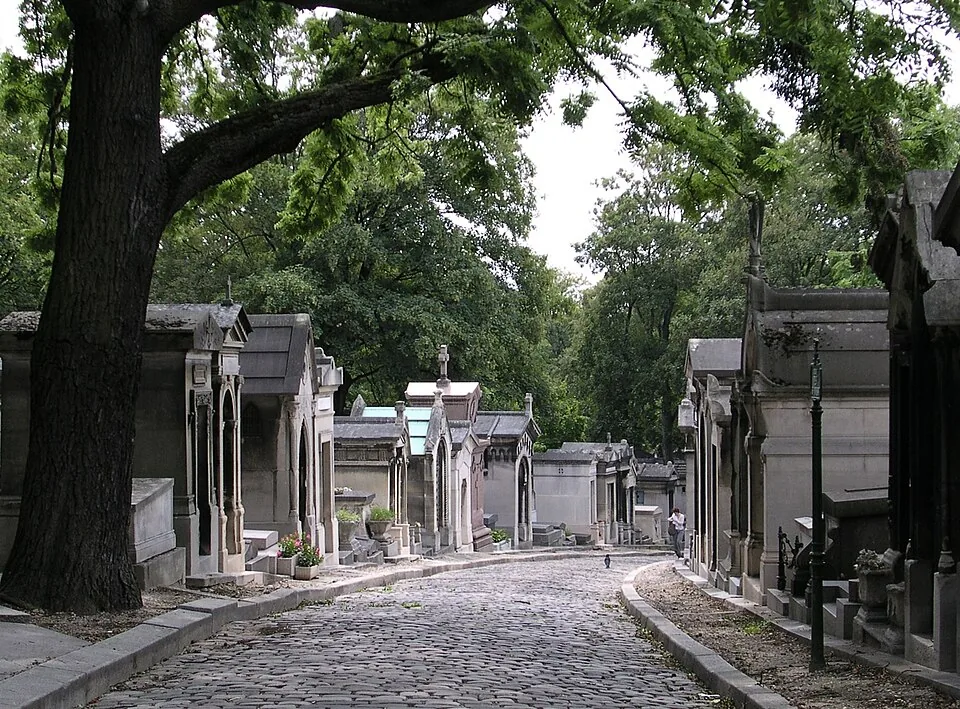
Père Lachaise Cemetery
Père Lachaise Cemetery combines burial grounds with landscaped paths, monuments, and quiet overlooks. Opened in 1804 as the Cemetery of the East, it was designed as a place for both remembrance and promenade beyond the old city.
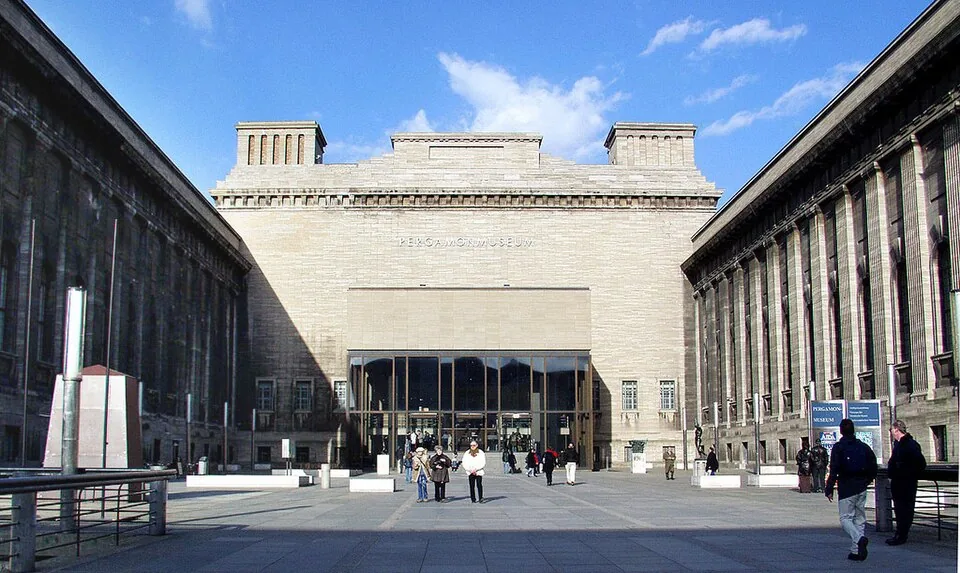
Pergamon Museum
The Pergamonmuseum is a monumental museum building on Museum Island, known for reconstructed ancient architectural ensembles. Its collections bring together antiquities, ancient Near Eastern works, and Islamic art, while the building itself is part of a long-running conservation project.
Perge Ancient City
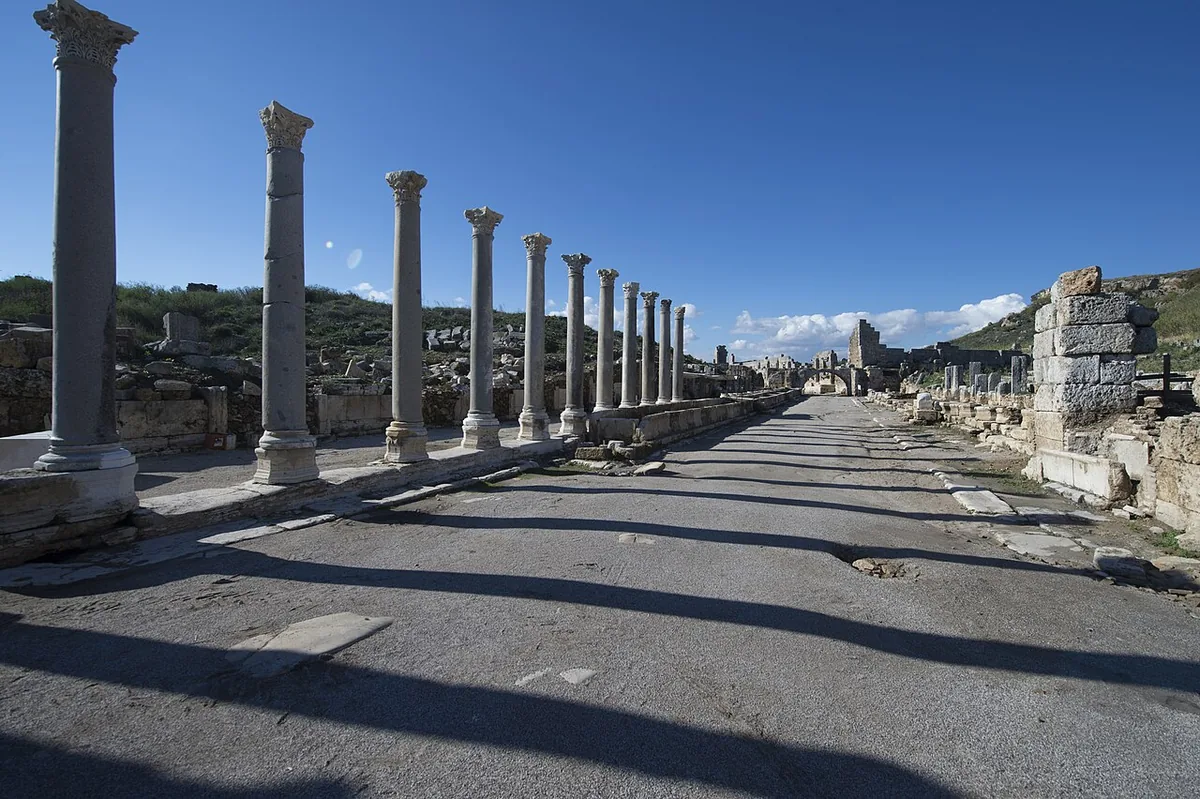
Perge’s broad streets and monumental public buildings spread across the plain east of Antalya. The site’s long occupation, from prehistoric roots through Roman prosperity, is easiest to grasp by tracing how its civic spaces organized movement and gathering.
Petaling Street
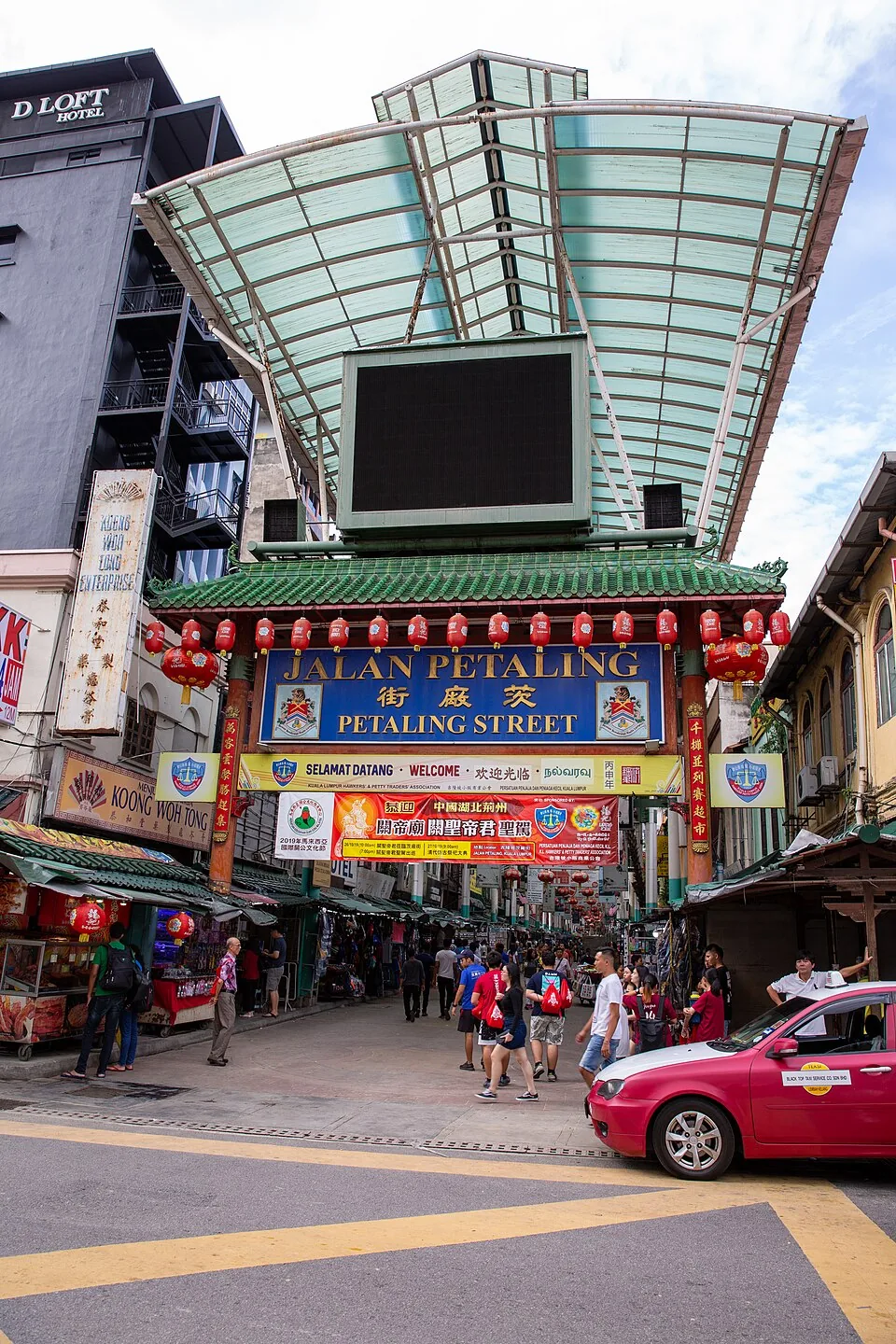
Petaling Street is a market corridor set among pre-war shophouses in Kuala Lumpur’s Chinatown. Its lanes combine food businesses, small shops, and street stalls, showing how historic commercial buildings continue to support changing forms of urban trade.
Petit Palais
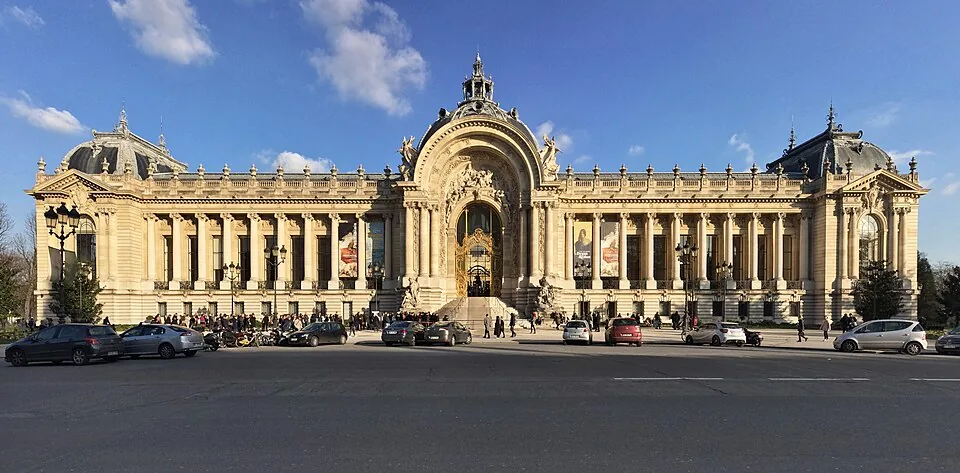
Petit Palais was built alongside the Grand Palais and Pont Alexandre III for the 1900 World’s Fair. Charles Girault’s curving galleries and garden court now frame the City of Paris fine-arts collection in a building designed to welcome both art and the public.

Petronas Twin Towers
The Petronas Twin Towers rise as an interlocking pair whose floor plan draws on Islamic geometric forms. Stainless steel, glass, and a high connecting bridge make the complex both an office landmark and a statement of Malaysian design ambitions.
Pharmacy Museum
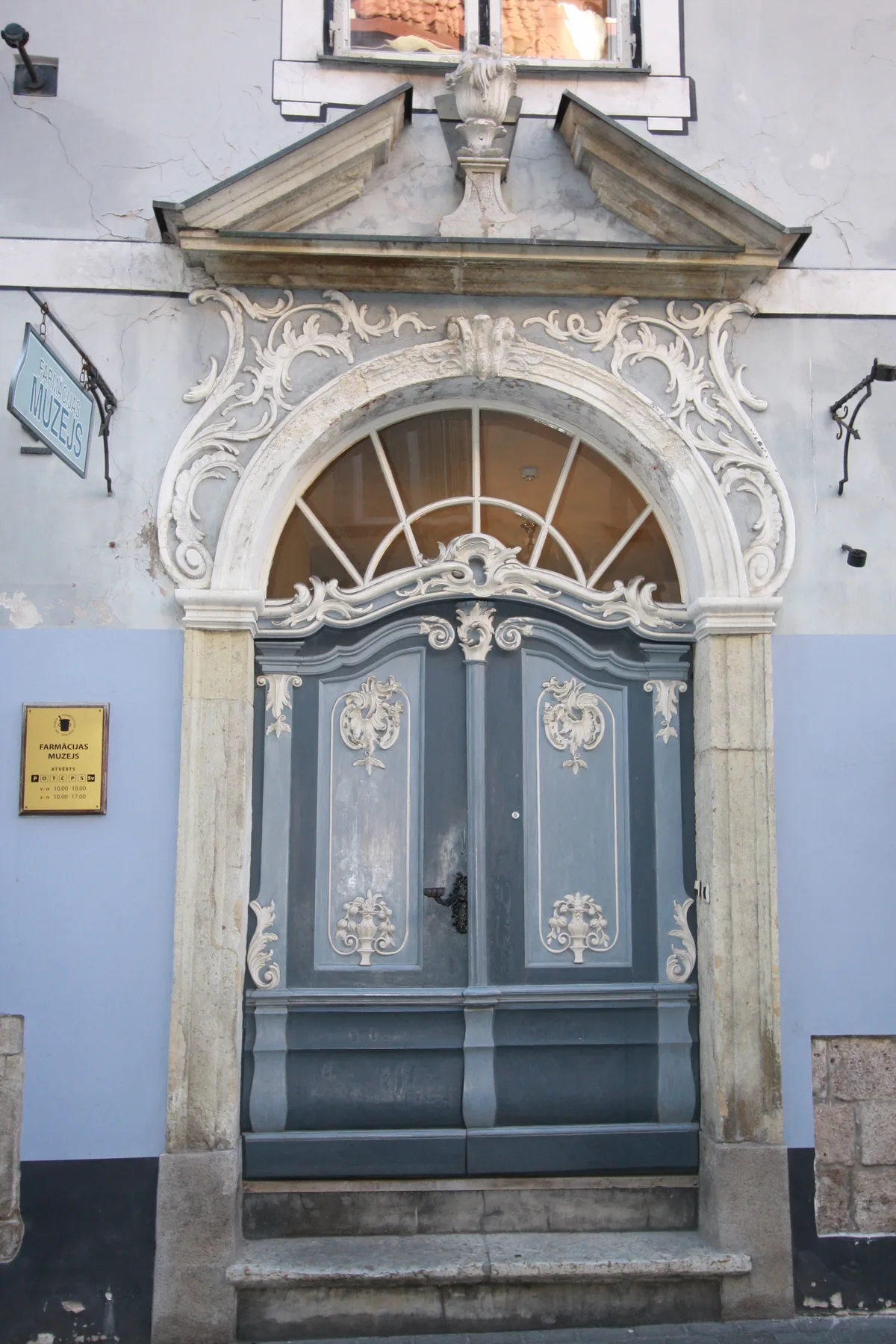
Riga’s Pharmacy Museum traces the history of pharmacy and medicine-making through vessels, equipment and reconstructed interiors. It occupies an eighteenth-century house on Riharda Vāgnera Street and is a branch of the Pauls Stradiņš Museum of the History of Medicine.
Phaselis Ancient City
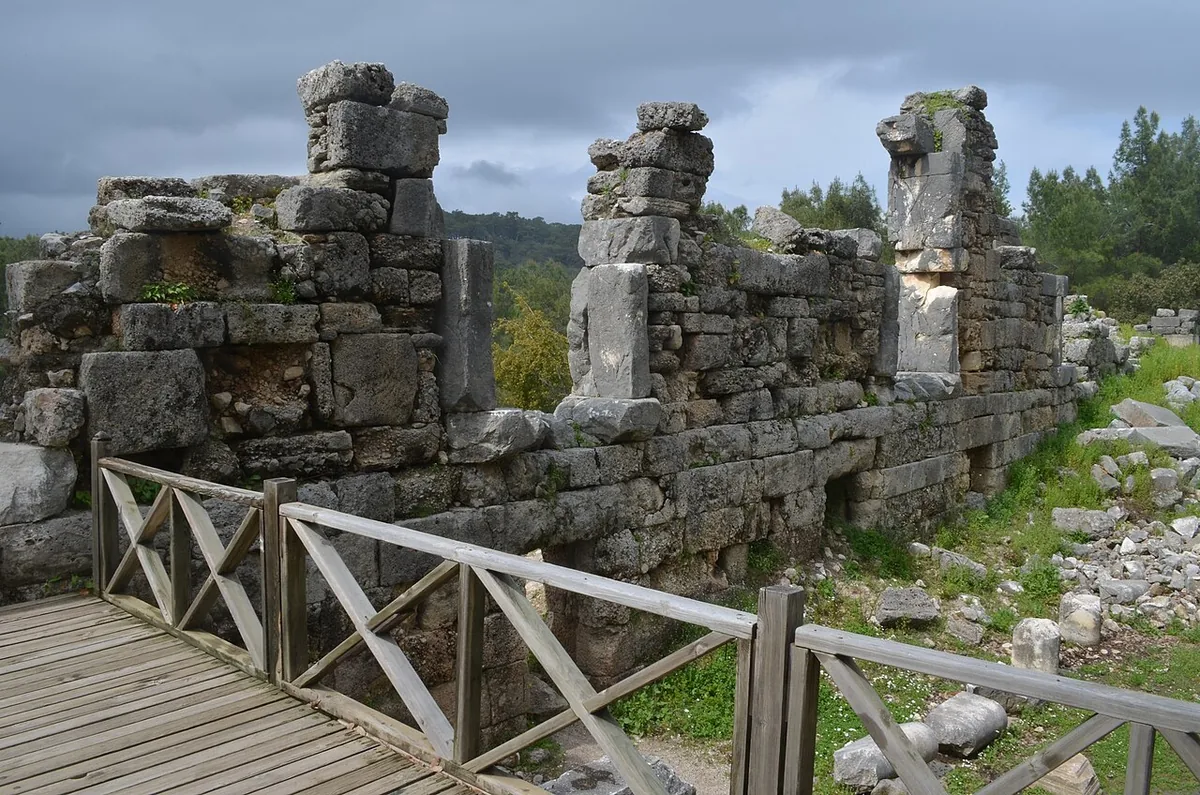
Phaselis was a port city organized around three harbors on a small Mediterranean peninsula. Its broad paved main street links the waterfronts to civic buildings, while aqueducts show how Roman engineers brought water into the settlement.
Philosopher’s Path
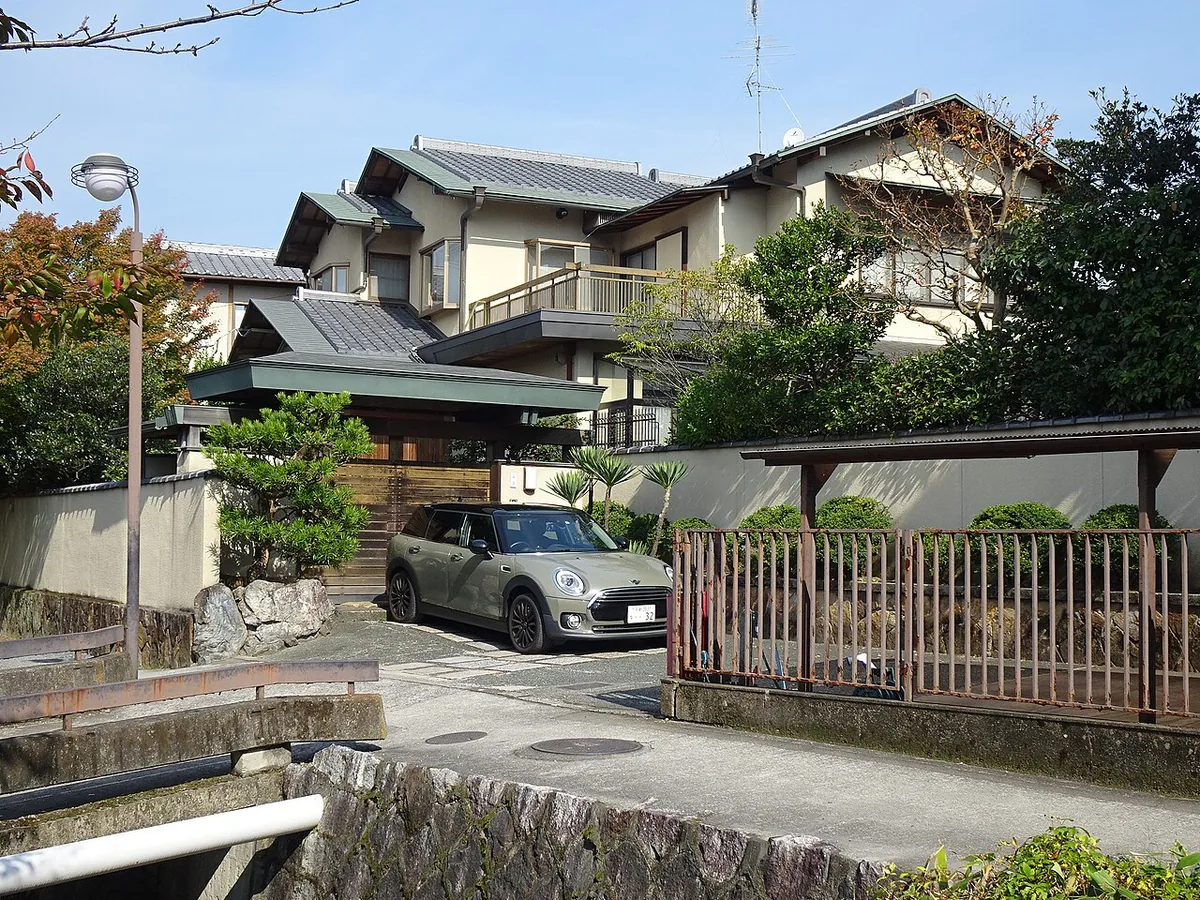
The Philosopher’s Path follows a canal between Ginkaku-ji and Eikan-do, tracing an urban waterway through a residential and temple district. Named for philosopher Nishida Kitaro, it connects contemplative walking with Kyoto’s modern infrastructure.
Phra Sumen Fort
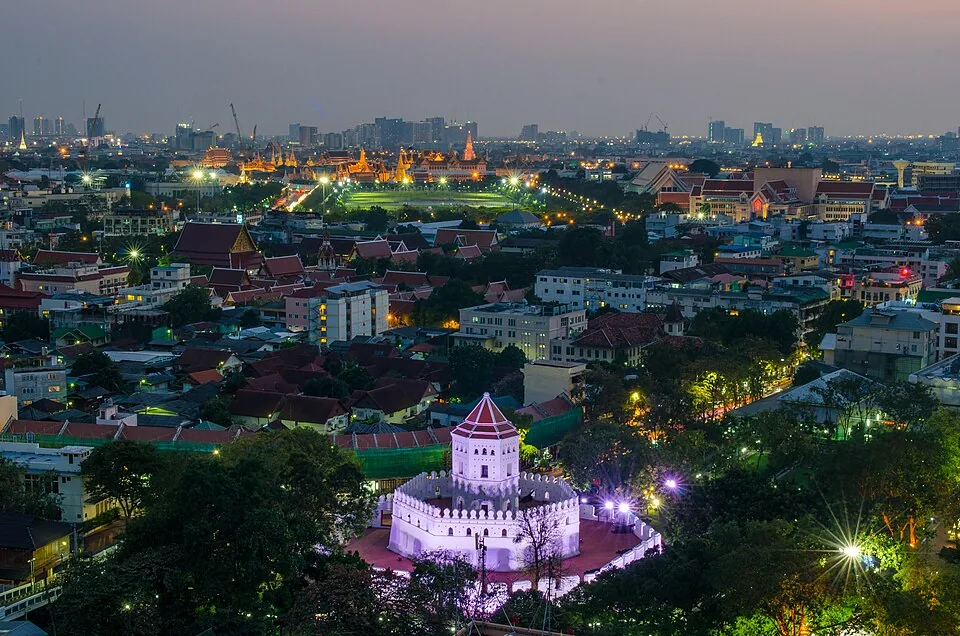
Phra Sumen Fort is a whitewashed, many-sided remnant of Bangkok’s early defensive system, set beside the river and canal. Its compact brick mass makes the city’s former boundary tangible: this was one piece of a planned ring of walls and forts around the new capital.
Piazza Barberini
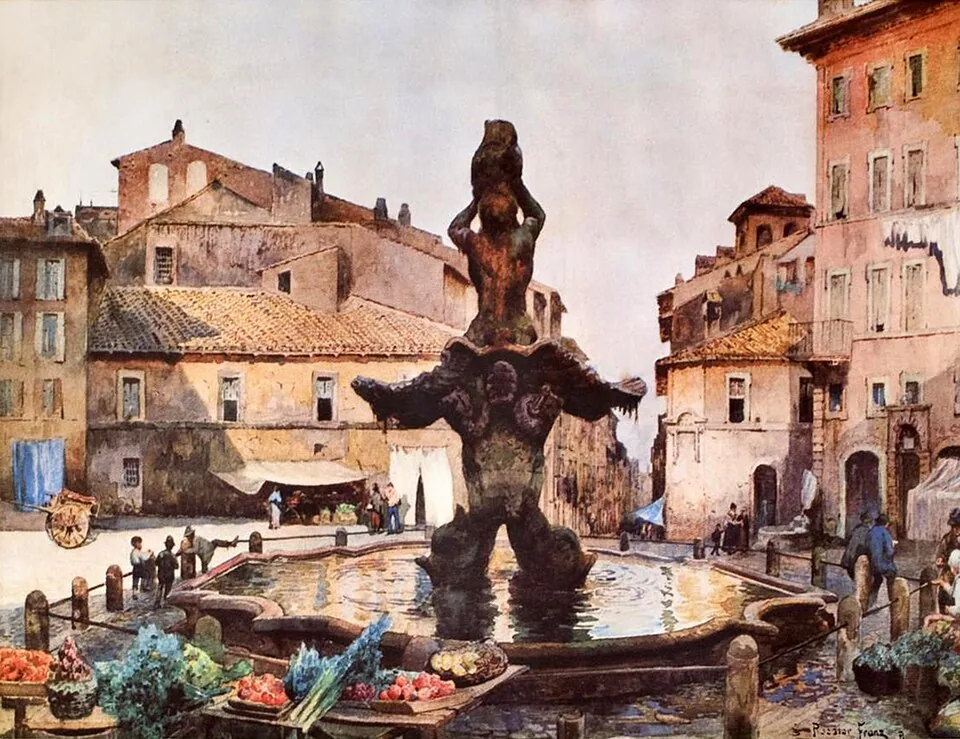
Piazza Barberini is shaped by the Baroque energy of Bernini’s Triton Fountain and the nearby Barberini Palace. Its present urban form grew from an older landscape of gardens into a major junction of modern Rome.
Piazza del Campidoglio
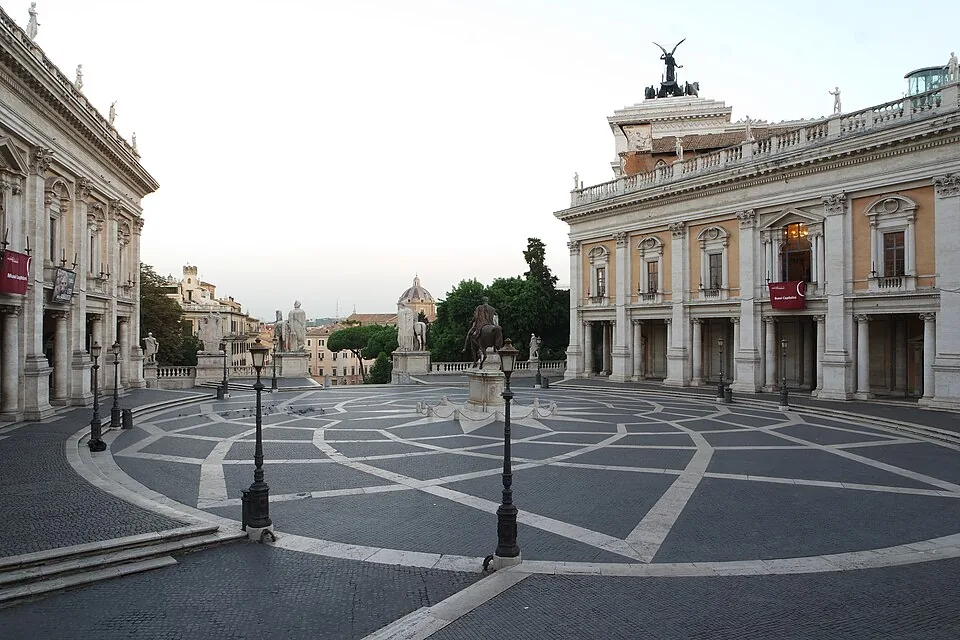
Piazza del Campidoglio is a carefully composed civic room on Rome’s Capitoline Hill. Michelangelo designed its buildings and central space as a unified ensemble, using a broad approach and balanced façades to turn an ancient hilltop into a Renaissance image of civic authority.
Piazza del Duomo
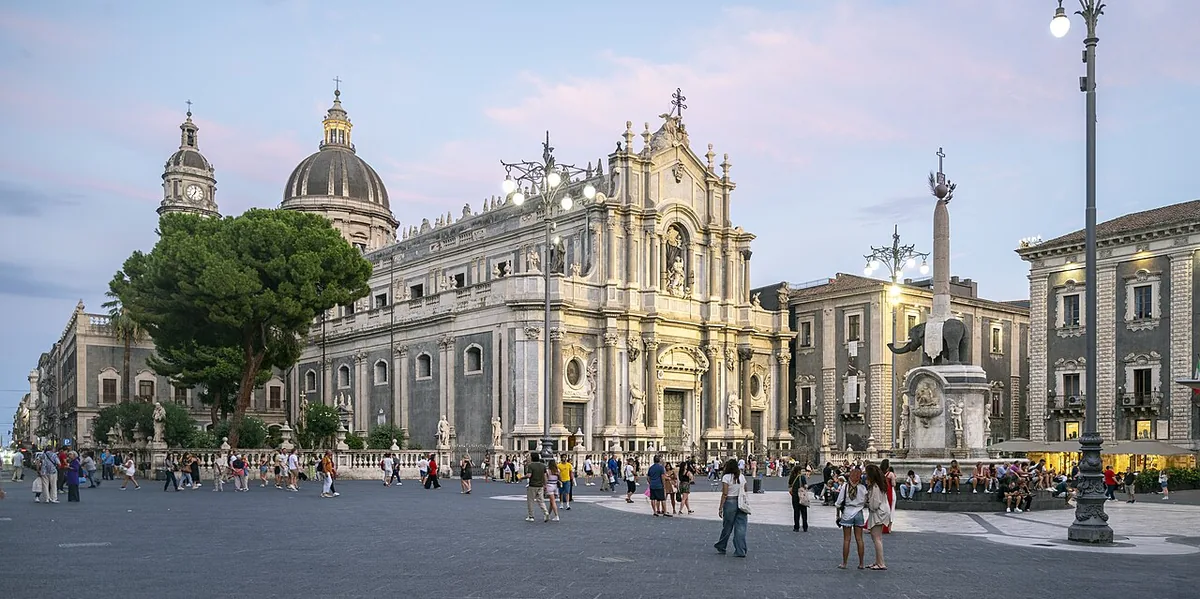
Piazza del Duomo gathers Milan’s cathedral, civic buildings, and pedestrian life into a broad central space. Its present form developed over time as the city opened and reshaped the area around its most prominent religious landmark.
Piazza della Repubblica
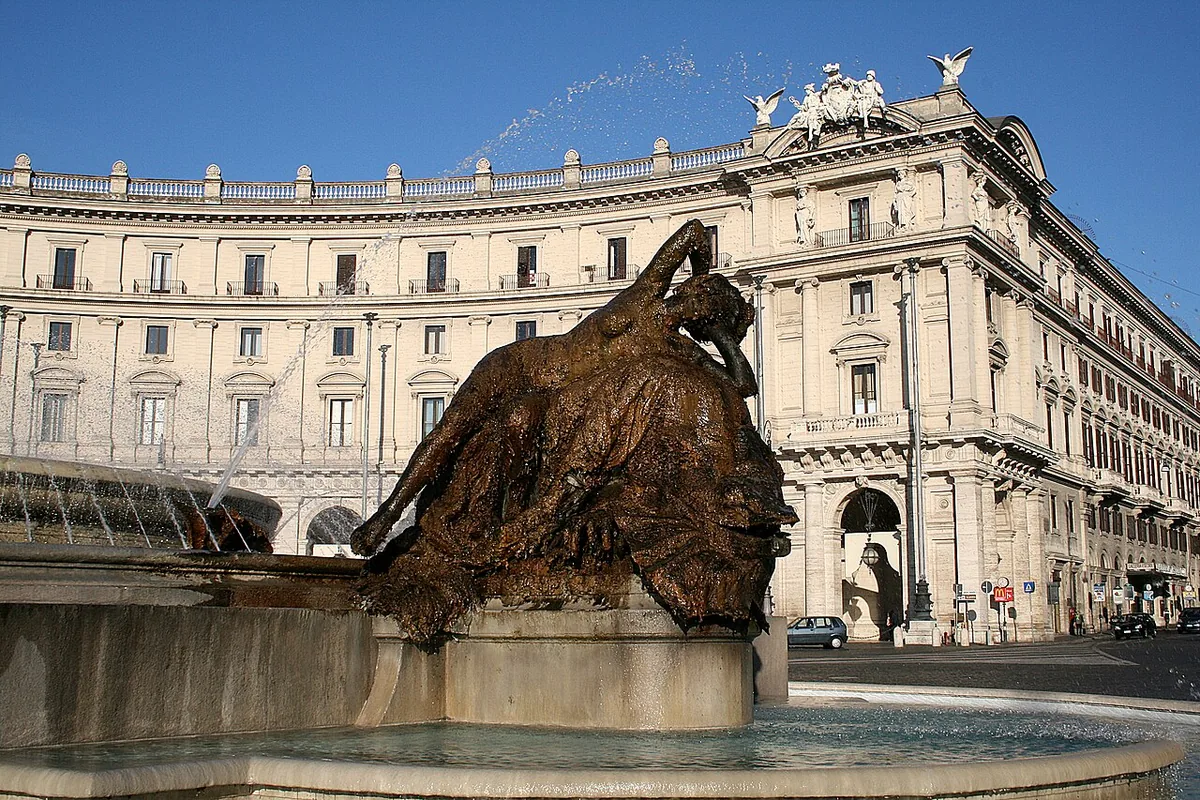
Piazza della Repubblica traces the curve of an ancient bath complex in the form of a nineteenth-century colonnade. The Naiads Fountain and the Basilica of Santa Maria degli Angeli connect Roman water systems with modern urban redesign.
Piazza del Popolo
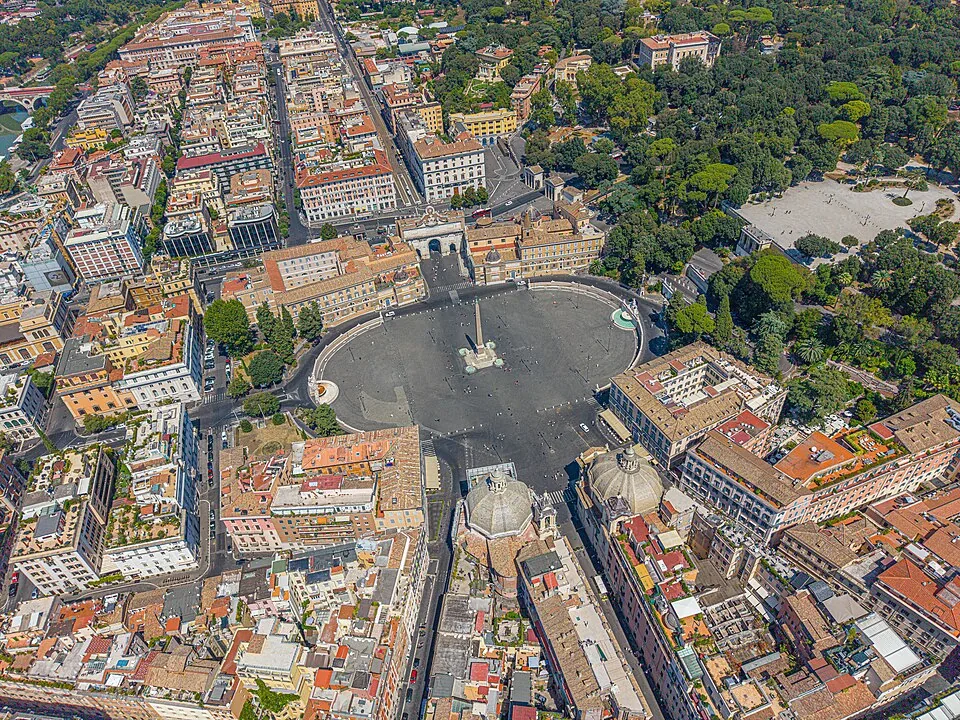
Piazza del Popolo opens at the northern entrance to Rome, where an Egyptian obelisk and three diverging streets organize the city beyond the gate. Its formal geometry reflects centuries of papal planning and later redesign.
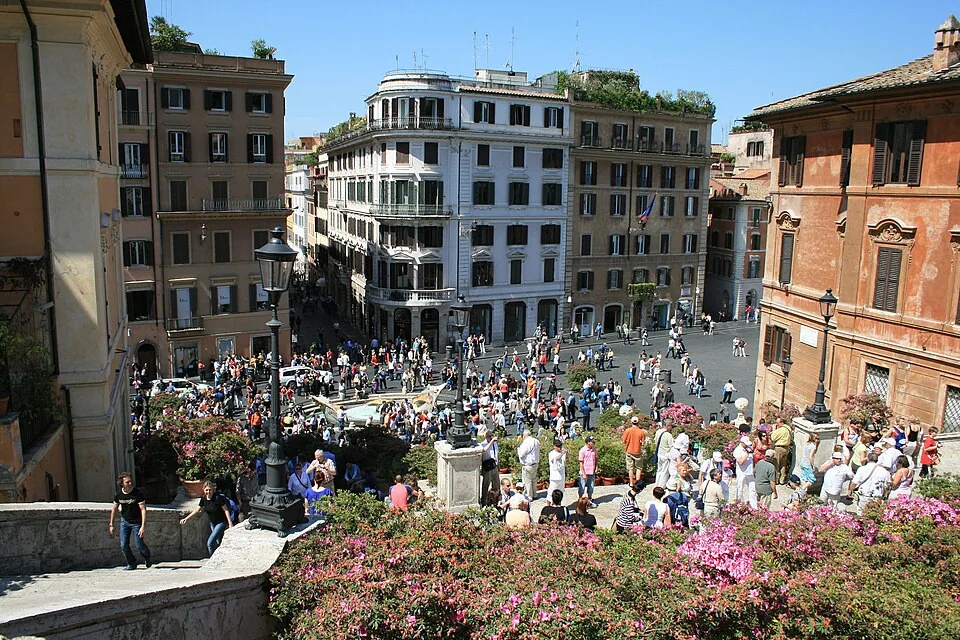
Piazza di Spagna
Piazza di Spagna gathers the Spanish Steps, Trinità dei Monti, and the Barcaccia fountain into a theatrical urban room. The staircase was designed to connect French and Spanish presences in the city and remains a popular meeting place.
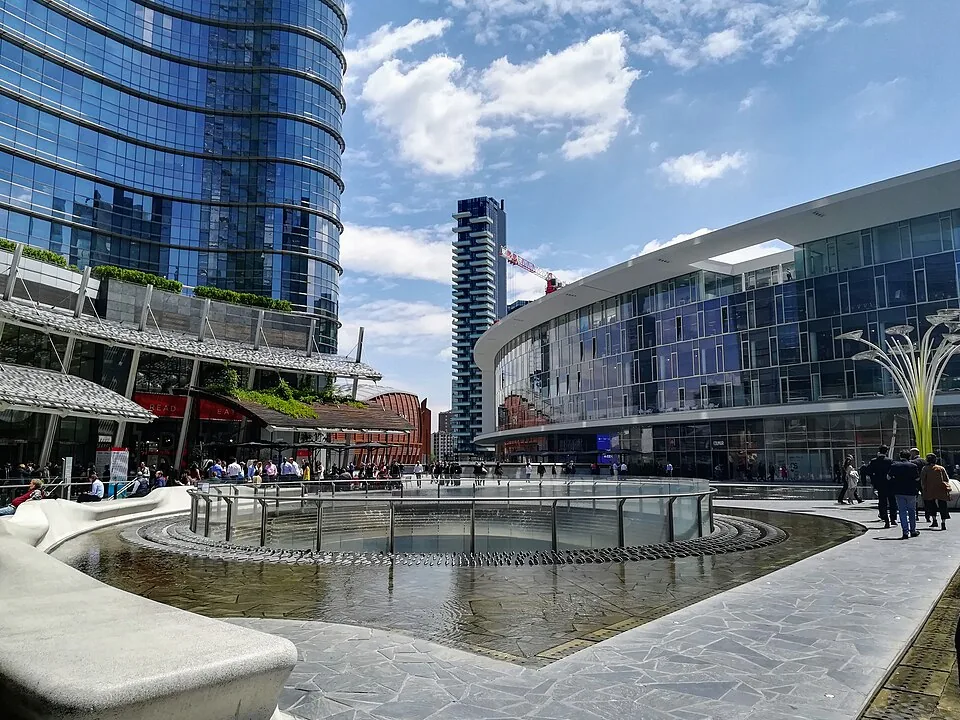
Piazza Gae Aulenti
Piazza Gae Aulenti sits above street level, making a new Milan district feel like a connected public platform. Designed by César Pelli and opened in 2012, the circular plaza joins towers, shops, transit, and pedestrian routes in the Porta Nuova redevelopment.
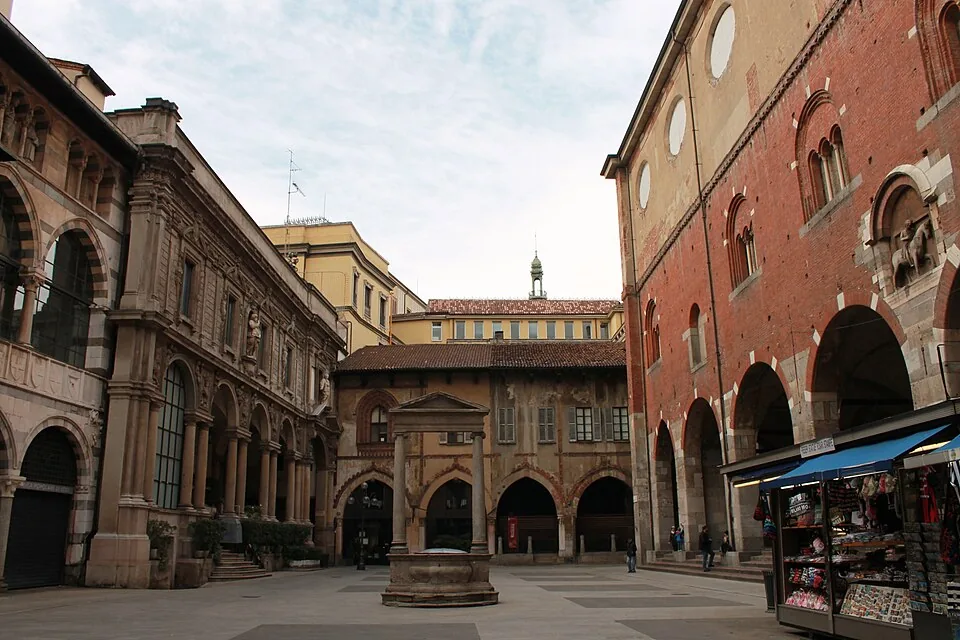
Piazza Mercanti
Piazza Mercanti preserves a compact medieval civic center close to Milan’s cathedral. Its loggias, palace, and narrow passages once organized municipal government, justice, and trade, making the square a reminder that commerce and public authority shared the same urban space.
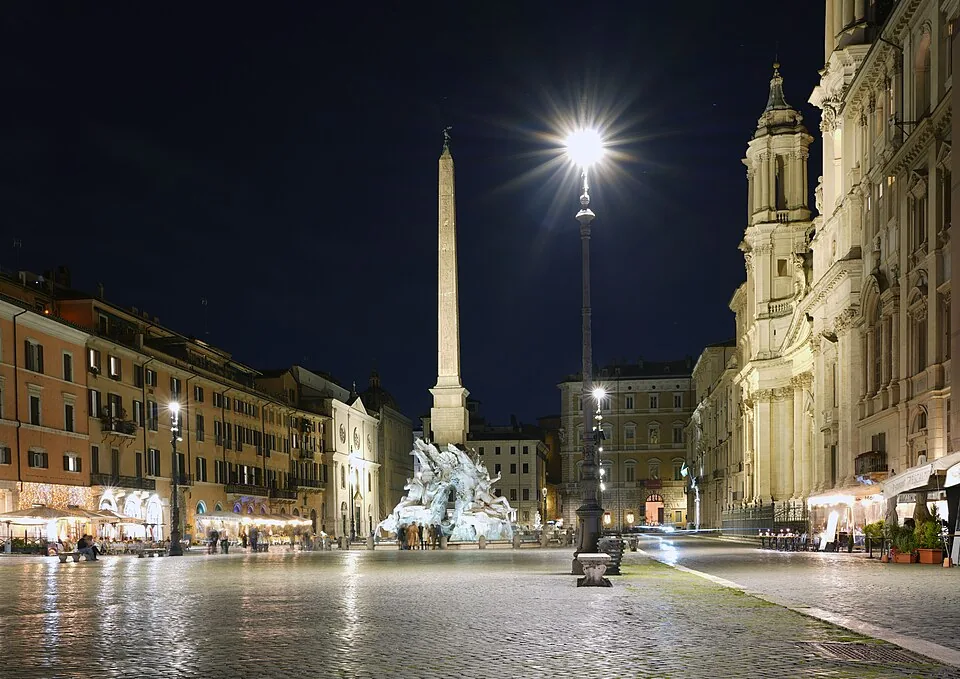
Piazza Navona
Piazza Navona’s long oval outline follows the footprint of an ancient stadium beneath the Baroque square. Three fountains, palaces, and a church occupy a space whose shape still carries the memory of athletic contests held nearly two millennia ago.
Piazza San Babila
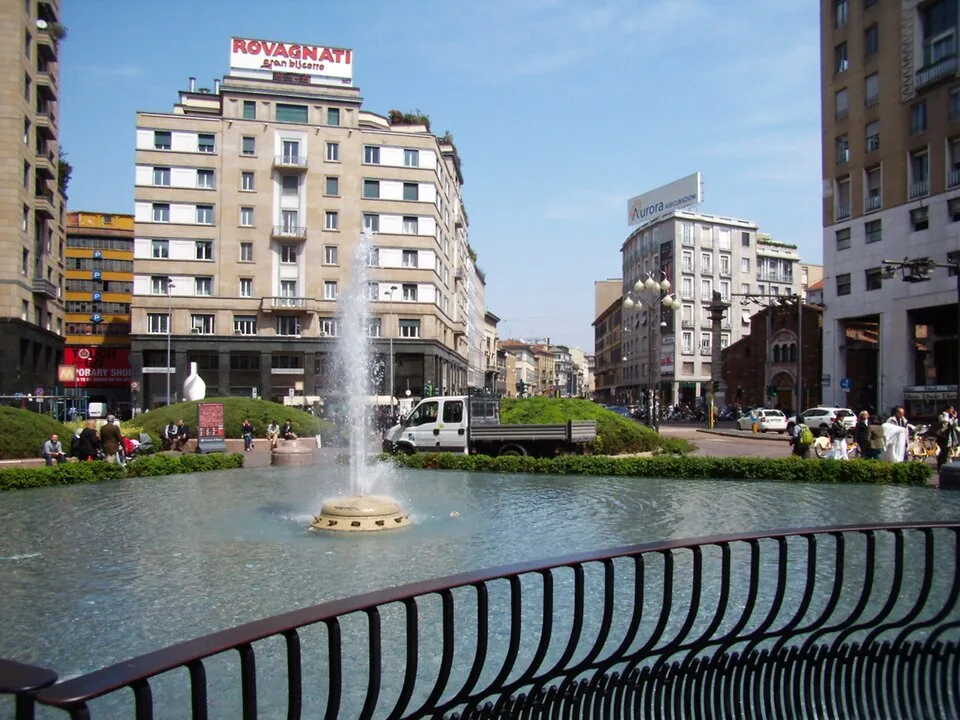
Piazza San Babila is a modern Milan crossroads layered over Roman routes and burial ground. Its twentieth-century enlargement transformed the surrounding streetscape, while the nearby basilica preserves a much older religious history.
Piazza Trilussa
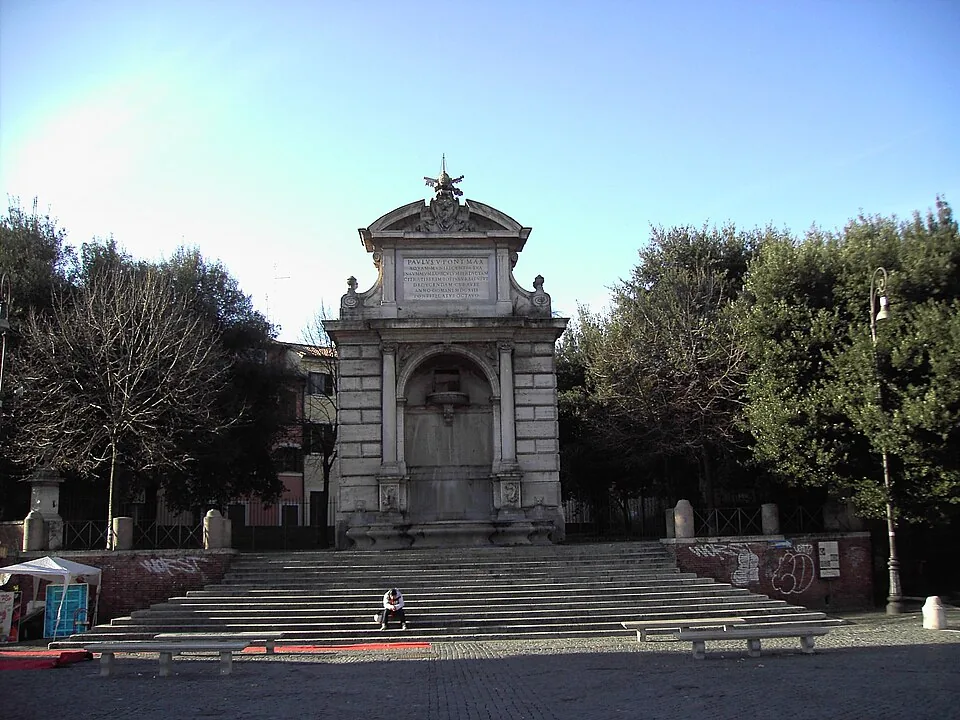
Piazza Trilussa faces Ponte Sisto with a monumental fountain that arrived here only after being dismantled and partly lost. Its steps and alignment make it a gathering place as well as a reminder of how Rome’s riverbanks were rebuilt.
Piazza Venezia
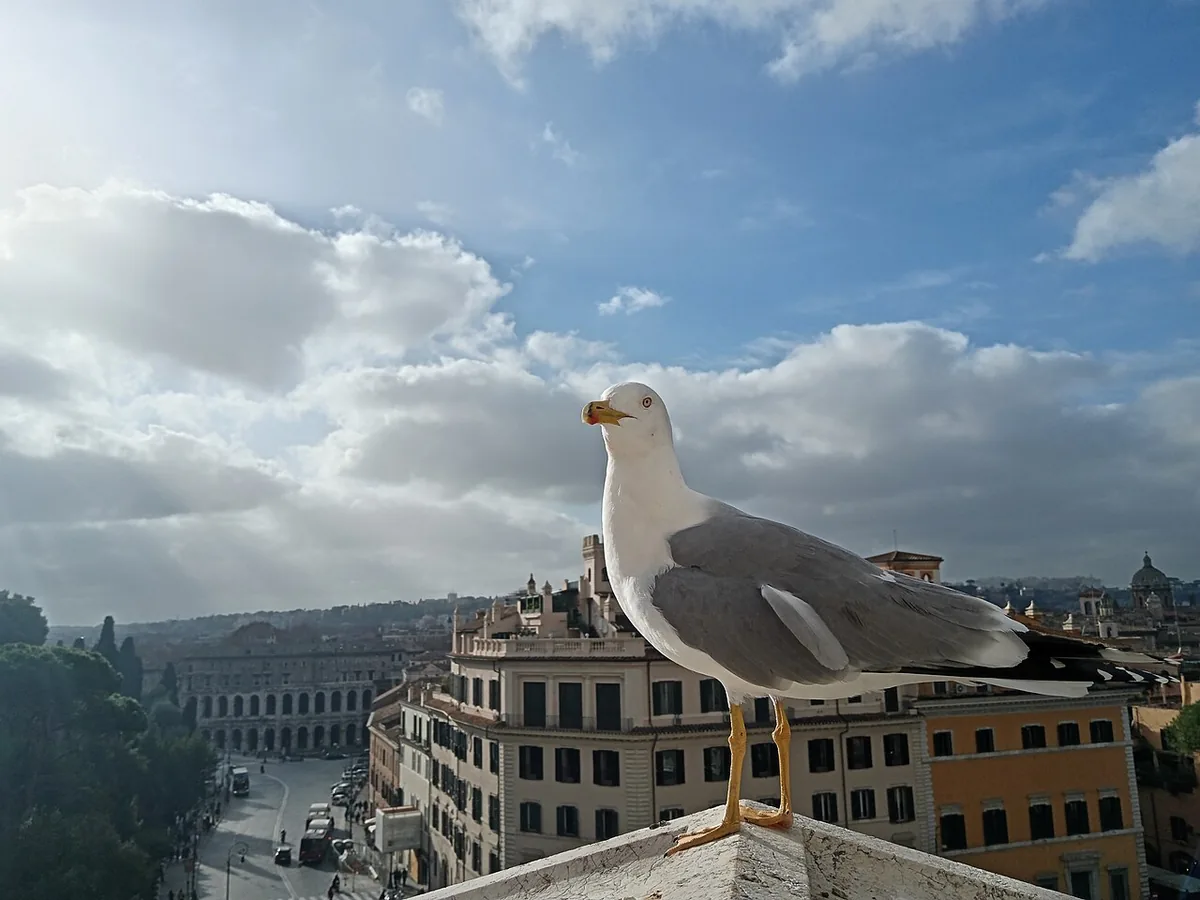
Piazza Venezia takes its name from the Renaissance palace beside it, while the square’s present shape was formed by demolitions and construction for the Vittoriano. It is a crossroads where several layers of Rome’s political history meet.