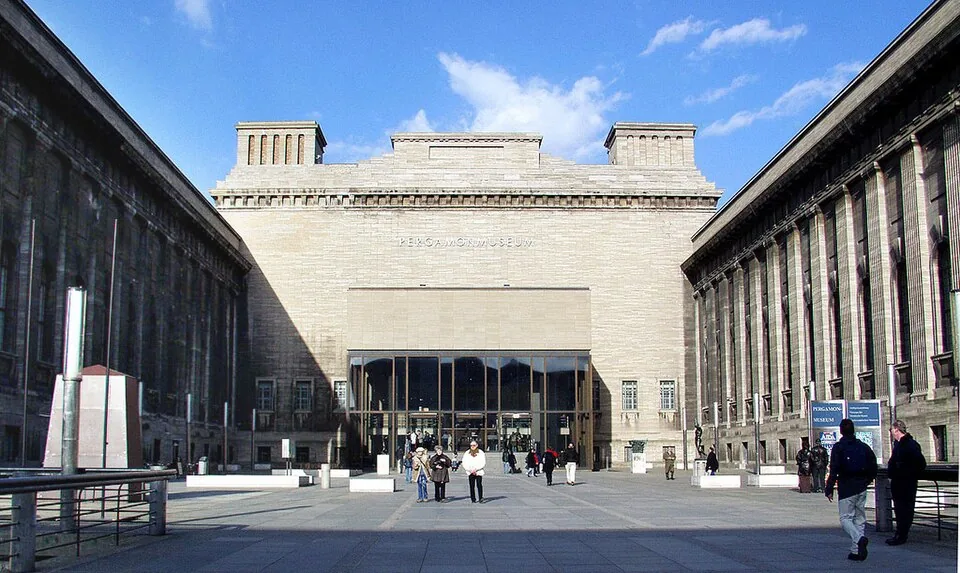
The Pergamonmuseum is a monumental museum building on Museum Island, known for reconstructed ancient architectural ensembles. Its collections bring together antiquities, ancient Near Eastern works, and Islamic art, while the building itself is part of a long-running conservation project.
Guide preview
The Pergamonmuseum was designed to make ancient architecture feel larger than a display case. Built between 1910 and 1930, its three-wing plan brought together the Antikensammlung, the Museum of the Ancient Near East, and the Museum of Islamic Art.
Continue exploring
Discover the full story
Keep reading with a travel pass and explore every full guide and tour.
UpgradeQuick facts
- The building was constructed from 1910 to 1930.
- Its collections include three major museum institutions.
- The Ishtar Gate reconstruction was presented in 1930.
More places in Berlin
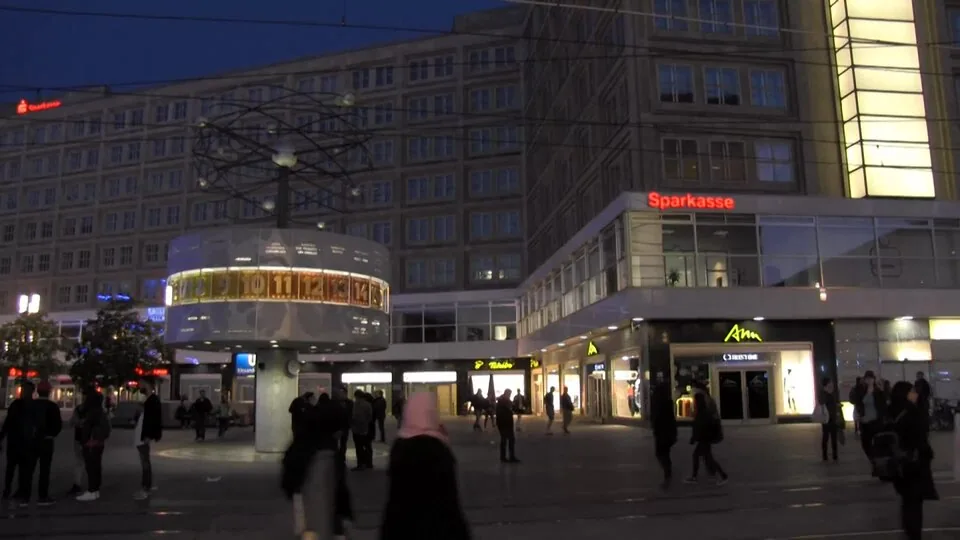
Alexanderplatz
Alexanderplatz has repeatedly changed from parade ground and market to transport hub, socialist showcase, and contemporary meeting place. Its World Time Clock and surrounding buildings preserve a visible layer of East Berlin’s postwar redesign.
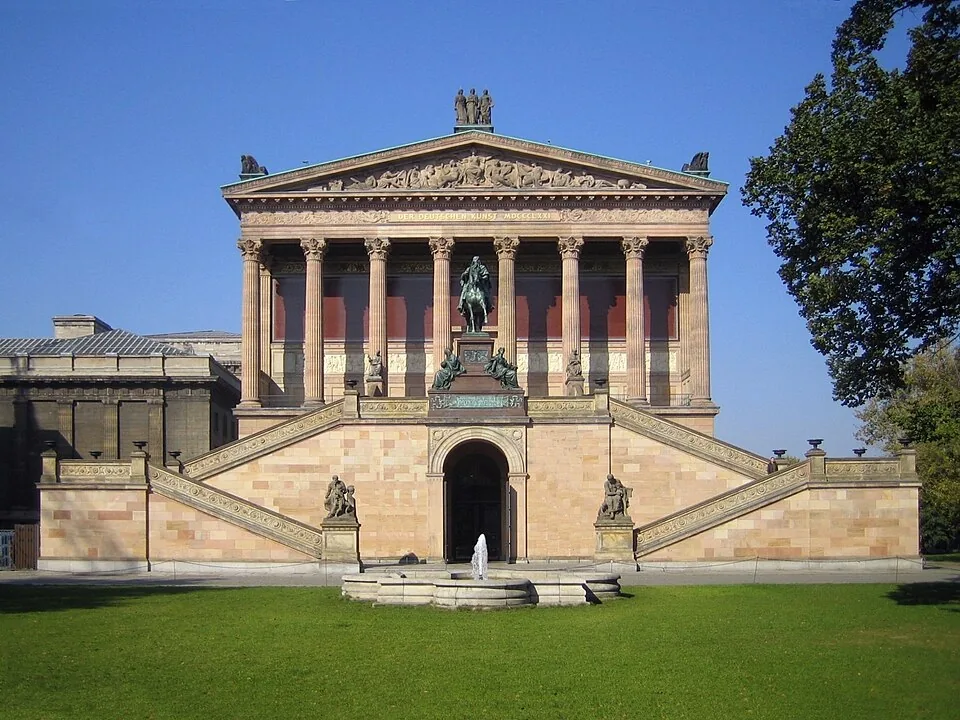
Alte Nationalgalerie
Alte Nationalgalerie resembles a temple raised above the Spree, a form that expresses the nineteenth-century ambition to make art and science public. Its collection began with a donor’s gift and grew into a major home for Romantic, Realist, and Impressionist painting.
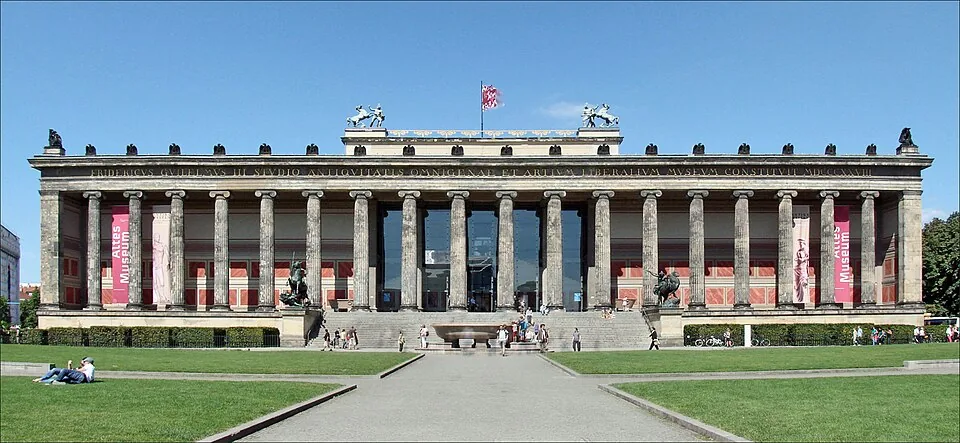
Altes Museum
Altes Museum’s colonnade and central rotunda were designed to make a royal collection accessible to the public. Opened in 1830, it was Berlin’s first public museum, turning the act of viewing antiquities into a civic experience rather than a privilege reserved for court and nobility.
Bauhaus Archive
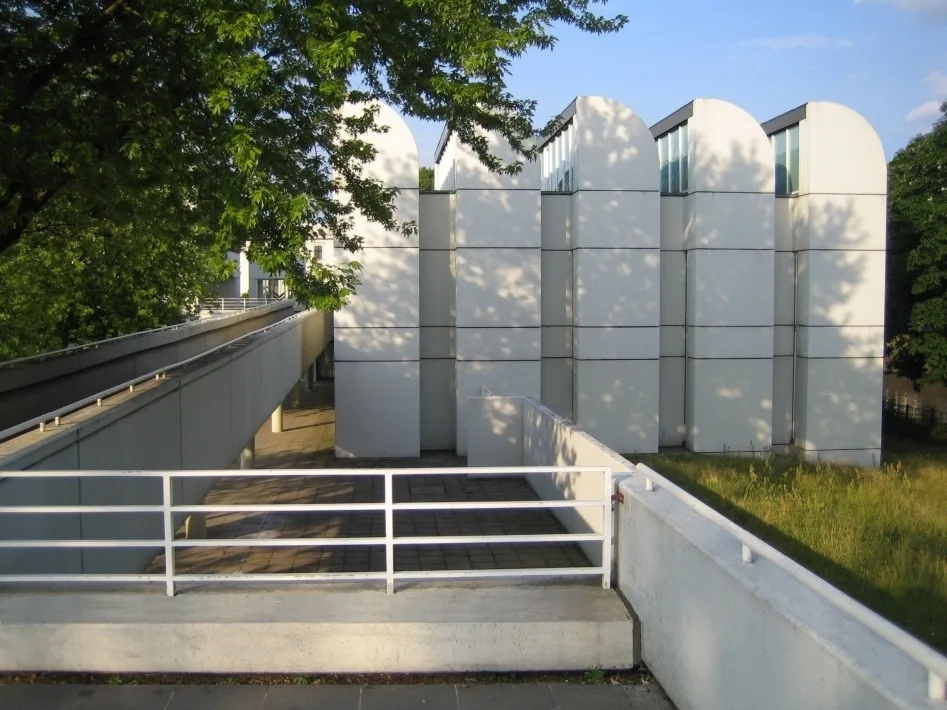
The Bauhaus Archive’s distinctive roofline makes the museum building itself part of the collection’s story. Designed by Walter Gropius and adapted for Berlin, it gives a later home to a school whose ideas traveled far beyond its brief existence from 1919 to 1933.
Bebelplatz
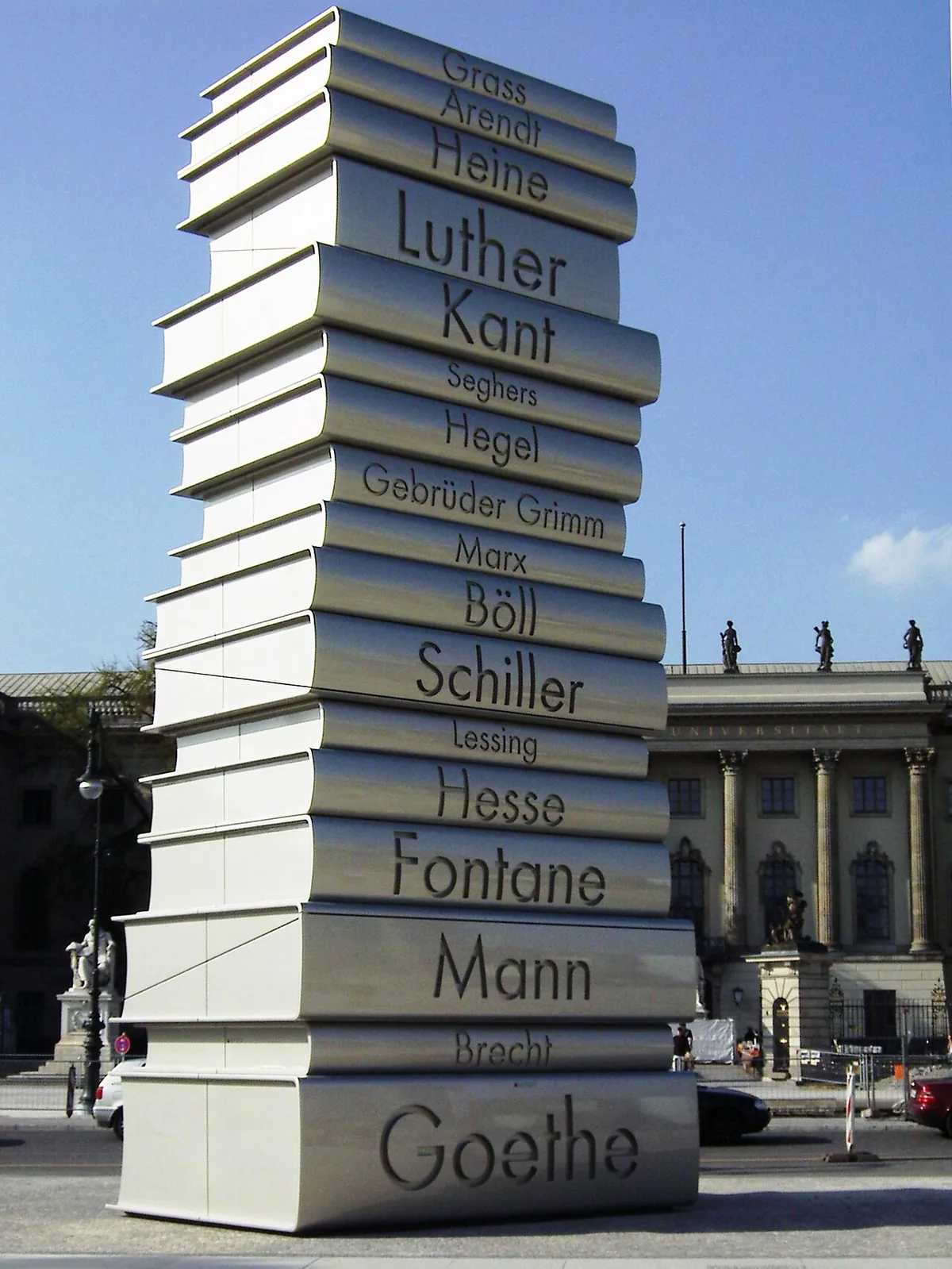
A glass panel set into Bebelplatz reveals empty shelves beneath the square, a quiet memorial to the Nazi book burning of 10 May 1933. The underground library gives absence a physical form, asking visitors to remember the writers and ideas targeted by the regime.
Berlin Botanical Garden
Berlin Botanical Garden began as a medicinal and agricultural teaching garden before moving to Dahlem for more room. Its extensive living collections make classification visible in the landscape, while its history also prompts questions about how botanical knowledge was gathered and organized.