Explore locations
Browse places by name, city, country or category.
All locations
1624 locations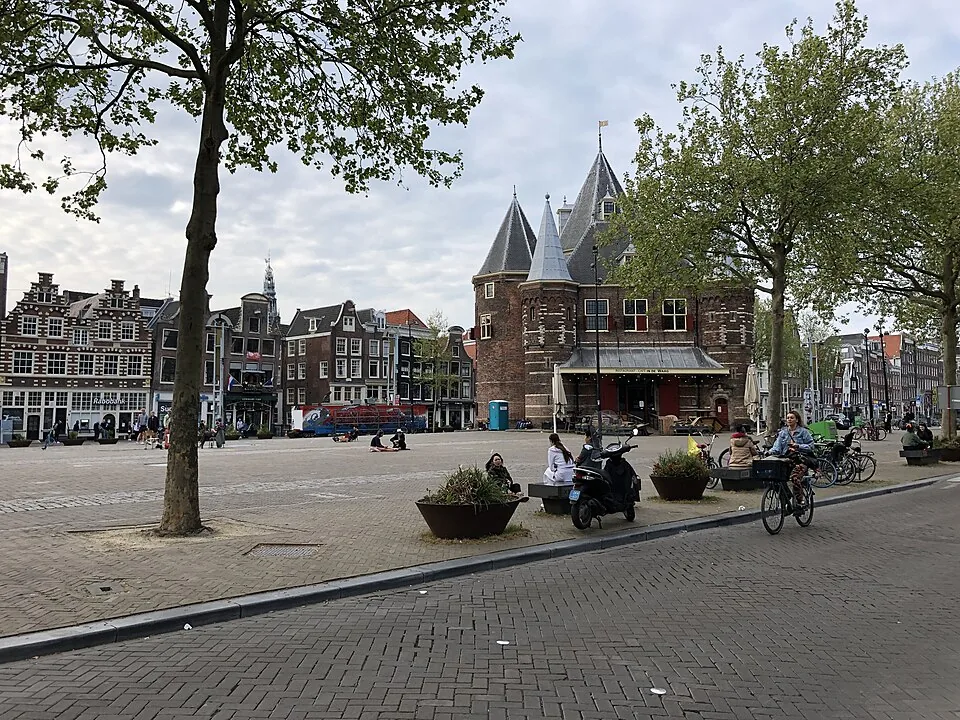
Nieuwmarkt
Nieuwmarkt grew around the Waag, a former city gate that became a public weighing house. The square’s changing uses—from trade to wartime persecution to modern protest—make it one of Amsterdam’s most layered public spaces.
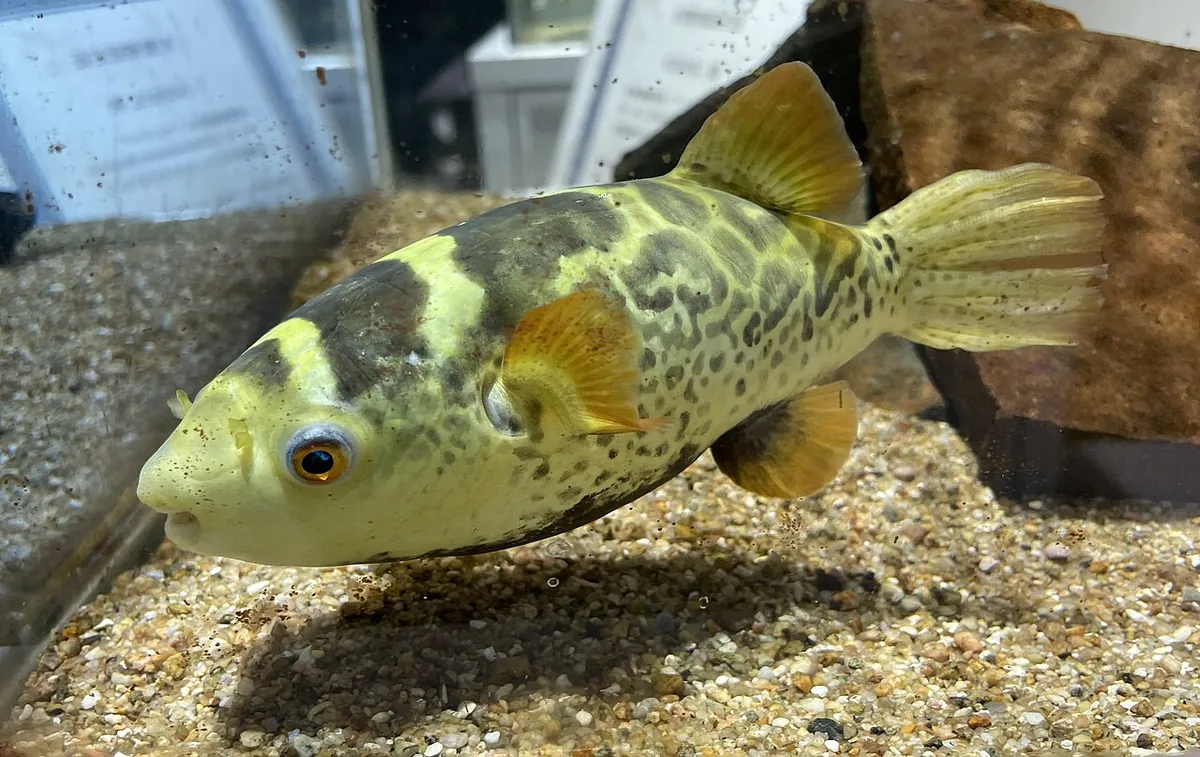
NIFREL
NIFREL combines aquatic and terrestrial life displays with an artful museum approach. Its name comes from the Japanese phrase “kansei ni fureru,” or appealing to inspiration, and the experience is built around noticing small encounters with living creatures.
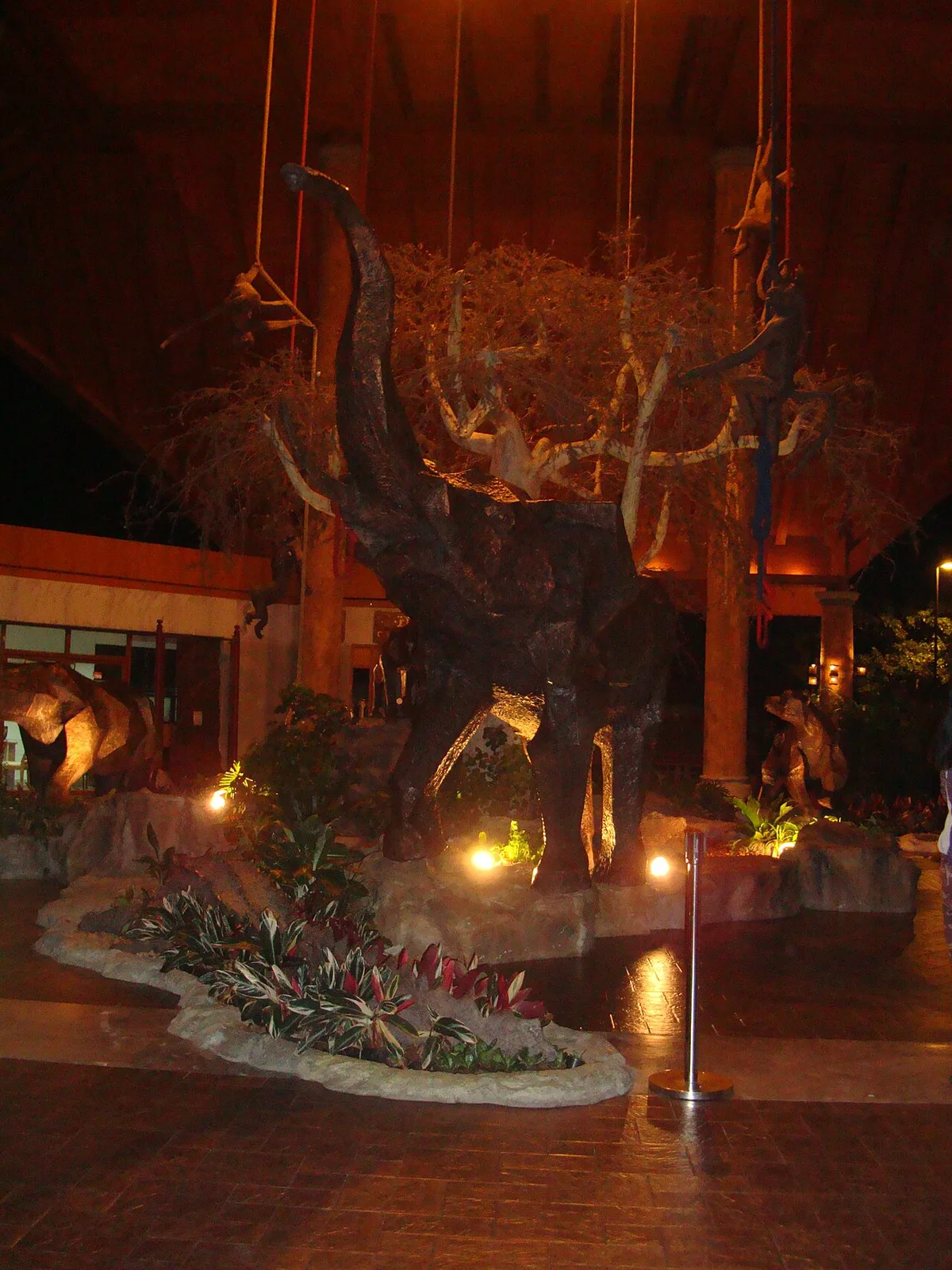
Night Safari
Night Safari was designed around wildlife active after dark, making darkness part of the encounter rather than a backdrop. Its trails and tram route let visitors experience nocturnal animals while reflecting on the distinct senses and habits that shape night life.
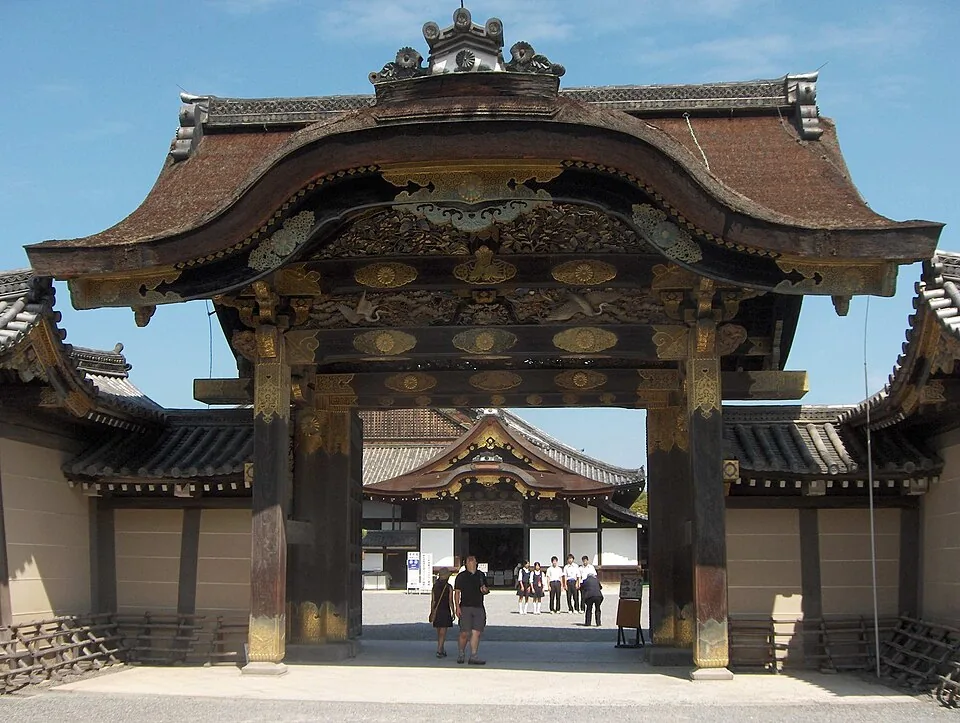
Nijo Castle
Nijo Castle’s fortified gates and painted reception halls reveal how Tokugawa rule made authority visible in Kyoto. Completed in 1603, the complex welcomed shoguns into the imperial capital and later witnessed the transfer of political power back to the emperor.
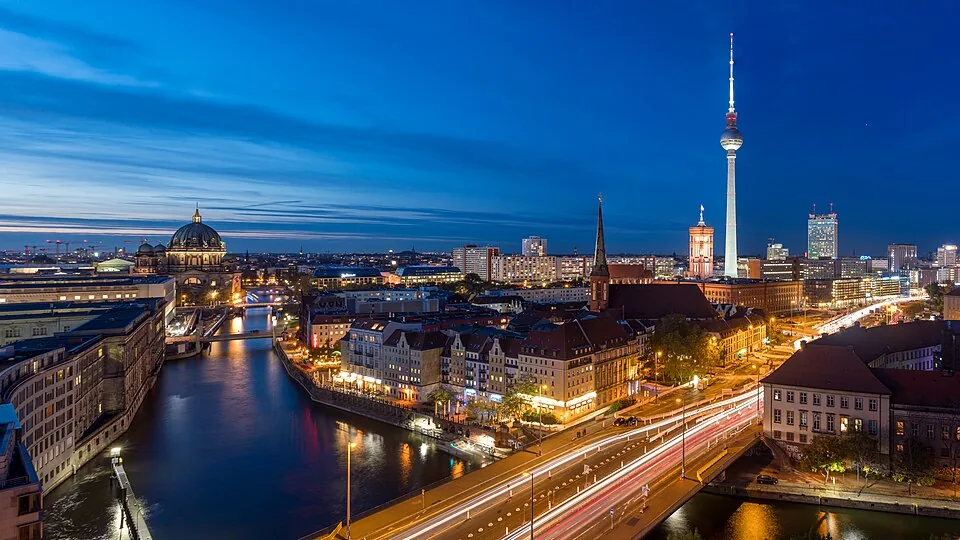
Nikolaiviertel
Nikolaiviertel looks like a compact remnant of old Berlin, but much of its present form was rebuilt between 1980 and 1987. Its mix of reconstructed historic models and newer buildings makes the quarter a place to examine how a city recreates its past.
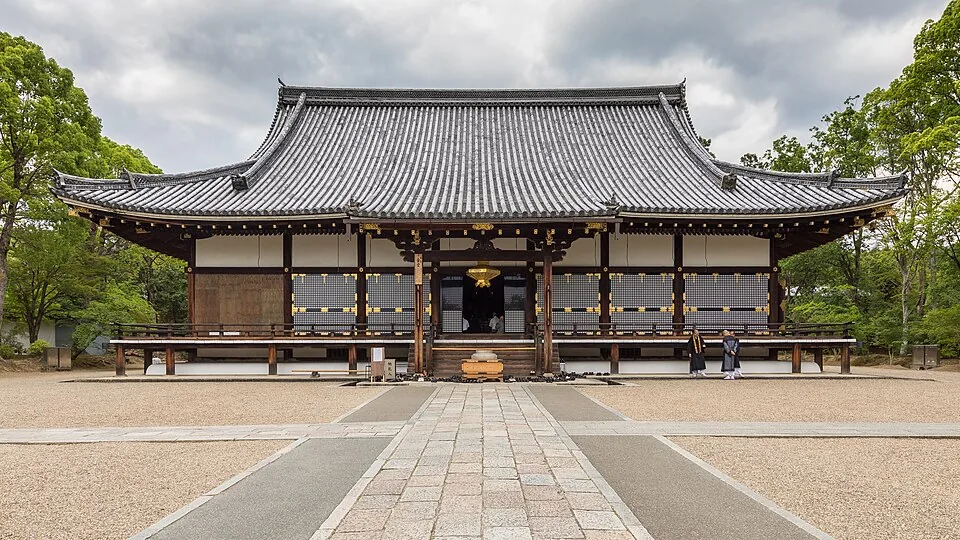
Ninna-ji
Ninna-ji’s imperial-style halls, pagoda, and late-blooming Omuro cherry trees reflect a long relationship between the temple and Japan’s imperial family. Founded in 888, it combines religious practice with the architecture of courtly life.
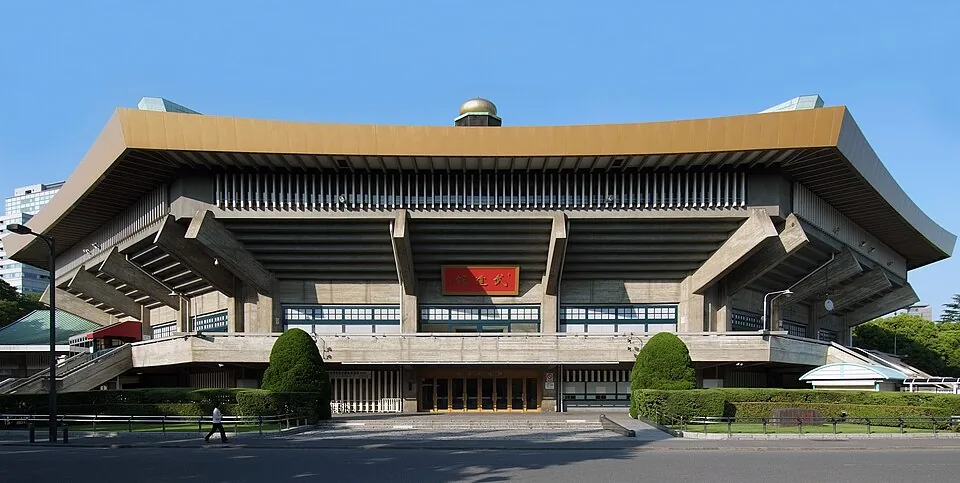
Nippon Budokan
Nippon Budokan’s roof rises in a smooth, mountain-like curve inside Kitanomaru Park. Built for the 1964 Tokyo Olympics, the hall first brought judo onto the Olympic program and has since remained a major center for Japanese budō.
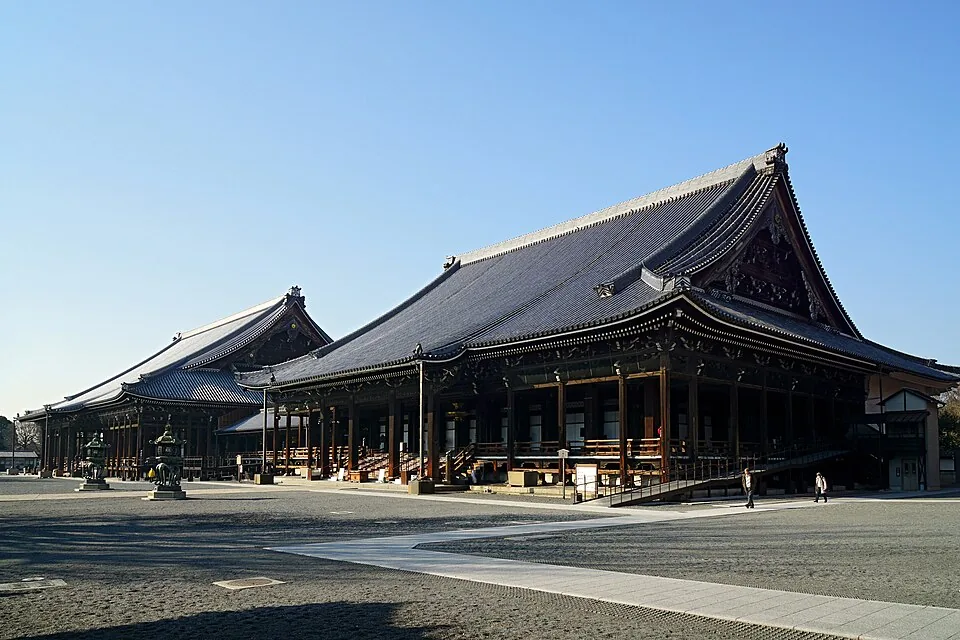
Nishi Hongan-ji
Nishi Hongan-ji remains an active center of Jōdo Shinshū Buddhism, with large halls and ornate gates reflecting its history as a major Kyoto temple. Its architectural details connect religious practice with Momoyama-era craftsmanship.
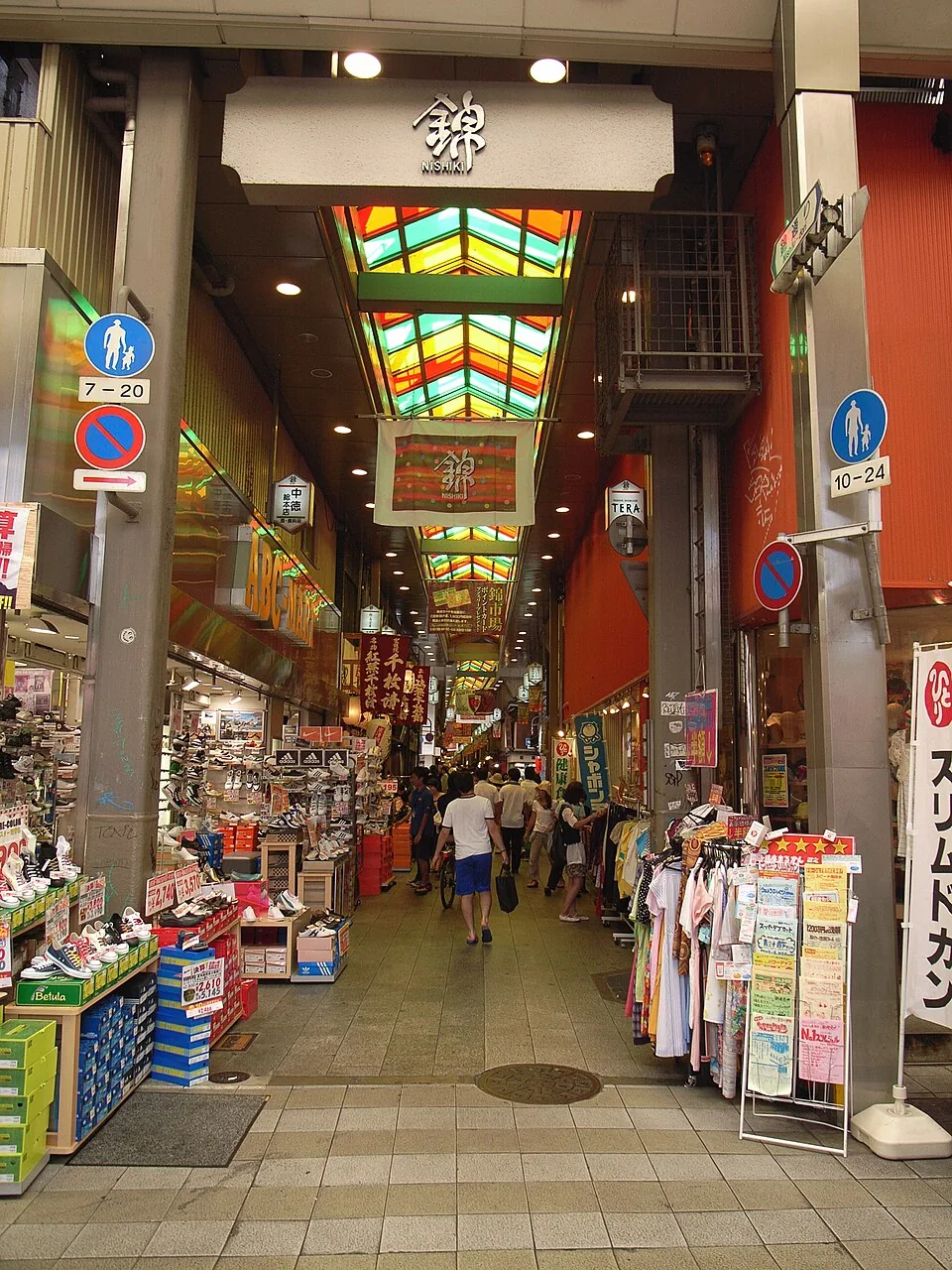
Nishiki Market
Nishiki Market is a compact food street where Kyoto’s kitchens meet the daily trade of vendors. About 400 meters long, it brings seasonal ingredients, prepared foods, and specialist shops into a covered corridor in the city center.
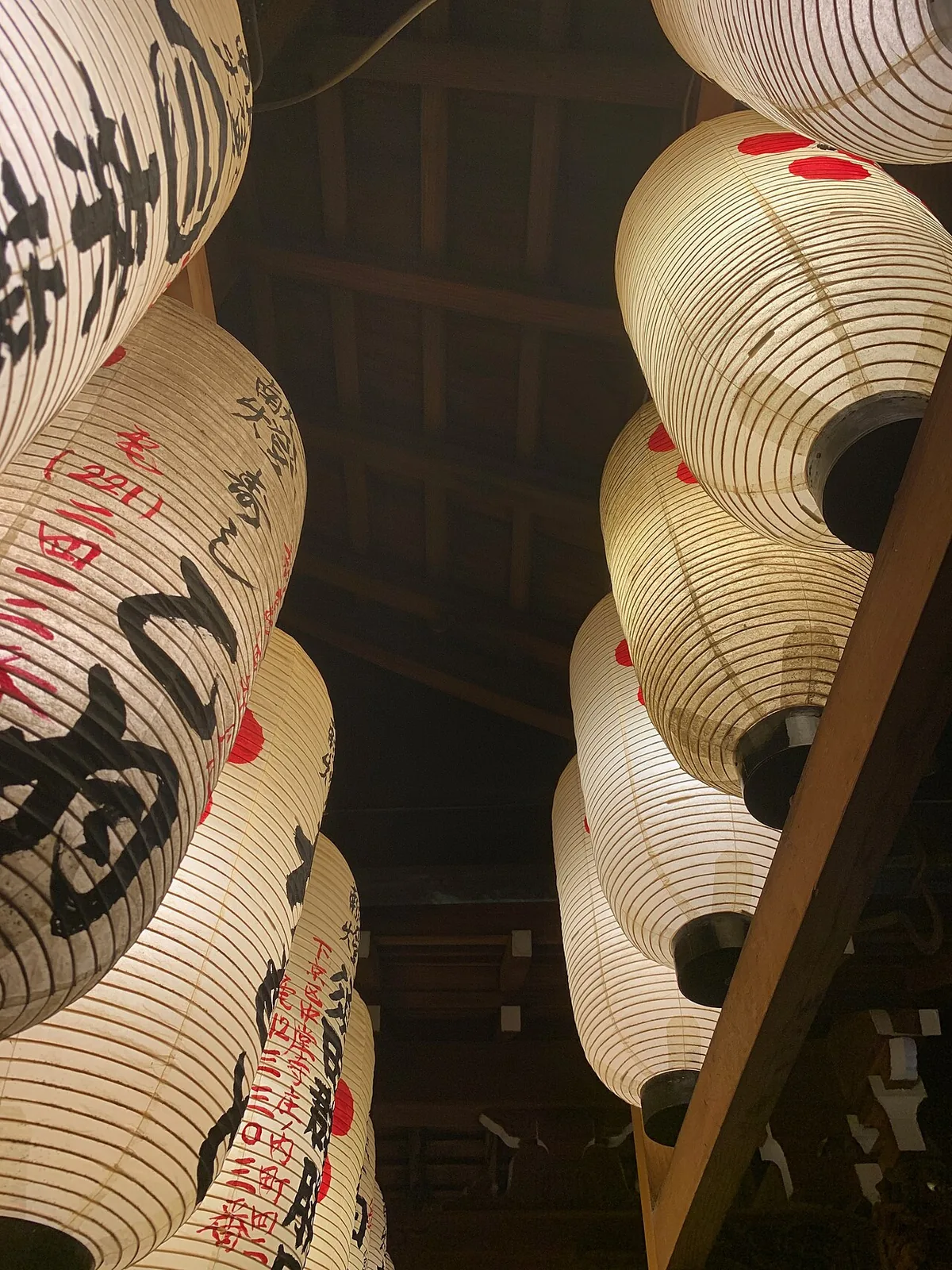
Nishiki Tenmangu Shrine
Nishiki Tenmangu Shrine occupies a compact precinct at the eastern end of Kyoto’s Nishiki market street. Its setting folds a place of worship into the city’s busiest shopping lanes, while its history traces several relocations across Kyoto.
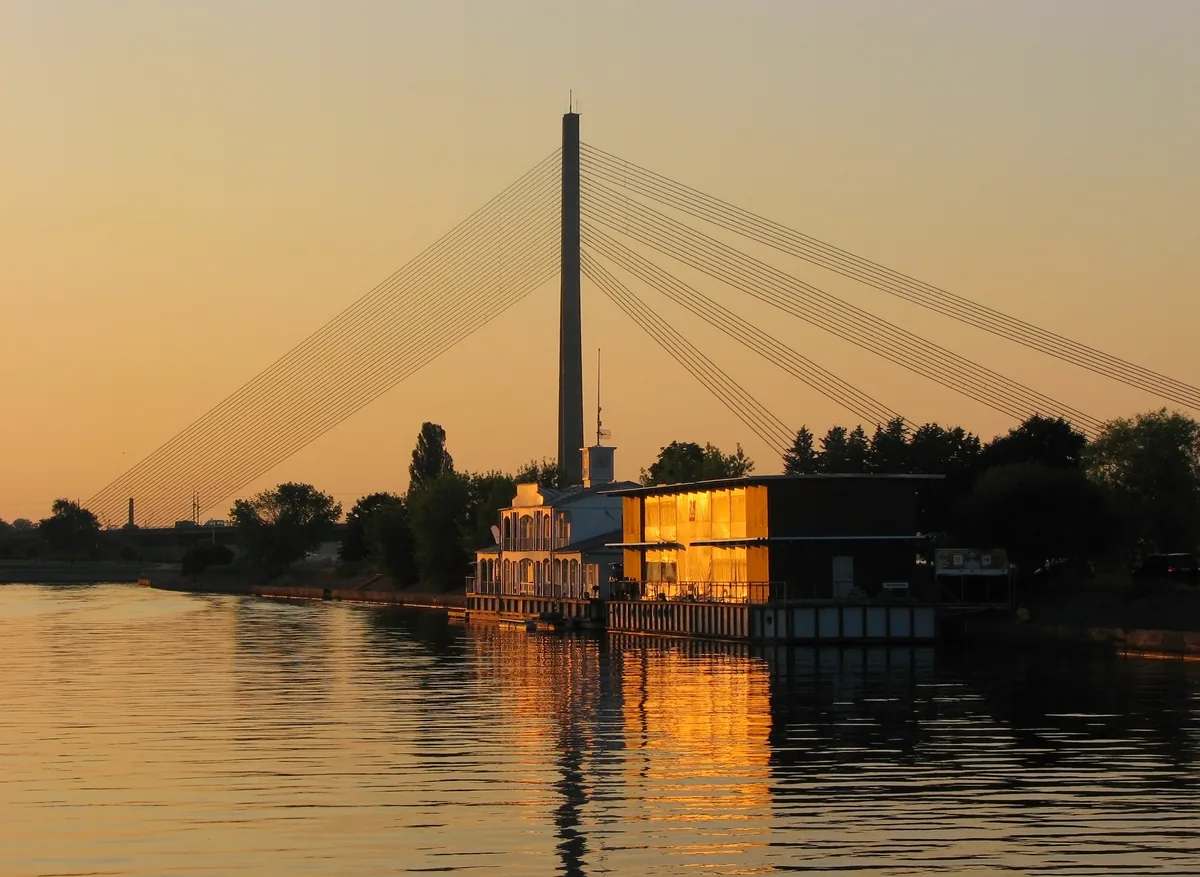
NOASS Floating Gallery
NOASS is a contemporary art centre on floating platforms by Riga’s AB Jetty, hosting exhibitions and performances with the Daugava and Old Town as its surroundings.
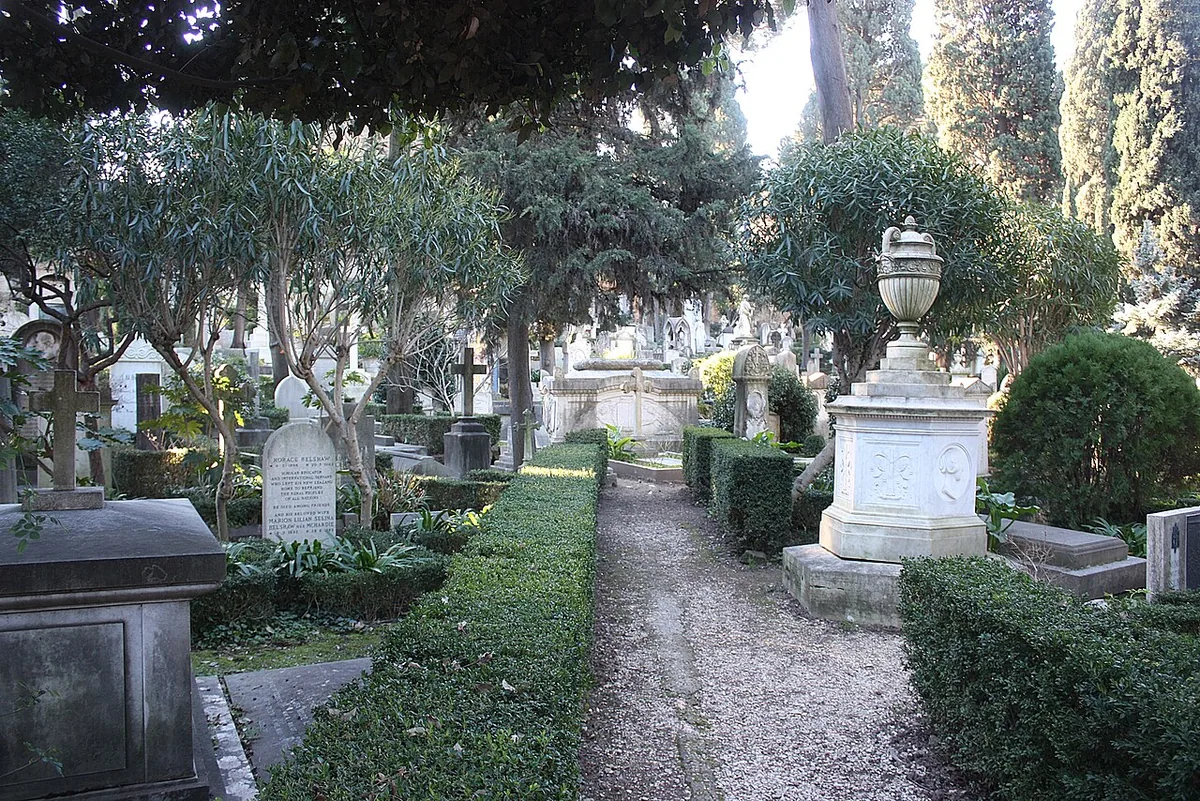
Non-Catholic Cemetery for Foreigners
Rome’s Non-Catholic Cemetery began as a burial place for non-Catholic residents and visitors near the Pyramid of Cestius. Its graves hold poets, artists, political thinkers, and people from many faiths, reflecting the city’s international history.
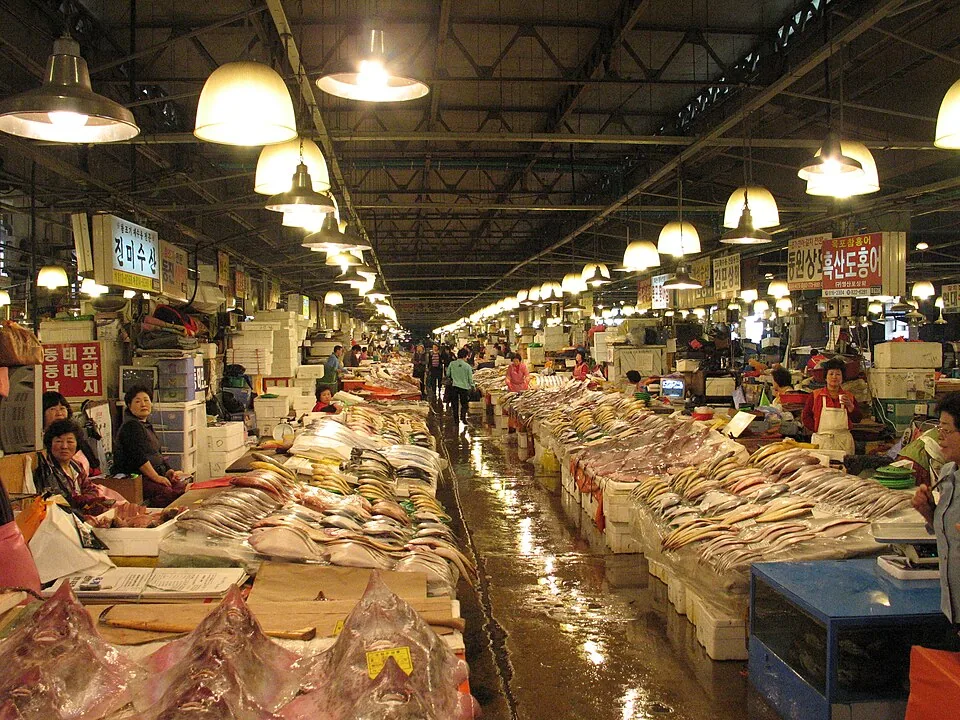
Noryangjin Fish Market
Noryangjin Fish Market is a major wholesale and retail seafood market where Seoul’s supply chain remains visible to the public. Auctions, trading floors, and restaurants connect fresh catches to the city’s kitchens.
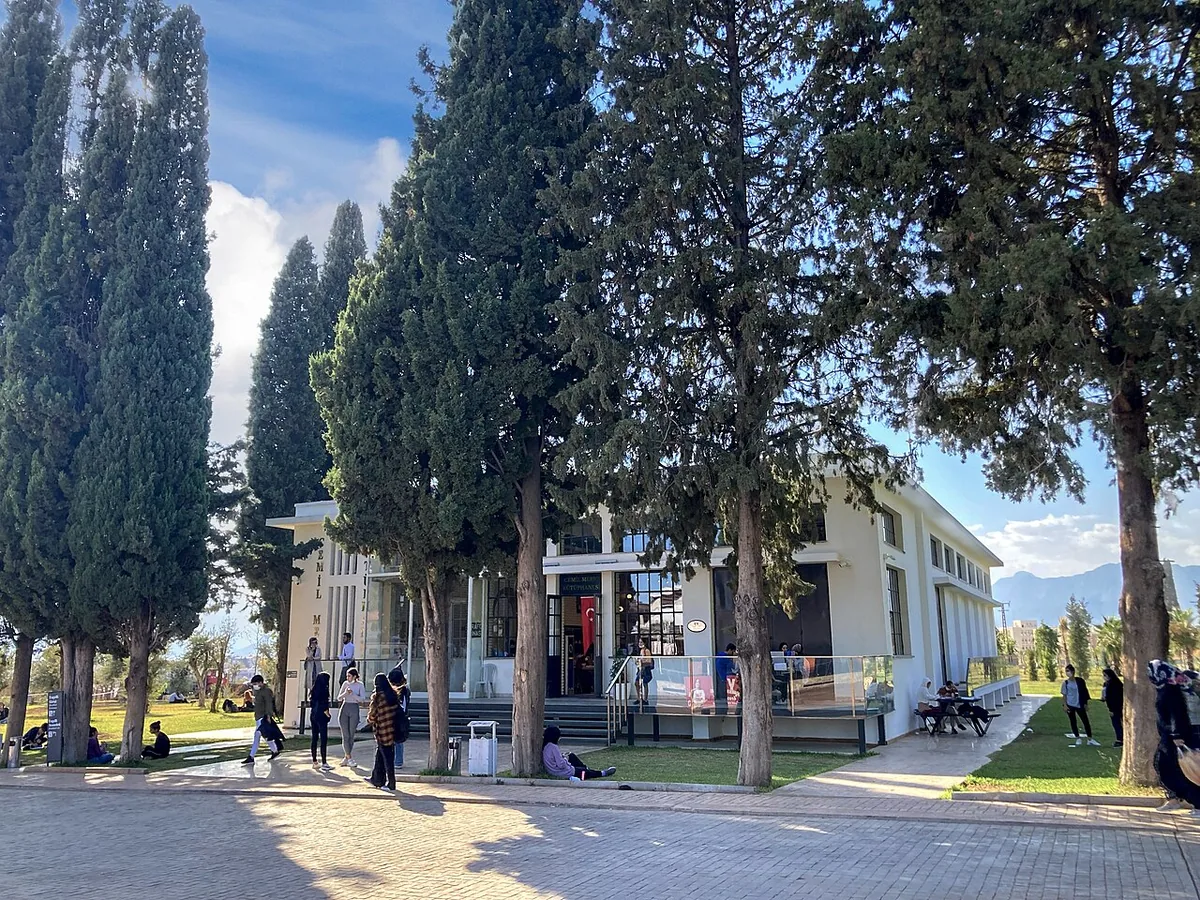
Nostalgic Vehicles Museum
Antalya’s Nostalgic Vehicles Museum occupies a former storage building of the Dokuma textile factory. Its collection of cars, trucks, motorcycles, and commercial vehicles connects transport history with the industrial site that now houses the museum.
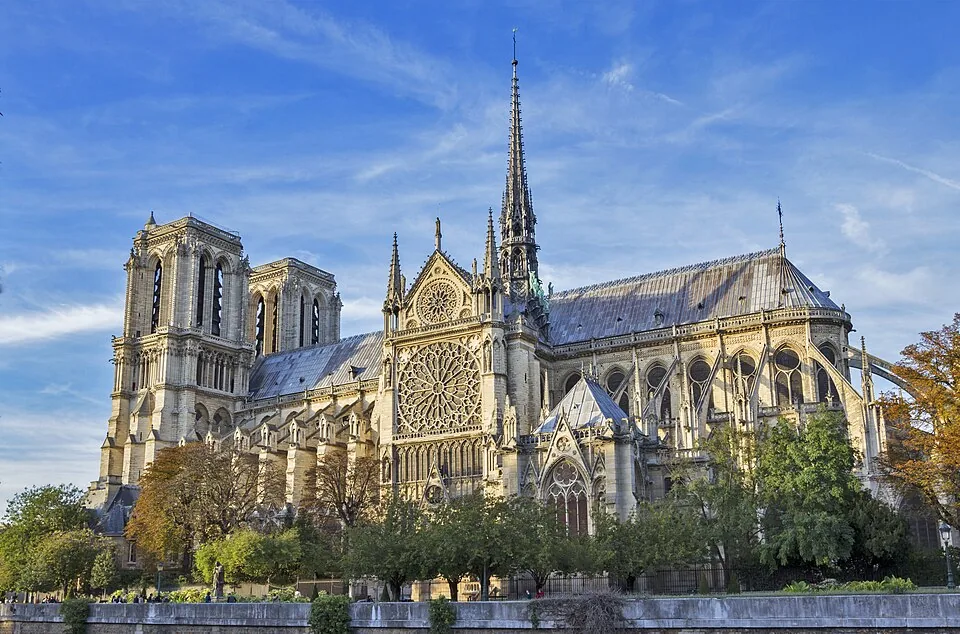
Notre-Dame Cathedral
Notre-Dame stands on the Île de la Cité, where a Seine crossing made the island a centre of medieval Paris. Begun in 1163, the cathedral took about two centuries to build and changed through later restorations.
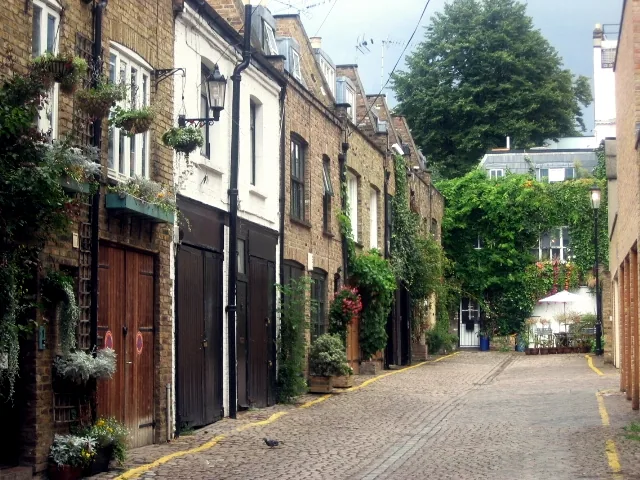
Notting Hill
Notting Hill is a west London neighborhood of terraces, markets, and Caribbean cultural life. Its familiar colorful streets sit alongside a history of migration, activism, and community celebration that comes into focus during Carnival.
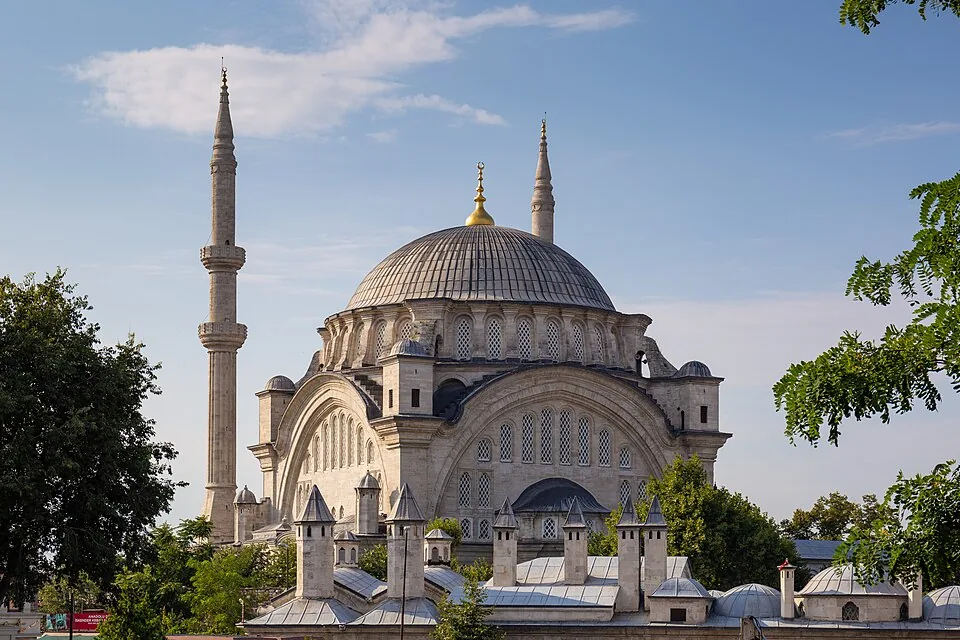
Nuruosmaniye Mosque
Nuruosmaniye Mosque marks an eighteenth-century turn in Ottoman architecture beside Istanbul’s Grand Bazaar. Its Baroque-inflected forms differ from earlier classical imperial mosques, showing how local building traditions responded to new artistic currents while preserving the mosque’s central plac
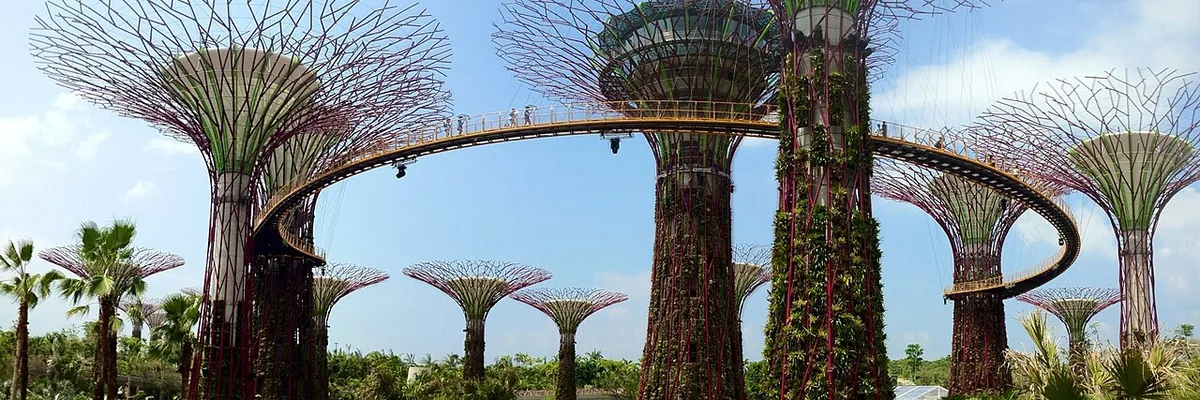
OCBC Skyway
The OCBC Skyway is a suspended walkway between two Supertrees, giving a close view of the grove from above. Its light, elevated path reframes the planted structures as a connected landscape rather than isolated towers.
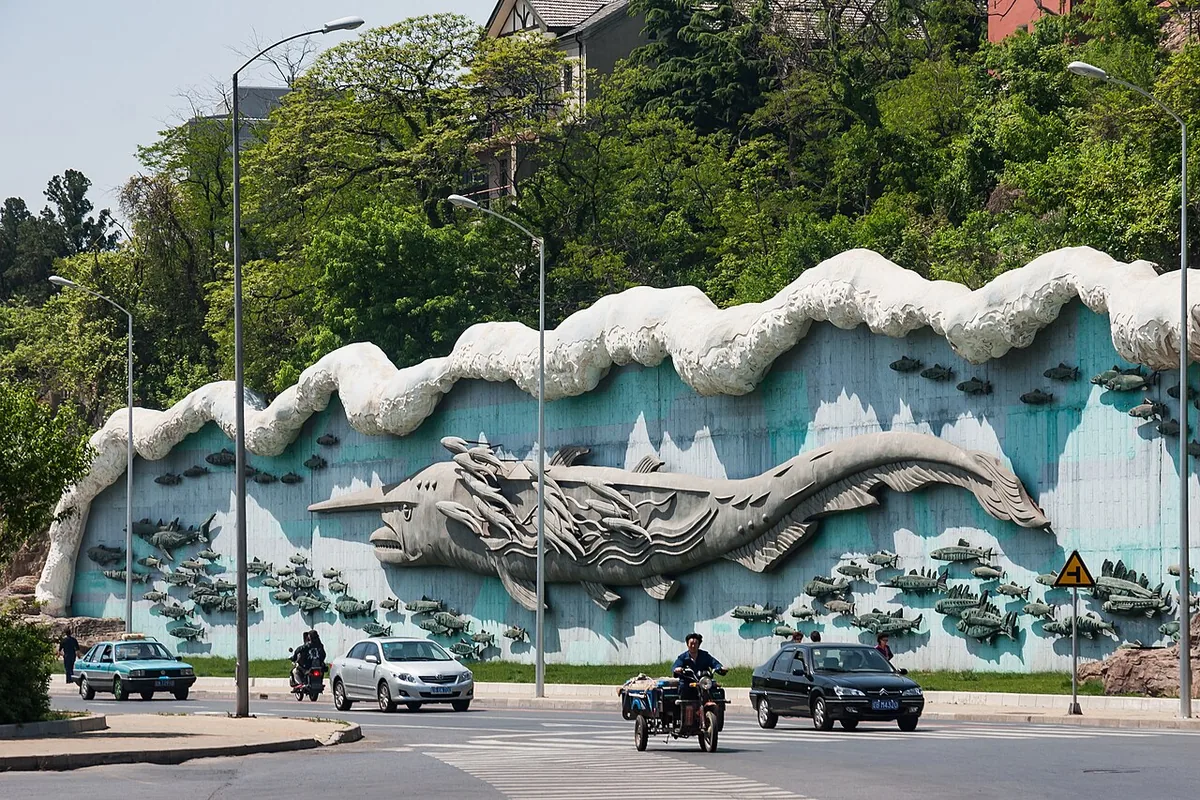
Ocean Park
Ocean Park combines rides and animal exhibits with education and conservation programs on Hong Kong Island’s southern coast. Established as a public recreational park, it has grown into a homegrown attraction with a civic and environmental mission.
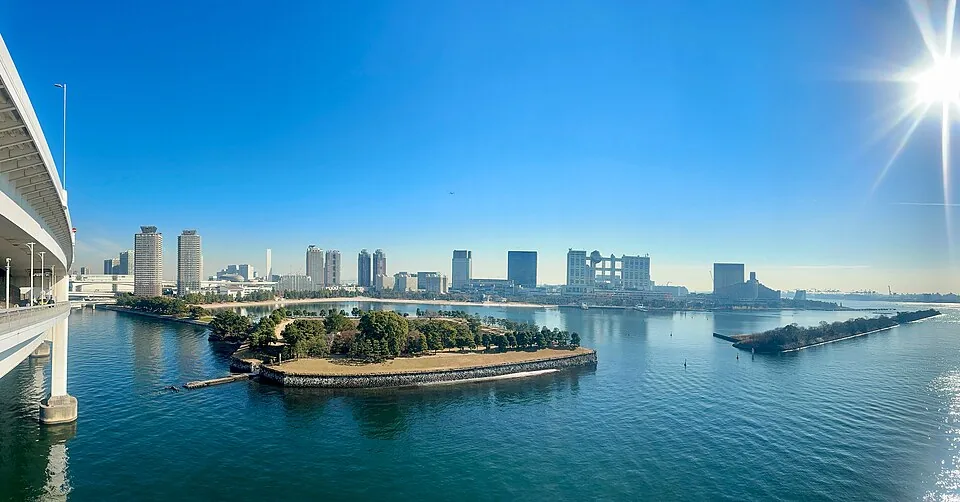
Odaiba
Odaiba occupies reclaimed land in Tokyo Bay, where historic coastal defenses now meet modern leisure buildings and waterfront views. The island’s transformation from battery position to entertainment district mirrors Tokyo’s changing relationship with its harbor.
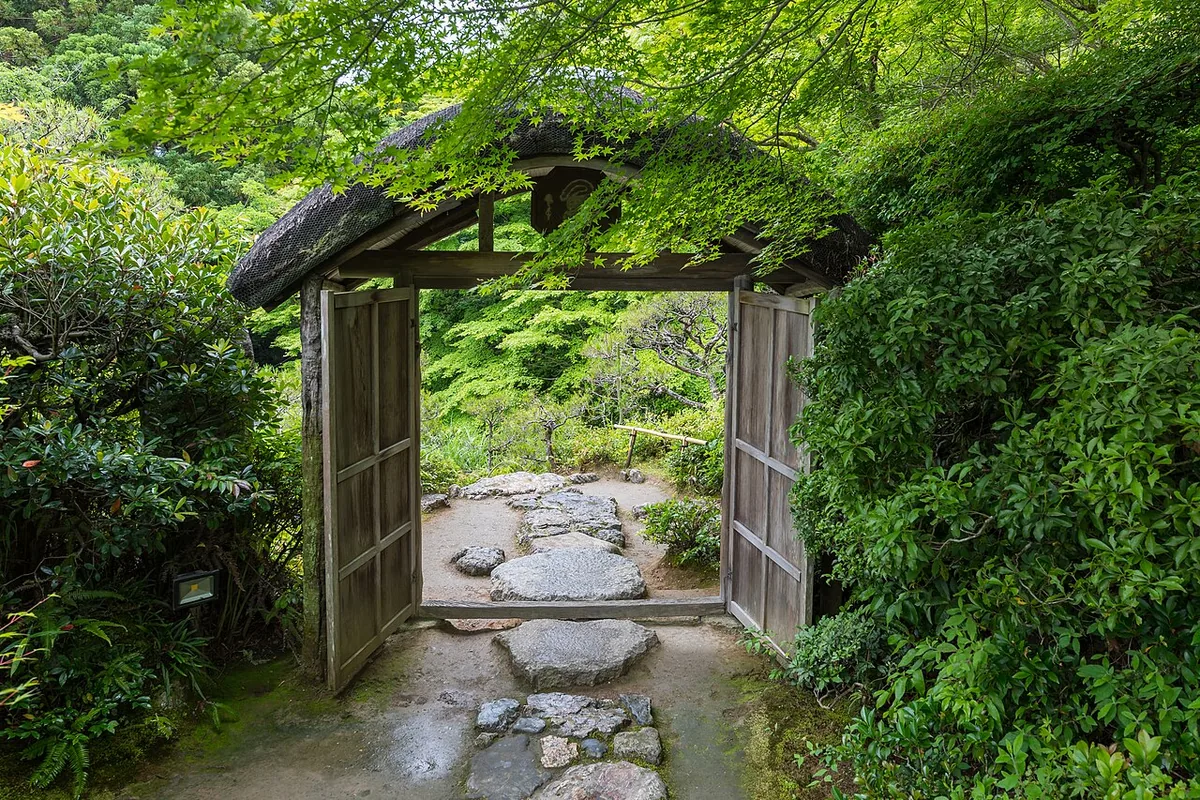
Okochi Sanso Garden
Okochi Sanso Garden is the former hillside estate of actor Denjiro Okochi, who shaped its paths, buildings, and views over decades. The garden combines architecture, tea spaces, and a long perspective across Kyoto’s landscape.
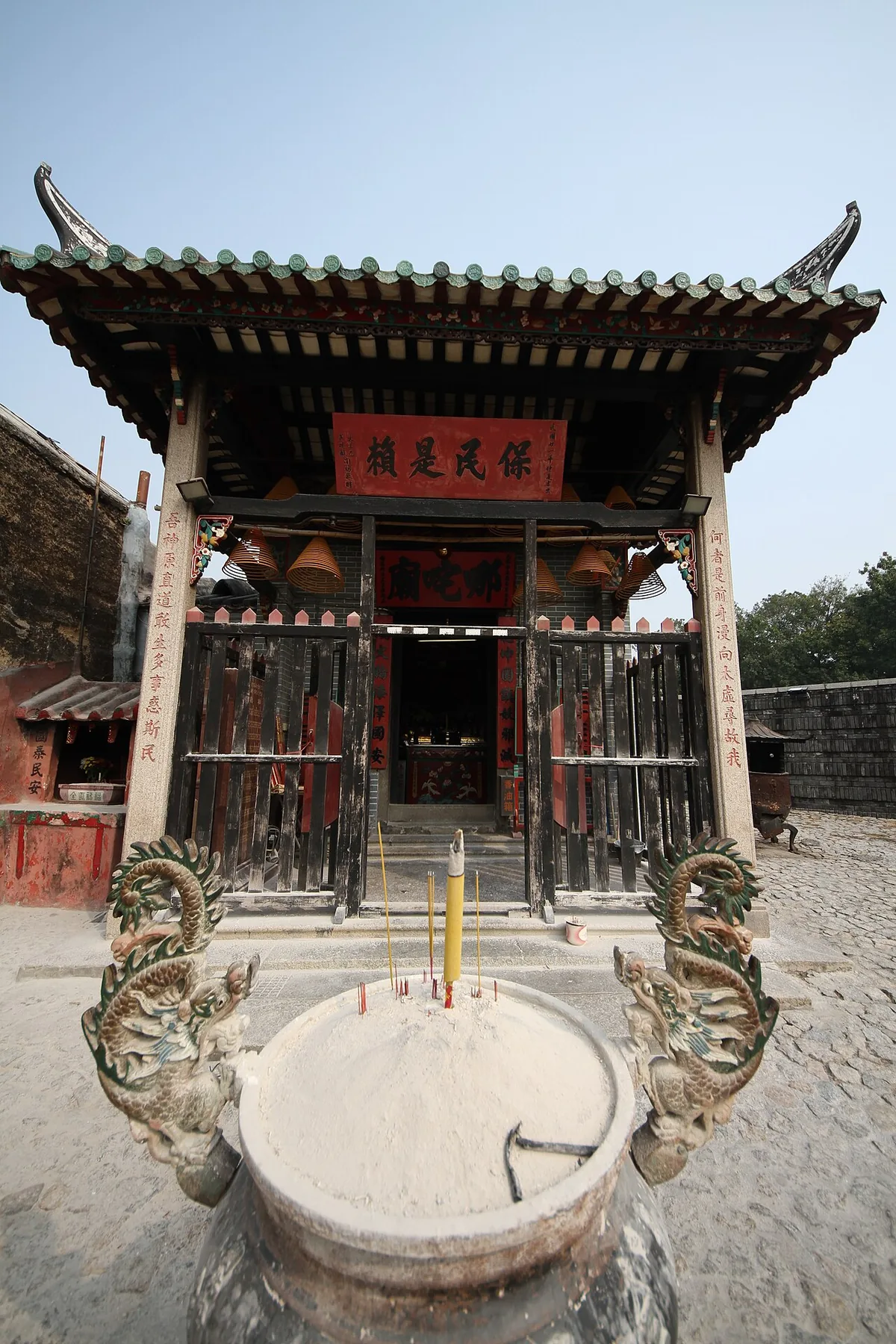
Old City Walls of Macao
A surviving section of Macao’s old city walls preserves an early defensive structure built with chunambo, a locally made compound of earth, straw, stones, and shells. The remnant offers a close view of how builders adapted fortification techniques to local materials.
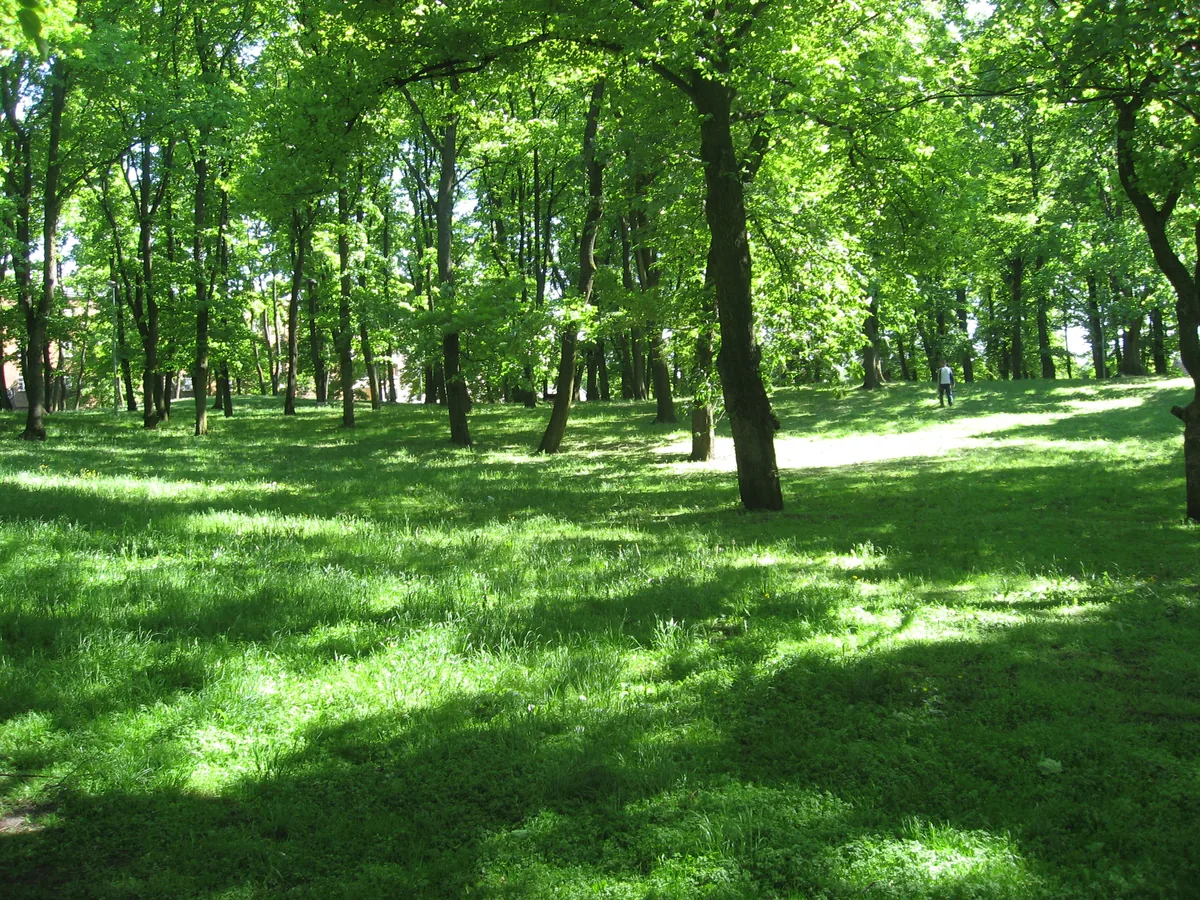
Old Jewish Cemetery
Riga’s Old Jewish Cemetery is a burial ground whose visible character was profoundly changed by the Holocaust and Soviet-era destruction. Memorials in the present park recall the Jewish community buried here and people killed in the Riga ghetto.
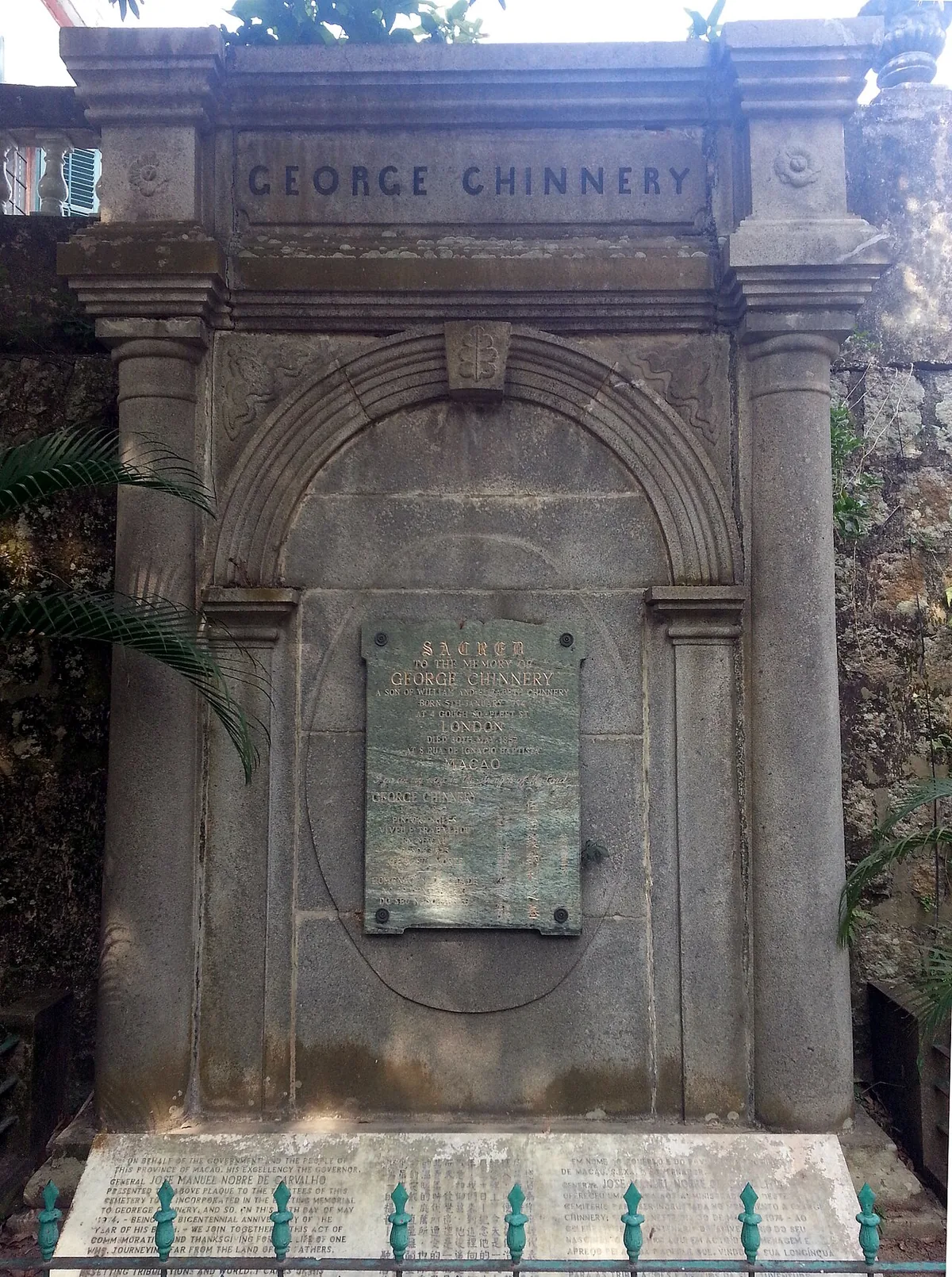
Old Protestant Cemetery
Macao’s Old Protestant Cemetery preserves graves and a chapel associated with the city’s historic Protestant community. The quiet enclosure offers a record of merchants, missionaries, artists, and diplomats who lived and worked in this port city.