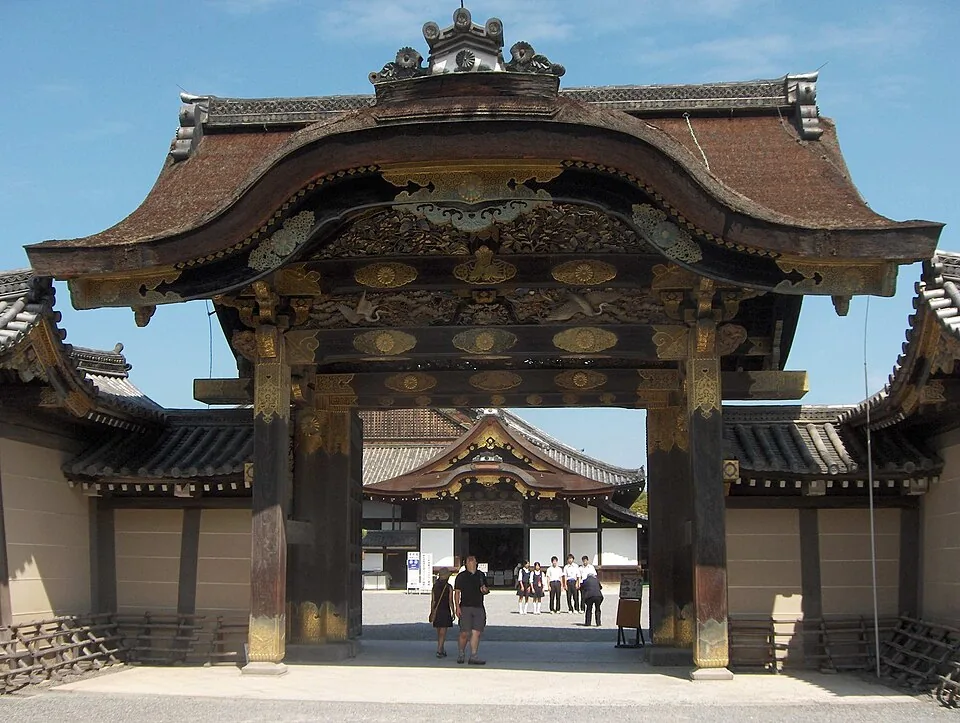
Nijo Castle’s fortified gates and painted reception halls reveal how Tokugawa rule made authority visible in Kyoto. Completed in 1603, the complex welcomed shoguns into the imperial capital and later witnessed the transfer of political power back to the emperor.
Guide preview
The castle’s walls look defensive, but its interiors were designed to make visitors understand rank. Nijo Castle was completed in 1603 for Tokugawa Ieyasu, founder of the shogunate that would govern Japan for more than 260 years. The Ninomaru Palace’s rooms, screens, and thresholds created a carefully staged sequence for receiving lords and officials.
Continue exploring
Discover the full story
Keep reading with a travel pass and explore every full guide and tour.
UpgradeQuick facts
- Nijo Castle was completed in 1603 on Tokugawa Ieyasu’s orders.
- It served as a shogunal residence in Kyoto.
- Tokugawa Yoshinobu announced the return of political authority to the emperor here in 1867.
More places in Kyoto
Adashino Nenbutsu-ji
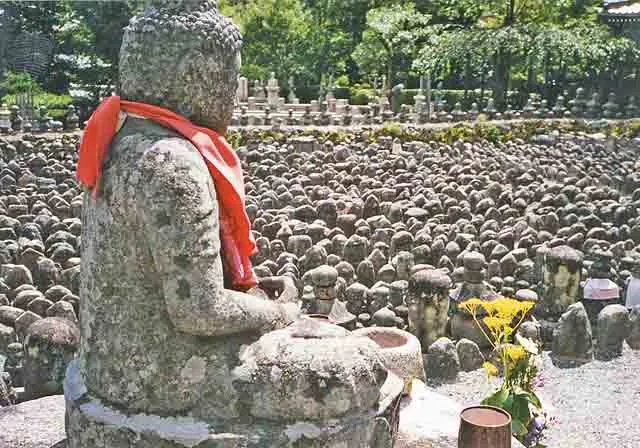
Adashino Nenbutsu-ji is a Buddhist memorial site where thousands of stone markers honor the dead. Its quiet bamboo grove and memorial grounds ask visitors to approach the place with care, recognizing it as a site of prayer and remembrance.
Arashiyama Bamboo Grove
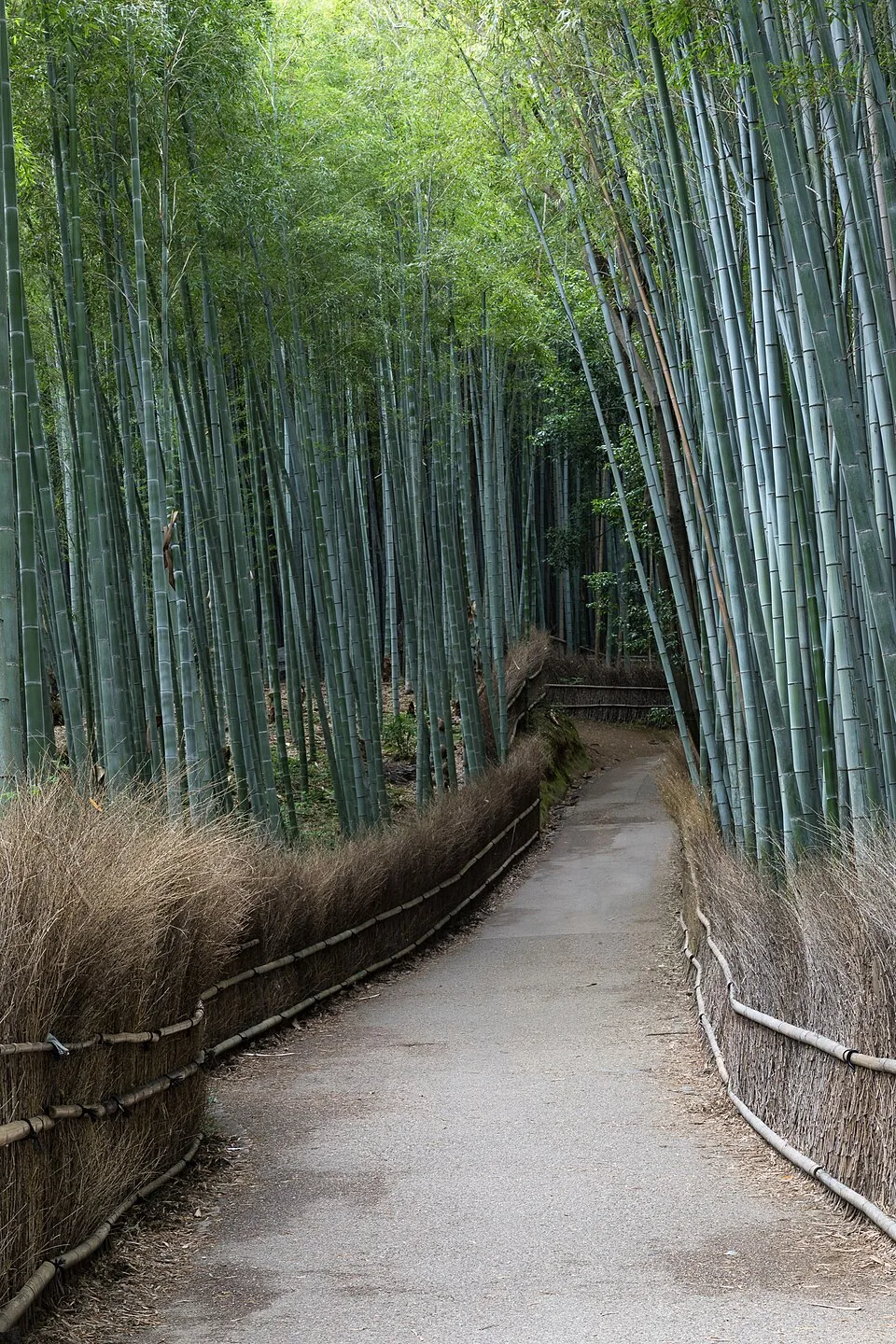
The Arashiyama Bamboo Grove is a narrow path through tall bamboo on Kyoto’s western edge. Its striking vertical lines make a small walk feel enclosed, while the grove belongs to a wider landscape of wooded hills and historic sites.
Byodo-in
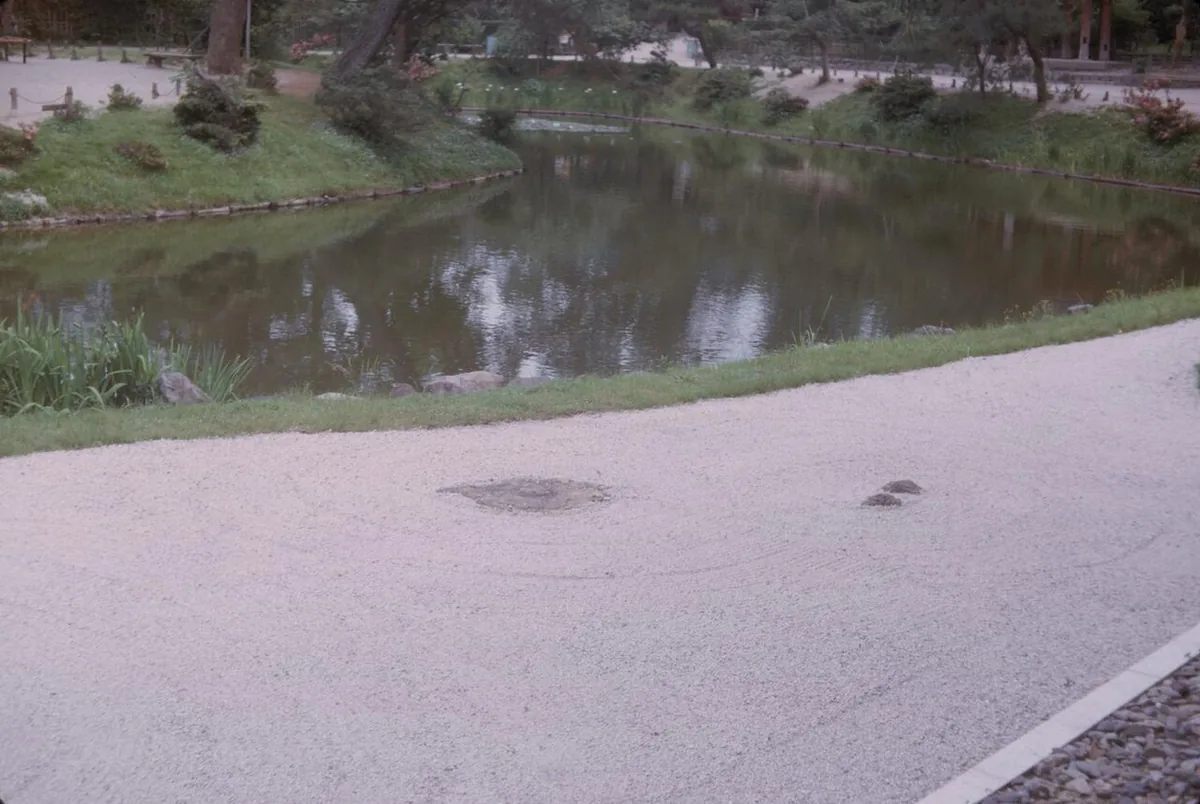
Byodo-in’s Phoenix Hall appears to float above its pond, its wings reflected in the water. The temple’s garden was shaped to evoke the Buddhist Pure Land, making architecture and landscape part of a carefully composed religious image.
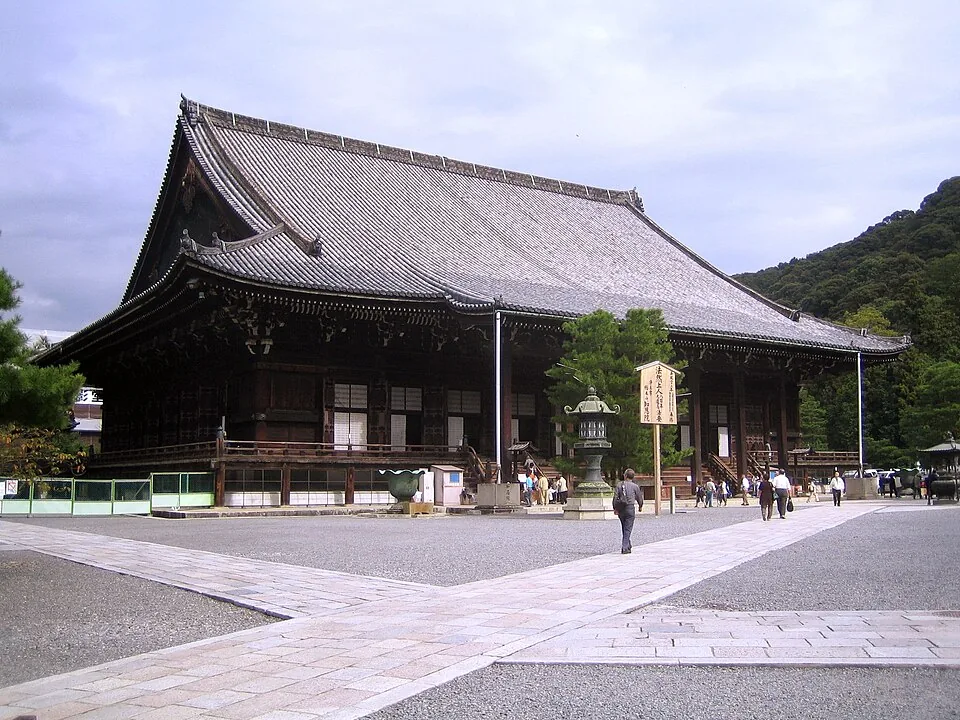
Chion-in
Chion-in’s monumental Sanmon gate frames entry to the head temple of Pure Land Buddhism. Built in 1621, the two-story timber structure is both an architectural landmark and a threshold into grounds associated with teacher Honen.
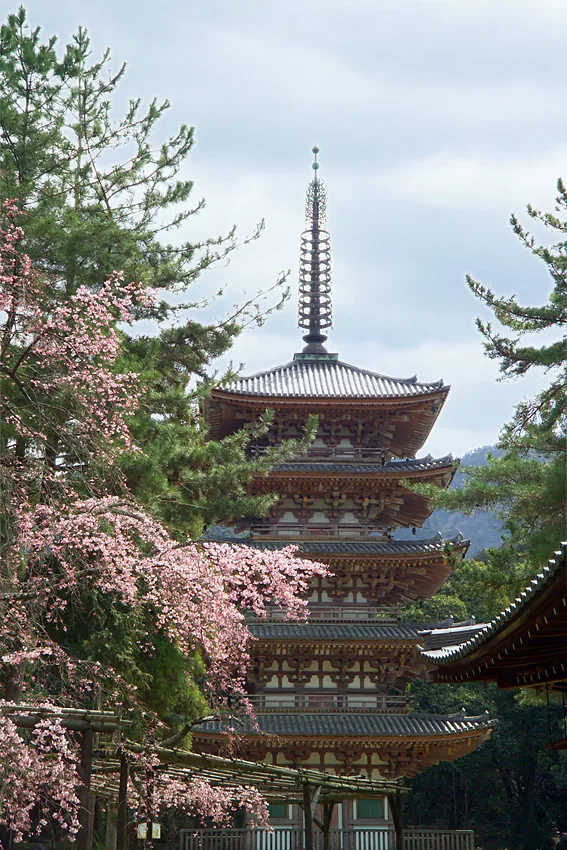
Daigo-ji
Daigo-ji stretches from a lower temple precinct up the slopes of Mount Daigo. Its pagoda, gardens, and mountain paths reflect how a Buddhist temple can encompass both built architecture and a much larger sacred landscape.
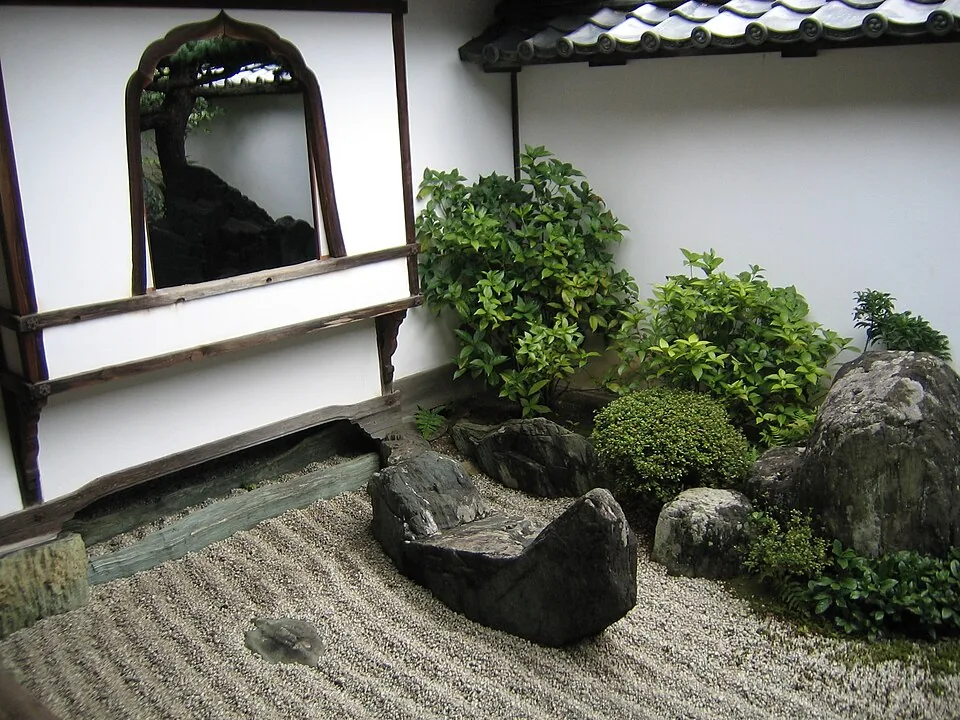
Daisen-in
Daisen-in is a small subtemple within Daitoku-ji, known for its dry landscape garden and historic abbot’s quarters. Its compact design uses stones, gravel, and carefully ordered views to suggest a wider journey through nature.