Explore locations
Browse places by name, city, country or category.
All locations
1624 locations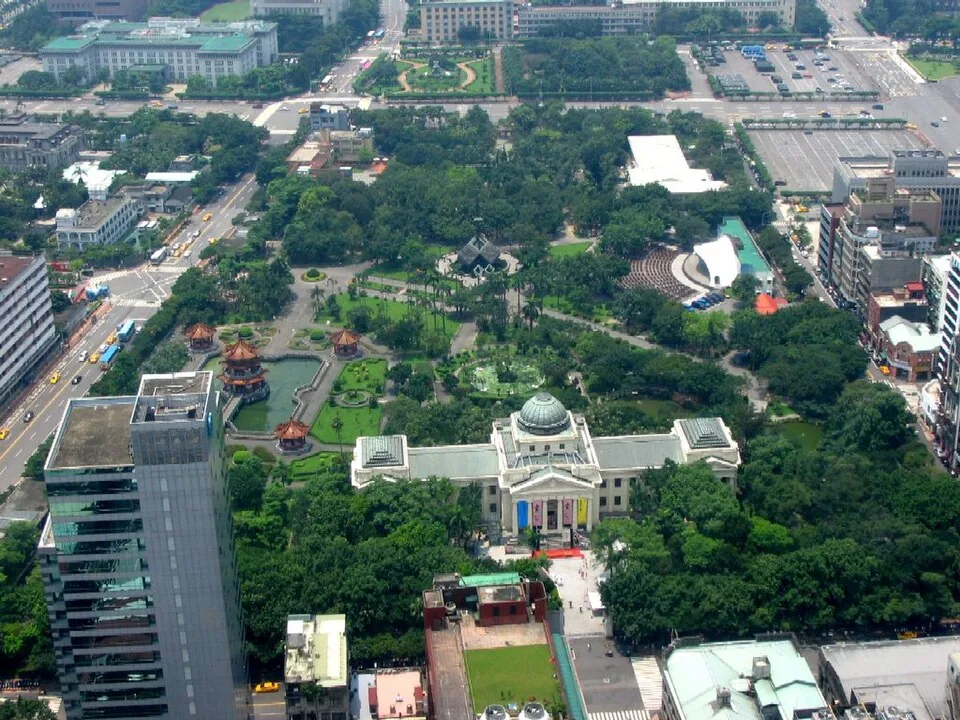
National 228 Memorial Museum
The 228 National Memorial Museum occupies a 1931 building that has served as an art exhibition venue, legislative meeting place, and information center. Its layered institutional history connects Taiwan’s February 28 Incident and subsequent pursuit of democracy with the building itself.
National Archaeological Museum
Madrid’s National Archaeological Museum brings together objects that help trace human societies across Iberia and the wider ancient world. Its imposing nineteenth-century home is part of the story: a national collection assembled to preserve and interpret a past scattered among institutions.
National Art Center Tokyo
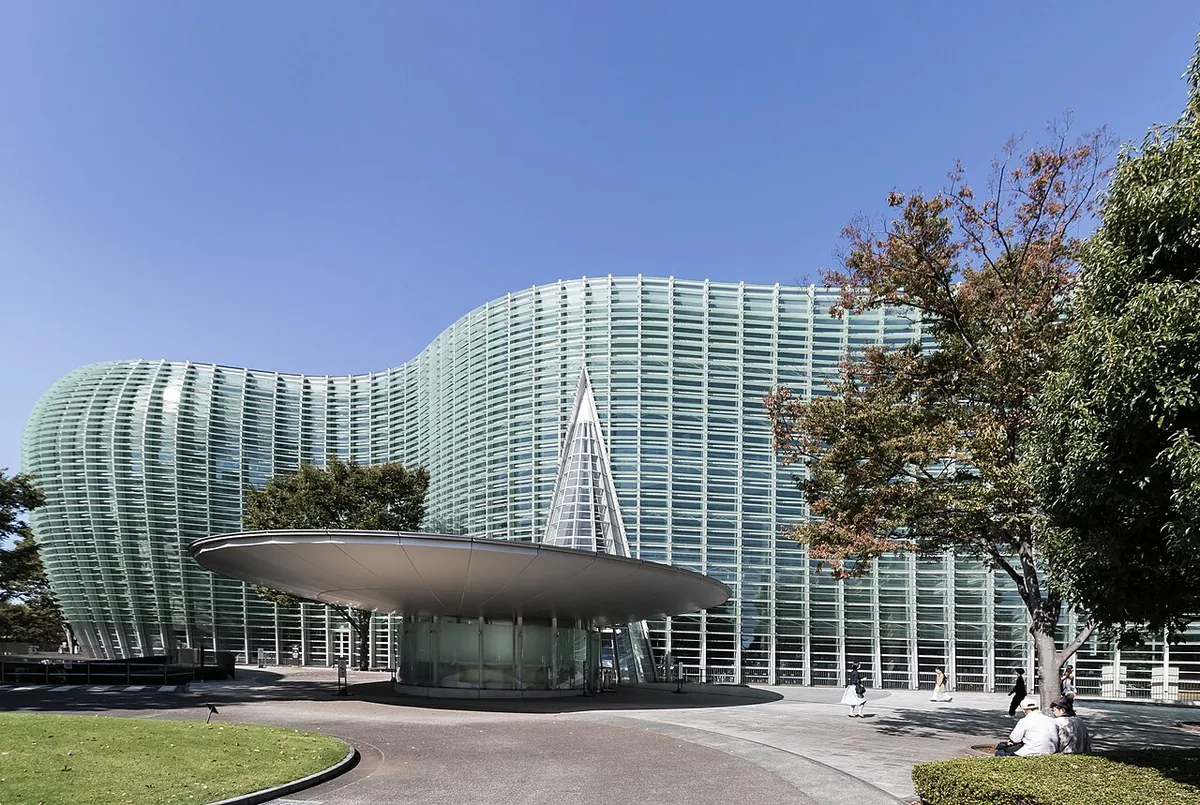
The National Art Center, Tokyo is a large exhibition venue rather than a museum with its own permanent collection. Kisho Kurokawa’s rippling glass façade and conical entrance open a bright interior to nearby trees, making the building itself a changing frame for temporary exhibitions.
National Art Gallery
Malaysia’s National Art Gallery collects, preserves and exhibits the country’s visual arts. Its institutional history begins at independence, and its changing exhibitions place Malaysian artists in conversation with regional and international art movements.
National Art Museum of Catalonia
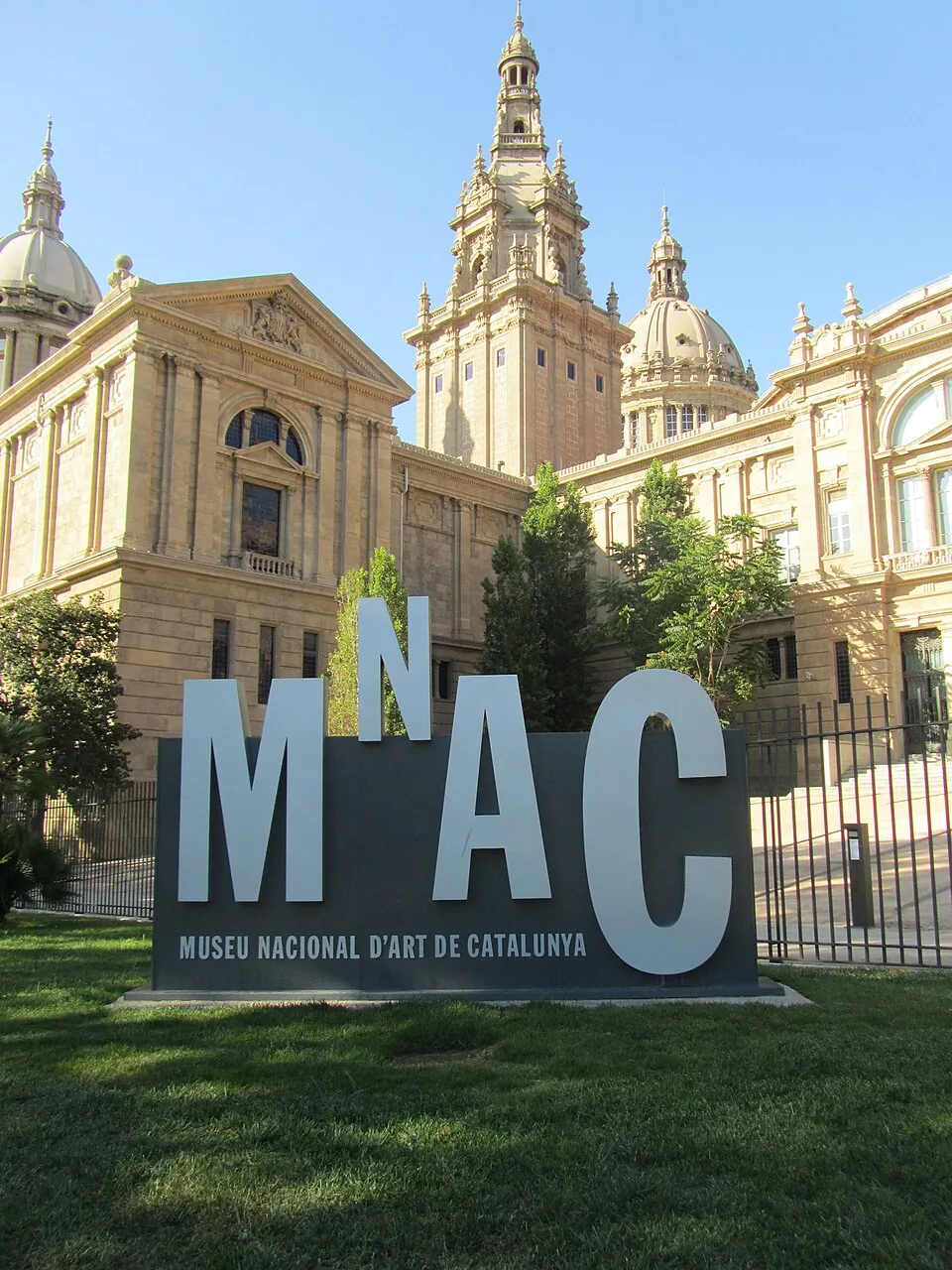
The National Art Museum of Catalonia occupies Palau Nacional, built for Barcelona’s 1929 International Exposition. Its monumental dome houses collections spanning a millennium, including Romanesque mural paintings that were removed from churches and preserved inside the museum.
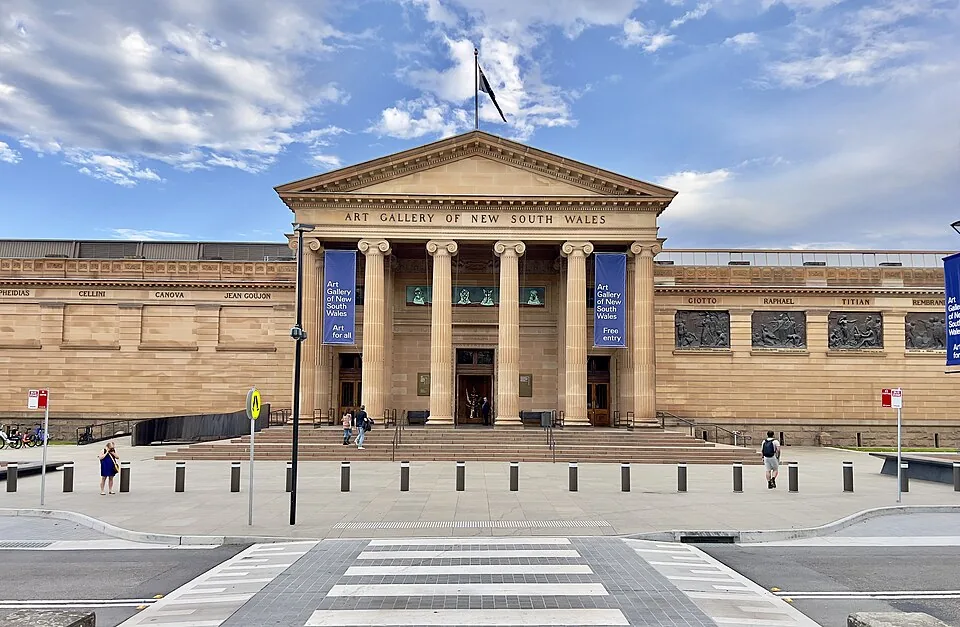
National Gallery
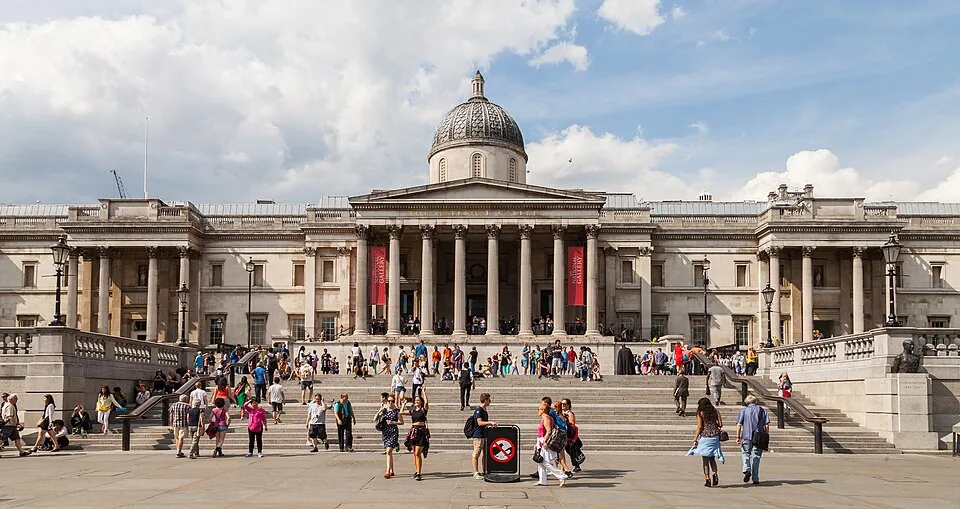
The National Gallery’s columned frontage faces Trafalgar Square, but the collection began in a townhouse. Its move to William Wilkins’s purpose-built building in 1838 reflects a national ambition to make paintings accessible in a prominent public setting.
National Gallery Singapore
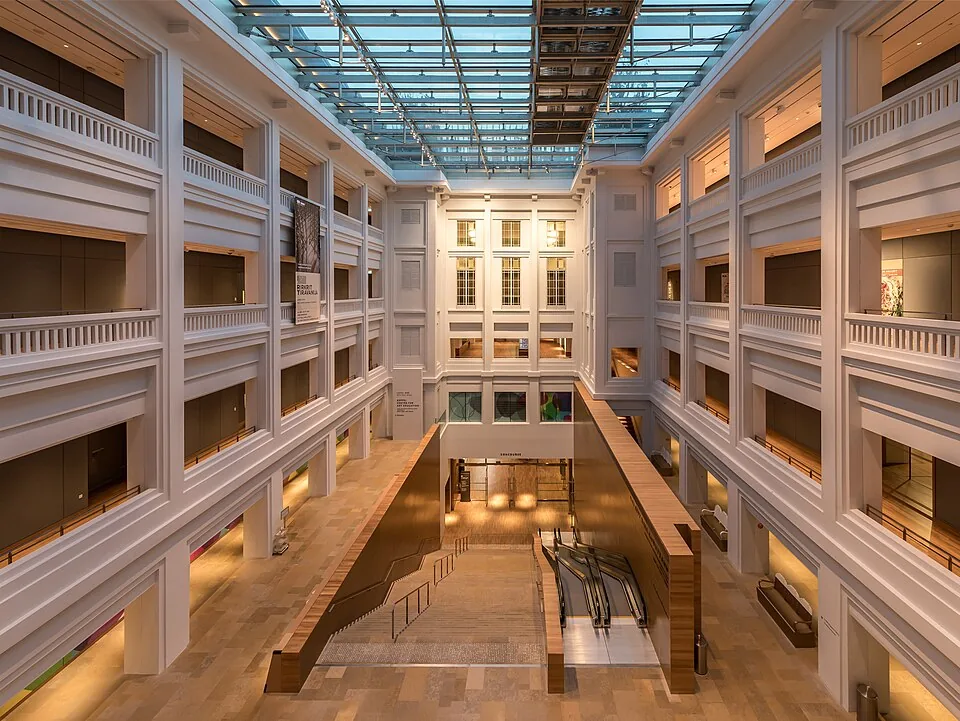
National Gallery Singapore occupies the former City Hall and Supreme Court, two buildings that witnessed defining episodes in the nation’s history. Their preserved architecture now houses a public collection focused on Singapore and Southeast Asian art, connecting civic memory with cultural interpre
National Library Building
The National Library Building stands as a modern civic landmark on Victoria Street. Beyond its public reading spaces, the institution preserves Singapore’s documentary heritage through a national collection spanning the country’s languages and fields of knowledge.
National Library of Latvia
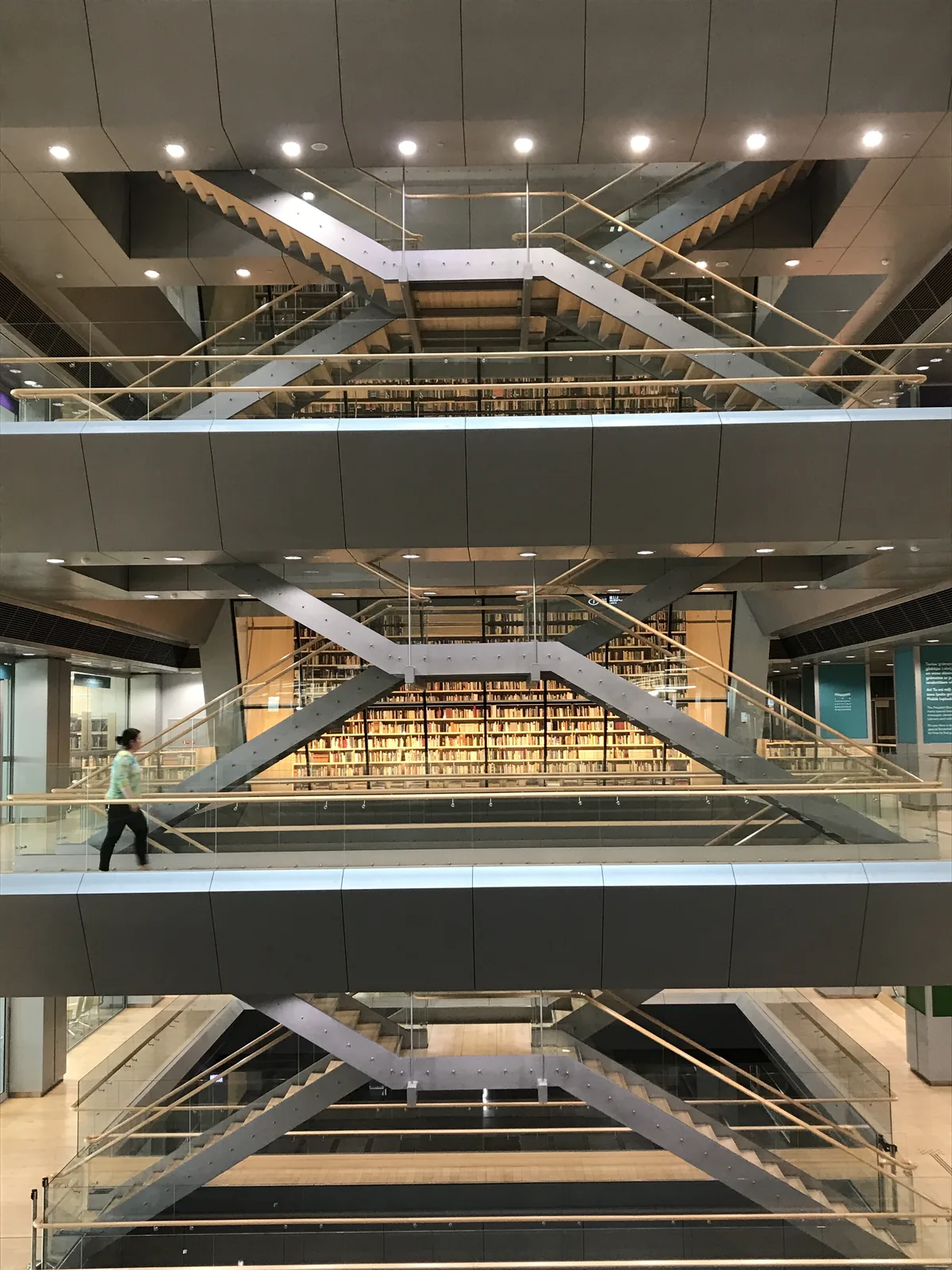
The National Library of Latvia occupies the Castle of Light, an angular building across the Daugava from Old Riga. Its architecture, collections and People’s Bookshelf connect a modern research library with Latvian cultural memory.
National Maritime Museum
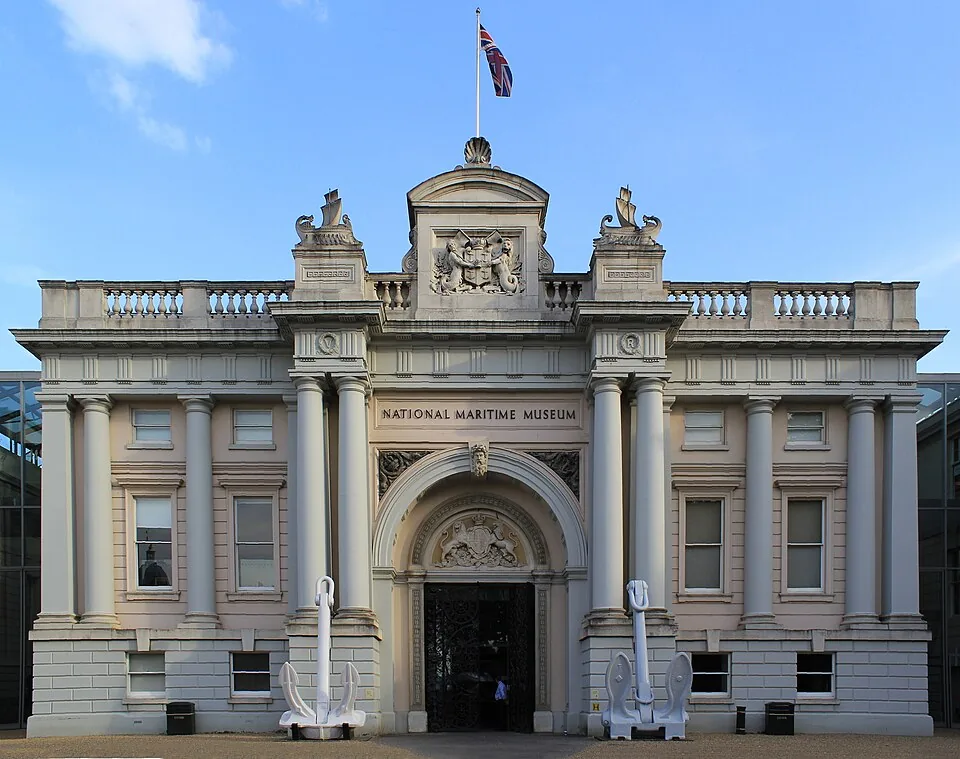
The National Maritime Museum sits within a wider Greenwich landscape of palace, park, observatory, and river. Opened in 1937, it brings together ship models, navigational instruments, maritime art, and records that show how seafaring shaped Britain and its global connections.
National Museum of Art
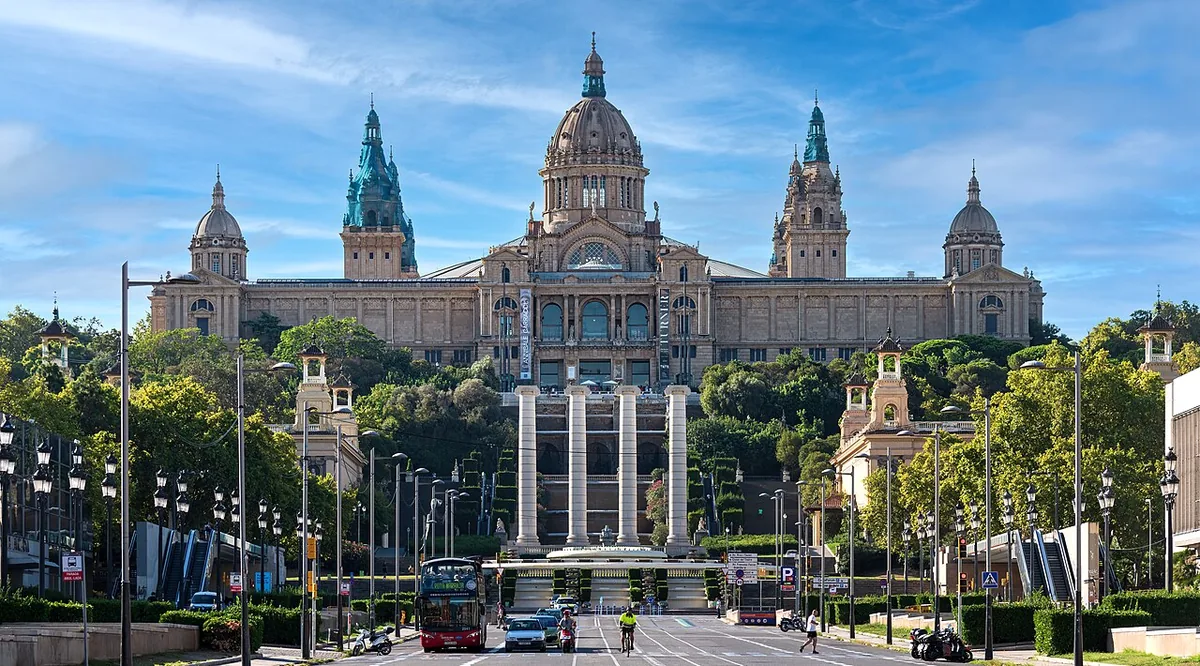
A steel-and-glass structure rises above the Nakanoshima district, but the National Museum of Art descends beneath it. Its bamboo-like exterior and bright central atrium turn an underground gallery into a carefully staged passage from city daylight to modern art.
National Museum of Decorative Arts
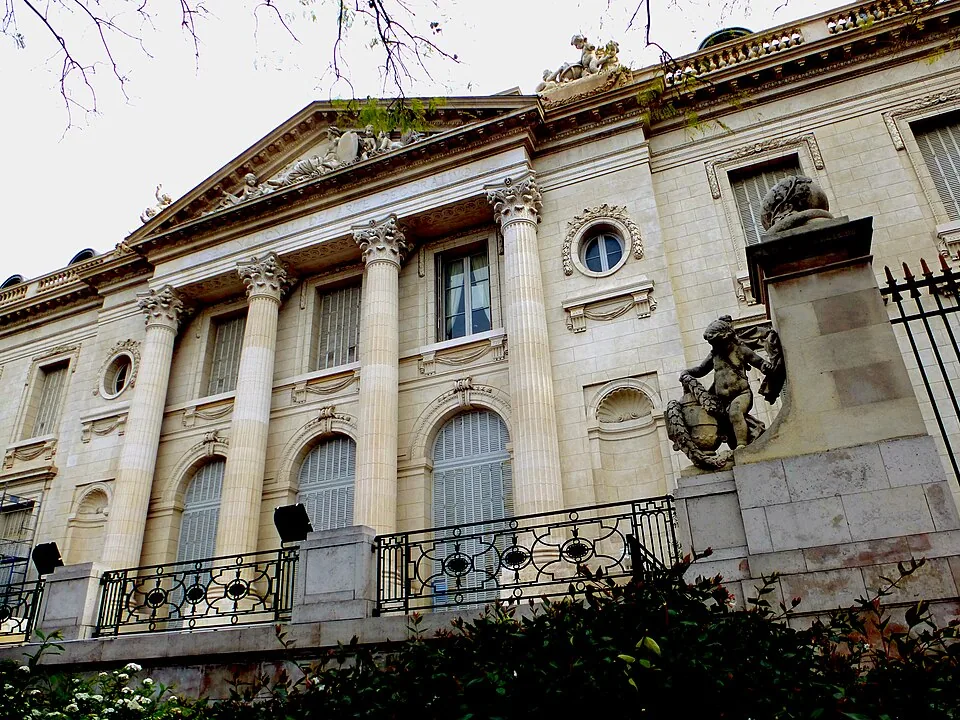
The National Museum of Decorative Arts began as a museum of industrial arts, devoted to objects that joined skilled making with everyday use. Its move into a nineteenth-century Madrid palace brought that mission into a domestic setting, where furniture, ceramics, and design can be read in context.
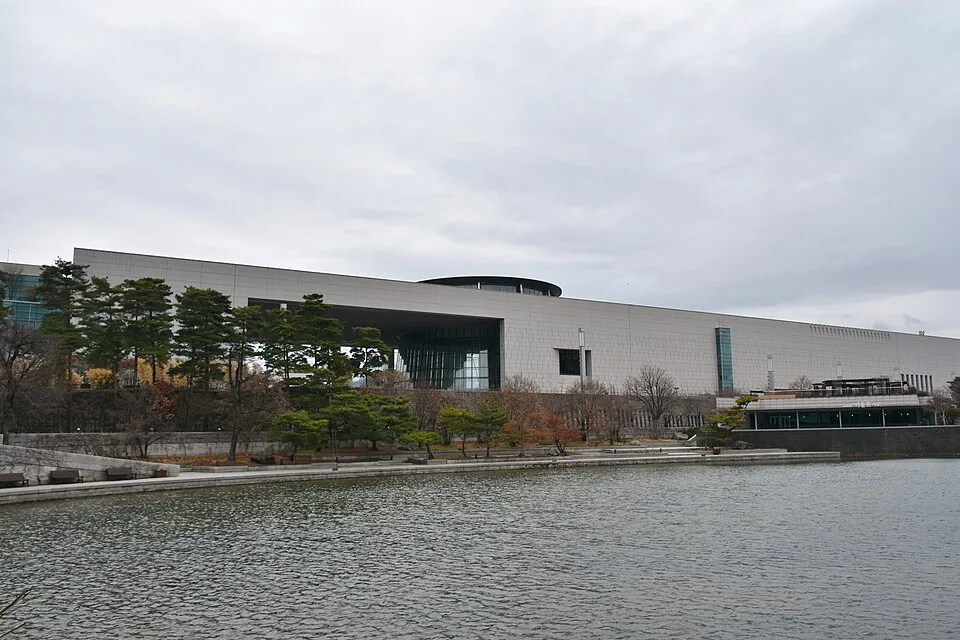
National Museum of Korea
The National Museum of Korea sets a contemporary building within a landscape framed by Namsan and a reflecting pond. Its galleries connect artifacts from Korean history with objects from cultures across Asia and the wider world.
National Museum of Literature and Music
The National Museum of Literature and Music’s permanent exhibition at Mārstaļu iela 6 explores the creative lives of Latvian writers and musicians. The museum’s collections and reading room are based separately at Pulka iela 8.
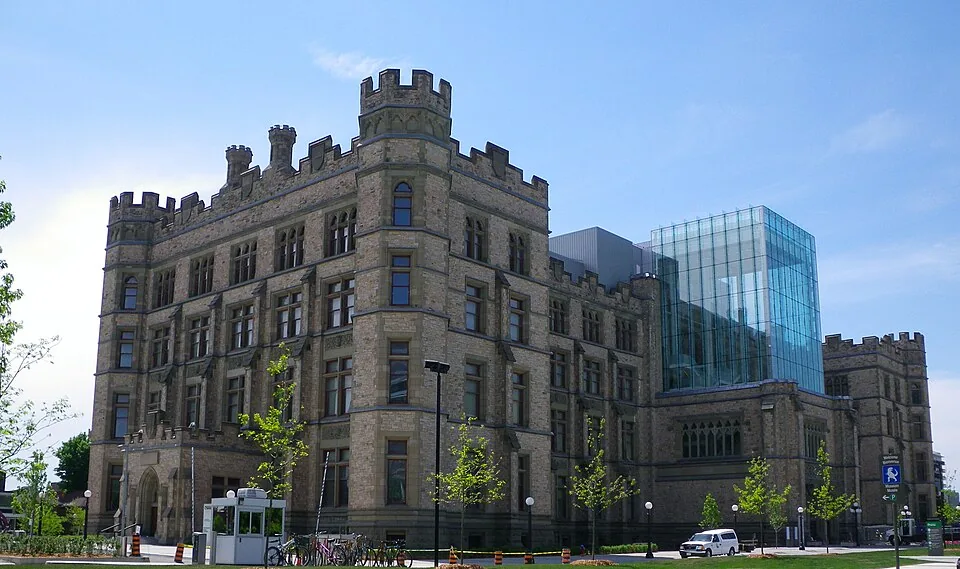
National Museum of Natural Sciences
The National Museum of Natural Sciences connects Madrid’s scientific history with research on the living and geological world. Its collections grew from an Enlightenment-era royal cabinet, then changed as the museum’s roles in teaching, research, and public display evolved.
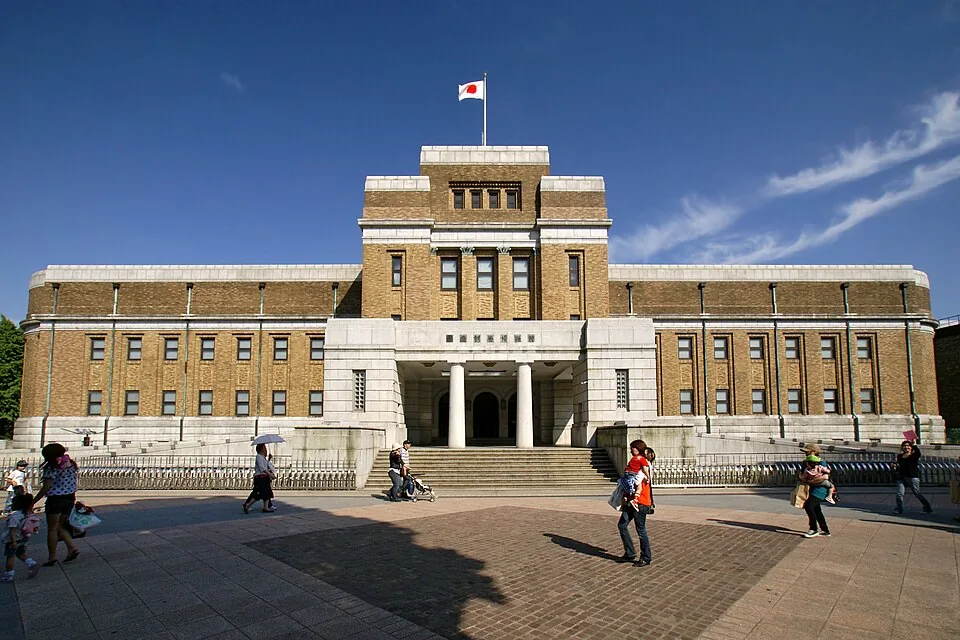
National Museum of Nature and Science
The National Museum of Nature and Science in Ueno connects natural history with the history of science and technology. Its galleries and research collections trace life, Earth, and human ingenuity, while the institution itself dates to Japan’s early modern museum movement.
National Museum of Singapore
The National Museum of Singapore combines a symmetrical nineteenth-century façade with a modern glass extension. Its architecture makes the museum’s own history visible: a civic institution that has repeatedly adapted how it presents Singapore’s past.
National Orchid Garden
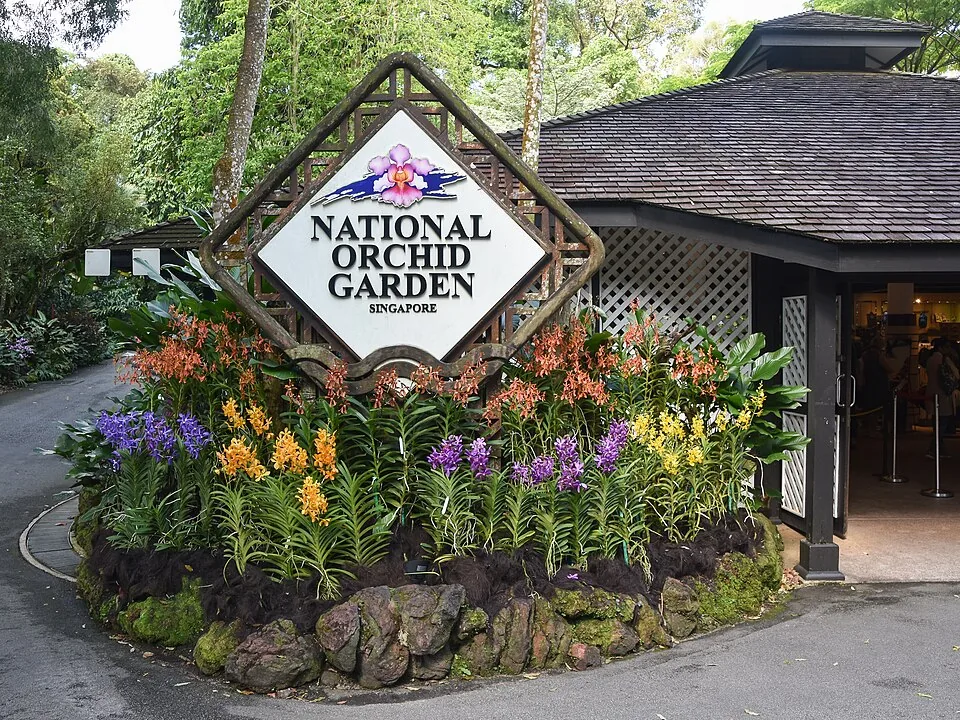
The National Orchid Garden presents Singapore’s orchid collection as a living record of cultivation, hybridisation and display. Colourful beds and specialized houses trace a horticultural story that began at the Botanic Gardens in the nineteenth century.
National Palace Museum
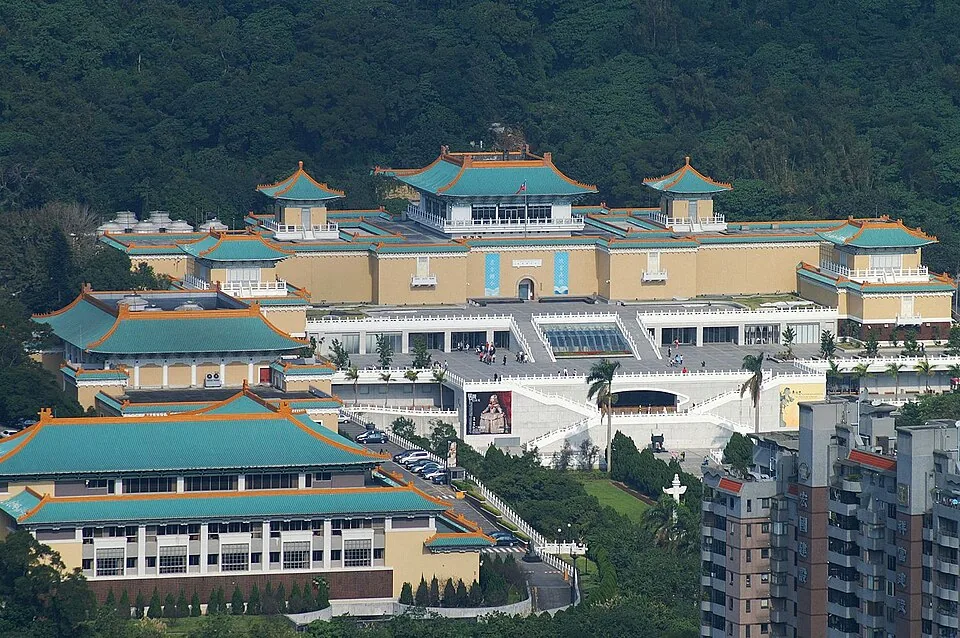
The National Palace Museum’s palace-inspired roofline introduces a collection shaped by movement across institutions and borders. Objects associated with imperial courts now sit within a modern museum whose history includes wartime relocation, preservation, and continued collecting in Taiwan.
National Planetarium
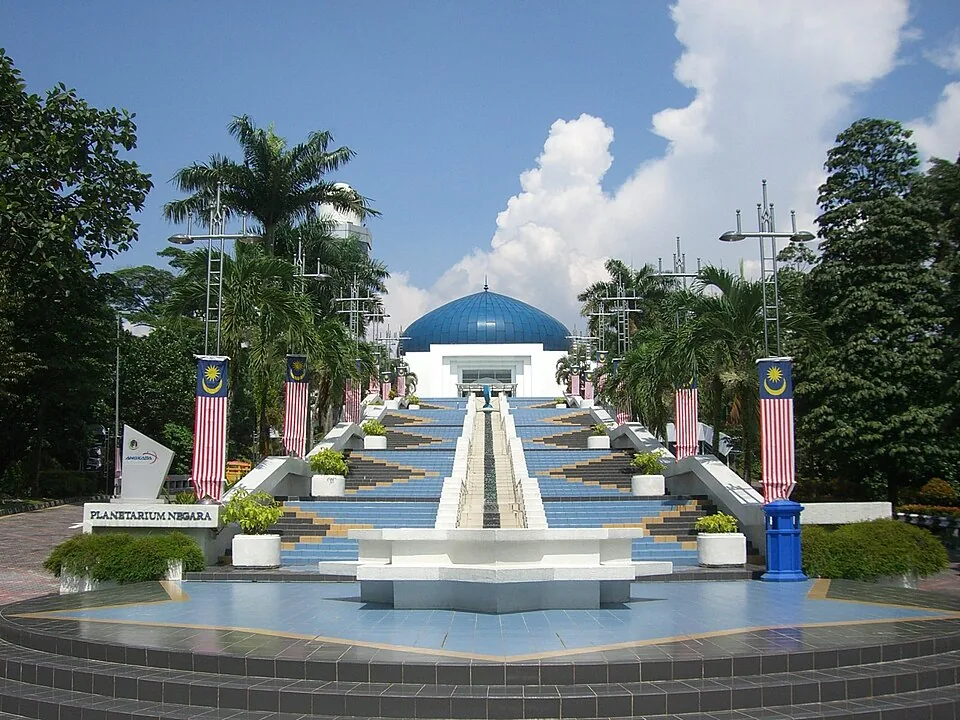
The National Planetarium is Malaysia’s public institution for informal astronomy and space science education. Set within Perdana Botanical Garden, its architecture draws on Islamic design traditions and frames scientific curiosity as a shared cultural pursuit.
National Portrait Gallery
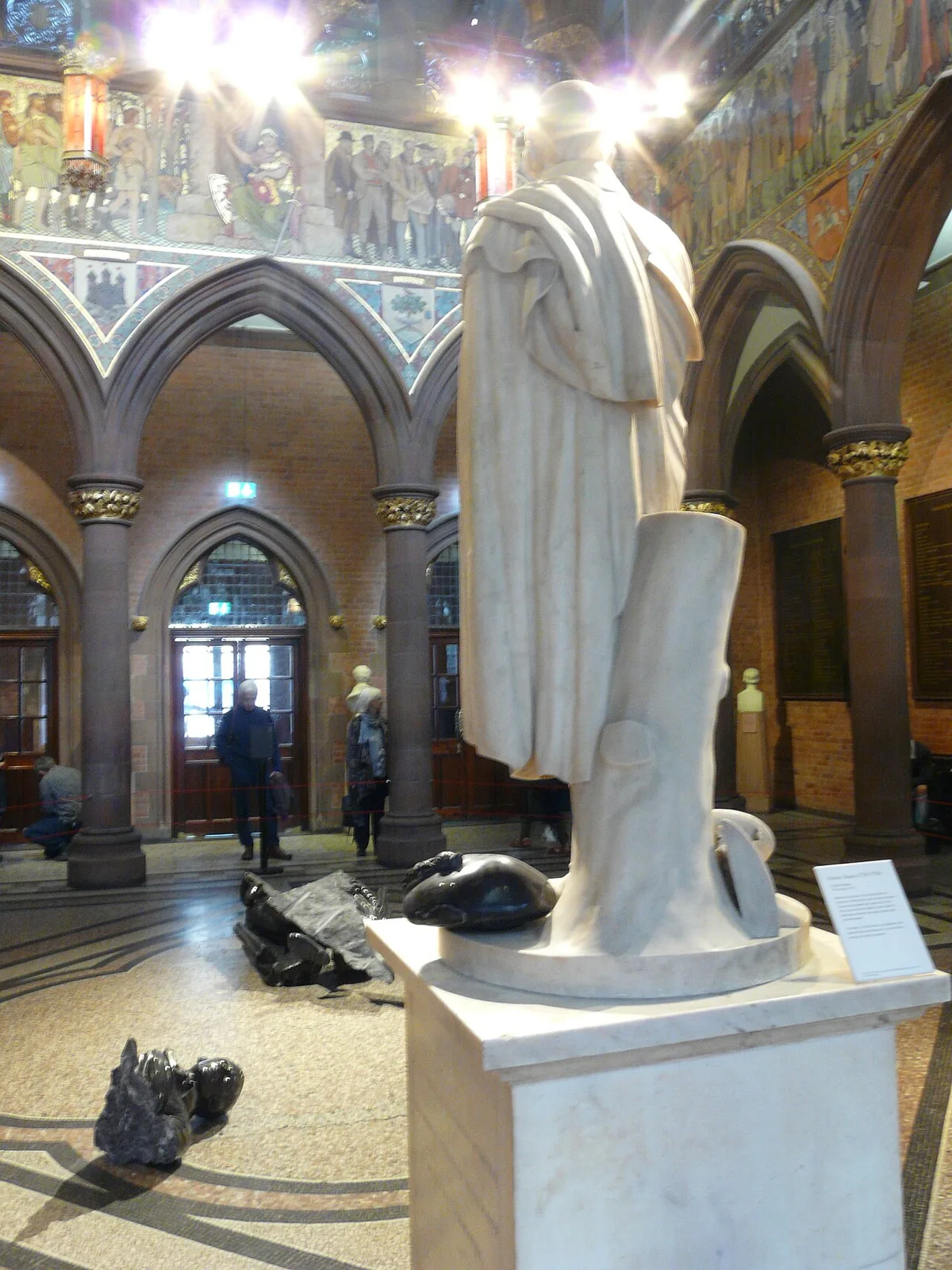
The National Portrait Gallery uses portraits to tell stories about people who have shaped British history and culture. Its collection spans centuries and media, inviting visitors to consider how images construct public identity as well as record a likeness.
National Revolutionary Martyrs Shrine
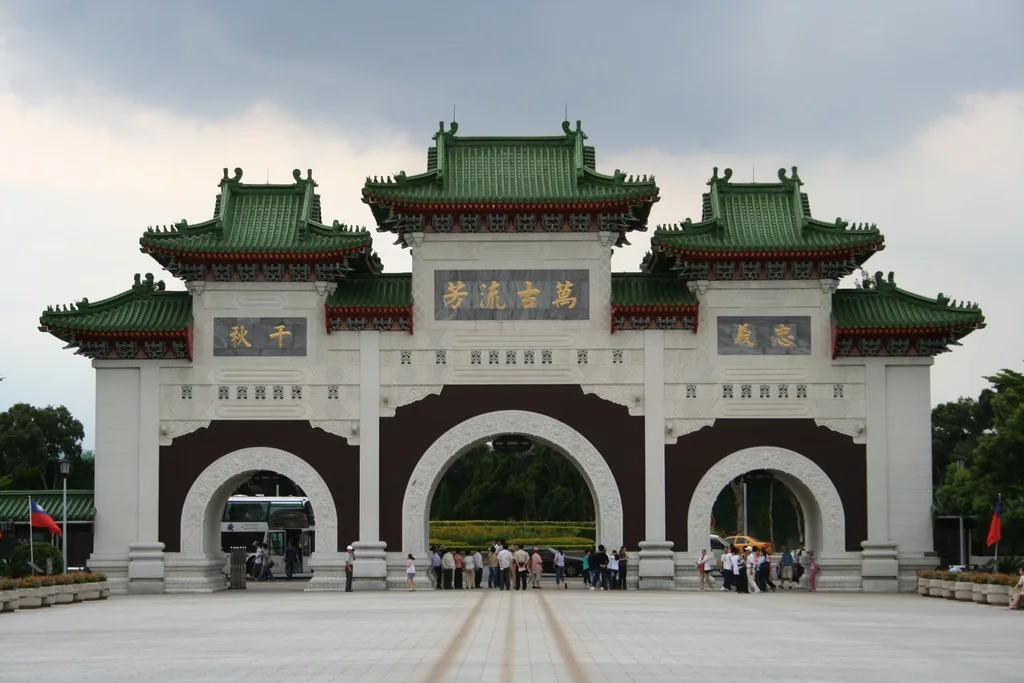
The National Revolutionary Martyrs’ Shrine in Taipei is a solemn memorial complex honoring people recognized as having died in service to the Republic of China. Its ceremonial architecture, mountain backdrop, and memorial halls shape a place for remembrance and national observance.
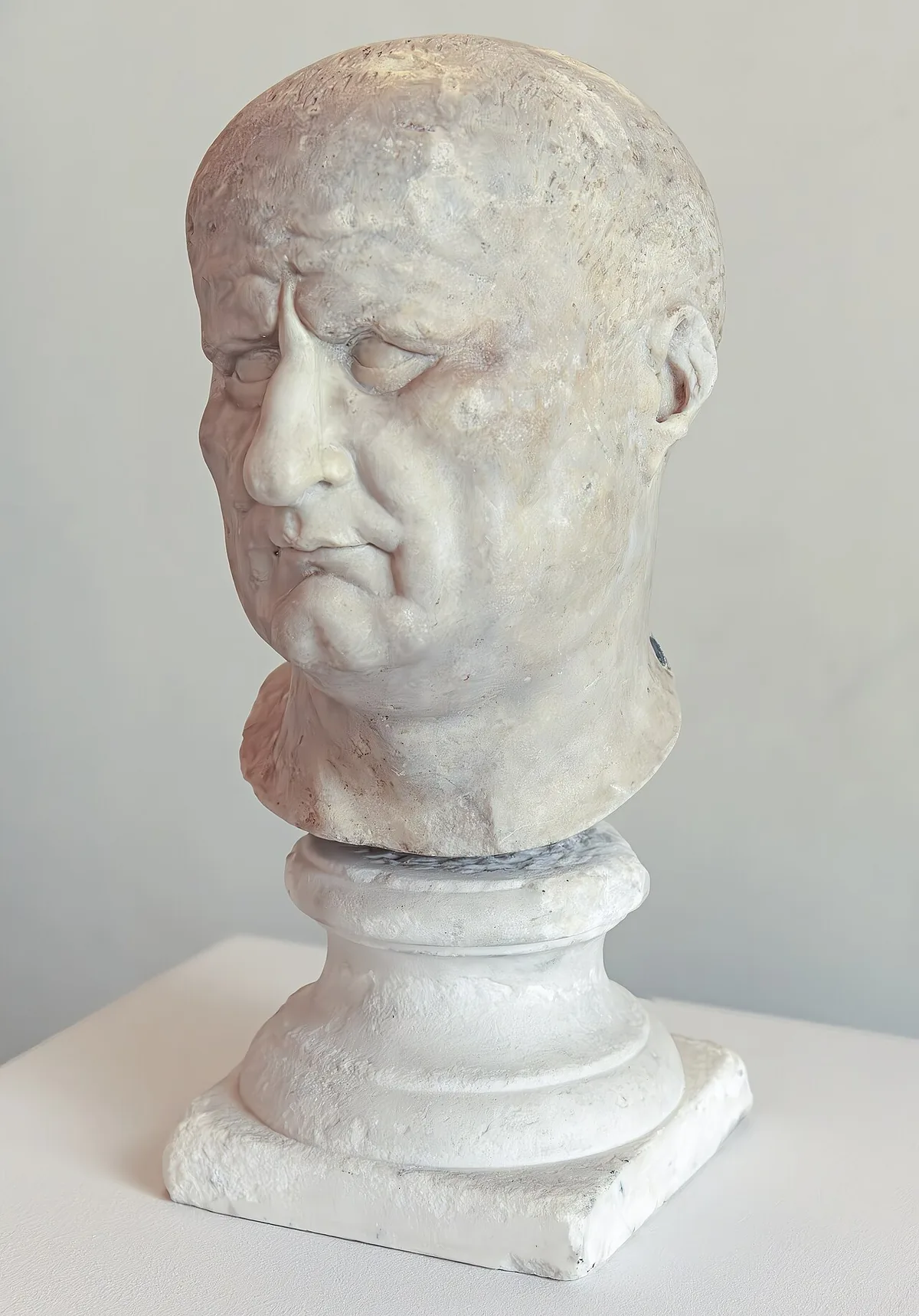
National Roman Museum
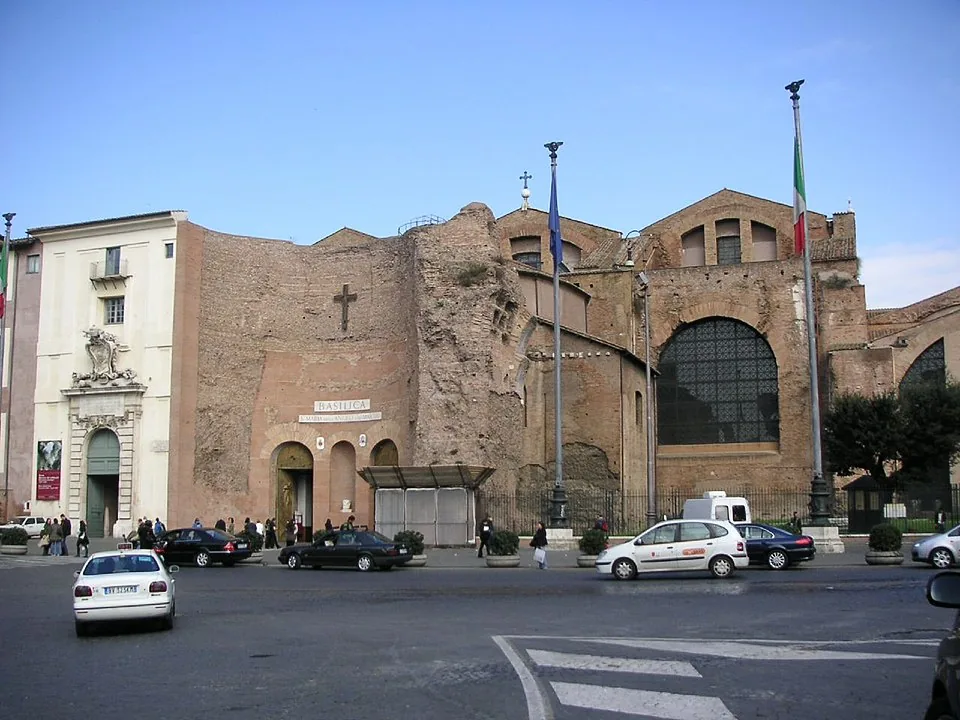
The National Roman Museum spreads its collections across four sites, using objects from excavations in Rome and its surroundings to tell the story of ancient life. Its Palazzo Massimo galleries organize sculpture, frescoes, mosaics, and portraits by period and theme.
National Taiwan Museum
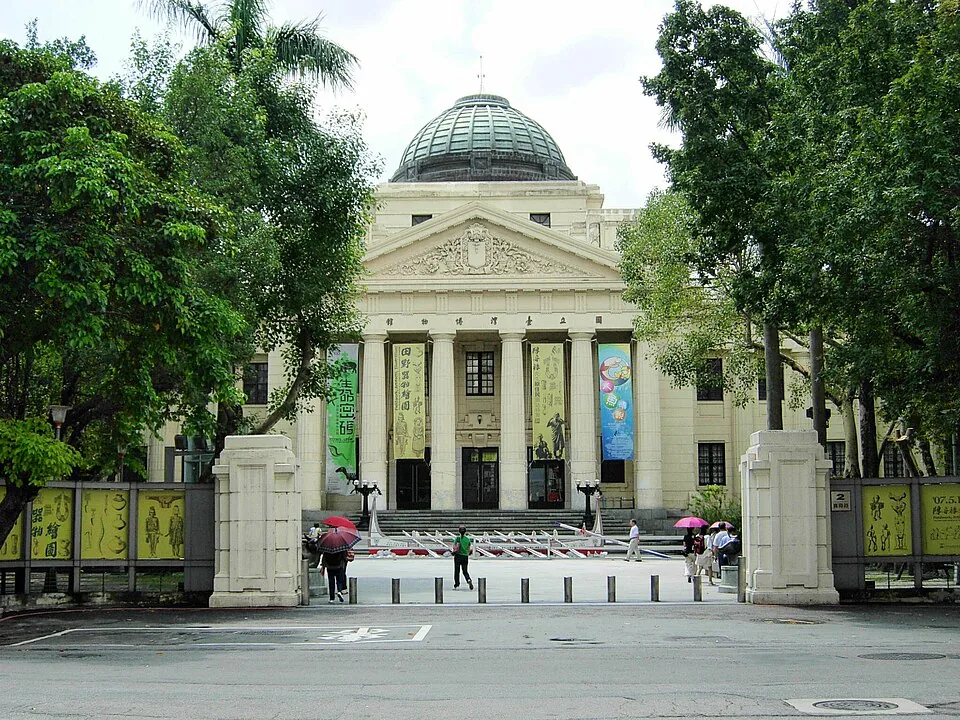
National Taiwan Museum is Taiwan’s oldest museum, tracing its origins to a 1908 institution established during the Japanese colonial period. Its classical building and collections link natural history, industrial development, and the changing ways Taiwan has represented itself.