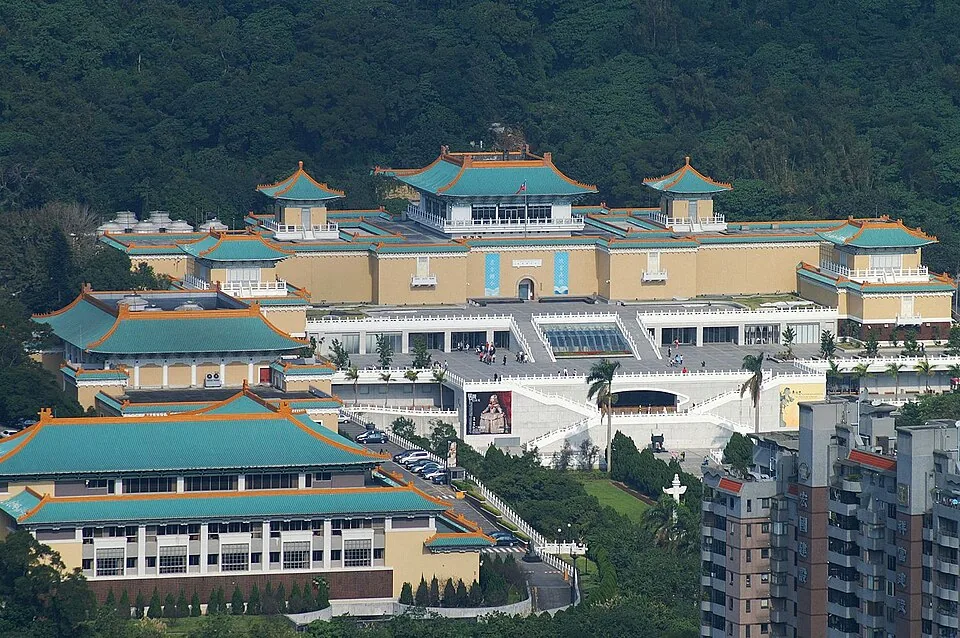
The National Palace Museum’s palace-inspired roofline introduces a collection shaped by movement across institutions and borders. Objects associated with imperial courts now sit within a modern museum whose history includes wartime relocation, preservation, and continued collecting in Taiwan.
Guide preview
The museum’s roofline borrows the upward sweep of a traditional Chinese palace, but the collection’s story is less fixed than the building suggests. The National Palace Museum opened at Waishuangxi in 1965, bringing together holdings from the Palace Museum and the Preparatory Office of the National Central Museum after their relocation to Taiwan.
Continue exploring
Discover the full story
Keep reading with a travel pass and explore every full guide and tour.
UpgradeQuick facts
- The museum was inaugurated at its Waishuangxi site in 1965.
- Its holdings combine objects from two predecessor institutions.
- The museum continues to add acquisitions, donations, and transfers to its collection.
More places in Taipei
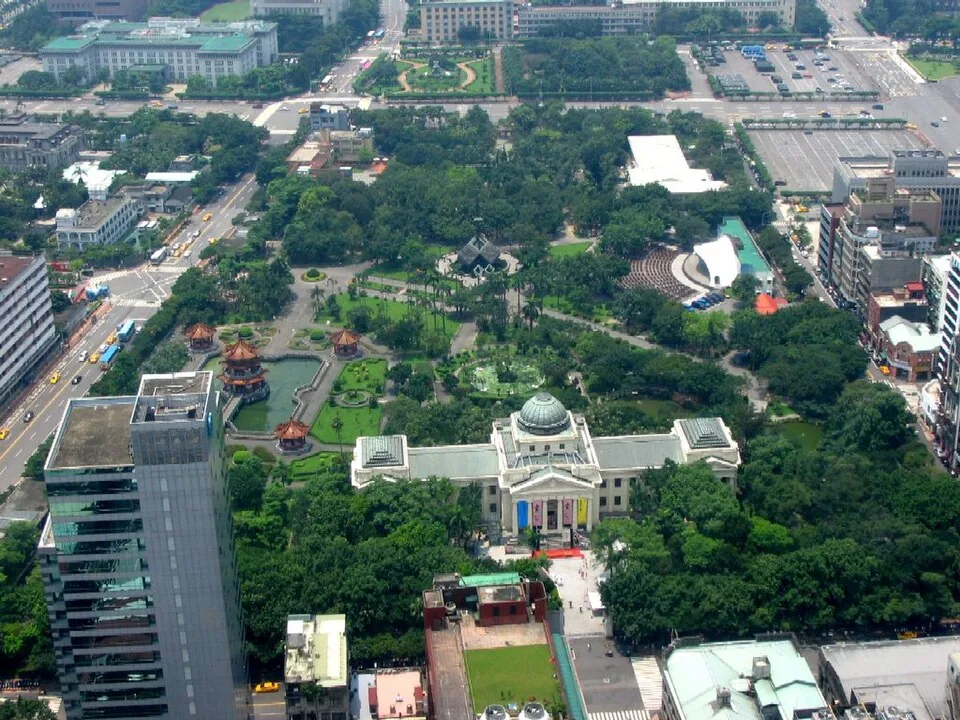
228 Peace Memorial Park
Beneath the shade of mature trees, Taipei’s central park holds a public landscape of remembrance. Its name links everyday recreation with the February 28 Incident, while the memorial marker and nearby museum give visitors ways to meet a difficult chapter of Taiwan’s history.
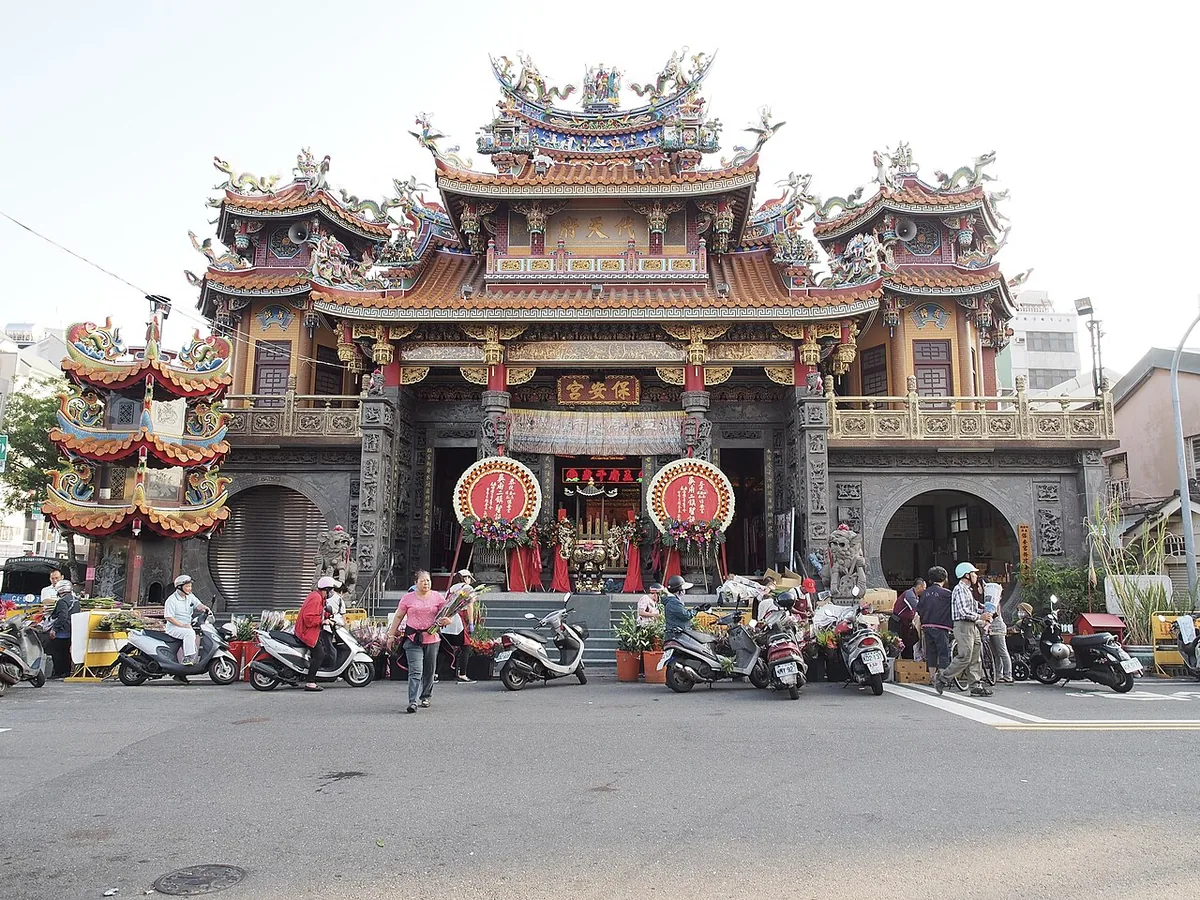
Bao'an Temple
Dalongdong Bao’an Temple is a neighborhood sanctuary dedicated to Baosheng Dadi, the deity associated with medicine. Its elaborate decoration is matched by a careful restoration that combined traditional craft with modern conservation methods.
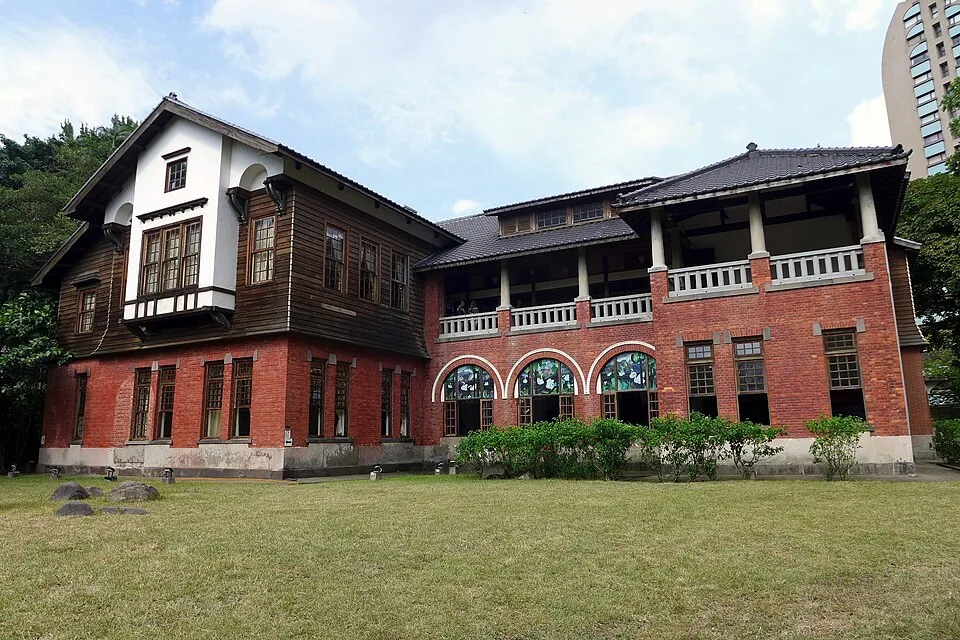
Beitou Hot Spring Museum
A former public bathhouse in Beitou now interprets the city’s hot-spring culture. Its brick-and-wood walls, black-tile roof, and Tudor-inspired appearance stand as a reminder that heritage survives through community choices as much as through architecture.
Beitou Plum Garden
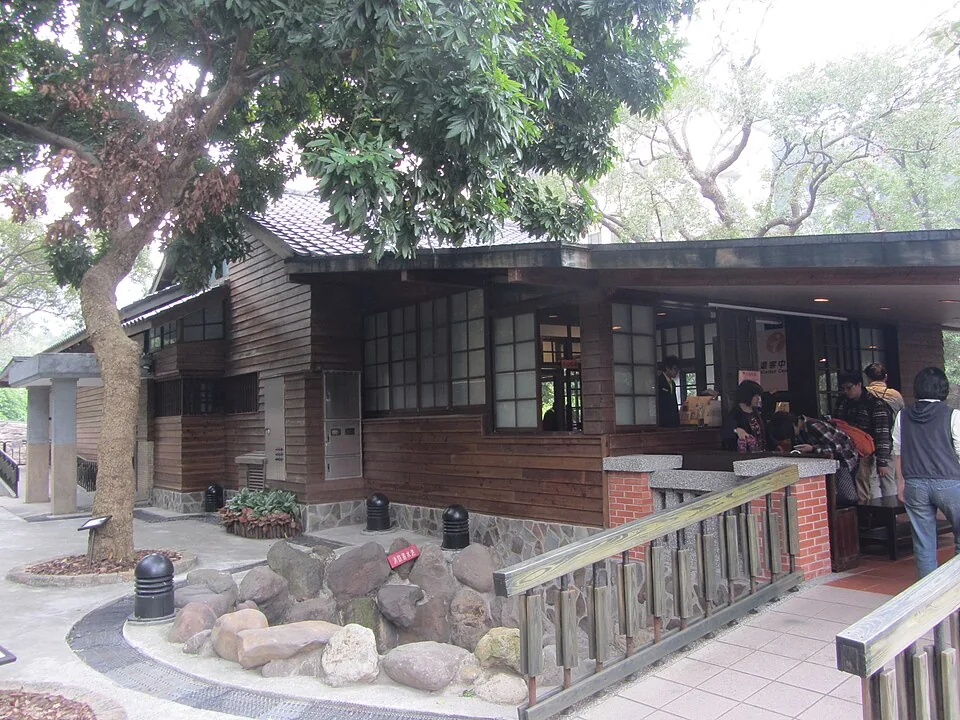
A low timber house in Beitou carries the feel of a private retreat, but its rooms also preserve a record of the district’s twentieth-century history. The garden, Japanese-style construction, and air-raid shelter show how one residence adapted to changing times.
Beitou Thermal Valley
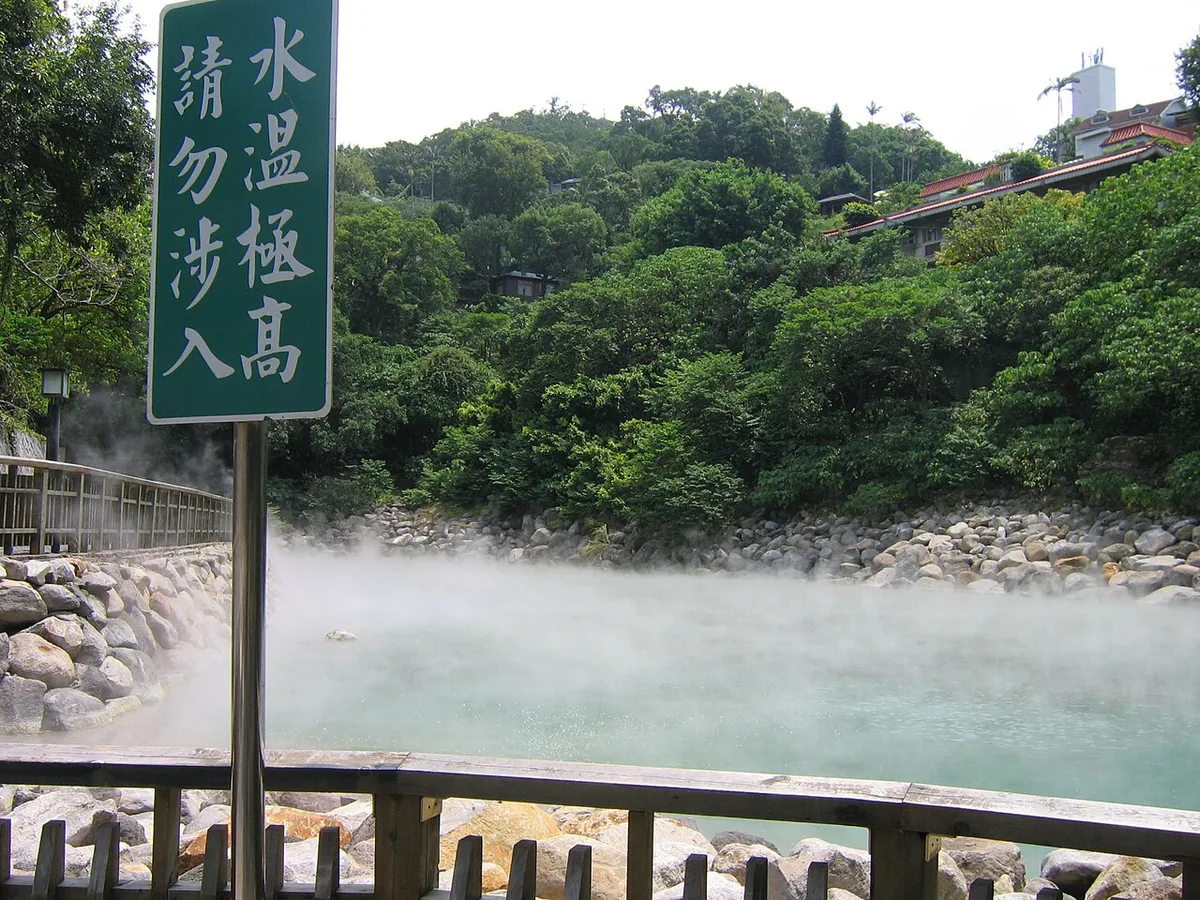
Steam rises from a sulfurous pool in this volcanic valley, where hot spring water reveals heat still moving beneath Beitou. The site also connects local geology to an unusual mineral found here and at a single Japanese counterpart.
Bopiliao Historic Block
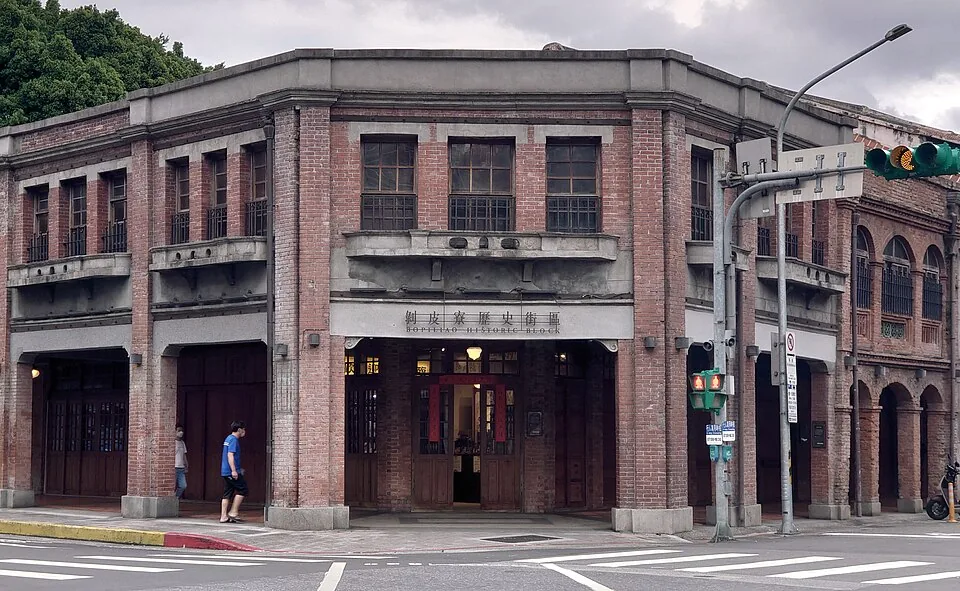
Bopiliao Historic Block preserves a street pattern and building fronts that escaped some later redevelopment. Its brick walls and covered arcades make the district’s layered history visible, while its present use turns preservation into an active part of neighborhood life.