Explore locations
Browse places by name, city, country or category.
All locations
1624 locations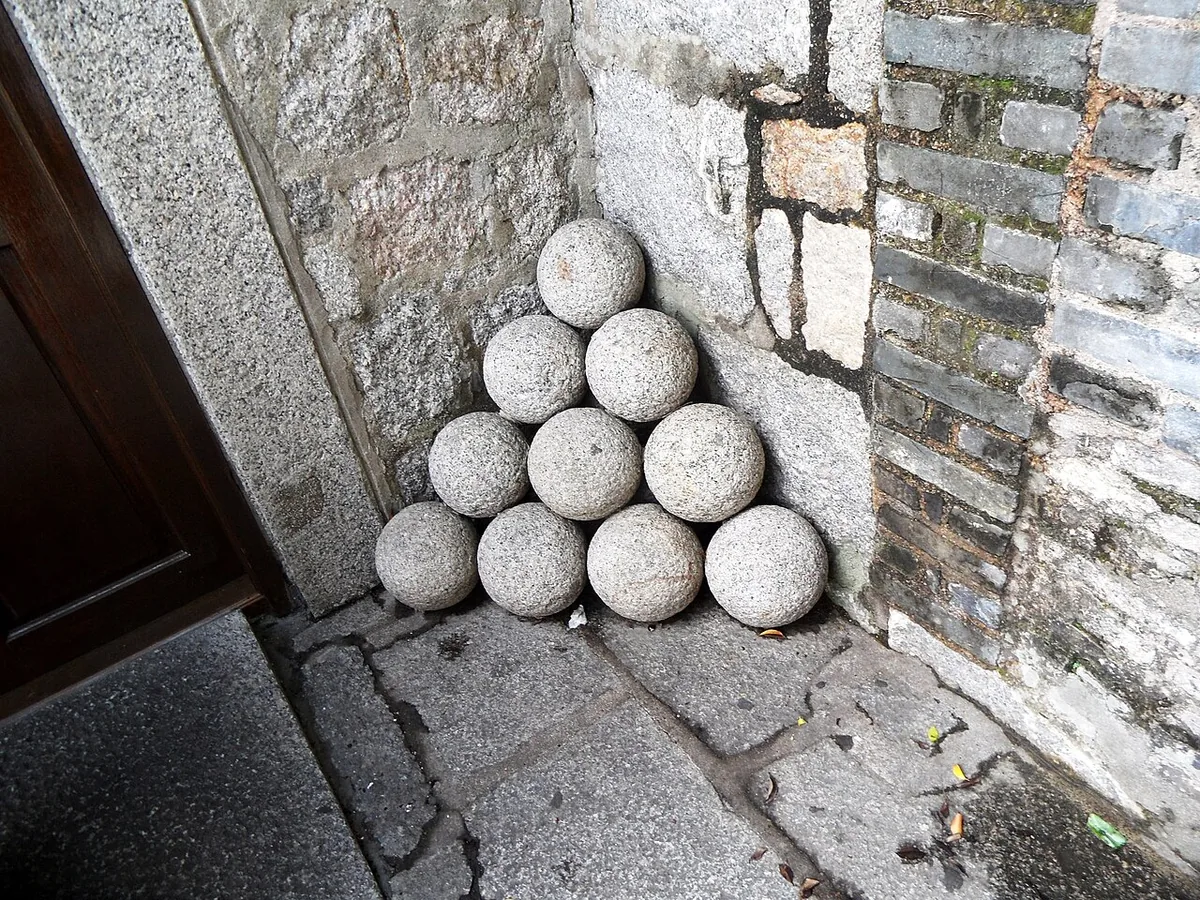
Monte Fortress
Monte Fortress rises above central Macao with broad ramparts that once held cannons, stores, and barracks. The citadel’s elevated position now gives a view across a dense city, while the Macao Museum occupies part of the historic stronghold.
Montelbaanstoren
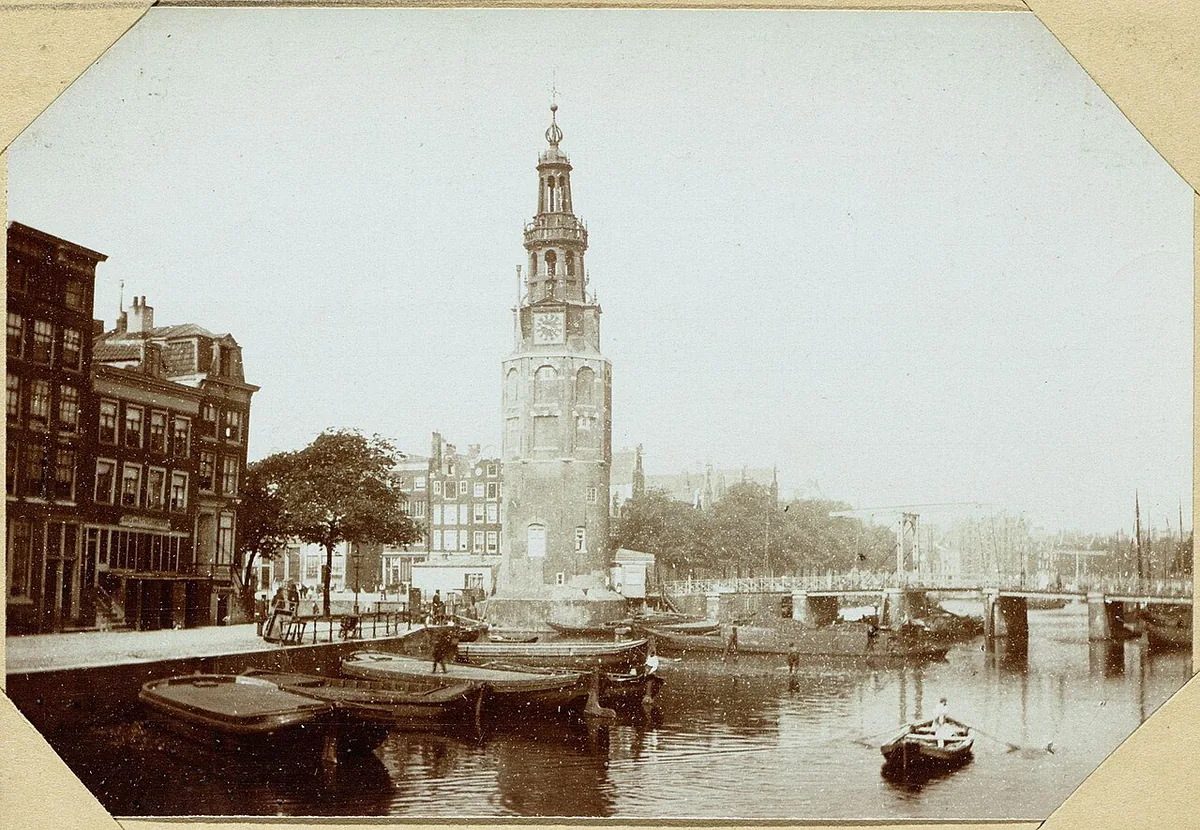
Montelbaanstoren stands beside the Oudeschans, a remnant of Amsterdam’s eastern defenses. Its sturdy lower cylinder and later ornamental upper stage show how the tower shifted from military lookout to urban landmark as the city expanded beyond its old walls.
Montjuïc
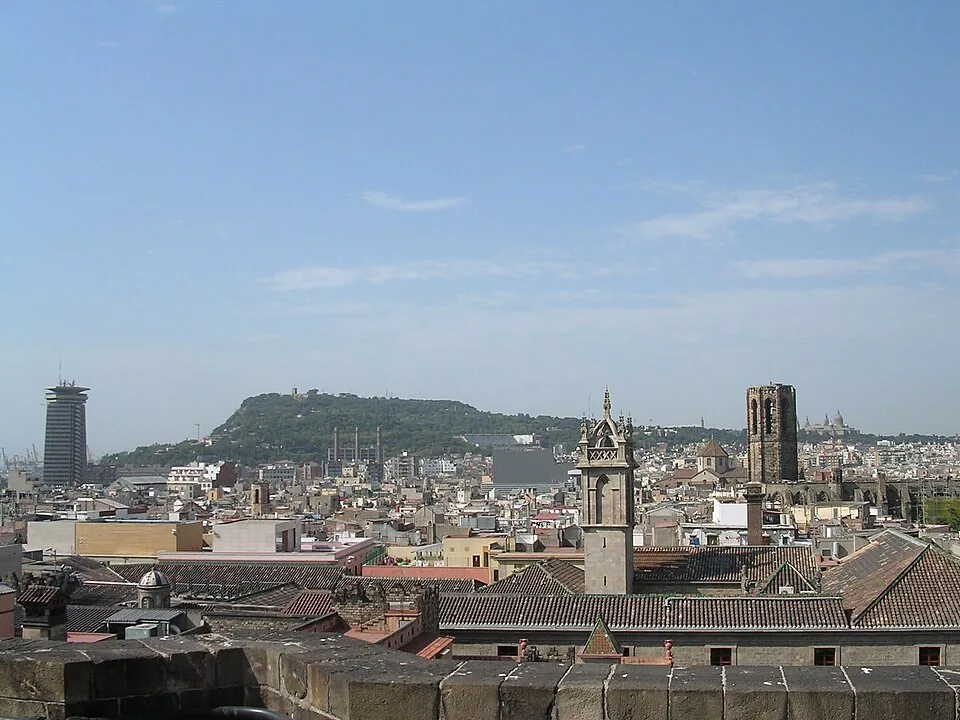
Montjuïc rises above Barcelona as a green cultural landscape shaped by quarries, fortifications, exhibitions, and the 1992 Olympic Games. Its gardens and institutions preserve traces of successive plans to connect the mountain with the city.
Montjuïc Castle
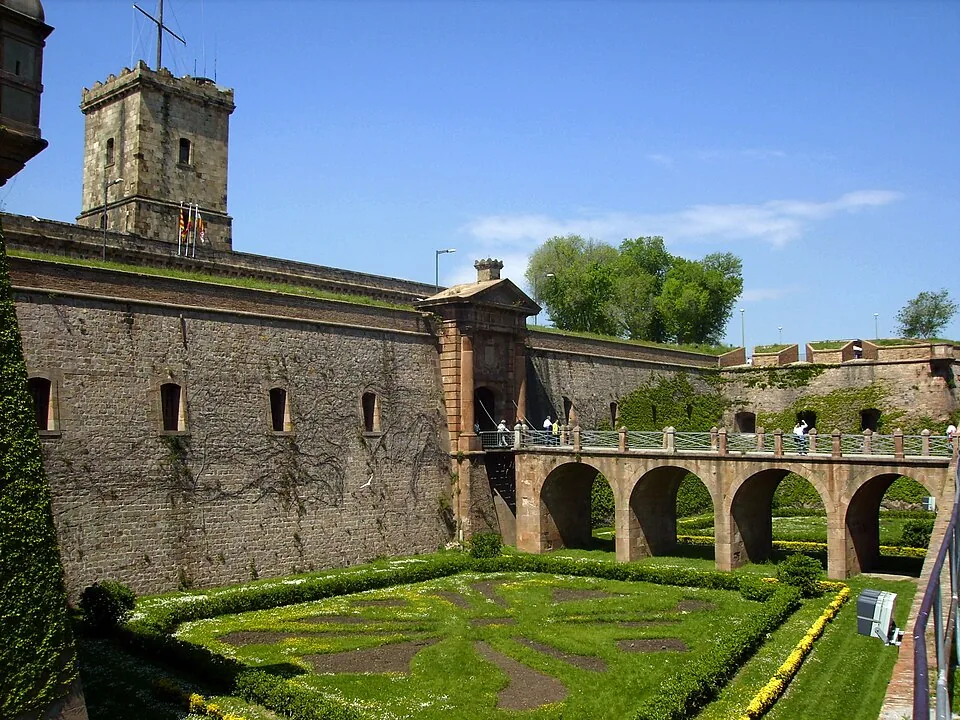
Montjuïc Castle commands a strategic view over Barcelona and its port, but its history is also one of military repression and political imprisonment. The star-shaped fortress began during the Catalan Revolt and was repeatedly altered as the city’s rulers changed.
Montjuïc Cemetery
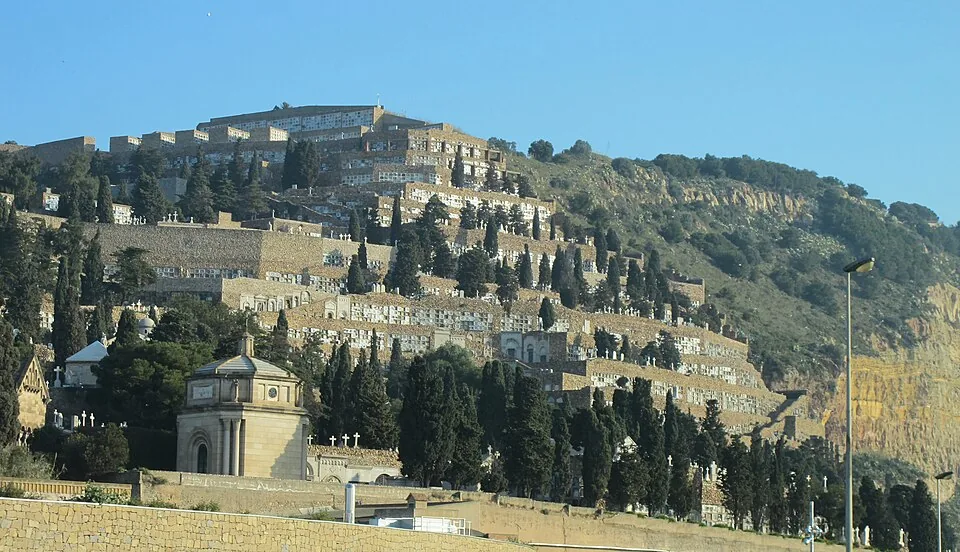
Montjuïc Cemetery opened in 1883 on Barcelona’s hillside, designed by municipal architect Leandre Albareda. Its landscaped terraces contain elaborate family monuments that reflect the city’s social history and changing funerary styles.
Montjuïc Olympic Ring
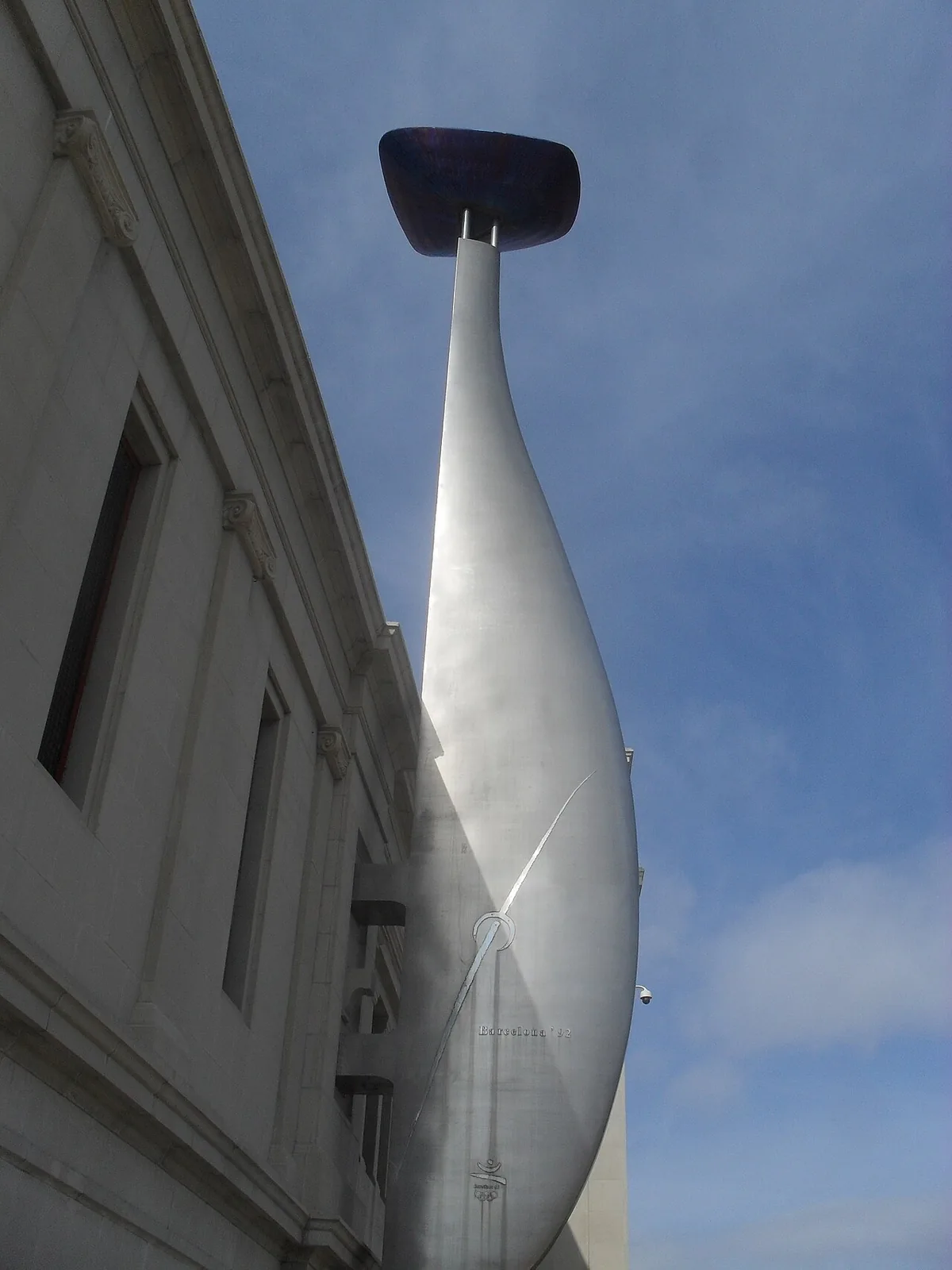
Montjuïc’s Olympic Ring gathers sports venues built or renewed for the 1992 Games, including the Olympic Stadium, Palau Sant Jordi, and the Calatrava communications tower. The ensemble reveals how Barcelona used a mountain landscape to stage an international event and transform its public infrastruc
Montmartre
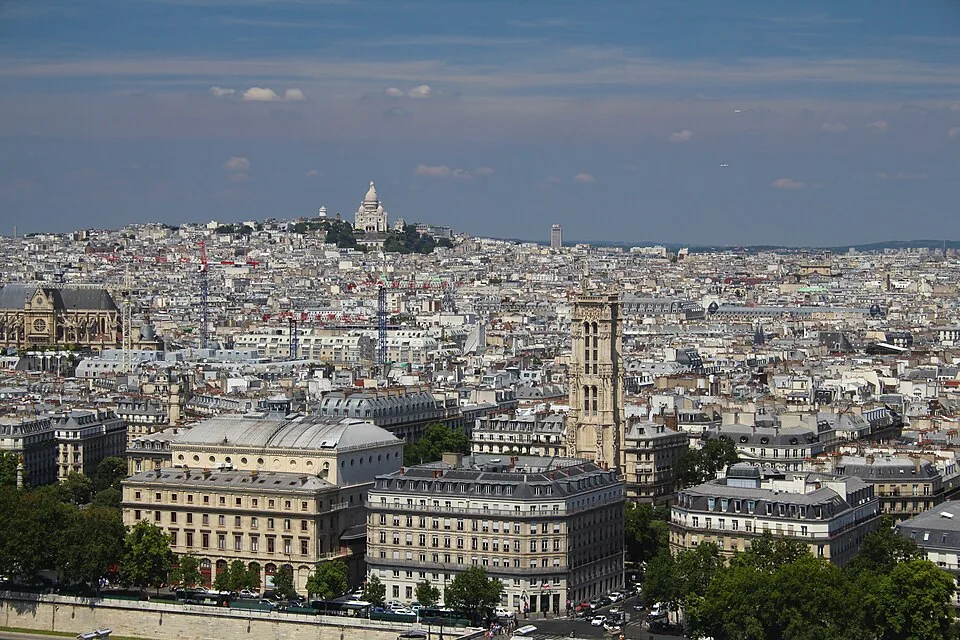
Montmartre’s steep lanes and hilltop views preserve traces of a former village absorbed into Paris. Its vineyards, churches, and artists’ studios tell different stories about rural life, religious history, and the making of a cultural district.
Monumental Cemetery
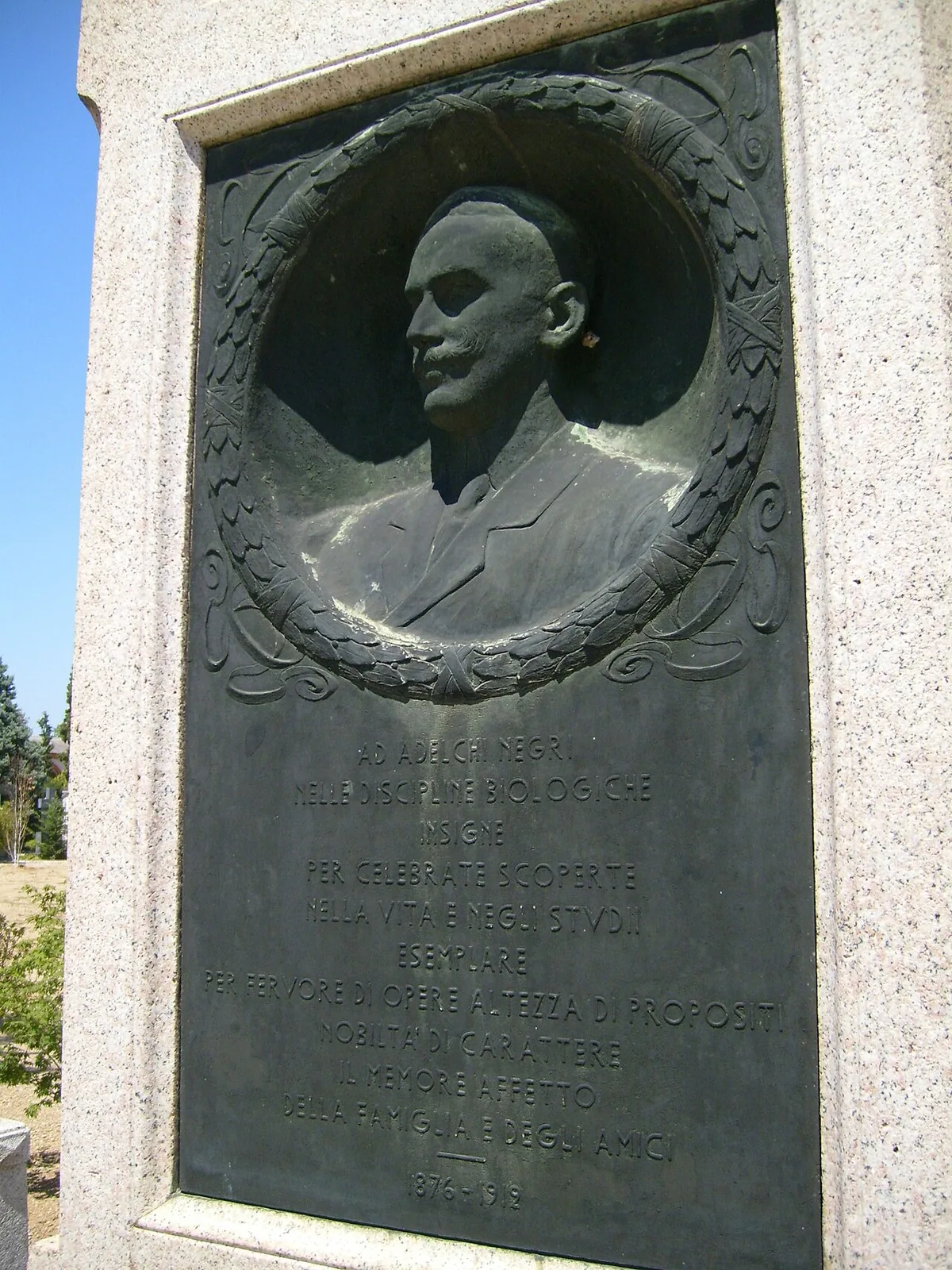
The Monumental Cemetery makes remembrance visible through architecture and sculpture. Opened in 1866, it is both a burial place and an outdoor record of changing artistic styles, with distinct sections reflecting different communities and traditions.
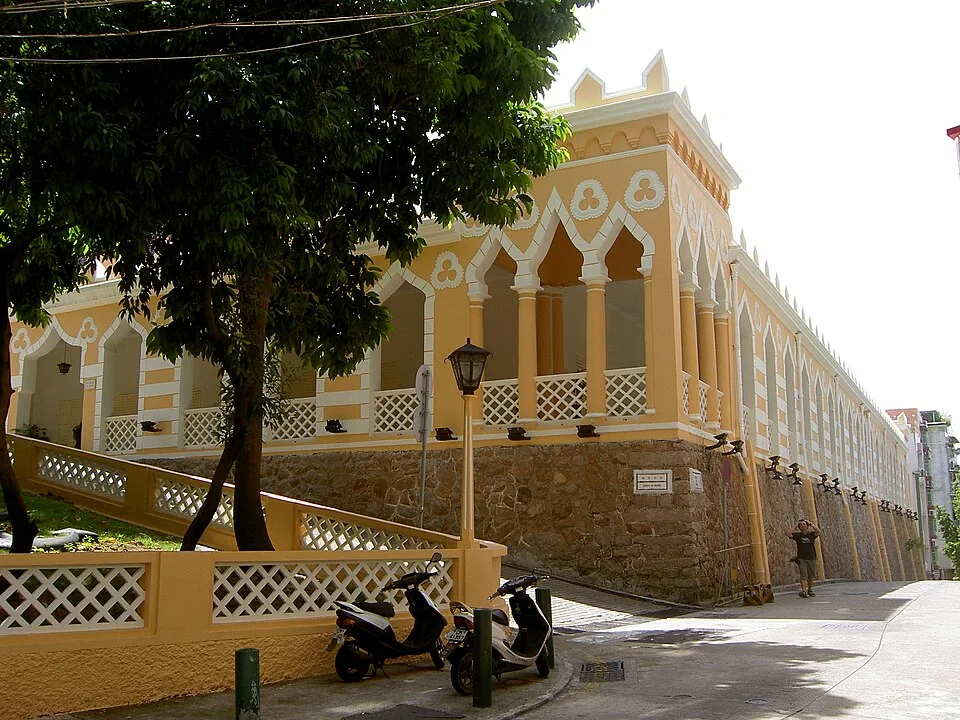
Moorish Barracks
The Moorish Barracks combines a restrained neoclassical mass with details influenced by Mughal architecture. Built to house a police regiment from Goa, the building reflects Macao’s role as a port shaped by movement across Portuguese-administered territories and Asian trade routes.
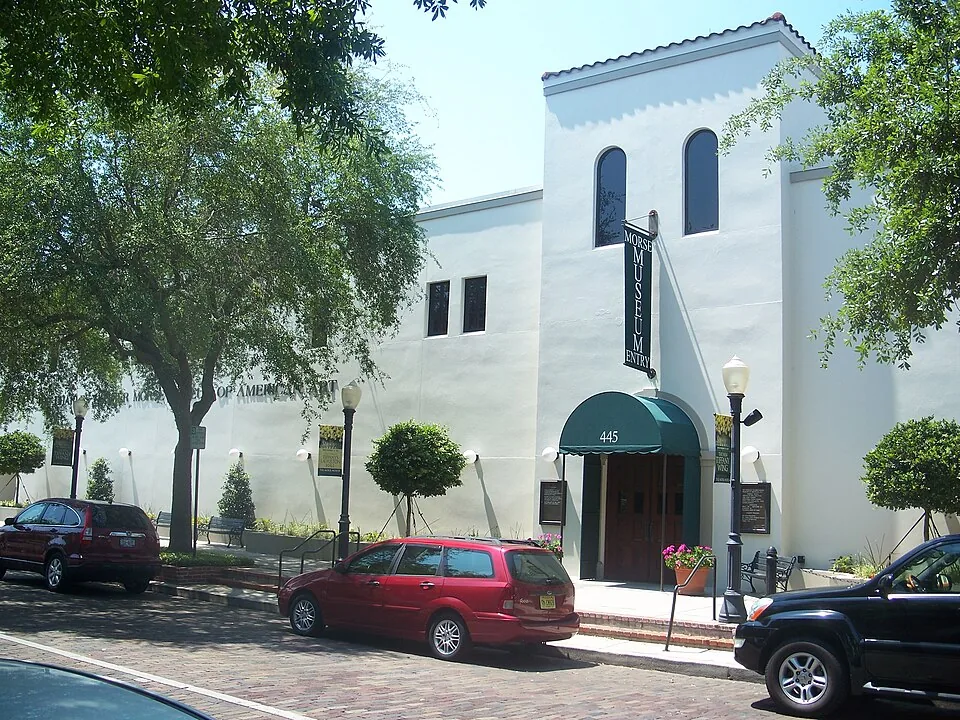
Morse Museum of American Art
The Charles Hosmer Morse Museum of American Art holds an extensive collection of works by Louis Comfort Tiffany. Glass, lamps, windows and architectural fragments reveal Tiffany’s work across media, while the museum reconnects pieces once dispersed from his Long Island estate.
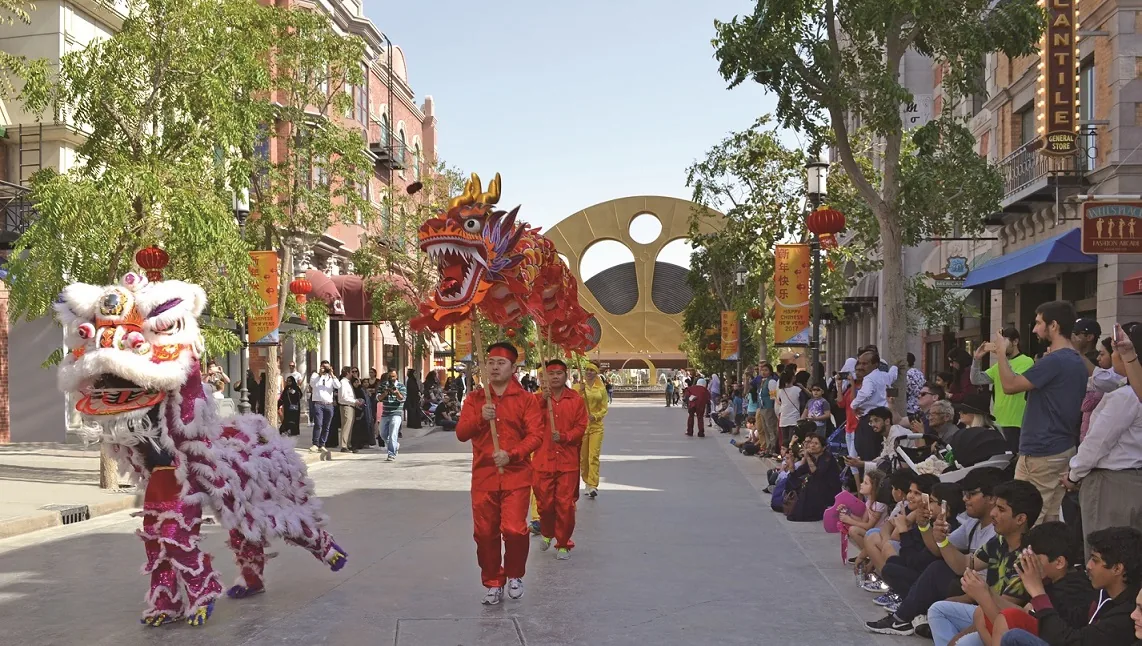
Motiongate Dubai
Five themed zones bring film-inspired worlds together at Motiongate Dubai. The park translates screen stories into walk-through settings and attractions, making the shift from cinema to physical space its central design idea.
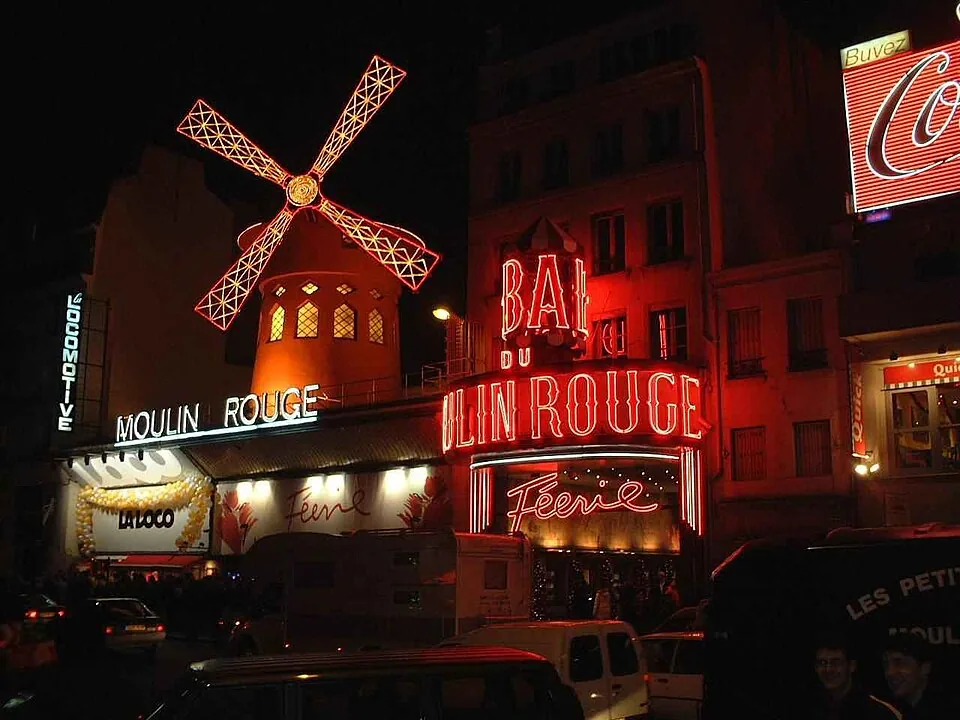
Moulin Rouge
The Moulin Rouge’s red windmill recalls the many windmills that once crowned Montmartre’s hill. Opened in 1889, the cabaret became a stage for popular dance, nightlife, and a visual image of modern Paris.
Mount Takao
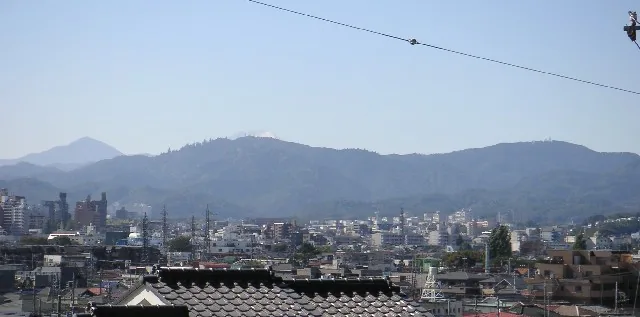
Mount Takao rises on Tokyo’s western edge, with forest trails leading toward Yakuō-in, a Buddhist temple established in 744. Its accessible summit routes draw day hikers, but the mountain’s identity also comes from centuries of Shugendō practice and devotion to Izuna Daigongen.
Mouth of Truth
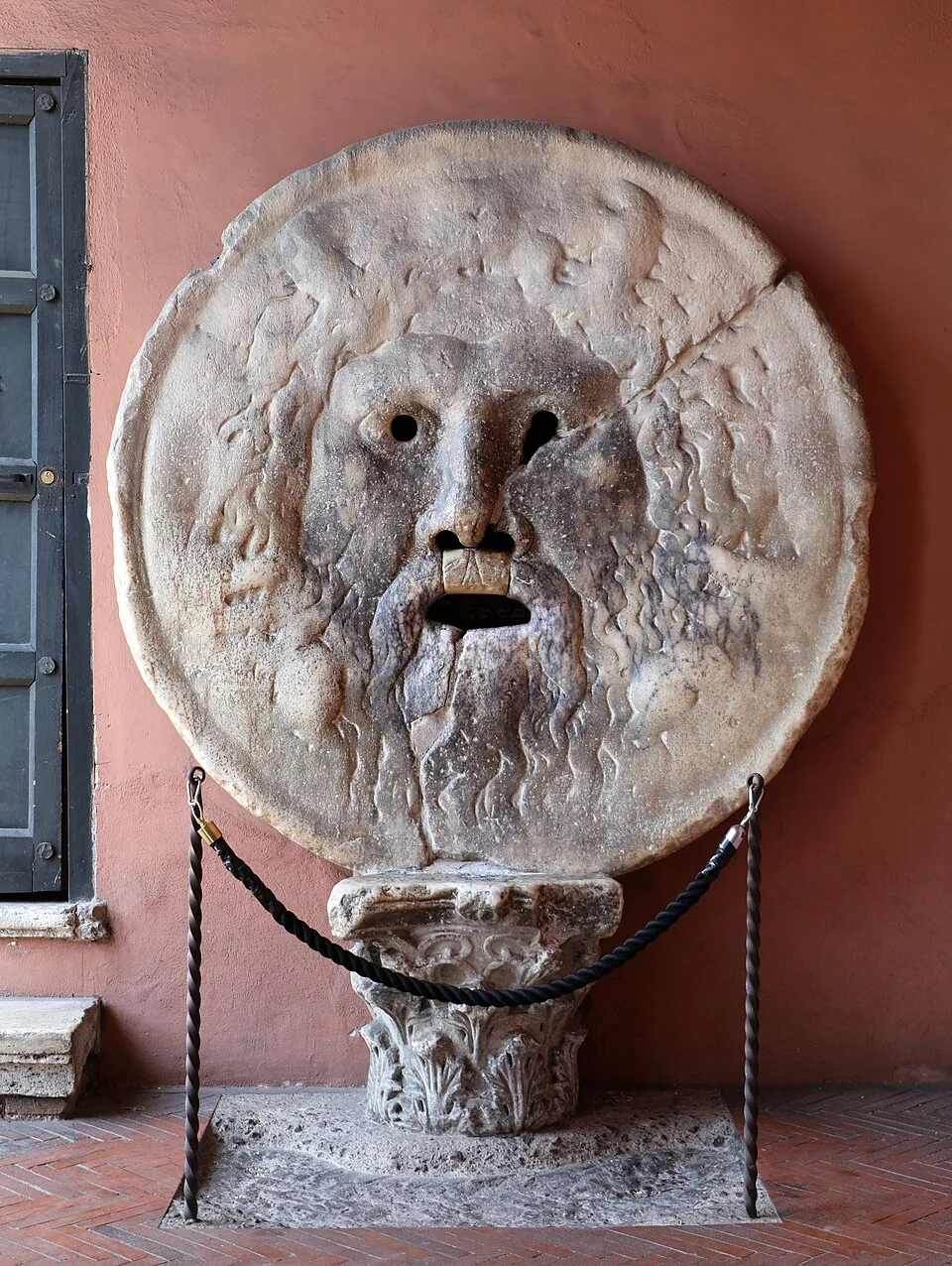
The Mouth of Truth is a large marble face set in the portico of Santa Maria in Cosmedin. Its familiar role as a truth detector belongs to medieval legend; the more likely Roman-era utility of the disk connects it to the city’s ancient water infrastructure.
Mudec
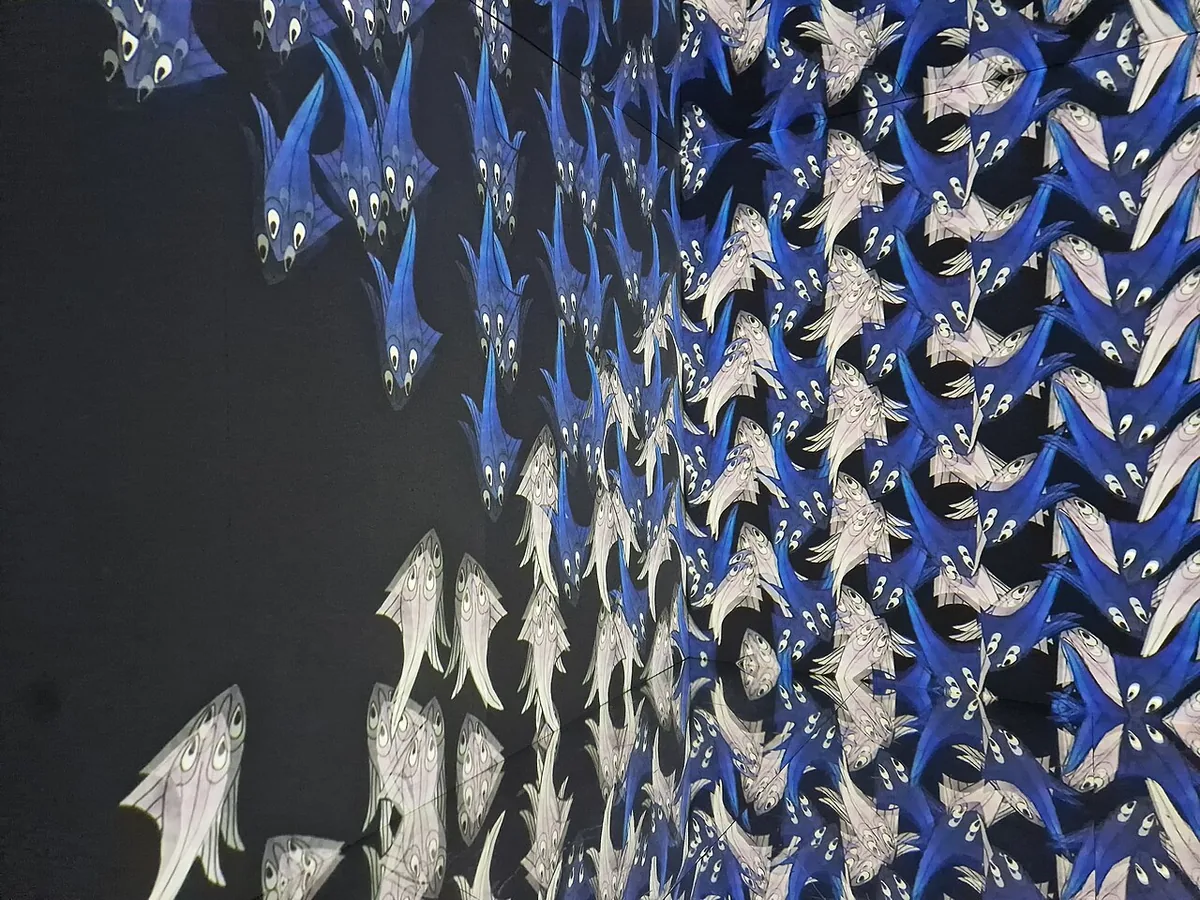
MUDEC occupies Milan’s former Ansaldo industrial complex, where the covered Agora links the museum’s galleries. Its architecture turns a factory site into a meeting place for art and exchange, making the building’s reuse part of the visit.
Munttoren
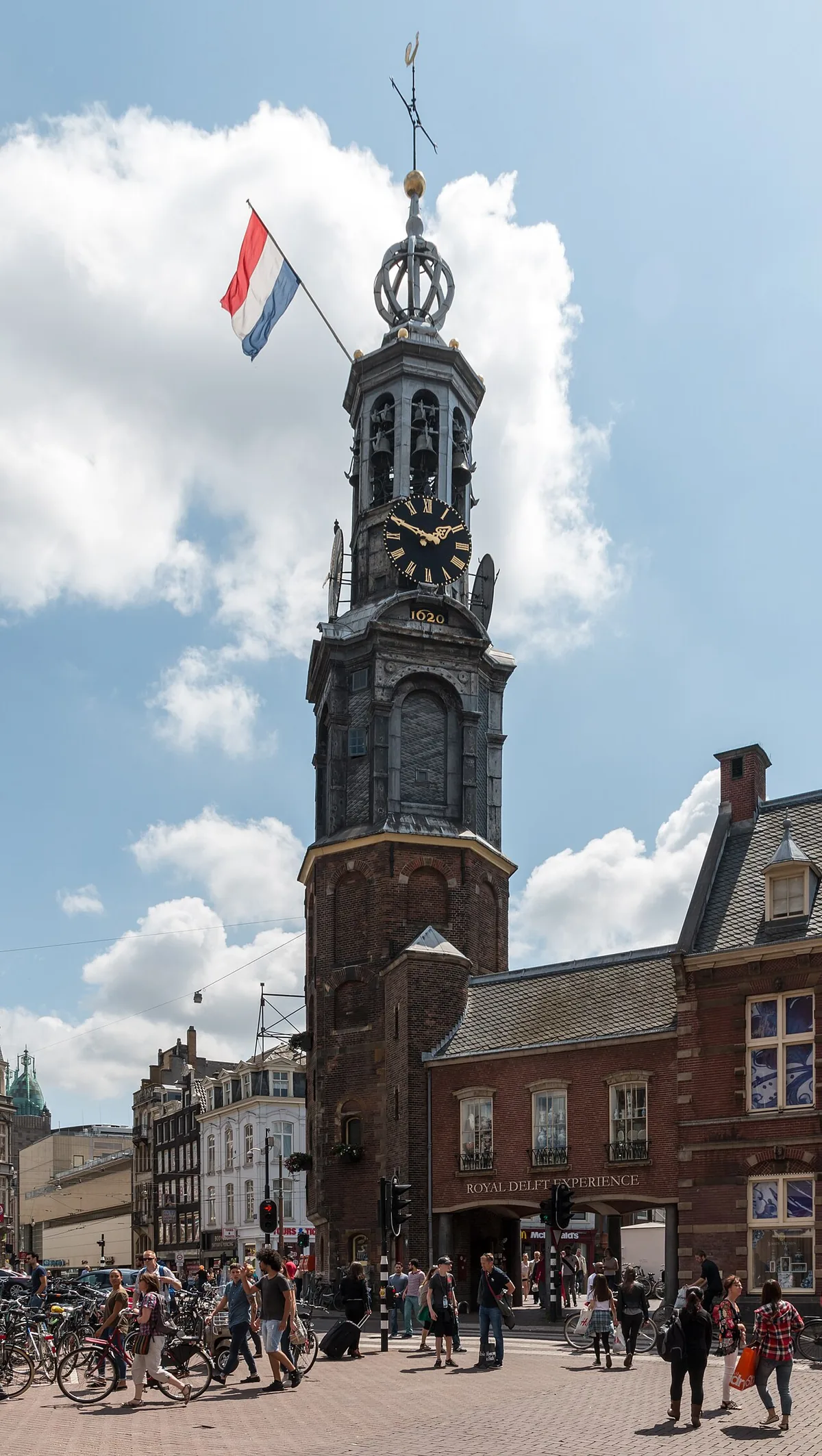
The Munttoren rises where the Singel meets the busy Muntplein, its clock and carillon marking a former city gate. Fire destroyed most of the Regulierspoort in 1618; the surviving western tower was rebuilt into the landmark seen today.
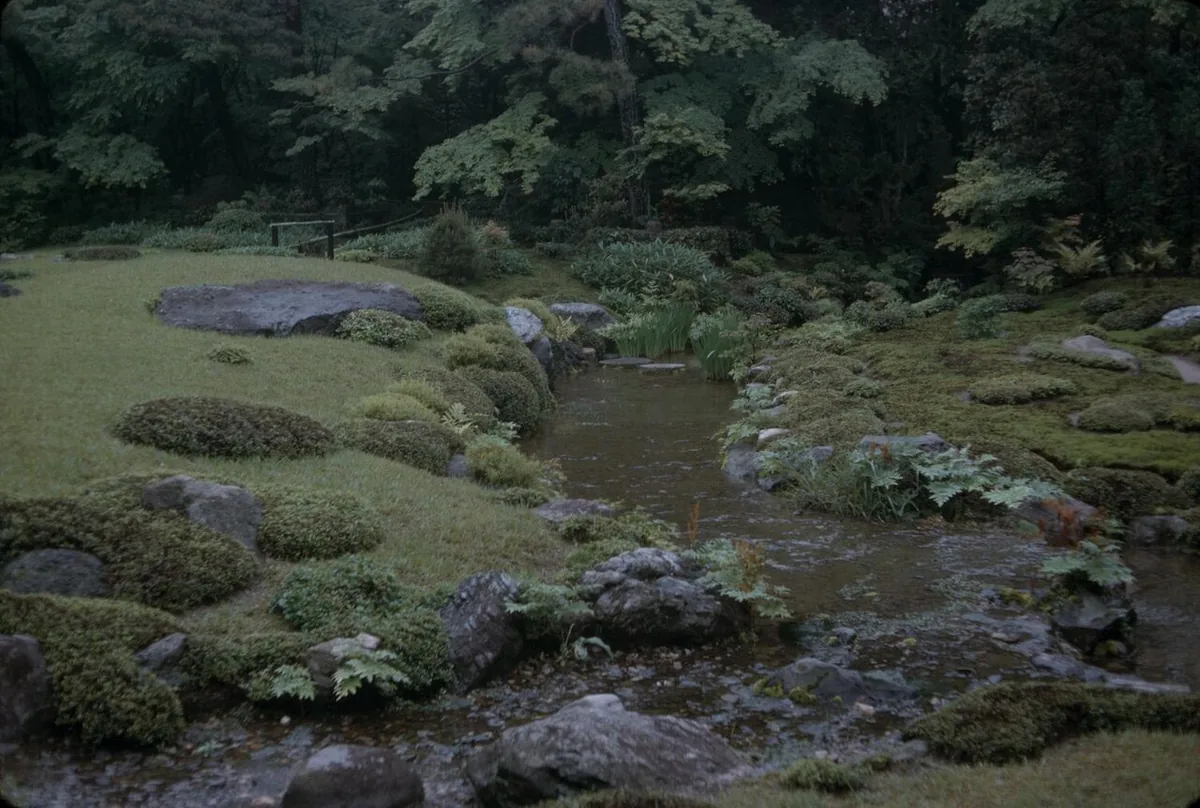
Murin-an Garden
Murin-an is a modern Japanese garden built as a villa for statesman Yamagata Aritomo. Its open lawn, flowing water, and view toward the Higashiyama mountains differ from more enclosed garden traditions, revealing a late nineteenth-century approach to landscape and political retreat.
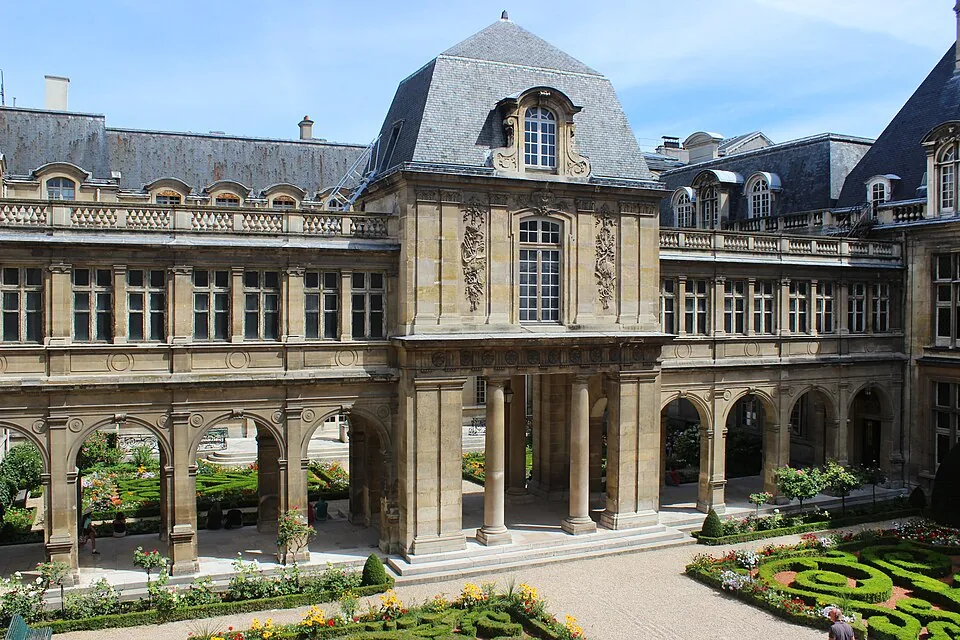
Musée Carnavalet
Two adjoining Marais mansions house a museum devoted to Paris itself. Renaissance courtyards, painted rooms, and objects from the city’s past make the architecture part of the collection, so the visit moves through both a history museum and historic homes.
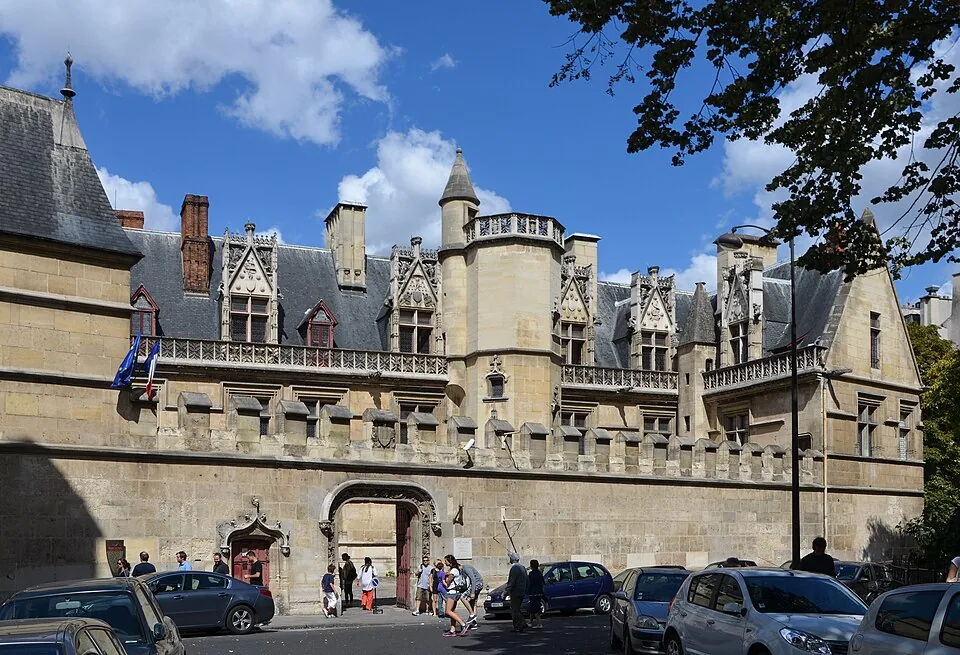
Musée de Cluny
The Musée de Cluny joins a late-medieval abbots’ residence with the remains of Roman baths. Its unusual juxtaposition makes the site itself the exhibit: successive buildings rose over ancient structures, preserving fragments of Paris across nearly two millennia.
Musée de la Chasse et de la Nature
The Musée de la Chasse et de la Nature occupies two historic Paris townhouses and brings historic collections into dialogue with contemporary art. Its rooms explore changing relationships between humans and the living world through objects, images, and installations.
Musée de l’Armée
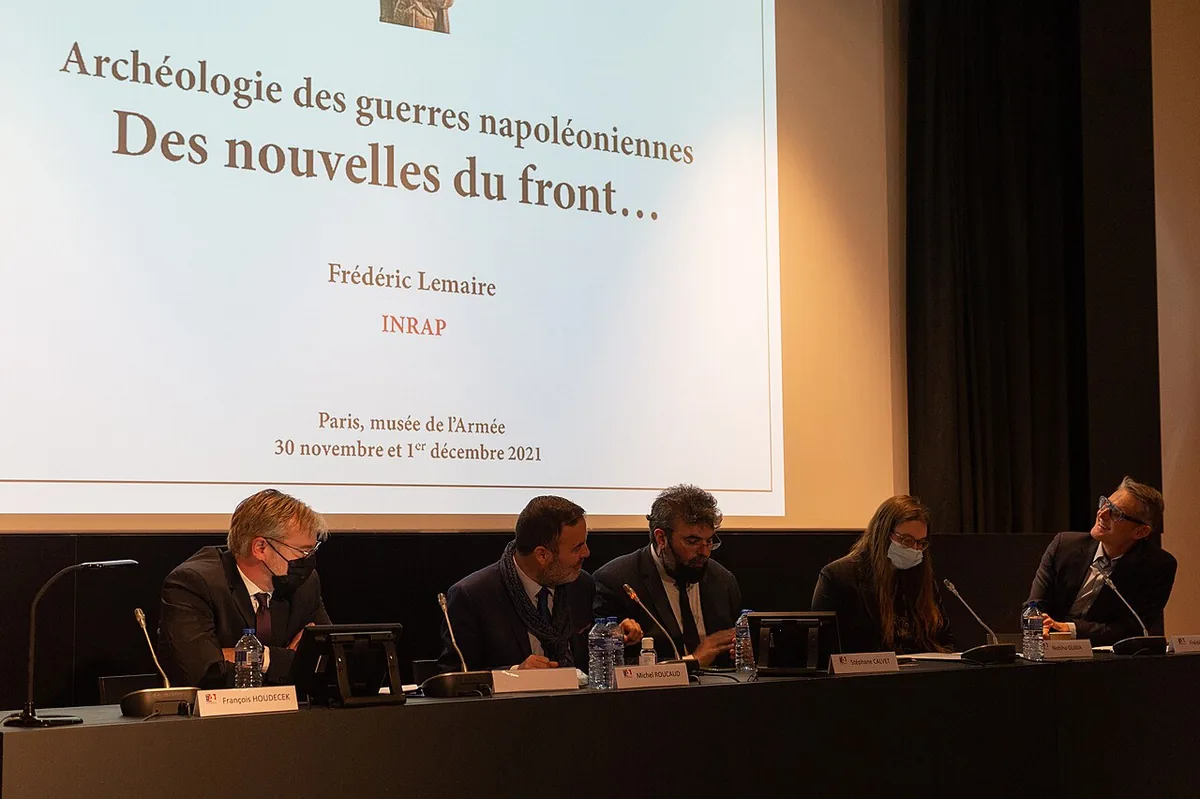
Musée de l’Armée occupies historic Hôtel des Invalides, where military objects are displayed within the institution created to house veterans. Its collections connect weapons, uniforms, and personal histories to the changing purposes of the complex around them.
Musée de la Vie Romantique
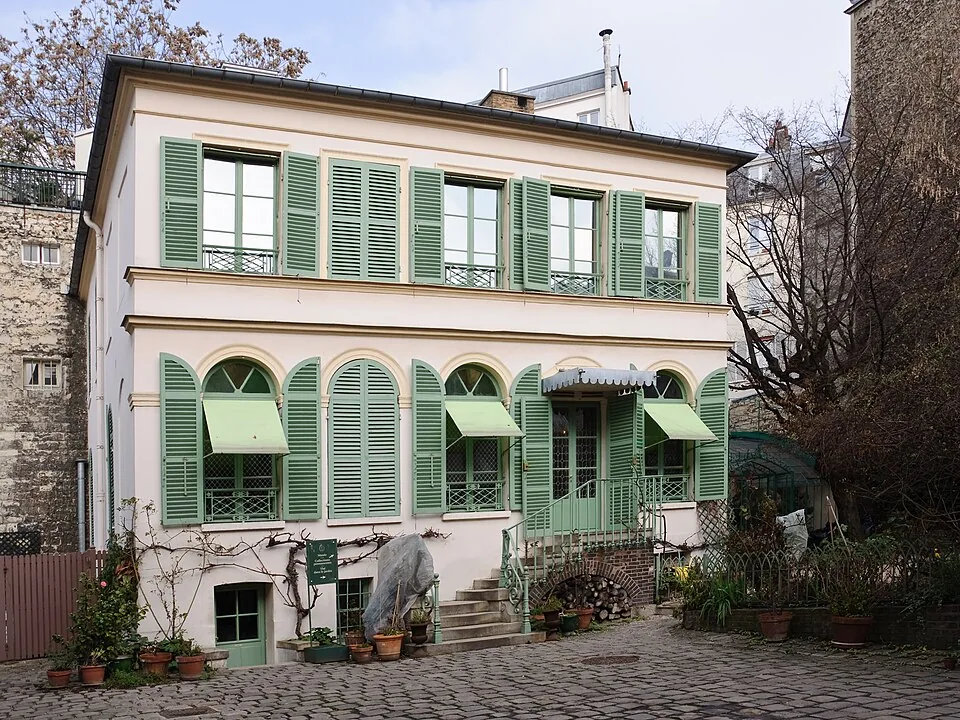
The Musée de la Vie Romantique occupies the former home and studios of painter Ary Scheffer in the Nouvelle Athènes district. Built in 1830, the house hosted artists and writers and preserves the domestic scale of nineteenth-century creative life.
Musée de l’Orangerie
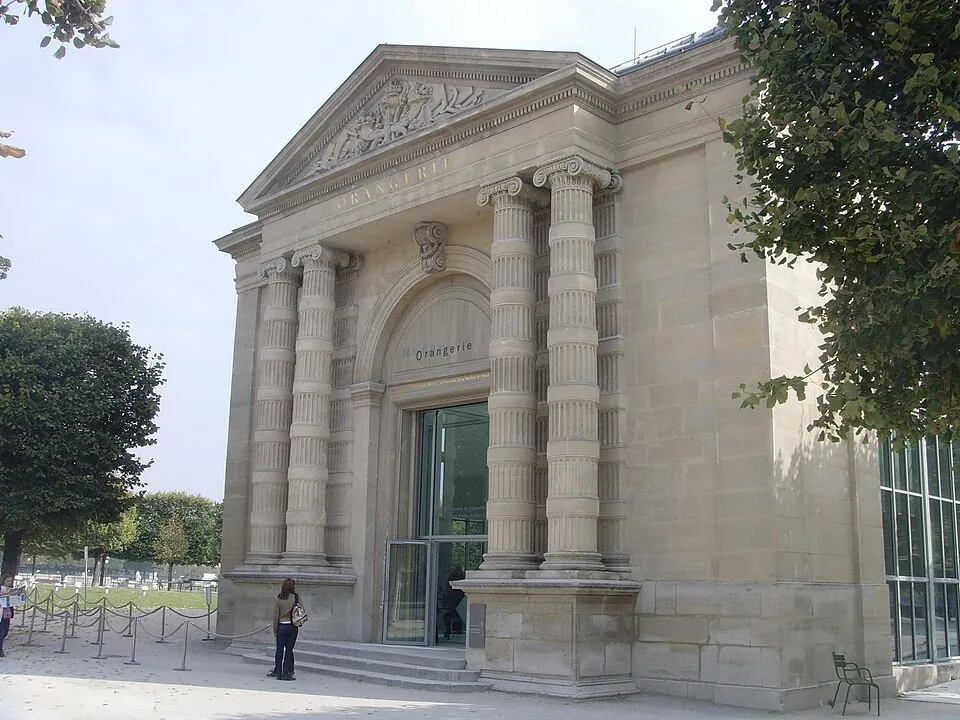
Musée de l’Orangerie’s oval rooms were designed around Monet’s large Water Lilies panels. The paintings began as a gift to France after World War I, and their immersive arrangement invites visitors to experience a garden not as a view from outside but as an enveloping environment.
Musée des Arts et Métiers
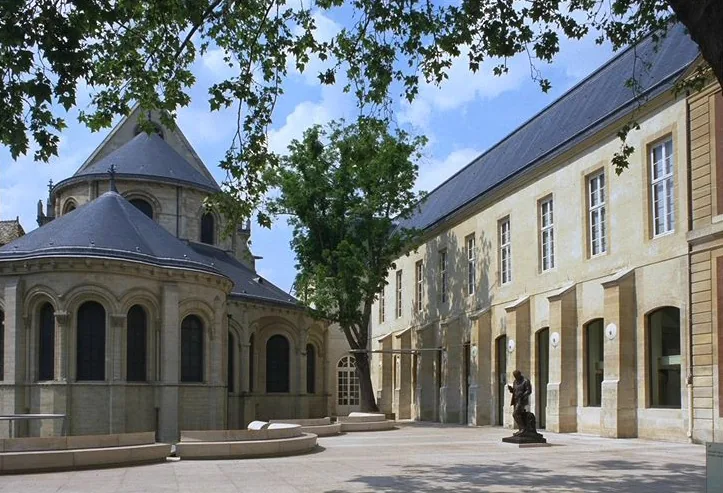
In the former priory of Saint-Martin-des-Champs, ingenious machines and scientific instruments occupy a historic religious complex. The museum grew from a Revolutionary-era mission to gather useful inventions, turning technical objects into tools for public learning.