Explore locations
Browse places by name, city, country or category.
All locations
1624 locations
Magic Kingdom Park
Cinderella Castle anchors Magic Kingdom Park, but the park unfolds as a series of distinct themed areas radiating from its central hub. That layout turns a familiar fairytale entrance into a guide for moving between different kinds of imagined places.

Maiden’s Tower
The Maiden’s Tower stands on a tiny islet where the Bosphorus meets the Sea of Marmara. Across centuries, the isolated tower has served practical maritime and defensive roles, while stories attached to it have made the silhouette part of Istanbul’s popular imagination.
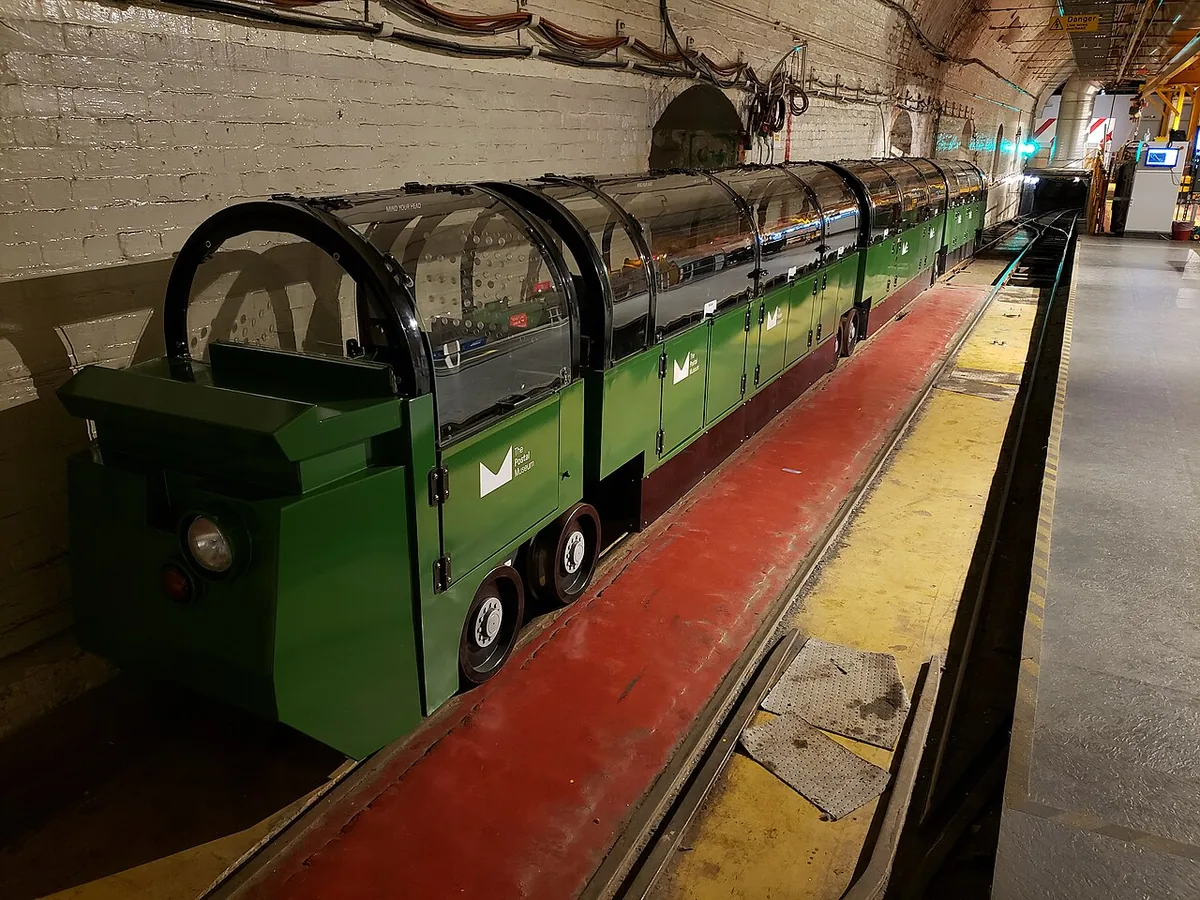
Mail Rail at The Postal Museum
Mail Rail was a driverless electric railway beneath London, built to move post between sorting offices and railway stations. Opened for parcel traffic in 1927 and closed in 2003, it reveals the hidden infrastructure that once kept the city’s postal network moving.

Maison de Nicolas Flamel
The house at 51 Rue de Montmorency is associated with Nicolas Flamel and dates to 1407. Its façade preserves an inscription tied to charitable lodging, while the famous alchemist stories belong to later legend rather than verified biography.

Makkah Mall
Makkah Mall is a modern commercial center in the Al Jamiah district, where daily shopping and family leisure meet the needs of a large city. Its role is practical: it offers residents a familiar urban gathering place beyond the central sacred precinct.

Makkah Museum
Makkah Museum occupies Qasr al-Zahir, a former royal palace converted into a museum of the region’s history and archaeology. The building itself is part of the visit: a twentieth-century palace now holds objects tracing much older lives.

Malasaña
At Plaza del Dos de Mayo, the open space recalls a very different scene: the Monteleón artillery headquarters and the uprising of 2 May 1808. Malasaña’s name commemorates Manuela Malasaña, whose memory links this lively district to Madrid’s resistance and later cultural change.

Mall of the Emirates
Mall of the Emirates opened in 2005 as a shopping destination that joined retail with leisure under one roof. Its signature indoor snow attraction makes the building a useful case study in Dubai’s approach to climate-controlled public entertainment.

Manavgat Waterfall
A broad, low curtain of water crosses the Manavgat River rather than plunging from a great height. The waterfall’s character comes from width and volume, offering a lively riverside scene shaped by the larger flow of the Manavgat basin.
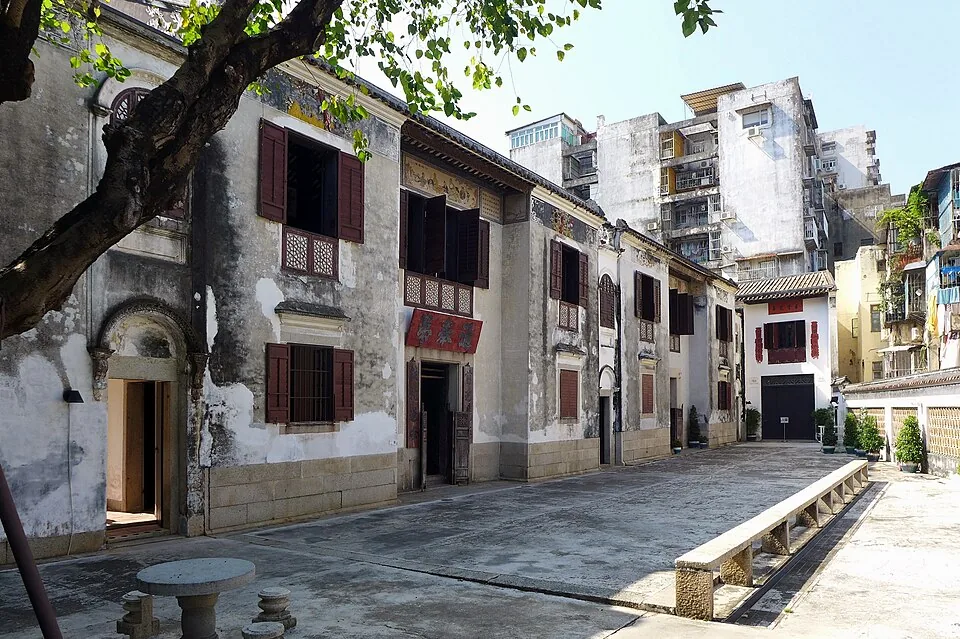
Mandarin's House
Mandarin’s House is a large family compound whose courtyards and layered rooms reveal a domestic world shaped by Chinese tradition and Western influences. Associated with reformer and writer Zheng Guanying, it shows how a residence could grow, adapt, and later become a public heritage site.

Mangaļsala Eastern Jetty
The Eastern Jetty stretches from Mangaļsala into the Gulf of Riga at the Daugava’s mouth. Built to help keep the shipping channel navigable, it links port engineering with a landscape of dunes, coastal defences and maritime memory.

Mangwon Market
Mangwon Market serves its neighborhood through produce, prepared food and small specialist shops under one roof. Its long-running local role now overlaps with a younger food culture and nearby riverside recreation.

Man Mo Temple
At Man Mo Temple, coils of incense hang above a compact sequence of halls. The richly worked roof and altar belong to a community institution that joined worship with civic life in nineteenth-century Hong Kong.

Maokong Gondola
The Maokong Gondola carries passengers from Taipei Zoo into the foothills, changing the city view into a landscape of valleys, tea plantations, and hillside settlements. Its route makes everyday transit itself a way to read the terrain.

Marble Arch
Marble Arch began as a ceremonial entrance to Buckingham Palace, designed by John Nash for George IV. Its present position at Cumberland Gate dates from 1851, when palace expansion required the arch to be rebuilt beside Hyde Park.

Marina Bay Sands
Three hotel towers curve inward beneath the long Sands SkyPark, giving Marina Bay Sands its unmistakable outline. Architect Moshe Safdie conceived the resort as an integrated development, linking hotel, public spaces, cultural venues, retail, and waterfront activity in one complex.
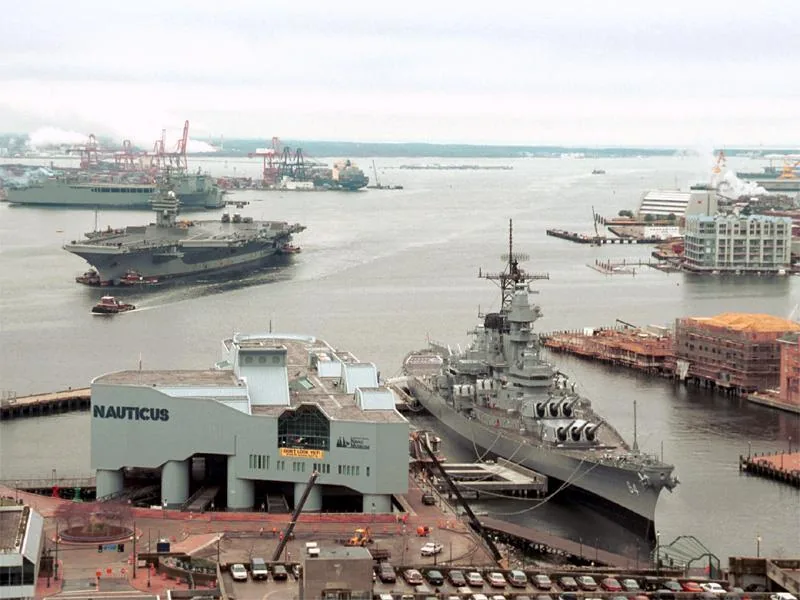
Maritime Museum
At the Maritime Museum, a ship-shaped profile faces the water beside A-Ma Temple. Its location and exhibitions link Macao’s seafaring traditions with the technology, work and exchanges that connected the city to other ports.

Maruyama Park
Maruyama Park joins a strolling garden, pond, and celebrated shidare-zakura in eastern Kyoto. As the city’s oldest public park, it layers public recreation onto a landscape shaped by gardeners and neighboring temples and shrines.

Masjid Aisha (Taneem Mosque)
Masjid Aisha at Taneem lies at the edge of Mecca’s sacred boundary and is associated with Aisha’s ihram during the Farewell Pilgrimage. Its position clarifies how the city and the surrounding boundary relate to Umrah practice.

Masjid al-Bay’ah
Masjid al-Bay’ah commemorates the pledge at al-Aqabah that connected the Prophet Muhammad with supporters from Yathrib. The modest historic mosque stands near Mina, where a political promise helped set migration and community-building in motion.

Masjid al-Haram
Masjid al-Haram surrounds the Kaaba in Mecca and is Islam’s most sacred mosque. Its vast courtyards and layered colonnades accommodate worshippers arriving from across the world, while the Kaaba remains the spiritual focal point at the centre of the complex.

Masjid al-Jinn
Masjid al-Jinn stands near al-Ma‘la Cemetery in Mecca and is associated with the Qur’anic account of jinn hearing the recitation. Its other name, the Mosque of the Guard, preserves a separate memory of the city’s later civic life.

Masjid al-Ji’ranah
Masjid al-Ji’ranah stands northeast of Mecca in a valley associated with the aftermath of the Battle of Hunayn. The place links the distribution of spoils, reconciliation with Hawazin, and the Prophet’s later journey back toward Medina.

Masjid al-Khayf
Masjid al-Khayf sits on Mina’s southern slope, close to the smaller Jamarat. The name describes its terrain—a slope between mountain and valley—and the mosque links the Hajj camp to a long tradition of worship at this site.